

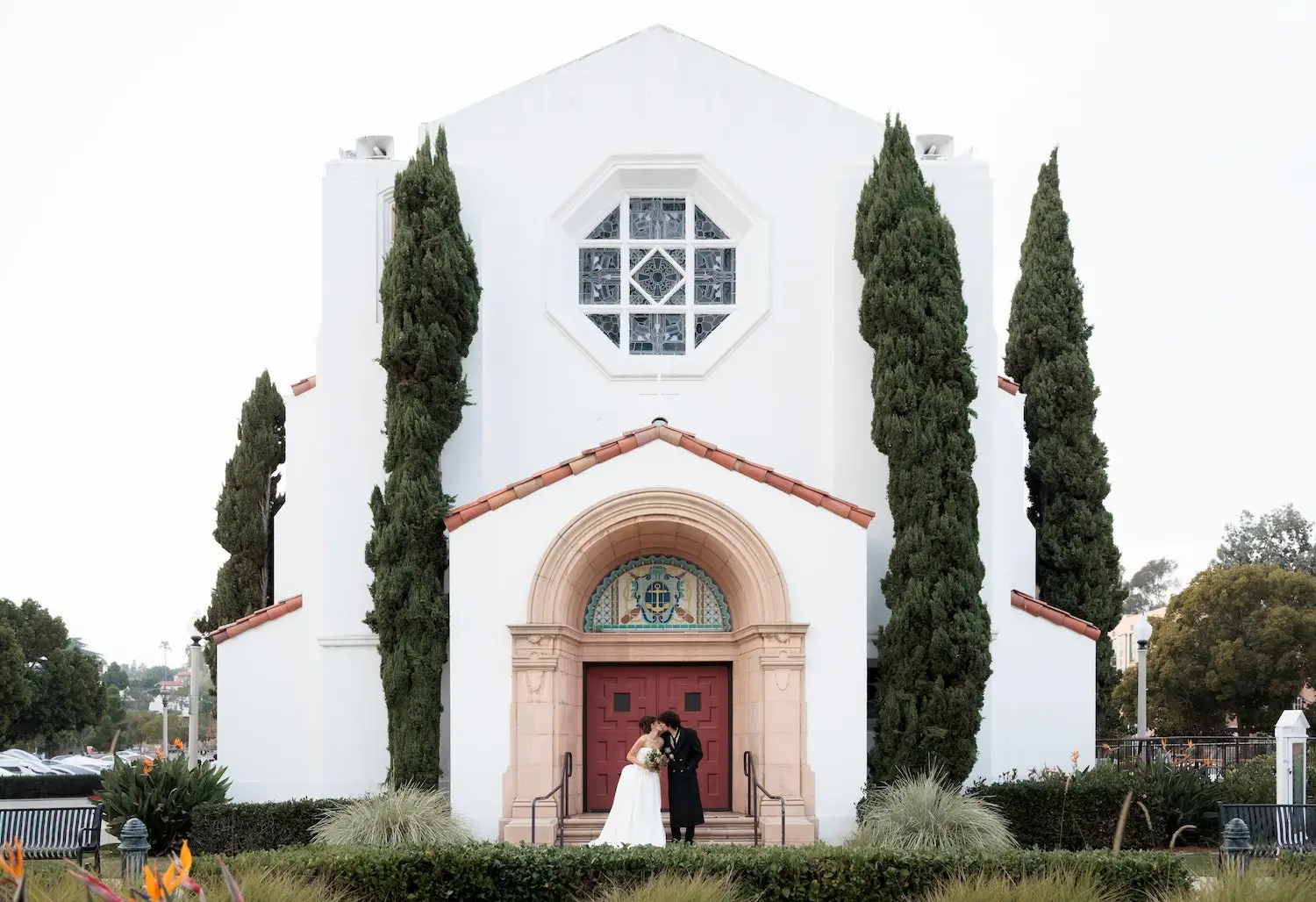

For more than 80 years, the North Chapel has been one of Liberty Station’s defining silhouettes. Opened in 1942, the multi-faith chapel has hosted Navy services, weddings, memorials, and countless community milestones during wartime years. Its story stretches from religious services for military men and women to cultural anchor.
Then came a stalemate. In 2018, a new tenant, 828 Events, proposed a modernization of the building’s interior, sparking fierce pushback from preservationists and neighbors. The San Diego Union Tribune reported that the online leasing opportunity boasted the chapel would be “perfect for a restaurant or retail tenant.” The suggestion that the historic chapel may become a restaurant caused uproar from local community members. According to Congressman Scott Peters’ official website, his office requested an investigation by the City Attorney. The plan was halted, but what remained was a structure in limbo.
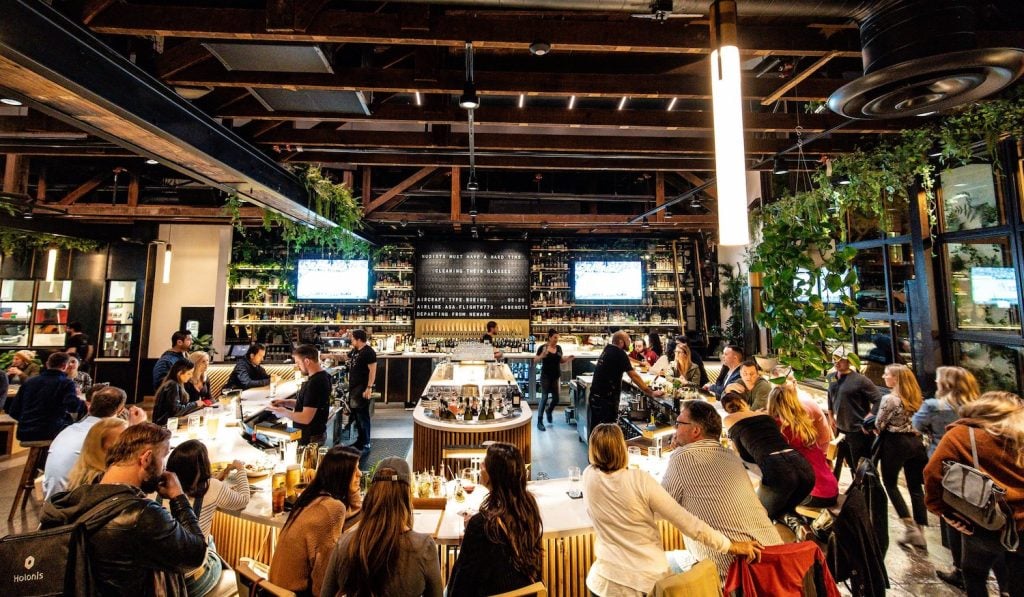
In the years following, Liberty Station reshaped itself; breweries opened, restaurants buzzed with crowds, and gelato melted on children’s hands in sunny courtyards. The chapel remained unopened in a district otherwise reborn—until now, when Snake Oil Venue Company became its new stewards.
If you’re wondering why a company known for cocktails is reopening a historic chapel, the answer is simple: they’re no longer just a cocktail company. In 2019, after a decade crafting cocktails, Snake Oil launched its first venue, Julep, and pivoted into full-service events. Growth snowballed from there. This April, it opened Bramble Bay in Imperial Beach, followed quickly by Vesper at Liberty Station. In just one year, its footprint jumped from 32,000 square feet of event space to more than half a million.
But, even as experienced venue operators, the chapel was a unique endeavor. “This wasn’t acquisition; it was responsibility,” says Snake Oil’s CEO Michael Esposito.
The first time he walked inside, the neglect was unmistakable. “Here was a sacred San Diego landmark sitting quietly in a deteriorated state,” he recalls. Curtains were stained, corners layered with dust, and the once-ornate woodwork was overshadowed by a red carpet that “smelled like damp newspapers.”

The chapel had sat unoccupied since 2019, according to Joe Haeussler, executive vice president of Pendulum Properties Partners, which acquired the leasehold to the chapel and several other Liberty Station properties in 2018. After considering several proposals for the dormant space, Pendulum brought Snake Oil on in 2023 to reopen and steward the building. “We felt their plans were the most respectful of the historic asset and would open the building to the public in the right way,” Haeussler explained.
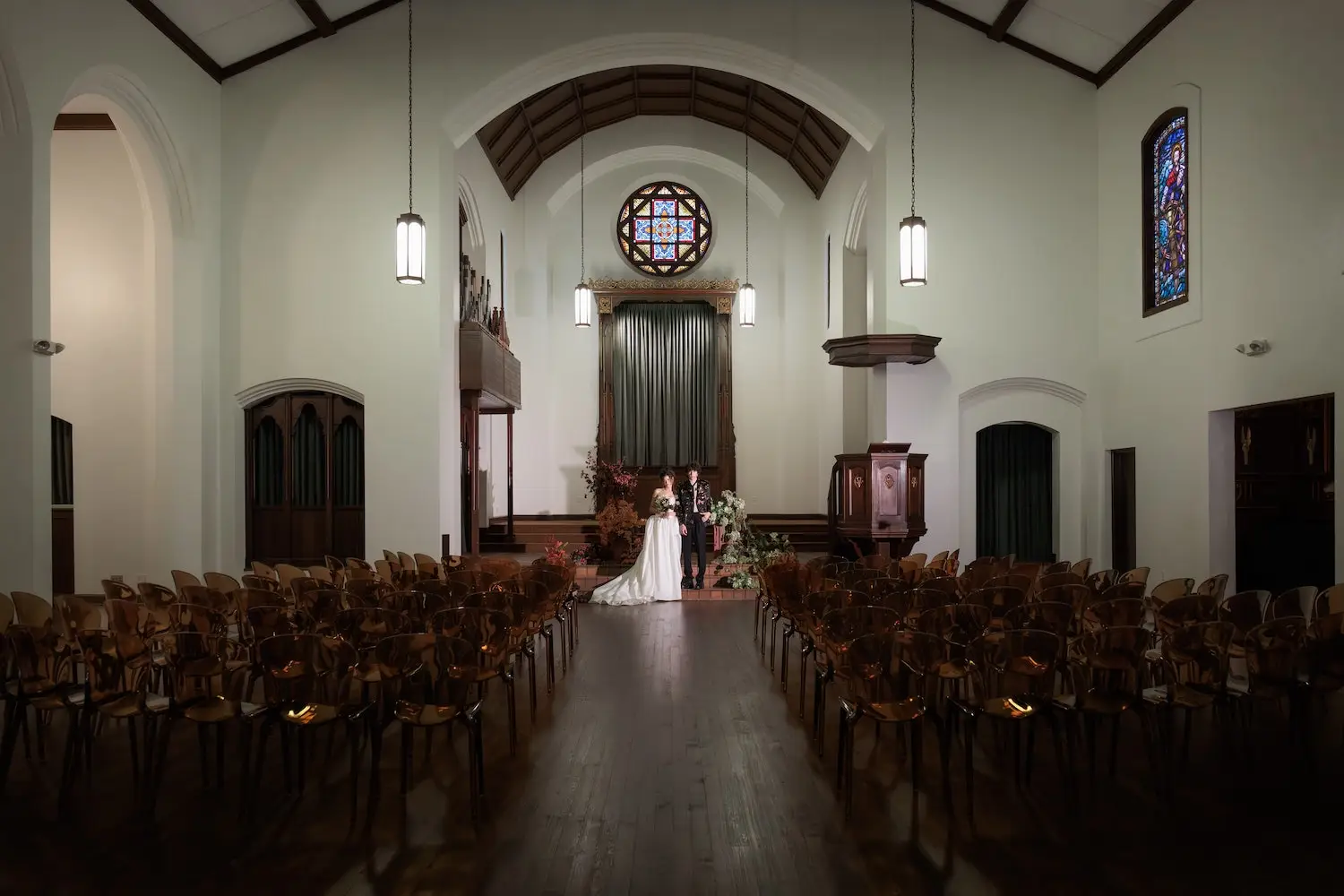
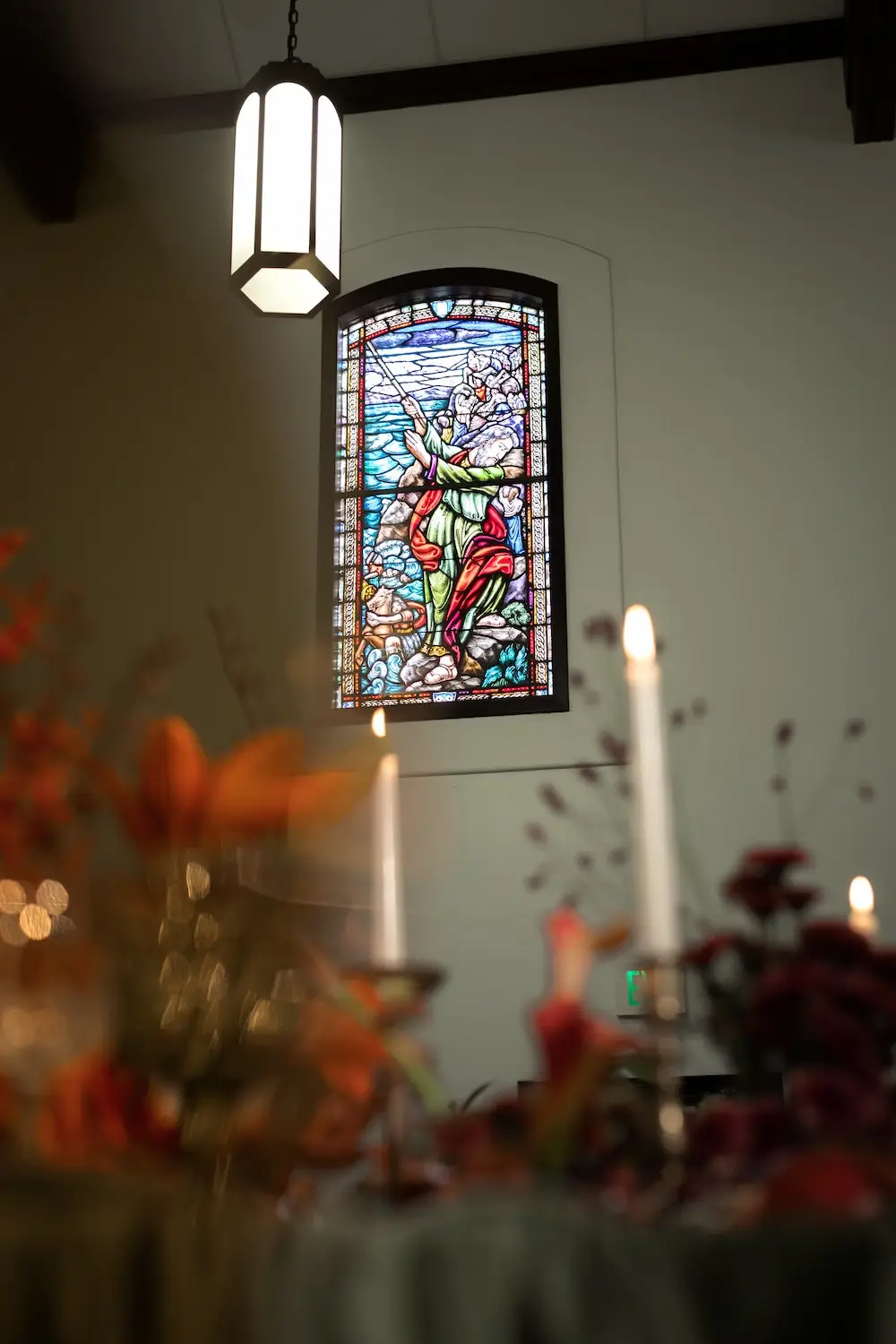
Rather than impose a new vision, Snake Oil chose preservation. While it’s now an events space, it has retained its original intent as a gathering place for the community. Restoration, in this case, meant listening to the building. When the team began pulling up the carpeting, they uncovered exquisite, period-specific 1940s Douglas Fir flooring. They refinished the planks rather than replace them, breathing life back into the chapel’s historic foundation. Even the stained glass windows, which were not part of the original Navy design, remained. The earlier plans featured frosted panes that brought in soft, controlled daylight, but the stained glass had become part of the chapel’s collective memory. The restoration cost nearly $1.2 million.
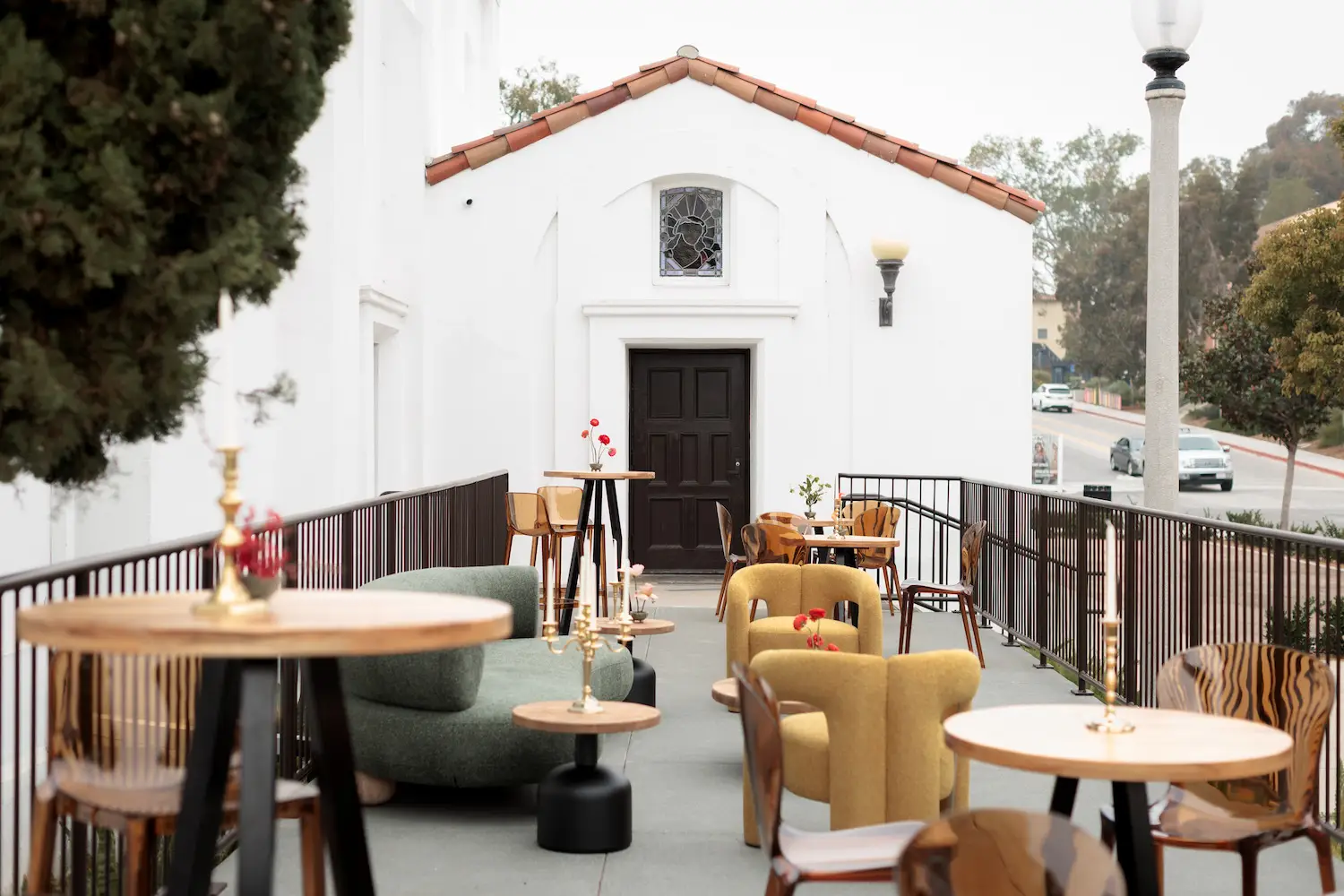
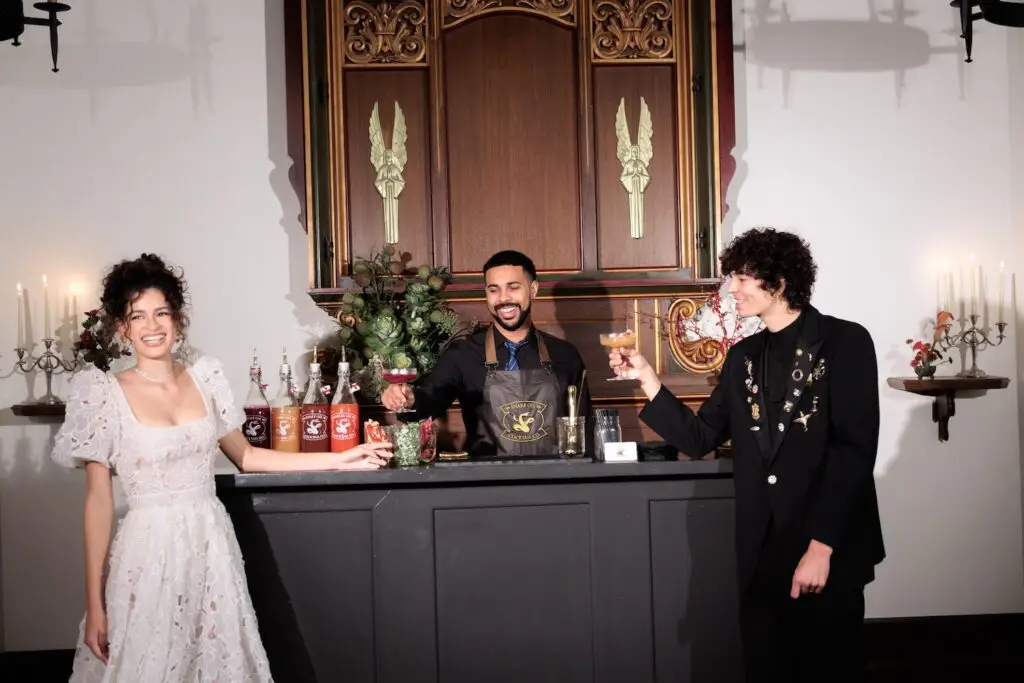
Beyond sentiment and preservation, the North Chapel’s renewed functionality includes a main hall which offers 4,000 square feet of flexible space and seats roughly 425 guests, with additional pew seating on a mezzanine. An adjacent side chapel adds another 600 square feet for more intimate gatherings. Outside, three connected exterior zones (over 3,000 square feet total) provide ample room for receptions, cocktail hours, or garden-style events.The venue will have a preferred-vendor list, with some flexibility for outside vendors. Beverage and cocktail service is handled exclusively by Snake Oil Cocktail Company.
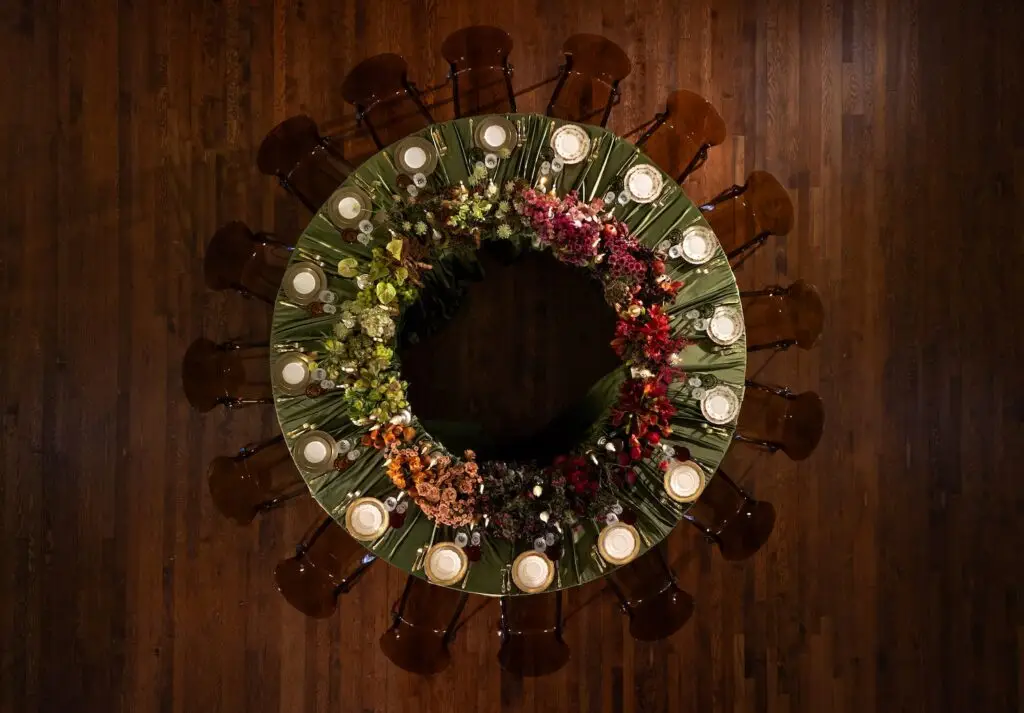
Christopher Bittner at OBr Architecture, Tim Wright of Wright Management, and Andre Childers with Pacific Building Group Construction led the improvement process, while Melissa Strukel of We are Human Kind designed the interiors and furnishings. Bittner says the project was shaped less by reinvention than by attention to what was already there.
PARTNER CONTENT

“The building itself was the inspiration,” he says. Rather than dramatic alteration, the work focused on careful adjustment. “The building needed small, yet thoughtful, modifications to allow the building to be used for the new use. We worked through many options for how the building would function and at each stage thought through the potential historical ramifications.”
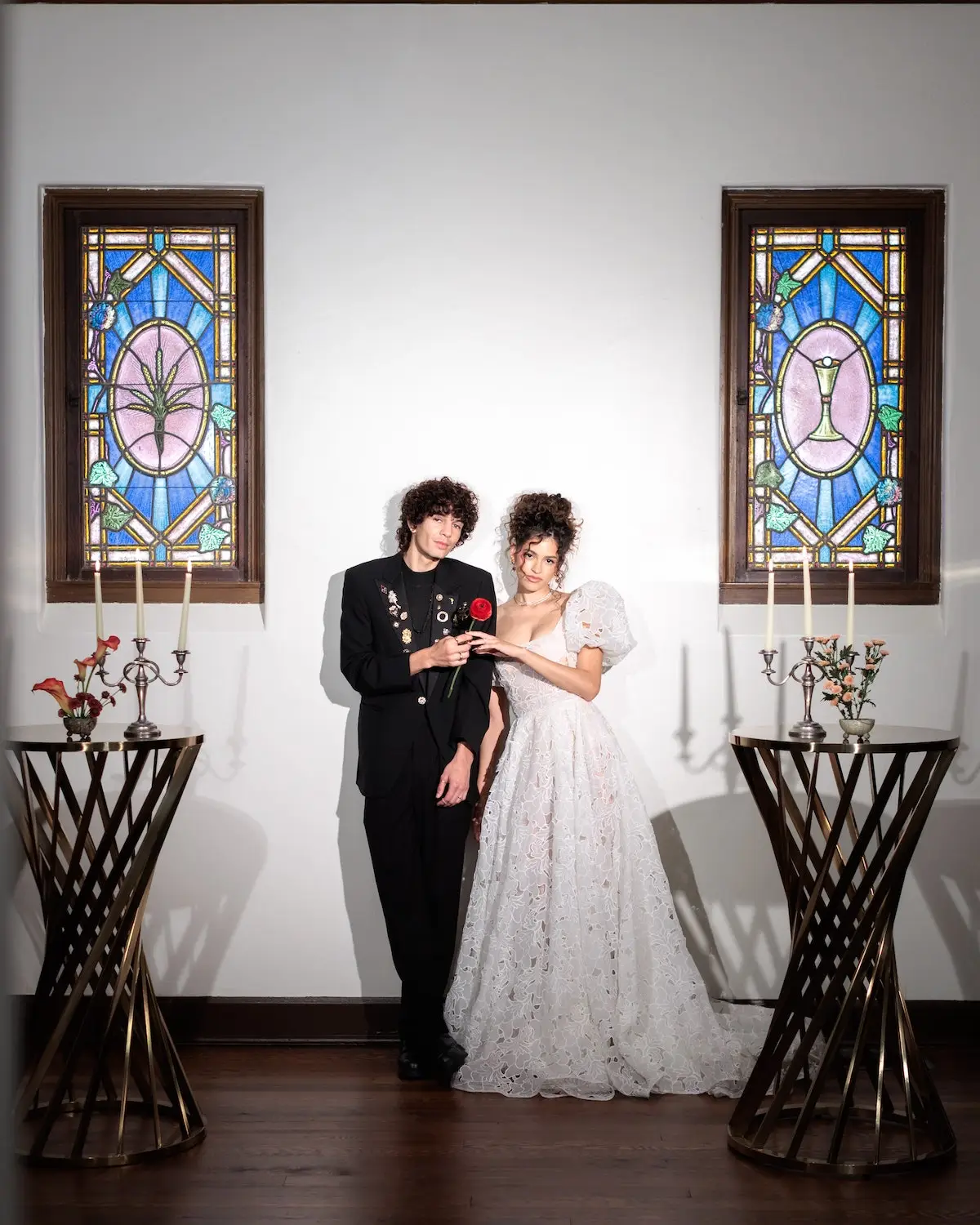
As word spread of the restoration, the stories came streaming in, carried by people whose most meaningful life moments unfolded within its walls. “For some, it was a grandfather who found a moment of resolve here before leaving to serve in World War II,” says Esposito. “For others, a bride who walked down the aisle as a young woman, or the loved one of a first responder whose life was honored within these walls.” The stories varied, but the sentiment was shared: the chapel’s legacy matters.
