Featured articles
Food & Drink
Food & Drink
Features
Featured articles
Things to Do
Things to Do
Food & Drink
Featured articles
Things to Do
Things to Do
Food & Drink
Featured articles
podcast-ep
podcast-ep
podcast-ep
Featured articles
Food & Drink
Features
Food & Drink
Featured articles
Food & Drink
Partner content
Things to Do
Ready to know more about San Diego?
SubscribeReady to know more about San Diego?
The story of how a humble movement turned into a citywide ritual
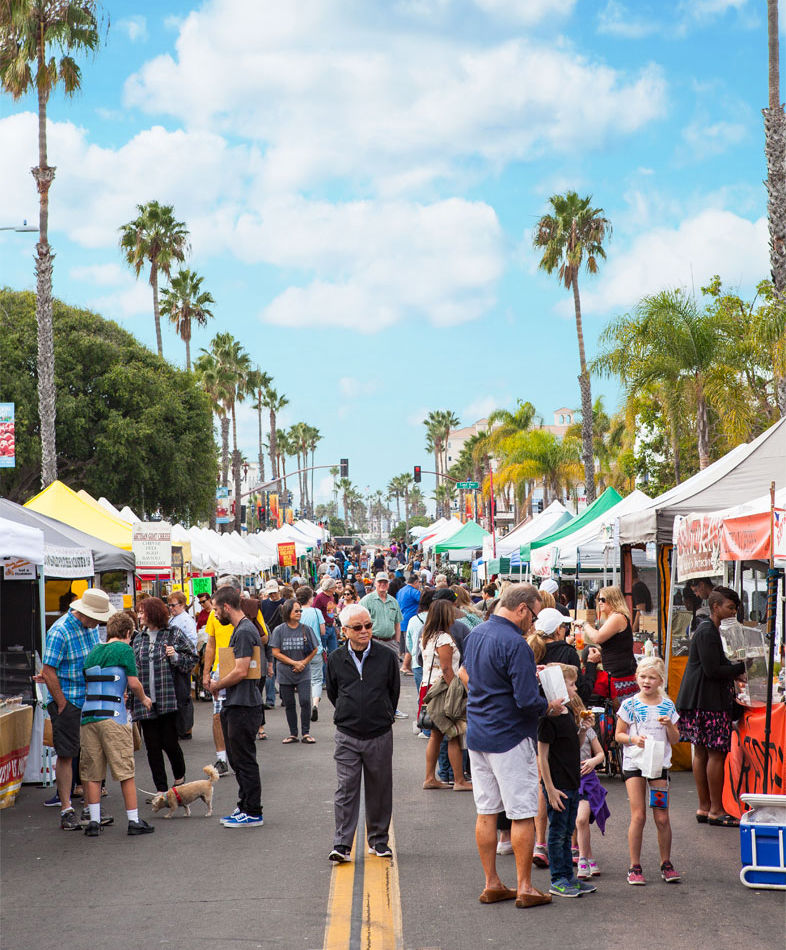
A man is trying to navigate a double-wide baby stroller through the Little Italy Mercato Farmers’ Market. It’s going as expected: like a semitruck attempting to weave in and out of rush hour traffic. Jogging strollers, built wide for stability so children don’t fall out onto the sidewalk, also struggle. Compact, economy fold-ups seem the best for this experience.
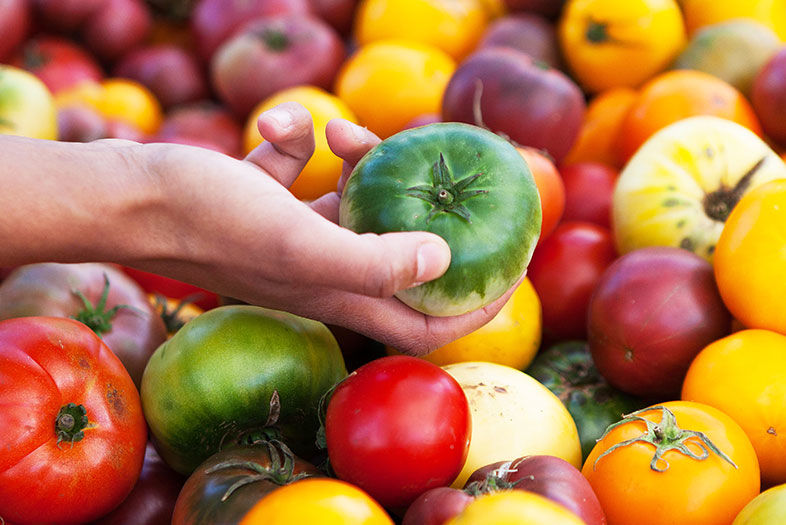
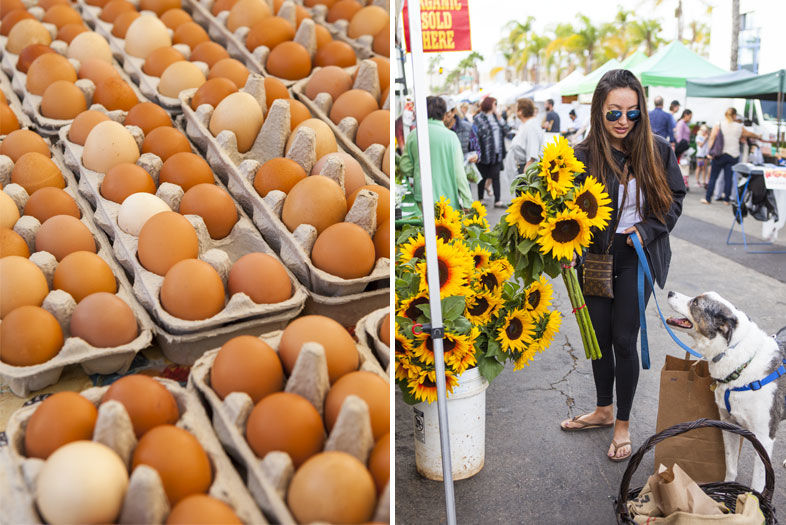
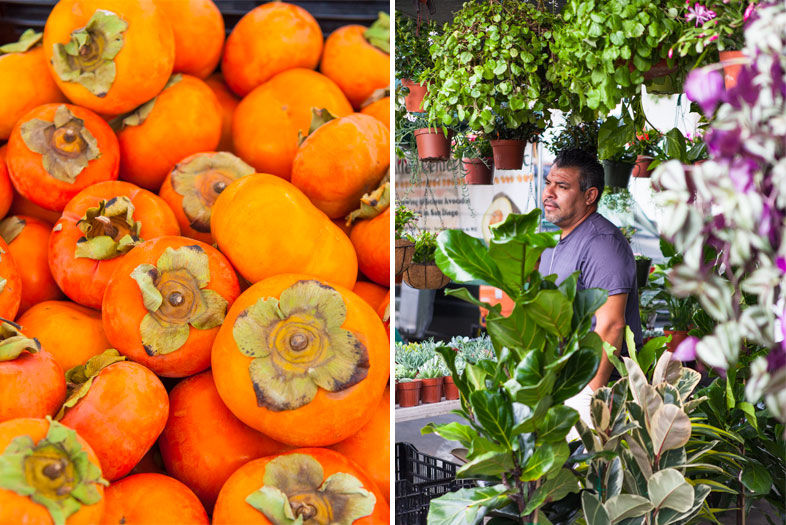
The double-widers don’t seem to care. They’ve got a fresh pour-over from Bump Coffee, whose booth attendants might be models. Vista’s Hidalgo Flowers is selling lilies and hydrangeas, their display looking like Georgia O’Keeffe had a burst of inspiration and painted for days. Cute dogs sniff each other’s cute butts and play-wrestle, providing onlookers with some free serotonin. Some of the stroller moms and dads have managed to buy an apple from Escondido’s JR Organics, or that wild, alien citrus from Valley Center’s Polito Family Farms, or the beyond-red strawberries from Rodney Kawano Farms in Oceanside.
My tote bag was a freebie. I’m not even sure what it says. Looking around, I feel woefully under-toted. Many have cute designs and slogans, like “Romaine Calm” and “Your Plastic Bag Can Kiss My Canvas.” Some express the diversity of their owner’s shopping habits, like this woman whose bag reads “Walmart.”
Inside San Diego’s Big Farmers’ Market Boom
Discussing baby strollers and tote bags may seem banal and off-topic in a story about farmers’ markets, one of America’s most booming food movements. But it helps to illustrate an important point. Farmers’ markets have transcended local food. They have become a weekly community ritual for tens of thousands of people in San Diego.
For most of our country’s evolution, the only free weekend gathering that people felt compelled to attend was church. It was the place most anyone could go for a sense of community. A place to connect with neighbors, meet newcomers, express proud opinions on matters of interest, disseminate and absorb gossip, get and provide support, see who’s dating or divorcing whom, coddle new babies, create a collective municipal and moral bond.
According to Pew Research Center, church attendance is way down. Less than 20 percent of us are going, though 40 percent of us claim we are. Meanwhile, farmers’ market attendance has never been higher. According to the National Museum of American History, from 1960 to 2000 the number of American farmers’ markets grew from 100 to over 3,000. Now there are over 8,600. In San Diego County, there are now 48 certified farmers’ markets.
Inside San Diego’s Big Farmers’ Market Boom
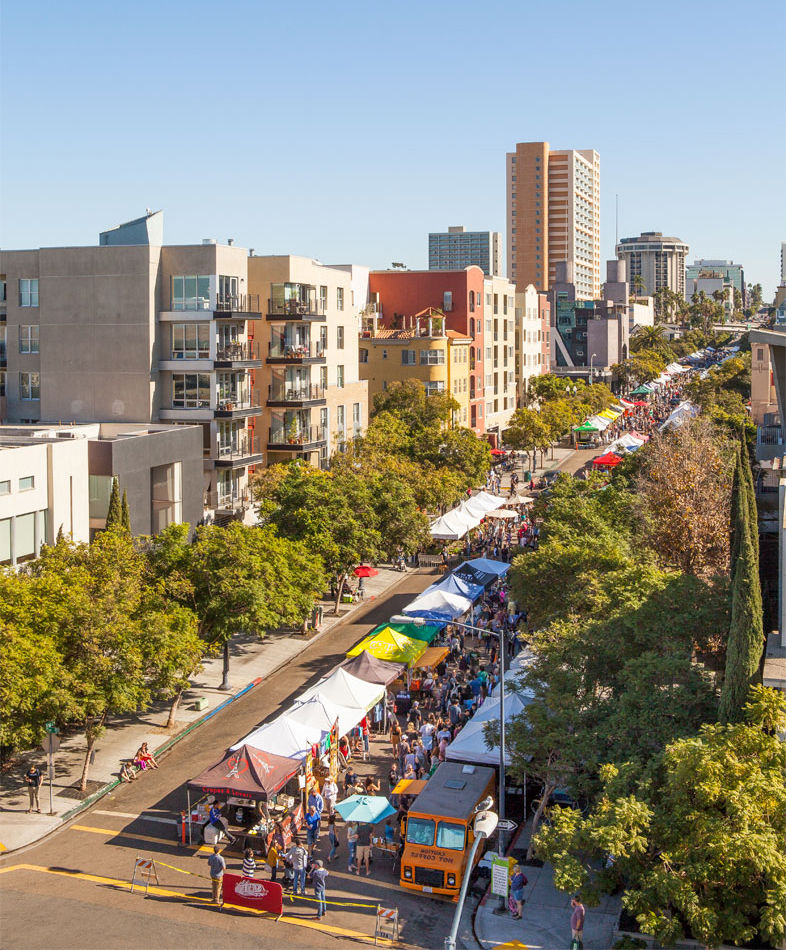
An aerial view of the Little Italy market, which attracts over 10,000 people every Saturday
Staring down the throng of people at the Mercato on a recent Saturday, it’s easy to see why farmers’ markets have become church replacement therapy for many Americans. They’re a free communal experience that happens every week at a set time, usually on the weekend or after work hours. They are family friendly. Alcohol-free, for the most part. At each booth, someone preaches the virtues of purity and ethics.
Whereas religion has many branches that separate people, food is nondenominational, unless you count organic food as a religion, which some might. Not everyone may love food, but until Silicon Valley solves the issue, everyone still needs it.
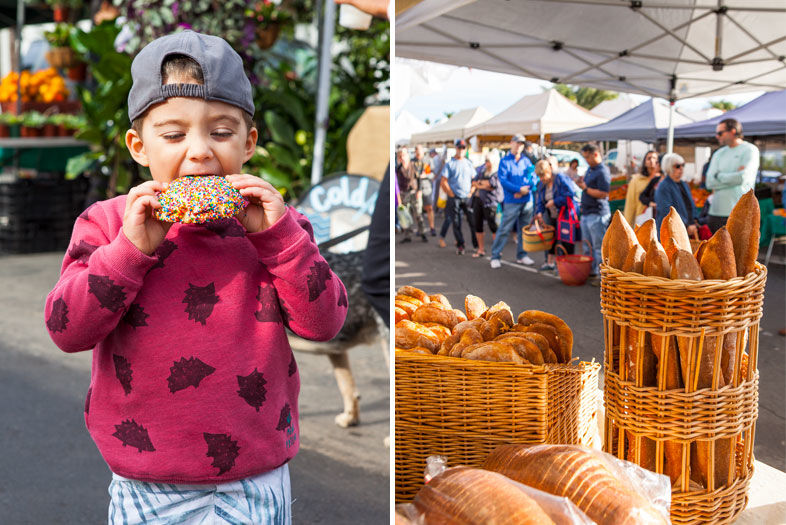
So over 10,000 people every week (rain or shine) crowd onto Cedar Street for the Little Italy Farmers’ Market. Some come for the philosophy—to support local farmers and food-makers. For others, markets are simply an alfresco grocery store with better-tasting, in-season goods. Others come for flowers: San Diego has more small farms per capita than any other county in America, a majority of which grow ornamental plants and blooms. Some want to exorcise demons from their dogs or kids. Some come to meet people—like a live-action Tinder or Bumble with snacks. Some buy crafts or jewelry made by the person who’s selling it to them. Some simply come because everyone else is.
Inside San Diego’s Big Farmers’ Market Boom
“Grocery stores are depressing,” a friend tells me. “It’s like a long-distance relationship with food, whereas farmers’ markets are intimate.”
She’s got a point. Farmers’ markets are a very intentional reaction to the impersonal, institutionalized experience of grocery stores. Through the genius of innovation—industrial freezers, bar codes, self-checkout kiosks, packaged-food factories, nationwide distribution networks—we took the humanity and local-ness out of what, for millennia, was a very personal, home-grown, neighborhood experience.
Americans weren’t even allowed to shop without a human escort until 1916, when Piggly Wiggly in Memphis became the country’s first self-serve grocery store. Prior to that, our great-grandparents food-shopped daily, for social exercise as much as function. They knew their farmers’ and food-makers’ names, and their children’s names. We sped the process up in 1937 with the grocery cart, invented by Sylvan Goldman, owner of the Humpty Dumpty grocery chain in Oklahoma. Grocery store shopping became a rushed, antisocial experience—a race through a giant flourescent-lit box to collect largely shelf-stable dinners.
Until recently, aside from fictional characters (Boyardee, Jemima, Snap, Crackle, and Pop), there was no visible human behind grocery store food. Most of it was packaged and shipped by the truckload from other states and countries—on average, grocery store fruits and vegetables travel over 1,200 miles.
Inside San Diego’s Big Farmers’ Market Boom
In California, the re-personalization of food started in 1978, when governor Jerry Brown signed the Direct Marketing Act during his first term. Soon after, California Certified Farmers Markets was formed. Farmers set up tables and tents outdoors, selling produce they’d picked 24–48 hours earlier for cash. The Santa Monica Farmers Market opened on July 11, 1981 and quickly became legend. Chefs and serious food people arrived so early they’d be waiting for the farmers to arrive, competing to grab the limited supply of delicious, super-fresh local fruits and vegetables.
Acquiring them was of the utmost importance for restaurants like LA’s two-star Michelin restaurant Mélisse. Chef Josiah Citrin’s food tasted better, in large part (aside from his immense talent) because the local, in-season fruits and vegetables tasted infinitely better than store-bought. To get an edge at the markets, chefs cut deals with farmers, who would set aside a private stash of the most prized produce for them. Commoners like myself would arrive to find stands looted by chefs, and we were left to pick over the scraps, asking questions like “What is a Meyer lemon, and how the hell do I eat it?”
Even top San Diego chefs were making the weekly trip to Santa Monica. The huge difference in quality was worth the commute—until San Diego’s Hillcrest Farmers Market opened in 1997.
Inside San Diego’s Big Farmers’ Market Boom
Oceanside Farmers Market
More than any other state, California’s rise to the top of food and restaurant culture was directly tied to the quality of our local produce. New York had elite European chefs, who seemed to think they’d reached the end of America when they hit Manhattan and had no interest in going farther west. California’s unique selling point was its abundant supply of world-class soil. The temperate climate allows for nearly year-round growing seasons, and the resulting crops are simply better (crops loathe New York winters just as much as New Yorkers do).
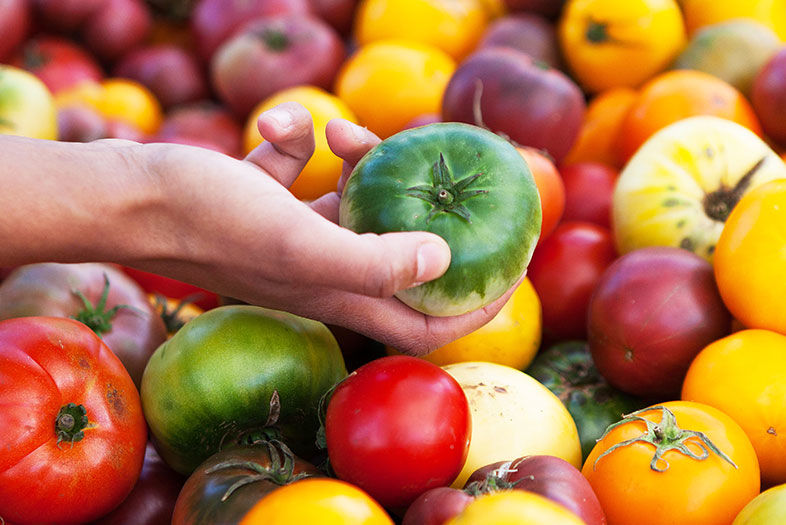
California has over 77,000 farms. The state is virtually the nation’s sole producer (over 99 percent) of almonds, dates, figs, olives, peaches, artichokes, kiwi, pomegranates, raisins, pistachios, plums, and walnuts. California grows about 90 percent of the nation’s avocados, and San Diego County accounts for 40 percent of that. Over 85 percent of farmers’ market vendors travel less than 50 miles to sell. Over half travel less than 10.
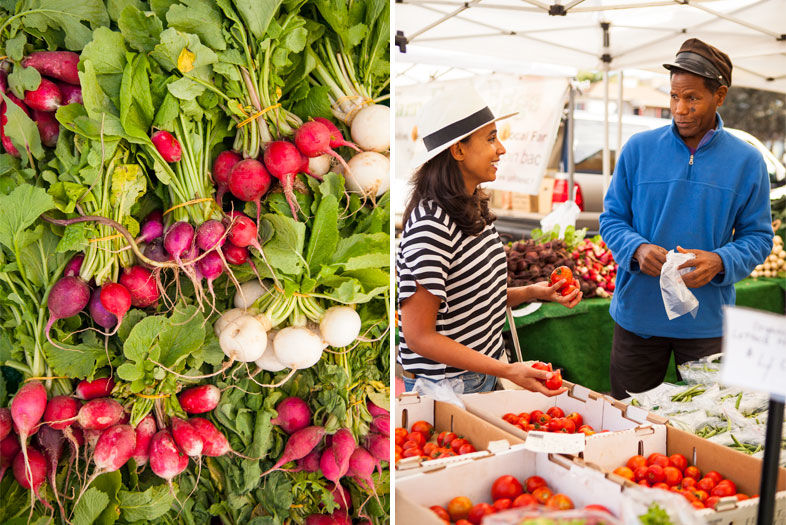
A short distance from soil to market is beneficial in a lot of ways, but let’s focus on two: flavor and nutrition. Produce reaches full nutritional value when ripe, and starts losing nutrients the minute it’s plucked from the earth. A landmark University of Texas study showed that fruits and vegetables now contain between 15 and 50 percent fewer nutrients than they did 50 years ago.
Inside San Diego’s Big Farmers’ Market Boom
So, when we buy a tomato grown in poor soil, picked green, put on a train for 1,200 miles and artificially ripened with argon gas—what are we paying for? Fewer nutrients, and only a portion of the tomato’s flavor potential. Some scientists have even argued that, due to our produce having lost nutritional value over the years, eating them causes our brain to demand more food (a personal favorite explanation for my overeating).
Farmers’ markets also serve a preservational function. Farmers are San Diego’s endangered species. We’re losing them. Every city is. But especially San Diego, where the cost of land, water (tripled in the last decade), and labor are higher than most counties. Last June, Suzie’s Farm, one of the county’s most popular, was forced to close because they couldn’t pay the bills.
“At one point we got up to 62 farmers’ markets in San Diego County,” says Catt White, founder of SD Weekly Markets, which operates three of San Diego’s largest in Little Italy, Hillcrest, and Pacific Beach. “And now we’re back down to 48. That’s not because people don’t want them. We just keep running out of farmers.”
Grocery stores have started selling local produce, at least partially in response to the popularity of farmers’ markets. A good thing, for sure. Their bulk sales help local farmers. But the much-needed profit for the farmer is drastically smaller.
Inside San Diego’s Big Farmers’ Market Boom
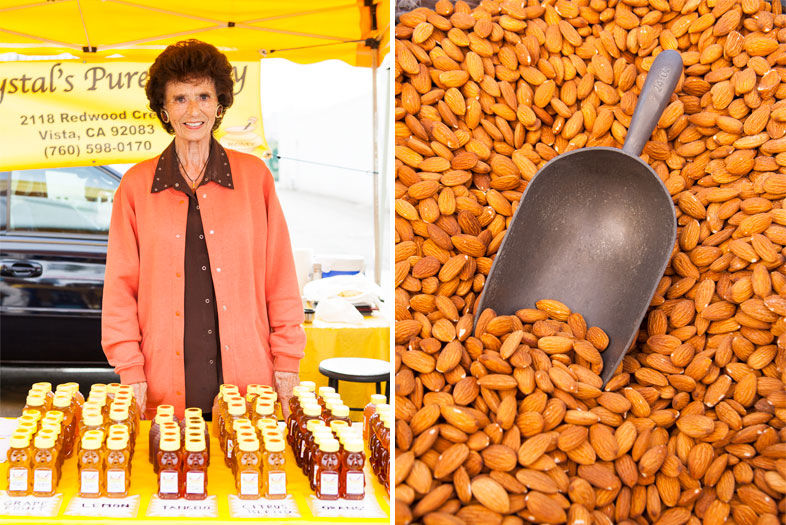
“If our farmers sell avocados to a packing house or grocery store, they make between 7 and 11 cents per,” White explains. “They can sell them at farmers’ markets for $2.50.”
A study by the Farmers Markets Coalition (potential bias duly noted) concluded that in 2017, farmers received only 17.4 cents for every dollar Americans spent on food, compared to 90 cents on the dollar at farmers’ markets. That’s a 500-percent increase. Some small farmers make only a couple hundred dollars a day, White says, but a few make upward of $250,000 a year selling at multiple markets. Then there’s the effect on the local economy. According to the Institute for Self-Reliance, only 15 cents of every dollar spent in a grocery store stays in the area, while farmers’ markets retain 30–45 cents.
For food-makers—people who make sauces, baked goods, packaged foods, etc.—the markets are a cost-effective way for entrepreneurs to test-market their ideas. White explains that some vendors can get set up at her farmers’ markets for $2,000 to around $5,000 or more for the commercial kitchen space, permits, insurance, marketing, packaging, equipment, signage, and starting inventory. Next month, White will host the InTents Conference, a two-day instructional on how to start and grow a farmers’ market business, including national speakers like New York Times best-selling author Forrest Pritchard and Neal Gottlieb, who started his national ice cream chain, Three Twins, at the Berkeley Farmers’ Market.
Inside San Diego’s Big Farmers’ Market Boom
“As a minority and an immigrant, I came here without job experience or references. The farmers’ market was a way for me to start my business,” says Anis Ben, founder of Chula Vista’s Baba Foods, whose hummus and pita chips have been an icon of SoCal farmers’ markets since 1994. “I also don’t need to wait 21 days for people to pay me. When you go through suppliers, sometimes you have to give them 30-, 60-, or 90-day terms, so you need a lot of capital to pay for a large order up front by yourself. At the market, people hand me cash right there.”
Cassandra Curtis is cofounder of Once Upon a Farm, a San Diego company serving high-pressure-processed baby food using in-season fruits and vegetables. While most baby food is shelf-stable because it has preservatives, Once Upon a Farm has to be refrigerated because it uses real, perishable food without the other gunk. It was a gamble. Because no other baby food had to be refrigerated, stores couldn’t stock it where customers were used to looking. The Little Italy and Pacific Beach markets provided her with invaluable market research from the stroller crowd.
“It wasn’t even called Once Upon a Farm when we started,” she explains. “The markets helped us realize we needed to change the name, and the branding, and some of the recipes. Babies would try our flavors and either swallow it or spit it out.”
Once Upon a Farm recently brought on a new partner in John Foraker, who spent 17 years as the CEO of organic food brand Annie’s before selling it to General Mills for $820 million. So they’re doing okay, thanks in part to baby spit at San Diego’s farmers’ markets.
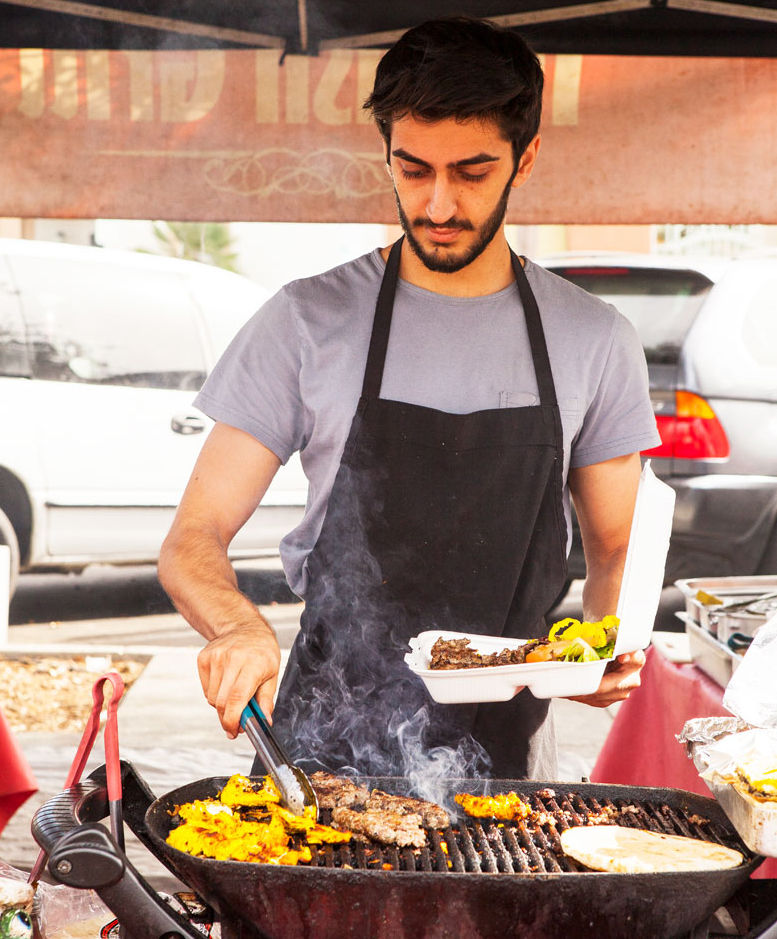
Baby Clydesdale is a sauce company run by the most entertaining man at the market. Dave Mead stands dressed in a blazer, sunglasses, and with a camera-ready haircut. He has a schtick. He runs us through a tasting of four sauces—a pesto, a carrot-habanero ginger, a lemongrass barbecue sauce, and Sriracha—each on tiny squares of bread on a toothpick.
Inside San Diego’s Big Farmers’ Market Boom
He and his wife, Justine Marzoni, started their company with the idea of creating an organic version of America’s most en vogue commercial hot sauce—Sriracha. It’s good, although the pesto’s better, damn right delicious.
After people fell for their sauces at markets, Baby Clydesdale expanded—first into local gourmet retail, like Seaside Market and Specialty Produce; then on to San Francisco, Seattle, Brooklyn, Maine, Massachusetts, and North Carolina. Another iconic local brand, Bitchin’ Sauce, started at the Pacific Beach market before getting picked up by nearly every grocery in town, including Whole Foods and Costco.
One company, Mush, makes nicely branded overnight oats flavored with dates, vanilla, berries, apples, etc. We try all four, each delicious. We buy two six-ounce packages (apple and blueberry) at four dollars a pop.
Two days later, Mush owners Ashley Thompson and Katherine Thomas appear on the investor TV show Shark Tank. After hearing their pitch, one investor says the food space is too cost prohibitive, so he’s out. Mark Cuban offers them $300,000 for 10 percent of their company. They accept.
Inside San Diego’s Big Farmers’ Market Boom
At Certified Farmers’ Markets, prepared-food makers like Bitchin’, Baby Clydesdale, and Mush have to stay on one side of the affair, away from the farmers who grow their own food. There are rules to this, many good, some downright odd. At “producer only” farmers’ markets—an esteemed designation—you must grow what you sell. You’re legally mandated to have a sign that says some version of “We Grow What We Sell.”
As usual, some rules go a little far. White would love to be able to allow farmers from Valle de Guadalupe and Baja to sell at the San Diego markets, since Baja is a much closer growing region than, say, Fresno. But it’s illegal.
“Our local beekeepers also aren’t allowed to sell their beeswax candles at markets because they didn’t produce the wick locally,” explains White. “Some herb and flower growers can’t sell their holiday wreaths because they didn’t make the twine or metal wire that ties the wreath together.”
Inside San Diego’s Big Farmers’ Market Boom
Visiting San Diego farmers’ markets for this story, I notice I’ve maintained a bad habit. Over 20 years of attending San Diego markets semi-regularly, I’ve often skipped over smaller booths. Guess it’s that old grocery store shopping instinct: I want a big booth for efficient, one-stop shopping.
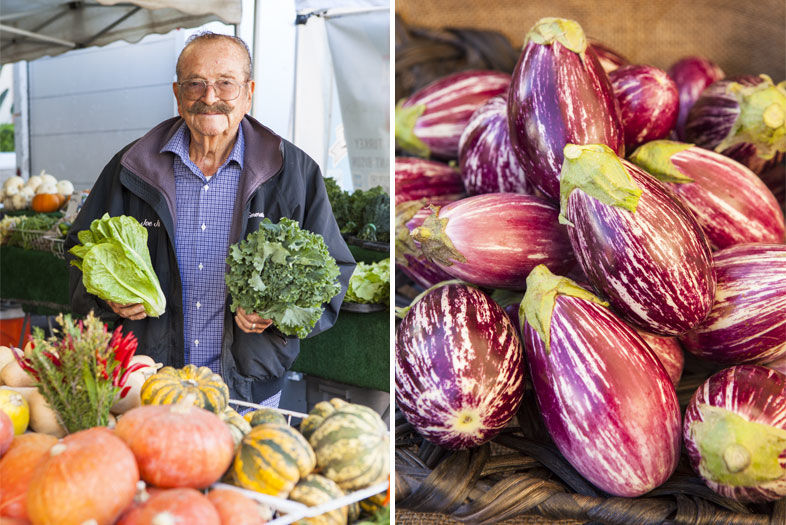
In doing so, I’ve kind of missed the point, and missed places like Four Sisters. They sell just a few things—scallions, carrots, broccoli, greens, beets, kale—that they grow on four plots of land within San Diego city limits. It’s run by Idzai Mubaiwa, who relocated to San Diego from Zimbabwe with her family. She started farming with her sister, Tsitsi, at the New Roots Community Farm in City Heights, an initiative by the International Rescue Community to help low-income refugee and neighborhood families supplement their incomes and get a good start in America by growing healthy food. Michelle Obama visited the farm in 2010. Tsitsi eventually died of breast cancer, but Idzai carries their legacy.
I sample insane amounts of food. Sampling food is the greatest farmers’ market tradition. A worker takes a knife, cuts a piece of a Honeycrisp apple, stabs it, and pushes the knife toward me. This is their primary sales pitch. A slice of apple so good you realize, after years of shopping at grocery stores, that you’ve never really known what a real apple—grown in good soil, picked in-season at the peak of ripeness, within the last couple of days—tastes like.
It tastes like candy.
At the end of the market operating hours, I watch as farmers and vendors talk among one another. They trade for each other’s goods. Some lemons for some honey. Some fresh-pressed juice for some almonds. They load their trucks with what they didn’t sell, some of which will be made into sauces or jams, some will go to nonprofit hunger organizations.
They clean up, and drive back out of the city. They’ll be back next week. For church.
PARTNER CONTENT
Inside San Diego’s Big Farmers’ Market Boom

Talking farm to table, fraud-to-table, and the feasibility of the movement with the beloved restaurateur who saw it all
Garden Kitchen was special. During its seven-year run on a quiet street in Rolando, even the farmiest-to-table devotees were pointing to chef-owner Coral Strong and slow-clapping. When a dramatic rent-hike forced her to close in 2022, Strong wasn’t sure what to do next.
Farm-to-table wasn’t new by any means—chef Alice Waters spawned the movement at her pioneering restaurant Chez Panisse in Berkeley in the early ‘70s, and many San Diego chefs did it right. But by the mid-2000s, the idea had been so co-opted by the mainstream that the meaning was almost completely lost.
“In the beginning, I used to get very honestly angry and upset when I would go to other restaurants that were claiming they were farm-to-table, but knowing some of the chefs or prep cooks inside [telling me] ‘Oh no, that comes from Restaurant Depot,’” she says.
Food critic Troy Johnson’s cover story in 2015 documented the fraud, titled “Farm to Fable.” At Garden Kitchen, Strong only used produce and meat sourced from local San Diego farms—an honorable, if not arduous endeavor.
Strong grew up in Cardiff before her parents moved the family to Costa Rica in 1989. They’d bounce between the two countries for months at a time, but when they lived in a motel by the beach while building their own house, she witnessed an incredibly tight-knit food culture. “As a Latin American country, everyone kind of cooks together,” she says. Everyone chopped, prepped, prepared, and served as a unit. “[That] definitely shaped my adolescence as to how I thought about food and the community of food.”

When her father, a commercial fisherman, brought the family back to San Diego, Strong leaned into an entrepreneurial streak, moving from coffee to accounting and eventually bartending to pay the bills. But food remained a passion, especially after she met her future husband, who was working at a farm and ranch in Escondido.
“We were just always disappointed with the vegetables out at restaurants and were like, ‘Why can’t they just make vegetables taste good?” she wondered. She realized that despite having more small farms than any other county in the country, most restaurants in San Diego simply weren’t using local ingredients.
So she decided to do it herself.
Strong opened Garden Kitchen without any formal culinary training—just a commitment to getting the freshest vegetables, meat, fruits, and other produce onto people’s plates. Her first chef quit within a month, telling her it was impossible. “So I got in the kitchen one day and said, ‘I can do this, let’s figure it out.’ I taught myself how to cook.”
She already had connections with farmers, fishermen, and ranchers, and designed a different menu almost daily based on what she could get. “My farmers sometimes delivered in the middle of dinner service,” she laughs.
Garden Kitchen lasted until after the pandemic, but before the current economy cut into already razor-thin margins. Could Garden Kitchen exist today? She’s not sure.
“The biggest thing right now is just looking at the finances and how expensive it is,” says Strong. “Obviously, the cost of food is up right now, gas is crazy right now… it just crushes you.” Despite that, she believes that committing to the true farm-to-table ethos is as easy as one decides to make it.
“If you think it’s hard to order directly from your farmer, if you don’t understand the absolute pleasure in doing that and you’d rather order from a computer, then that’s your own difficulty,” she says. “People say they’re into it, but are they willing to make the effort like I am, to drive an hour to go get my meat, or drive 35 minutes to go to my farm to go pick it up? I don’t know.”
Today, Strong works as a private chef, hosts pop-ups, and offers catering services, all still using seasonally available ingredients from San Diego. And while she has no intentions of opening another restaurant, she says we might see even more of her in the future.
“I have a large property [in Valley Center], and let’s say that there will be more of my food to come,” she promises.

Listen Now: The Latest in San Diego’s Food and Drink Scene
Have breaking news, exciting scoops, or great stories about new San Diego restaurants or the city’s food scene? Send your pitches to [email protected].
Beth Demmon is an award-winning writer and podcaster whose work regularly appears in national outlets and San Diego Magazine. Her first book, The Beer Lover's Guide to Cider, is now available. Find out more on bethdemmon.com.
We rounded up the city’s best events, activities, and restaurants to celebrate Dad on June 21
Father’s Day is often the overlooked summer holiday that doesn’t quite get the extravagant brunch treatment or overflowing bouquets that Mother’s Day does. Sure, there’s the annual pair of socks, Padres hat you’re convinced he doesn’t already own, beer subscriptions, phone case doubling as a wallet, plus the classic “Best Dad” keepsakes. But this year, let’s flip the narrative with events, activities, and specials made with Dad in mind.
Whether he wants a quiet dinner, a big screen full of San Diego sports and wings, or a weekend that somehow includes NASCAR, a jazz festival, and a Broadway reimagining, there is something for every dad. Here’s your guide to a memorable Father’s Day in San Diego.
Jump To: Activities | Bars & Drinks | Dining Specials

Nothing says “Happy Father’s Day” like the sound of engines ripping across Naval Base Coronado. NASCAR is turning this into a historic race weekend that feels less like a casual outing and more like a full-scale San Diego moment people will be talking about long after June is over. This is the first time a NASCAR Cup Series race has ever taken place on an active military base, which instantly puts it in “you had to be there” territory.
It’s fast, loud, and very on-brand for a Father’s Day where Dad suddenly becomes an expert on tire strategy, pit stops, and track positions. The bar might be set unreasonably high for every Father’s Day that follows, but that’s a next-year problem, right?
Price: Tickets available on Ticketmaster
Dates: June 19–21 | Weekend Schedule
Address: Naval Base Coronado
At Humphreys, Father’s Day gets a little more sophisticated. Roger Friend and an all-star lineup of jazz musicians bring decades of international experience to the bay, where dads can lean into their musical side with head nods and shoe taps. It’s smooth, layered, and exactly the amount of jazz you didn’t realize your playlists were missing.
Price: Tickets available on Ticketmaster
Time: 6 p.m. – 10 p.m.
Address: 241 Shelter Island Drive, San Diego
Belmont Park is rolling out a Father’s Day lineup that basically turns Mission Beach into a living garage scene, with a free car show featuring everything from polished 1960s Camaros to classic Bel Airs and lowriders. If he has a ride of his own, vintage car owners can join the lineup for $35 per vehicle. After the chrome tour, it’s straight into a Mission Beach classic: boardwalk strolls, fish tacos on the sand, and rides at Belmont Park.
Price: Free to attend | Register vehicle here
Time: 10 a.m. – 3 p.m.
Address: Belmont Park, 3146 Mission Boulevard, San Diego
I think it’s an unspoken rule that dads love Bob Dylan. Mine is already figuring out how he’s getting to San Diego for this. But this isn’t just a Father’s Day activity, it’s a cultural event that happens to land on Father’s Day weekend and immediately becomes the plan. Bob Dylan at The Rady Shell means you’ll be surrounded by city lights sparkling across the harbor, legacy music, and at least one moment where Dad leans over and whispers, “You know, this guy wrote everything.” And honestly? He’s not wrong.
Price: Tickets available on Ticketmaster
Time: 6:30 p.m.
Address: 222 Marina Park Way, San Diego
The San Diego County Fair returns with fried everything, questionable decisions, rides that definitely looked safer in the 2000s, and Dad’s very confident plan to “just walk around for an hour” that somehow turns into an entire day. It’s also the biggest, longest-running community event in San Diego County, running Wednesday, June 10 through Sunday, July 5, with a “Once Upon a Fair” theme. It basically becomes part of the Father’s Day season whether you planned it or not. So, consider this your annual reminder that “happily ever after” can, in fact, involve Cajun honey dogs, cinnamon rolls, a Ferris wheel you swore you wouldn’t go on, and Dad somehow knowing exactly which booth has the best Spam wonton tacos.
Price: Tickets available here: website
Date & Time: June 10 – July 5 (closed Mondays & Tuesdays) | 11 a.m.
Address: 2260 Jimmy Durante Blvd, Del Mar
Isabella Dallas is a freelance writer for San Diego Magazine and the Arts and Culture Editor at The Daily Aztec in her final year at San Diego State University. She previously worked as an editorial intern for SDM, but when she’s not writing, you can find her trying the best coffee spots in SD, devouring the latest rom-coms, and indulging in anything and everything pop culture.
Stop by the San Diego County Fair, rock out at the inaugural Field of Dreamz and visit Bikini Bottom via The Spongebob Musical
Charitable gatherings, downtown music festivals and theater premieres—of both the heartwarming and thought-provoking variety—are among San Diego’s standout events this weekend. You can’t spell fundraising without ‘fun,’ and both elements are central at Poway OnStage’s Taste of the Towne and the Switchfoot Bro-Am. Listeners of blues, reggae rock and silky smooth jazz can check out the East Village Blues Fest, Field of Dreamz and the San Diego Smooth Jazz Festival, respectively. As for the city’s thespian community, new shows include Cygnet Theatre’s production of Broadway favorite The Spongebob Musical and the world premiere of the OnWord Theatre show Marti Gobel’s Adult Storytime: A Caregiver’s Guide To The Blues.
Food & Drink | Concerts & Festivals | Theater & Art Exhibits | More Fun Things to Do
The tasteful appetizer to Switchfoot Bro-Am’s annual Beach Fest is the laid-back Benefit Party, returning this Thursday from 6-10 p.m. at Viasat. Guests will be treated to a curated dining menu, a performance by Switchfoot with special guests, and the chance to bid on live and silent auction items, including local excursions, apparel packages, and deluxe arts experiences. Individual ticket options include general admission ($300) and reserved seating ($450); the money raised will go towards youth-centered programming at six local nonprofits.
6155 El Camino Real, Carlsbad
Patrons of Poway OnStage are invited to Taste of Our Towne, the organization’s annual culinary fundraiser, this Saturday at 5 p.m. at Poway Center for the Performing Arts. The evening will begin with auctions, plus bites and libations from over a dozen local vendors before magician Chris Funk, aka The Wonderist, takes the stage for an interactive comedy show. General admission is $115 for Taste of Our Towne; proceeds from this event will benefit Poway OnStage’s Professional Performance Series and Arts in Education Initiative.
15498 Espola Road, Poway
Before (potentially) riding off into the sunset, British rocker Rod Stewart is strutting his stuff stateside with the unconventional voice and unquestionable verve that’s propelled his nearly six decade-long solo career. Though the “Da Ya Think I’m Sexy?” artist’s days on the road may be dwindling, that’s even more reason to give him his flowers in the present. Stewart’s upcoming show this Friday at 7:30 p.m. at North Island Credit Union Amphitheatre will feature prolific singer-songwriter Richard Marx as the opening act. Tickets start at $40.
2050 Entertainment Circle, Chula Vista
Following Thursday’s Benefit Party, the 22nd annual Switchfoot Bro-Am will switch (get it?) from its fundraiser to a free day at Moonlight Beach for Saturday’s all-day Beach Fest. From 7 a.m. to 3 p.m. there will be surf competitions—including surf jousting—and from noon to 5 p.m., Sun Room, Telephone Friends, Kimiko, a handful of special guests and, of course, Switchfoot will perform for attendees. Additionally, throughout the day, there will be a variety of vendors and brand activations to explore. Admission is free with RSVP, while VIP pit tickets are $195.
400 B Street, Encinitas
As the mysterious saying goes, ‘If you build it, they will come,’ but instead of Iowa cornfields, this time the message is coming from inside SD’s home ballpark. This Saturday, Ocean Beach natives Slightly Stoopid will headline the first-ever Field of Dreamz Festival, and they’ve brought along a handful of ska, reggae and island-inspired rock acts for the ride. Doors will open at 3 p.m., and fans can see sets by Stephen Marley, Pepper, Sublime—whose first album with frontman Jakob Nowell drops Friday—and more. Ticket options include standard admission ($125), floor tickets ($188), plus All-Star VIP ($244) and Hall of Fame VIP ($610) passes.
100 Park Boulevard, Downtown
Ryan Hardison is a freelance arts and entertainment writer and recent graduate of San Diego State. When he's not staring at his laptop, he's likely eating an adobada burrito or getting sunburnt at the beach.
Yes, Chef! winner Emily Brubaker leads the robust culinary program at Omni La Costa Resort & Spa
For Executive Chef Emily Brubaker, Omni La Costa Resort & Spa feels like home. She grew up just a mile-and-a-half away from the 400-acre property and fondly recalls walking the golf course perimeter as a kid. Though her ambitions led her away from San Diego for nearly two decades in which she honed her craft in some of the highest of high-profile Las Vegas restaurants—including triple Michelin-starred Joël Robuchon at MGM Grand—they ultimately brought her back to North County.

Today, the classically French-trained chef, who’s fresh off a victory on NBC’s Yes, Chef!, judged by Martha Stewart and José Andrés, oversees Omni La Costa Resort & Spa’s seven distinct dining concepts. Her goal is to elevate the resort’s culinary program with her creative, hyperlocal ingredient-driven approach while maintaining the Spanish- inspired flavors and fresh California coastal cuisine that are the bedrock of its culinary identity.
“The San Diego food scene is really growing, and in North County alone, it’s really exploded in the last five years,” Brubaker says. “There are Michelin stars, beautiful tasting menus, craft bakers, and all this food—when I was growing up in La Costa, it was fish tacos. Now there are really cool things popping up, and I’m so happy to be here to see where it’s going to go.”
Brubaker gives chefs de cuisine at each individual restaurant autonomy, however, her influence is evident across the resort.
For example, lobby restaurant Bar Traza serves as Omni La Costa’s culinary centerpiece and features bold Spanish flavors in a lively, social atmosphere. Brubaker overhauled the menu to be more consistent and centered on casual bites with that signature vibe. Think smoky paprika, vibrant citrus, and Spanish meats and cheeses.
At VUE, the focus is on seasonal offerings, California coastal cuisine, and Baja-inspired dishes. She and Chef de Cuisine Cameron Dixon change the menu biannually, which heading into summer, will highlight farm-fresh produce and hyperlocal ingredients—the resort even has its own herb garden and honeybee hives.

Poolside dining options are leaning into the country’s 250th this summer with a selection of classic American dishes with an Omni La Costa twist. And Bob’s Steak & Chop House (Brubaker is a trained butcher) offers a classic steakhouse experience with elevated service.
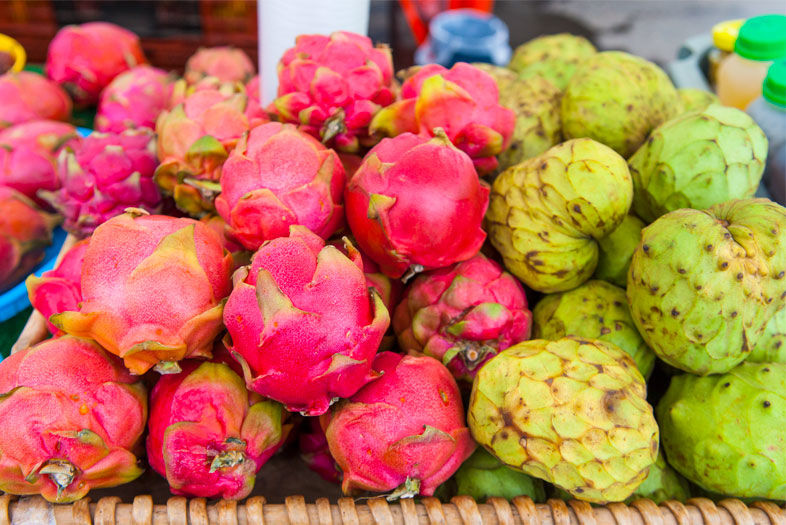
The chef and company also plan menus for special events at the resort where her creativity can really shine. For an upcoming National Ski Association dinner, the banquet hall will be transformed into an Alpine-themed winter wonderland complete with a snow machine, savory sausages, and melty, decadent raclette. A recent dinner was built around the Carlsbad Flower Fields and each course was matched to a color of ranunculus (Did you know pink dragonfruit are grown in North County? You do now.).
“It’s my zen to be in the kitchen playing with food,” Brubaker says.
Omni La Costa’s culinary program is a key part of the resort experience. And with Brubaker’s leadership, it’s becoming a draw for visitors and locals alike.
“These aren’t just hotel restaurants, these are restaurants that you should go to. They’re destinations, and I’m really hoping for the future that’s where we’re going,” Brubaker says.

Brubaker is also channeling her experience on Yes, Chef! into the culture at Omni La Costa—more emphasis on teamwork and collaboration, empowering her staff to share constructive critiques, and embracing different perspectives. Alongside her leadership role, Brubaker has become an advocate for mental health in the hospitality industry, serving as chief ambassador for the Burnt Chef Project and serves on the Board of Advisors for the Apex Culinary Program, where she mentors and develops future talent.
For more on Omni La Costa Resort & Spa and its dining program, please visit omnihotels.com/hotels/san-diego-la-costa.
Food writer Beth Demmon names local bites we love—both at the high and low ends of our budgets
We love a mega-fancy tasting menu, but let’s be honest—we’re not all blessed with unlimited Wagyu funds. So we picked some of the breakout dishes of the last year (or couple of years) from the best chefs in the city, reverse-engineered their chief charms (salty, smoky, caramelized?) in the test lab of our mouths, and found some budget-friendly alternatives that hit some of the same notes with an everyday price tag.
Where do delicately plucked marigold blossoms adorn Deer Isle scallops, or ingredients like fermented raspberry precede roasted coffee oil, shiro miso caramel, or bronze fennel in a parade of hit-after-hit dishes? Lilo in Carlsbad, of course. San Diego’s newest Michelin star changes its menu with the seasons, but one stalwart dish has kept tongues wagging since opening day last April: the caviar ice cream. A boat-shaped sliver of orgeat ice cream, smoked celery root bushi, and freshly pressed almond oil are topped with a generous heap of caviar. It’s a dish so good and defining that chef Eric Bost will tire of talking about it for a very long time.
Price: $265 for the tasting menu (before tax, tip, and drinks)
There’s a reason Stella Jean’s s’mores ice cream is part of the local scoop shop’s “always available” menu. Made with fire-roasted marshmallows and coconut ash ice cream mixed with dark chocolate-covered graham crackers and mini marshmallows, its strangely ashen hue dabbled with flecks of tawny brown is a far cry from the wildly vibrant ube and pandesal toffee flavor seemingly made for Instagram reels. But it’s a sensation in your mouth—smoky, toasty, torched, creamy, marshmallowy, coconutty, ashy, and bitter from the dark chocolate. Pro tip: If you really want to DIY Lilo’s ultra-luxe treat, bring your own caviar.
Price: $6.25 for a single scoop
There’s no question what comes first at Lucien. It’s the egg. Chef and co-owner Elijah Arizmendi’s 12-course tasting menu begins with welcome bites under the calamansi tree before moving inside to start the Journey (the actual name of this section of the menu). The first step is one of the most astounding—a perfectly intact, upright, ochre-hued eggshell containing his take on Japanese chawanmushi (egg custard), topped with a dollop of caviar. The accompanying ingredients have ranged from sweet corn and huitlacoche to banana and buckwheat, but each one has precisely demonstrated Arizmendi’s commitment to French technique with California experimentation and global influence.
Price: $260 for the chef’s tasting menu (before tax, tip, and drinks)
The biggest difference (besides price) is that while Lucien’s dish changes with the season, Sushi Ota is comfortably predictable. A San Diego staple since 1990, the legendary Sushi Ota has been one of those if you know, you know joints that locals try to keep off the radar. (It hasn’t worked at all.) Known for ultra-fresh fish and ultra-traditional service, the small Pacific Beach restaurant also serves Japanese comfort foods like udon noodle soup alongside sashimi, nigiri, and rolls. But it’s the savory steamed egg custard, called chawanmushi, that really gives you the warm and fuzzies. Add a side of salmon roe (ikura) for a few bucks more, and this dupe is about as good as it gets.
Price: $12 for chawanmushi, $11 for ikura

Enough ink—and tears, I’m sure—has been spilled over Chick & Hawk’s long and arduous journey to opening its doors. But now that the Encinitas eatery is in full swing, chef Andrew Bachelier’s tightly curated menu of fried chicken sandwiches, fries, and bowls command lines of hungry locals and skate-culture loyalists. The Birdman, the signature hot chicken sandwich named for partner and skateboarding legend Tony Hawk, is piled with cabbage slaw and pickles and slathered with a tangy kimchi comeback sauce on a soft brioche bun. Although this Nashville meets California meets Mississippi meets Korea sando doesn’t command a triple-digit price tag, the fact that it’s nearly a $20 chicken sandwich (sans side) has been a topic of conversation. Bachelier—who worked at Addison before opening Jeune et Jolie, then launched SDM’s 2024 “Best New Restaurant,” Atelier Manna—and his team earned that price tag.
Price: $18
It’s hard to beat Koreans at the chicken game. Korean fried wings are defined by a double-fry technique—first at a low temperature to ensure the chicken is cooked through, then at a high temperature to ensure the famed extra-crispy, ear-splittingly crunchrageous magic. At Cross Street, they follow a similar fusion ethos as Chick & Hawk, using inspiration from the American South as well as Thailand, Korea, Vietnam, and more, with flavors like “Seoul Spicy” or “Honey Butter” for whatever you’re feeling that day. Pair it with a cold beer to go full chimaek (a popular Korean combination of pairing fried chicken and beer). Now that’s a combo—and price tag—that’s hard to beat.
Price: $8.75 for five wings

PB&J. Captain & Tennille. Brad Wise and steak. Steak frites ranks among the iconic global duos. And when the holy union of prime cuts and twice-fried carbs comes from Wise and the meat-loving masters at Trust Restaurant Group, it’s a pretty safe bet. À L’ouest—the group’s newest fancy, but not fussy, drippy plant dreamscape of a French steakhouse on the prime corner of 30th and University in North Park—gives guests a choice: 12-ounce New York strip, 8-ounce filet mignon, or 8-ounce Wagyu hanger, topped with sauce au poivre (the classic French pan sauce—peppercorns, shallots, heavy cream, brandy) and served with a heaping pile of 24-hour salt-brined fries and a watercress salad. One bite acts as a transport to a Parisian brasserie, so if you think about the cost in terms of time-space travel, it’s a pretty great deal.
Price: starts at $48
To satisfy the same urge for meat and potatoes, feel at least moderately European while doing so, and save a couple quid, a trip to The Shakespeare in Mission Hills ticks all the boxes. The classic British shepherd’s pie arrives in a piping hot oval au gratin dish, smothered with a thick layer of mashed potatoes. Beneath it lies a hefty portion of marinated ground beef and vegetables in the pub’s secret sauce, and while there are a few choices of sides, the correct order is peas and “proper” chips (a.k.a. chunky, thick-cut fries versus the typically thinner American “French” fries). It’s more tickety-boo than très bien, but it’s immensely satisfying in any language.
Price: $22.95
Beth Demmon is an award-winning writer and podcaster whose work regularly appears in national outlets and San Diego Magazine. Her first book, The Beer Lover's Guide to Cider, is now available. Find out more on bethdemmon.com.
From dedicated line cooks to seasoned bartenders, these are the people making magic happen in city's top restaurants
Chefs have done gobs of thankless, lumbar-breaking work over years to land the role. Restaurateurs put their entire livelihoods on the line, microdosed sleep, took ultimate responsibility for every minor stress. They earned the spotlight they get. But ask one of them, and they almost always defer to a line cook who’s showed up for years, been deep in the thing, and whose absence would bring the kitchen to its knees. Or the bartender with a warmth that draws people whether they’re thirsty or not. Or the noble and spreadsheetable soul in charge of purchasing everything needed for the nightly show.
They call it the “heart of the house.”
Spotlight or not, these are the people who make a food culture hum at its daily core.
For this year’s “Best Restaurants” issue, we asked a handful of the top chefs and one restaurant owner—Tara Monsod (Animae/Le Coq), Jason McLeod (Ironside Fish & Oyster), Ananda Bareño (The Marine Room), Owen Beatty (A.R. Valentien), and Ryan Thorsen (Mister A’s)—who that person is for them.
These are the hearts of houses.

Roger Feria Krile is not only the guy you want to be friends with at work, but also the guy you want to hire: respectful, nose-to-the-grindstone, versatile. And he’ll drop off a fresh batch of cinnamon rolls at your house for the holidays. Born in Tijuana, Krile moved to the US with his mom and sister when he was in elementary school. He saw the sacrifices his mother made to give her children a better life, and he pushed himself to live up to that brighter future.
He came to cooking during the pandemic, asking himself, “What do I really love to do?” His answer: “Bake cakes for friends and break bread with people,” he says. That led to a culinary school degree and a stint in a Michelin-starred NYC kitchen, where he grew to “love and understand” fine dining. Now back in San Diego, Krile’s showing up at Animae in a major way. He does prep work three mornings a week and comes later in the day twice a week for dinner service. Most line cooks do one or the other, but he requested both tours of duty.
“Gotta get my reps, keep my skills sharp,” Krile says, “and I don’t want to miss the rush.” Prep work in the mornings helps him learn how Executive Chef Tara Monsod uses each ingredient to the fullest. Krile’s not just a line cook. One-quarter Filipino (and learning about his culinary heritage from mentor Monsod), he’s building his own Mexican-Filipino pop-up concept. Look for Sarsa—Filipino for salsa—where every dish is a play on words fusing Mexican and Philippine Spanish or Tagalog. He’s already R&D’d a breakfast sandwich, the tortantalong: a torta filled with a signature Filipino eggplant omelette called a tortang talong. Friends in the industry say it’s unexpectedly delicious.
“He shows up every day with a clear goal of one day opening his own restaurant, and that drive pushes him to go above and beyond,” says Monsod. “He is constantly learning, asking questions, and absorbing as much as possible, all while leading by example on the line.”

Ruben Martinez knows every bottle of wine at Mister A’s—not necessarily by taste (though he was on the tasting committee for years), but by where they are in storage and whether they need replenishment. Owner Ryan Thorsen wants the wine list at 100 percent available every night, and Martinez’s job is to make that a reality. He’s been keeping inventory on Mister A’s wines since the 1970s, back when he worked for founder John Alessio. And it’s not just vino: Martinez also procures the ingredients, arriving at 5 a.m. to meet delivery trucks, stock shelves, and alert chefs if anything’s amiss.
Then he hits the dining room for a once- or twice-over to find any imperfections. If a light is out, if the plumbing acts up, if something major happens after he leaves in the afternoon, he’ll fix it all. He’s the best guy to ask, anyway; he knows every inch of Mister A’s. “Before ‘Google it,’ there was ‘Call Ruben,’” Thorsen says.
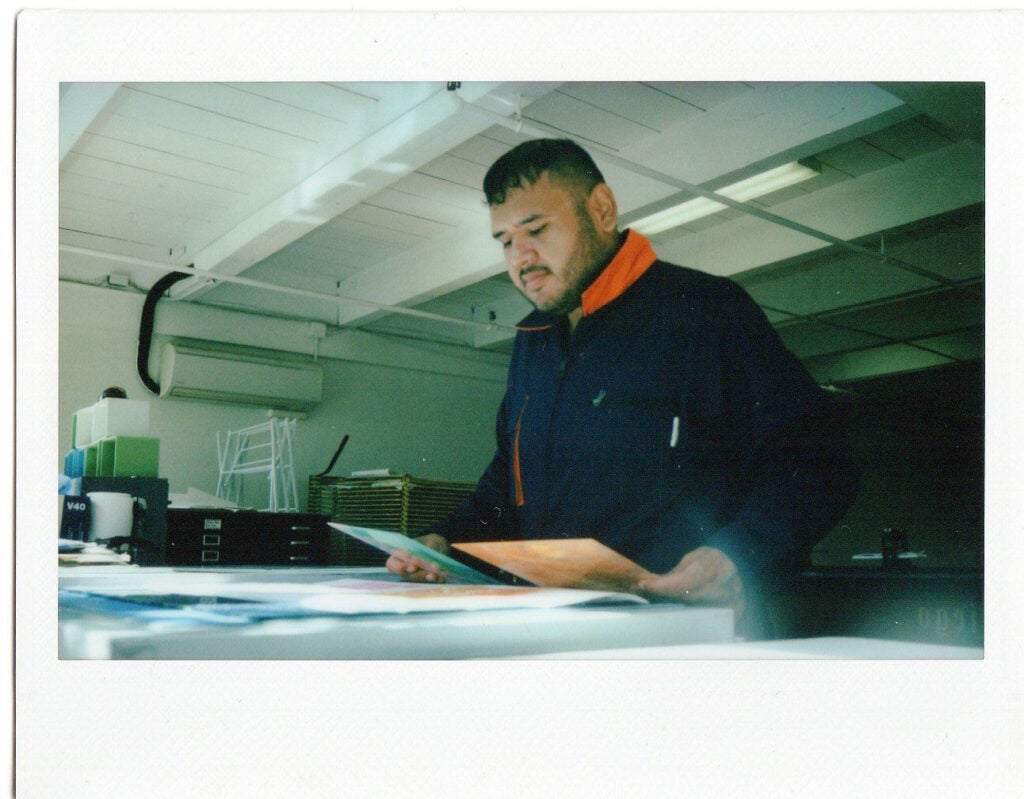
Martinez started out in hospitality at 17 with his father at Hotel Del. “I thought it would be easy working with my dad,” he says. “But early on, he caught me fooling around with the boys and told me, ‘We’re here to make money for the company. If you’re not willing to work, get out of here.’” That set him straight and set the foundation for Martinez’s lifelong dependability.
He moved to Mister A’s a couple years later, and after over five decades, he’s now the indispensable purchasing manager who worked with Alessio, Betrand Hug, and now Thorsen. Later this year, he’s planning on retiring—though he’s already offered to keep showing up a couple days a week and help out with Thorsen’s new project at Liberty Station.
Thorsen knows this man is a gem. “I don’t think we fully grasp what it will feel like without him,” he says. Last year, he threw Martinez a surprise birthday party in Mister A’s Blue Room, inviting Martinez’s family and a whole cast of coworkers going back to Alessio days. Martinez says he had to leave the room to hide his tears.
There’s an hour most people never see, when a restaurant’s technically awake but not yet accountable, and that’s where Patrick Mattoon lives. He’s been the foundation of Ironside’s prep team for the past five years, quietly guiding the day toward success. He and his team are the first in, and they turn on ovens, check deliveries, catch mistakes before they become problems, and fix everything without ceremony so the chefs and line cooks walk into a day that already works.
Mattoon organizes, but more importantly, he owns. There’s no job too small, no detail beneath notice. In a kitchen, bad prep’s the one thing you can’t fix later, no matter how talented of a chef is at the helm.
Five years in, Mattoon still approaches each day with the same care and intensity that he had on day one. He takes every task seriously and sees it through completely—the kind of consistent work that doesn’t draw attention but makes everything else possible. When the restaurant got a soft serve machine, a notorious maintenance nightmare, he taught himself how to clean and run it just to make sure it never broke, not for credit but because that’s just how he’s wired.
“He is a silent leader who has the respect of the entire team due to leading by example,” says Ironside chef Jason McLeod.

Through 23 years, three executive chefs, and a recent kitchen remodel, lead line cook Arturo Celestino is a constant at A.R. Valentien. He’s there at 6:30 a.m. five days a week—sometimes six—for the Lodge’s breakfast service. That means he’s up early prepping potatoes, slicing mushrooms, whisking pancake batter, and stirring sauces “always with a smile,” says Owen Beatty, the restaurant’s new chef de cuisine. “He’s a good leader.”
Celestino shows the younger guys how to make the eggs fluffy, so the omelettes are always perfect (don’t stop twirling the spatula!). He keeps his line in line when their spirits start to naturally droop during the morning shift home stretch when his crew just wants to get out of there. As the lead, he’s also the one chefs turn to when newbies need motivation.
His secret sauce: “mucho talking!” It keeps people happy, and it also helps the chefs retain talent in the kitchen.
Celestino learned to cook out of “necesidad,” he says. He cut his teeth on fine dining at Pacifica Del Mar at the Hyatt and moved to A.R. Valentien in 2003, just a few months after it opened in 2002.
“I’ve had good jefes,” Celestino says of the three executive chefs he’s known at A.R. Valentien: Jeff Jackson, Kelli Crosson, and now Michelin-starred Eric Sakai. Under Jackson—who’s known for pioneering farm-to-table dining in San Diego—Arturo learned to appreciate local ingredients.
“My favorite is basil,” he says, “added to tomato sauce with garlic, it’s mmm.” Fresh basil plays the supporting role in A.R. Valentien’s signature brunch plate, which is also Celestino’s top choice on the menu (to make and to eat), via the Bull’s Eyes: slow-roasted eggplant with sunny-side-up eggs, tomato sauce, and La Quercia prosciutto.
“I love my job,” Celestino says as he flashes that smile. “It’s not just a plate of food. It’s an experience.”

If you’ve been to The Marine Room, you’ve probably met bartender Tony Suarez. With his charming Cuban accent and dapper vest and tie, he makes it his business to regale guests coming and going—even while he’s pouring, mixing, shaking, polishing glasses, and taking orders.
“Over 90 percent of our guests are celebrating a special occasion,” he says. “So I keep up the celebration throughout their whole visit.” He’ll make you a sparkling toast and a customized cocktail, and on your way out, he’ll wish you a happy birthday (again) and invite you back for drinks on him.
“My goal is always to delight the guest,” he says. “I like to discover how you feel and lead you to what you would like to drink.” That spirit of experimentation has led to new signature cocktails, such as the Gerald—crafted for a neighbor who’s a regular—featuring housemade pomegranate puree and bourbon, or the I Drink of You with local Bebemos tequila, Gran Marnier, and Green Chartreuse. You won’t find this anywhere else.
“[Suarez] has mastered the art of the personalized guest experience,” says Marine Room’s Executive Chef Ananda Bareño. “He remembers the small details and favorite orders that make our regulars feel like family.”
Suarez’s tenure at the Marine Room started with a walk on the beach and a knock on the door. He was impressed by the beautiful location, and he asked if they were hiring. He immediately started as a server assistant—right before Valentine’s Day. The bartender took Suarez under his wing, and he took to the books to learn all about spirits.
He’s taken on the bartender role with wisdom and grace, offering a sympathetic ear, a pick-me-up, and a “human to human connection,” he says. Ten years into his career, the surroundings still inspire him as much as they did on day one.
“The Marine Room, the windows onto the ocean, [all] have a healing effect,” he says.
Leorah Gavidor won her first essay contest at age 5. She writes features, news, and non-fiction in San Diego.
Scripps study shows that some patients may be able to taper their dose and maintain results
While glucagon-like peptide-1 (GLP-1) receptor agents have been used to treat Type 2 diabetes for more than 20 years, their recent emergence as weight-loss wonder drugs marked a new frontier in medicine. But their effectiveness has left some patients wondering what to do once they’ve reached their goal. Stopping the medication could mean regaining some, if not all, of the weight. A Scripps Clinic internal medicine physician recently conducted a small study of whether GLP-1 patients who had reached their goal weight could maintain that weight by taking their regularly prescribed injection every other week instead of weekly. Spoiler alert: 30 of 34 patients did. Read more about the study here and what that may mean as pharmaceutical companies roll out oral GLP-1s.
For more nutrition, wellness, and healthy living tips, sign up for the San Diego Health newsletter here.