Ready to know more about San Diego?

Subscribe
Features AUGUST 6, 2018

Meet the Globetrotters and Expats Shaping San Diego

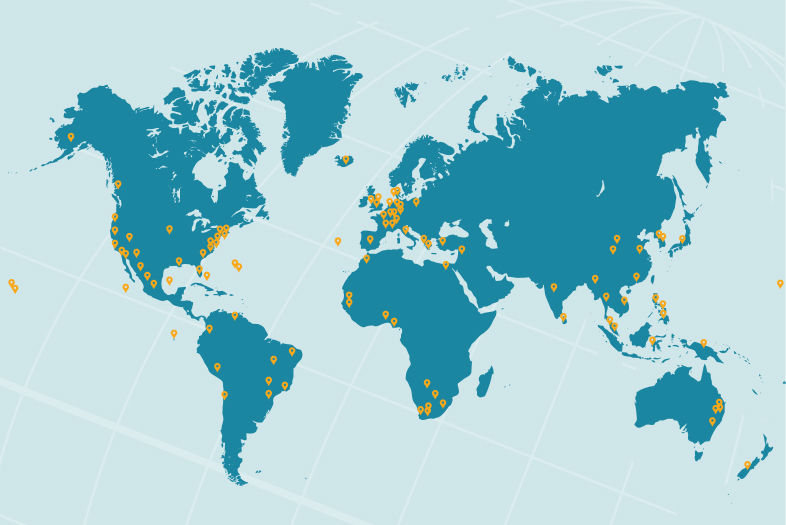
Some of them have come from afar, others travel frequently—but they all have something to say about San Diego. We asked 20 travel-savvy locals to give us a much-needed outside perspective on the city and, well, on us.
Meet the Globetrotters and Expats Shaping San Diego

Meet the Globetrotters and Expats Shaping San Diego

Photo by Benjamin Ealovega

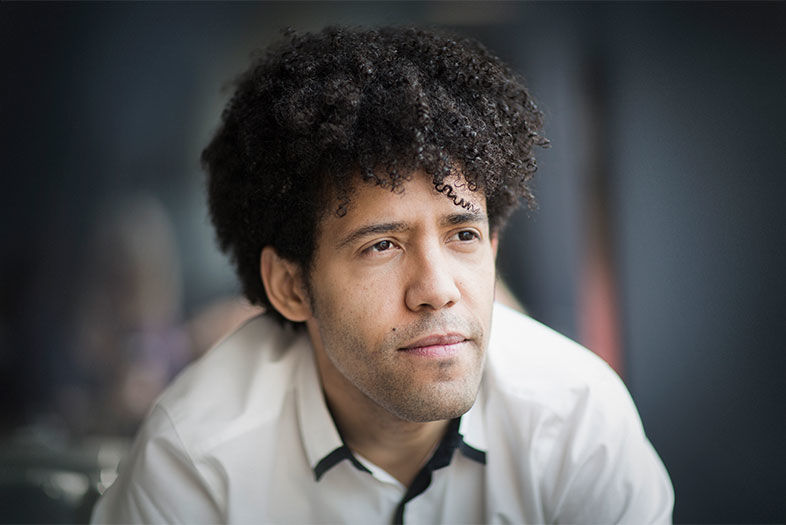
Rafael Payare

Music Director Designate, San Diego Symphony

Birthplace: Puerto La Cruz, Venezuela

Lives in: San Diego and Berlin

Age: 38

Rafael Payare had spent little more than 72 hours in San Diego over two visits before Mayor Kevin Faulconer proclaimed April 30 Rafael Payare Day. On that visit, the young conductor charmed us—wearing jeans to a press conference at Copley Symphony Hall, and touring Barrio Logan as well as a school in Chula Vista. He even made time to sit in on a string ensemble coaching session at Roosevelt Middle School.

Payare has conducted dozens of orchestras all around the world, from the Vienna Philharmonic to the Minnesota Orchestra, and won first prize at Denmark’s 2012 Malko Conducting Competition. Next year he will succeed Jahja Ling to become the thirteenth music director in the San Diego Symphony’s 108-year history. His name was brought up before the search committee for Ling’s replacement had even formed, back in 2014. Twenty-one guest conductors came to San Diego to audition, but when Payare arrived in January 2018, a unanimous recommendation was made to the board just 24 hours later.

While he was here, Symphony CEO Martha Gilmer hosted a reception at her house with about 50 cultural leaders from at least a dozen institutions. “I was really impressed the first time I came,” he says. “It was wonderful to see how all the different art institutions had similar goals. Everybody wants to work together, and that doesn’t happen that often. Any other city, each institution wants to be the center and do their own programming, and it’s complicated to make them do something together.” Payare envisions a sort of “collage” that would combine literature with visual art or perhaps technology and science. “The city seems to be very supportive of the orchestra.”

In his native Venezuela at age 14, Payare played the horn in a program called El Sistema, whose motto is “Social change through music.” “Even if you are not going to be a musician for your career,” he says, “if you get that feeling that you need to be in tune with others, you need to hear each other, you can apply that to anything. It makes the world a much better place.”

He also stresses bringing different parts of the city together. “With school sports, you go to another school and compete. Of course, there’s a little bit of friction because you want to win. With music, you don’t need that. You go to another school and put the two orchestras together to make music. That will make the community whole.” He explains that a joint performance also works to bring together parents and families from different neighborhoods. “I know that was the case for me with El Sistema. My friends were from very different parts.” To that end, expect more collaborations like the binational concert that happened earlier this year at the US-Mexico border. “Mexico is so close! Just put them together. I know firsthand that lasts a lifetime.”

Passing the baton:

Payare will conduct the San Diego Symphony for 10 weeks each season, including some Bayside Summer Nights performances. The next chance to see him will be in January, during the annual Hearing the Future festival.
Meet the Globetrotters and Expats Shaping San Diego

Meet the Globetrotters and Expats Shaping San Diego

Photo by Lauren Tabak

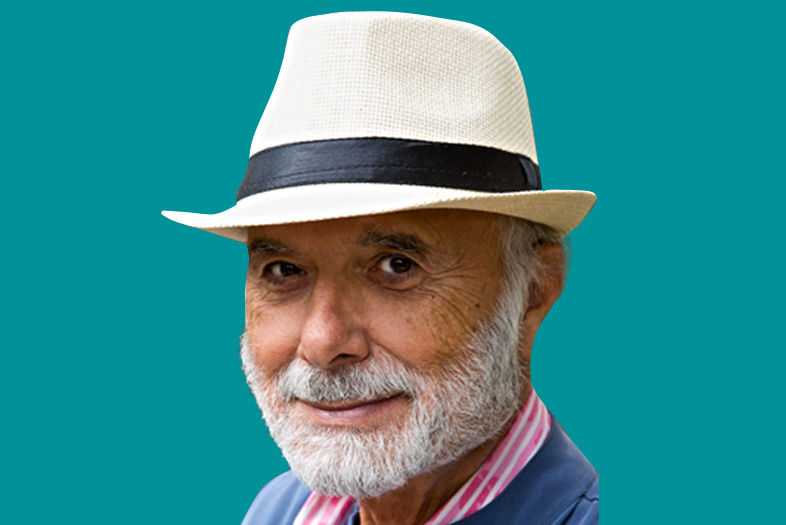
Sami Ladeki

Founder, Sammy’s Woodfired Pizza and Pisco Rotisserie & Cevicheria

Birthplace: Beirut, Lebanon

Lives in: La Jolla

Age: 74

La Jolla restaurateur Sami Ladeki grew up traveling with his dad, who rated hotels for the tourism ministry. At 20, he left Lebanon for Germany to study political science, but he ended up in a hotel and restaurant management program instead. He began his career in London and Bermuda, and also lived in Cairo, Berlin, New Orleans, Las Vegas, and San Francisco—plus about a half dozen other cities. “Out of them all, San Diego is my favorite. San Diego, especially La Jolla, was where I experienced my greatest success,” he recalls. He opened his first Sammy’s Woodfired Pizza in La Jolla in 1989 and went on to open 13 more, as well as Roppongi, Fresh, Tamarindo, Prime 10 Steakhouse, and Hotel Parisi. His eponymous pizza empire has lasted for 30 years and his travels continue to inspire his menus. His latest venture is Peruvian cuisine—he opened Pisco in Liberty Station last summer and expanded it to Carlsbad in January. But not everything in San Diego is 72 and sunny. “San Diego lacks in its outdoor, pedestrian lifestyle. The leaders of San Diego should support sidewalk cafés like you see in San Francisco and New York City. Outdoor areas are part of the culture, and there’s no better way to meet people and bring community together.”

Loyalty points:

“Even in my second life, I will live in San Diego.”
Meet the Globetrotters and Expats Shaping San Diego

Meet the Globetrotters and Expats Shaping San Diego

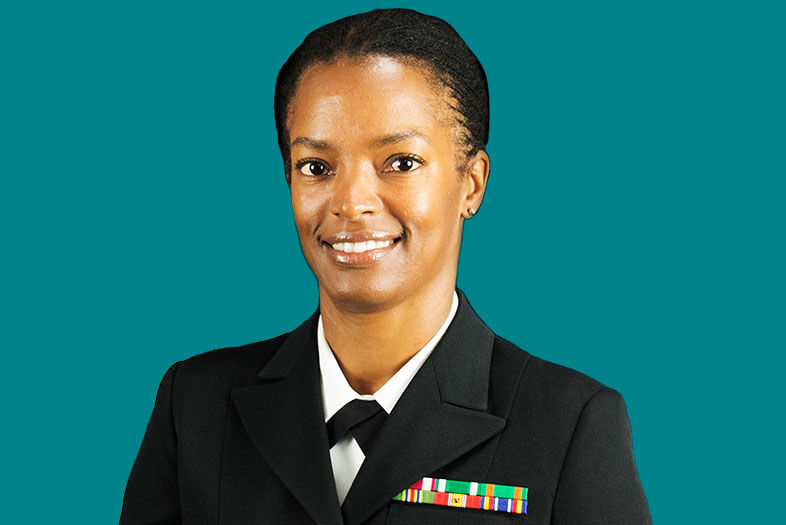
Lynelle M. Boamah, MD

Captain, United States Navy Medical Corps

Birthplace: Baltimore, Maryland

Lives in: Scripps Ranch

Age: 49

Captain Lynelle M. Boamah’s 23 years in the Navy have taken her all over the world. This year alone she has sailed to Indonesia, Malaysia, Sri Lanka, and Vietnam aboard the USNS Mercy as part of the Navy’s annual Pacific Partnership deployment. On these missions, the medical, nursing, and dental professionals of the San Diego–based hospital ship spend about two weeks in each host nation, working alongside their counterparts to see patients together. They also exchange best practices in medicine and surgery and teach CPR to civilians.

Boamah serves as the executive officer of the ship. A mother of four kids age 8 to 18, she is board certified in general pediatrics and pediatric gastroenterology and has multiple teaching awards and medals. But it’s working with patients that gives her lasting memories. “The experiences on the Mercy that always affect me personally are when we provide eyeglasses to people who have had vision problems all of their lives but did not have the means or resources for glasses. When a husband can see his wife’s face clearly or a grandmother can see her grandchildren—these are a real tearjerker!”

Home sweet home:

“My travels to the Indo-Asia-Pacific region have enhanced my appreciation for the comforts of home. I also appreciate the military culture within San Diego. In my experience, San Diego is very supportive of military members and families. We should continue to stand in support of our great Navy and Marine Corps and welcome people from other nations and cultures as they seek a new life for themselves and their families.”
Meet the Globetrotters and Expats Shaping San Diego

Meet the Globetrotters and Expats Shaping San Diego

Illustration by Michael Hirshon

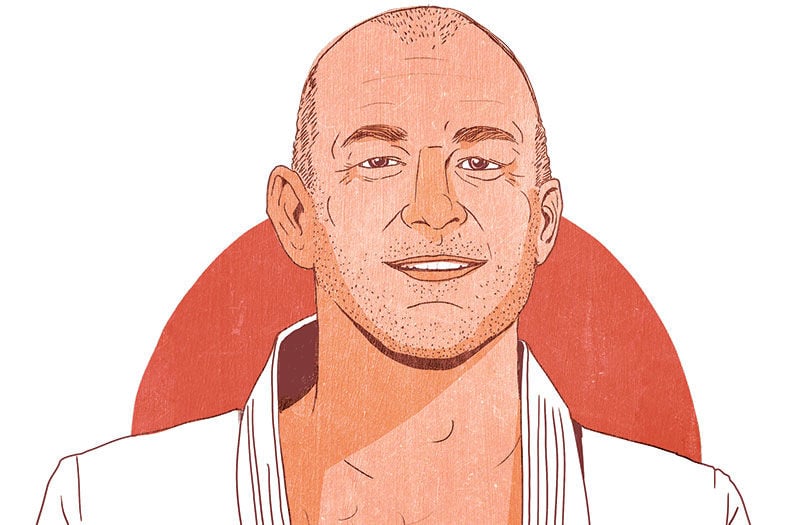
Rodrigo Medeiros

Owner, Brazilian Jiu Jitsu San Diego Academy

Birthplace: Rio de Janeiro

Lives in: Pacific Beach

Age: 48

In 1996, young jiu-jitsu fighter Rodrigo Medeiros left his native Rio de Janeiro with $800 in contest winnings. The protégé of the legendary Carlson Gracie, he taught in Los Angeles for a couple of years before landing briefly in La Jolla. He opened his Brazilian Jiu Jitsu Academy at Pacific Beach Fight Center in 2000 and was the International Masters middleweight champion the next year. Medeiros has trained 1,000 students and 200 national and world champions here, and in 18 years he has left San Diego only to open a gym and teach in Hong Kong from 2012 to 2016.

Considering the growing popularity of jiu-jitsu worldwide, he could opt for a bigger venue than San Diego. He’s not about to trade it in, though, saying, “I think the lifestyle and quality of life you have is more important, as opposed to the money you make.” The fourth-degree black belt and lifelong surfer cites San Diego’s waves as a major factor in selecting his base of operations. On a typical five-minute drive from home to his Cass Street gym, he passes people running, biking, walking, and skateboarding. San Diegans love to be outside; the city is like Rio in that respect. “You have the beach, the social life, a lot of good gyms, young people,” he says.

On three continents, and in three very different cultures, “I learned overall we’re all the same. All people in the world look for happiness. Everybody has love inside their hearts. Every place has good and bad people, it doesn’t matter what religion or color you are.”
Meet the Globetrotters and Expats Shaping San Diego

Meet the Globetrotters and Expats Shaping San Diego

Photo by Jay Reilly

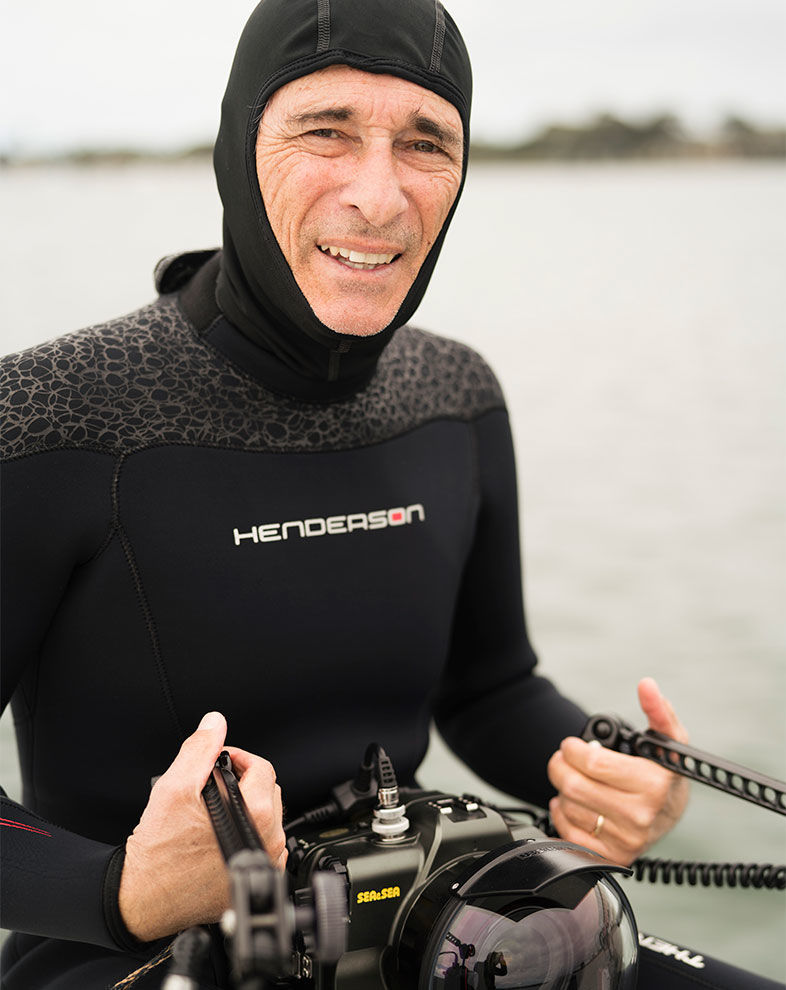
Richard Hermann

Photographer

Birthplace: Lyon, France

Lives in: Poway

Age: 64

Born in France and raised on the Monterey County coast, Richard Hermann was transfixed by marine life ever since childhood. In 1990, after 10 years of working as a dive instructor in the Bahamas and Guadeloupe, and assisting marine biologists off San Onofre, he got his first photography assignment: joining Jacques Cousteau on a shoot in the Philippines.

The ensuing decades took him to New Guinea, Hawai‘i, the Bahamas, the Azores, Greece, Turkey, and Mexico’s remote Revillagigedo Islands. Hermann worked as a technical diver on two underwater Imax films, Deep Sea 3D and Under the Sea 3D, and shot still photos on the highest budget nature film of all time, Disney’s Oceans.

His most impressive calling card, though, is pioneering images of blue whales that were shot in the Sea of Cortez and off San Diego’s Nine-Mile Bank. Skill with a camera is one thing, but Hermann says that weather patterns, his knowledge of the ocean, and an extensive network of fishermen and scientists makes the difference between getting the shot and getting squat. “You might need only a minute of blue whale footage, but it could take three weeks,” he says.

Hermann, who’s fluent in French and German, moved to San Diego in 1976, mostly because of the area’s natural beauty. Now living in Poway, he still loves it for that reason. “You can swim in the cove in the morning, be in the snow in the mountains at noon, then the beautiful desert all in the same day,” he says. “For a nature person, there’s nothing better.”

San Diego is mostly the same beautiful place he found in the ’70s, with the exception of rising homelessness. “That’s the thing I really notice lately.”

Recalling his French roots, Hermann finds San Diegans gregarious in comparison. “People are easier to get to know. If you go to a barbecue where you don’t know people, you can always find someone you have things in common with.”
Meet the Globetrotters and Expats Shaping San Diego

Meet the Globetrotters and Expats Shaping San Diego

Photo by Phu Tang

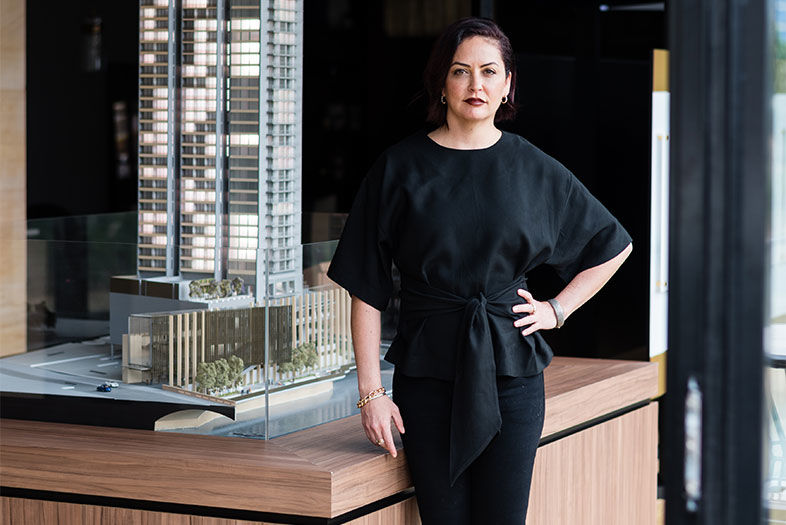
Lorena Gaxiola

Founder and Owner, Lorena Gaxiola

Birthplace: Tijuana

Lives in: Sydney and San Diego

Age: 43

Though she has a Mexican passport, Lorena Gaxiola tells people she’s “a citizen of Qantas Airlines.” She splits her time between her San Diegan clients and her husband, daughter, and business headquarters in Sydney. For Gaxiola, jumping on a 15-hour flight from Australia for a five-day trip is “as easy as taking the bus.”

She’s used to it. For five years, Gaxiola spent every other month in China, mostly in Nanjing, designing luxury homes. She attended Design Institute of San Diego, but sought a creative outlet beyond what our city could offer. “I wish San Diego was more out there when it comes to design and architecture. That’s the reason I went to Sydney—it allowed me to be very creative,” she says, pointing out that while San Diego’s culinary scene has seen a design awakening, its hotels have yet to catch up. “The people building and investing should allow creative people like me to have a voice and let us think outside the box. Just like technology, design and architecture should progress as well.”

Even though she hangs her hat most of the year in Oz, she feels at home whenever she hits the tarmac here. “In Sydney there’s 5 million people; you don’t even realize you’re stressed out. When I come to San Diego I feel so relaxed. I go to the beach and it just feels like paradise.”
Meet the Globetrotters and Expats Shaping San Diego

Meet the Globetrotters and Expats Shaping San Diego

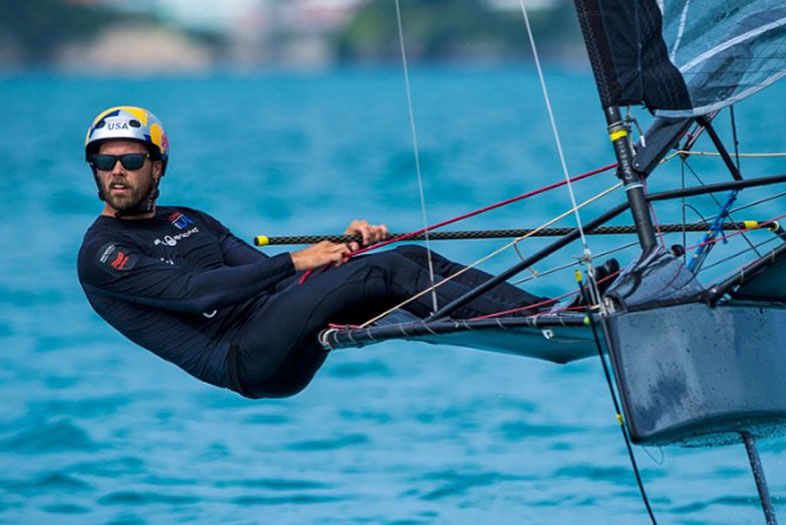
Andrew Campbell

Professional Sailor

Birthplace: Toms River, New Jersey

Lives in: North Park

Age: 34

Sailboat racing can blur the line between work and pleasure. It’s a bit of both when you train for the America’s Cup in Bermuda, as longtime San Diegan Andrew Campbell did from 2015 to 2017. Campbell and company lost the cup to Emirates Team New Zealand, but he and his wife returned to San Diego with a pair of twins, born on the island. Up next, the family will soon move to Rhode Island, to try to win back the cup in 2021.

Campbell, whose father was an America’s Cup sailor as well, relocated to San Diego at age 8. He showed up days late for college at Georgetown University with a bag full of dirty laundry from competing in Greece. In pursuit of the cup, an Olympic medal in Laser-class sailing, and other victories, Campbell has set sail in China, Korea, Australia, New Zealand, Brazil, Chile, and nearly every coastal corner of the United States, Canada, and Europe.

In northern Germany, he once found himself without accommodations and no internet to help him find some. With sailing as his only common language, he procured some gracious hosts. “It’s like, ‘You’ll stay with us; it’s not a question of how or how much.’ It ends up being an incredible friendship without words.”

San Diegans might find our city easily navigable, but when Campbell sees a soul looking a bit lost around the yacht club or elsewhere, he lends a hand. “I learned the value of that when I was doing a lot of Olympic traveling.”

On dry land, Campbell’s North Park home is a base for cycling tours up Mount Soledad and Mount Helix, or along the spine of Point Loma. “On my way home, I can get any variety of meal you could imagine. That’s something special about America and San Diego specifically,” he says. “The openness of our neighborhoods is really cool—being able to pass through and have people smile at you.”
Meet the Globetrotters and Expats Shaping San Diego

Meet the Globetrotters and Expats Shaping San Diego

Photo by Christina Gandolfo

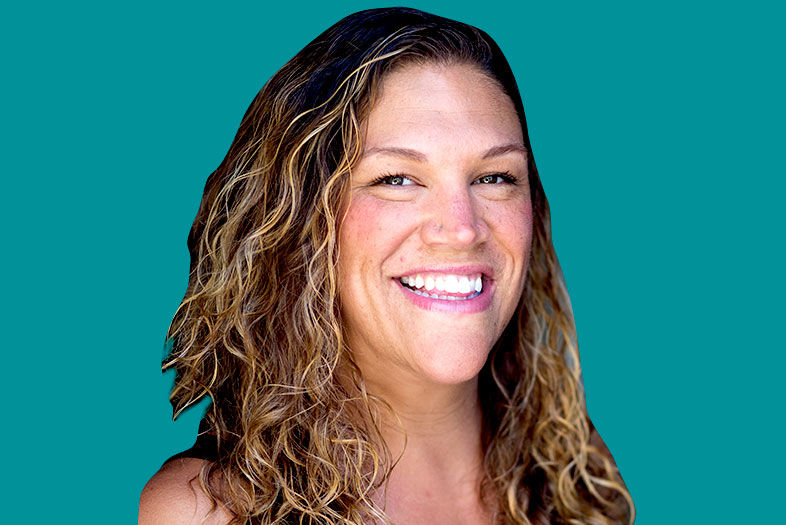
Kyle Moss

Program Manager and Head of Global Entrepreneurship, Qualcomm Wireless Reach

Birthplace: Lockport, New York

Lives in: Del Sur

Age: 35

On one of her first trips for Wireless Reach, a Qualcomm initiative bringing wireless technology to developing nations, Kyle Moss traveled to rural Indonesia. No hotel in sight, she stayed with a host family who insisted she use their shower—a bucket-and-basin affair. Moss scooped water and poured it onto herself a few times. “Then I peered in to take a closer look at its source,” she says. “Lo and behold, a big scaly face stared back at me: an incredibly large catfish whose home I had been diminishing with each scoop.”

The job has also taken Moss to Senegal, Nigeria, South Africa, Japan, Korea, Malaysia, the Philippines, and parts of Europe. By partnering with nonprofits and government agencies, Wireless Reach puts the company’s wireless tech into the hands of mothers, schoolchildren, fishermen, and others in developing nations. It has allowed midwives to track the health of expectant mothers in India, given solar-powered tablets to students in Kenya, and helped fishermen get their catch more safely in Senegal.

The travel perks are good, but when it comes to calling somewhere “home,” give her San Diego’s coastline, wine regions, manageable downtown, and stellar educational institutions any day of the week. “It’s rare to find any other place that offers as many perks as San Diego does, paired with the joyful people and healthy-minded atmosphere.”

Beyond that, Moss is proud that her city resettles so many immigrants. “I’d love to see all our neighborhoods become more ethnically diverse. Being from a mixed-race family and now raising one of my own makes me desire that multiplicity wherever I go, not just in certain pockets.”
Meet the Globetrotters and Expats Shaping San Diego

Meet the Globetrotters and Expats Shaping San Diego

Photo by Lauren Radack

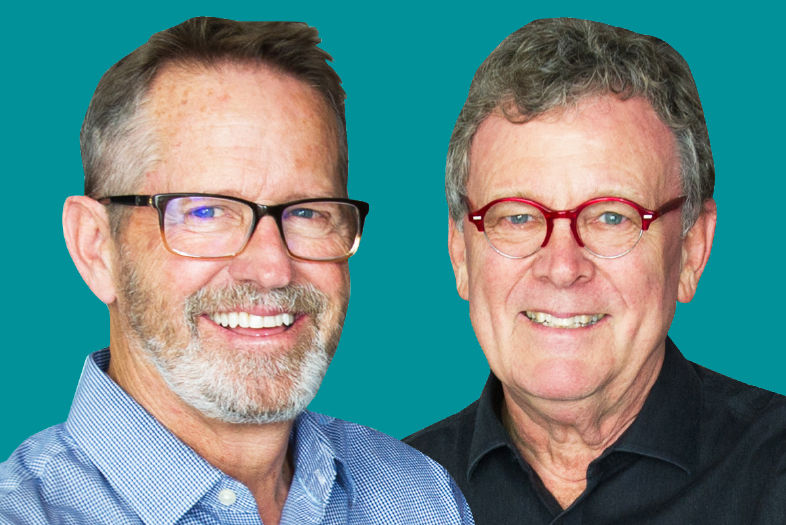
Douglas H. Austin

Chairman & CEO, AVRP Skyport

Birthplace: San Diego

Lives in: Del Mar

Age: 69

Frank Wolden

Principal, AVRP Skyport

Birthplace: San Diego

Lives in: Little Italy

Age: 67

Believe it or not, San Diego’s look has a Canadian influence. “Vancouver is a city with strong vision, and it’s respected throughout the world,” explains Douglas Austin, an architect and San Diego native. “It was Canadian architects who first saw promise in living downtown. They couldn’t believe we weren’t taking advantage of our waterfront. I think most San Diego developers weren’t getting it.”

That’s why the first developments, those two-story townhomes built in the early 1980s, were very suburban, says Frank Wolden. “We always used to joke back then that San Diego housing developers carried the ladder in the back of their pickup truck.”

Between them, Wolden and Austin have worked in Kuwait, Indonesia, China, the UAE, Mexico, Poland, England, Egypt, Guam, Costa Rica, India, and Ghana. “You have to see the world to do this stuff,” Wolden says. One local project they’re working on now is redesigning downtown’s Seaport Village for Protea Waterfront Development. It’s a $1.2 billion undertaking and it will be at least four to seven years before it opens. First order of business is removing the barriers. “Seaport Village is completely separate from the city,” Wolden says. “What you see from the city is trees and parking lots. It’s hard to get to the water. We’re going to actually connect the city to the waterfront.” In fact, more than 70 percent of the site will be public space—that includes parks, European-like “narrow streets of exploration,” and places where you can touch the water. In partnership with UC San Diego and Birch Aquarium, there will be a learning center, aquarium, school, marketplace on the water, and more. The new village will be oriented around having multiple experiences, not just retail. “It’s about life,” Wolden says. “It’s not about shopping.”

Sometimes moving forward means looking back. “It’s a little bit of a reverse story,” Wolden says. “The things you can learn from around the world, a lot of times, are the old things that people used to do. For the seaport, we used a lot of analogies to famous places like the Barcelona Rambla or the Piazza del Campo in Siena. The kinds of things in European streets that are pedestrian oriented. We’re trying to implement those lessons in Seaport Village.”
Meet the Globetrotters and Expats Shaping San Diego

Meet the Globetrotters and Expats Shaping San Diego

Illustration by Michael Hirshon

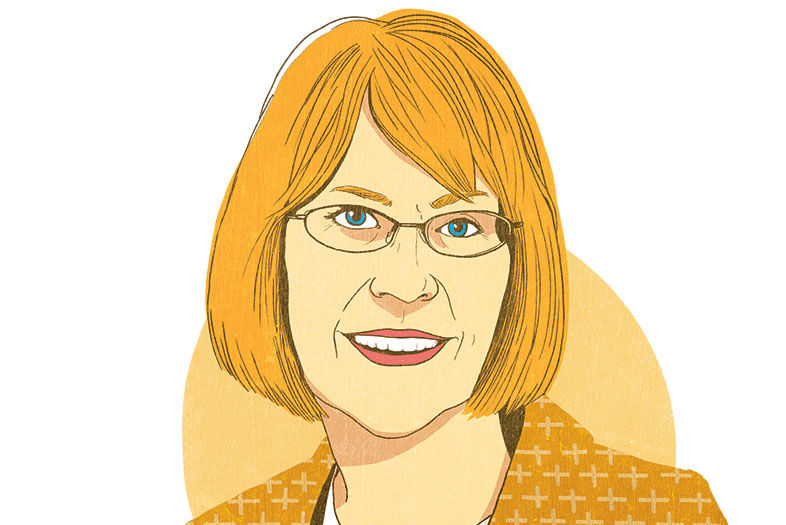
Margaret Leinen

Director of Scripps Institution of Oceanography

Birthplace: Chicago

Lives in: Mission Hills

Age: 71

As a paleoclimatology researcher and science envoy for the US State Department, Leinen has been virtually everywhere—on land and sea. She’s visited most of the world’s nations, setting foot on all seven continents, a dizzying array of Pacific islands, and the South Pole. That doesn’t even cover her time crisscrossing the world’s oceans, on the surface and the seafloor, where she’s ventured as deep as 13,000 feet and once discovered undersea hydrothermal vents 250 miles off the Washington coast.

Leinen moved here just four years ago after living in Illinois, Oregon, Florida, and Washington, DC. She loves how her new city and its neighborhoods, like her own Mission Hills, unify the region while maintaining their character. “Mission Hills is totally different from Pacific Beach or Barrio Logan or La Jolla.” It’s diverse compared to her native Chicago, she says.

Leinen was recently in a ride-sharing car headed to the airport for a morning flight. She asked her driver who else needed a ride so early before dawn. The driver said he started his shifts at midnight, often picking up chefs at the border who were bound for San Diego kitchens to prepare for breakfast. “San Diego is a border town that lives with its border very easily,” she says. “We kind of take that for granted.”

From her office at Scripps, she can watch as surfers and fishermen feast on San Diego’s spoils. “People here are really engaged in being in their environment. On the trail, people are out and about. You look at the bay, it’s full of boaters.”
Meet the Globetrotters and Expats Shaping San Diego

Meet the Globetrotters and Expats Shaping San Diego

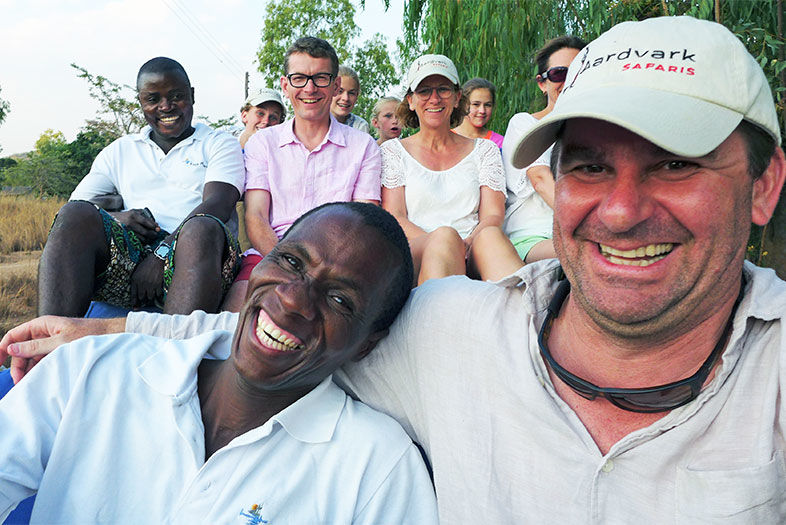
John Spence

President, Scott Dunn USA

Birthplace: Lambourn, England

Lives in: Solana Beach

Age: 49

“I was born on my parents’ farm near Oxford. I’m a bit of an English hillbilly I guess,” says John Spence, who is anything but by American standards. In 1991 he bought a one-way ticket to South Africa, and ended up a cocktail barman in Cape Town for six months during the end of apartheid. Next, he trained to be a white-water rafting guide on the Zambezi, a grade 5 river (the second most dangerous kind) that he describes as “awfully terrifying.” On his days off, he would go out in the bush with his safari guide friends and look for elephants, birds, and leopards. That’s when he fell in love with Africa and got into the safari travel business.

“I was in the middle of the Serengeti, surrounded by lions and wildebeest, when I met a man from what I thought was called ‘La JOH-lah.’” That safari guest ended up investing in Spence’s business, Aardvark Safaris. Spence traveled to San Diego from England once a year for 10 years to make presentations to potential customers. “To have somewhere the size of San Diego and not have one safari specialist was like being the only male at an orgy,” he jokes of his early success. “Americans are really good networkers; if they like you, they really support you. That was very different to the UK. When I was turning 40 and having my second or third midlife crisis, I thought, world domination has to have America in it.” That’s when he decided to move to this “very wealthy backwater of America—and it’s not a bad place to live, either.” He ran Aardvark Safaris for 25 years, traveling to Africa up to six times a year, until he sold to Scott Dunn in 2016, where he is now president.

Culture shocked:

“I’ve lived all over—Switzerland, France, England, Zimbabwe, South Africa—and I’ve found San Diego the most foreign place I’ve ever lived, even though I have the language in common. I still really struggle. Getting in a car to get a pint of milk does my head in.”
Meet the Globetrotters and Expats Shaping San Diego

Meet the Globetrotters and Expats Shaping San Diego

Photo by Simon Emmett

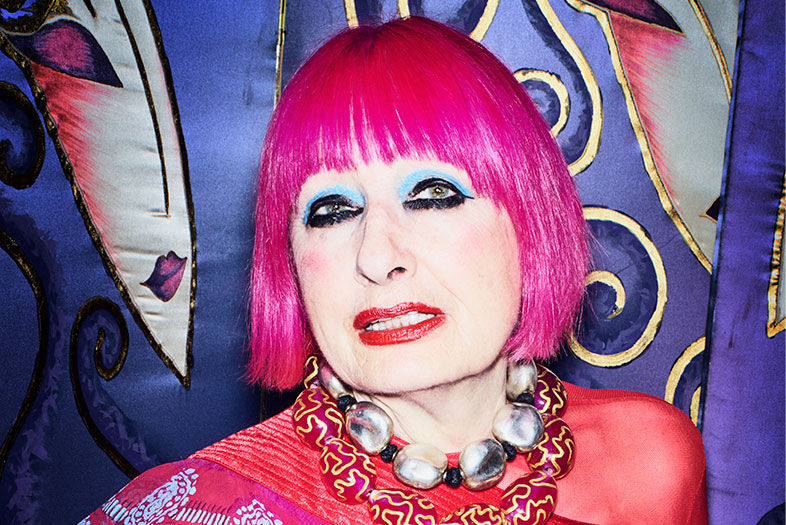
Dame Zandra Rhodes

Fashion Designer

Birthplace: Kent, England

Lives in: Del Mar

Age: 77

Not many people can say they’ve designed clothes for both rock royalty and actual royalty. Zandra Rhodes once made dresses for Princess Diana. “I used to go to the palace to fit her,” she says. “It’s very formal. I’d curtsy when I went in. She was lovely, delightful.”

Rhodes studied art and printed textile design in Kent and London and opened her first shop on Fulham Road in 1967. A few years later she brought her work to New York. After Diana Vreeland put her designs in Vogue, she was picked up by Henri Bendel, Neiman Marcus, and Saks. She has designed for everyone from Jackie Onassis and Elizabeth Taylor to Freddie Mercury and Kylie Minogue. Her clothes have been seen on Sarah Jessica Parker on Sex and the City and on Helen Mirren, Kate Moss, and Ashley Olsen.

She landed in Del Mar 22 years ago when her partner, then-president of Warner Brothers, wanted to retire by the ocean and spend time at the races. Rhodes is not a fan of horse racing or the short skirts you see on women in the clubhouse. “But I don’t think we should pick on the racetrack, because there are some elegant people in San Diego who dress up beautifully. I mean, we’re not in the sticks.”

She has created costumes for the San Diego Opera and continues to design, shuttling back and forth between London and San Diego about a dozen times a year. In addition to launching collections and collaborating with other designers (search for her name and, among other items, you’ll find a Valentino men’s swim short with her print selling for $600 on mrporter.com), she opened the Fashion and Textile Museum in London in 2003, and will celebrate the fiftieth anniversary of her label in October 2019 with an exhibition and a book.

As for the signature pink hair? In 1970s London, she explains, people were experimenting with colored wigs, and her green wig pinched her head. “I thought, ‘You know what? Hair must be a bit like a sheep. Why don’t we dye our hair?’” But the dyes came out. Then she went to China in 1980. “They were still in army uniforms and no one wore makeup and it was the middle of winter.” She came back thinking about “Red China” and decided to dye her hair pink, “the nearest thing to red. The pink was permanent, easy to keep, and I don’t wish to go gray.”

With hono(u)rs:

In addition to becoming a dame commander, Order of the British Empire, Zandra (Z for short) holds nine honorary doctorates at universities in the US and UK.
Meet the Globetrotters and Expats Shaping San Diego

Meet the Globetrotters and Expats Shaping San Diego

Photo by Jay Reilly

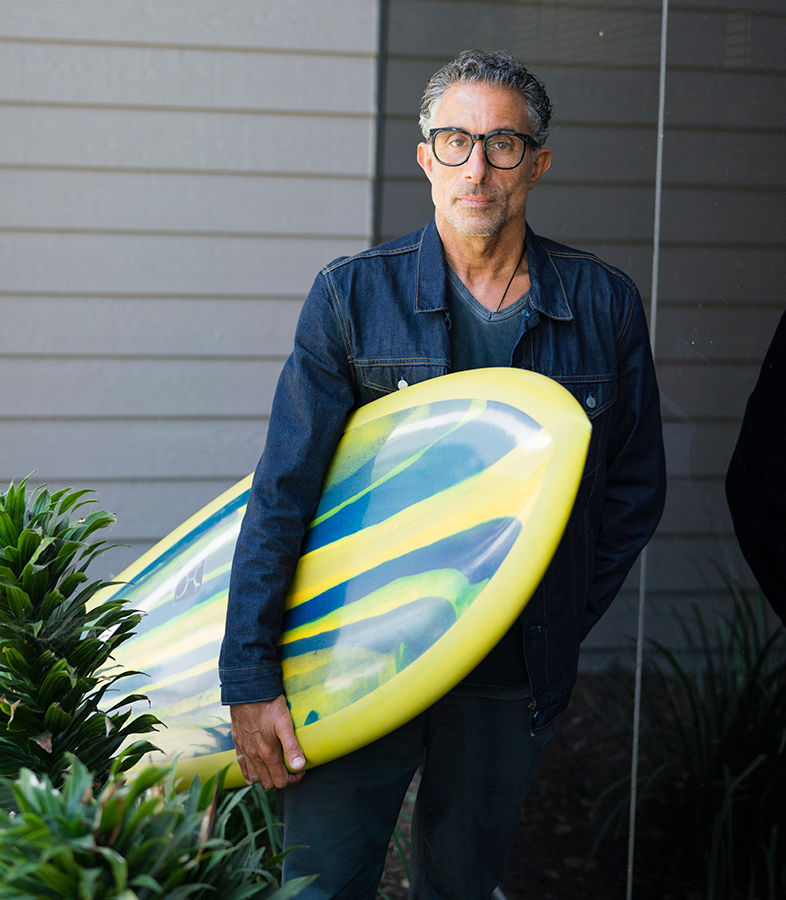
Mark Price

CEO, Firewire Surfboards

Birthplace: Durban, South Africa

Lives in: Solana Beach

Age: 56

In retrospect, Mark Price seemed destined for a career in the surf industry. He was a professional surfer in the early 1980s, and he once embarked on a string of marketing posts for surf brands Gotcha, Rip Curl, and Reef Footwear. But his biggest break came in 2006, when he accepted an offer to helm a little-known startup called Firewire Surfboards. Under his leadership as CEO, the company has evolved into one of the most recognizable and innovative names in surf, pioneering the use of eco-friendly materials and manufacturing techniques for surfboards. Price’s environmental bent—see Firewire’s algae-based traction pad and pledge to produce zero waste by 2020—formed while he was living in South Africa, Australia, France, Hawai‘i, and Solana Beach.

“I believe that humankind is at war with nature, and if we don’t change how we consume the goods and services that make up our daily lives, I know who’s going to win, and it won’t be pretty,” he says. “While progress is being made, I’d like to see San Diego become a notable beacon of ever-increasing sustainability and a case study for other cities.”

As a well-traveled surfer who still rips on his company’s own boards, Price is surely tempted to make his home somewhere closer to one of his favorite waves—South Africa’s Jeffreys Bay, perhaps. But it’s the “big-city vibe in a small package” that keeps him here. And it’s “the weather, multicultural influences, eclectic neighborhoods, and combination of city-meets-the-beach, all within a relatively short distance of each other” that keep him occupied.

What irks him? “Those damn 40-foot RVs taking up all the parking spaces at my local surf spot, even though none of them surf. However, if I score a parking space I’m grateful to them for keeping the crowds down.”

Meet the Globetrotters and Expats Shaping San Diego

Meet the Globetrotters and Expats Shaping San Diego

Illustration by Michael Hirshon

Jaime Alonso Gómez

Dean, University of San Diego School of Business

Birthplace: Coahuila, Mexico

Lives in: Scripps Ranch

Age: 61

In Latin America, grabbing a coffee and getting to know someone personally is a prerequisite to doing business. (Whereas Americans like to get to the point.) Businesspeople have to understand these cultural differences anywhere they work. And after researching, teaching, and consulting in 55 countries, Gómez is a prominent expert in multicultural communication. As dean, he still has time to teach courses like Leadership and Culture in a Global Context to high-level executives. A believer in business models with social good baked in, he preaches his own five-point bottom line: people, planet, profit, peace, and prosperity. There’s a reason the Mexican native with a worn passport chooses to remain where he raised his sons, a doctor and a sound engineer, both of whom earned graduate degrees locally. “San Diego is a great place to build your life, because the community here is collaborative and deeply cares about making this city and the world a better place,” he says.
Meet the Globetrotters and Expats Shaping San Diego

Meet the Globetrotters and Expats Shaping San Diego

Photo by Jenny Siegwart

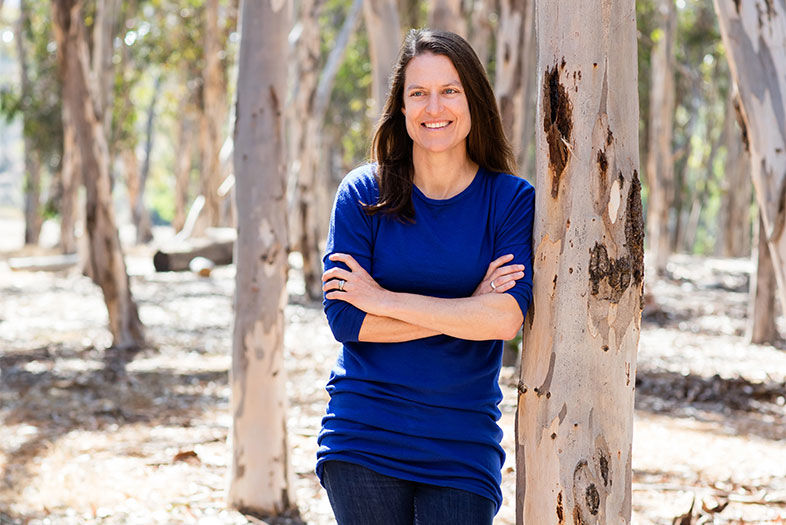
Jennifer Burney

Assistant Professor, UC San Diego School of Global Policy and Strategy

Birthplace: Albuquerque, New Mexico

Lives in: La Jolla

Age: 41

After earning a bachelor’s from Harvard and a PhD in physics from Stanford, this self-described “child of the mountains” found that environmental science was the way to stay outside. For the last decade, Jennifer Burney’s main laboratories for studying food security and climate change have been the African nation of Benin—where she lived for one year—and northeastern Brazil.

No matter how many lines of latitude or longitude you cross, she says, “scientific curiosity brings people together.” Even in rural West Africa, she recalls tuning in to a broadcast about international climate negotiations. “Local pastoralists were talking about how important it is.”

Burney was named a National Geographic Emerging Explorer in 2011, and when she landed a teaching gig at UCSD, it felt like “winning the lottery”—not only because of the school’s prestige, but because living here would afford her outings to the Anza-Borrego desert, mountain bike rides at Mount Laguna, and all the other benefits of the multifaceted city that she says “feels like a well-kept secret. It’s not easily characterized in one line. You have a bunch of different communities that are diverse in many ways.”

Kind of a big deal:

The National Science Foundation awarded Burney a four-year, $1.5 million grant to study how climate change and pollution impact agricultural production. She has also coauthored two papers on the impacts of air pollution, both forthcoming in Nature this year.
Meet the Globetrotters and Expats Shaping San Diego

Meet the Globetrotters and Expats Shaping San Diego

Photo by Alex Ayling

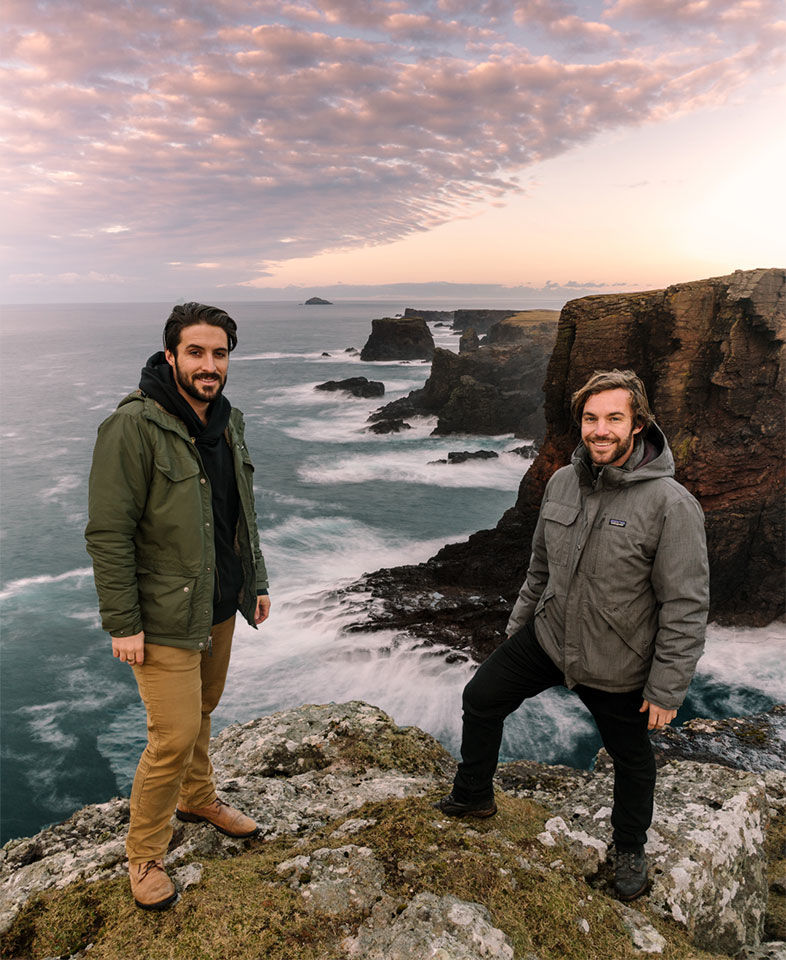
Alex and Marko Ayling

Cocreators, Vagabrothers

Birthplace: San Diego

Live in: Los Angeles

Ages: 30 and 32

Their parents were a Kiwi and a flight attendant who met on a train in Switzerland. (She was lost; he had a map.) So Alex and Marko Ayling, a pair of brothers who grew up in Mission Hills, were destined to travel. And they have: visiting around 70 countries, 50 of which were destinations in their 671,000-subscriber-deep YouTube travel channel, Vagabrothers. Now living in Los Angeles, they introduce themselves to the world as a couple of guys from San Diego.

“If two San Diegans met anywhere in the world—they could be on the Mongolian steppe—they’d start arguing over their favorite burrito spot,” says Marko. (For their money, the brothers back El Cuervo in Hillcrest.)

Of every place they’ve seen, San Diego still ranks highly. “It has the best balance of lifestyle in the world, especially North County,” Alex says. “You can surf, go for a bike ride, grab a smoothie, eat a great lunch with craft beer, and then hit up a reggae show at Belly Up.”

San Diegans are fortunate to share the border with Tijuana, Marko says. “There’s such a rich melting pot of cultures in your own backyard. To grow up so close to another language and culture and be able to cross over—it’s a gift.”

But the brothers know their hometown has some decisions to make about growth. They point to Mission Valley as an example of what not to do. “There’s still time to avoid some mistakes LA made in terms of spreading too far,” Marko says, arguing that San Diego ought to take notes from Denmark and the Netherlands for developing bicycling infrastructure, like bike parking garages and separate lanes to keep cyclists safe from cars.

“San Diego is such a great city for biking,” Alex adds. “Investing more in green transportation options, whether it’s eco-friendly trolley lines linking the city, or bike paths—that’s the way to move forward.”

On motorcycle and on foot, the brothers love to head east to Julian, Ramona, and Mount Laguna. “There’s some cool mountains out there, vineyards, apple pie,” Alex says. “We live in such an amazing city in an amazing corner of the world. I’d encourage San Diegans to explore their hometown more.”
Meet the Globetrotters and Expats Shaping San Diego

Meet the Globetrotters and Expats Shaping San Diego

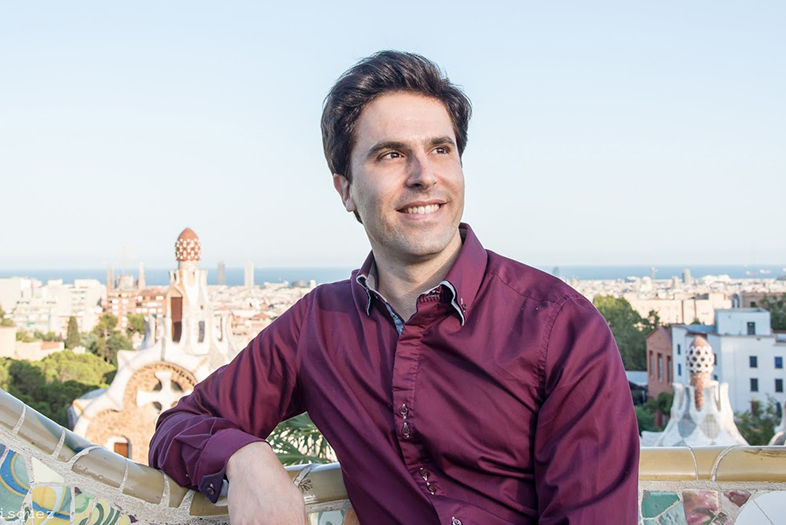
Juan Carlos Bonilla Uribe

CEO and Architect, Matraca Real Estate Solutions and Kom Studio

Birthplace: Mexico City

Lives in: Cortez Hill

Age: 32

“You want to go snowboarding, you have Big Bear. You want to go to a major city, you have LA. Wine tasting? Valle Guadalupe. You have everything within a really short radius.”

That’s how this Mexico City native feels about his adopted home, living with his wife and dog in Cortez Hill. In Mexico City, he says, “You live every minute of your life in rush mode. Here you can take that moment to enjoy going surfing, walking to your job, walking to the park.” The recreational surfer and triathlete believes that San Diego gives you breathing room, yet still allows you to develop your career in virtually any field. “There’s no other place you can find that.”

The architect and real estate developer in him, however, sees potential for something more. After studying in Mexico City, Australia’s Gold Coast, Paris, and São Paulo, Uribe moved here in 2015 to expand his family architecture and design businesses, pursuing projects on both sides of the US-Mexico border—mostly turnkey private home development. He sees Tijuana becoming a model for the kinds of live-work communities that will dominate future cities. San Diego, not so much.

“Tijuana, Mexico City, São Paulo, Sydney—they want to innovate. They’re creating a cool style of architecture that’s their own. Here, it’s still restrained. Architecture and design are far behind,” he says, adding that when you’re in a restaurant or hotel in LA or New York, you know it, whereas San Diego lacks a defining style.

What does it need? “A big art movement would be really interesting.”

Ice, ice, baby!

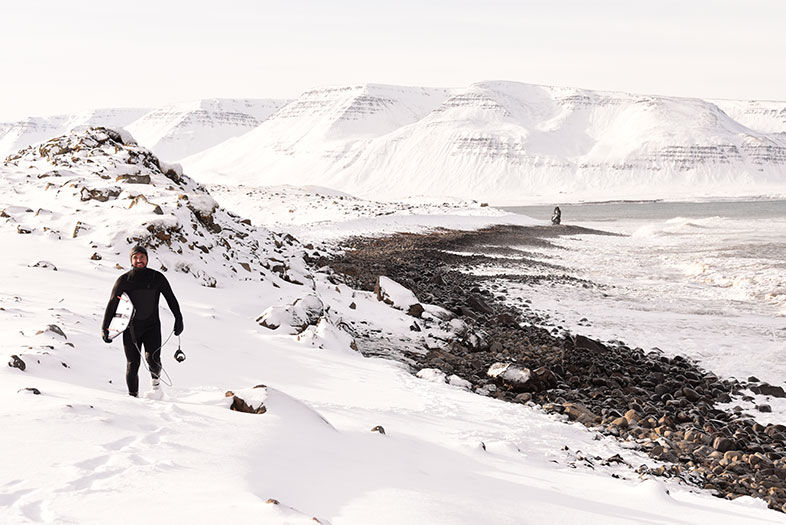
Uribe recently added a new pin to his travel map: Iceland, where he ventured with his wife and sister to a few of the world’s coldest surf spots. Ten days of long drives and harsh weather yielded just a few small windows of good surf conditions at three different beaches. Uribe’s wife and sister snapped photos of him on the icy waves while a surf guide flew a drone, all to capture material they plan to use for a documentary film about the trip.
Meet the Globetrotters and Expats Shaping San Diego

Meet the Globetrotters and Expats Shaping San Diego

Raúl Prieto Ramírez

San Diego Civic Organist and Artistic Director, Spreckels Organ Society

Birthplace: Southern Spain

Lives in: University City

Some may not know it, but San Diego is one of only two cities in the US with a designated civic pipe organist. Raúl Prieto Ramírez assumed the role last December; he will play at least 44 free concerts per year at Balboa Park’s Spreckels Organ Pavilion and curate the annual International Summer Organ Festival (Monday evenings, now through September 3). The century-old Spreckels Organ is the largest outdoor pipe organ in the world, but the way young Ramírez plays is anything but old-fashioned—he’s hailed for his lightning-fast footwork and electrifying stage presence.

“Since the first time I came to San Diego to perform I felt like I belonged,” he says. “I really love how the beautiful environment and weather has shaped San Diegans with an attitude of enjoyment that, as a Mediterranean guy myself, feels like the right way to live.” He also notices that San Diegans love their animals. “I grew up with dogs, so I enjoy seeing so many citizens here spending their time with their dogs.”

One area where we’re lacking, he believes, is efficient and affordable public transportation, because the number of potential riders per square mile is higher even than some European cities that do have it. “I’m ready to trade most of my outrageous car expenses for better public transportation. That’s quality of life.”

Ramírez is also the founder and artistic director of the Barcelona-Mataró International Organ Festival. “I travel to share music with people,” he says, “and because music is a language common to all human beings, it makes our equality very evident. Isn’t that beautiful?”

We’ll drink to that:

“I laugh at my friends’ faces when I tell them a glass of fine wine in my hometown costs from 2,5€ to 5€ maximum.” (That’s about $3 to $6 US.) “And it comes with a free tapa!”

Meet the Globetrotters and Expats Shaping San Diego

Meet the Globetrotters and Expats Shaping San Diego

Michelle Martin

Founder and CEO, Travara​

Birthplace: Durango, Mexico

Lives in: Santaluz

Age: 39

A trip to Poland at age 19 changed everything for Martin, who blogs about travel and social impact for forbes.com. “I volunteered at a summer camp for kids with cancer—they came from a region of Poland that was so heavily polluted that 85 percent of people had cancer,” she remembers. “The children would spend their summer in the clean mountain air, having chemo treatments in between hikes and picking blueberries.”

In 2008, she created the nonprofit Karuna International to take underserved youth from Barrio Logan abroad for the first time. She has also worked at Qualcomm Wireless Reach, which brings smartphone technology to remote areas of the world. The job took her to rural villages in Morocco, India, Myanmar, Colombia, Senegal, and to remote areas of Ghana and the favelas of Brazil.

“San Diego does a lot of things right when it comes to the tourism and hospitality industries, but I would love to see more mission-driven, for-profit companies working in the social good space.” She cites local creative agencies like thinkPARALLAX, which sponsors employee trips to global destinations of their choice.

“We take for granted things like basic infrastructure, access to education and health care, and public safety. I was born in Mexico but my parents raised me here. I’m privileged to raise my children in a city like San Diego, but they’ve both had passports since they were babies. The best gift I can ever give them is the opportunity to see what life is like for people around the world.”

Her current venture:

Launched last month, Travara is a media platform aimed at socially conscious travelers. A percentage of its ad revenue will help take underserved youth abroad and create jobs for women in developing countries.

Subscribe to our newsletters

Select Options

By subscribing you confirm that you agree with our Terms and Conditions and Privacy Policy.

Everything SD JULY 15, 2026

He Saved an Encinitas Landmark Then Built a New One

After Captain Keno's closed, pro surfer Benji Weatherley gave its tables, dishes, and memories a second life at Breakers Cafe Bar & Grill

He Saved an Encinitas Landmark Then Built a New One
Photo Credit: Matt Furman

Captain Keno’s No. 8 special—pancakes, sausage, toast, home fries, and eggs for $2.99—was the fuel that powered Benji Weatherley for surf competitions as a teenage pro. A couple decades later, tears were shed when the Coast Highway dive-slash-eatery called it a day after 54 years. Usually, the guts of a shuttered restaurant go to liquidation auctions or straight to the dump to decompose along with its legend. Instead, Weatherley took in Keno’s spare parts—plus other relics from Encinitas’ past—and used them to build the newest community hangout.

Every single piece in the place is from somewhere in this town,” Weatherley says about Breakers Cafe Bar & Grill. “I’m not going to settle for anything less.”

Breakers is a Hawaiian hideout in an uncool part of the coastal surf town, but it’s got the set design of an Encinitas superfan. The plates, silverware, and coffee mugs are from Keno’s. So are the tables and booths. There’s a bench made from the last table preserved in The Derby House (a building that, for over a century, was a hotel, then became a hospital, a religious retreat, and a private home). Weatherley’s not performing CPR on old upholstery because he’s a fan of antique furniture. It’s a method to bring people together.

“Representing nostalgia in this town is the only way to grasp a hold of the community,” Weatherley says. “Everyone wants to touch and feel something different from what they’re experiencing on their phones.”

Photo Credit: Matt Furman

Every week, locals bring him photos, artifacts, and bits of paraphernalia from Encinitas’ past and ask Weatherley to give them a new home. “I’ve had ladies who were there when [Captain Keno’s] opened cry in my arms and say, ‘This table is where I had my second birthday with my grandma,’” he says. “They tell me these stories, and I tell them I have all the same stories about my mom.” (Weatherley’s mom first brought him to Keno’s and helped raise the young surfers from the Momentum Generation documentary—Weatherley, Taylor Steele, Rob Machado, Kelly Slater, etc.—as they surfed some of the world’s most dangerous waves at Pipeline in Hawaii. Back then, she owned Breakers Restaurant & Bar in Haleiwa. Name sound familiar?)

Weatherley has always been the funniest man in the room. He calls Breakers “the Chuck E. Cheese of Encinitas.” The restaurant hosts hula dancing classes, open-mic comedy nights, and evenings bartended by longtime Captain Keno’s barkeep Vaka Kaufusi. Cult-loved reggae band Steel Pulse hit the Breakers stage recently to perform a new song that Weatherley also helped write. His longtime friend Jack Johnson has dropped by to sing a few, too.

Despite not having a fancy location along the 101, people are catching on. Fire stations and hospitals have held staff parties there. Weatherley also currently sponsors four sports teams.

“Last night, I had a girl say, ‘I want my birthday party at Breakers,’” he says. “That, to me, is community in a nutshell.”

Emma Veidt

About Emma Veidt

Emma Veidt is an editor at San Diego Magazine. She earned her bachelor's and master's degrees from the Missouri School of Journalism. She loves running, hiking, and rock climbing, but really, she mostly loves encounters with the street cats around North Park.

Arts & Culture JULY 13, 2026

How Scrojo Became One of Rock’s Most Prolific Poster Artists

The San Diego designer has created more than 3,000 concert posters over nearly 40 years for artists including the Rolling Stones and the Red Hot Chili Peppers

How Scrojo Became One of Rock’s Most Prolific Poster Artists
Courtesy of Scrojo

Let’s start with his name.

No, not his birth name, Craig McKenzie Haskett.

Scrojo.

When he was in high school, he and his friends were trying to come up with the perfect name for their punk band that would encapsulate all their personas. Nicaragua. The Freds.

One of his friends said he was going to go by Jimmy Stacks and called it “the perfect rock and roll name.” Their names changed so much that Haskett erupted: “Fine, I’m f—ing Scrotum Joe, the true defender of the Open West.”

Their response: Wow, that’s a great name.

As a teenager, he drew chalkboards for Del Mar’s Pannikin coffee shop and would design T-shirts for surf/skate brand Life’s a Beach. He signed the shirts with his moniker, but even in punk rebellion, who wants a shirt with the words Scrotum Joe on it? “They just cut out the ‘t-u-m,’ and the next thing you know, a client referred to me as that, and it stuck,” he says.

Courtesy of Scrojo

Scrojo could have been part of a band as iconic as The Misfits—had he been able to learn the famously cumbersome bassline to The Kingsmen’s “Louie Louie.” Becoming one of the most renowned concert poster designers—someone who quite literally designed the cover of Art of Modern Rock: The Poster Explosion—is a pretty good Plan B.

“To my knowledge, he’s done more rock posters than anybody else alive,” says Dennis King, whose D. King Gallery in Berkeley, California, serves as one of the largest private rock poster collections in the world. “He’s the hardest-working guy in the poster business.”

King not only co-authored the sequel to music historian Paul Grushkin’s The Art of Rock, but he also handles distribution and sales for all of Scrojo’s work. That’s more than 3,000 different posters over nearly 40 years. (That’s over one poster each week. For four decades straight.)

For anything from boxing matches to rodeos, posters have long been used as promotional items. Toulouse-Lautrec’s famous lithographs advertised Moulin Rouge in the late 1800s. Around the same time, Hatch Show Print in Nashville was making handbills for the Grand Ole Opry.

“I propose this: Cave paintings are the first poster art,” Scrojo says.

Courtesy of Scrojo

Rock and roll posters took off in the 1960s, when the hippie counterculture era replaced conformity and suburbia. Artists like Jimi Hendrix and the Grateful Dead used their vibrant, psychedelic prints as a form of rebellion from the mainstream. Posters were promotional, commemorative, collectible, and especially expressive.

If the name Scrojo is any indication, he doesn’t shy away from imagery that toes the line of being too provocative. He focused more on what inspired him instead of trying to be offensive for the sake of getting attention.

“Didn’t want to show it to my grandmother, but my parents were fine with it,” Scrojo says with a laugh.

“We’ve had to ask him to put a Band-Aid over a nipple every now and then,” says Chris Goldsmith, president of Belly Up Tavern in Solana Beach, where Scrojo started out and hundreds of his posters currently line the walls.

Scrojo spent six weeks at Otis College of Art and Design for a summer semester before drugs, alcohol, and a self-described lack of discipline prevented him from enrolling full time. Still, he taught himself concepts like text hierarchy and later found his niche at the Belly Up and in the surfing and skating world, working with brands like Quiksilver, Rip Curl, Scorpion Bay, and DGK.

His first concert poster was for North County band Borracho y Loco, of which Goldsmith was bass guitarist. Scrojo drew an abstract version of the Belly Up’s iconic shark with colorful calypso and tiki themes.

Early on, he would craft using a pencil, pen, non-reproduction blue pencil, X-Acto knife, rubber knife, and proportion scale to create each poster, and the finished product could take a week or even longer.

Courtesy of Scrojo

“I recommend every artist coming up to do that for like six weeks,” Scrojo says. “It forces you to think about every design decision as you’re going along.”

He has since mastered vector imagery through Adobe Illustrator to the point where, depending on the level of detail needed, he could finish two projects in a day. Still, he fills sketchbook after sketchbook to blueprint.

“I liked his line in particular, and he knows how to draw, which a lot of people don’t really know how to do these days,” King says.

Scrojo would research what each musician’s merchandise looks like to get a feel for each artist’s tone and voice. Once he has his central image in mind, he focuses on what and where to place the text.

He doesn’t have one specific style, ranging his talents from art deco to psychedelic and everything in between (and outside the lines). Want a pop surrealist comic book cartoon devil with splattered paint textures, halftone dot patterns, and pure chaos? Red Hot Chili Peppers, February 1986. Want a minimalist graphic portrait with bold strokes and graffiti text? P!nk, October 2023. Want a carnival sideshow style piece with a tasteful caricature of Jeff Bridges? The Big Lebowski, August 2011.

Scrojo calls himself a jack of all trades because he can create posters for all music genres. King calls him a chameleon for his ability to adapt his voice to new eras.

Courtesy of Scrojo

“The variety of his skillset makes it possible for us to put 50 of his posters on a wall next to each other and have it look compelling, not just a bunch of the same thing over and over,” Goldsmith says.

Some of Scrojo’s favorite posters are when he feels a personal connection to the artist or the album. He has a vivid memory as a child of being trapped in a closet filled with marijuana leaves while playing hide and seek and staring at Jimmy Cliff’s “The Harder They Come” LP. “For whatever reason, as a kid, that sparked a desire to do graphic design,” Scrojo says.

Fast forward to February 2012, Cliff is performing at Belly Up. Scrojo decided to modify Cliff’s original album cover from rainbow gradient fills to classic reggae psychedelia while preserving Cliff’s striped pants and bold hat. Cliff’s manager called him and said they wanted to use it for the rest of their tour.

“We always get artists requesting that he does their posters,” Goldsmith says. “A lot of artists don’t want venues to go all rogue because they want to control how they’re being presented. With him, they’re like, ‘Let him go nuts.’”

Matt Eisenberg is an award-winning writer and photographer based in San Diego. A former ESPN editor, his work has also been published by CNN, Bleacher Report and the New York Daily News.

Everything SD JULY 1, 2026

Editor’s Note, July 2026: Hello Again

New editor Emma Veidt gives an introduction and her ode to the once-sleepy, now slept-on North County

Editor’s Note, July 2026: Hello Again
Courtesy of Visit Oceanside

I am fairly sure they don’t let you graduate from Carlsbad High School without a W-2 from Legoland. Being a Legoland MC (Model Citizen, the employee’s moniker) is a rite of passage for all of us who grew up in North County. If you spent a day at the theme park in the 2010s, I probably pointed you toward the Granny Apple Fries or measured your height at a ride entrance.

And now we meet again. I can still point you to quality fries.

This is my first full issue as the new print editor for San Diego Magazine. But it’s not my first time here: I was an editorial intern for these pages back in 2018 (see photo). To be a part of a constant study of the city, its people, its culture, then finding the most compelling stories and bringing them to life—it was incredibly impactful and solidified my decision to pursue all of this (local, print magazine journalism) as a career. Since my internship, I’ve gotten my bachelor’s and master’s degrees from the Missouri School of Journalism and worked for nearly five years at Backpacker magazine. And I’m back at San Diego Magazine, baby. There’s a real magic to narrating the lives lived and dreams dreamt in the place that built me. I am excited to be a part of building the culture of where I’m from. And, born in Tri-City Medical Center and raised in Carlsbad, I can’t think of any other place than our North County issue for me to make my grand entrance as an editor.

Editor Emma Veidt at San Diego Magazine in 2018

To me, North County isn’t just where I’m from; it’s home. Throughout the years, I have run thousands of miles (I did the math) up and down the 101 between Oceanside and Cardiff. I’ve spent thousands of dollars (an estimation, too painful to do the actual math) on BRCs—beans, rice, and cheese burritos—from Lola’s, Juanita’s, and the late, great Pollos Maria.

The stretch of land between Camp Pendleton and the 56 is easy to love. We’re quieter and a little more zenned out than our lower-latitude neighbors, sure, but we’re neither sleepy nor boring.

Do you think Scrojo, the Belly Up’s punked-out poster artist featured on page 68, could last a day somewhere boring?

What I’ve always loved about North County is that the culture shifts every couple of miles as you reach a new town. For years, the media seemed to cast the realm above the merge as a two-toned monolith: sleepy surf towns to the west, suburbs and country living to the east. The nuance of each section seemed flattened or clumped. I think you’ll see the vastly different cultures of North County in this issue—but all distinctly San Diego. Which is to say a little mellower, fewer airs, come as you are.

It’s hard to imagine that the dusty trails and vibrant, muraled alleyways of Escondido are just miles from the barefoot surfers roaming Leucadia. Even though the SDM editorial staff is made up of two lifelong locals and other longtime residents, we don’t pretend to be the experts on every street. What a good city media company does is find the people who are experts, who have a unique hyper-local perspective—and give them the stage.

So we picked six North County neighborhoods—Oceanside, Vista, San Marcos, Leucadia, Rancho Santa Fe, and Escondido—and reached out to artists, community leaders, business owners, anyone making their neighborhood brighter, and we had them describe their perfect day out and favorite things that give their neighborhoods meaning and culture. These itinerary curators included San Marcos’ Patricia Prado-Olmos, Leucadia’s Jeff Schade, Oceanside’s Aaron Crossland, Escondido’s Suzanne Nicolaisen, Rancho Santa Fe’s Charo Garcia-Acevedo, and Vista’s Steve Glaudini. If there’s anyone who lives and breathes North County, it’s them. Check out their recommendations in our feature on page 56.

This month, we’re also going back in time almost 15 years to the Big Bay Boom. Yes, that meme-ified Fourth of July fireworks show where enough pyrotechnics for a 17-minute show went off at once over San Diego Bay. Content Chief Troy Johnson remembers the day and dug back through the story for a hilarious locals’ take on the big debate: Was it the worst fireworks show of all time, or the greatest? (Page 38.)

Before I leave you to our hard work, a sentimental note. When my parents moved from St. Louis to San Diego in the early ’90s, my mom subscribed to San Diego Magazine to learn about her new neighborhood. Now, over three decades later, I’m here—on this planet and in these pages. I thought about my parents a lot as we worked on this issue. Maybe there are a couple new San Diegans reading this magazine for the first time. Maybe that’s you.

Well then, to both of us, I say, “Welcome.” Let’s do this.

Emma Veidt

About Emma Veidt

Emma Veidt is an editor at San Diego Magazine. She earned her bachelor's and master's degrees from the Missouri School of Journalism. She loves running, hiking, and rock climbing, but really, she mostly loves encounters with the street cats around North Park.

Studio S JULY 17, 2026

NOW CFO: Specialized Financial Solutions for San Diego Businesses

NOW CFO provides scalable, on-demand accounting and finance support to companies ranging from pre-revenue startups to billion-dollar businesses

NOW CFO: Specialized Financial Solutions for San Diego Businesses

Entrepreneurs typically launch businesses because they’re passionate about a product or service, not because they want to manage its finances. While working to carve out a niche in their respective industries and drive their companies forward, many business owners find themselves bogged down by day-to-day accounting. Their existing accounting tools don’t provide the necessary visibility or insight, and they don’t have the time or resources to hire additional staff or a chief financial officer. That’s where NOW CFO comes in. 

For more than 20 years, NOW CFO has been pairing businesses across the country with experienced accounting and finance professionals. Its outsourced model allows clients to customize solutions that match their individual needs, size, and financial challenges, whether that’s fractional or interim support, project-based services, or full-time placement. 

NOW CFO’s clients range from startups preparing for rapid growth to established companies that need additional financial leadership without the commitment or expense of building an in-house team. However, many of these companies don’t fully understand their needs until they experience a “trigger” event: preparing for an acquisition or capital raise, navigating a first-time audit, or another period of transition. With a team of over 300 consultants nationwide, NOW CFO can start quickly and match the right expert to the right business. 

“It’s important for companies to have financial visibility, and we can help them avoid a lot of the potholes that companies often run into,” says Mariah Block, a partner at NOW CFO’s San Diego branch. “Roughly half of our clients have an in-house finance person or department, and we’re resourced for more bandwidth when they need an extra set of hands at the staff or senior accountant level, or the controller or CFO level. Some clients use this a few hours a month and others use multiple people close to full-time. Our model is solution-based and customizable. We’re like a faucet you can turn on and off.” 

With NOW CFO, there’s no one-size-fits-all approach. Solutions are based on the client’s individual goals, challenges, needs, and budget, meaning a client never pays for more than they need. Whether it’s a few hours of executive-level guidance or a full accounting team to support daily operations, NOW CFO meets businesses where they are and grows alongside them. 

“We pride ourselves on providing our clients with the right resources at the right rate and being able to evolve as their needs evolve,” says Block. 

And clients appreciate on-demand access to cost-effective support designed to improve performance and profitability.

Luxury car storage service Auto Concierge has partnered with NOW CFO to support growth over the past year. The arrangement began with a staff accountant who covered a leave of absence, but as the client’s needs changed, they also added a controller role. This allowed Auto Concierge to put effective processes in place and navigate operational challenges. Lori Church, Auto Concierge’s chief operating officer, says NOW CFO has been an “outstanding resource” and a “true strategic partner.” 

“From the controller to the bookkeeper, every professional they’ve placed has brought a high level of expertise, responsiveness, and professionalism to our organization. Their team took the time to understand our business of high-profile clients and needs, adapted quickly to our fast-paced environment, and became a trusted extension of our team,” she says. “As Auto Concierge continues to grow, having a reliable financial partner like NOW CFO has allowed us to strengthen our financial and business operations while remaining focused on delivering exceptional service to our clients.” 

Partner Content
Everything SD JUNE 30, 2026

The Fireworks Disaster That Made San Diego a Legend

Eighteen seconds, one unforgettable mistake, and a Fourth of July story that somehow gets better with age

The Fireworks Disaster That Made San Diego a Legend
Courtesy of The Port of San Diego

There’s a famous video.

“This is insane!” the guy filming it seems to proclaim. “It’s the best fireworks show ever!” a companion confirms, inspiring a debate lasting over a decade.

All told, 7,000 fireworks exploded in the span of 25 seconds over San Diego Bay on July 4, 2012. A Michael Bay amount of unison. $125,000 worth of shells, cakes, Roman candles, and skyrockets had been placed on a barge—enough for 17 minutes of decorative sky flares—and…

Boom.

The sky looked like someone had set a giant Rorschach test on fire. Or as if whatever we all see in our Rorschachs—butterflies, clowns, tongue kissing, dads—was being electrocuted and lifted heavenward, amen. It was shocking how bright it was, how much it sizzled the local cosmos. Could’ve been one of those sci-fi films where a hole is ripped open between warring universes. But angstier, more metal—the work of some methy creator in a sleeveless concert tee.

The sound?

Lou Reed once released an entire album that contained 64 minutes of mindflaying guitar screeches and machine noises. No regular songs, just a fascinating amount of ear distress. His record label reps no doubt heard the melodic outro of their careers, but everyone else was in pain and stumped. That album still sounded better than the bay did that night. The bay sounded like a god who struggled with emotional regulation had blown his speakers and was working through the anger stage of AV grief.

In the left frame of the video, a middle-aged woman is attempting to drag her husband off by the hand. In no way does he want to go, possibly because he had missed the time Roseanne Barr sung the national anthem at a Padres game, simultaneously disemboweling and amusing America through the power of song. He would not willingly abandon an equally worthy San Diego trainwreck.

Another woman in the video appears to have just filled her beer, rushing to sit down for the show. She pauses mid-sit and returns to the full and upright position to properly bear witness. What was supposed to be prolonged entertainment has been so radically shortened that she will have to find another reason to drink. Lucky for her, drinking will be the only way to adequately process.

Locals remember the conspiracy theories. People wondered if the fuses had been tripped by a saboteur who was sympathetic to dogs, fish, or the growing suspicion that late-stage capitalism is a gorgeously branded but impossible dream sustained by remarkably efficient top-tier wealth retention and the soft compliance of fireworks-watchers who can no longer afford a house, a beer, or the personal impacts of human reproduction.

Speaking of being terrified of babies, babies were terrified. The children who witnessed it probably still can’t go near a candle store. But those kids will be tougher, perfectly scarred kids. They’ll write better songs.

That night helped us absolutely dominate the national news cycle. For a hot minute, we became America’s water-skiing squirrel. Now, years later, when you Google “fireworks gone wrong,” San Diego is always a top contender, along with that poor Nebraska family who nearly wiped out a couple generations in their front yard, their minivan somehow turning into a howitzer of recreational TNT.

There is still debate as to whether Big Bay Boom 2012 is the worst or greatest fireworks show of all time. But the advanced parts of civilization arrived at the truth as quickly as the women in the video did. It was undeniably amazing.

First of all, the point of Fourth of July fireworks isn’t “the intricate choreography of sky fire over a guaranteed amount of show time.” It’s about creating a vivid memory shared with some people you like, love, or would like to love.

BBB2012 used large-scale chemical fire to create the ultimate memory.

Sure, some people who iron their jeans subjected their family to a sermon about how San Diego managed to botch America’s birthday like a Disney princess-for-hire who smelled of quite a few Sauvignons.

The rest of us saw how perfectly it nailed the actual feeling of being an American. Because only a miniscule percentage of us bake postcard apple pies where every inch of crust is perfectly laminated like the wood in an Irish bar. Very few of us can paint on par with Picasso. The rest of us—despite truly believing in our America-activated abilities to achieve greatness in almost any field of our choosing—burn pies. We try to paint only to realize it looks like our fine motor skills have entered active death.

That’s why BBB2012 was the most perfectly American fireworks show ever: A wildly ambitious idea galvanized thousands upon thousands of people to both work on it and come to hold a beer and gawk at it, only to have it fail in the most glorious TMZ-level spectacle.

America isn’t about immaculate, storyless wins. It’s about how the framework of a country is solid enough that we can accidentally detonate our entire lives—a few times—and still probably be OK.

No one has America’d quite like San Diego did on that day. It was performance art. Lou Reed’s heart slow-clapped. Any brief municipal embarrassment quickly became a pride of our people. I can only hope the same for the Nebraskan yard family whose Dodge Aerostar became a hyperactive Death Star.

P.S. Local writer Maya Kroth compiled a quite great oral history of that night for Thrillist. The bottom lines for me were—it took nine months to prepare, no one was hurt, and even though the pyrotechnics company tried to zero out the bill, Big Bay Boom founder H. P. “Sandy” Purdon refused and paid them in full. This year will mark the 25th Anniversary of the yearly Big Bay Boom.

Troy Johnson

About Troy Johnson

Troy Johnson is the magazine’s award-winning food writer and humorist, and a long-standing expert on Food Network. His work has been featured on NatGeo, Travel Channel, NPR, and in Food Matters, a textbook of the best American food writing.

Features JUNE 29, 2026

5 San Diego Food Trends to Know About

From surprise revivals to changing dining habits, these are the shifts redefining the local culinary landscape

5 San Diego Food Trends to Know About
Photo Credit: Arlene Ibarra

Comebacks Are the New Kickoffs

If absence makes hearts (and stomachs) grow fonder, then shuttered restaurants quickly become the hottest tickets in town—something a number of iconic institutions found out after taking very public hiatuses after historically long runs. For instance, following a lengthy (and extremely flip-floppy) closing process after 92 years in business, Las Cuatro Milpas reopened two blocks away in Mercado del Barrio. Similarly, Carlsbad butcher shop Tip Top Meats reopened in the same location (albeit a smaller space) after the death of founder Joachim “Big John” Haedrich in 2023. Finally, after a whopping decade out of business, Sami Ladeki and chef Alfie Szeprethy brought back Roppongi to its original Prospect Street space, where it was the talk of the town in the late ’90s. All came back under the same proprietors, so they weren’t third-party nostalgia-licensing deals. The algorithm may have ravaged our attention spans away from all but the newest and shiniest, but this proves there’s still hope for our collective prefrontal cortex.

New Generations Take the Reins

Other local eateries honored their pasts by bringing in new perspectives. The Lion’s Share in Embarcadero, Milton’s Deli in Del Mar, Dudley’s Bakery in Santa Ysabel, and J-K’s Greek Cafe in La Mesa handed over the keys to new owners willing to take on a big task: maintain the soul of icons through particularly rough economic circumstances for restaurants, navigate big feelings from longtime regulars (who often don’t take kindly to change), and make some necessary changes to keep going for another few decades. Taking over a project in process can be a lot harder than starting from scratch. But building that feel-good nostalgia doesn’t happen overnight, so it sure helps to have a well-established playbook of success passed down from those who came before.

Courtesy of Sugarfish

The Expansion Class Arrives

It wasn’t just restaurant groups from Los Angeles that decided to put down roots en masse, although San Diego saw plenty of LA transplants recently (Sugarfish, Mr. Charlie’s, For the Win, Katsuya Ko, Bacari). Global brands like Chef Fei, Zuma, and Pepper Lunch have locations of their own on the way, and upscale Canadian eatery Joey joined to the inescapable gravitational pull of Westfield UTC’s culinary cosmos for its first spot in America’s Finest City. Good to see the rest of the world is catching up with what we’ve been seeing the last few years—San Diego is a dining destination already on the rise.

Choosing To Not Choose

Between the never-ending news cycle of doom and perimenopause brain fog, I’m at the stage in life where I’m more than happy to let someone else make a decision for me, especially when it comes to what’s for dinner. And based on the way a lot of menus look right now, I’m not alone. It seems like half the places I visit offer some version of a prix fixe, omakase, or tasting menu. Restaurants are embracing the curated experience to solve the problem of affordability (a fixed menu reduces food and labor costs, guarantees an acceptable check average, etc.) and critical thinking in one fell swoop. Omakase (meaning “I leave it up to you”) is far from a new concept in high-end Japanese sushi culture, but now that it’s popping up everywhere from coffee experiences to grab-and-go sushi and sandwiches, it’s gone from somewhat niche to nearly omnipresent.

Courtesy of Rikka Fika

Local Coffee Hit the World Stage

The world got an up-close look at San Diego’s coffee industry when we hosted the premier specialty coffee expo World of Coffee for the first time this April. San Diego’s long and rich coffee history stretches back to the late 19th century. Things percolated fairly quietly for around a century before really picking up steam. Today, there are nearly 200 specialty roasters and cafes across the county, with many earning national accolades like the Good Food Award (Steady State Roasting, 2020; Bird Rock Coffee Roasters, 2023, 2021, 2019, 2017, 2016), Roaster of the Year by Roast Magazine (Mostra Coffee, 2020; Bird Rock Coffee Roasters, 2012), and the Specialty Coffee Association Coffee Design Award for packaging (Rikka Fika, 2026). Now that we’ve moved past the comically insufferable coffee snob era of the early 2000s, even java newbies can feel comfortable walking into pretty much any coffee shop in San Diego, asking questions, trying a few things, and feeling confident they’re going to get great service and a great beverage.

Beth Demmon

About Beth Demmon

Beth Demmon is an award-winning writer and podcaster whose work regularly appears in national outlets and San Diego Magazine. Her first book, The Beer Lover's Guide to Cider, is now available. Find out more on bethdemmon.com.

Partner Content JULY 10, 2026

Health & Wellness Summer 2026

It’s a Self-Care Summer. Because your best self is our favorite self.

Health & Wellness Summer 2026

If you’re anything like us, it can be easy to get so caught up in taking care of everyone else, that your own needs get lost in the ether. But while this may be a cliché, that doesn’t make it any less true: You can’t give your best self to other people unless you’re taking care of yourself.

Sometimes, that looks like stopping in for your regular acupuncture or chiropractic appointment. Other days, it means giving your body the fresh, organic fuel it needs to truly feel and function at its best. And some other times still, it involves leaving your responsibilities behind for a weekend to pamper yourself at an incredible resort and spa.

Only you can decide what your truly need. We’re just here to help you find the best ways to get it.

Tommy Bahama Miramonte Resort & Spa

Island living meets desert luxury at the Tommy Bahama Miramonte Resort & Spa in Indian Wells. When you step onto the 11-acre property, you’ll be surrounded by sweeping view of the Santa Rosa Mountains with olive trees and fragrant citrus groves decorating the grounds. In other words, everything about this relaxed but refined resort is primed to help you let go of the stress from home and enjoy easy sun-soaked days and gorgeous starry nights.

The rooms blend calming, woven textures with Tommy Bahama’s signature tropical prints and feature private lanais, making it easy unwind the moment you walk in the door. If you book one of the four Villa Suites, you’ll be treated to exclusive Tommy Bahama furniture and unique personal touches to further that feeling of instant ease.

At the award-winning Spa Rosa, the expert team will help reset and recharge your body and mind using methods and rituals inspired by the desert. The 12,000-square-foot retreat includes outdoor soaking pools, eucalyptus steam rooms, and outdoor cabanas, as well as massages, facials, and body masks—all aimed at creating a day dedicated to you. We’re particularly partial to the Day Long Escape, an indulgent all-day affair of CDBs soaks, renewing scrubs, life changing massages, and transformative facials.

Following your treatment, continue the experience with a meal on the patio at Grapefruit Basil. We love the Hamachi Crudo, a light, citrus-forward dish featuring premium yellowtail, house-made ponzu, creamy avocado, and fresh seasonal garnishes.

Whether you’re strolling the gardens, relaxing beside its saltwater pools, or indulging in a restorative treatment, you’ll be able to escape in style and relax in luxury at the Tommy Bahama Miramonte Resort & Spa.

Healcove Chiropractic

There’s no shortage of ways to stay active in San Diego—but if you really want to enjoy everything the city has to offer, you’ve got to make sure you’re giving your body its tune-ups. Enter: Healcove Chiropractic. The board-certified chiropractors and wellness professionals at Healcove are experts at addressing that stage where you’re not injured, exactly, but you’re not at 100%, either. Maybe you’re feeling a bit tense or stressed out. Or it could be that you’re not quite moving the way you want to. Sometimes, it’s just that the accumulation of days, weeks, or even years of daily strain is starting to take a toll. No matter what stage you find yourself at, the Healcove Chiropractic team can provide integrated, preventative care centered on long-term, science-backed approaches that ensure you can always stay active and live the life you want to live pain-free.

This starts by providing truly individualized care. Every patient can expect a thorough 60-minute consultation session that includes a posture and movement screening. This allows the team to develop a completely personalized plan. That plan might include chiropractic care, acupuncture, or massage therapy, as well as functional fitness training, vibration and sound therapy, and Dynamic Neuromuscular Stabilization, a clinical rehabilitation method that retrains the body’s stabilization systems. Whatever the team recommends, you can be sure that it’s tailored to meeting your body’s needs today and the future.

There’s a reason that San Diego Magazine named Healcove the “Best Chiropractor in San Diego”—don’t wait until you’re struggling with an injury to find out why. Book an appointment today for holistic, integrated care that helps ground and heal your body before it reaches a crisis point. 

Juice Holler

West Coast wellness culture meets the community feel of Southern Appalachia at Juice Holler. Juice Holler’s menu consists of made-to-order smoothies and smoothie bowls, as well as grab-and-go cold-pressed juices, wellness shots, salads, and more. It operates from the blissfully simple premise that fueling up with food and drink that’s guilt-free and good your body should be simple, accessible, and, above all else, delicious. And if you haven’t yet made it out to the Encinitas café, which opened just this year, let us be the first to tell you: Juice Holler delivers on each and every of these fronts.

We love the Supercharger smoothie, a mood-lifting and body-fueling option made with banana, almond butter, blue spirulina, maca, grass-fed whey protein, raw cacao nibs, medjool dates, and coconut milk. We’re also partial to the Thrive Alive smoothie bowl, where avocado, mango, sea moss, spirulina, mint, coconut milk, and agave are mixed and topped with coconut, chia seeds, strawberry, mango, and chocolate drizzle. The wellness shots include the Detoxifier, a cleansing blend of kale, cucumber, lemon and spirulina, plus a shot specially designed to fight inflammation (named, fittingly, Anti-Inflammation). Probiotic overnight oats, lemon turmeric bars, and strawberry shortcake chia pudding are other standouts on the grab-and-go menu.

Much of the vibe feels beachy North County chic—think green tile with orange and pink accents, grounded with greenery and natural wood—but Juice Holler founder Kelly Sergott, a longtime Encinitas local, has also enfused the space with her Kentucky roots. In Appalachia, a holler is small valley between hills and mountains, where nature reigns, community is king, and nourishment comes right from the land. At Juice Holler, Sergott has created a holler for the busy modern times, using local ingredients to create a spot for people to come together and enjoy fresh, fast, feel-good fuel for their day.

Everwell Acupuncture

We’ve all had that experience with a medical professional where we’ve felt rushed, ignored, or misunderstood—and ultimately, like we didn’t get the answers that we needed. But at Everwell, the holistic acupuncture practice located in Solana Beach, the care team wants to transform your understanding of what healthcare can look like.

Patients at Everwell experience care rooted in intentional listening and radical empathy—and trust us, those aren’t just corporate buzzwords. This place actually puts those ideas into practice. You will always be given the time you need to tell your story— initial in-take appointments are two hours long—and you can rest assured that your story will be believed. Every single question and concern will be addressed by a dedicated practitioner who wants to find the specific solutions that work best for you, and you’ll receive care that’s aimed at healing the body, mind, and spirit.

Everwell’s highly trained, doctorate-level practitioners blend evidence-based acupuncture with the practice of classical Chinese medicine. (If you’ve never tried acupuncture before or aren’t sure if the team will be a fit, we’d highly recommended Everwell’s complimentary 20-minute consultations.) Research shows that by stimulating specific points on the body, acupuncture activates a natural healing response in the body, helping to restore balance, regulate the nervous system, and improve overall wellbeing. This allows the practice to address an incredibly wide range of conditions from chronic pain and autoimmune disorders to digestive issues, from stress and burnout to headaches migraines, fertility and postpartum struggles, hormonal imbalances, sleep concerns and more.

At Everwell, you can expect to feel heard, trusted, respected, and cared for. This is a space that doesn’t want to be just another healthcare provider you visit; it wants to provide patients with dedicated partner who will be there for their entire health journey.

Partner Content

Thousands of savvy locals already get it.

San Diego's best restaurants, experiences, and events—handpicked and delivered to your inbox weekly. You in?

Close the CTA

Contact Us

1230 Columbia Street, Suite 800,

San Diego, CA