Featured articles
Food & Drink
Food & Drink
Food & Drink
Featured articles
Things to Do
Everything SD
Everything SD
Featured articles
Things to Do
Things to Do
Things to Do
Featured articles
podcast-ep
podcast-ep
podcast-ep
Featured articles
Everything SD
Everything SD
Everything SD
Featured articles
Food & Drink
Things to Do
Everything SD
Ready to know more about San Diego?
SubscribeReady to know more about San Diego?
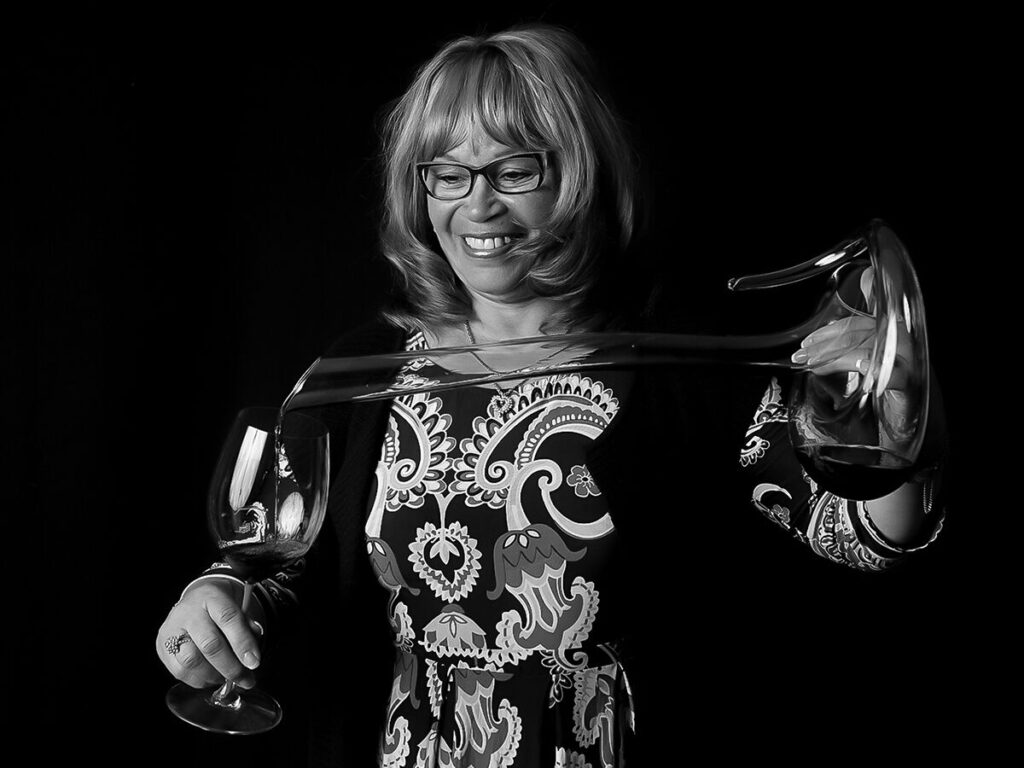
Denise Clarke is the woman behind one of San Diego’s best kept wine secrets, Altipiano Vineyard and Winery
Originally published August 25, 2020
Since only about 10 percent of California wineries are owned by women, and an even smaller percentage are owned by people of color (POC), it may be surprising to hear that Escondido has its very own unicorn: a Black- and female-owned winery. Denise Clarke is humble and talented (and has an impeccable palate—but we’ll get to that), and she’s the woman behind one of San Diego’s best kept wine secrets, Altipiano Vineyard and Winery. It sits on a former avocado grove, one of many in Escondido—and its origins literally rose from the ashes.
Clarke is a longtime wine enthusiast, and a 2007 trip to Tuscany sparked her deep love for Italian wine. While sipping a glass of her favorite varietal, sangiovese, and gazing out at the Tuscan countryside, she promised herself that she would own her own vineyard someday. Fast forward a few months to a raging wildfire in Escondido, and Clarke’s family frantically packing up their most cherished possessions to evacuate their home. When they returned a few days later, they found that the lush avocado grove on their property had been completely destroyed. They were devastated, but Clarke quickly saw this as an opportunity to fulfill her dream, pivot from avocados to grapes, and produce her own wine—though it was all happening much sooner than she’d expected.
In the aftermath of the 2007 fire, Clarke invited soil consultants to assess whether the land was suitable for a vineyard, and she learned about the first steps required to plant one. When it was deemed possible, she made her first purchase at Nova Vine nursery in Santa Rosa, because they grow the brunello clone she fell in love with in Italy. She planted the vineyard in June 2008, and the winery soft-opened in February 2012.
“My vineyard brought the love I felt in Italy to fruition,” Clarke says. “Altipiano was inspired directly from the fire. I didn’t want to leave my home or the land that I loved, and Mother Nature chose my new crop for me.”
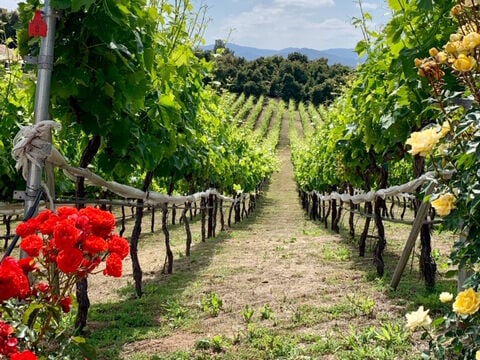
Altipiano Winery
Photo courtesy of Denise Clarke
After years of grueling work and trial and error, she became the first—and to date, only—Black woman running a winery in San Diego County.
Nearly 12 years later, Clarke still encounters the typical scrutiny trained on Black female business owners, and no matter her level of success, she finds that she must prove herself over and over again. She’s constantly asked questions like “So, your [white] husband is the one who actually owns this winery, right?”, and is skeptically quizzed about the winemaking process. She wasn’t taken seriously as a vintner until her wines started winning gold and double gold medals at major competitions like the San Francisco International Wine Competition.
The seven wineries in Escondido’s Highland Valley are a tight-knit group, but there have been times when Clarke felt like she wasn’t part of the “club.” However, she has embraced her challenges, and says that those moments of exclusion, paired with unwavering support from her family and friends, are what motivate her to work harder—and have led to some of her biggest successes.
Asked to reflect on why she’s had to jump through hoops to be taken seriously in the wine industry, she says it’s largely due to the misconception that POC don’t drink wine, especially Black people. “Just like anything that’s not traditionally Black, we don’t see POC portrayed in the wine industry drinking or purchasing wine, so POC are less inclined to purchase and drink wine themselves. This is true for nearly every industry, and the wine industry is no different.”
As a POC and number-one lover of all things wine, I can assure you this assumption is false, yet it has led to the industry excluding huge segments of the potential market for decades.
“I think wineries can fix this from within,” Clarke says. “They can start by hiring diverse staff that are reflective of the community. They can create a space that is safe, comfortable, and welcoming for people of all backgrounds. And as an industry, we can encourage POC to become involved in wine, and experience things that are nontraditional for them.”
Clarke has created the Tuscan-inspired winery she always dreamed of. The microclimate of Escondido’s Highland Valley (similar to that of France and Italy) and the area’s nutrient-rich soil are the perfect pairing for growing high-quality grapes and producing lean and balanced yet bold wines.
She focuses on Italian varietals, her favorites being her Estate Brunello Sangiovese, Estate Barbera, Primitivo, and Aglianico. Her passion for her wine really comes through when she starts describing the “personality traits” of each one, personifying them all. She calls her sangiovese her favorite child, “Lady Brunello,” and describes her as elegant with beautiful finesse.
She has big plans for Altipiano, including an upcoming renovation of the tasting room patio and an expansion of her residence to open it for farm stays.
Clarke wants her vineyard to be a place where people of all backgrounds can gather to relax over a bottle of wine.
“I’ve trained my staff to make everyone feel welcome the minute they walk into the winery,” she says. “No matter how busy we are, everyone is greeted when they arrive, and they are always welcome here.”
Nia Gordon is a psychologist by day, and spends her free time writing about wine—but most often just sipping it. Her blog is themoreyoubordeaux.com. @themoreyoubordeaux
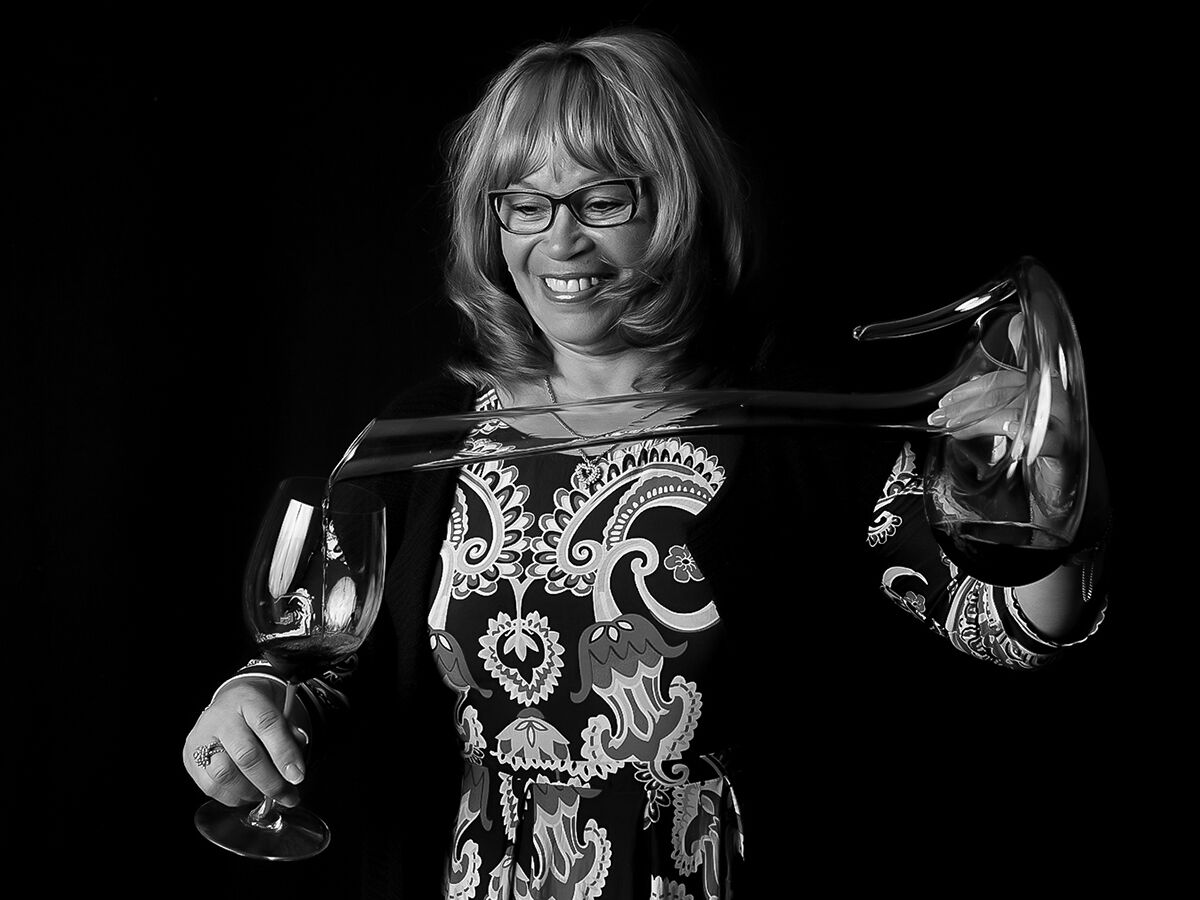
Altipiano Winery / Denise Clarke
PARTNER CONTENT
Photo courtesy of Denise Clarke
The pop-culture phenom, Slurp, makes its way to Westfield UTC this Friday as the mall's first Thai restaurant
If you search “crab rangoon roll” on any search engine or AI chatbot, you’re likely to get one result—Slurp in San Diego.
The ultra-rich, decadently crabby, cream cheese-stuffed, deep-fried burrito served sliced with a side of sweet chili sauce went mega-viral last June, when a few food influencers started posting videos of themselves crunching, dipping, and moaning over the indulgent Thai-California fusion dish at Slurp’s first location in Liberty Public Market and second in Escondido.
Views went from a few hundred… to a few thousand… up to a few million.
“Our business exploded,” explains Gene Kim, partner and CFO of Slurp. “We used to sell 100 in a week, if that, and now we’re selling 300 to 500 per day.”
Somebody should check on the global crab supply, because they’re probably about to sell quite a few more. The third Slurp space soft opens on Friday, January 9 at Westfield UTC, with a grand opening planned for later in the month.
Gene’s wife and Slurp CEO Bella Kim came up with the now-immortalized crab rangoon recipe and entire Slurp concept. She came to the United States from Thailand in 2018 with an F-1 student visa, and missed street food dishes like barbecue pork, wontons, chow mein, and spicy fried rice. “Every item on the menu, that’s all my favorite things from my hometown,” she explains.
Despite the massive influx of different Asian cuisines to Westfield UTC, from Sichuan hot pot at Haidilao to Taiwanese soup dumplings at Din Tai Fung, Slurp will be the first Thai restaurant at the mall. That’s part of their calculated (and ambitious) growth plans, says Carlo Perez, the group’s third partner brought on to open UTC and facilitate their expansion across San Diego, which they hope to seriously focus on in the coming year.

The group is actively eyeing sites near colleges, universities, and in the second phase of the San Diego Airport terminal redevelopment. With a few more prime locations and some long-term social media strategy, Gene says Slurp could become an iconic local chain as ubiquitous to San Diego as Bird Rock Coffee Roasters, Phil’s BBQ, or Hodad’s.
But the Slurp phenomenon has already spread far beyond Southern California. Perez’s niece, a student at the University of Wisconsin–Madison sent them a screenshot of a friend asking where they could get a crab rangoon roll in Wisconsin. He laughs. “You have to come to San Diego to come and get it.”
Slurp soft opens on Friday, January 9 at Westfield UTC (4545 La Jolla Village Drive, Suite E-25). Hours are Monday through Thursday, 10:30 a.m. to 8 p.m. and Friday through Sunday, 10:30 a.m. to 9 p.m.
Beth Demmon is an award-winning writer and podcaster whose work regularly appears in national outlets and San Diego Magazine. Her first book, The Beer Lover's Guide to Cider, is now available. Find out more on bethdemmon.com.
Your ultimate guide to the state's best oenophile destinations—where to stay, what to sip & what to explore
For some, September signals the bittersweet end of summer. For others, it’s a new beginning: the height of harvest season in California wine country. Vineyard grapes reach optimal ripeness for picking, stomping, and fermenting, while the warm, dry, and temperate weather invites wine lovers across the country outdoors to see the vineyards for themselves. Craving a vino vacation of your own? Here’s what to do, eat, and drink, plus where to stay.

Families, in particular, should start in the Riverside County city of Temecula, where anyone age 6 or above can sightsee from the skies with family-run company Cielo Balloons. Those who prefer to keep their feet firmly on the ground might go for a sunset horseback ride with California Ranch Company before turning in for the night at the ultra-luxurious South Coast Winery Resort & Spa—the first and only five-time winner of the “Golden State Winery of the Year” award, as granted by the California State Fair Commercial Wine Competition—or a room at the Spanish-style Ponte Vineyard Inn, which has its own vineyard and is within walking distance of two more.

From there, stroll to Bottaia Winery, where creative types looking to play winemaker for a day can blend their own vinos and bring them home as a souvenir to age. Hop in the car for your five-minute drive to lunch at the upper veranda of Flower Hill Bistro at Miramonte Winery. Wrap up your day with a tasting at the nearby Peltzer Family Cellars before heading into town for a last hurrah dinner at the 98-year-old, storied Swing Inn Cafe & BBQ.

Head north and stop for a meal at the Hotel Californian’s Blackbird restaurant in Santa Barbara, where executive chef Travis Watson and his staff host a once-monthly series featuring a different winery or spirits company. Patrons who don’t want to build their schedule around that event can still savor offerings from local wineries like Lincourt and Firestone before checking in at The Inn at Mattei’s Tavern in Los Olivos.
After spending some time in the property’s airy restaurant and renowned spa, continue onwards to Paso Robles, where you should plan ahead to book a table at the Michelin-starred Six Test Kitchen. There, the seating counter—which can only accommodate 12—wraps around the kitchen for a real-time, behind-the-scenes view of the staff whipping up 12 delicate courses using the bounty of the area’s farms. (Traveling next month? You’re in luck— October is the region’s Harvest Wine Month, when many wineries host special events.)

If you’re looking instead to prioritize the “coast” part of the region’s namesake, follow Carmel-by-the-Sea’s free, self-guided wine walk (get the app for discounts on included wineries’ tastings) before holing up at the romantic, 19th-century Seven Gables Inn, which overlooks Lovers Point Beach in Monterey. Admire the stained glass windows and Victorian architecture; plus, every single one of its 25 rooms offers views of the water.

Take the 101 straight to Livermore’s iconic Wine Trolley, which shuttles riders to three local vineyards for tastings. Or sit down for a casual picnic at Del Valle Regional Park with a sandwich from Ofelia’s Kitchen and a bottle from First Street Wine Company. Make a stop at McGrail Vineyards before unpacking your suitcase for a stay in one of The Purple Orchid Resort & Spa’s 10 fireplace-equipped rooms and suites. Nibble on a complimentary, made-to-order breakfast while looking out at the garden or olive orchard from every room. Guests can also enjoy a community event each evening, featuring an olive oil tasting, wine, and cheeses.

Julie Bogen is an experienced writer and digital strategist whose work has been featured in The Atlantic, The 19th News, Cosmopolitan Magazine, and more. She is passionate about storytelling that centers women and marginalized communities, and when not working she's either with her family or in a barre studio.
Megan Strom and Juan González are behind Escondido’s most exciting (and possibly most sustainable) new restaurant
At Mesa Agricola, a taqueria that recently opened in Escondido, the restaurant’s ethos isn’t merely farm-to-table. Chef Juan González and farmer Megan Strom are actually growing the crops, preparing the food, and occasionally posting about it on social media (although Strom says that last part is by far the hardest).
“We’re just trying to keep the concept super simple, so that we can do what we’re best at, which is farming and cooking,” Strom explains. She and González, who are married, originally launched Mesa Agricola in 2022, hosting farm dinners up and down the coast before settling into a residency at Vino Carta in Solana Beach a year later. They always had their eyes open for a space of their own, all while catering, raising a young daughter, and working a small plot of land on Mike Reeske’s farm in Valley Center. (Yes, those are all full-time jobs.)
Last fall, when Reeske (AKA the Bean Man) decided to retire, he approached the couple and offered them all five acres, plus his heirloom bean collection of 20-plus years. They were staggered by the generosity, Strom says, and it pushed them to plant more and plant sustainably. But with so much already on their plate, what made them decide to do all that and open their own restaurant?

“That had been Juan’s goal all the time,” Strom explains. “He’s a restaurant chef—he thrives off of that adrenaline.”
When they saw a turnkey space in an area not yet overdeveloped, they jumped on it. Mesa Agricola opened a few weeks ago, offering guisados, or stewed dishes. “It’s got that comfort-food feel,” Strom says. González taught himself to cook in his hometown of Rosarito, Baja California and has worked in kitchens and done restaurant consulting for years. Still, without the social media cache of celebrity chefs in an industry where fame is often tied to an existing fortune, Strom says it’s hard to get people’s attention. But slowly and surely, they have.
Chef Travis Swikard of Callie and the forthcoming Fleurette is a friend and the only chef in town with whom Strom shares her produce (besides González, of course). “If I have extras after Juan uses it, Travis just says, ‘I’ll take whatever you’ve got,’” she notes. When Swikard posted on Instagram about Mesa Agricola’s grand opening this month, it drew crowds from all over the county to come try their unique take on Mexican comfort food, she adds.

Mesa Agricola’s concept is simple: Step up to the counter and choose either a burrito or a taco, each wrapped in a housemade tortilla—flour for the former and corn for the latter. (Know that these burrito norteños are smaller than the typical super-sized American versions, so you might want one or two of each.) Options vary, depending on seasonality and the chef’s whim, but they range from veggie-stuffed vegan choices to seafood and meat (like the slow-cooked cochinita pibil or turkey mole). The menu may expand to include items like tortas and features agua frescas and some coffee beverages, as well.
The restaurant’s prices reflect the neighborhood and the couple’s ability to eliminate most of the middlemen producers by just growing what they cook themselves. “Tacos are $4 and burritos are $7. I want to make it accessible … We don’t just want to bring people from the coast out there,” Strom says. “[Opening the restaurant] has been a grind, and it’s been humbling. [But] the people who get it, get it.”
Mesa Agricola is now open at 707 South Escondido Boulevard from Wednesday through Sunday, 9 a.m. to 4 p.m.

For art lovers feeling the pinch of inflation, tariffs, and the generally ridiculous price tag of life in Southern California, I’ve got good news for you. The 17th annual La Jolla Art & Wine Festival is coming back to Girard Avenue on October 11 and 12 for two full days of arts and crafts (including a juried exhibition of over 160 artists), food (from vendors like Mariposa Ice Cream and Isola Pizza), furry friends (find a new family member with the onsite pet adoptions), live music, STEAM activities for kids, and more. Yes, you have to pony up for booze and bites, but it’s for a good cause (fundraising for local public schools).

Listen Now: The Latest in San Diego’s Food and Drink Scene
Have breaking news, exciting scoops, or great stories about new San Diego restaurants or the city’s food scene? Send your pitches to [email protected].
Beth Demmon is an award-winning writer and podcaster whose work regularly appears in national outlets and San Diego Magazine. Her first book, The Beer Lover's Guide to Cider, is now available. Find out more on bethdemmon.com.
Stake Chophouse & Bar brings contemporary classics and old-school service to the heart of Coronado
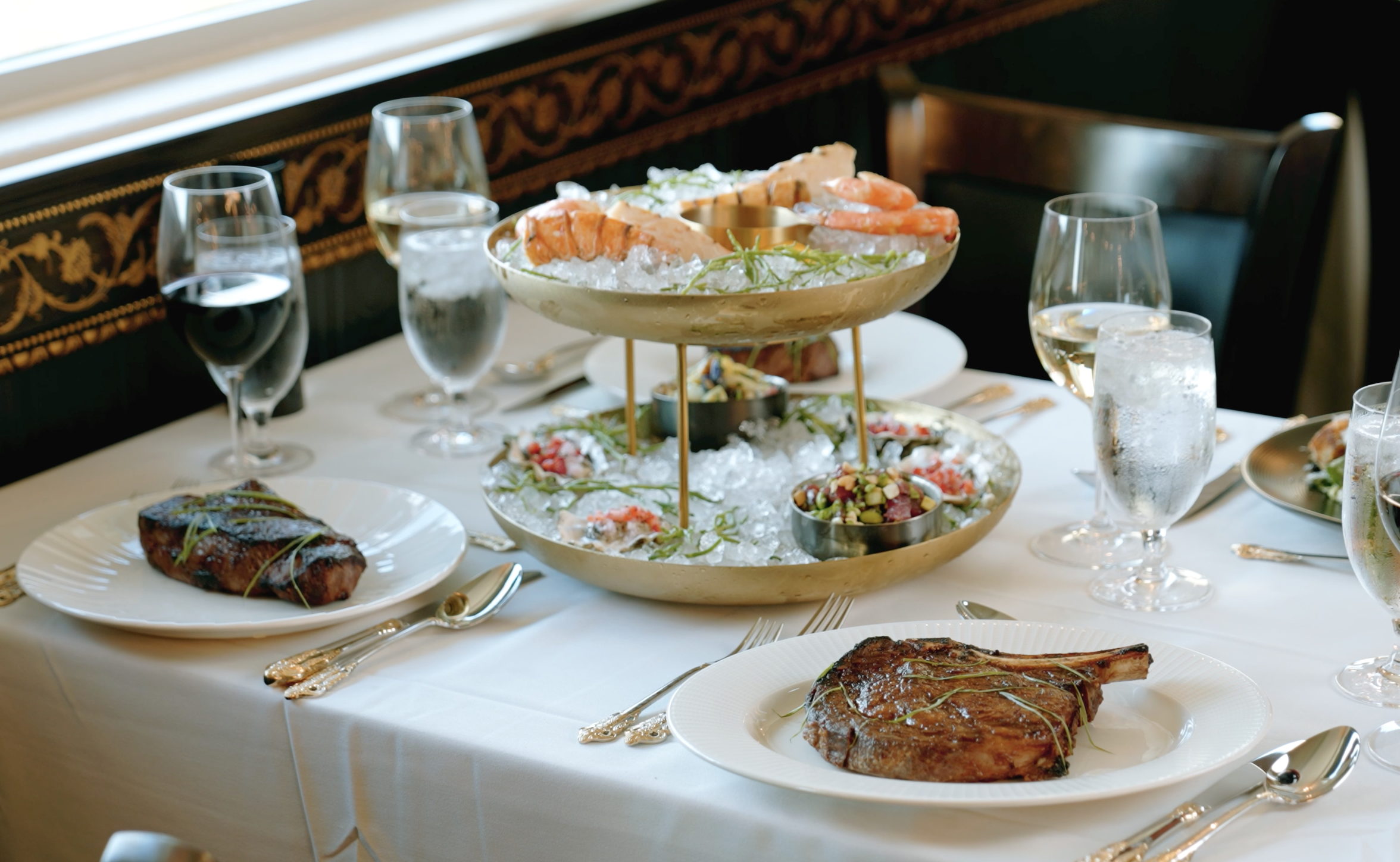
Stake Chophouse & Bar isn’t your average steakhouse. Blue Bridge Hospitality’s Coronado outpost is a modern interpretation of a big-city steakhouse nestled in the heart of the small coastal community. The team at Stake has reimagined the whole steakhouse experience. By prioritizing a seasonal farm-to-table sourcing philosophy, a personalized guest experience, and unique service touches, like a formal steak presentation and a bespoke knife selection process, Stake distinguishes itself in a sea of steakhouses.
Exceptional steaks, including Wagyu from Japan, Australia, and the U.S., and fresh seafood flown in daily form the core of Stake’s culinary identity. The menu features a five-course omakase-style steak experience highlighting house favorites, plus an array of cuts, and classic steakhouse staples—think a wedge salad, baked potato, or pasta carbonara—refined for a contemporary palate without losing their traditional appeal. Stake focuses on seasonal sourcing from the region’s best family farms and specialty purveyors, and incorporates intentionally unexpected touches to create something truly unique.
“I challenge our chefs and myself to take it a step further in sourcing,” says Chef Ronnie Schwandt. “It’s important to us to highlight different farms, unique one-off farms—whether it’s cattle, strawberries, a local fisherman or from anywhere in the United States, we’re always trying to find that niche.”
Beyond the menu, Stake emphasizes outstanding service, says Vinny Spatafore, Director of Hospitality Operations. Staff maintains detailed notes, allowing them to remember guests by name, recall previous orders such as a favorite martini (also memorable for the customer since it’s served in an extra tall, distinctly-shaped glass), and celebrate special occasions like birthdays and anniversaries.
“When you have those points of topic that you remember about a guest, they appreciate that,” he says. “Our servers are really good with that—we have a couple servers who have been here since the beginning and they’ll remember somebody from years ago, their name, their kids’ names, where they live. I’m really thankful to have a great front of house staff.”
Award-winning wines, rare whiskeys, special events, and a complementary black car service that provides transportation for guests throughout Coronado add to Stake’s appeal.
Schwandt stresses that Stake offers more than a meal; they aim to give patrons something unforgettable.
“It starts when you walk up the stairs and are greeted by the hostess—that sets the tone for the night. Then you’re greeted by a server, who may know you by name, and can guide you through the menu and curate as they get to know you,” says Schwandt. “Most people leave kind of blown away; they leave feeling like they just had an experience. That’s the goal, right? Whether you’re serving smash burgers or high-end steak, you want somebody to leave thinking, Wow, that was awesome.”
The gastropub will join the promising Grand Ave. restaurant scene featuring American cuisine and more than 20 beers on tap
James Thorp has done the bar and restaurant song-and-dance in downtown San Diego. He’s done it in Pacific Beach. He’s been all over San Diego, working in hospitality for decades. And this May he’s headed to Escondido with his latest project, Upper East (155 E. Grand Ave).
Thorp says Upper East will be a spot where both families and pets are welcome as well as late-night drinkers and diners, all in the middle of a neighborhood with huge potential. For being at the foothills of San Diego’s farmland, Escondido has never been a thriving restaurant scene. But with the county growing and people leaving the city center for the less impacted edges of the county, a rise seems inevitable.
Thorp says Escondido feels like North Park did when he was just getting started. “It kind of has this really nice, local feel to it,” he explains. Restaurants, breweries, and coffee shops keep popping up, so he wanted to make sure he got in while the gettin’ was good.

Throp and his business partner John Haskett also own and operate Knotty Barrel Gastropub in Rancho Peñasquitos, which split from Knotty Barrel in East Village in 2020. They’d been looking for their next project, and Escondido’s reinvestment in the downtown area (called the Grand Avenue Vision Project) made it prime for a full-service restaurant with classic American cuisine, a full bar, and kid’s options.
The food draws inspiration from, well, everywhere—ahi poke stack appetizer, carnitas sandwich, fish and chips, and classics like burgers, wings, salads, and flatbreads. The 20-tap bar will feature mostly local beers as well as wine and cocktails that range from classic to more signature, with housemade syrups and fruit purees (like the Upper East Old Fashioned with Four Roses bourbon and an Italian orange liqueur).
After years in the biz, he says the area is ready for what he’s building. “We’re just really excited to come to Escondido,” he says. “We can’t wait to start being able to serve the community.”
Have breaking news, exciting scoops, or great stories about new San Diego restaurants or the city’s food scene? Send your pitches to [email protected].
Beth Demmon is an award-winning writer and podcaster whose work regularly appears in national outlets and San Diego Magazine. Her first book, The Beer Lover's Guide to Cider, is now available. Find out more on bethdemmon.com.
The fries don’t need to be crispier or fluffier. The service is not too slow, forgetful, or distracted. The weird new safety protocols are not dystopian or annoying. Honestly the only thing that really matters is if the place is clean and safe. Constructive criticism of restaurants has its time and place, and now is […]
The fries don’t need to be crispier or fluffier. The service is not too slow, forgetful, or distracted. The weird new safety protocols are not dystopian or annoying. Honestly the only thing that really matters is if the place is clean and safe.
Constructive criticism of restaurants has its time and place, and now is not the year nor the planet. As a food writer for the last 12 years, I’ve been paid to analyze restaurant culture. I always felt a bit uneasy about the criticism part. I mostly tried to experience it firsthand and interpret its stories, share some notes on what made me swoon and what made me shrug. I was real, respectful, and sometimes too harsh.
And right now, quite frankly, no one needs that crap. Restaurants need our support, not our qualitative Yelp analysis.
Food has never been restaurants’ biggest charm or raison d’etre. Their top-line virtue, their LinkedIn header, their elevator pitch—is hospitality and escape. A welcoming place populated by people trained to cater to your wants, to become your instant momentary friend, muster snickers for your jokes, receive your bar tales of burden without judgment, feed you and quench your thirst and entertain you. And few things in life besides sex are as emotionally pleasing as a great restaurant experience.
Restaurants turn the basic human needs of eating and drinking—needs which, aside from breathing, we have to repeat most often—into micro-vacations. They helped us momentarily escape bosses, humidity, rain, taxes, exes, parking tickets, school debts, roommates, kids, laundry, bullies, the list goes on.
Well, they may not feel like escapes for a while. There will still be quality music and plant walls and hopefully damn good food and drinks. They are master party hosts, so the good ones will probably even manage to make dining in the days of COVID entertaining. But it’s hard to escape the worst modern reality when everyone in the restaurant is wearing masks and gloves and holding a bottle of hand sanitizer.
So imagine a friend’s house burnt down. At their first dinner party, you wouldn’t care if you’re sitting on folding chairs. You wouldn’t complain if they’re a bit distracted or the sauce isn’t homemade.
It’s our turn to take care of them. It’s our turn to make these locals and neighbors feel valued and appreciated, to take their mind off the crushing economic blow of COVID19. The honor of showing hospitality shifts to us as diners.
Restaurants have always been the first to revitalize a neighborhood, to curate a culture. If we help them get through their scariest, most awkward moment, they will again.
I’m working on a story for SD Mag about some ideas of what that will exactly look like. But in his guidelines for reopening restaurants, California governor Gavin Newsom painted the basic picture.
Everyone will be in masks. Some will take your temperature at the door, ask about your recent travel and if you’ve had any symptoms. People will be cleaning everywhere. Kitchens will be operating on smaller staffs. Food will take longer. Menus will be smaller, shorter. There will be no condiments. The tables will not be pre-set. Fancy menus will mostly be gone for disposable ones. Convenient self-serve items (sodas, lemons, straws, silverware, whatever) will be gone. You’ll have to fill your own to-go container. The restaurant is going to look and feel empty. There may be mannequins in seats. There may be inflatable dolls of scandalous intent. You may be seated next to a table of giant theme park stuffed animals.
Quite frankly, most of these restaurants and their employees would rather not be here. Every time they show up for work, they’re putting themselves and the people they love at risk. But they are facing nothing short of financial ruin if they don’t give it a shot.
Almost overnight, they have had to reinvent their entire business model. Every owner and employee you see in front of you is learning a drastically new and difficult way to do their job, in real time. They are going to struggle. Restaurants have long been one of the most vigilant businesses when it comes to sanitization, but it’s impossibly more of a burden now. They’ve never had to fully sanitize every inch of a table after each guest.
So, please, deal with it. And if you are healthy and have the financial means, dine out. Support these people. Put on your empathy pants, stuff your pockets with patience. Order booze (the biggest money-maker in any restaurant).
To be clear, I think we should still as a community monitor which ones seem to be taking the guidelines seriously and creating a safe, clean environment. If you see a restaurant or employee flagrantly disregarding the new standards, ask to talk to the manager. Be the Karen (but a kind, caring Karen). Chances are they don’t know they’re making you feel unsafe. They are actively re-learning how to operate in a brand new, intimidating world. It’s not going to be perfect. The last thing these people want to do is scare you off, because their existence depends on you feeling safe. Don’t go running to an online forum and rip a local restaurant for a mistake.
If you bring it to their attention and they tell you to take a hike or refuse to change it, make absolutely sure that you’re clearly in the right that they should be changing their practices before going public.
But if you have any sort of complaint about the experience that isn’t related to public safety, please, dear god, keep it to yourself for a while. Just eat your burger a tiny bit overcooked, and realize you are here to help. If it’s a highly enjoyable experience, that’s gravy.
sometimes, even us sun-soaked San Diegans need a getaway of our own. Fortunately, unforgettable experiences are just a short trip away.
It’s hard to think of two words that go together better than summer and vacation. Every summer, visitors flock to San Diego to explore our breathtaking beaches and awesome attractions—and who could blame them?
But sometimes, even us sun-soaked San Diegans need a getaway of our own. Fortunately, unforgettable experiences abound, around the world and in our own backyard.
This guide will help you pick the perfect summer escape. Want even more ideas? Check out the Central Coast’s tourism guide here.
Ventura Harbor.png
Relax and unwind at Ventura’s seaside Ventura Harbor Village for waterfront treats, fresh seafood, patio dining, coastal shops, artisans, pampering, dive trips, live music, and fun rentals on the water! Walk from Ventura Harbor hotels to scenic beaches, Ventura Harbor Village, and Channel Islands National Park Visitor Center. SEA you SEAside! venturaharborvillage.com
Solvang
Solvang’s walkable village is brimming with wine tasting rooms and bars, museums, galleries, independently owned shops, and restaurants helmed by Michelin-level chefs. Architecture reminiscent of Northern Europe frames Danish-pastry-filled itineraries. Spot the Little Mermaid, chase windmills, brush up on Hans Christian Andersen’s fairy tales— then live one of your own. What’s your Solvang story? Solvangusa.com
Gilroy.png
The super-splashy Water Oasis in Gilroy Gardens is the coolest place to play in Gilroy—but there’s lots more to see and do in the Garlic Capital of the World. Enjoy wine tasting, outlet shopping, golfing, hiking, and more. Visitgilroy.com
Ventura.png
Ventura is your portal to life-changing adventure. The closest of the five islands of Channel Islands National Park are just a 70-minute boat ride from Ventura Harbor, and they offer the wild glory you’d expect from one of America’s least visited national parks. “The Galapagos of North America”? Better. visitventura.com
Paso Robles
Escape to the majestic vineyards, oak-dotted hills, and small-town charm of Paso Robles. It’s where world-class food and wine meet small-town cowboy charm, and it boasts endless lodging options, from historic inns and luxury resorts to rustic vineyard escapes. Recently named a “must-visit region” by the New York Times. travelpaso.com
Pismo Beach.png
It’s all here waiting for you—a gentle climate, where sand, sun, sea, and sky converge to create the ideal getaway. California’s golden past is alive and well in Pismo Beach. Visit experiencepismobeach.com to book your stay. experiencepismobeach.com
Monterey.png
Escape to an inspiring place with striking coastline, secluded redwood forests, and a culinary scene as diverse as the landscape. Now is the moment to embrace the unexpected adventures and natural beauty of Monterey County. Why wait? Plan your trip and join us here. Seemonterey.com
Santa Barbar.png
Discover a gentle crescent of California coast where the sea and mountains meet, the sun feels more golden, and the valleys overflow with a bounty of color. Santa Barbara offers exhilarating outdoor adventure, fascinating arts and culture, an incredible variety of local food and wine, and more. santabarbaraca.com
Buellton.png
#SkipTheBigCities and head to Buellton, nestled in the Sta. Rita Hills wine region, where you’ll also enjoy feeding an ostrich, horseback riding, taking a stroll through the botanic garden, or enjoying the collection at Mendenhall’s Museum of Gasoline Pumps and Petroliana. You’ll find accommodations for all budgets, including “glamping.” discoverbuellton.com