
Featured articles
Food & Drink
Features
Food & Drink
Featured articles
Food & Drink
Things to Do
Things to Do
Featured articles
Food & Drink
Food & Drink
Food News
Featured articles
podcast-ep
podcast-ep
podcast-ep
Featured articles
Food & Drink
Features
Food & Drink
Featured articles
Food & Drink
Features
Partner content

Ready to know more about San Diego?
SubscribeReady to know more about San Diego?
Give summer the sendoff it deserves.
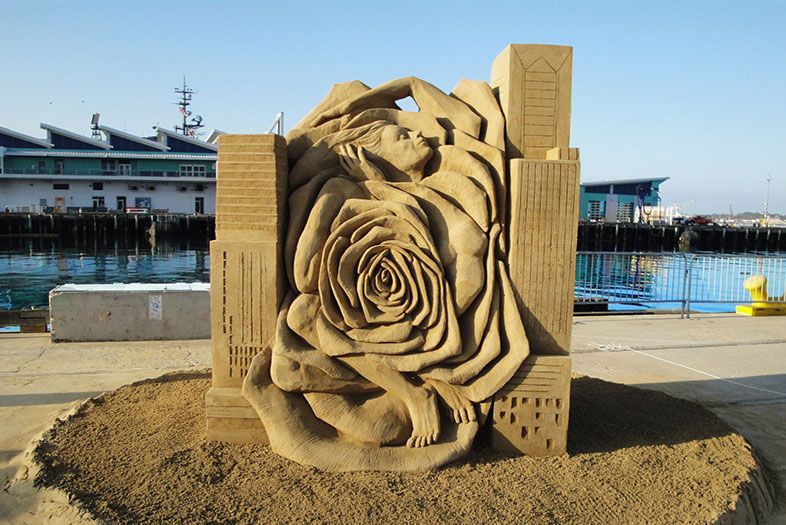
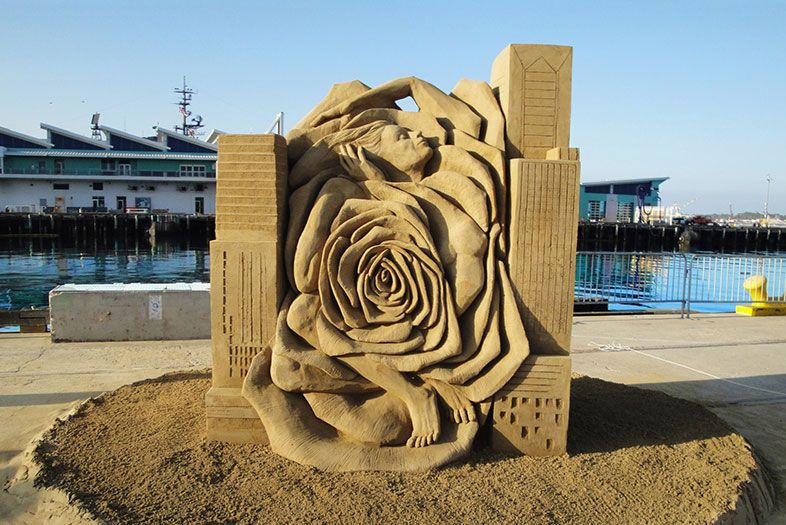
Summer isn’t over just yet. But it’s on it’s way out. What better way to celebrate its final days than with sand sculptures, grape stomping, fireworks, food trucks, arts and crafts, and maybe a bit of wine, too.
U.S. Sand Sculpting Challenge
Where: Broadway Pier and Landing
When: Aug. 31 to Sept. 3, 9 a.m. to 5 p.m. (except Saturday and Sunday, open until 7 p.m.)
Watch as 300 tons of sand is transformed into works of art by invited sculptors from as far as Europe and Asia competing for $60,000 in prizes. Gourmet food trucks and a wine and beer garden provide sustenance for extended viewing, along with live music and craft vendors. Tickets $10 to $15.
Julian Grape Stomp Festa
Where: Menghini Winery
When: Sept. 1, 11 a.m. to 6 p.m.
There’s more to do in Julian’s wine country than tour vineyards and sample the goods. You can put yourself to work stomping grapes in this annual one-day festival. Stick around for bocce competitions, vino from 10 local wineries, and food and craft vendors. Tickets are $15 for adults.
Bayside Summer Nights: 1812 Tchaikovsky Spectacular
Where: Embarcadero Marina Park South
When: Aug. 31 to Sept. 2, 7:30 p.m. to 10 p.m.
Those with a penchant for drama—and for balmy summer nights on the bay—will enjoy this fireworks show set to the music by the Russian composer performed by the San Diego Symphony. Tickets $27 to $92.
PARTNER CONTENT
The Best Ways to Celebrate Labor Day Weekend
“Abby's” introduces viewers to an illegal bar in a South Park backyard—and the very San Diego characters who frequent it.
Abby’s, a new NBC sitcom set in a makeshift bar in South Park aired its first episode on March 29. Wouldn’t you know it, the show’s creator, Josh Malmuth, a veteran of comedy hit New Girl, is a son of San Diego, now living in L.A. The setting—an unlicensed bar in a suburban backyard—is more “Cheers” than “Baywatch.”
“I didn’t want it to feel surf- or beach-centric,” says the Carmel Valley native. “I wanted it to be a different side of San Diego maybe people hadn’t seen before,” We caught up with Malmuth to find out more.
Abby’s airs Thursdays at 9:30 p.m.
I just love it there. Writing for TV, it’s more practical to live in L.A., so maybe it’s a way to keep one foot in San Diego. There’s a really interesting mix of people down there. You’ve got the strong military influence, and also the younger generations who are doing really interesting things in food and beer. South Park is really multi-generational and diverse, I knew it would be a good setting for a show of people hanging out at the bar. I wanted to create this place where an audience could come and hang out and have a good time—San Diego has that feel built in.
Abby, the main character, was a marine. That’s how she ended up in San Diego to begin with. Her stalwart regular is a guy named Fred who worked doing commercial fishing and deep sea fishing charters with tourists. Another character is an engineer who works at Qualcomm. I wanted it to feel relatable to people who aren’t in San Diego also, so I tried to balance a specific sense of place with things everyone has in common.
A couple of people on the crew are from San Diego, and another one of the writers, Russ Finkelstein (Malmuth’s fellow graduate of Torrey Pines High School). Russ used to a do a lot fishing and spearfishing, so he was my go-to person for that stuff.
We shot it outside, with an outdoor audience, which has never been done before. Part of the experience was dealing with planes, and a few skunks walked through the set when we were shooting.
Four Questions With…Josh Malmuth, Creator of New NBC Sitcom Set in South Park
Josh Malmuth on the set of Abby’s | Photo courtesy of NBC
A week of wine-fueled events around San Diego kicks off this Friday, June 1
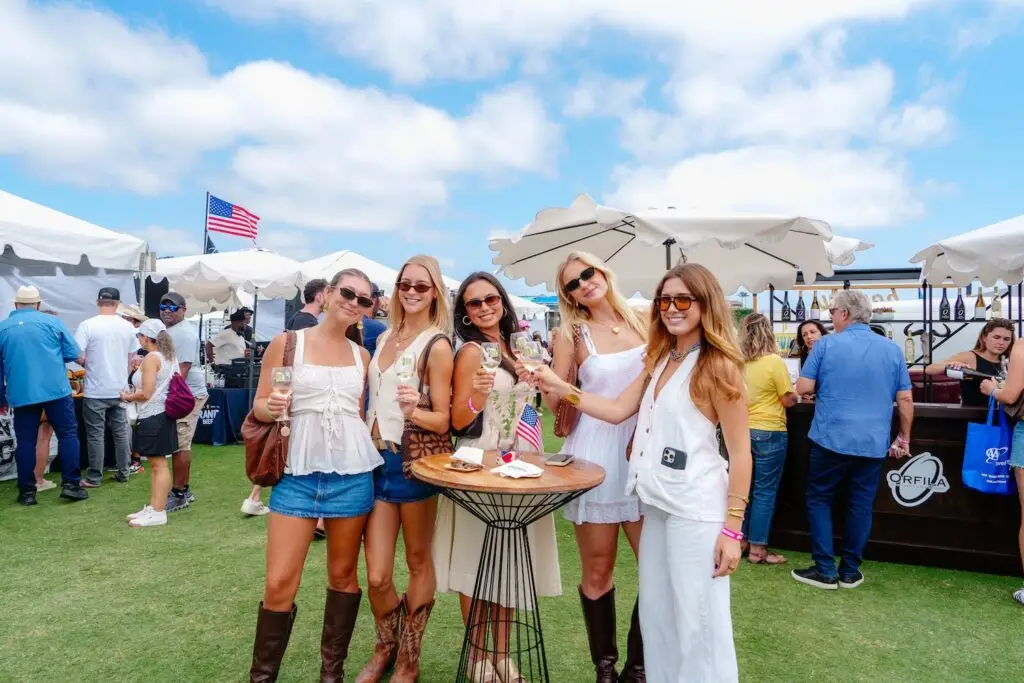
Think San Diego is a beer town? Well, it is. But the area’s local wine producers shouldn’t be overlooked, and that’s precisely the reason for San Diego Urban Wine Week, a week of wine tastings, pairings, dinners, tours, and classes around the county highlighting local rosé, syrah, pinor noir, and more. Here are just a few of the events happening between June 1 and June 8.
Where: The Headquarters at Seaport Village
When: June 1, 5:30 p.m. to 8 p.m.
The week of wine-fueled events begins with a splashy kickoff party featuring live music, artisanal food, and wine tastings from more than a dozen of San Diego’s best urban wineries. Tickets are $25 online or $35 at the door.
Where: Charlie and Echo
When: June 2, 2 p.m. and 4 p.m.
Learn how this Miramar maker of sparkling and other wines creates their local products during two free tours with the winemaker.
Where: The Cork and Craft
When: June 4, 6 p.m.
Escondido-based winery Vesper Vineyards hosts a dinner at Rancho Bernardo fine dining establishment The Cork and Craft.
Where: Negociant Winery
When: June 5, 7 p.m.
Q: The place to go for trivia, wine, and eats this Tuesday. A: What is North Park’s Negociant Winery?
Where: La Fleur’s Winery
When: June 6, 5:30 p.m.
Let local winemaker Brian Vitek walk you through the basics of tasting wine and answer long-simmering questions like, “What is the difference between a Chardonnay and a Chablis?” And, “Is tannin a taste or sensation?” $20 per person.
Where: San Pasqual Winery
When: June 7, 6:30 p.m. to 8:30 p.m.
Taste artisanal cheeses as they were meant to be savored: alongside wines that enhance their flavors, and vice versa. On hand will be cheese expert Jenny Eastwood and San Pasqual Winery’s vintner Linda McWilliams. Tickets are $30.
6 Ways to Explore San Diego Urban Wine Week
Last year’s Urban Wine Week. | Photo: San Diego Urban Wineries
Here's where to sip on local wine and bubbly this month
Beer isn’t the only thing to drink around here. After all, San Diego is a wine region, and one surrounded by other wine regions at that. With spring underway and summer around the corner, wine-pairing and -tasting events are popping up all over the calendar. Here are a few of our favorites this month, including one featuring Baja wines, another that takes place inside an actual wine cave, and other choices to make your weekends and evenings that much nicer.
Where: Rancho Valencia Resort and Spa
When: April 5
Step inside Rancho Valencia Resort & Spa’s wine cave for local food from chef Jarrod Moiles and wine from Santa Maria’s Tyler Winery. Both the chef and winemaker will be on hand to tell guests more about the cardamom-crusted yellow tail, California quail, 2014 Dierberg Vineyard Chardonnay, La Rinconada Vineyard Pinot Noir, and other menu items. Call 858-759-6246 to make reservations; $195 per person.
Where: Hornblower Cruises
When: Saturdays starting April 7
The folks at Hornblower Cruises—the same ones who offer Sunday brunch cruises—also arrange Saturday brunch trips with champagne. Tour the bay to the sounds of the Dave Scott Duo’s live jazz on a boat stocked with plenty of bubbly and brunch and lunch dishes. Reservations required; $69 per person.
Where: The Wine Pub, Point Loma
When: April 12
The Wine Pub in Point Loma arranges four-course dinners paired with wines from Mexico’s premier wine region, Valle de Guadalupe. Dine while the featured vintner schools you on their sips. The next event, on April 12, welcomes Cava Maciel winery’s Jorge Maciel, followed on July 31 by Villa Montefiori winery’s Paolo Paoloni. If your interest is piqued, you can follow your tongue to Valle de Guadalupe on bimonthly wine tours with Fernando Gaxiola, owner of Baja Wine + Food. Dinner tickets are $65 a person; reservations required.
Where: Liberty Station
When: April 14
Wines from 300 top flight wineries from California and the Pacific Northwest will be on hand at this year’s VinDiego Wine and Food Festival, alongside eats from a long list of lavish restaurants (Nobu, anyone?) and live entertainment. Tickets start at $75.
Where: Liberty Station
When: April 18
Ten-hut! This former naval training center plays host to a variety of food, drink, entertainment, and art events during the Taste of Liberty Station. Get the $15 “Bubbly Pass” to sip on sparkling wine while you stroll (and the additional $30 “Liberty Pass” for access to all the food events).
5 Can’t-Miss Events for San Diego Wine Lovers in April
April 14: VinDiego Wine and Food Festival
Yes, Chef! winner Emily Brubaker leads the robust culinary program at Omni La Costa Resort & Spa
For Executive Chef Emily Brubaker, Omni La Costa Resort & Spa feels like home. She grew up just a mile-and-a-half away from the 400-acre property and fondly recalls walking the golf course perimeter as a kid. Though her ambitions led her away from San Diego for nearly two decades in which she honed her craft in some of the highest of high-profile Las Vegas restaurants—including triple Michelin-starred Joël Robuchon at MGM Grand—they ultimately brought her back to North County.

Today, the classically French-trained chef, who’s fresh off a victory on NBC’s Yes, Chef!, judged by Martha Stewart and José Andrés, oversees Omni La Costa Resort & Spa’s seven distinct dining concepts. Her goal is to elevate the resort’s culinary program with her creative, hyperlocal ingredient-driven approach while maintaining the Spanish- inspired flavors and fresh California coastal cuisine that are the bedrock of its culinary identity.
“The San Diego food scene is really growing, and in North County alone, it’s really exploded in the last five years,” Brubaker says. “There are Michelin stars, beautiful tasting menus, craft bakers, and all this food—when I was growing up in La Costa, it was fish tacos. Now there are really cool things popping up, and I’m so happy to be here to see where it’s going to go.”
Brubaker gives chefs de cuisine at each individual restaurant autonomy, however, her influence is evident across the resort.
For example, lobby restaurant Bar Traza serves as Omni La Costa’s culinary centerpiece and features bold Spanish flavors in a lively, social atmosphere. Brubaker overhauled the menu to be more consistent and centered on casual bites with that signature vibe. Think smoky paprika, vibrant citrus, and Spanish meats and cheeses.
At VUE, the focus is on seasonal offerings, California coastal cuisine, and Baja-inspired dishes. She and Chef de Cuisine Cameron Dixon change the menu biannually, which heading into summer, will highlight farm-fresh produce and hyperlocal ingredients—the resort even has its own herb garden and honeybee hives.

Poolside dining options are leaning into the country’s 250th this summer with a selection of classic American dishes with an Omni La Costa twist. And Bob’s Steak & Chop House (Brubaker is a trained butcher) offers a classic steakhouse experience with elevated service.
The chef and company also plan menus for special events at the resort where her creativity can really shine. For an upcoming National Ski Association dinner, the banquet hall will be transformed into an Alpine-themed winter wonderland complete with a snow machine, savory sausages, and melty, decadent raclette. A recent dinner was built around the Carlsbad Flower Fields and each course was matched to a color of ranunculus (Did you know pink dragonfruit are grown in North County? You do now.).
“It’s my zen to be in the kitchen playing with food,” Brubaker says.
Omni La Costa’s culinary program is a key part of the resort experience. And with Brubaker’s leadership, it’s becoming a draw for visitors and locals alike.
“These aren’t just hotel restaurants, these are restaurants that you should go to. They’re destinations, and I’m really hoping for the future that’s where we’re going,” Brubaker says.

Brubaker is also channeling her experience on Yes, Chef! into the culture at Omni La Costa—more emphasis on teamwork and collaboration, empowering her staff to share constructive critiques, and embracing different perspectives. Alongside her leadership role, Brubaker has become an advocate for mental health in the hospitality industry, serving as chief ambassador for the Burnt Chef Project and serves on the Board of Advisors for the Apex Culinary Program, where she mentors and develops future talent.
For more on Omni La Costa Resort & Spa and its dining program, please visit omnihotels.com/hotels/san-diego-la-costa.
In eight short years, Baja’s gone from a virtual dead zone to one of the globe’s top food and drink destinations. With the world watching, how will innovators in Tijuana and Valle de Guadalupe handle growing crowds and attention—without selling their souls? The Baja Moment Misión 19’s trio of local ceviches over a bed of […]
In eight short years, Baja’s gone from a virtual dead zone to one of the globe’s top food and drink destinations. With the world watching, how will innovators in Tijuana and Valle de Guadalupe handle growing crowds and attention—without selling their souls?
The Baja Moment
Misión 19’s trio of local ceviches over a bed of rusty nails and seaweed, a tribute to a local beach.
That smell has always saddened me. That’s Tijuana’s handshake to the world—a pungent spritz of sewage? The Tijuana River Basin runs under the San Ysidro border crossing, carrying a flotilla of discarded grossness. Most tourists like their travel destinations more redolent of spa eucalyptus. The smell is why some of them don’t come here.
“Tijuana’s not for everybody, and that’s okay,” says Derrik Chinn, an American journalist who’s lived there since 2007. Chinn owns Turista Libre!, leading gringos on cultural excursions through Tijuana. When he started, Mexican cabbies threw rocks at his bus. In September, the TJ newspaper hailed his contribution to the city.
“The city’s been a tourist trap since Prohibition,” he says. “The drug wars and border waits gave the city a much, much-needed chance to define itself for itself. The tourists weren’t coming. What if they never came back?”
Prohibition is why Tijuana became what it became. Hollywood A-listers came here to gamble at Caliente, watch bullfights on acid, escape America’s crushing sobriety. Preachers called it “Satan’s Playground.” By the ’80s, Avenida Revolucion was a prolific vice market made grotesque by the drastic socioeconomic divide between the sellers and the buyers. It was the place to get drunk, drugged, mugged, prostituted, marginalized, corrupted, blasphemed, kidnapped, and thrown in a moldy jail forever and ever.
Of course, that was always part of Tijuana’s allure—fear being the catalyst for pleasure that it is.
The Baja Moment
Chef Javier Plascencia
Then Nortec Collective happened. In 1999, this small army of Tijuana DJs, musicians, and artists became internationally famous. Art stole the spotlight back from the donkeys painted like zebras (zonkeys).
Then there was blood. In 2006, the Mexican government stopped partying with the cartels and started arresting them. With a power vacuum created, aspiring cartels fought in the streets over the lucrative crime market. American media peeked over the fence and inflamed the scene even more.
The Baja Moment
“Raining Machetes in Mexico!”
“How to Survive A Battery Acid Attack in TJ!”
Americans overreacted and wrote off the entire country. Like someone from Mexico City saying, “Sorry, niños. There’s murder in Chicago. No Disneyland this year.”
Now, the dust has settled and Baja is one of the most buzzed-about culinary destinations on the planet. Anthony Bourdain, Andrew Zimmern, and Rick Bayless are praising it on TV. The Wall Street Journal is taking it seriously enough to critique the region’s wines. This year’s esteemed S. Pellegrino list of Latin America’s Top 50 Best Restaurants included two in Baja.
A couple years ago, star Tijuana chef Javier Plascencia told the New Yorker and the New York Times he wanted to see Baja become an international food destination one day. Just like San Francisco or Mexico City.
That day is now.
Tijuana’s most brilliant tourism initiative seems to have been ignoring tourists. By doing so, they created an exciting native culture that’s attracting a more sophisticated breed of visitor.
“People are open to seeing Tijuana less as a tourist, and more as a traveler,” Chinn suggests. “As a tourist, the city is adapting to you. As a traveler, you’re adapting to the city.”
This time, chefs were the Nortec Collective—cultural ambassadors luring foreigners back to Mexico. Famed chefs like Benito Molina (Manzanilla), Diego Hernandez (Corazon de Tierra), and Miguel Angel Guerrero (La Querencia) cooked at events in the U.S. Jair Téllez—often called the Thomas Keller of Baja—helped design the menu at former San Diego restaurant El Take It Easy. Top San Diego restaurants have added Baja Med dishes (grilled octopus, tiraditos, gourmet tostadas, etc.).
The Baja Moment
Baja California’s wealth of locally caught seafood and farmers market produce is helping spur a culinary renaissance.
A lot of credit has deservedly gone to Plascencia. The chef was raised on both sides of the border. He’s bilingual. He looks like a Mexican George Clooney. Most importantly, he can really cook. He is the gateway.
In eight short years, Baja’s gone from a virtual dead zone to one of the globe’s top food and drink destinations. With the world watching, how will innovators in Tijuana and Valle de Guadalupe handle growing crowds and attention—without selling their souls? The Baja Moment Misión 19’s trio of local ceviches over a bed of […]
In eight short years, Baja’s gone from a virtual dead zone to one of the globe’s top food and drink destinations. With the world watching, how will innovators in Tijuana and Valle de Guadalupe handle growing crowds and attention—without selling their souls?
The Baja Moment
Misión 19’s trio of local ceviches over a bed of rusty nails and seaweed, a tribute to a local beach.
That smell has always saddened me. That’s Tijuana’s handshake to the world—a pungent spritz of sewage? The Tijuana River Basin runs under the San Ysidro border crossing, carrying a flotilla of discarded grossness. Most tourists like their travel destinations more redolent of spa eucalyptus. The smell is why some of them don’t come here.
“Tijuana’s not for everybody, and that’s okay,” says Derrik Chinn, an American journalist who’s lived there since 2007. Chinn owns Turista Libre!, leading gringos on cultural excursions through Tijuana. When he started, Mexican cabbies threw rocks at his bus. In September, the TJ newspaper hailed his contribution to the city.
“The city’s been a tourist trap since Prohibition,” he says. “The drug wars and border waits gave the city a much, much-needed chance to define itself for itself. The tourists weren’t coming. What if they never came back?”
Prohibition is why Tijuana became what it became. Hollywood A-listers came here to gamble at Caliente, watch bullfights on acid, escape America’s crushing sobriety. Preachers called it “Satan’s Playground.” By the ’80s, Avenida Revolucion was a prolific vice market made grotesque by the drastic socioeconomic divide between the sellers and the buyers. It was the place to get drunk, drugged, mugged, prostituted, marginalized, corrupted, blasphemed, kidnapped, and thrown in a moldy jail forever and ever.
Of course, that was always part of Tijuana’s allure—fear being the catalyst for pleasure that it is.
The Baja Moment
Chef Javier Plascencia
Then Nortec Collective happened. In 1999, this small army of Tijuana DJs, musicians, and artists became internationally famous. Art stole the spotlight back from the donkeys painted like zebras (zonkeys).
Then there was blood. In 2006, the Mexican government stopped partying with the cartels and started arresting them. With a power vacuum created, aspiring cartels fought in the streets over the lucrative crime market. American media peeked over the fence and inflamed the scene even more.
The Baja Moment
“Raining Machetes in Mexico!”
“How to Survive A Battery Acid Attack in TJ!”
Americans overreacted and wrote off the entire country. Like someone from Mexico City saying, “Sorry, niños. There’s murder in Chicago. No Disneyland this year.”
Now, the dust has settled and Baja is one of the most buzzed-about culinary destinations on the planet. Anthony Bourdain, Andrew Zimmern, and Rick Bayless are praising it on TV. The Wall Street Journal is taking it seriously enough to critique the region’s wines. This year’s esteemed S. Pellegrino list of Latin America’s Top 50 Best Restaurants included two in Baja.
A couple years ago, star Tijuana chef Javier Plascencia told the New Yorker and the New York Times he wanted to see Baja become an international food destination one day. Just like San Francisco or Mexico City.
That day is now.
Tijuana’s most brilliant tourism initiative seems to have been ignoring tourists. By doing so, they created an exciting native culture that’s attracting a more sophisticated breed of visitor.
“People are open to seeing Tijuana less as a tourist, and more as a traveler,” Chinn suggests. “As a tourist, the city is adapting to you. As a traveler, you’re adapting to the city.”
This time, chefs were the Nortec Collective—cultural ambassadors luring foreigners back to Mexico. Famed chefs like Benito Molina (Manzanilla), Diego Hernandez (Corazon de Tierra), and Miguel Angel Guerrero (La Querencia) cooked at events in the U.S. Jair Téllez—often called the Thomas Keller of Baja—helped design the menu at former San Diego restaurant El Take It Easy. Top San Diego restaurants have added Baja Med dishes (grilled octopus, tiraditos, gourmet tostadas, etc.).
The Baja Moment
Baja California’s wealth of locally caught seafood and farmers market produce is helping spur a culinary renaissance.
A lot of credit has deservedly gone to Plascencia. The chef was raised on both sides of the border. He’s bilingual. He looks like a Mexican George Clooney. Most importantly, he can really cook. He is the gateway.
Perfect pairings make this fundraiser one of our favorites
The San Diego Young Professionals Committee (YPC) and the University Club Charity Classic will host the 10th Annual Chocolate & Vino on Friday, September 5th at the University Club. Deemed an “Around the World Tasting,” guests get to sip and sample their way through different cuisines and wines of the world. Take in the city views from the 34th floor where the sunset alone is worth the ticket price. Proceeds from the event go to three different local organizations: Big Brothers Big Sisters, ALS Therapy Development Institute and Employee Partners Care Foundation.
Event Details:
Friday, September 5, 2014
The University Club atop Symphony Towers
750 B Street Suite 3400, San Diego CA 92101
6:00-9:00PM
Tickets: $60 per person
Purchase tickets HERE
10th Annual Chocolate & Vino