main
Are you tired of the same old boring smoking experience? Look no further than the world of bongs! These beautiful and functional pieces of art are the ultimate smoking accessory for those who want to elevate their smoking game. But with so many options out there, it can be hard to know where to start.
That’s why we’ve scoured the internet and put together a list of the best bongs on the market. From classic designs to innovative new styles, these bongs will take your smoking experience to the next level. So sit back, relax, and get ready to discover the ultimate in smoking pleasure.
But before we take a look at our top picks of best bongs, let’s first understand….
How Do We Decide The Quality Of A Bong?
When it comes to evaluating the quality of a bong, there are a few key things to keep in mind:
-
Material matters: Glass is the go-to for a reason, offering durability, easy cleaning, and resistance to heat. While other materials like plastic or silicone may be cheaper, they can be hit or miss when it comes to quality.
-
Design is dope: Whether it’s thick walls for added durability or percolators for smoother hits, a well-designed bong is key to a top-notch smoking experience.
-
Size is a vibe: A big bong can offer cooler hits, but can be a hassle to clean and less portable. A smaller bong may be more convenient, but can pack a harsher punch.
-
Brand reputation counts: If you’re looking for a reliable bong, stick with trusted brands that have a rep for quality. Check out user reviews to get the lowdown on specific brands and models.
5 Best Bongs To Buy Online
-
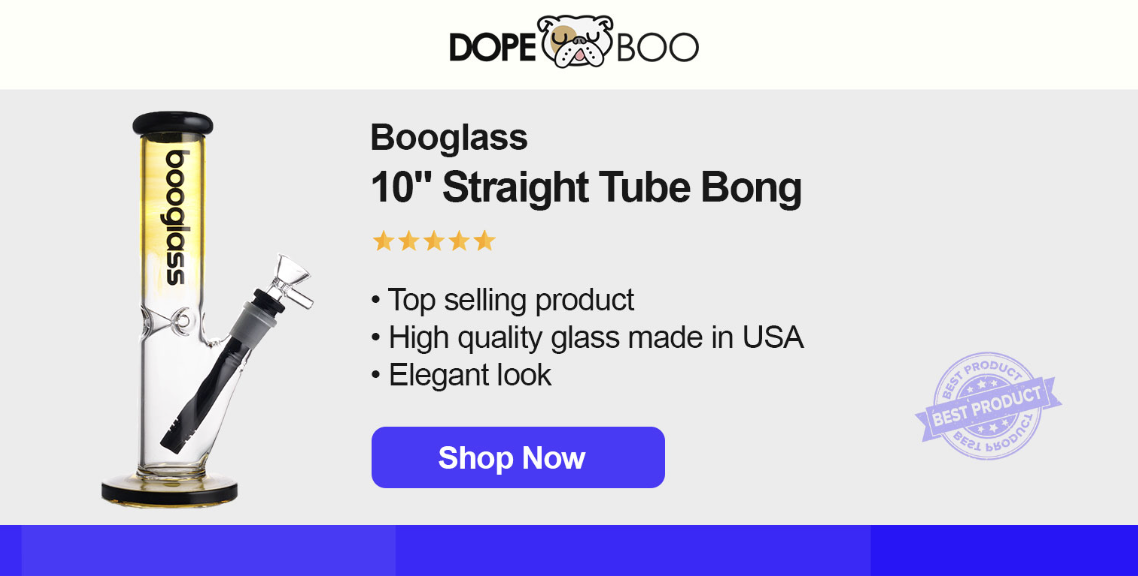
Boo Glass 10” Straight Tube Bong: Overall Best Bong On The Market
-
Boo Glass Specialty Series 19″ Glycerin Coil Bong: Best Water Pipe With Precolator Technique
-
Boo Glass Baseball Bong: High Quality Borosilicate Bong
-
Boo Blowout Thick Crystal Base Bong: Most Durable Thick Glass Bong
-
Boo Glass 12 Inch Double Matrix Perc Glass Bong: Exceptional Filtaration For Soomth Rips
Screenshot 2023-05-10 at 2.57.36 PM.png
The Boo Glass 10″ Straight Tube Bong is a premium water pipe designed for regular cannabis users. Its impressive height of 10 inches, combined with a borosilicate glass thickness of 9mm, makes it one of the most preferred bongs in the market. The bong’s crystal base ensures there are no spills during use, making it easy to clean.
One of the unique features of the Straight Stick Bong is its flared mouthpiece, which provides an exceptional smoking experience. The transparent glass also adds to the bong’s aesthetic appeal, while its durability is guaranteed.
Pros:
-
The Straight Stick Bong’s 10-inch height and 9mm borosilicate glass thickness make it a high-quality and sturdy water pipe.
-
Its crystal base ensures there are no spills, making it easy to clean.
-
The flared mouthpiece provides a unique and enjoyable smoking experience.
-
Its transparent design adds to its aesthetic appeal.
Cons:
Screenshot 2023-05-10 at 2.57.40 PM.png
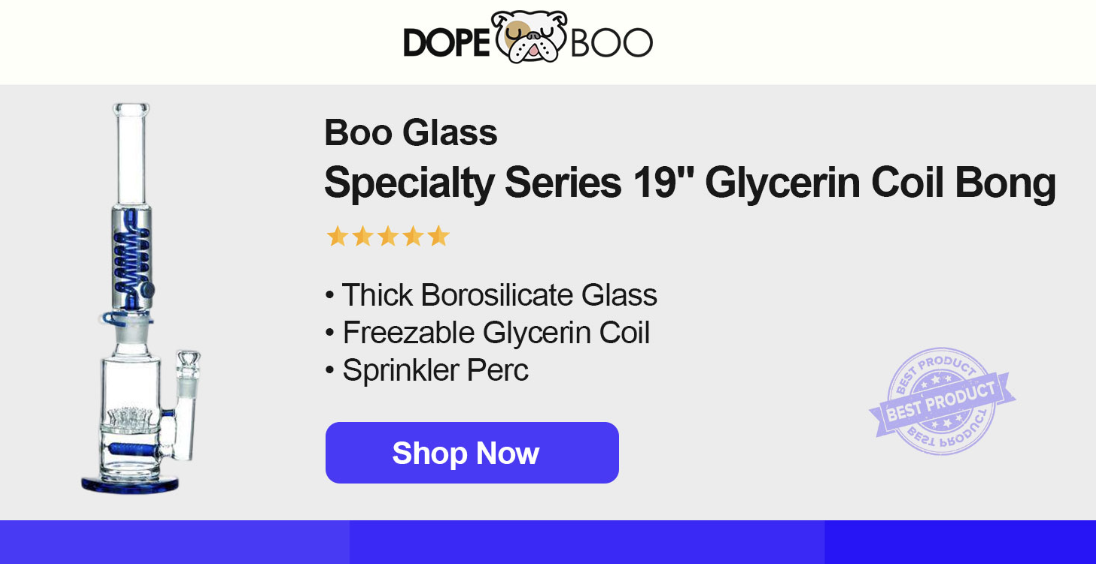
The Boo Glass Specialty Series 19″ Glycerin Coil Bong is a masterpiece of modern glass engineering that stands out for its outstanding features. With a height of 19 inches, it is made of thick borosilicate glass and comes in two stylish colors: blue and black. Its 18mm female joint is perfect for both dry herb slides and concentrated fun with a quartz banger nail.
This bong features advanced percolation with a sprinkler perc and inline perc, which helps deliver smooth and silky clouds. The freezable glycerin coil adds an extra level of cooling power to the inhale, which makes it a must-have for any smoker. The dewars joint secures the glycerin coil in place, and a sturdy keck clip makes it easy to remove and store the coil in the freezer.
Pros:
-
Advanced percolation system with sprinkler and inline perc for smooth and silky clouds.
-
Freezable glycerin coil adds extra cooling power to the inhale.
-
Dewars joint secures the glycerin coil in place and makes it easy to remove and store.
-
Sturdy keck clip for secure attachment of the glycerin coil.
-
Thick borosilicate glass ensures durability and longevity.
-
Easy to clean modular design with maneuverable, small-sized elements.
Cons:
-
The large size of the bong may not be suitable for those looking for a more portable option.
-
The glycerin coil needs to be frozen before use, which may require additional planning and preparation.
Screenshot 2023-05-10 at 2.57.43 PM.png
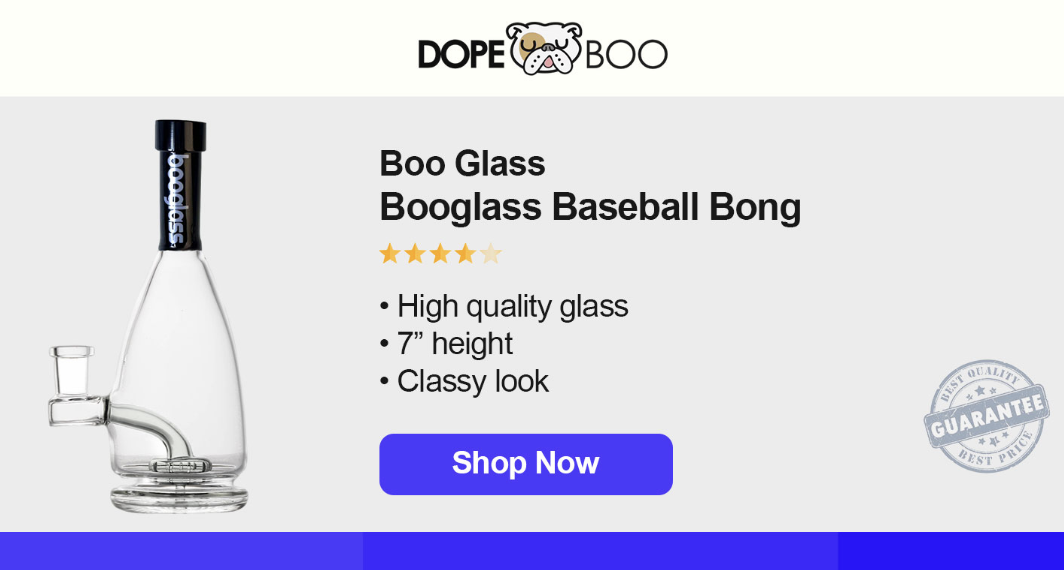
The Boo Glass Baseball Bong is a unique bong that catches the attention of anyone who sees it. Its iconic design resembling a baseball is its USP. Made from premium quality, extra-thick glass, this bong is both sturdy and functional.
Equipped with a showerhead perc in the base, it delivers smooth hits every time. The bottle-shaped bong has a straight neck, and it stands 18cm tall. Its thick 4mm round base provides stability and prevents it from tipping over. It comes with a 14 mm flower bowl, making it ready to use right out of the box.
Pros:
-
Unique and impressive design.
-
Made from premium quality, extra-thick glass.
-
Equipped with a showerhead perc for smooth hits.
-
Sturdy and stable due to its thick round base.
-
Comes with a 14 mm flower bowl, ready to use right out of the box.
Cons:
Screenshot 2023-05-10 at 2.57.48 PM.png
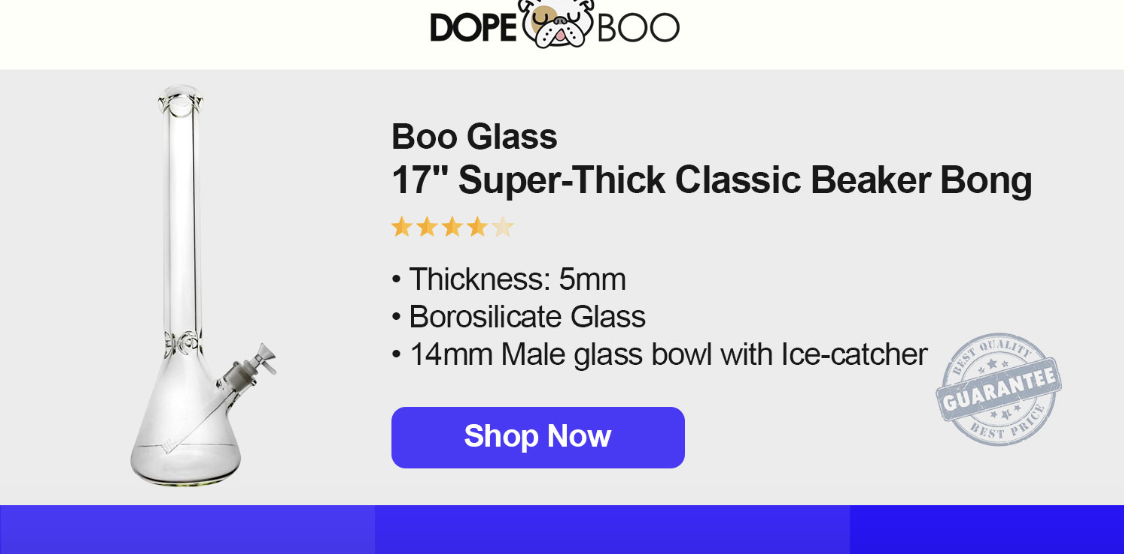
The Boo Blowout Crystal Base Bong is a premium smoking accessory, standing tall at 16 inches with a sturdy 9mm thickness. The bong boasts a thick crystal base that offers stability, durability, and an impressive visual appeal.
One of the USPs of the Boo Blowout Crystal Base Bong is its percolation system. The bong features a unique design with an inline percolator and a honeycomb percolator that ensures a smooth and filtered smoke. Additionally, the bong has an ice catcher, allowing you to add ice cubes to further cool down the smoke.
Pros:
-
The bong’s thick crystal base offers a sturdy and stable platform for smoking.
-
The percolation system provides a smooth and filtered smoke, ensuring a pleasant smoking experience.
-
The ice catcher allows for an even smoother smoking experience by cooling down the smoke.
-
The bong’s impressive design adds an aesthetic appeal to your smoking sessions.
Cons:
-
The bong’s height may be too tall for some users, making it less portable and harder to store.
-
The bong’s thick glass may make it heavier than other bongs, which could be a downside for some users.
Screenshot 2023-05-10 at 2.57.53 PM.png
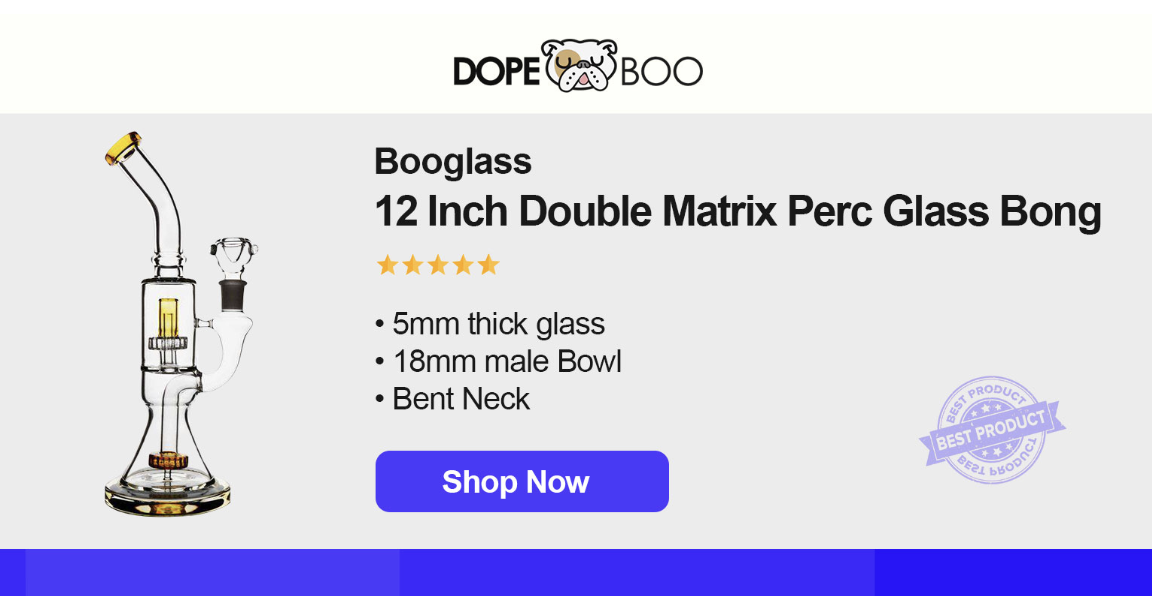
The Boo Glass 12 Inch Double Matrix Perc Glass Bong is a must-have for any smoker looking for smooth hits and loads of bubbles. Standing tall at 12 inches, it features double matrix percs that produce tons of bubbles, ensuring that every hit is smooth and cool. The slightly bent mouthpiece prevents water from spilling over, providing you with a pleasant smoking experience.
One of the best things about this bong is its wide base, which adds extra stability and prevents it from tipping over. The bong is made from 5mm thick glass, making it durable and sturdy. Additionally, the bong comes with an 18mm male bowl that can fit any style of smoking. The bong is also compatible with an 18mm male banger, making it versatile.
The Boo Glass 12 Inch Double Matrix Perc Glass Bong comes in a wide range of colors, so you can choose the one that best fits your style. Its sleek design and superior functionality make it a great addition to any smoking collection.
Pros:
-
Produces tons of bubbles for smooth hits
-
Stable wide base
-
Comes in a variety of colors
-
5mm thick glass ensures durability
-
Compatible with different smoking accessories
Cons:
Why Should I Hit A Bong Instead Of Rolling A Joint?
Well, there are several reasons why hitting a bong can be a better option than rolling a joint. Let me explain!
First of all, hitting a bong can be a more efficient way to smoke your herbs. The water in the bong cools down the smoke as it passes through, making it less harsh on your lungs. This means you can take bigger hits without feeling as much discomfort as you would with a joint.
Also, bongs can also help you conserve your stash. Because the smoke is filtered through the water, less of it is wasted compared to smoking a joint where smoke can be lost to the air. This means you can get the same effect with less herb, which can save you money in the long run.
Lastly, bongs can be a lot of fun to use! The act of filling the chamber, lighting the bowl, and taking a big hit can be an enjoyable and satisfying experience. Plus, there are so many cool and unique bongs out there to choose from, so you can find one that matches your personality and style.
So, if you’re looking for a more efficient, cost-effective, social, and fun way to smoke your herbs, hitting a bong might just be the way to go!
How To Choose The Best Bong!
Choosing the right bong can make a significant difference in the quality of your smoking experience. A bong is an essential tool for consuming cannabis and can affect the potency, flavor, and overall satisfaction of your smoking session.
With so many different types of bongs available in the market, selecting the right one can be overwhelming, especially for those new to smoking.
Here are the factors to consider when choosing a bong:
Material: The material of the bong can affect the durability, taste, and feel of the smoke. Common materials include glass, silicone, ceramic, and acrylic.
Size and shape: The size and shape of the bong can impact the smoothness and potency of the smoke, as well as how easy it is to use and store.
Percolators: Percolators are small add-ons to the bong that filter the smoke and create bubbles, making the smoke smoother and cooler. Different types of percolators include tree percs, honeycomb percs, and showerhead percs.
Glass thickness: Thicker glass is more durable and less likely to break, while thinner glass can be more aesthetically pleasing and easier to clean.
Price: Bongs can vary widely in price, from inexpensive basic models to high-end custom-made pieces. Consider your budget and what features are most important to you.
Personal preference: The right bong for you will depend on your smoking habits and preferences. Consider factors such as how often you smoke, how much smoke you want to inhale, and how important smoothness and flavor are to you.
What Material Should I Look For When Buying A Bong?
When it comes to choosing the material for your bong, it’s all about finding that sweet spot between form and function. Glass, silicone, ceramic, and acrylic all have their pros and cons, so you’ll want to consider what factors are most important to you.
Glass is the classic material for bongs, and for good reason. It’s durable, easy to clean, and provides a clean taste with every hit. Plus, glass bongs can come in an endless variety of shapes and colors, so you can find one that perfectly fits your style.
Silicone bongs, on the other hand, are virtually indestructible. They’re perfect for those who are always on the go, as they can be folded up and stashed away without fear of breaking. And while they may not offer quite the same level of purity as glass, silicone bongs are still a great choice for a smooth, flavorful hit.
Ceramic and acrylic bongs offer their own unique advantages, from affordability to artistic expression. Ultimately, the material you choose will come down to your individual needs and preferences. So choose wisely, and enjoy the perfect smoking experience every time.
Different types of Bongs
Bongs have been used for centuries to enhance the smoking experience by providing a smoother and cooler hit. These water pipes come in a variety of shapes, sizes, and materials, each with its unique features and benefits. Now let’s explore some of the most common types of bongs and their pros and cons:
Acrylic bong:
Acrylic bongs are made from a type of plastic material that is lightweight, durable, and affordable. They come in different shapes, sizes, and colors and are easy to clean. However, they may affect the taste of the smoke and are not as heat-resistant as glass bongs.
Glass bong:
Glass bongs are the most popular type of bong due to their aesthetic appeal, smoothness, and ability to retain the flavor of the smoke. They are easy to clean, durable, and heat-resistant. However, they can be fragile and expensive.
Percolator bong:
A percolator bong uses a water chamber to filter and cool the smoke, providing a smoother hit. The smoke passes through small holes or slits in the percolator, creating bubbles and increasing the surface area for better filtration. These bongs come in various styles and materials.
Carburetor bong:
Carburetor bongs, also known as “steamroller” bongs, have a hole in the tube or bowl that is covered by the finger while inhaling. The finger is then released, creating a rush of air that clears the smoke from the chamber. These bongs are simple, easy to use, and provide a powerful hit.
Multi-Chamber Bong:
Multi-chamber bongs have multiple chambers that filter and cool the smoke, providing a smoother hit. The smoke passes through water and other substances, such as ice, to further cool and filter the smoke. These bongs are more complex and can be expensive, but they offer a unique smoking experience.
Gravity bong:
Gravity bongs use water and gravity to create a vacuum that fills the chamber with smoke. They are usually made from plastic bottles or buckets and are easy to make at home. Gravity bongs provide a powerful hit but can be harsh and may not be suitable for beginners.
How To Properly Hit A Bong?
Hitting a bong – a classic maneuver that requires finesse, technique, and a bit of swagger. Are you ready to learn how to hit that bong like a pro?
First things first, make sure you’ve got a well-packed bowl and some water in that beauty. Hold the bong with a confident grip, and position your lips over the mouthpiece with an air of cool nonchalance.
Next, ignite your herb with a steady hand and draw in a slow, deep breath. As you inhale, feel the smoke fill your lungs and let it swirl around in a seductive dance.
Now, here comes the tricky part – you need to pull the bowl out of the downstem, but do it with grace. Don’t rush it, let the smoke linger in the chamber, and when you’re ready, pull the bowl out with a smooth, controlled motion.
With the bowl removed, take another deep breath and inhale the remaining smoke. Hold it in for a moment, and then release it with a sense of satisfaction.
Congratulations – you’ve just hit that bong like a boss. Remember, practice makes perfect, so keep honing your technique and soon you’ll be hitting bongs with the best of them.
Anatomy of a bong!
Let’s dive into the anatomy of a bong and learn about all the different parts that make up this popular smoking device?
The first thing you’ll notice when looking at a bong is the mouthpiece, where the user puts their lips to inhale the smoke. This is typically located at the top of the bong, and can come in a variety of shapes and sizes.
Next, there is the chamber, which is the main body of the bong that holds the water and smoke. This is where the magic happens! The smoke travels through the chamber before reaching the user’s lungs.
The downstem is a small tube that connects the bowl (where the herb is placed) to the chamber. It helps to filter the smoke and cool it down as it passes through the water.
Speaking of water, that’s the next part of the bong: the water chamber. This is where the smoke is filtered and cooled down, making it less harsh on the user’s lungs.
Finally, there is the bowl, where the herb is placed. It is typically removable so that the user can easily clean it and refill it with fresh herbs.
How To Clean And Maintain A Bong?
Cleaning and maintaining a bong is essential for ensuring the best smoking experience and longevity of the device. Here are some steps and best practices to follow:
-
Gather your supplies: You will need some rubbing alcohol, salt, and hot water.
-
Disassemble the bong: Take apart all the parts of the bong, including the bowl, downstem, and mouthpiece.
-
Rinse the bong: Rinse the bong under hot water to remove any loose debris or ash.
-
Plug the holes: Cover the openings of the bong with a rubber stopper, tape, or your fingers.
-
Add salt and rubbing alcohol: Pour salt and rubbing alcohol into the bong. The ratio of salt to rubbing alcohol should be 1:1.
-
Shake the bong: Shake the bong vigorously for a few minutes, making sure the salt and alcohol reach every part of the bong.
-
Soak the bong: Let the bong soak for 30 minutes to an hour, depending on how dirty it is.
-
Rinse and dry the bong: Rinse the bong thoroughly under hot water to remove any remaining residue, then dry it with a clean cloth.
-
Reassemble the bong: Put all the parts back together.
Best practices:
-
Clean your bong regularly to prevent buildup and maintain the quality of the smoke.
-
Use rubbing alcohol that is 90% or higher.
-
Use coarse salt to create a more abrasive cleaning solution.
-
Avoid using bleach or other harsh chemicals that can damage the bong.
-
Be gentle when cleaning fragile parts, such as the downstem.
-
Use a brush or pipe cleaner to clean hard-to-reach areas.
-
Consider using a specialized bong cleaning solution for a deeper clean.
-
Store your bong in a safe and secure place when not in use.
Other General FAQs Related To Bongs
Q1. What are the benefits of using a bong?
The primary benefit of using a bong is that the smoke is cooled and filtered through the water, making it smoother and less harsh on the lungs. Additionally, the water can trap some of the harmful chemicals found in smoke, reducing their impact on your health.
Q2. How do you clean a bong?
To clean a bong, you first empty the water and rinse out the chamber and bowl with warm water. Next, fill the chamber with a cleaning solution such as isopropyl alcohol or a specialized bong cleaner. Shake the bong to agitate the solution and let it sit for a few minutes. Finally, rinse the bong with warm water until all cleaning solution is removed. Repeat if necessary.
Q3. Can you use a bong for smoking other substances besides cannabis?
Yes, bongs can be used to smoke other substances such as tobacco, herbs, or even essential oils. However, it’s important to be cautious and research the effects and potential risks of smoking different substances.
Q4. How much water should you put in a bong?
The amount of water needed for a bong will depend on the size and design of the bong. In general, you want to add enough water to submerge the downstem by about 1-2 inches. Be careful not to add too much water as it can potentially clog the downstem or cause the water to splash into your mouth.
Q5. Can you travel with a bong?
While it’s legal to own a bong in most places, traveling with a bong can be risky and potentially result in confiscation or legal issues depending on the location and local laws. It’s best to research and follow the laws in your area or the area you plan to travel to before bringing a bong with you..
Concluding On The Best Bong On The Market!
In conclusion, choosing the best bong can greatly enhance your smoking experience. With a wide range of options available, it can be overwhelming to decide which one to purchase. However, by considering important factors such as size, material, and features, you can narrow down your options and find the perfect bong for your needs.
Glass bongs remain a popular choice due to their durability, smooth hits, and artistic designs. Silicone bongs, on the other hand, offer the advantage of being unbreakable and easy to clean. Beaker bongs are a classic choice, while straight tube bongs provide a simple and sleek design.
Other features such as percolators, ice catchers, and carb holes can further enhance your smoking experience by providing smoother hits, cooler smoke, and easier clearing. Ultimately, the best bong for you will depend on your personal preferences and smoking habits.
We hope this article has provided useful insights and helped you make an informed decision when choosing the best bong for your smoking needs.