
Ready to know more about San Diego?

Subscribe
Travel FEBRUARY 14, 2014

Staycation: Rancho Bernardo

Where you're staying and what you're doing
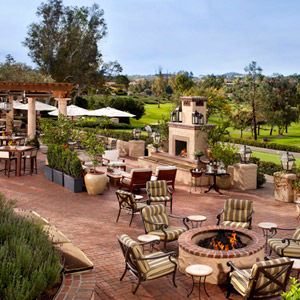
Staycation: Rancho Bernardo

Rancho Bernardo Inn

Rancho Bernardo Inn

Where you’re staying:

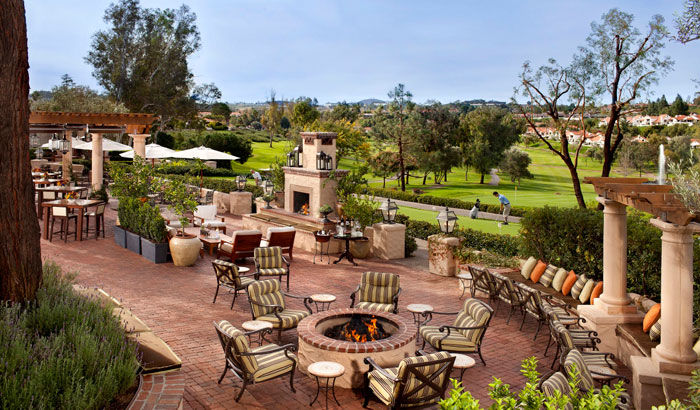
The 287-room Rancho Bernardo Inn is having a moment. It celebrated its 50th anniversary just last year and made Travel + Leisure’s list of World’s Best Hotels 2014. Not to mention, the newly reborn restaurant Avant (formerly El Bizcocho) is getting rave reviews, even from its longtime regulars.

What you’re doing:

On property, the Inn has 18 holes of golf, three swimming pools, and a full-service spa and wellness center. For hikers, Lake Hodges is a seven-minute drive north of the hotel. The Highland Valley Trail is an easy 4-mile loop and the North Shore is a 14.8-miler, also great for biking. Beer and wine lovers visiting the area can take a different kind of trail—ask the hotel about special packages for tastings at local craft breweries and wineries. For your main dining event, try Avant. Our critic Troy Johnson called the kitchen’s efforts “near flawless,” with “enough excellent [menu] options… to live up to the quite phenomenal new destination that is Avant.” Sold! Rooms start at $199. 17550 Bernardo Oaks Drive

Subscribe to our newsletters

Select Options

By subscribing you confirm that you agree with our Terms and Conditions and Privacy Policy.

Things to Do FEBRUARY 13, 2026

Travel: A Guide to What’s New in the Desert in 2026

Explore the latest attractions blooming in these warm-weather destinations near-ish San Diego

Travel: A Guide to What’s New in the Desert in 2026

From artsy, boutique hotels in New Mexico to a revolutionary restaurant in Baja, explore what’s new in these desert cities around San Diego.

Coachella Valley

Terra Palm Springs, Palm Springs

Serenity-seeking guests (and, presumably, the free-spirited ghosts of naked people) roam this 13-room wellness escape that was once a clothing-optional resort. Opened a year ago, it offers exclusive, 24-hour access to a Himalayan salt sauna, cold plunge pool, and rain room. For food and drink, it’s tonics and juice cleanses, plus poolside bites from Michael Beckman, exec chef of the nearby Workshop Kitchen + Bar.

Casa Palma Hotel & Bungalows, Palm Springs

Opened last year on the historic, two-acre Movie Colony neighborhood property originally built by actor Errol Flynn (it was called the Normandy then), this is a micro-hotel for people who love Taschen books. Casa Palma reimagined the place as a minimalist, veneers-white 33-room escape with pickleball; tennis; and a mountain view bistro serving breakfast, salads, and sandwiches.

DSRT Surf, Palm Desert

“Surfing in the desert” sounds like an absurd ayahuasca notion, but the Coachella Valley already has one wave pool (Palm Springs Surf Club), and, soon, a 5.5-acre surf lagoon will anchor DSRT Surf, an incoming resort at the Desert Willow Golf Courses. Planned for completion in mid-2026, it’ll include a 139-room hotel, 57 luxury villas, and restaurants.

Photo Credit: Patrick Chin

New Mexico

Hotel Willa, Taos

Last spring, the Casetta Group (the same folks who own SD’s Pearl Hotel) resuscitated an old motor lodge in Taos, a longtime beacon for creatives, and named it after Willa Cather (who finished her novel Death Comes to the Archbishop in town). The 51-room Hotel Willa has adobe architecture, an artist residency, a pool with a giant weeping willow nearby, and a seasonal restaurant from husband-and-wife duo chef Johnny Ortiz Concha and artist Maida Branch.

Arrive Albuquerque, Albuquerque

Originally built in 1965 as the Downtowner, a classic, six-story inn on the motel-culture strip of Route 66 in downtown Albuquerque cycled through several identities before last year, when Palisociety reimagined it with the Secret Gallery (featuring modern work from Southwest artists), a cocktail bar, a restaurant, and 137 dog-friendly rooms. Like any good desert road trip hotel, Arrive Albuquerque hotel is a cheeky, midcentury affair centered around an umbrella-shaded pool scene and those strappy ’80s patio loungers.

Courtesy of Leo’s Santa Fe

Leo’s, Santa Fe

After forming Vital Spaces, an org that leased abandoned warehouses and rented them at a low cost to artists, furniture designer Jonathan Boyd launched Leo’s, a no-signage, no-reservations restaurant last August with James Beard Award–winning chef Zakary Pelaccio. It focuses on Thai and Malaysian dishes—catfish sum tum, pork belly with garlic prik phao, fried chicken with tofu-mustard sauce and jiao chili sauce—plus natural wines and inventive cocktails. It promptly landed on Esquire’s Best New Restaurants of 2025.

Arizona

Trailborn Grand Canyon, Williams

Trailborn is the base camp of hotel groups. It’s focused on America’s grand outdoorsy arenas, with spots in the Rockies; the Blue Ridge Mountains; and now, Williams, a mile from the Grand Canyon Railroad Depot. This kitchy, 96-room roadside hotel offers a moody, wood-paneled steakhouse; adventure excursions; free breakfast inside a bustling “camp hall;” and front-row access to the fanfare of Route 66’s centennial celebration this year.

Kimpton Miralina Resort & Villas, Paradise Valley

Early this year, Paradise Valley (the mountain-wrapped town neighboring Scottsdale) will welcome the 40-acre Kimpton Miralina, with six pools; more than 400 rooms and villas; and three restaurants, including Hecho Libre, a new Baja-inspired concept from fellow Beard semifinalist Wes Avila (known for Angry Egret Dinette and MXO in Los Angeles).

International Dark Sky Discovery Center, Fountain Hills

As cities grow and stargazing becomes an endangered pastime, an org called International Dark Sky Places works to protect the best areas in the world to behold night skies. One of them is Fountain Hills on the outskirts of Phoenix. This summer, it’ll get even better with a $28 million discovery center featuring a massive telescope, a planetarium, science exhibits, and a stargazing terrace.

Courtesy of Cote Korean Steakhouse

Nevada

Cote Korean Steakhouse, Las Vegas

Cote is the only Michelin-starred Korean steakhouse in the US, an idea from Seoul-born and James Beard nominated chef and restaurateur Simon Kim. Part of The Venetian’s $1.5 billion renovation, it’s a show—18,000 square feet, with stadium seating, VIP skyboxes, a crow’s nest DJ booth, a glowing central bar, 1,200 wine bottles, and the inimitable buzz of energetic impulse spending.

F1 Arcade, Las Vegas

2025 was a big year for Formula 1 racing—the sport celebrated 75 years with a Brad Pitt film (for which Rancho Bernardo–based Sony Electronics created a one-of-a-kind camera that took viewers inside the cockpit), and Caesars Palace welcomed a 21,000-square-foot F1 Arcade where fans can flex their inner Lando Norris with 87 racing simulators.

GSR Arena, Reno

When built in the 1970s as the MGM Grand, the Grand Sierra Resort was one of the biggest hotels in the world with over 1,000 rooms. Almost 50 years later, it’s nearly doubled its occupancy and is undergoing a billion dollar upgrade. The star will be the $435 million, 10,000-seat GSR Arena, which broke ground in September. Once completed (hopefully in fall 2027), it’ll be home to the University of Nevada men’s basketball team.

Courtesy of Dendric Estate

Utah

Dendric Estate, Kamas

Utah’s High West Distillery was a groundbreaker, the first legal distillery in Utah when it opened in 2006. Now High West’s master distiller Brendan Coyle has left to open his dream project with his wife, Carly. They purchased 20 acres in Kamas Valley at the foothills of the Uinta mountain range, where they’re growing high elevation apples and flipping them into bone-dry boozy cider with Dendric Estate. You can tour the estate or wait for the onsite tasting room, planned for 2027.

The Inn at Sundance Mountain Resort, Sundance

In 2020, Robert Redford sold his famed, conservationist-minded mountain ski resort to Broadreach Capital Partners and Cedar Capital Partners, who promised to keep his “build some, preserve more” vision going. Since, it’s earned a Michelin Key. This month, The Inn at Sundance Mountain Resort—a 63-room, ski-in/ski-out inn—opens with views of the 12,000-foot Mount Timpanagos. Perched right out front, the Outlaw Express chair lift takes you to the Mandan summit in seven minutes (getting there used to take 20). There’s a wrap-around porch, relaxation pools, a sauna, outdoor showers, and a cold plunge at The Springs.

Canopy by Hilton Deer Valley East Village, Park City

Four years after hosting the Winter Olympics, famed ski-only resort Deer Valley is undergoing a massive expansion of its East Village, including eight new hotels (the Grand Hyatt is already there, and the Four Seasons and others are incoming). Scheduled to open this summer, Canopy will be Hilton’s 180-room, ski-in/ ski-out property with après-ski and rooftop lounges. Deer Valley has also added 2,000 additional acres of skiable slopes, 100 new runs, and 10 new chairlifts.

Baja

Diego, Valle de Guadalupe

In the 2010s, Ensenada-born chef Diego Hernández was a headliner in the food-culture revolution in Valle de Guadalupe with Corazón de Tierra—named number 30 in the 2018 “World’s 50 Best Restaurants” list. It closed in 2020 (damn pandemic!). Last January, he returned with an eponymous 40-seat restaurant, Diego, inside Valle’s Museo de La Vid y El Vino, relying on onsite gardens and in-house butchery to prepare seasonal, multi-course tasting menus and à la carte dishes nodding to his Corazón roots.

Kadún, Cabo San Lucas

Over the years, the trend in Cabo resorts has been to get away from the action with secluded beachfront hideouts. Well, not all who travel to Cabo want to be tucked away. Last October, Mexico Grand Hotels (known for elaborate luxury resorts like Marina Fiesta and El Encanto) opened a smaller but still opulent thing: Kadún, a 110-room hotel with a rooftop pool and sundeck. It’s within walking distance to the Cabo Marina (the Vegas of Baja’s southern tip) and Medano Beach (one of the only swimmable beaches in Cabo).

Courtesy of Carnival Cruise Line

Ensenada Bay Village, Ensenada

Carnival Cruise Line has a vested interest in building up the ports it parks in. It’s established spots in Grand Turk, Roatan, and Cozumel, and its next elaborate disembarkment project is a $26 million beachside playground in Ensenada, planned for completion in 2027. Expect a sort of Pinocchio’s Island isthmus packed with zip lines, dune buggy rides, river rides, an adult pool, thermal springs, a spa, and wine and cheese pairings from Valle de Guadalupe (the wine region is 15 minutes inland).

Troy Johnson

About Troy Johnson

Troy Johnson is the magazine’s award-winning food writer and humorist, and a long-standing expert on Food Network. His work has been featured on NatGeo, Travel Channel, NPR, and in Food Matters, a textbook of the best American food writing.

Amelia Rodriguez is a writer and journalist and winner of the San Diego Press Club's 2023 Rising Star Award and 2024 Best of Show Award, she’s also covered music, food, arts and culture, fashion, and design for Rolling Stone, Palm Springs Life, and other national and regional publications. After work, you can find her hunting down San Diego’s best pastries and maintaining her five-year Duolingo streak.

Things to Do FEBRUARY 5, 2026

So You Want to Surf in Arizona?

A guide to visiting Revel Surf Park—where to stay, eat, and explore in the city of Mesa

So You Want to Surf in Arizona?

What the hell am I doing in Arizona looking for water?

It’s the kind of question that creeps in the moment you step off the plane at Sky Harbor and the dry heat hits like an open oven door. Arizona is famous precisely because it’s unforgiving, a place where the presence of life amid the extreme lack of water is its own marvel. The compelling thing about attractions on this hot moon is the ingenuity behind the fact that they exist at all.

Long before the golf courses and cul-de-sacs, the Indigenous Hohokam people engineered one of the most sophisticated canal systems in the ancient world, diverting water from the Salt River to irrigate crops and sustain entire communities. Built by hand more than 1,000 years ago, portions of those canals still guide water through the Mesa valley today. 

Phoenix’s main pockets tell different stories: Scottsdale has its polished, resort-town sheen; Tempe is full of young brains on vices; and Mesa is expansive and quietly strange. The kind of Arizona you think of when someone says Arizona. It’s the state’s third-largest city by population, but it feels like a series of outposts stitched together: historic downtown blocks, desert trailheads, leftovers of the Old West, and now—the improbable thing that brought me here—a surf park.

As I pull into Revel Surf Park, a watery lagoon glows blue against a backdrop of red dirt and distant peaks. The waves come and go like someone endlessly draining and refilling a mirage.

Revel—the centerpiece of Mesa’s Cannon Beach development—opened in late 2024, turning a patch of desert into Arizona’s first full-scale surf park. Roughly 2.2 million gallons of water circulate through the lagoon in an area that averages just over eight inches of rain a year. 

It looks excessive, wildly irresponsible. It isn’t.

“We built this very strategically,” general manager Ryan Armstrong explains. “The well is located right here on the property. It’s processed and piped right into the lagoon.”

The pool runs on a closed-loop filtration system, recycling every drop and losing water only to evaporation. Developers say the park uses less water than a single golf hole—and a mere two percent of what the alfalfa field that once occupied the site consumed. Because Revel draws directly from the ground rather than city taps, Armstrong notes, “our water bill is essentially zero.”

Like many of the staff members at Revel, Armstrong is a surfer transplanted from the coast. The wave technology he oversees didn’t come out of a research lab, but a backyard. Matt Gunn, the creator of Swell Manufacturing, built a functional model of the wave in his own yard before partnering with developer Cole Cannon and pro surfer Shane Beschen to bring it to scale. The result is a private ocean—a lagoon where surfers can choose between the sloping lines of Trestles, the hollow barrels of Oahu’s V-Land, or Malibu’s mellow shoulders.

As a surfer spoiled by San Diego’s coastline, I’m equal parts curious and skeptical. Wave pools can feel sterile, stripped of the wild consequence that makes the ocean seem alive. But the sea can’t come close to the constant supply of waves a surf park offers. “We’re running eight hours a day, eight sessions a day, 10 surfers in each session, with waves every minute,” Armstrong tells me. “We have stadium lights, so sometimes we’re out here surfing until midnight.”

I opt for the Trestles setting, expecting smooth sailing. I’m wrong. The drop is quick, the margin for error thin. I get pitched. I recover. I link together a few snaps, then lose it again. Even manufactured waves have a way of humbling you. A few solid rides save the session.

As I dry off, Armstrong walks me through the broader vision. The 44-acre Cannon Beach district surrounding Revel will include roughly 500,000 square feet of retail. 

“There are about seven or eight restaurants going in and a super high-end med spa,” he says, pointing toward the construction. Beyond food and surfing, the site is designed as a multi-sport hub. A massive KTR (Kids That Rip) indoor action sports park is in the works, featuring trampolines, parkour obstacles, and a world-class skate park.

This corner of the desert won’t stay quiet for long.

In hindsight, the advantages to Revel Surf Park are obvious: no suffocating crowds, no jockeying for position. Waves arrive every minute, precisely on schedule (if you miss one, that’s on you). There are no flat days at Revel. You don’t have to monitor weather reports and tide charts to know when it might be a good day for a surf. The swell is never not quite right for the break. It’s surfing’s version of shooting fish in a barrel—a strange, athletic fever dream and a convincing way to scratch the surfing itch when the nearest ocean is more than 300 miles away.

Cole Novak

About Cole Novak

Cole Novak is an award-winning writer with a passion for highlighting local figures, small businesses, and nonprofits. Born and raised in San Diego, Cole is passionate about photography, surfing, art, the local food scene, and the great outdoors.

Arizona Travel
Things to Do JANUARY 29, 2026

Chasing Spiritual Enlightenment in Sedona

Arizona’s desert landscape provides a restorative escape for solo travelers seeking mind-body renewal

Chasing Spiritual Enlightenment in Sedona

Yolanda Curtis’ straight, auburn locks fall past her shoulders and over her multihued poncho; mala bead bracelets wrap around her wrist. She’s not the only riot of color in this place: Oak Creek Canyon’s soaring red rocks encircle us. Green desert flora—Ponderosa pines, sycamores, agave plants, juniper trees—stand like middle fingers to winter. And, if Curtis is right, I’m enveloped in a kaleidoscope, too, with white, purple, and blue auras orbiting various parts of my body.

“I spent a lot of time down [on your feet] because it felt like you need to connect to the Earth more,” says Curtis—a mystic, artist, and healing facilitator—after our one-hour reiki session, where she hovered her hands over me with the intention of moving what practitioners call “universal life force energy” through my body.

She’s not wrong—grounding is why I, like millions before me, have come to Sedona. I headed here alone in search of emotional balance and stability, hoping to quiet my overly anxious mind that has led to years of insomnia and mental fatigue.

Apparently, Curtis can sense that, too. “It [feels] like you get in your head a lot. When you’re in your head, you’re cutting off your spirit in a way,” she says. “The next time you’re in your head, just take a moment to clear your mind.”

A barn in Jackson Hole, Wyoming's "Mormon Row" during the winter

I’m hoping this trip will be full of those moments. According to the Chinese zodiac, 2025 was the year of the snake—a time to shed old habits and beliefs and embrace new paths forward. It seemed fitting, then, to board the one-hour flight from San Diego to Phoenix, then make the two-hour drive to Sedona, an area known for its regenerative energy.

For centuries, Sedona’s striking formations and expansive desert scenery have been the backdrop for those seeking restoration and a higher power. From about 650 to 1400 CE, the region that is now known as Sedona was inhabited by the Sinagua Indigenous peoples. Their art—specifically pottery such as Mogollon-style pots with distinctive “kill holes” (often found in burials)—suggest ritualistic practices.

Doe Mountain | Courtesy City of Sedona

Later, Hopi, Yavapai, Apache, and Navajo tribes made their way to Sedona and regarded its red rocks as spiritually significant, incorporating them into their narratives and ceremonies. When early European American settlers inhabited the region (between 1876 and the 1950s), ranches and orchards popped up throughout Sedona’s landscape—though it still retained its Wild West feel.

In the late 1940s, the area’s scenic beauty drew in artists and, later, mystics like real estate agent Mary Lou Keller, who proclaimed the ranching town a global center of spiritual energy and founded the supernaturalist “Church of Light” in her office. While this may have been a savvy marketing ploy to attract more buyers, the New Thought movement—characterized by spiritual exploration and metaphysical practices—emerged.

In the 1980s, Page Bryant, a psychic and spiritual teacher, popularized the area’s Airport Mesa, Bell Rock, Boynton Canyon, and Cathedral Rock as “vortexes,” or “energy spots” said to elicit feelings of calmness, emotional clarity, and physical tingling.

San Diego spa wellness treatments featuring Omni La Costa Resort & Spa in Carlsbad

Spiritualists had a new home. Wellness and yoga retreats (like Enchantment Resort, founded 1987), energy healers, and mindfulness workshops (the 1987 Harmonic Convergence, hosted by José Argüelles, was among the first globally recognized meditation events) began popping up across the county.

Today, roughly around 750,000 of Sedona’s three million annual travelers visit for spiritual or wellness reasons.

“When I first came to Sedona, I kind of felt like I was being electrocuted energetically,” Curtis says. “It doesn’t always affect everybody like that. It’s just that I’m really sensitive. So everyone feels the energy differently.”

Courtesy of Yolanda Curtis

After growing up in the mountains of Utah, Curtis spent her early career in Los Angeles in the fashion industry. “I went through a healing crisis when I was in LA and it forced me to tap into these energetic, holistic ways of healing ourselves,” she says. “It brought me closer to my connection to this kind of higher power.”

She moved to Sedona a few years later to begin training as a guide and healer. Like her, I’m in search of the area’s cosmic answers. I’m not camped out in a self-made yurt in the red dirt, though—I prefer my spirituality to have a higher thread count.

From the rooftop deck of my room at the adults-only Ambiente hotel, Curtis’ energy cleansing session starts to tickle my mind. She read me in a way that felt like she’s known me for years. Is this the energy?

Photo Credit: Kyle RM Johnson

Nicolle Monico is an award-winning writer and the director of creative projects, digital editor for San Diego Magazine with more than 16 years of experience in media including Outside Run, JustLuxe and The San Francisco Chronicle.

Studio S APRIL 15, 2026

10 Years In, Puffer and Malarkey Are Just Getting Started

A look back at the risks, grit, and instincts behind the local restaurant powerhouse

In this city, chef Brian Malarkey and restaurateur Chris Puffer are kind of like peanut butter & jelly, tacos and Tuesday, Padres and Petco—they just go together. This month, the duo celebrates 10 years of partnering on some of San Diego’s top restaurants including their first venture, Herb & Wood.

To celebrate this milestone, we stepped back and revisited their journey becoming some of this city’s most successful restaurateurs.

But first, let’s go back to the beginning. The duo met at Oceanaire in 2007 where they both worked. Malarkey was still riding the high from his stint on Top Chef Season 3 where he won runner-up. He was a great chef, Puffer recalls, if not a tad arrogant. Whatever he was doing, though, it worked. Sales doubled under his watch.

In 2009, Malarkey was approached by some patrons to start what would become Searsucker. He knew he wanted Puffer to be his partner. They had great chemistry and loved hospitality and food. “We both came to this with a bit of a chip on our shoulder,” says Malarkey. “We wanted to prove it to other people that we know what we’re doing.”

Courtesy of Puffer Malarkey Collective

Searsucker, Gabardine, and Herringbone (under the Fabric of Social Dining restaurant group) were born through the new partnership. But in 2012, they sold their concepts to Hakkasan and soon partnered on a new lease.

That building would eventually become Herb & Wood. “We were going to do it differently this time around,” says Malarkey as he reflects on Wood’s early days. “And we [wanted to] build it to last.”

The vision: Great food. Great music. Great service. It’d be a place where diners would let go, put their phones down, and be fully present to enjoy a meal together. When they walked into 2210 Kettner Blvd, they knew they had found their spot. 

The only problem was that, at the time, that area of Little Italy was still severely underdeveloped. In a 8,500-square-foot space, they were going to have 230 seats to fill. “It may as well have been on Mars,” says Troy Johnson, San Diego Magazine publisher, content chief, and the city’s longtime food critic.

Courtesy of Puffer Malarkey Collective

And, of course, there were the naysayers. The prevailing feeling in the dining world was, “Let’s see what these f**king idiots do,” recalls Malarkey. The duo let all the noise be noise. In fact, the noise fueled them. “We weren’t going to cater to the haters,” Puffer says.

Their next hurdle would be to tackle the restaurant’s design. “There was nothing. It was literally a box,” says Puffer of the former space. Design teams were too expensive or didn’t quite get their vision—no, they didn’t want exposed beams or wooden tables made from reclaimed barns. “Then, Puffer was like, ‘f**k it, dude, I’m going to design this restaurant.’”

Having never really designed something like this before, he decided not to work in the programs that most professionals use to create their layouts. 3D mockup? Didn’t need it. CAD? That’s what a paper and pencil are for.

Courtesy of Herb & Wood

“It was all in my head,” he recalls. “I had this moment where I was like, ‘If I died right now, no one would know where any of this shit goes.’”

“Yeah, it made no sense,” Malarkey says.

And it still doesn’t if you hear him explain it. A mishmash of vignettes from the inner workings of his memory bank, evoking everything from Mississippi riverboats to Eiffel tower ironwork, Kensington home façades, an old theater he frequented, and a canoe, because why not? Yet somehow, it all worked.

“It’s a sense of nostalgia,” says Puffer. “People might say, ‘Oh, my gosh, this feels good’ and they don’t realize it reminds them of the time they were in Paris.’”

“We don’t play trends,” Malarkey says. “We play timeless.”

Courtesy of Herb & Wood

Over the course of many years and plenty of trial and error, the partnership has continued to thrive. And, the Puffer Malarkey Collective has found its sweet spot within their restaurants: The service had to be kind and unpretentious and the food had to come out quick, delicious, and consistent. “Consistency is key!” says Puffer.

They also learned to balance out one another. “He’s a go-go-go-go [person],” says Puffer, “I’m a let’s-take-a-deep-breath-and-sleep-on-it [type of person].”

So, when they opened the doors to Herb & Wood in April of 2016, with those lessons in place, everything was just right. “We knew it had to fire on all cylinders,” says Puffer. “And it did.”

Courtesy of Puffer Malarkey Collective

There was no pretense and the dress code was exceedingly simple. “Money in your pocket,” says Malarkey. “That’s all you need.”

The phones rang, the seats filled, and the haters had to give it to them, those gnocchi hit. People began embracing every aspect of the place, even the edgier ones.

“We thought people were going to complain about all the paintings with boobs,” says Puffer of the many John Lanes on the wall. “But the amount of people who take pictures in front of the boobs is amazing.”

They even had a middle finger statue that Puffer had picked up from a yard sale. If a table was rude or antagonistic toward the staff, he’d walk over to them with the finger. “Congratulations,” he’d say, handing it over. “You’ve won asshole of the night.”

Courtesy of Puffer Malarkey Collective

The point is, they were ready to laugh (and not take shit from anyone). When someone wrote a review of Herb & Wood and called it Weed & Boners, they both had a laugh. It’s one of the keys to longevity.

Along with the fun and deliciousness, they’ve also served as a culinary talent incubator for San Diego. “It’s like a centrifuge,” says Johnson about Herb & Wood. “They train up all these young chefs and start spinning all this talent into different parts of the city.”

There’s Sebastian Becerra with Pepino, Samantha Bird of Relic Bakery, Aidan Owens at Herb & Sea, and Tara Monsod of Animae and Le Coq (San Diego’s first James Beard award finalist) to name a few. “They’ve expanded the footprint of the food revolution in San Diego,” says Johnson.

Their plans for the next 10 years? 

“We’re just going to keep the magic going,” says Malarkey. 

Arts & Culture DECEMBER 24, 2025

Weekend Guide to Exploring South Coast Plaza

Only an hour from San Diego, the Costa Mesa mall is home to Michelin-star dining, Tony-worthy performances, and high-end shopping

Weekend Guide to Exploring South Coast Plaza

I’m standing in a hotel lobby with a carry-on suitcase packed with three pairs of flats, two pairs of heels, a dress I hope isn’t wrinkled for The Nutcracker later, and a handful of outfits perfect for wandering a multi-story mall. Light Christmas music floats through the air, mingling with the scent of pine and the gentle hum of holiday chatter. The lobby of The Westin South Coast Plaza in Costa Mesa is dotted with festive vignettes: a twinkling tree here, a cozy red-ribboned seating nook there, and even a mailbox for letters to Santa. I glance down at my boyfriend, his backpack-size suitcase at his feet, and silently question whether I truly needed all this.

Then, a couple glides past us: he in a maroon suit, she in a matching floor-length velvet dress, both stopping for a quick drink before The Nutcracker. I know instantly I made the right call.

The Marriott Westin South Coast Plaza hotel in Costa Mesa, California
Courtesy of Marriott
The Westin South Coast Plaza

I’d heard of South Coast Plaza before—my boyfriend, a UC Irvine alumni, swears it’s the best mall in California—but I’d never had the chance to explore it for myself. By chance, the weekend doubled my birthday getaway, making it feel perfectly serendipitous.

San Diego weekend getaway trips featuring a resort in Santa Barbara, California

We’re greeted by the hotel receptionist with a warmth that matches the lobby’s glow, informing us that our room awaits on the 15th floor, overlooking the city. From our window, it spreads below us, a sky of lights crowned by a towering Christmas tree. To the right, the Segerstrom Center for the Arts; to the left, the sprawling luxury of South Coast Plaza.

South Coast Plaza mall in Costa Mesa, California during the holidays and Christmas
Courtesy of West Coast Plaza

A note to overpackers: it’s never too much. My boyfriend realizes he has nothing to wear, but luck is on our side. South Coast Plaza houses over 280 upscale shops, from Harry Winston to Zara Man, Dior Beauty, and Max Mara. We weave through boutiques and storefronts, leaving with a polished outfit for him—socks and shoes included.

Dressed and ready, I slip into my black long-sleeve, ballerina-esque dress with white heels and a red bag, while he looks freshly pressed from head to toe (thank you, H&M). The short walk to Segerstrom Center for the Arts feels like a scene from a Hallmark movie. 

Interior of Costa Mesa's Segerstrom Center for the Arts
Courtesy of Segerstrom Center for the Arts

Segerstrom Hall, with its crimson interior and 3,000 seats, has welcomed the world’s greatest dance companies, Broadway productions, and operas since 1986. Until Dec. 23, Segerstrom Hall’s 8,500-square-foot stage transforms into a sparkling winter wonderland for The Nutcracker, where dancers soar and twirl with precision and the Tchaikovsky score fills every corner. Outside, fountains ripple alongside the Palm Collection, a curated botanical display of 87 unique palms celebrated for their diversity.

Post-performance, we attend the cast’s after-party and learn about the mall’s nearly 60-year history as a West Coast luxury landmark, its dedication to the arts, and its continuous innovations to ensure guests keep coming back for much more than just shopping.

Knife Pleat Michelin-starred restaurant at South Coast Plaza mall in Costa Mesa, California
Courtesy of Knife Pleat

The next morning, the hotel offers breakfast in the Great Room, but we make the tough decision to skip it. We somehow have bigger plans. Holiday tea at Knife Pleat, the Michelin-starred restaurant just across the way, awaits. Seasonal, beautifully plated, and thoughtfully executed, it reminds you that South Coast Plaza is as much a dining destination as it is a shopping one.

Knife Pleat’s Holiday Tea begins with caviar, pomme gaufrette, toasted brioche, and silky scrambled eggs with chives, followed by a tiered tower of savory and sweet bites—from Persian cucumber with herb cream cheese, squash buckwheat tartlet, deviled eggs with smoked trout roe, and Maine lobster éclair, to orange-glazed spice cake, peppermint macarons, pistachio financier, and tropical choux. We devoured it entirely (not as gracefully as we should have, but it was too good to care).

Knife Pleat Michelin-starred restaurant at South Coast Plaza mall featuring their holiday tea plate
Courtesy of Knife Pleat

We also meet chef Tony Esnault along with his wife, restaurateur Yassmin Sarmadi. Behind the scenes, the kitchen is stacked with top-tier talent, the freshest locally sourced ingredients, and a service staff who never let our teacups run dry. 

South Coast Plaza mall in Costa Mesa, California
Courtesy of Visit Buena Park

Stomachs far too full, we wander the mall again, exploring the newest additions—Manolo Blahnik, Skims, Bottega Veneta—and soaking in the curated holiday displays: two story-tall Christmas trees, Santa workshop setups, and garlands lit along every railing. And, just when you think they have every store imaginable, you turn a corner and discover a niche shop you didn’t even know existed in a real-life mall.

Costa Mesa itself tempts with art installations, the Walking Sculpture Tour, and the Orange County Museum of Art. Only about an hour and a half from San Diego, yet it already feels like a mini getaway.

Exterior of Costa Mesa's Orange County Museum of Art
Courtesy of Visit California

On the drive home, I’m already plotting my next escape, maybe dinner at one of South Coast Plaza’s trendiest spots like Water Grill or a return for a concert at the Renée and Henry Segerstrom Concert Hall. I’ll give it to my boyfriend… South Coast Plaza is an insane mall. But it’s more than that. It’s an experience that blends luxury, culture, and the quiet thrill of discovering something new, just a car or train ride from home.

Isabella Dallas is a freelance writer for San Diego Magazine and the Arts and Culture Editor at The Daily Aztec in her final year at San Diego State University. She previously worked as an editorial intern for SDM, but when she’s not writing, you can find her trying the best coffee spots in SD, devouring the latest rom-coms, and indulging in anything and everything pop culture.

Guides OCTOBER 27, 2025

7 Unique Weekend Getaway Trips Near San Diego

From coastal retreats to inland adventures and everything in between, here are some of our favorite destinations within driving distance or a quick flight away

7 Unique Weekend Getaway Trips Near San Diego

Living in San Diego, we’re spoiled with options when it comes to easy road trips and spontaneous weekend escapes. While everything is 30 minutes away in-town, drive a little further and you can be wine tasting in rolling hills, wandering red rock canyons, or lounging on picturesque beaches south of the border. Whether you’re after a quick reset or a full-on adventure, these destinations are within driving distance or less than a two-hour flight away.

San Diego nearby getaway trip featuring Newport Beach, California and The Wedge

Newport Beach, CA

Where to Stay: Pendry Newport Beach

Newport Beach in Orange County has a little bit of everything. Visitors can enjoy a mix of activities and experiences that cater to every type of traveler, including both beginner-friendly and powerful surf breaks; casual, beachside dining spots and upscale chef-driven restaurants; and designer shops dotting the coast next to mom-and-pop boutiques. 

Locals heading north can check into the Pendry Newport Beach for an easy weekend getaway just two hours from San Diego. The four-star property features chic accommodations, a mix of casual and fine dining, a full-service spa, outdoor pool, and a members-only club, The Elmwood Club. The latter boasts a private restaurant and bar, a pub with golf simulator, a cabaret, a screening room, a members-only boardroom, and a rare art gallery. 

San Diego nearby getaway trip featuring the Pendry Newport Beach Hotel
Courtesy of Pendry Hotels

Nearby, guests can also visit South Coast Plaza (about a 14-minute drive away) to enjoy fine dining, luxury brands, and world-class arts and culture experiences at the Segerstrom Center for the Arts, South Coast Repertory, and the Orange County Museum of Art. Or, for those looking for outdoor adventures, Newport’s many beaches—including The Wedge (known for its massive waves)—are only about a 20-minute drive away. Families can catch the ferry to explore Balboa Island and check out classic arcade games or the ferris wheel before trying a local fave: a frozen banana.

San Diego nearby getaway trip featuring Santa Barbara's Rosewood Miramar Beach luxury hotel

Santa Barbara, CA

Where to Stay: Rosewood Miramar Beach

Santa Barbara feels like California’s little slice of the Mediterranean. Between its Spanish Revival architecture, sprawling vineyards, and palm-tree-lined coast, this seaside city blends easygoing SoCal charm with a refined, European edge. It’s perfect for travelers who want equal parts culture, wine, and sunshine.

Interior of the Spa House penthouse at San Diego hotel, Rancho Valencia Resort & Spa

Start your day in Santa Barbara, strolling down State Street and make a quick detour to the Funk Zone, a revitalized warehouse district filled with tasting rooms, surf shops, and open-air cafés. From there, head to the waterfront for kayaking, sailing, or whale watching around Stearns Wharf. For history buffs, the Old Mission Santa Barbara—founded in 1786—offers a glimpse into the region’s colonial roots.

San Diego nearby getaway trip featuring Santa Barbara's Rosewood Miramar Beach luxury hotel
Courtesy of Santa Barbara, CA

Base yourself at the Rosewood Miramar Beach, an elegant oceanfront resort where white cabanas, two sparkling pools, and an on-site spa make it easy to settle into vacation mode. The property also features eight restaurants, including the Michelin-starred Caruso’s, a sushi bar, and even an old-fashioned ice cream shop for post-beach treats. Off-property, grab oysters and a Bloody Mary at Brophy Bros., or enjoy local wines at Deep Sea Tasting Room right on the pier.

San Diego nearby getaway trip featuring Fontainebleau Las Vegas casino floor
Courtesy of Fontainebleau Las Vegas

Las Vegas, Nevada

Where to Stay: Fontainebleau Las Vegas

While San Diegans are all too familiar with a quick weekend trip to Las Vegas, sometimes posting up at your property for the entire stay is the best way to enjoy Sin City. Leave the Ubers and walking between casinos to the birds.

Pool at the Kona Village Resort on the Big Island of Hawai'i featuring palm trees and lounge chairs

Opened at the end of 2023, the Fontainebleau Las Vegas is one of The Strip’s most glamorous and, now, its tallest hotels (it clocks in at a cool 67 stories). The property feels like its own destination with 36 restaurants and bars, a casino, designer shopping, six outdoors pools with a separate 21+ section, a 55,000-square-foot spa, a full service fitness center, and LIV, the sister nightclub to its Miami location.

San Diego nearby getaway trip featuring Fontainebleau Las Vegas luxury hotel room
Courtesy of Fontainebleau Las Vegas

For dining options, check out Chyna Club, which features a special peking duck tasting menu offering five ways to enjoy this rich and savory meat. Or book a reservation at Papi Steak, set inside a nightclub-like space with an old Hollywood vibe. Everything here is a show, including the full performance (illuminated signage, a dedicated entrance song, and staff hyping up your table) any time the $1,000 tomahawk steak is ordered.

What’s nice about a stay here is that everything is modern and upscale—even the casino floor feels like a dress-up occasion. Everything about the Fontainebleau promises a more elevated and sophisticated Vegas, the kind that doesn’t require an unofficial NDA afterwards.

Aerial view of the city of Ensenada in Baja California, Mexico
Courtesy of Baja California Tourism Ministry

Ensenada, Baja California

Where to Stay: Villa Simul Hotel Boutique

Cole Novak

About Cole Novak

Cole Novak is an award-winning writer with a passion for highlighting local figures, small businesses, and nonprofits. Born and raised in San Diego, Cole is passionate about photography, surfing, art, the local food scene, and the great outdoors.

Partner Content FEBRUARY 26, 2026

Chef Aidan Owens Thinks Your Fish is Boring

The 29-year-old culinary director at Herb & Sea is making seafood sexy (and approachable) again

Implementing a farm-to-table model hardly deserves acknowledgement these days. It’s not a stretch. It’s not innovative. “It’s the bare f**king minimum,” says Herb & Sea‘s executive chef Aidan Owens.  

When I arrive at the Encinitas restaurant, I’m ready to talk sustainability, farm-to-table stuff, with Owens. “Did you see the chin on that?” he says of the extra big jiggly chin on the sheephead that just arrived with the day’s fresh catch. I did. It was Jay Leno adjacent.

I learn quickly that he somehow oozes both charm and stone-cold honesty. Maybe he could construct a new dish with chin goo, like he did when he had a bunch of tuna scraps and voila’d it into a smooth and crowd-pleasing ‘nduja. “I want to know what’s in there,” he says.    

Courtesy of Herb & Sea

The instinct to look closer, to dig into what others might discard, says a lot about the chef’s approach. I guide him back to our topic, but he has something else on his mind. “We’re overcomplicating food—what happened to just cooking good food and having fun with it?”

Owens grew up on a farm in Byron Bay, Australia, where sustainability wasn’t a concept you chat about so much as a way of life. Think dirt roads, backyard chickens, pulling vegetables straight from the ground, and a mother who believed that if you couldn’t pronounce the ingredients on a package, you shouldn’t eat what was inside.

Food wasn’t precious or performative. Making it was what you did because you were hungry and that’s still what inspires Owens today. “I like to cook good food because I like to eat good food,” he says.

His approach to sustainability at Herb & Sea began so naturally that it felt just like instinct. “I was just like, ‘Let’s order food from the people who live and work here,’” he says.

Courtesy of Herb & Sea

And why wouldn’t he when lives in San Diego? Cities all over the world vie for our goods. Our tuna is sent overseas. Our spiny lobsters hit dinner plates in China and Japan. Not to mention California’s producing a third of the country’s vegetables and three-quarters of its fruits and nuts. 

“Why would we outsource when it’s all here?” Owens asks.

Sustainability, in this context, is about cooking what exists in abundance, nearby, right now. “I love the local fish here. It’s f**king delicious and San Diego citrus, I mean, it is so f**ing good,” he says.

Instead of importing ingredients, Owens also looks for nearby alternatives. “You can find really cool things in the local waters,” he says, pointing out that stingray cheeks taste similar to scallops.

Courtesy of Herb & Sea

Whatever he finds in that sheephead chin might just be the next substitute for marrow. But to make this work, it means getting diners amped up about the slightly unfamiliar. 

Tasting menus, where diners are completely in his hands, become an opportunity to gently push boundaries. “I’ll serve mackerel, because people think they hate it,” Owens says, noting that the abundant local fish can have some fishiness. “But when it’s fresh, it’s arguably one of the best fish in the ocean.”

He also tweaks the language on the menu so people might feel more compelled to give dishes a try without preconceived notions. He might use “lengua” instead of “tongue.” “Whelk” instead of “snail.” When he puts “stingray throat” on the menu, he disarmingly calls it “skate.” 

To reduce waste, scraps aren’t always discarded but rather turned into something new. Sometimes they’re smoked, cured or fermented. Apples going bad turn into apple ponzu. Lemons turn to marmalade, which stretches their usefulness far beyond peak season. “And it’s super tasty on our pizza,” he says.

What makes the food even richer, is the relationships he’s built with farmers. Though it didn’t always feel natural, Owens sought personal connection first. He recalls approaching a fisherman at the Tuna Harbor Dockside Market. “I was awkward,” he says. “I went up to him and said, ‘I like your fish.’”

Owen’s is now so close to his suppliers—like fishermen Ryan Sebo and Joe Daly—that he gets texted pictures of fresh catches right as they flop on the boat. The messages always ask if he wants first dibs. “I say yes to a lot of fish,” Owens says, noting that Herb & Sea can go through 2,000 pounds of seafood a week.

Courtesy of Herb & Sea

The next evolution of sustainability, in his view, will be chefs working directly with producers such as his alliance with Sebo, cutting out middlemen and purveyors where possible. “It will put more money in the pockets of the people doing the work,” he says.

It will mean that chefs can’t just know their local farmers and producers, but they’ll choose to work with the ones who have the best practices. Dining and sustainability will become much less about the final plate. “It will be more about the impact that plate has on the Earth,” he says.  

Ultimately, he believes sustainability doesn’t need to be loud. It doesn’t need hashtags. It just needs to be honest.

“We aren’t saving lives. We’re feeding people good food,” he says.

And yet, in feeding people well—simply, thoughtfully, responsibly—something meaningful happens. Guests leave satisfied. Ingredients are respected. Local ecosystems are supported and food returns to what it has always been at its core: nourishment, pleasure, and a quiet reflection of the place it comes from.

No buzzwords required.

Thousands of savvy locals already get it.

San Diego's best restaurants, experiences, and events—handpicked and delivered to your inbox weekly. You in?

Close the CTA

Contact Us

1230 Columbia Street, Suite 800,

San Diego, CA