Featured articles
Food & Drink
Food & Drink
Things to Do
Featured articles
Everything SD
Things to Do
Everything SD
Featured articles
Things to Do
Things to Do
Things to Do
Featured articles
podcast-ep
video
podcast-ep
Featured articles
Everything SD
Everything SD
Everything SD
Featured articles
Partner content
Partner content
Food & Drink
Ready to know more about San Diego?
SubscribeReady to know more about San Diego?
The restaurant model is not groundbreaking, but the revelation is in Sosa's execution
569 S. Coast Highway 101, Encinitas deathbytequila
BEST DISHES
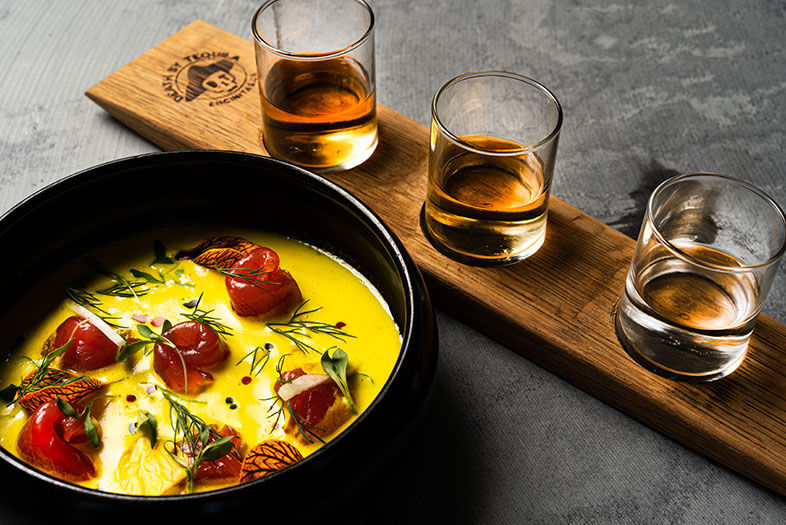
Ahi Crudo
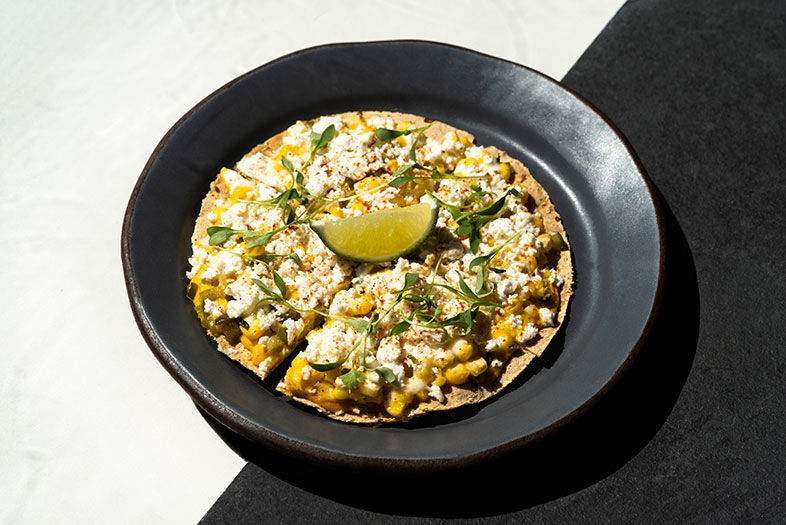
Elote Tostada
Tequila Flan
“Name” chefs have historically found San Diego a tad inhospitable. Famed Mexican chef Richard Sandoval gave it a shot. So did Wolfgang Puck, a couple times. Their inability to plant a flag here was obviously not due to any lack of skill. It also wasn’t locals’ apathy or ignorance.
San Diegans’ shoulder-shrug to celebrity is highly intentional. It’s not a rejection of LA, but more of a corrective measure that brings metaphysical equilibrium to Southern California.
LA traffics in names—builds them, worships them, and destroys them with equal flair. LA is a thrilling city because everyone tries so hard to make that name. And LA is a loathsome city because everyone tries so hard. At max capacity in the idolatry department, San Diego became Southern California’s release from that, its antidote.
Star Chef Angelo Sosa Creates Something Special at Death by Tequila
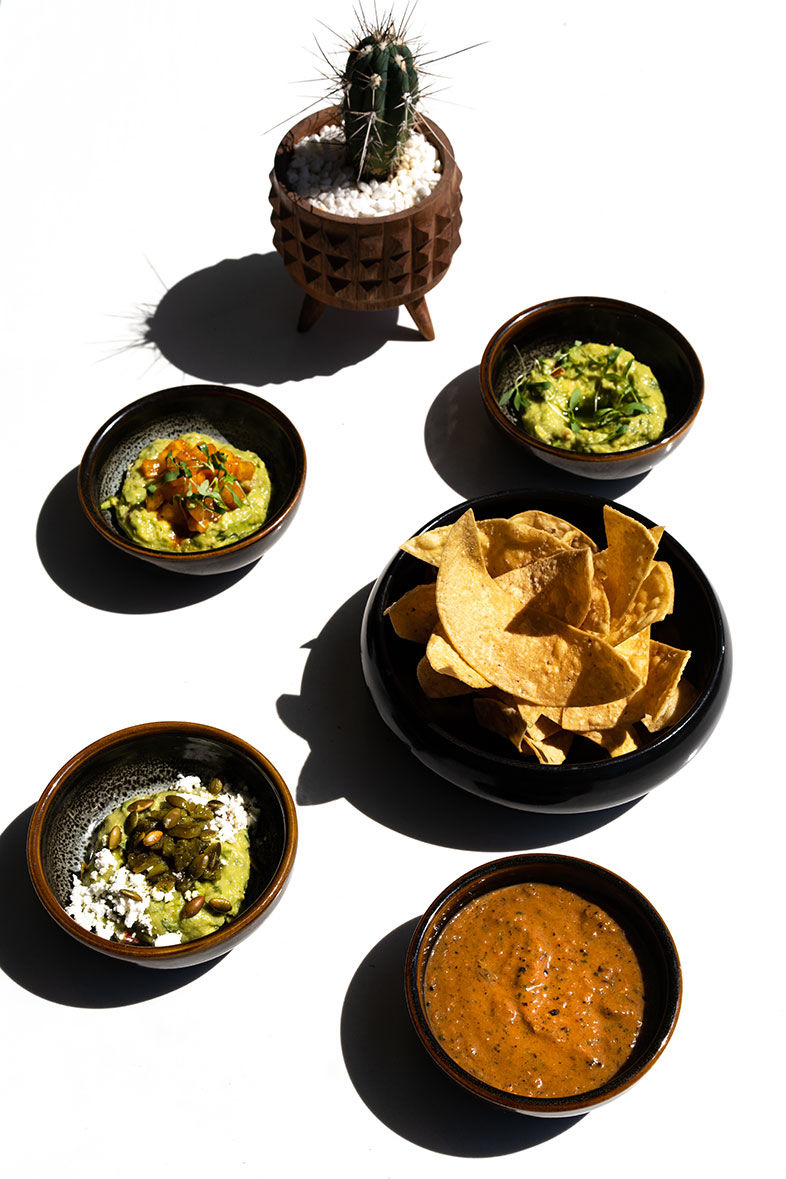
Guacamole, chips, and salsa spread
Names dropped here tend to fall unnoticed into the streets and clog our storm drains. We stuff tacos in the face of pretension. Many residents came here or stayed here to avoid the head shot, the hustle wink, the secret handshake, the deal, the come-on.
So the question San Diego always seems to ask celebrity chefs is: Do you live here, or just your name? Because the latter won’t work. Your name can’t just be on the sign; it must also be in the census.
Top Chef winner Richard Blais knows this. He found a steady stream of support for Juniper & Ivy because he put down roots and spends a decent portion of his month in the room. And now we can add fellow Top Chefer Angelo Sosa of Death by Tequila, who was lured to Encinitas by first-time restaurateurs Chad and Jessica Mestler. Both nights we’re there, Sosa is in the restaurant—whether on the line, expediting food, or charming guests.
Star Chef Angelo Sosa Creates Something Special at Death by Tequila
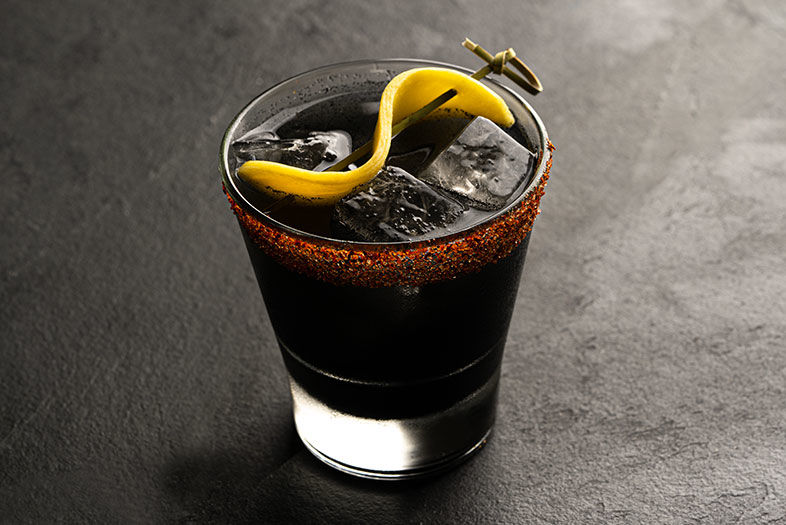
The Los Muertos cocktail with tequila and chile ash
The concept of Death by Tequila (or as they brand it, “DxT”) is not a revelation: farm-to-table, Baja-inspired cuisine (including many “street food” options) that borrows heavily from Asia, plus craft tequila and mezcal cocktails. This restaurant model, at this moment in this area, is as groundbreaking as a college essay on marijuana legalization.
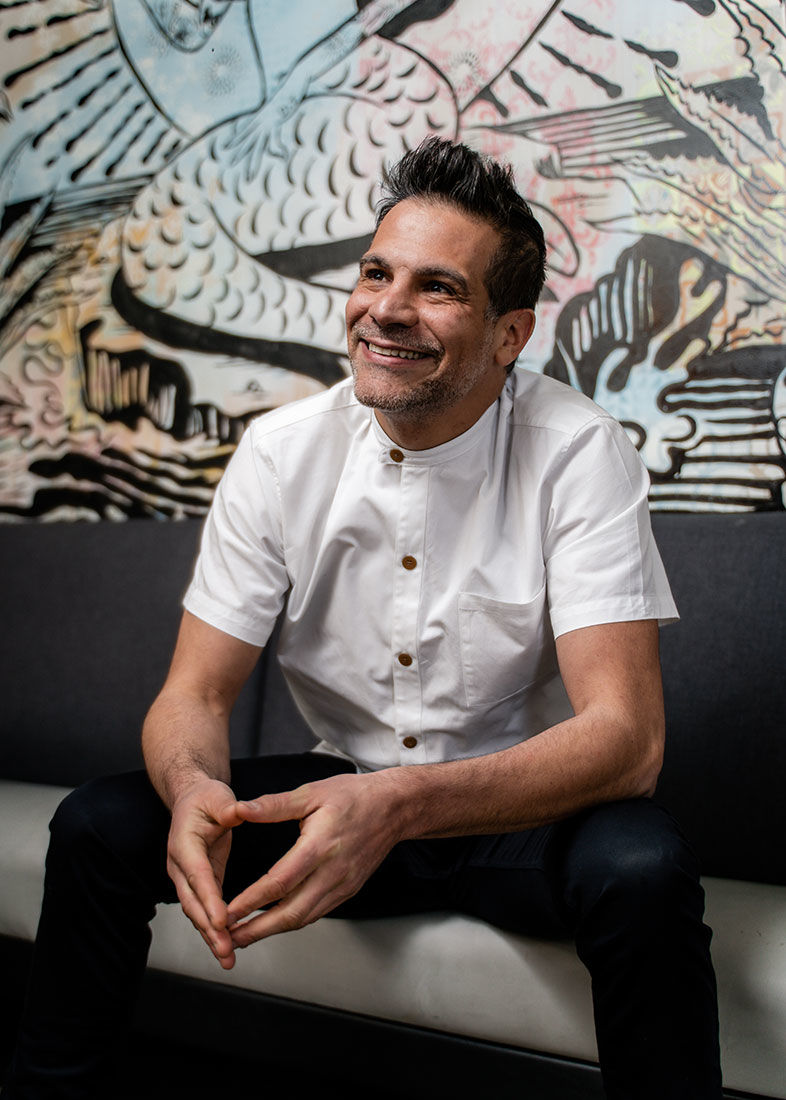
The revelation is in Sosa’s execution. It’s notches above other restaurants. TV may have fueled his media reel and Instagram account, but he earned his skill set working through the ranks of one of the world’s top French chefs, Jean-Georges Vongerichten. He also consulted for Morimoto restaurants, as well as Alain Ducasse’s cookbook Spoon: Food & Wine. He’s a Dominican Italian, trained classically French, who ran a Chinese food restaurant in the West Village and, for the last few years, a trio of Mexican bistros (Añejo, Añejo Tribeca, Abajo).
Star Chef Angelo Sosa Creates Something Special at Death by Tequila
Chef Angelo Sosa
So Death by Tequila is not a concept driven by market research and trends, but a natural culmination of where he’s been.
It’s a small menu, which makes it easy for the diner and the kitchen—small plates, tacos, ceviches, a few main entrées, and a mind-blowing dessert. The experience starts with the guacamole. I usually skip the guacamole, because I find it more ceremonial than inspirational. But one of the three DxT offers is exceptional: chunky-smooth Hass avocados topped with pineapples glazed with agave and chipotle. Often pineapple salsa makes guac taste too much like dessert, but the chipotle keeps it in balance. The trio of salsas with housemade chips is $15 for three small bowls.
Star Chef Angelo Sosa Creates Something Special at Death by Tequila
Elote tostada
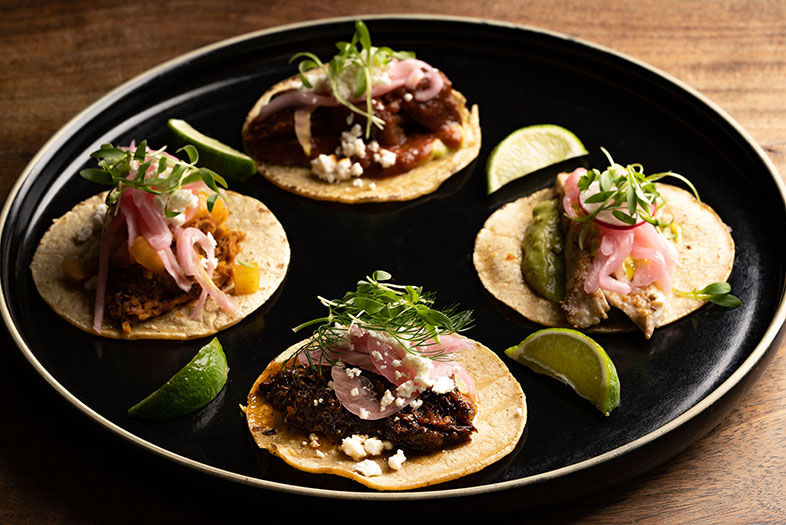
DxT’s tacos are mostly on the right side of delicious. The fish taco is especially good, with guacamole, coriander, mustard aioli, and lime leaf salt. The carnitas have only Duroc pork (great pork, expensive pork) and that chipotle pineapple salsa—and don’t need anything else except lime. All of the tacos need a squirt of lime juice, because the pickled onions don’t quite up the acid enough. The beef cheek barbacoa taco is a shrug—the meat, marinated with warm, autumnal spices, is a tad too sweet. The only one that fails us is the Peruvian potato mole taco. You cannot mole part-time. It’s a dish that requires hours and days and months and years. And DxT’s has a sharp sweetness that tastes more like ketchup-heavy barbecue sauce than a deep, rich, long-simmered mole. The tacos are tiny, and $5 each.
If it seems like I’m mentioning price and size often, it’s because I am. It happens even with DxT’s most mesmerizing dish—an ahi crudo, with the sashimi-grade cubes of fish lying in a chilled broth of coconut milk that’s infused with turmeric and chiles. It’s eminently drinkable (do drink it), like a mix between gazpacho and a thin Thai curry sauce. But it is $19 and there are only a few small pieces of ahi.
Star Chef Angelo Sosa Creates Something Special at Death by Tequila
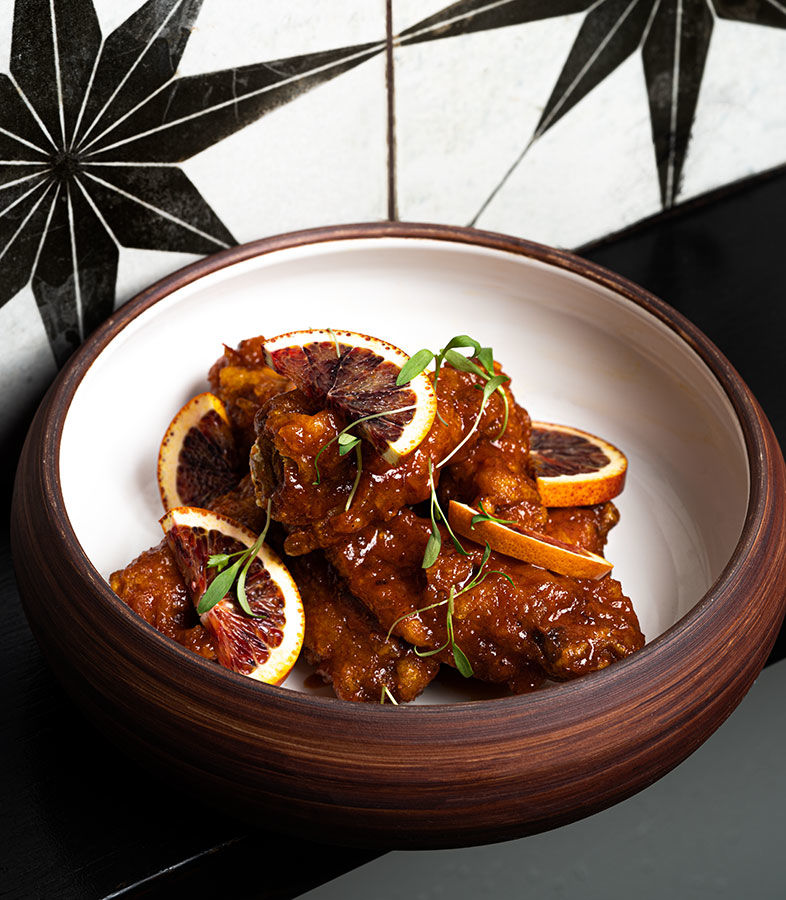
Korean-style wings
The one complaint locals have heaped on DxT has been that it’s underportioned and overpriced. I don’t want to agree, for historical reasons. San Diegans have long refused to let Mexican food rise above the confines of “cheap food.” It’s time for this to end. There are unsavory racial undertones in not allowing a cuisine to be seen as worthy of higher prices when the restaurant has invested in the chef and ingredients and ambience—just as French, Italian, Japanese, and other major cuisines have done.
This is, after all, a restaurant that hired a man with Jean-Georges and Top Chef experience, bought good plateware, and paid for a full-service staff, a wall-size mural, and a fancy rope-based chandelier. Unless economics has halted its reign over the universe, their food is going to cost significantly more than Las Cuatro Milpas. Three-dollar tacos have their place in San Diego’s Mexican food canon, and this is not that place.
Star Chef Angelo Sosa Creates Something Special at Death by Tequila
Ahi crudo
That said, even I find their portions on the small side (Sosa’s Añejo had similar complaints). Especially with a packed bar on a Friday for cocktails (a restaurant’s drink sales fund the food), they should tinker with the portions slightly. Not much, but some. The complaints are much louder than the crime.
About that bar. It’s a scene, which is good news for DxT and Encinitas. We found two routes to unleashing its best. First, the Los Muertos, made with reposado tequila, lime, mango, and chile ash. The ash turns the entire ordeal black, which makes it a pleasant shock that the drink is so sweet and bright from the mango-chile combo. The second is the Frothing in Puerto, with mezcal, lemon, vanilla, pineapple, and egg white, whipped into a creamy froth (a Baja riff on a sour) and not too sweet.
Star Chef Angelo Sosa Creates Something Special at Death by Tequila
Tacos
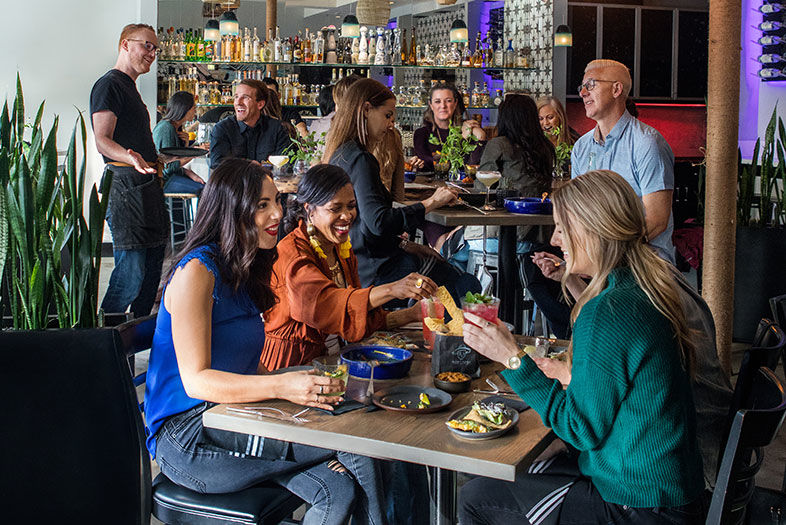
DxT feels like the new future of dining, in that it’s not a traditional service-driven, sit-down restaurant. There are seats. But the bar and dining space are one, with the tequila crowd dominating after a few sips. Chef Sosa runs food to tables. Everyone runs food. But the service is prompt, efficient, and very knowledgeable of the kitchen’s food.
Elote, or Mexican street corn, is one of the world’s greatest gifts. DxT makes a tostada of theirs, with both pureed corn and kernels sautéed in thyme and árbol chile, then tossed with pickled jalapeños and topped with Cotija cheese and micro cilantro. Sweet, soft, crunch, spice, it hits all the right buttons. Their Baja hot wings arrive looking like every bad experience I’ve had with Americanized Chinese food—heavily sauced and sticky. But the Korean-style wings (aka twice fried) are something special, too, the sauce tasting of lemongrass, ginger, red mole, and chiles. Be sure to squeeze the fresh blood orange atop for freshness and acidity.
The chimichurri on their Cedar River Farms sirloin strip makes everything on the plate a better version of itself. The big test of restaurants is their seafood. Cheap or old fish has a distinct low-tide flavor. And if a restaurant’s seafood is cheap or old, it’s an indicator that its budget trumps its excellence. Thankfully, DxT’s pan-seared yellowtail eats fresh and clean, with a light crust and tender middle, dressed with a bright Baja vinaigrette (basil, mint, cilantro, pineapple, and lime juice). The Spanish octopus is the same, sous vide for four hours, then seared in thyme butter for a crackling coat.
It’s a minor sin for a Baja-style restaurant to fail on their rice and beans, but DxT is guilty—they’re both bland and flavorless. The thought here is that those side dishes should merely “be there,” and not have a flavor that takes away from the main entrées. But minus dressings and sauces, every significant bite or side on the table should be able to stand on its own.
At the end of your meal, DxT will be loud. It has quickly won over the Encinitas crowd, and they show up in their loud good moods. But don’t let the din drive you out early or you’ll miss the star of their dessert menu: the tequila flan. The Latin custard dish is topped with tequila-spiked caramel sauce, and then a blizzard of manchego cheese is shredded on top tableside. The tequila brings a minor, pleasant bite to the caramel, and the manchego gives it the salty-sweet charm. It’s a sweet-savory cult hit that sounds odd to everyone until they order it, much like the East Coast tradition of melting cheddar cheese on apple pie.
You will have to invest some money at DxT in order to leave full. Their portion-size debate will last for a while. But Sosa’s skills are undeniable. It is elevated, local-farm Baja cuisine from a chef who made his name the hard way before making it the TV way. Is it worth it? I can’t speak for every pocket, but mine says yes.
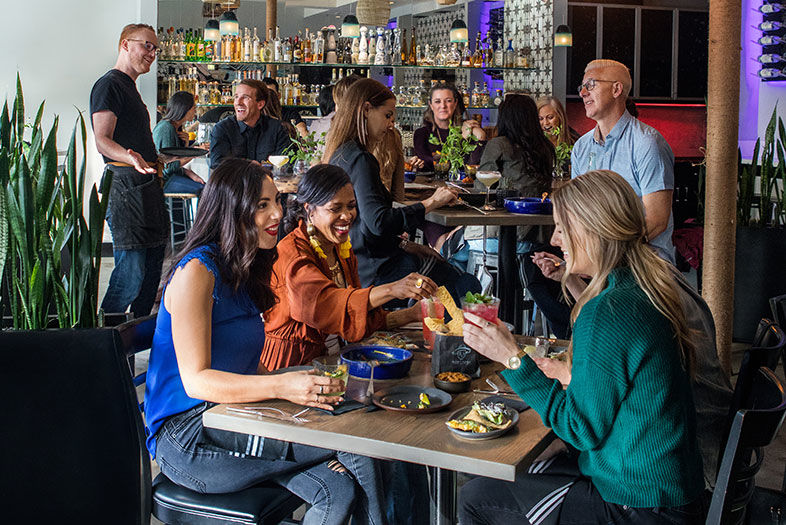
Star Chef Angelo Sosa Creates Something Special at Death by Tequila
Death by Tequila’s interior | Photo: Becca Batista

SDM's staff shouts out our favorite food finds this month including bites from Glass Box, Pete's Seafood, Kimochi, and Immersion Coffee
It’s August. Corn season—that hallowed dental flossian time—is upon us. Peak summer means the fruits from local farms are downright NC-17. It’s also hot-adjacent, so we search out top-notch sashimi and interesting fruit punches. And because we’re contrarians, we also find ourselves tucking into a warm lobster roll in North Park, vying for a father’s love. Anyway, these are the stories behind the best things we found this month—things we’d recommend to friends who didn’t owe us money. Salamat.

Chef Ethan Yang grew up folding dumplings in his dad’s San Diego restaurants—such as the former Fortune Cookie in Rancho Bernardo, which drew on the family’s Taiwanese and Chinese roots. So the Taiwanese beef noodle soup on the menu at Glass Box (a lovely glass-enclosed sushi and pan-Asian spot at Sky Deck in Del Mar) is a family pride—the result of Ethan, dad, and his brother tinkering endlessly with various bones (they finally found the perfect bone, only sold by one butcher in LA).
But the dish that shows off his raw fish skills is the albacore—lightly cured in soy, mirin, and toasted sesame oil, flame-torched to caramelize, and finished with smoked shoyu, chive oil, shiso oil, house-pickled sweet peppers, and crispy rice pearls. —Troy Johnson

“Wait, where is it?” I hear this a lot when suggesting Luce for drinks or a bite. The Bay Park restaurant is smack dab in a part of the city that isn’t conventionally attractive: on the side of the 5 freeway, next to a bevy of service-looking storefronts. To be in this area, you either live here (homes here are fairly excellent with that bay view) or are getting a muffler fixed. A better reason to be in Bay Park: An evening at Luce, a locals’ haunt. Get the Duroc pork chop (the chefs’ chop, with darker meat, higher fat content, better marbling) with collard greens, toasted grits (toasting anything results in a better version of that anything), and a mustard glaze that makes you feel like you’re in the South enjoying sweet tea with friends. —Nicolle Monico

Ever walk into your kitchen during the afternoon feeling recklessly free and decide the time is exactly right for a glass of Champagne? Maybe you crushed a work project or navigated a 4-year-old’s meltdown with the elegance of a global diplomat. You ever then pour that glass and are immediately pulled away by other demanding life errata—and by the time you eventually return to celebrating being alive, you find the remaining victory-juice sits in the popped bottle, losing its steam, and serving you a metaphor for your day?
Hilary Cocalis solved this for me with Carlsbad-based Sipwell. Tiny Victories is a Champagne-style sparkling white in a 250ml can (a glass and a half—the correct amount), the first can-conditioned sparkling wine on the market, fermented with true Champagne yeast. Crisp apple, a little citrus, that biscuity thing good bubbles do, zero sugar. It’s also the first canned wine to crack Wine Enthusiast’s Top 100, so now there’s no excuse not to celebrate all of life’s tiny victories. —Claire Johnson

If my dad were to rank his favorite things, I think I’d make the podium, but there’s no way I’m outperforming this lobster roll. And why would I? We went to Pete’s on Father’s Day, and Peter DeCoste brought out 5 ounces of Maine lobster smothered in warm butter, tucked haphazardly into a grilled New England–style roll, served with a simple coleslaw and basic fries (no need to overshadow the star). Pete’s has a cold version with mayo, too, but there’s something about warm lobster that really wins over dads and their lobster-jealous daughters. –Lili Kim

Valerio’s 1979 is a quintessential San Diego family story. In the 1950s, the grandparents opened their first bakery in the historic Philippines city, Cavite. Their son, Jimmy, would bake and sell bread before school. After enlisting in the Navy and being stationed in San Diego, Jimmy and his wife, Gloria, opened his own version of the family bakery in National City in 1979—a huge hit and home-away-from-home spot for the city’s massive Filipino community.
Four-plus decades later, with four locations across SoCal, it’s on the third-gen of Valerios. The new blood is reviving the name and place with all kinds of Filipino comfort food, and the turon is a star. The classic Filipino treat is a ripe, sweet saba banana and jackfruit, rolled in lumpia wrapper, deep-fried, and covered in sticky, caramelized brown sugar. “Dessert lumpia” is a phrase to live a life by. —Troy Johnson

The contemporary Japanese restaurant lands in San Diego as part of its global expansion
For years, writers (even me, I’ll admit) have spilled gallons of ink lauding San Diego’s up-and-coming dining scene. No, we’re not Los Angeles’ little sibling. Yes, we’re more than fish tacos—and have been for a while. We hosted this year’s California Michelin Guide ceremony. Southern California’s first three Michelin-starred restaurant (Addison by William Bradley) calls San Diego home. I think it’s safe to say we’re not on the way—we’ve arrived.
If anyone needs more proof that San Diego has truly made it to the world’s stage, all you need to do is look toward downtown’s newest arrival: Zuma, the globally-acclaimed contemporary Japanese restaurant and izakaya.
Located inside The Guild Hotel, Zuma San Diego is the sixth US outpost of the London-born brand, which now includes restaurants in destinations like Bangkok, Thailand; Ibiza, Spain; and Cannes, France. And there are on the way, including Saint Barth in the Caribbean; Los Cabos, and Mexico.
Each Zuma outpost has its own local flair, but share a few key elements no matter where it is in the world: a large, energetic bar area; an open sushi counter; and Zuma’s signature robata grill.
Rainer Becker and Arjun Waney founded Zuma in Knightsbridge, London, in 2002 after Becker spent six years cooking in Tokyo, connecting Japanese elegance with vibrant design. After opening locations in Miami, New York City, Las Vegas, Boston, and Vail, vice president of operations Nick Fielding says San Diego felt like a natural fit.
“There’s something uniquely special about San Diego in terms of energy and culture,” he says. “You’ve got a city that is extremely, extremely well versed in culture, in food, in hospitality, in luxury. It’s a quiet luxury, which is very much in keeping with what we believe in.”
The Guild Hotel makes sense as the host location. The historic Italian Renaissance property dates back to 1924, featuring a European-style courtyard, plush lobby, and an abundance of restored original details, like 1920s-era tilework.
One important note: while guests can access Zuma via the hotel lobby, the restaurant has its own dedicated entrance located on Columbia Street. And if you want the full Zuma experience, that’s where you’ll want to start, promises Fielding.

“The entrance is a big part of the arrival experience,” he says. Upon entry, guests walk through an elongated tunnel made from solid teak before arriving at an oversized boulder wall. Each stone has been hand-cut and carved by a team of artisans in Mexico, with a design meant to reflect the rugged California coastline. Next steps guide you across a Japanese garden–style walkway among a Zen pebble garden (inspired in part by the Japanese Friendship Garden in Balboa Park) straight to the indoor-outdoor bar made with hand-cast resin panels designed to emulate the sunset over the ocean.
As for the patio, it’s a jungle out there—literally. Luscious greenery and towering palms drape across the space to create a secret tropical garden framed by hand-carved, uplit teak screens from Indonesia. By design, there’s no question it’s a Zuma restaurant, but the San Diego location’s style rotates around five pillars, according to the restaurant group’s head of design, Lucy Robinson.

One: embracing a sense of understated luxury. Two: highlighting the year-round climate with a 50/50 indoor/outdoor split of the space. Three: blending local architectural details (like the botanical garden references) with Japanese aesthetics. Four: creating a bespoke palette of bold pinks, oranges, and yellows inspired by minerals found in coastal stones along the coast. Five: Creating a vibrantly energetic space (a goal for every Zuma location).
Inside, the robata grills crowns the center of the dining room, featuring a Japanese paper hood and fire element-inspired resin wainscot base to create a striking tower of red, yellow, and orange. “We always try to bring the four elements into our projects, which are fire, water, wind, and earth,” explains Robinson. San Diego also features Zuma’s first ice box centered on the sushi counter. “It’s almost like on an island—a big lit-up ice block, which will be chipped down to make the base of our sushi platters.”
The 6,600-square-foot dining space seats 221 guests, with a natural flow between the two—another nod to the nearby coast. From hand-woven details by an artist in Germany to the granite tiles on the walls, scale, pattern, texture, and color are everywhere.
That’s true for the plates as well. Head chef Briant Arciniega says to recognize all Zuma’s big hits—spicy beef tenderloin, saikyo miso-marinated black cod, barley miso-marinated baby chicken, as well as signature sushi and sashimi options, and robata dishes like grilled scallop skewers, beef with shishito pepper and smoked chili soy, jumbo tiger prawn with yuzu pepper, and ribeye with wafu sauce and garlic crisps.

Beverage-wise, the menu follows the same diversity of flavors and price points to offer high-end staples, but remain approachable, says Fielding. Expect concoctions like a Japanese margarita made with Mijenta blanco tequila, mezcal, yuzu, orange, and yuzu koshu, opt for an easy-drinking Sapporo pale lager, ask the lead bartender Eric Howell for a wine recommendation, or explore the sake selection.
At minimum, expect vibes. Robinson says the Zuma team has watched certain San Diego restaurant groups go all-in on experiential, eye-popping, energetically-designed spaces. “We wanted to make sure we stood out when coming into the area,” she says. When you have to compete with things like speakeasies-within-speakeasies and man-made barside beaches of imported Turkish sand, you better bring it.
Zuma San Diego opens at The Guild Hotel (500 West Broadway) on August 10. Initial operating hours are seven days a week for dinner service. Reservations are now open.
Beth Demmon is an award-winning writer and podcaster whose work regularly appears in national outlets and San Diego Magazine. Her first book, The Beer Lover's Guide to Cider, is now available. Find out more on bethdemmon.com.
The long-awaited $6 million restaurant from Black Swan Hospitality brings coastal Mediterranean to Coronado
William Wordsworth’s 1807 poem “By The Sea” paints a glorious picture of a coastal sunset, elegantly describing the serenity that can only be found upon an ocean’s sandy shores.
It is a beauteous evening, calm and free,
The holy time is quiet as a Nun
Breathless with adoration; the broad sun
Is sinking down in its tranquility
And as a San Diegan, I often have to pinch myself. We’re spoiled by this breathtaking beauty each day. Come August 12, Coronado will have a new place from which to soak in the Pacific’s peacefulness: By The Sea. Created by the team at Black Swan Hospitality (Nolita Hall), Doug and Lara Hamm brought to life a Mediterranean-meets-San Diego oasis influenced by their travels through the French Riviera, Italy’s Amalfi Coast, and the Greek Isles. (It’s not the first time the couple drew inspiration from the Mediterranean coast—their wedding took place on the island of Capri, their daughter’s namesake.)
Opening the 6,500-square-foot, second-story restaurant took longer than expected. First announced three years ago, the Hamms worked with Loren Wynn and Mellissa Ramos—their own in-house design studio (Creative House)—alongside Tecture (Lucien, Anigma Encinitas, Bivouac Ciderworks, George’s at the Cove) to create a space that feels more like a coastal villa than spartan dining room.
Guests enter via a cobblestone staircase to a light-drenched dining room and outdoor patio shaded by a eucalyptus wood trellis. Windows dot nearly every wall below the high ceiling of hand-stained willow reed thatching and exposed wood beams. “We have a beautiful lounge area with some textures such as velvet and marble,” says Lara. Everywhere feels organic, with materials like white oak and Italian limestone flowing throughout the open concept and semi-private dining areas.

The curvaceous travertine bar seats 24, while the 11 outdoor tables and 44 indoor tables and banquettes hold an additional 254 guests. It’s not quite oceanfront, but the peekaboo water view and floor-to-ceiling glass pocket doors allow the nearby sea breeze to drift across the dining room. (And if you’re the type of perpetually cold person once the mercury falls below 72, never fear—the outdoor fireplace and built-in heaters will keep you comfortable all year round.)
With a name like By The Sea, one can safely assume seafood features heavily on the menu. Executive chef Alex Carpio utilizes plenty of local produce and catches, with starters like scallop crudo, tuna tartare, octopus with crispy potatoes, and calamari fritti. The rest of the menu is broken into salads, vegetables, pastas, and mains, with standouts like a beet salad with feta, kale, orange, and charred lemon vinaigrette; Moroccan-spiced carrots served with lemon yogurt, mint, and parsley; classic linguine and clams with garlic, tomato, and parsley; a lamb cavatelli with fennel, chives, and breadcrumbs; grilled branzino with tahini and Castelvetrano olive tapenade; grilled half chicken with celery, cucumber, and a Calabrian chile vinaigrette; steak frites; and pan seared scallops with pickled peppers, basil, dill, and aioli.

Lara says there was one non-negotiable item for the menu: a dramatic seafood tower. Built for 2-4 guests or 4-6, each option comes with a collection of fresh oysters, shrimp, tuna tartare, scallop crudo, and caviar, with lobster and crab claws available on the larger size.
And if you’re curious about exploring the world of caviar, you’re in luck. Doug says they’re building a tasting menu of different spirits to pair with various caviars under bar manager Andrew Phillips’ purview.

Phillips’ drinks menu uses housemade syrups and fresh-squeezed juices, encapsulating both classic cocktails as well as signature inventions like All That Glitters with Cazadores Reposado, Xila Licor de Agave, Chinola Passionfruit liqueur, vanilla, and lime; Sea Glass with Dewar’s scotch, Haku yuzu vodka, green tea, vanilla, lemongrass, apple, lime, and clarified milk; and The Mariner with Appleton Signature & Reserve Rums, Ron Zacapa 23, Chinola Passionfruit, Aperol, pineapple, lemon and orgeat. Wine pairings are curated by the directors of operations Daniela DiGregorio and Gina Martinez, spotlighting small, organic producers from around the world as well as a selection of high-end Champagnes.
Lara describes By The Sea as “a place to linger together,” with director of hospitality and general manager Heather Roberto overseeing every aspect of the low-key feeling of the space. The restaurant may be European-inspired, but the Hamms say it’s wholly Coronado.
The Hamms moved to the Crown City at the end of the pandemic after years in bustling Little Italy. “Within a few weeks of moving here, we felt the magic,” says Doug. Now, they get to be a part of building it up—CH Projects’ Baby Grand hotel is across the street and the Hotel del Coronado sits just down the block. “We’re happy to be part of the scene, and we hope it continues to grow,” he says. “That’s what makes Coronado so special.”
By The Sea opens August 12 at 1300 Orange Avenue, Coronado. Initial hours of operation are Wednesday and Thursday, 4 p.m. to 11 p.m.; Friday and Saturday, 4 p.m. to midnight; Sunday and Monday, 4 p.m. to 11 p.m.; closed Tuesday. Weekend brunch and extended hours to come soon. (Subject to change.)
Photos Credit: Kimberly Motos


Beth Demmon is an award-winning writer and podcaster whose work regularly appears in national outlets and San Diego Magazine. Her first book, The Beer Lover's Guide to Cider, is now available. Find out more on bethdemmon.com.
Behind every beautiful space is a thoughtful process, and ASID San Diego is helping homeowners understand the value of professional design.
A perfectly designed home rarely happens by accident. Those kitchens that feel effortless and rooms that seem to tell a story the second you walk in? They’re usually the work of someone who knows exactly what they’re doing.
It’s knowing which ideas will actually work, which materials will hold up over time, and how to turn a collection of choices into a space that feels intentional. That’s where a professional interior designer comes in.
For the American Society of Interior Designers (ASID) California San Diego Chapter, the goal is to help people see interior design as more than just the finished look. Behind every well-designed space is a process built on technical expertise. Designers are educated in everything from professional software and construction details to building codes, space planning, materials, and functionality.

“People don’t always realize how much goes on behind the scenes,” Kirsten Recce , current president of the ASID California San Diego Chapter, says. “Our designers are not just doing furniture placement and color selection and picking out new fluffy pillows. That’s not what they’re trained for.”
ASID members bring formal education, continued learning, and industry knowledge to their projects, helping create spaces that are not only beautiful, but designed to work. A paint color that changes completely depending on the lighting. A material that looks beautiful in a showroom but doesn’t make sense for everyday life. A layout that photographs well but doesn’t function for the people living there. These are the details where professional guidance can make all the difference.
Still, one of the biggest misconceptions about hiring an interior designer is that it’s reserved for massive renovations, luxury homes, or people who already know exactly what they want. The process can feel intimidating. Where do you begin? Is a designer worth the investment? What if you only need help with one room?
ASID’s answer: start with one hour.
ASID’s Spruce Up events break down one of the biggest barriers between homeowners and professional design: knowing where to begin. Held twice a year, the community program gives homeowners the chance to work directly with an ASID designer through a one-hour, $125 consultation in their own home. Whether you’re looking for advice on furniture placement, window treatments, kitchen and bath updates, remodeling ideas, vacation rentals, color selections or something else entirely, the upcoming September 2026 event offers an approachable way to get expert guidance before committing to a full project. Signups are open through Sept. 7, with consultations taking place Sept. 21 through Oct. 31. Proceeds benefit ASID San Diego’s educational and community programs. Register here!

“It’s a great opportunity for people who are in that exploratory phase,” Recce says. “Maybe they’re not sure they want to hire an interior designer yet, or they think it sounds daunting or expensive. This gives them a chance to discover what working with a designer is actually like.”
Design is personal. A good designer isn’t just creating a beautiful room; they’re helping create a space that fits the way someone lives.
“We’re a resource to all of San Diego County,” Recce says. “It doesn’t cost anything to pick up the phone and call and ask. We’ll answer.”
Follow ASID San Diego on Instagram, LinkedIn, and Facebook for updates on upcoming events, or connect with the chapter directly at [email protected] or 619-548-8847.
From celebrity pickleball tournaments to intimate dinner parties with your favorite Food Network chefs, here are all of the can’t-miss events going on Sept 30–Oct 4
Play is underrated. Somewhere along the way, someone decided it was something we should outgrow. That you A good song comes on, and they dance. A game appears, and they’re in. Someone hands them a melting ice cream cone, and somehow it’s the best part of the day.
Adults tend to need a reason. Or maybe just the right setting.
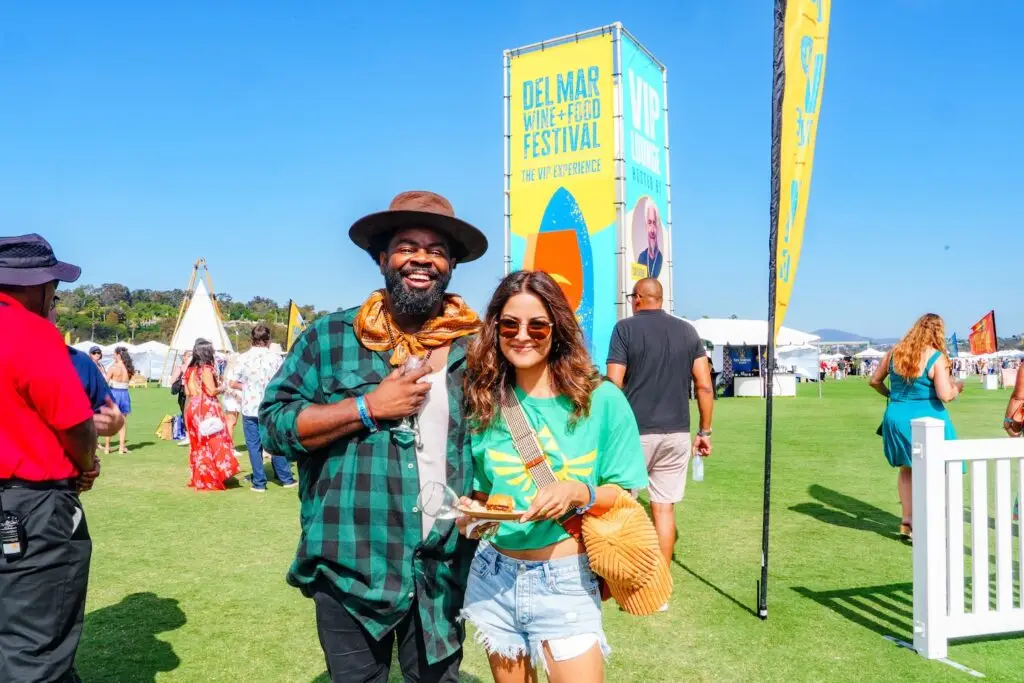
That’s part of what makes the Del Mar Wine & Food Festival feel different. Yes, the week revolves around food and wine, with celebrated chefs, winemakers, and restaurants drawing crowds from across the region. But what lingers afterward is the conversations that stretch a little longer than expected, the strangers who become dinner companions, the live music that pulls people out of their seats, and the rare chance to spend a few hours simply enjoying yourself without much of an agenda.
The Grand Tasting is the festival’s centerpiece, bringing thousands of guests together over two days for hundreds of bites and pours. But some of the week’s most memorable experiences happen on a smaller scale. In the days leading up to the main event, intimate dinners, chef collaborations, and guided tastings create opportunities for guests to interact more closely with the people behind the food and wine and with each other.
Here’s your guide to the 2026 Del Mar Wine & Food Festival happening September 30–October 4.

Start festival week the San Diego way: ocean views, Baja-inspired bites, and a drink in hand as the sun goes down. The Signature San Diego Opening Night Party at Monarch Ocean Pub sets the tone for the week ahead with a walk-around tasting experience celebrating the flavors that make this city impossible to replicate. It’s an evening of fresh coastal cuisine, bold Mexican flavors, Baja seafood, and plenty of local favorites—all served against one of Del Mar’s most iconic backdrops. Consider it your first official toast to the weekend ahead…

Wine and competition make an unexpectedly perfect pair. You can join Drew Brees and celebrity players at Barnes Tennis Center for a pickleball tournament benefiting Feeding San Diego, where the sidelines are just as exciting as the court. Grab a paddle, cheer from the sidelines, or simply enjoy a glass of wine while the action unfolds. The day blends friendly competition with an all-inclusive tasting experience.
Since year one, Del Mar Wine & Food Festival has partnered with Feeding San Diego to raise $100,000 in support of the organization’s mission to fight hunger across the region. Every serve, sip, and bite helps give back to the community that makes this festival possible.
Remember that pickleball paddle you swore you’d use? Time to put it to work.

This is essentially a passport to Spain with no airport required. Set among the lush grounds of Rancho Valencia, Rioja Uncorked celebrates one of Spain’s most iconic wine regions with an evening of exceptional pours and thoughtfully paired bites. Guests will sip their way through Rioja wines while enjoying a menu featuring everything from Hiramasa crudo and uni toast to duck rillette, birria mini tacos, Cardiff Crack tri-tip sandwiches, and a sweet finale from Karen Krasne of Extraordinary Desserts (date night plans, solved).

Justin Wine Dinner sounds simple: three chefs, one unforgettable table. But chefs Kaitlyn Weber (Estancia La Jolla), Buddha Lo (Top Chef), and Jackson Kalb (Top Chef) are taking you on a one-night-only culinary ride where three styles collide over a multi-course menu paired with exceptional pours from Justin Vineyards & Winery. Set in Estancia’s coastal estate, the evening unfolds course by course with pairings from Justin wines as each chef brings their own style to a menu focused on craft, connection, and a bit of friendly culinary overlap. It’s the kind of culinary conversation that only happens when very, very talented people cook together.

Isabella Dallas is a freelance writer for San Diego Magazine and the Arts and Culture Editor at The Daily Aztec in her final year at San Diego State University. She previously worked as an editorial intern for SDM, but when she’s not writing, you can find her trying the best coffee spots in SD, devouring the latest rom-coms, and indulging in anything and everything pop culture.
Secret menus and last-minute details help drive human connection through food and the unexpected
“Are you sure this isn’t a dating thing?” asked my husband as I headed out the door. Fair question, considering we’ve been happily, monogamously married for 15 years. But where I was headed—a Dinner With Strangers Co. collaborative dinner with Rasa Table—is a curated culinary experience emphasizing conversation and encouraging connection with whoever the universe decides to seat at your table.
Okay, I can see how that might sound like a blind date-type of matchmaking app. While I happen to love dining solo or with friends and loved ones, the idea of getting trapped at a table with a bunch of randos rockets me past my comfort zone somewhere in the realm of Neptune. Still, I’m nothing if not motivated by a good meal, and the duo’s Nigerian-meets-Malaysian collaborative menu this July at Millport in Imperial Beach ranged from the semi-familiar (savory jollof rice) to the completely new-to-me, like egusi, a rich West African stew made from melon seeds, palm wine, spices, assorted greens, and a mix of meats like beef and crayfish, along with a dollop of starch like yams or cassava to mop up every absolutely spectacular morsel.
(Quick note: if anyone has a rec on where to get good egusi in San Diego, please let me know immediately.)
Founder/chef Onyinyechukwu “Onyi” Akpa launched Dinner With Strangers in Houston before returning to her hometown of San Diego a little over a year ago. Not only did she see a widespread need for opportunities to meet new people, she says San Diego lacks some diverse cuisines. “One thing that made me move back is the actual lack of West African food,” she points out.
As a first-generation Nigerian-American and San Diego native, Akpa draws a lot of influence from Mexican, West African, and Black American culinary traditions, all of which were on full display alongside Vanishaa Doshi’s Southeast Asian fare from Rasa Table. (Think slow-braised oxtail meets coconut curry.)
It felt surprisingly easy to chit-chat with my fellow diners, most (but not all) of which came alone. Turns out when everyone is there to meet people, there’s no such thing as a cold shoulder. Long before the end of the night, the woman I ended up sitting next to captivated me with pictures of her recent travels to the brutalist Casa To boutique hotel in Puerto Escondido, Mexico and the ruins of La Recolección convent and church in Antigua, Guatemala.
We live our lives largely online, directed by the whims of The Invisible Algorithm and paid ads. A 2023 U.S. Surgeon General report categorizes loneliness and isolation as an epidemic, so cultivating opportunities for human connection has spawned a movement of supper clubs like these, each designed around the idea of making friends rather than networking opportunities or blind dates.
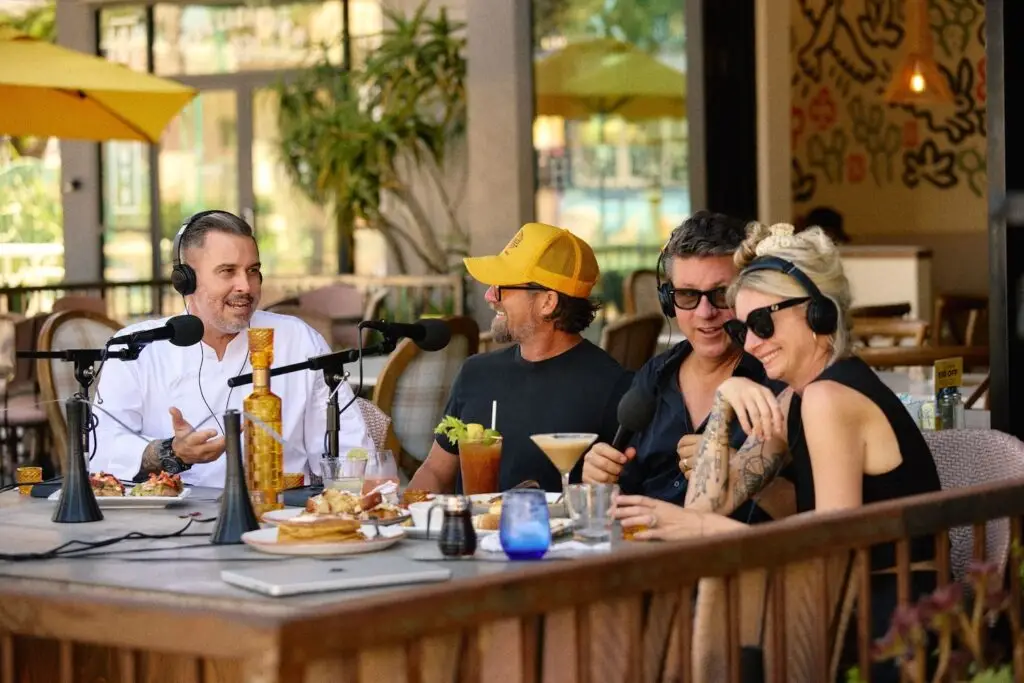
For some, there’s also an element of surprise. Local pop-up Cow by Bear is a 20-person, five-course dinner party series every Friday and Saturday at a secret location only revealed the day before. Another is The Blank Table, a pop-up dining series by Alexandria Ott and chef Frederick Keller centered around “cuisine, cocktails, and creativity,” which takes place six times a year. Details like the location and menu don’t get announced until the night before, and Ott says she tends to select venues that feel unexpected or off-the-beaten-path.
That’s how I found myself wandering around the lower floor of the Institute of Contemporary Art in Balboa Park, checking out Cat Gunn’s installation while sipping a cocktail created by Kiku Room and munching on an amuse bouche by chef Kassandra De Leon of Two Ducks. I cheated a tiny bit and brought a friend, but did manage to make small talk with some other attendees in the spirit of socializing with strangers. None of us knew what we were eating until we arrived, so there’s a level of trust required—not unlike prix fixe or omakase menus.
Rising demand for experiential dining alongside San Diego’s creative renaissance make it the perfect time to embrace these sorts of low-risk, high-reward types of endeavors. It’s less pressure than a blind date—everyone’s already paid and no one has to awkwardly browse the menu while also trying to keep the conversation going—and there’s no expectation of seeing each other again. That is, unless you really want to.
“Most people don’t think they’re gonna meet somebody they will like,” says Akpa. At both The Blank Table and Dining With Strangers, that proved true for this adventurous-in-food, introverted-by-nature, once skeptical, now convinced San Diegan.
Listen Now: The Latest in San Diego’s Food and Drink Scene
Beth Demmon is an award-winning writer and podcaster whose work regularly appears in national outlets and San Diego Magazine. Her first book, The Beer Lover's Guide to Cider, is now available. Find out more on bethdemmon.com.
Circadian Sleep Clinic Helps Reset the Body Clock
Nearly everyone experiences a sleepless night once in a while. But for those with a circadian sleep disorder, being well-rested can feel out of reach. A circadian sleep disorder occurs when a person’s internal clock doesn’t align with their desired or socially required sleep schedule. This can significantly impact quality of life, mental health and physical well-being. Scripps Circadian Sleep Disorders Clinic, launched in 2019, was the first of its kind in the state. Its specialists diagnose and treat conditions like delayed sleep phase disorder, shift work sleep disorder and non-24-hour sleep-wake disorder. Many patients have spent years—or even decade —thinking there was no hope for their sleep behavior. A solution can be life-changing. Read more about the Scripps Circadian Sleep Disorders Clinic here.
For more nutrition, wellness, and healthy living tips, sign up for the San Diego Health newsletter here.