




Everything SD
Feeling Unheard at the Doctor's Office? Here's What Might He...
Read article

Featured articles

Food & Drink

Food & Drink

Food & Drink
Featured articles

Everything SD

Everything SD

Features
Featured articles

Things to Do

Things to Do
Things to Do
Featured articles

podcast-ep

podcast-ep

podcast-ep
Featured articles
Features

Features

Features
Featured articles
Everything SD
Things to Do

Partner content

Volunteer trainer Anita Cheesman shares what it’s like working with the foxes to ensure they’re on their best behavior when they have visitors
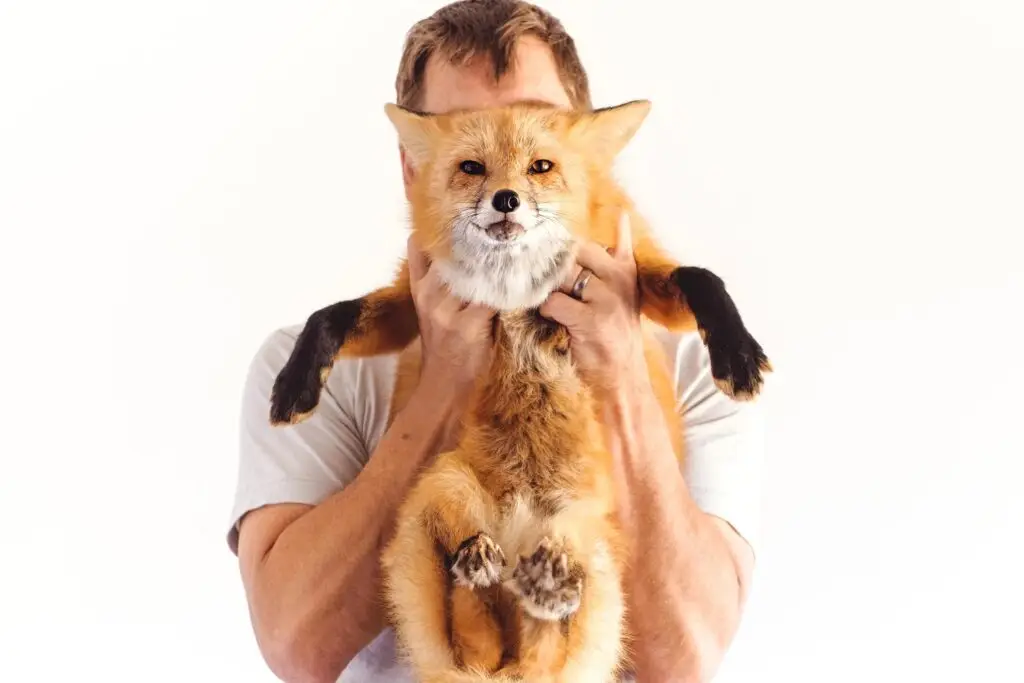
While canids like Arctic foxes, New Guinea singing dogs, and jackals aren’t native to San Diego County, a handful have made a permanent home in Santa Ysabel. The Judith A. Bassett Canid Education & Conservation Center (JABCECC) is a safe haven for these animals and others rescued from fur farms, the exotic pet trade, research facilities, and those that cannot be released back into the wild.
JABCECC aims to educate the public about the plight of these animals and offers a variety of encounters, where guests can get up-close-and-personal with some of the animals, including a few domesticated foxes. Volunteer trainer Anita Cheesman works with the foxes to ensure they’re on their best behavior when they have visitors.
Here she details her experiences at JABCECC.
My husband found out about this organization. I believe he saw an article when it was brand new and he gifted me one of its encounter sessions, where you go out there and they tell you a little bit about its mission and introduce you to some of its animals. We first got a meet-and-greet with its New Guinea singing dogs, which was pretty cool because you don’t get to see those every day. Then, we were able to go inside one of the enclosures and pet, feed, and pick up foxes and learn more about them. They mentioned that they like volunteers, so I told them that I’m a dog trainer, and if they wanted any training help, I’d be more than willing to offer my time and they jumped on it.

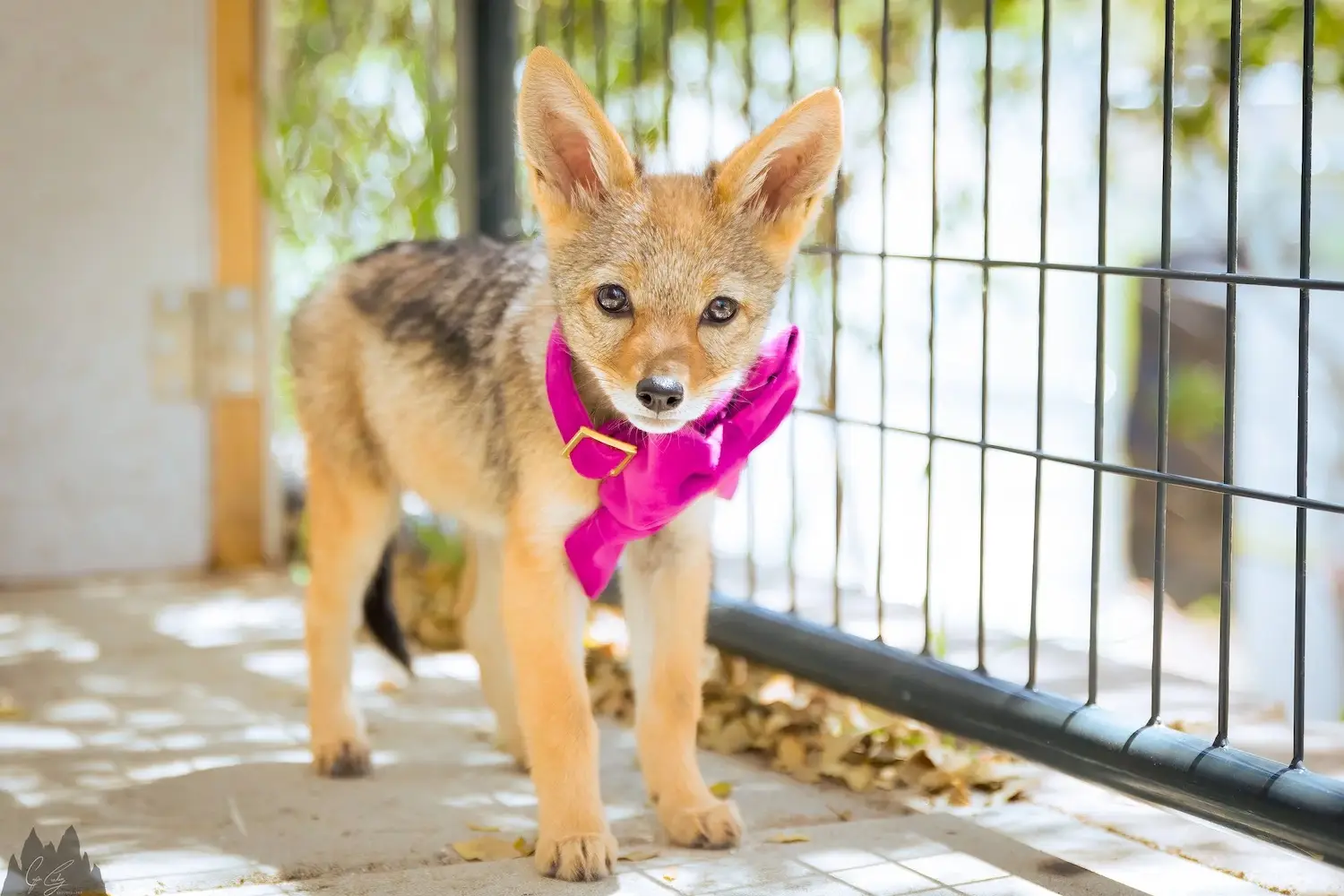
I work on good manners with the young foxes, so they learn not to jump up at people or to snatch food out of their hands. Basically, [I teach] skills so that if they are going to be one of our ambassadors, which means meet the public, that they know how to safely interact with the public and with our older foxes. And I’ll work on some other things, such as little tricks. I taught a few of our foxes how to shake. They picked it up in just under an hour. They’re very smart. Then we practice things that they’re going to do at their public encounters, like being picked up and held, so that they love it and aren’t squirmy and wanting to jump out of someone’s arms. It’s a variety of things.
What I like best is knowing that I’m helping these animals. They’re being given a forever home and some of them may have been put down if they didn’t come here. I like helping to enrich their lives. Obviously, they have to live in enclosures; none of them are able to be set free for various reasons. So, I want to make their life as interesting as possible, and hopefully educate the public that fur farming is still practiced here in the US—we hear a lot from people that come visit us that they had no idea. They thought it was completely outlawed here. So being able to educate people so that hopefully they will advocate for the foxes and other wild animals, like our coyotes, and not see them as pests, but realize they’re an important part of our ecosystem.
I think one of the biggest challenges for me in trying to coordinate a training program is keeping our volunteers. Everyone wants to come work with foxes, but the center is an hour from central San Diego, and you have to drive through windy mountain roads. After a while I think the novelty wears off and people just don’t want to make that drive anymore and they drop out. Another thing for me in particular that’s a challenge is that space is limited. We only have so many man hours to build new enclosures. I often will work with multiple foxes at a time, and for some of them, it’d be much better for their training to progress faster if we had individual areas. But that obviously means that we would have to build more enclosures, which means we need to find more generous donors because it’s quite expensive to build areas. We have the space for it. We just need the funding.
One of my favorite things is whenever there’s an animal I haven’t seen in a while, like one of our jackals or our gray wolf, and because I bonded with them when they were babies, even if I hadn’t seen them in a year, they always remember me. And unlike being shy with new people, they’re ready to run right up to me to say hi. It’s just nice to see the bond that you can make with these animals, even though they’re wild animals. And sometimes they don’t even notice you until they catch a whiff of your smell. It’s your smell that they remember and then they totally change and become just little puddles of goo.
For those considering the center, realize that we have a wide variety of areas where we need help. You don’t have to be an animal person. We need carpenters, grant writers, social media experts, event planners—if you have a skill, we could use it. We’re a very small organization, almost entirely volunteer run. It’s easy to get stretched and to not have enough hours in the day to try to expand the center because there’s always a new animal in need of a place to go. And unfortunately, not many places are certified and equipped to take in these animals. So, if we don’t do it, we’re always worried what’s going to happen to them. Anyone willing to volunteer, just reach out. And other organizations, I’m sure they would not turn you down. Just find what your passion is and there’s going to be a place somewhere out there that could desperately use your help.

Sarah Sapeda is San Diego Magazine’s Custom Content Editor. In her 15 years in San Diego journalism, she has covered charitable events, health care, education, crime, current events, and more.
