Alexis Smith pasted herself together like a collage, creating someone whose work feels familiar yet wholly new.
Take, for example, Your Name Here (1975), her self-constructed director’s chair with “Alexis Smith” imprinted on it. The viewer is left with the quandary as to whom the name refers: the artist or the 1940s-era actress? It also reflects Smith’s ongoing inquiry into how she defines herself (she changed her name from Patti Smith to Alexis Smith while at UC Irvine’s nascent and radical art department in the mid-sixties).
Smith became a formidable force in the SoCal contemporary art world. Her collages—encompassing literature, movie, and pop culture themes—are all imbued with symbolism from the American Dream. This dream is on display in an important new exhibition at The Museum of Contemporary Art San Diego, which features a selection of 50 of her early artist books, intimate collages, recent wall paintings, and room-sized installations. Called “The American Way,” it’s the first retrospective of the iconic artist in 30 years.
As Smith has said, “I think artists are people who come to grips with their own peculiarities and try to make it something positive. I may be kind of goofy, but I turn it into something viable.”
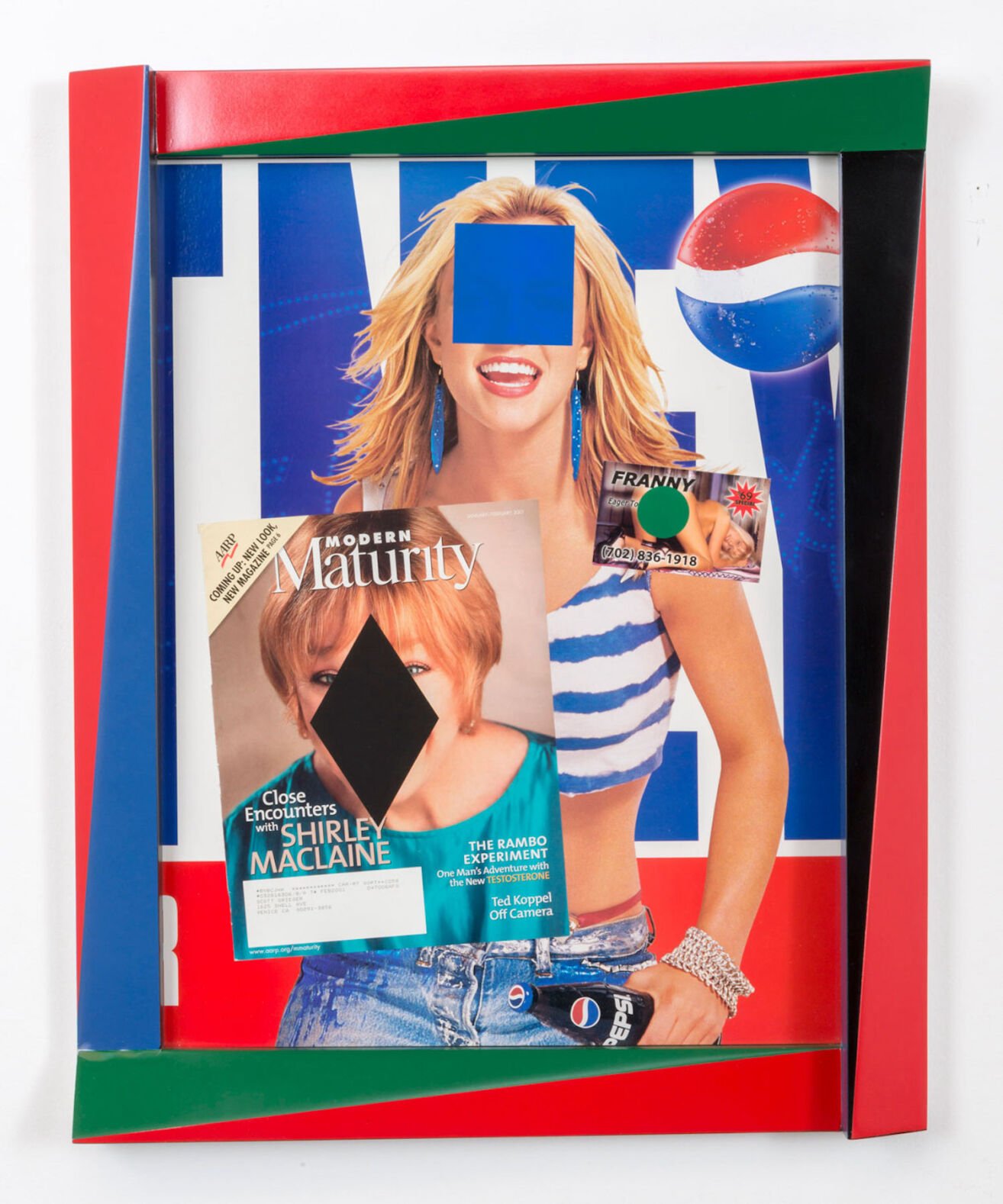
Alexis Smith – Degree of Difficulty, 2002
The threads tying this show together are Smith’s inventive use of iconography from historical works and pop culture; her creative compilations of found materials, including scrapbooks from her childhood; and her self-confidence, enabling her to transcend traditional artistic boundaries.
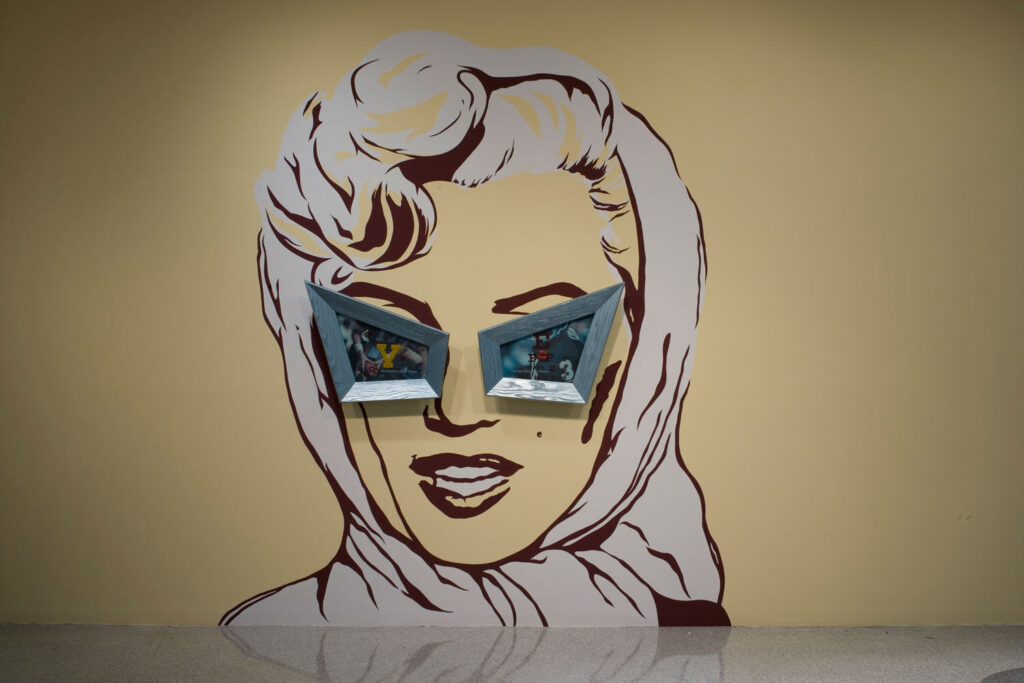
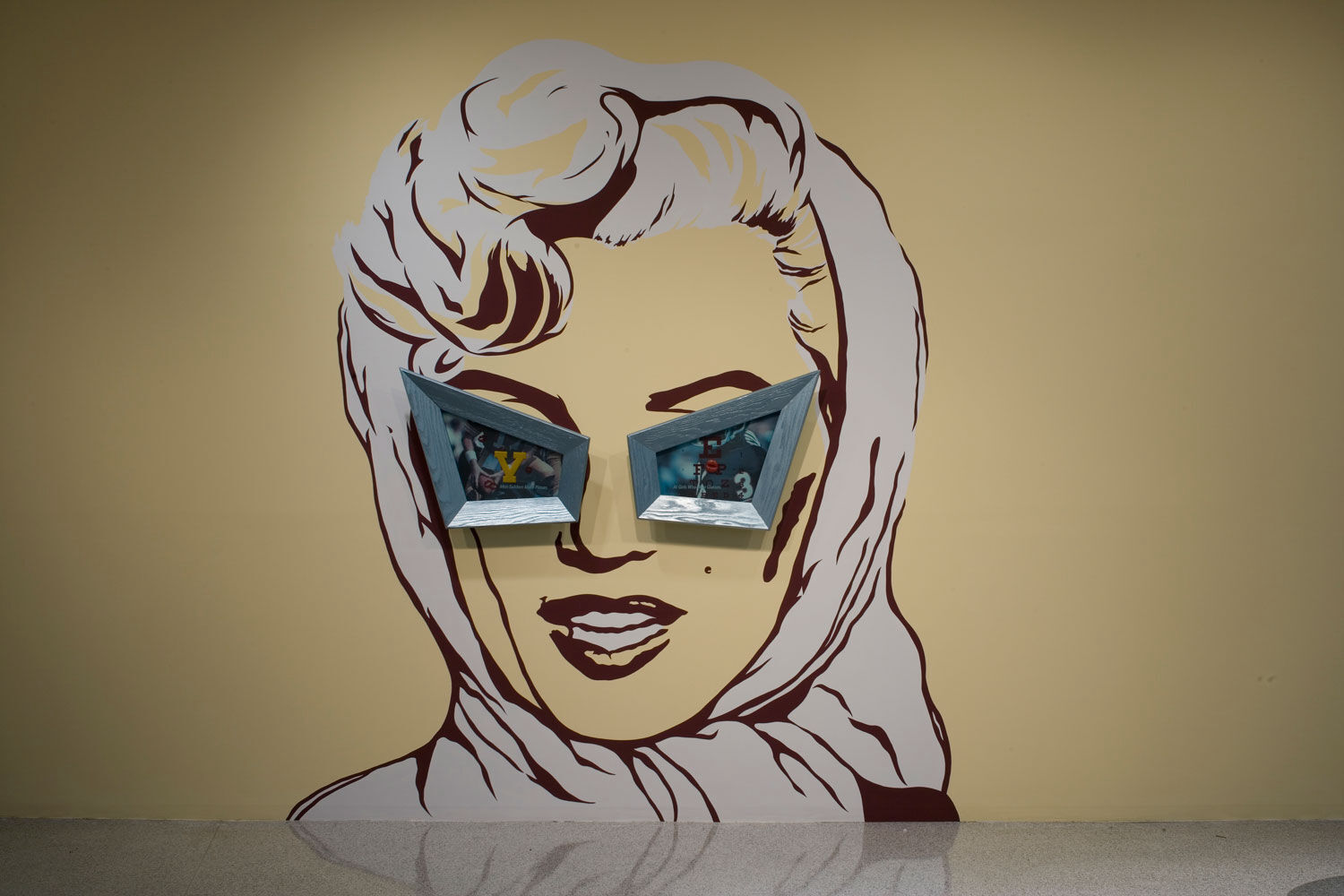
Smith’s visually familiar Men Seldom Make Passes at Girls Who Wear Glasses (1985) features a large portrait of Marilyn Monroe wearing cat-eye sunglasses, with each lens containing a photo of football players. The subliminal message is that men, not women, are the objects of desire.
Smith’s deeper motivations, described in the accompanying catalog by curator Anthony Graham, are “self-invention and reinvention, whether through questions of identity and the roles of women in U.S. society or criticisms of the pretenses of wealth and class.”
As Smith evolved beyond her university training, exhibiting in major museums, she created The American Way (1980), a mixed-media collage of pop culture symbols on aluminum printing plates. It contains a Lucky Strike ad, a Coke bottle, a toy airplane, and play money, among other images, with passages from novels by American writer John Dos Passos. Graham explains, “The collage conveys the American way as both elusive and disorienting.”
One cannot aesthetically pigeonhole Smith’s oeuvre, as it is so expansive and varied by an artist who has blazed her own path. Yet her dozens of pieces in this exhibition speak to viewers engaged in the deeper vicissitudes of historical and pop cultures and how these cultures inform our lives today. Now in her twilight years (Smith has been diagnosed with Alzheimer’s disease), MCSAD is showcasing her decades-long art practice with this compelling retrospective.
It’s finally fall, and although it may not feel like it (our ceiling fans are this close to flying off their hinges), San Diego is ringing in the cozy season with a heap of fun events. Whether you’re wanting to find your new favorite outfit at Fashion Week, cheer at the Oceanside Shock’s home debut, or practice meditation at the Strength in the City Festival, these are the best things to do in October.
Go beyond the menu during the Taste of North Park, with over 50 food samples and 15 beverage stops, plus live music and art-driven programming to keep all the senses engaged.
7
Cross the Coronado Bridge—and bring your appetite—for A Taste of Coronado, an island-wide culinary jaunt in support of beloved businesses and the Promises2Kids nonprofit.
Courtesy of La Jolla Art & Wine Festival
Theater & Art Exhibits in San Diego This Month
10/8–11/1
In the Roustabouts Theatre Co.’s newest comedy at Scripps Ranch Theatre, roommate beef has no age limit. In “Ripcord,” a feud between Abby and Marilyn escalates to absurd heights.
10 & 11
Pay it forward to local public schools with each pet adoption, purchased piece of art—from over 170 artists—and sip of wine, beer, or spirits at the free La Jolla Art & Wine Festival.
17
Those in search of creativity and community can find both at Other Places Art Fair South, a free showcase for independent artists and galleries at California Center for the Arts, Escondido.
Photo Credit: @gabephelan
More Fun Things to Do in San Diego This Month
9/30–10/4
Where can you play pickleball with celebs, sample local eats (including that place you’ve always been meaning to try), and take part in the scenic and delicious Grand Tasting at Surf Sports Park? There’s only one answer: the Del Mar Wine & Food Festival.
2–4
Sashay your way through the 19th annual Fashion Week San Diego, home to stunning runway couture, fall designer collections, and a trunk show—perfect for shopping for your new look.
9 & 10
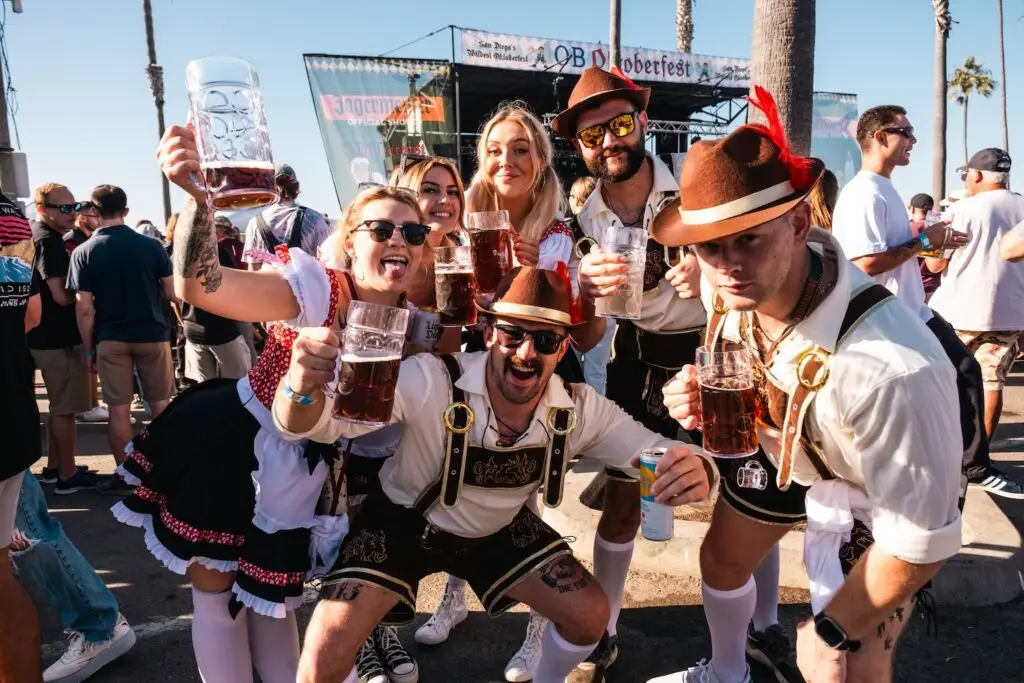
Dance to Y2K throwbacks all weekend long during Ocean Beach Oktoberfest, which includes a beach party, a stein-holding competition, a brat-eating contest, and for VIP attendees, a custom “OB2K Oktoberfest” liter mug.
First comes the sting, then comes the shock. San Diego County’s newest sports franchise, Oceanside Shock, will make its home debut in the Federal Prospects Hockey League versus the Fresno Falcons at Frontwave Arena.
24
Working out is just one part of this Waterfront Park wellness experience. Practice meditation, play bingo, and recover with sauna zones during the Strength in the City Festival.
25
At the 25th annual Oceanside DÍa de los Muertos Festival, the Day of the Dead is alive and well. Walk through a chalk cemetery and Por Siempre Car Club’s decorative trunk altars during the free event.
Ryan Hardison is a freelance arts and entertainment writer and recent graduate of San Diego State. When he's not staring at his laptop, he's likely eating an adobada burrito or getting sunburnt at the beach.
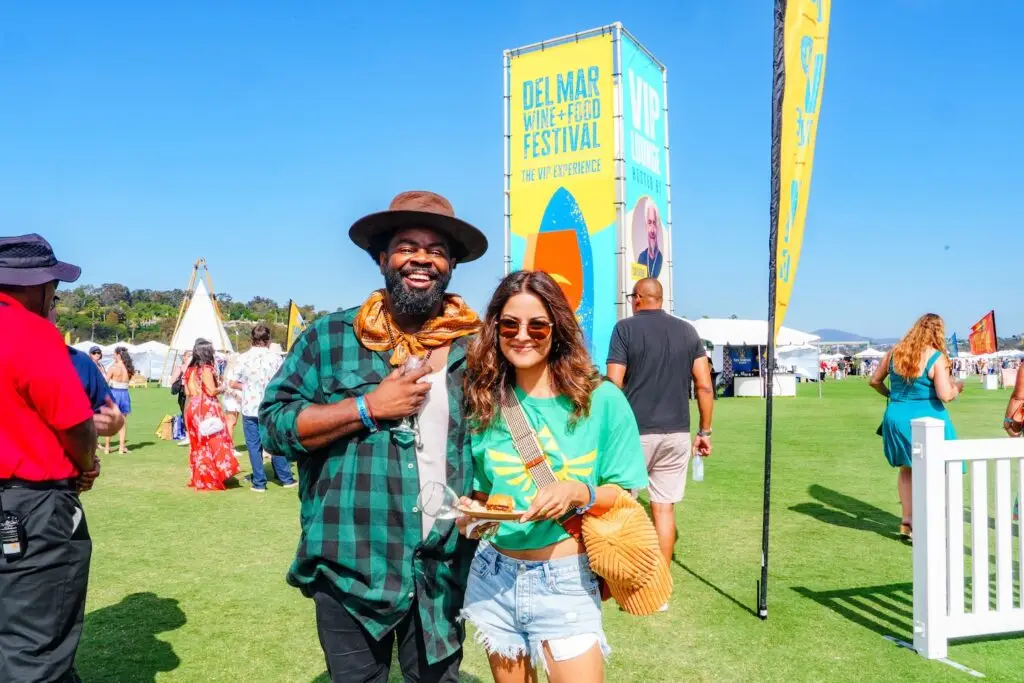
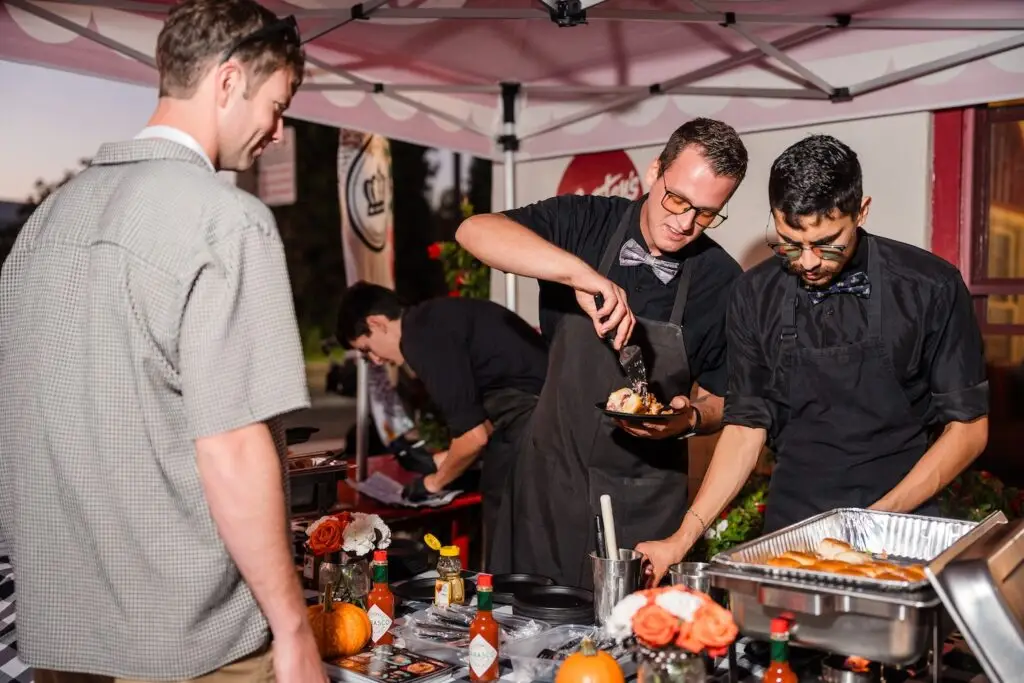
At Del Mar Wine & Food Festival’s Grand Tasting, the walk between food tents can take a while. You might stop to watch a chef competition, get pulled toward the DJ, or find yourself playing mini golf before you remember which bite you were after.
Across the Del Mar Polo Fields, there’s also line dancing, a 1961 red Beetle ready for photos, and an aviation-themed pop-up with Reno Tahoe chefs and mixologists. Need a slower stretch? Check out the wellness stops or browse the shops. Here’s what to look for as you make your way through the festival’s zones:
Courtesy of Del Mar Wine & Food Festival
VIP First Bites & First Sips
VIP ticket holders get a head start, with the VIP Reception running from 11:15 a.m. to 1 p.m. and serving first bites, first sips, and a few surprises before the Grand Tasting officially gets going. Champagne Telmont will make the festival’s first pour, while Cohn Restaurant Group brings carajillos alongside pours from Karl Strauss, Licor 43, Tap Truck San Diego, Bebemos Tequila, and Devil’s Grin Gin.
The bites are just as good. Celebrity chef Beau MacMillan will serve a first bite, while Warung RieRie is bringing one of its highly coveted dishes. Yes, this is the restaurant that currently has an eight-month waitlist. You’ll also find bites from The Shellfish Affair, The Waverly, Wolf in the Woods, Dora Ristorante, Cori Pastificio Trattoria, An’s Gelato, Pacific 333, Vintana, and more.
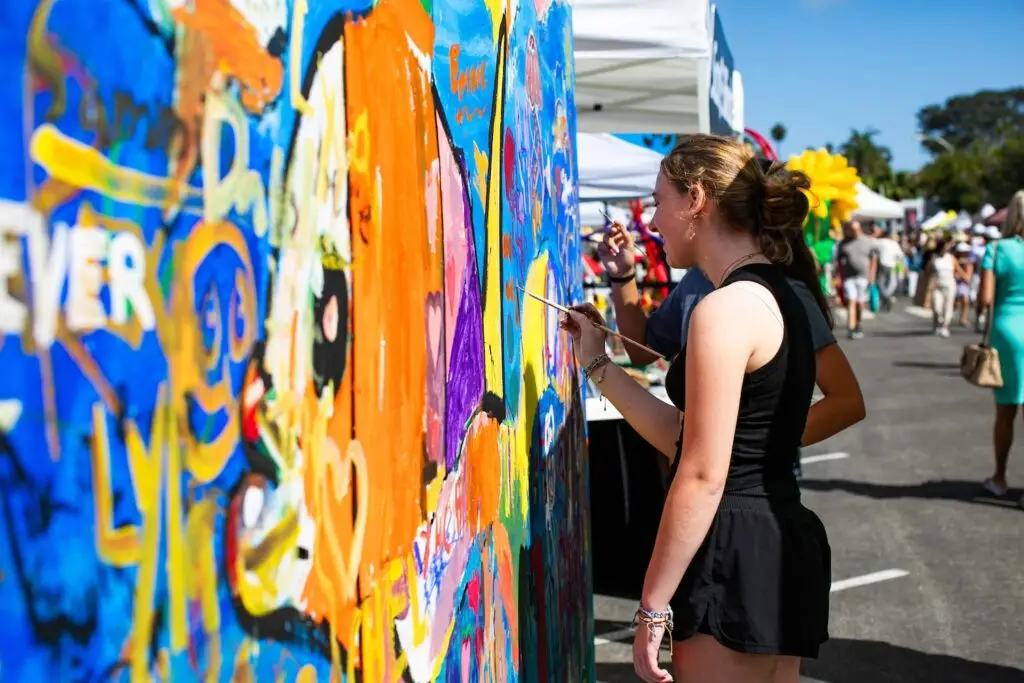
And because every good first act needs a soundtrack, there will be live painting and music, with Courtney Govan bringing live jazz to the reception. It’s the perfect opening act before the main event.
Live Cooking & Culinary Moments
During the VIP Reception, chefs Tommy Gomes and Jeff Roberto will conduct a live ahi cutting. Plant Paradise brings another culinary angle, with celebrity chef Zuliya Khawaja joining the plant-based lineup. The area combines chef talent with plant-forward restaurants and brands, giving guests a chance to see just how creative plant-based cooking can get.
Throughout the weekend, The Stage keeps the cooking demonstrations coming, with celebrities and chefs sharing techniques, recipes, and plenty of inspiration for anyone who plans to actually cook something when they get home. Before you know it, you’re watching a chef demo, casting your awards vote, and sipping mezcal on the grass with friends you just met in line.
Courtesy of Del Mar Wine & Food Festival
DJs, Music, & The Party
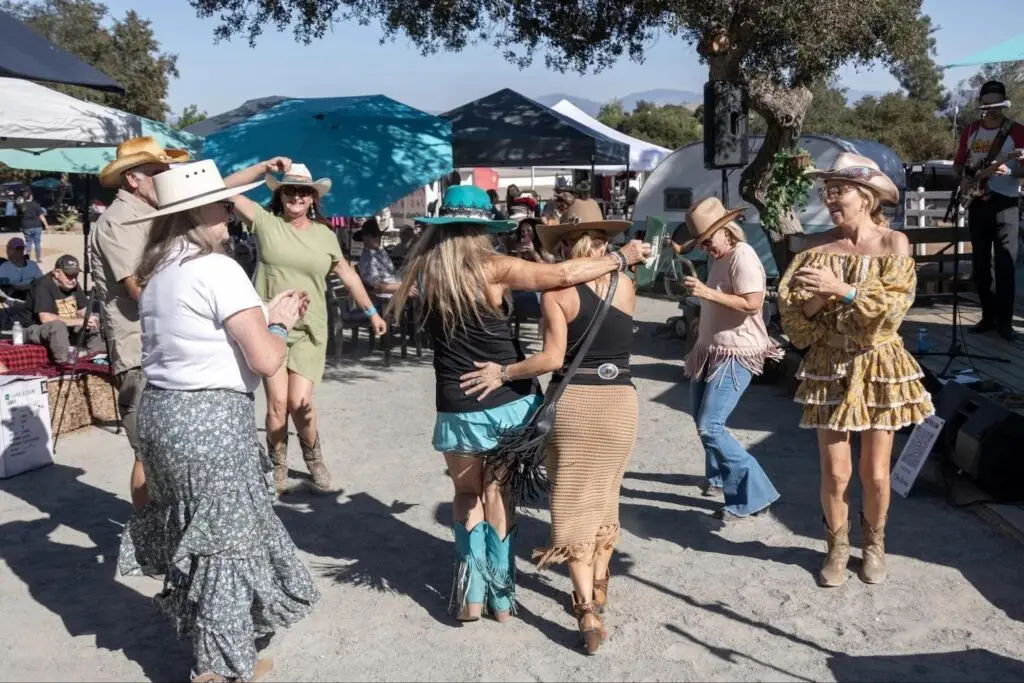
At the Grand Tasting, dancing just sort of… happens. A DJ drops the right song. Someone’s holding a taco in one hand and a glass of wine in the other. The country zone breaks into a two-step. Friends convince friends. Strangers become temporary dance partners. By the end of the day, everyone’s forgotten they were ever worried about looking cool.
DJ TENAX will be spinning in Plant Paradise, bringing house, techno, and UKG to an open-air dance floor that’s hard to leave. Chris Cantore, a veteran San Diego broadcaster, takes over the VIP Tent, while BootScootin Line Dance and PVO Events bring country-style line dancing to the Polo Fields, so you can work off your tasting itinerary one two-step at a time.
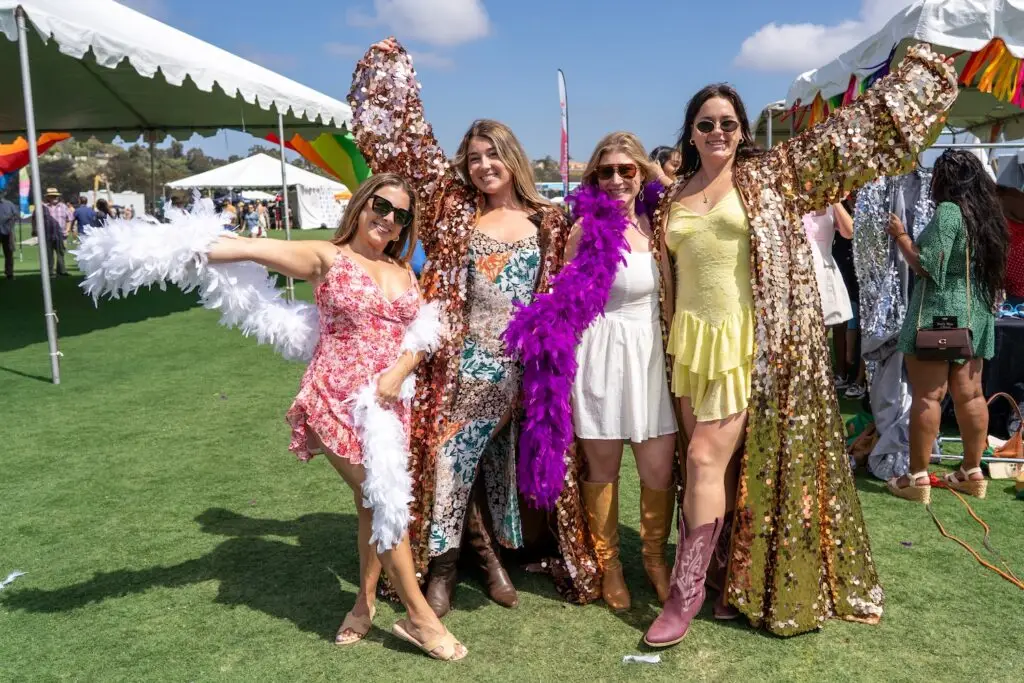
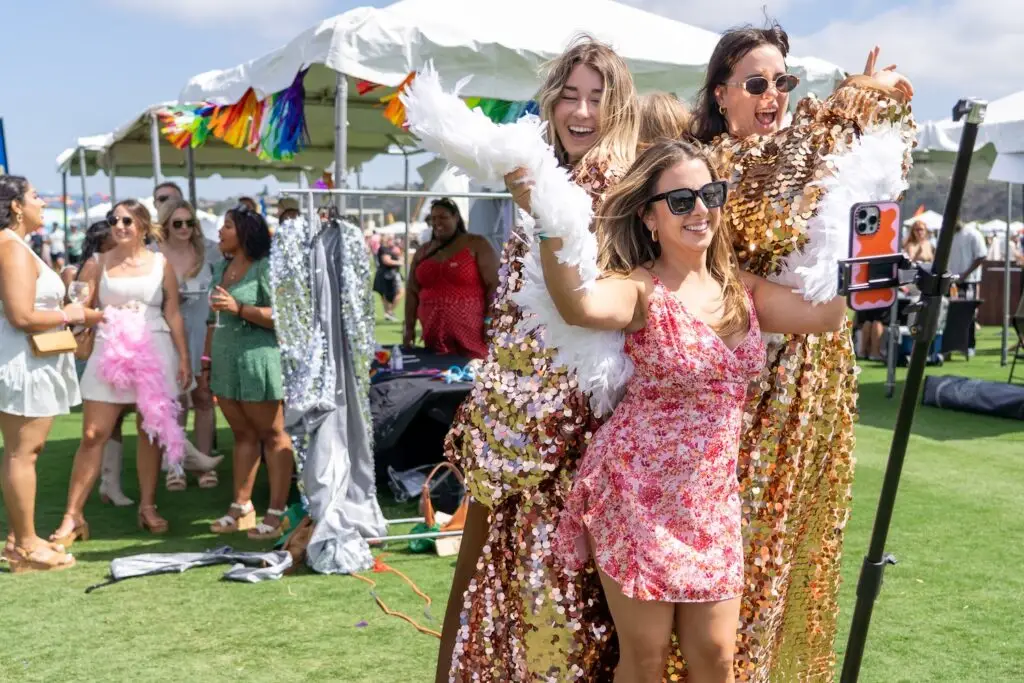
Then a live guitar hum in the distance leads you to a fuchsia boa over at the Pride Zone, where you’ll find yourself covered in sequins and having the lawn party of a lifetime.
Sports, Tailgates, & Games
Not every activity at the festival requires a tasting glass (although it’s certainly encouraged).
The Matchday Experience brings San Diego FC and San Diego Wave FC into the Grand Tasting, complete with interactive tents and plenty of game-day energy. Athletic Brewing is also sharing activation space with San Diego Wave FC, bringing a fun nonalcoholic option into the mix.
For golf fans, the Los Angeles Golf Club is bringing a Dryve Box golf simulator to the festival. And if your competitive streak is less fairway and more miniature windmill, SD Pop Up Mini Golf has you covered.
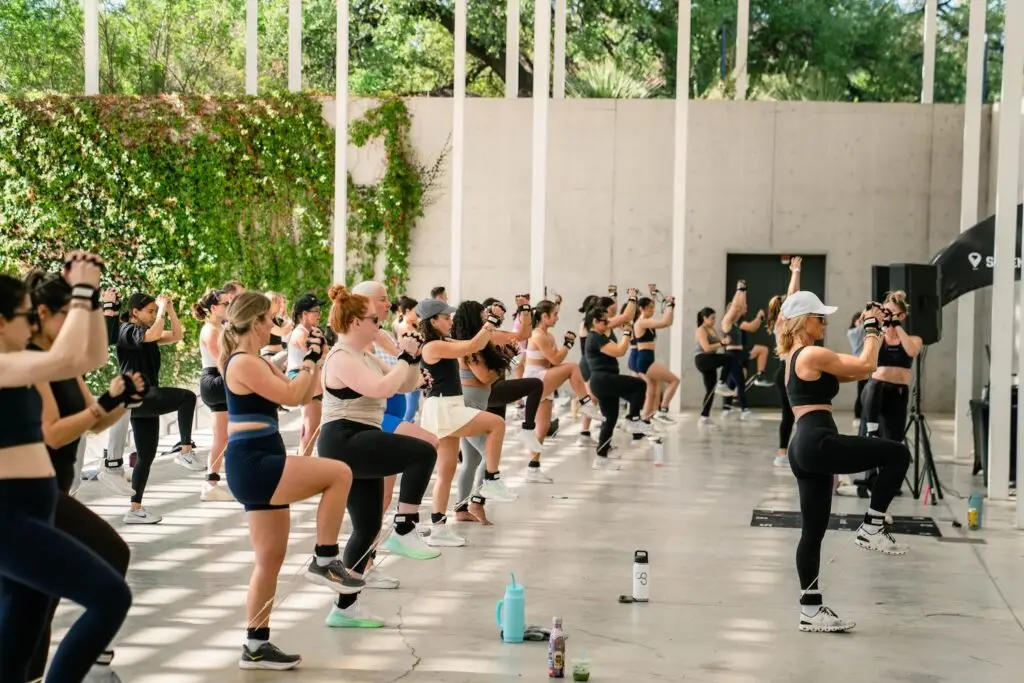
The Beach Zone gets in on the action, too, with surfing-inspired elements and Playavole paddle courts. Hemlock Hats and other California brands add to the coastal atmosphere, but the real draw is having somewhere to actually play. And don’t worry, you can cool down in COOLA’s turquoise beach chairs, too, and when your bestie suggests reapplying sunscreen, obviously you do. Basically, there are plenty of ways to work up an appetite between tastings.
Courtesy of Del Mar Wine & Food Festival
Photo Ops & Instagram Moments
You’re going to want to take photos, and the festival has made that extremely easy.
A Timeless Day is bringing multiple photo moments to the Grand Tasting, including a 1961 red Beetle at The Italian Getaway and a teal VW bus in The Beach Zone. For something a little more polished than the standard group selfie, head to the Locals Zone for Pixster Photo Booth and San Diego’s version of a Glam-Bot, complete with a grass red carpet.
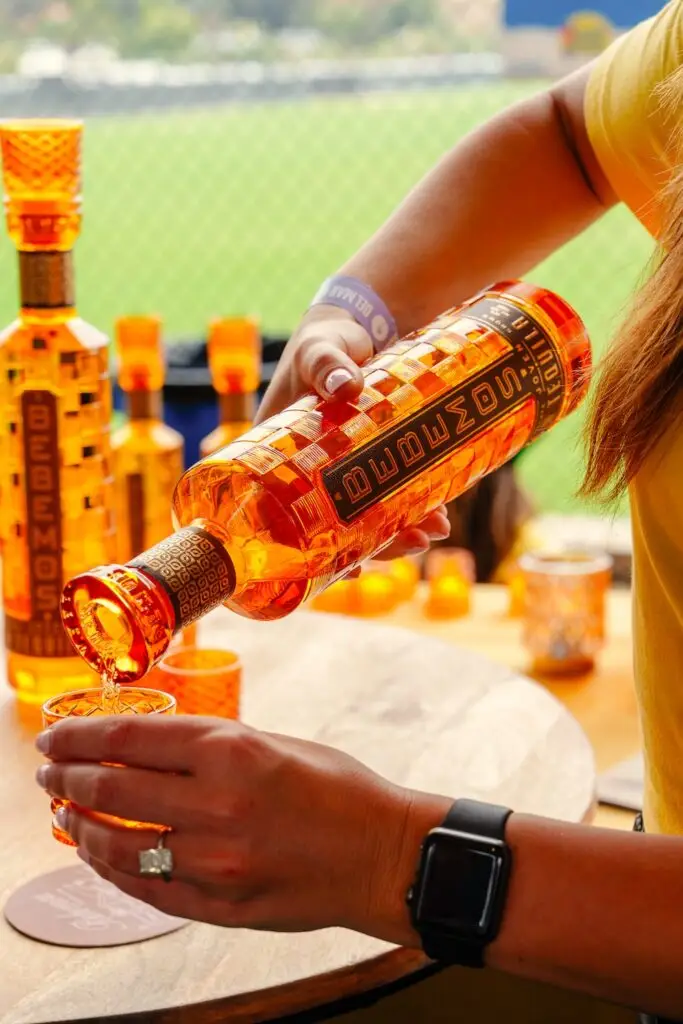
Bebemos Tequila is also bringing back its festival-favorite hidden speakeasy. If there’s ever a time for a photo, it’s here. Otherwise, people might not believe you. The speakeasy serves bone marrow shots straight from the bone, with candlelight, a lounge area that makes it hard to believe you’re in a tent outside, and little orange shot glasses. This is “first slide of your festival photo dump” material.
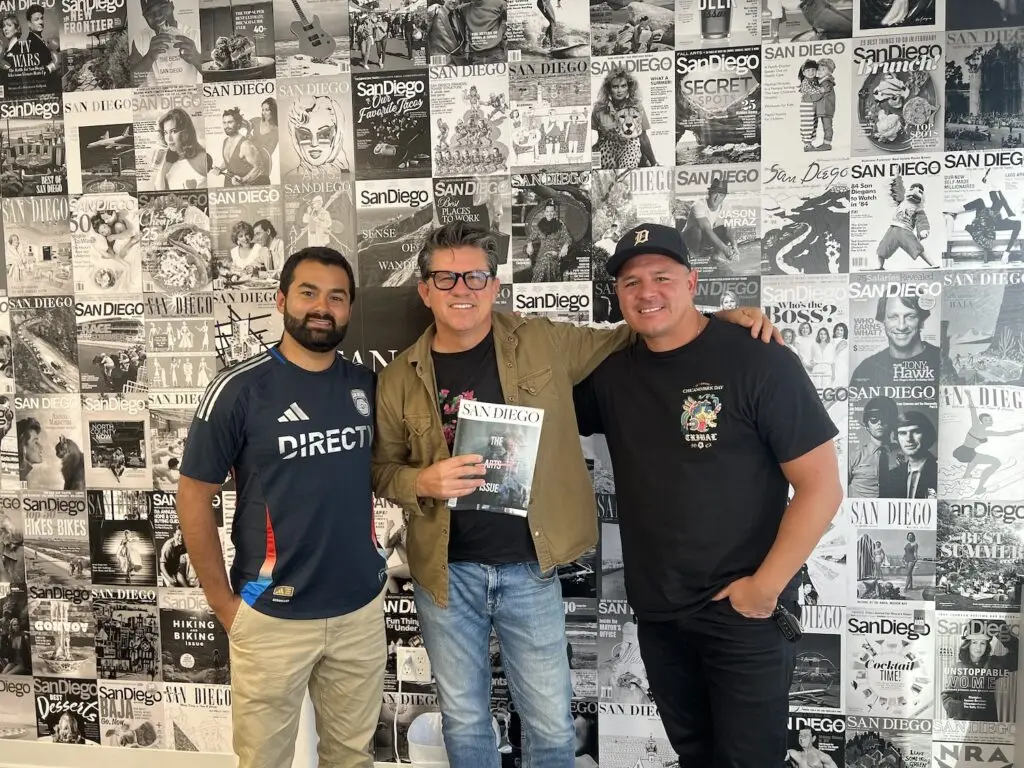
You can also grab your squad and head to LaCroix’s bright and ridiculously cute setup, or swing by San Diego Magazine’s area, where you might stop for a photo in front of the larger-than-life SD Magazine sign and find yourself watching a painting come to life.
But really, you’re in Del Mar. The ocean is essentially your backdrop, and every zone gives you an excuse to stop for the obligatory “totally candid” photo. And yes, the best strategy is to get the group shot before everyone has been sampling wine for three hours.
Shop, Browse, & Take Something Home
The Grand Tasting also doubles as a little shopping excursion, with local makers, fashion, vintage finds, jewelry, and lifestyle brands scattered throughout the grounds. Smoke Revival Vintage Vault brings the thrill of vintage treasure hunting, while Nortte Hats and Hemlock Hat Company make a pretty good case for leaving with a new accessory.
Keep an eye out for jewelry and creative vendors, too, including Iris Studio Jewelry and New Nightfall Jewelry, plus local artists and makers featured throughout the festival.
You can come for an all day food and wine festival, but still leave with something shiny you definitely did not plan to buy.
Wellness & Reset Moments
We know, at some point, even the most dedicated grazer has to come up for air. The Novo Dia Wellness Zone is designed for exactly that, bringing together mocktails, coffee, hydration, wellness brands, and even bites from Parakeet Cafe.
Step away from the food and drink frenzy for a few minutes, relax in the shade, try some skincare, stretch with prAna, and maybe grab some Instant Hydration Electrolytes before round three.
There’s also nothing wrong with stopping to smell the roses at Green Air Botanicals while devouring a dairy-free cheese dip. It’s less about disappearing from the party and more about making sure you have enough energy to keep going.
The zones give you somewhere to wander, and the activities give you a reason to keep going. So grab your tasting glass, check the schedule, and leave a little room in your afternoon for something you didn’t plan on doing. At Del Mar Wine & Food, that’s usually where things get interesting.
Isabella Dallas is a freelance writer for San Diego Magazine and the Arts and Culture Editor at The Daily Aztec in her final year at San Diego State University. She previously worked as an editorial intern for SDM, but when she’s not writing, you can find her trying the best coffee spots in SD, devouring the latest rom-coms, and indulging in anything and everything pop culture.
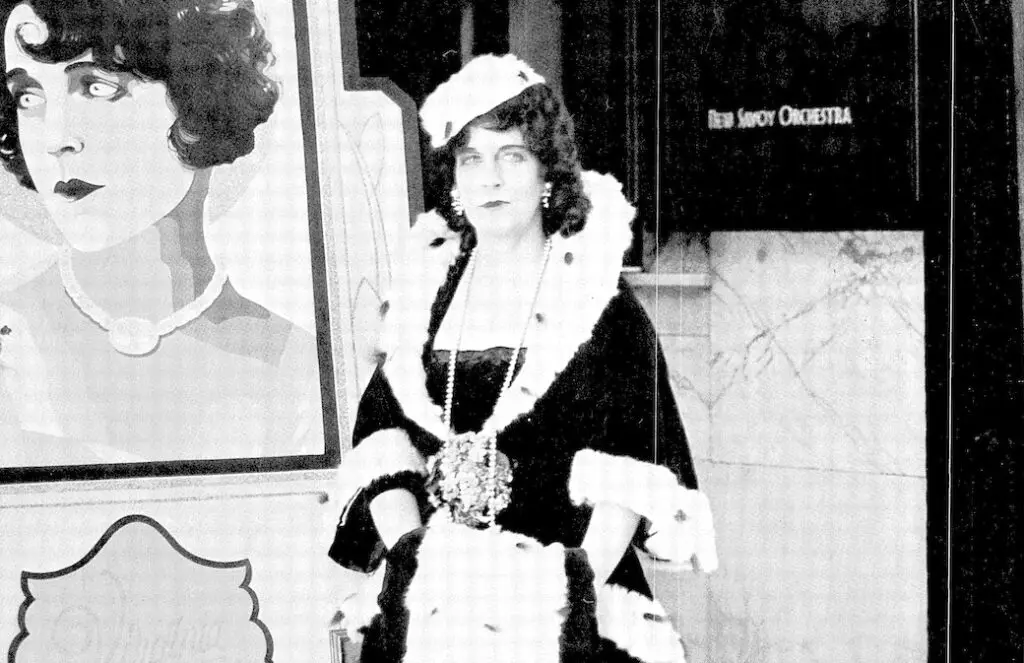
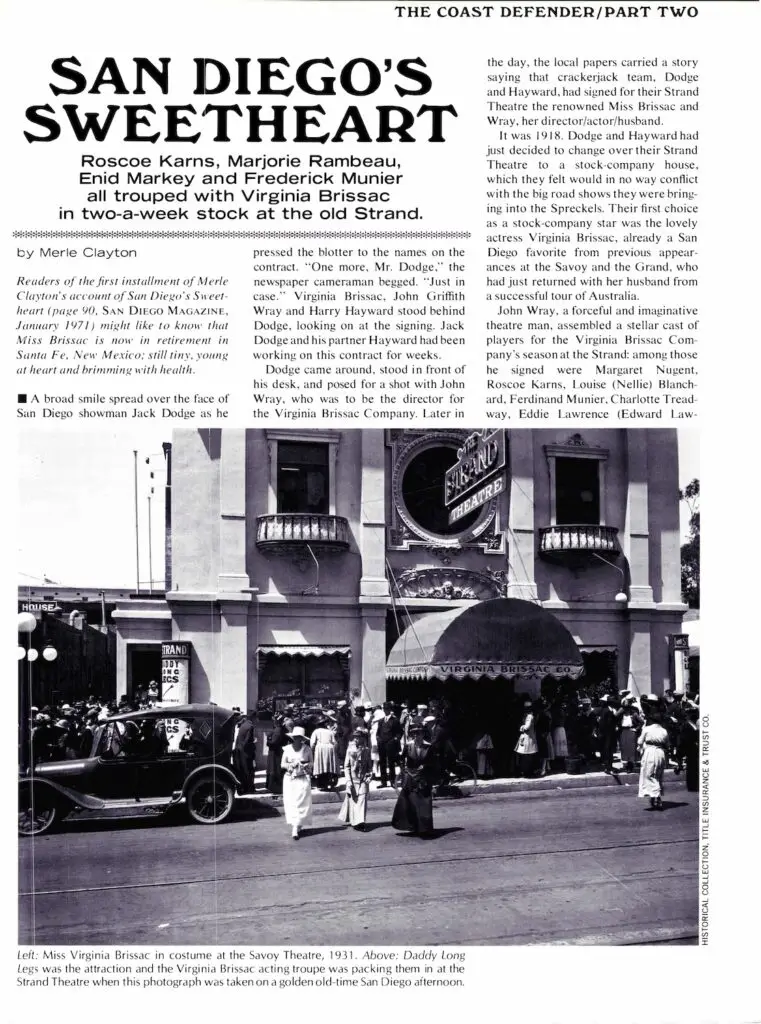
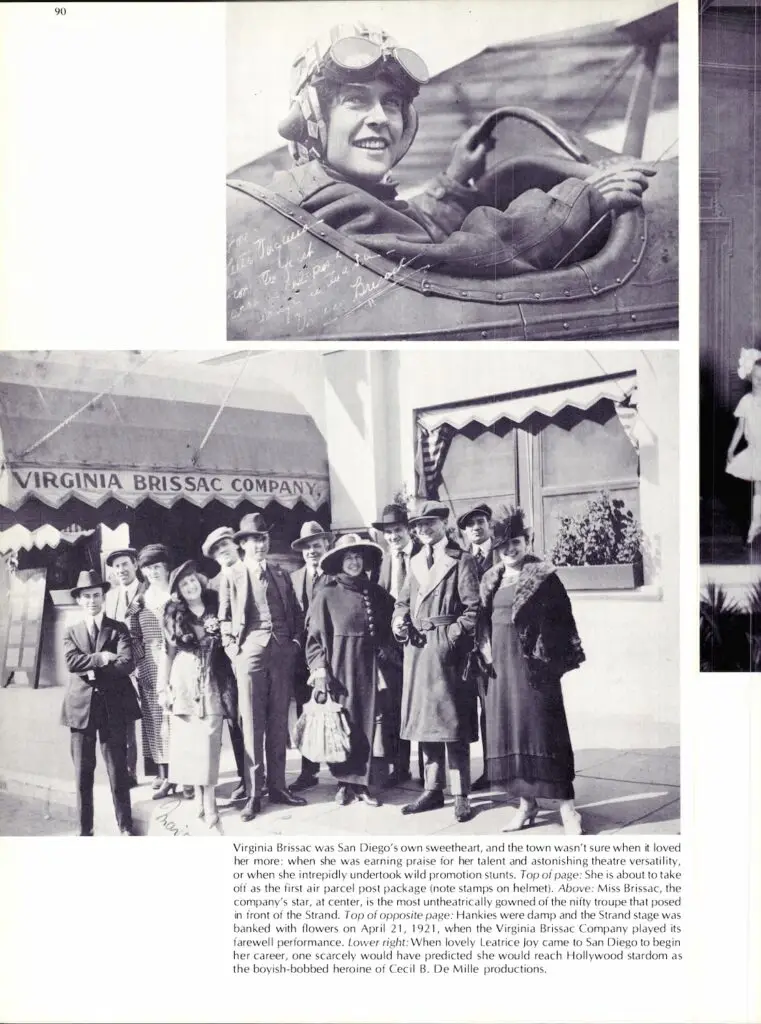
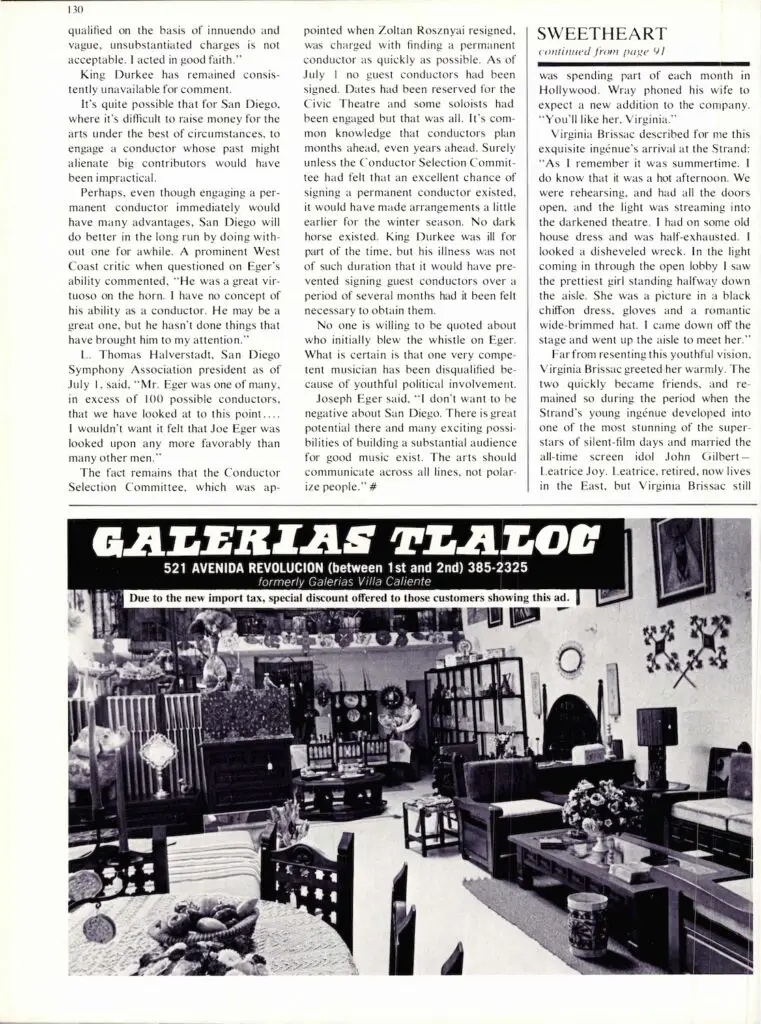
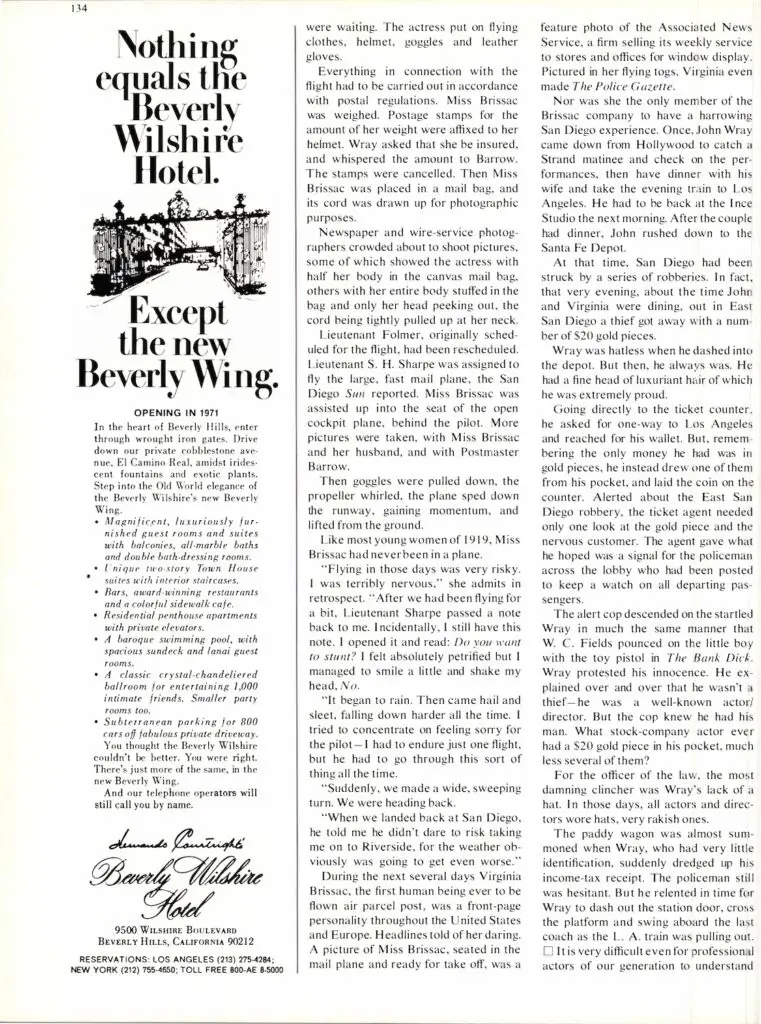
There was once an actress known as “San Diego’s Sweetheart” who mailed herself to Los Angeles—donning a helmet covered in postage stamps and boarding a two-seater, single-engine mail plane. The publicity stunt was billed as the first air parcel package in the US. It wasn’t. She wasn’t even the first human to be mailed: When the US parcel post started in 1913, at least seven people mailed their newborns to relatives (an innovative loophole eventually outlawed).
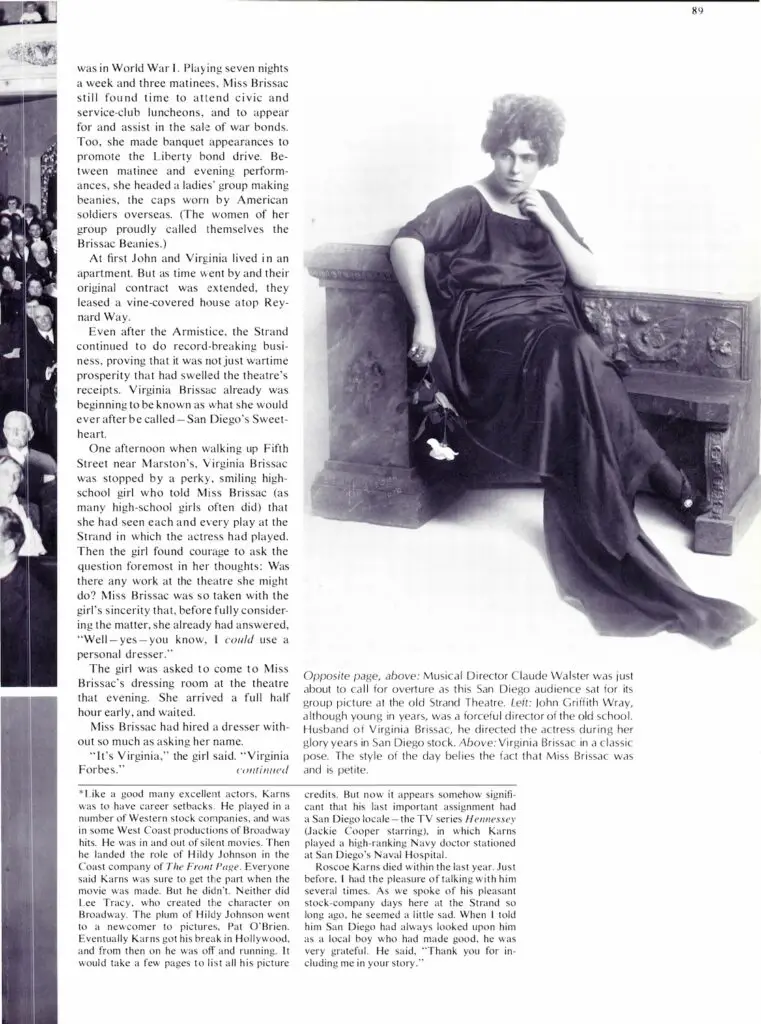
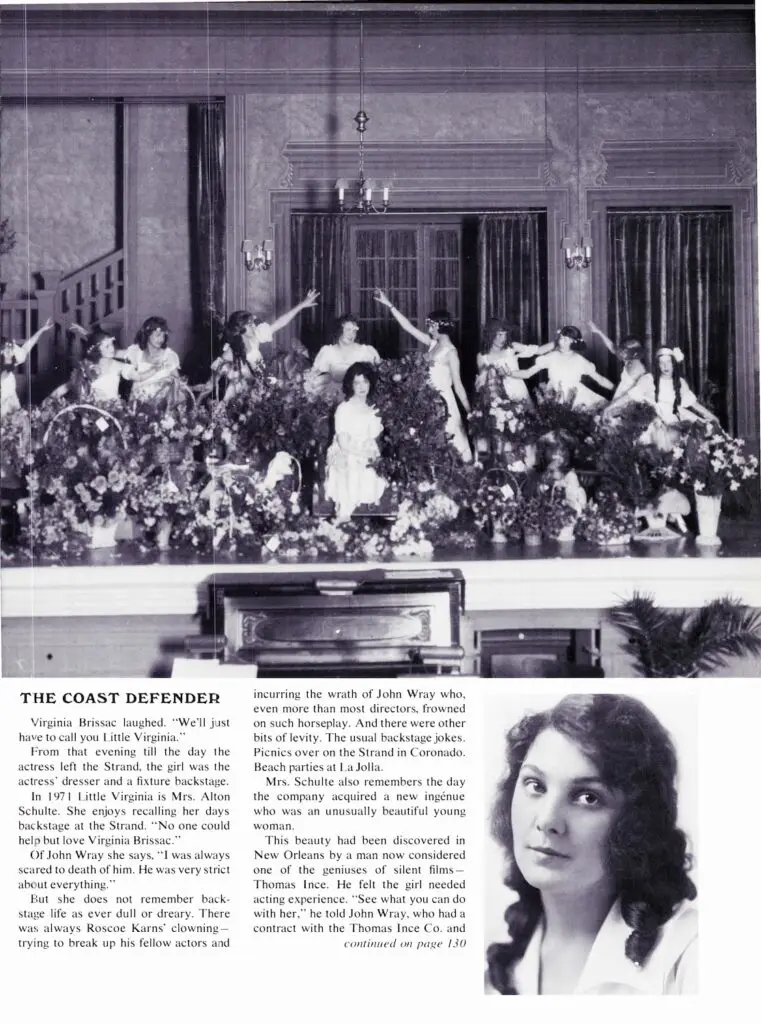
Technicalities be damned. That kind of nose for spectacle was why Virginia Brissac was such a star—landing bit parts in TV shows (I Love Lucy, Dragnet) and 155 films, notably playing James Dean’s grandmother in Rebel Without a Cause. “Nobody could help but love her,” her dresser told San Diego Magazine in a 1971 feature, published when Brissac was 88 years old.
In 1911, she topped the Playbill at the opening of the Savoy Theatre at 3rd and C streets in Downtown—a grand live-performance hall built for $150,000 ($5.2 million in today’s money). It became one of the premiere vaudeville theaters in the country (under vaudeville king Alexander Patages). The theater helped make San Diego a destination for stars like silent-film comedian Roscoe “Fatty” Arbuckle, heavyweight champ Jack Dempsey, plus classical legends Rachmaninoff and Anna Pavlova. As theaters converted to movie houses through the ’20s and ’30s, the Savoy remained dedicated to live humans. It closed in 1940, and the Civic Theater now stands in its footprint.
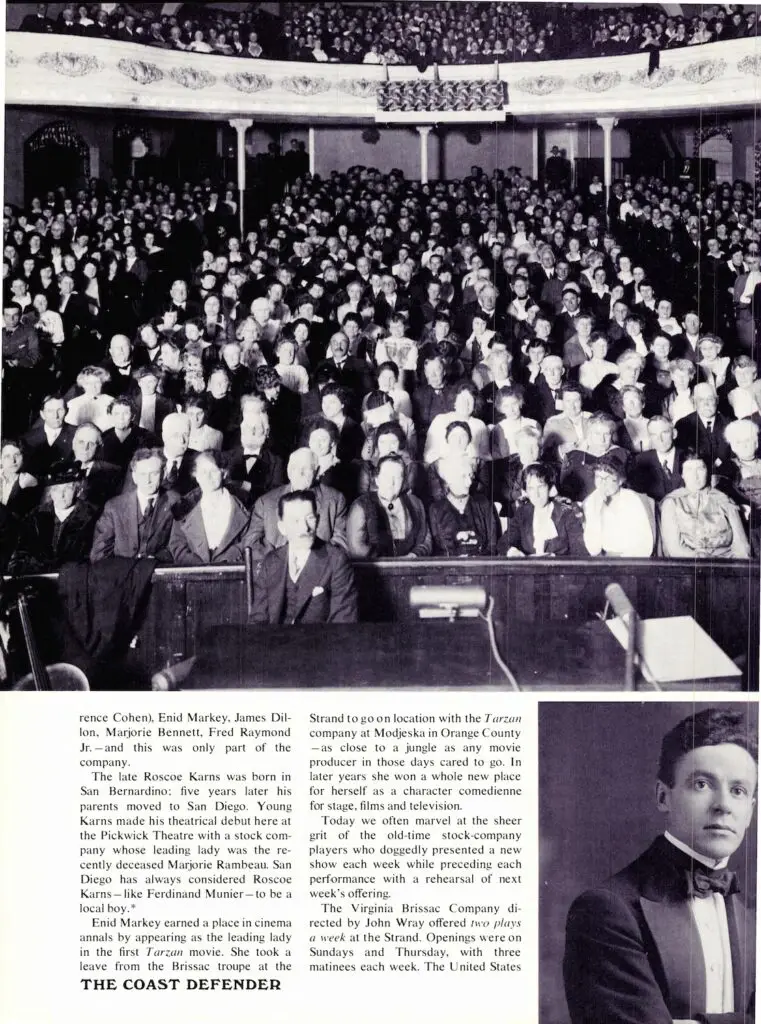
As for Brissac, during a time when women couldn’t even vote, she led a stock company under her own name at the Strand Theatre. The Brissac Company held a four-year residency, “an all-time successful record run for San Diego,” the article says. That classic Ocean Beach theater (featured in San Diego film legend Cameron Crowe’s Almost Famous) has been closed for decades, its bones now a chain beachwear and souvenir store. But Brissac’s legacy lives through the women leading San Diego’s theater scene.
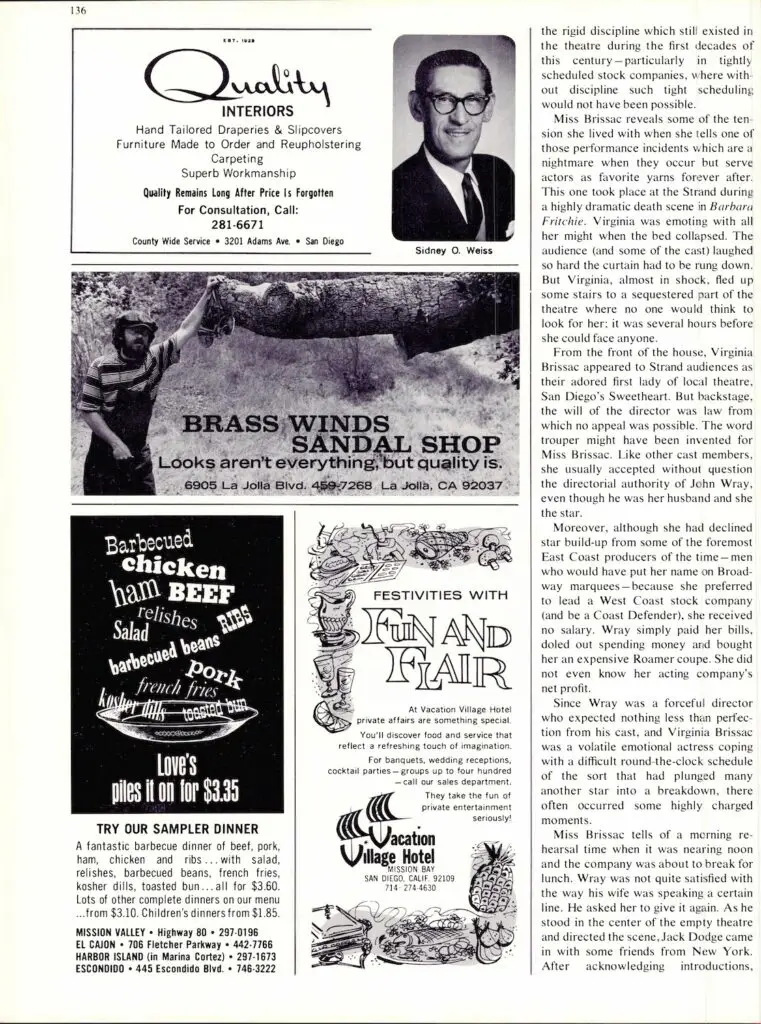
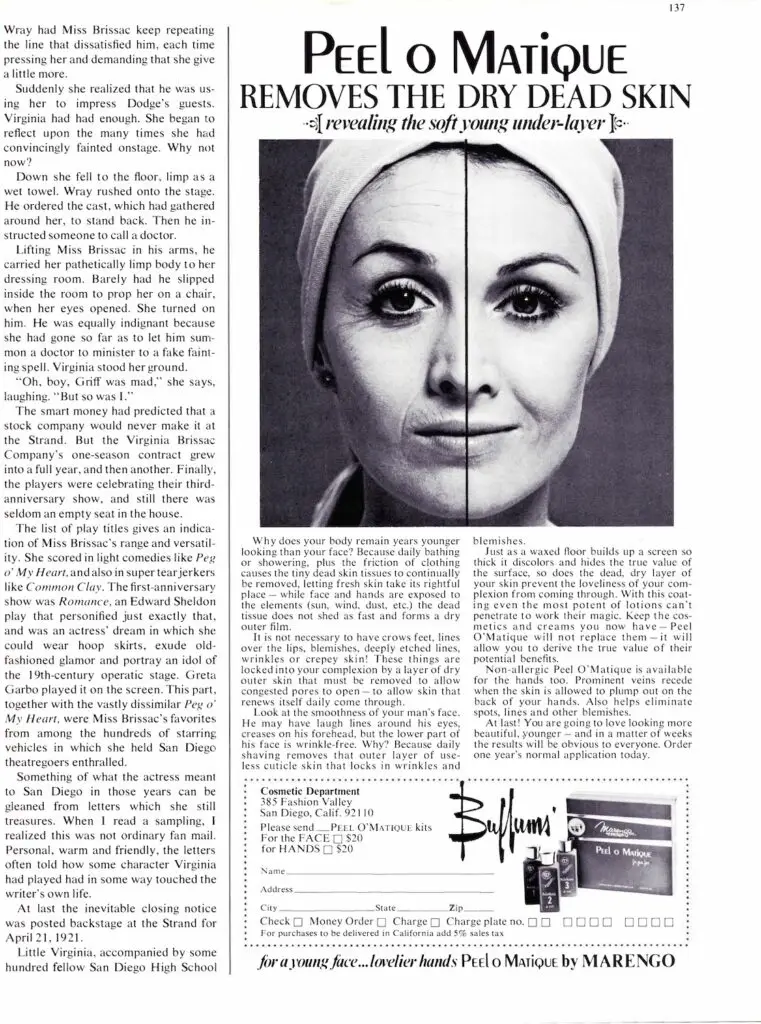
Read the entire 1971 article by Merle Clayton below…
Emma Veidt is an editor at San Diego Magazine. She earned her bachelor's and master's degrees from the Missouri School of Journalism. She loves running, hiking, and rock climbing, but really, she mostly loves encounters with the street cats around North Park.
Today’s seniors are more connected than ever, with a renewed focus on retirement as a time of discovery and enriching experiences. The ultimate reward for a retirement well-earned is the wisdom to appreciate it all, and what better place to enjoy that unique perspective than Vi at La Jolla Village, in the heart of San Diego.
All-access pass to good living.
As a Continuing Care Retirement Community (CCRC), Vi provides access to a connected and fulfilling community while making it easy to plan for future care, should the need ever arise. With a care plan in place, residents enjoy greater financial predictability and long-term value, freeing them to focus on making the most out of retirement.
Resort-style amenities at the epicenter of a cultural hub like San Diego offer a retirement experience unlike any other. Paired with exceptional dining, spacious accommodations and dedicated staff, the best of maintenance-free living is all around. And with the introduction of Vista 360 Well-Being, Vi’s panoramic approach to wellness, there are more ways than ever for residents to access it all.
The harmony of mind, body and community.
Courtesy of Vi at La Jolla Village
The key to longevity is striking the right balance in maintaining an active lifestyle with an active mind in a fulfilling community. With newly renovated community spaces and restaurants, Vista brings a variety of opportunities for residents to elevate their well-being through Vi-exclusive “Signature Experiences.”
Vista Enrich takes an evidence-based approach to brain vitality, keeping residents at the forefront of cognitive health through exergaming (exercising + gaming), nutritional plans and informative workshops. It is also home to The Brain Vitality Studio, an innovative facility dedicated to cognitive fitness that has garnered national recognition.
Vista Discover invites residents into stimulating educational experiences, from chef-led cooking demos and guided wine tastings to lectures at local universities and intimate lectures following cultural outings.
While Vista Enrich focuses on brain health and Vista Discover engages residents intellectually, Vista Explore cultivates a sense of adventure through curated travel and local excursions. But broadening one’s horizons doesn’t always require a plane ticket. One recent event brought a taste of the world right to the community: an onsite “jazz cruise” featuring live music and global cuisine served at a series of themed “ports” all within the community’s own ballroom.
“Location, location, location”
Courtesy of Vi at La Jolla Village
One of the biggest perks of life at Vi at La Jolla Village is its proximity to just about everything. With easy access to transportation and local attractions just steps away, residents can explore and engage with their community at their own pace.
“There are trolley and bus stops within a 5-minute walk that will get you to the beach, UCSD Campus, medical appointments, downtown La Jolla or San Diego, et cetera. We rarely use our car,” said resident Tom Yager.
With the best of San Diego just steps away, residents don’t just live in the city, they live within reach of everything that makes it special.
The best of all worlds.
Courtesy of Vi at La Jolla Village
At Vi at La Jolla Village, retirement isn’t a chapter to slow down; it’s an invitation to discover more. Tailored community experiences created by Vista, paired with the vibrant pulse of San Diego just outside the door, mean that residents don’t have to choose between security and adventure, connection and independence. They get all of it.
This is what an all-access pass to good living looks like: the comforts of an elevated lifestyle, a community built for growth and a city made for discovery – all in one place.
To learn more about Vi at La Jolla Village or for details on available floor plans, visit ViatLaJollaVillage.com/SDM.
At Del Mar Wine & Food Festival’s Grand Tasting, everyone has their own goals for the day. One friend wants oysters and Champagne. Another heard there’s line dancing. Someone disappeared into Taco Alley. The food person is making a beeline for every chef demo, the golf friend has found the simulator, and someone else is already settled into a beach chair with a mezcal cocktail and has announced they’re “never leaving.”
Consider yourself zoned in.
This year, the Grand Tasting turns the Del Mar Polo Fields into a full-blown foodie wonderland, with chef showdowns, wellness escapes, art installations, lawn games, music, and plenty of magazine-worthy plates. But the zones are where everyone gets to play their own way. You might sip your way through the SLO Zone, accidentally spend the afternoon behind the DJ booth in Plant Paradise, or live out your best beach day in The Beach Zone.
With 100-plus chefs and restaurants, 150-plus wineries, breweries, distilleries, and drink makers, plus a whole lot more happening in between, there’s no shortage of ways to spend the weekend. And with the Grand Tasting taking place October 3 and 4, there’s actually time to explore.
Because the problem with bringing your favorite people to an adult playground is that everyone wants to play differently. Luckily, you get two days to figure it out. Here’s where to start:
Courtesy of Del Mar Wine & Food Festival
The Beef Experience
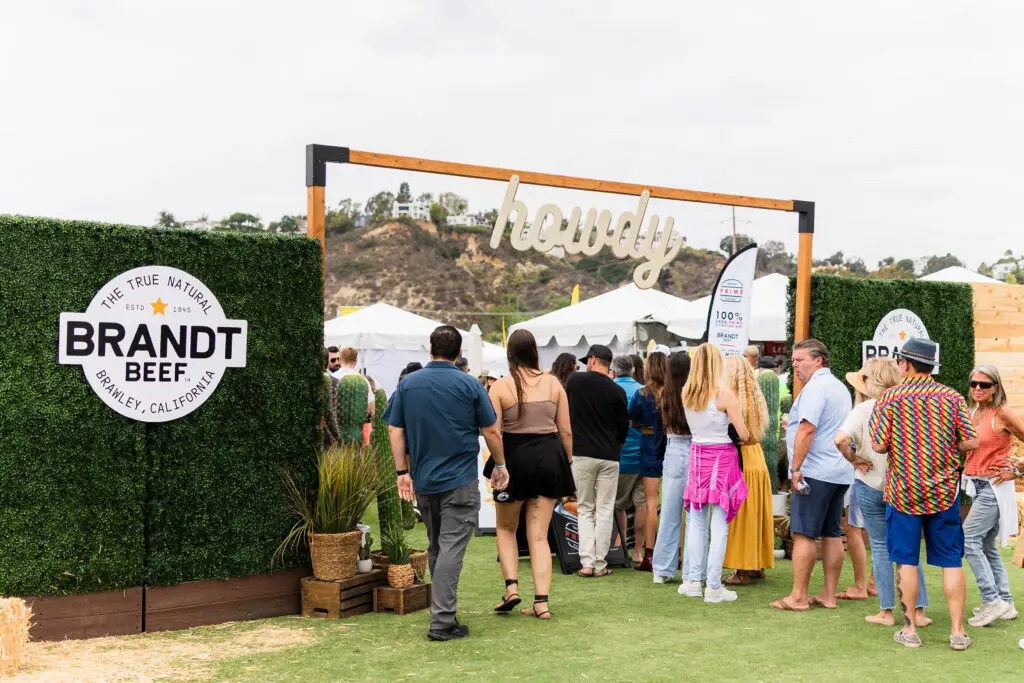
The Beef Experience, presented by Brandt Beef – One World Beef, is for the people who believe a food festival is a perfectly reasonable excuse to build an entire afternoon around meat. Brandt Beef brings its signature fare to the Polo Fields alongside a seriously stacked lineup of local favorites, from Tanner’s Prime Burgers and Ranch 45 to Jimmy’s Famous American Tavern, Order Fire Barbecue, Flying Pig Pub & Kitchen, The Pit BBQ, Aloha Rib Shack, and more.
And then there’s the tent you might almost miss.
Tucked into Brandt Beef Alley, Bebemos Tequila has set up what looks, from the outside, like a fairly unassuming tent. Walk inside, though, and you’ll find a full little speakeasy lounge, complete with a bar and one very dramatic tequila trick. The team lights the shots right in front of you before pouring them straight into guests’ mouths. Candlelight, fire, tequila, barbecue. Suddenly, your casual afternoon tasting has taken a turn.
Grab a plate of Brandt Beef tallow fries, chase it with a pour from Bebemos Tequila or Tap Truck San Diego, and maybe browse Nortte Hats while you recover. The rules are simple: follow the smoke, trust the grill, and maybe don’t make dinner plans afterward.
The Beach Zone
For the friend who thinks every good afternoon should involve a little sunshine, a cold drink, and nowhere to be, there’s The Beach Zone. Presented by Reef Lifestyle, this laid-back corner brings the San Diego summer fantasy to the Polo Fields, complete with coastal bites, beach-inspired brands, and plenty of reasons to stay awhile.
Grab bites from Duke’s La Jolla, Jake’s Del Mar, Lofty Coffee Co., Dang Brother Pizza Co., and Coral Del Mar, then cool off with Summer Club, Volley, Surfside Iced Tea and Lemonade + Vodka, Tito’s Handmade Vodka, Mezo Mezoritas, Roseade Wine Spritzer, Pinkys, and more. Hemlock Hat Co., Coola, Sambazon, Playavole, Shibumi Shade, Spritz del Conte, and Out of the Woods add a little retail therapy to the mix, because the Grand Tasting obviously needs shopping, too.
And yes, there’s a photo op. Find the teal VW bus from A Timeless Day, gather your favorite people, and pretend you’ve spent the afternoon cruising the California coast instead of wandering around a wine and food festival.
It’s an area filled with surf-inspired games, your next favorite beach accessory, and a drink in hand. Basically, San Diego summer, condensed into one very convenient patch of grass.
Courtesy of Del Mar Wine & Food Festival
Pride Zone
Neon boas, glitter-filled drinks, and enough food to make choosing a single dinner impossible. The Pride Zone presented by San Diego Pride is bringing the energy, gathering some of San Diego’s favorite restaurants, bars, breweries, and sweet spots in one very colorful corner of the Polo Fields. Expect bites and beverages from Cary Q Wines, Gossip Grill, Rootdown & Es Okay, T’Maro Brands, and more.
Plant Paradise
Plant Paradise is your green oasis, but don’t expect it to be particularly peaceful. DJ Tenax returns with house, techno, UKG, and the kind of set that can turn a quick stop into an hour on the open-air dance floor. As Green Air Botanicals sets the mood, grab a cocktail from Mission Craft Cocktails, Makku, or San Hagen Tequila, and a bite from the sprawling lineup of plant-based bites and snacks from some of San Diego’s vegan favorites.
Kindred, Nourish Eats, The Plot, Maya’s Cookies and more. There’s also a full lineup of brands to snack your way through, including Aficio 22, Bücha Hard Kombucha, Nichols Farms, Nuts For Cheese.
Isabella Dallas is a freelance writer for San Diego Magazine and the Arts and Culture Editor at The Daily Aztec in her final year at San Diego State University. She previously worked as an editorial intern for SDM, but when she’s not writing, you can find her trying the best coffee spots in SD, devouring the latest rom-coms, and indulging in anything and everything pop culture.
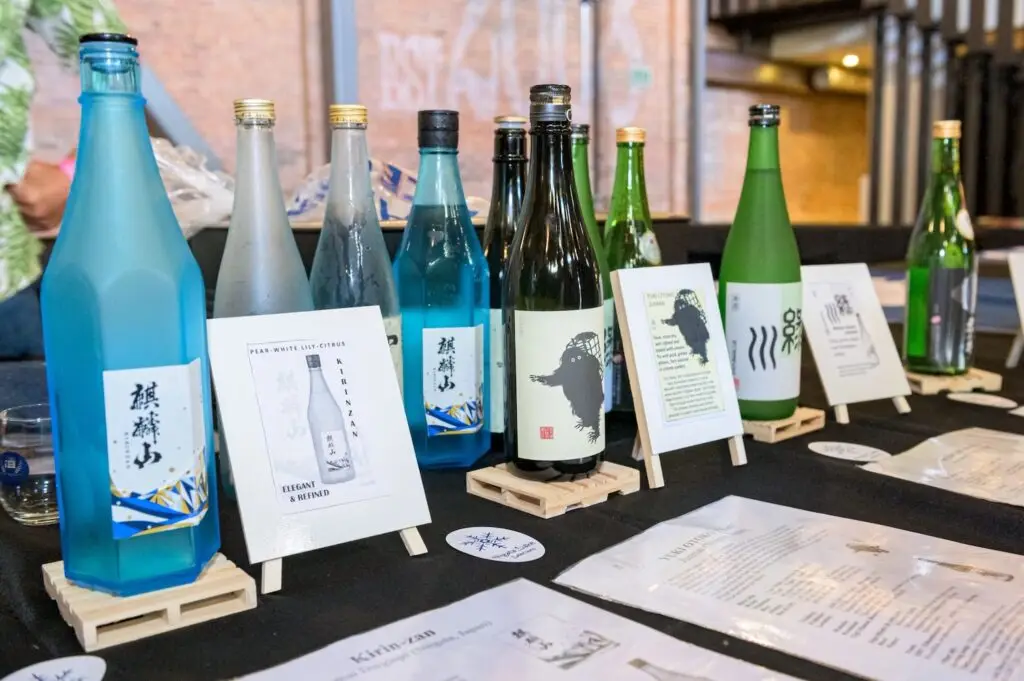
It may be a bit too warm still for cozy sweaters and pumpkin spice drinks, but beginning this week, locals and visitors can experience some of what San Diego has in store for fall. Fans of neo-soul grooves and R&B jams can catch concerts from Kehlani at Viejas Arena and Erykah Badu, along with The Alchemist, at the Cal Coast Credit Union Open Air Theatre. Oktoberfest is back in full swing, and local beer-laden celebrations include an all-day festival and artisan faire in Encinitas and the two weekend-long Oktoberfest in El Cajon. And if brews aren’t your preferred alcoholic beverage, the San Diego Sake Festival and the San Diego Spirits Festival are prime opportunities to sample a plethora of premium spirits.
San Diego VegFest advocates for sustainable living, starting with a delicious and eco-friendly diet. This Saturday from 11 a.m. to 5 p.m. at Balboa Park, check out global food options, plant-based vendors, community resources, live music, a kids zone, and educational speaker panels. This free event also offers microchipping services, cat adoptions, and complimentary wellness classes, including yoga, tai chi, and meditation. RSVP here.
Balboa Park Boulevard and Presidents Way Lawn, Balboa Park
San Diego Spirits Festival
September 26 & 27
No matter if you prefer your cocktails shaken or stirred, all visitors to the 17th annual San Diego Spirits Festival can readily get in the mix this weekend. This Saturday (2:30-6:30 p.m.) and Sunday (1-5 p.m.) at the Museum of Contemporary Art San Diego, receive unlimited sips of expertly crafted cocktails and top-shelf spirits, indulge in a selection of artisanal bites from local eateries, and take in an array of live entertainment, including local band Ass Pocket Whiskey Fellas. Admission is $89 for Saturday and $68 for Sunday for guests 21 and older.
700 Prospect Street, La Jolla
Taste of College Area
September 27
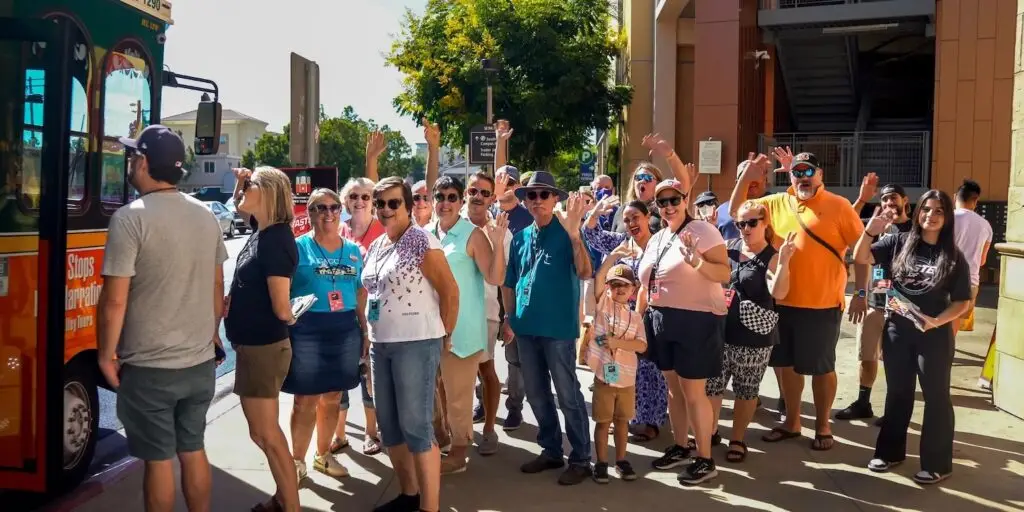
The neighborhoods surrounding San Diego State University are rich with food options, and this Sunday from 11 a.m. to 3 p.m., all are welcome to sample the college-adjacent fare. During the third annual Taste of College Area, dishes like chicken wings, ramen, and frozen yogurt will be available to try from a lineup of over 20 nearby eateries. Attendees can stroll to each stop or hop aboard the free Old Town Trolley to canvass the complete menu. Tickets are $40 online and $45 the day of.
El Cajon Boulevard between 55th Street & 73rd Street, College Area & Rolando
San Diego Sake Festival
September 27
Premium sake is the star of this libation celebration from the San Diego Sake Club, returning this Sunday from 3:30 p.m. to 6:30 p.m. The 10th annual San Diego Sake Festival will showcase more than 100 premium sake and shochu varieties from Japan and the US, and guests can also sample Japanese beer, enjoy live performances, and converse with local brewers and sommeliers. Ticket options include general admission ($93) and Nonbei admission ($114), which comes with early entry at 2:30 p.m. and a $10 food voucher.
Both a love letter to old-school R&B and a testament to her creative and personal maturation, Kehlani’s self-titled album, released in April, feels like a new height for an artist continually on the rise. Standout tracks like “Folded” and “No Such Thing” are tailor made additions to her enviable collection of great love songs, and the project’s throwback feeling is punctuated by appearances from the likes of Brandy, Missy Elliott, and Lil Jon. Hear Kehlani from the woman herself this Wednesday (6:30 p.m.) at Viejas Arena, with opening sets by Dixson, Durand Burnarr, Waseel, and TheARTI$T. Tickets start at $83 for this concert.
5500 Canyon Crest Drive, College Area
Local Oktoberfests
September 25-27
Fill up your steins and break out your Bavarian threads—it’s Oktoberfest time in El Cajon and Encinitas. The first weekend of the German American Societies’ annual festival in El Cajon kicks off with games, contests, folk dancing, and traditional German cuisine this Friday (4-10 p.m.), Saturday (noon to 10 p.m.), and Sunday (noon to 9 p.m.); daily admission is $5-$15 for adults and free for those under 21 and active military. Meanwhile, this Sunday (10 a.m. to 6 p.m.), the free Encinitas Oktoberfest & Artisan Faire will feature oompah bands, a selection of craft and German brews, and over 130 vendors to shop from.
1017 South Mollison Avenue, El Cajon | Mountain Vista Drive between Wandering Road and Rambling Road, Encinitas
My Hero Academia in Concert at Jacobs Music Center
Ryan Hardison is a freelance arts and entertainment writer and recent graduate of San Diego State. When he's not staring at his laptop, he's likely eating an adobada burrito or getting sunburnt at the beach.
NewBridge School is San Diego’s only school dedicated to the education of students with dyslexia and related learning profiles. For 30 years we have successfully served students with dyslexia, dysgraphia, dyscalculia, receptive/expressive language disorders, ADHD, executive functioning and memory deficits. Students transition successfully into academically rigorous high schools and colleges across the country. Why NewBridge? Training, training, training (plus intensive individualization, and comprehensive program design). All teachers are trained and retrained biennially in Orton-Gillingham, the only approach proven to remediate dyslexia based on Science of Reading research, and complete a year-long training program. Every aspect of our program is designed around our students’ learning styles and needs. Every class is taught by a highly-trained expert, and our Speech/Language and Occupational Therapy teams embed throughout the day. Our multisensory, multi-tiered math program has been developed in conjunction with sister schools and experts across the country. Don’t wait—early intervention is magic!