Featured articles
Food News
Food News
Food & Drink
Featured articles
Things to Do
Things to Do
Everything SD
Featured articles
Things to Do
Things to Do
Everything SD
Featured articles
podcast-ep
podcast-ep
podcast-ep
Featured articles
Food & Drink
Everything SD
Everything SD
Featured articles
Food News
Things to Do
Things to Do
Ready to know more about San Diego?
SubscribeReady to know more about San Diego?
Advice, tips and route suggestions from local trail runners to dirty up your kicks
San Diego Trail Runners
Courtesy of San Diego Trail Runners
If I’m being totally honest, I’m not much of a trail runner. My outdoor exercise comes in one of two forms.
One: get out and run, often from my house, sometimes at Mission Bay or Lake Murray, and get it done as efficiently as possible so I can get back to the rest of my responsibilities in life.
Or two: Take a full day or at least a long morning and go on a leisurely hike where I walk and talk and enjoy the time.
Sadly, these days, I’m spending far more time in option one than two, and to me, trail running seems to fall somewhere in the middle. You’re running, so it’s not leisurely, but you also have to drive to get there and run more slowly, so it’s less efficient.
But I consulted a few friends and experts who are experienced trail runners, and they explained to me–politely–that I’m just wrong. First of all, they say, trail running is as enjoyable and peaceful as hiking.
Daniel Smith leads the group San Diego Trail Runners, and he says time on the trails is like a meditative experience because you have to stay focused on your footing.
“I’m always hyper vigilant. Take your time. Make sure that you can get good footing. The roots, tree stumps, and of course, technical trails will catch you, especially by yourself,” he says. “The whole reason why we do it is to have a good time, to forget about the world for a little while.”
Julia Dixon Evans, a veteran trail runner who just won her division in the Ragnar Trail SoCal race says trail running helps her “get out away from it all in the middle of somewhere wild and pretty.”
“And I love the mental challenge where even though you can feel peaceful because of your surroundings, you still can’t just zone out like running on roads, or you’ll trip,” she says. “I like the adrenaline of having to focus like that.”
Meanwhile, Mike Daly, another veteran trail runner, says after his first time on a trail, he was hooked.
“I was lucky enough to have a running coach that took a group of us up to Mount Laguna to run in Laguna Meadow and to this day it is one of my favorite runs,” he says. “I had no idea that with just an hour drive from the ocean you could be at 6,000 ft. of elevation and running in pine tree covered trails in the mountains. It was just so beautiful and a nice change of pace from Mission Bay.”
So really, trail running is like hiking+. You have the peaceful and “get away from it all” aspect, but it’s more of a workout and actually takes less time than an all-day trek.
If you’re ready to give trail running a try (and now I think I am!), here are some other tips from the experts:
Dixon Evans recommends starting out at Los Penasquitos Canyon, which has 13 miles of fairly flat dirt trails, or Lake Hodges, where the trails go on for miles and miles. There are enough people around that you won’t feel totally alone, and the trails aren’t too challenging, she says.
Smith also recommends Proctor Valley, Hollenback Trail, Sycamore Canyon and Mission Trails. His favorite spot in Mission Trails is to start on the Clairemont Mesa Boulevard trailhead, where you can access North and South Fortuna and the Fortuna Saddle Trail.
Dixon Evans says for Los Penasquitos or Lake Hodges, you can run in regular road running shoes. That’ll give you a chance to experiment with trail running and make sure you like it before investing in actual trail shoes.
Once you are ready to commit, she recommends Altra Timp trail running shoes, Hoka Challengers or Speedgoat, “or the good old classic Nike Wildhorse.” She also recommends either a water bottle you can carry or a hydration pack. She uses a Salomon vest but says Nathan packs are also very popular.
If she’s going to run for more than an hour, she carries an energy gel, and often brings one as backup. “If you’re going on an unfamiliar trail or something hilly, it could take you longer than planned, which is why it’s nice to have water and gels just in case,” she says. Good options include the local company Muir Energy, or Clif shot blocks.
And good wool hiking or running socks are also important for trail running. Her pick is Smartwool Zero Cushion Mid Crew, and she recommends never wearing low socks. “Crew height all the way, otherwise dirt gets inside your socks,” she says.
Beyond hydration and footwear, most of the running gear is the same as what you’d need to run in urban environments, Daly says. “A watch or a smartphone with the Strava app can be helpful to monitor your distance and time,” he says. “Many watches also have a track back feature that will help you retrace your steps back to your start point which can be a helpful feature if you’re exploring unfamiliar trails.”
There are rules for passing other trail users like hikers and mountain bikers, but Smith says regardless of the rules, he always steps out of the way for bikes.
“If I’m coming down and I see a mountain biker coming up, I’ll get out of the way for him because I know that they’re struggling to come up the hill,” he says. “And then downhill, I’ll just be smart about it because sometimes people are just flying, I’m always just over cautious about everything. It’s better to be safe than sorry.”
Dixon Evans says to always be a good trail steward, which means yield to horses, no trash, and please, please don’t play amplified music. Please.
The first rule is to always let someone know where you’re running and what time you’ll be back and check in with them before and after, Dixon Evans says.
Also, run with a friend or a group if you can, or choose places where more people are around. She also carries a beacon or a noise maker, plus mace or pepper spray. Smith says to always be aware of your surroundings and don’t run with music. He’s on the lookout for snakes, sticks, and other things you might trip over.
You’ll also really want to pay attention to your footing, especially when running downhill, Daly says. “While it can be fun to use gravity to pick up the pace, all it takes is one misstep or loose rock and you could find yourself face first in the dirt,” he says. “That says, the risk is so worth the reward of getting off the beaten path and out into nature.”
If you’re a road runner, don’t expect your paces on the trails to be the same. Trail running is meant to be done more slowly, but your level of exertion should be the same, if not higher, Dixon Evans says.
“Because the ground gives just a little bit, you’re exerting more effort to propel yourself forward,” she says. “So knowing that it’s going to feel like it’s taking more effort, that is important.”
She says even just occasional trail running can help you improve your speeds on the road, too. “You’re getting this threshold style workout without sitting there timing intervals,” she says. “When you’re going up a hill, you’re still putting in more effort, your heart rate is higher, you have engaged your hill climbing muscles. Even though you feel like you slowed down, you’re still getting the benefits of a harder workout.”
While there are physical health benefits to running, Daly says he’s come across articles recently that reference the mental health benefits and rejuvenating benefits of spending time in nature.
“This was sort of an ah-ha moment for me, as it validated why I loved getting out onto trails and provided an explanation as to why I felt so much better afterwards,” he says.
Trail running is easier to do with a friend or a group, and Smith recommends finding San Diego Trail Runners on Instagram or Facebook to check out their scheduled group runs. He also recommends the app The Run Down, which can help connect you with other groups.
In fact, both Smith and Dixon Evans say that the community is one of their favorite parts of trail running.
“People are just more aware of each other because we’re out there, miles away from anybody, and you run into somebody, so you ask, ‘Is everything okay? You having a good run?’” he says. “You could tell if somebody’s in distress, but on the road, you’re kind of on your own.”
“Everybody is supportive, everybody is friendly,” Dixon Evans says. “You can run around Mission Bay and not even make eye contact with anybody. But when you’re running on a trail, you see someone, you say hi, you wave, and I love that.”

Claire Trageser has been writing for San Diego Magazine for 10 years. She also is a reporter at KPBS and writes for The New York Times, National Geographic, Marie Claire, Elle and Runner's World.
These gym, studios and programs will help get your body moving so you can meet your fitness goals
New year, new fitness goals, right? Like many people, we’re starting the new year with a focus on health and staying active. No matter what your fitness objectives may be, there are plenty of activities around town prepared to help you achieve them. From more traditional gym settings to unique ways of getting your body moving, these nine San Diego studios, wellness programs, and activities will help you start the new year off right.
Start the year on the right foot with Activate House, the San Diego fitness studio and gym located in North Park offers spin, sculpt, and yoga classes. Calling themselves a “new-age fitness studio,” AH emphasizes intentional training through movement and encourages mental balance and well-being. The sense of community the studio cultivates is accentuated with eucalyptus towels, a juice bar, and highly trained staff.
2855 El Cajon Blvd., San Diego, CA 92104

Hit the pavement with Black Girls Run, a community that’s working to tackle obesity and motivate women to get out and move their bodies. Created in 2009, Black Girls Run has served the San Diego fitness scene as a resource for those looking to practice a healthy lifestyle, whether you’re an avid gym-goer or looking to start a fitness regimen. With national meet-ups already planned throughout the year, this movement is determined to make a difference in the lives of individuals and the community.
Various locations
Regardless of your fitness level, Body University in La Mesa caters to individuals’ needs and goals. The boutique gym offers small group private training services (6-8 people at a time) and focuses solely on one-hour weight lifting sessions. Though open to all gender identities, you’ll most often find it packed with women only, which can be less intimidating for women who may be new to lifting. BU also offers body building competition services as well as customized nutrition programs and lifestyle guidance. With fitness equipment including free weights, cardio equipment, personal training, and highly trained staff, you’re sure to achieve your wellness goals.
6062 Lake Murray Blvd. #205, La Mesa, CA 91942
CorePower Yoga
A staple in the San Diego fitness scene, CorePower Yoga offers both yoga and high-intensity strength training classes. Their newest class, Strength X focuses on helping you build lean muscles via targeted weight circuits and invigorating breath work. Five San Diego studios are hosting Strength X classes currently, and the Point Loma studio also offers scholarships to the CorePower Yoga Teacher Training program for BIPOC.
Various locations

Wheelchair Dance Organization (WDO) Inclusive Dance is making dance more accessible for everyone. The nonprofit organization works to decrease feelings of isolation among those living with disabilities by building a community of dancers at any and all levels. The variety of dance classes offered—Latin jazz, samba reggae, hip hop, Bollywood—are free, taught by professionals, and include modifications for those in wheelchairs or other mobility devices.

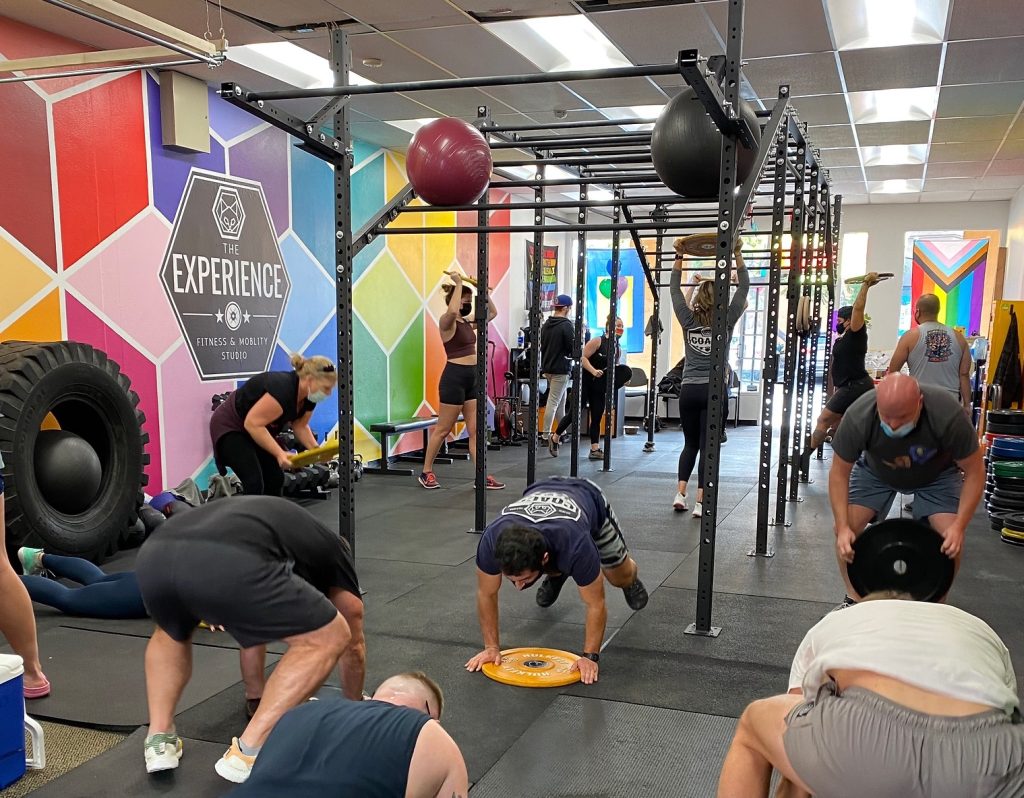
When the Experience Fitness and Mobility Studio came onto the San Diego fitness scene, they were dedicated to creating a safe space for anyone wanting to reach their health and fitness goals, regardless of identity, race, age, sexual preference, or athletic ability. The openly LGBTQ, wife-owned gym offers a place to reach your fitness aspirations. With a variety of training styles and methodology, you’ll build muscle, improve your range of motion, and eliminate pain. Beyond physical fitness, studio recognizes the inclusion of mental and emotional well-being for overall health and wellness.
1264 University Ave., San Diego, CA 92103

Spice up your workouts with dance fitness classes at Madhouse Dance. The nightclub-inspired studio is a welcome place to try out fitness choreography and get your heart racing through movement. Daily classes include chair choreography, beginners heels, and the studio’s flagship dance cardio. These classes are only open to women, non-binary, and femme-identifying individuals. If you want to try out Madhouse Dance from home, their website also features on-demand dance workouts.
1189 Morena Blvd., San Diego, CA 92110

Jordyn Berg is a freelance writer whose favorite topics include food and travel. A Pacific Northwest native, she delights in exploring the best of San Diego, by searching for hidden gems, experiencing must-try restaurants, and soaking in the city’s amazing views.
With miles of coastal roadways, bike paths, and mountain bike trails, San Diego is home to a wealth of diverse clubs and meetups for bikers of all abilities
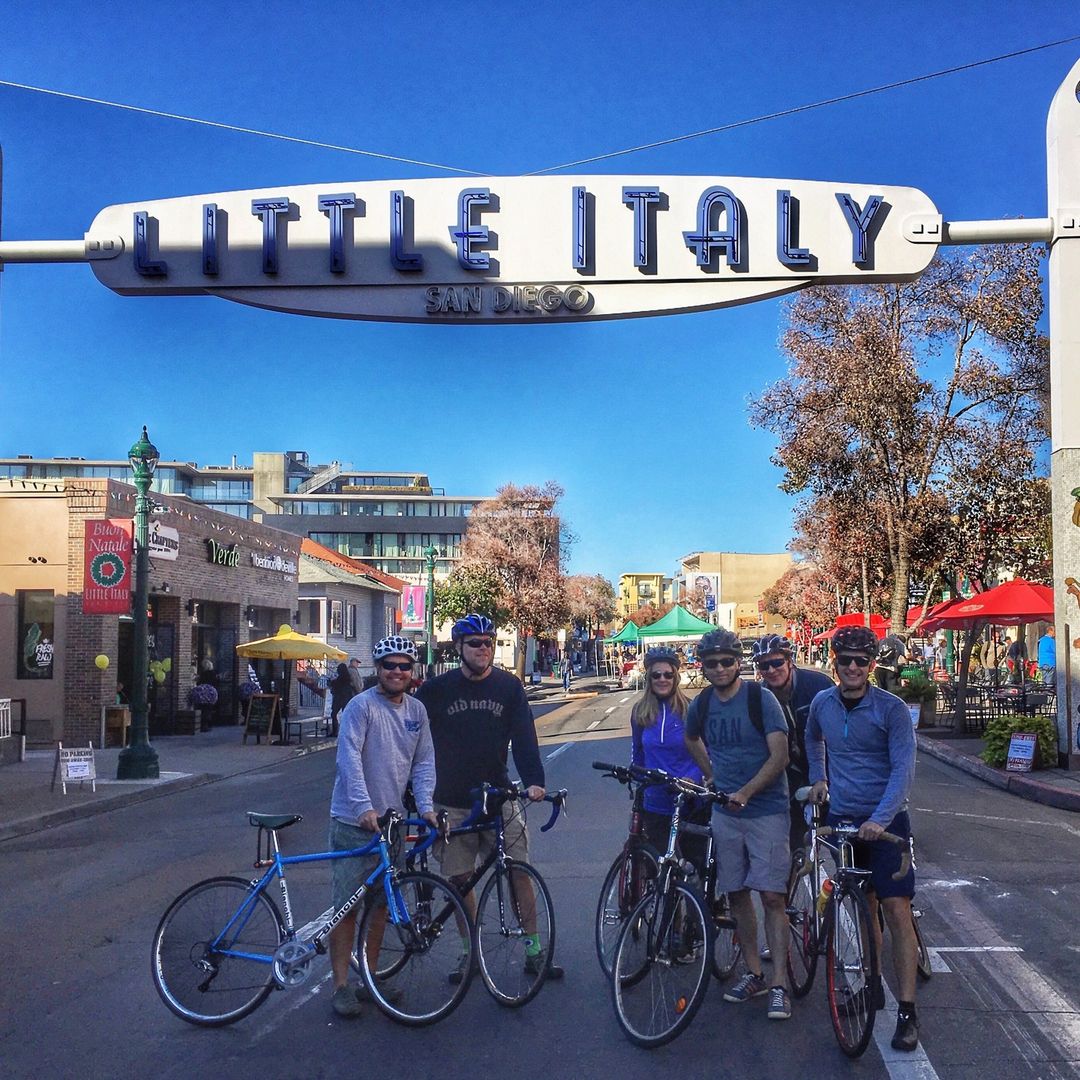
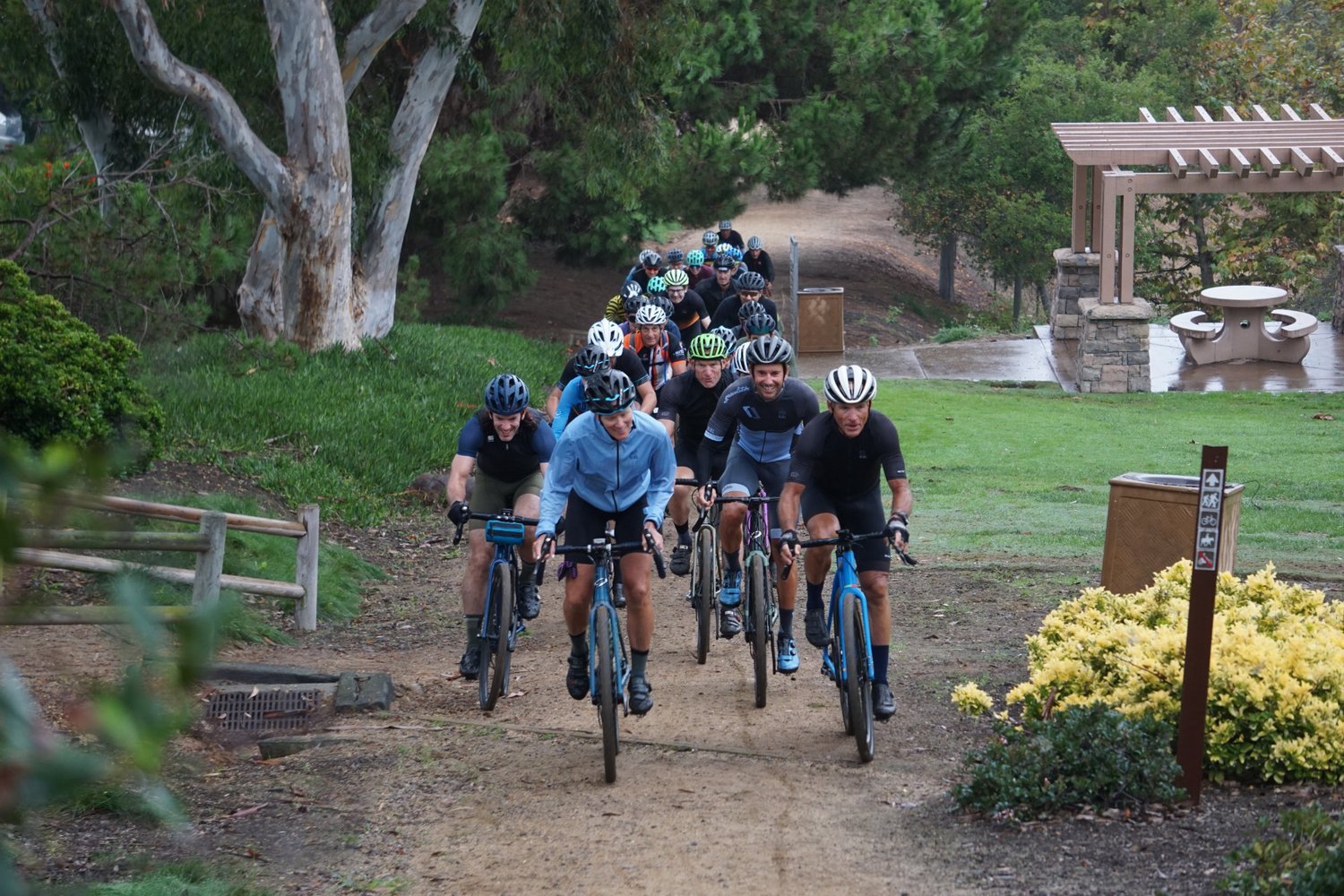
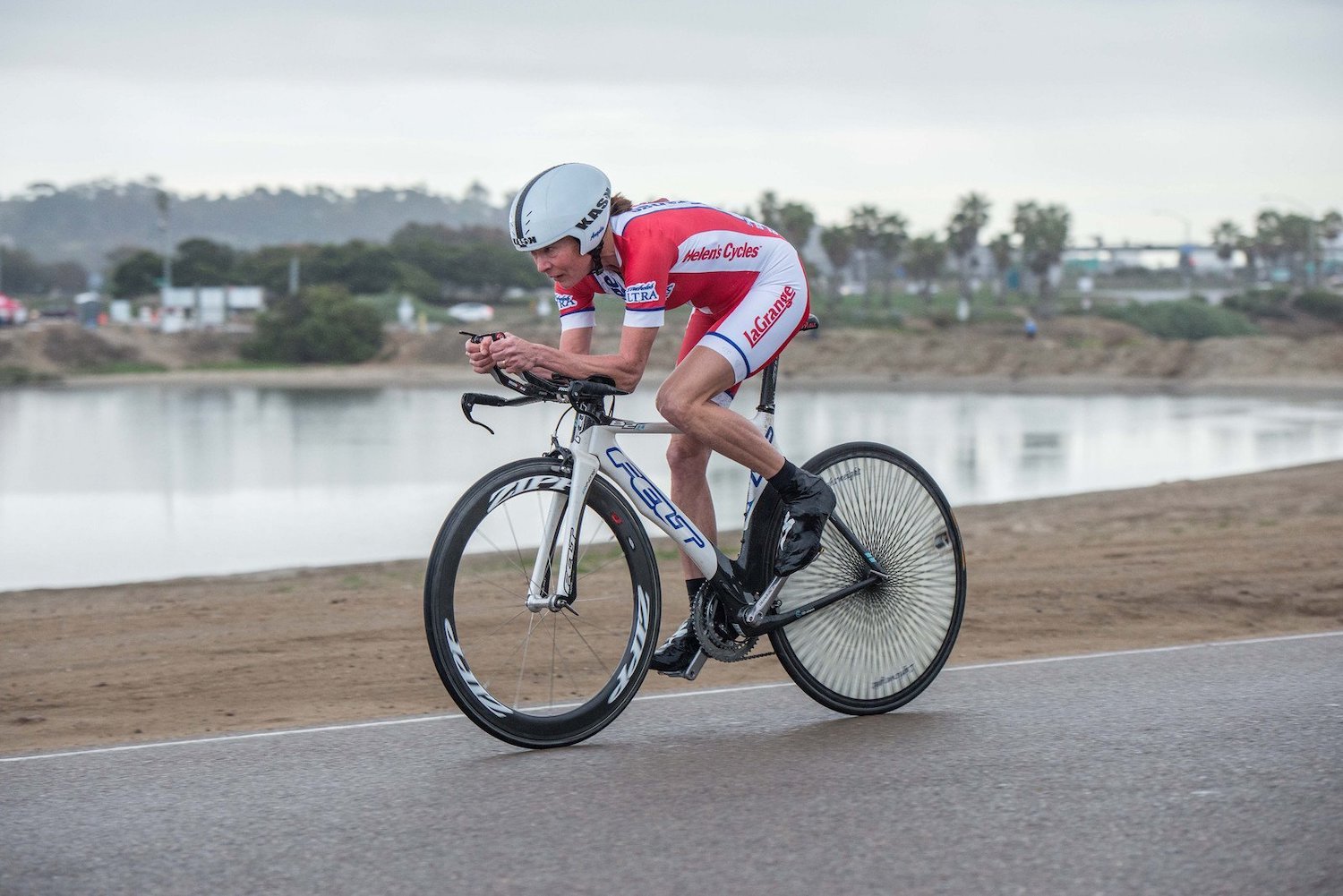
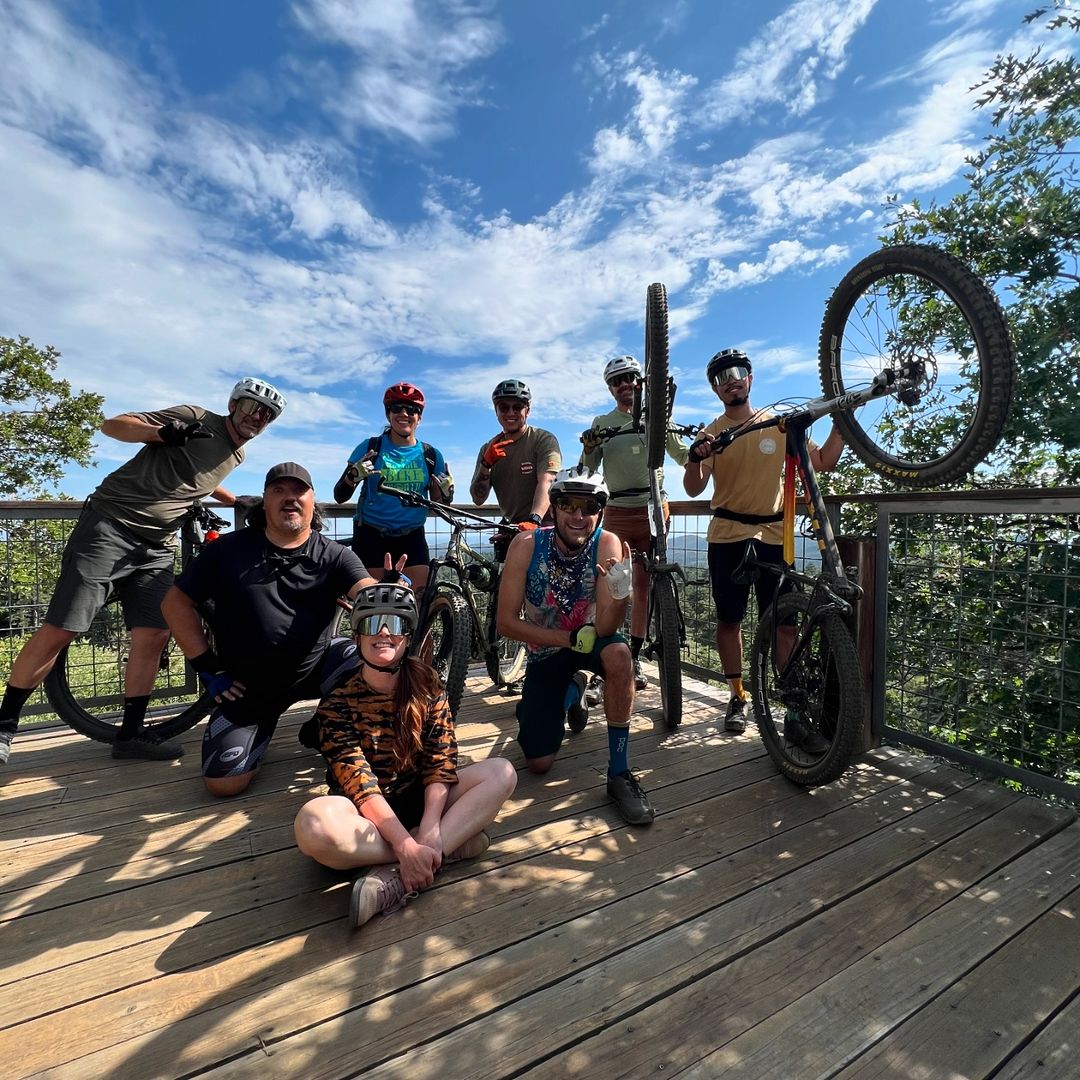
In spite of its reputation as a quintessential, laid-back southern California beach town, America’s Finest City is perpetually on the move, especially when powered by pedals. With miles of coastal roadways, bike paths, and mountain bike trails, it’s no surprise that San Diego is home to a diverse cycling community with clubs and meetups for bikers of all interests and abilities. Whether riding road, trail, or somewhere inbetween, these group rides are sure to help you find your peloton—or at least your two-wheeled wolfpack.

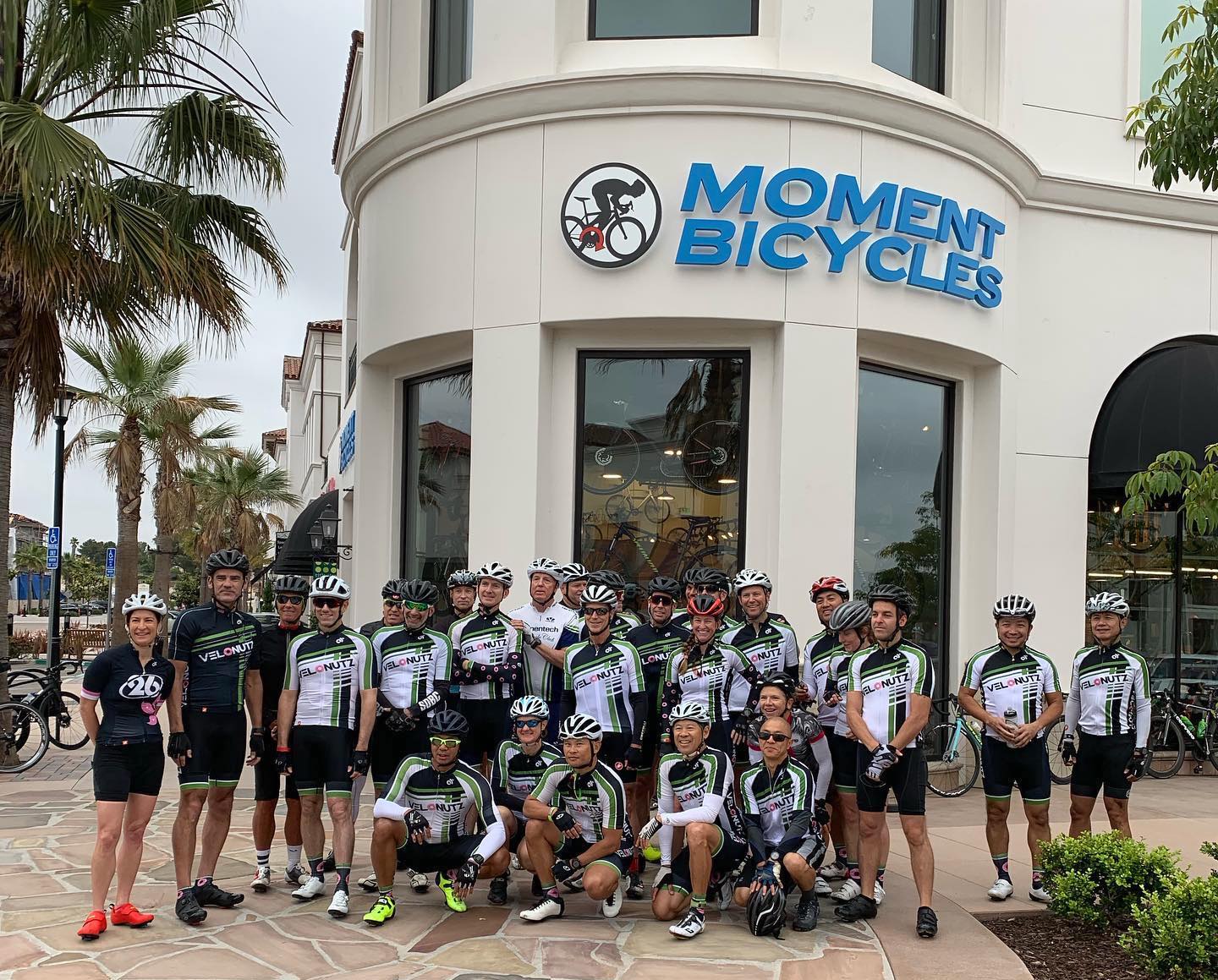
Featuring shop locations in Old Town and Carmel Valley, and group rides leaving from both throughout the week, Moment Bicycles is a good option for both novice and experience riders. Early bird roadies can check out Moment’s 6:30 a.m. Tuesday and Thursday morning rides which treat riders to gorgeous views of San Diego Bay, as they make their way through Point Loma to Cabrillo National Monument, culminating in hill repeats on Tide Pool Hill before returning to Old Town.
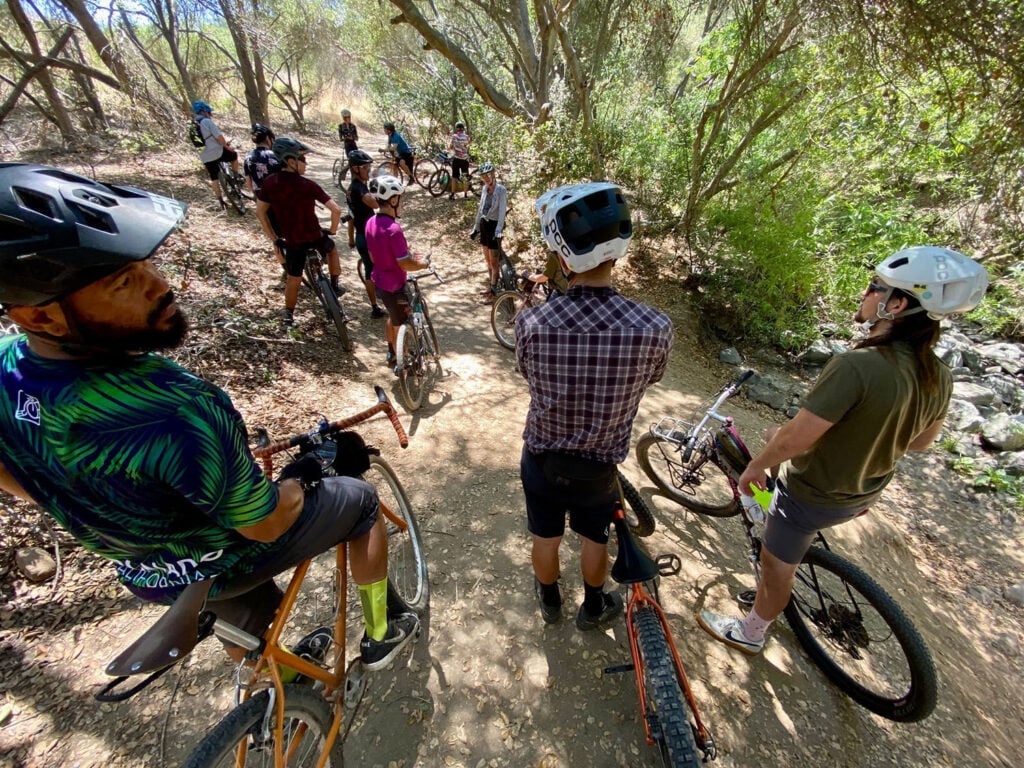
Those looking to get off the beaten path (or for a later start) can join Moment’s mountain bike rides, which take place at 8:30 a.m. on the fourth Saturday of every month. While the route each month will vary, the ride typically leaves from the Carmel Valley location and details will be communicated through Moment’s website in advance. Moment also hosts Sunday morning rides with different routes each week.
If skinny tires and spandex are your style, the San Diego Bicycle Club has just the peloton for you. Organizing events since 1976, SDBC continues to host Saturday morning meetups with seven different group and distance options for road riders at all stages in their cycling progression. Elite riders can push the pace with peers in the A Group, while hardcore roadies and weekend warriors will find their cadence in the B and C Groups. The Development Groups offer new riders the chance to build skills while focusing on safe group riding dynamics and techniques like paceline rotation. Each group leaves from UC Cyclery in La Jolla and riding starts at 8:30 a.m.

Beloved Normal Heights cycling establishment, Uptown Bicycles, may have recently closed shop, but that hasn’t stopped its former proprietors from continuing their No Spandex Saturday rides. As the name suggests, leave the lycra at home—this casual group ride is about the simple pleasures and camaraderie of enjoying the city on two wheels. Each week’s route is posted in advance on the group’s Instagram page and tends to feature a stop or two for refreshments at local favorites.

There’s enough asphalt in San Diego to keep even the most tenacious spinner satisfied, but sometimes the greatest thrills in life require taking the road less pedaled, which is where Gravelstoke comes in. An online hub for gravel riders, racers, bikepackers, and anyone else who enjoys adventure on two wheels, Gravelstoke hosts gravel rides and events on a monthly basis. Routes and locations are posted in advance on Gravelstoke’s event calendar and feature a mix of gravel, trail, and road riding conditions.

It’s often said that the simplest things in life are the best, and the best things in life are free—so why not apply that to biking, too? With no entry fees, no race numbers, and no registration, the Fiesta Island Tracklocross Association’s monthly Saturday race series has everything you want, and nothing you don’t. Starting at 9:30 a.m. the first Saturday of every month, a bike and the willingness to pedal for glory are all that is required to enter. Any type of bicycle is allowed, however “tracklocross” bikes—hybrid track/cyclocross bikes—are encouraged.

Adams Avenue Bicycles hosts multiple rides that are certain to keep even the heartiest velo fanatics busy. Drop bar banshees, gravel grinders and mountain mashers will all find something to suit their styles throughout the month. Roadie watt watchers can spin until their heart’s content each week on the Monday Smackdown road rides. Leaving from Adams Avenue Bicycles at 6:45 p.m., this ride is all about showing up and throwing down over the course of 26.88 miles before returning to the shop.
Mountain bikers and gravel riders seeking a midweek session will appreciate the DirTNR rides occurring each Tuesday night during the velodrome racing season. Riders link up at the velodrome at 5:15 p.m. before rolling out for a casual hour-long ride through Florida Canyon, returning to the velodrome in time to catch some track racing action.
Those who want to take their riding further afield will enjoy the monthly Sunday Field Trips, typically scheduled for the second Sunday of each month. Each trip will explore a different part of the county with locations and routes shared ahead of time on their website.
With the tagline, “We’re a pack. Not a mass,” Awarewolf is a collection of cyclists led by Charlie Sears and Ricardo Juarez, with the aim of increasing bicycling participation, safety and, of course, awareness, especially between riders and drivers in San Diego. In keeping with this mission, Awarewolf hosts a monthly Full Moon Bike Ride open to riders of all styles, from casual cruisers to fixed gear fanatics. The time, location and routes vary month-to-month and are posted in advance on Awarewolf’s website, but one thing is certain: when the Awarewolves are out, even the moon cycles.

The Awarewolves aren’t the only pack of pedalers in town; the SheWolves bring their own lycanthropic flair to biking. A cycling club for women, trans, femme, and gender nonconforming riders, the SheWolves focus on fostering inclusion and allyship in the San Diego cycling scene. Thursday night group rides leave from the Bea Evenson Fountain in Balboa Park at 7:15 p.m. and end at a different bar or brewery for post-ride libations each week.

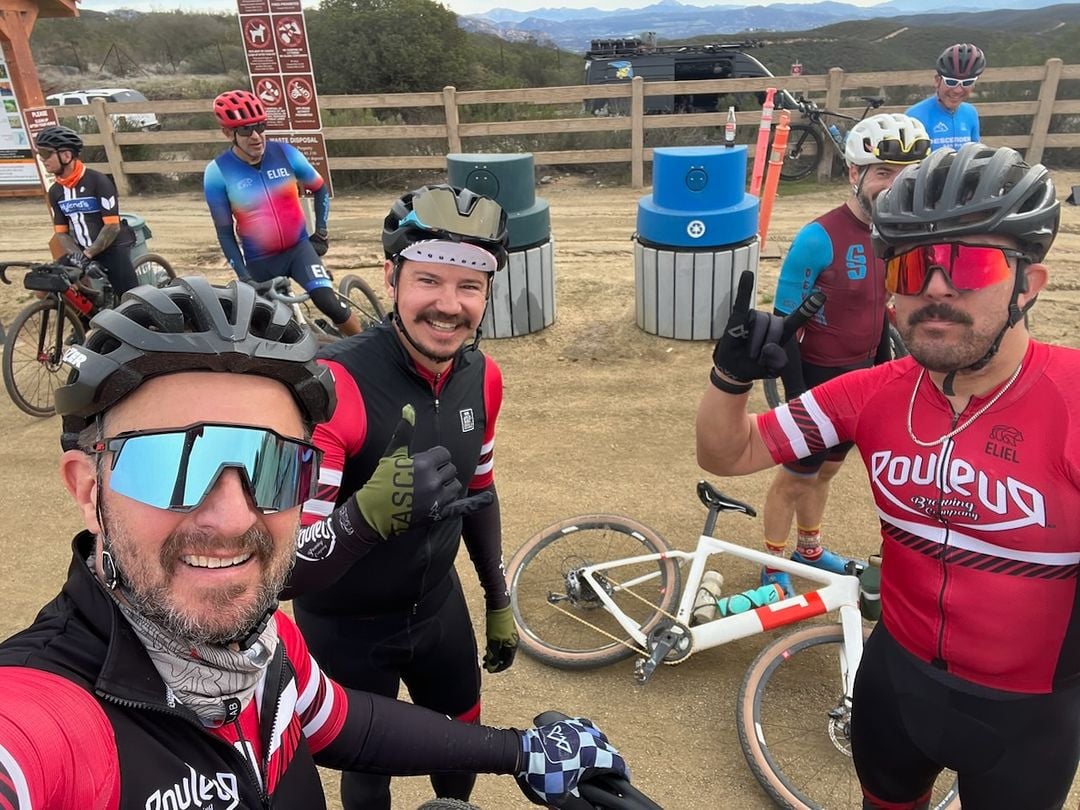
Given its connections to cycling (its name is a French term for “having wheels,” and was later adopted by racers), it’s no surprise that North County beer staple and bike themed brewery, Rouleur, hosts a social ride every Thursday night from its North Park tap room. The ride begins at 6:00 p.m. and follows a 17-mile route, ending back at Rouleur for beer and refreshments.

The San Diego Bike Coalition does essential advocacy work to ensure the region’s bicycling culture continues to grow and thrive by championing projects to improve cycling infrastructure, access to bike lanes, and policies that benefit riders. While the Bike Coalition doesn’t host a dedicated weekly ride, they do publish a robust monthly calendar of biking events in the area, ranging from local races to classes on safe riding skills and bicycle maintenance.
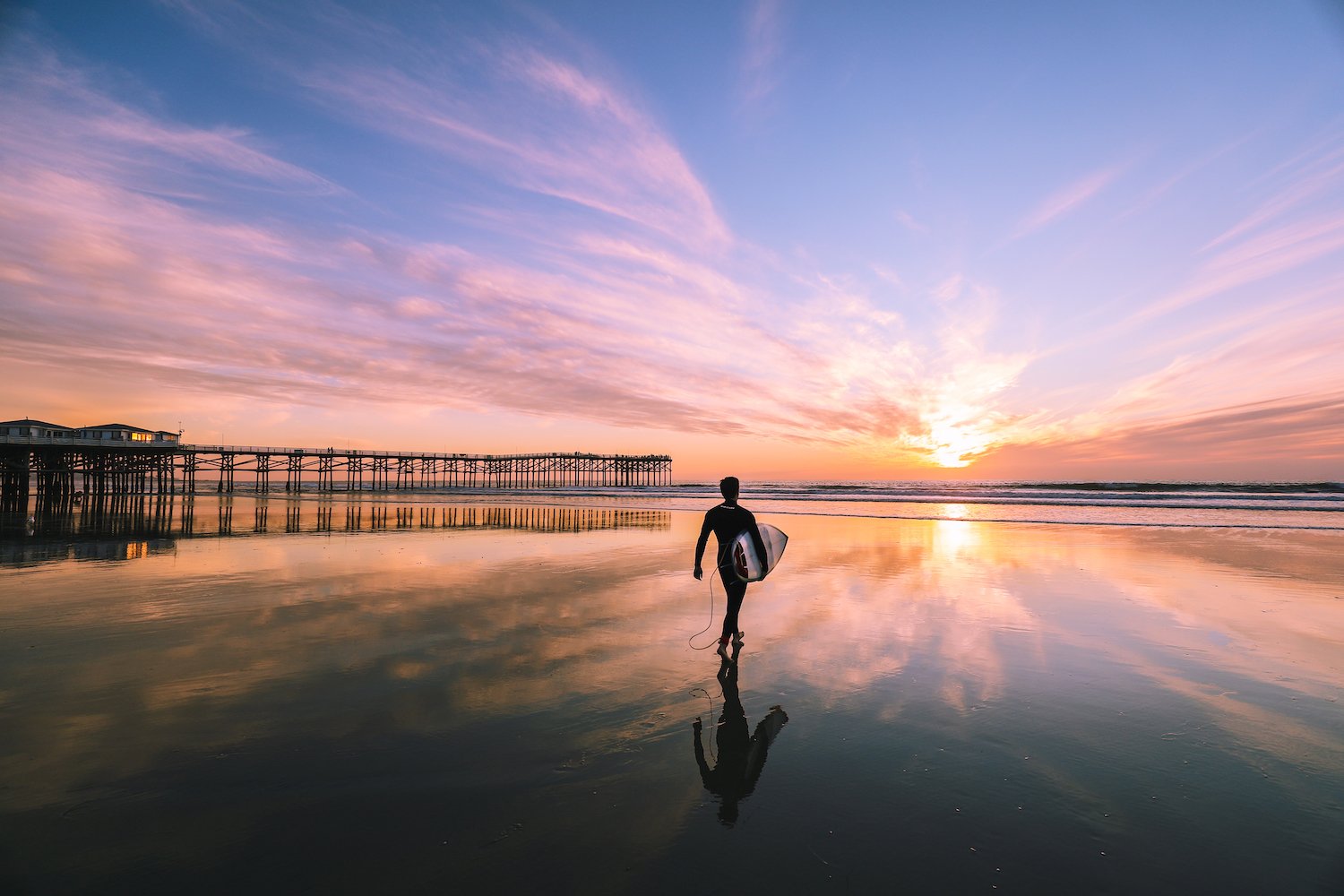
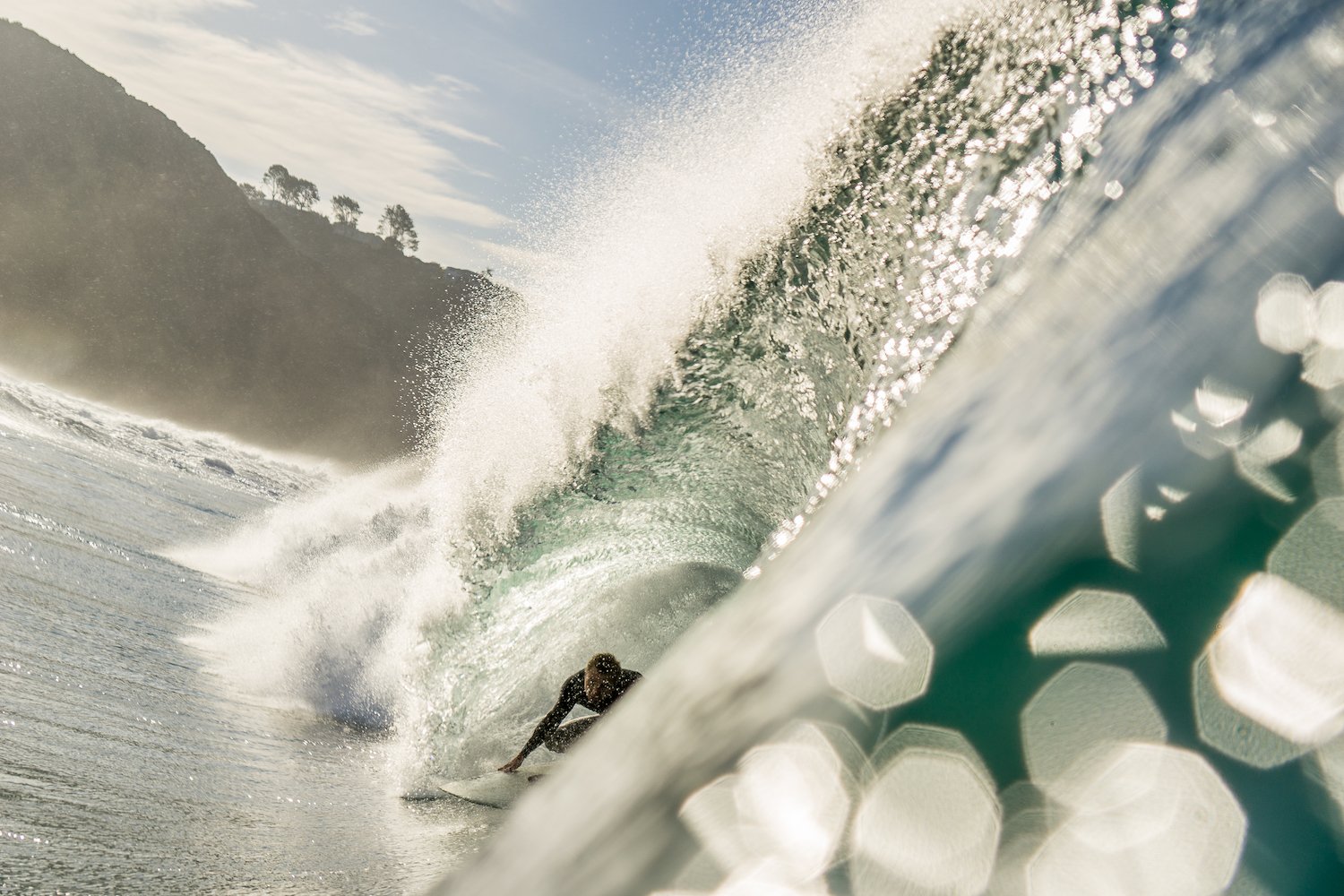
A guide to the city’s best breaks and the locals that frequent them
Your choice of surf break is a very personal decision. Each spot comes with its stereotypes—are you a grom, noserider, or Wavestorm warrior? From localized reefs to kooky beach breaks, the last 14 years I’ve spent surfing in San Diego have taught me that each spot truly has its own vibe.
What does your favorite San Diego surf spot say about you?

Dubbed as the ultimate old man spot and San Diego’s Malibu, Tourmaline is a longboarder’s heaven. If your board is smaller than 7 feet, go home. In the lineup you can find guys who have been surfing Tourmaline for the last 40+ years and show no signs of stopping. Hanging ten and gracefully maneuvering across a cruising 20+ second wave is irresistible enough for many to fight the crowds and congested streets of Garnett. Good luck snagging waves from the locals who were around to remember Jack Murphy Stadium.
The Uniform: 10ft nose rider log, Greg Noll striped swim trunks, and a nose covered in zinc

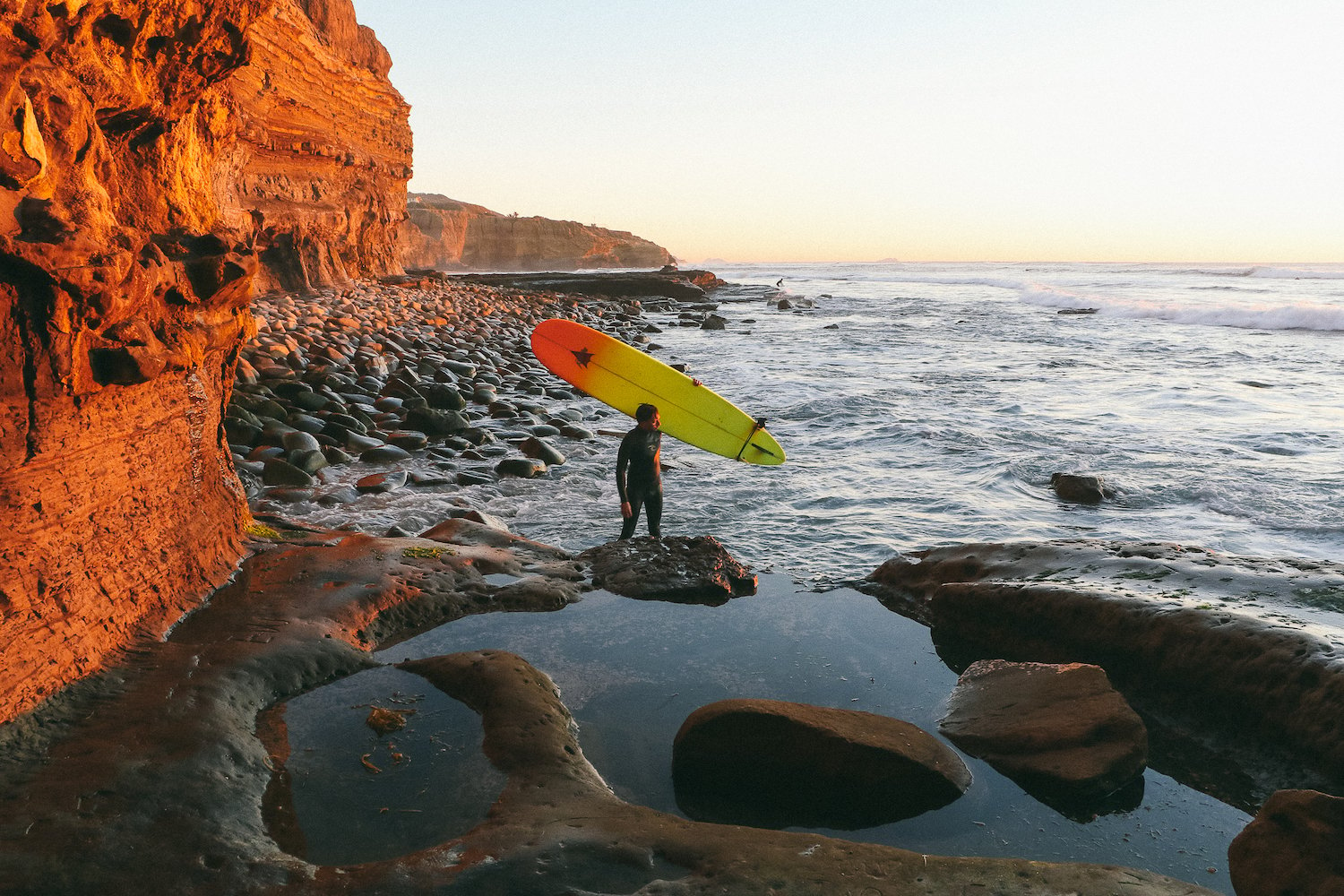
Sunset Cliffs isn’t just sunshine and sunsets. Sharks, rips, reef, rocks, and a hell of paddle out on a bigger day can make surfing here a real gauntlet. Perils aside, Sunset Cliffs is arguably one of the more consistent reef breaks in the county. Just make sure you have your surfboard repair shop on speed-dial for the inevitable dings that will riddle your board.
In the lineup, you’ll be sure to hear stories from the locals about how the waves used to be better, the beaches were less crowded, and a California burrito used to cost $7. The good ‘ole days. With the reef generating consistent waves year-round, Sunset Cliffs can boast some of the longest waves in the county.
The Uniform: 9’6 Longboard, dented like a copper Moscow mule mug, and noodle arms

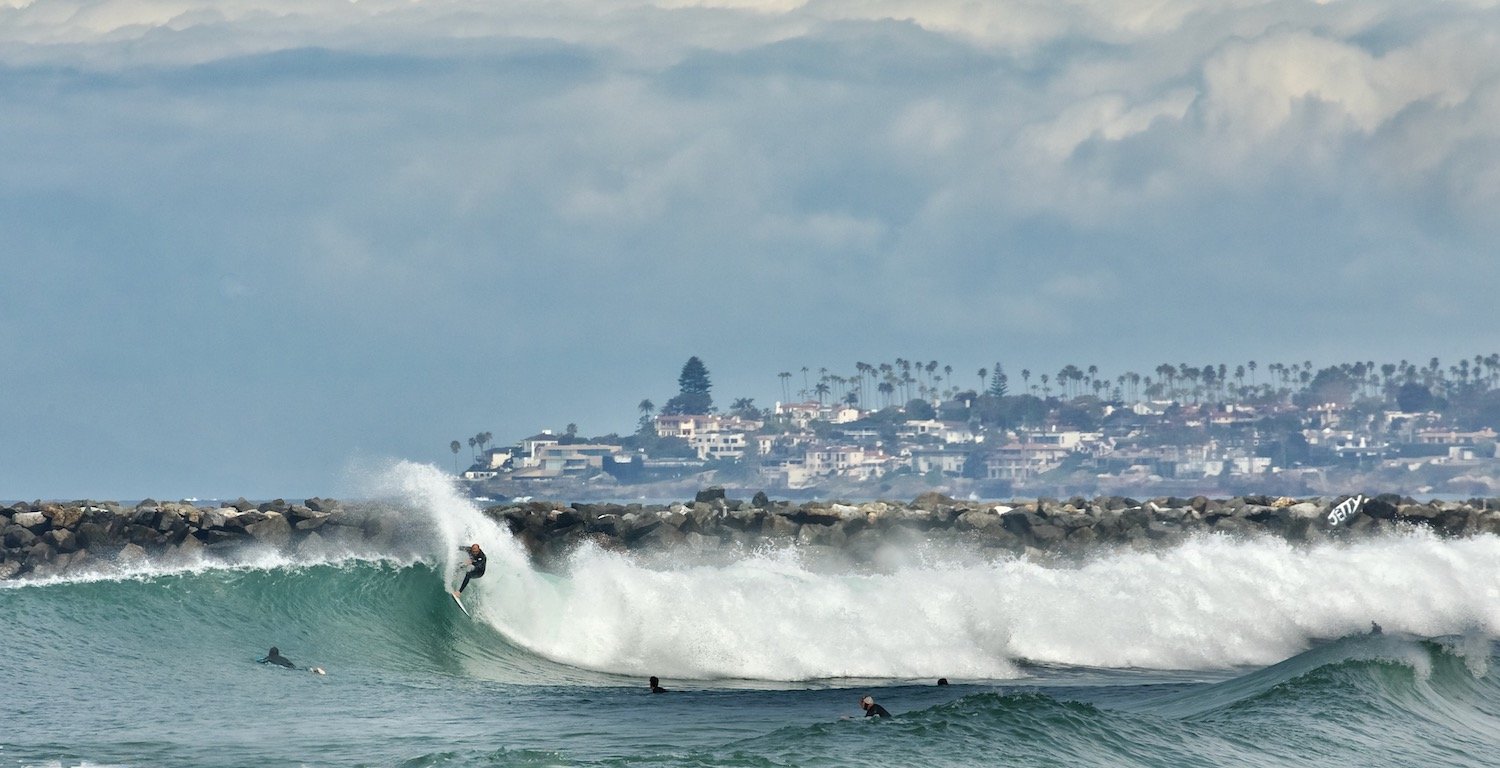
Ocean Beach feels like the most San Diego beach there is. A boardwalk with shops from another era, consistent waves, great food, lively bars, and drum circles on the beach. What’s not to love? In the water, you can find groms getting air on small waves, older guys putting their stake on the jetty, and beatniks riding the same board they did since the ’80s. Ocean Beach isn’t always the most welcoming of surf spots, so make sure to lock your car and bring your trusty self-defense weapon—or friend who will back you up in the lineup.
The Uniform: 30-year-old, beaten-up 6’5 shortboard with flame decals, tie-dye shirt, and a Rasta-colored poncho

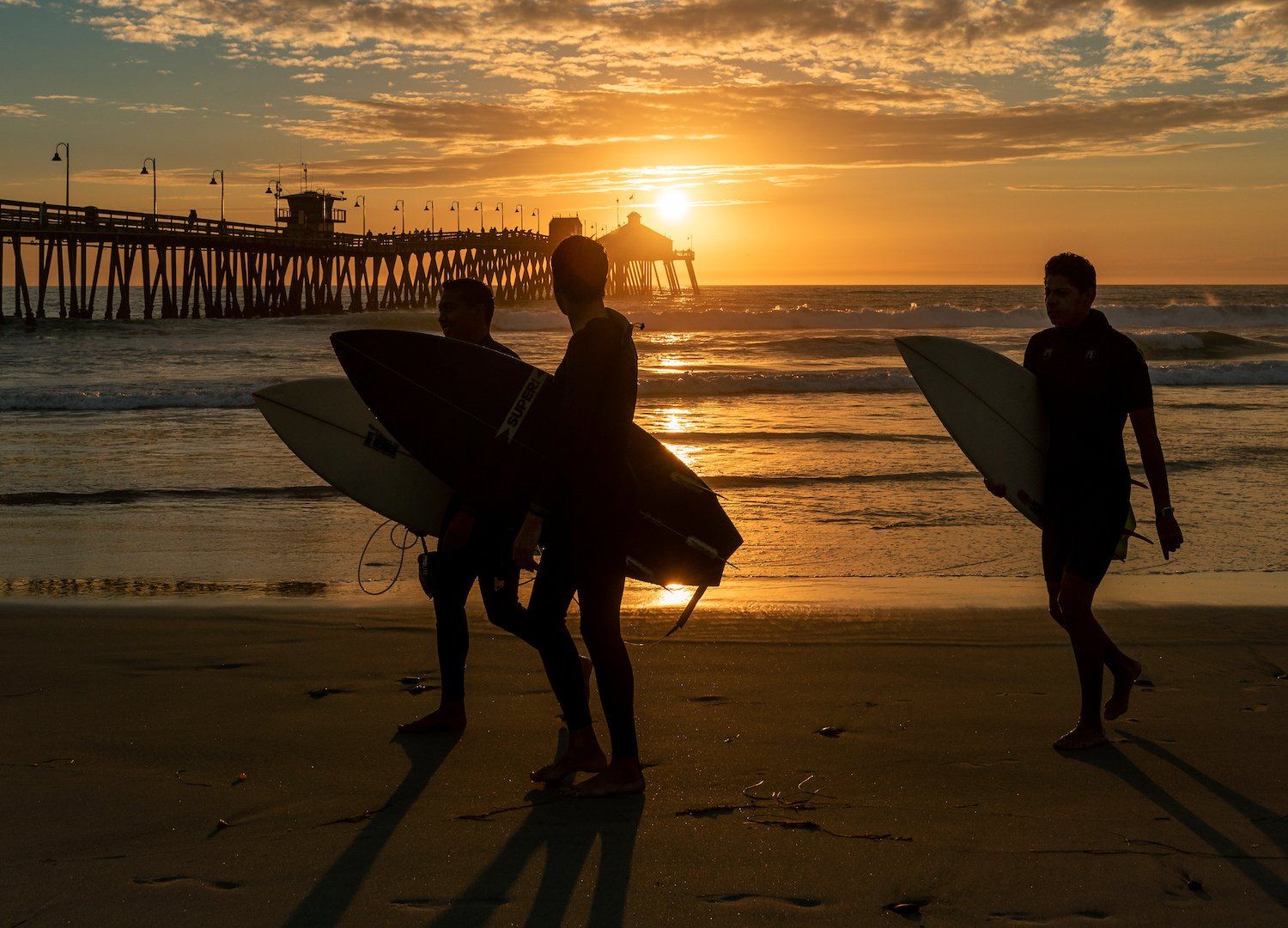
Unfortunately, the consistent pollution coming from the U.S./ Tijuana wastewater plant has caused lifeguards to keep those yellow “Sewage Contaminated Water” signs up year round. With all these hazards, Imperial Beach surfers are the ultimate lab rats—putting their lives on the line for the sake of science and shredding.
Years ago, I recall surfing in purple waves which were attributed to a “completely safe” water test from the Navy’s military lab located just up the strand. If your skin starts glowing after a surf session, visit your local hospital immediately, otherwise, head down to Palm Avenue for some of the best takeout Mexican food in San Diego.
The Uniform: 5’8 Retro fish surfboard and a bottle of antibiotics

Locals here start their day with an acai bowl from the Cedros district, a freshly pressed vegetable juice from their neighborhood market, and a CBD gummy. Cardiff and the Encinitas region are packed with great peaks and reefs that gather surfers like moths to a flame, including legends like Rob Machado.
Paddle out just past the iconic Cardiff Kook statue and you’ll hear surfers chatting about how mid lengths are the best surfboards, becoming vegan has changed their life, wearing shoes is bad for you and surfer’s pitching their band’s latest folk album. Just remember not to drop in. Otherwise they’ll call you “The New Cardiff Kook.”
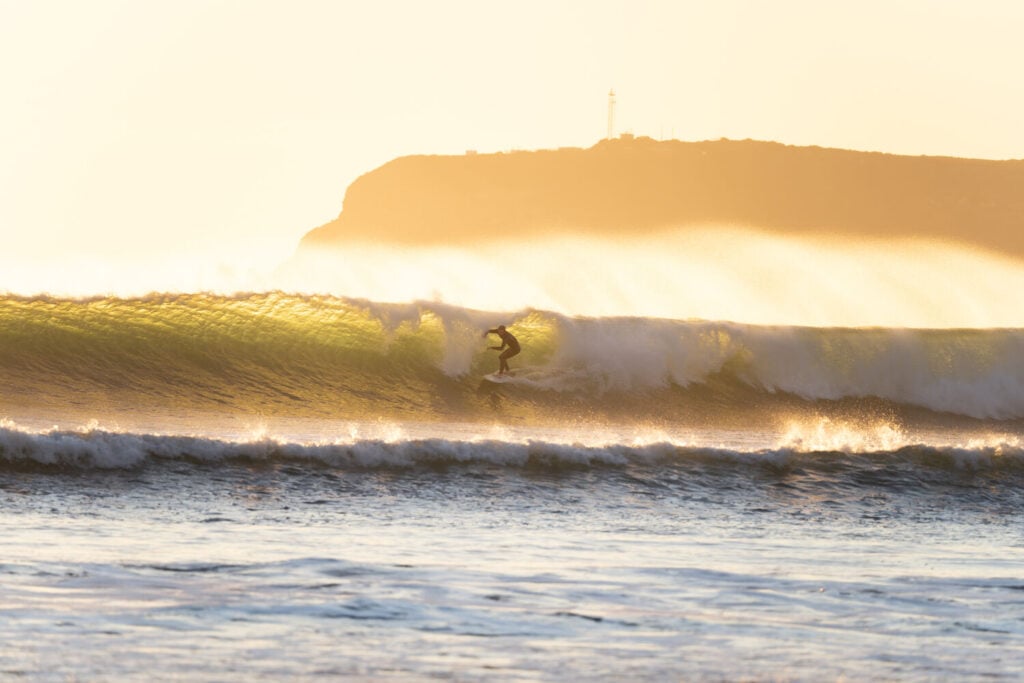
The Uniform: 6’6 mid-length twin-fin, pair of Birkenstocks, and long-hair

Need a spot to surf off the hangover? Then head to Pacific Beach. In the lineup, you can hear the chattering of college students and locals (still reliving their college days) planning their night of debauchery at the local bars. PB is the land of a thousand soft tops and is not a bad place to learn if you can avoid the crowds. People will ride anything that floats here. I mean anything. Hit pacific beach first thing in the morning while the locals are still recovering from the night before.
The Uniform: 7’6 Wavestorm, cargo shorts, and Reef beer-opener sandals

If you’re up for a 20-minute hike down the cliffs, encounters with nudists, occasional rockslides and daunting canyon sets, Black’s Beach is the spot for you. Known to some as California’s Pipeline, Blacks is the ultimate big wave spot for the adrenaline junkies in town. Though not every session at Black’s is a heart-pounding, arm-deflating, battle of man vs. nature, the spot is consistently one of the best in the county.
Among the lineup you can find characters like groms working on their sponsor videos, Kelly Slater lookalikes, your friend who insists that surfing naked brings them closer to nature, and of course your friend who owns a big wave gun and daydreams about catching that perfect 15-foot wave. Keep dreaming, my friend.
The Uniform: 7’2 big wave gun, DNR bracelet, no pants
This post contains affiliate links to products and services. We may receive compensation when you click on links.
Cole Novak is an award-winning writer with a passion for highlighting local figures, small businesses, and nonprofits. Born and raised in San Diego, Cole is passionate about photography, surfing, art, the local food scene, and the great outdoors.
Stake Chophouse & Bar brings contemporary classics and old-school service to the heart of Coronado
Stake Chophouse & Bar isn’t your average steakhouse. Blue Bridge Hospitality’s Coronado outpost is a modern interpretation of a big-city steakhouse nestled in the heart of the small coastal community. The team at Stake has reimagined the whole steakhouse experience. By prioritizing a seasonal farm-to-table sourcing philosophy, a personalized guest experience, and unique service touches, like a formal steak presentation and a bespoke knife selection process, Stake distinguishes itself in a sea of steakhouses.
Exceptional steaks, including Wagyu from Japan, Australia, and the U.S., and fresh seafood flown in daily form the core of Stake’s culinary identity. The menu features a five-course omakase-style steak experience highlighting house favorites, plus an array of cuts, and classic steakhouse staples—think a wedge salad, baked potato, or pasta carbonara—refined for a contemporary palate without losing their traditional appeal. Stake focuses on seasonal sourcing from the region’s best family farms and specialty purveyors, and incorporates intentionally unexpected touches to create something truly unique.
“I challenge our chefs and myself to take it a step further in sourcing,” says Chef Ronnie Schwandt. “It’s important to us to highlight different farms, unique one-off farms—whether it’s cattle, strawberries, a local fisherman or from anywhere in the United States, we’re always trying to find that niche.”

Beyond the menu, Stake emphasizes outstanding service, says Vinny Spatafore, Director of Hospitality Operations. Staff maintains detailed notes, allowing them to remember guests by name, recall previous orders such as a favorite martini (also memorable for the customer since it’s served in an extra tall, distinctly-shaped glass), and celebrate special occasions like birthdays and anniversaries.
“When you have those points of topic that you remember about a guest, they appreciate that,” he says. “Our servers are really good with that—we have a couple servers who have been here since the beginning and they’ll remember somebody from years ago, their name, their kids’ names, where they live. I’m really thankful to have a great front of house staff.”
Award-winning wines, rare whiskeys, special events, and a complementary black car service that provides transportation for guests throughout Coronado add to Stake’s appeal.
Schwandt stresses that Stake offers more than a meal; they aim to give patrons something unforgettable.
“It starts when you walk up the stairs and are greeted by the hostess—that sets the tone for the night. Then you’re greeted by a server, who may know you by name, and can guide you through the menu and curate as they get to know you,” says Schwandt. “Most people leave kind of blown away; they leave feeling like they just had an experience. That’s the goal, right? Whether you’re serving smash burgers or high-end steak, you want somebody to leave thinking, Wow, that was awesome.”
Check out these four- to 10-mile treks in Jamul, Chula Vista & the Tijuana Estuary
If you have lived and hiked in San Diego long enough, eventually you’ll find yourself in a hiking rut. Heading to the same places, doing the same trails, instead of branching out and trying something new.
That’s happened to me plenty of times. And while there is something beautiful about hiking the same routes over and over—noticing things you haven’t seen before, or seeing if you can reach a summit in a record time—it’s also important to explore. That’s the whole point of hiking, right?
A great way to explore new trails is to head to a part of the region where you don’t usually go. There are lots of trails in South County that you may not have set foot on before, and many are worth checking out.
So, here are three South County hikes to try.
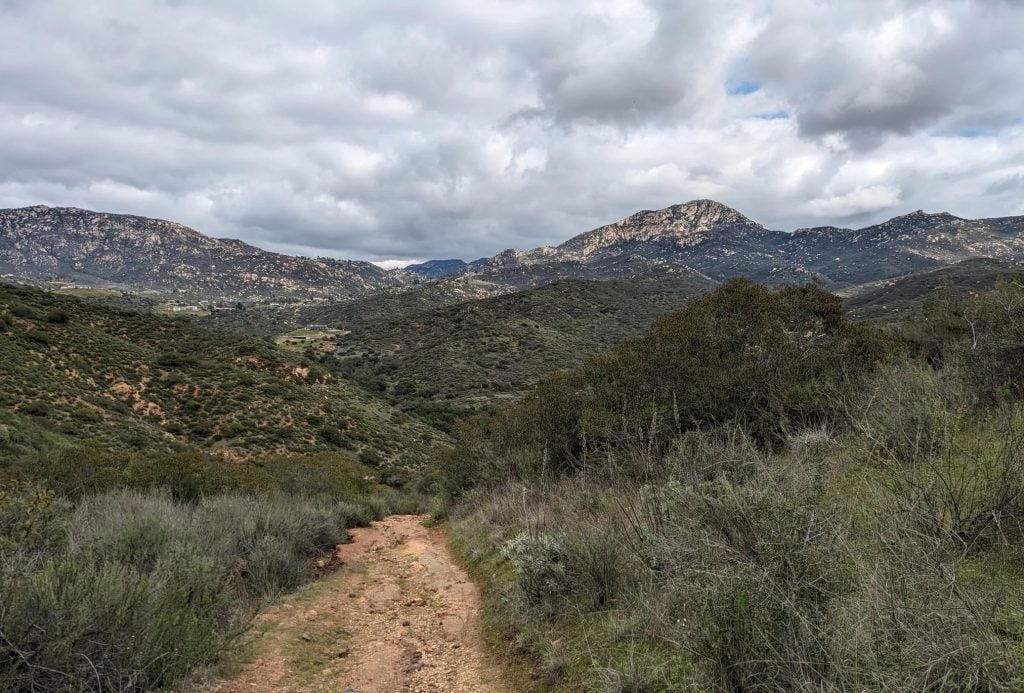
This 4.7-mile, out-and-back hike takes you through a scenic canyon in Jamul with sweeping green hills on either side. Go in the spring and you’ll have beautiful views of wildflowers, and possibly a few small streams you’ll need to cross (pack a small towel and go barefoot across if you don’t want wet shoes and socks). There are a few steep places along the way, but the trail is well maintained and mostly not too challenging.
Directions: Start at the trailhead on Honey Springs Road off Campo Road.
Distance: 4.7 miles, out-and-back
Difficulty: Moderate
Dogs: Allowed
Details: Buy a California Department of Fish & Wildlife day pass for $5.66 online before you go.
This steep but relatively short climb near Chula Vista is a bit challenging, but the views from the top are totally worth it. On a clear day, you can see mountains to the east, Sweetwater Reservoir, and Chula Vista, plus the ocean and bay along with Mexico, Coronado, and downtown San Diego. The hike is best done before summer months because there’s no shade along the way, and there are steep switchbacks for part of the trail.
Directions: Start at Mount San Miguel Park on Paseo Veracruz.
Distance: 4.4 miles, out-and-back
Difficulty: Challenging
Dogs: Allowed
Details: Parking is free.
Forget Torrey Pines (OK, don’t forget it, because it’s also beautiful), this wide park along the ocean is way less crowded and still has beautiful views. You can hike along the US-Mexico border, winding your way around as many trails in the Tijuana River Valley as you’d like. Still perfectly pleasant as the weather gets warmer, this estuary is a great spot for bird watching and easy hiking with its flat trails.
Directions: Start on Imperial Beach Boulevard to follow the North McCoy trail or the full route.
Distance: For the longest hike, follow the 9.2-mile Valley Scenic Route, or do the shorter North and South McCoy trails.
Difficulty: Easy
Dogs: Allowed
Details: Parking is free. A trail map can be found here.
Claire Trageser has been writing for San Diego Magazine for 10 years. She also is a reporter at KPBS and writes for The New York Times, National Geographic, Marie Claire, Elle and Runner's World.
The best ways to help minimize your footprint during your next adventure
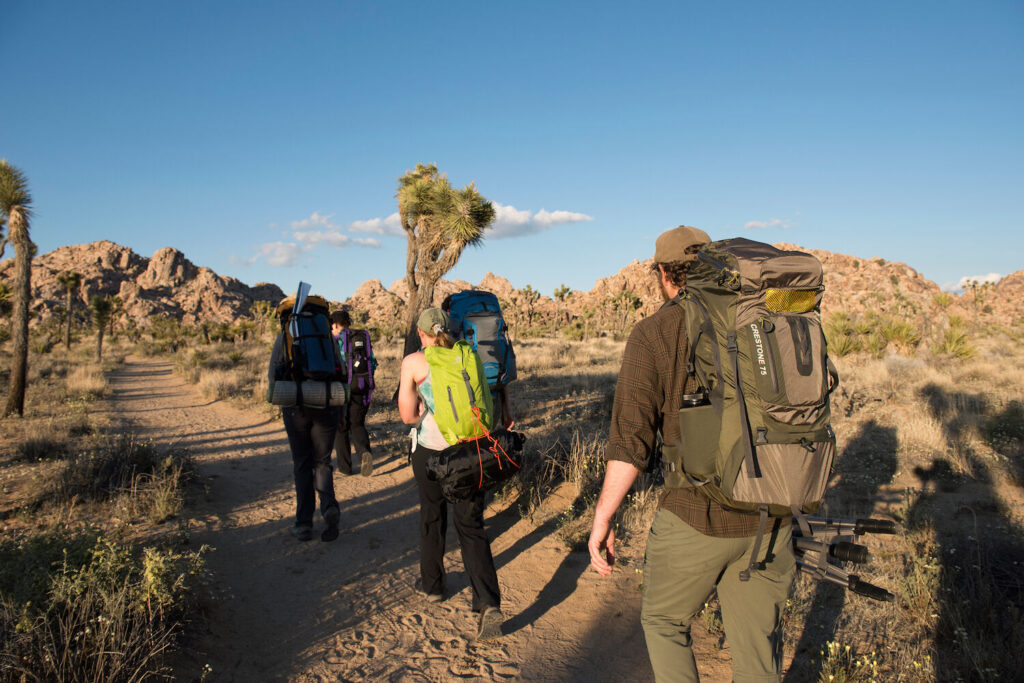
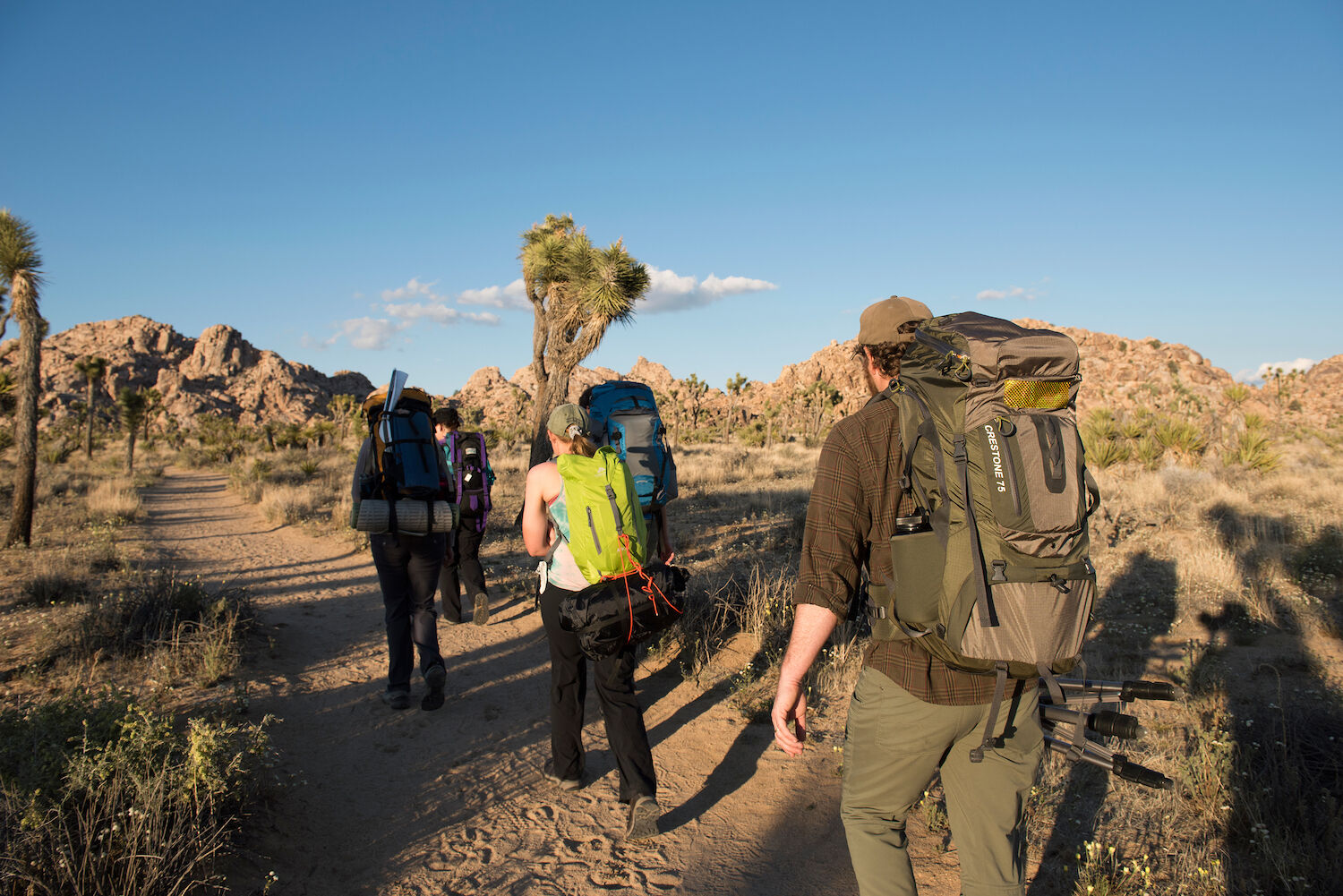
Backpacking Joshua Tree National Park Service Eco-Friendly Backpacking Tips
Courtesy of the National Park Service
Being in nature can change you. Sleeping and eating outside, far away from roads and stores and houses, forces us to unplug, reset, and notice the beauty that’s all around us.
But while you’re soaking in all the benefits of getting outdoors, it’s important that you don’t change nature right back. Conservation experts will remind campers and explorers to “leave no trace”—which means carrying out any trash, respecting wildlife, and letting rocks and plants remain where you found them.
But with so many aspects to consider when aiming to backpack sustainably (from sourcing eco-friendly gear to dealing with human waste), we’re sometimes leaving traces we don’t even notice.
To help you enjoy nature and keep it safe at the same time, we collected tips from two experts: Meg Carney, author and host of The Outdoor Minimalist, and Amber McDaniel, head of content at Sustainable Jungle. Here’s their advice for eco-friendly backpacking:
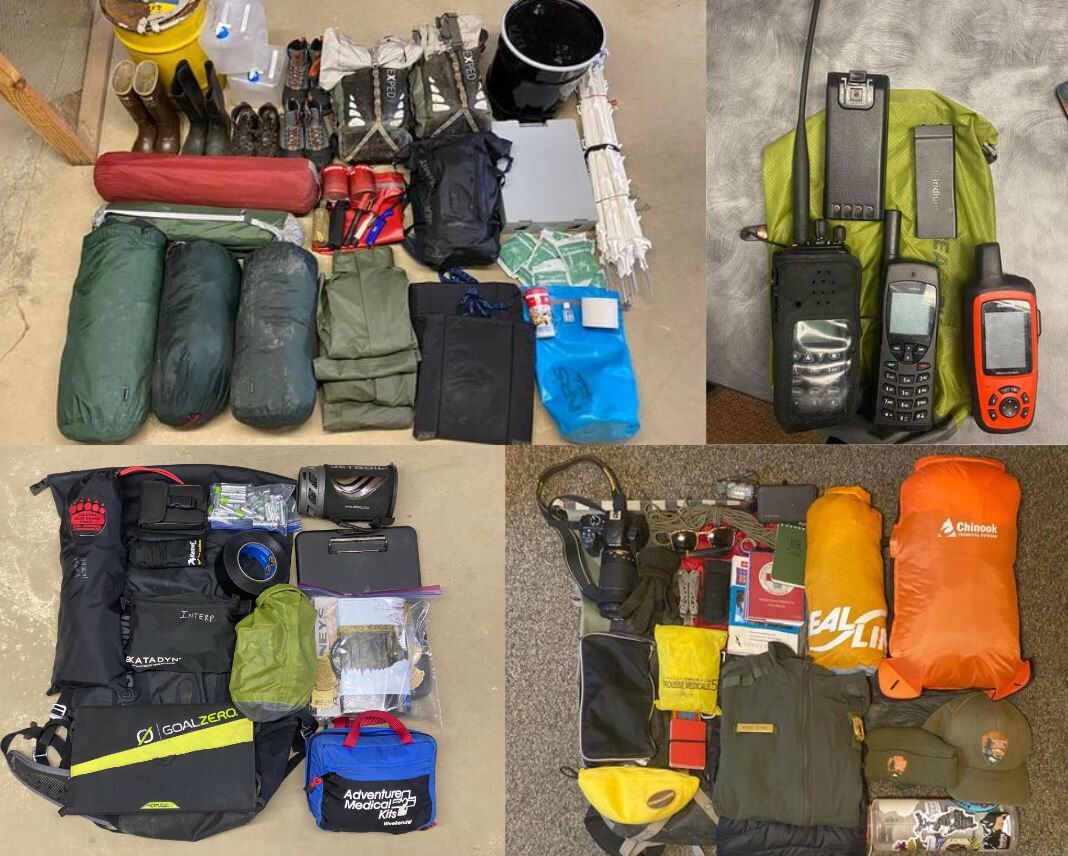
Flat Lay Gear National Park Service Eco-Friendly Backpacking Tips
Courtesy of the National Park Service
To start, Carney says, if you’re planning a trip, you don’t need to rush to the nearest REI and buy a bunch of new stuff.“You can borrow [or] rent gear so you can see if you actually like the activity,” she suggests. “And then, if you’re investing in gear, especially if you want higher-end brands, it can be helpful to try and buy used equipment from gear consignment stores or Facebook Marketplace.
”If you do need to buy new, Carney advises doing your research and investing in brands with eco-friendliness at their core.“Every reliable company will have a website and so you can easily access their sustainability information,” she says. “If they don’t have [that] on their website, I just avoid that company, because in the outdoor industry, it should be at the forefront of … their marketing.”
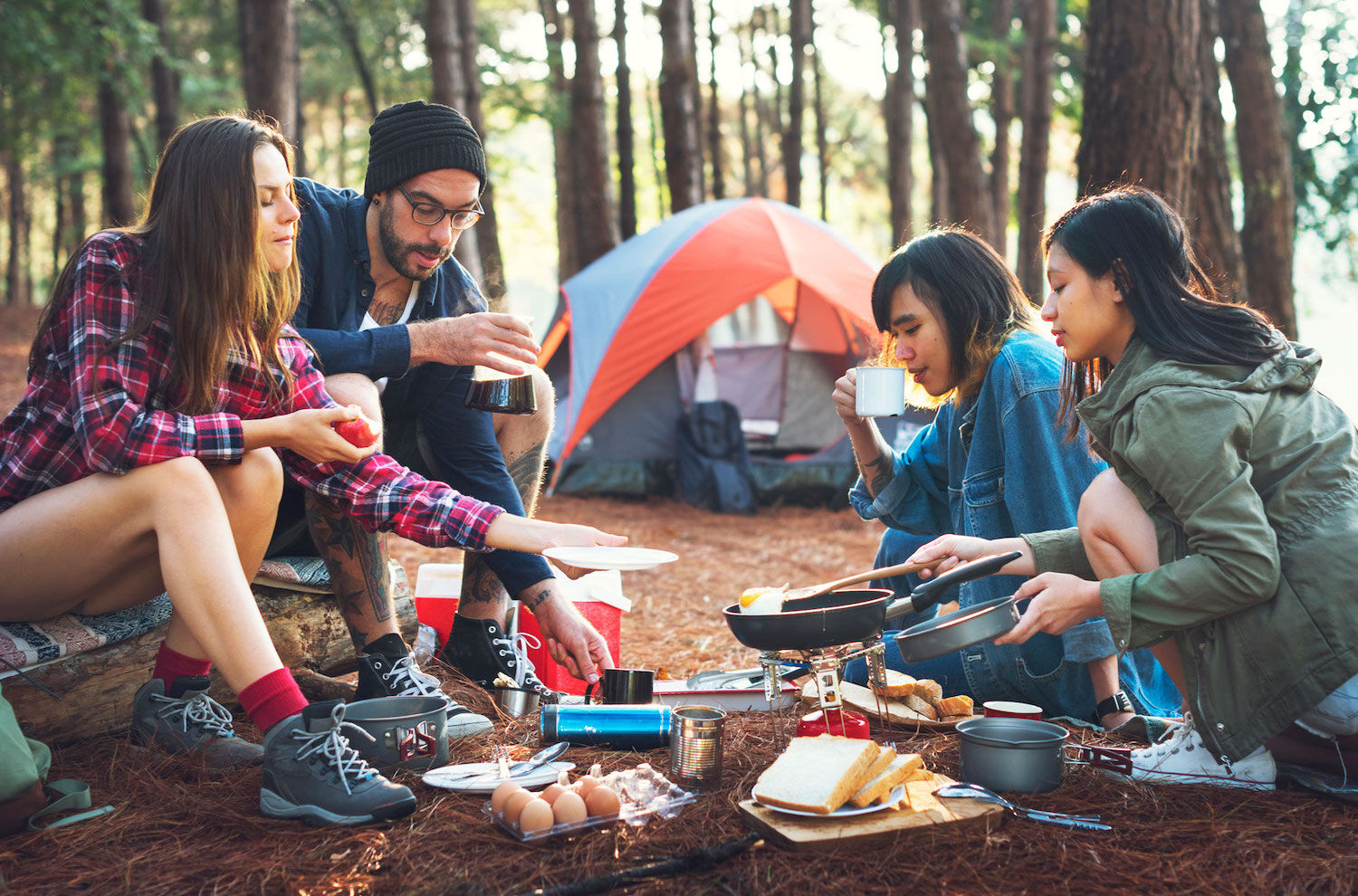
Backpacking Cooking USD Eco-Friendly Backpacking Tips
Courtesy of the USDA
Food can be one of the most challenging areas to maximize sustainability and minimize waste. Even in normal, non-backpacking life, food packaging is difficult to avoid, and when you’re packing to carry meals and snacks for multiple days, it’s even tougher to skip plastic-wrapped products.
Don’t be too hard on yourself if you overpack or eat a lot of pre-wrapped food on your first trip. Carney recommends keeping all the packaging from the meals and ingredients you purchase for the weekend. “Then you can do a waste audit,” she says. “Bring [the packaging] home and then lay it out on the ground. That physical experience of witnessing the amount of waste that you’re using is a good way to kind of identify and then narrow down areas you can reduce waste on future trips.”
For example, if your food-waste flat lay is full of oatmeal or nut packets, try purchasing oats and trail mix in bulk and dividing into smaller, reusable containers. Carney uses Lunchskins paper sandwich bags and beeswax bags instead of plastic. Energy bars can be tougher, since they usually come individually wrapped, but companies like TerraCycle can recycle the packaging from brands such as GoMacro.
Beyond that, Carney says she pays attention to the systems behind her food, including growing, harvesting, transporting, and processing. “Know where your food is coming from and support companies that are moving in the right direction and doing the right thing,” she emphasizes.
Local and organic fruits, for example, have a smaller footprint than those that traveled thousands of miles to reach your nearest grocery store—and they’re easy to carry, store, and eat without any single-use packaging.
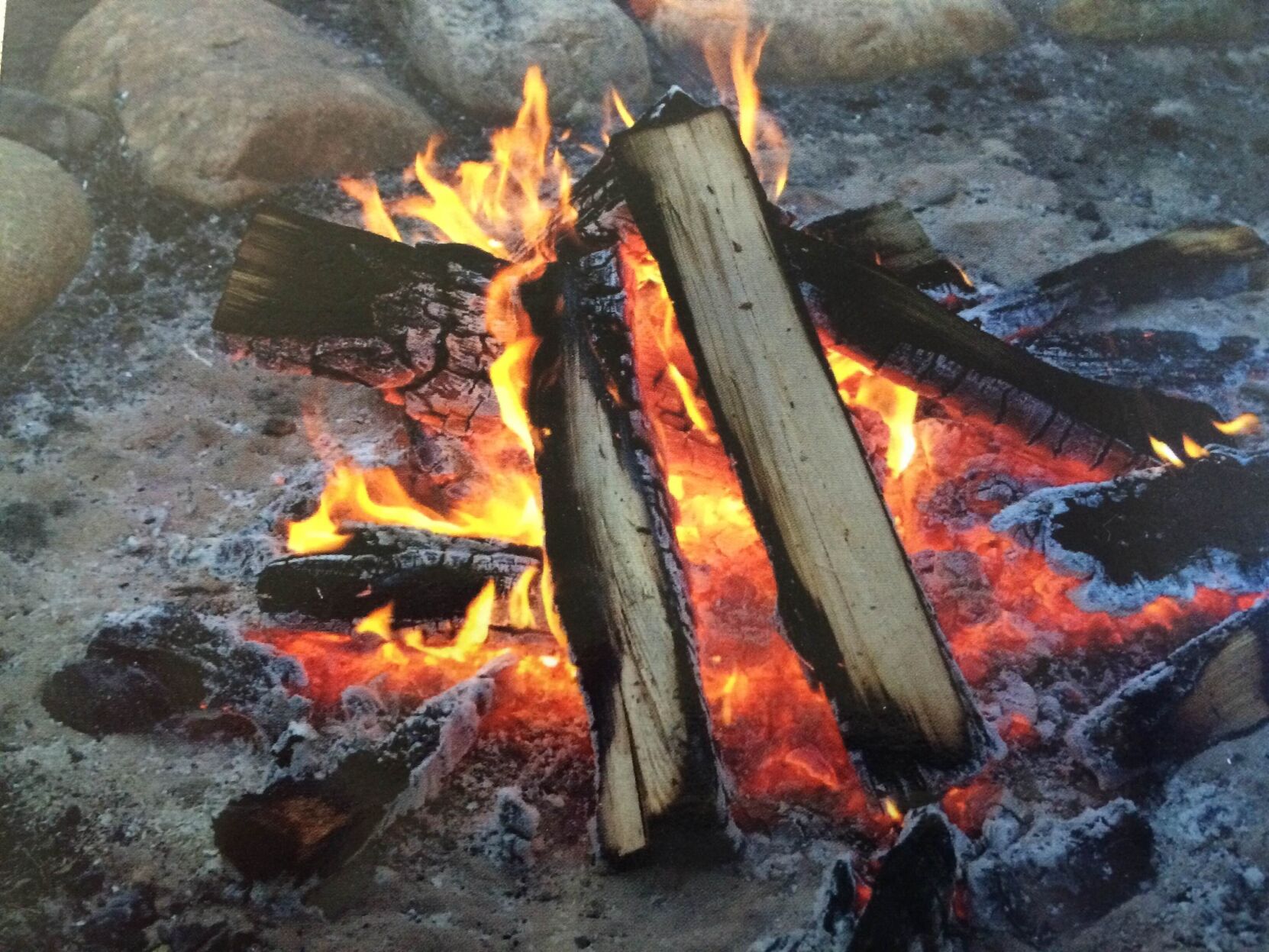
Campfire Cooking Outdoors U.S. Forest Service Eco-Friendly Backpacking Tips
Courtesy of the U.S. Forest Service
If you’re cooking over a campfire, Smokey Bear’s adages apply: Be aware of fire restrictions and put out embers by shoveling dirt over them. But, especially for newbies, it may be best to put down the matches altogether. “Things can get out of control,” McDaniel says. “People don’t know how to build them or where to build them properly.”
She recommends bringing a small backpacking stove like an MSR Pocket Rocket. “I love it because it’s really light,” she says. “The downside is [they require] single-use white gas fuel canisters, which is fossil fuel, but they tend to last quite a while. That’s one of those sacrifices that I’ll make, knowing that it’s less impactful to do that than potentially deciding to build a campfire in an area where I shouldn’t and burning the forest down.”
Most campers know that safety and securely storing food is integral to avoiding unwanted animal visitors. But even water used to cook food needs to be properly disposed of.“If animals get too used to, ‘Oh, look, somebody dumped their water from their dehydrated meal over here and I can eat it,’ then it’s going to attract bears,” McDaniel says. At home, many of us drain the starchy water from pasta or oatmeal down the sink, but it’s completely safe to drink (and nutrient-filled and hydrating, to boot!).
Keeping bears at bay isn’t just safer for humans—it keeps the animals safe, too. Wildlife services have had to euthanize bears who became dependent on human food sources and attacked people as a result.
National Park Service Trash How to Clean Eco-Friendly Backpacking Tips
Courtesy of the National Park Service
Even seemingly innocuous items like toiletries and soaps can create waste and have environmental impacts. To avoid extra packaging, Carney says she goes to zero-waste grocery stores like Earthwell Refill, The Mighty Bin, and The Nada Shop to refill reusable glass bottles with hygiene products and buy toothpaste tablets, shampoo strips, and biodegradable soaps.
But, McDaniel adds, it’s important to be aware of greenwashing. Just because a label says biodegradable doesn’t mean the product is safe to use however you want.
Many of these products “still have phosphates in them,” she says. “When phosphates get into natural waterways, they cause a nutrient overload which leads to eutrophication—essentially a process that [creates] harmful algae blooms that choke out natural plant life and then, eventually, natural fish life, as well. You don’t want any sort of phosphate soap directly in waterways. Your best bet is to use a natural bar of soap that’s made with olive oil and shea butter.”
Still, she says, never wash things directly in waterways. Instead, bring a collapsible bucket and rinse off clothing, dishes, and yourself 50 to 100 feet away from the waterway. “Then you can dump your natural soap in the brush and it’ll break down just fine,” McDaniel continues.
The same goes for brushing your teeth—even when using natural toothpastes, never spit directly into waterways.
Leave No Trace Toilet Paper Eco-Friendly Backpacking Tips
Courtesy of Leave No Trace
Gone are the days when backpackers would just dig a hole and do their business, McDaniel says. Now, popular camping areas require what’s called a “wag bag”—and, even if it’s not mandated, McDaniel recommends it.
Wag bags are sealable, disposable bags used to store dirty toilet paper… and other things. “If you have to go poop, you poop in it,” McDanel explains. “With so many people going out into the woods, [waste left in nature] is going to keep piling up. So the recommendation now is to always pack out your waste.”
This post contains affiliate links to products and services. We may receive compensation when you click on links.
Claire Trageser has been writing for San Diego Magazine for 10 years. She also is a reporter at KPBS and writes for The New York Times, National Geographic, Marie Claire, Elle and Runner's World.
Scripps study shows that some patients may be able to taper their dose and maintain results
While glucagon-like peptide-1 (GLP-1) receptor agents have been used to treat Type 2 diabetes for more than 20 years, their recent emergence as weight-loss wonder drugs marked a new frontier in medicine. But their effectiveness has left some patients wondering what to do once they’ve reached their goal. Stopping the medication could mean regaining some, if not all, of the weight. A Scripps Clinic internal medicine physician recently conducted a small study of whether GLP-1 patients who had reached their goal weight could maintain that weight by taking their regularly prescribed injection every other week instead of weekly. Spoiler alert: 30 of 34 patients did. Read more about the study here and what that may mean as pharmaceutical companies roll out oral GLP-1s.
For more nutrition, wellness, and healthy living tips, sign up for the San Diego Health newsletter here.