

Things to Do
Island-Hopping Through French Polynesia
Read article

Featured articles
Food News
Food & Drink

Food & Drink
Featured articles
Everything SD

Everything SD

Features
Featured articles

Things to Do
Things to Do

Things to Do
Featured articles

podcast-ep

podcast-ep

podcast-ep
Featured articles
Features

Features

Features
Featured articles
Things to Do
Food News
Partner content

Learn more about our editorial ethics, how we work to earn reader trust, and what we do when we get something wrong
San Diego Magazine has been the guide to life, people, institutions, and culture of San Diego County since 1948. We do it the old-fashioned way—deeply researched, high-quality storytelling, with real human voices, honesty, and facts as the core of everything we do. We’d rather do it right than do it first.
These standards govern our news reporting, features, reviews, recommendation lists, and newsletters. Different kinds of stories require various methods, and this policy says where those methods differ. What does not change is the obligation: Readers should be able to tell how we know what we say we know. A human writer is accountable for every piece we publish.
We verify factual claims before publication. In practice that means:
When we get something wrong, we correct it. See Corrections, below.
We prefer named sources and grant anonymity only when there is a legitimate reason and the information is important, credible, and can be verified. We do not allow anonymity simply so someone can criticize another person or organization without accountability. Once we promise confidentiality, we honor it.
We identify ourselves as journalists and are transparent about why we are reporting. Interviews are on the record unless the reporter and source agree otherwise beforehand. We record interviews only with participants’ knowledge and follow California law regarding consent. We do not pay sources for interviews or information.
We do not plagiarize, fabricate, or present others’ work as our own. Reporting, language, images, and ideas from another outlet are credited. We do not invent quotes, sources, characters, or scenes. Press releases and other supplied materials are starting points, not original reporting. When we publish supplied material substantially unedited, such as a community announcement or business listing, we clearly label it as such.
We do not publish AI-generated or AI-altered images, audio, or video that a reader could reasonably mistake for a photograph or recording of a real event, person, or place. Where a generated image is used as an illustration, it is labeled as such in the credit.
We do not publish AI-generated text as reporting. AI tools may assist with transcription, research, data processing, and production tasks. The reporting, the verification, the judgment, and the writing are done by people, and the accountable editor is a person.
Honesty and the trust of our audience is the only thing that matters at the end of the day. As such, advertisers, sponsors, underwriters, event partners, and commercial clients have no influence over what we cover, how we cover it, or whether a story runs.
Branded and sponsored content. San Diego Magazine produces branded content through Here We Are, our creative studio, and publishes sponsored and partner material. All of it is clearly and conspicuously labeled as sponsored, advertising, branded, or partner content; is visually distinguished from editorial.
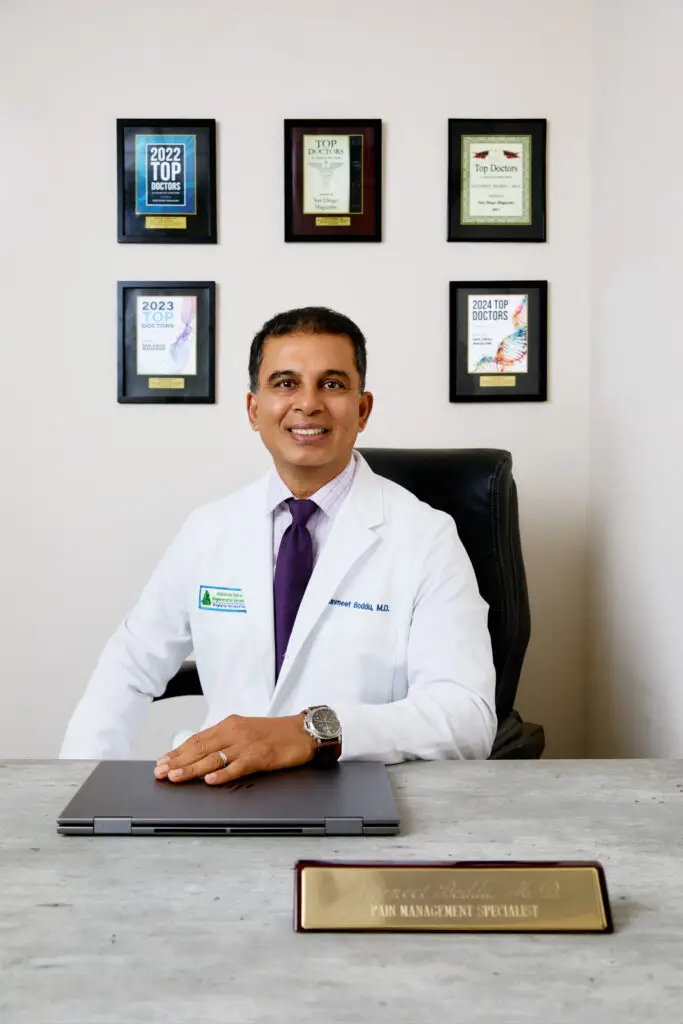
Whether Best Of, Best Restaurants, Top Doctors, reader polls, and awards programs—placement on any San Diego Magazine list, ranking, or award is never for sale. Nominees, finalists, and winners are not selected on the basis of advertising, sponsorship, or event participation, and buying advertising cannot secure or improve a placement. Businesses that appear on our lists may separately purchase advertising or licensing rights to promote the honor; that purchase happens after selection and has no bearing on it.
Affiliate links and commerce. Where we earn a commission on purchases made through links in our stories, we disclose it. Commission potential does not determine what we recommend.
Our ownership and full masthead are publicly listed on our About page. Staff and contributors disclose to their editor any financial, personal, professional, or familial relationship that could reasonably be seen to affect their reporting—including employment, board service, consulting, investments, and close relationships with people or organizations they cover. Where a conflict cannot be avoided, we reassign the story or disclose the relationship to readers within it. Where a director, executive, or editorial staff member has a business or personal interest in a subject we are covering, we disclose it in the story.
We believe in fair and honest critiques, never mean-spirited or with any agenda besides honesty, critical thought on culture. Aside from reviews that are designed to be independent opinions, when our reporting is critical we seek comment from any person or institution. We describe to them the substance of what we intend to publish about them so their response can be meaningful. We give them a reasonable opportunity to respond before publication. When someone declines to comment, does not respond, or could not be reached, we say so.
We do not provide copy, headlines, or drafts to subjects for approval before publication. A reporter may read back a specific quote or technical passage to confirm accuracy; that is a verification step, not a right of review.
We take care with people who are not public figures and did not seek attention—crime victims, minors, private individuals caught up in news events—and we weigh the public interest against the harm publication may cause them. We are cautious about naming minors and about publishing identifying details that could put someone at risk.
We treat people we cover as we would want to be treated: we tell them what we are doing, we quote them in context, and we do not ambush them.
—
Our policy is to correct errors promptly.
Email [email protected] with the headline, the publication date, the specific error, and—if you have it—a source for the correct information. You may also write to San Diego Magazine, 1230 Columbia Street, Suite 800, San Diego, CA 92101.
Any journalist who learns of a possible error notifies an editor immediately. An editor reviews the claim against the original reporting and sources and decides what is warranted. If we got it wrong, we fix it.
Where an error was carried in a newsletter, a social post, a headline, a photo caption, or a print edition, we correct it in that place too.
We do not remove published articles at the request of a subject, and we do not remove or alter coverage in exchange for payment, advertising, or any other consideration.
In rare cases involving a demonstrated risk to someone’s safety, a legal requirement, or a serious factual failure that cannot be remedied by correction, an article may be unpublished by the content chief. Requests to update older stories for valid reasons (personal safety, a significant change in facts presented in the original article) are considered case by case by a senior editor.
We review this policy annually.
[Last Updated: 8/21/26]
