


Food & Drink
Copper Cowboy Is Bringing Western Flair to the Gaslamp Quart...
Read article

Featured articles

Food & Drink

Food & Drink

Food & Drink
Featured articles

Everything SD

Everything SD

Everything SD
Featured articles

Things to Do

Things to Do

Things to Do
Featured articles
podcast-ep

podcast-ep
podcast-ep
Featured articles

Features

Features

Features
Featured articles
Food & Drink
Food & Drink
Food & Drink

The Serial podcast host spent a year documenting the fault lines of a typical American courthouse
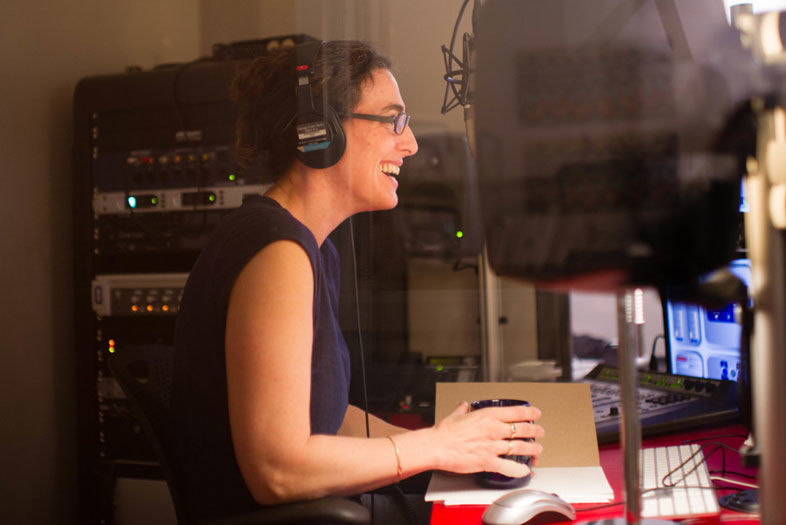
Sarah Koenig is a former executive producer of This American Life and creator of Serial, a massively popular, Peabody Award–winning podcast that follows one story or topic all season long. Koenig was kind enough to chat with us ahead of the San Diego Workforce Partnership Opportunity Summit on May 2, where she will be delivering the keynote address, “The Vortex of Justice Involvement for Young Adults.”
Sarah Koenig: The most recent season of Serial documented a year of the churn of criminal justice in Cleveland, Ohio, and the last two episodes have to do with the juvenile system. The workforce partnership wanted me to come and talk about some of the stuff I learned for that story. The summit is about opportunities for youth, and there’ll be a lot of kids in the audience, which is great. I think they heard a lot of echoes of Cleveland’s experience in California, and really, there are very similar issues in juvenile justice all over the country.
SK: I think so. I haven’t done a survey or anything; I don’t want to talk about something I haven’t researched myself, but—it’s funny, this guy just sent me a book of photographs of kids in juvenile prison all over the country, each with some quote from the youth about how they got there, and the most distressing thing about it was how interchangeable the stories are.
SK: There are so many it’s hard to know where to begin. People don’t understand that only a tiny percentage of cases go to trial. Really tiny. Which means that the vast, vast majority of cases aren’t being picked apart and scrutinized to the degree that we expect from our system. No one is pushing back, and most of them end in plea bargains. People don’t appreciate what that does to the level of justice. Another thing is, in juvenile justice, people assume kids are getting help and being rehabilitated, which…
SK: [Laughs] I, um, yeah. Not so much. And people believe that if you’re in prison, it’s because we’ve decided there’s no other way to deal with you or that you’re too dangerous to be out in the world. When you look carefully, that’s not really the case.
SK: Yeah, I think this is a problem we haven’t figured out how to deal with as a society. People do horrible things, people can be dangerous and vicious. But the punishment we’re meting out as a country on a daily basis—in almost every jurisdiction across 3,000 counties, each with its own criminal justice system—is often not commensurate with the crime itself, or with the level of investigation. To have real, meaningful reform, we have to confront the fact that we’ll have to be merciful to people who have raped, who have killed. That’s the part we don’t want to think about. So there’s a ton of focus on juveniles, or drug addicts, or the wrongfully convicted or the mentally ill, because they’re easier to feel sorry for. We have to deal with the entire thing for any profound change to happen.
SK: [Laughs] I don’t know! And that’s what we’re struggling with. But the good news is that we’re even talking about that question now, more than at any other time in my life.
SK: I thought we’d have to really search around for cases that would show us the fissures and breaks of the system—that they wouldn’t be so obvious—and no, it’s everywhere! And the people working in the system are so used to it, operating inside layers and layers: the law, the customs of their jurisdiction, the internal culture of where they are, that… It’s not that they don’t see it, but it’s like “Well, we do our best and in the end it all kind of works out.” That surprised me.
SK: Yes, that happens. There are safeguards in place for when certain actors go completely haywire, but you have to go really extreme for them to kick in. And it’s not just the judge, right? It’s also, is the prosecutor having a good day? The defense attorney, the court clerk, the bailiff? We think of it as a machine, but it’s not. It’s subject to all the vagaries and influences that any human system is. And that’s good and bad. You want there to be human discretion, you want there to be leeway to deviate from when the law doesn’t get what’s happening. But there’s also the other danger—that someone’s just an asshole.
SK: Oh, intensely—I cut all the tape. I’m not mixing the sound levels, but I’m doing all of the content, every word and comma. What we do is super collaborative. I’m structuring my tape and tape from our other reporter, Emmanuel Dzotsi; I’m writing the script, then I play a first edit for our executive producer, Julie Snyder. She makes changes and we go back and forth, and I only hand it over once we get to a final script.
SK: It was a huge learning curve to go from print to radio. I thought, “Well, I know how to do this: You talk to people, you get quotes, you plug the quotes into your story, The End!” And radio is really different. The pacing, the storytelling, the amount of information conveyed by a person’s voice is so different when you hear it. Writing toward and out of those pieces of tape is a wholly different skill from writing in and out of quotes on a page. Obviously, the kinds of stories we do at This American Life and on Serial are super conversational. It took me years and years to loosen up, and still, with every single episode I’m learning things.
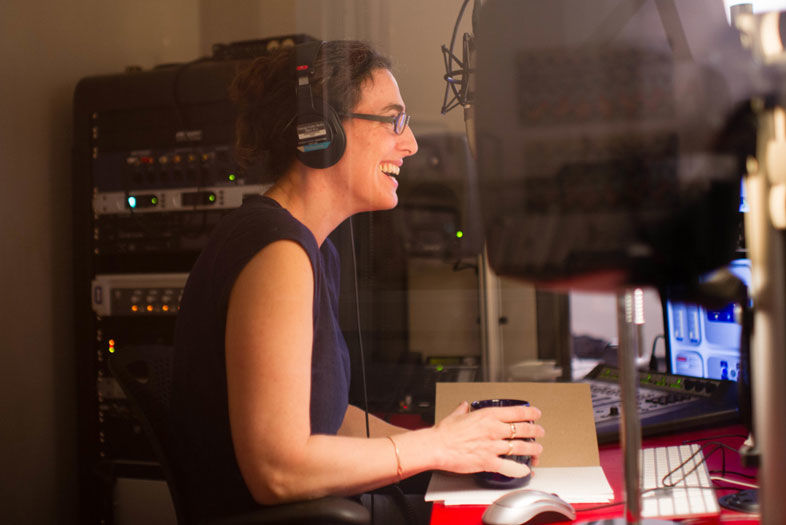
Sarah Koenig Clears Up Our Biggest Misconceptions About the Justice System
Photo: Elise Bergerson
