Originally from Africa, this houseplant is distinctive for its semi-rounded leaves crawling up a tall stem and beloved for its succulent characteristics (It’s tough as nails!). January Newland, founder of Wild Island Collective in Normal Heights, filled out our tip sheet on the ZZ.
The ZZ are awesome starter plants. They can take all conditions—very low light to high light and very low water to very high water. They’re tough to kill with overwatering, as well. Its preference is to grow faster in nice, bright light with occasional watering.
Lighting Requirements
They can withstand high and low light, as long as you adjust your water accordingly. Save the ZZ for your less lit corners, such as in a dimmer bedroom, to reserve those well-lit spaces for plants that need it.
Watering Requirements
When in low light, expect to water less. When in high light, expect to water more. Water from the tap is okay; you should run it through the soil every time the soil is fully dried out.
When its rhizomes (underground stems) begin bulging from the soil. The plant will start a few inches tall and its stems can get to about two or three feet, which is pretty high in the houseplant world.
For thousands of years, the Kumeyaay who lived in this area called a mountain south of Julian Cush-pii, meaning “sharp peak.” Then, after the Civil War, Confederate sympathizers saw that same mountain and decided to rename it Stonewall Peak—after General Stonewall Jackson. The name stuck for nearly a century and a half, until Cuyamaca Rancho State Park announced earlier this year that the name will return to its original, Cush-pii. Hike to the summit for expansive views of the Coronado Islands to the west and Mexico to the south.
Courtesy of Culture Shock San Diego
Best Pop and Lock Spot
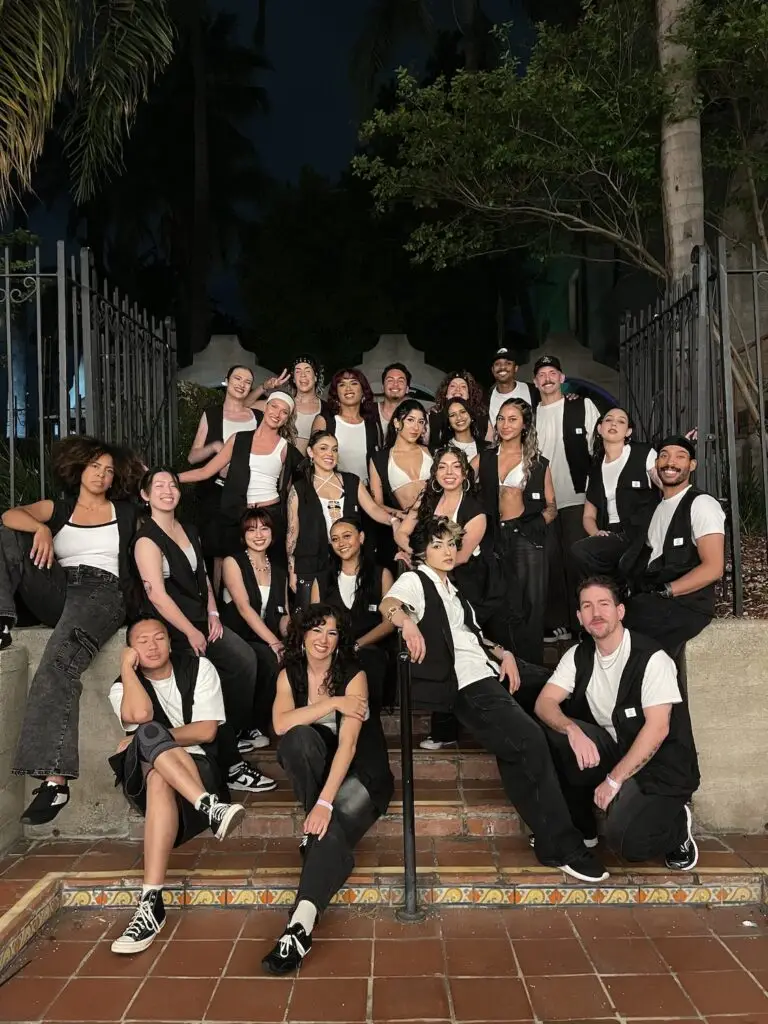
Culture Shock
In 1993, Angie Bunch gathered a group of hip-hop dancers—called Culture Shock Dance Troupe—and gave them a space to practice and perform. As hip hop grew through the ’90s, so did Culture Shock. It has since become a nonprofit, a space for young and old, beginner and expert dancers. Culture Shock has also expanded to Los Angeles, Oakland, Las Vegas, Chicago, Atlanta, New York City, and Washington, D.C., as well as Ottawa and Toronto, Canada.
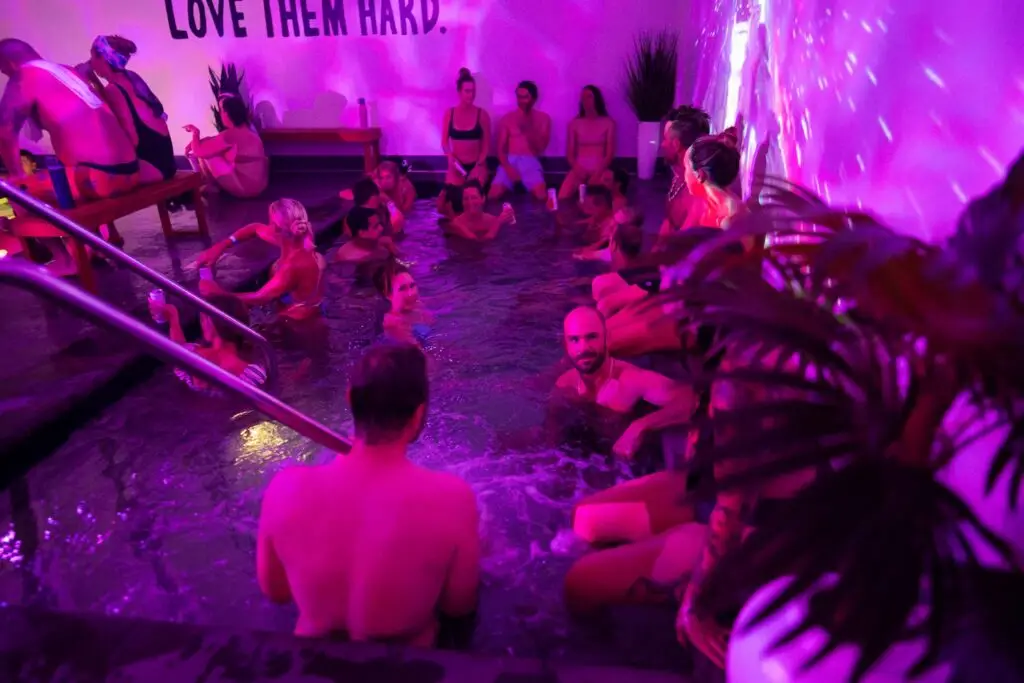
In 2019, Amanda Leach created the Yoga Box method, which takes high-energy flows and adds strength-building poses in heated, vibey, lava-lamp-lit studios. What started on Grand Avenue in Pacific Beach has spread to 15 locations across the county, with even more trickling into Denver, Chicago, and Brooklyn. The best part? Mindfulness newbies who can’t touch their toes and six-packed contortionists can hang in the same class. You can customize each session based on your ability and fitness level.
Courtesy of Fit Athletic Club
Best Leg Day Turned Social Hour
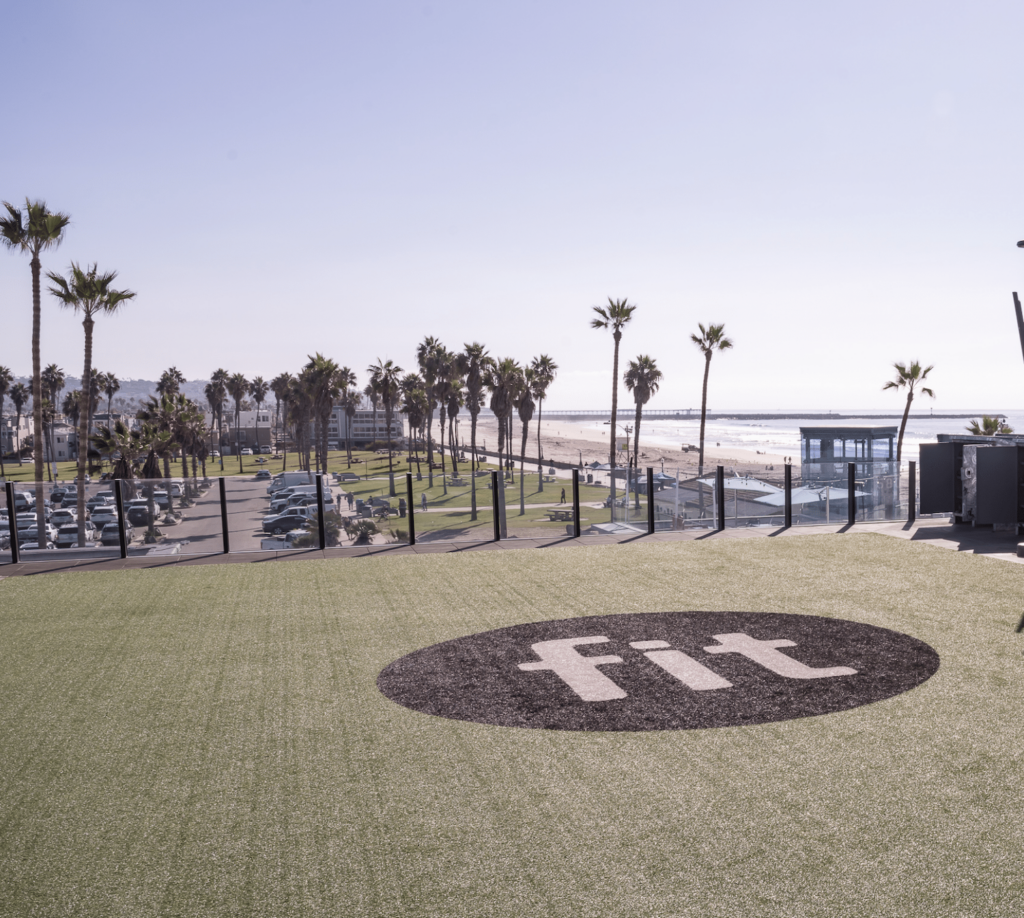
Fit Mission Beach
A gym taking over a historic beachfront pool sounds like the setup for a new season of Love Island, but Fit Mission Beach operating the nearly 100-year-old Plunge at Belmont Park is real. The independent fitness brand has spent the past several years building a loyal following through group fitness classes, community events, and a members’ social club overlooking the ocean. Upstairs, members can work remotely, meet friends, or hang out long after their workout ends. Between the Plunge, the coworking-style lounge, and a packed calendar of events, Fit has evolved into something bigger than a gym. It’s a clubhouse for San Diego’s fitness crowd.
Best Place to Learn What a Vagus Is
Breathe Degrees
The wellness world is finally transitioning away from HIIT workouts and cult-like spin classes, where your heart rate hits Zone 5 within minutes and stays there until cooldown. Good. At Breathe Degrees, wellness takes the form of zenned-out communal breathing sessions or vagus nerve–activating cold plunges. Breathwork is said to boost your mood in the short term and improve your heart health in the long term, and maybe that’s why everyone’s coming back for more. You can’t run into someone in Carlsbad who hasn’t dropped into at least one breathwork session, and now the studio has opened a second location in Liberty Station.
Photo Credit: Shot On Us
Best Pilates Studio for People With Tiny Roommates
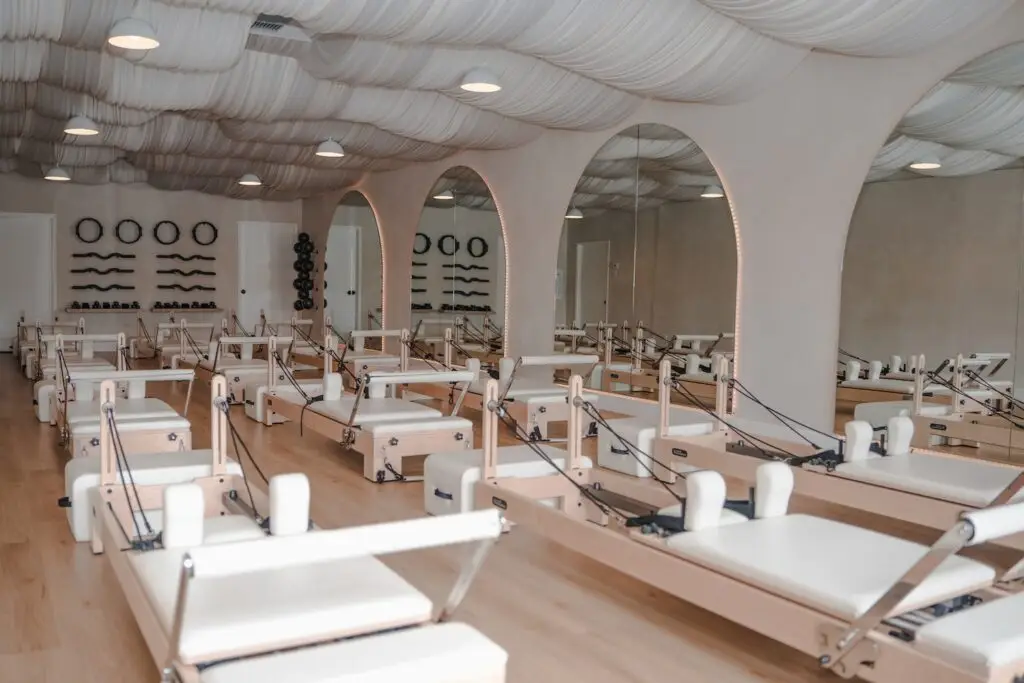
Soul Pilates and Care
Pilates wasn’t just popular this year; it was practically a requirement for maintaining your San Diego residency. New studios seemed to appear weekly across San Diego, each promising stronger cores and better posture, but Soul Pilates and Care found a way to stand out by addressing a challenge many parents know well: finding time to exercise at all. Fitness doesn’t have to compete with parenting responsibilities. Parents can drop their kids off with trained caregivers while they head into reformer classes, eliminating one of the biggest barriers to working out. The studio has earned strong reviews for both its instruction and family-friendly approach.
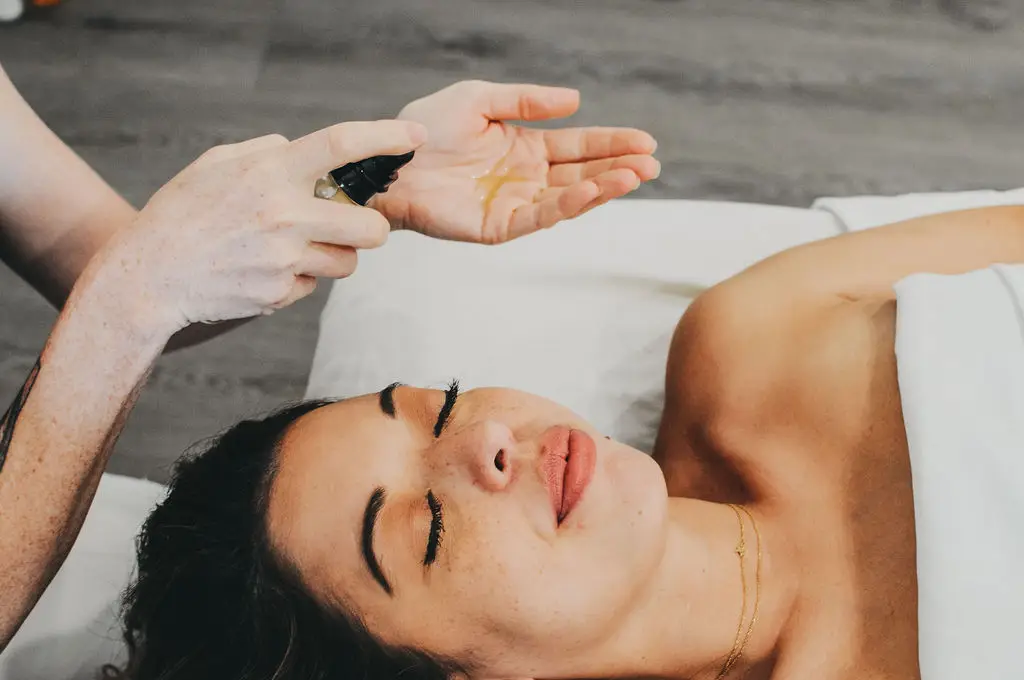
The Hotel del Coronado’s sweeping $550 million restoration touched nearly every corner of the historic resort, but one of the most anticipated unveilils was the debut of its redesigned spa. The oceanfront wellness destination now features 21 treatment rooms, a relaxation lounge, a sauna, steam room, and a treatment menu inspired by the coastal environment just steps away. The redesign blends the Del’s Victorian legacy with a cleaner, more contemporary aesthetic, creating a space that feels distinctly SoCal rather than generic luxury hotel. For locals who don’t have time for a vacation, it’s the next best thing.
Best Cheers Without Beers
Good News Bar
As non-alcoholic beverages continue their meteoric rise, Good News Bar has become one of San Diego’s most compelling arguments for a booze-free evening. The University Heights hotspot serves a menu of carefully crafted zero-proof cocktails that borrow techniques and ingredients from traditional cocktail programs (it’s not just fancy juices and soda water), minus the hangover. The space also hosts regular community events and has quickly become a gathering place for everyone from sober San Diegans to the merely sober-curious. In a nightlife industry built around alcohol sales, Good News proved there’s plenty of demand for connection without the buzz.
In Mexico for a wedding, a friend got a tourist-level sunburn. One of San Diego’s top restaurateurs—Arturo Kassel, founder of Catania and Gravity Heights—was on hand. He made a joke about how basic sunscreen literacy seems to be a male-pattern blindness.
“I said, ‘You know what? I’m going to start a men’s sunscreen brand, and I’m going to call it 4-Skin—because men are dicks and they need to cover up,’” he explains. “We spent the whole weekend thinking of puns and innuendos for this hypothetical brand we were never actually going to launch.”
The joke refused to die. Days later, one of the Mexico-wedding friends—a top marketer in the city—called Kassel and said the highly intentional dude humor might have a couple top notes of genius. So Kassel did a little digging into men and very basic skincare/sunscreen usage. Turns out, 1 in 29 are at risk of developing melanoma compared to 1 in 40 women.
“I was shocked to learn that only about one in 10 men actively use sunscreen, and that’s at the beach, on the golf course, or at the pool, when you’re going to get fried,” he says. “Daily use is essentially nonexistent.” During the process, Kassel became part of the story.
“My dermatologist called and told me I had basal cell carcinoma,” he says. “At that point, it went from being a business to a very personal mission. I became determined to move the needle when it comes to men’s apathy toward sunscreen.” And so—hundreds of hours later, including a still-going crash course on launching a CPG brand—a local restaurateur launched a jarringly named sunscreen and moisturizer for men. Broad spectrum, high-quality, SPF 50, lightweight, goes on clear, all the things. The daily-use morning routine version is called Morning Rub. Of course it is.
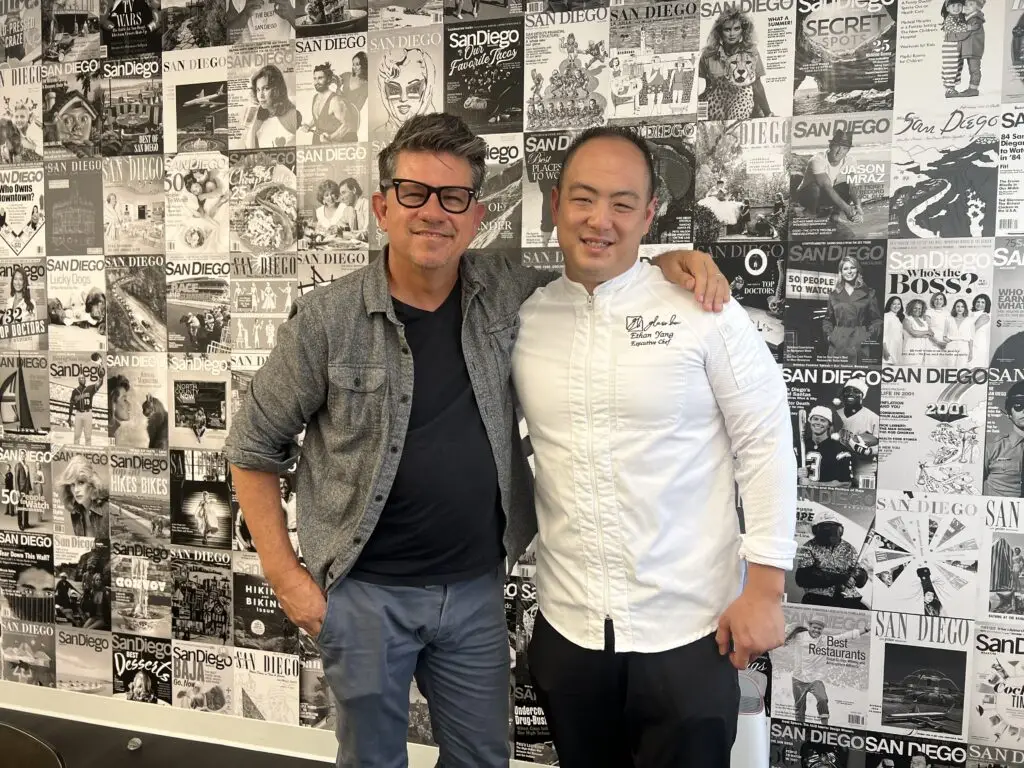
Kassel reached out to his friend Troy Johnson—San Diego Magazine co-owner and co-founder of Here We Are Studios,—to collaborate on creating two commercials for the brand. They launched July weekend. Friends went down to the beach to talk to strangers about their 4-Skin. Awkward, funny, and if all goes to plan: making men rethink their relationship to the blazing ouchie star in the sky.
“4-Skin is funny as a brand, but there’s nothing funny about skin cancer,” says Kassel. “That’s the one-two punch: we got your attention, maybe we made you laugh. And now we can tell you something that might extend your life.”
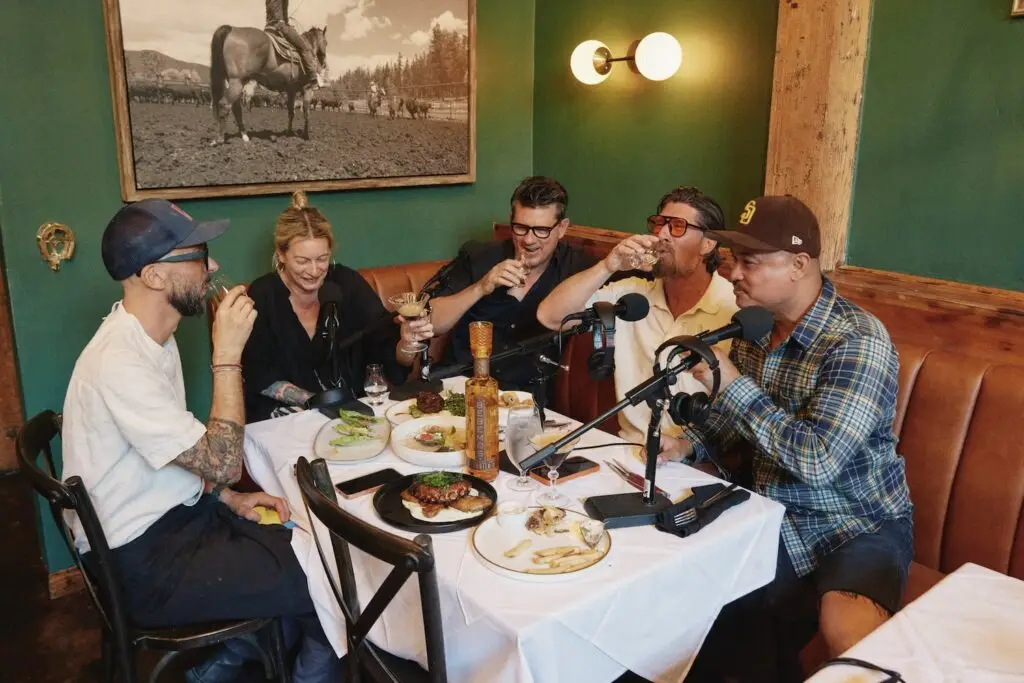
For this special-edition podcast from Here We Are Studios, Troy and Arturo sit down and tell the entire story of how a joke became a brand with a serious mission.
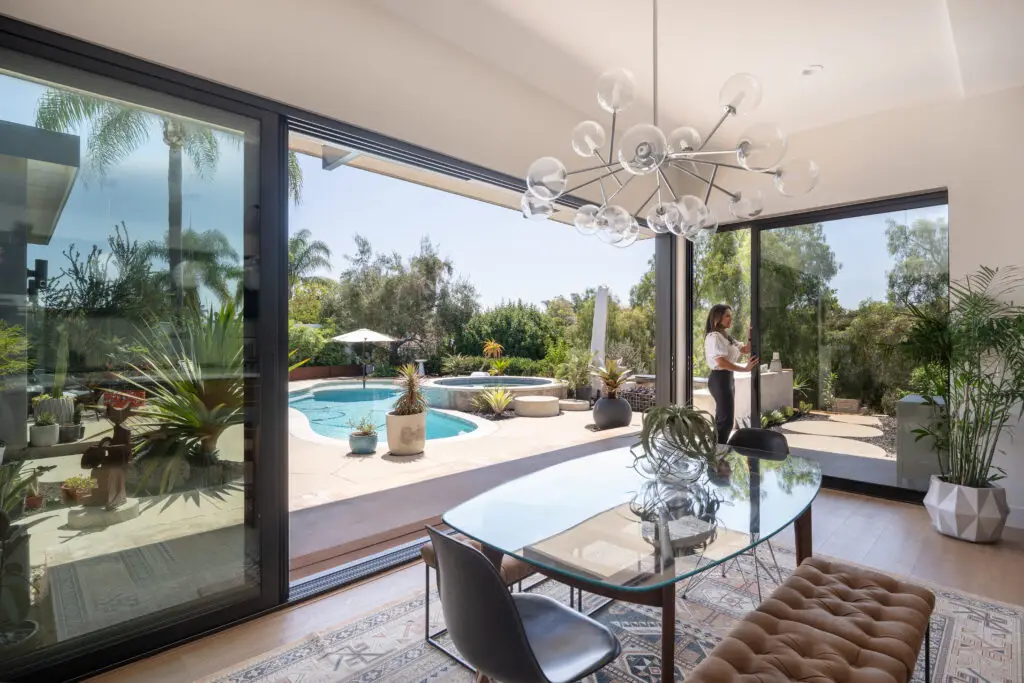
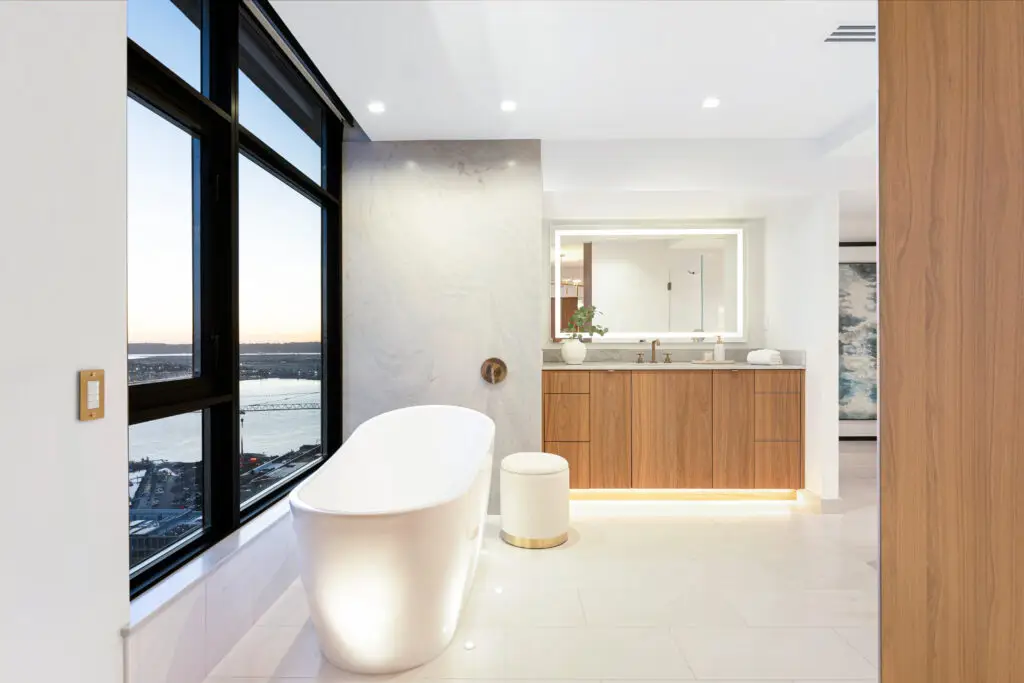
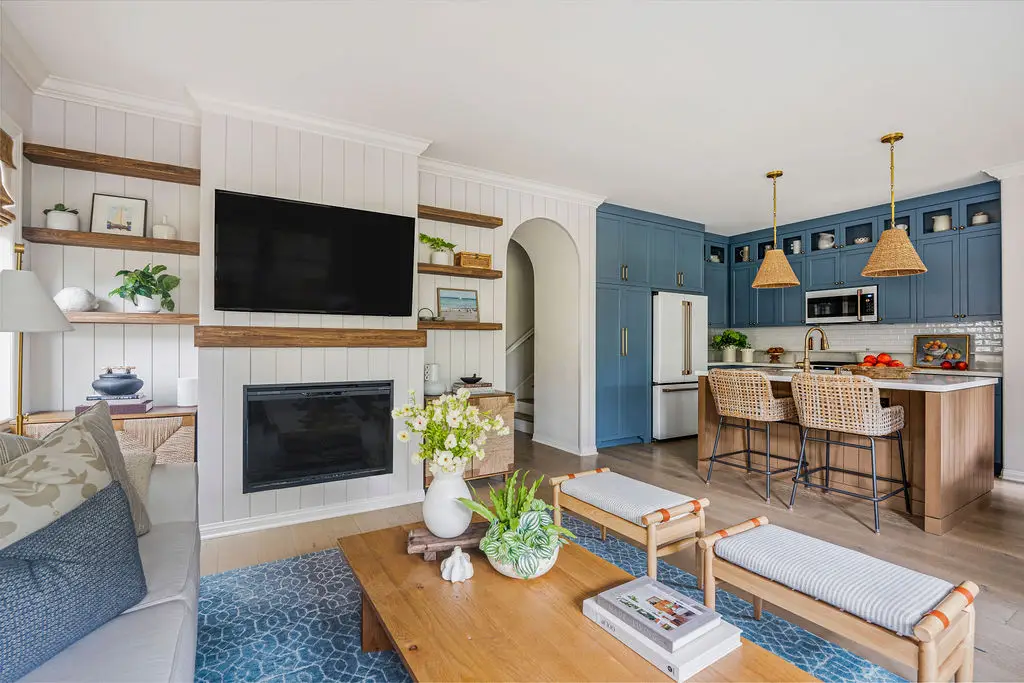
A perfectly designed home rarely happens by accident. Those kitchens that feel effortless and rooms that seem to tell a story the second you walk in? They’re usually the work of someone who knows exactly what they’re doing.
It’s knowing which ideas will actually work, which materials will hold up over time, and how to turn a collection of choices into a space that feels intentional. That’s where a professional interior designer comes in.
For the American Society of Interior Designers (ASID) California San Diego Chapter, the goal is to help people see interior design as more than just the finished look. Behind every well-designed space is a process built on technical expertise. Designers are educated in everything from professional software and construction details to building codes, space planning, materials, and functionality.
Courtesy of ASID
“People don’t always realize how much goes on behind the scenes,” Kirsten Recce , current president of the ASID California San Diego Chapter, says. “Our designers are not just doing furniture placement and color selection and picking out new fluffy pillows. That’s not what they’re trained for.”
ASID members bring formal education, continued learning, and industry knowledge to their projects, helping create spaces that are not only beautiful, but designed to work. A paint color that changes completely depending on the lighting. A material that looks beautiful in a showroom but doesn’t make sense for everyday life. A layout that photographs well but doesn’t function for the people living there. These are the details where professional guidance can make all the difference.
Still, one of the biggest misconceptions about hiring an interior designer is that it’s reserved for massive renovations, luxury homes, or people who already know exactly what they want. The process can feel intimidating. Where do you begin? Is a designer worth the investment? What if you only need help with one room?
ASID’s answer: start with one hour.
ASID’s Spruce Up events break down one of the biggest barriers between homeowners and professional design: knowing where to begin. Held twice a year, the community program gives homeowners the chance to work directly with an ASID designer through a one-hour, $125 consultation in their own home. Whether you’re looking for advice on furniture placement, window treatments, kitchen and bath updates, remodeling ideas, vacation rentals, color selections or something else entirely, the upcoming September 2026 event offers an approachable way to get expert guidance before committing to a full project. Signups are open through Sept. 7, with consultations taking place Sept. 21 through Oct. 31. Proceeds benefit ASID San Diego’s educational and community programs. Register here!
Courtesy of ASID
“It’s a great opportunity for people who are in that exploratory phase,” Recce says. “Maybe they’re not sure they want to hire an interior designer yet, or they think it sounds daunting or expensive. This gives them a chance to discover what working with a designer is actually like.”
Design is personal. A good designer isn’t just creating a beautiful room; they’re helping create a space that fits the way someone lives.
“We’re a resource to all of San Diego County,” Recce says. “It doesn’t cost anything to pick up the phone and call and ask. We’ll answer.”
San Diego has always worshipped at the altar of good skin. Equal parts surf town, biotech hub, and wellness capital, it’s a city where lunch breaks become beach walks and sunscreen sits beside car keys by the front door. The products that get used here earn their place. With 266 sunny days a year and one of the highest rates of skin cancer in the country, we take skincare seriously. Dr. Bronner’s has been making soap in North County since the 1960s. Sun Bum was born in Encinitas and is now on shelves in over 70 countries. The tradition runs deep.
“Living in San Diego means your skin is exposed to sun almost every day of the year,” says Sue Zhang, M.D., a San Diego physician specializing in aesthetic medicine. “The products that tend to succeed here are the ones that can keep up with daily life, UV exposure, sweat, and movement, while still supporting long-term skin health.”
From a mineral powder that solves the sunscreen-over-makeup problem to an acorn oil serum rooted in Indigenous plant medicine, the local San Diego shelf is more diverse, and comprehensive, than most of us realize.
Courtesy of Kopari
Kopari
Sun Shield Body Glow SPF
A hydrating gel-oil hybrid that applies like a body treatment and leaves skin with a sheen that reads as healthy rather than oily. La Jolla–founded Kopari built its reputation on cold-pressed coconut oil sourced from family farms in the Philippines, and the Sun Shield Body Glow SPF is exactly that in summer form: coverage that doubles as skincare.
4-Skin
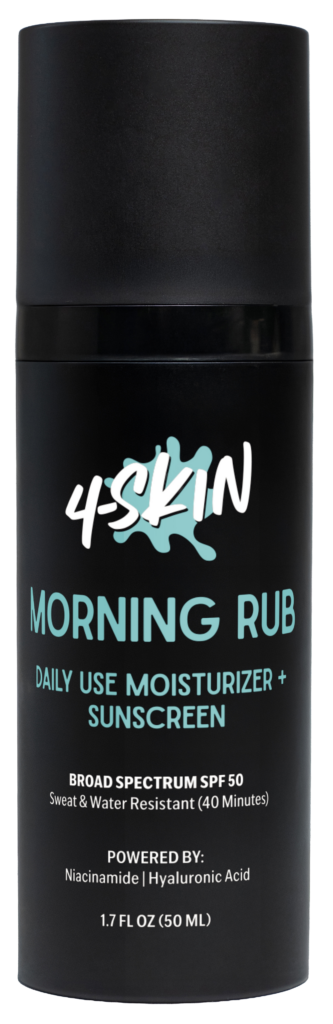
Morning Rub
The name is intentional. The founder got a basal cell carcinoma diagnosis that his dermatologist caught—she’s now his business partner. The question he couldn’t shake was why the skincare industry hadn’t yet figured out how to talk to men, and 4-Skin is the answer: a premium sunscreen and skincare line built around the kind of blunt, self-aware humor that gets guys to pay attention. Men’s skincare has needed this for a long time, and the formulas are serious enough to deliver.
Courtesy of Coola
Coola
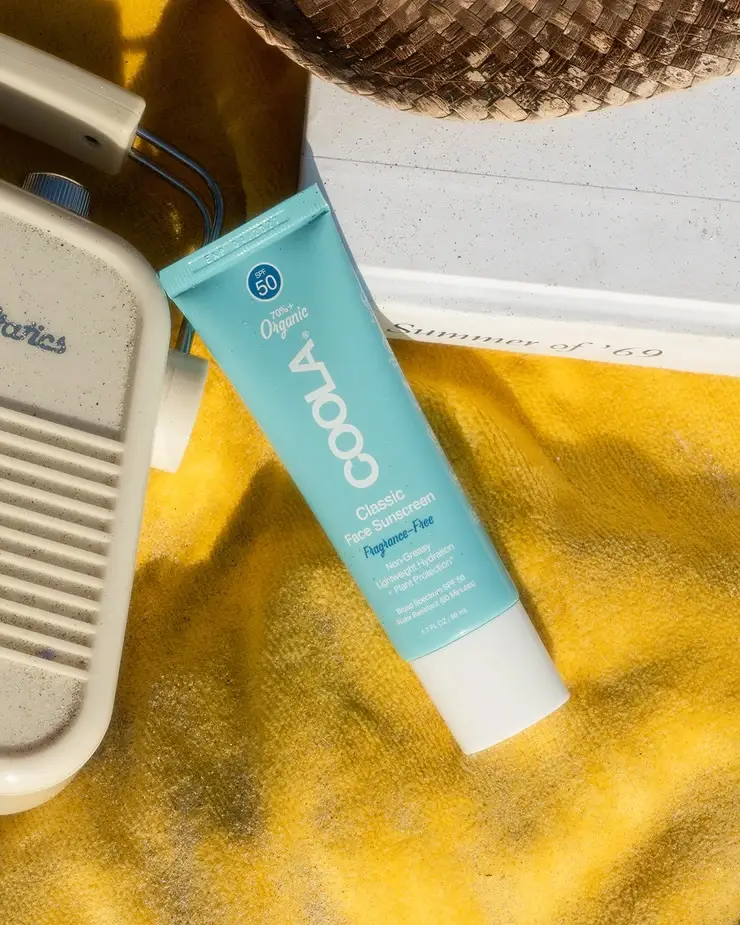
Classic Face Sunscreen SPF 50
Carlsbad-based Coola was formulating organic SPF before “clean sunscreen” was a marketing category, and the Classic Face Sunscreen is the brand’s thesis: protection that disappears into skin and layers cleanly under makeup. Sheer and lightly hydrating, it makes sunscreen easy to reapply before an afternoon walk at Torrey Pines.
Saffron and Sage
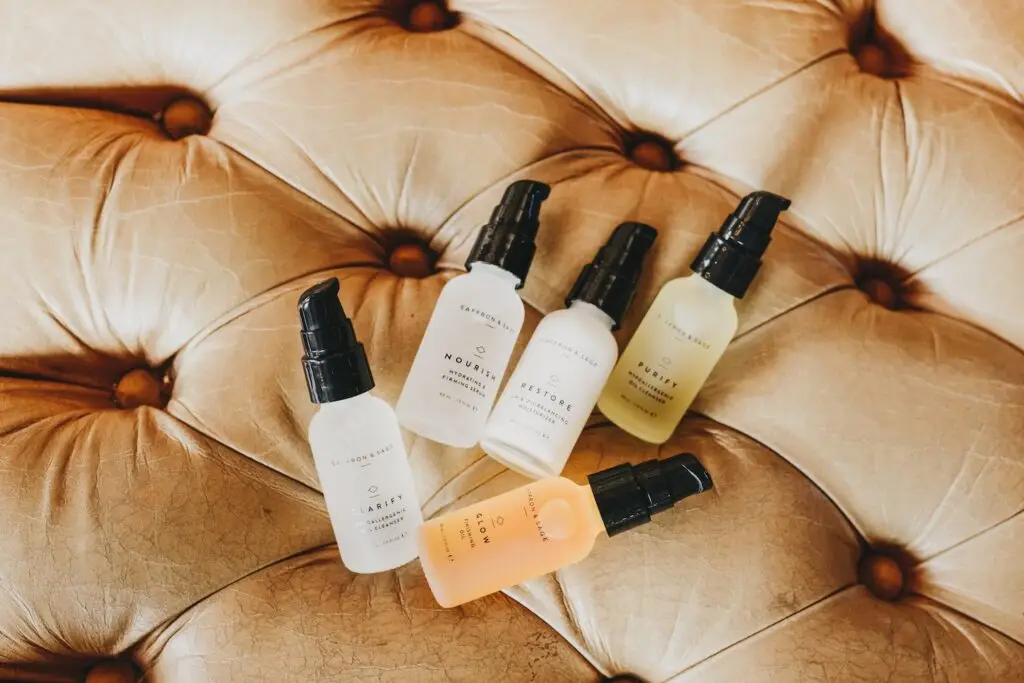
Glow Finishing Oil
Squalane, argan, jojoba, and CoQ10: a short ingredient list that does a lot. The Glow Finishing Oil from Mission Hills wellness sanctuary Saffron and Sage is plant-based, scientifically grounded, and formulated to absorb rather than sit on the skin. The brand started as an integrative health practice where acupuncture, naturopathic care, and functional medicine share a roof, and the skincare line runs on the same philosophy.
Courtesy of Alastin
Alastin
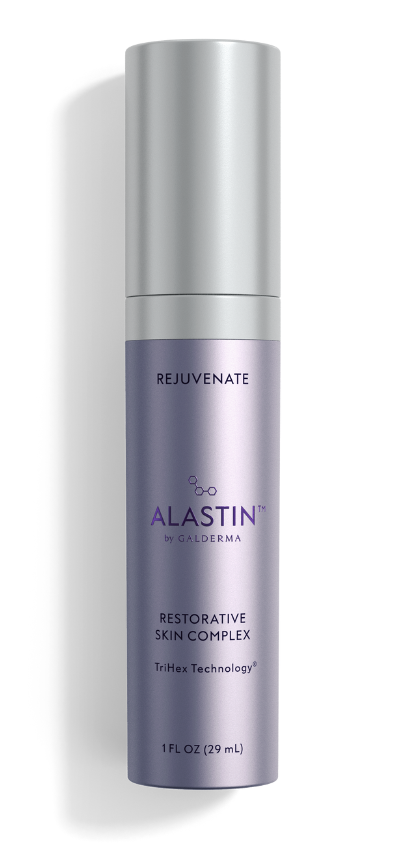
Restorative Skin Complex with TriHex+
The Restorative Skin Complex is powered by TriHex+, a patented peptide blend developed by Carlsbad-based Alastin’s team of SkinMedica veterans. It promises to clear out damaged collagen and elastin while supporting new production, the kind of gradual improvement that makes a product hard to quit.
Beldi is a multi-functional cleansing tradition rooted in Moroccan hammam culture, dating back over 12 centuries. Alia Jouj is the brand’s flagship product, and San Diego–based founder Dr. Mia Chae Reddy built a brand around it. Alia Jouj uses 100 percent organic, cold-pressed argan oil and the same ancient saponification method to produce a honey-thick liquid cleanser that softens skin without stripping it.
Courtesy of N8iV Beauty
N8iV Beauty
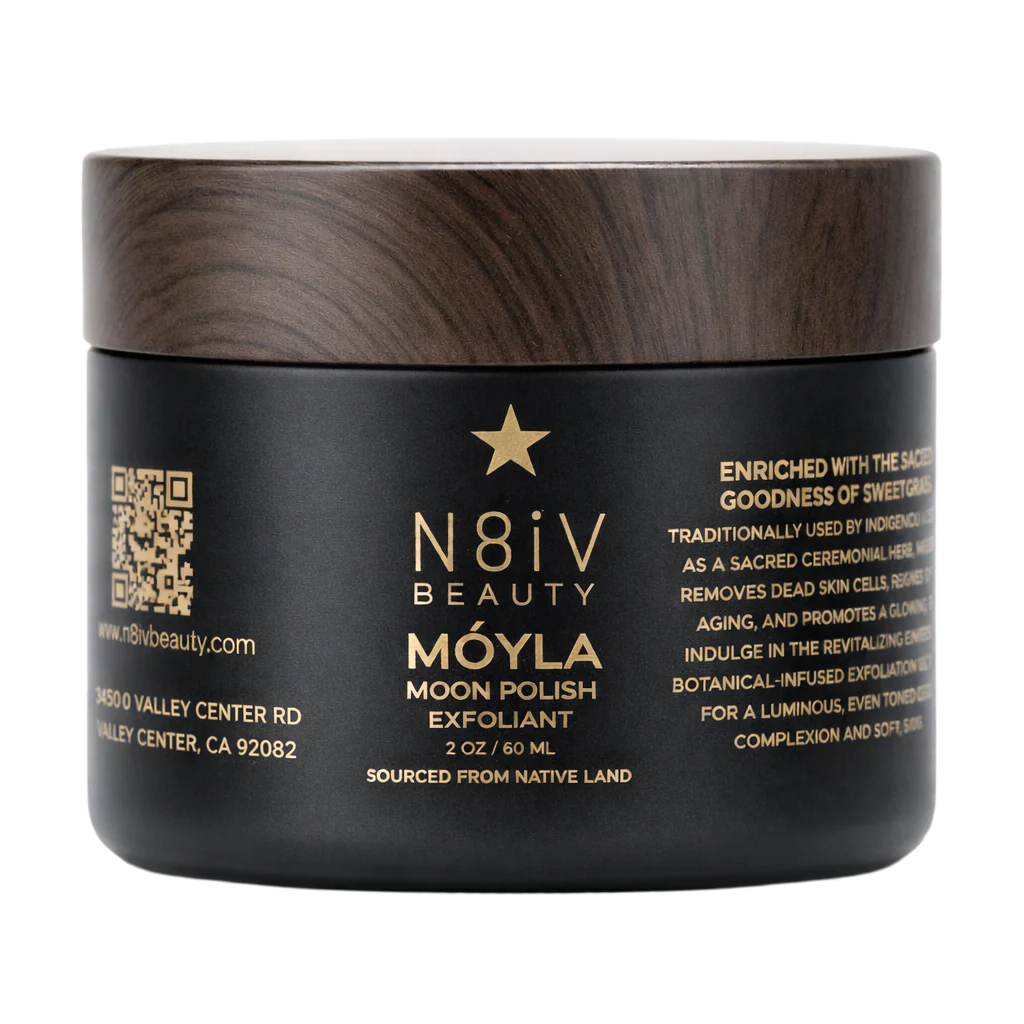
Móyla Moon Polish
Acorn oil has been used by California’s Indigenous communities as plant medicine for generations. Ruth-Ann Thorn, an enrolled member of the Rincon Band of Luiseño Indians, built N8iV around it as the first Native American–owned skincare brand to reach the national mainstream. The Móyla Moon Polish, named for the Luiseño word for moon, is an exfoliant centered on acorn oil Thorn gathers herself each year from the La Jolla reservation. Find it at the Gaslamp Quarter store Thorn owns at the historic Yuma Building.
Courtesy of Colorescience
Colorescience
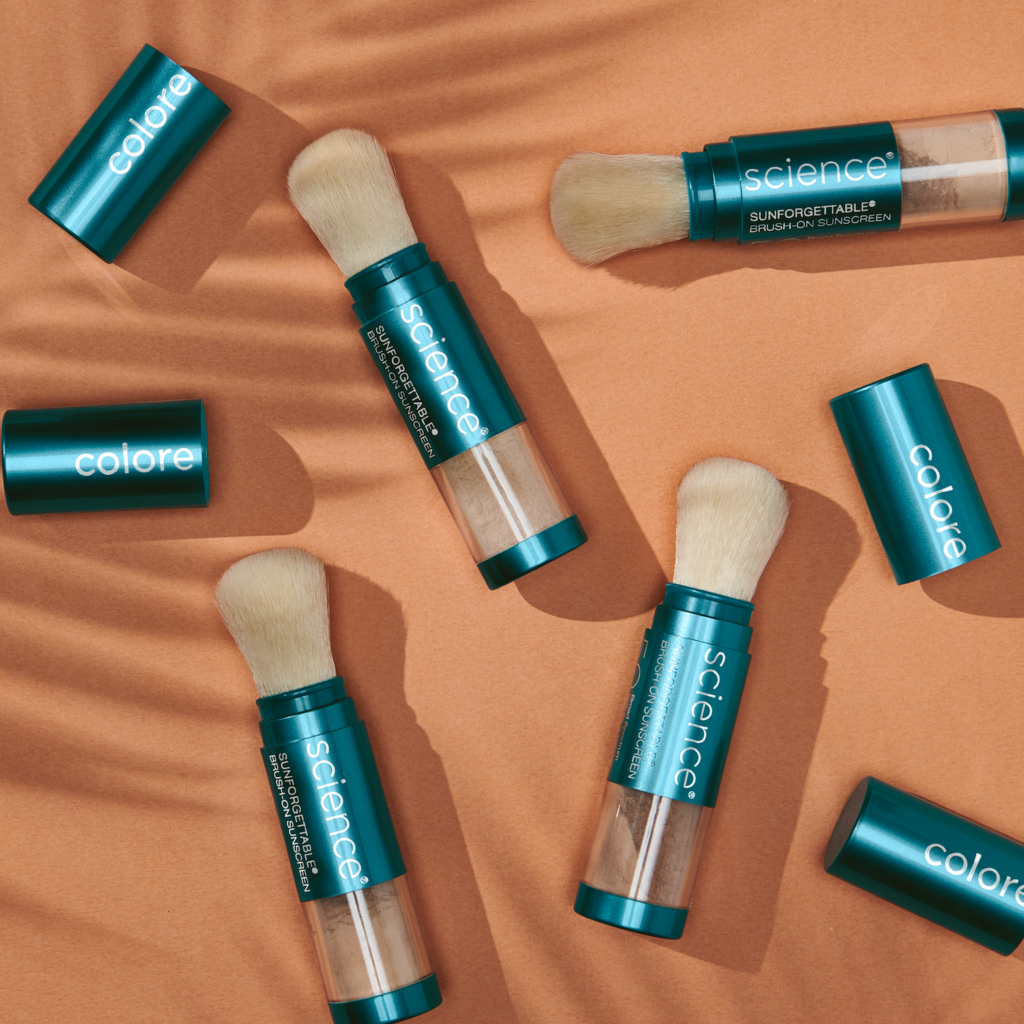
Sunforgettable Total Protection Brush-On Shield SPF 50
This product solved the reapplication problem. As a brush applicator, this mineral SPF goes over makeup without disturbing it, which is why it has been on derm-office retail shelves in Carlsbad and beyond for over two decades. The tinted version doubles as foundation.
Courtesy of Tubby Todd
Tubby Todd
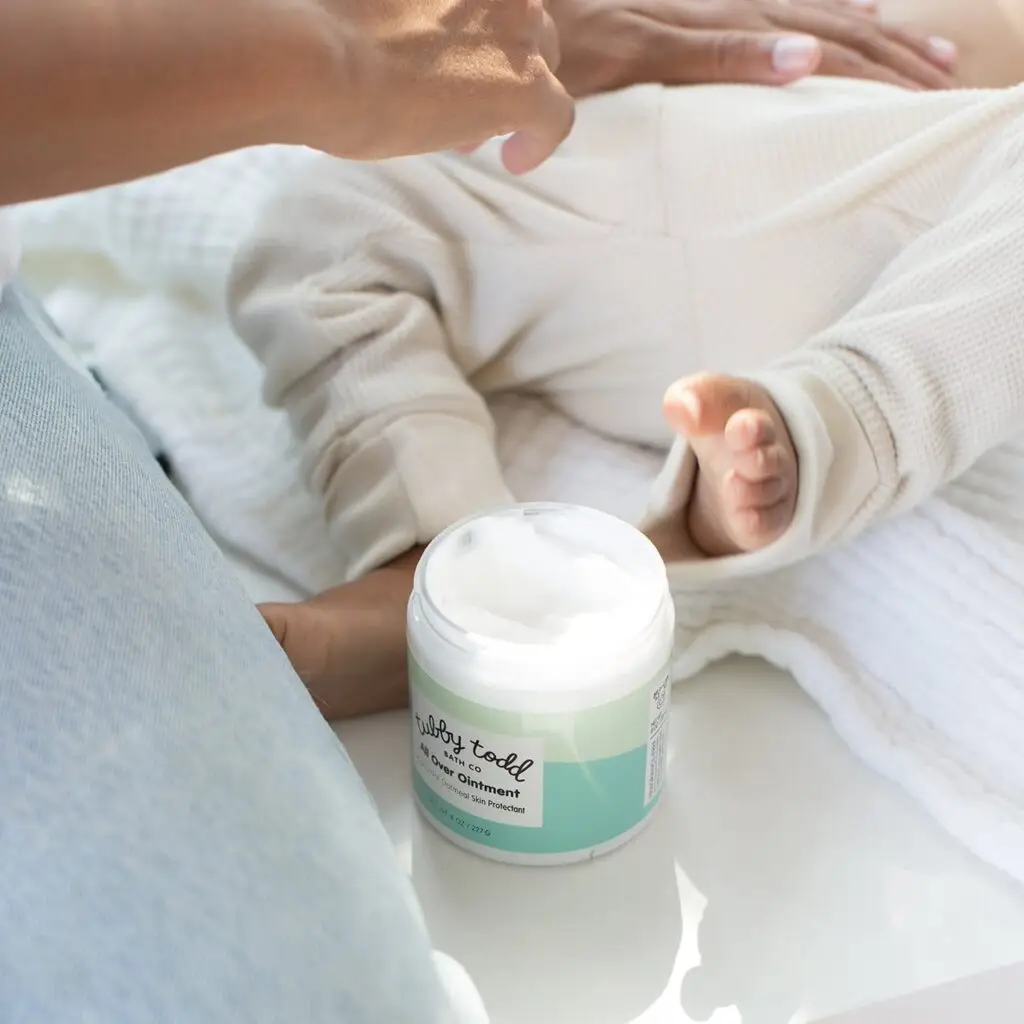
All Over Ointment
This steroid-free, petroleum-free eczema treatment was built specifically for babies and toddlers (although grown-ups can use it, too). It’s centered on FDA-approved 1 percent colloidal oatmeal with a base of sunflower seed oil, beeswax, and jojoba. The “linoleic-acid-rich sunflower oil is helpful for atopic, eczema-prone skin that is often deficient in that fatty acid,” says Dr. Zhang. Gentle enough for newborns, safe for daily use, and tested by both pediatricians and dermatologists.
Korej
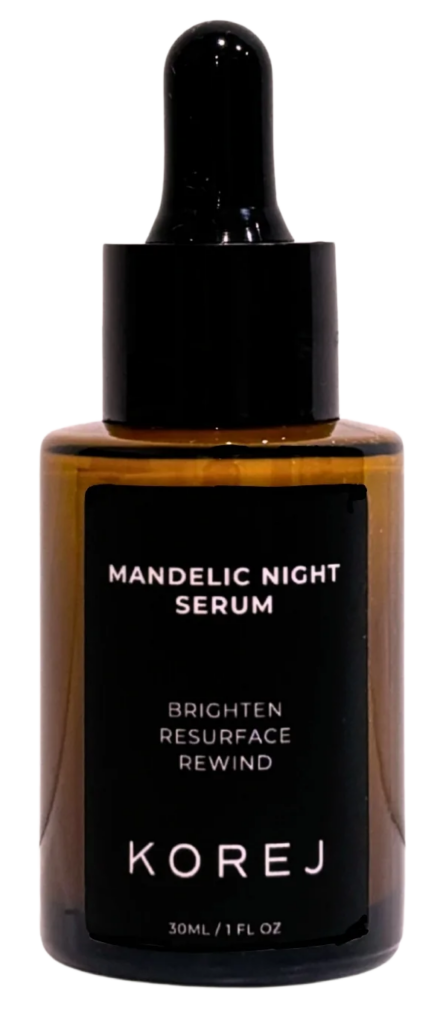
The Mandelic Night Serum
The Mandelic Night Serum pairs mandelic acid, an AHA derived from almonds and gentler than glycolic acid on sensitive skin, with lactic acid, niacinamide, and urea to brighten, smooth texture, and reduce breakouts overnight. Fragrance-free, vegan, cruelty-free. The brand name is the initials of the founder’s five daughters, pronounced like courage. Dr. Zhang also says she “really value[s] [the founder’s] mission to create pregnancy-safe skincare products that are both effective and wallet-friendly.”
Ingrid Yang, M.D., J.D. is a hospital-based physician in San Diego, CA, certified yoga therapist, and longevity specialist. She loves *double hearts* San Diego and spends her days helping people fully engage in long, healthy lives through evidence-based lifestyle medicine. Her books include Adaptive Yoga, Zen Mindfulness, and Hatha Yoga Asanas. When she’s not leading international wellness retreats, she is chasing sunsets, handstanding in nature, or geeking out over mitochondria.
Rub some dirt on it. Walk it off. Be a man. The tropes and reasons for men ignoring their health and doing preventive care are many, reinforced by action heroes and generational norms. As a result, compared to American women, American men live an average of five years less, seek healthcare treatment half as often, and die by suicide nearly four times more often.
Many national campaigns have tried to change this. This year’s “Relax Your Tight End” ad from Novartis during the Super Bowl—in which NFL legends advocated for early prostate cancer screenings—was a high-profile example. Meanwhile, in San Diego, Evan Miller seems to have figured it out.
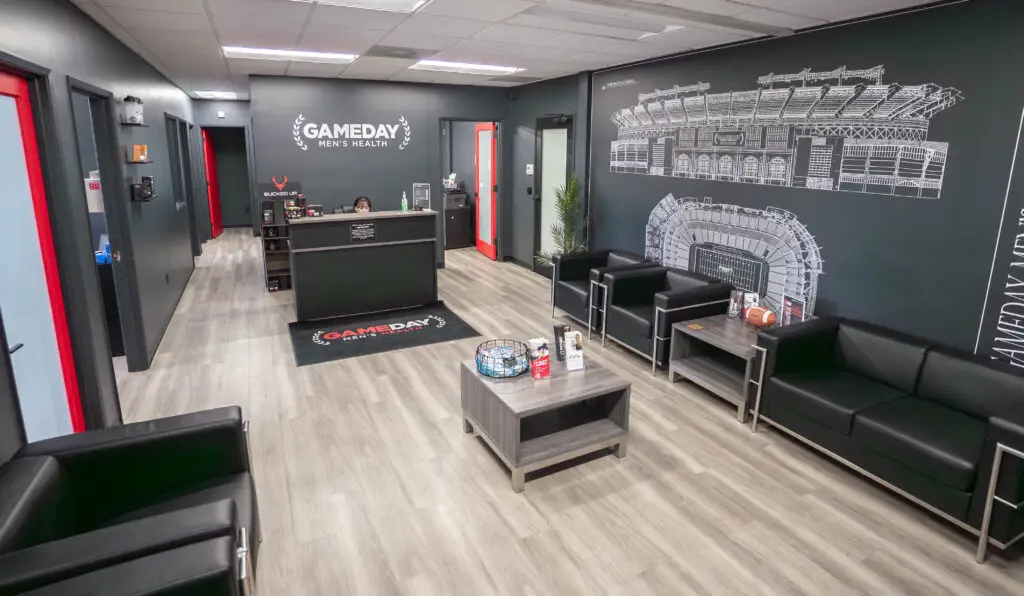
Miller founded Gameday Men’s Health in 2018 as a small clinic in Carlsbad. The idea was to create a space men would actually want to spend time in. So he built Gameday to feel more like a sports bar or a man cave—snacks, sports on oversized, high-def flat screens in the waiting room. He personalized the care for each client, made the experience more casual, and, above all, efficient. If the wait for payoff is too long, Miller says, men won’t show up for their health.
“We need to feel better quick,” he says. “So that’s where the real hook with Gameday is: It’s fast; it works quick.”
The idea has worked. Big time.
Gameday now has 430 locations spread across 46 US states and parts of Canada, with hundreds more set to open over the next three years.
Prior to Gameday, Miller—who has a Ph.D. in clinical psychology—ran Akua Mind Body, an addiction treatment center in Newport Beach. After selling the center, Miller says he searched for a new way to help his community.
He drew from his behavioral health training and dispiriting past experiences with “sketchy” men’s clinics, albeit with a slightly different concept at first.
Courtesy of Gameday Men’s Health
“My original idea for Gameday, funny enough, was men’s group therapy,” Miller says. “I wanted to put it in this ‘man cave’ environment because I knew guys wouldn’t show up otherwise.”
Initially envisioned as safe spaces to encourage men to open up emotionally, Miller pivoted to a more clinical approach with an athletic design that personally appealed to him. Soon, it evolved into a one-stop shop of compounded medication treatments for weight loss plans, hair loss treatments, anti-aging injections, sexual wellness strategies, and testosterone replacement therapy. The hotly debated trend of peptides—mini amino acid proteins that the FDA has yet to approve—has become a popular feature.
New patients undergo in-clinic assessments for testosterone and prostate levels with the goal of producing test results in just a quarter of an hour. “Our philosophy with our treatments is we only do what the research supports,” Miller says.
An Orange County native, Miller found Carlsbad to be a natural headquarters. He found a much bigger market in coastal North County of men seeking a boost—both in their marriages and their overall livelihoods. The pandemic proved to be a watershed moment, with front-yard gyms and outdoor, highly visible exercise sparking a wave of self-care. According to Cleveland Clinic, after the pandemic, about 20 percent of men started to exercise more and eat healthier, with a quarter of men reporting they scheduled more sleep and spent more time with family.
“When Covid happened, [suddenly] everyone looked in the mirror and was like, ‘I need to take care of my health; I have to do everything possible to get in shape,’” Miller says.
Two years after Gameday first began, Miller opened a second clinic in Temecula, followed by locations in Laguna Beach and Newport. Demand kept coming, so they started franchising in 2023. They sold 1,000 licenses in the first year. By 2025, they had over 400 clinics across the country.
When asked about the rapid growth, Miller cites the feedback he received along the way: “People were so excited about men’s health, cash-pay medicine, and not having to wait for insurance. They understood the model. It was for guys; it felt like ESPN meets healthcare.”
Now Miller says Gameday is starting to map out a global expansion—to Europe, Latin America, and the Middle East. Since the company first cultivated a following, Miller says there have been persistent questions about whether Gameday would ever expand its focus to include women. Their answer: Her Way.
“We only offer a very narrow menu, almost like In-N-Out Burger, because we stay in our lane, we do it really, really well, and we gain trust that way,” Miller says. “So we created the Her Way model to do the same thing for women [that] we’ve done with men.”
Her Way Health & Hormones launched in 2024 in clinics with more neutral and calming décor. With locations in Carlsbad and Mission Valley, it will officially start franchising this summer. Miller seems incapable of thinking small and expects around 1,000 Her Way locations to open nationwide within a few years.
Ryan Hardison is a freelance arts and entertainment writer and recent graduate of San Diego State. When he's not staring at his laptop, he's likely eating an adobada burrito or getting sunburnt at the beach.
Nearly everyone experiences a sleepless night once in a while. But for those with a circadian sleep disorder, being well-rested can feel out of reach. A circadian sleep disorder occurs when a person’s internal clock doesn’t align with their desired or socially required sleep schedule. This can significantly impact quality of life, mental health and physical well-being. Scripps Circadian Sleep Disorders Clinic, launched in 2019, was the first of its kind in the state. Its specialists diagnose and treat conditions like delayed sleep phase disorder, shift work sleep disorder and non-24-hour sleep-wake disorder. Many patients have spent years—or even decade —thinking there was no hope for their sleep behavior. A solution can be life-changing. Read more about the Scripps Circadian Sleep Disorders Clinic here.
For more nutrition, wellness, and healthy living tips, sign up for the San Diego Health newsletter here.