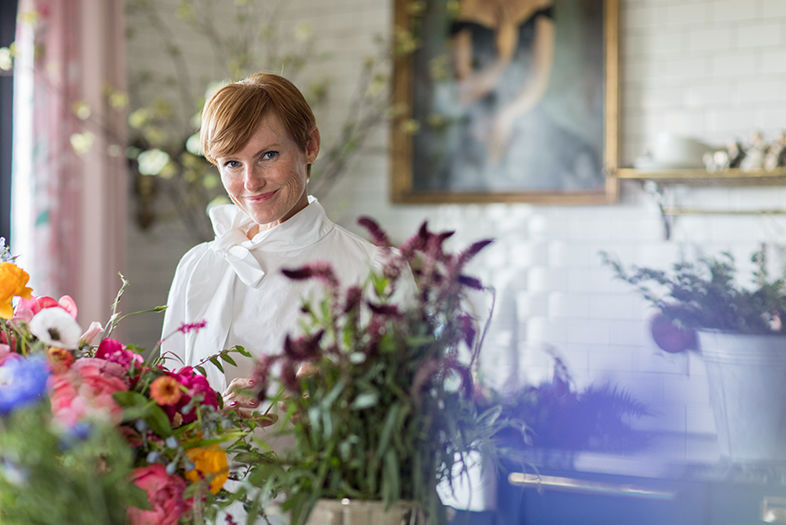
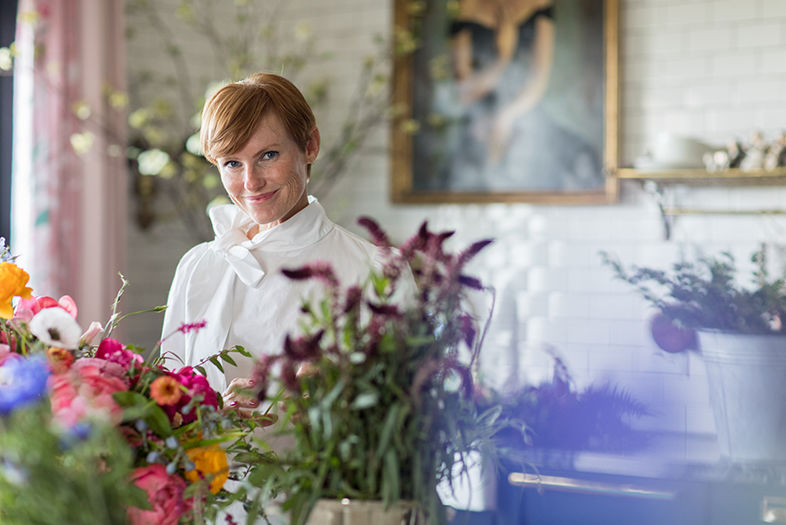
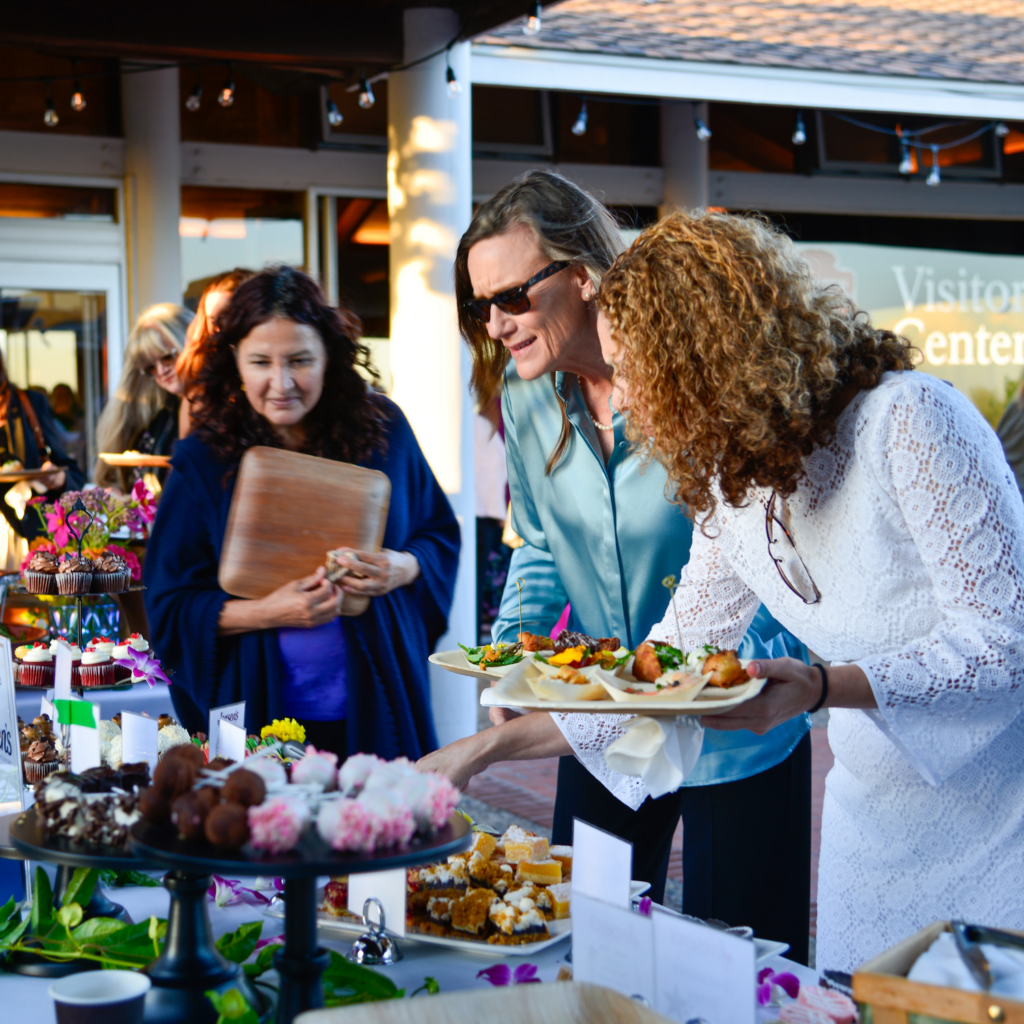
For as long as she can remember, Bridget McKenna has loved flowers. It started with the rose bushes her dad tended at her childhood home in Chula Vista, and bloomed into a professional appreciation at age 19 when, while modeling in Chicago, she worked in a flower shop on weekends for extra cash.
Fast forward, and she’s no longer turning to florals for spare change—she’s using them to drive change. Every penny made from her flower company, Briddie’s Floret, is put toward a charity of her choice each month.
McKenna started the business three years ago, but only recently transformed it into a nonprofit—a decision that stemmed from seeing recent politics rattle causes close to her. “With everything else happening in the world, I’m selling flowers? That felt so stupid,” she recalls, adding that she considering joining a nonprofit herself, but couldn’t escape that she’d already found her calling in the garden.
Now that she’s registered her company as a 501(c), McKenna keeps a running list of charities to receive her proceeds, including the ACLU, Moms Demand Action, and Moms of Black Boys. She’s also reworked her business model to keep overhead low, shuttering her brick and mortar to instead fill online orders from home and grow every bloom on her Point Loma property. “Every day I’m growing to harvest,” she says, nodding to the 325 rosebushes flourishing on her grounds, including rare breeds like Koko Loko, Distant Drums, and Juliet. She buys many of her specialty bulbs wholesale from admired English breeder David Austin.
But it’s not all roses. Ranunculus, dahlia, phlox, lisianthus, strawflower, zinnia, poppy, hellebore, and peony—they’re all just a few footsteps from McKenna’s front and back doors.
“I never even thought my life could be like this. Designing out of my garden, being able to go out and clip and make something—and make a difference—it makes me so happy.”
How Briddie’s Floret Grew into a Nonprofit
Photo by Lou Mora
Everything SD
AUGUST 28, 2026
San Diego Is Getting the Music Venue It’s Been Missing
Live Nation is turning the historic Wonder Bread Building into a 4,000-capacity concert hall designed to bring more touring acts to the city
Imagine being the song continuously getting skipped on the playlist. Not because no one wants to hear you, but because you never quite fit the moment. For years, San Diego has been that song on the touring circuit. Artists who have outgrown intimate clubs but aren’t yet filling arenas and stadiums have often passed us by, heading north to venues better suited to the size of their show. San Diego wasn’t missing the audience, it was missing the room.
That’s all about to change.
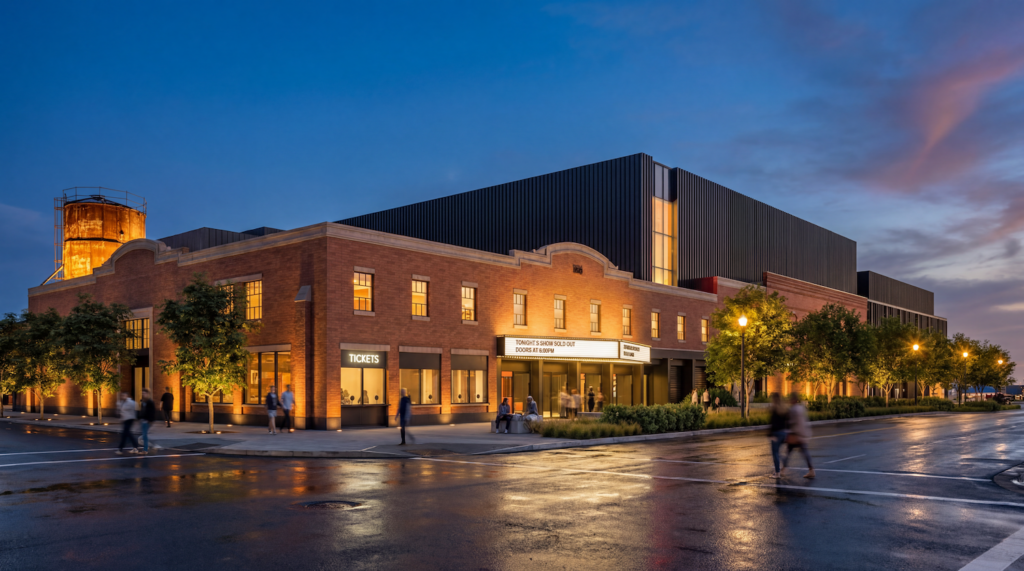
On August 17, Live Nation Entertainment announced plans to transform the historic Wonder Bread Building, which it purchased in June for $16.8 million, into a 4,000-capacity indoor venue slated to open in fall 2028. The new space will host music acts as well as private, corporate, and community events.
Currently, San Diego’s concert landscape jumps quickly from intimate clubs like the Casbah, Winston’s, and Belly Up to larger theaters, amphitheaters, arenas, and stadiums. What’s largely missing—particularly downtown—is a modern indoor room built specifically for roughly 4,000 concertgoers. This leaves a gap in mid-size venues for touring acts that land stages like the Hollywood Palladium or Boston’s MGM Music Hall at Fenway.
“We are filling a void in the market,” says John Schalk, Live Nation’s Vice President, San Diego Market. “There are other venues in town, but this […] building is just something that doesn’t currently exist.” Although SDSU’s Cal Coast Credit Union Amphitheater serves the 4,000-capacity range, its outdoor, fixed-seating arrangement isn’t as versatile as the proposed Live Nation project.
Located at 171 14th Street, just a six-minute walk from Petco Park, the building carries a century of history. Architect Eugene Hoffman designed it in 1924, a year after completing the Barcelona Apartment Hotel in Bankers Hill. The landmark brick building served as a bakery and warehouse for the Southern California Baking Company before Continental Baking Company, producers of Wonder Bread, took over in the 1950s and operated there through 1988 continued at the site until 2007.
In the early 2000s, Bob and Gay Sinclair, the couple behind a portfolio of East Village properties, purchased the building. After Bob—the founder of Pannikin Coffee & Tea—died in 2011, Gay sold much of their real estate portfolio but held onto the Wonder Bread Building. Mission Brewing eventually took over the space, where it operated for more than a decade before announcing its 2026 departure.
Now, the building is preparing for another reinvention. Live Nation plans to preserve the historic bakery’s four exterior walls, red brick façade, grain silo, barrel-vaulted trusses, and skylights as part of its next chapter.
Live Nation isn’t looking to erase its history but to celebrate it, allowing the building’s past to give the new venue some soul. “It’s really important for us that we maintain the integrity and the history of that building,” Schalk says. “There will be new construction and design elements as we go through the process to create the concert venue, but we’re working really hard to preserve it.”
Blueprint Studio, Live Nation’s in-house design and development group, and Gensler, the architecture firm behind San Diego International Airport Terminal 1 and Snapdragon Stadium, will be heading the project. The plan is to design the ground-floor space as an open, general-admission area with a premium level above with 600-plus fixed seats, in addition to box and suite sections. There will also be an additional structure built on top of the historical portion of the building (the four original walls that house the lobby) called the Vinyl Room—a Japanese-inspired hi-fi listening VIP lounge serving elevated food options.
One of the most reassuring aspects of the project is the focus on the concertgoer’s experience—specifically the “pet peeves” we all know too well: long bathroom lines, cramped exits, obstructed views. According to Schalk, one of the best things about building upon the existing structure is having the ability to consider potential obstacles and tackle them before construction begins. “I’d say we are ‘purpose building’ the entirety of the project for a music venue,” says Gensler lead project architect Garrett van Leeuwen. “As part of our design process, we do an in-depth sightline analysis to make sure that sightlines are optimized from every point and seat within the venue.”
Circulation design is also being implemented to ease traffic flow, alongside acoustic optimization and a transformative outdoor beautification effort. According to van Leeuwen, this “public realm space” will grow the existing 14-foot sidewalk to a 32-foot sidewalk complete with plazas and landscaping.
“This venue is for the fans. For the music lovers,” Schalk explains. The vision is intimate: “I want a fan to walk up to that building, see that red brick facade, grab their ticket from the box office, go into the lobby and see some of the history that will present itself… and feel like you entered a home.” Schalk also expressed a “keen interest in making sure that we work with the local artists, the local bands, the local musicians in town.” It’s a project that recognizes San Diego as a growing market that is hungry and ready to see a vibrant arts and culture community thrive.
According to an analysis by Oxford Economics analysis shared by Live Nation, the venue is projected to deliver a significant boost to the local economy, generating approximately $97 million in annual economic impact and supporting 660 jobs. This also includes welcoming 316,000 fans each year—with 126,000 traveling from outside the San Diego metro area—and driving $53 million in local spending at nearby restaurants, hotels, and retail establishments.
Considering its proximity to other major event spaces and overall busy urban areas, traffic and parking may be a concern, especially on nights of overlapping events. But in those cases, Schalk said they would work together on communication efforts; parking availability; and staggering start, end, and loading times; as well as providing easy access to designated rideshare areas. With transit stations nearby (the closest one being a 4-minute walk at 12th & Imperial), public transportation is another great option for enjoying your night out.
There are still two years of design, construction, and plenty of logistics between now and opening night. But the bigger promise of the Wonder Bread Building is simple: San Diego finally gets a venue built for the artists who have historically passed it by. After years of getting skipped on the touring playlist, the city may finally be getting its turn on repeat.
Camila Ibarra Gallego is a CaliBaja native pursuing a master's degree in culinary journalism at the Basque Culinary Center. Shaped by the culturally rich, bicultural megaregion, she's passionate about sniffing out stories that connect people, territory and culture through food. When she's not tumbling down internet rabbit holes, you can find her pretending to be a wine connoisseur at a local wine bar or nose-deep in a good book.
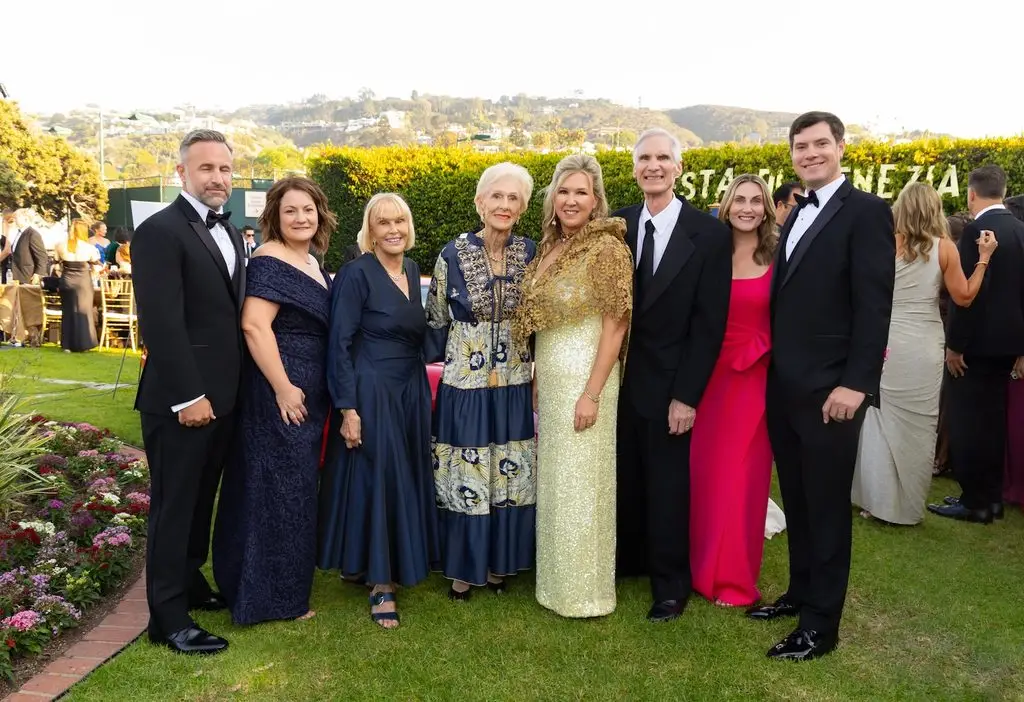
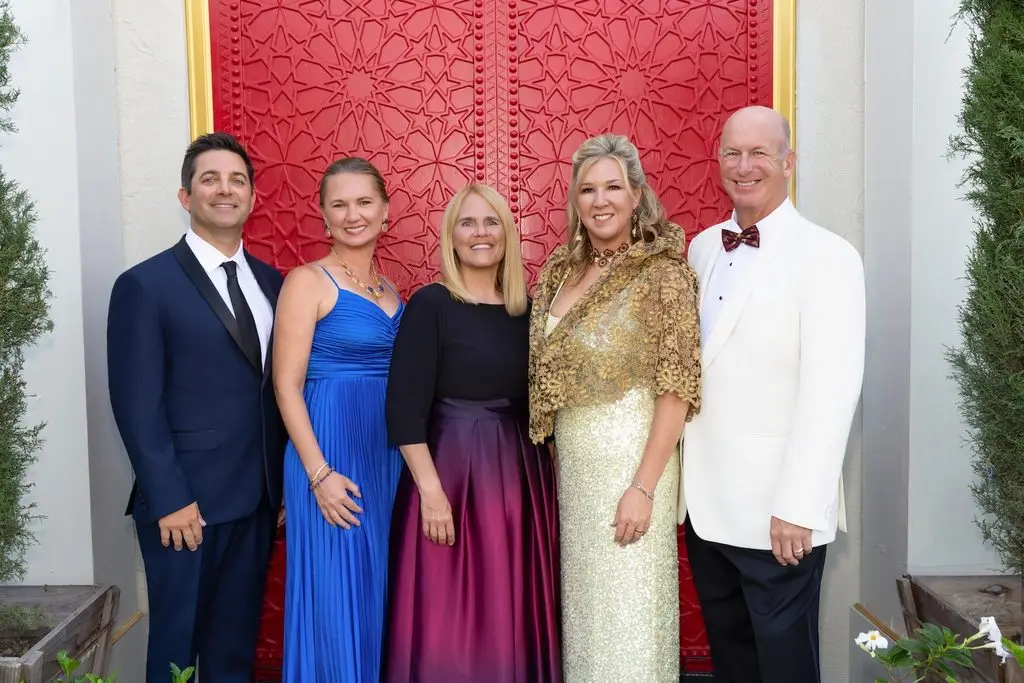
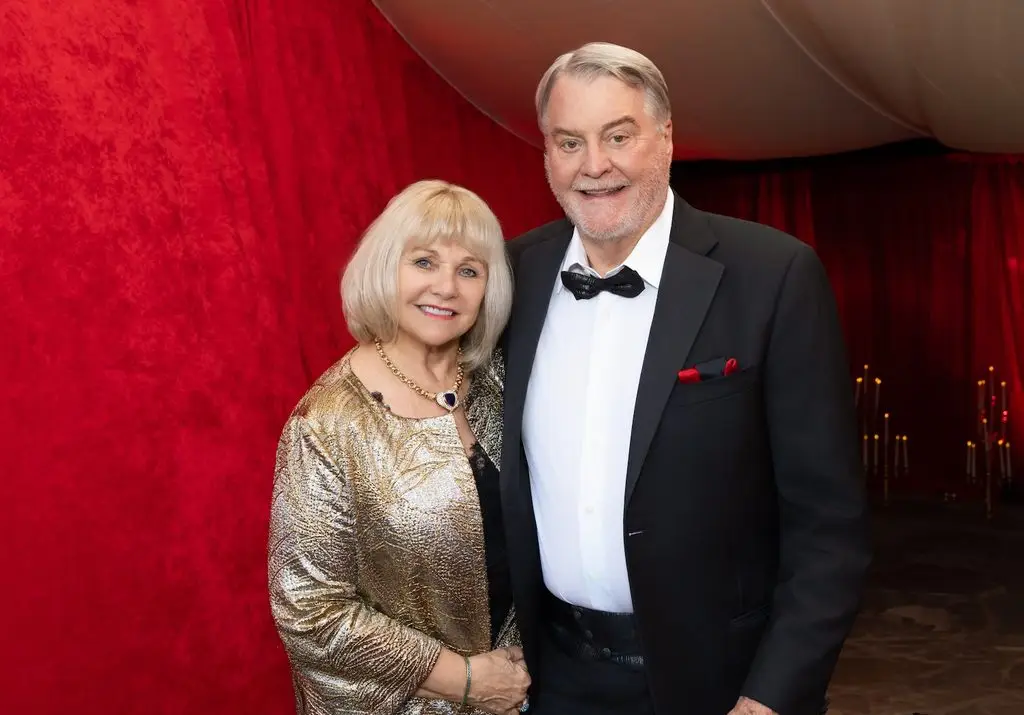
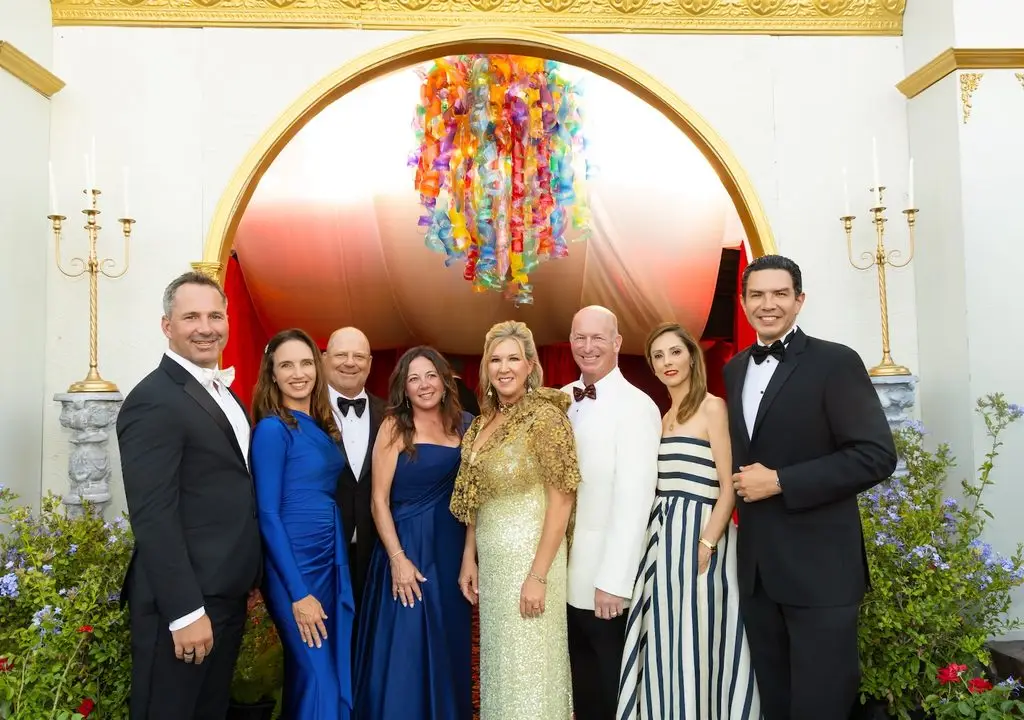
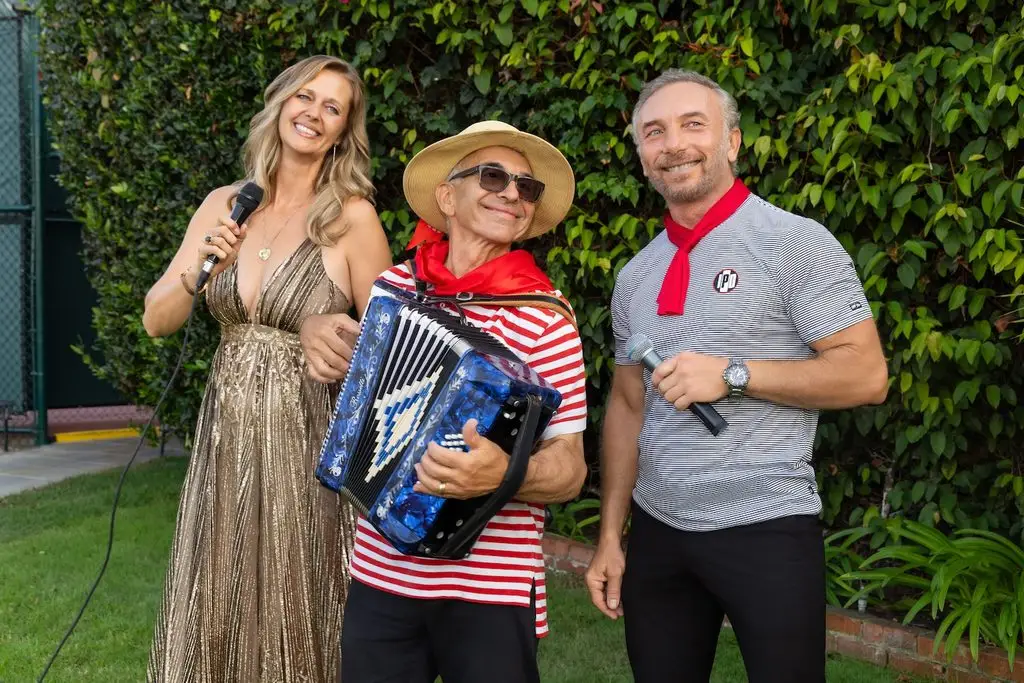
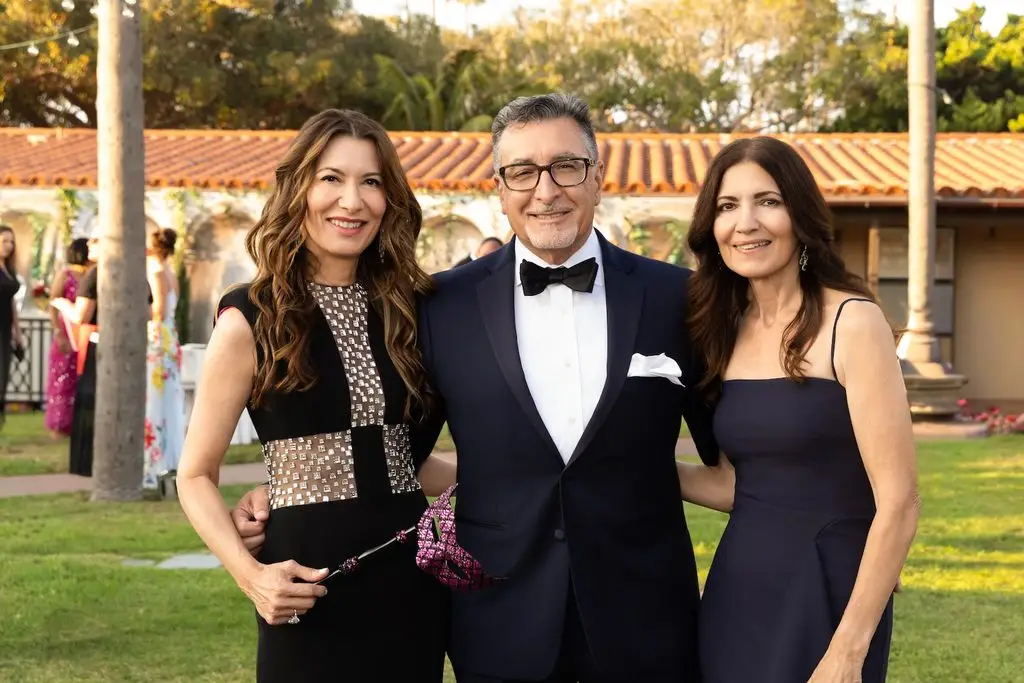
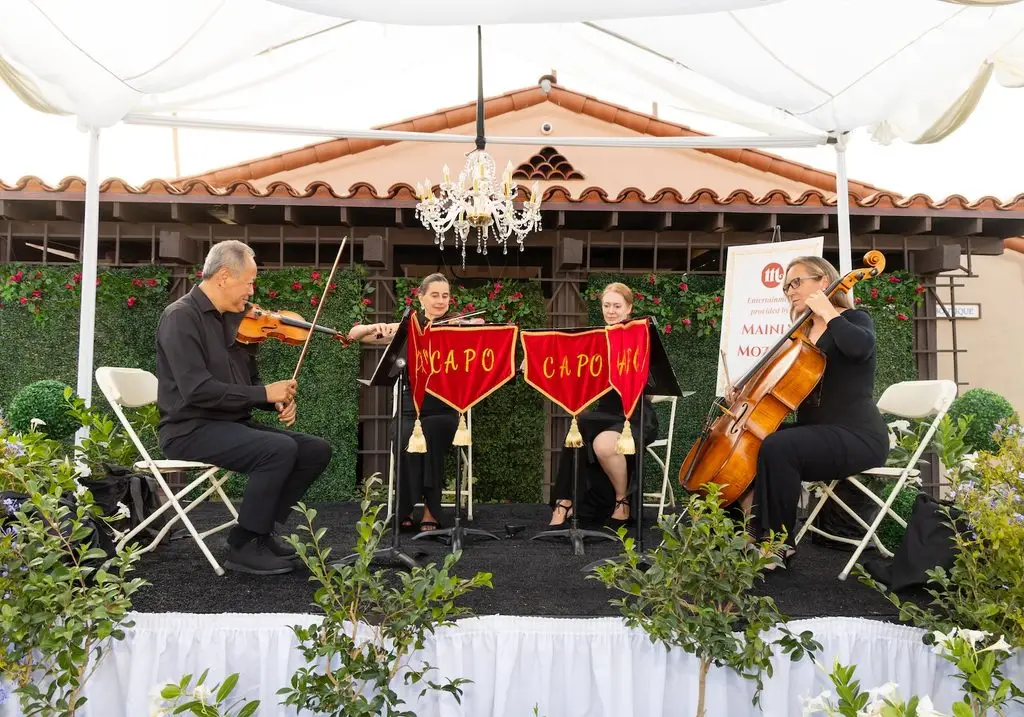
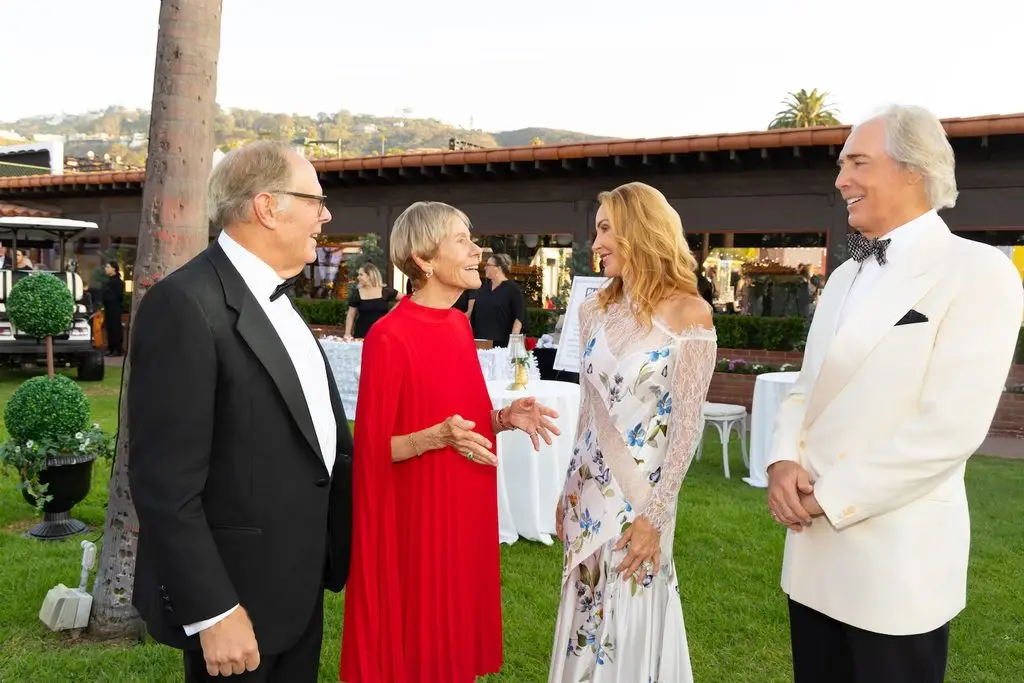
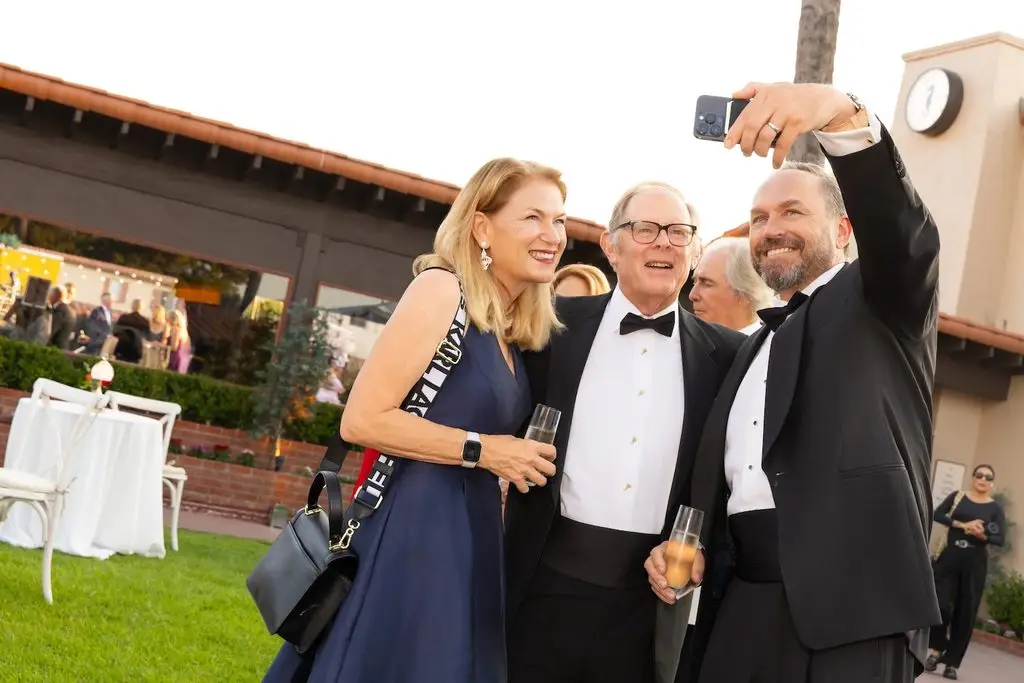
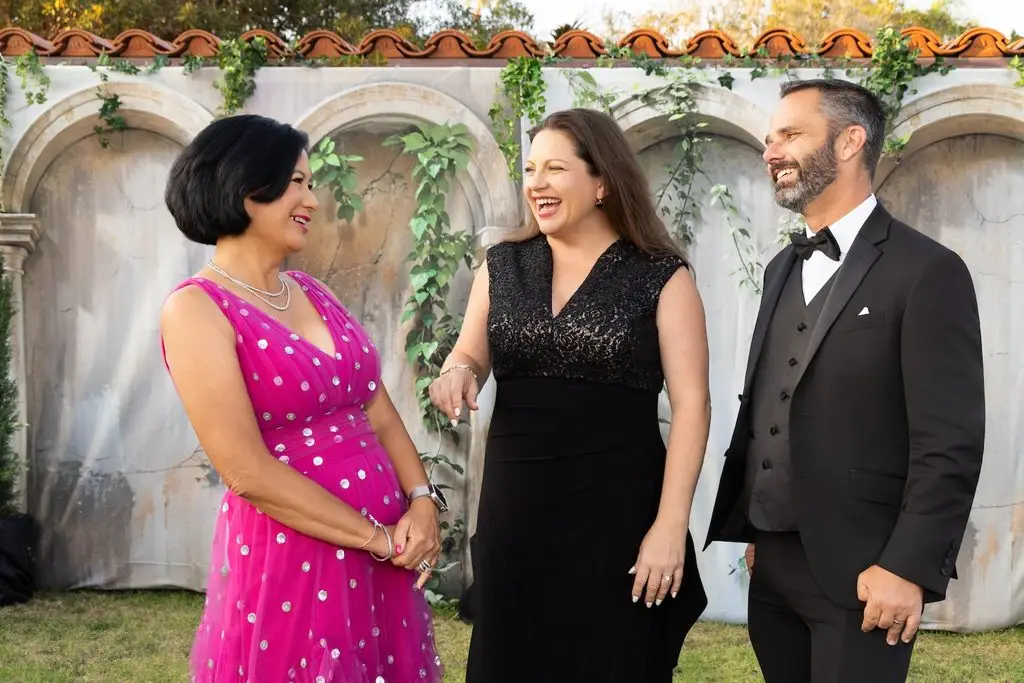
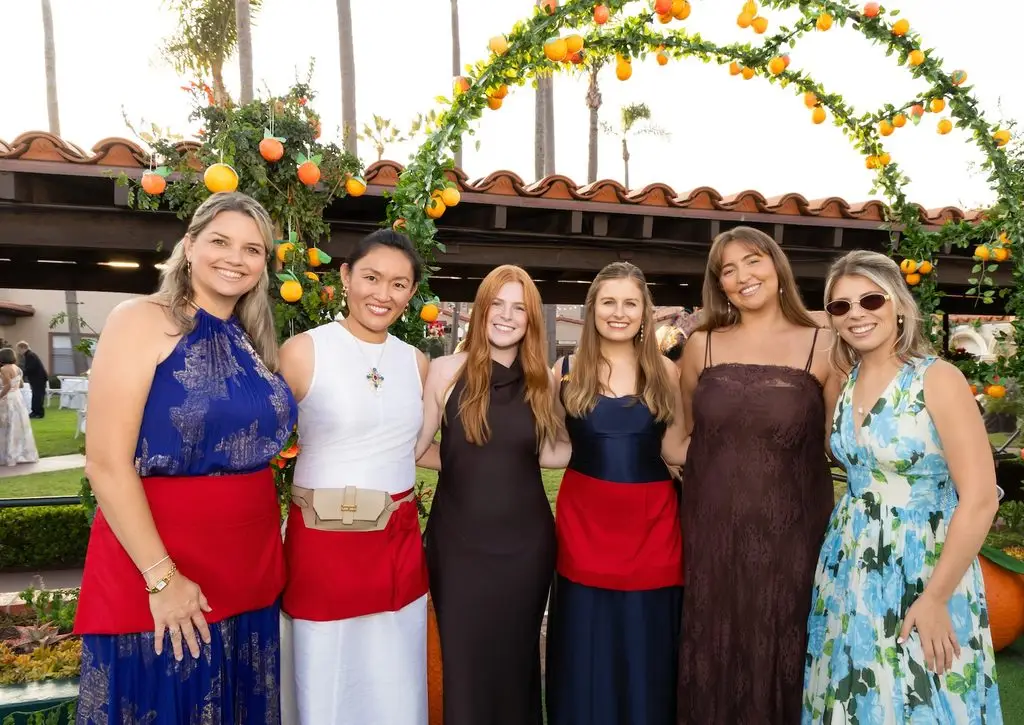
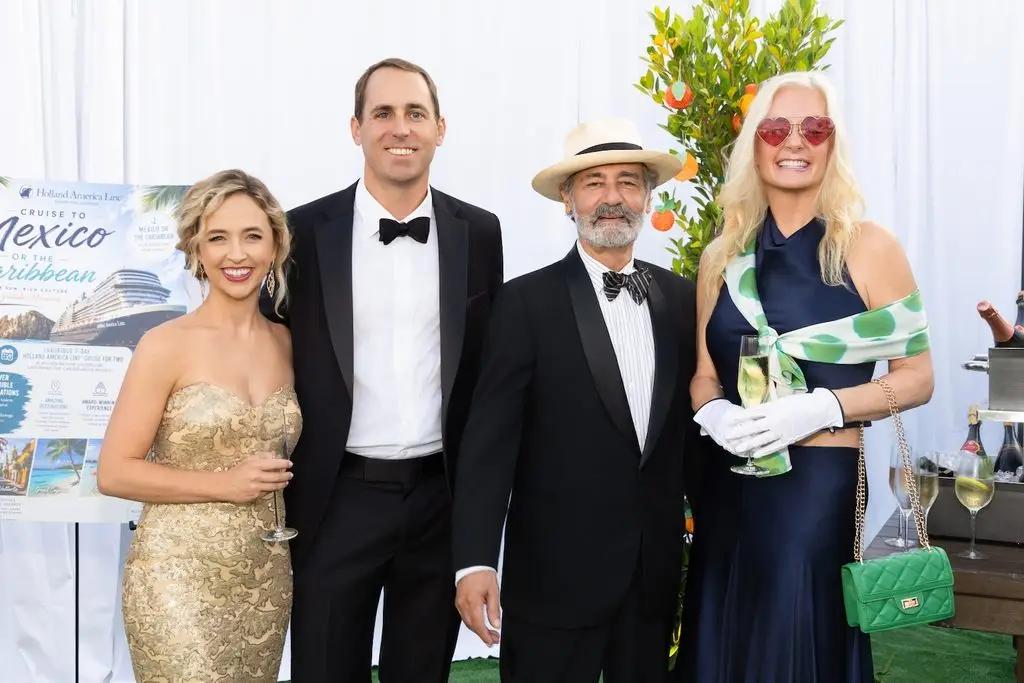
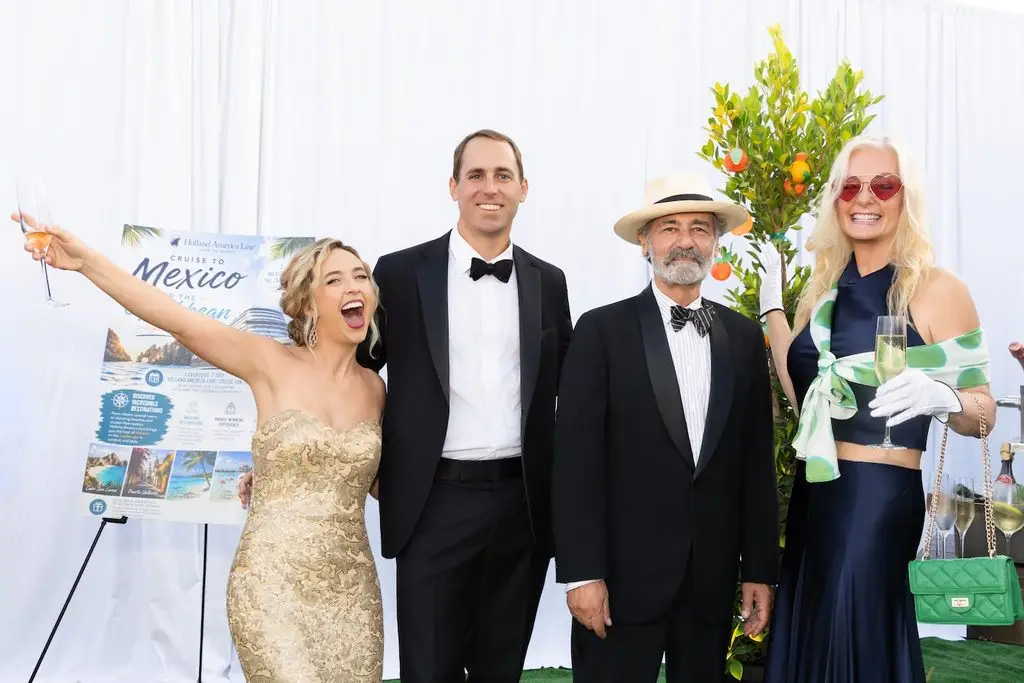
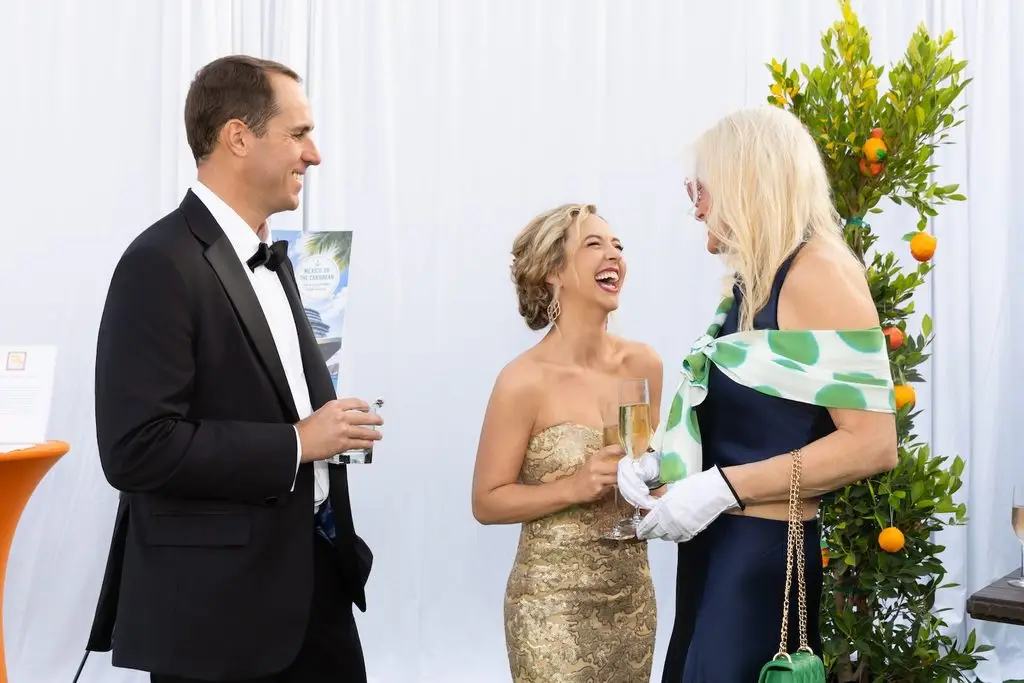
Las Patronas turns 80 this year. But its newly minted octogenarian status doesn’t mean the all-volunteer organization is slowing down. On August 8, Las Patronas celebrated eight decades of philanthropy at its Venetian-themed Jewel Ball at the La Jolla Beach & Tennis Club.
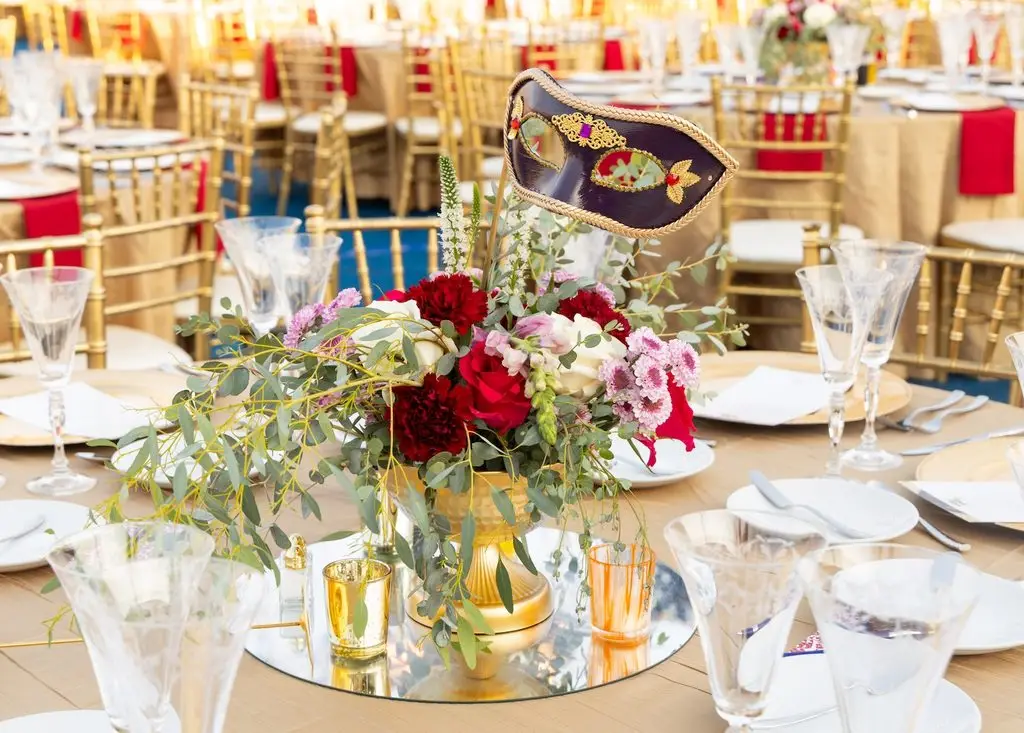
More than 800 attendees attended the philanthropic event, a sold-out black-tie gala, which featured classic Italian sports cars, photo ops in a gondola, a replica of the Orologio tower, and other thoughtful details that set the scene for an elegant and festive evening.
Though the Jewel Ball is one of the highlights of the gala season and the most visible element of Las Patronas’ mission, it’s also an opportunity to thank supporters, showcase the organization’s impact, and cap off fundraising efforts throughout the year.
“Behind the gowns, flowers, and celebration is an extraordinary amount of work and an even more extraordinary group of women who make that work possible. This includes our members, both active and advisory, along with our donors, sponsors, nonprofit partners, and generations of San Diegans who have supported Las Patronas,” says Colleen Lighter, the organization’s president.
Courtesy of Las Patronas
Looking Back on a Legacy
As Las Patronas celebrated at its 80th annual Jewel Ball, Festa di Venezia, members reflected on how special it is for an organization to remain so vibrant and relevant for eight decades.
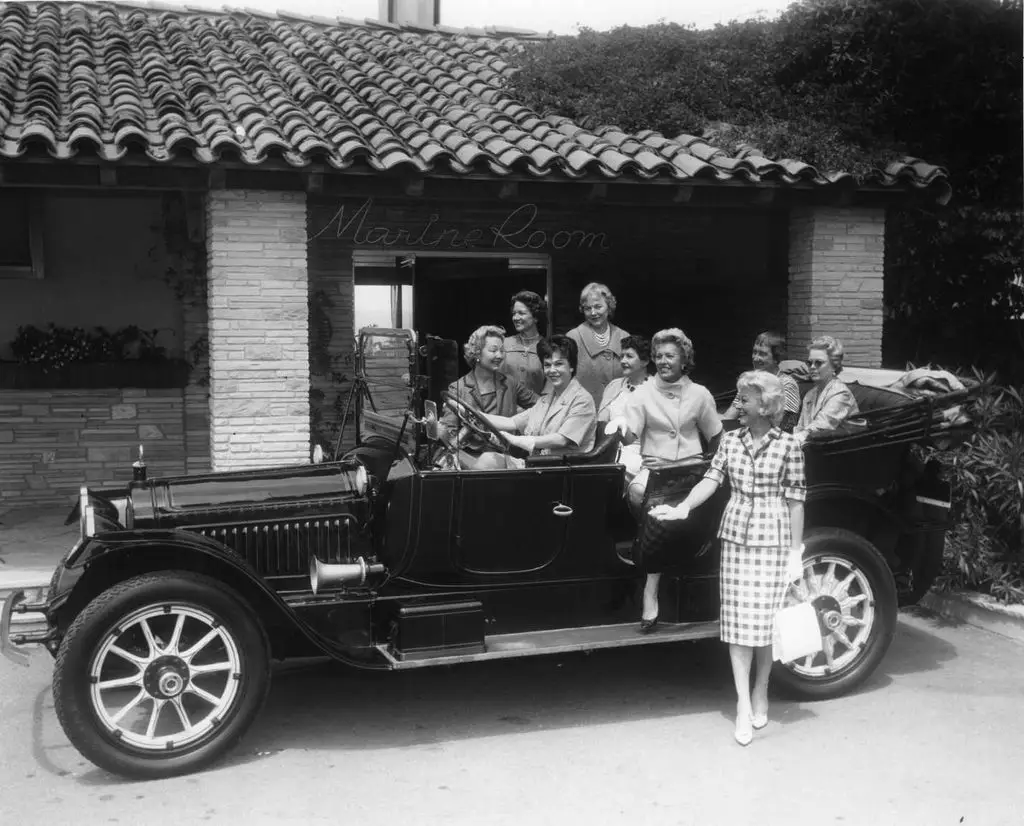
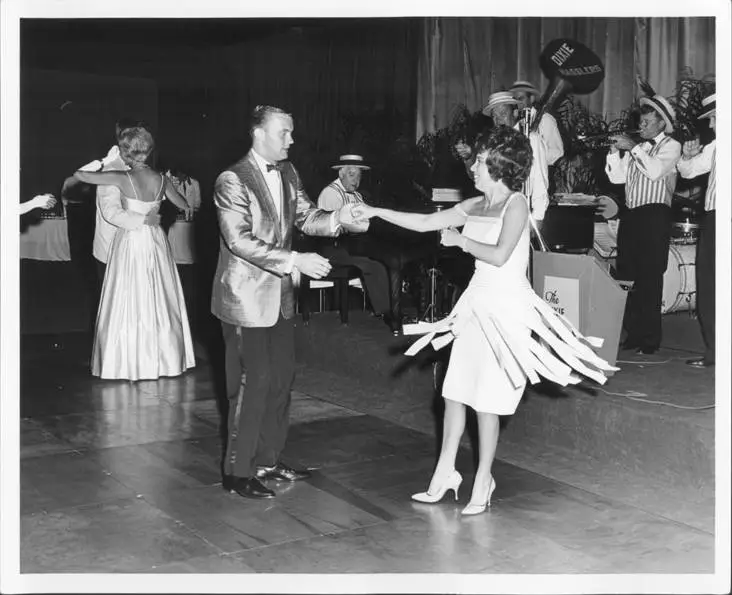
Las Patronas was founded in 1946 by a small group of women with a shared desire to give back to their community. In the decades since, Las Patronas has transitioned into one of San Diego’s premier philanthropic organizations, providing financial assistance to nonprofit organizations across an array of causes. Major beneficiaries for 2026, who will each receive grants of more than $20,000 for capital projects, include Alpha Project for the Homeless, Canine Companions, Meals on Wheels San Diego County, National Marine Mammal Foundation, Promises2Kids, Sanford Burnham Prebys Medical Discovery Institute, and Workshops for Warriors.
“What started with friendship, philanthropy, and service has grown into an organization that has funded more than $28 million in grants for over 4,500 nonprofit organizations throughout San Diego County,” explains Lighter.
She notes that it’s especially meaningful that while San Diego has changed tremendously over the years, Las Patronas’ spirit of giving has held steady. “The needs of our community evolve, the organizations serving those needs evolve, and the things they need to do their work evolve. Our responsibility is to listen, learn, and make thoughtful investments that allow those organizations to serve San Diego more effectively,” she says.
Courtesy of Las Patronas
Charity and Commitment
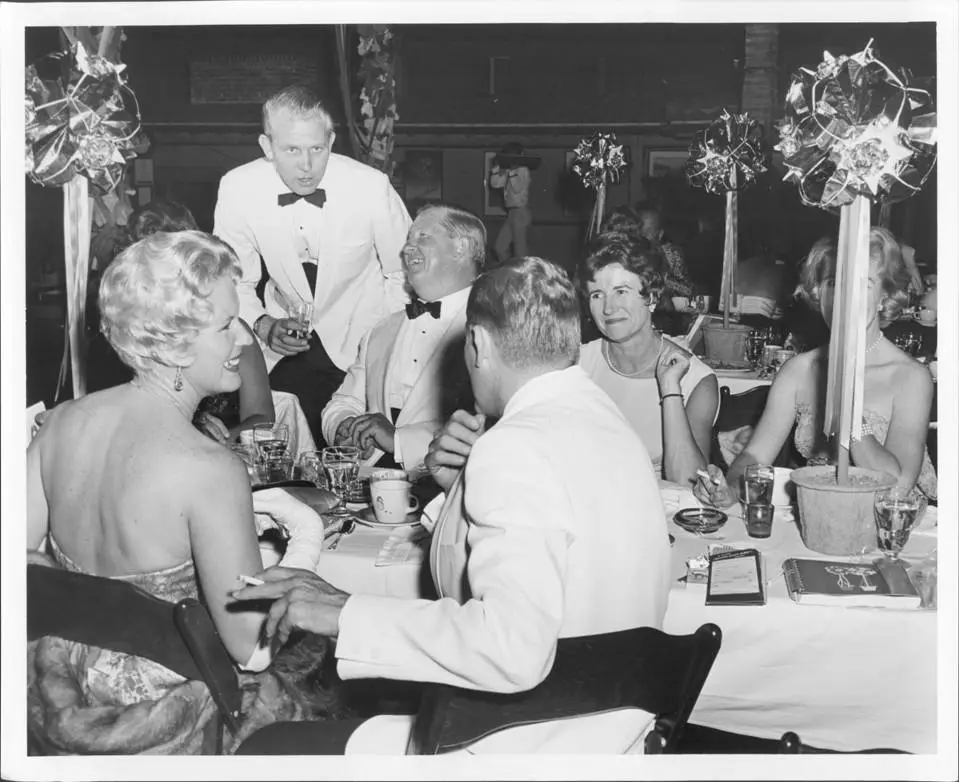
Part of what makes Las Patronas stand out among philanthropic groups is its hands-on approach to service. The Jewel Ball is known for over-the-top décor, with many of its elements crafted in painstaking detail by members of Las Patronas, a tradition dating back to the first Jewel Ball.
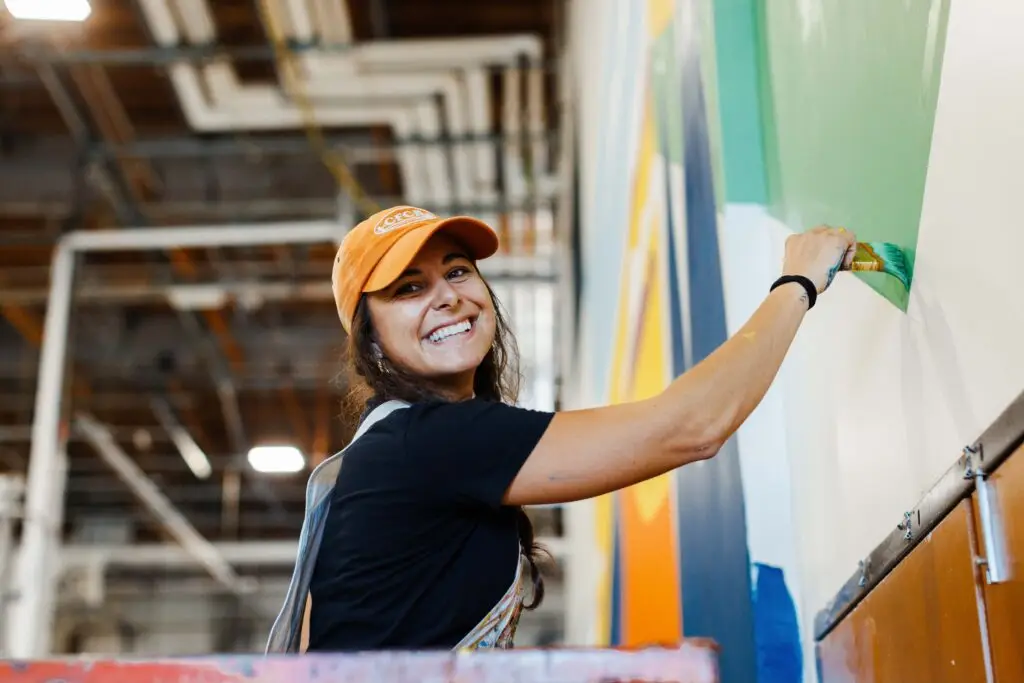
In addition to fundraising throughout the year, leading up to the event, members log long hours in “The Warehouse,” where they put their creative skills to work, painting backdrops, assembling centerpieces, and doing everything it takes to turn the exterior of the La Jolla Beach & Tennis Club into a grand ballroom. They also haul all of their handiwork to the venue and set up, then break it back down immediately after the event wraps.
“The motivation behind one extraordinary evening is an entire year of fundraising, grantmaking, and thousands of hours of volunteer work,” says Lighter.
That collaborative spirit stretches far longer than just a year. Las Patronas keeps its roster of members intentionally small and highly engaged. To ensure senior members stay on long enough to hold a handful of leadership positions and show newer members the ropes, the organization requires a commitment of six to seven years. It also requires all members to work with its grants committee, visit eligible nonprofit organizations that apply for grants, and assist in the vetting and selection processes.
“Our members have careers, families, and very full lives, yet they make an extraordinary commitment of time. Members participate in fundraising, evaluate grant requests, visit nonprofit organizations, serve on committees, and quite literally build and produce the Jewel Ball together,” says Lighter. “That investment of time is part of what makes Las Patronas and the relationships we form within the group special. We don’t simply raise money and write checks. We do the work ourselves, shoulder-to-shoulder, and we take stewardship of the money entrusted to us very seriously.”
Courtesy of Las Patronas
The Past Carries the Future
Lighter says Las Patronas is defined not by moments or events, but by its traditions, which will continue for generations to come.
“When you think about the generations of women who have given their time, talent, and energy to Las Patronas since 1946 and the donors, sponsors, advisory members, and community partners who have believed in our mission, you realize that our job is both to honor what they built and make sure it remains relevant and strong for the future,” she says.
And though events like Jewel Ball are rewarding, the real magic happens once the funds are put to work. Lighter recalls one story that captures the quiet impact Las Patronas hopes to continue to make. A woman reached out to say that as a child, she’d attended a school where Las Patronas had funded a new floor and noted how much brighter the campus felt. It may not sound transformational, but it made a difference, and decades later, people still remember.
“That is what capital giving can do. A vehicle can allow an organization to reach people it couldn’t reach before. A piece of medical equipment can expand care. A commercial kitchen can allow a nonprofit to feed more people or train people in a new profession so they can flourish. Technology can help an organization serve an entirely new population and expand their impact,” she explains. “We aren’t trying to tell nonprofits what they need. We listen to them, learn about their work, and help provide the critical tools they tell us will allow them to do more of it.”
As she looks to the next 80 years, Lighter’s hope is that Las Patronas continues to evolve without losing what makes it special: thoughtful stewardship, hands-on service, friendship, and an unwavering commitment to San Diego.
“The needs will change. The nonprofits will change. San Diego will change. Las Patronas will change with it, but our mission will always remain the same,” she says.
Sarah Sapeda is San Diego Magazine’s Custom Content Editor. In her 15 years in San Diego journalism, she has covered charitable events, health care, education, crime, current events, and more.
September is San Diego’s unofficial second summer—the crowds thin, the weather stays warm, and the city’s calendar somehow gets even busier. This month brings stadium-sized rock shows, Broadway’s buzziest comedy, a new anime convention, world-premiere theater, gallery openings, food festivals, and the first signs of spooky season. Whether you’re ready to lean into fall or determined to keep summer going, here are the best things to do in San Diego this September.
As Guns N’ Roses storm into decade five, their appetite for destruction persists. During their Snapdragon Stadium concert, hear the hard rock anthems, new material and a set from The Black Crowes.
9/23
Kehlani is proof that the romance and earnest sensuality of old-school R&B will never go out of style. Hear her take it back to the aughts at Viejas Arena.
From the silver screen to The Old Globe stage, John Carney will Begin Again (again) with a world premiere musical adaptation featuring new songs—courtesy of Train—and a story overflowing with hope.
9/12-10/17
The concept of work is a guiding principle for San Diego native and multidisciplinary creative noé olivas. Observe his community-informed approach via Tierra y Cielo (Earth and Sky) at Best Practice Gallery.
9/18-10/25
Two workers grapple with the weight of their roles at a temporary migrant shelter in Mario Vega’s world premiere play Our Lady of the San Diego Convention Center, set for citywide performances.
9/26-2/28/2027
Luminous visions of peace and the Punjabi-American roots of Rupinder Kaloti inform The Gathering, a wondrous unification of family foretold via paintings at Oceanside Museum of Art.
9/29-10/4
It’s Mary Todd Lincoln’s world and we’re just living in it. See the presidential paramour barrel to her way to stardom at the Civic Theatre during Oh, Mary!, Cole Escola’s political spoof.
Courtesy of SeaWorld
More Fun Things to Do in San Diego This Month
9/5 & 9/6
Pros and Con(vention)s: Anime San Diego will debut at the San Diego Convention Center with cosplayers, panels and more than 400 vendors well-versed in Japanese animation.
9/11-10/31
Scaredy cats beware: SeaWorld San Diego’s Howl-O-Scream embraces frights forged in darkness. Enjoy an ominous lineup of live shows, scare zones and bloody bars ahead of Halloween.
9/12
The best parts of Artivál and the Alley Cat Art Walk have united for the free Alley Cat Art Fest, an all-day outing for live music and immersive artwork in Downtown El Cajon.
9/12 & 9/13
Take a Grecian vacation for a fraction of the price during the annual Cardiff Greek Festival, two days of immersive cuisine and culture—with plenty of dancing—on the Encinitas coast.
9/13-9/20
Step away from the stove! The California Restaurant Association has eight days of eating experiences with your name on it. During San Diego Restaurant Week, explore by meal, neighborhood or cuisine for your personal dining plan.
9/16
Nourish yourself with an all-inclusive spread of Pacific Beach eats and locally-crafted artwork during the HeArt of PB Restaurant Walk on Garnet Avenue.
9/19
When it comes to stand-up comedy, Chelsea Handler is always ready to roast. See Handler tell anecdotes and skewer an assemblage of victims during her Balboa Theatre performance.
Ryan Hardison is a freelance arts and entertainment writer and recent graduate of San Diego State. When he's not staring at his laptop, he's likely eating an adobada burrito or getting sunburnt at the beach.
Inspired by the effortless charm of French cafés, this taste of France on Orange Avenue invites guests to embrace the simple pleasure of taking their time.
Strolling down Orange Avenue on a sunny afternoon, you’ll hear the hum of beach cruisers rolling by and visitors making their way toward the Hotel del Coronado. Dogs pause to greet one another on the sidewalk, palm trees sway overhead, and for a moment, you’re convinced you’re living inside the postcard from the gift shop you just passed.
Then the scene shifts. Towering white columns, black café awnings and gold-trimmed windows frame Little Frenchie, where woven bistro chairs spill onto the sidewalk and servers deliver bubbling crocks of French onion soup. The scent of caramelized onions and melted Gruyère is practically an invitation to ask, “How long for a table for two?”
That feeling of pulling up a chair and staying awhile is exactly what inspired Little Frenchie. French cuisine has a reputation for feeling a little intimidating, but the restaurant is rewriting that narrative with food and wine that feels approachable.
“Sometimes when you read a French menu, you come across words you can’t even pronounce,” David Spatafore, the owner of Little Frenchie, says. “We wanted to create a restaurant where people felt comfortable.”
Little Frenchie was designed to capture the spirit of the French sidewalk cafés that inspired it. Dating back to 1917, the space already carried the charm of a Parisian bistro, with architectural details that felt more at home on a European street corner than in Coronado. The team saw an opportunity to create a restaurant that matched the character of the space while filling a gap in the neighborhood.
The result is a French restaurant that honors tradition without taking itself too seriously.
At Little Frenchie, classic French techniques are at the heart of the menu, but there is always room for creativity. A cassoulet featuring Toulouse sausage and duck confit pays homage to the recipes and regions that inspired it, while a rich hot chocolate made with ingredients imported from France brings a taste of French café culture to Coronado.
The team loves finding unexpected ways to make familiar dishes feel new. A burger becomes a showstopper when it is finished tableside with melted raclette, while a French Dip gets elevated with prime beef and Wagyu makes its way into the burgers. Even Eggs Benedict gets a French twist, swapping the traditional English muffin for a buttery croissant. The GB&J, Little Frenchie’s take on a grilled cheese, brings that same playful approach with seasonal jam and French Brie layered into a comforting classic.
Nearly everything at Little Frenchie is made from scratch, with ingredients carefully chosen to match the restaurant’s standards. Even the bread receives special attention. Each morning, the team sends a car to Prager Brothers Artisan Bread to pick up freshly baked loaves, ensuring every element of the meal reflects the restaurant’s commitment to quality.
Wine is woven into the experience just as naturally as the food. Inspired by the effortless pairings found in French cafés and bistros, Little Frenchie’s by-the-glass selection invites guests to sip their way through different regions and discover new favorites without the pressure of knowing all the rules.
That was the question on loop in my head as I sat, nearly catatonic, watching my chickens scratch and crap, from a chair on my patio. It was the first Monday after dropping my one and only at college on the other side of the country. I was tired to the bone and in shock. Eighteen-plus years of permission slips, math homework, Barbie play (ugh), carpooling—my God, the carpooling—and a teenager who, for four years and counting, communicated almost exclusively through side-eye and not-so-under-the-breath clapbacks. Parenting is insanity, and when it stops, it feels so good and so bad all at once.
Photo Credit: Aaryn Belfer
I won’t linger on my personal recovery here, except to say: Part of moving on is dealing with that empty room. What do we parents do with the utensil vortex, and more importantly, when do we do it?
My daughter’s room sat for two years like a forgotten museum exhibit, preserved—not because I was sentimental, but because my husband was. While he didn’t want her to feel erased when she came home, I wanted to expunge her Totoro-meets-Pepto-Bismol gray-and-pink aesthetic, the sports jerseys, the inspirational stick-on decals from Etsy, the bazillion discarded beauty products that didn’t make it into the blue duffel bags.
My metamorphosis took a while, but I built a new, brilliantly free, empty-nest life. No more driving hundreds of miles a week, no more bleachers, no more ref whistles reverberating in my dreams. I reclaimed myself, then I hired a professional to help me reclaim my kid’s bedroom.
EBSCO’s Research Starters series says that “empty nest syndrome” is a real, if not clinical, diagnosis—no chart line, no billing code. Just a recognized experience of grief, loneliness, and diminished purpose that can take up to a year to resolve.
Creating a Sanctuary
Courtesy of Treci Smith
I turned to Treci Smith of Treci Smith Designs because I loved what she did with her son’s bedroom. (Full disclosure: She’s a friend.) After several interrupted attempts at reimagining the room, she designed a den for her husband, Amir. The couple, married 32 years, raised four kids in their four-bedroom ranch home in Bonita, and over the years, the kids switched rooms and pairings countless times.
The house Tetris continued as each child went off to college. But when their youngest left, his bedroom atrophied. It became a haphazard office and, for one stubborn stretch, nothing at all. A purgatory.
“We wanted to utilize every room in our house,” Smith says, “not letting it be a room that just sits empty.” She finally made a plan to evict purgatory, but the pandemic hit, and all four kids moved back home. It took a while longer before the room was finally hers to play with.
Courtesy of Treci Smith
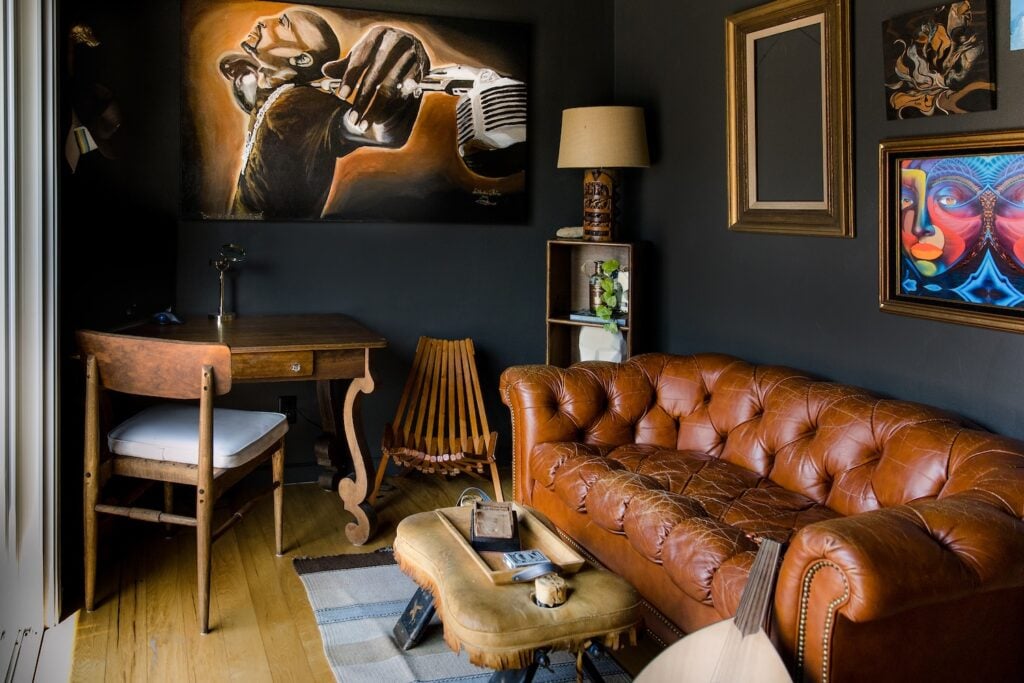
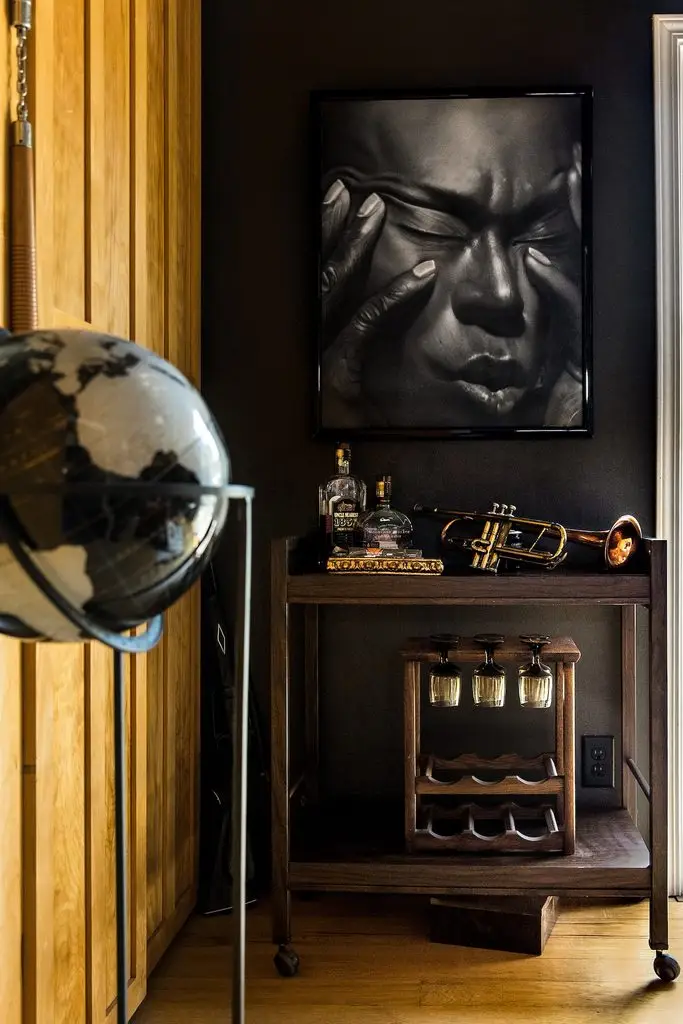
What Smith created in its place is magic. It feels like a speakeasy. Dark, moody, and deliberately masculine, the den looks like how sandalwood and musk would smell if they took physical form. It’s got a bar cart, Amir’s cigars, a speaker, a desk for his real estate research, and French doors that open to a courtyard and pool.
“When we think of meditation, we think of light and airy,” Smith says, rejecting that there’s only one way to create calm. “It’s a sanctuary. It’s a place where the rest of the world doesn’t really feel like it exists.”
Smith doesn’t talk about trends. “I think everything has to have a purpose, and not just to be magazine-ready,” she says. “So I ask clients, ‘How do you want to feel in this space?’”
For my project, Smith isn’t interested in erasing the past so much as spotlighting it. As she guides me in reimagining my kid’s former room, she’s pushing back on my urge to wipe the kid out of it entirely. “I don’t want her to feel like she’s been pushed out of the house, essentially,” she says. “The room is now functioning for other purposes, but it’s still hers.”
She pulls a painting of my daughter off the wall in another part of the house for use in the new space. She also caught sight of a planed section of a pantry door from our last house, which has my daughter’s height marks in my handwriting, climbing as she grew. “Grab that,” she tells me. “It has to go in.”
That’s not just decoration. It’s continuity.
From Playroom to Paycheck
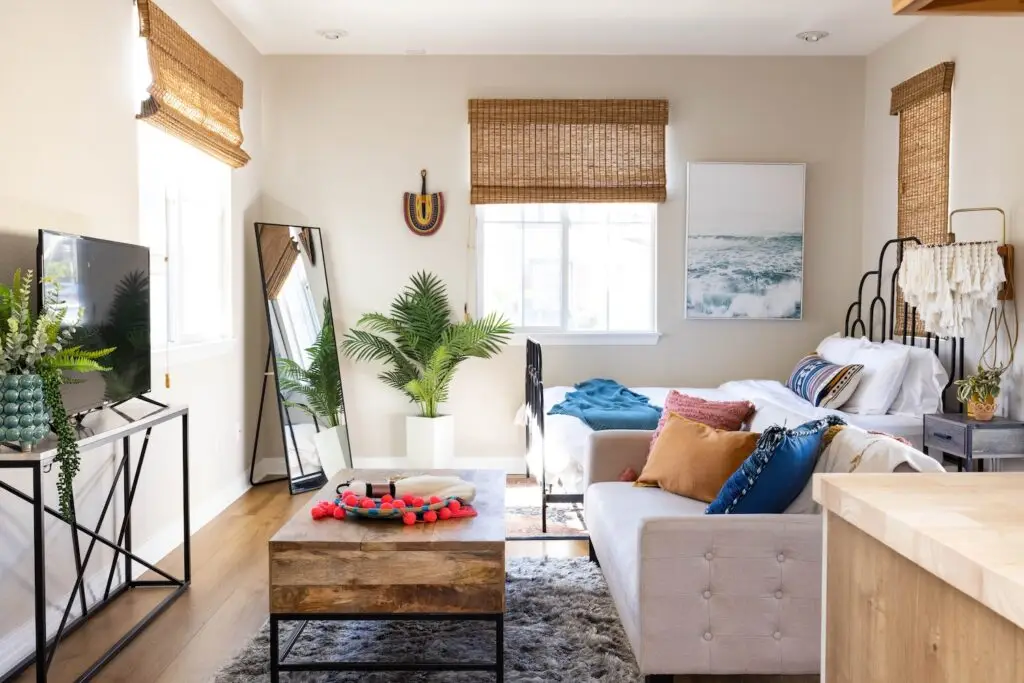
For years, the biggest room in Melissa Gaviria’s Rancho Peñasquitos house was a shared bedroom and playroom for her two kids—absorbing blocks, toys, and balls that, with impressive consistency, never made it into the ball pit. As the kids grew, the room saw less use, then emptied out entirely: Her older child moved out, her younger one moved upstairs.
Gaviria tried turning it into an office, but “that was just one little corner of a whole big room,” she says. When a coworker converted part of a house into an Airbnb-ready ADU, Gaviria was inspired.
She hired award-winning designer Jen Guerin of JG Color Studios to create a junior ADU. It’s technically attached to the house but is functionally its own unit, with a French-door entrance on the side so guests never have to walk through the home’s main living space.
Gaviria didn’t wait until both kids were gone to build her nest egg (the unit pays her mortgage, and she rents the whole house in the summer and travels). The kids were 14 and 10 when construction started, and she gave them markers and crayons for one last pass at the walls. I ask whether she left any of their artwork as an homage. She laughs, “I can’t rent with a Godzilla on the wall.”
I beg to differ there.
Photo Credit: Hali Makanah
Guerin pulled from Gaviria’s Colombian background, incorporating blues and a deep burnt orange as nods to home.
Guerin, who’s designed dozens of these transitions over 20 years, says most parents pivot more slowly than Gaviria. “It always starts with paint,” she says, “then flooring and slowly a replacement of all items.” But the instinct, fast or slow, is the same: “This chapter isn’t about erasing the family story. It’s about making room for the next one.”
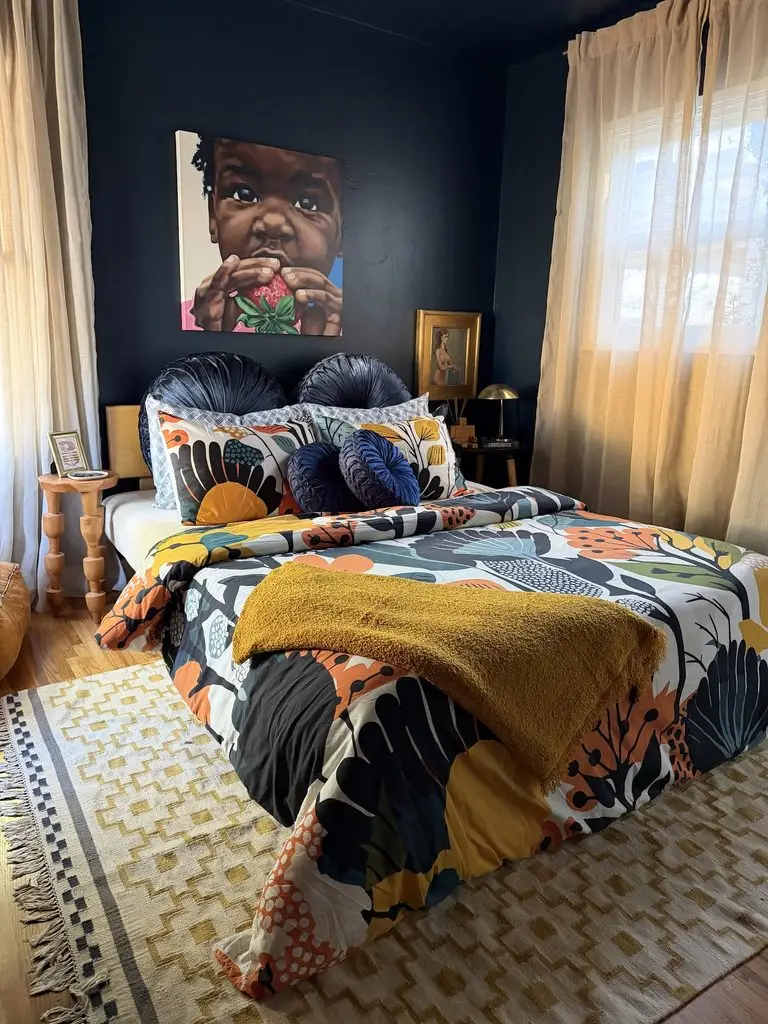
Enveloped. Safe. At ease, creative, and a little bit sexy. I wanted an understated drama that didn’t match our minimalist, midcentury design elsewhere in the house, but that matched the inside of my soul. I wanted dark and light, color and whimsy. I wanted to never want to get out of bed, and for guests to feel that too.
Another parameter: I had a tight budget. I mean, let’s be real about the economy, right? Smith guided me toward a dark paint my husband and I put on ourselves, then sourced used and vintage pieces to go with the bed and other accoutrements we already had, and mixed in a few new pieces from Ikea—like the two-tone green speaker lamp. She nudged me not to erase my kid entirely, so I dug through boxes of ephemera in the garage, framed some old artwork, and tucked a few other mementos away for discovery, should someone look closely.
Most guests won’t notice. They’ll just sink into the bed and not want to leave, which is the whole point. But if you know where to look, my ladybaby is still in there—she’s just not running the place.
Aaryn Belfer is a writer and editor specializing in nonfiction across art, architecture, and culture. Once upon a time, she wrote a provocative column for San Diego CityBeat (RIP). She was a runner up in the 2025 Matchbook Stories contest at the San Diego Central Library and is irrationally happy about it. Currently in her Soft Girl Era, Aaryn has expensive taste in (mostly flat) shoes and will choose a great art exhibit or live jazz concert over almost anything else. Except, possibly, Javier Bardem.
We’re officially in the heat wave portion of the summer, meaning evening outings, museum trips, and time spent along the coast will all come in handy this week. Free outdoor activities throughout SD include the 20th annual LeucadiART Walk as well as the first-ever Little Saigon Night Market. Admirers of live music and musical theater can check out concerts at The Conrad, The Rady Shell, Petco Park, and more, along with the Carnaval of New Latinx Musicals. Plus, soccer fans can see games featuring the San Diego Wave and San Diego FC.
This Saturday from 5-10 p.m. at Pop-Up Winona, Nhu Y Restaurant and the El Cajon Boulevard BIA invite all to enjoy live music, indulge in cold drinks and sizzling hot entrees, and kick off the inaugural Little Saigon Night Market. During this free event, attendees can purchase a range of Vietnamese culinary specialties, such as iced Vietnamese coffee, sugarcane juice, and shrimp, beef, pork, and squid straight off the fire.
4951 El Cajon Boulevard, City Heights
Cabrillo Under the Stars
August 29
Head to the southernmost edge of Point Loma and wear your best ‘60s/’70s attire during Cabrillo Under the Stars. This year marks seven decades since the Cabrillo National Monument Foundation’s advocacy began, with this 21-plus fundraiser serving as its annual cornerstone event. This Saturday from 6:30-9 p.m., guests can contribute to Cabrillo’s ongoing landmark legacy, enjoy live music from That Beatles Cover Band, and sample food, beer, wine, and mocktail tastings from 15 local purveyors. Ticket options include general admission ($170) and premium seating ($500), which comes with exclusive seating and complimentary goodies.
The La Jolla Music Society’s 40th annual SummerFest will conclude with a piano tribute, famed composer selections and a trio-filled finale. This Thursday (7 p.m.), pianist Brad Mehldau and a talented ensemble will perform his Ride into the Sun album, paying homage to folk legend Elliott Smith; tickets start at $65. Then, on Friday (7 p.m.), musicians will engage with works by Ludwig van Beethoven, Vaughan Williams and more during Conversation Across Centuries; tickets range from $40-$99. Finally, SummerFest will take one last bow on Saturday (7 p.m.) with Finale: Rule of Three, a nod to the power of musical trios; tickets range from $90-$125.
Balboa Theatre: 868 Fourth Avenue, Gaslamp | The Conrad: 7600 Fay Avenue, La Jolla
San Diego Symphony Orchestra Concerts at The Rady Shell
August 28 & 30
This weekend, the San Diego Symphony Orchestra will anchor a pair of visually and audibly stimulating performances at The Rady Shell. On Friday (7:30 p.m.), audiences can watch Pirates of the Caribbean: The Curse of the Black Pearl with a live rendition of Klaus Badelt and Hans Zimmer’s adventurous score, including its ultra-triumphant theme; tickets range from $57-$124 for this performance. The orchestra will finish off the weekend with a firework-laden tribute to Pyotr Ilyich Tchaikovsky, featuring pianist Joyce Yang, on Sunday (7:30 p.m.); tickets range from $45-$129 for the annual Tchaikovsky Spectacular.
222 Marina Park Way, Embarcadero
Muse at North Island Credit Union Amphitheatre
August 29
For British alternative rock trio Muse, outer space has been a longtime area of fascination, most notably on their 2006 album Black Holes and Revelations. But their newest project, June’s The Wow! Signal, was not just an excuse to sing about aliens, galaxies, and futurist anxieties, it was also a form of “catharsis” for lead singer/guitarist Matt Bellamy, who wrote the album in the aftermath of his divorce. This Saturday (7 p.m.), Muse will headline an evening of alternative rock at North Island Credit Union Amphitheatre, with Portugal. The Man and The Temper Trap as opening acts. Tickets start at $70 for this concert.
2050 Entertainment Circle, Chula Vista
My Chemical Romance at Petco Park
August 30
On their legendary 2006 album The Black Parade, My Chemical Romance found jubilant irony in painful death. Twenty years on, they’ve reimagined the album’s concept, with its bleak pop-punk sound now accompanying a defiant story set under the fictional authoritarian regime of Draag. The whole atmosphere is completed with costumes, lyrical alterations, a detailed narrative, and seismic performances of the full album, along with an assortment of other hits. This Sunday (7 p.m.), the band’s Long Live the Black Parade tour will head to Petco Park with kawaii metal trio Babymetal as special guests. Tickets start at $74 for this concert.
Ryan Hardison is a freelance arts and entertainment writer and recent graduate of San Diego State. When he's not staring at his laptop, he's likely eating an adobada burrito or getting sunburnt at the beach.
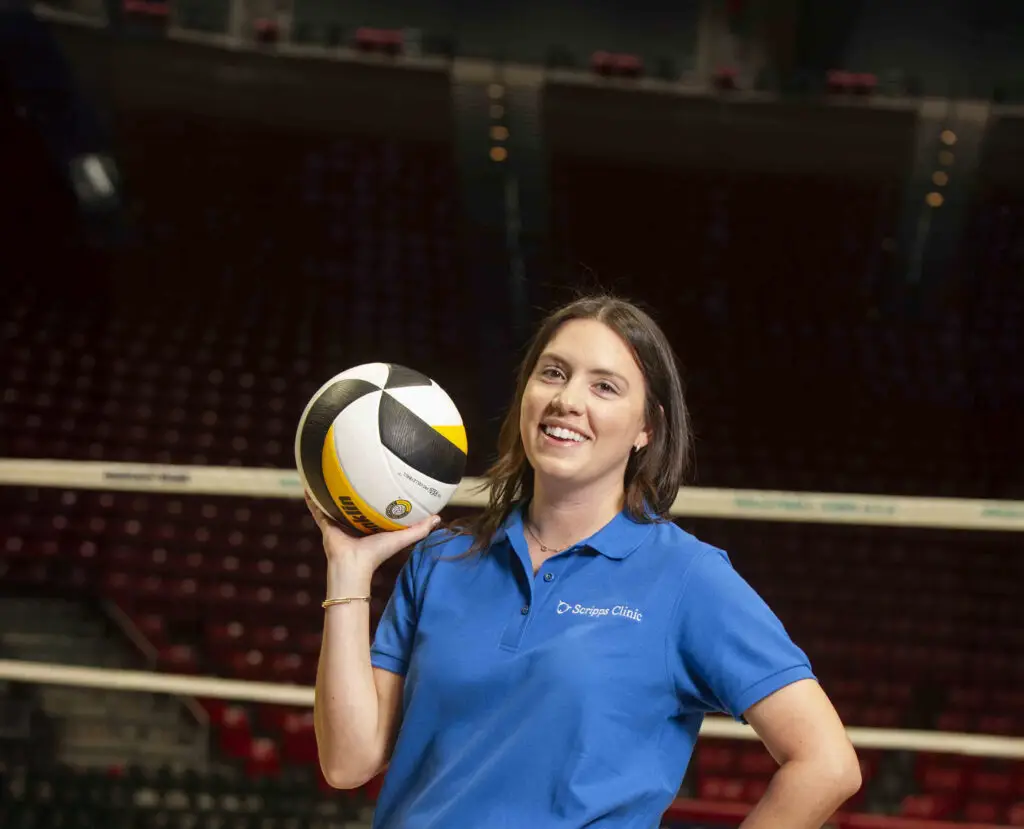
Growing up, Laika Nur, MD, Scripps Clinic sports medicine specialist, loved watching beach volleyball when the Association of Volleyball Professionals tour came to her hometown of Chicago. A talented volleyball player herself, she remembers sitting in the stands all day, and once, even got a couple autographs. Years later, Dr. Nur was attending a professional event focused on women’s sports, and the discussion turned to a new professional women’s volleyball league. The general manager and coaching staff for San Diego’s team, the Mojo, happened to be in attendance, and Dr. Nur took the opportunity to ask them if they needed a team doctor. Flash forward to the Mojo’s inaugural 2024 season, when Dr. Nur officially became the team physician. Click here to read more about Dr. Nur and how she incorporates lessons she learned on the court into her practice.
For more nutrition, wellness, and healthy living tips, sign up for the San Diego Health newsletter here.