Featured articles
Food & Drink
Food & Drink
Food & Drink
Featured articles
Things to Do
Things to Do
Things to Do
Featured articles
Things to Do
Things to Do
Things to Do
What's next
Featured articles
podcast-ep
video
podcast-ep
Featured articles
Everything SD
Things to Do
Everything SD
Featured articles
Food & Drink
Things to Do
Food & Drink
Ready to know more about San Diego?
SubscribeReady to know more about San Diego?
Will proposed bike lanes in North Park get more people cycling, or just worsen parking-space scarcity?
Controversy over a plan to replace curbside parking with bike lanes may be hurtling toward its dramatic conclusion in North Park. In June, the city of San Diego plans to remake the busiest 2.4-mile stretch of the neighborhood—30th Street from Juniper Street to Adams Avenue—by adding protected bikeways. It will forever change the look and feel of North Park’s popular restaurant row, give or take a few pandemic dining parklets.
The new, seven-foot-wide bikeways will run along both sides of the street, replacing more than 450 curbside spaces. Thanks to a yearslong fight to preserve them, nearly 100 parking spaces will remain, but inside the bike lanes as so-called “floating spaces,” like those installed downtown over the past two years. There will be new street signs, unfamiliar green and white stripes on the pavement to show where bikeways intersect with crosswalks or driveways, and other visual vocabulary we’ll all have to learn.
North Park is far from the only stretch of road being outfitted with bike lanes. San Diego’s Bicycle Master Plan of 2013 called for more than a thousand miles of cycling infrastructure to be implemented by 2030, and the city says it has completed over 400 miles so far. Protected bikeways, which add concrete or visual barriers between cyclists and cars, have been added to J Street in East Village and to Harbor Drive near the airport. They’re almost completed along Fourth and Fifth Avenues through Bankers Hill. The list goes on, and is quickly getting longer. Adding bikeways to urban neighborhoods takes years of committee meetings, community outreach, and redesign, and many years of behind-the-scenes effort are just now starting to pay off.
30th Street presents a bigger challenge than most, leading to tough decisions about what stays and what goes. As a bikeway planner from SANDAG puts it, “Some of these city streets are really old, and there’s only so much room curb to curb.”
For example, the eight tenths of a mile between Juniper and Upas Streets has no center lane, so adding bikeways leaves behind zero parking spaces. The lack of back alleys between Upas and University Avenue means some segments of the center lane must be retained as commercial loading zones. Yet other sections must be cut to make room for ADA parking, passenger loading, parcel deliveries, and more.
Bike lanes 2
The plan has no shortage of detractors, the most visible being the Save 30th Street Parking organization. Speaking for the group is longtime resident Pat Sexton, who has worked with fellow North Parkers to oppose the bikeway plan since learning of the proposal in 2016.
Sexton stresses that she and most of the organization are pro bikeway, they just don’t believe it should carve up the neighborhood’s busy commercial center—they prefer the lanes be installed two blocks west, on Utah Street, for starters. They’re sure most in the community don’t want what the city is selling.
“I think there’s a lot of things that the city hasn’t thought about,” Sexton says. “Where are trash cans going to go, for pickup? In the bike lane or in the traffic lane? What would happen if the center lane is gone, and there’s a traffic jam, and a fire truck is on its way?”
Along with a litany of logistical hurdles, Sexton and Save 30th allege the loss in parking will create undue inconvenience for 30th Street residents with cars, and hurt business for restaurants and retailers that have already been struggling. The group’s attorney, Craig A. Sherman, says they’ve tried twice to stop the project in court and have been denied, and are trying to get a new hearing to block the project’s estimated June start date.
“The bike lobby is so powerful in San Diego right now,” Sherman says. “They put together a proposal, and it gets built.”
But the city will have to start some sort of resurfacing in June. Its road crews have already been busy tearing up 30th Street to replace degraded water pipelines. Once they finish, there won’t be a better time to add bikeways.
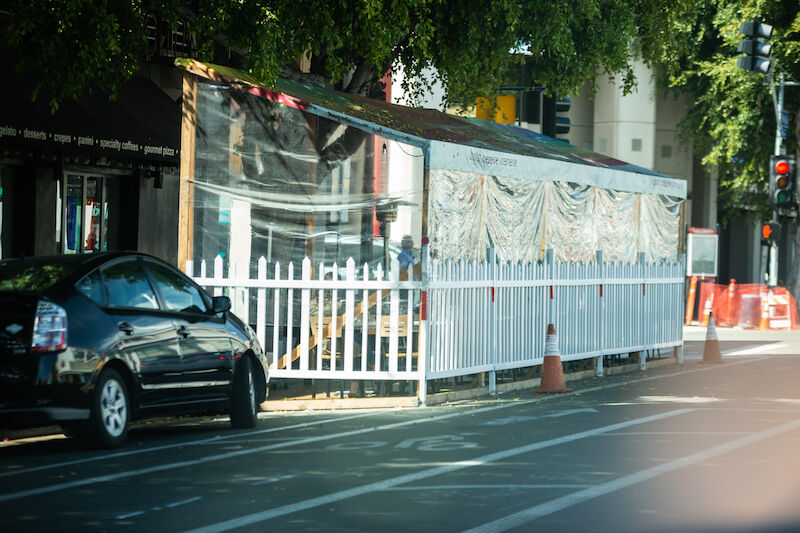
But this timeline also puts the project at odds with the state of outdoor dining—30th Street is currently loaded with curbside parklets that have sprung up in response to public health restrictions. City permits for those parklets don’t expire until August.
If there’s one issue where bikeway advocates and local business groups agree, it’s that the pandemic parklets should be considered before the final bikeway plan is built. North Park Main Street and biking advocacy group Bike SD has even made an eleventh-hour plea to the mayor to modify or pause the project while outdoor dining is sorted out.
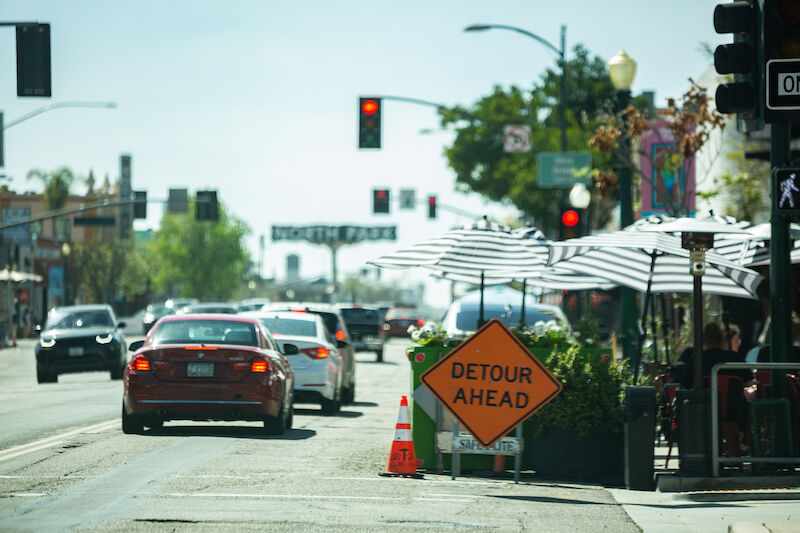
As it currently stands, restaurants would have to disassemble their parklets, then rebuild them once the road is resurfaced and bikeways installed. Bike lanes would be temporarily routed around each parklet, detouring cyclists into a vehicular traffic lane, creating a dangerous tangle of liability and risk.
bike lanes 3
Some avid cyclists question the safety of protected bike lanes altogether, such as Serge Issakov. An avid rider going back decades, Issakov sits on the boards of several biking organizations, including the California Association of Bicycling Organizations, and he serves on the city’s Mobility Board.
He’s also involved with the Facebook group Encinitas: PLEASE Restore Safety In Cardiff. The 980-member group, many of them recreational cyclists, has been lobbying the city of Encinitas to redesign a protected bikeway installed last year along South Coast Highway 101 in Cardiff.
The highway was a popular route among recreational riders long before a physical barrier was installed to make them feel safer, and Issakov blames that feeling for a steep rise in bike accidents since—24 and counting. “It’s unsafe to think and feel that way,” he says, alleging that protected bikeways can create a false sense of security. Instead, he advocates bike safety education and awareness to reduce accidents, insisting, “When you don’t have that ‘protection’ making bikers feel safe, they’re more likely to pay attention.”
He suspects that’s what happened to a local research scientist who died last year after being struck by a car turning at a Leucadia intersection, where his bike emerged from a protected bikeway. Issakov worries the same potential exists in the 30th Street plan, where parked cars and buffers will reduce awareness between drivers and riders heading into busy cross traffic. “We’re sending them to a potentially dangerous conflict point,” he says.
Opposition to the project has been well publicized, and while the possibility of a judicial injunction or executive action may yet delay North Park’s controversial bikeways, there appears to be too much momentum to outright stop them from happening.
That’s because, beyond the Bicycle Master Plan, protected bikeways satisfy an overlapping set of policy benchmarks—such as the city planning department’s Complete Communities initiative, which recommends bikeways to link all communities to public transit, regardless of economic status. Or San Diego’s Vision Zero goal of “zero traffic related fatalities and severe injuries by 2025.” The city’s Climate Action Plan states that, for its goals to be met, 18 percent of central San Diego’s commuters should be on bikes by 2035.
City officials are bound to these long-term policy commitments, which are meant to guide the city toward a more sustainable, safe, and equitable future. “Equity in the sense of who’s able to use the street?” asks Chris Olsen, a former policy analyst for the city who serves as a board member of Bike SD. “Is it just affluent able-bodied people who wear spandex and can afford an expensive bike?”
Almost specifically, he argues, it’s not. The planners and cycling activists pushing for protected bikeways try to dispel the perception that they’re being built solely for the subculture of enthusiasts already bold enough to ride their bikes across the city. They’re focused more on attracting those of us who might ride more if we didn’t think we had to compete with cars for road space. Whether trading parking spaces for bike lanes kills North Park or saves it will depend on how many casual riders, families, and even seniors take the city up on its offer to bike more through town on a regular basis.
“Building biking infrastructure for people who already bike is important,” Olsen says, “but building bike infrastructure for those people who will take it up—that’s where you move the needle.”
SANDAG numbers suggest that needle has started to move, particularly during the pandemic. Its data shows bicycle traffic through spring and summer 2020 was up by 42 percent compared to 2019.
Which is exactly the trend Andy Hanshaw expects to see looking forward. The Mobility Board member and executive director of the San Diego County Bicycle Coalition has been working tirelessly in support of this kind of bike policy for ten years. With patience, he vows, the people of North Park will eventually see how beneficial a strong bikeway network will be: to businesses, to residents, to everyone. “These bikeways that take a long time, they’re being built for future generations,” he says. “For future generations that will choose to live car-free.”
Ian Anderson is a freelance writer based in San Diego. Find his work at anderson-stories.com

Bike lanes 1

We found a handful of inspiring people who live in, and truly know, these 'hoods and asked them how they’d spend their time out and about
Growing up in Carlsbad, I never quite understood why people vacationed there. What, so you want to check out the field where I have soccer practice? Pay my orthodontist a visit? Carlsbad just felt like a town by the beach, no better or worse than any other in the country. It took going to college out of state for me to actually understand just how rare a place like Carlsbad is.
Thanksgiving break my freshman year, my first time coming home after three months in the Midwest, my shoulders dropped. I rolled down the windows and drove to lifeguard tower 37—the hangout magnet for Carlsbad’s youths (and, in the summer, tourists)—and the smells of the ocean woke me right up like smelling salts do. I finally got it.
Carlsbad isn’t just a stopover town on your way to something better. It is the destination. Travel + Leisure named Carlsbad one of the top 50 places around the world to travel in 2026. From the whole globe, the travel magazine picked my home. Sure, we’ve got the Flower Fields and Legoland—but now it’s the smaller ships and indier dreams that are giving it street-level character.
It’s not just Carlsbad, either. People have talked about the “North County bubble” for decades—a force field that prevents its residents from traveling south of the 56. It’s often used derogatorily, and it’s a fairly accurate burn.
For decades, living up in North County meant giving up on culture, or at least culture within close proximity. But now, the main expansion of San Diego culture is happening up north. Central San Diego restaurants have started taking notice and are expanding into the area—spurred no doubt by Oceanside’s food boom and the Jeune et Jolie–Campfire–Wildland–Lilo constellation in Carlsbad. City Heights burger joint Key & Cleaver opened a new spot in Oceanside; the owners of Parc Bistro-Brasserie in Bankers Hill opened Parc Lounge in Rancho Santa Fe. Possibly the strongest market indicator is that Sam Fox—one of the most successful restaurateurs west of the Rockies—has started focusing on North County for his concepts. In 2025, he opened both The Henry in Carlsbad and Culinary Dropout in Del Mar.
For the ultimate insider guide, we found a handful of inspiring people who live and create and truly know six North County neighborhoods—San Marcos, Escondido, Oceanside, Leucadia, Rancho Santa Fe, and Vista—and asked them how they’d spend a dream day out and about in their town.

San Marcos is in full renaissance mode. The biggest story is that the grand North City vision is starting to peek through the scaffolding. It’s essentially the North County Downtown that’s been written in the tea leaves and discussed whenever someone gets stuck in traffic at the 5/805 merge: a 200-acre, pedestrian-friendly, mixed-use face-changer that’s slated for 2,600 homes, 350,000 square feet of retail and restaurants, 250 hotel rooms, and about a million square feet of offices and labs. Its most recent manifestation is 222 North City—a 12-story residential tower with over 450 residences, rooftop garden, pool cabanas, art installations, and almost 20,000 square feet of ground-floor retail (Necessity Coffee, Buona Forchetta, Draft Republic, Milonga Empanadas, and a grocery store anchor on its way).
Which means Restaurant Row is no longer burdened with being the primary caregiver for the hungry or the socially inclined. Patricia Prado-Olmos has watched the city morph during her nearly three-decade tenure at CSUSM, having spent the past six years as the school’s chief community engagement officer. She also just announced her forthcoming retirement at the end of the 2026–2027 school year, so she’ll have even more time to haunt local haunts.
Those in the know call the university “Cal State StairMaster” from the Sisyphean amount of stairs on the hillside campus. So, any day at or around CSUSM should start with a homestyle carbo-load (biscuits and gravy) from Mama Kat’s.

“There’s something about this breakfast spot that immediately puts me in a good mood,” she says. Mama Kat’s is also known for its pie (strawberry-rhubarb), which is breakfast if you change your perspective.
After a few hours on campus—with a break to pet the university’s official therapy goldendoodle, Frank, who helps ease finals tremors or apprehension of on-campus stairs—Prado-Olmos will wander into North City, just steps away. She says the almond croissant and coffee at Christophe Rull Patisserie rival Parisian cafés: “It feels like the kind of place you’d stumble across in a much bigger city.”
Rull, a Michelin-trained pastry chef who’s done stints on Netflix (Bake Squad) and Food Network (Super Mega Cakes, Halloween Wars), opened his patisserie last fall. The hype hasn’t cooled off yet: Get there early because the crowds do.
Emma Veidt is an editor at San Diego Magazine. She earned her bachelor's and master's degrees from the Missouri School of Journalism. She loves running, hiking, and rock climbing, but really, she mostly loves encounters with the street cats around North Park.
The Carlsbad-based concept has exploded nationally by turning men’s health clinics into man caves
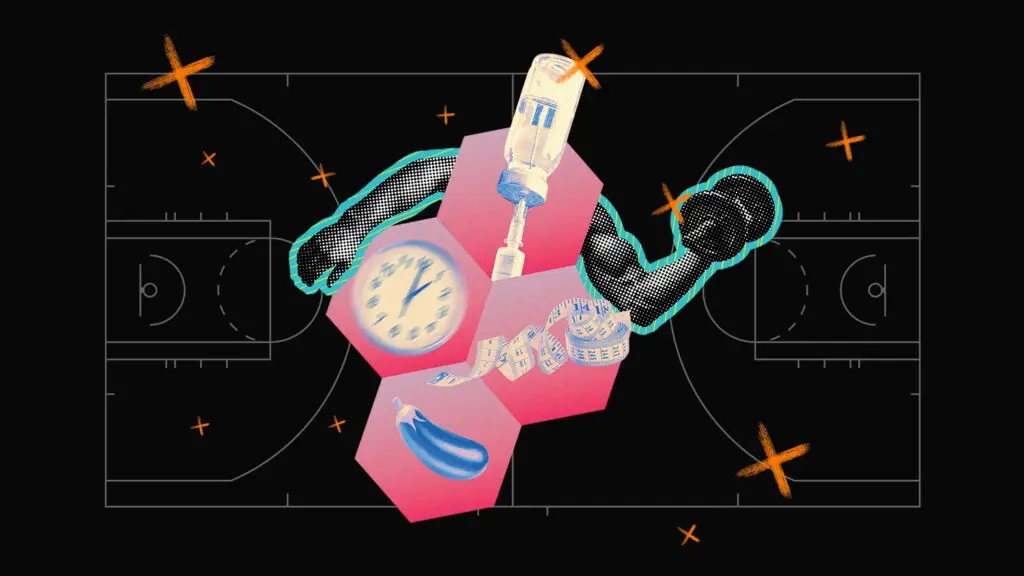
Rub some dirt on it. Walk it off. Be a man. The tropes and reasons for men ignoring their health and doing preventive care are many, reinforced by action heroes and generational norms. As a result, compared to American women, American men live an average of five years less, seek healthcare treatment half as often, and die by suicide nearly four times more often.
Many national campaigns have tried to change this. This year’s “Relax Your Tight End” ad from Novartis during the Super Bowl—in which NFL legends advocated for early prostate cancer screenings—was a high-profile example. Meanwhile, in San Diego, Evan Miller seems to have figured it out.
Miller founded Gameday Men’s Health in 2018 as a small clinic in Carlsbad. The idea was to create a space men would actually want to spend time in. So he built Gameday to feel more like a sports bar or a man cave—snacks, sports on oversized, high-def flat screens in the waiting room. He personalized the care for each client, made the experience more casual, and, above all, efficient. If the wait for payoff is too long, Miller says, men won’t show up for their health.
“We need to feel better quick,” he says. “So that’s where the real hook with Gameday is: It’s fast; it works quick.”
The idea has worked. Big time.
Gameday now has 430 locations spread across 46 US states and parts of Canada, with hundreds more set to open over the next three years.
Prior to Gameday, Miller—who has a Ph.D. in clinical psychology—ran Akua Mind Body, an addiction treatment center in Newport Beach. After selling the center, Miller says he searched for a new way to help his community.
He drew from his behavioral health training and dispiriting past experiences with “sketchy” men’s clinics, albeit with a slightly different concept at first.

“My original idea for Gameday, funny enough, was men’s group therapy,” Miller says. “I wanted to put it in this ‘man cave’ environment because I knew guys wouldn’t show up otherwise.”
Initially envisioned as safe spaces to encourage men to open up emotionally, Miller pivoted to a more clinical approach with an athletic design that personally appealed to him. Soon, it evolved into a one-stop shop of compounded medication treatments for weight loss plans, hair loss treatments, anti-aging injections, sexual wellness strategies, and testosterone replacement therapy. The hotly debated trend of peptides—mini amino acid proteins that the FDA has yet to approve—has become a popular feature.
New patients undergo in-clinic assessments for testosterone and prostate levels with the goal of producing test results in just a quarter of an hour. “Our philosophy with our treatments is we only do what the research supports,” Miller says.
An Orange County native, Miller found Carlsbad to be a natural headquarters. He found a much bigger market in coastal North County of men seeking a boost—both in their marriages and their overall livelihoods. The pandemic proved to be a watershed moment, with front-yard gyms and outdoor, highly visible exercise sparking a wave of self-care. According to Cleveland Clinic, after the pandemic, about 20 percent of men started to exercise more and eat healthier, with a quarter of men reporting they scheduled more sleep and spent more time with family.
“When Covid happened, [suddenly] everyone looked in the mirror and was like, ‘I need to take care of my health; I have to do everything possible to get in shape,’” Miller says.
Two years after Gameday first began, Miller opened a second clinic in Temecula, followed by locations in Laguna Beach and Newport. Demand kept coming, so they started franchising in 2023. They sold 1,000 licenses in the first year. By 2025, they had over 400 clinics across the country.
When asked about the rapid growth, Miller cites the feedback he received along the way: “People were so excited about men’s health, cash-pay medicine, and not having to wait for insurance. They understood the model. It was for guys; it felt like ESPN meets healthcare.”
Now Miller says Gameday is starting to map out a global expansion—to Europe, Latin America, and the Middle East. Since the company first cultivated a following, Miller says there have been persistent questions about whether Gameday would ever expand its focus to include women. Their answer: Her Way.
“We only offer a very narrow menu, almost like In-N-Out Burger, because we stay in our lane, we do it really, really well, and we gain trust that way,” Miller says. “So we created the Her Way model to do the same thing for women [that] we’ve done with men.”
Her Way Health & Hormones launched in 2024 in clinics with more neutral and calming décor. With locations in Carlsbad and Mission Valley, it will officially start franchising this summer. Miller seems incapable of thinking small and expects around 1,000 Her Way locations to open nationwide within a few years.
Ryan Hardison is a freelance arts and entertainment writer and recent graduate of San Diego State. When he's not staring at his laptop, he's likely eating an adobada burrito or getting sunburnt at the beach.
Kick off summer at The Rady Shell, enjoy the Omakase Open at JULEP, and see a Padres vs. Dodgers showdown at Petco Park
Summertime in San Diego may bring about blue skies and sun-drenched days, but it doesn’t stop there. There’s also the top-notch concerts, tasting events and wallet-friendly fixtures that make this season feel extra special. Fans of contemporary and classical music can check out performances by the San Diego Symphony Orchestra, the Beach Boys and Kool & The Gang at The Rady Shell or the annual Mainly Mozart All-Star Orchestra Festival in La Jolla. Local gourmands can sign up for a spot at our Omakase Open, indulge in cold desserts at Scoop San Diego or journey across a two-mile stretch of good eats during the Taste of Adams Avenue. As for free events, there’s a new edition of San Diego Made: LIVE at San Diego Made Factory, the Pride Party at Museum of Us and the return of the Ocean Beach Street Fair & Chili Cook-Off.
Food & Drink | Concerts & Festivals | Theater & Art Exhibits | More Fun Things to Do

Japanese omakase dining is an artform built on trust, in patrons allowing their chef to entirely curate their meal. That’s why, this Thursday from 6-9 p.m., San Diego Magazine is gathering the city’s finest sushi and omakase chefs to showcase their skills during the 21-plus Omakase Open at JULEP. Guests can enjoy live music, all you can eat food and drink, plus the chance to converse with local culinary masterminds and decide on the night’s best bites, all while supporting the Convoy Pan Asian Cultural and Businesses Innovation District. General admission ($85) is full up, but join the waitlist in case more tickets become available.
1735 Hancock Street, Mission Hills
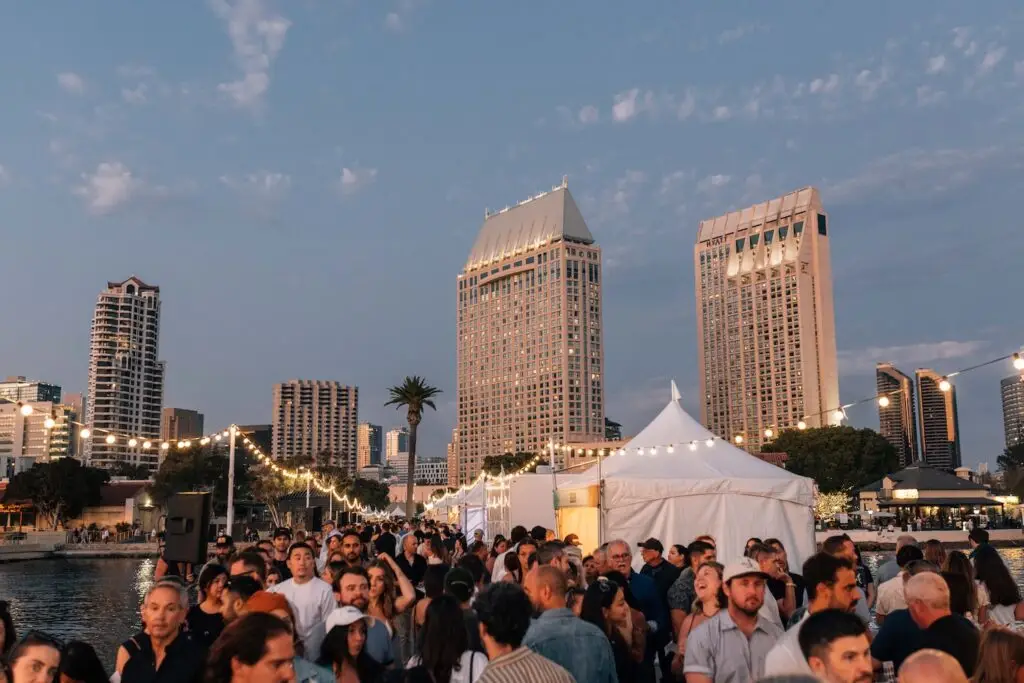
From University Heights to Kensington and the unique neighborhoods in between, Adams Avenue is home to a host of must-try flavors. During the 25th annual Taste of Adams Avenue, happening this Sunday from 11 a.m. to 3 p.m., 45 spots along Adams Avenue will offer samples, with brunch-inspired bites, refreshing ales, world-class gelato on the menu. Attendees can make the most of their self-guided tasting tours by walking, biking or riding from end-to-end on a complimentary trolley. Tickets are $55 online and $65 the day of.
Adams Avenue
It’s a scientific fact (source: trust me) that a little sweet treat, like say ice cream, paletas or shaved ice, has the power to make any day instantly better. Meaning, it’s only right to treat yourself to a dessert-filled afternoon during the 8th annual Scoop San Diego Ice Cream Festival, where three dozen local vendors will serve up their finest specialties this Sunday from noon to 4 p.m. in North Park. General admission ($49) comes with 10 shareable two-ounce samples; all net proceeds will go towards Feeding San Diego.
30th Street & North Park Way, North Park
Week two of the 38th Annual Mainly Mozart All-Star Orchestra Festival begins Tuesday (7 p.m.) with a performance of Mozart’s “Jenamy” and pieces by Lully and Strauss, followed by Mozart’s “Jupiter,” and works by with Schumann and Pärt on Thursday (7 p.m.), both at The Conrad; tickets range from $71 to $163 for each concert. The festival will then conclude Saturday (7 p.m.) with Mozart, Brahms and a performance of Beethoven’s Symphony No. 5 at Epstein Family Amphitheater; tickets range from $26 to $263. And if that’s not enough Mozart for you, pianist Anton Nel will lead a prelude concert in the JAI prior to Tuesday and Thursday’s shows.
The Conrad: 7600 Fay Avenue, La Jolla | Epstein Family Amphitheater: 9500 Gilman Drive, La Jolla
A star-studded opening weekend is in store to kick off The Rady Shell’s summer season. On Friday (7:30 p.m.), Rafael Payare will conduct the San Diego Symphony Orchestra in an effusive Opening Night program featuring violin soloist Stefan Jackiw; tickets range from $57 to $124. The following night at 7:30 p.m., the orchestra will pair up with The Beach Boys, plus special guest John Stamos, for a rousing tribute to Pet Sounds; tickets range from $78 to $268. Then, on Sunday (7:30 p.m.), audiences can boogie their way to Monday with Kool & the Gang and hip-hop pioneers the Sugarhill Gang; tickets range from $68 to $152.
222 Marina Park Way, Embarcadero
Ryan Hardison is a freelance arts and entertainment writer and recent graduate of San Diego State. When he's not staring at his laptop, he's likely eating an adobada burrito or getting sunburnt at the beach.
NOW CFO provides scalable, on-demand accounting and finance support to companies ranging from pre-revenue startups to billion-dollar businesses
Entrepreneurs typically launch businesses because they’re passionate about a product or service, not because they want to manage its finances. While working to carve out a niche in their respective industries and drive their companies forward, many business owners find themselves bogged down by day-to-day accounting. Their existing accounting tools don’t provide the necessary visibility or insight, and they don’t have the time or resources to hire additional staff or a chief financial officer. That’s where NOW CFO comes in.
For more than 20 years, NOW CFO has been pairing businesses across the country with experienced accounting and finance professionals. Its outsourced model allows clients to customize solutions that match their individual needs, size, and financial challenges, whether that’s fractional or interim support, project-based services, or full-time placement.
NOW CFO’s clients range from startups preparing for rapid growth to established companies that need additional financial leadership without the commitment or expense of building an in-house team. However, many of these companies don’t fully understand their needs until they experience a “trigger” event: preparing for an acquisition or capital raise, navigating a first-time audit, or another period of transition. With a team of over 300 consultants nationwide, NOW CFO can start quickly and match the right expert to the right business.

“It’s important for companies to have financial visibility, and we can help them avoid a lot of the potholes that companies often run into,” says Mariah Block, a partner at NOW CFO’s San Diego branch. “Roughly half of our clients have an in-house finance person or department, and we’re resourced for more bandwidth when they need an extra set of hands at the staff or senior accountant level, or the controller or CFO level. Some clients use this a few hours a month and others use multiple people close to full-time. Our model is solution-based and customizable. We’re like a faucet you can turn on and off.”
With NOW CFO, there’s no one-size-fits-all approach. Solutions are based on the client’s individual goals, challenges, needs, and budget, meaning a client never pays for more than they need. Whether it’s a few hours of executive-level guidance or a full accounting team to support daily operations, NOW CFO meets businesses where they are and grows alongside them.
“We pride ourselves on providing our clients with the right resources at the right rate and being able to evolve as their needs evolve,” says Block.
And clients appreciate on-demand access to cost-effective support designed to improve performance and profitability.
Luxury car storage service Auto Concierge has partnered with NOW CFO to support growth over the past year. The arrangement began with a staff accountant who covered a leave of absence, but as the client’s needs changed, they also added a controller role. This allowed Auto Concierge to put effective processes in place and navigate operational challenges. Lori Church, Auto Concierge’s chief operating officer, says NOW CFO has been an “outstanding resource” and a “true strategic partner.”
“From the controller to the bookkeeper, every professional they’ve placed has brought a high level of expertise, responsiveness, and professionalism to our organization. Their team took the time to understand our business of high-profile clients and needs, adapted quickly to our fast-paced environment, and became a trusted extension of our team,” she says. “As Auto Concierge continues to grow, having a reliable financial partner like NOW CFO has allowed us to strengthen our financial and business operations while remaining focused on delivering exceptional service to our clients.”
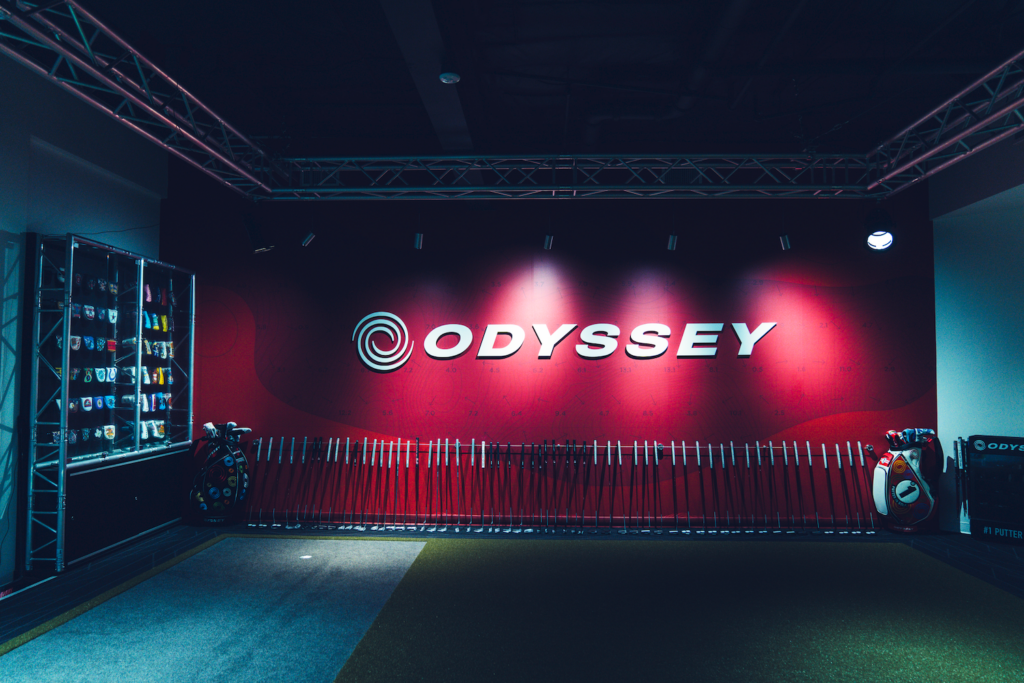
In a sport obsessed with prestige, a San Diego–born golf brand is betting on something more fun and less fussy
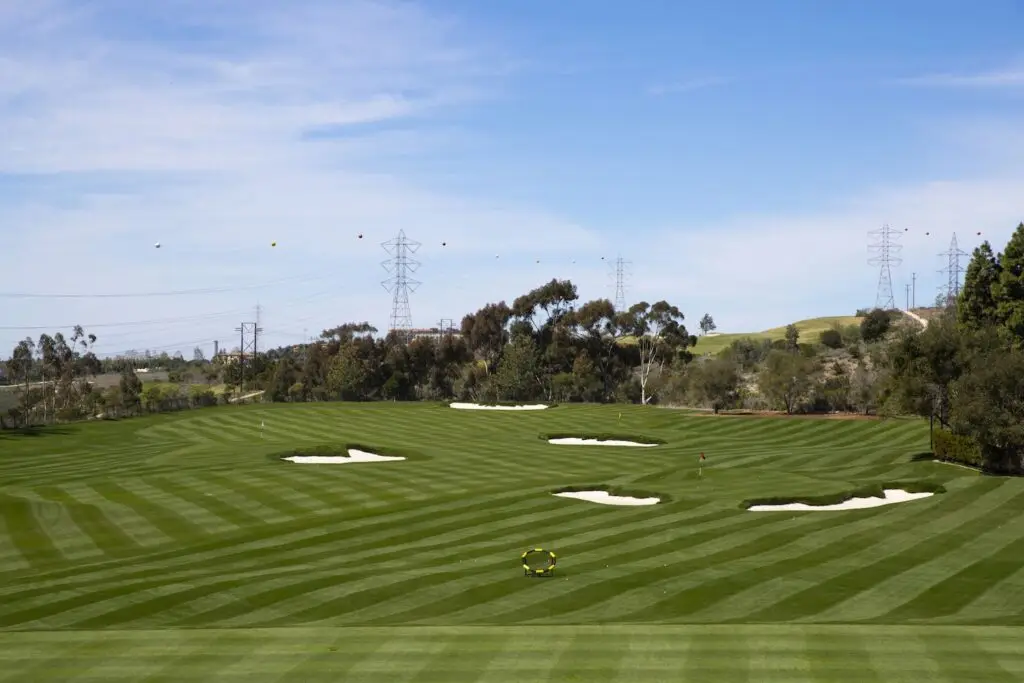
Music drifts across the fairway. Someone’s in flip flops. The Pacific flashes in the distance. Sun peeks onto shoulders through the palm trees. It’s spring, technically, but the air reads suspiciously like summer. At the par-3 course at Liberty Station, the longest hole barely stretches past 120 yards, and no one looks particularly interested in becoming the next PGA legend.
This is where Sunday Golf was born.
“I got dragged to a par-3 course in 2019 —The Loma Club—and it was way more my jam,” says Ronan Galvin, CEO and co-founder of Sunday Golf, a company that makes lightweight golf bags for players who’d rather carry less and laugh more. “It was a lot different than the stereotypical ideas you have about golf where it’s kind of long, uptight, and exclusive.”
Galvin spent over a decade in the golf industry working in product development, sourcing and manufacturing. But he didn’t grow up swinging clubs. Basketball and football were more his speed. What clicked for him was a simpler, more relaxed kind of play: shorter rounds and weekend games built for fun rather than formality. The kind of golf that resonated for him felt accessible, effortless, and surprisingly his lifestyle.

He noticed something else, too.
On a course where five clubs do the job, players were still lugging 14. So Galvin built something smaller. Lighter. A bag designed specifically for par-3 rounds, the Loma Bag is sleek, functional, and refreshingly unfussy. It’s practical minimalism in a sport known for excess.
Sunday Golf was slated to launch in January 2020. Then, COVID hit. Shipments stalled; lost at sea. The future felt shaky. But the series of catastrophes for the young company turned out to be anything but: By the time inventory arrived that August, golf had become one of the few activities people could safely do.
“It introduced and brought so many people back to the game,” Galvin says. “It created a habit for a lot of people, which is a big reason golf is on its growth trajectory.”
It turns out Americans can’t get enough of golf. Forty-eight million of them swung clubs last year, a 41 percent jump since 2019, and the National Golf Foundation says the total could top 50 million by the end of 2026.
The brand rode this unlikely momentum. Since 2021, Sunday Golf has expanded into larger lightweight bags and continues evolving from there. A major reason for the company’s success is its approachability, a value so central that it’s literally written on the office walls in the form of the company’s guiding mission: “Get 500,000 golfers having more fun by 2027.” This goal is measured, fittingly, by golf bags sold.
Sunday Golf has already passed 300,000 bags sold.
But the numbers aren’t the point.

“To remind the world that life is meant to be enjoyed,” Galvin says of the brand’s why. In an era dominated by screens, golf offers something analog. “People are outside, touching grass with their friends. A golf bag is a golf bag, but our products are vehicles to help support that.”
Unlike legacy golf giants promising proximity to Rory McIlroy-level greatness, Sunday Golf leans into what Galvin jokingly calls “diet golf” or “golf light”—weekend rounds, driving range sessions, company scrambles. The bags are built for the casual golfer, and the fit feels obvious.
That philosophy resonates across Southern California, where year-round sunshine means golf courses never really hibernate for winter. As Galvin puts it, “the laid-back lifestyle of San Diego kind of seeps into everyone’s veins.”
Sometimes the validation arrives via email: a 76-year-old customer is able to walk the course again because their golf bag is lighter. Parents are able to take their children out with Sunday Golf’s kids line.
For Galvin, that’s the real win. Not perfection. Not prestige. Just more people outside, enjoying themselves. In San Diego, that might be the most natural mission of all.
Isabella Dallas is a freelance writer for San Diego Magazine and the Arts and Culture Editor at The Daily Aztec in her final year at San Diego State University. She previously worked as an editorial intern for SDM, but when she’s not writing, you can find her trying the best coffee spots in SD, devouring the latest rom-coms, and indulging in anything and everything pop culture.
Discover eateries, outings, and shops within this inland North County community
Just south of Lake Hodges near 4S Ranch and Poway, Rancho Bernardo is a suburban community that blends residential neighborhoods with industrial pockets, elevated by a decidedly diverse food scene.
Over 60 years ago, this North County neighborhood was once part of a family ranch. Since that time, big tech companies have taken up residence here, including Amazon, Sony Electronics, Oura Ring, HP, Teradata, and ASML. Rancho Bernardo Inn serves as a community hub, with locals frequently meeting at the hotel’s restaurants, golf course, and spa.
Whether it’s work or a round of golf that brings you to Rancho Bernardo, we’ve taken care of the agenda planning with our guide to the area’s best restaurants, activities, and shops.

Sample ingredients plucked straight from Rancho Bernardo Inn’s onsite garden and served at their signature restaurant Avant. One of the neighborhood’s most upscale dining options, they serve a French-inspired menu with nods to California, including many seafood options. Don’t miss their more casual sister restaurant Veranda for al fresco dining.
17550 Bernardo Oaks Drive
Wood-fired pizzas and handmade pastas are standouts at The Kitchen, Bernardo Winery’s counter-service restaurant specializing in Sicilian flavors. Charcuterie boards and bruschetta make for great starters or snacks while wine tasting.
13330 Paseo Del Verano Norte
Fast-casual and family-owned eatery Bushfire Kitchen recently opened a location in Rancho Bernardo, serving sandwiches, bowls, salads, burgers, protein plates, and housemade empanadas. Bushfire prepares comfort food with healthy ingredients, and offers plenty of vegetarian and vegan options.
11962 Bernardo Plaza Drive, Suite 110
Some might call The Cork & Craft an overachiever. This gastropub has an in-house craft brewery and winery: Abnormal Beer and Wine. The more, the merrier. Their sushi menu is definitely worth exploring, but don’t miss other specialties like garlic noodles, chicken wings, and pork belly.
16990 Via Tazon

You don’t have to leave Rancho Bernardo to get a white tablecloth steakhouse experience. Carvers Steaks & Chops has prime rib (their best seller), filet, ribeye, porterhouse, New York strip, and other cuts, served alongside crab-stuffed mushrooms, wedge salad, French onion soup, potato skins, and other steakhouse specialties.
1940 Bernardo Plaza Drive
This no-frills Burmese restaurant is known for its traditional tea leaf salad that’s topped with sesame and sunflower seeds, garlic chips, peanuts, tomatoes, jalapeños, fried yellow beans, and fermented green tea leaf dressing. Tucked into a nondescript strip mall, Burma Place is a great takeout option when you want to eat garlic noodles, fried rice, chicken curry, and samosas from the comfort of your couch.
16719 Bernardo Center Drive, Suite A
Find authentic Vietnamese cuisine at Phở Ca Dao, including favorites like phở noodle soup, vermicelli noodles, broken rice dishes, and spring rolls. One of eight locations throughout San Diego, this family-owned chain uses robot servers for food delivery.
11808 Rancho Bernardo Road, Suite 100
It’s all about the sauce at fast-casual Mediterranean restaurant The Kebab Shop. Smothering your chicken shawarma, gyro, or falafels in garlic yogurt, cilantro jalapeno, fire chili, and dill yogurt sauce is practically a rite of passage. The hardest part is deciding whether to order a wrap, bowl, or salad.
11980 Bernardo Plaza Drive
Get a taste of South Asian flavors at Casa Lahori, a Pakistani restaurant noted for its grilled meat kabobs. Other best-selling dishes include beef nihari, chicken biryani, and shahi paneer— best enjoyed with naan bread.
11975 Bernardo Plaza Drive
Grill your own meat on the tabletop at Kangnam Korean BBQ, an interactive, all-you-can-eat experience that’s well-suited for large groups. Marinated beef bulgogi, grilled galbi short ribs, and spicy pork are served alongside traditional banchan dishes like kimchi, japchae glass noodles, and flavorful stews. Weekday lunch specials provide a nice discount on these filling meals.
11828 Rancho Bernardo Road, Suite 117–119

Dig in to your favorite curries and kebabs at Curry & More Indian Bistro. Most entrees are served with a choice of two side dishes, including basmati rice, potatoes with cumin, daal, naan, or mixed greens. Help offset the spice with one of their sweet mango or strawberry lassi drinks.
11808 Rancho Bernardo Road, Suite 123
Kai Oliver-Kurtin is a San Diego-based writer who covers travel, dining, events, and culture. Her writing has been published in USA Today, Condé Nast Traveler, Fodor's Travel, Marie Claire, and HuffPost, among others.
It’s a Self-Care Summer. Because your best self is our favorite self.
If you’re anything like us, it can be easy to get so caught up in taking care of everyone else, that your own needs get lost in the ether. But while this may be a cliché, that doesn’t make it any less true: You can’t give your best self to other people unless you’re taking care of yourself.
Sometimes, that looks like stopping in for your regular acupuncture or chiropractic appointment. Other days, it means giving your body the fresh, organic fuel it needs to truly feel and function at its best. And some other times still, it involves leaving your responsibilities behind for a weekend to pamper yourself at an incredible resort and spa.
Only you can decide what your truly need. We’re just here to help you find the best ways to get it.

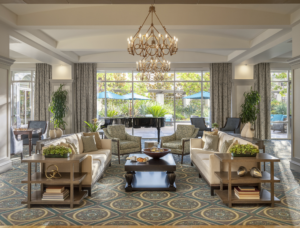
Island living meets desert luxury at the Tommy Bahama Miramonte Resort & Spa in Indian Wells. When you step onto the 11-acre property, you’ll be surrounded by sweeping view of the Santa Rosa Mountains with olive trees and fragrant citrus groves decorating the grounds. In other words, everything about this relaxed but refined resort is primed to help you let go of the stress from home and enjoy easy sun-soaked days and gorgeous starry nights.
The rooms blend calming, woven textures with Tommy Bahama’s signature tropical prints and feature private lanais, making it easy unwind the moment you walk in the door. If you book one of the four Villa Suites, you’ll be treated to exclusive Tommy Bahama furniture and unique personal touches to further that feeling of instant ease.
At the award-winning Spa Rosa, the expert team will help reset and recharge your body and mind using methods and rituals inspired by the desert. The 12,000-square-foot retreat includes outdoor soaking pools, eucalyptus steam rooms, and outdoor cabanas, as well as massages, facials, and body masks—all aimed at creating a day dedicated to you. We’re particularly partial to the Day Long Escape, an indulgent all-day affair of CDBs soaks, renewing scrubs, life changing massages, and transformative facials.
Following your treatment, continue the experience with a meal on the patio at Grapefruit Basil. We love the Hamachi Crudo, a light, citrus-forward dish featuring premium yellowtail, house-made ponzu, creamy avocado, and fresh seasonal garnishes.
Whether you’re strolling the gardens, relaxing beside its saltwater pools, or indulging in a restorative treatment, you’ll be able to escape in style and relax in luxury at the Tommy Bahama Miramonte Resort & Spa.

There’s no shortage of ways to stay active in San Diego—but if you really want to enjoy everything the city has to offer, you’ve got to make sure you’re giving your body its tune-ups. Enter: Healcove Chiropractic. The board-certified chiropractors and wellness professionals at Healcove are experts at addressing that stage where you’re not injured, exactly, but you’re not at 100%, either. Maybe you’re feeling a bit tense or stressed out. Or it could be that you’re not quite moving the way you want to. Sometimes, it’s just that the accumulation of days, weeks, or even years of daily strain is starting to take a toll. No matter what stage you find yourself at, the Healcove Chiropractic team can provide integrated, preventative care centered on long-term, science-backed approaches that ensure you can always stay active and live the life you want to live pain-free.
This starts by providing truly individualized care. Every patient can expect a thorough 60-minute consultation session that includes a posture and movement screening. This allows the team to develop a completely personalized plan. That plan might include chiropractic care, acupuncture, or massage therapy, as well as functional fitness training, vibration and sound therapy, and Dynamic Neuromuscular Stabilization, a clinical rehabilitation method that retrains the body’s stabilization systems. Whatever the team recommends, you can be sure that it’s tailored to meeting your body’s needs today and the future.
There’s a reason that San Diego Magazine named Healcove the “Best Chiropractor in San Diego”—don’t wait until you’re struggling with an injury to find out why. Book an appointment today for holistic, integrated care that helps ground and heal your body before it reaches a crisis point.

West Coast wellness culture meets the community feel of Southern Appalachia at Juice Holler. Juice Holler’s menu consists of made-to-order smoothies and smoothie bowls, as well as grab-and-go cold-pressed juices, wellness shots, salads, and more. It operates from the blissfully simple premise that fueling up with food and drink that’s guilt-free and good your body should be simple, accessible, and, above all else, delicious. And if you haven’t yet made it out to the Encinitas café, which opened just this year, let us be the first to tell you: Juice Holler delivers on each and every of these fronts.
We love the Supercharger smoothie, a mood-lifting and body-fueling option made with banana, almond butter, blue spirulina, maca, grass-fed whey protein, raw cacao nibs, medjool dates, and coconut milk. We’re also partial to the Thrive Alive smoothie bowl, where avocado, mango, sea moss, spirulina, mint, coconut milk, and agave are mixed and topped with coconut, chia seeds, strawberry, mango, and chocolate drizzle. The wellness shots include the Detoxifier, a cleansing blend of kale, cucumber, lemon and spirulina, plus a shot specially designed to fight inflammation (named, fittingly, Anti-Inflammation). Probiotic overnight oats, lemon turmeric bars, and strawberry shortcake chia pudding are other standouts on the grab-and-go menu.
Much of the vibe feels beachy North County chic—think green tile with orange and pink accents, grounded with greenery and natural wood—but Juice Holler founder Kelly Sergott, a longtime Encinitas local, has also enfused the space with her Kentucky roots. In Appalachia, a holler is small valley between hills and mountains, where nature reigns, community is king, and nourishment comes right from the land. At Juice Holler, Sergott has created a holler for the busy modern times, using local ingredients to create a spot for people to come together and enjoy fresh, fast, feel-good fuel for their day.

We’ve all had that experience with a medical professional where we’ve felt rushed, ignored, or misunderstood—and ultimately, like we didn’t get the answers that we needed. But at Everwell, the holistic acupuncture practice located in Solana Beach, the care team wants to transform your understanding of what healthcare can look like.
Patients at Everwell experience care rooted in intentional listening and radical empathy—and trust us, those aren’t just corporate buzzwords. This place actually puts those ideas into practice. You will always be given the time you need to tell your story— initial in-take appointments are two hours long—and you can rest assured that your story will be believed. Every single question and concern will be addressed by a dedicated practitioner who wants to find the specific solutions that work best for you, and you’ll receive care that’s aimed at healing the body, mind, and spirit.
Everwell’s highly trained, doctorate-level practitioners blend evidence-based acupuncture with the practice of classical Chinese medicine. (If you’ve never tried acupuncture before or aren’t sure if the team will be a fit, we’d highly recommended Everwell’s complimentary 20-minute consultations.) Research shows that by stimulating specific points on the body, acupuncture activates a natural healing response in the body, helping to restore balance, regulate the nervous system, and improve overall wellbeing. This allows the practice to address an incredibly wide range of conditions from chronic pain and autoimmune disorders to digestive issues, from stress and burnout to headaches migraines, fertility and postpartum struggles, hormonal imbalances, sleep concerns and more.
At Everwell, you can expect to feel heard, trusted, respected, and cared for. This is a space that doesn’t want to be just another healthcare provider you visit; it wants to provide patients with dedicated partner who will be there for their entire health journey.