This Black History Month, the San Diego History Center is officially launching their digital exhibit Celebrate San Diego: Black History & Heritage. This yearlong initiative invites community members to submit facts, milestones, and photos to add to their growing historical collection that honors the Black lives who shaped San Diego. Those who wish to participate can view the exhibit’s web page. There are options to submit local artifacts and historical documents, as well as to nominate a Black hero in your community.
“Black history is a key element in the fabric of our region,” says Shelby Gordon, marketing manager at the San Diego History Center. “We cannot adequately understand our city and region without having knowledge about San Diego’s Black history. The stories, challenges, and heroes of San Diego’s Black community are very compelling as well as crucial to understanding our past, present, and future.”
To celebrate Black History Month in San Diego, we’ve put together a preview of 10 interesting milestones from the exhibit’s timeline:
Frederick Coleman Finds Gold in Julian
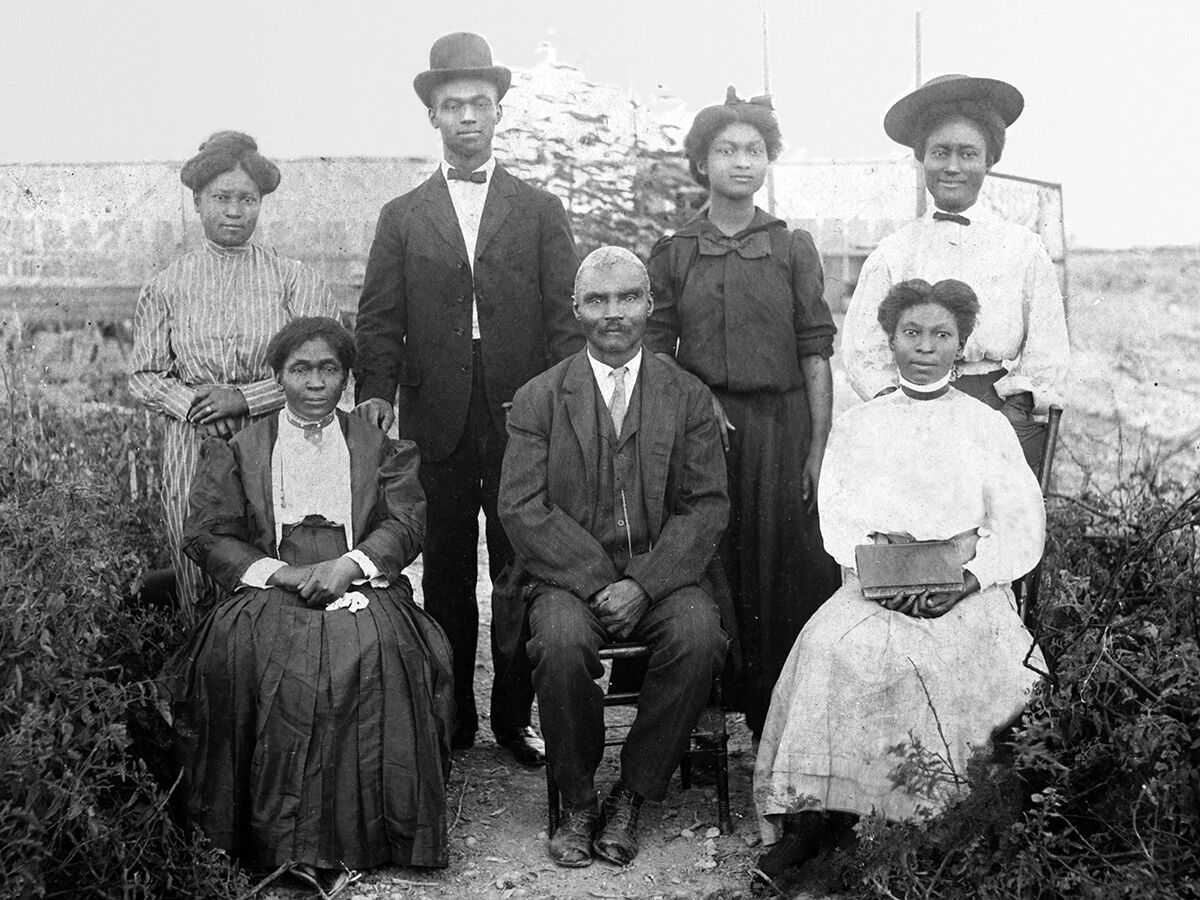
After fleeing the South to settle in California, Frederick Coleman put Julian on the map when he discovered gold in what would soon be named Coleman Creek. The discovery kicked off a brief gold rush and Coleman settled nearby in the Cuyamaca Mountains. By 1880, sixty percent of Black San Diegans also resided in San Diego’s backcountry.
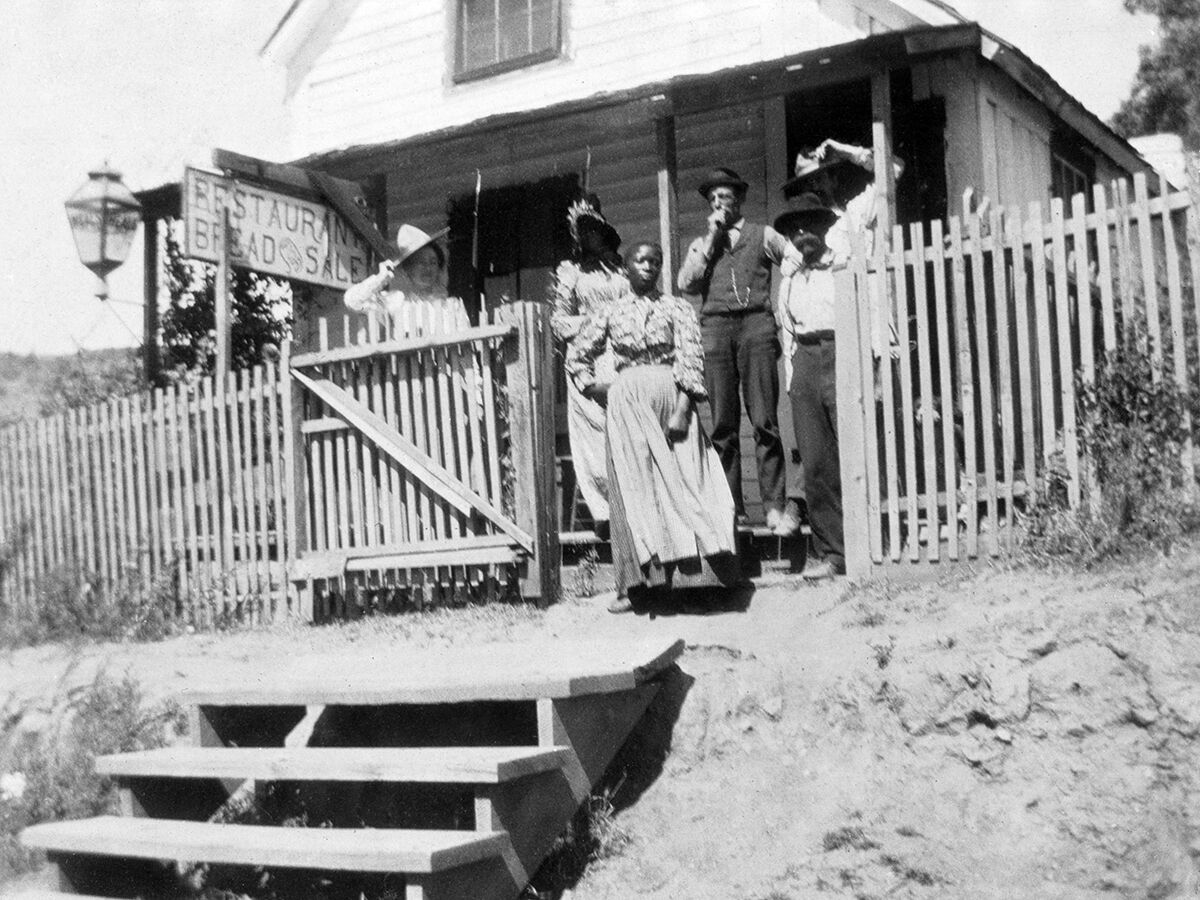
Hotel Robinson, c. 1910
Photo courtesy of the San Diego History Center
The Hotel Robinson Is One of the First Local Black-Owned Businesses
After Albert and Margaret Robinson gained their freedom from slavery, they built and opened The Hotel Robinson in Julian in 1887. Now known as the Julian Hotel, this historic building is considered one of the first Black-owned businesses in San Diego and the oldest operating hotel in Southern California.
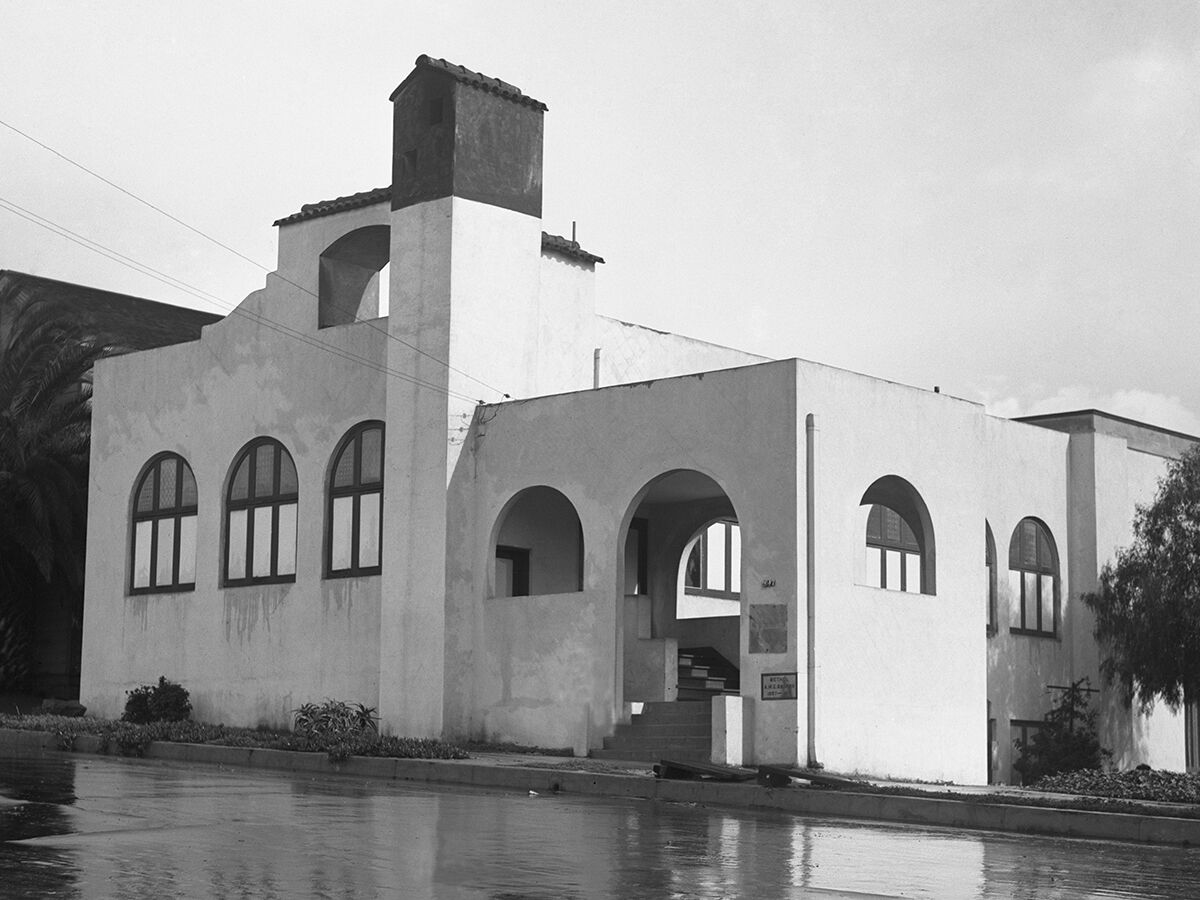
Bethel African Methodist Episcopal Church, 1925
Photo courtesy of the San Diego History Center
San Diego’s First Black Church Is Formed in 1887
Cordelia and Soloman Johnson formed the Bethel African Methodist Episcopal Church in their home in 1887, and members of the church managed to raise funds to move the institution out of their home and into a separate building. The church is still running today.
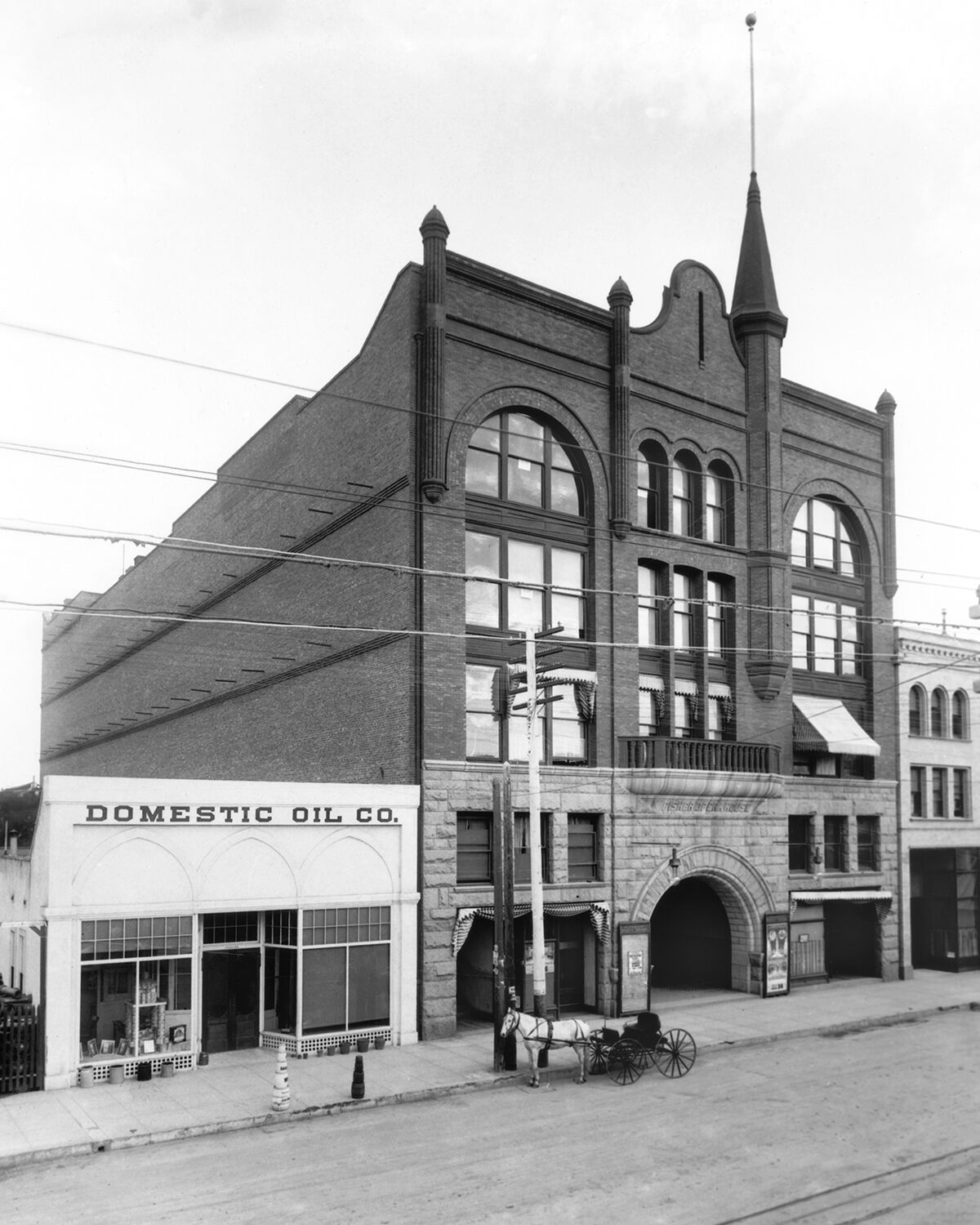
Fisher Opera House, 1902
Photo courtesy of the San Diego History Center
The Color Line Case
According to an article published by the San Diego History Center, Edward and Mary Anderson were denied access to their orchestra circle seats at the Fisher Opera House in 1897 when manager John C. Fisher told them Black people were only allowed to stand in the balcony. The Andersons filed a lawsuit and won a judgment of $150. Though they lost the appeal, the lawsuit marked a historic first for racial discrimination cases.
Henrietta Goodwin Becomes the First Black Graduate
As one of 15 in the class of 1913, Goodwin was the first Black graduate from State Normal School of San Diego (now SDSU). Though her name was not listed in the school roster of graduates, report cards showed that she attended the school beginning in 1908.
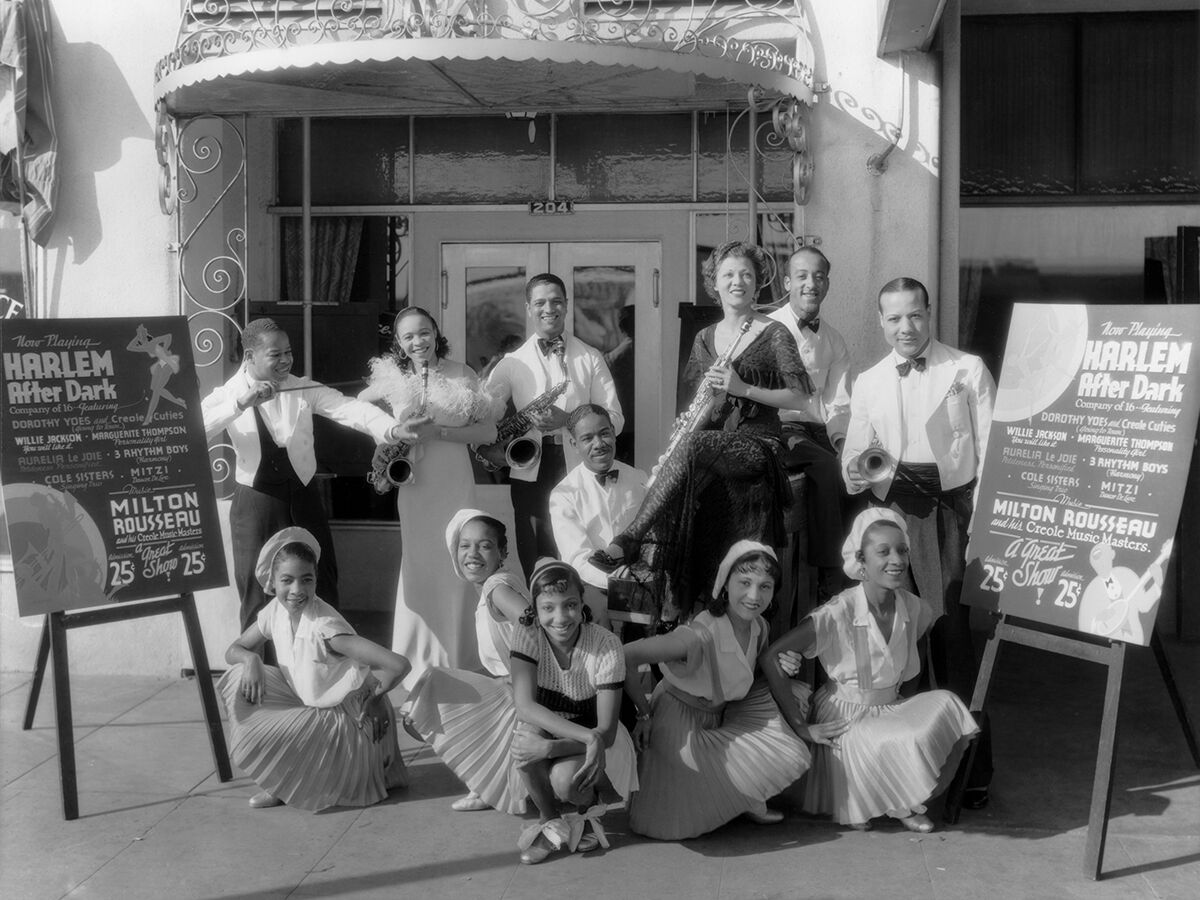
Harlem After Dark at the Creole Palace, c. 1920
Photo courtesy of the San Diego History Center
Celebrities Flock to the Creole Palace in the Gaslamp
Amid the Roaring Twenties, Black locals and celebrities flocked to the Gaslamp Quarter to stay at the new Douglas Hotel. Home of the Creole Palace nightclub, the hotel was the premier Black entertainment venue on the West Coast and saw visits from celebrities like Louis Armstrong, Duke Ellington, and Dinah Washington.
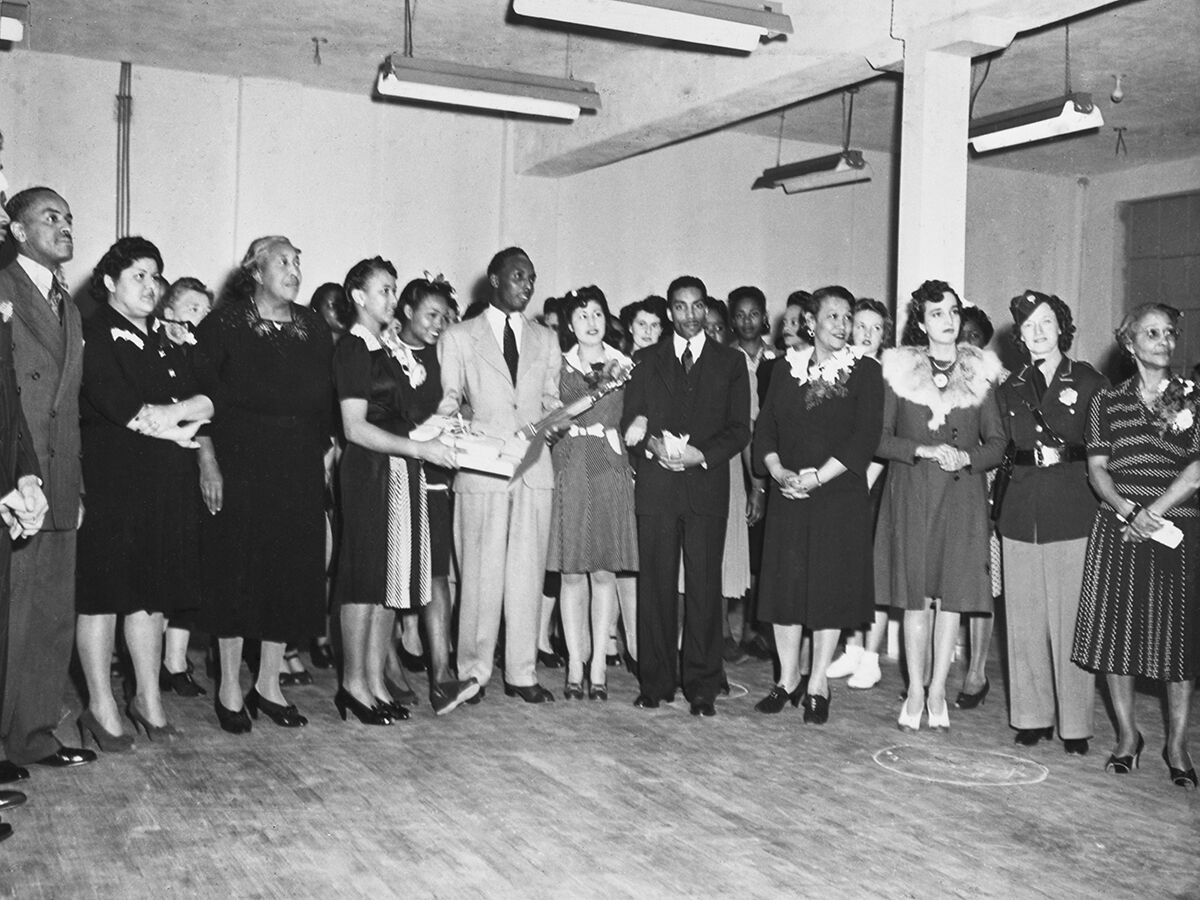
Howard “Skippy” Smith and his integrated workforce, 1943
Photo courtesy of the San Diego History Center
Howard “Skippy” Smith Earns a Time magazine Title
In 1943, Smith’s Pacific Parachute Company was named Time magazine’s “Top Black Owned Business in the United States.” Smith, who was a stunt pilot, had one of the first integrated workforces in the region, which included Filipinos, Asians, Latinos, and Black people.
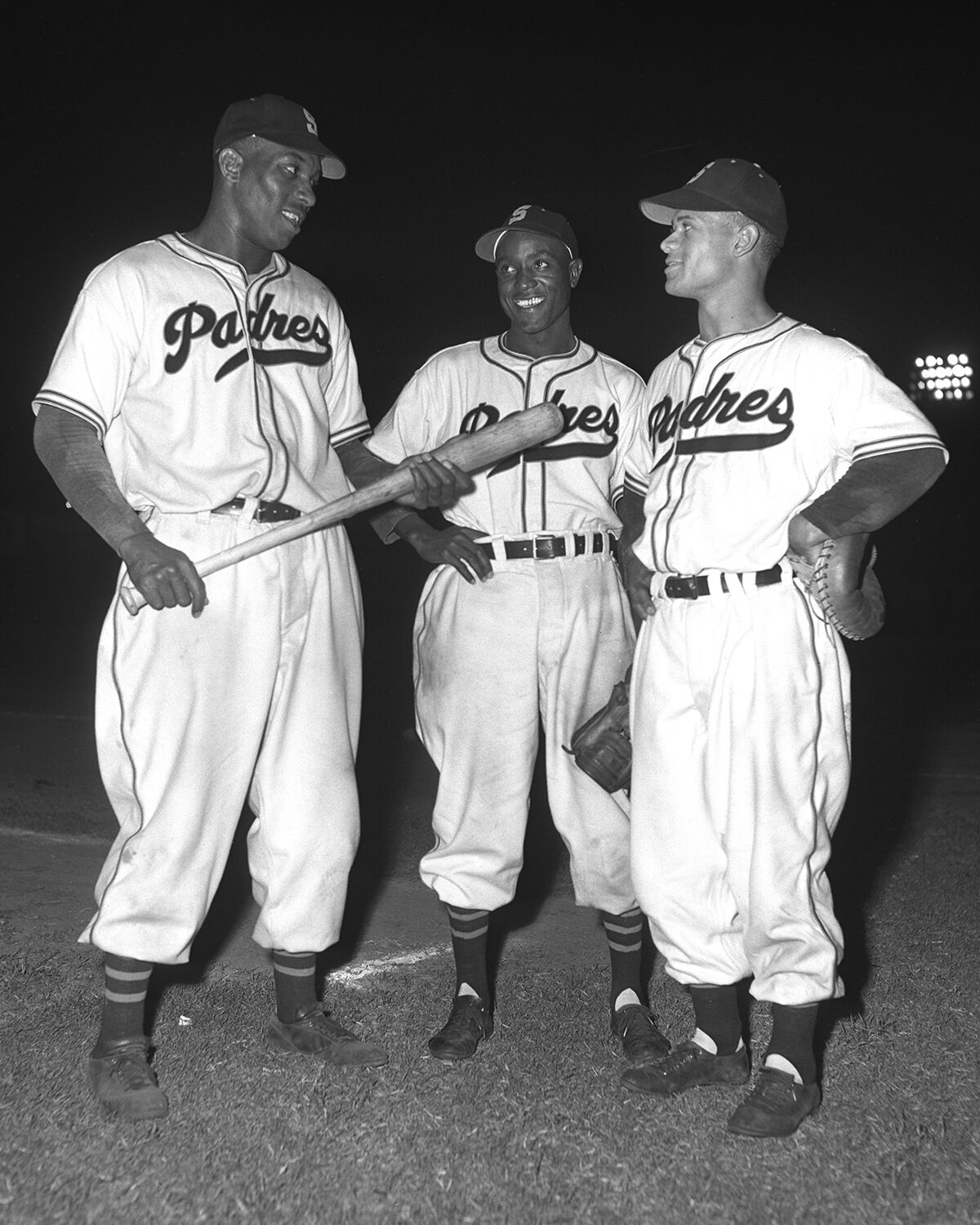
From left: Luke Easter, Artie Wilson, and Johnny Ritchey integrated the minor-league San Diego Padres, 1950
Photo courtesy of the San Diego History Center
Johnny Ritchey Joins the Padres
In 1948, Ritchey became the first Black baseball player to join the San Diego Padres, breaking the Pacific Coast League’s color barrier and following one year after Jackie Robinson debuted with the Brooklyn Dodgers. He became known as the “Jackie Robinson of the West Coast.”
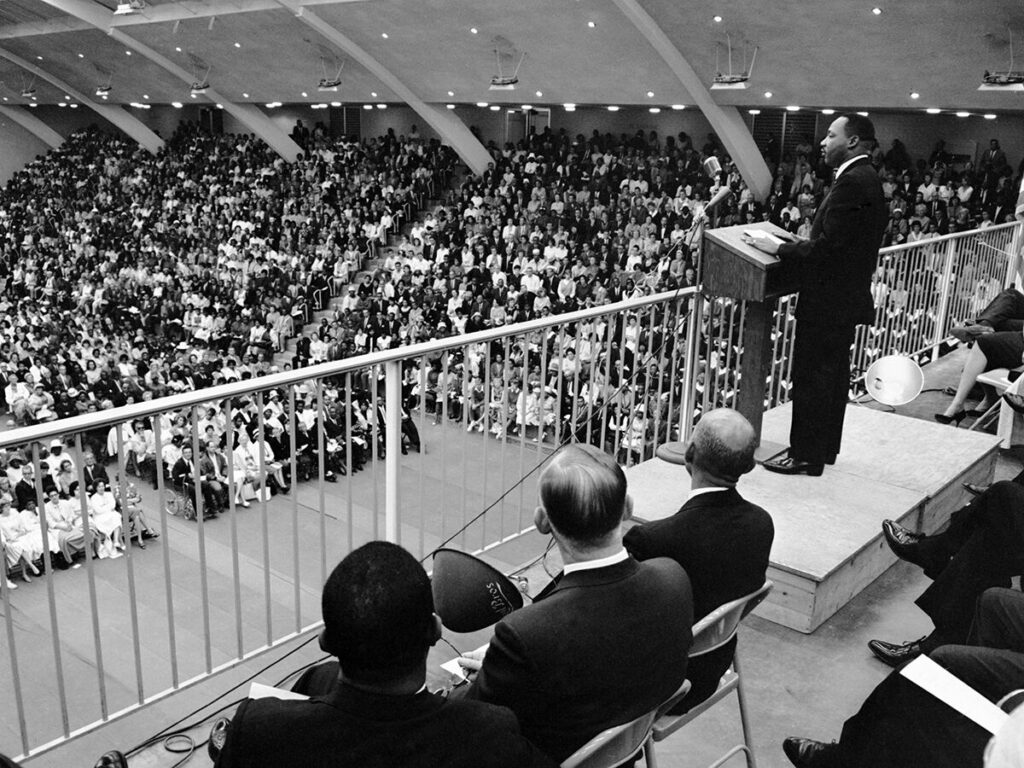
Martin Luther King Jr. Speaks in San Diego
On May 29, 1964, Martin Luther King Jr. visited San Diego to speak at California Western University (now Point Loma Nazarene) and San Diego State College (now SDSU). In his speech at Cal Western, King spoke out against California’s Proposition 14, which allowed discrimination for housing. The speeches shed light on San Diego’s segregation and racial issues, and the proposition was declared unconstitutional by the California Supreme Court two years later.
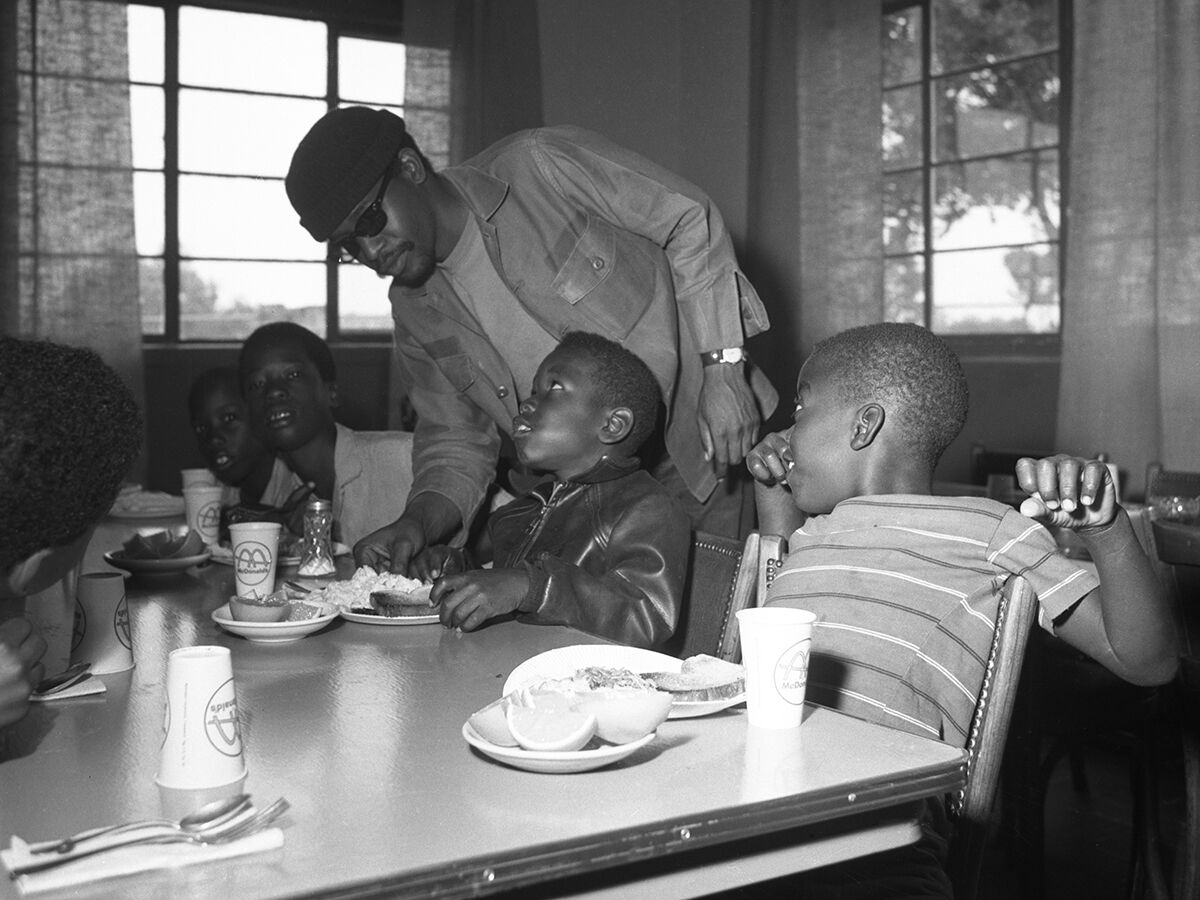
Black Panthers serving breakfast, 1969
Photo courtesy of the San Diego History Center
San Diego’s Black Panther Party Forms
The San Diego chapter of the Black Panther Party formed in 1968. Though on a national scale the party was known primarily for its armed protests against police brutality, it also did a lot of community-oriented social work that went less reported, starting schools, supplying groceries to seniors, and operating a free breakfast program for children.
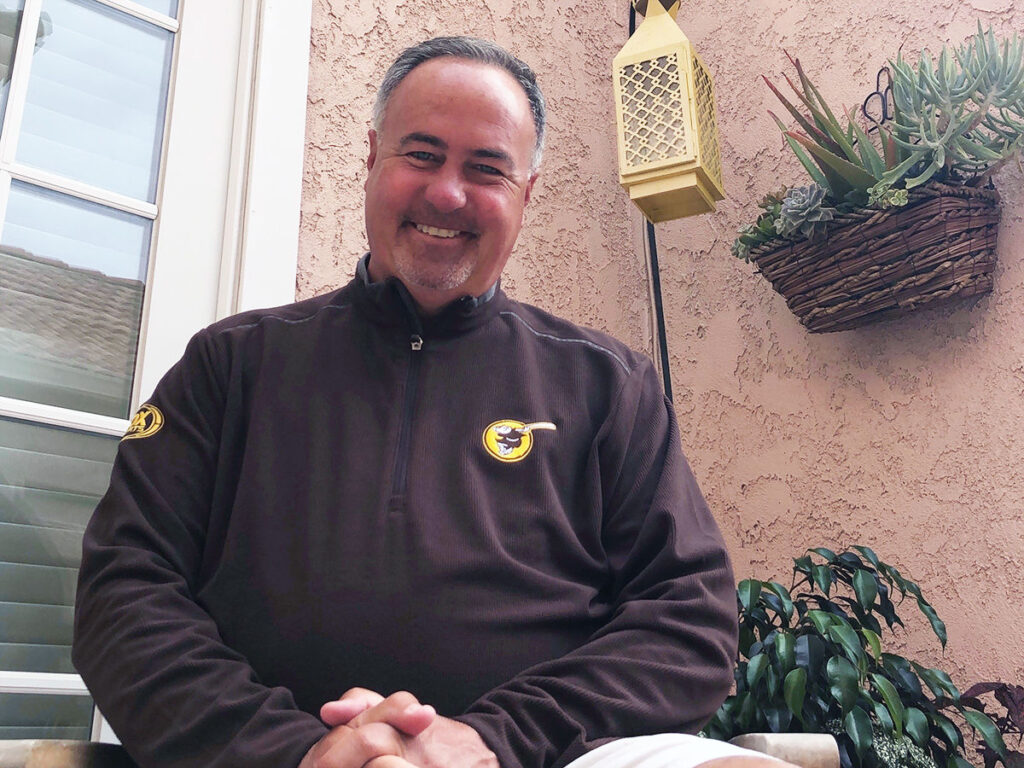
Sheltering at Home with… Don Orsillo, Padres Announcer
During the first season in decades without a baseball game to narrate, he’s giving the play-by-play on fishing, cooking with family, and rewatching “The West Wing”
Neighborhood:
Coronado Cays
Occupation:
TV play-by-play announcer, San Diego Padres
Who you’re sheltering with:
Me and my wife Kathy. Our daughters Sydney and Lauren have spent some time here during the pandemic with us as we group social distance.
What you’re doing for exercise:
Walk every morning a little over an hour. I have two routes, in the neighborhood and on the Silver Strand State Beach across the way. I try to rotate daily to mix it up. I think it’s a little over four miles.
Go-to meal:
I love to cook, and this time has given me the chance to try some new things. Mostly Italian, and many on the grill. Lots of seafood!
New TV show you’ve discovered:
I’m actually rewatching The West Wing. My wife hadn’t seen it, so I’ve had the chance to see all the seasons over again and have thoroughly enjoyed it. Since there are no concerts, The Dave Matthews Band rerun shows from last summer’s tour have filled quite a few nights for me.
Any rituals to stay sane?
It’s funny—in my now 20 years in the Majors, I have had nothing but daily rituals in a normal 162-game season. But now it’s fishing, fishing, and more fishing. With varying degrees of success. I have a paddleboat and pedal out into the bay, anchor down, and fish most afternoons. Calming. Any time I can spend out there, I cherish.
What you’ve come to appreciate:
My family. For the last 30 years I have always been working or on the road all over the country broadcasting baseball, beginning in February every spring and all summer. This year we’ve had a great amount of time spent together. Simply time we ordinarily wouldn’t have had.
What’s your daily uniform at home:
Shorts, boat shoes, polo or fleece of some kind. Generally repping my team. I have a ton of comfortable Padres hangout gear. During spring training, with the Padres changing back to brown this year, I had to really update my wardrobe. So I was ready.
What you can’t wait to do when it’s safe for everything to reopen:
Broadcast baseball and do what I love. Going to stadiums, calling great games, and having all the Friar Faithful be there and be able to attend without fear, and for them to just be able to enjoy a day or night at Petco Park again when able.
What does your workspace look like?
It’s been spent in my wife Kathy’s office. We have been doing virtual Padres broadcasted games and shows on social media and Fox Sports San Diego from home. It’s where the laptop is and has the best WiFi for video and audio purposes.
Senior Vice President, Public Affairs San Diego Padres
By Joyce A. Glazer
Sarah Farnsworth
Barney & Barney G.R.O.W. logo
geneenm
How did you make the leap from Washington, D.C., to the Padres in San Diego? Tom Garfinkel, CEO of the Padres, asked me if I would consider working for a baseball team. I thought it was a joke. I didn’t know anything about baseball. After 19 years in D.C. I wanted the opportunity to become a part of a community, and that is what I saw in San Diego. It’s an opportunity for me to give back.
You are engaged to marry a retired Marine, and you have a young daughter. What role did they play in your decision to join the Padres? It was a family decision. We decided together. I was working in a job that really wasn’t a career. With the Padres I have a career where I can be challenged, and I am part of a civic asset. Since my fiancé is retired, he plays a big role in my daughter’s care when I have work demands.
How did you get involved in politics? I was living in New York when the Democratic National Convention was held there; 22 years old and just out of college, I volunteered at the convention. From there I was assigned to do advance for Hillary Clinton during Bill’s first run for president. That was 1992. When Bill won the presidency, I was asked to work on the inauguration in 1993. From there I went to work on the First Lady’s staff in the East Wing. I was responsible for planning all events in the Rose Garden, the South Lawn, and basically anything in the White House. And the Clintons were very active, with many events going on!
Tell me about your time in the White House. I worked seven and a half years and left to marry, but returned for the last six months at the end of the Clinton term. I celebrated my 30th birthday at the second Clinton inauguration.
Where did you work when you left the White House? I was chief of staff at the USO and traveled frequently to Afghanistan and Iraq. I was working in the world headquarters for then-General Jim Jones, who later became President Obama’s national security advisor. President Obama asked me to become senior advisor to the national security advisor, so that put me working in the West Wing of the White House. When General Jones resigned in 2010, I was asked to work in the Pentagon.
You spent so much time working for presidents in both wings of the White House. How did you keep your feet on the ground? I never thought of it as politics, but as being part of an historical institution. There was a plaque on the wall in the White House that I passed by every day. The bottom line was “one day you will be on the other side of the iron gate.” That puts it in perspective.
What challenges have you faced? After being to Iraq and Afghanistan, challenges take on a different meaning. As long as my family is healthy, I don’t have any bad days.
What adjustments did you have to make when you joined the Padres? I have had to earn trust and credibility in a whole new profession, I had to learn baseball, and I have had to earn trust in the community.
What is in your future? I’m here with the San Diego Padres as long as they will keep me.
The Best Gym in San Diego Isn’t Really a Gym Anymore
Earlier this year, Fit quietly dropped "athletic" from its brand, from Fit Athletic Clubs to simply Fit, and started calling itself something new: a social wellness club.
There’s a version of San Diego that lives in two extremes. On one side, the 5 a.m. crowd: biohackers, marathoners, people who’ve already logged a cold plunge before your alarm goes off. On the other, the after-dark crowd, the ones chasing sunset happy hours and late dinners with friends. Everyone seems to be either optimizing or unwinding, and most of us feel like we’re failing at both.
Fit, San Diego’s reigning Best Gym for the third year running, has built its entire identity around erasing that divide.
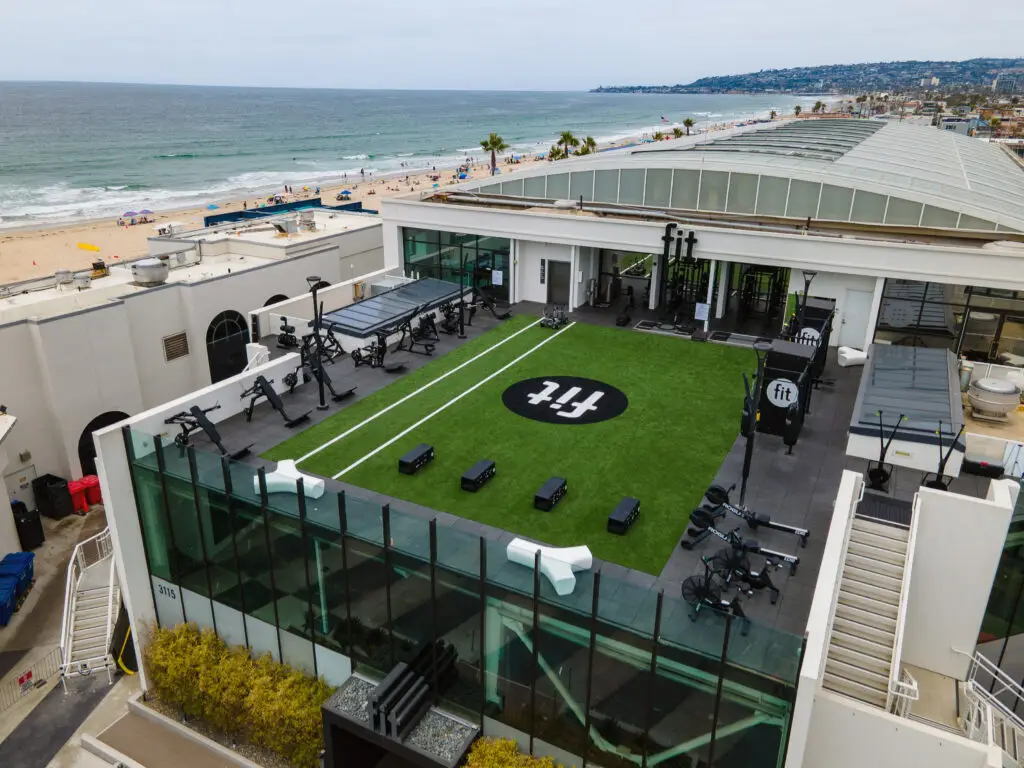
Walk into one of Fit’s three San Diego locations on a Tuesday afternoon and the lines blur fast. Someone’s mid-set on the squat rack. Someone else has a laptop open at a café table a few feet away, half-working, half-people-watching. A group is trading plans for the weekend’s event by the recovery lounge. Nobody’s in a rush to leave.
“We’re not competing for the same people,” says Emily Waybright, Public Relations Manager at Fit, addressing the arrival of a national luxury gym chain in San Diego this year. “We don’t really feel like we’re in the gym category. It’s this unique thing.”
That unique thing has a name now. Earlier this year, Fit quietly dropped “athletic” from its brand, from Fit Athletic Clubs to simply Fit, and started calling itself something new: a social wellness club.
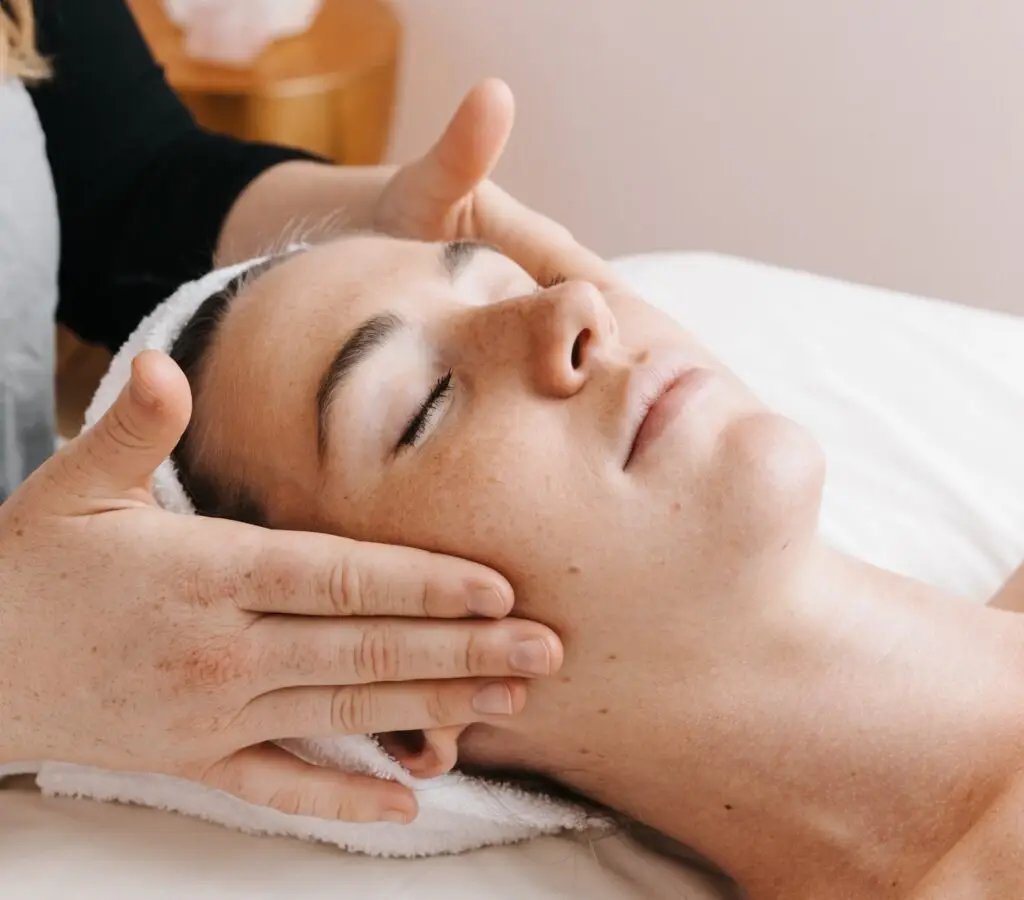
It’s a small wording change with a bigger idea behind it. Fit was never built around escaping the workday. It was built around the people who genuinely like what they do, and who want workouts, work, and friendships to happen in the same place instead of three separate ones. Because sometimes red light therapy with a stranger turns into weekend plans.
Fit’s philosophy traces back to its founder, who started the brand nearly two decades ago after failing to find a gym he actually wanted to belong to. He looked instead to the old-school country club, where people came for a shared interest and stayed for the community. His version was made for a younger generation, minus the golf, plus the loud music.
Which makes it a little ironic that the very award putting Fit back in the spotlight this year is Best Gym.
What does the best traditional gym look like when the definition of a gym is becoming less traditional? It’s a fair question, and Fit’s answer is that the fitness industry itself is shifting. The 45-minutes-in, 45-minutes-out model is giving way to something closer to a genuine third space, the kind of role the office and the bar used to play before remote work and changing nightlife habits rearranged how people spend their time
For Fit, community isn’t a marketing add-on to fitness. It’s the through-line. Members aren’t just paying for a treadmill; they’re paying for an entire day of social wellness that’s built on performance, recovery, connection, and a plan for the next event on the calendar. That’s a much harder membership to walk away from.
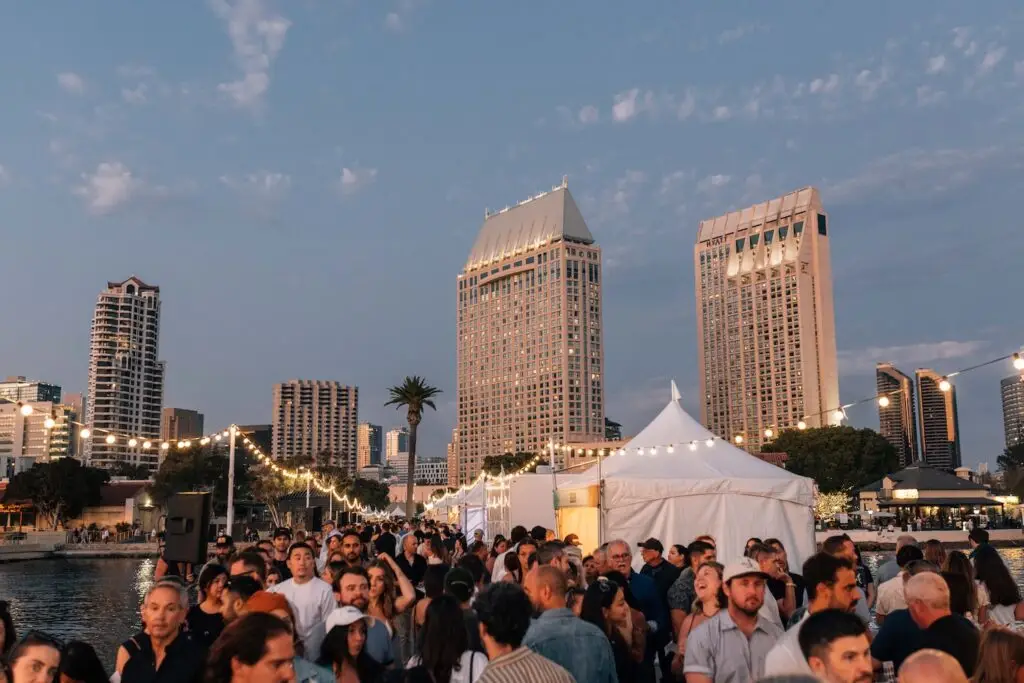
Ambition and ease aren’t opposites here, they exist side by side, where passion and play share the same morning. On September 12, Fit is hosting Sol, a full day wellness festival at Fit Social. The morning focuses on wellness classes and vendors and then the evening is a full party with multiple DJ sets and an open bar. Think of it as a kick-off to locals’ summer in San Diego.
Ready to see what a social wellness club actually looks like? Visit fitclubs.com, or follow along at @thefitclubs on Instagram.
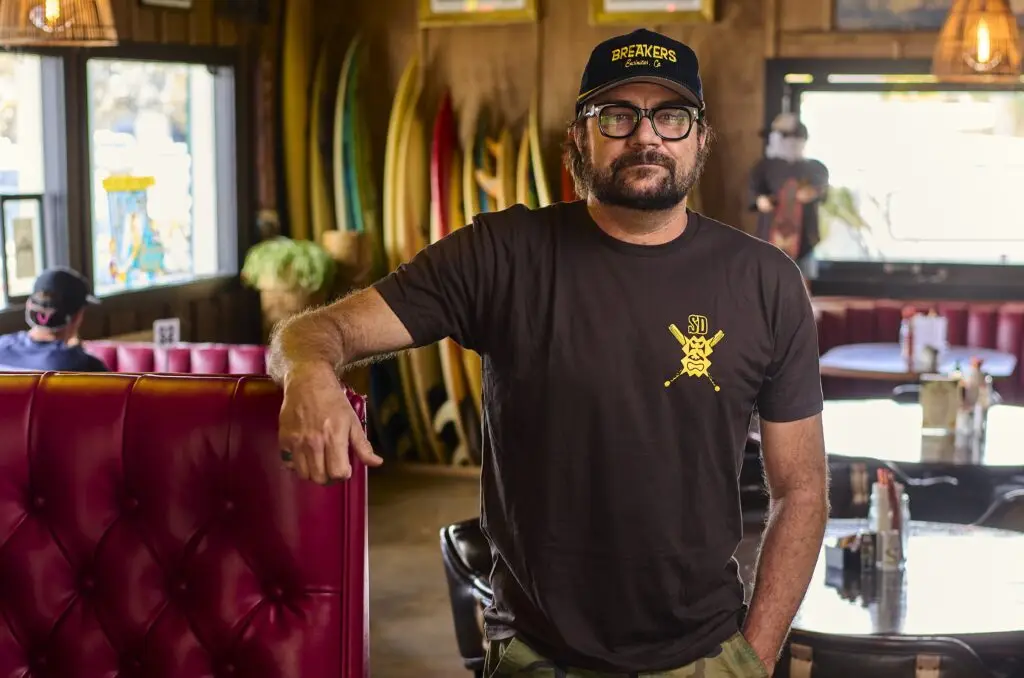
Captain Keno’s No. 8 special—pancakes, sausage, toast, home fries, and eggs for $2.99—was the fuel that powered Benji Weatherley for surf competitions as a teenage pro. A couple decades later, tears were shed when the Coast Highway dive-slash-eatery called it a day after 54 years. Usually, the guts of a shuttered restaurant go to liquidation auctions or straight to the dump to decompose along with its legend. Instead, Weatherley took in Keno’s spare parts—plus other relics from Encinitas’ past—and used them to build the newest community hangout.
Every single piece in the place is from somewhere in this town,” Weatherley says about Breakers Cafe Bar & Grill. “I’m not going to settle for anything less.”
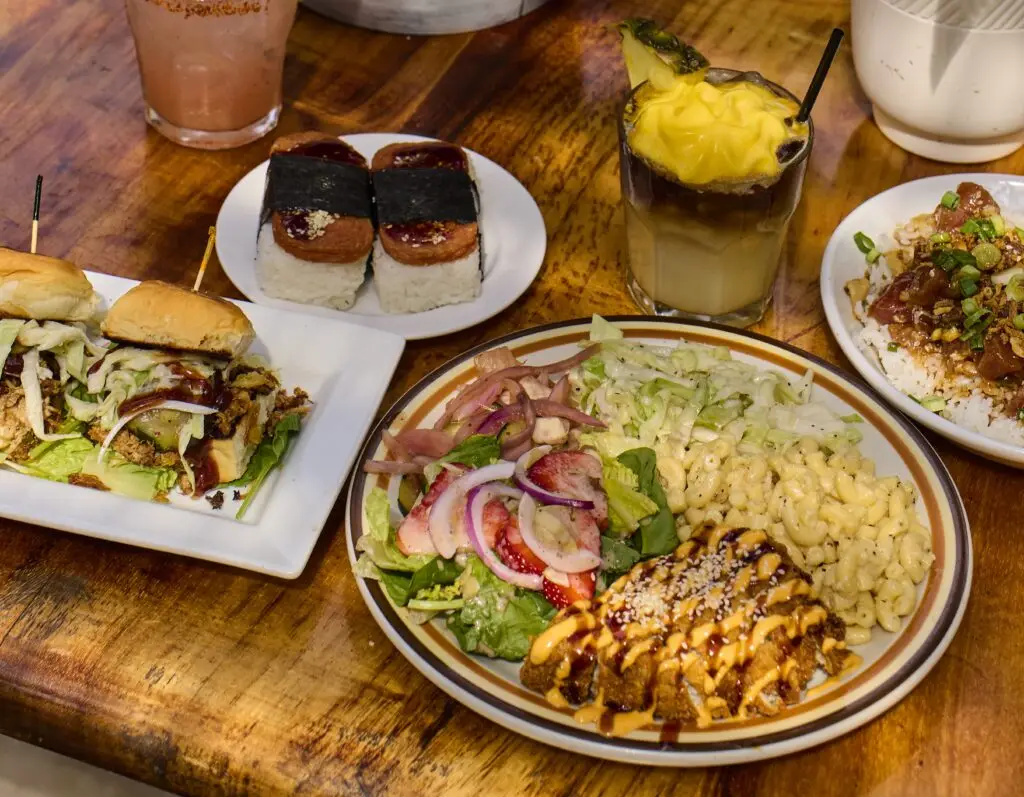
Breakers is a Hawaiian hideout in an uncool part of the coastal surf town, but it’s got the set design of an Encinitas superfan. The plates, silverware, and coffee mugs are from Keno’s. So are the tables and booths. There’s a bench made from the last table preserved in The Derby House (a building that, for over a century, was a hotel, then became a hospital, a religious retreat, and a private home). Weatherley’s not performing CPR on old upholstery because he’s a fan of antique furniture. It’s a method to bring people together.
“Representing nostalgia in this town is the only way to grasp a hold of the community,” Weatherley says. “Everyone wants to touch and feel something different from what they’re experiencing on their phones.”
Photo Credit: Matt Furman
Every week, locals bring him photos, artifacts, and bits of paraphernalia from Encinitas’ past and ask Weatherley to give them a new home. “I’ve had ladies who were there when [Captain Keno’s] opened cry in my arms and say, ‘This table is where I had my second birthday with my grandma,’” he says. “They tell me these stories, and I tell them I have all the same stories about my mom.” (Weatherley’s mom first brought him to Keno’s and helped raise the young surfers from the Momentum Generation documentary—Weatherley, Taylor Steele, Rob Machado, Kelly Slater, etc.—as they surfed some of the world’s most dangerous waves at Pipeline in Hawaii. Back then, she owned Breakers Restaurant & Bar in Haleiwa. Name sound familiar?)
Weatherley has always been the funniest man in the room. He calls Breakers “the Chuck E. Cheese of Encinitas.” The restaurant hosts hula dancing classes, open-mic comedy nights, and evenings bartended by longtime Captain Keno’s barkeep Vaka Kaufusi. Cult-loved reggae band Steel Pulse hit the Breakers stage recently to perform a new song that Weatherley also helped write. His longtime friend Jack Johnson has dropped by to sing a few, too.
Despite not having a fancy location along the 101, people are catching on. Fire stations and hospitals have held staff parties there. Weatherley also currently sponsors four sports teams.
“Last night, I had a girl say, ‘I want my birthday party at Breakers,’” he says. “That, to me, is community in a nutshell.”
Emma Veidt is an editor at San Diego Magazine. She earned her bachelor's and master's degrees from the Missouri School of Journalism. She loves running, hiking, and rock climbing, but really, she mostly loves encounters with the street cats around North Park.
Walking into a room full of strangers isn’t high on the fun index for most. It’s inherently awkward: Everyone’s standing in closed-loop clusters, deep in conversation, and, depending on your social aptitude, the feeling is somewhere between light apprehension and burning alive from the inside out. The pull to retreat or reflexively look busy on your phone is stronger than the drink you now deeply crave. Having friends is nice, but making friends can be brutal.
There’s plenty of commentary on the loneliness epidemic. Last year, the American Psychiatric Association reported that one in three adults feel lonely at least once a week; those aged 18 to 34 are more likely to feel isolated and even more likely to turn to social media as a result. Dr. Vivek Murthy’s “My Parting Prescription for America” cautioned that “being socially disconnected increases our risk of heart disease, dementia, depression, anxiety, and premature death.” So it’s not just an emotional need; it’s nearly nutritional—chit-chat and the occasional wine-fueled, emotional deep-dive are just as important as Pilates and a reasonable amount of kale.
Finding social connections in any city is hard, but San Diego has very specific challenges. This is largely a transient population that acts as a temporary hotspot for many and a permanent home for few. Pick your reason: high rent, surreal gas prices, housing shortage, meh job opportunities (ranked 71st in the country in 2025), or the fact that active military is a sizable chunk of us (110,000-ish)—stationed here for a stretch, then gone. This constant flow of departees sucks out the potential for deeply established families and friend groups, leaving a good share of nomads, searchers, and plenty of people feeling socially awkward.
“There’s an underlying loneliness in all of us,” says Ramel Wallace, the host of monthly meetup CreativeMornings. “There are not a lot of San Diegans who are born and raised here, so [even those] San Diegans end up being just as lonely as the person who just got here.”
Photo Credit: Blair Kirby
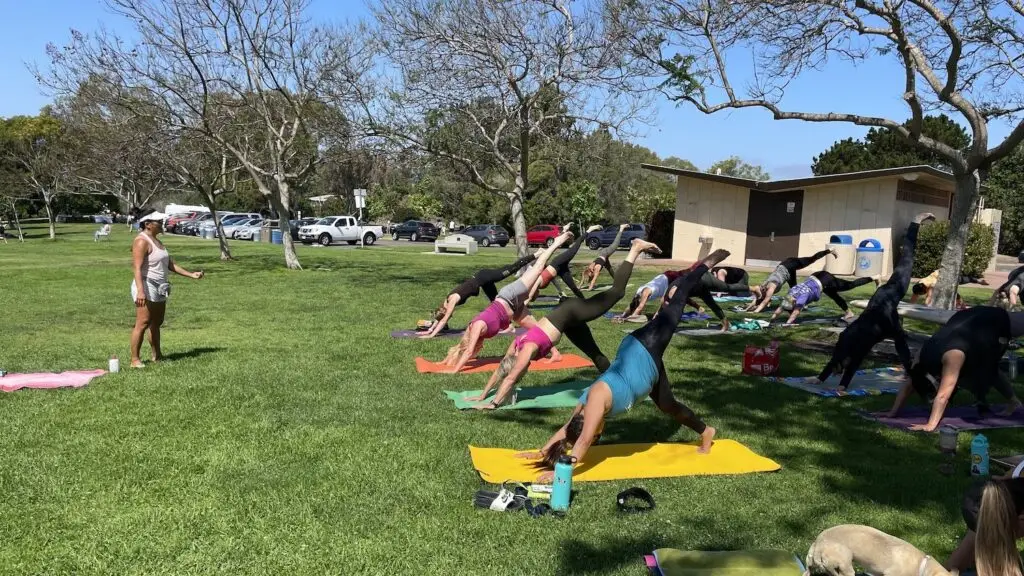
Every month, in local libraries, breweries, and small businesses, there are ambitious social architects who have made a career out of undoing social sads. Extroverted champions of the awkward and searching, they’ve struck gold on in-person connection.
The first moments in a social situation are crucial. Sets the tone and cools the nerves.
At Pitch-A-Friend, singles recruit their close friends to present a slideshow of their dating green flags. The entry points for connection at Pitch-A-Friend are simple, old tech: stickers. Each colored sticker indicates if the wearer is single or taken, queer or straight, or practicing ethical non-monogamy (in a partnership but open to others under a mutual understanding).
At the helm of each showcase is Arielle Fuller, aka Chief Wingwoman, who is making dating hopeful again. As Fuller explains, this takes some of the fear of rejection out of a first interaction. “Putting a sticker on immediately means, ‘I wanted to leave my house and talk to someone, and I am a safe space to come and speak to me,’” she says.
Of course, not all of San Diego’s events designed to make connections are romantic. On the last Friday of every month, hundreds gather at San Diego Central Library for the local chapter of CreativeMornings—an org formed to unite creatives in various cities across the world (designers, artists, writers, producers, performers, architects, etc.).
Photo Credit: Gina Ribando
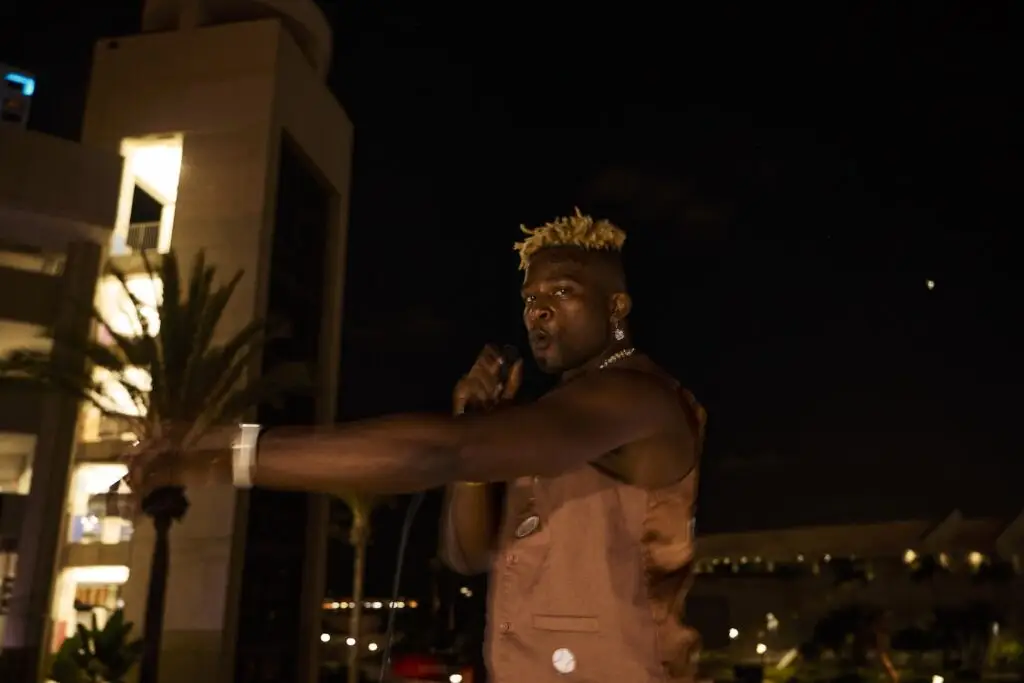
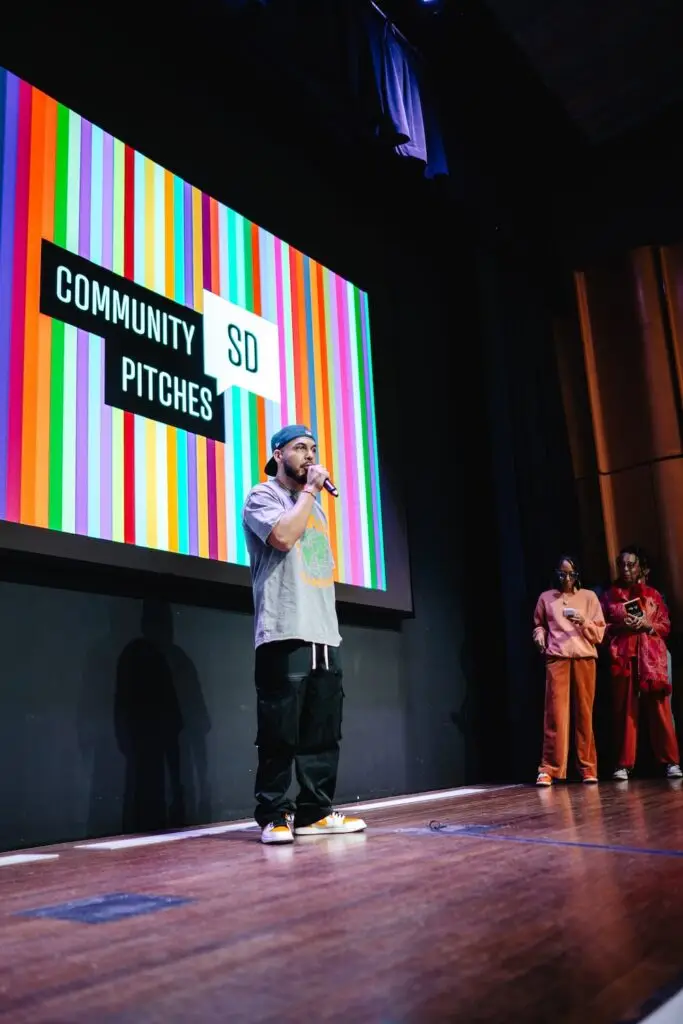
These aren’t your standard business card swaps, though. Coming from a hip-hop background, host Wallace uses call-and-response to break the fourth wall. “This is not my stage at all, this is our stage,” he says.
In your standard lecture-based meetup, the crowd silently faces the host and acknowledges nobody except those they came with. At CreativeMornings, everyone is encouraged to look around, pay attention to the strangers in the audience—not just the host. Wallace will pull volunteers to read the CM manifesto aloud, and he passes the mic to creatives, who make 30-second pitches to the community about projects they’re working on—and there’s always an invitation to connect and collaborate with the presenters whose ideas struck a chord.
The U.S. Chamber of Connection (yes it exists) says people experience life transitions nearly every year, and in these stretches are more open to forming new habits, relationships, and communities. In a revolving-door city like ours, the transition often comes when someone moves away. In 2023, the Census Bureau reported San Diego had the ninth-highest rates of domestic out-migration in the US.
This poses an issue for friendships that IRL SD addresses in monthly friend-making events called 619 Night.
“San Diego isn’t a place a lot of people stay forever,” says Alex Hunter, the creator of IRL SD. “They leave, and people [who stay] lose that community, so they’re hungry for community again.”
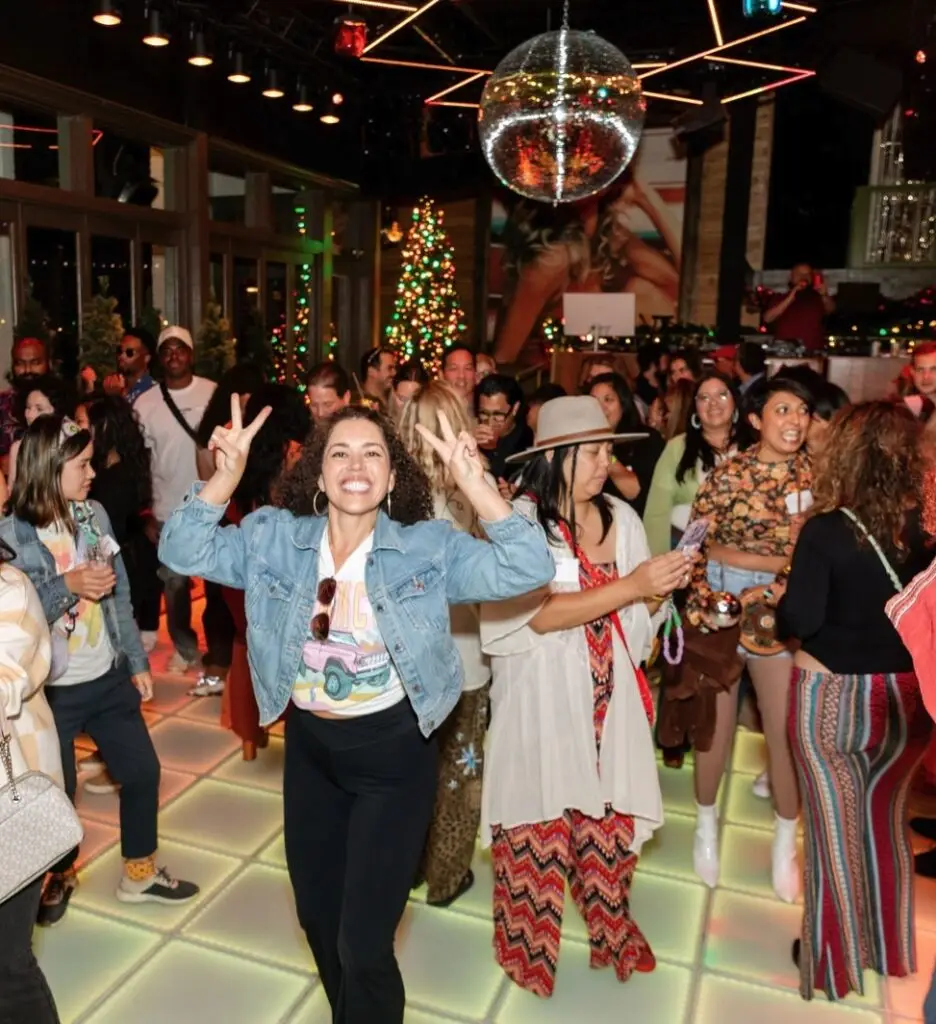
Their website describes the vibe as “backyard party meets college fair meets networking event meets happy hour.” Each follows a theme—wellness, sports, refresh and reset, etc.—with related community groups joining as well.
“The people I encounter are trying to get a fresh start in some capacity, so they’re more open, receptive, and ready to meet new friends,” Hunter says. “They need the circle.”
Photo Credit: Elysian Visions by Deaune Boyd LLC
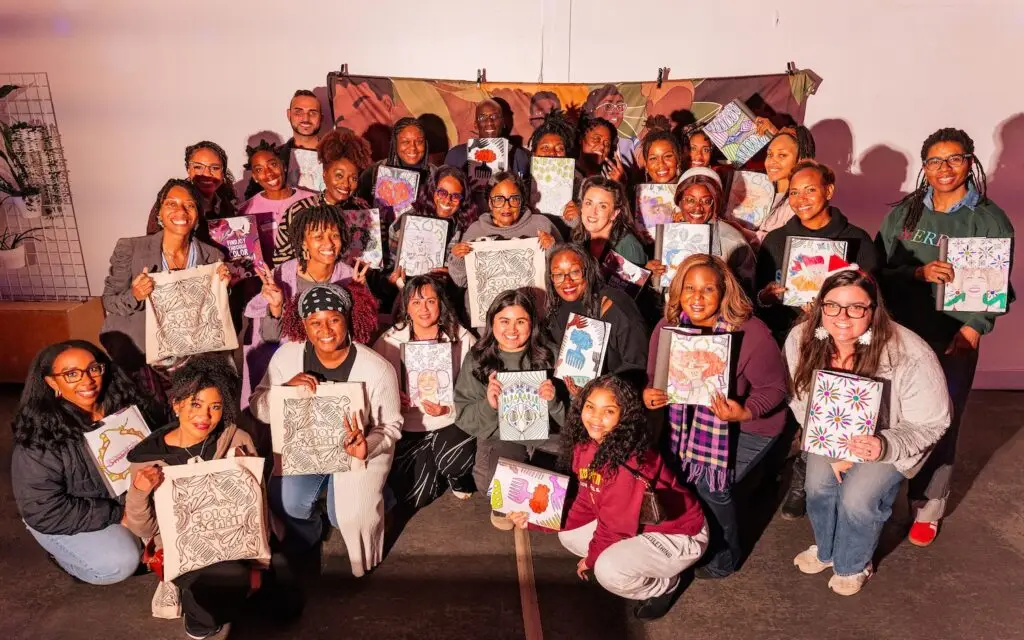
Another way adults can break out of this disconnection is to revert in unison, says artist Elisa Summiel-Bey. The 2015-ish adult coloring book moment in the US was based on some real science, with multiple studies finding coloring has a noticeable meditative and stress-release effect by taking the brain away from anxieties and mental inventories, and focusing it on a simple, easy art. Summiel-Bey’s company Illustrated Melanin throws “Color & Chill” events, turning that trend into a group exercise, along with live DJ sets, wellness experts doing sound baths, and food and drink from BIPOC-owned local businesses. “I tend to think of coloring as your way to tap back into your childlike play,” she says. “As adults, I think we’re almost scared to let loose and have that unabashed joy.”
All of these social meetups attract crowds of likeminded connection-seekers, but high attendance is not the only thing that matters. Metrics nuts can track RSVPs, but spreadsheets can’t capture intangible wins: friendships made, innovative ideas sparked, collaborations kicked off. At CreativeMornings, Wallace redefines ROI as Return On Imagination. Resounding success means thoughtful inquiries over coffee, curiosity about the monthly meeting themes, and requests to take the microphone.
A simple, observable ROI is an increased number of window shoppers to the experience—on the periphery, watching from afar, looking for the right way in. Hunter from IRL SD sees the anxiety in her DMs. “The scariest part for you right now is not meeting new friends: It’s the unknown,” she says. “It’s the gap between ‘I’m here’ and ‘That’s where I need to be.’ If I can help you understand, or get a little bit of a shape around that unknown, it’s much more approachable.”
Courtesy of IRL SD
Being able to bridge that gap, however, depends on your ability to step out of your own mind. “It’s not a connection crisis; it’s a courage and confidence crisis,” says Fuller. The first hello could be as easy as, “Hey, cool shirt.” These are the types of things she includes in her confidence lab reels on Instagram and weekly newsletters.
Ever left a social event and shot straight into a spiral? Was I being weird? Why did I tell that story? I hope that person moves to another state very soon.
The experts say that post-event self-interrogation is a standard-issue part of being alive.
“I love awkward people, and I love being awkward myself,” says Wallace. “It’s humbling to experience: ‘I’m not alone. Finally someone is not put together.’ So give yourself that grace.”
Jeannine Boisse (she/her) is a freelance writer and professional creative with a background in Radio & Television. Based in sunny San Diego, Jeannine spends her time exploring the city's vibrant brewery scene, cooking up new recipes in the kitchen, and connecting with new people.
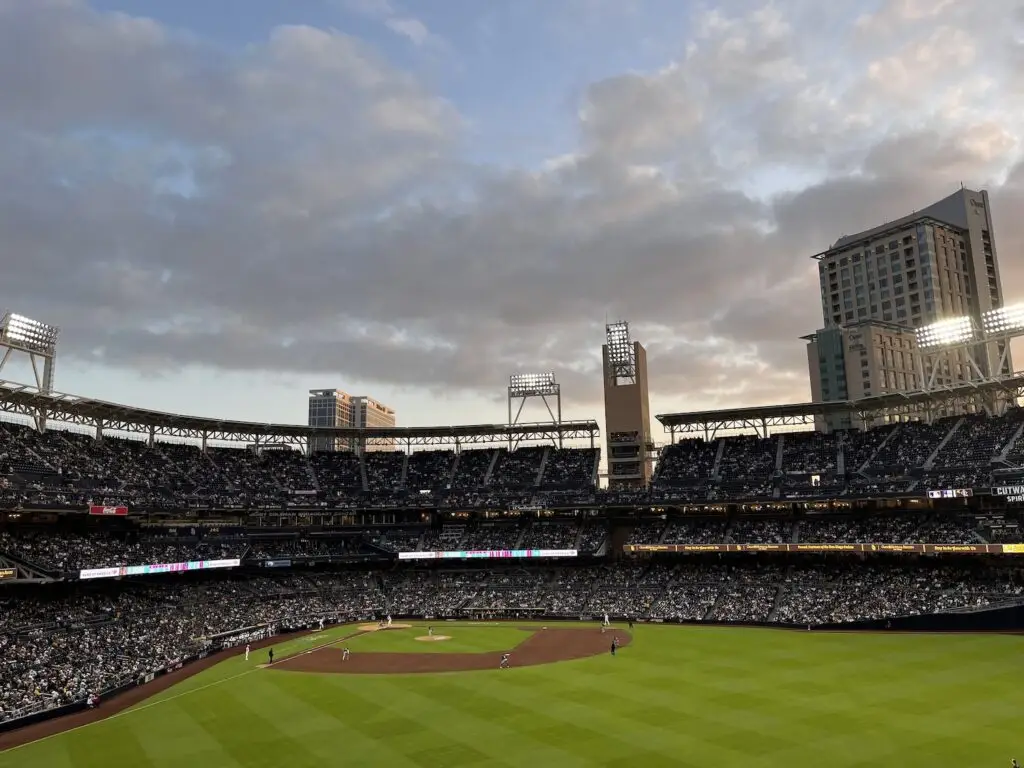
First, the upfront: This is a paid partnership with the Padres. Second, that’s not going to stop me from reliving one of my favorite kid memories.
I was 11 years old when the Padres played the Chicago Cubs in the playoffs. The Padres were a large part of my world. My mom, a baseball nut, taught me how to keep score in an official book that year. We had season tickets, which meant we were able to get seats for the playoff games. Padres lost the first two games, came back to San Diego on the ropes.
Mom and I were sitting in the left field bleachers when Kevin McReynolds hit a towering fly ball in our direction. The ball got bigger and bigger and bigger. The Cubs’ left-fielder ran toward us, ran fast until he ran out of room. The ball landed, and the stadium exploded.It landed right… HERE. It landed at US.
Up until that moment, I’d always envied the other, closer seats.
Three days later, I was sitting in the upper deck when Craig Nettles threw the ball to Alan Wiggins and the team rioted into a human pile of happy in the center of the field. The Pads’ first trip to the World Series.
The bleachers are where us fans harvest homers. Send us your dingers, your dongers, goners, taters, oppo tacos, no-doubters, moon shots, your grand salamis, and your Machados. Slam Diego isn’t a fictional place. It’s a seat. And that seat… is right here. It’s a tad louder in the bleachers because, well, joy and happiness aren’t quiet. Welcome to the party at the end of the home run rainbow.
It’s down to the wire, the biting of nails. Machado and Soto and Joe and Yu and Snellzilla and all the players with great hair could use locals at the finish line. Get a seat. Any seat. All have their unique charms. And should you decide to become a member (partial or whole season tickets for 2023), the list of perks is pretty impressive, including:
—priority access to Postseason tickets (and, baseball gods be willing, World Series)
—before each game, it’s happy hour (more than half-off select beer, wine, and cocktails)
—invitation to watch batting practice to catch homers (if you get a ball with gold-stitching, you get a free Pads jersey of your choice)
—10% off all schwag (City Connect calling your name)