

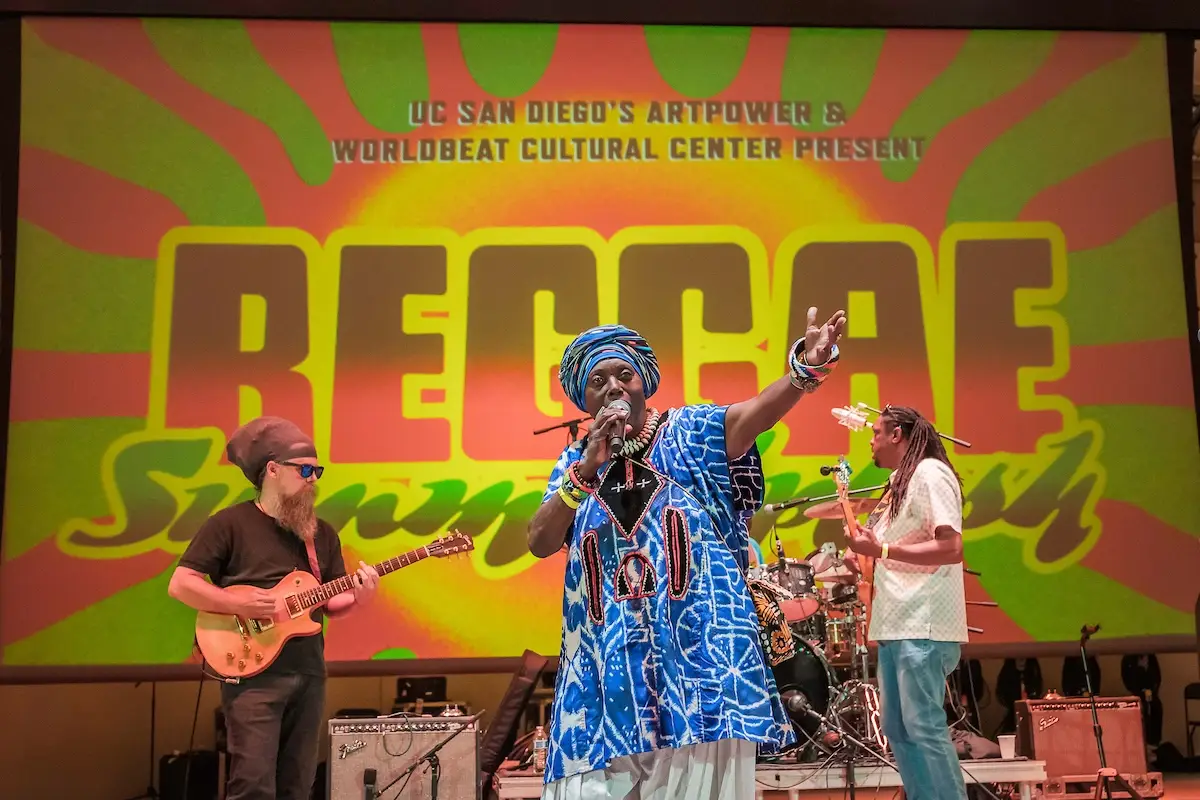

“Music, art, and dance are the weapon of the future,” says DJ and cultural leader Makeda “Dread” Cheatom. She would know, having witnessed their power firsthand as a collaborator of some of the most legendary stars in reggae music—and as the founder of San Diego’s Bob Marley Day and the World Beat Cultural Center in Balboa Park.
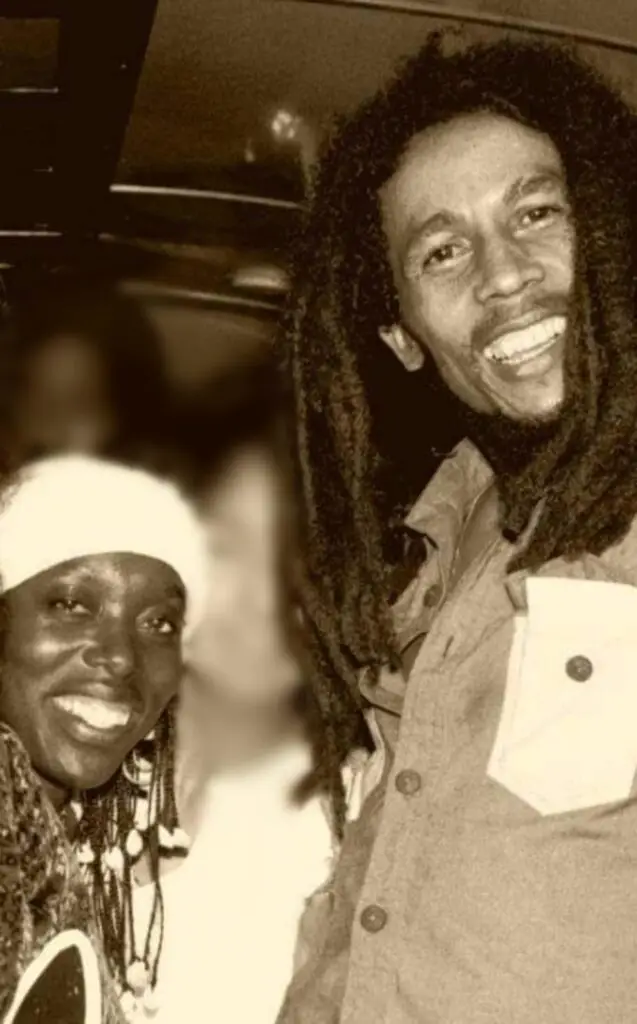
“I grew up in Linda Vista, and it was where all the people from the South and the Midwest came, ’cause they were working at the defense plants,” she recalls. “I got into reggae music, and I met Bob Marley. Later on, I produced [a show with] him. They weren’t playing his music on the radio, and I would go to the radio stations, and I would say, ‘Hey, you know, reggae music, Bob Marley.’ [They’d say,] ‘I’m sorry, we don’t know him.’
“So, I went back to school for telecommunications at City College. I got on 91X—I had a show with Demaja Lee, and we started producing reggae music, and we brought it to the clubs. Women didn’t DJ back in the day like that, but there I was. I produced Peter Tosh’s last show in California, here in San Diego—The Mama Africa Tour.
“I realized when I was very young that I was from Africa, and I wanted to learn everything about my African heritage. We didn’t have any Black or African cultural centers in San Diego. [In the late 1980s], there was a hearing [to pitch use ideas for] the House of Charm, which is now the Mingei Museum. My mother died that day, and everyone told me not to go to the meeting. But I remember my mother scrubbed all those floors—you know, she was a maid. I knew I had to win this building for my mother, my father, and all the African descendants in San Diego.
PARTNER CONTENT

“They were arguing over this house, and I stood up there, and I knew I wasn’t gonna get that building. So, I said, ‘I just want that dilapidated old water tower [in the park],’ and everybody laughed. But I kept going to city council, and I finally got the building. It had all kinds of junk in there, asbestos. They just left me a construction dumpster, and we got the place cleaned, and we had a cultural center. All cultures are here, from Brazilian to African to Mexican, Cuban, and Japanese. That’s what World Beat is about—all of us in oneness. It’s about humanity.”
