Featured articles
Food & Drink
Food & Drink
Food & Drink
Featured articles

Everything SD
Everything SD
Everything SD
Featured articles
Things to Do

Things to Do

Things to Do
Featured articles

podcast-ep

video
podcast-ep
Featured articles
Everything SD
Everything SD
Everything SD
Featured articles
Food & Drink
Food & Drink
Everything SD
Ready to know more about San Diego?
SubscribeReady to know more about San Diego?
We asked readers to submit their best photos of iconic North County spots and compiled them into a sunset-packed photo essay that rivals any Instagram reel

Kirby Classic Surf and Skate, Oceanside
Photo Credit: Becka Vance
Surfers, skaters, stars, cars. North County has to be seen to be believed, so we asked our readers up north to send us their best shots of life from their own backyard. And our coastal camera wielders came through like a clean, fresh swell with no one out. Feast your eyes on this scrapbook of snaps. Landlocked cities, go ahead and drool.
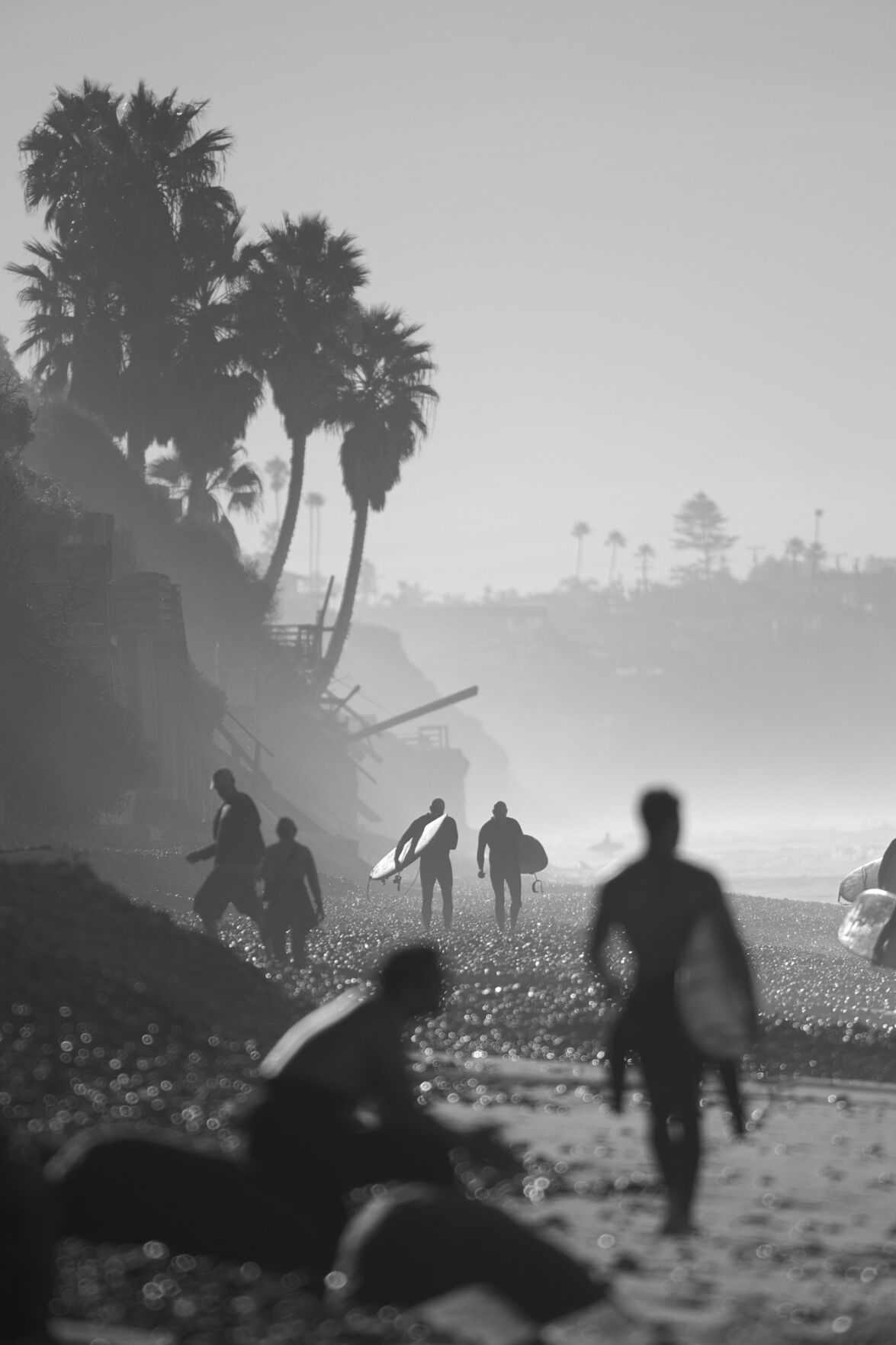
Grandview Beach, Encinitas
Photo Credit: Weston Fuller

Carlsbad Flower Fields
Photo Credit: John Lemieux
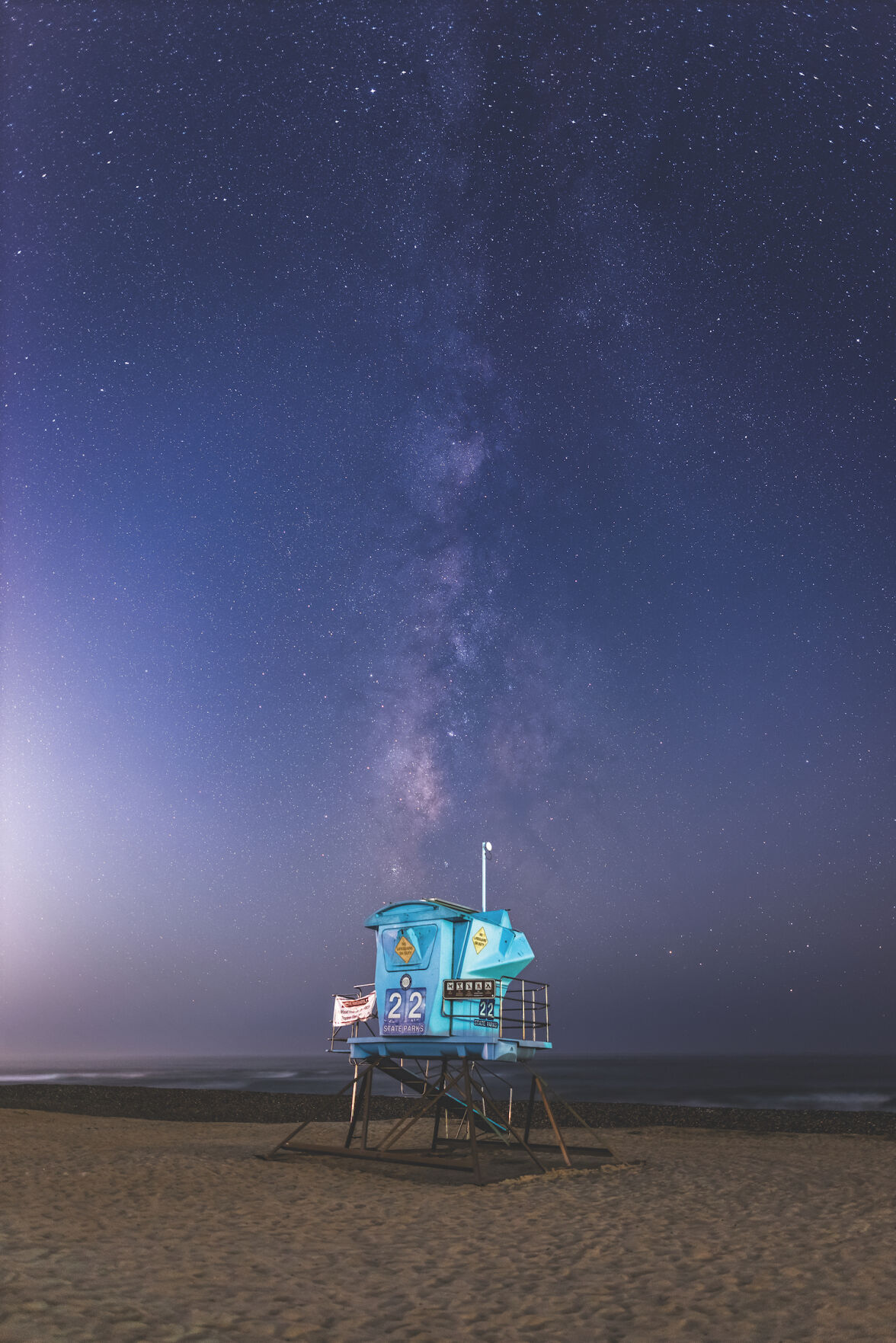
Tower 22, Ponto Beach, Carlsbad
Photo Credit: Vladimir Medvinsky
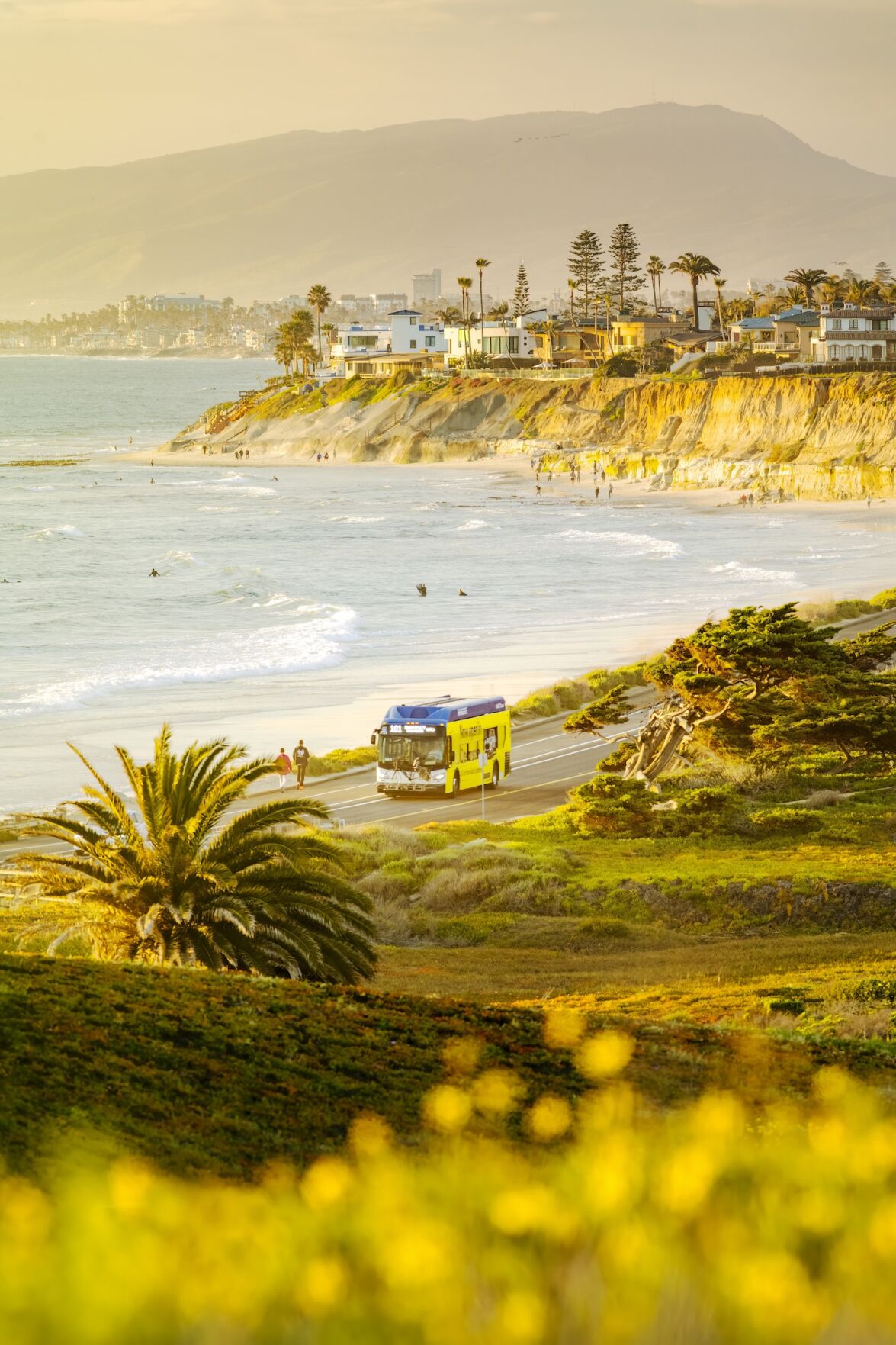
Island Way and Carlsbad Boulevard, Carlsbad
Photo Credit: Sean Diaz
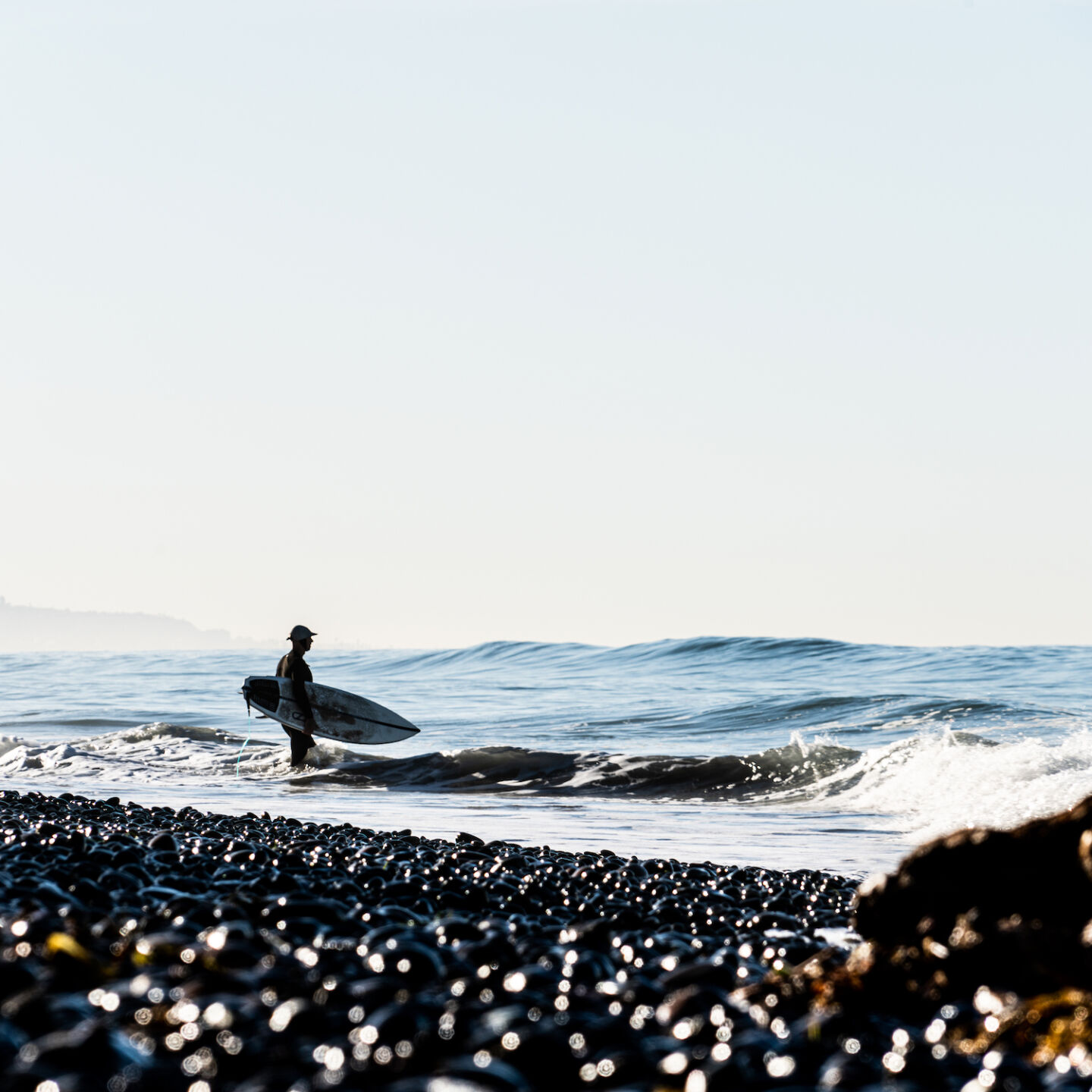
Beacons, Leucadia State Beach
Photo Credit: Jack Lajoie

Strand Beach, Oceanside
Josh Luten

Oceanside Pier
Photo Credit: Austin Hardy
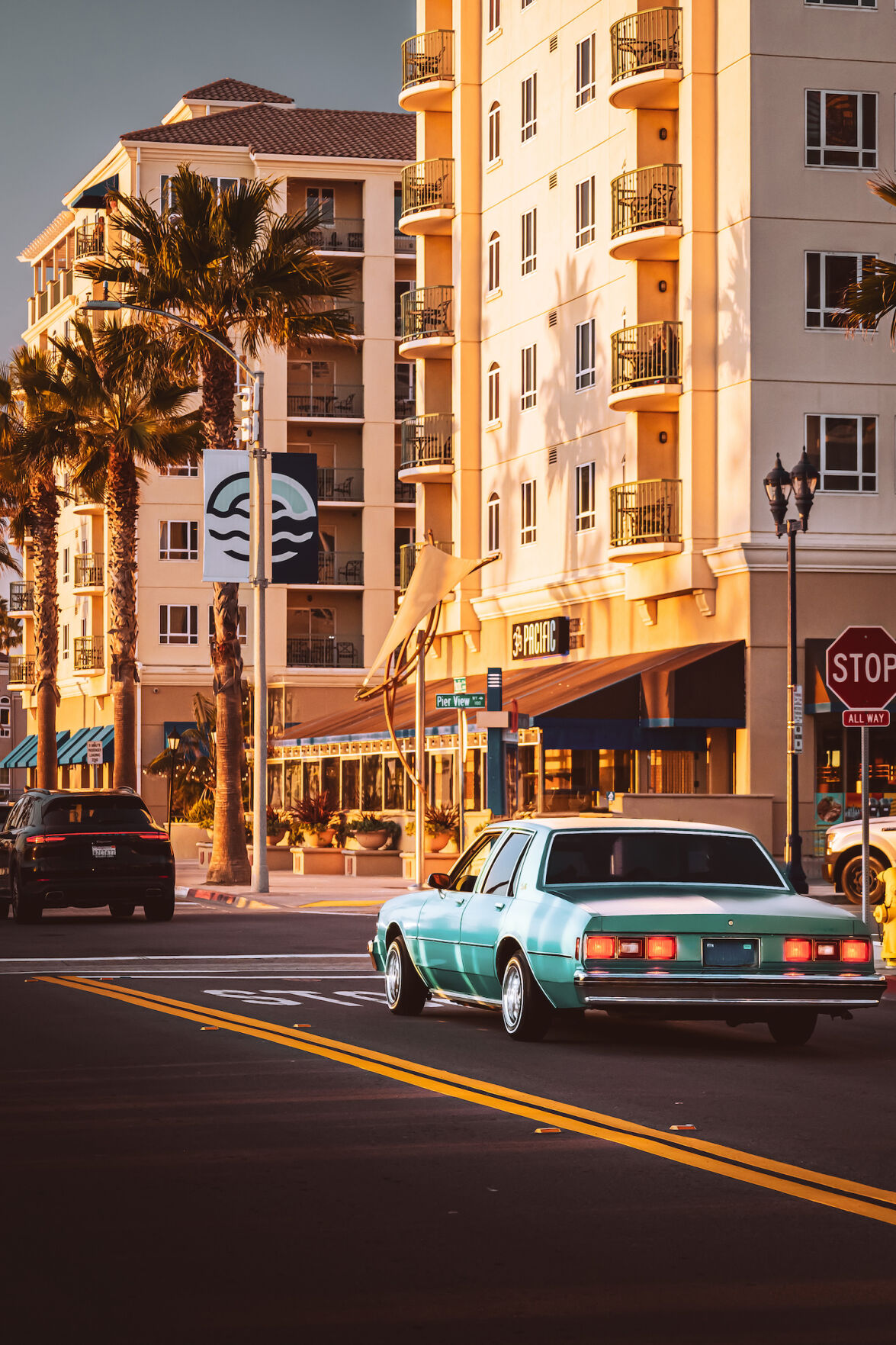
Pacific Street and Pier View Way, Oceanside
Photo Credit: JohnMichael Calhoun

Over Oceanside Municipal Airport
Photo Credit: Vladimir Medvinksy
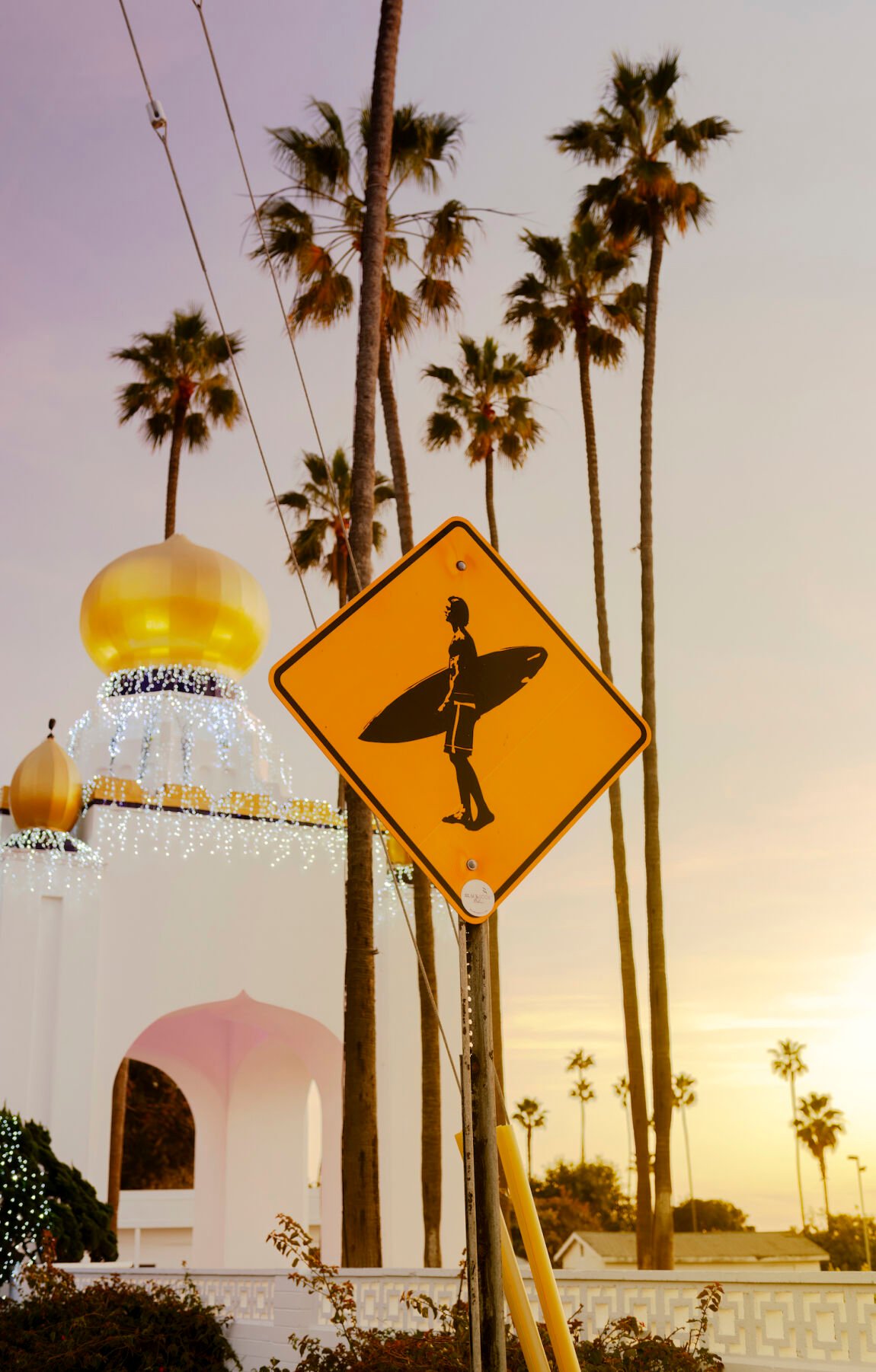
Self-Realization Fellowship, Encinitas
Photo Credit: Sean Diaz
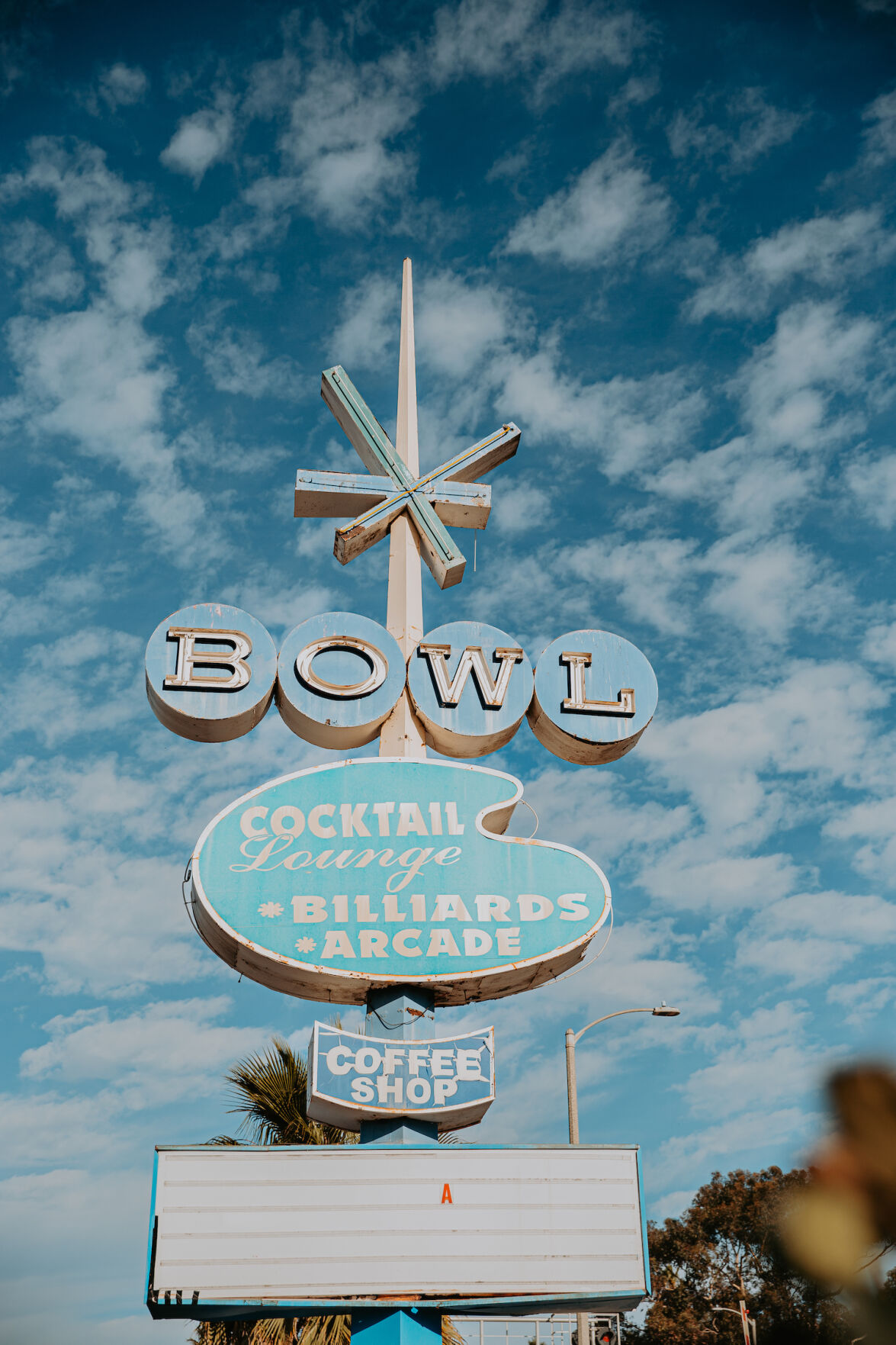
Surf Bowl, Oceanside
Photo Credit: Becka Vance
We found a handful of inspiring people who live in, and truly know, these 'hoods and asked them how they’d spend their time out and about
Growing up in Carlsbad, I never quite understood why people vacationed there. What, so you want to check out the field where I have soccer practice? Pay my orthodontist a visit? Carlsbad just felt like a town by the beach, no better or worse than any other in the country. It took going to college out of state for me to actually understand just how rare a place like Carlsbad is.
Thanksgiving break my freshman year, my first time coming home after three months in the Midwest, my shoulders dropped. I rolled down the windows and drove to lifeguard tower 37—the hangout magnet for Carlsbad’s youths (and, in the summer, tourists)—and the smells of the ocean woke me right up like smelling salts do. I finally got it.
Carlsbad isn’t just a stopover town on your way to something better. It is the destination. Travel + Leisure named Carlsbad one of the top 50 places around the world to travel in 2026. From the whole globe, the travel magazine picked my home. Sure, we’ve got the Flower Fields and Legoland—but now it’s the smaller ships and indier dreams that are giving it street-level character.
It’s not just Carlsbad, either. People have talked about the “North County bubble” for decades—a force field that prevents its residents from traveling south of the 56. It’s often used derogatorily, and it’s a fairly accurate burn.
For decades, living up in North County meant giving up on culture, or at least culture within close proximity. But now, the main expansion of San Diego culture is happening up north. Central San Diego restaurants have started taking notice and are expanding into the area—spurred no doubt by Oceanside’s food boom and the Jeune et Jolie–Campfire–Wildland–Lilo constellation in Carlsbad. City Heights burger joint Key & Cleaver opened a new spot in Oceanside; the owners of Parc Bistro-Brasserie in Bankers Hill opened Parc Lounge in Rancho Santa Fe. Possibly the strongest market indicator is that Sam Fox—one of the most successful restaurateurs west of the Rockies—has started focusing on North County for his concepts. In 2025, he opened both The Henry in Carlsbad and Culinary Dropout in Del Mar.
For the ultimate insider guide, we found a handful of inspiring people who live and create and truly know six North County neighborhoods—San Marcos, Escondido, Oceanside, Leucadia, Rancho Santa Fe, and Vista—and asked them how they’d spend a dream day out and about in their town.

San Marcos is in full renaissance mode. The biggest story is that the grand North City vision is starting to peek through the scaffolding. It’s essentially the North County Downtown that’s been written in the tea leaves and discussed whenever someone gets stuck in traffic at the 5/805 merge: a 200-acre, pedestrian-friendly, mixed-use face-changer that’s slated for 2,600 homes, 350,000 square feet of retail and restaurants, 250 hotel rooms, and about a million square feet of offices and labs. Its most recent manifestation is 222 North City—a 12-story residential tower with over 450 residences, rooftop garden, pool cabanas, art installations, and almost 20,000 square feet of ground-floor retail (Necessity Coffee, Buona Forchetta, Draft Republic, Milonga Empanadas, and a grocery store anchor on its way).
Which means Restaurant Row is no longer burdened with being the primary caregiver for the hungry or the socially inclined. Patricia Prado-Olmos has watched the city morph during her nearly three-decade tenure at CSUSM, having spent the past six years as the school’s chief community engagement officer. She also just announced her forthcoming retirement at the end of the 2026–2027 school year, so she’ll have even more time to haunt local haunts.
Those in the know call the university “Cal State StairMaster” from the Sisyphean amount of stairs on the hillside campus. So, any day at or around CSUSM should start with a homestyle carbo-load (biscuits and gravy) from Mama Kat’s.

“There’s something about this breakfast spot that immediately puts me in a good mood,” she says. Mama Kat’s is also known for its pie (strawberry-rhubarb), which is breakfast if you change your perspective.
After a few hours on campus—with a break to pet the university’s official therapy goldendoodle, Frank, who helps ease finals tremors or apprehension of on-campus stairs—Prado-Olmos will wander into North City, just steps away. She says the almond croissant and coffee at Christophe Rull Patisserie rival Parisian cafés: “It feels like the kind of place you’d stumble across in a much bigger city.”
Rull, a Michelin-trained pastry chef who’s done stints on Netflix (Bake Squad) and Food Network (Super Mega Cakes, Halloween Wars), opened his patisserie last fall. The hype hasn’t cooled off yet: Get there early because the crowds do.
Emma Veidt is an editor at San Diego Magazine. She earned her bachelor's and master's degrees from the Missouri School of Journalism. She loves running, hiking, and rock climbing, but really, she mostly loves encounters with the street cats around North Park.
Where to eat, drink, shop, and play in this North County gem
San Marcos has a variety of delectable dining options conveniently located downtown in Old California Restaurant Row. This Spanish-style plaza houses a dozen chain and regional restaurants, many of which are open for outdoor dining, including mainstay Fish House Vera Cruz, gold-rush-inspired Old California Mining Company, and North County’s first microbrewery, San Marcos Brewery & Grill. Just up the street you’ll find Mama Kat’s. This charming café named for the owner’s mother offers breakfast favorites, specialty coffees, pastries, and pies.
Fish House Vera Cruz
Justin Halbert
San Marcos has some tasty drink options, too. Meadiocrity’s sweet honey wine supports local beekeepers and helps hives thrive. Visitors to Sunshine Mountain Vineyard can enjoy its varietals on a patio overlooking the lush, rolling hillsides.
Antique Village
Justin Halbert
Tucked amid the warehouses and showrooms along Furniture Row is Antique Village, a one-stop shop for vintage jewelry, collectibles, coins, china, toys, memorabilia, and more from over 60 vendors. San Marcos also caters to crafters and creators with stores like Yarning for You, Grand Country Quilters, Quilt in a Day, and Discount Hobby.
Double Peak
Justin Halbert
Affectionately known as “San Parkos,” this city is blanketed with green space and trails for hiking, biking, and horseback riding. Double Peak, accessible via scenic Discovery Lake, is one of the most popular treks. At the top of this 1,000-foot climb in the San Elijo Hills, hikers are treated to views stretching from the mountains to the sea. Not a hiker? Not a problem. There are plenty of outdoor options for you, too. Head to Lake San Marcos for a day on the water. Lakehouse Hotel & Resort rents motorboats to cruise along the calm waters, and you can even explore the lake by gondola by booking an advance tour with The Black Swan Gondola Company. End the day with a cold one at Decoy Dockside, the resort’s restaurant, which has two spacious decks.
Discovery Lake
Nearby Elfin Forest is a hiker’s paradise and Halloween-lover’s delight. Legend has it that shadowy apparitions, a wicked witch, and a ghostly woman in white roam this rugged reserve after dark. However, after-hours visits are strictly off-limits for a dangerous practical reason: Mountain lions and the other wildlife who call the reserve home need to do what they do undisturbed.
Mama Kat’s
Justin Halbert
<i>San Diego Magazine</i>'s staff shares historic North County photographs and features from its last 75 years
1949 Boat Houses San Diego Magazine
Consider it a glossy version of scrapbooking. We’re getting wistful over how many times North County has graced our pages over our 75-year tenure serving this city—and we should be.
In digging through the annals of SDM history, we’ve found that North County has been cropping up since the beginning. In 1949, we featured a couple who owned homes in Encinitas constructed to look like boats, but not seaworthy in the slightest. This was the first of many profiles that cemented North County as the county’s leader in design.
Through the ’50s, ads were placed beckoning our readers to dine with the likes of Bing Crosby in the racetrack- adjacent town of Del Mar. The ’70s saw North County open up as a leisure and entertainment destination, promoting townhome living and new restaurants, which parallels its current cultural climate. The issues of the ’80s and ’90s brought more of North County as the region itself grew in population and economic appeal.
As we wax this North County nostalgia on the page, take in these snippets of the past knowing that we are focused on including every inch of this county, which is why we dedicate an issue to this sprawling swath of culture—that just so happens to have a pretty amazing view.
It must be the coastal breeze that makes every North County resident a little bit of a skipper. And in 1949, they might have worn those dapper nautical hats, too. But we’re not talking house boats bobbing along the bay. We’re talking a hull as a full-on house on dry, Encinitas land, as owned by the eccentric and aquatic Mr. & Mrs. Aden D. Gilder.
1951 Cantina La Tienda San Diego Magazine Ad
Thought Golden Hill was the destination for indoor BBQing and icy martinis? Think again. The original home of the Turf Club was, in fact, Del Mar. Catntina La Tienda, a Mexican Restaurant owned by Bing Crosby, was the first iteration of the space. But after a move across the highway, it was rebranded as the Turf Club. In 1982, we highlighted the rise of the dining scene in Del Mar, which included this much loved spot as a 24-hour eatery—where racetrack folk could still get an “eye-opener” from the bar at 6 a.m. if the mood, or need, should strike.
1966 Land Barons San Diego Magazine Ad
Let’s face it—some of our archival ads celebrate societal shortcomings rather than countering them. “Land baron” doesn’t quite have the same ring to it these days, but, in 1966, Rancho California promoted the chance to start your North County inland dynasty.
1968 2 Kids Country Road San Diego Magazine
This isn’t the first time we’ve looked back. For SDM’s 20th anniversary, the editors ran a selection of archival pics, including this charming shot of NoCo tots.
1972 Del Mar San Diego Magazine
In 1972, Del Mar had a restaurant boom with five new eateries along its coast. Highlighted in this issue were The Turf Club, a Catholic- church-turned-restaurant called Albatross, GRB (The Golden Rollin Belly, of course), Firepit, and the recently shuttered Bully’s North.
1976 Pacific Villas San Diego Magazine Ad
Not a quite condo, not yet a mansion. This dream of middle-class living was alive and well in 1976. The groovy thing? They’re still around and in demand. Have your own 1,442-square-foot slice of the ’70s for just shy of an estimated $800K.
1997 X-games San Diego Magazine
If our embedded skateboarding culture wasn’t a big enough draw, maybe the backdrop of Oceanside sealed the deal. Back in 1997, we chronicled the athletes and North County spectators who flocked to see the extreme in action at the third annual X Games, where last month’s cover star and North County resident, Tony Hawk, took home the gold for a “perfect run” in the Skateboard Vert with a score of 97.5.
1981 KKOS 96FM San Diego Magazine Ad
In its ’80s heyday, this Carlsbad airwaver played the pop gamut, from Adult Contemporary to Top 40, on its 95.9 dial. They were also, apparently, pretty cozy with easy listening’s adult beverage of choice. We can imagine it now: Slathering on Zinka and cracking a brew on South Ponto Beach with our transistor on in the background. This J. Geils Band anthem’s for you, North County.
1997 North County San Diego Magazine
Tell us something we don’t know. Deep diving into the upper regions of our county, writer Tom Blair extolled the virtues of each little pocket, from Del Martians and their cigarette smoke ban (progress for the era) to the leisure of frou- frou blended libations and polo in Rancho Santa Fe and the migrant workers living in nearby Escondido. Shoutout Gertrude Stein.
1997 Baby Rhino San Diego Magazine
Forget Romper Room—in 1997 it was “Rhino Boom” in Escondido with four newborn Indian rhinoceroses arriving at the San Diego Wild Animal Park that November. Much like the recent condor birth at the park, this was a big deal. Constantly upholding zoological excellence, the Wild Animal Safari Park is a long-standing staple of North County education and culture.
1999 Legoland San Diego Magazine
The Danish seem to do everything right. Between pastries, their status as one of the top three happiest countries in the world, and the Lego (Danish for “play well”) company selecting Carlsbad as their third theme park location, they are slowly winning our allegiance. Writer Rob Akins hyped up this great plastic hope as a way to bring jobs and tourism to this agrarian enclave of San Diego.
Behind every beautiful space is a thoughtful process, and ASID San Diego is helping homeowners understand the value of professional design.
A perfectly designed home rarely happens by accident. Those kitchens that feel effortless and rooms that seem to tell a story the second you walk in? They’re usually the work of someone who knows exactly what they’re doing.
It’s knowing which ideas will actually work, which materials will hold up over time, and how to turn a collection of choices into a space that feels intentional. That’s where a professional interior designer comes in.
For the American Society of Interior Designers (ASID) California San Diego Chapter, the goal is to help people see interior design as more than just the finished look. Behind every well-designed space is a process built on technical expertise. Designers are educated in everything from professional software and construction details to building codes, space planning, materials, and functionality.

“People don’t always realize how much goes on behind the scenes,” Kirsten Recce , current president of the ASID California San Diego Chapter, says. “Our designers are not just doing furniture placement and color selection and picking out new fluffy pillows. That’s not what they’re trained for.”
ASID members bring formal education, continued learning, and industry knowledge to their projects, helping create spaces that are not only beautiful, but designed to work. A paint color that changes completely depending on the lighting. A material that looks beautiful in a showroom but doesn’t make sense for everyday life. A layout that photographs well but doesn’t function for the people living there. These are the details where professional guidance can make all the difference.
Still, one of the biggest misconceptions about hiring an interior designer is that it’s reserved for massive renovations, luxury homes, or people who already know exactly what they want. The process can feel intimidating. Where do you begin? Is a designer worth the investment? What if you only need help with one room?
ASID’s answer: start with one hour.
ASID’s Spruce Up events break down one of the biggest barriers between homeowners and professional design: knowing where to begin. Held twice a year, the community program gives homeowners the chance to work directly with an ASID designer through a one-hour, $125 consultation in their own home. Whether you’re looking for advice on furniture placement, window treatments, kitchen and bath updates, remodeling ideas, vacation rentals, color selections or something else entirely, the upcoming September 2026 event offers an approachable way to get expert guidance before committing to a full project. Signups are open through Sept. 7, with consultations taking place Sept. 21 through Oct. 31. Proceeds benefit ASID San Diego’s educational and community programs. Register here!

“It’s a great opportunity for people who are in that exploratory phase,” Recce says. “Maybe they’re not sure they want to hire an interior designer yet, or they think it sounds daunting or expensive. This gives them a chance to discover what working with a designer is actually like.”
Design is personal. A good designer isn’t just creating a beautiful room; they’re helping create a space that fits the way someone lives.
“We’re a resource to all of San Diego County,” Recce says. “It doesn’t cost anything to pick up the phone and call and ask. We’ll answer.”
Follow ASID San Diego on Instagram, LinkedIn, and Facebook for updates on upcoming events, or connect with the chapter directly at [email protected] or 619-548-8847.
Must-visit restaurants, shops, and attractions in San Diego’s North County
One of the great joys of San Diego is the way its culture shifts between neighborhoods. We all contain multitudes—and there’s a SD borough for every self. We can unleash our inner Carrie Bradshaw amid the high rises of downtown. Relive our halcyon college days in hard-partying PB. Cultivate the cocktail taste of a film noir detective at a North Park whiskey bar.Sometimes, though, we want to leave city life behind for the slower pace of smaller coastal ’burbs, where we can wake to the sound of crashing waves and make leisurely plans over diner coffee. Of course, in SD county, things can slow down, but they’re never boring.Just north of downtown San Diego is a collection of towns that are rich in history and full of unique attractions. From surf museums to three-star Michelin restaurants and family-friendly activities, North County celebrates Southern California’s creativity and sense of community.Here are the top must-visit spots to eat, adventure, shop, and stay in North County San Diego, California:
Courtesy of 101 Cafe
An Oceanside staple, the 101 Cafe has been serving diner-style food since 1928. The retro, easygoing eatery is a local-favorite spot to enjoy a hearty omelet, stack of pancakes, and a good ‘ole cup of joe.
Photo Credit: Eric Wolfinger
There’s no menu at Southern California’s first and only three-star Michelin restaurant, Addison. Instead, diners place their palates in the capable hands of chef William Bradley and explore a seasonal, nine-course tasting that celebrates California ingredients and cuisine.
Satisfy your sweet tooth at Cali Cream. The Encinitas ice cream shop is known for their vast selection (50-plus flavors!) and generous scoops. With a second shop located in the Gaslamp Quarter, Cali Cream is a must-visit for a sunny day treat.
Courtesy of Campfire
Inspired by the California landscape and its produce-forward flavors, Campfire is a rustic spot built on the spirit of bringing people together. The Carlsbad eatery lives up to their name, preparing meals on a custom 12-foot hearth. Led by chef Eric Bost, Campfire offers fun cocktails, vegan options, and s’mores for dessert.
If you’re looking for a cozy breakfast and lunch joint, then Claire’s on Cedros is the place to go. Try meals like the brioche breakfast grilled cheese sandwich, blackberry-stuffed french toast, and salted caramel waffles, all made with locally sourced ingredients. Claire’s Too, the restaurant’s coffee shop and bakery, is a great quick stop for grab-and-go goodies.
Courtesy of Golden Coast Mead
Golden Coast Mead sells delicious, preservative-free sips made from fermented honey. Serving dry, sour, sweet, and spiced versions of mead, the Oceanside shop prides itself on innovative flavors—and its commitment to saving the bees.
Courtesy of Encinitas Visitors Center
Bringing coffee shop cuteness to Encinitas is Ironsmith Coffee Roasters. The team focuses on sourcing high-quality coffee beans and providing rejuvenating drinks. Need a little treat? Ironsmith serves Wayfarer Bread pastries and sourdough loaves on Sundays.
Courtesy of Pizza Port
While Pizza Port has made its mark in San Diego with multiple spots, the original location is nestled in Solana Beach. Siblings Gina and Vince Marsaglia opened the restaurant in 1987, launching their line of craft brews five years later.
Carlsbad watering hole Rouleur Brewing Company is a local, cycling-inspired craft brewery that keeps charity and philanthropy top of mind. They’ve collaborated with orgs such as Curebound, a local nonprofit striving to raise money for cancer research.
In 1946, Tony and Catalina Gonzales transformed their family home into a cozy Mexican restaurant called Tony’s Jacal. Today, their daughters, grandchildren, and great-grandchildren run the business, cooking up the couple’s original recipes for turkey tacos and chile rellenos.
A San Diego legend, the Belly Up Tavern has been North County’s hottest venue for live music since the 1970s. Located in Solana Beach, the venue has hosted a laundry list of talented artists and bands, including Etta James, The Red Hot Chili Peppers, and the Rolling Stones.
Courtesy of the California Surf Museum
Jordyn Berg is a freelance writer whose favorite topics include food and travel. A Pacific Northwest native, she delights in exploring the best of San Diego, by searching for hidden gems, experiencing must-try restaurants, and soaking in the city’s amazing views.
The return of malls in San Diego County heralds better third places for American teens
Hot Topic, daycare for hardcores.
My daughter and her preteen friends hang out at Target. Not to go shopping; they just walk its aisles in herds, cruise the place, look for other groups of preteens. Maybe get trinkets. The big red bullseye has become their social space. They will come of age right next to the shampoo and the affordable clothes and the TP.
I can’t tell you how sad this makes me. These kids have tech that makes Atari game systems look like cave paintings from the Mr. Belvedere era. Plenty of diseases have been eradicated or tamed for them. But their third places really, really suck.
For those unfamiliar with the term, a third place—coined by sociologist Ray Oldenburg—means a separate space just to be other than home and work or, in the case of these kids, school. Good hangout spots, Oldenburg wrote in 1989, are “the people’s own remedy for stress, loneliness, and alienation.” They’re “gathering places where community is most alive and people are most themselves.”
Target, while a quality retailer, is not much of a third place. It’s a place you go to get the cream that will undo the rash, the place for bed sheets and starter electronics and birthday toys for kids you don’t really know.
And these 11-year-old girls choose to go hang there. They do laps, gossiping and pointing and laughing and exploring the world through the lens of a highly successful and functional mass-market retailer. Granted, it has a Starbucks. (My daughter has made it clear that this Starbucks is not the real thing, that the drinks taste watered down or like an off-brand extension.) But still, I can’t help but feel that this really blows.
This is all due to the death of the American mall and other factors that could take up another essay in a different issue. Because up until the 2000s, we had the whole Fast Times at Ridgemont High experience in suburban San Diego thanks to the indoor wonderland known as North County Fair.
Our buddy Oldenburg argued that true third places exist “outside the cash nexus.” But for junior highers with about 10 dollars of babysitting money to our names, the mall was exactly that—just a self-contained, relatively safe place where we could all stumble through puberty as a publicly shared spectacle.
Where we could learn the ropes of group socialization outside of a school setting. School socializations is not like after-school socializations. In school, you’re allotted specific times and breaks and sent to a single uninspired area with a little free time between snacks and lunch to contemplate preteen-ness with cohorts in that terrifying journey.
In malls, there is no preordained order to things, just a bunch of wild lights and a multitude of new impulses and stimuli you must learn to navigate together on the fly. (Also, maybe an arcade.)
We’d wander its long, highly illuminated gallery of shops and learn about what adults like, what we might like as we got older and aged and weird shit started happening to our bodies and brains and souls. We’d walk through Nordstrom to find out what rich people wore. We’d giggle at the Victoria’s Secret store. We’d get exposed to kicks culture at the shoe store. The food court was where we’d get our first taste of multicultural cuisine—Belgian fries, almost-Chinese fast food, you name it. At the nauseatingly odorous store, we’d wonder what kind of extra-dry humans need all this lotion.
“Get in loser, we’re going shopping.”
The mall was like a massive, incredibly diverse, neon curio of capitalism. Even if capitalism is late-stage and all the cool kids are leaning toward socialism these days, the old market-driven society still governs. The mall was bumper bowling for adolescence. We could observe herd mentality; peruse the current desirable objects of life in capitalistic culture; and discuss, gawk, commune, and learn to navigate the sociological milieu that, within seven years or so, we’d be forced to contend with on our own.
And because it was so massive, the mall gave us SPACE to get lost, wander, make mistakes, tell secrets, harmlessly make out, or get rejected in somewhat private… It was the magical third place for American preteens and teens.
And now that’s been reduced to a single, big-box retailer best known for cleaning supplies and blenders. Jeff Bezos failed my daughter and a hundred million American teens, and he should feel compelled to write a formal apology on Medium.
But! This is all changing. The American mall is coming back! UTC Westfield has become its own city, many of its retailers giving way to restaurants, bars, activity spaces (like bowling and go-karts), and places that offer sociability, group activities, and interactive humaning—something we’re all missing.
You go there on the weekends now and it’s packed again, thriving. And to my point, its public relations team asked that we refer to it as a “center,” rather than a “mall,” because Westfield sees itself as more of a “lifestyle destination.”
And they’re not alone. One Paseo is like its own Cape Cod-ian village; across the street, Del Mar Highlands is like Fast Times for the breathwork crowd; Westfield Mission Valley is the pre-movie social race track.
And now, they’re remaking North County Mall in Escondido, formerly known as my beloved North County Fair. Allegedly, and keeping with this nouveau mall formula, it’ll have stronger retailers and more entertainment options, like new restaurants and possibly a movie theater.
I realize they can’t make it exclusively for preteens and teenagers, because those kinds of humans are broke, and that’s a terrible business model. But they really should consider the preteen and teen, and make it a safe, invigorating place for them—a well-designed bazaar of essential and discretionary choices for their future income. A glimpse into the desires of the fully formed, capitalist adult citizen.
A place better than Target. No disrespect to Tarzjhaay. I quite honestly doubt the benevolent overlords common daily needs even wanted this. They’re just serving as an involuntary nanny for our kids because Bezos killed the mall.
Well, now, you son of a bitch, the mall is back. You can gobble up all the retail sales, you can own three-quarters of the world, but you underestimated our innate need to walk around in a group and awkwardly become human together.
Troy Johnson is the magazine’s award-winning food writer and humorist, and a long-standing expert on Food Network. His work has been featured on NatGeo, Travel Channel, NPR, and in Food Matters, a textbook of the best American food writing.
Circadian Sleep Clinic Helps Reset the Body Clock
Nearly everyone experiences a sleepless night once in a while. But for those with a circadian sleep disorder, being well-rested can feel out of reach. A circadian sleep disorder occurs when a person’s internal clock doesn’t align with their desired or socially required sleep schedule. This can significantly impact quality of life, mental health and physical well-being. Scripps Circadian Sleep Disorders Clinic, launched in 2019, was the first of its kind in the state. Its specialists diagnose and treat conditions like delayed sleep phase disorder, shift work sleep disorder and non-24-hour sleep-wake disorder. Many patients have spent years—or even decade —thinking there was no hope for their sleep behavior. A solution can be life-changing. Read more about the Scripps Circadian Sleep Disorders Clinic here.
For more nutrition, wellness, and healthy living tips, sign up for the San Diego Health newsletter here.