Featured articles
Food & Drink
Food & Drink
Food & Drink
Featured articles
Everything SD
Everything SD
Features
Featured articles
Things to Do
Things to Do
Everything SD
Featured articles
podcast-ep
podcast-ep
podcast-ep
Featured articles
Features
Features
Features
Featured articles
Things to Do
Things to Do
Charitable SD
Ready to know more about San Diego?
SubscribeReady to know more about San Diego?
Raise a glass to virtual wine clubs
While we’re unable to have the in-person wine tasting experiences we know and love, virtual wine clubs are making sure the oenophile world keeps turning. The market for these clubs is consistently growing, and the ones worth seeking out are those that do the hardest part for us: deliver the best small-production, boutique wines we’d never be able to find and vet on our own. My four favorite virtual wine clubs offer vastly different selections, but their core values are aligned: to bring affordable, hard-to-find wines directly to their members’ doors, and make drinking wine at home a richer and more satisfying experience.
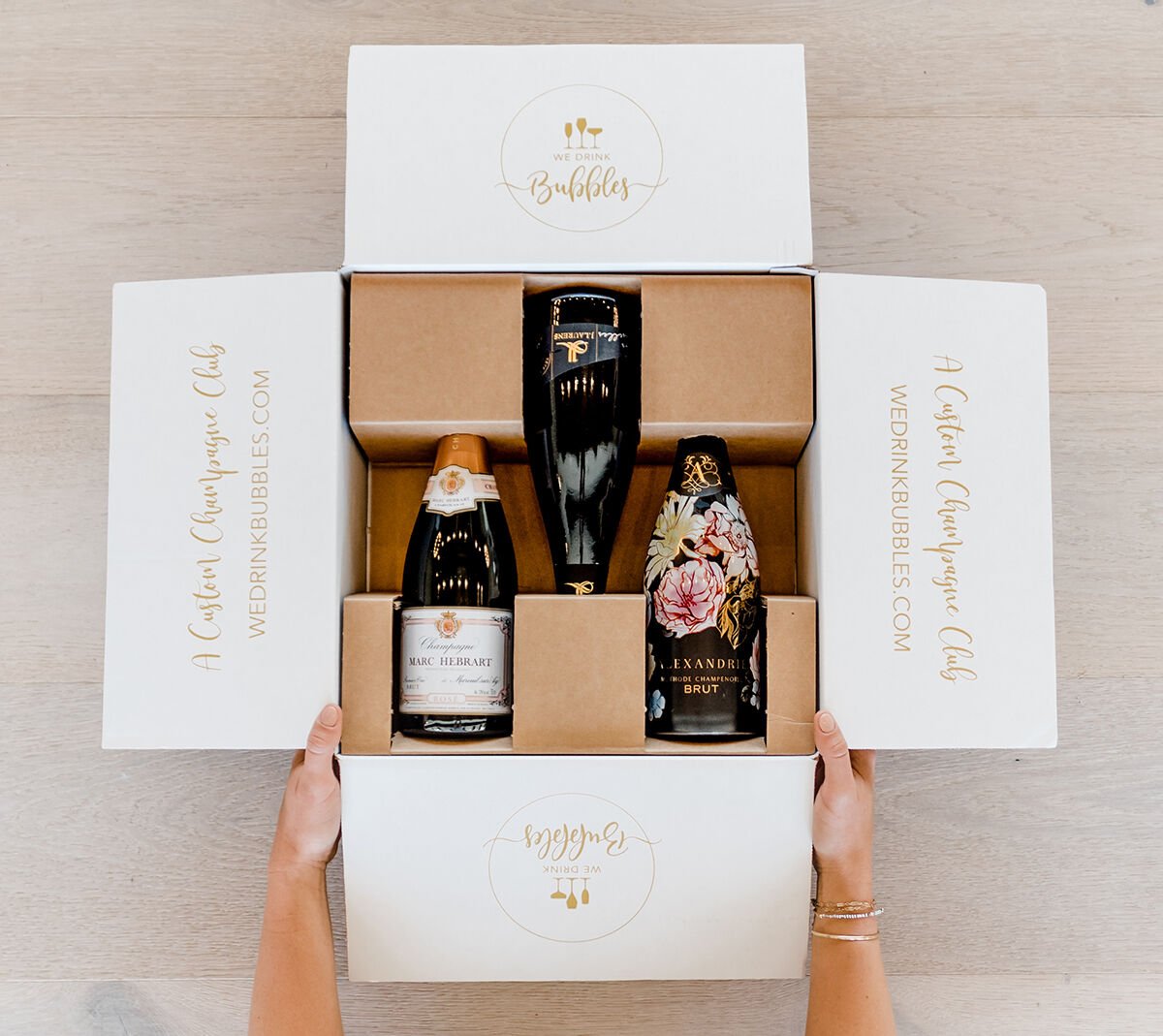
We Drink Bubbles
We Drink Bubbles (based locally, in Encinitas!) is for all of the sparkling wine lovers. Shiloh Caffrey believes that life’s worth celebrating and that every day is an occasion fit for bubbles–I’ll drink to that! After living in Italy, she learned that there’s an abundance of affordable, high-quality sparkling wine produced across the world–we just have to find it. Caffrey searches high and low for the best boutique Champagnes and sparkling wines, and sends three bottles a month (flexibly, on the months members choose) for $100.
Calling all “winethropists”: Humanity Wine Co. is for lovers of Latin wine who also want to give back. Maria Lauricella built the Florida-based company on the belief that wine can save the world. Unlike any other wine club, Humanity donates a whopping 50 percent of its proceeds to job training and placement programs for orphans who are aging out of the foster care system. Members receive 12 bottles of top-quality Latin wines per quarter for $297, and half of that goes to a great cause. It’s a win-win.
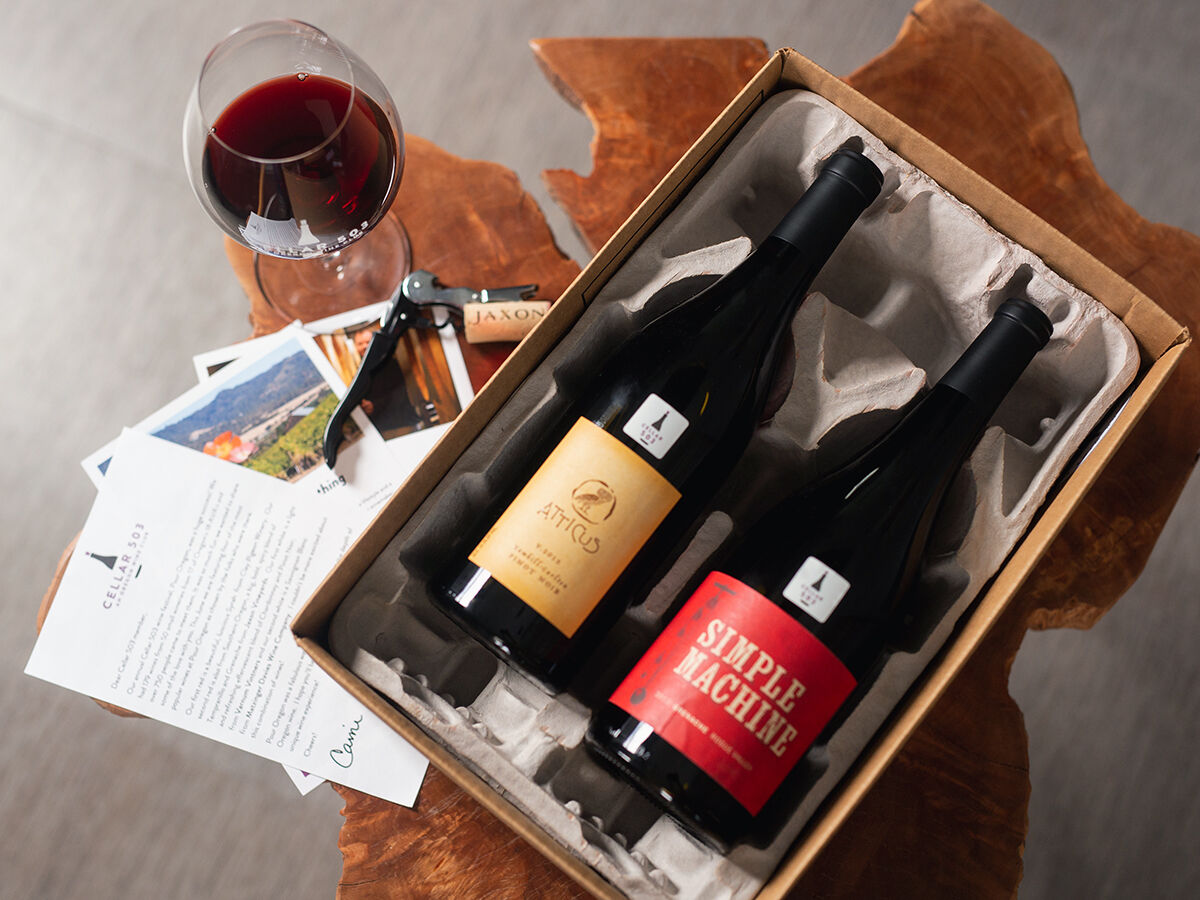
Cellar 503
For the wine lover who likes to sip off the beaten path, try Cellar 503, the wine club that focuses on the range, beauty, and diversity of Oregon wines. Knowing there’s so much more to them than Willamette Valley Pinot Noir, Carrie Wynkoop began exploring unique varietals from across the 21 wine-growing areas in the state (think Rogue Valley Roussanne and Touriga Nacional, from Southern Oregon) and created Cellar 503 to share these gems with the world. There are rotating monthly themes, like “female winemakers” and “Italy in Oregon,” and flexible membership options start at $45.
To get a taste of some of the world’s most iconic wines, try Wine Access. Their team of master sommeliers tastes over 20,000 wines a year to hand-select wines for their members. The team draws upon a range of relationships, from small family-owned vineyards to some of the most renowned producers in the world, to offer members a broad selection of high-quality and often rare wines. For $150 per quarter, members receive six bottles of wine, have access to virtual tastings, and get 10 percent off purchases.
Nia Gordon is a psychologist by day, and spends her free time writing about wine—but most often just sipping it. Her blog is themoreyoubordeaux.com. @themoreyoubordeaux

Word of Mouth skips endless scrolling and lets two longtime industry pros choose what members drink each month
If I have to choose between letting a trusted friend pick a bottle of wine or some random algorithm boosted by a faceless entity, I’m gonna go with the human 10 out of 10 times. And when you have friends like Amanda Sarich and Robert Blair, it’s pretty easy to trust their picks are going to be unique, tasty, and probably something I haven’t seen before.
Between the two of them, they have over three decades of experience working in wine. From buying to operations to building wine lists, they’ve worked together, wined together, and now, are going into business together with the Word of Mouth Wine Club.
Word of Mouth is a members-only monthly subscription that sends you two handpicked bottles each month, chosen entirely by the duo’s palates. It’s less “build your own box” and more “enjoy the surprise.” “The goal with the wine club was basically to get members that want to turn over their faith in our collections,” Sarich says. “Trust us—we’ll send you the cool stuff.”
The two first met while working at We Olive wine bar and shop in La Jolla, where Sarich joined the opening team in 2011 before eventually becoming a corporate wine director overseeing stores and franchises throughout California. Blair arrived the following year, after stints at Holiday Wine Cellar in Escondido and Alternative Wines in Carmel Valley, later spending nearly a decade helping build Village Vino in Kensington.
When Village Vino closed last November, Sarich had recently returned home to San Diego after years in the Bay Area and brought Blair on board for a project she’s working on—Serafino, a cafe and wine bar slated to open in Mission Hills next fall. But to bridge the gap between Village Vino closing and Serafino opening, the two partners kept the momentum going by launching Word of Mouth.
Blair says once Serafino opens, the team will launch a wine club for that business that will focus on everyday drinking wines from anywhere. Word of Mouth is for us “to geek out a little bit,” he says, with more adventurous or hard-to-find options from small production family farmers. (But as a bonus, Word of Mouth subscribers will become Seraphino’s founding members, receiving exclusive benefits for supporting the project from day one.)
Current memberships include two bottles delivered monthly—usually a red and a white, though sparkling, rosé, orange, or skin-contact wines are always fair game. Members can choose three-month, six-month, or annual subscriptions, and every shipment includes detailed tasting notes, producer stories, pairing suggestions, and fun extras like playlists, puzzles, and the occasional surprise.
The selections often revolve around loose themes. For instance, they used the idea of what wines they’d drink at a summer barbecue to select the two bottles in the July box—which happened to be a pale French rosé and Mourvèdre from the Languedoc-Roussillon region of southern France.
Over the last decade, places like Rumi, Clos, and Vino Carta have helped transform the San Diego wine scene from mainstream labels and a stodgy vibe to eclectic discoveries that break a lot of the former rules. Word of Mouth hopes to continue that evolution.
“I think it’s fostered a more adventurous sense of exploration,” Blair says. “There’s room in San Diego to keep expanding people’s palates.” Sarich agrees. “We’re trying to bring our fun wine palate to the world.” Bottoms up.
Listen Now: The Latest in San Diego’s Food and Drink Scene
Have breaking news, exciting scoops, or great stories about new San Diego restaurants or the city’s food scene? Send your pitches to [email protected].
Beth Demmon is an award-winning writer and podcaster whose work regularly appears in national outlets and San Diego Magazine. Her first book, The Beer Lover's Guide to Cider, is now available. Find out more on bethdemmon.com.
Chef collabs, cooking demonstrations, DJs, and tailgates—your guide to all the experiences featured at this year’s affair
Slip into the moment: You’re strolling through Surf Sports Park in the fall outfit you’ve been dying to wear, maybe even snagging some handmade jewelry with rare natural gemstones from Timka Jewelry while sipping locally made hard kombucha and snacking on Michelin-starred must-try meals from San Diego restaurants. In the background, celebrity chefs mingle by small parties with DJs spinning and professional athletes passing by floral photo ops that are basically made to be framed. You pause for a wine pour that looks almost too good to drink and catch acclaimed talents like Jackson Kalb collaborating with Quixote.
This is the Del Mar Wine + Food Festival—one of SoCal’s premiere food and drink events showcasing the unique culinary experiences infused with San Diego’s fitness and wellness culture. If you’re heading to the fest this year, we put together an insider’s guide to all the standout activations at the Grand Tasting taking place from September 13 & 14. Here’s what not to miss:
Across Saturday and Sunday, festival-goers can wander the grounds to enjoy activations from sponsors like LaCroix, Landmark Vineyards, Justin Wines, and Clink. These pop-ups will be offering food and drink tastings, goodie-bags, and little surprises that make wandering the festival half the fun.
Clink will be pouring a mix of wines in the picnic area just outside the VIP tent, while Justin, Landmark, and Lewis wines will host tastings nearby. Heaven Hill Tequila Ocho and Mezcal Vago, will be outside the beach area near Feeding San Diego, and LaCroix will be available throughout the grounds with sparkling water and an Instagram-worthy floral photo-op near the Locals zone.
You can also catch San Simeon wines outside the VIP tent, Spritz in the beach area, Peroni and Blue Moon outside VIP, The Grill Dads throwing tailgate-style parties with Grillin’ Time canned cocktails flowing from branded coolers, and The Los Angeles Golf Club Dryvebox giving everyone the chance to test their swing on a golf simulator. Follow your taste buds, your camera, or your curiosity and you’re guaranteed to run into something worthy of a pause at every turn.
Chef collabs at the Del Mar Wine + Food fest mix flavor, personalities, and a little bit of culinary chaos in the best way. After all, how often do you catch two acclaimed talents sharing the same space? On Saturday, Jackson Kalb teams up with Quixote, while Jet Tila links with Serea and Lionfish for a full-on takeover of the Culinary Comp Zone. Both days feature Fox Point partnering with Haven’s Mawa McQueen in the VIP area, while Plant Paradise joins forces with Nichols Farms and chef Zuliya Khawaja.
And this is just some of many prime celebrity-spotting opportunities. Your favorite chefs will be sprinkled all across the weekend’s lineup. Get the full lowdown on where to find them here.
Beyond the zones, the weekend features some of the best SoCal names in the food and drink industry including A+M Catering, Amalfi Cucina Italiana, Quixote, Glass Box, Rosemarie’s Buns & Brews, Bianchi Winery, Rootdown Wine Cellars, and more. Saturday brings the star power of STK Steakhouse, Jake’s Del Mar, ARLO San Diego, and Provisional Kitchen, while Sunday turns the spotlight to Lana Restaurant, Waverly, Flame & Flavor, and Seasons 52. Click here to see the full list of participating restaurants.
Kyoku Knives will also make its mark as a headline sponsor throughout the festival, with chef Jeff Roberto breaking down sushi, sashimi, and Wagyu beef during the Sushi on a Roll activation in the VIP Reception Area. He’ll be joined by Brian Malarkey (Top Chef, Herb & Wood, Animae) and Tommy “The Fishmonger” Gomes (Outdoor Channel) so be sure to get your cameras ready.
Field games and foodie finds galore, throughout the weekend, attendees can catch some wiffle ball and classic ballpark eats at Ballpark in the Park, dive into a soccer experience with San Diego Wave FC or join tailgate enthusiasts with SDFC and DirecTV. Or, keep the celebration going with DJs spinning at the Mountain experience.
At Street Fleet Alley, find local food trucks and street food pop-ups serving their best fare. Plus, this year, Baja and Paso Robles head to San Diego to showcase their local breweries, restaurants, and lifestyle brands—keep an eye out for their activations.
Everywhere you turn, you’ll find art installations, local food, celebrity chefs, TV personalities, and unique pop-ups. It’s what the Grand Tasting is all about: living your best life, one sip, bite, and beat at a time.
Isabella Dallas is a freelance writer for San Diego Magazine and the Arts and Culture Editor at The Daily Aztec in her final year at San Diego State University. She previously worked as an editorial intern for SDM, but when she’s not writing, you can find her trying the best coffee spots in SD, devouring the latest rom-coms, and indulging in anything and everything pop culture.
The North Park winery & Mabel’s Gone Fishing collab on a special San Diego vermouth
Nerdy drinks people and Euro-philes, alike, rejoice. Bay Park’s Oddish Wines has just released a special edition white vermouth with Michelin Bib Gourmand-awarded restaurant Mabel’s Gone Fishing. Called “Mabel’s Gone Foraging or: How I Learned to Stop Hurrying and Love the Biome,” it’s a hyperlocal fortified wine—perhaps the first of its kind on the market in San Diego.
The base wine is chardonnay. Botanicals like sagebrush, mugwort, sagewort, Torrey pine, Pinyon pine, Cleveland sage, fig leaf, coriander, elderflower, Oro Bianco grapefruit zests, and Sorrento lemon zest, all of which were foraged in San Diego County, were used to bitter and aromatize. Sweetening was accomplished with local wild buckwheat honey.

I am so relieved that vermouth culture is finally catching on here in the United States. I know, I sound like one of 800 people you follow who just got back from their August Italian vacations, waxing poetic on the way Europeans just know how to live.
The thing is, your annoying friends are kind of right. At least when it comes to drinking. Vermouth culture on the Iberian peninsula and in Italy is a social event, made to be shared with friends, especially during happy hours or weekends. Northern Italy is particularly known for its aperitivo culture, which boasts vermouth-spiked cocktails with salty bites as a pre-meal indulgence.
In Spain, “la hora del vermut” is typically the time where people gather at a cafe in a square to drink dark red vermouth on the rocks with an orange slice and maybe a spritz of soda water, also with salty snacks. It’s an excuse to chill out, shoot the shit.
What do these gorgeous locales have in common with our fair city? Sunshine, a temperate climate, arid hills ripe for growing grapes, and salt water. There’s a reason San Diego’s climate is referred to as Mediterranean. So, it makes sense that the Oddish x Mabel’s vermouth fits right in here.
“This vermouth IS San Diego,” reads the Instagram post about Gone Foraging. “It smells and tastes like walking through a trail along the bluffs in La Jolla or in Switzer Canyon or Lake Hodges or Mt. Laguna. Not sure there is anything that expresses the terroir and native flora of this beautiful region like this here bottle.”
“We were very stoked that we could find the bittering botanicals right here in San Diego,” says Oddish Wine owner Billy Beltz. “When we first started the project, we assumed we’d have to use gentian root or rhubarb root or something more common in vermouth that wouldn’t be native [to San Diego].”

He added that foraging was a “team effort” over several months with both the Mabel’s and Oddish crews, as well as some hospitality industry friends.
“I love that vermouth is so broad and regional in its experience,” says Chelsea Coleman, co-owner of Mabel’s, to that point. “My palate leans agrodulce, so it’s kind of my dream aperitif. When I drink vermouth I can believe, if only for a moment, I’m at a cafe table in a lively European square. Maybe with a cigarette. Definitely with olives and some kids playing futbol.”
It’s a nice dream, to be sure. Good thing I know a place in town where this can be a reality. Pick up the bottles in Oddish’s El Cajon Boulevard tasting room or at Mabel’s on 30th street.
Jackie is a long-time freelance journalist covering cannabis, food/restaurants, travel, labor, wine, spirits, arts & culture, design, and other topics. Her work has been selected twice for Best American Travel Writing, and she has won a variety of national and local awards for her writing and reporting.
This month, the 2026 San Diego Business Impact Awards recognized local businesses making an impact in clean energy, biotech, hospitality, and beyond
Renewable energy companies building hundreds of power plants. Biotech startups using artificial intelligence to create personalized medicine for children with rare diseases. Hospitality companies quietly powering thousands of local events. Consumer brands growing from beach-town startups into national businesses. These are the kinds of companies driving San Diego’s economy today, and the businesses recognized at this year’s San Diego Business Impact Awards offer a snapshot of where the region is headed.
Hosted July 23 by San Diego Regional Economic Development Corporation (EDC) and JPMorganChase, the second annual awards event honored four local companies for innovation, growth, and economic impact. More than 100 nominations from San Diego’s middle-market businesses were reviewed by a 10-person judging committee, with winners selected across four categories: startup, early-stage innovator, rising star, and established heavyweight.
Two-time honoree Jimbo Someck, founder of Jimbo’s organic grocery stores, also joined the event for a fireside chat on buying local, supporting emerging brands, and giving back to the community.
“San Diego’s strength comes from its makers and builders—the resilient people who endure great risks and overcome obstacles to build and scale a company,” says Aaron Ryan, San Diego Region Manager and Middle Market Banking at JPMorganChase & Co. “These awards aren’t just recognition; they spotlight the talent, grit, and innovation shaping our region’s future. By celebrating those who create and build, we foster connections and fuel the growth that keeps San Diego thriving.”

Heavyweight honoree SOLV Energy has grown alongside the country’s rapid investment in renewable power. “It’s an exciting time for SOLV Energy as we are experiencing significant growth,” says CEO George Hershman. “The business has doubled over the last year and has almost double-digit growth since its inception.”
The Rancho Bernardo-based company designs, builds, operates, and maintains utility-scale solar and energy storage facilities. Since its founding in 2008, SOLV Energy has built more than 500 power plants.
Growth has translated directly into hiring. About 200 employees work from the company’s local headquarters, including roughly 20 interns. “Our intern program is a big part of the way that we grow our workforce,” Hershman says. “Last year, 43 percent of our interns became full-time employees. We believe San Diego is a great community to build and grow a high-tech infrastructure and technology company because of the incredible workforce—the ability to attract top talent and draw from world-class universities.”

Startup honoree La Jolla Labs is tackling one of medicine’s biggest challenges by developing personalized RNA therapeutics for patients with rare diseases—many of them children with neurological disorders like ALS. Using proprietary artificial intelligence and machine learning tools, the biotech company develops treatments tailored to each patient’s specific genetic mutation.
CEO Tamar Grossman says the recognition reflects how far the company has come despite limited resources. “We’re honored to be recognized for our ability to change and save patients’ lives and turn our lean startup into a clinical company with very minimal resources,” she says.
Grossman credits San Diego’s concentration of research institutions—including UC San Diego, the Salk Institute, and Scripps Research—with creating a pipeline of talent and collaboration. “San Diego is one of the world-leading centers for technology, genomics, and RNA therapeutics,” she says. “We have over 30 RNA therapeutics companies here, and we support each other and help with anything related to drug discovery.”
She says that collaborative spirit extends beyond formal partnerships. “You can walk around Torrey Pines, go into a café, and find colleagues from the industry and have an ad hoc conversation,” Grossman says. “That’s something very unique to San Diego.”

While Snake Oil Venue Company may not be a household name, chances are many San Diegans have attended one of its events. The early-stage innovator honoree has expanded from beverage catering and mixology consulting into venue management, operating Julep Venue in Mission Hills, Bramble Bay Venue in Imperial Beach, Vesper Venue, the Chapel at Liberty Station, and five outdoor venues throughout Liberty Station—more than 500,000 square feet of event space altogether.
“We do a lot of launch parties for corporations and new products,” says CEO Mike Esposito. “I really like working on the entrepreneur side of things, where new businesses are entering the San Diego market and looking to make a splash.”
Snake Oil has executed more than 16,000 events, employed more than 1,000 people, and partnered with more than 900 local vendors, including caterers, florists, photographers, entertainers, and other hospitality businesses. The company also works with many of San Diego’s nonprofits, museums, and cultural institutions. “We get to celebrate people’s most important moments,” Esposito says. “Whether that’s a wedding, celebration of life, or quinceañera, we’re fortunate to be involved in the community in so many different ways.”

Rising star honoree ALOHA Collection is proof that a simple idea can grow into a thriving company. Founded by two roommates who wanted a better way to carry wet swimsuits after a day at the beach, the lifestyle brand has grown into a business while maintaining strong year-over-year growth.
Now headquartered in Carlsbad, ALOHA Collection employs more than 100 people and operates its California flagship store in Encinitas, which is slated for a remodel. With roots in Hawaii, the company is known for its lightweight, splash-proof travel bags that have become a familiar sight on beaches in San Diego and beyond.
“‘Aloha’ is part of our name, but it’s also how we move through the world,” says CEO Lynna Barnard. “It’s how we show up for people, the way we travel, the way we give back.” Since day one, the company has maintained a 5 percent giveback to Hawaii conservation efforts, contributing millions of dollars over the years.
“I think what’s so inspiring about ALOHA Collection, and the founders in particular, is when you dream big, those dreams can come true when you work hard and trust in the universe,” Barnard says. “It’s inspiring to be a role model for other people wanting to start businesses from humble beginnings. Start small and watch it grow.”
Together, businesses like these form a cornerstone of San Diego’s economy—not only through the jobs and revenue they generate—but through the local workers they hire, vendors they support, and investments they make in the region. Their growth doesn’t happen in isolation; it ripples outward, strengthening the broader business community and the people who call San Diego home.

Small but increasingly mighty, California’s hottest emerging wine region is just up the road
The sun is just starting to set, and it seems like every table is popping bottles at Bluewater Grill in downtown Temecula. The sustainable seafood restaurant lets diners bring two bottles of local wine with no corkage fee, making it a favorite among winemakers and visitors alike.
With 17 Temecula wines available by the glass or as part of a flight, this is also a great place to begin a visit to Temecula Valley and get a taste for which wineries you prefer. Raul Ramirez’s tempranillo pairs remarkably well with chipotle blackened swordfish, while Carter Estate’s Blanc de Blanc cuts through the rich beurre blanc sauce dousing the restaurant’s sautéed sand dabs.

Within a two-hour drive from 21 million people in surrounding cities (including San Diego, Los Angeles, and Palm Springs), Temecula has become an unlikely wine destination in Southern California. In recent years, Temecula wines have achieved impressive scores from national critics, with Wine Enthusiast naming Temecula one of the top wine travel destinations in the world in 2019.
John Kelliher, founder of Grapeline Wine Tours, has seen the region explode since he began operations in 2002.
“When we started, there were between 14 and 17 wineries that you could go to in Temecula for a wine tasting,” he recalls. “Now, there are more than 50 wineries.”
The vast majority (more than 90 percent) of Temecula wines are sold direct-to-consumer, making it rare to find bottles on store shelves or restaurant wine lists. If you haven’t visited, you probably haven’t tasted them before. Some people may have the misconception that it’s too hot here to grow great grapes, but the large diurnal swing and mountain gaps allow cool air to funnel through the decidedly Mediterranean climate.
“Twenty years ago, it was pretty easy to find a bad wine and it was pretty hard to find a good one in Temecula,” Kelliher says. “Nowadays, the level of winemaking has really gone up, and I think that all of the new competition coming in just keeps raising the bar.”

For a tiny wine region with just 1,300 acres planted to vine, Temecula is impressively diverse, growing more than 30 different grape varietals. Many of the most successful wineries embrace the Spanish and Italian grapes that thrive here rather than sticking to the same Bordeaux blends that are common throughout California.
Olivia Bue, winemaker at Robert Renzoni Vineyards, recently ripped out 28-year-old estate cabernet sauvignon vines and planted Montepulciano, a medium-bodied red wine grape cultivated widely in central Italy. Bue is also growing sangiovese and barbera. All three of Renzoni’s wines made with these Italian varietals have achieved scores of 92 points or higher from Wine Enthusiast.
“Barbera thrives in Temecula Valley,” Bue says. “The vines love heat and produce high-yielding clusters, and the roots integrate deep into our soil, producing complex, layered flavor profiles year after year no matter what climate challenges come our way.” The ruby-red wine is naturally acidic, but low in tannins, making it easy to pair with food.
Similarly, Nick Palumbo, owner and winemaker at Palumbo Family Vineyards, replaced his original merlot vines with sangiovese. One of Temecula’s newest wineries, Altísima Winery shines with garnacha and Super Tuscan Italian red blends, paired with Spanish charcuterie and grilled octopus.
“Temecula is similar to the warmer regions where vitis vinifera [or grape vines] originally evolved,” says Greg Pennyroyal, vineyard manager at Wilson Creek Winery and professor of viticulture at Mount San Jacinto College. “We can produce rich expressions of wines that are considered less noteworthy table wines in their traditional regions.”

Compared to some of California’s more established wine regions, the Temecula Valley Wine Country Community Plan is a lot more permissive, with land-use ordinances allowing wineries to operate restaurants, events, and lodging. For example, Europa Village offers multiple wineries, hotel rooms, restaurants, and event spaces (plus a wine cave where guests can book a private sound-bath meditation) under one roof. South Coast Winery Resort has a full-service spa and heated, outdoor saltwater pool.
You can blend your own bottle of wine at Bottaia Winery, experimenting with estate-grown Italian varietals like aglianico, sangiovese, sagrantino, and barbera in a wine lab complete with beakers. There’s no right or wrong answer here—just whatever suits your personal taste.
When it comes to dining, Leoness Cellars and Avensole Winery have some of the best bites and views in the region, and Peltzer Winery features food trucks and live music. The fifth-generation family farm hosts an annual autumn pumpkin farm and petting zoo and builds an 8,400-square-foot ice-skating rink each winter. At times, it might feel a little like the Disney World of wine—but you’re allowed to have fun when your wines are this damn good.
And, after all, fun is what keeps people coming back. “We have a lot of loyal customers that we call ‘repeat offenders,’” Kelliher says. “Temecula becomes their regular getaway and mini vacation. They like that we’re not pretentious like some other wine regions.”
Start your Temecula wine-tasting journey with one of these 10 winners.
An ideal bottle on hot summer days, flavors of pineapple and pink grapefruit in this crisp white wine whisk you away to a tropical paradise. Pair it with mild cheeses or oysters.
It’s rare to find a traditional Champagne-method wine in Temecula, but this racy sparkling wine with notes of apple, lemon zest, and toasted brioche is an improbable Champs dupe.
Easy to drink on its own, and a nice complement to charcuterie or spicy Chinese stir-fry, this is a fun, crushable zinfandel rosé reminiscent of strawberry and orange Starbursts.
Winemaker Olivia Bue’s favorite, this high-acid, low-tannin barbera is rich with ripe strawberry and pomegranate flavor. Sip the lighter-bodied red with red-sauce pasta, pizza, and grilled vegetables.
Syrah is one of Temecula’s signature grapes, and this vibrant rosé is a delicate expression of syrah’s intense flavor, displaying the subtle sweetness of plump red cherries and aromatic rose petals.
This velvety Super Tuscan is predominantly sangiovese, rounded out with touches of merlot, cabernet, and syrah. Drink it now with grilled meat, but it’s sure to age gracefully, too.
Rhône grape varietals do well in Temecula, and this powerful syrah is a prime example
by winemaker Justin Knight. Bold black cherry on the palate leads to a savory, peppery finish.
This plummy, Bordeaux-style field blend is the first wine that Marcelo Doffo made in his garage two decades ago. It received a gold medal at the San Francisco Chronicle Wine Competition.
An elegant blend of sangiovese, syrah, malbec, mourvedre, petite sirah, and merlot, this red wine displays a soft, well- rounded complexity punctuated by a bright, elderberry finish.
Named for the ancient Greek goddess of justice, this grenache, syrah, and mourvedre blend has been aged for 30 months in Hungarian oak, creating a creamy palate and hints of smoked raspberry.
The local wine label is bringing the Sonoran Desert’s fruitful offerings to Tucson
Sand-Reckoner’s wines are made from grapes grown on the Willcox Bench, a couple of hours southeast of Tucson.
Arizona’s desert-born wine scene is starting to heat up, like a summer day just before dawn. In Tucson, Sand-Reckoner Vineyards is, at the moment, the only local wine label with a downtown tasting room. Here, curious wine drinkers can stretch their assumptions about the saguaro-speckled Sonoran Desert’s fruitful offerings. The first is challenging the notion that the desert produces wine at all.
“The soil is very good,” Sarah Fox says. She owns Sand-Reckoner with winemaker Rob Hammelman. Fox is referring to the dirt in the ringed-by-mountains Willcox wine region located about an hour and a half southeast of Tucson. Its earthy terroir comes from a Chex Mix of sand, clay, and minerals. Burrow three feet further down, and you hit limestone. In other words, it’s a classic wine soil profile, similar to France’s famed Burgundy region.
This part of the desert also touts an elevation of at least 4,000 feet and seasonal monsoon weather flowing up from the Gulf of Mexico. The elemental combination prevents grapes from shriveling into raisins during scorching summers. During monsoon season, producers have to play lifeguard, lest the fruit drown. And some growers have learned to cultivate varieties that play nice with a little extra hydration. “Sangiovese is very well-behaved in the vineyard,” Fox says. So are syrah and tempranillo.
When it comes to wine making, Sand-Reckoner has transitioned to a mostly low-intervention approach. That means opting for organic sprays, eschewing herbicides, and using naturally occurring yeast—a critical ingredient that turns sugar into alcohol. In the glass, Sand-Reckoner wines are an elegant ballroom dance. Its malvasia bianco bursts with lychee. Its grenache rosé is more understated than other punchy or candied strawberry-watermelon bottles. Its sangiovese includes grapes from Sand-Reckoner’s own vineyard and hints at bright cherry and earth.
Well-known grapes like cabernet sauvignon and chardonnay grow well in most areas, but Fox says exploring “outside of the norm” grapes in Arizona’s unique terroir is more exciting. By fall 2023, Fox and Hammelman hope to move into a larger space within the downtown Warehouse Arts District, where their current tasting room is situated, to include room for bottling, cellaring, and tasting. “It takes a certain amount of grit to forge forward in an area that’s not known yet for grape growing,” Fox says.
What used to be a newspaper building is now Tucson’s Citizen Hotel, which boasts wine-soaked amenities like a bottle fridge in every room.
Courtesy of The Citizen Hotel
Keep the wine theme going at The Citizen Hotel. What was once Tucson’s first newspaper press building was reimagined in 2022 with muted pastels and light wood, stone, and bronze accents that mimic the desert landscape. Vino-centric amenities include wine fridges in each of its 10 high-ceilinged rooms. In the world of shrinking hotel perks, an in-room French press coffee kit, a soaking tub, and bathrobes feel luxurious.
A minimalistic lobby bar offers red, white, and fortified wines made by regional producers from Arizona and Mexico and occasional complimentary wine tastings. Around town, find more local wine at bottle shops and specialty markets like nearby Pearly Baker Fermentables and Time Market.
Ligaya Malones grew up in Kaua’i, Hawai’i and is a San Diego-based writer covering the intersection of food, travel, and culture. Her work has appeared in publications including Food52, Condé Nast Traveler, Lonely Planet, and Salt & Wind Travel.
Perfect pairings make this fundraiser one of our favorites
The San Diego Young Professionals Committee (YPC) and the University Club Charity Classic will host the 10th Annual Chocolate & Vino on Friday, September 5th at the University Club. Deemed an “Around the World Tasting,” guests get to sip and sample their way through different cuisines and wines of the world. Take in the city views from the 34th floor where the sunset alone is worth the ticket price. Proceeds from the event go to three different local organizations: Big Brothers Big Sisters, ALS Therapy Development Institute and Employee Partners Care Foundation.
Event Details:
Friday, September 5, 2014
The University Club atop Symphony Towers
750 B Street Suite 3400, San Diego CA 92101
6:00-9:00PM
Tickets: $60 per person
Purchase tickets HERE
10th Annual Chocolate & Vino