Ready to know more about San Diego?

Subscribe
Food & Drink MARCH 11, 2016

A National Treasure

Olivewood Gardens transforms the diets of a fast-food neighborhood

A National Treasure

I’d always heard great things about Olivewood Gardens & Learning Center in National City. A place to learn about and grow food, being used as an educational center for a community struggling with obesity and lack of nutrition. On March 20, I’m honored to be the speaker at their Cultivating Conversation Dinner Series, an intimate dinner outdoors with Tender Greens. A couple days ago, I talked with Olivewood’s executive director Healy Vigderson to get an idea of Olivewood’s story so far. It’s a story about counteracting decades of junk food indoctrination. Please enjoy, and buy one of the remaining tickets to the event. Maybe donate time or money to Olivewood if you feel so inclined. Or just go take a tour.

Coca Cola spent $3.5 billion on advertising in 2014. Rival PepsiCo spent $2.3 billion. According to the Center for Science in the Public Interest, companies spend $1.79 billion marketing packaged (mostly junk) food to children. Seventy percent of ads on the most popular children’s TV channel are for junk food. Eighty four percent of ads on children’s websites are for junk food.

As for healthy food? America spends $280 million each year promoting it. That’s less than 10 percent of the marketing budget for one single soda company (Coca Cola).

No wonder a third of our kids are obese (and two-thirds of adults). Twenty years ago, no U.S. state had an obesity rate above 15 percent. Now 41 states have rates over 25 percent. If the rates stay the same, over half the American population will be obese by 2030. For numbers people, annual health costs related to obesity in the U.S. is nearly $200 billion.

Can a single garden in National City change that?
A National Treasure

A National Treasure

The community in South San Diego is considered a “food desert.” Food deserts are classified as places where it’s real hard to get affordable, nutritious food. In food deserts, you don’t have Whole Foods or even an Albertson’s. You have corner stores that sell Twix bars and Mountain Dew. You have fast food out the ying-yang. According to one study, people living in poor neighborhoods have 2.5 times the exposure to fast food restaurants than the rest of the population.

National City is a poor neighborhood. According to a 2007 study, 34 percent of National City’s kids live in poverty. Eighty-five percent of them qualify for free or reduced cost school lunches. No surprise, then, that the rate of hospitalization for diabetes is 2.3 times greater in National City than the rest of San Diego County.

National City needs help, and Olivewood Gardens is helping.

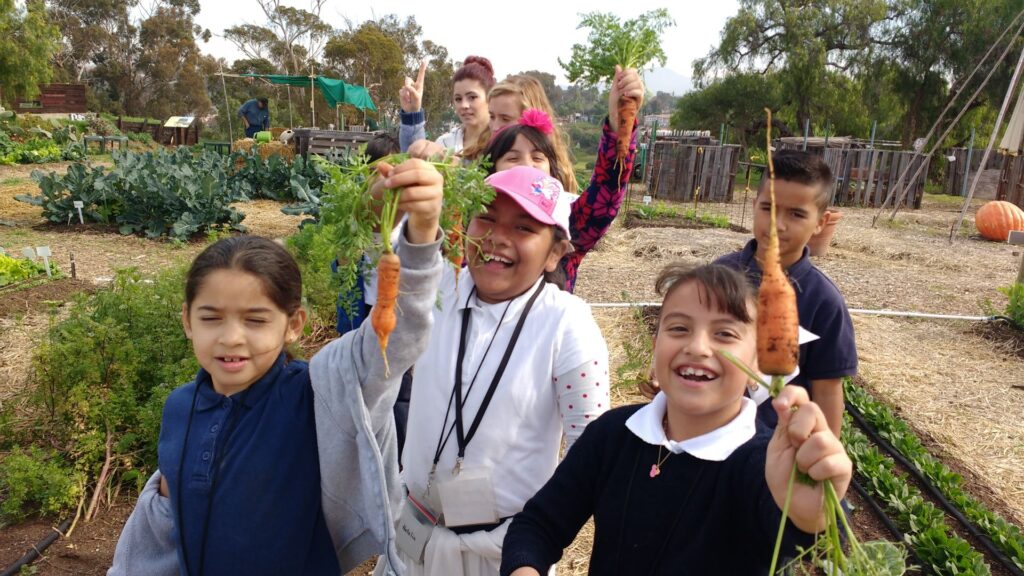
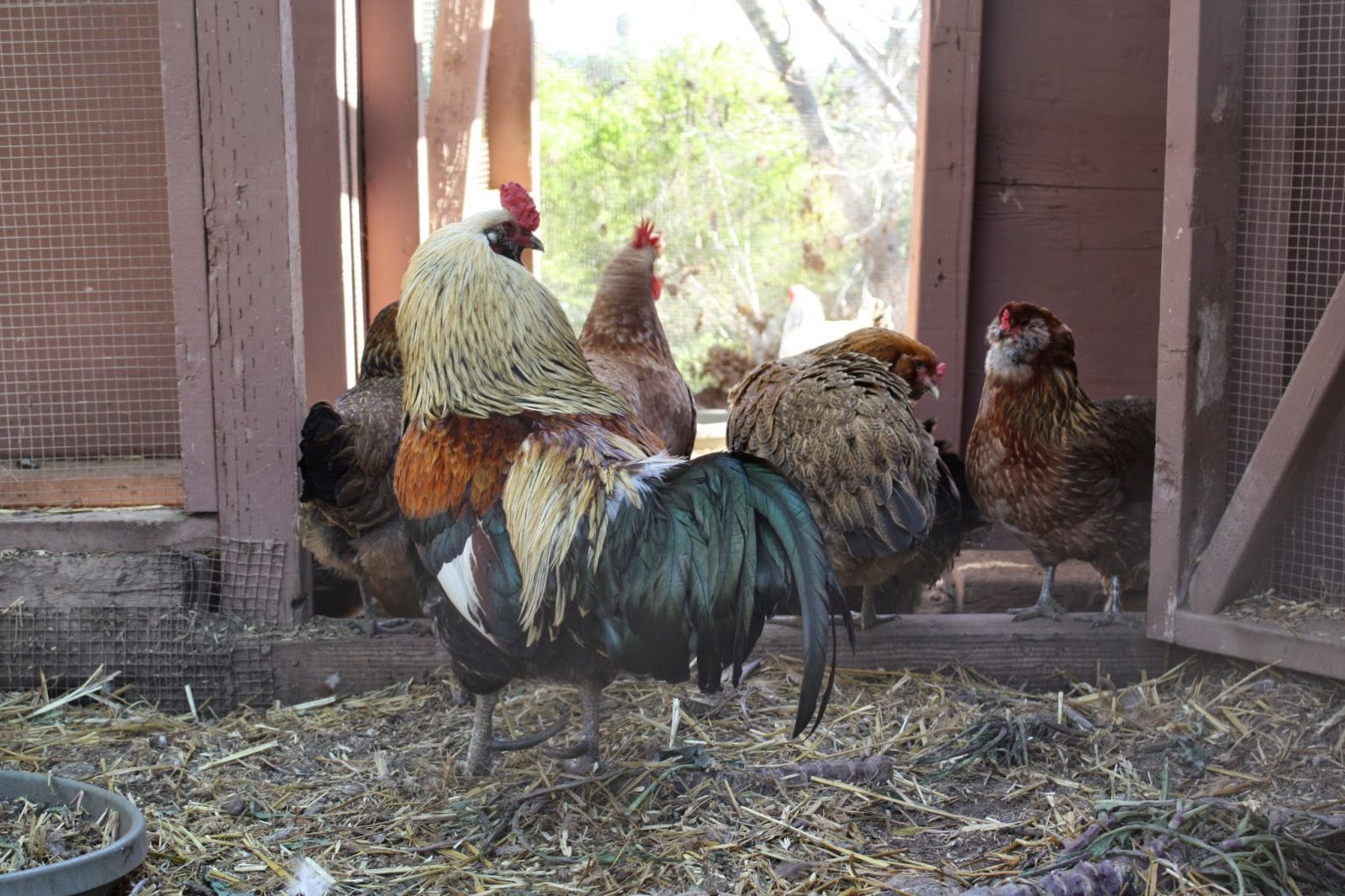
Olivewood—spread over 6.85 acres of land teeming with giant kale, chickens, butterflies, living things and good earth—isn’t really a garden. It’s more of a university with plants and animals on it. A university that teaches an entire group of people—people raised on and surrounded by the sugar-fat-salt trinity of cheap fast food—how to grow and cook real, nutritious, tasty food.

Not just any food. Sixty-three percent of National City is Latino or Hispanic. Try to tell someone they should abandon their culinary-cultural heritage of carne asada and tamales for, what, a kale salad? Good luck. At Olivewood, some of the best chefs in San Diego take culturally relevant foods and recipes and give them a healthy spin. Maybe that’s using grapeseed oil instead of lard. Or make a cauliflower ceviche. Teach them to add cut fruit to water for an exciting drink instead of reaching for the 2-liter bottle of soda.

The fact is, Americans are wildly, grotesquely removed from the process of growing and making our own food. We let companies do it for us, and those companies haven’t done a very good job. Companies are defined by their sales numbers. To increase those numbers, they most often load the food with fat, salt and sugar—so we develop an addiction to it, and that addiction fuels sales.

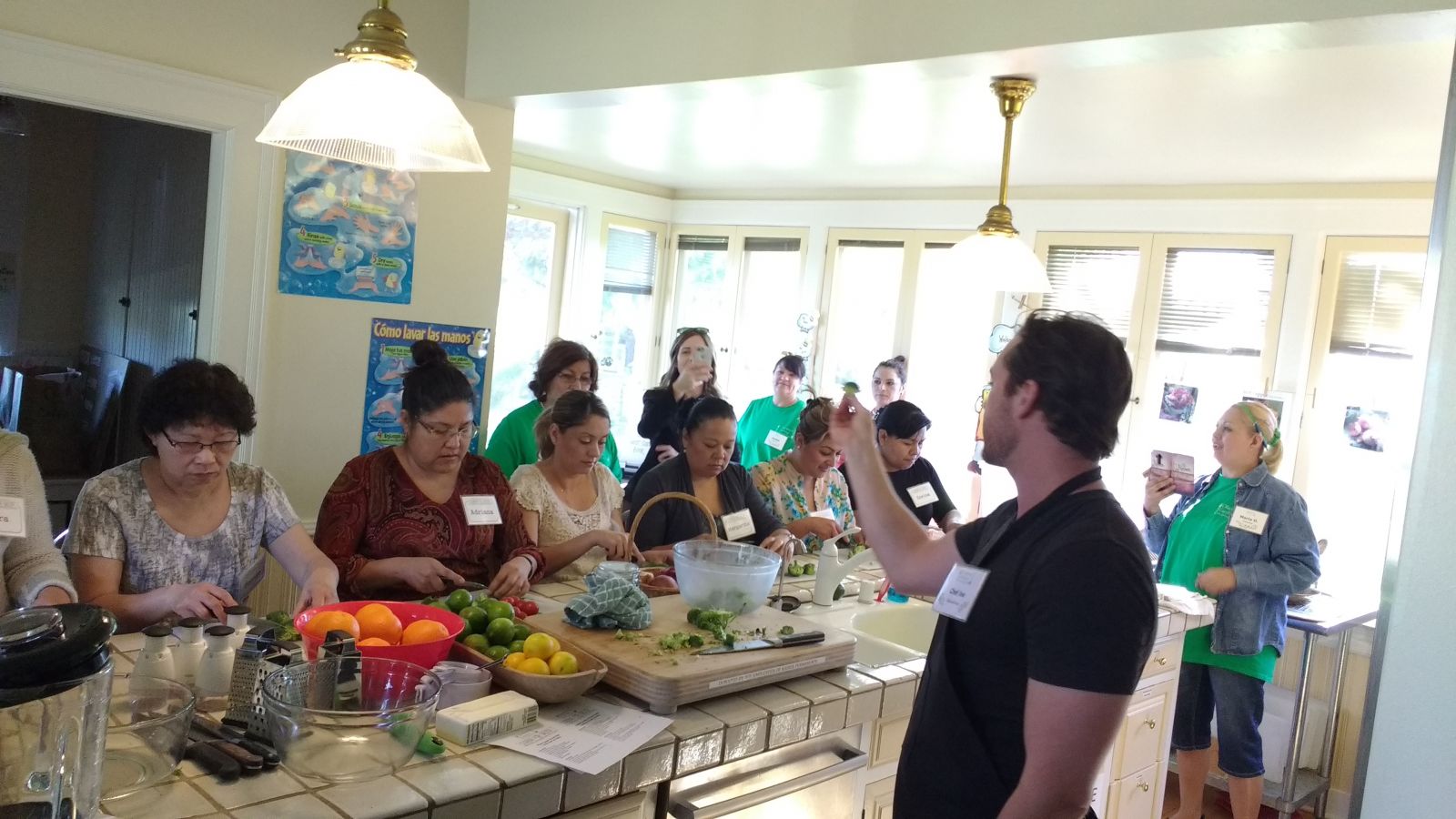
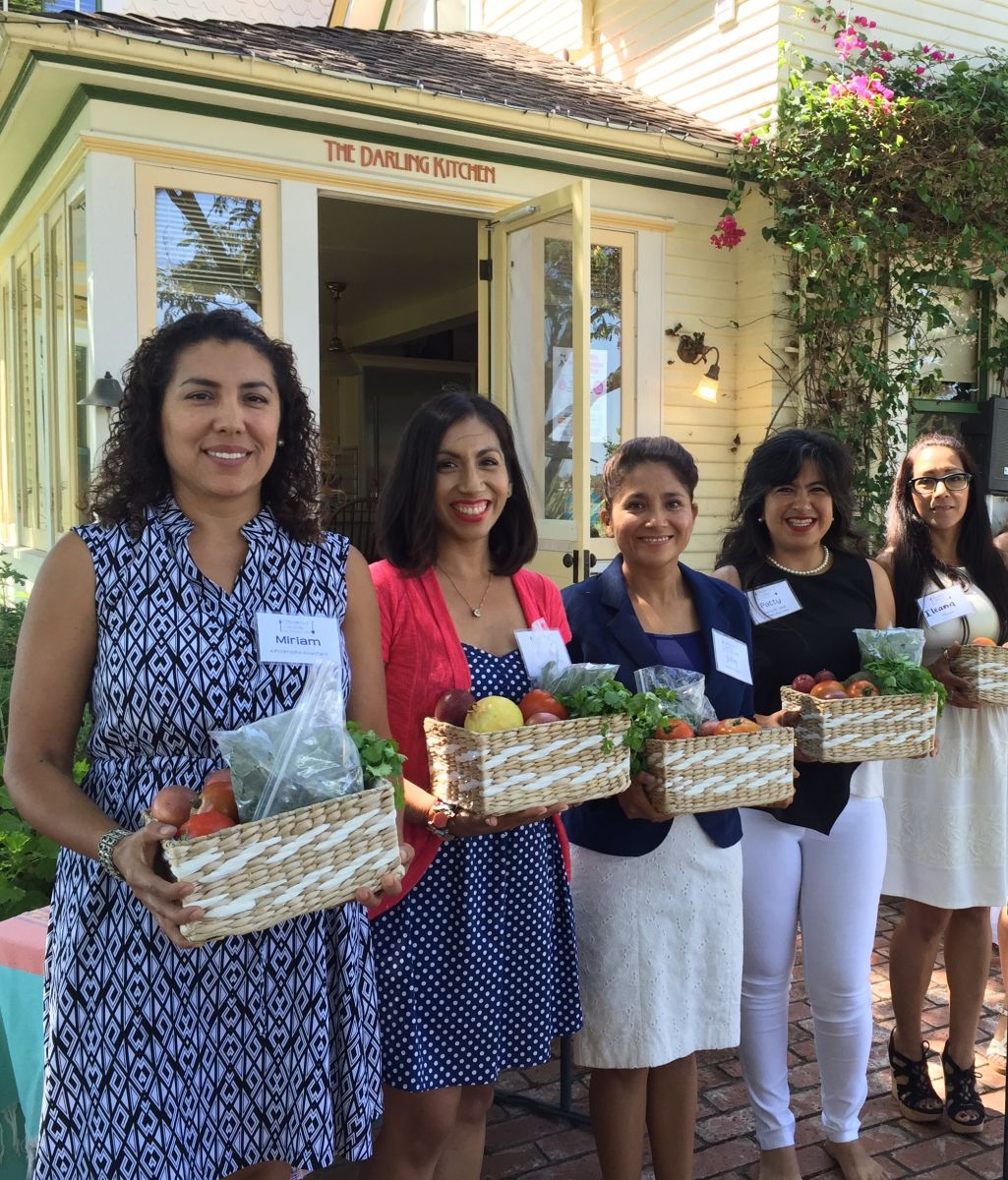
Olivewood teaches third, fourth and fifth graders about real food—about the importance of healthy soil, about growing food, about harvesting it and then about cooking it. Olivewood also has their “Cooking for Salud” program. Twice a year, about 60 applicants apply for the program. Olivewood has the funding to select 15 of them, at no cost to the participant. Over seven weeks, three hours a week, these women learn from Olivewood’s own chef-educators—plus some of the top chefs in San Diego who donate their time, like Matt Gordon of Urban Solace or Margarite Grifka (ex-Starlite Lounge, currently at California’s Table) have done in the past—how to grow and make healthy food.

On March 17, they’ll graduate their seventh generation of kitchenistas (115 graduates), who continue to meet once a month after the program ends to talk about food, healthy cooking, growing their own herbs, etc. A documentary film on the program, The Kitchenistas of National City, is making the festival circuit and winning awards.
A National Treasure

A National Treasure

“We target families who wouldn’t be able to afford classes like these,” says executive director Healy Vigderson. “We have funding to do it twice a year. We’re looking for investors to expand it to three times a year. The graduations are a big deal. All the ladies prepare a dish, the mayor of National City comes.”

Vigderson says the program has a long waiting list. “We reserve half the spots for National City residents. The rest are from around the county, mostly the south region. We give preference to participants who have a family member with a chronic condition that can be improved with better food. Or if they have children at home, which will lead to a longer lasting impact.”

This isn’t a light and leisurely gardening class. Look at Olivewood’s website shows the commitment to “curriculum” and “science” and structured education. It’s a natural science university of sorts. Educators include chefs, food professionals, master gardeners, scientists and educators—all using the Olivewood gardens to teach about history, science, art, literature, math, geography, nutrition, agriculture, water conservation, recycling and composting.

The main focuses of Olivewood’s teachings about nutrition?

Reduce the big three crutches of unhealthy foods—sugar, fat and salt. Kitchenistas learn to use natural fats (like avocado) and healthier cooking oils, like grapeseed. “One of the things we teach in all our classes is reduction of sugar,” says Vigderson. “We want people to learn how to make their own granola and jams so they can control the amount of sugar that’s going into them. We take recipes they’re used to making and we use no sugar, or use agave or honey instead and show them how delicious it can be. We also focus on eliminating sugary beverages. We give them alternatives. We call it spa water—take a glass pitcher and cut up fruit or put lavender flowers or limes in it. That gets them to increase their water consumption and eliminate soda. We also teach them to lower their salt intake by using herbs for flavor. Chef Joe Burns of Waters Catering teaches that class. We send them home with their small potted herb gardens.”
A National Treasure

A National Treasure

Class by class, it’s working—even if some of the participants are wary in the beginning.

“When they come into the program, one of their biggest concerns is that their husbands or kids won’t eat the healthier food,” says Vigderson. “And then they go home and they find their families love it. They’re actually asking for it. One of the recipes is a cauliflower ceviche. One of the kitchenistas said, ‘My kids are eating cauliflower now! There was no other way they would have eaten it before!’”

The immersive experience—and the epic natural beauty of the land—is what makes Olivewood different than, say, just trying to recreate a healthy recipe from a website.

“We find the most impactful is the hands-on experience. They tell us, ‘This is not like any other class because I’m actually DOING IT.’ We’re not just giving them a recipe for a healthy dish. We bring in chefs from different restaurants. Chef Matt Gordon here last week. He teaches the meats and meat alternatives course. He was teaching the kitchenistas what kind of pans you should be using and why. This is why you should use grapeseed oil instead of olive oil. They’re cooking it, they’re eating it, they’re experimenting with the flavors, so when they go home they’ve already made it and understand why. The next thing is, ‘Here’s where you can buy this stuff.’”

The other part is cultural relevance. The families of National City have generations of traditional Mexican recipes—often not written with nutrition or health in mind. This season’s Top Chef contestant Chad White taught the traditional Mexican class until recently. When White moved to Portland earlier this year, chef Miguel Valdez of The Red Door took over.

“Chef Miguel originally sent us his recipes,” recalls Vigderson. “And we had to send them back because they weren’t healthy enough. He was naturally frustrated with us. He tells this story to the class: ‘I had to call my grandmother and ask permission to change the recipes—I couldn’t change her recipes without permission. She said, ‘Of course, mijo.’”

The effect hits home with the kitchenistas. If one of the better professional Mexican chefs in San Diego can change his recipes to be healthier—with grandmother’s blessing, no less—so can the kitchenistas.

“It resonates so well because that’s THEIR STORY,” says Vigderson. “They have their traditional recipes, which are their connection to their ancestors and families. To change that feels like betrayal. But if they see Miguel can do it, so can they.”

The chef and food community has shown huge support for Olivewood since it opened in 2010. Whether it’s chefs like Gordon, Burns, Valdez, Grika, or Barleymash chef Kevin Templeton, who keeps his compost from the restaurant and drives it out to Olivewood once a week on his own time and dime. All told, over 2,000 volunteers have donated over 30,000 hours of service.

Olivewood is constantly on the money-raising trail. They need donors. For example, they’re looking for $7,500 to put subtitles on the Kitchenistas of National City documentary, so that they can distribute the film in Baja and spread the message about healthier Mexican food. They’d also like to expand their services, enroll more kitchenistas, and help replicate their successful program across the U.S.

Vigderson finds that the beauty of the place is the best persuasive tool she has.

“I continue to be amazed by the power of this physical place. When people come here and step on the grounds, and they’re surrounded by the beauty, you see their shoulders relax and their breathing slow down. They change. We recently had a meeting with a city official type person. He had said no, no, no to all the things we were suggesting. We got him to come here, and he stepped foot on our property and his whole mentality changed. Just physically being here, he started smiling, relaxed, started talking about his kids and his family. He got it.”

“I’m sitting here watching huge butterflies fly around outside of my office,” she says. “There’s a chicken.”

A National Treasure


Subscribe to our newsletters

Select Options

By subscribing you confirm that you agree with our Terms and Conditions and Privacy Policy.

Food & Drink JANUARY 13, 2025

SD’s First Cannabis Lounge Coming to National City

Sessions By The Bay will begin welcoming patrons in late February 2025 and will feature a ground floor dispensary, second level lounge, and an NA rooftop bar

SD’s First Cannabis Lounge Coming to National City
Rendering Courtesy of Sessions by the Bay

Cannabis culture in San Diego is finally getting its Amsterdam moment. Sessions by the Bay, opening next month in National City, is making history as San Diego County’s first legal cannabis lounge. Yes, you can smoke there, and yes, it’s highly encouraged—but don’t mistake this for a smoke-filled dive. This is a lush, high-concept escape where cannabis meets cocktails (sans alcohol), all-day brunch, and immersive art installations that make you wonder why you ever settled for Netflix.

Nectarball rare weed collection in San Diego owned by Mark Schulze and Patty Mooney

The brainchild of San Diego natives and married couple Alex and Pearl Ayon and co-owned by the Sycuan tribe, Sessions took nearly four years to bring to life. The 16,000-square-foot venue is spread across three stories, starting with an Apple Store-esque dispensary on the ground floor, a sprawling 5,000-square-foot lounge on the second floor, and—eventually—a rooftop bar with sweeping bay views. 

While Sessions hopes to host guests someday and serve alcohol on the rooftop, cannabis consumption will remain a second-floor privilege, and the rooftop plans are, at present, just a heady dream until the lounge is up, running, and smoothly sailing.

Inside, the space feels lush, like the Rainforest Café sans the kitsch. Dim lighting, natural wood accents, and foliage give the lounge a moody, upscale vibe. Sectional seating invites communal vibes, while sleek dab rigs and gravity bongs offer state-of-the-art consumption experiences. Trained staff are on hand to guide guests, whether they’re looking for a microdose or a full-on sesh.

“We’ve been in the cannabis industry for years,” Alex says, referring to his and Pearl’s 15-year-long history running dispensaries through the medical era into adult-use legalization. “But Sessions is about more than selling products, it’s about creating a space that reflects San Diego’s creativity and community.”

Food is key to the experience. The lounge has paired up with next-door Kimball Coastal Eatery, which has designed a separate menu and food service specifically for Sessions. Kimball co-owner and executive chef Jorge Bendesky, who trained at the Culinary Institute of America in Hyde Park, elevates—forgive the pun—cannabis-friendly cuisine with dishes you’d expect at a top-tier restaurant. 

Rendering Courtesy of Sessions by the Bay

His menu includes an 18-ingredient ahi tuna crudo on crispy rice waffles, brioche French toast stuffed with peanut butter and jelly, and salads featuring herbs grown in the lounge’s onsite garden. They’ll even have high-end mocktails, which you have the choice to drink straight or infuse with low-dose THC drink additives. A dumbwaiter shuttles food from Kimball Coastal Eatery’s second kitchen directly to the lounge. It’s a seamless operation designed to impress cannabis novices and seasoned users alike. “This isn’t stoner food,” Bendesky emphasizes. “This is food that stands on its own. But if you’re high? Yeah, it’ll blow your mind.”

Sessions by the Bay is also a historical moment for California’s cannabis industry, thanks to AB 1775. Signed into law in 2024, the legislation permits cannabis lounges to serve freshly prepared food and beverages—a game-changer in an industry long restricted to prepackaged snacks. The bill also comes with strict requirements for air filtration, which Sessions meets with a system that keeps the air fresh and odor-free.

Rendering Courtesy of Sessions by the Bay

Prop 64 may have legalized recreational cannabis sales, consumption, and production in 2016, but the reality is more nuanced. Technically, the law only allows legal cannabis consumption inside someone’s home—that’s good news for homeowners, but most rental agreements disallow smoking of any kind, including cannabis, even for medical reasons. Sessions bridges that gap, offering a safe, legal, stigma-free environment for public consumption. For activists and pro-cannabis advocates, it’s more than a lounge; it’s a space designed to normalize cannabis use while educating guests about safe consumption practices.

“We wanted to create a place where everyone feels welcome,” Alex says. “Whether you’re a tourist, a first-timer, or someone who’s been part of this culture for decades, you’ll find something here.” 

Rendering Courtesy of Sessions by the Bay

To that point, Sessions is stocked with state-of-the-art consumption devices, from gravity bongs to vaporizers, all well-cleaned between uses. They also have a variety of microdosed products, as well as CBD products, designed for people who are newer to using cannabis or who prefer either a muted high or none at all. Smokeable cannabis flower, oil cartridges, concentrates for dabbing, edibles, and other cannabis consumables will be available for purchase both on the ground-floor dispensary and in the lounge.

Then there’s the art. Sessions features a 12-room immersive exhibit that takes guests through cannabis history—from its medicinal ancient roots to the War on Drugs to today’s complex regulatory landscape. Alex says each room is designed to provoke thought and inspire wonder, even if you’re just there for the visuals. “Instagram-worthy” bathrooms and a hidden installation exploring cannabis’ complicated legal past and present round out the experience.

The goal is “unreasonable hospitality,” says assistant lounge manager Steph Diaz, who has also long been active in the San Diego cannabis community. When the doors open on February 28, Sessions by the Bay will be more than just the region’s first cannabis lounge. It will symbolize how far the industry has come and also how far it still has to go. Whether you’re here for the ahi tuna waffles, the art, or the dank nugs, one thing is clear: Sessions will set the new standard for cannabis hospitality in San Diego. Spark ‘em if you got ‘em.

Jackie is a long-time freelance journalist covering cannabis, food/restaurants, travel, labor, wine, spirits, arts & culture, design, and other topics. Her work has been selected twice for Best American Travel Writing, and she has won a variety of national and local awards for her writing and reporting.

Food & Drink APRIL 11, 2024

Test Kitchen Nights Bring the Heat at Kyoto Gift and Food

This hole-in-the-wall market in National City offers shoppers the chance to experience a live cook-off

Test Kitchen Nights Bring the Heat at Kyoto Gift and Food
Courtesy of Kyoto Gift & Food

At 6 p.m. on Wednesdays, Kyoto Gift and Food, a grocery store and sushi restaurant in National City, closes up shop, though its doors remain unlocked. This is when Kyoto Gift’s test kitchen experience—an ad hoc local take on Food Network’s Chopped—makes its weekly debut. 

The space transforms into a set, where chefs cook and you eat what they make—if you can snag a seat, that is. Others can watch online in real time from the shop’s YouTube channel, which livestreams the evening. Co-owner Rodney Regala says they do this so they can teach customers how to use the ingredients sold in the store without spending hours editing videos. 

Chef at Kyoto Gift & Food an Asian restaurant and market in National City, San Diego filming Kyoto Test Kitchen cooking show for YouTube
Photo Credit: Lainie Alfaro

Interactive, unglossy, and off-the-cuff, this time-saving hack might be exactly what makes the experience at the test kitchen so engaging. 

On some nights, chef Wilmer Braulio will ask a guest to run to the front and surprise him with a product to incorporate into the meal. Or he’ll make you chuckle and gasp as he slices cabbage into centimeter-thick pieces without looking. 

Each week, the dishes and tutorials change. A recent Wednesday evening focused on Japanese curry. The event started off at 7 p.m. with a few technical difficulties, but once the lights turned on and the cameras got sorted out, Braulio and Melanie Shortridge, a guest chef who is in culinary school, stepped up to the makeshift set behind the sushi bar.

In a format similar to Food Network’s Guy’s Grocery Games, Braulio and Shortridge sourced products from the store to simultaneously cook their own renditions of Japanese tonkatsu curry. (Though you’ll find fewer time limits in the test kitchen than on TV—we didn’t sample the chefs’ dishes til 8:45 p.m.)

Fourteen people crowded around the bar, elbows bumping. “Kanpai,” or cheers, rang out more than five times over the course of the evening as viewers shouted for a toast in the comments and the cameraman echoed the call aloud. Each sip seemed to ramp up the roars of laughter and commentary.

Chef at Kyoto Gift & Food an Asian restaurant and market in National City, San Diego filming Kyoto Test Kitchen cooking show for YouTube
Courtesy of Kyoto Gift & Food

The room was warm under the set lights. Oil sizzled and the chefs talked through their process. As Braulio and Shortridge prepared their curries, a regular customer passed out Filipino champorado, a dish she’d made and brought from home. 

While the Wednesday night menu changes every week, there are some aspects that stay the same—like the fact that you’ll typically eat something packed with a spicy punch. Braulio added capsaicin powder to second helpings of his curry. My nasal passages cleared, and I had to dab my tear ducts to keep streams from leaking out. 

You might eat something you have never tried before—I slurped bluefin tuna marrow straight out of the bone at another test kitchen night—but you’ll start to recognize the faces of regulars who flock here each week. While a tense competitive spirit often seems to permeate cooking shows like Chopped, the mood in the test kitchen is one of joyful camaraderie. The chefs share techniques. Friends laugh with—and at—one another. 

Chef at Kyoto Gift & Food an Asian restaurant and market in National City, San Diego standing infront of a large tuna fish
Courtesy of Kyoto Gift & Food

That same energy fills Kyoto Gift and Food even outside of test kitchen evenings. Step in for dinner, and Braulio either knows your order, if you’re a regular, or immediately jumps in to help you find the right roll to try.

I sat down at the sushi bar another night while Braulio handled the dinner rush. “Hey, Daniel, the usual?” he asked as a customer walked up. At Daniel’s nod, Braulio set to work, whipping out a couple of rolls in less than five minutes.

The salmon he uses comes to the market whole and fresh each week; Braulio butchers it himself.

At the front, the store’s shelves are lined with Asian ingredients and snacks: shrimp chips, furikake seasoning, Spam, Mogu Mogu drinks. And you’ll find more than food. One section holds a T-shirt reading “San Diego Pare,” a play on the San Diego Padres. (Pare means friend or buddy in the Filipino language.) Another shirt says “Chamorro;” another, “Brown AF.”

A sushi platter from Chef Gift & Food a Japanese restaurant and market in National City, San Diego
Courtesy of Kyoto Gift & Food

According to Regala, the shop was founded over 65 years ago. It started out selling exclusively Japanese products. 

When the original owners wanted to retire, they offered their family friends Grace and Masanobu Yajima the opportunity to continue its operation. They ran it for 30 years before asking Jeff Roberto, Regala’s co-owner, to take over in 2018. Roberto had spent his career in sushi catering. He asked Regala and Regala’s brother Reggie to join him in this new (but old) venture. The three of them are Filipino-American, not Japanese.

Regala said the older clients who had been shopping here for years weren’t keen on them right away.

“They were testing us because we’re these Filipino guys running the show,” Regala says. “I asked them, ‘How do you pronounce this? How do you use this in the dish you prepare? How do you greet?’ They were like our moms or grandmas and took us under their wings after we proved ourselves.”

Regala says they’ve kept the store going partly to celebrate and honor the area’s Asian roots. “It’s an institution for the community,” Regala said. “Four generations of families … have come here.”

And, in the test kitchen, you can feel it. There’s a swagger and banter among the chefs as they chop, stir, and roll. There’s laughter from both the chefs and guests. People find community here, both because and regardless of their cultural background. By the time you leave, you’ll be part of the club, too.

Elaine Alfaro is a freelance writer and journalism student at Point Loma Nazarene University. As someone who grew up in San Diego, Elaine loves writing stories reflective of the local community and all things food.

Food & Drink FEBRUARY 22, 2024

New Cafe, Restaurant & Listening Bar Heads to National City

Friends of Friends will soon hit the streets as the city’s newest one-stop hangout on East 8th, serving up coffees, smash burgers & plenty of vinyl

New Cafe, Restaurant & Listening Bar Heads to National City
Rendering Courtesy of Friends of Friends

The next hot San Diego destination? National City, according to Friends of Friends co-founders and co-owners Marco Laguna and chef Brandon James-Keeper. It seems they’re onto something, considering heritage local favorites like Neiderfrank’s Ice Cream and trendy spots such as Mujer Divina Cafe. There’s also Market on 8th Food Hall and Parco, a modern coliving-style apartment complex with an expanding roster of ground-floor retail and restaurant spaces.

And soon there will be a new kid on the block adding to the appeal: Friends of Friends, a café, restaurant, and vinyl listening bar will finally open its doors within the next two months after more than a year in delays. Three concepts under one roof, Friends of Friends is the spot Laguna and James-Keeper say they wish had existed for them as young creatives in San Diego. 

Stepping inside, Friends of Friends has taken great consideration for each sector of the business and how its prospective customers will interact with them and their fellow patrons. There’s a nostalgic touch to its interior decor, that might take you back to your grandma’s house, your neighbor’s backyard, a memorable Padres game, or a long-closed San Diego bar. 

“Growing up in the South Bay, there were not many spaces for mutual friends to congregate, to hang out in a space that felt safe and felt like we were seen,” Laguna says—so they built one.

Pour Music Taste is the space’s in-house vinyl listening bar, bedecked in a mural by local artist Nicholas Danger, vintage radios, and tables covered in drink coasters from other San Diego bars and breweries. There, guests can sit and listen to a featured set from a local music selector and sip on their libation of choice. Eventually, Laguna may bring in artists from the city’s vibrant live music scene à la Tiny Desk style. 

The breezeblock-lined bar will pour a little bit of everything, transitioning from a full coffee menu in the morning to beer (with rotating draft options), wine, and more, including zero-proof beverages, in the evenings. 

Laguna is an expert in the San Diego coffee scene, bringing his experience from Public Square Coffee in La Mesa and boasting an extensive network of roasters and baristas. However, Laguna understands that not all of us are coffee connoisseurs. “It can be intimidating going into a coffee shop and seeing items or terms you might not recognize,” Laguna explains. “We are creating a bridge for a community that maybe is not so used to the specialty coffee scene, with ingredients that they are familiar with, making it more approachable,” he says.

According to Coffee Director Brivin Yousef, the menu will have Mexican, South American, and Filipino influences. The team will play around with housemade syrups, familiar ingredients you might remember from your childhood, and even palo santo, with offerings like a Calamansi and Tamarind coffee soda, Buko Pandan Latte, and Ur Nana’s Choco (a Mexican Mocha). 

The space’s restaurant, Wavy Burgers, has its own distinct aesthetic, with lived-in touches and art curated by chef James-Keeper. A mural at the entrance by friend, artist, and Hayes Burger founder Ernesto Villanueva tells the origin story of Wavy and Friends of Friends. The shelves near the order and pickup windows are adorned with Padres bobbleheads from the chef’s personal collection, along with keepsakes from his travels in Mexico.

Wavy has built quite a following with pop-ups around San Diego, best known for its “OG” smash burger, Porto “Burg” (a Garlic Confit Portobello mushroom sandwich), and homemade ice cream flavors like Matcha & Strawberry, Lemon Poppyseed Cheesecake, and a Peanut Butter Miso with banana and Dominican Chocolate. 

At the business’s first brick-and-mortar, James-Keeper will introduce a breakfast menu to complement the coffee bar, with breakfast burritos and sandwiches, and new creations that nod to his half-Filipino heritage. “You’ll see a lot of different sauces and meats utilized in Filipino cuisine, which is why I chose sandwiches. I think it’s the most fun vehicle to be creative,” James-Keeper says. 

Wavy’s seating area features round-edged tables laser-etched with its logo and flanked by rattan chairs. The stadium seating along the wall, however, is the only area with accessible power outlets. “That’s with intention, as well. We want the space to be more of a community gathering spot than a study hall,” Laguna explains. The setup functions like a kind of invisible hand guiding guests to forgo their phones and laptops and immerse themselves in Friends of Friends’ multi-pronged experience.

Studio S JULY 25, 2026

These San Diego Companies Are Driving the Region’s Next Wave of Growth

This month, the 2026 San Diego Business Impact Awards recognized local businesses making an impact in clean energy, biotech, hospitality, and beyond

These San Diego Companies Are Driving the Region’s Next Wave of Growth
Matt Furman Photography

Renewable energy companies building hundreds of power plants. Biotech startups using artificial intelligence to create personalized medicine for children with rare diseases. Hospitality companies quietly powering thousands of local events. Consumer brands growing from beach-town startups into national businesses. These are the kinds of companies driving San Diego’s economy today, and the businesses recognized at this year’s San Diego Business Impact Awards offer a snapshot of where the region is headed.

Hosted July 23 by San Diego Regional Economic Development Corporation (EDC) and JPMorganChase, the second annual awards event honored four local companies for innovation, growth, and economic impact. More than 100 nominations from San Diego’s middle-market businesses were reviewed by a 10-person judging committee, with winners selected across four categories: startup, early-stage innovator, rising star, and established heavyweight.

Two-time honoree Jimbo Someck, founder of Jimbo’s organic grocery stores, also joined the event for a fireside chat on buying local, supporting emerging brands, and giving back to the community.

“San Diego’s strength comes from its makers and builders—the resilient people who endure great risks and overcome obstacles to build and scale a company,” says Aaron Ryan, San Diego Region Manager and Middle Market Banking at JPMorganChase & Co. “These awards aren’t just recognition; they spotlight the talent, grit, and innovation shaping our region’s future. By celebrating those who create and build, we foster connections and fuel the growth that keeps San Diego thriving.”

Matt Furman Photography

Building the Infrastructure Behind Clean Energy

Heavyweight honoree SOLV Energy has grown alongside the country’s rapid investment in renewable power. “It’s an exciting time for SOLV Energy as we are experiencing significant growth,” says CEO George Hershman. “The business has doubled over the last year and has almost double-digit growth since its inception.”

The Rancho Bernardo-based company designs, builds, operates, and maintains utility-scale solar and energy storage facilities. Since its founding in 2008, SOLV Energy has built more than 500 power plants.

Growth has translated directly into hiring. About 200 employees work from the company’s local headquarters, including roughly 20 interns. “Our intern program is a big part of the way that we grow our workforce,” Hershman says. “Last year, 43 percent of our interns became full-time employees. We believe San Diego is a great community to build and grow a high-tech infrastructure and technology company because of the incredible workforce—the ability to attract top talent and draw from world-class universities.”

Developing Medicine One Patient at a Time

Startup honoree La Jolla Labs is tackling one of medicine’s biggest challenges by developing personalized RNA therapeutics for patients with rare diseases—many of them children with neurological disorders like ALS. Using proprietary artificial intelligence and machine learning tools, the biotech company develops treatments tailored to each patient’s specific genetic mutation.

CEO Tamar Grossman says the recognition reflects how far the company has come despite limited resources. “We’re honored to be recognized for our ability to change and save patients’ lives and turn our lean startup into a clinical company with very minimal resources,” she says.

Grossman credits San Diego’s concentration of research institutions—including UC San Diego, the Salk Institute, and Scripps Research—with creating a pipeline of talent and collaboration. “San Diego is one of the world-leading centers for technology, genomics, and RNA therapeutics,” she says. “We have over 30 RNA therapeutics companies here, and we support each other and help with anything related to drug discovery.”

She says that collaborative spirit extends beyond formal partnerships. “You can walk around Torrey Pines, go into a café, and find colleagues from the industry and have an ad hoc conversation,” Grossman says. “That’s something very unique to San Diego.”

Powering San Diego’s Special Celebrations

While Snake Oil Venue Company may not be a household name, chances are many San Diegans have attended one of its events. The early-stage innovator honoree has expanded from beverage catering and mixology consulting into venue management, operating Julep Venue in Mission Hills, Bramble Bay Venue in Imperial Beach, Vesper Venue, the Chapel at Liberty Station, and five outdoor venues throughout Liberty Station—more than 500,000 square feet of event space altogether.

“We do a lot of launch parties for corporations and new products,” says CEO Mike Esposito. “I really like working on the entrepreneur side of things, where new businesses are entering the San Diego market and looking to make a splash.”

Snake Oil has executed more than 16,000 events, employed more than 1,000 people, and partnered with more than 900 local vendors, including caterers, florists, photographers, entertainers, and other hospitality businesses. The company also works with many of San Diego’s nonprofits, museums, and cultural institutions. “We get to celebrate people’s most important moments,” Esposito says. “Whether that’s a wedding, celebration of life, or quinceañera, we’re fortunate to be involved in the community in so many different ways.”

Matt Furman Photography

Growing a Beach-Town Brand into a National Business

Rising star honoree ALOHA Collection is proof that a simple idea can grow into a thriving company. Founded by two roommates who wanted a better way to carry wet swimsuits after a day at the beach, the lifestyle brand has grown into a business while maintaining strong year-over-year growth.

Now headquartered in Carlsbad, ALOHA Collection employs more than 100 people and operates its California flagship store in Encinitas, which is slated for a remodel. With roots in Hawaii, the company is known for its lightweight, splash-proof travel bags that have become a familiar sight on beaches in San Diego and beyond.

“‘Aloha’ is part of our name, but it’s also how we move through the world,” says CEO Lynna Barnard. “It’s how we show up for people, the way we travel, the way we give back.” Since day one, the company has maintained a 5 percent giveback to Hawaii conservation efforts, contributing millions of dollars over the years.

“I think what’s so inspiring about ALOHA Collection, and the founders in particular, is when you dream big, those dreams can come true when you work hard and trust in the universe,” Barnard says. “It’s inspiring to be a role model for other people wanting to start businesses from humble beginnings. Start small and watch it grow.”

Together, businesses like these form a cornerstone of San Diego’s economy—not only through the jobs and revenue they generate—but through the local workers they hire, vendors they support, and investments they make in the region. Their growth doesn’t happen in isolation; it ripples outward, strengthening the broader business community and the people who call San Diego home.

Matt Furman Photography

Partner Content
Food & Drink APRIL 6, 2016

Wasted: The Dinner

The Red Door's Re-Source dinner sheds light on how much damn food we waste

Wasted: The Dinner

The stats on food waste are staggering. Almost 40 percent of the food in the U.S. is never eaten. In 2010, America wasted 33.79 million tons of food. That’s enough to fill the Empire State Building not once, not twice, but 91 times. If the U.S. wasted just 5 percent less food, it would be enough to feed 4 million people.

When you consider one in six Americans face hunger on a daily basis, the stats seem especially grotesque, if not cruel.

There are many reasons: preparing too much food and not eating the leftovers; throwing out food past its “use by” or “best by” date; badly prepared food, etc. But one of the more vapid and ridiculous reasons are that supermarkets refuse to sell “ugly” fruits and vegetables.

“Ugly” food, and food waste overall, is the driving ideas behind the upcoming “Re-Source” dinner on April 6 at The Red Door restaurant in Mission Hills. The four-course dinner (with bonus bites) will use perfectly good food that would otherwise go to waste.

Red Door owner Trish Watlington explains:

What’s the idea?

It’s a dinner made completely from food that would be unwanted, discarded or thrown away. The purpose is to demonstrate that the 50 percent of food that’s thrown away in the world doesn’t have to be—especially in light of all our talk about how we need to feed billions of people. So it’s to bring awareness to the issue and raise money for the SD Food System Alliance.

What kind of unused food?

We’ll be using pastry scraps from Cardamom Café, and citrus and bananas from Whole Foods in Del Mar. We’re not really sure, because we’ll have to wait until the day before to know what food is slated to be wasted. We have a great relationship with the farmers markets. You’ d be amazed at what the farmers markets throw away at the end of the day because the fruit or vegetable is bruised or cracked or a little soft in one spot. That’s food that’s perfectly fine. You could cut around the bruise or put them into dessert or applesauce.

Who else is involved?

Kitchens for Good. They’re a catering company and culinary education program. Their catering menus are predominantly made using food “waste” that’s donated to them—like crates of oranges that have fallen from trees.

How can the average joe waste less food.

If people would buy from farmers markets, a lot more food wouldn’t get wasted. Standard size doesn’t apply at farmers markets. For fruits and veggies to go to the grocery store, they have to be a standard size, or they go into the trash. So that’s an opportunity.

Why’s it important to you?

Food waste is near and dear to my heart. My mom was raised in the Depression. She had the ethic of ‘you can’t waste anything, because we don’t have anything.’ In Europe, the ethic is that you only use what you have. We have gotten so far away from that as a society. Fortunately for me, our chef Miguel Valdez grew up the same way in a poor family, so he learned to make something out of nothing.

You can buy tickets to the “Re-Source” dinner by clicking here.

An ugly carrot, and a funny one.

Food & Drink AUGUST 14, 2015

FIRST LOOK: Coasterra

Eight years in the making, Cohn unveils massive Harbor concept

“You have to see it—it’s unbelievable, might be the best view in San Diego.”

That quote is from longtime San Diego Mag editor-in-chief, Erin Chambers-Smith, after witnessing Coasterra, the new project from the Cohn Restaurant Group and Sunroad Enterprises. It’s been eight years in the making. It’s 28,000 square-feet and $15 million of prime waterfront ogling. It’s a restaurant, an event space, and a new “behold the magnificence of San Diego, my dear out of town relatives” along Harbor Island.

It’s also another entry in the modern Mexican movement that’s taking San Diego right now. Chef Deborah Scott hired executive chef John Gray (Ritz-Carlton Cancun, Grand Havana Room) to oversee the kitchen, which will serve 300-plus diners, with over half of the seating outside under that expensive San Diego sun. They’ll be doing tableside guacamole (with add-ins like lobster and crab), fresh oysters, housemade salsas, tostadas (garlic-sesame yellowfin), spicy lobster fundido, carne asada nachos, lobster tacos, carne asada tacos, enchiladas, steaks (like an 1855 bone-in ribeye with avocado salad), and a Mexican surf and turf (skirt steak with mole poblano, half Maine lobster with chipotle garlic butter).

Coasterra’s bar will speak Spanish, too. The menu will include eight hand-shaken margaritas, including Deb’s Coconut Marg with Olmeca Altos Reposado tequila, coconut cream, lime juice and coconut salt rim. And agave cocktails: Oaxacan old-fashioned with Herradura Double Reposado Tequila Barrel Selection, El Silencio Mezcal and Angostura Bitters. House cocktails include a Tolstoy Michelada (with vodka), a Cabrillo Collins (with lemongrass), and a Santa Ana Sangria. There will also be wine, plus Mexican and American craft beer.

The design is from the late Graham Downes, who tragically died a few years ago. It’s a mid-century indoor-outdoor space, with rustic this-and-that pieces from Mexico and massive abstract murals from local artist Rafael Lopez. There will soon be a floating, outdoor event deck that can fit 500 people standing. There are towers of tequila, and a wooden bar that illustrates the coastline of Mexico. An abstract stone wall was designed using images the Cohns’ brought back from their trip to Mexico City. Photovoltaic solar glass on the terrace will provide about 35 percent of the energy for the building.

Someone you know will get married here soon. But enough of the talking. Please enjoy the first known photos in the universe of Coasterra.

Coasterra opens for dinner at 5PM, August 14. No reservations opening weekend. Starting Monday, August 17, it will be open for lunch and take reservations via OpenTable.com. 880 Harbor Drive.

FIRST LOOK: Coasterra

jennifer siegwart

Partner Content JULY 10, 2026

Health & Wellness Summer 2026

It’s a Self-Care Summer. Because your best self is our favorite self.

Health & Wellness Summer 2026

If you’re anything like us, it can be easy to get so caught up in taking care of everyone else, that your own needs get lost in the ether. But while this may be a cliché, that doesn’t make it any less true: You can’t give your best self to other people unless you’re taking care of yourself.

Sometimes, that looks like stopping in for your regular acupuncture or chiropractic appointment. Other days, it means giving your body the fresh, organic fuel it needs to truly feel and function at its best. And some other times still, it involves leaving your responsibilities behind for a weekend to pamper yourself at an incredible resort and spa.

Only you can decide what your truly need. We’re just here to help you find the best ways to get it.

Tommy Bahama Miramonte Resort & Spa

Island living meets desert luxury at the Tommy Bahama Miramonte Resort & Spa in Indian Wells. When you step onto the 11-acre property, you’ll be surrounded by sweeping view of the Santa Rosa Mountains with olive trees and fragrant citrus groves decorating the grounds. In other words, everything about this relaxed but refined resort is primed to help you let go of the stress from home and enjoy easy sun-soaked days and gorgeous starry nights.

The rooms blend calming, woven textures with Tommy Bahama’s signature tropical prints and feature private lanais, making it easy unwind the moment you walk in the door. If you book one of the four Villa Suites, you’ll be treated to exclusive Tommy Bahama furniture and unique personal touches to further that feeling of instant ease.

At the award-winning Spa Rosa, the expert team will help reset and recharge your body and mind using methods and rituals inspired by the desert. The 12,000-square-foot retreat includes outdoor soaking pools, eucalyptus steam rooms, and outdoor cabanas, as well as massages, facials, and body masks—all aimed at creating a day dedicated to you. We’re particularly partial to the Day Long Escape, an indulgent all-day affair of CDBs soaks, renewing scrubs, life changing massages, and transformative facials.

Following your treatment, continue the experience with a meal on the patio at Grapefruit Basil. We love the Hamachi Crudo, a light, citrus-forward dish featuring premium yellowtail, house-made ponzu, creamy avocado, and fresh seasonal garnishes.

Whether you’re strolling the gardens, relaxing beside its saltwater pools, or indulging in a restorative treatment, you’ll be able to escape in style and relax in luxury at the Tommy Bahama Miramonte Resort & Spa.

Healcove Chiropractic

There’s no shortage of ways to stay active in San Diego—but if you really want to enjoy everything the city has to offer, you’ve got to make sure you’re giving your body its tune-ups. Enter: Healcove Chiropractic. The board-certified chiropractors and wellness professionals at Healcove are experts at addressing that stage where you’re not injured, exactly, but you’re not at 100%, either. Maybe you’re feeling a bit tense or stressed out. Or it could be that you’re not quite moving the way you want to. Sometimes, it’s just that the accumulation of days, weeks, or even years of daily strain is starting to take a toll. No matter what stage you find yourself at, the Healcove Chiropractic team can provide integrated, preventative care centered on long-term, science-backed approaches that ensure you can always stay active and live the life you want to live pain-free.

This starts by providing truly individualized care. Every patient can expect a thorough 60-minute consultation session that includes a posture and movement screening. This allows the team to develop a completely personalized plan. That plan might include chiropractic care, acupuncture, or massage therapy, as well as functional fitness training, vibration and sound therapy, and Dynamic Neuromuscular Stabilization, a clinical rehabilitation method that retrains the body’s stabilization systems. Whatever the team recommends, you can be sure that it’s tailored to meeting your body’s needs today and the future.

There’s a reason that San Diego Magazine named Healcove the “Best Chiropractor in San Diego”—don’t wait until you’re struggling with an injury to find out why. Book an appointment today for holistic, integrated care that helps ground and heal your body before it reaches a crisis point. 

Juice Holler

West Coast wellness culture meets the community feel of Southern Appalachia at Juice Holler. Juice Holler’s menu consists of made-to-order smoothies and smoothie bowls, as well as grab-and-go cold-pressed juices, wellness shots, salads, and more. It operates from the blissfully simple premise that fueling up with food and drink that’s guilt-free and good your body should be simple, accessible, and, above all else, delicious. And if you haven’t yet made it out to the Encinitas café, which opened just this year, let us be the first to tell you: Juice Holler delivers on each and every of these fronts.

We love the Supercharger smoothie, a mood-lifting and body-fueling option made with banana, almond butter, blue spirulina, maca, grass-fed whey protein, raw cacao nibs, medjool dates, and coconut milk. We’re also partial to the Thrive Alive smoothie bowl, where avocado, mango, sea moss, spirulina, mint, coconut milk, and agave are mixed and topped with coconut, chia seeds, strawberry, mango, and chocolate drizzle. The wellness shots include the Detoxifier, a cleansing blend of kale, cucumber, lemon and spirulina, plus a shot specially designed to fight inflammation (named, fittingly, Anti-Inflammation). Probiotic overnight oats, lemon turmeric bars, and strawberry shortcake chia pudding are other standouts on the grab-and-go menu.

Much of the vibe feels beachy North County chic—think green tile with orange and pink accents, grounded with greenery and natural wood—but Juice Holler founder Kelly Sergott, a longtime Encinitas local, has also enfused the space with her Kentucky roots. In Appalachia, a holler is small valley between hills and mountains, where nature reigns, community is king, and nourishment comes right from the land. At Juice Holler, Sergott has created a holler for the busy modern times, using local ingredients to create a spot for people to come together and enjoy fresh, fast, feel-good fuel for their day.

Everwell Acupuncture

We’ve all had that experience with a medical professional where we’ve felt rushed, ignored, or misunderstood—and ultimately, like we didn’t get the answers that we needed. But at Everwell, the holistic acupuncture practice located in Solana Beach, the care team wants to transform your understanding of what healthcare can look like.

Patients at Everwell experience care rooted in intentional listening and radical empathy—and trust us, those aren’t just corporate buzzwords. This place actually puts those ideas into practice. You will always be given the time you need to tell your story— initial in-take appointments are two hours long—and you can rest assured that your story will be believed. Every single question and concern will be addressed by a dedicated practitioner who wants to find the specific solutions that work best for you, and you’ll receive care that’s aimed at healing the body, mind, and spirit.

Everwell’s highly trained, doctorate-level practitioners blend evidence-based acupuncture with the practice of classical Chinese medicine. (If you’ve never tried acupuncture before or aren’t sure if the team will be a fit, we’d highly recommended Everwell’s complimentary 20-minute consultations.) Research shows that by stimulating specific points on the body, acupuncture activates a natural healing response in the body, helping to restore balance, regulate the nervous system, and improve overall wellbeing. This allows the practice to address an incredibly wide range of conditions from chronic pain and autoimmune disorders to digestive issues, from stress and burnout to headaches migraines, fertility and postpartum struggles, hormonal imbalances, sleep concerns and more.

At Everwell, you can expect to feel heard, trusted, respected, and cared for. This is a space that doesn’t want to be just another healthcare provider you visit; it wants to provide patients with dedicated partner who will be there for their entire health journey.

Partner Content

Eat Like a Local (Who Knows a Guy).

Restaurant news, culinary storytelling, and Troy Johnson’s sharp takes delivered straight to your inbox twice a month.

Close the CTA

Contact Us

1230 Columbia Street, Suite 800,

San Diego, CA