


Food & Drink
5 Must-Try Meals in San Diego Right Now
Read article

Featured articles

Food & Drink

Food & Drink
Food News
Featured articles

Things to Do
Everything SD

Everything SD
Featured articles
Things to Do

Things to Do

Things to Do
Featured articles
podcast-ep

podcast-ep

podcast-ep
Featured articles

Features

Features

Features
Featured articles
Food & Drink

Partner content
Food & Drink

Worried about your California driving test? Read this guide for tips on passing your test the first time and getting your driver’s license.
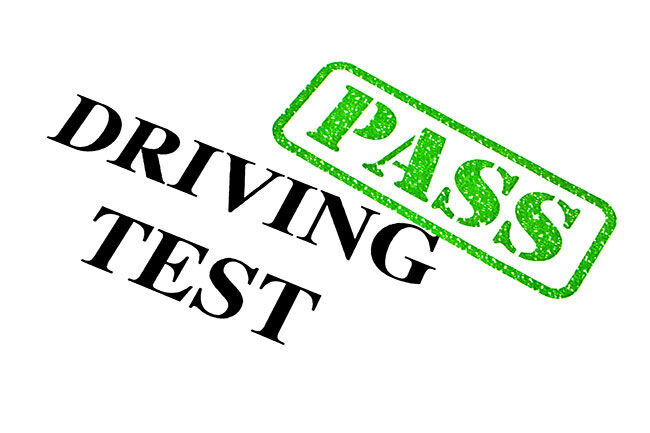

How to pass your driving test the first time
This post contains affiliate links to products and services. We may receive compensation when you click on links.
Worried about failing your driving test? You’d be in good company, as more than half of all drivers fail first time in California. But that doesn’t mean you’re doomed to fail. In fact, with the proper preparation, you can nail that test, get your license, and ensure that the next time you hit the road it’s in your own car as a fully licensed driver!

The purpose of the California driving test is to determine whether you can:
If you have a physical disability, they will also judge whether you’re able to make up for the condition and still drive adequately and safely.
The test begins with a Pre-Drive Safety Check, during which time your vehicle will be checked to ensure it meets DMV standards. This is followed by a Driving Performance Evaluation or “DPE”, a behind-the-wheel test used to evaluate driving skills.
If you’re under 18, you must complete at least 50 hours of behind-the-wheel training, 10 hours of which are at night. You will be expected to drive for around 20 minutes during the test and required to perform a variety of simple actions, including:
Increase your chances of passing the driving test by following these preparation tips:
The more time you spend behind the wheel, the more comfortable you’ll be. By the time your test day arrives, driving will be second nature and you won’t feel anxious.
Practice as if you’re taking a test and ask the examiner to point out your mistakes. If the examiner is a parent or partner, it’ll probably lead to an argument, but it’s important to heed criticism and correct your mistakes. You need to know what you’re doing wrong.
The examiner doesn’t care how fast you are, how cool you look when you hold the wheel, or how you can turn the wheel with one hand while head-banging to Metallica. It’s all about safe driving, and they’ll look out for key skills such as:
Nerves are one of the biggest obstacles for drivers. It doesn’t get much easier, either. If you fail the first time, you’re now worried that you’ll fail a second and third time, spending more money and getting embarrassed and frustrated in the process.
Here are some tips that could help:
1. Drive More: The more time you spend behind the wheel, the easier that driving test will be. Get comfortable with the roads, other drivers, and the vehicle.
2. Don’t Tell Anyone: You’re excited, we get it, but if you’re the nervous type and have a large family/friendship group, it’s best to keep the upcoming test to yourself. If not, you might feel pressured to succeed and that could lead to costly mistakes.
3. Get Plenty of Sleep: A full night’s rest makes all the difference. You’ll be less jumpy, less lethargic, and ready for whatever the roads send your way.
4. Arrive Early: If you’re rushing around, you’ll be more prone to anxiety. Arrive 10 or 15 minutes before the scheduled driving test and use that time to relax.
5. Breathing Exercises: Deep breathing makes a massive difference. Before the start of your test, spend some time sitting, breathing deeply, and relaxing.
6. Choose a Location you Know: If you’re more familiar with the area, you’ll be more comfortable. You’ve driven those roads; you know those turns.
To sit a California driving test, you must have a vehicle that meets some standard requirements. These include an intact windshield, a registration, and a working horn, as well as functional windshield wipers, turn signals, driver and passenger doors, brake lights, seatbelts, and a rear-view mirror.
If you don’t have a vehicle that meets these requirements, ask a friend or family member if you can borrow their car or get one through a driving school.
On the day of the driving test, take your details to the DMV along with a licensed driver. You will be asked to pull your car around and will need to wait there until your test begins.
The examiner will appear and ask for your permit, driver’s license, insurance, and registration. The licensed driver should then exit the vehicle and let the examiner climb inside, after which the test will begin.
You must make no more than 30 errors and there is no room for critical driving errors.
Nerves and inattentiveness are two of the biggest reasons that people fail driving tests. They know what they should be doing, but they’re either so nervous or distracted that they don’t do it. Mistakes could also result from complacent driving, whether because they get too comfortable on the road or haven’t been working on the finer points during their practice sessions.
Some of the most common mistakes made on the California driving test include:
Ignoring Traffic Signs: If you don’t know the area and are a little nervous, it’s easy to overlook those signs. Practice driving around the area, learn what the signs mean, and pay attention to them.
Ignoring the Speed Limits: Going too slow is just as bad as going too fast. Try to stay within a few MPH of the speed limit if you can.
Not Checking Your Blind Spots: This one needs no explanation. It’s a mistake we all make from time to time and one that’s more common in novice drivers.
Not Giving Space to Emergency Vehicles: Obviously, it’s hard to practice this one, so it could take you by surprise. If so, try to stay calm and react accordingly.
Bear in mind that speeding, performing dangerous turns, and ignoring emergency vehicles can all lead to automatic fails.
The driving test for a non-commercial driver’s license is the same for everyone, regardless of their age. You will take this test whether you’re a teen driver or a senior. The only exception is for individuals with physical or mental conditions, in which case the test may vary slightly to accommodate these conditions.
The more you drive, the more confident you’ll feel. You’ll be less likely to make a mistake that causes you to automatically fail and can also familiarize yourself with the vehicle and the area.
As above, it’s all about practice. You can use sites like DMV Cheat Sheets to run a few practice tests, making sure you can pass them confidently and consistently before you sit the exam.
You mustn’t make more than 30 errors, with no critical errors. A critical error will result in automatic failure.
Failing your driving test isn’t the end of the world. You can always sit it again and right your wrongs. But obviously, it’s best to pass it the first time.
Remember:
Follow the simple steps above and you’ll be ready to pass your test first time!
