Featured articles
Food & Drink
Food & Drink
Food & Drink
Featured articles
Everything SD
Everything SD
Features
Featured articles
Things to Do
Everything SD
Everything SD
Featured articles
podcast-ep
podcast-ep
podcast-ep
Featured articles
Features
Features
Features
Featured articles
Partner content
Food & Drink
Charitable SD
Ready to know more about San Diego?
SubscribeReady to know more about San Diego?
Craft beer's "bad boy" is really all about passion, teamwork, and authenticity
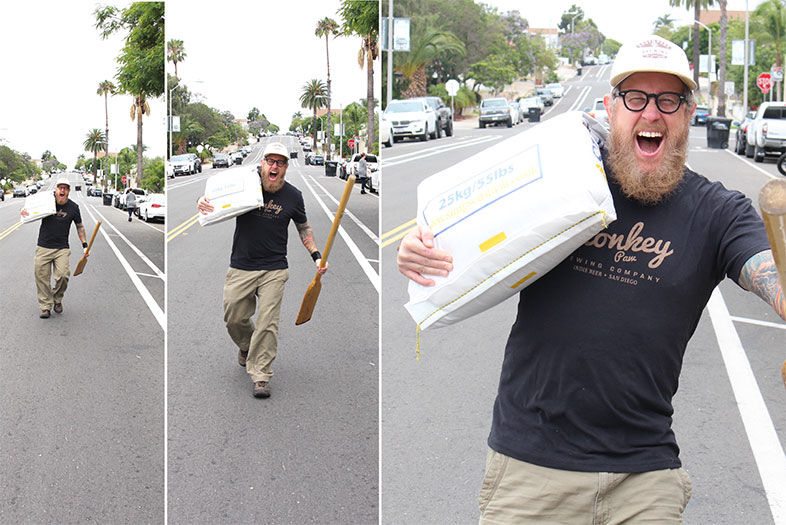
Anyone who’s met Scot Blair knows that he’s not one to mince words. He’s unabashedly opinionated, ruthlessly direct, and can frequently come off as righteously self-assured. But those who truly know him also know that the bluster is borne of a true passion for the craft of brewing and true conviction about what great beer is.
For more than a decade, Blair has been on the front lines of the San Diego craft beer scene. He was one of the beer community’s earliest supporters, promoting local beer and touting its quality from the moment he opened Hamilton’s Tavern in 2005. Since that time, he’s opened numerous other venues, including two brewery-pubs (Monkey Paw and South Park Brewing Company). At no time during the past dozen years or so has Blair’s enthusiasm for craft beer waned. In fact, he has found himself many times at the forefront of San Diego’s most contentious debates, most recently fighting what he sees as the destructive invasion of Big Beer into the local scene.
I sat down with Blair one morning in South Park, chatting as he monitored the progress of a smoked ale he was creating with his brewer Ryan Traylor.
Realistically, I built this place so I could brew. I started brewing in 1995, so I’ve been brewing for a long time. I’ve done hundreds and hundreds of brews and it’s always been a passion. When I opened up Monkey Paw, I developed all those first beers, brewing alongside Derek [Freese]. The intent of these places was always for me to be the head brewer, but not always doing the nuts and bolts of everything.
I need other people to do a lot of the legwork, because running all the businesses as I do, I’m hands on with everything—from the food specials that we’re doing to picking the beers at Hamilton’s, to the events. I wanted to open the breweries so I could have an outlet to express myself in brewing. But I also wanted to have it be an outlet to empower other people to find their dream.
Derek was working at Sony before he started brewing with me. Cosimo [Sorrentino] was bussing tables when I gave him an opportunity to start brewing. And now what I get to do is mentor these young exciting kids I have working for me. The future is theirs. And I get to be part of that and I take it very, very, very seriously.
Well, I knew that potential criticism would come along with it, but I didn’t really feel any pressure. I’m a master of my craft—I know people might think that’s bragging, but I’m good at what I do. Beer is what I do. I’m good at drinking it. I’m good at curating it. I’m good at finding the next thing that I think is important. And I’m good at brewing it. And I know that attitude might rub people the wrong way, but it’s not hubris. I’m fallible. I’ve made some shitty beer. And we’ve made a lot of mistakes at Hamilton’s, but I tried to learn from mistakes. And this is my life. I want to be the best that I can be at it. So, I knew that there would be haters, but they actually fuel me.
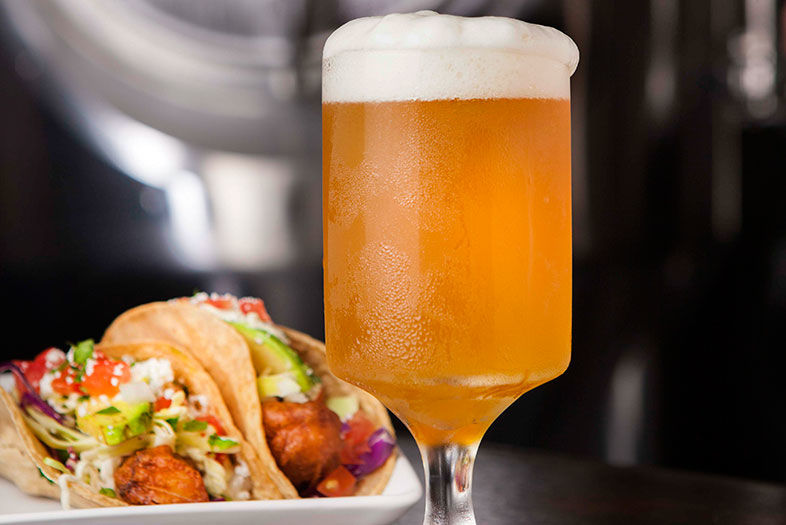
Have a Beer with Publican, Activist, and Brewer Scot Blair
South Park Brewing Company offers an impressive range of both Old World and New World styles. | Photo: Bruce Glassman
No. Because a lot of those guys drank my homebrew, and a lot of those guys have big egos, and they’re not afraid of calling me on my bullshit. Those are true friends and I deeply respect all their input. Actually, to be honest, a lot of them were really happy that we were doing as well as we were. They saw how happy I was to be able to make beer, and because I was always their biggest supporter—you know, the Chuck Silvas, the Colby Chandlers—they’ve also been my heroes. And they’ve just been really happy that I’m doing well. But there’s a lot of better beer still to be made. We haven’t even made anything close to our best beer yet. All the beers that have done fairly well on the competition circuit this year can all be better. And they will.
In between L.A., San Diego, and the California State Fair, we won and were part of a total of 12 medals—actually 13 and an Honorable Mention if you count Monkey Paw. Two were collaborations that we did here—and we won gold, we won silver, we won bronze; all over seven or eight different styles of beer. So there was no “one trick pony” and they were very competitive categories, too. That’s the most in one given year that we’ve ever done. In one single year, it massively eclipses anything that we’ve done prior, which is just very humbling. And, coming in to these competitions, I had a big chip on my shoulder—you know, because the industry is getting really weird…
I mean, what is beer these days? What is it? Is it everything-chocolate-adjunct stout? Is everything a hazy beer released in a can every week? It’s all just a different way to attract flies. I think we have more beer drinkers, but we have less educated beer drinkers than we ever had. And all breweries are trying to find a way to get a piece of that—that small little pie. And then Big Beer is playing its games and trying to confuse it even more. I want to get back to just high-quality pub brewing. I want to get back to not caring about “the blogger”—in fact, I never have. I never cared about all the beer fans, all the Beer Advocate fans. I cared about the people who didn’t know beer—and I still do.
That’s a really good question, and the answer may be too complex to answer here. But I’ve never paid attention to what the people are drinking. I’ve always paid attention to what I want to bring to people and how I wanted to educate them. I’m a man of the people. I’m a populist. So, I’ve always believed that my job as a publican has always been for me to bring the people what they don’t know they want. So, I have to be the expert, and I approach the brewing from that same standpoint.
Yes! That’s what a publican is! And I’m not doing anything that’s too innovative on that front. I’m taking the same foundations that I learned from being a patron at O’Brien’s Pub all these years and applying it in my own way. Innovate, don’t imitate; that’s what I always say. And when I think about a beer, I think about whether I have a good lineup, if there’s something for everybody, is there a young brewery I can support who needs my money, and do they have values that are in line with mine.
There are a lot of breweries that just want to be a T-shirt merchandiser—they’re not who I’m going out there and trying to support. That’s how it is, I always try to be a partner with other brewing companies and try to see how I can help them and help promote them. I think if you talk to someone who really knows me, they’ll tell you that there isn’t a person in this industry who cares more than I do. I’m just a little outspoken, and if you believe in beer as much as I do, and you believe in the underdog, well, then, you better fear the underdog. Because the underdog will always win—because we’ll win the hearts. And I’d rather have a hundred die-hard fans than three million fan boys who don’t understand the concept of what we’re trying to do.
Exactly. I mean, you hit the nail right on the head. Gruits, for example, can be medicinal, and they often use these ancient, outdated herbs. So I think about how to make it fresh and innovative again. Let’s make a spring time one. Let’s make something that’s a little more approachable and drinkable. Let’s make a New World-Old World gruit. And let’s educate people on something that they’ve never had. I’m doing a lot of Old World styles, but that’s not something that’s unique to me. I’m learning from Jeff Bagby and Tomme Arthur, and the guys who were doing it, learning from the Old School. They brought all those beers to my recognition. Like Dunkelweizen. People don’t go wild for Dunkels, but when you make one that’s really, really good, it improves your foundation as a brewer.
Yup. Exactly.
Because I’m a hypocrite! I’m a f**king hypocrite! I still think it’s a gimmick beer, but I did it because I feel that there’s a lot of bad beer being made in this style, and I understand the style. I mean, we don’t filter or fine any of our beers, so most of our beers are hazy when they come out of the tanks. It was the lack of execution that kind of pissed me off. So I thought if people are going to be making them, we better make one that’s the best, or at least as good as anybody else’s. Apparently it is, because it won gold at the California State Fair!
To be honest, I learned a lot about this beer from my friend Dan Drayne at Half Door, who is—I feel—an aficionado on this style. Talking to him about all the processes is almost a Ph.D level lecture. He was really instrumental in helping me understand this beer better than I had. And I’m okay with these beers, but I won’t buy one just because it’s hazy. I won’t say, “Do you have a hazy beer?”
In fact, I don’t even like that term—I think it’s offensive to the craftsmen that have been brewing for thousands of years. I think we shouldn’t buy with our eyes or with what other people tell us is good; we should buy with flavor. People are out there buying a beer just because it’s cloudy, and that’s just absurd. If you’re truly a fan of beer, you should be thinking about whether you’re drinking local first, small beer first, independent beer first, and also if you’re drinking GOOD beer first.
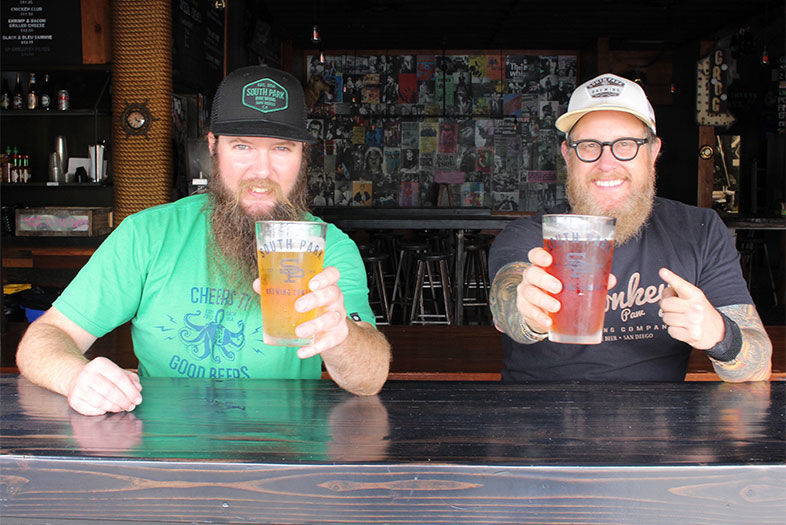
Have a Beer with Publican, Activist, and Brewer Scot Blair
Blair and brewer Ryan Traylor work together to create the SPBC beer lineup. | Photo: Bruce Glassman
I’ll put them into bullet phrases: Oversaturation. Hype to fleece. Obfuscation. Inexperience. Hubris. And short-term memory.
Or knowledgeable. Yes.
Big Beer buying all this shit out, trying to make it local. That’s a big problem and it’s confusing people.
Education. We have to train people. Pure and simple. Big Beer is ruining our industry. People being complacent is ruining our industry and we seem to be looking for ways to dumb down our craft. We missed an opportunity, I believe. We were on the cusp of a true renaissance, but we haven’t handled the growth. We haven’t been happy growing small.
We still have a very giving industry that can share resources; it’s a community that is okay—in certain groups—with sharing tips and techniques and wants to encourage the idea of better beer. I believe we still have some of the most passionate fans in America, when it comes to craft beer, even though it seems like there may be some consumer fatigue and it’s getting a little overwhelming. Too many choices, too many places, not enough quality places.
But, even though that’s happening, I still think we have the best, most passionate fans of beer in the whole world. I feel like there’s a small scene that’s growing around us—and it’s very, very, very small—but it’s happening. Young entrepreneurs opening breweries and putting the beer and the end customer first, and putting their retail partners first. That’s happening and I see it. It’s not a lot, but it’s like a quiet renaissance inside a saturated workspace.
Probably the most exciting thing is that in a few years a whole new generation of brewers will be brewing. I’m happy for the kids that I’ve been mentoring right now, because they are the future. My assistant, who I have been mentoring since December (Ryan Traylor); he’s being groomed to take over. So I can go away at some point. He’s my cellarman. He makes sure that everything’s happening when I’m not here. And he works his ass off and he’s earned everything.
And every one of those medals that we’ve won (and will continue to win) are equal parts his and equal parts my managers’, and equal parts my team here. Because I truly believe, at the end of the day, it really is about us and not me. And that’s the part that a lot of people don’t know about me. It’s what I preach to these guys and it’s what I really, truly believe.
BREAKING NEWS: Coronado Brewing and Monkey Paw announced on Tuesday that they have entered into a partnership that will enable Monkey Paw to greatly expand production and distribution through Coronado’s sales network. The partnership will be beneficial for both brands and will allow Blair to retain creative brewing freedom. “I feel unbelievably lucky to be able to lean on 21+ years of pioneering leadership to move Monkey Paw up and into the future,” says Blair.
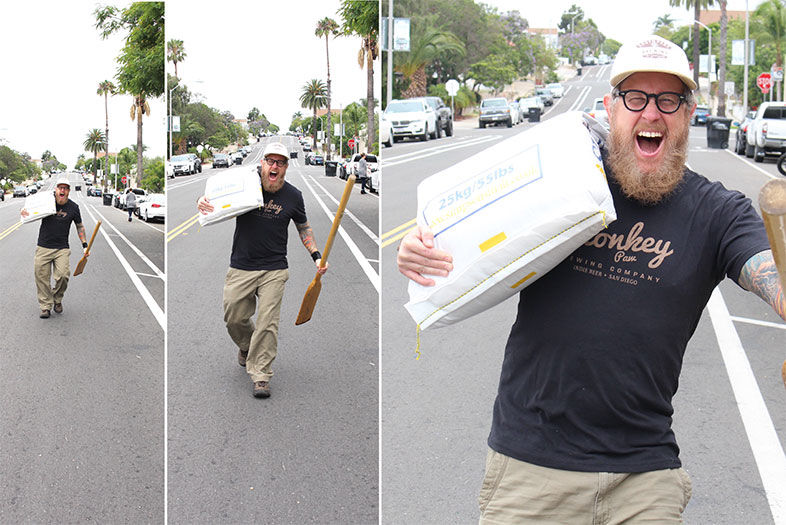
Have a Beer with Publican, Activist, and Brewer Scot Blair
Scot Blair is a brewer for the people. | Photo: Bruce Glassman

Dockside Night Market returns to Tuna Harbor Dockside Market on August 6 for one night only
Ask any local, human or shark—San Diego summer doesn’t really start until August. After June Gloom lifts and children file back into the halls of academia, our coastline comes to life with more space on the sand and a water temperature that finally rises above muscle-clenchingly frigid.
What better way to welcome Local’s Summer than by celebrating the bounty of the sea? At least, that’s what the gang at Puffer Malarkey Collective (PMC) figured when they launched Dockside Night Market four years ago.
Despite being born and raised in San Diego, Lillian Dang (the event’s co-producer and marketing director for PMC) says she didn’t know how abundant our local seafood scene was until she left and came back. “We are spoiled here,” she says, pointing not only to our plentiful produce from local farms, but also our sea-borne treasures.
When she and her co-producer Lucien Conner (PMC’s director of operations) brainstormed over what they felt the city’s food scene lacked, they realized: “What’s missing is an event that really celebrates the local seafood,” explains Dang.

Dockside Night Market is meant to be a “San Diego summer party on the pier,” she says, bringing together local fishermen and local chefs to highlight the fruits of the local seas. Chefs from some of San Diego’s best restaurants clamor to be a part of the 15-chef-max roster, including Travis Swikard (Callie and Fleurette), David Sim (Kingfisher), Aidan Owens (Herb & Wood), Chianne Mallari (Herb & Sea), Tara Monsod (Animae), Jacob Ruck and Eric Bost (Jeune et Jolie), not to mention Mabel’s Gone Fishing, Bica, The Lion’s Share, Nine-Ten, Marisi… you get the idea.
Part of the intrigue is not knowing exactly what seafood will appear—in past years, there’s been uni, bluefin tuna, halibut, black cod, but it ultimately comes down to what’s fresh and what’s available. And with a chef lineup like that, it’s fun to imagine what sorts of surprises await. (If you’d like a small hint, there are calendars of seasonal availability in the area.)
The one-night-only annual event takes place at Tuna Harbor Dockside Market on Tuna Harbor Pier (598 Harbor Lane), the same spot as the weekly fish market every Saturday from 8 a.m. until 1 p.m. or sellout (it’s usually the latter). VIPs get in at 6 p.m. and general admission is 7 p.m., and 100 percent of all ticket profits go to support the San Diego Fishermen’s Working Group, a 501(c)(3) nonprofit created to support the best interests of the region’s commercial fishermen. There’s also four cash bars and a live DJ (but leave the kids and pets at home).
“I think this is an event that can only happen in San Diego,” says Dang. Our city’s culinary cache is on the rise, and our proximity to some of the best fishing waters in the world make it a pretty dynamic duo. “It’s curated, it’s intimate, it’s all the things,” she promises.
Dockside Night Market takes places on Thursday, August 6, from 6 p.m. to 10 p.m. at Tuna Harbor Dockside Market.

Listen Now: The Latest in San Diego’s Food and Drink Scene
Have breaking news, exciting scoops, or great stories about new San Diego restaurants or the city’s food scene? Send your pitches to [email protected].
Beth Demmon is an award-winning writer and podcaster whose work regularly appears in national outlets and San Diego Magazine. Her first book, The Beer Lover's Guide to Cider, is now available. Find out more on bethdemmon.com.
Harrah’s Resort Southern California introduces its brand-new signature restaurant, featuring Mexican cuisine from across the country
Ten million dollars can buy 30 small helicopters, two or three houses in Del Mar (depending on how many bathrooms there are), or one really, really extravagant restaurant remodel. Harrah’s Resort Southern California went with that last one, revamping the former Salt & Fin space into Tierra y Mar, the resort’s new signature restaurant next to Hell’s Kitchen by Gordon Ramsay.
The 25-year-old Valley Center casino and resort went through its first major expansion in 2014, adding more pools, more restaurants, a convention center, and hundreds of new rooms—basically, the full works. In 2016, the Rincon Band of Luiseño Indians officially renamed the land the resort sits on as “Funner, California,” dubbing David Hasselhoff (excuse me, The Hoff) as the rechristened town’s first mayor and inviting guests to leave their hassles behind.
Still, any respectable resort knows the spectacle has to be fresh to keep guests coming back for the newest, most eye-popping, droolworthy, thrill-inducing, jackpot-hitting experiences. So Harrah’s spared no expense with Tierra y Mar, tapping JCJ Architecture to completely reimagine the 7,245-square-foot restaurant as a transportive Mediterranean-meets-Mexico space bridging Cycladic and Moorish architecture details with mid-century glamour.

Derek Sola, design principal at JCJ and project lead, says his team had to completely demolish Salt & Fin to create Tierra y Mar from the ground up—literally. The Tini Bar? Adios. The fixtures and furnishings? Vayan con Dios! The very floors, walls, kitchen, and ceiling? Gone. New plumbing, new kitchen equipment, new HVAC—tabula rasa.
Now, the natural wood-lined, mosaic-laden, greenery-rich space feels like a coastal hacienda, with woven elements and artisan accents that seem surprisingly intimate in such a sprawling room. Sola says by moving the kitchen and back-of-house operations out of view, guests can focus more on the dining experience than the cooking process. And yes, it’s meant to feel wildly different from the flashing lights and ding-ding-dings of the casino floor. That’s why the entry portal uses columns and archways—it’s like a bridge from buzzy commotion to complete calm.

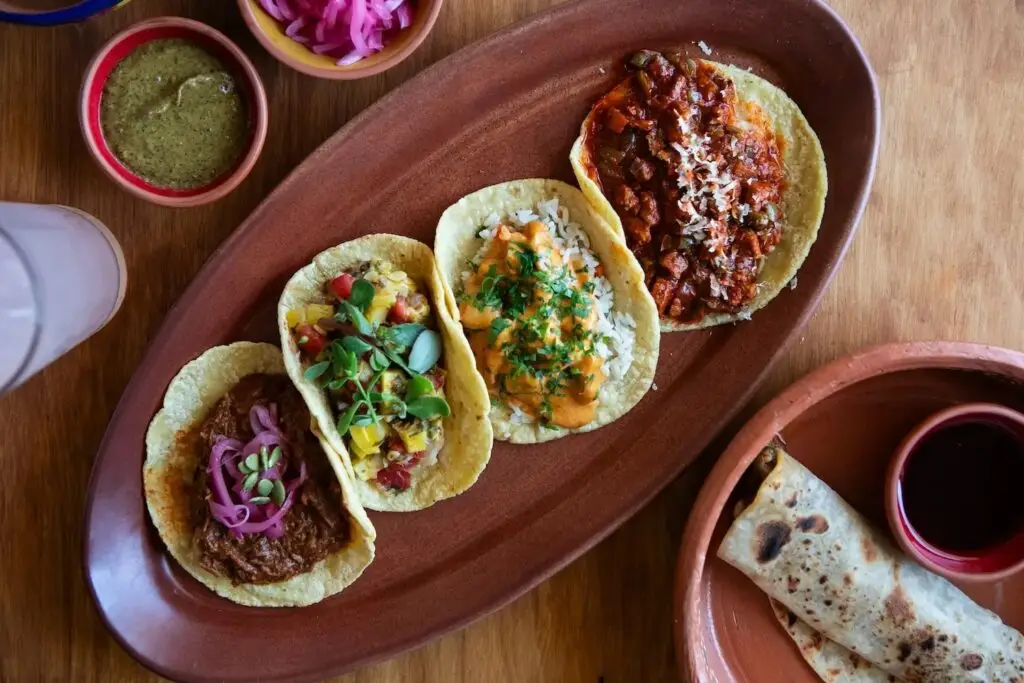
Considering Tierra y Mar translates to “land and sea,” specialty chef Bryan Texis highlights both as forefronts of the menus, incorporating his birthplace of Mexico City, childhood home in Baja California, and current proximity to Baja. It’s that all-encompassing influence that Harrah’s food and beverage Director Ryan Adams says served as inspiration. “We pulled influences from all over the country,” he says, pointing to items like birria (Jalisco), whole Pacific rockfish (Baja California), salmon zarandeado (Nayarit), and tacos al pastor (Mexico City).
“Our goal was to create just a fully immersive menu for all to enjoy, despite whether or not you grew up in Mexico, eating your abuelita’s food, or you are new to the area and just want something that just tastes amazing,” says Adams.
Highlights include salmon marinated in a chipotle sauce and served with arroz verde and a petite frisée salad with cucumber, cherry tomatoes, citrus segments, and honey citrus vinaigrette; a shrimp aguachile appetizer with cucumber, red onion, radish, avocado, and cilantro; a salsa sampler with three heat levels; the “siete mares,” or “seven seas,” with seared seabass, mussels, littleneck clams, scallops, shrimp, and fried crab cakes, all served in a lobster tomato consommé; and their house birria: an eight-ounce braised short rib wrapped in hoja santa (an aromatic herb from Mexico), served with consommé reduction and a sweet corn purée. Texis’ pan de elote provides a sweet-and-savory end to a meal, made with fried corn bread, chantilly (whipped cream) banana mousse, pecans, and totomoxtle (corn husk).

While menudo and brunch (think breakfast burrito, huevos rancheros, and a masa waffle) will only be available on the weekends, the bar is always open. Naturally, Tierra y Mar’s bar emphasizes tequila, with plenty of beer, wine, cocktails, and margaritas. Like Old Fashioneds? Try the Tequila Old-Fashioned, made with Callfino Añejo, agave, orange bitters, orange peel, and dark cherry. Or kick up your margarita by opting for a blended Mangonada, with Casa Dragones blanco tequila, passion fruit liqueur, blue curaçao, mango puree, Chamoy, and fresh lime, served with a chamoy and tajin rim and tamarind candy stick.
Pulling off such an ambitious, far-reaching restaurant revamp required a group effort, says Adams. General manager Jill Barrett, vice president of resort operations Shannon Upson, and the Rincon Band of Luiseño Indians have worked for a year-plus to bring Tierra y Mar to life. It might not be “traditional” Mexican food, according to Adams. But he invites guests to take a chance on their approach.
In other words: come for the fun, stay for the food.
Tierra y Mar opens at Harrah’s Resort Southern California on July 22 for daily lunch and dinner service, plus weekend brunch.
Beth Demmon is an award-winning writer and podcaster whose work regularly appears in national outlets and San Diego Magazine. Her first book, The Beer Lover's Guide to Cider, is now available. Find out more on bethdemmon.com.
The fast-growing taqueria will open its third restaurant on Newport Avenue after a viral social media moment fueled its rapid expansion
When Rigo Munoz opened a weekends-only taco stand on Market Street in 2018, at first, he was just hoping to sell his tacos to however many customers he could. That low-key, word of mouth approach worked well for a couple years. Very well.
“Then, the line started,” he laughs. He began to double his sales week after week, until an influencer from Tijuana paid them an undercover visit in 2024. Munoz was hanging out in his backyard the next Monday when his phone started pinging and ringing off the hook. “So I go onto my social media and there, lo and beyond, the video already had 10,000, 12,000 views in like, less than an hour,” he says. The next day, there was a line of customers waiting for him before he opened at 5 p.m. The Chula Tacos revolution sparked there.
Now, he’s ready to open his third location on August 1 at 4994 Newport Avenue in Ocean Beach. It wasn’t an easy or straightforward path—the city shut down his original location citing too much noise and traffic. But Munoz was looking ahead, already in talks with a restaurateur to take over his space at 1719 Palm Avenue in the Nestor neighborhood of southeast San Diego. From the time he got shut down to getting the keys of his first brick-and-mortar was less than two days.
The second location in Chula Vista caught fire on Valentine’s Day and is slated to reopen later this fall (689 H Street). Munoz says he also plans to open a fourth location somewhere between the Ocean Beach and Morena Boulevard areas, but has aspirations for more.
“I’d like to become the In-N-Out of tacos,” he says. He’s actively looking for places that could support either a drive-thru or the typical fast-casual taqueria style, but no matter what, he’s going to keep his menu simple.
Each location has the same menu, except labio, which are ox lips, and beef intestines. They’re top-sellers at Palm Avenue, but might not translate as well to the OB crowd, he says. But guests can still get their fix of vampiro tacos, tacos de trompo, and from-scratch horchata and jamaica.
Chula Tacos is best known for its kekas (pronounced keh-kuhs), which are extra-large quesadillas stuffed with your choice of meat. “It’s a hefty thing,” Munoz promises. It’s such a trademark that he filed for a patent, which is still pending.
Building a taco empire has been a long time coming. Munoz first started making tacos at age 12, and has operated a number of cafes, delis, and other businesses on both sides of the border ever since. “We’re a family business,” he says. He’s been trying to hit that mother lode for years—and all it took was one video to light the fuse.
The newest location of Chula Tacos opens August 1 at 4994 Newport Avenue, Suite A in Ocean Beach. Hours of operation are 11 a.m. to midnight daily. (Opening date subject to change.)

Listen Now: The Latest in San Diego’s Food and Drink Scene
Have breaking news, exciting scoops, or great stories about new San Diego restaurants or the city’s food scene? Send your pitches to [email protected].
Beth Demmon is an award-winning writer and podcaster whose work regularly appears in national outlets and San Diego Magazine. Her first book, The Beer Lover's Guide to Cider, is now available. Find out more on bethdemmon.com.
This month, the 2026 San Diego Business Impact Awards recognized local businesses making an impact in clean energy, biotech, hospitality, and beyond
Renewable energy companies building hundreds of power plants. Biotech startups using artificial intelligence to create personalized medicine for children with rare diseases. Hospitality companies quietly powering thousands of local events. Consumer brands growing from beach-town startups into national businesses. These are the kinds of companies driving San Diego’s economy today, and the businesses recognized at this year’s San Diego Business Impact Awards offer a snapshot of where the region is headed.
Hosted July 23 by San Diego Regional Economic Development Corporation (EDC) and JPMorganChase, the second annual awards event honored four local companies for innovation, growth, and economic impact. More than 100 nominations from San Diego’s middle-market businesses were reviewed by a 10-person judging committee, with winners selected across four categories: startup, early-stage innovator, rising star, and established heavyweight.
Two-time honoree Jimbo Someck, founder of Jimbo’s organic grocery stores, also joined the event for a fireside chat on buying local, supporting emerging brands, and giving back to the community.
“San Diego’s strength comes from its makers and builders—the resilient people who endure great risks and overcome obstacles to build and scale a company,” says Aaron Ryan, San Diego Region Manager and Middle Market Banking at JPMorganChase & Co. “These awards aren’t just recognition; they spotlight the talent, grit, and innovation shaping our region’s future. By celebrating those who create and build, we foster connections and fuel the growth that keeps San Diego thriving.”

Heavyweight honoree SOLV Energy has grown alongside the country’s rapid investment in renewable power. “It’s an exciting time for SOLV Energy as we are experiencing significant growth,” says CEO George Hershman. “The business has doubled over the last year and has almost double-digit growth since its inception.”
The Rancho Bernardo-based company designs, builds, operates, and maintains utility-scale solar and energy storage facilities. Since its founding in 2008, SOLV Energy has built more than 500 power plants.
Growth has translated directly into hiring. About 200 employees work from the company’s local headquarters, including roughly 20 interns. “Our intern program is a big part of the way that we grow our workforce,” Hershman says. “Last year, 43 percent of our interns became full-time employees. We believe San Diego is a great community to build and grow a high-tech infrastructure and technology company because of the incredible workforce—the ability to attract top talent and draw from world-class universities.”
Startup honoree La Jolla Labs is tackling one of medicine’s biggest challenges by developing personalized RNA therapeutics for patients with rare diseases—many of them children with neurological disorders like ALS. Using proprietary artificial intelligence and machine learning tools, the biotech company develops treatments tailored to each patient’s specific genetic mutation.
CEO Tamar Grossman says the recognition reflects how far the company has come despite limited resources. “We’re honored to be recognized for our ability to change and save patients’ lives and turn our lean startup into a clinical company with very minimal resources,” she says.
Grossman credits San Diego’s concentration of research institutions—including UC San Diego, the Salk Institute, and Scripps Research—with creating a pipeline of talent and collaboration. “San Diego is one of the world-leading centers for technology, genomics, and RNA therapeutics,” she says. “We have over 30 RNA therapeutics companies here, and we support each other and help with anything related to drug discovery.”
She says that collaborative spirit extends beyond formal partnerships. “You can walk around Torrey Pines, go into a café, and find colleagues from the industry and have an ad hoc conversation,” Grossman says. “That’s something very unique to San Diego.”

While Snake Oil Venue Company may not be a household name, chances are many San Diegans have attended one of its events. The early-stage innovator honoree has expanded from beverage catering and mixology consulting into venue management, operating Julep Venue in Mission Hills, Bramble Bay Venue in Imperial Beach, Vesper Venue, the Chapel at Liberty Station, and five outdoor venues throughout Liberty Station—more than 500,000 square feet of event space altogether.
“We do a lot of launch parties for corporations and new products,” says CEO Mike Esposito. “I really like working on the entrepreneur side of things, where new businesses are entering the San Diego market and looking to make a splash.”
Snake Oil has executed more than 16,000 events, employed more than 1,000 people, and partnered with more than 900 local vendors, including caterers, florists, photographers, entertainers, and other hospitality businesses. The company also works with many of San Diego’s nonprofits, museums, and cultural institutions. “We get to celebrate people’s most important moments,” Esposito says. “Whether that’s a wedding, celebration of life, or quinceañera, we’re fortunate to be involved in the community in so many different ways.”

Rising star honoree ALOHA Collection is proof that a simple idea can grow into a thriving company. Founded by two roommates who wanted a better way to carry wet swimsuits after a day at the beach, the lifestyle brand has grown into a business while maintaining strong year-over-year growth.
Now headquartered in Carlsbad, ALOHA Collection employs more than 100 people and operates its California flagship store in Encinitas, which is slated for a remodel. With roots in Hawaii, the company is known for its lightweight, splash-proof travel bags that have become a familiar sight on beaches in San Diego and beyond.
“‘Aloha’ is part of our name, but it’s also how we move through the world,” says CEO Lynna Barnard. “It’s how we show up for people, the way we travel, the way we give back.” Since day one, the company has maintained a 5 percent giveback to Hawaii conservation efforts, contributing millions of dollars over the years.
“I think what’s so inspiring about ALOHA Collection, and the founders in particular, is when you dream big, those dreams can come true when you work hard and trust in the universe,” Barnard says. “It’s inspiring to be a role model for other people wanting to start businesses from humble beginnings. Start small and watch it grow.”
Together, businesses like these form a cornerstone of San Diego’s economy—not only through the jobs and revenue they generate—but through the local workers they hire, vendors they support, and investments they make in the region. Their growth doesn’t happen in isolation; it ripples outward, strengthening the broader business community and the people who call San Diego home.

SDM's staff shouts out our favorite food finds this month including bites Stake Chophouse & Bar, Valentina, and Steady State
There’s a place in heaven for a steakhouse that remakes chicken nuggets but uses Jidori instead of whatever glum bird is proffered in the children’s section. And then they top it with caviar. That, plus an editor with an obsession-level ranking of chai in Carlsbad, and a whole fish from one of San Diego’s OG top chefs who has mercifully returned to the kitchen. These are the very best things we’ve found from another month of eating professionally in San Diego. Go get some.
One of my favorite experiences at Stake in Coronado is that—if the patio is chilly enough to warrant heaters—they’ll surround you with towers of flame. Paired with the retaining wall of heat against the glass railing overlooking Orange Avenue, there is so much surrounding fire that it feels like dining in a much nicer version of the Elmo meme, in which the nasally puppet’s whole world has amusingly arsoned.
Three things you have to get here: first, the Wagyu popcorn (kernels popped in melted Wagyu beef fat, salted with paprika); second, the Snake River Farms Wagyu skirt steak (its Gold grade means incredibly high marble), one of the best steaks in the city; third, the Jidori chicken nuggets with herbed crème fraîche, pickle, and a perm of caviar. A childhood food, deliciously adulted. —Troy Johnson

It’s been 15 years since married folk Aaron and Roddy Browning opened Flying Pig Pub & Kitchen in a hidden south Oceanside hovel—using vinyl records as placemats, the decor an assortment of welded metal weirdities. One thing has always remained: Pork is their native tongue.
This sandwich pries open long-dormant pleasure receptors in most alive human bodies. Brandt Beef tri-tip is rubbed with its “Pig Spice” (hint: good paprika and celery seed do wonders), sleeps for 24 hours, then is seared and rested for an hour—sliced and seared again, placed on a mini baguette wet with fresh chimichurri and smoked tomato aioli, then topped with melted aged provolone, grilled peppers, onions, and gremolata (parsley, garlic, lemon zest). Order two, or be prepared to fight. —Troy Johnson

Pintxos are Basque-country bar snacks, finger foods for Real Sociedad games. The appropriate utensils are a couple of fingers and a toothpick. But Valentina’s in Leucadia are done with just enough culinary school ambition (not too much, fuss has no place in pintxos) from exec chef Enrique Ñol, who worked at the estimable Wrench & Rodent.
Its tomaquet (tomato bread) could be underestimated as a stacked pile of quality ingredients, but it’s undeniably great—toasted pan de cristal (light, airy, Catalan “glass bread”) dressed with tomato, garlic, salt, EVOO, and a layer of one of the world’s greatest meats: Cinco Jotas Iberian jamón. Eat it with a minor winefall of porrón, and ask for Todd—a certified sommelier and one of the most knowledgeable food minds in the local scene. —Troy Johnson

Get the whole fish. Doesn’t matter the catch, just trust that chef Jason McLeod’s got you. When CH Projects opened Ironside in Little Italy in 2014, the restaurant group took over the old Farkas furniture store and turned it into a replica of an ocean liner, tapping McLeod (a chef who’d earned two Michelin stars in Chicago) to oversee its menus.
It quickly became a San Diego staple for seafood. After leaving for a few years to help concept and launch some big-name restaurants in Vegas, McLeod is back again getting his hands dirty in the kitchen. And his fish? They come in fresh from local fishermen who he’s established relationships with over the years. So yeah, get the whole damn thing. —Nicolle Monico

I have a running spreadsheet of chai rankings in Carlsbad. The chai that stays on the highest shelf? Steady State’s gingery, nutmeggy Indian Summer with an almond milk base and fresh nutmeg shavings on top. Juiced ginger gives the drink deeper, warmer notes, but not so much spice that your throat closes on the first sip.
Too often, coffee shops advertise authentic chai, then uncork that carton of sugar-bomb concentrate from an artisanal wholesaler called Costco. This is the real deal; it’s mildly sweet, a little more spicy, and in my opinion, best served hot. If I could order a keg of it, I would. (Can I?) —Emma Veidt
What's next for the 10-year-old award-winning destination? Owner Mike Tajran hopes to hand the reins to a local up-and-comer
After 10 years of rooftop dining and brewing award-winning beers, OB Brewery is for sale. A local fixture on Newport Avenue, OB Brewery owner Mike Tajran is ready to retire and hand over the reins. “It’s got so much potential,” he says, pointing to the accolades the brewpub has collected throughout the last decade (it’s more than a few).
At the 2017 Great American Beer Festival, OB’s Hidden Gem Dunkelweizen won silver in the German-Style Wheat Ale category, followed by a World Beer Cup silver medal as a South German-Style Dunkel Weizen in 2026. In 2018, GABF named OB Brewery Small Brewpub of the Year, brewer Jim Millea earned Small Brewpub Brewer of the Year, and the B. Right On pale ale nabbed a gold medal in the American-Style Pale Ale category. The Elevator Red IPA also took bronze that year at the San Diego International Beer Festival, and earlier this year, they won gold for Couple’s Therapy chili beer and silver for Rauch Me smoked beer at San Diego County Fair Craft Brew Competition.
It’s a solid foundation for the right buyer, he says—someone with brewing and business chops ready for a turnkey operation in a favorable location a block from the beach on Ocean Beach’s busiest street. (And while he’s letting go of the brewpub business, he’s also open to selling the building as part of the deal.)
Originally from Iraq, Tajran’s family ran restaurants in Baghdad, but “they were decimated by Saddam Hussein,” he explains. Once in the United States, he launched Giant New York Pizza at 5050 Newport Avenue in 1984, which eventually became Newport Pizza & Ale House. Newport Pizza felt long ahead of its time, proudly proclaiming they served “no crap on tap” years before the craft beer craze caught fire in San Diego.

When the building’s owners passed away and their son cut his lease short in 2020, Tajran says he was disappointed, but he had a nagging feeling that would happen eventually—which is why he already purchased 5041 Newport Avenue back in 2009 and opened Ocean Beach Brewery in 2016.
“For 42 years, I have been in this location in this area, the same block,” he says with pride. Ocean Beach has gone through some changes since 1984 (the OB farmers market launched in 1992, Starbucks came in 2001 and left in 2022, ADUs crept in, and the iconic OB Pier closed in 2023), but Tajran says the heart of the beachside town has remained the same.
So has most of his staff. Millea has been brewing since day one, and longtime manager Megan Schuster has worked for Tajran for 19 years, first at Newport, then at OB Brewery. Most of the employees are locals, and Tajran says he doesn’t plan on closing the business until he finds the right buyer to carry on the baton.
The property itself comes with some unique features for the area—three stories with a rooftop deck and ocean views from every level. And if you’re wondering if those uninterrupted views will remain that way, Tajran assures me they will. Part of his original building purchase included language that prohibits the three buildings between him and the ocean from building up. He also leases space next door, which would allow a new owner to expand brewing capacity with more tanks and fermenters.
“I just wanted to make sure this goes in good hands,” he says. He and his wife both hope to retire soon in order to spend time with their children. But he’ll make sure his other baby is taken care of first.
“I love Ocean Beach,” he says. “I can say nothing but thank you, OB.”
OB Brewery is still open at 5041 Newport Avenue. Hours are Sunday through Thursday, 11 a.m. to 9 p.m.; Friday, 11 a.m. to 10 p.m.; and Saturday, 10 a.m. to 10 p.m. Interested parties should contact Next Wave Commercial.
Listen Now: The Latest in San Diego’s Food and Drink Scene
Have breaking news, exciting scoops, or great stories about new San Diego restaurants or the city’s food scene? Send your pitches to [email protected].
Beth Demmon is an award-winning writer and podcaster whose work regularly appears in national outlets and San Diego Magazine. Her first book, The Beer Lover's Guide to Cider, is now available. Find out more on bethdemmon.com.
It’s a Self-Care Summer. Because your best self is our favorite self.
If you’re anything like us, it can be easy to get so caught up in taking care of everyone else, that your own needs get lost in the ether. But while this may be a cliché, that doesn’t make it any less true: You can’t give your best self to other people unless you’re taking care of yourself.
Sometimes, that looks like stopping in for your regular acupuncture or chiropractic appointment. Other days, it means giving your body the fresh, organic fuel it needs to truly feel and function at its best. And some other times still, it involves leaving your responsibilities behind for a weekend to pamper yourself at an incredible resort and spa.
Only you can decide what your truly need. We’re just here to help you find the best ways to get it.

Island living meets desert luxury at the Tommy Bahama Miramonte Resort & Spa in Indian Wells. When you step onto the 11-acre property, you’ll be surrounded by sweeping view of the Santa Rosa Mountains with olive trees and fragrant citrus groves decorating the grounds. In other words, everything about this relaxed but refined resort is primed to help you let go of the stress from home and enjoy easy sun-soaked days and gorgeous starry nights.
The rooms blend calming, woven textures with Tommy Bahama’s signature tropical prints and feature private lanais, making it easy unwind the moment you walk in the door. If you book one of the four Villa Suites, you’ll be treated to exclusive Tommy Bahama furniture and unique personal touches to further that feeling of instant ease.
At the award-winning Spa Rosa, the expert team will help reset and recharge your body and mind using methods and rituals inspired by the desert. The 12,000-square-foot retreat includes outdoor soaking pools, eucalyptus steam rooms, and outdoor cabanas, as well as massages, facials, and body masks—all aimed at creating a day dedicated to you. We’re particularly partial to the Day Long Escape, an indulgent all-day affair of CDBs soaks, renewing scrubs, life changing massages, and transformative facials.
Following your treatment, continue the experience with a meal on the patio at Grapefruit Basil. We love the Hamachi Crudo, a light, citrus-forward dish featuring premium yellowtail, house-made ponzu, creamy avocado, and fresh seasonal garnishes.
Whether you’re strolling the gardens, relaxing beside its saltwater pools, or indulging in a restorative treatment, you’ll be able to escape in style and relax in luxury at the Tommy Bahama Miramonte Resort & Spa.

There’s no shortage of ways to stay active in San Diego—but if you really want to enjoy everything the city has to offer, you’ve got to make sure you’re giving your body its tune-ups. Enter: Healcove Chiropractic. The board-certified chiropractors and wellness professionals at Healcove are experts at addressing that stage where you’re not injured, exactly, but you’re not at 100%, either. Maybe you’re feeling a bit tense or stressed out. Or it could be that you’re not quite moving the way you want to. Sometimes, it’s just that the accumulation of days, weeks, or even years of daily strain is starting to take a toll. No matter what stage you find yourself at, the Healcove Chiropractic team can provide integrated, preventative care centered on long-term, science-backed approaches that ensure you can always stay active and live the life you want to live pain-free.
This starts by providing truly individualized care. Every patient can expect a thorough 60-minute consultation session that includes a posture and movement screening. This allows the team to develop a completely personalized plan. That plan might include chiropractic care, acupuncture, or massage therapy, as well as functional fitness training, vibration and sound therapy, and Dynamic Neuromuscular Stabilization, a clinical rehabilitation method that retrains the body’s stabilization systems. Whatever the team recommends, you can be sure that it’s tailored to meeting your body’s needs today and the future.
There’s a reason that San Diego Magazine named Healcove the “Best Chiropractor in San Diego”—don’t wait until you’re struggling with an injury to find out why. Book an appointment today for holistic, integrated care that helps ground and heal your body before it reaches a crisis point.

West Coast wellness culture meets the community feel of Southern Appalachia at Juice Holler. Juice Holler’s menu consists of made-to-order smoothies and smoothie bowls, as well as grab-and-go cold-pressed juices, wellness shots, salads, and more. It operates from the blissfully simple premise that fueling up with food and drink that’s guilt-free and good your body should be simple, accessible, and, above all else, delicious. And if you haven’t yet made it out to the Encinitas café, which opened just this year, let us be the first to tell you: Juice Holler delivers on each and every of these fronts.
We love the Supercharger smoothie, a mood-lifting and body-fueling option made with banana, almond butter, blue spirulina, maca, grass-fed whey protein, raw cacao nibs, medjool dates, and coconut milk. We’re also partial to the Thrive Alive smoothie bowl, where avocado, mango, sea moss, spirulina, mint, coconut milk, and agave are mixed and topped with coconut, chia seeds, strawberry, mango, and chocolate drizzle. The wellness shots include the Detoxifier, a cleansing blend of kale, cucumber, lemon and spirulina, plus a shot specially designed to fight inflammation (named, fittingly, Anti-Inflammation). Probiotic overnight oats, lemon turmeric bars, and strawberry shortcake chia pudding are other standouts on the grab-and-go menu.
Much of the vibe feels beachy North County chic—think green tile with orange and pink accents, grounded with greenery and natural wood—but Juice Holler founder Kelly Sergott, a longtime Encinitas local, has also enfused the space with her Kentucky roots. In Appalachia, a holler is small valley between hills and mountains, where nature reigns, community is king, and nourishment comes right from the land. At Juice Holler, Sergott has created a holler for the busy modern times, using local ingredients to create a spot for people to come together and enjoy fresh, fast, feel-good fuel for their day.

We’ve all had that experience with a medical professional where we’ve felt rushed, ignored, or misunderstood—and ultimately, like we didn’t get the answers that we needed. But at Everwell, the holistic acupuncture practice located in Solana Beach, the care team wants to transform your understanding of what healthcare can look like.
Patients at Everwell experience care rooted in intentional listening and radical empathy—and trust us, those aren’t just corporate buzzwords. This place actually puts those ideas into practice. You will always be given the time you need to tell your story— initial in-take appointments are two hours long—and you can rest assured that your story will be believed. Every single question and concern will be addressed by a dedicated practitioner who wants to find the specific solutions that work best for you, and you’ll receive care that’s aimed at healing the body, mind, and spirit.
Everwell’s highly trained, doctorate-level practitioners blend evidence-based acupuncture with the practice of classical Chinese medicine. (If you’ve never tried acupuncture before or aren’t sure if the team will be a fit, we’d highly recommended Everwell’s complimentary 20-minute consultations.) Research shows that by stimulating specific points on the body, acupuncture activates a natural healing response in the body, helping to restore balance, regulate the nervous system, and improve overall wellbeing. This allows the practice to address an incredibly wide range of conditions from chronic pain and autoimmune disorders to digestive issues, from stress and burnout to headaches migraines, fertility and postpartum struggles, hormonal imbalances, sleep concerns and more.
At Everwell, you can expect to feel heard, trusted, respected, and cared for. This is a space that doesn’t want to be just another healthcare provider you visit; it wants to provide patients with dedicated partner who will be there for their entire health journey.