Featured articles
Food & Drink
Food News
Food & Drink
Featured articles
Everything SD
Everything SD
Arts & Culture
Featured articles
Everything SD
Things to Do
Things to Do
Featured articles

podcast-ep

podcast-ep
video
Featured articles
Everything SD
Things to Do
Everything SD
Featured articles
Everything SD
Everything SD
Food & Drink
Ready to know more about San Diego?
SubscribeReady to know more about San Diego?
One cross-border gallery captures the state of the city's art scene
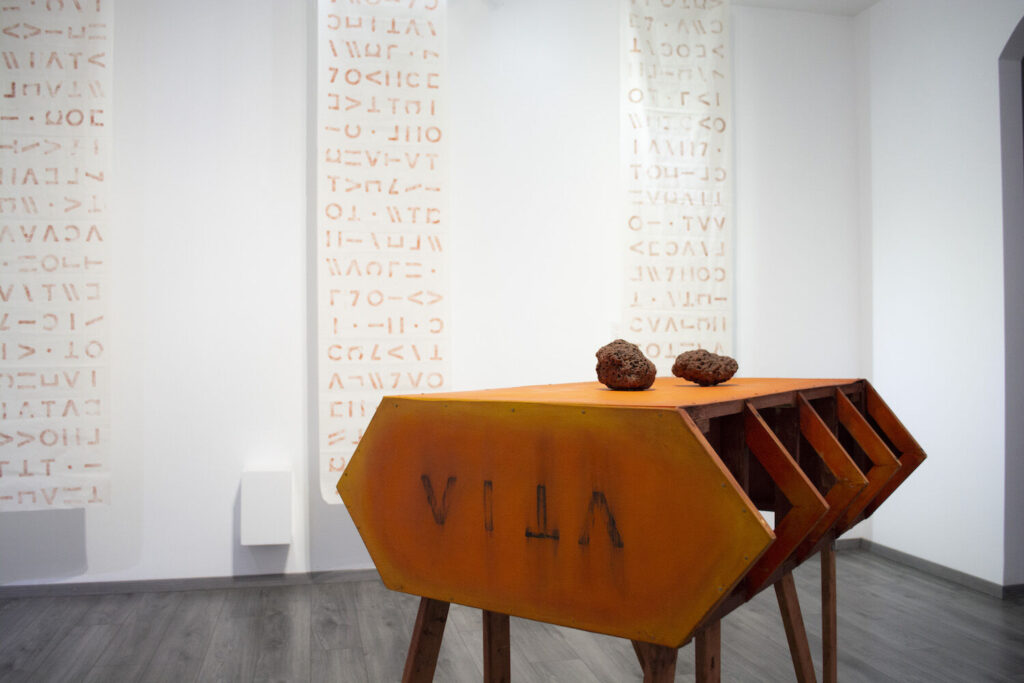
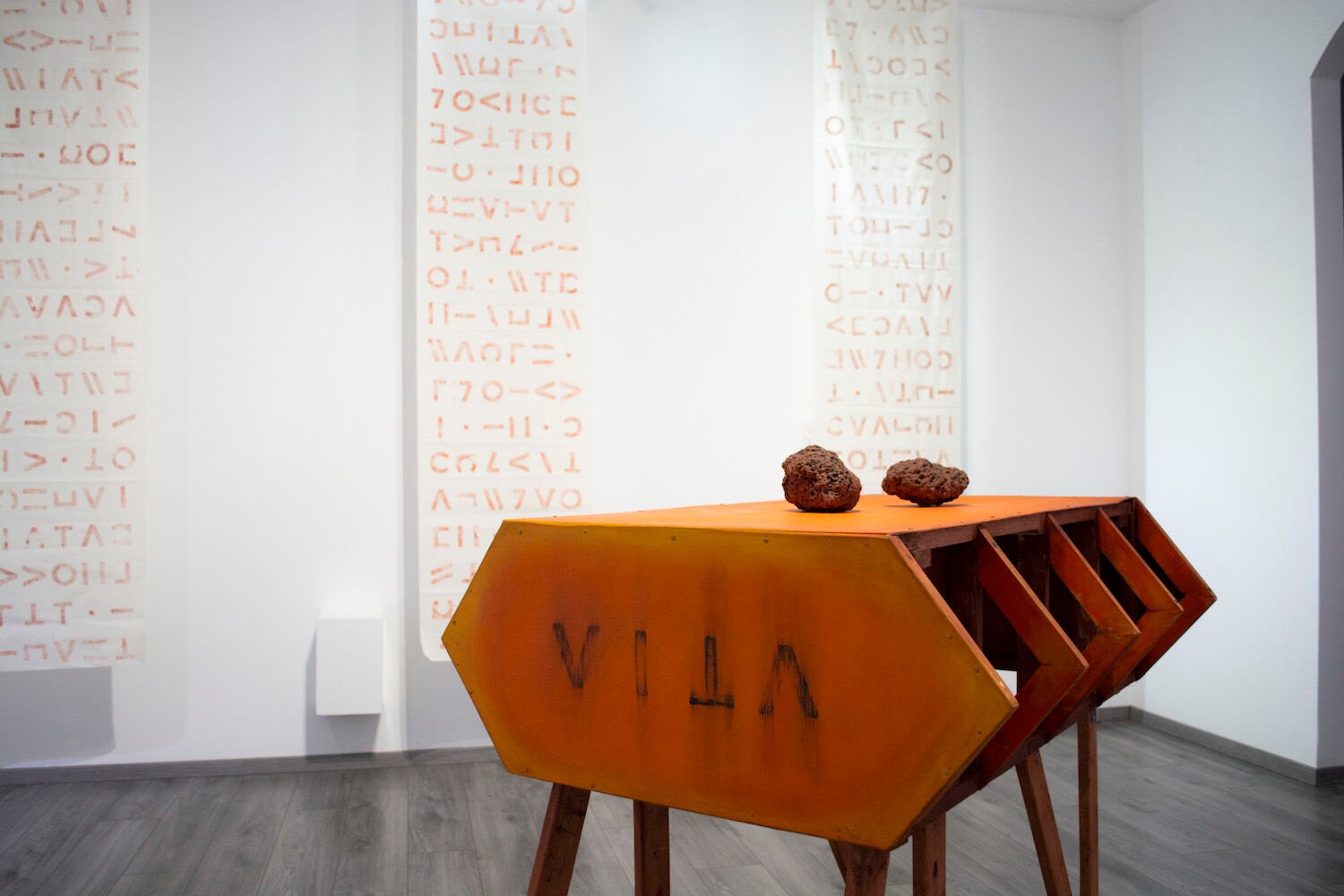
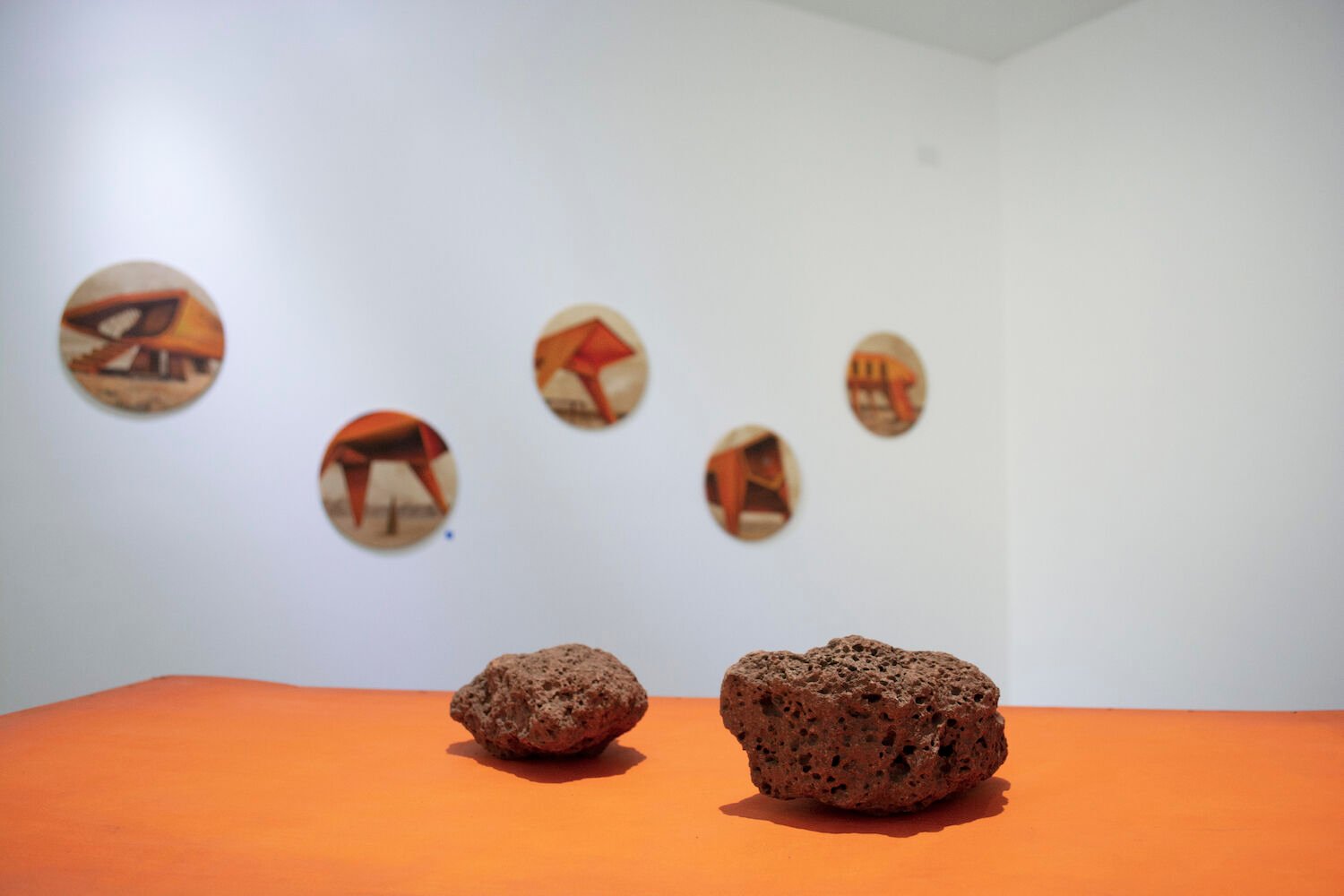
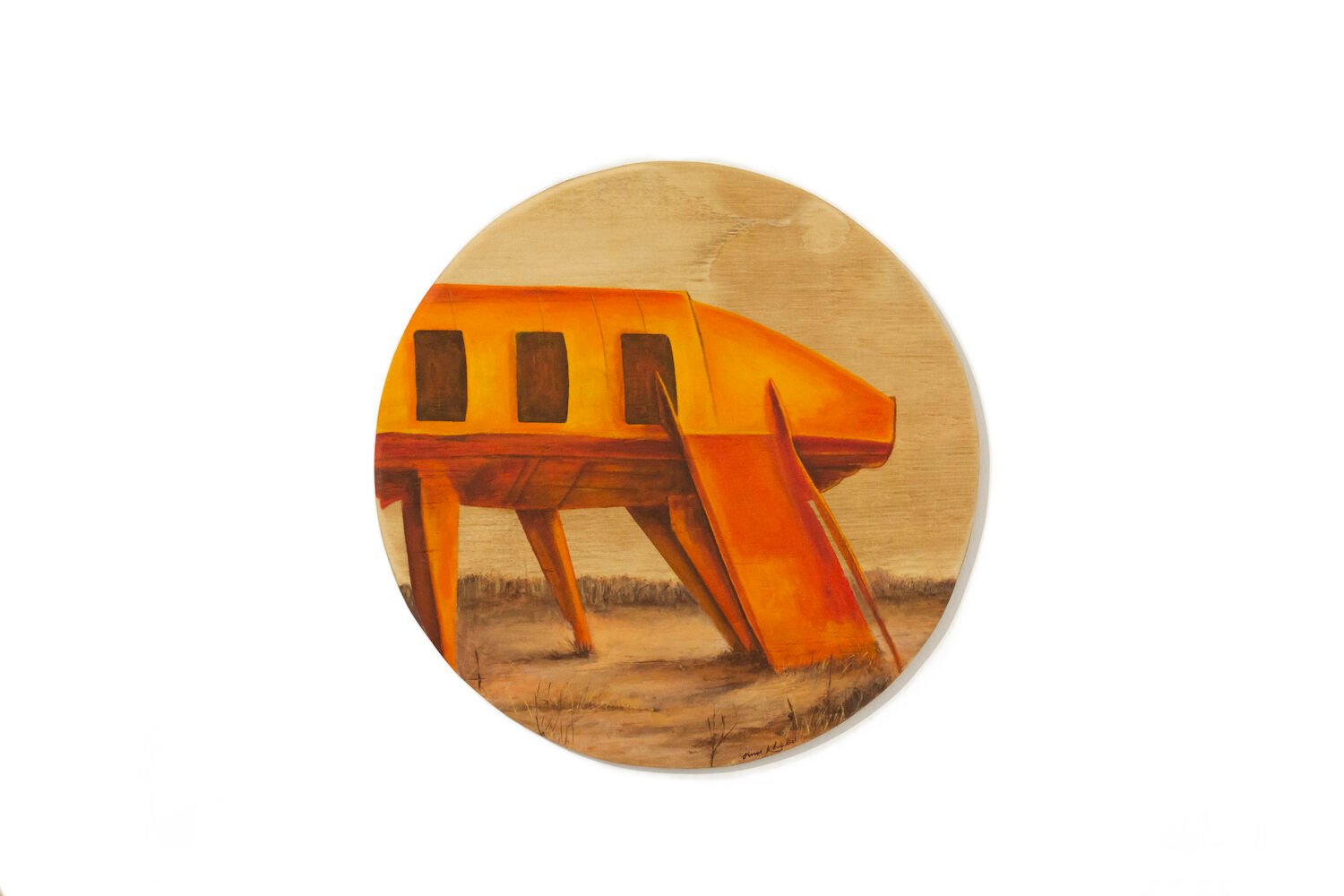
A selection of pieces from Omar Khâlid’s BRAKE AND TAKE OFF, prototypes for failure at 206 Arte Contemporáneo in Tijuana
It takes 18 minutes, a taxi ride, and ten bucks to find myself tucked away in a neighborhood off the bustling, pharmacy-laden corners of the city center of Tijuana. My destination: 206 Arte Contemporáneo, the unassuming hub of the city’s arts scene. I enter its disarming residential façade and traverse a humble stairway towards work that feels uniquely at home in a border town gallery.
Omar Khâlid’s Brake and Take Off Tijuana Art 2
206 is run by twin sisters Mónica and Melisa Arreola. This creative duo supports the greater Tijuana and Baja Norte art community through their mediums—architecture for both, as well as photography and music, respectively. Mónica showed her stoic and overcast photos of the buildings of Valle San Pedro, an abandoned town outside Tijuana, as part of the 2022 Whitney Biennial, while Melisa is the frontwoman for the band Cuarto Paisaje, a dreamy patchwork of indie rock and languid electronic effects. Their performances seem equal parts rock show and sonic installation.
Omar Khâlid’s Brake and Take Off Tijuana Art 6
In 2012, the Arreolas nabbed a space on the main drag of Avenida de Revolucion, which was still rebuilding after the 2008 reign of terror from narcos left many buildings on the strip abandoned. Two years ago, as rents soared downtown, they moved the arts institution to this new, light-filled space with views of the city.“
Today, there’s a unique opportunity to have an independent space that is not in downtown,” Mónica says. The move, perhaps inadvertently, brought a more plugged-in and intentional audience. There’s no stumbling onto this spot after a margarita at Caesar’s.
Omar Khâlid’s Brake and Take Off Tijuana Art 3
The current exhibition, which runs through July, is BRAKE AND TAKE OFF, prototypes for failure. It features the work of Omar Khâlid, a former student at the Autonomous University of Baja California. Of the works that the Arreolas host in the gallery, about “90 percent come from university [alumni],” Mónica says. Khâlid is soft-spoken but assured as we chat through his interpreter, Guillermo Estrada. Estrada is a fellow artist in the Arreolas’ orbit who moonlights as Memo Navajas in his band, Rancho Shampoo & The Indian Dub Orchestra.
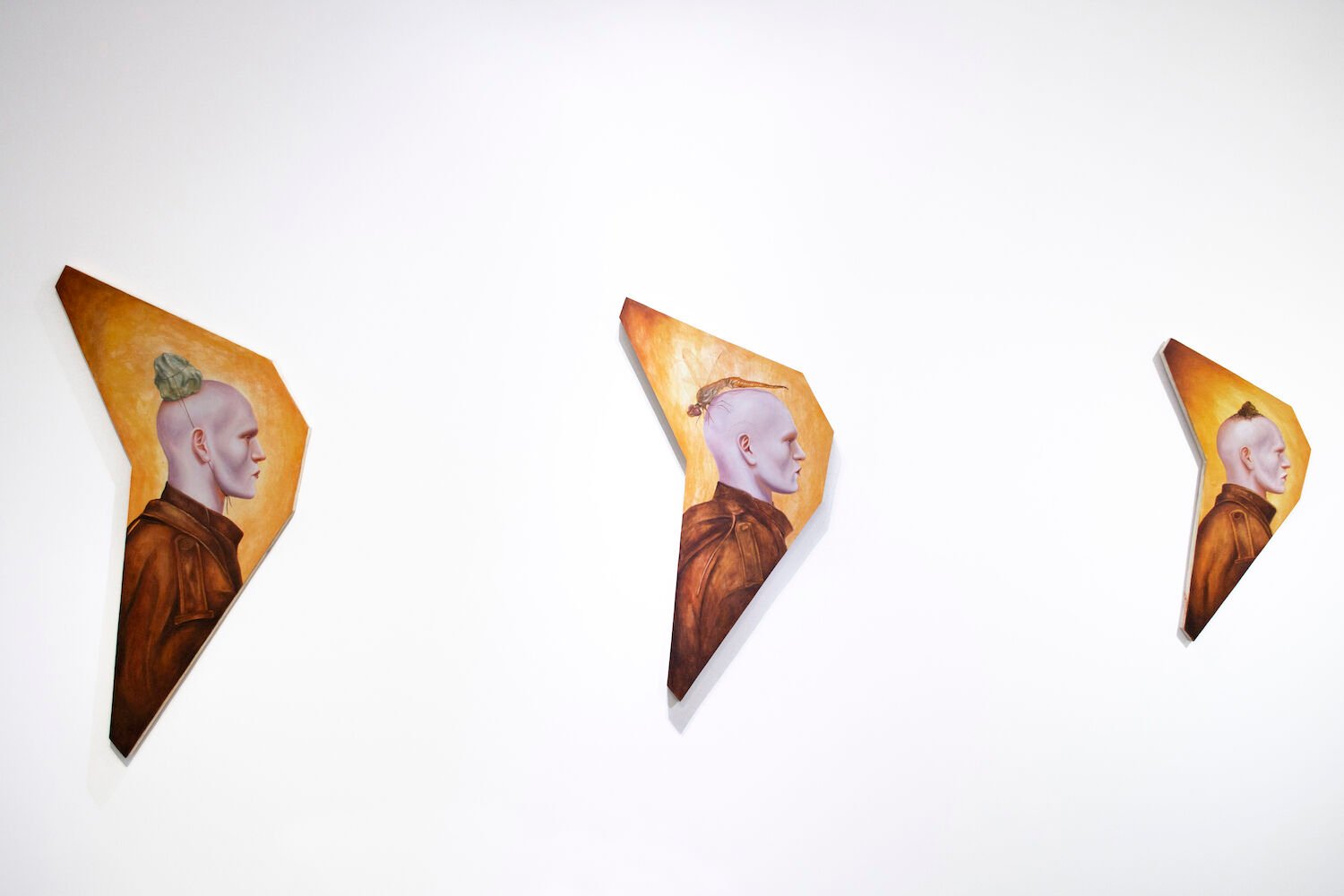
“The idea of the work is the alien aesthetic,” Estrada explains, or “martiana” in Spanish. Looking around the gallery, you’re met with small, unframed vignettes of rust-hued extraterrestrial life forms and their broken-down airships. A prototype lies in the center of the space, untouched and unusable. Khâlid also created an alien script that adorns the walls, draped on canvas in a carven, stela-like style.The script translates to nothing, so the Martians keep their secrets, or viewers invent their own.

Danielle is a freelance culture journalist focusing on music, food, wine, hospitality, and arts, and founder-playwright of Yeah No Yeah Theatre company, based in San Diego. Her work has been featured in FLAUNT, Filter Magazine, and San Diego Magazine. Born and raised in Maui, she still loves a good Mai Tai.
Explore the latest attractions blooming in these warm-weather destinations near-ish San Diego
From artsy, boutique hotels in New Mexico to a revolutionary restaurant in Baja, explore what’s new in these desert cities around San Diego.
Serenity-seeking guests (and, presumably, the free-spirited ghosts of naked people) roam this 13-room wellness escape that was once a clothing-optional resort. Opened a year ago, it offers exclusive, 24-hour access to a Himalayan salt sauna, cold plunge pool, and rain room. For food and drink, it’s tonics and juice cleanses, plus poolside bites from Michael Beckman, exec chef of the nearby Workshop Kitchen + Bar.
Opened last year on the historic, two-acre Movie Colony neighborhood property originally built by actor Errol Flynn (it was called the Normandy then), this is a micro-hotel for people who love Taschen books. Casa Palma reimagined the place as a minimalist, veneers-white 33-room escape with pickleball; tennis; and a mountain view bistro serving breakfast, salads, and sandwiches.
“Surfing in the desert” sounds like an absurd ayahuasca notion, but the Coachella Valley already has one wave pool (Palm Springs Surf Club), and, soon, a 5.5-acre surf lagoon will anchor DSRT Surf, an incoming resort at the Desert Willow Golf Courses. Planned for completion in mid-2026, it’ll include a 139-room hotel, 57 luxury villas, and restaurants.

Last spring, the Casetta Group (the same folks who own SD’s Pearl Hotel) resuscitated an old motor lodge in Taos, a longtime beacon for creatives, and named it after Willa Cather (who finished her novel Death Comes to the Archbishop in town). The 51-room Hotel Willa has adobe architecture, an artist residency, a pool with a giant weeping willow nearby, and a seasonal restaurant from husband-and-wife duo chef Johnny Ortiz Concha and artist Maida Branch.
Originally built in 1965 as the Downtowner, a classic, six-story inn on the motel-culture strip of Route 66 in downtown Albuquerque cycled through several identities before last year, when Palisociety reimagined it with the Secret Gallery (featuring modern work from Southwest artists), a cocktail bar, a restaurant, and 137 dog-friendly rooms. Like any good desert road trip hotel, Arrive Albuquerque hotel is a cheeky, midcentury affair centered around an umbrella-shaded pool scene and those strappy ’80s patio loungers.

After forming Vital Spaces, an org that leased abandoned warehouses and rented them at a low cost to artists, furniture designer Jonathan Boyd launched Leo’s, a no-signage, no-reservations restaurant last August with James Beard Award–winning chef Zakary Pelaccio. It focuses on Thai and Malaysian dishes—catfish sum tum, pork belly with garlic prik phao, fried chicken with tofu-mustard sauce and jiao chili sauce—plus natural wines and inventive cocktails. It promptly landed on Esquire’s Best New Restaurants of 2025.
Trailborn is the base camp of hotel groups. It’s focused on America’s grand outdoorsy arenas, with spots in the Rockies; the Blue Ridge Mountains; and now, Williams, a mile from the Grand Canyon Railroad Depot. This kitchy, 96-room roadside hotel offers a moody, wood-paneled steakhouse; adventure excursions; free breakfast inside a bustling “camp hall;” and front-row access to the fanfare of Route 66’s centennial celebration this year.
Early this year, Paradise Valley (the mountain-wrapped town neighboring Scottsdale) will welcome the 40-acre Kimpton Miralina, with six pools; more than 400 rooms and villas; and three restaurants, including Hecho Libre, a new Baja-inspired concept from fellow Beard semifinalist Wes Avila (known for Angry Egret Dinette and MXO in Los Angeles).
As cities grow and stargazing becomes an endangered pastime, an org called International Dark Sky Places works to protect the best areas in the world to behold night skies. One of them is Fountain Hills on the outskirts of Phoenix. This summer, it’ll get even better with a $28 million discovery center featuring a massive telescope, a planetarium, science exhibits, and a stargazing terrace.

Cote is the only Michelin-starred Korean steakhouse in the US, an idea from Seoul-born and James Beard nominated chef and restaurateur Simon Kim. Part of The Venetian’s $1.5 billion renovation, it’s a show—18,000 square feet, with stadium seating, VIP skyboxes, a crow’s nest DJ booth, a glowing central bar, 1,200 wine bottles, and the inimitable buzz of energetic impulse spending.
2025 was a big year for Formula 1 racing—the sport celebrated 75 years with a Brad Pitt film (for which Rancho Bernardo–based Sony Electronics created a one-of-a-kind camera that took viewers inside the cockpit), and Caesars Palace welcomed a 21,000-square-foot F1 Arcade where fans can flex their inner Lando Norris with 87 racing simulators.
When built in the 1970s as the MGM Grand, the Grand Sierra Resort was one of the biggest hotels in the world with over 1,000 rooms. Almost 50 years later, it’s nearly doubled its occupancy and is undergoing a billion dollar upgrade. The star will be the $435 million, 10,000-seat GSR Arena, which broke ground in September. Once completed (hopefully in fall 2027), it’ll be home to the University of Nevada men’s basketball team.

Utah’s High West Distillery was a groundbreaker, the first legal distillery in Utah when it opened in 2006. Now High West’s master distiller Brendan Coyle has left to open his dream project with his wife, Carly. They purchased 20 acres in Kamas Valley at the foothills of the Uinta mountain range, where they’re growing high elevation apples and flipping them into bone-dry boozy cider with Dendric Estate. You can tour the estate or wait for the onsite tasting room, planned for 2027.
In 2020, Robert Redford sold his famed, conservationist-minded mountain ski resort to Broadreach Capital Partners and Cedar Capital Partners, who promised to keep his “build some, preserve more” vision going. Since, it’s earned a Michelin Key. This month, The Inn at Sundance Mountain Resort—a 63-room, ski-in/ski-out inn—opens with views of the 12,000-foot Mount Timpanagos. Perched right out front, the Outlaw Express chair lift takes you to the Mandan summit in seven minutes (getting there used to take 20). There’s a wrap-around porch, relaxation pools, a sauna, outdoor showers, and a cold plunge at The Springs.
Four years after hosting the Winter Olympics, famed ski-only resort Deer Valley is undergoing a massive expansion of its East Village, including eight new hotels (the Grand Hyatt is already there, and the Four Seasons and others are incoming). Scheduled to open this summer, Canopy will be Hilton’s 180-room, ski-in/ ski-out property with après-ski and rooftop lounges. Deer Valley has also added 2,000 additional acres of skiable slopes, 100 new runs, and 10 new chairlifts.

In the 2010s, Ensenada-born chef Diego Hernández was a headliner in the food-culture revolution in Valle de Guadalupe with Corazón de Tierra—named number 30 in the 2018 “World’s 50 Best Restaurants” list. It closed in 2020 (damn pandemic!). Last January, he returned with an eponymous 40-seat restaurant, Diego, inside Valle’s Museo de La Vid y El Vino, relying on onsite gardens and in-house butchery to prepare seasonal, multi-course tasting menus and à la carte dishes nodding to his Corazón roots.
Over the years, the trend in Cabo resorts has been to get away from the action with secluded beachfront hideouts. Well, not all who travel to Cabo want to be tucked away. Last October, Mexico Grand Hotels (known for elaborate luxury resorts like Marina Fiesta and El Encanto) opened a smaller but still opulent thing: Kadún, a 110-room hotel with a rooftop pool and sundeck. It’s within walking distance to the Cabo Marina (the Vegas of Baja’s southern tip) and Medano Beach (one of the only swimmable beaches in Cabo).

Carnival Cruise Line has a vested interest in building up the ports it parks in. It’s established spots in Grand Turk, Roatan, and Cozumel, and its next elaborate disembarkment project is a $26 million beachside playground in Ensenada, planned for completion in 2027. Expect a sort of Pinocchio’s Island isthmus packed with zip lines, dune buggy rides, river rides, an adult pool, thermal springs, a spa, and wine and cheese pairings from Valle de Guadalupe (the wine region is 15 minutes inland).
Troy Johnson is the magazine’s award-winning food writer and humorist, and a long-standing expert on Food Network. His work has been featured on NatGeo, Travel Channel, NPR, and in Food Matters, a textbook of the best American food writing.
Amelia Rodriguez is a writer and journalist and winner of the San Diego Press Club's 2023 Rising Star Award and 2024 Best of Show Award, she’s also covered music, food, arts and culture, fashion, and design for Rolling Stone, Palm Springs Life, and other national and regional publications. After work, you can find her hunting down San Diego’s best pastries and maintaining her five-year Duolingo streak.
The lowdown on where to go, what to do, and what to drink in Baja's wine country
A wooden sign and an unpaved road got you here, and now you’re looking out at a desert transformed into rolling fields of fruit while a tasting room manager explains that, yes, it is possible to filter wine with green beans. You can sense it: Something special is happening here in Valle de Guadalupe.
Mateo Hoke is a journalist and author. His books include Six by Ten: Stories from Solitary, and Palestine Speaks: Narratives of Life Under Occupation.
Amelia Rodriguez is a writer and journalist and winner of the San Diego Press Club's 2023 Rising Star Award and 2024 Best of Show Award, she’s also covered music, food, arts and culture, fashion, and design for Rolling Stone, Palm Springs Life, and other national and regional publications. After work, you can find her hunting down San Diego’s best pastries and maintaining her five-year Duolingo streak.
Executive editor Mateo Hoke reflects on the unexpected magic of the Baja peninsula, where danger, beauty, and creativity collide just beyond the border
Around here, we are lucky—damned lucky—to have such a cool neighbor as Baja, sprawling south from our sleek San Diego lives.
I remember the first time I drove the length of the peninsula. Crossing into Tecate knowing I had a thousand miles of trouble and rapture ahead of me, I was content. The long, feverish vein of Highway 1 unraveling before me like a dare and plenty of country music on the radio? Surely this is what dreams are made of.
I soon found out. Highway 1 is a raving, dangerous road requiring concentration, skill, and luck. Goddess help you if you’re careless—the narrow asphalt twists like a rattlesnake that’s been spotted. Eighteen-wheelers come at you around blind turns with barely enough lane for one. Vehicles of questionable roadworthiness demand a pass. Checkpoints. Searches. Propinas. But if you’ve got a lunatic’s stomach and you’re willing to wrestle the beast, the rewards are many.
Ping-ponging between coasts, watching a sun wet with golden glitter rise over the gulf at dawn, only to smother itself into the Pacific come nightfall from some no-name beach found at the end of a scrub brush–shrouded turnoff in the desert. Nights under a billion cold stars. Waking in a truck bed; coffee on a small gas stove. Sweaty mornings watching whales breaching, their breathy spouts blessing the dawn with holy water. Endangered California condors in the high country; Seussian forests of endemic Boojum trees near Cataviña. No algorithm can match this.
If you do it right—with respect to the land, the people, and the uncertainty—this place can prove a pilgrimage. A baptism. A reset from polite society. It is a land that reporter Fernando Jordan called “el otro México” in his 1951 book of the same name. The other Mexico. A place Jordan saw as radically different—geographically, culturally, and historically—from the rest of the country. To Jordan, Baja California represented a Mexico that had been neglected and misunderstood for centuries yet was rich in natural beauty, mystery, and potential. He was right. His book remains a classic.
Like San Diego, Baja is blessed with variety. Deserts, mountains, coast. But San Diego this is not. Baja is a dagger of dusty granite thrust down into the Pacific like a sheath on California’s waistband. Savage, sunburned, reckless. It’s a place where wild animals and wild ideas thrive.
But before you get to the chaos, there’s Valle. A sane jaunt south and you’re steeped in a different kind of alchemy, spun from agriculture and intention, where improbable grapes grow in a valley of avant-garde experimentation and audacious plates can be found at the end of rivulet-scarred gravel driveways. It’s an artful retreat from the peninsula’s ruggedness where something unrestrained still lives—you can taste it in the terroir and see it in the architecture. The community in Valle de Guadalupe is doing surprising, creative, and delicious things. If you haven’t been recently, consider this an invitation.
Few places on Earth encompass as much fire and flavor as Valle, which is why, for our annual travel issue, we’re focusing on this nearby piece of paradise and checking in on the rest of the peninsula from Tijuana to Cabo, where the good people of Baja are cooking up new concepts and bucket-list meals. So pack a cooler and tent, gas up the RV, or simply pop down for a weekend. With this as your guide, you’re sure not to get lost—unless that’s what you’re itching for. In that case, get gone. There’s no shortage of reasons to cross the border and to cross it often.
Mateo Hoke is a journalist and author. His books include Six by Ten: Stories from Solitary, and Palestine Speaks: Narratives of Life Under Occupation.
Inspired by the effortless charm of French cafés, this taste of France on Orange Avenue invites guests to embrace the simple pleasure of taking their time.
Strolling down Orange Avenue on a sunny afternoon, you’ll hear the hum of beach cruisers rolling by and visitors making their way toward the Hotel del Coronado. Dogs pause to greet one another on the sidewalk, palm trees sway overhead, and for a moment, you’re convinced you’re living inside the postcard from the gift shop you just passed.
Then the scene shifts. Towering white columns, black café awnings and gold-trimmed windows frame Little Frenchie, where woven bistro chairs spill onto the sidewalk and servers deliver bubbling crocks of French onion soup. The scent of caramelized onions and melted Gruyère is practically an invitation to ask, “How long for a table for two?”
That feeling of pulling up a chair and staying awhile is exactly what inspired Little Frenchie. French cuisine has a reputation for feeling a little intimidating, but the restaurant is rewriting that narrative with food and wine that feels approachable.
“Sometimes when you read a French menu, you come across words you can’t even pronounce,” David Spatafore, the owner of Little Frenchie, says. “We wanted to create a restaurant where people felt comfortable.”
Little Frenchie was designed to capture the spirit of the French sidewalk cafés that inspired it. Dating back to 1917, the space already carried the charm of a Parisian bistro, with architectural details that felt more at home on a European street corner than in Coronado. The team saw an opportunity to create a restaurant that matched the character of the space while filling a gap in the neighborhood.
The result is a French restaurant that honors tradition without taking itself too seriously.
At Little Frenchie, classic French techniques are at the heart of the menu, but there is always room for creativity. A cassoulet featuring Toulouse sausage and duck confit pays homage to the recipes and regions that inspired it, while a rich hot chocolate made with ingredients imported from France brings a taste of French café culture to Coronado.
The team loves finding unexpected ways to make familiar dishes feel new. A burger becomes a showstopper when it is finished tableside with melted raclette, while a French Dip gets elevated with prime beef and Wagyu makes its way into the burgers. Even Eggs Benedict gets a French twist, swapping the traditional English muffin for a buttery croissant. The GB&J, Little Frenchie’s take on a grilled cheese, brings that same playful approach with seasonal jam and French Brie layered into a comforting classic.
Nearly everything at Little Frenchie is made from scratch, with ingredients carefully chosen to match the restaurant’s standards. Even the bread receives special attention. Each morning, the team sends a car to Prager Brothers Artisan Bread to pick up freshly baked loaves, ensuring every element of the meal reflects the restaurant’s commitment to quality.
Wine is woven into the experience just as naturally as the food. Inspired by the effortless pairings found in French cafés and bistros, Little Frenchie’s by-the-glass selection invites guests to sip their way through different regions and discover new favorites without the pressure of knowing all the rules.
The region's tastemakers weigh in on the best new, trendy, and noteworthy spots across the border
Splash Rosarito Baja California Restaurant Mexico
Courtesy of Splash Baja Restaurant
We all have that friend who was there first, who knows the spots before the influencers, before the Michelin Guide furtively dines, who lives like locals do, and seem to make friends at each coveted location.You annoyingly see a gorgeously arranged plate sans filter on Instagram at a restaurant that doesn’t even have a geotag. Then, a story from a hotel with views that aren’t out-of-this-world in another country—like say, Mexico.With so many exciting new things coming out of Baja these days, we looked to those people—the region’s tastemakers, local experts, and even a few of our San Diego friends—to give us the inside scoop on new, noteworthy, trendy, or hidden gems across the border.Here are 12 places to go in Baja right now as recommended by Monica Arreola, co-owner of Arte Contemporaneo in TJ; Dang Nguyen, consultant for Coyote Projects hospitality group in Baja; Hank Morton (founder and president) and Geoff Hill (director of brand & marketing) of Baja Bound; and our friends at the tourism authority on the latest developments.
Nook Hotel Tijuana Baja California Mexico
Courtesy of Nook Hotel
A block away from the much-more famous—though slightly dustier—Caesar’s Hotel, is this boutique gem. With pastel, Mondrian-like paintings hung over their gallery walls and chic, nouveau furnishings throughout, it gives more Downtown L.A. than Zona Central. It’s also open 24 hours for your carousing convenience.
Less Jon Voight, more Juan Voight. This caballero-inspired border saloon is so new, you won’t even be able to find the address without a DM. Reach out for a reservation, snag the code, and find yourself in a glow-up version of every ranch hand’s dream home (on the range), with marble countertops, ornamental horseshoes, and leather coasters. Try tipples like the Desperado, a concoction of agave spirits, Benedictine, and Fernet Branca.
Casa Tijuana Restaurant Baja California Mexico
Courtesy of Casa Tijuana
Don’t have friends in Tijuana who can invite you over for a home-cooked meal? Think again. Chef Juan Cabrera Barrón would like to welcome you into his. Enter Casa Tijuana, a restaurant in an actual house, in a thriving neighborhood on the outskirts of town, where the dining room is every room. Bedecked with personal effects from Barrón’s own life, the cozy, abuelita décor style belies the food’s modern edge. Labeling itself as Mexican comfort food, this local eatery has a bite to satisfy every palette. Pro Tip: Work up an appetite perusing local, modern artists’ work at 206 Arte Contemporaneo then take a five-minute drive here to dish on all your favorite pieces—and dishes.
Splash Baja California Rosarito Restaurant Mexico
Courtesy of Splash Baja Restaurant
Seemingly carved out of the cliffs, this old casita-turned-restaurant is a classic spot to post up on your way to Valle, or before hitting traffic on the way back home. Though erring a little toward the Americanized palate, “El Cielito Lindo” is on heavy mariachi rotation for some traditional fun and their margaritas don’t disappoint.
Winner of 2023’s “Best Seafood Restaurant” from Galardón Gastronómica, this unassuming Puerto Nuevo eatery highlights the region’s freshest seafood with modern techniques, plus all the al fresco, the-UV-index-is-peaking-but-that’s-what-sunscreen-is-for, summer vibes.
K41 (also known as the Mexican mile marker, Kilometer 41) is the X marking the spot for finding some of the region’s best sushi alongside a much-need, post-surf sesh brew in Playas de Rosarito. A restaurant focusing on fresh catches from its shores and four in-house brands under the collective: Cerveza Surf, Colectivo Sagrado Mezcal, Amor del Mar Vino, and Kaffiso 100 percent Café Orgánico.
Bloodlust Restaurant Valle de Guadalupe Baja California Mexico
Courtesy of Bloodlust
Mimetic architecture never tasted so good. Shaped like an entire bulb of ajo (garlic), this wine and vermouth bar specializes in natural wine and sophisticated plates without the pretense of some other Valle notables. Be sure to check their ‘gram so you can coordinate your visit with a live band playing in their amphitheater or a vinyl selector manning the decks indoors for a meal fit for an audiophile.
Danielle is a freelance culture journalist focusing on music, food, wine, hospitality, and arts, and founder-playwright of Yeah No Yeah Theatre company, based in San Diego. Her work has been featured in FLAUNT, Filter Magazine, and San Diego Magazine. Born and raised in Maui, she still loves a good Mai Tai.
Live Nation is turning the historic Wonder Bread Building into a 4,000-capacity concert hall designed to bring more touring acts to the city
Imagine being the song continuously getting skipped on the playlist. Not because no one wants to hear you, but because you never quite fit the moment. For years, San Diego has been that song on the touring circuit. Artists who have outgrown intimate clubs but aren’t yet filling arenas and stadiums have often passed us by, heading north to venues better suited to the size of their show. San Diego wasn’t missing the audience, it was missing the room.
That’s all about to change.
On August 17, Live Nation Entertainment announced plans to transform the historic Wonder Bread Building, which it purchased in June for $16.8 million, into a 4,000-capacity indoor venue slated to open in fall 2028. The new space will host music acts as well as private, corporate, and community events.
Currently, San Diego’s concert landscape jumps quickly from intimate clubs like the Casbah, Winston’s, and Belly Up to larger theaters, amphitheaters, arenas, and stadiums. What’s largely missing—particularly downtown—is a modern indoor room built specifically for roughly 4,000 concertgoers. This leaves a gap in mid-size venues for touring acts that land stages like the Hollywood Palladium or Boston’s MGM Music Hall at Fenway.
“We are filling a void in the market,” says John Schalk, Live Nation’s Vice President, San Diego Market. “There are other venues in town, but this […] building is just something that doesn’t currently exist.” Although SDSU’s Cal Coast Credit Union Amphitheater serves the 4,000-capacity range, its outdoor, fixed-seating arrangement isn’t as versatile as the proposed Live Nation project.
Located at 171 14th Street, just a six-minute walk from Petco Park, the building carries a century of history. Architect Eugene Hoffman designed it in 1924, a year after completing the Barcelona Apartment Hotel in Bankers Hill. The landmark brick building served as a bakery and warehouse for the Southern California Baking Company before Continental Baking Company, producers of Wonder Bread, took over in the 1950s and operated there through 1988 continued at the site until 2007.
In the early 2000s, Bob and Gay Sinclair, the couple behind a portfolio of East Village properties, purchased the building. After Bob—the founder of Pannikin Coffee & Tea—died in 2011, Gay sold much of their real estate portfolio but held onto the Wonder Bread Building. Mission Brewing eventually took over the space, where it operated for more than a decade before announcing its 2026 departure.
Now, the building is preparing for another reinvention. Live Nation plans to preserve the historic bakery’s four exterior walls, red brick façade, grain silo, barrel-vaulted trusses, and skylights as part of its next chapter.
Live Nation isn’t looking to erase its history but to celebrate it, allowing the building’s past to give the new venue some soul. “It’s really important for us that we maintain the integrity and the history of that building,” Schalk says. “There will be new construction and design elements as we go through the process to create the concert venue, but we’re working really hard to preserve it.”
Blueprint Studio, Live Nation’s in-house design and development group, and Gensler, the architecture firm behind San Diego International Airport Terminal 1 and Snapdragon Stadium, will be heading the project. The plan is to design the ground-floor space as an open, general-admission area with a premium level above with 600-plus fixed seats, in addition to box and suite sections. There will also be an additional structure built on top of the historical portion of the building (the four original walls that house the lobby) called the Vinyl Room—a Japanese-inspired hi-fi listening VIP lounge serving elevated food options.
One of the most reassuring aspects of the project is the focus on the concertgoer’s experience—specifically the “pet peeves” we all know too well: long bathroom lines, cramped exits, obstructed views. According to Schalk, one of the best things about building upon the existing structure is having the ability to consider potential obstacles and tackle them before construction begins. “I’d say we are ‘purpose building’ the entirety of the project for a music venue,” says Gensler lead project architect Garrett van Leeuwen. “As part of our design process, we do an in-depth sightline analysis to make sure that sightlines are optimized from every point and seat within the venue.”
Circulation design is also being implemented to ease traffic flow, alongside acoustic optimization and a transformative outdoor beautification effort. According to van Leeuwen, this “public realm space” will grow the existing 14-foot sidewalk to a 32-foot sidewalk complete with plazas and landscaping.
“This venue is for the fans. For the music lovers,” Schalk explains. The vision is intimate: “I want a fan to walk up to that building, see that red brick facade, grab their ticket from the box office, go into the lobby and see some of the history that will present itself… and feel like you entered a home.” Schalk also expressed a “keen interest in making sure that we work with the local artists, the local bands, the local musicians in town.” It’s a project that recognizes San Diego as a growing market that is hungry and ready to see a vibrant arts and culture community thrive.
According to an analysis by Oxford Economics analysis shared by Live Nation, the venue is projected to deliver a significant boost to the local economy, generating approximately $97 million in annual economic impact and supporting 660 jobs. This also includes welcoming 316,000 fans each year—with 126,000 traveling from outside the San Diego metro area—and driving $53 million in local spending at nearby restaurants, hotels, and retail establishments.
Considering its proximity to other major event spaces and overall busy urban areas, traffic and parking may be a concern, especially on nights of overlapping events. But in those cases, Schalk said they would work together on communication efforts; parking availability; and staggering start, end, and loading times; as well as providing easy access to designated rideshare areas. With transit stations nearby (the closest one being a 4-minute walk at 12th & Imperial), public transportation is another great option for enjoying your night out.
There are still two years of design, construction, and plenty of logistics between now and opening night. But the bigger promise of the Wonder Bread Building is simple: San Diego finally gets a venue built for the artists who have historically passed it by. After years of getting skipped on the touring playlist, the city may finally be getting its turn on repeat.
Camila Ibarra Gallego is a CaliBaja native pursuing a master's degree in culinary journalism at the Basque Culinary Center. Shaped by the culturally rich, bicultural megaregion, she's passionate about sniffing out stories that connect people, territory and culture through food. When she's not tumbling down internet rabbit holes, you can find her pretending to be a wine connoisseur at a local wine bar or nose-deep in a good book.
Laika Nur, MD, takes her love of volleyball from the court to the clinic as team physician for the San Diego Mojo
Growing up, Laika Nur, MD, Scripps Clinic sports medicine specialist, loved watching beach volleyball when the Association of Volleyball Professionals tour came to her hometown of Chicago. A talented volleyball player herself, she remembers sitting in the stands all day, and once, even got a couple autographs. Years later, Dr. Nur was attending a professional event focused on women’s sports, and the discussion turned to a new professional women’s volleyball league. The general manager and coaching staff for San Diego’s team, the Mojo, happened to be in attendance, and Dr. Nur took the opportunity to ask them if they needed a team doctor. Flash forward to the Mojo’s inaugural 2024 season, when Dr. Nur officially became the team physician. Click here to read more about Dr. Nur and how she incorporates lessons she learned on the court into her practice.
For more nutrition, wellness, and healthy living tips, sign up for the San Diego Health newsletter here.