












It’s always kitten season in San Diego.
This doesn’t sound like a problem (cute babies!), but for Hannah “Kitten Lady” Shaw, it’s a big issue—one she’s dedicated her life to solving.
“I moved to San Diego in 2018 because it is a very special place for kitten welfare,” says Shaw, who has lived all over the country. “All along the southern border of the US is where we see the most kittens coming in. At many animal shelters, the policy is to euthanize any kitten under eight weeks, [or adoption age].
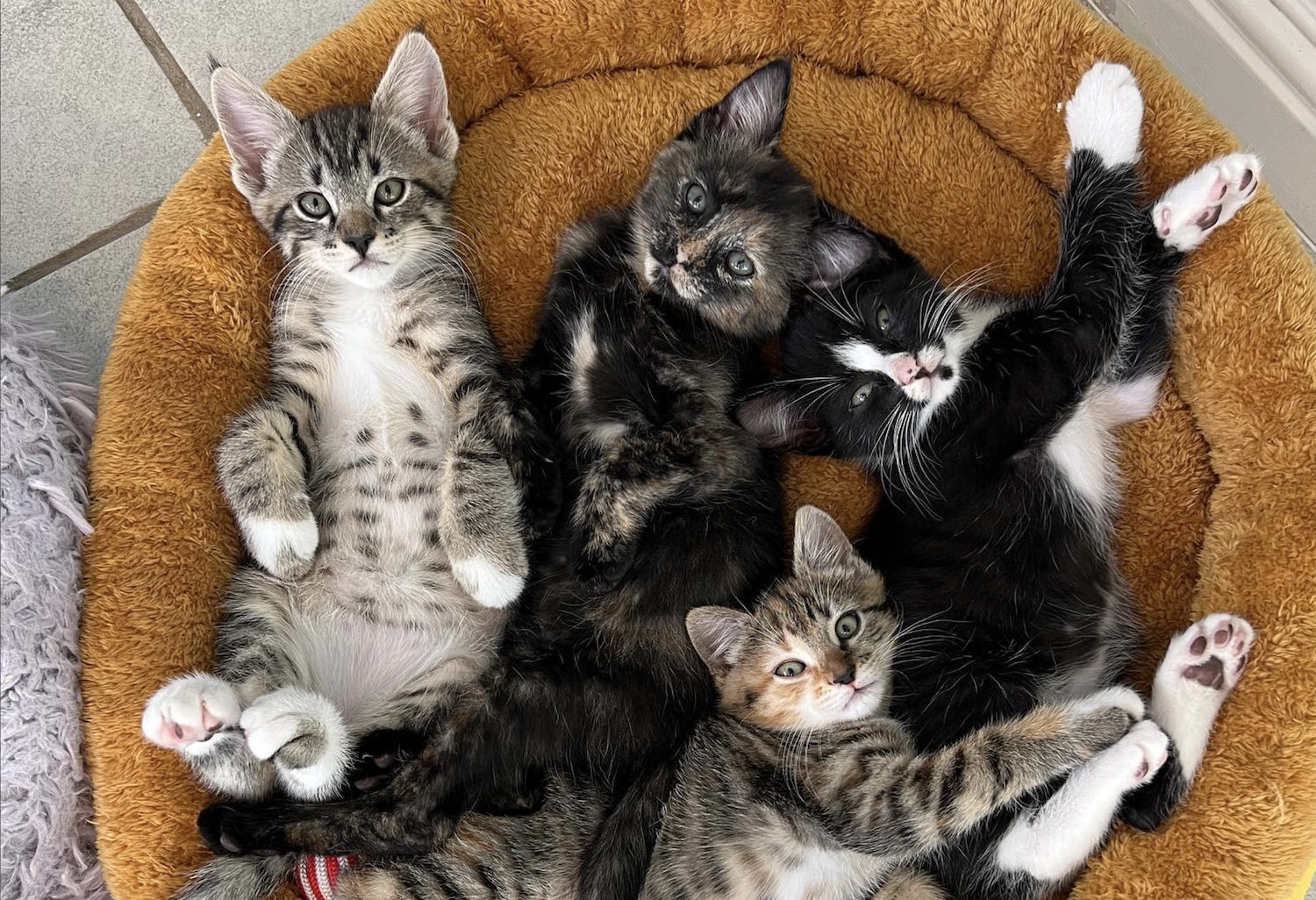
National statistics for 2025 show that, of all the cats dying in shelters, 58 percent are pre-adoption-age. “That’s because they can’t stay in the shelter overnight,” Shaw explains. “They’re dependent on around-the-clock care, and most shelters don’t provide that.”

If you’re shocked to hear that young kittens are often euthanized, you’re experiencing the same emotion that set Shaw on a new path. Seventeen years ago, after rescuing a neonatal kitten from a tree, she called a friend who worked at a shelter, only to learn that the little one likely wouldn’t make it there.
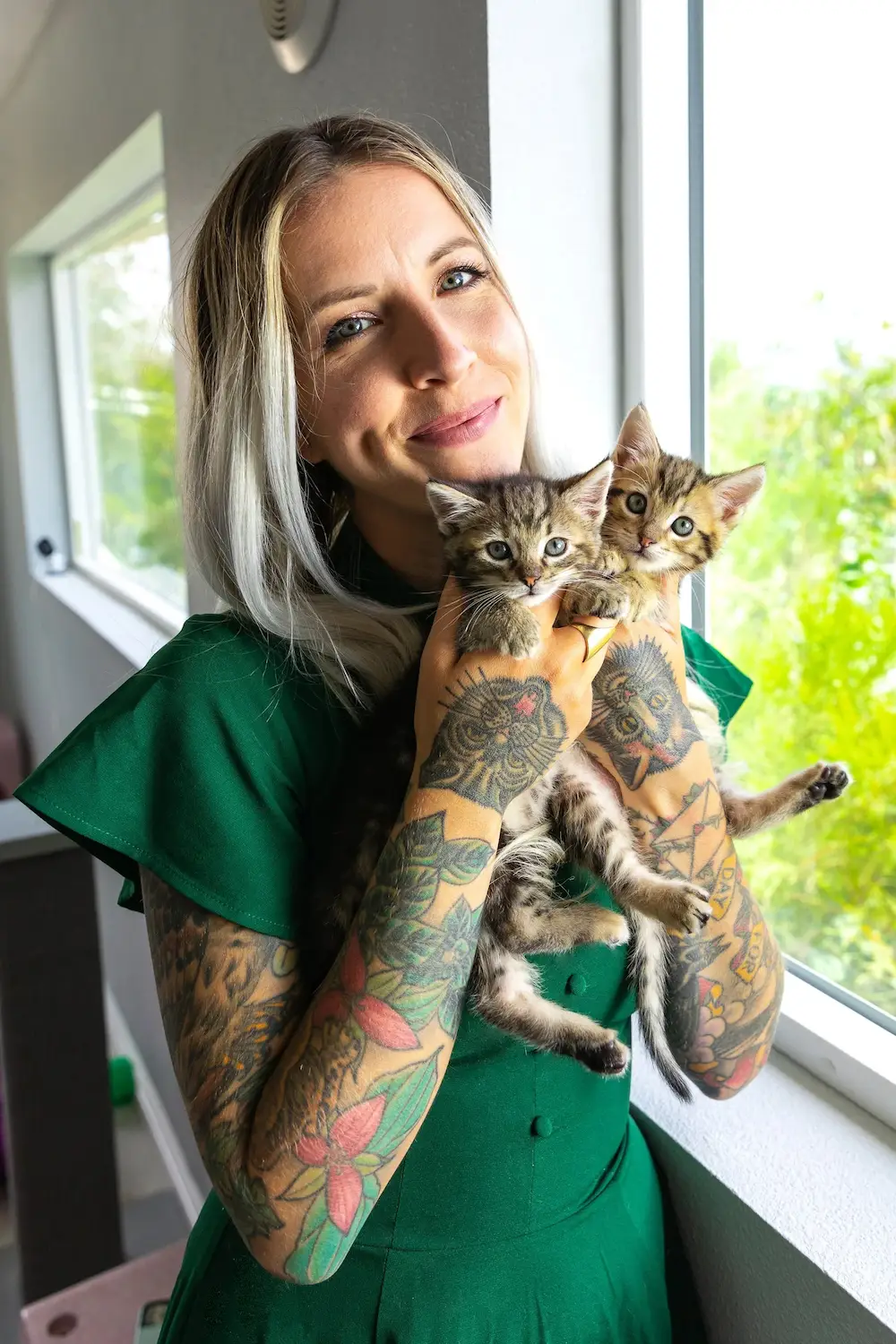
“I found it horrifying, and I ended up adopting her,” she recalls. “I started finding kittens everywhere and caring for them. People started calling me and saying, ‘Hey, are you that kitten lady?’”
A few years later, Shaw began developing relationships with shelters. At that time, foster programs didn’t exist in the way they do now, so her idea was to be able to take home neonates and raise them to adoption age, only to be bowled over by the sheer volume of kittens arriving on a near-daily basis.
“We have over one million of these kittens coming into shelters every year,” she says. “It was incredibly overwhelming. I couldn’t look away, but I also couldn’t do it all myself,” Shaw says. She started teaching everyone in her network to become fosters: friends, neighbors, colleagues of friends of friends.
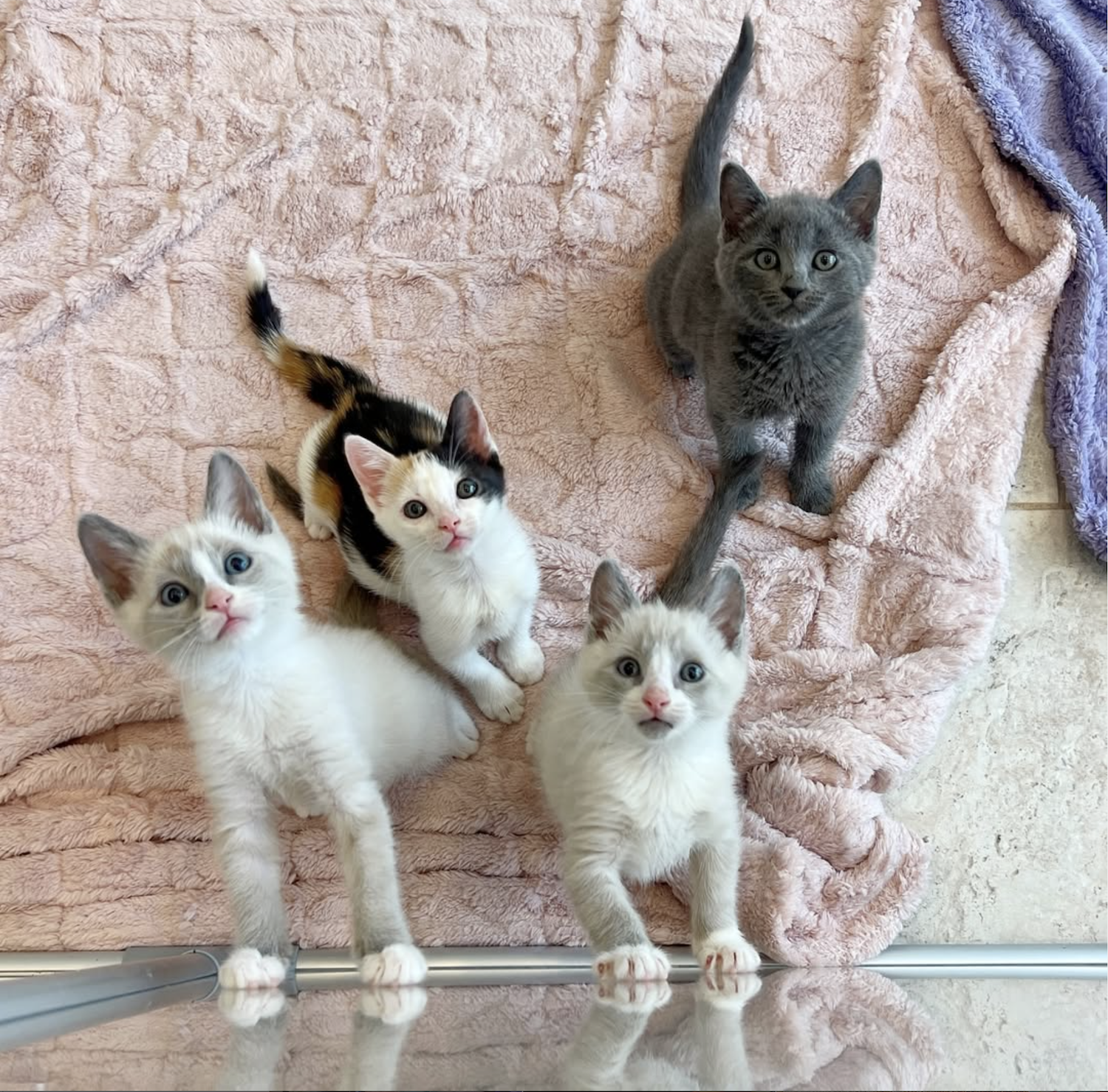
“Eventually, I was like, ‘Maybe I’ll make a couple little videos, so I don’t have to keep repeating myself,’” she adds. This was the early days of YouTube; it was little more than a video hosting site where Shaw could send a quick link to neonate newbies. Nevertheless, views started climbing—1,000, then 10,000—as strangers shared her content. “It was people just like me who found kittens and were realizing that the animal shelter couldn’t help them,” she says. “They wanted to care for them and needed to learn how to do that.”
Nowadays, Shaw’s online presence is enormous, with more than four million followers across all her channels. For a decade, saving kittens has been her full-time career: She speaks at conferences and other events, produces a massive volume of educational materials, and has written 11 books, all with the goal of making animal lovers aware of the huge problem these tiny cats face—and how they can help.
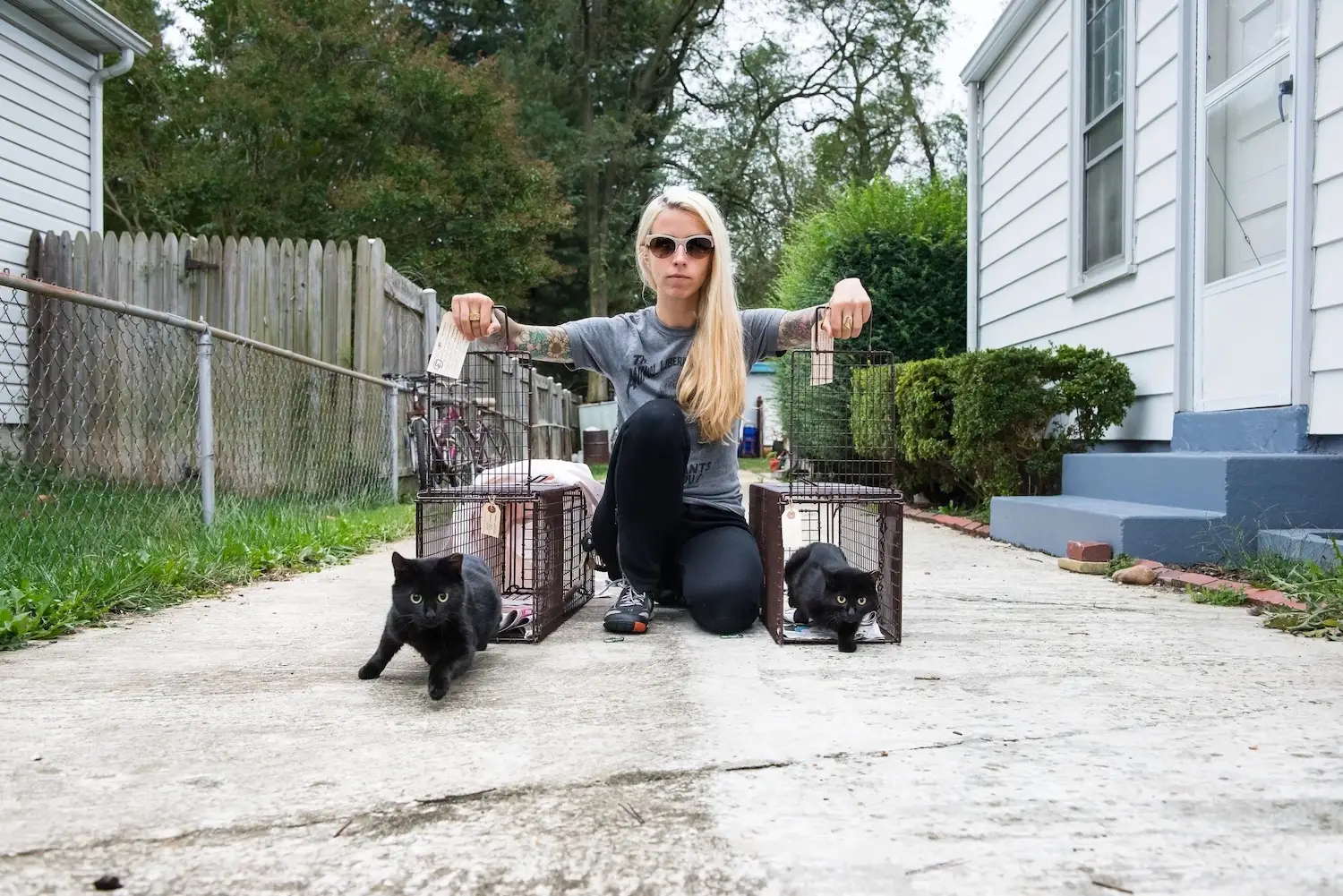
For the everyday person, that looks like working with local organizations including San Diego’s Feral Cat Coalition to trap, spay or neuter, and release strays (“community cats,” as Shaw calls them) to reduce the number of animals born each year. And, of course, the most direct way to save kitten lives is to foster. “Any of us can put some kittens in our bathroom for three weeks, and that could be the reason that they survive,” Shaw affirms.

In 2016, Shaw built another platform for supporting pre-adoption-age cats: Orphan Kitten Club, a nonprofit that turns donations into lifesaving programs, research, and grants. “If a shelter doesn’t have supplies, we fund supplies. If it doesn’t have a physical space [for neonate kittens], we fund a physical space,” she explains. “We even fund kitten-focused staff members.”
The club’s grants have provided surgeries for cats born with congenital defects or impacted by injuries—and inspired other shelters to perform the same operations on animals whose cases were previously considered hopeless. To date, the organization has given out over $4 million.
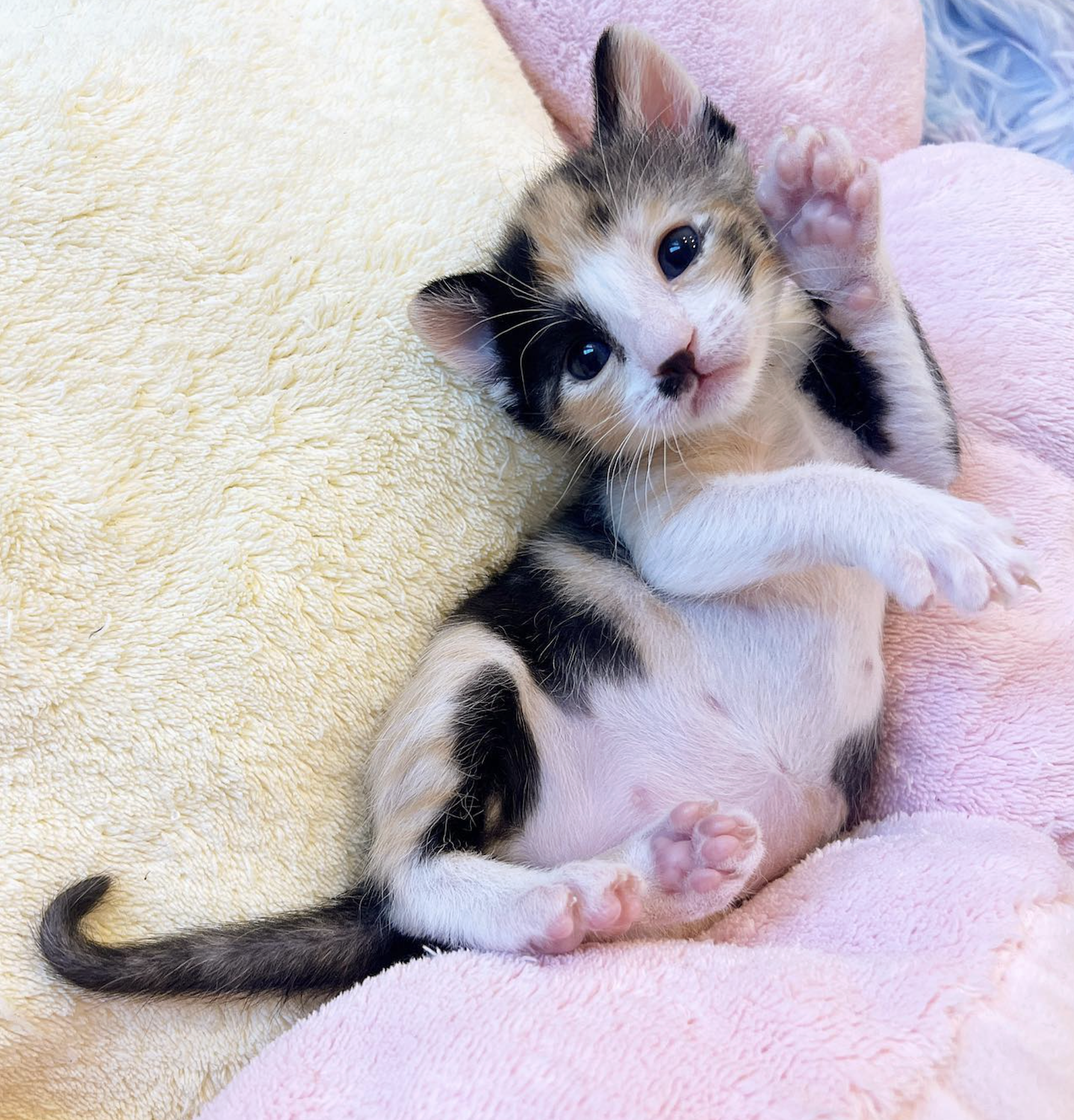
While the stats she shares are heartbreaking, Shaw’s socials also constantly highlight the stories of cats who got their second chance. There’s Avery, a tiny “tripod” who found love at first sight with her foster parent’s mom. And Freebie, who was saved after someone posted her in a “Buy Nothing” Facebook group when she was just three weeks old. And Maxine, who arrived at an SD shelter in a maxi pad box—her story went mega-viral, and now she’s inspiring people all over the country to take in babies just like her.
It helps that Shaw and Orphan Kitten Club tend to post some pretty gorgeous pictures of the kittens, thanks in part to Andrew “The Cat Photographer” Marttila, Shaw’s husband. The two met in 2016.
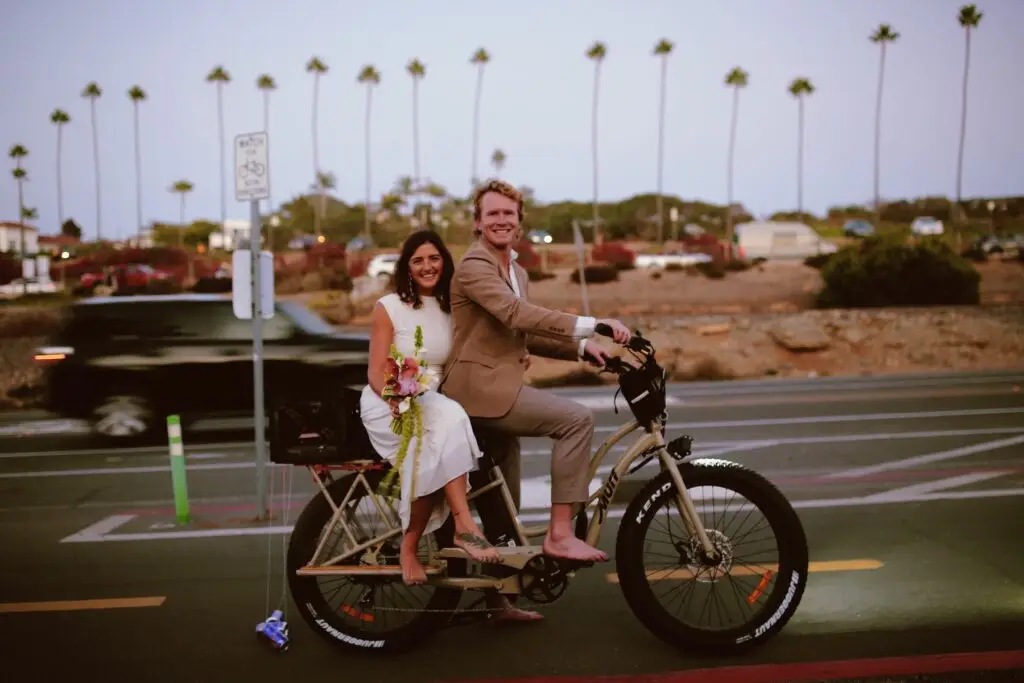
“A friend told me about his work—they said, ‘Oh, you gotta follow this guy’s Instagram; he’s a professional cat photographer.’ I was like, ‘That’s the craziest-sounding job ever, other than professional kitten educator,’” Shaw remembers. “We ended up arranging to do a photo shoot of some kittens. Now, we’ve been together for almost a decade.” Shaw and Marttila married in April 2023 at Farm Animal Refuge in Campo, where their rescue pig served as ringbearer.
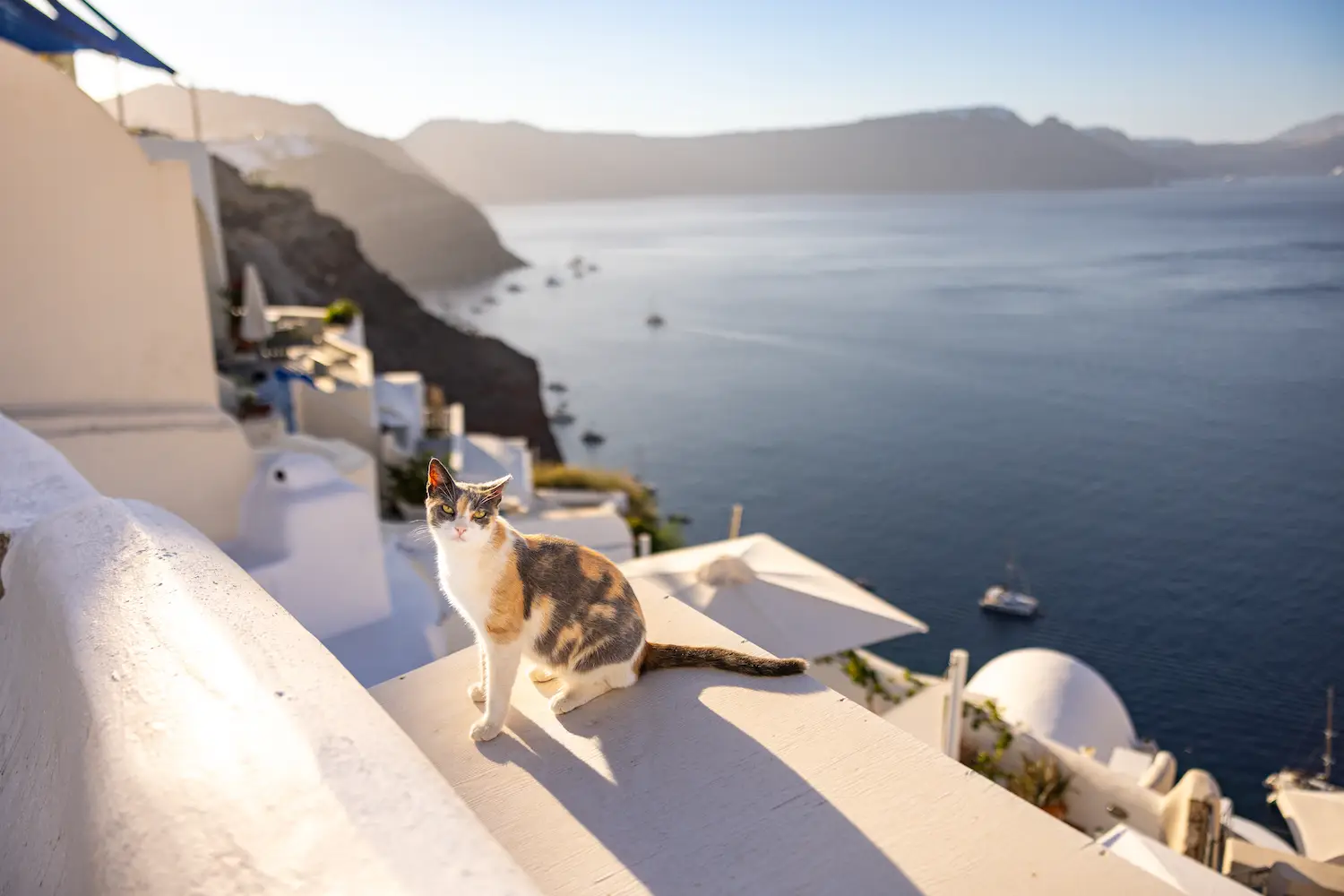
Recently, the couple got the opportunity to combine their talents for Cats of the World, their 2024 book featuring photos and tales of kitties from 30 countries. The project took several years to complete. “The most profound thing that I learned from it is that there’s really not a corner of the Earth that doesn’t have somebody taking compassionate action for animals,” Shaw says. “Even on the most remote island [or] rural part of the world—it doesn’t matter where you go; there are cats everywhere, and there are people being kind to cats.
I didn’t think I would find myself on the back of a motorcycle going around India with people who grew up really, really differently than I did, but who share this love of cats. There’s a softening that can happen when you realize that there are a lot of different ways to be a loving and compassionate person in the world.”
PARTNER CONTENT

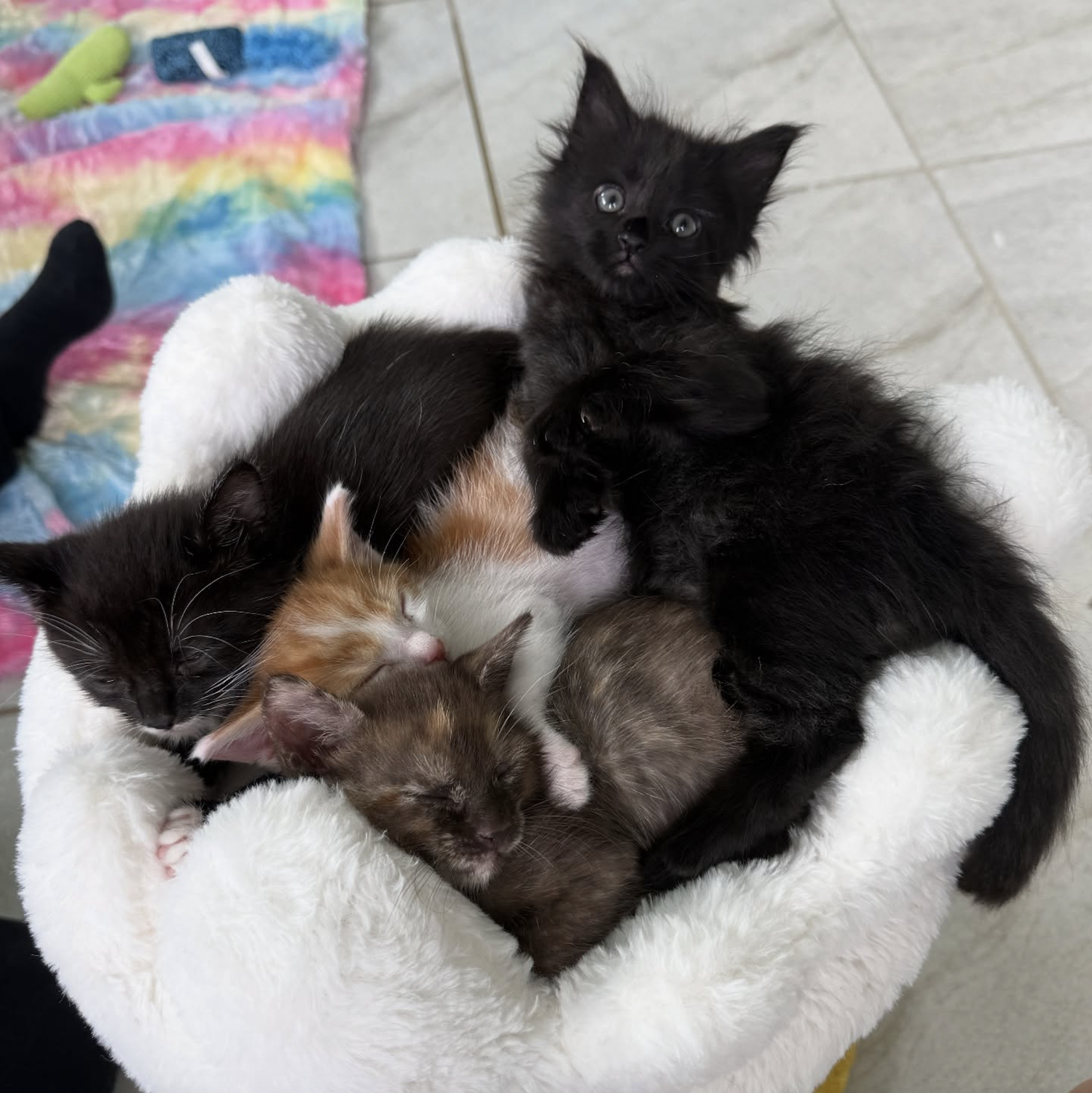
Shaw models many of those ways herself: In between traveling, filming, and running a nonprofit, she still somehow finds time to personally foster high-needs kittens, in addition to caring for her own six rescue pets. Orphan Kitten Club’s programs have impacted more than 88,000 cats.
“Each of these individuals is one in a million, but they’re also all one of a million, and I can’t personally put my hands on one million kittens. That’s the harder and heavier thing for me,” Shaw says. “But sadness is a motivator. We get to see these amazing transformations and know that every kitten has so much potential to be somebody’s best friend.”
