Featured articles
Food News
Food News
Food & Drink
Featured articles
Things to Do
Things to Do
Everything SD
Featured articles
Things to Do
Things to Do
Everything SD
Featured articles
podcast-ep
podcast-ep
podcast-ep
Featured articles
Food & Drink
Everything SD
Everything SD
Featured articles

Food News
Things to Do
Things to Do
Ready to know more about San Diego?
SubscribeReady to know more about San Diego?
Juneteenth is the official enslaved African independence day and recently became a federally recognized holiday.
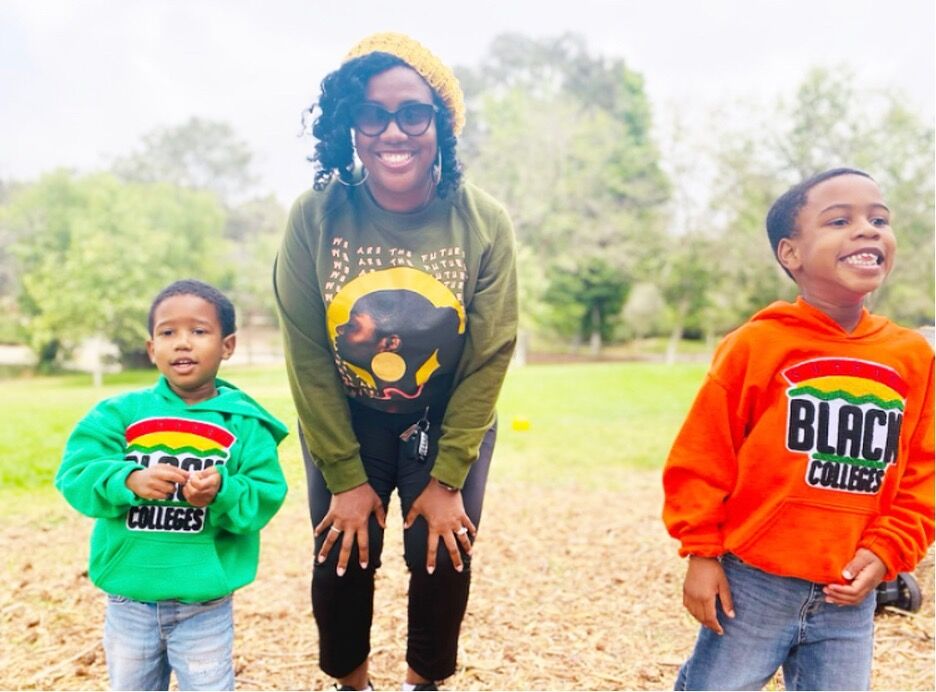
Kia Edwards and family.jpg
Our family is connected to Juneteenth. What an incredible source of pride, especially now.
Juneteenth is the official enslaved African independence day and recently became a federally recognized holiday. The effort—led by my husband’s late uncle, the honorable Al Edwards—has been a long-awaited victory.

Lincoln signed the Emancipation Proclamation in 1865, which announced the freedom of enslaved Africans in the U.S. It wasn’t until two years later, on June 19, that slaves in Galveston, Texas were made aware they had been freed. This is why African-Americans have been acknowledging and honoring it every year by organizing events that spur economic development for African-Americans, through cultural celebrations throughout the community, and just gathering with loved ones. It’s an honoring of those who not only fought for our freedom as African-Americans, but also sacrificed themselves to help build and develop this country.
Texas, where the story of Juneteenth originates in Galveston, was the first state to commemorate the date in 1980 thanks to the efforts of many (including uncle Al, who was then a Texas State Representative). By 2002, eight states followed. Four years later, it was up to 15 states. In 2021—41 years after its inception—Juneteenth was officially written into history and acknowledged as a federal holiday. It’s a crucial recognition.
For those wondering about the controversy surrounding Juneteenth, it’s a complex topic. But a lot of it has to do with the fact that many slave owners refused to follow the new order. Enslaved Africans, though officially freed by the government and now U.S. citizens, would not realize that until years later.
The idea that slavery ended on Juneteenth has been far from the reality of the Black experience in the United States. Inequality and workplace bias extends to areas like the healthcare and justice systems, lack of access to affordable housing and financial inclusivity, and the simple sharing of equal privileges of non-Black people.
But, back to the national holiday. This celebration of Black history and our heritage is long overdue. I’m grateful to have seen our country and specifically my home town of San Diego take an interest in our contributions by challenging businesses, politicians, educators, and influencers to be thoughtful in allyship. We should remember to leave marginalized communities better than how they were found.
Juneteenth is just a single day, but we can honor the spirit of it everyday life. Consider the intersectionality of Black people who also identify as LGBTQIA+ or disabled, who often experience discrimination for multiple aspects of their identity. Have the hard conversations at the dinner table. Denounce injustice and listen to learn from Black people’s stories. Find ways to add value to our community without being performative or financially opportunistic when honoring our culture. Support our efforts without looking for a return.
We have come far. But there is still so much to be done to equally share in the same American dream. The collective dream would really be something to celebrate.
To join in local celebrations and organized economic development events, follow organizations like the County of San Diego Black Chamber of Commerce, African American Association of County Employees (AAACE), the Malcolm X Library, San Diego Urban League, and Black San Diego.
Correction: An earlier version of this story made it sound as if June 19 was the date Lincoln signed the Emancipation Proclamation. It was not. June 19 was the day Union troops freed the last enslaved Black Americans in Texas nearly two years later.
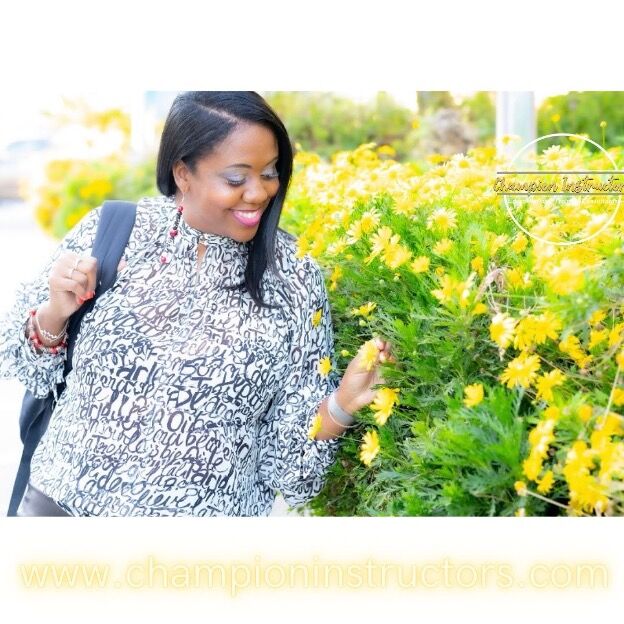
Kia Edwards.jpg
Kia Edwards is founder and CEO of Champion Instructors, a company that solves diverse educational and training needs virtually or in person. She is a humanitarian, activist, EDUpreneur, a wife, and a mother of two young boys.
Meeting new friends is a scary and sweaty venture—that’s where the city's social event planners come in
Walking into a room full of strangers isn’t high on the fun index for most. It’s inherently awkward: Everyone’s standing in closed-loop clusters, deep in conversation, and, depending on your social aptitude, the feeling is somewhere between light apprehension and burning alive from the inside out. The pull to retreat or reflexively look busy on your phone is stronger than the drink you now deeply crave. Having friends is nice, but making friends can be brutal.
There’s plenty of commentary on the loneliness epidemic. Last year, the American Psychiatric Association reported that one in three adults feel lonely at least once a week; those aged 18 to 34 are more likely to feel isolated and even more likely to turn to social media as a result. Dr. Vivek Murthy’s “My Parting Prescription for America” cautioned that “being socially disconnected increases our risk of heart disease, dementia, depression, anxiety, and premature death.” So it’s not just an emotional need; it’s nearly nutritional—chit-chat and the occasional wine-fueled, emotional deep-dive are just as important as Pilates and a reasonable amount of kale.
Finding social connections in any city is hard, but San Diego has very specific challenges. This is largely a transient population that acts as a temporary hotspot for many and a permanent home for few. Pick your reason: high rent, surreal gas prices, housing shortage, meh job opportunities (ranked 71st in the country in 2025), or the fact that active military is a sizable chunk of us (110,000-ish)—stationed here for a stretch, then gone. This constant flow of departees sucks out the potential for deeply established families and friend groups, leaving a good share of nomads, searchers, and plenty of people feeling socially awkward.
“There’s an underlying loneliness in all of us,” says Ramel Wallace, the host of monthly meetup CreativeMornings. “There are not a lot of San Diegans who are born and raised here, so [even those] San Diegans end up being just as lonely as the person who just got here.”

Every month, in local libraries, breweries, and small businesses, there are ambitious social architects who have made a career out of undoing social sads. Extroverted champions of the awkward and searching, they’ve struck gold on in-person connection.
The first moments in a social situation are crucial. Sets the tone and cools the nerves.
At Pitch-A-Friend, singles recruit their close friends to present a slideshow of their dating green flags. The entry points for connection at Pitch-A-Friend are simple, old tech: stickers. Each colored sticker indicates if the wearer is single or taken, queer or straight, or practicing ethical non-monogamy (in a partnership but open to others under a mutual understanding).
At the helm of each showcase is Arielle Fuller, aka Chief Wingwoman, who is making dating hopeful again. As Fuller explains, this takes some of the fear of rejection out of a first interaction. “Putting a sticker on immediately means, ‘I wanted to leave my house and talk to someone, and I am a safe space to come and speak to me,’” she says.
Of course, not all of San Diego’s events designed to make connections are romantic. On the last Friday of every month, hundreds gather at San Diego Central Library for the local chapter of CreativeMornings—an org formed to unite creatives in various cities across the world (designers, artists, writers, producers, performers, architects, etc.).

These aren’t your standard business card swaps, though. Coming from a hip-hop background, host Wallace uses call-and-response to break the fourth wall. “This is not my stage at all, this is our stage,” he says.
In your standard lecture-based meetup, the crowd silently faces the host and acknowledges nobody except those they came with. At CreativeMornings, everyone is encouraged to look around, pay attention to the strangers in the audience—not just the host. Wallace will pull volunteers to read the CM manifesto aloud, and he passes the mic to creatives, who make 30-second pitches to the community about projects they’re working on—and there’s always an invitation to connect and collaborate with the presenters whose ideas struck a chord.
The U.S. Chamber of Connection (yes it exists) says people experience life transitions nearly every year, and in these stretches are more open to forming new habits, relationships, and communities. In a revolving-door city like ours, the transition often comes when someone moves away. In 2023, the Census Bureau reported San Diego had the ninth-highest rates of domestic out-migration in the US.
This poses an issue for friendships that IRL SD addresses in monthly friend-making events called 619 Night.
“San Diego isn’t a place a lot of people stay forever,” says Alex Hunter, the creator of IRL SD. “They leave, and people [who stay] lose that community, so they’re hungry for community again.”
Their website describes the vibe as “backyard party meets college fair meets networking event meets happy hour.” Each follows a theme—wellness, sports, refresh and reset, etc.—with related community groups joining as well.
“The people I encounter are trying to get a fresh start in some capacity, so they’re more open, receptive, and ready to meet new friends,” Hunter says. “They need the circle.”

Another way adults can break out of this disconnection is to revert in unison, says artist Elisa Summiel-Bey. The 2015-ish adult coloring book moment in the US was based on some real science, with multiple studies finding coloring has a noticeable meditative and stress-release effect by taking the brain away from anxieties and mental inventories, and focusing it on a simple, easy art. Summiel-Bey’s company Illustrated Melanin throws “Color & Chill” events, turning that trend into a group exercise, along with live DJ sets, wellness experts doing sound baths, and food and drink from BIPOC-owned local businesses. “I tend to think of coloring as your way to tap back into your childlike play,” she says. “As adults, I think we’re almost scared to let loose and have that unabashed joy.”
All of these social meetups attract crowds of likeminded connection-seekers, but high attendance is not the only thing that matters. Metrics nuts can track RSVPs, but spreadsheets can’t capture intangible wins: friendships made, innovative ideas sparked, collaborations kicked off. At CreativeMornings, Wallace redefines ROI as Return On Imagination. Resounding success means thoughtful inquiries over coffee, curiosity about the monthly meeting themes, and requests to take the microphone.
A simple, observable ROI is an increased number of window shoppers to the experience—on the periphery, watching from afar, looking for the right way in. Hunter from IRL SD sees the anxiety in her DMs. “The scariest part for you right now is not meeting new friends: It’s the unknown,” she says. “It’s the gap between ‘I’m here’ and ‘That’s where I need to be.’ If I can help you understand, or get a little bit of a shape around that unknown, it’s much more approachable.”

Being able to bridge that gap, however, depends on your ability to step out of your own mind. “It’s not a connection crisis; it’s a courage and confidence crisis,” says Fuller. The first hello could be as easy as, “Hey, cool shirt.” These are the types of things she includes in her confidence lab reels on Instagram and weekly newsletters.
Ever left a social event and shot straight into a spiral? Was I being weird? Why did I tell that story? I hope that person moves to another state very soon.
The experts say that post-event self-interrogation is a standard-issue part of being alive.
“I love awkward people, and I love being awkward myself,” says Wallace. “It’s humbling to experience: ‘I’m not alone. Finally someone is not put together.’ So give yourself that grace.”
Jeannine Boisse (she/her) is a freelance writer and professional creative with a background in Radio & Television. Based in sunny San Diego, Jeannine spends her time exploring the city's vibrant brewery scene, cooking up new recipes in the kitchen, and connecting with new people.
As NASCAR lands in San Diego this weekend, a recently burgled dad is irregularly excited
My 15-year-old daughter tried to steal our car this week, so I’m ready to become a NASCAR dad. It would be appropriate discipline. We just relocated to a nice suburb within walking distance of her high school. The suburbs are like living in a Tesla commercial. I am pretty far from the wealthiest dad in this neighborhood (I am the least wealthy dad in this neighborhood), more than a few engineering degrees short of being in the running.
I’m fairly certain watching NASCAR is a violation of our HOA and a violation of my daughter’s emotional HOA. But NASCAR hits San Diego this weekend and I have a fever I’ve never felt before. I want to watch 111 drivers do dangerous things in cars and trucks on an active military base in the ocean. Since my lifelong exposure to NASCAR is limited to Talladega Nights and every single iteration of the movie Cars, I can only base my plan of attack on oafish stereotypes.
So while other neighbor dads are sizing bubble jackets for their golf simulators, I’m gonna grow a Ricky Bobby, run the extension cord for the TV out into the carport we share with six other condos, fill a cooler with a proper 80-20 split of Hamm’s and Mountain Dew, treat a lawn chair like an ADU, and spend a few hours yelling ohsheeeit as if it’s a single, nine-syllable word.
The quality parents in our neighborhood seem highly attuned to the sound of any vehicle breaching the 6 MPH threshold, so I should gather a crowd pretty fast. They may come over with strongly worded emails in their hearts, but one glimpse of Shane van Gisbergen and hometown hero Jimmy Johnson guzzling the last remaining drops of gasoline on the planet in a dazzling display of carmanship—they’ll join my NASCAR pop-up party.
By the time my daughter brings her friends over, we’ll have a real welcoming committee.
Because, like I said, my daughter tried to steal my car.
She wasn’t going to Mexico. But while Claire and I were off doing businessy stuff to afford my teen’s skincare rituals, she and a friend decided to teach themselves stick shift. She’s never driven a stick before. I’m not saying she has, but if she has driven a vehicle at all—it would have been done in a remote, abandoned parking lot where the only possible thing she could destroy was the concept of driving itself.
But a couple TikTok videos later, she and her friend felt a certain level of mastery had been achieved, and they gave it a go. They backed our VW Bug out of the garage with a series of stalls and transmission seizures, and managed to get it into the carport, attempting to do “donuts.” That’s when I got a call from a resident, who had taken an active interest in this experiment.
Which got me wondering about the power and might of vehicles. Turns out, even at carport speeds there exists a bit of potential fireworks. A garage door could become not a garage door anymore. At 145 MPH on Naval Base Coronado this weekend (don’t worry, they slow down to 100 MPH for turns), NASCAR drivers are essentially doorbell ditching gods. I didn’t register the temperature after my daughter’s trial run, but the track at NASCAR races usually hits a cool 130-150 degrees, enough to lightly sear some Nikes (the tires themselves hover in the 200 degree range).
And that is at least part of our fascination with NASCAR (the other fascination is the legendary pit parties, which either set humanity back a few evolutionary links, or advance it by the same amount of links). These drivers do something all of us do every day in a very efficient, boring way—drive a car—and take it to its extreme impulse. Grace and precision at the thunderous edge of shit going terribly wrong. Most of us have looked at San Diego home prices and felt a burning desire to see how fast our Honda Pilot could make it to our new home in Vegas. So NASCAR drivers are acting on our own wildest impulse.
Troy Johnson is the magazine’s award-winning food writer and humorist, and a long-standing expert on Food Network. His work has been featured on NatGeo, Travel Channel, NPR, and in Food Matters, a textbook of the best American food writing.
We asked 12 golf pros from across the county to choose the city's top holes to create the "Dream 18"
At the top of a golf swing, the world settles into a hush. Anyone within 50 yards kindly shuts up in reverence. Steady heartbeats tuck inside the sound of the wind. Time stands still.
Or—panic sets in, a thousand warnings from coaches and YouTube tutorials prattle through your brainpan. You wonder if a good walk prepares to be ruined.
On descent, the club rearranges air particles as it slices on a perfect or unwise line toward an earth so green, it seems like AI. The iron face meets the ball, and the satisfying or unsettling thwack echoes across the fairway like a nonviolent gunshot or a cry for help. Breath catches, curse words load in the prefrontal cortex. Eyes squint to follow the hard-to-see projectile zip majestically through the air or bounce lamely along the ground like a failed hurdler.
Sometimes it goes a couple hundred yards in the right direction, other times a couple yards into uncaring swamps. Golf’s beautiful and hard as hell.
Mindfulness and stillness reign over speed and might—which goes against most basal American instincts regarding sport. Its quiet, serene mocking of our human abilities is what brings so many of us to the life-long process of sharpening the skill. Because who hasn’t stared at the most beautiful parks and lawns in the world and said, “How can I turn this into a game and win it?”
Luckily, San Diego has an abundance of courses to improve and curate self-doubt. The county is home to over 70 courses that attract the top golfers in the country. Some of the biggest names in the sport—Callaway, TaylorMade, Cobra, Titleist, Odyssey, Honma—are based here. Perfect weather never hurts. But San Diego golf courses also promise a smorgasbord of terrains: rocky canyons, hot deserts, and lush greens overlooking the expanse of the Pacific Ocean.
If you could take the 1,300-ish holes around San Diego and pick the very best ones to create your ultimate course, which would they be? We asked some of the top golf pros in the county to do just that. The result? San Diego’s Dream 18. Think fantasy football but for golf.
Just like any great course, our Dream 18 includes four par 3s, 10 par 4s, and four par 5s—everything from tricky dog legs and psychological tee shots to just pretty, pretty views. Once we had our list, we either asked the head golf pro what makes a hole so special, or other pros spoke on its behalf. Go ahead, tell us what we missed.

“One of the most iconic par 3s on the West Coast. The cliffside setting above the Pacific and the constant ocean breeze make it both beautiful and demanding.”
—Anthony Valverde, Director of Golf, The Crosby Club at Rancho Santa Fe
“It’s a downhill par 3 over water with a great view from the tee down to the green. It’s surrounded by bunkers as well, so it almost feels like an island green even though it’s not. What’s really cool is once you drive to the next hole, if you look back on No. 14, it’s a great view as well. One of the signature holes [at Santaluz].”
—Josh Rider, Head Golf Pro, The Santaluz Club
Hole 15
“Hole 15 is widely considered one of the best and most memorable holes on the course. At about 250 yards, it’s a long downhill with multiple tiers and panoramic views into the valley. It looks intimidating at first, but there are lots of recovery contours and the green is fairly large.”
—Editor’s Choice
“Sitting high above the green with views of the Pacific Ocean, this dramatically downhill par 3 requires the perfect club selection.”
—Mike Mulford, Director of Golf, Omni La Costa

“While it’s beautiful with the backdrop of the Batiquitos Lagoon and the Pacific Ocean, this finishing hole demands both precision and nerve. The water guarding the right side and fairway bunkers ahead create a visually striking, strategic tee shot, while the expansive green rewards a confident, well-placed approach. If you can make a par on this hole, you’ve played it very well.”
—Renny Brown, Director of Golf, Aviara Golf Club
“The 18th hole at Del Mar CC is a demanding par 4 with an elevated tee box. Water guards the right side of the green, and a player must hit a precise shot into this green.”
—Renny Brown, Director of Golf, Aviara Golf Club
“It’s a difficult 428-yard par 4 playing into the predominant west wind. The hole is post-renovation and the vegetation was trimmed back, so now it exposes a penalty on the right. It’s uncomfy at the tee but a good challenge. Plus, it’s the No. 1 handicap for [all players].”
—Chris Lungo, Head Golf Pro, Rancho Santa Fe Golf Club
Lili Kim is a content coordinator and writer for San Diego Magazine, with experience highlighting local businesses and communities. When not writing or shooting film, she is likely brewing her seventh cup of tea of the day or strolling along Sunset Cliffs.
Stake Chophouse & Bar brings contemporary classics and old-school service to the heart of Coronado
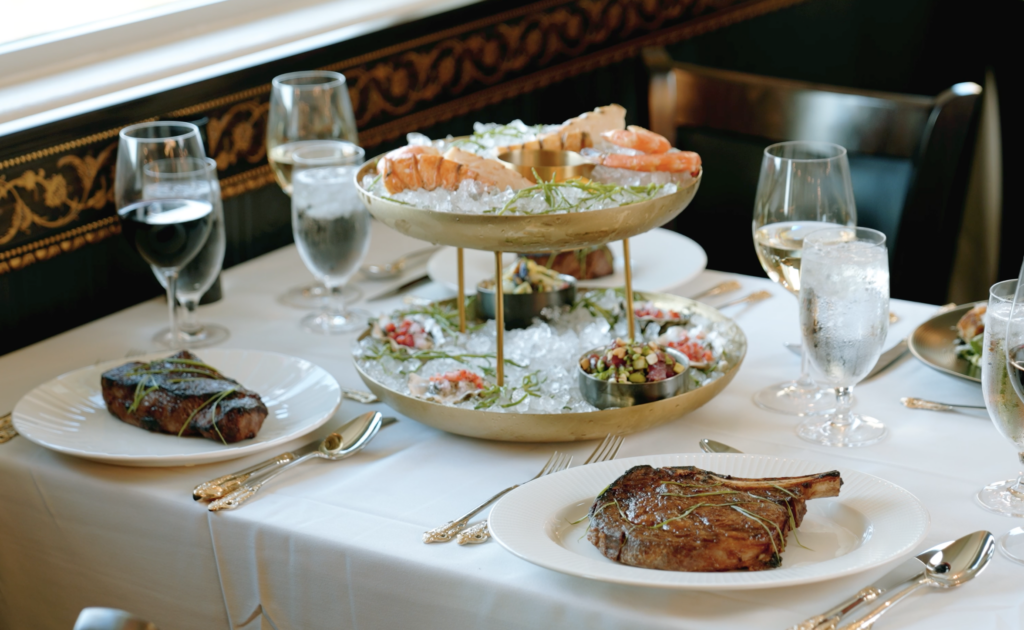
Stake Chophouse & Bar isn’t your average steakhouse. Blue Bridge Hospitality’s Coronado outpost is a modern interpretation of a big-city steakhouse nestled in the heart of the small coastal community. The team at Stake has reimagined the whole steakhouse experience. By prioritizing a seasonal farm-to-table sourcing philosophy, a personalized guest experience, and unique service touches, like a formal steak presentation and a bespoke knife selection process, Stake distinguishes itself in a sea of steakhouses.
Exceptional steaks, including Wagyu from Japan, Australia, and the U.S., and fresh seafood flown in daily form the core of Stake’s culinary identity. The menu features a five-course omakase-style steak experience highlighting house favorites, plus an array of cuts, and classic steakhouse staples—think a wedge salad, baked potato, or pasta carbonara—refined for a contemporary palate without losing their traditional appeal. Stake focuses on seasonal sourcing from the region’s best family farms and specialty purveyors, and incorporates intentionally unexpected touches to create something truly unique.
“I challenge our chefs and myself to take it a step further in sourcing,” says Chef Ronnie Schwandt. “It’s important to us to highlight different farms, unique one-off farms—whether it’s cattle, strawberries, a local fisherman or from anywhere in the United States, we’re always trying to find that niche.”
Beyond the menu, Stake emphasizes outstanding service, says Vinny Spatafore, Director of Hospitality Operations. Staff maintains detailed notes, allowing them to remember guests by name, recall previous orders such as a favorite martini (also memorable for the customer since it’s served in an extra tall, distinctly-shaped glass), and celebrate special occasions like birthdays and anniversaries.
“When you have those points of topic that you remember about a guest, they appreciate that,” he says. “Our servers are really good with that—we have a couple servers who have been here since the beginning and they’ll remember somebody from years ago, their name, their kids’ names, where they live. I’m really thankful to have a great front of house staff.”
Award-winning wines, rare whiskeys, special events, and a complementary black car service that provides transportation for guests throughout Coronado add to Stake’s appeal.
Schwandt stresses that Stake offers more than a meal; they aim to give patrons something unforgettable.
“It starts when you walk up the stairs and are greeted by the hostess—that sets the tone for the night. Then you’re greeted by a server, who may know you by name, and can guide you through the menu and curate as they get to know you,” says Schwandt. “Most people leave kind of blown away; they leave feeling like they just had an experience. That’s the goal, right? Whether you’re serving smash burgers or high-end steak, you want somebody to leave thinking, Wow, that was awesome.”
A very human, very local, non-AI, actually experienced, sometimes weird, oddly specific list of awesome things to do in San Diego
As editors of a regional magazine, we often get asked: What are the best things to do in San Diego? While that answer often involves our favorite taco spot, a definitive ranking of each neighborhood with age-specific notes (head to PB if you’re under 25, grab drinks in Del Mar if you’re over 35), and which surf breaks are friendly to visitors, we figured it’s high time to memorialize our handpicked recs. Below are 101 very human, very local, non-AI, actually experienced, sometimes weird, oddly specific things to do in San Diego.
Experience world-famous surf breaks, authentic Mexican food, and laid-back vibes in this beach town just five miles from the border.
Imperial Beach may not yet be in the echelons of Malibu or Newport when it comes to tourist-beckoning beach cities, but the southwestern-most town in the United States is working to get there. “Imperial Beach is primed and ready for change,” says chamber of commerce president Sandi Crosby, who has lived in Imperial Beach for 20 years.
While IB is in the process of reinventing itself as a destination city, it’s always lived up to its moniker with sea-centric activities: wide sandy beaches, the Outdoor Surfboard Museum (featuring Surfhenge, an iconic public sculpture that resembles four, massive colorful boards), the traditional 1,500-foot wooden pier, Bayshore Bikeway, the Tijuana Estuary (a great place for shorebird-spotting), epic Pacific sunsets, world-famous surf breaks.
But the ability to safely enjoy those breaks (or any of the coastline) has been IB’s biggest hurdle. Pollution-related beach shutdowns plague the city, often for weeks at a time, due to sewage contamination in the Tijuana River. There is hope: In 2024, the federal government committed $650 million to clean up the Tijuana River Valley, and a 2025 agreement with Mexico addresses plans for wastewater infrastructure in Tijuana. Lawmakers like Supervisor Paloma Aguirre and State Senator Steve Padilla are introducing legislation to distribute air purifiers, regulate factory-created pollution, and remove infrastructure contributing to airborne toxins. Former mayor Serge Dedina founded the conservation-focused nonprofit WildCoast to protect the biodiverse wetland habitat surrounding IB, and community members continue to raise their voices for pollution remediation.
And it’s still a wonderful place to explore. Exit the 5 at Palm Avenue, head west, and turn south on Seacoast Drive to find the heart of the city. Staycation at Pier South Resort, wander through a tchotchke-filled gift shop, linger over a bowl of clam chowder at Brigantine Seafood & Oyster Bar, peruse public art. Get ice cream at Cow-A-Bunga and walk out on the pier for a classic IB experience. You can’t miss the view of Islas Los Coronados and Playas de Tijuana.


“A lot is new in Imperial Beach in the past five or six years, and some of my favorite places aren’t there anymore,” says Charlie Knowles, who grew up in IB and now co-owns the Portuguese café Bica on Adams Avenue in Normal Heights. But many of his old haunts remain, like IB Forum Sports Bar & Grill, where you can get a cold local beer and a burger on a hot day. “The Philly cheesesteaks are also really good,” Knowles adds, and Crosby says the wings and salads are just as tasty as the burgers.
Opened in the ’60s, IB’s oldest bar, Ye Olde Plank Inn, is a “good old dive,” Knowles says. Just steps from the sand at the corner of Palm Avenue and Ocean Lane, it’s the place with the pirate on top. “And I don’t think [many] people know that there’s a new restaurant attached to it, Plank Cantina,” Crosby points out.
Like any city worth its salt in San Diego, there’s no shortage of quality tacos in IB. Knowles goes to Victoria’s Mexican Food on the corner of Coronado Avenue and Saturn Boulevard for reliably delicious tacos of all varieties, Baja Oyster and Sushi Bar across the street for the fish version, and Ed Fernandez down the block for birria.

“Trident Coffee is one of the new places,” Knowles says. At the end of 13th Street, where it meets the bay and the Otay River, Trident rewards early risers with colorful dawn vistas—and it’s right off the Bayshore Bikeway for a quick caffeine boost during your ride.
Another new(ish) spot with dreamy ocean views any time of day is Sammy’s Woodfired Pizza and Grill at Pier South Resort. “That’s where I go for girl lunch: Caesar salad, fries, and wine,” Crosby laughs.
Off the beaten track on 13th Street, she adds, recently opened restaurants bring new experiences to IB—like Millport, which offers curated dining events and gluten- free pastries, and Mangini’s Pizzeria, which serves artisan pizza. Once you venture away from the shore, you can also find local staples like El Tapatio and Star Dust Donut Shop on Palm Avenue, both family-owned and thriving for 40 years or more.

More beachy fun is coming to Portwood Pier Plaza. Expected in late 2026, a new splashpad will also include fresh landscaping, lighting, artwork, and seating.
Residents and visitors can also look forward to the potential comeback of Imperial Beach’s claim to fame: the Sun & Sea Festival, featuring the world-renowned sandcastle competition. “It depends on funding, so we’re really hoping the public comes through with donations,” Crosby says.
New events are also on IB’s calendar, Crosby adds, like “female founder” gatherings sponsored by the chamber of commerce for women in business, as well as the IB Expo and Tasting Tour that takes place Father’s Day weekend to coincide with the first-time arrival of a NASCAR race in Coronado (the 3.4-mile street race is expected to summon tens of thousands of spectators).
Crosby is excited to see what kinds of businesses will move into empty spots along Seacoast Drive, and she is encouraged by the recent arrival of unique shops like upscale stationery boutique Crafty Paper Co. SunCoast Market, opened in summer 2025, is another fresh concept for the city—a co-op grocery store offering San Diego–grown produce, locally prepared and packaged food, and more organic choices.
Through the decades, Imperial Beach has maintained a reputation as one of San Diego’s more budget-friendly beach towns. But recent years brought precipitous hikes in housing costs, mostly driven up by investors buying and renting out existing units, lack of affordability in other parts of San Diego, and a dearth of economical housing units under construction in IB. So, it’s big news that a new multi-family development with affordable units is coming to Holly Avenue and 14th Street, complete with a public park and green space—the first of its kind in the area.
“Resiliency is on the rise,” Crosby says. “There’s a general consensus that we’re working toward something better.”
Leorah Gavidor won her first essay contest at age 5. She writes features, news, and non-fiction in San Diego.
The 53rd Annual National Philanthropy Day Takes Place on November 21. Join us from 11:00 a.m. – 1:30 p.m. at the new Gaylord Pacific Resort & Convention Center!
Once yearly, AFP San Diego joins with others worldwide to celebrate National Philanthropy Day (NPD), a special day set aside to recognize the great contributions of donors and nonprofits that enrich of our community and the world. San Diego’s NPD is one of the largest and most successful in the U.S., attracting nearly 900 participants, including philanthropists, nonprofit leaders, CEOs, board members, development professionals, and business, community, and civic leaders.
Sponsorship proceeds from National Philanthropy Day are reinvested in education, training, scholarships, career development, and the advancement of fundraising professionals throughout San Diego. These resources and training provide fundraising professionals with the tools necessary to support our region’s diverse array of nonprofit organizations, which rely on charitable giving for close to half of their annual revenues.
The National Philanthropy Day Honorees are selected by the NPD Honorary Committee, a group of highly respected, diverse nonprofit and business leaders. Our 2025 Honorees include:
National Philanthropy Day San Diego provides an opportunity to reflect on the meaning of giving and to celebrate the selfless contributions of individuals and organizations across the region. We look forward to celebrating with you!
Sponsorship opportunities and individual tickets are available. Please visit www.afpsd.org for more information.