











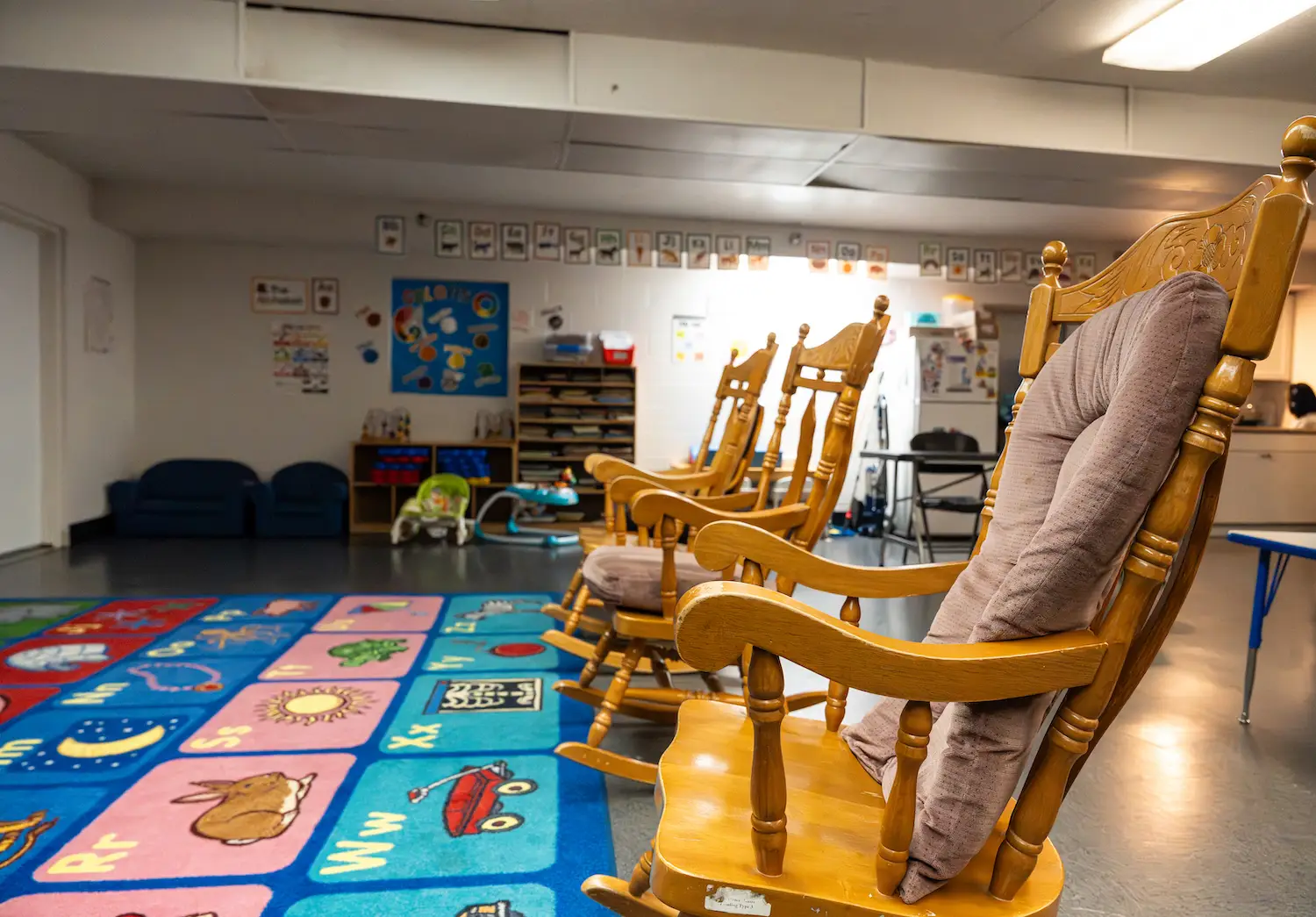

It’s an in-between moment at the Kiva Learning Center for Women and Children in Lemon Grove. The banana-yellow slide of a small jungle gym brightens up the misty day outside, waiting for the charming bedlam of kids set loose to play. In the doorway of the center’s onsite daycare, a mom calls her children’s names, and they come tumbling out to join her. Operations Manager Michelle DeForrest studies a rainbow of small handprints, each marked with a name and date, on the wall just outside.
“I’d wanted to do this for a long time,” she says. “It’s what this program stands for.”
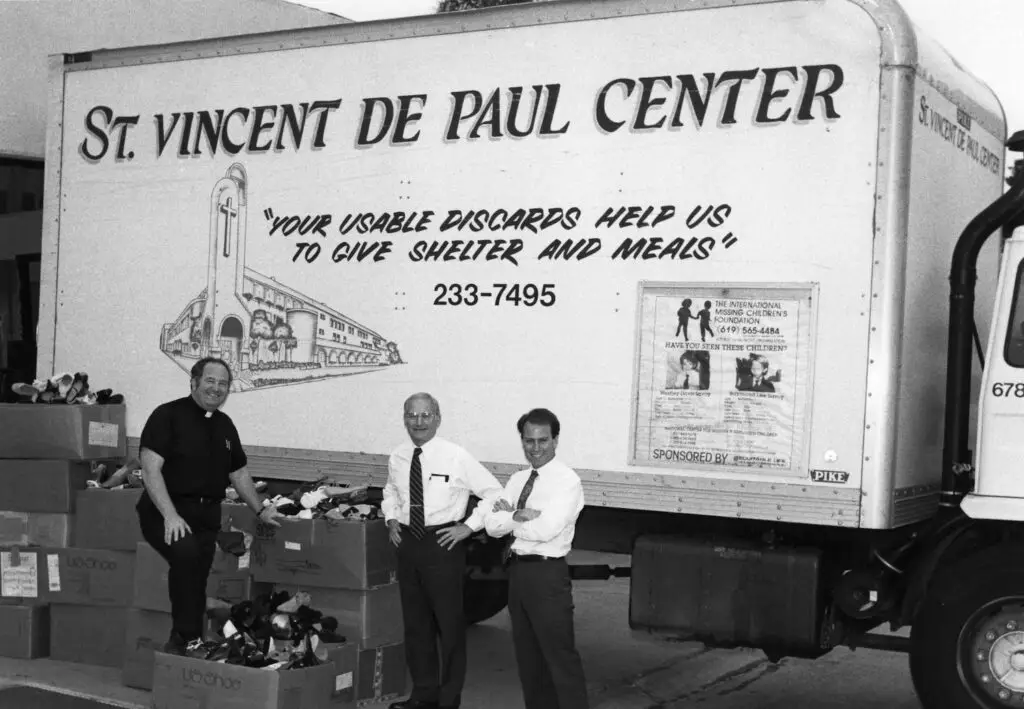
In 1981, Jeanne McAlister asked a question that would change thousands of lives: What are the barriers women struggling with addiction face when seeking treatment?

One of the biggest: There were very, very few recovery centers that let women stay with their kids. So, McAlister created Kiva, the county’s first treatment facility to do just that. “Being able to have kids up to 12 years old come here, where they’re able to go to school [and access] childcare onsite, it’s just been a beautiful thing,” DeForrest says. The center accommodates up to 25 children at any given time.
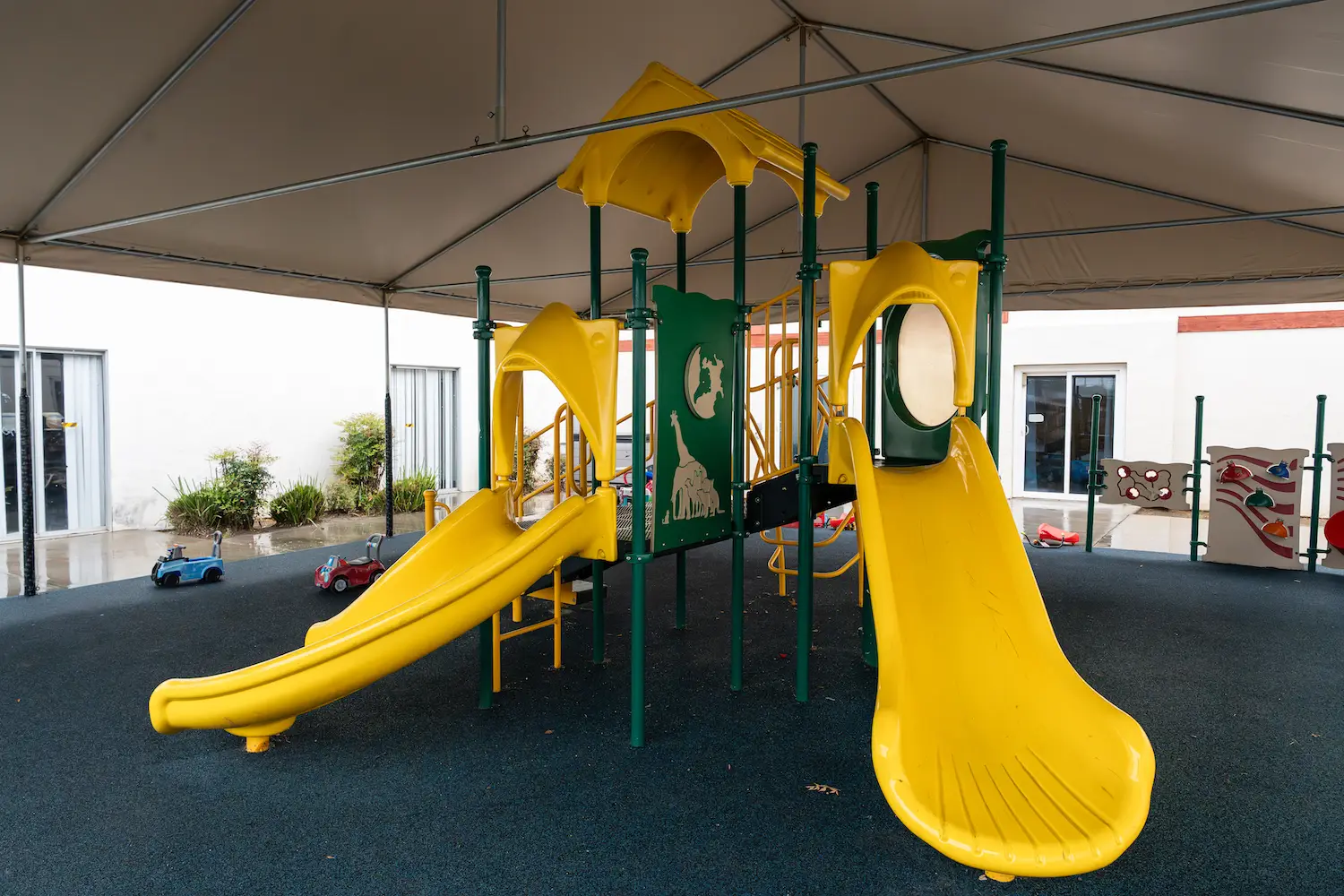
Founded in 1977, the McAlister Institute has 23 other recovery-related programs, but Kiva is especially focused on the unique needs and challenges of women. In addition to a daycare, there’s a donor-funded “bonding room” where new mothers can be alone with their babies for the first few weeks of life. Vocational training creates employment opportunities for residents who may have never worked before.

“Parenting skills are a big part of the program,” DeForrest explains. “We have case managers that help connect [clients] with a primary care physician and a mental health [provider]. We offer education groups that help clients understand addiction, as well as closed, private groups where we [discuss] seeking safety [from domestic] violence, overcoming grief and loss. We get to help deal with some of these core issues of why women use to begin with.”
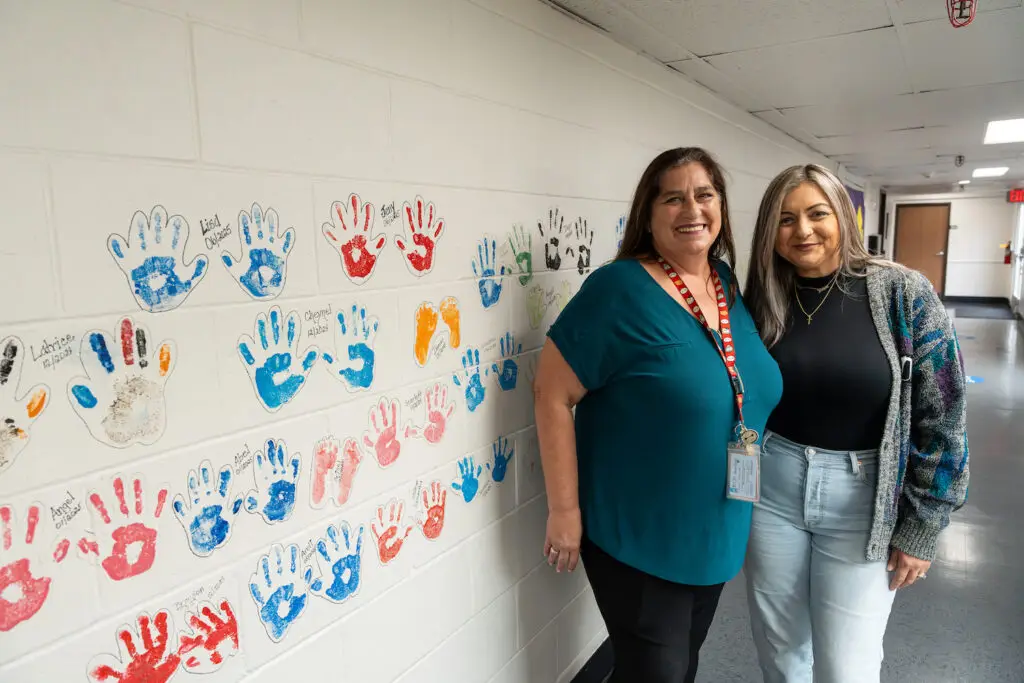
Operations Manager Michelle DeForrest (left) and former Kiva client Brittany Brooks.
DeForrest understands clients’ experiences intimately, since she, like many McAlister Institute staff members, is a graduate herself.
“The minute I walked in that door [at Kiva], something was different,” she recalls. “I was done, I was tired, and I was ready. And I remember looking out at the women going, ‘Holy shit.’ Because it is very, very overwhelming when you’re so broken, and you walk into this room full of women, and they’re laughing. They’re smiling. There are kids playing; they’re having a warm meal. I remember feeling ready to just turn and run, and there was this one lady that smiled at me and said, ‘Come eat with me.’ And that made the difference.”
Her ability to relate to what residents are going through has made a similar impact for people like Brittany Brooks, who entered the facility after DeForrest had recovered and become a counselor. “I was in a relationship with somebody that had previous addiction problems, and so I got introduced to that life that way, and shortly after became pregnant with my first son,” Brooks remembers. “I had to fight with wanting to use and also wanting to be a mom, which is something that I always dreamed of doing.”
Years of challenges followed. She was in and out of Kiva, struggling to maintain custody of her son. “Although I didn’t stay clean that [first] time, that was where the seed was planted,” she adds. At the start of the pandemic, Brooks developed a blood infection from IV drug use. It turned into sepsis, and she had to have emergency open-heart surgery.
Through the pain, she wondered, “‘What happens to my son if I’m gone?’” she says. “I started going back to meetings. I started reconnecting with the people that once helped me save my life, and I just never looked back.” Brooks had another child and, after managing two supermarkets, is in the process of opening her own. She celebrated five years of sobriety on October 2.
“I was able to do that because I learned so many tools here,” she adds. “This is so much more than just a rehab. You learn how to live life, you know? There are people that have walked the same struggles as you and come out the other side, and that gives you hope.”
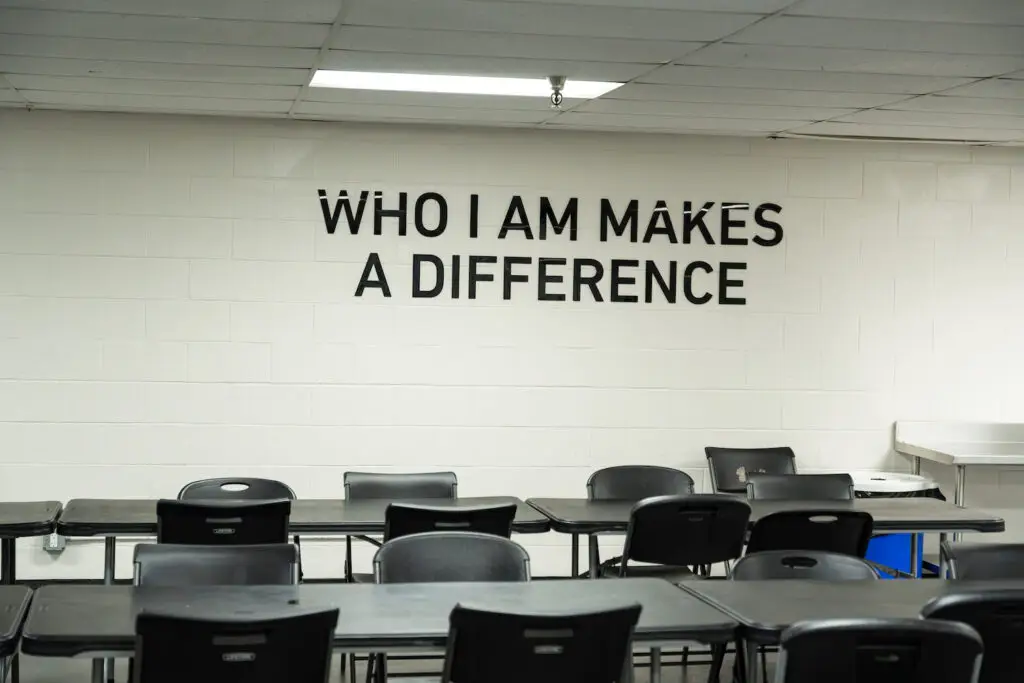
Residents gather for meals and groups under this powerful reminder of their worth.
Residents at Kiva often begin their stay in the nine-bed detox center, which is exclusive to women to ensure trauma related to sharing space with men doesn’t impact the clients’ healing. Afterward, they move on to the 111-bed main facility, where they pass their days attending groups; adjusting to employment in roles like kitchen and laundry service or at the front desk; and, if they have their kids onsite, spending lunchtime and evenings with their little ones. It’s a 30- to 90-day program, but clients can request a 30-day extension as needed.
PARTNER CONTENT

In the dining room, a wall of big block letters reads, WHO I AM MAKES A DIFFERENCE. Here, that belief starts small: When you work in the kitchen, Michelle explains, you realize, “‘If I don’t show up for my shift, they don’t get their coffee. And if they don’t get their coffee, we have a house full of cranky women.’ You start seeing those little things, and then you start feeling like you matter. And then you have purpose. And when you have purpose, you fight longer and harder.”
