
Featured articles
Featured articles
Featured articles
What's next
Featured articles
Featured articles
Featured articles
Ready to know more about San Diego?
SubscribeReady to know more about San Diego?
Photographer Ariana Drehsler captures life on the Tijuana side of this park that straddles two nations
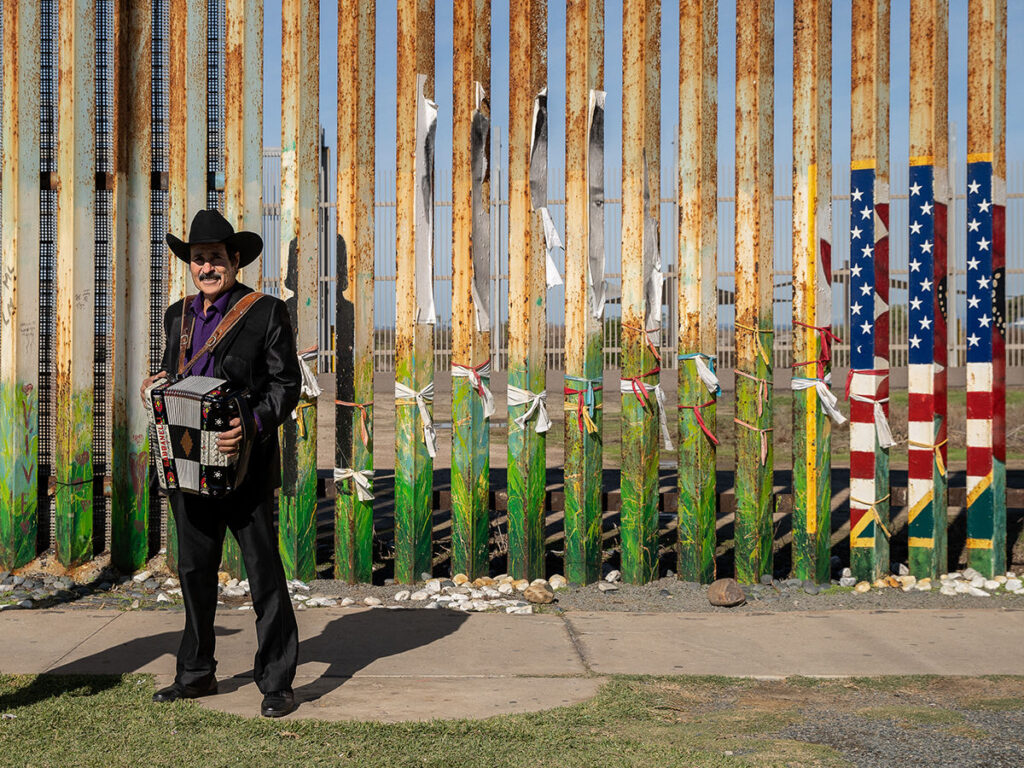
Just 20 miles south of downtown San Diego, there’s a park that overlooks where the sand starts to disappear into the Pacific Ocean—and where the US border fence does the same. Straddling the US-Mexico border, this half acre is known as Friendship Park in San Diego, Parque de la Amistad in Tijuana, and it serves as both a gathering place and a dividing line between two nations. During one afternoon on the Mexican side, we met some of the regulars, as well as those who’d traveled far and wide to be there.
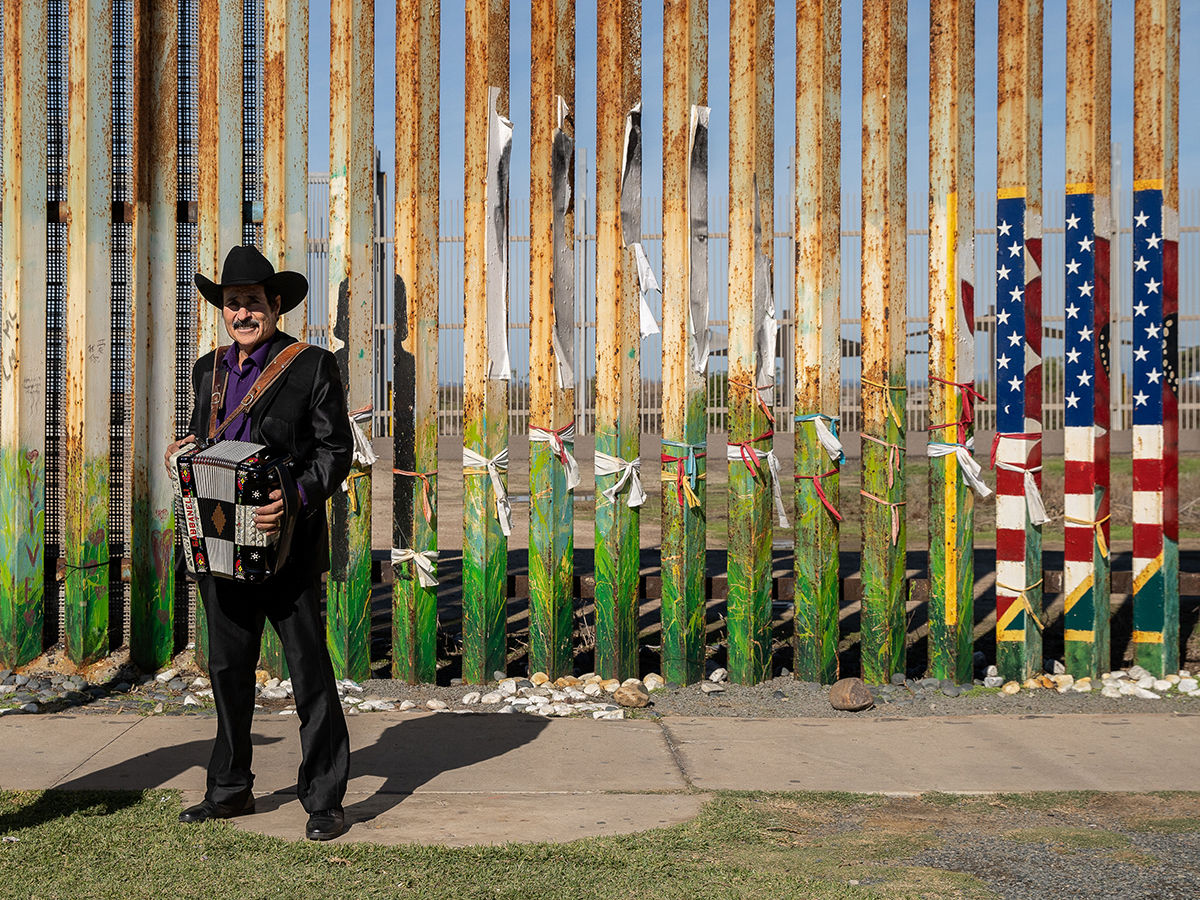
Friendship Park — The Accordion Player
Ariana Drehsler
Musician José Luis Rodriguez lives in Chula Vista. He’s been playing the accordion for 20 years and occasionally travels to Miami and Los Angeles to perform with his band, José Luis y Los Amos del Norte. He doesn’t go to Tijuana often, but decided to visit today to see what was happening at the park.
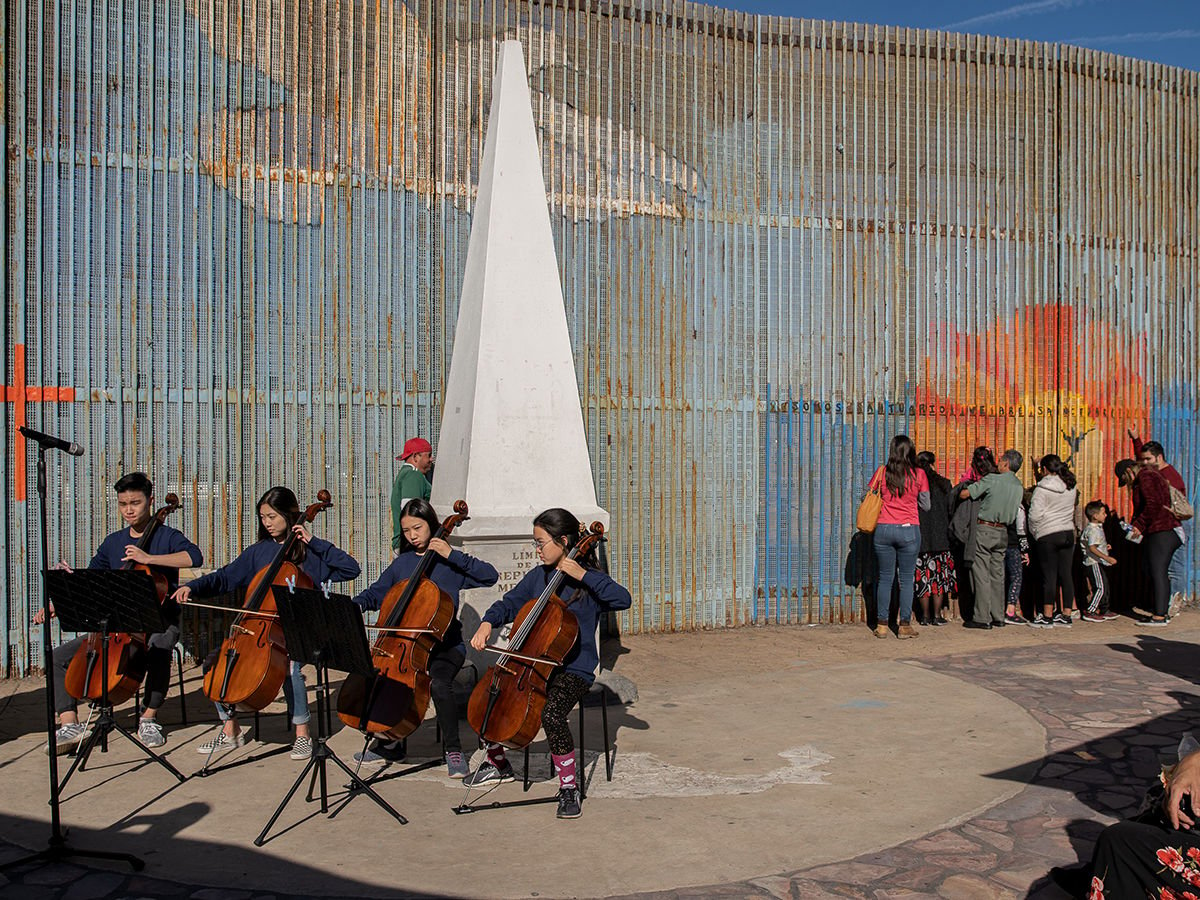
Friendship Park — Student Concert
Ariana Drehsler
Middle and high school students of teacher Sarah Koo hold a concert to open a service from Pastor Guillermo Navarrete, of the Methodist Church of Mexico. Today’s performers came all the way from Irvine and Los Angeles. Before Navarrete drives them back to the border crossing, he asks them to describe the experience in one word; their responses include “hopeful,” “moving,” and “inspiring.” (In the background, Isabel and Isidro, a married couple from Veracruz, Mexico, along with some family members, speak to their sons through the fence.)
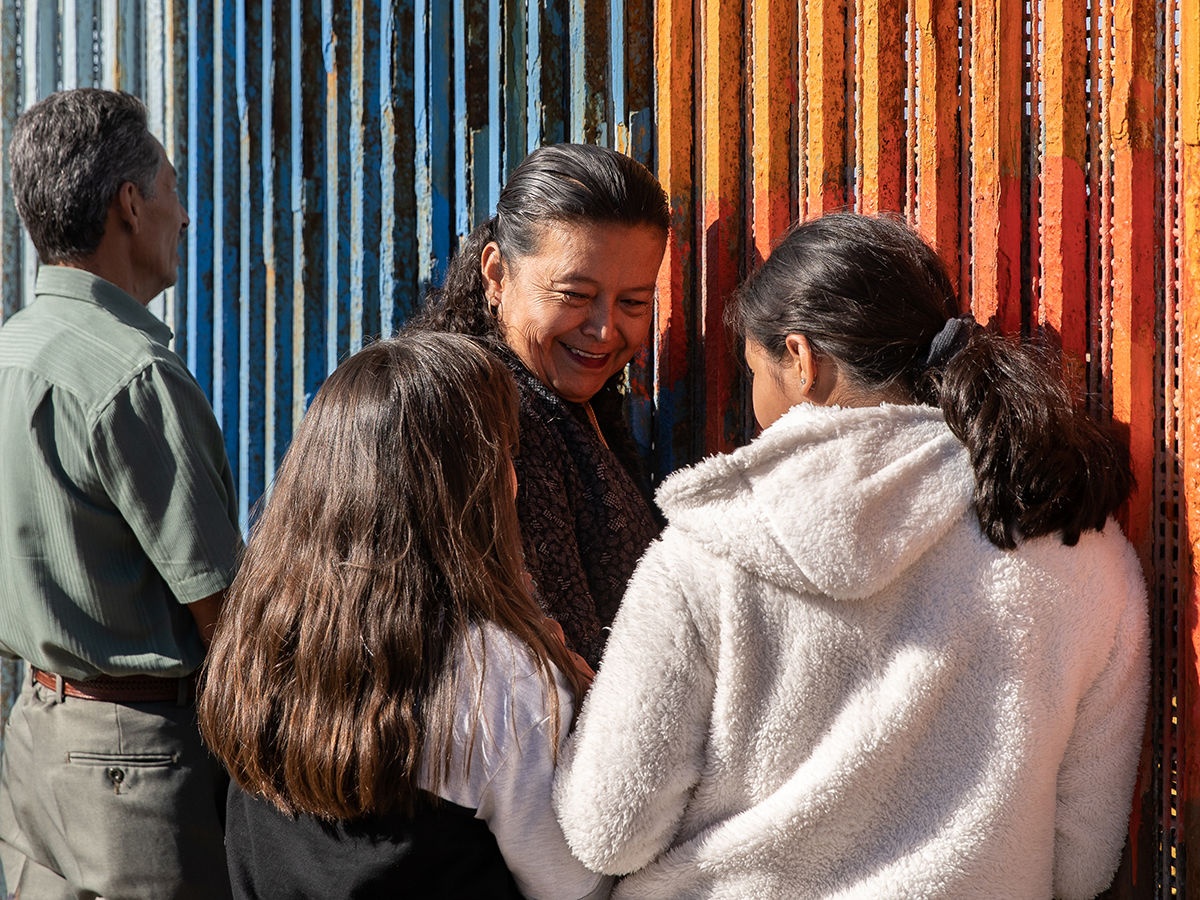
Friendship Park — Family Reunion
Ariana Drehsler
Isabel talks with her grandchildren. Her son Juan, a US citizen, brought the kids across the border so they could visit their grandparents face to face. Her and Isidro’s other sons, Isidro Junior and Rodolfo, are undocumented and had to stay behind on the US side, but they’re still risking a visit to the border to see their parents for the first time in 15 years. The family exchanges an emotional goodbye when the US side of the park closes at 2 p.m. As the family leaves, Isabel and Isidro walk back to take one last look.

Friendship Park — Church Alfresco
Ariana Drehsler
Pastor Navarrete prays with his congregation. He and Pastor John Fanestil of First United Methodist Church of San Diego hold a tandem, binational service here every Sunday afternoon called The Border Church (though Fanestil is absent today). Navarrete is from Tamaulipas and moved to Tijuana 45 years ago with his parents and brother. He first attended The Border Church eight years ago, and has been involved ever since. In the future, he hopes they will have more tents, a good sound system, and will continue being a sounding board for migrants facing injustice.
Friendship Park — The Binational Gardener
Ariana Drehsler
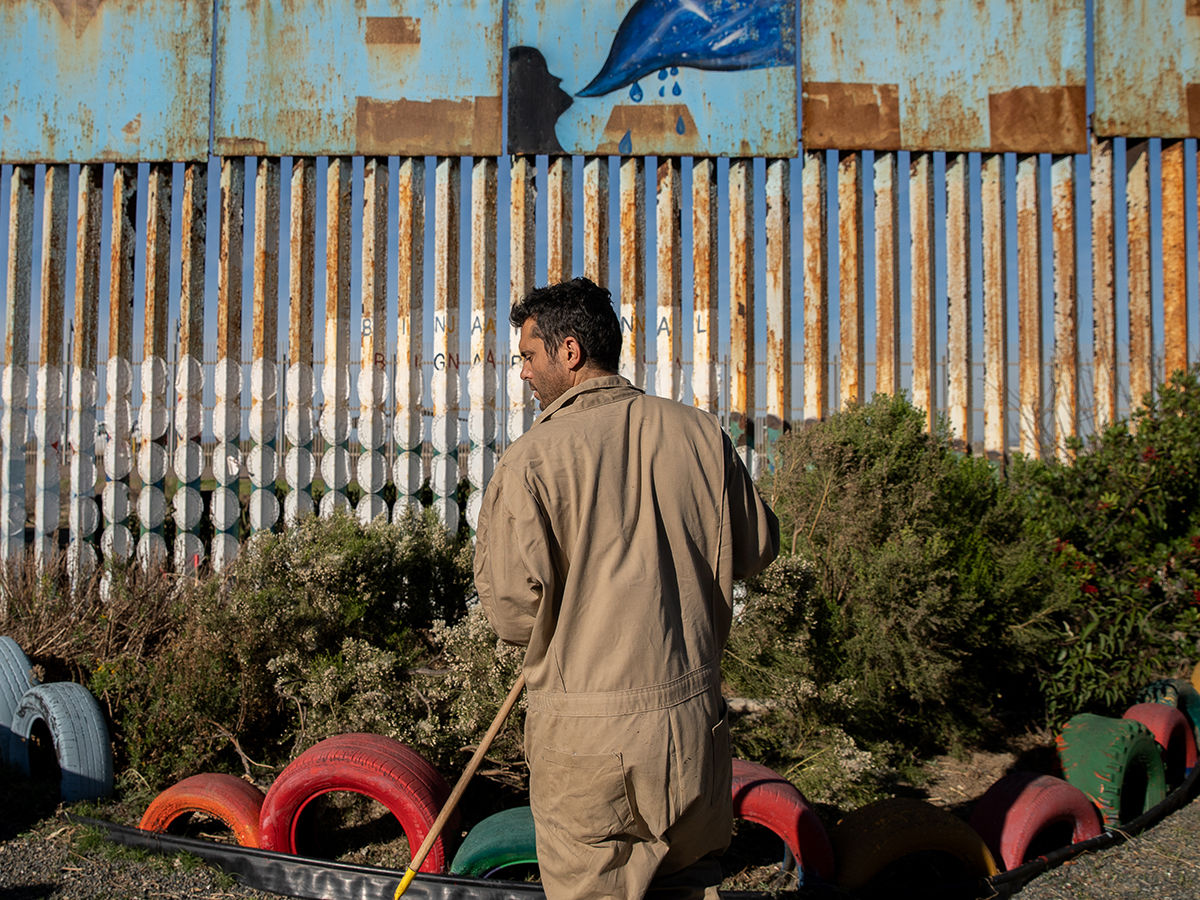
Dan Watman grew up in Modesto, California, and is a former Spanish teacher at UC San Diego who now lives in Tijuana. He started the binational garden in 2007. It grows on both sides of the fence, tended by a group he founded, Border Encuentro, whose goal is to build friendships between the two countries. On the Tijuana side, the garden includes vegetables for the needy. Watman says his volunteers usually help, but they needed a break after working two days straight.

Friendship Park — Border Art
Ariana Drehsler
Artists and activists from the group Quetzal Migrante, as well as some migrants staying in shelters in Tijuana, help paint a mural on the fence. The group is a collaboration between artists from San Francisco’s East Bay and migrants from Central and South America. Dulce María López (in the flower top) is one of the artists. A Jalisco native with a degree in media studies from UC Berkeley, she says the project is a symbol of empowerment and unity—“Quetzal” is the Nahuatl word for a colorful bird found in Central America, and is an ancient Mayan symbol for liberty.
Friendship Park — The Vendors
Ariana Drehsler
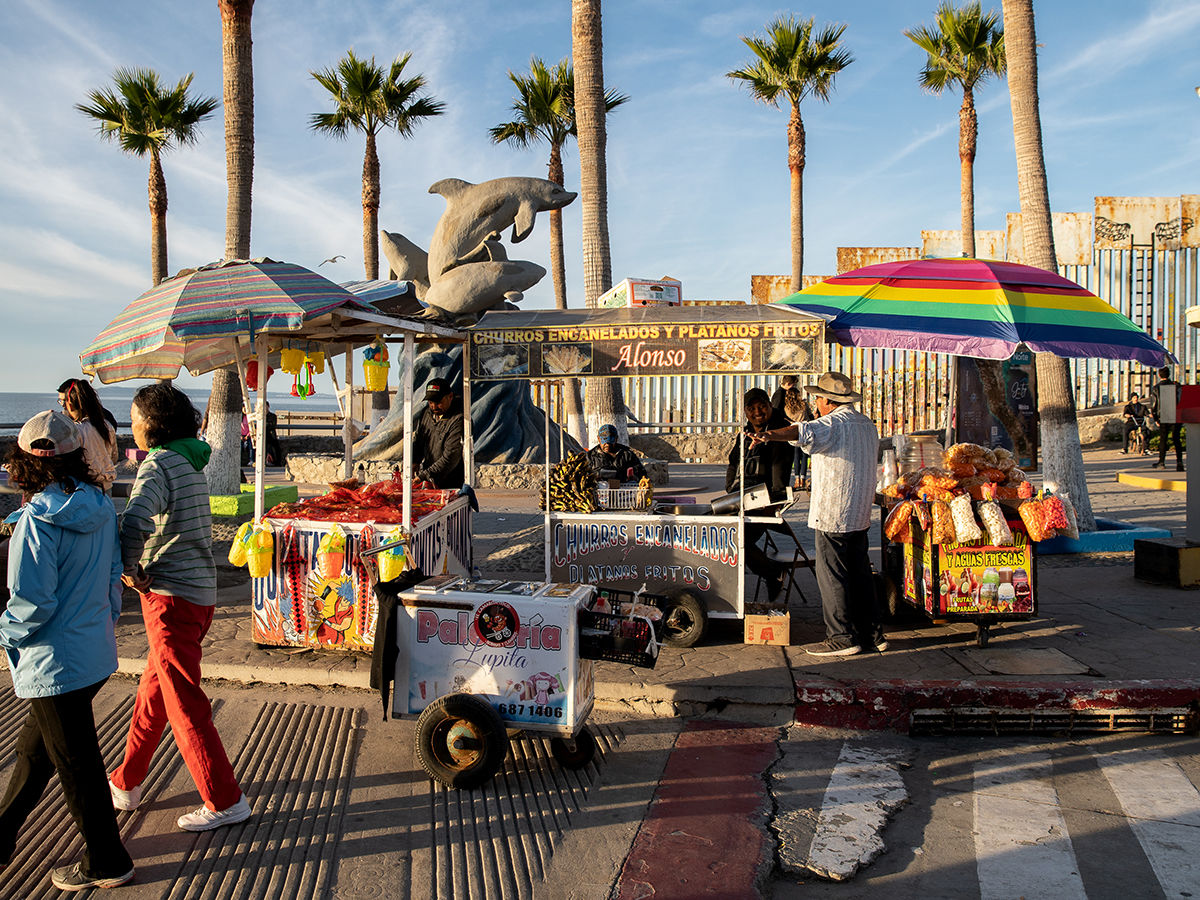
Street vendors set up in front of Friendship Park at Playas de Tijuana, selling ice-cold drinks, snacks, and trinkets.
Friendship Park — Los Estadosunidenses
Ariana Drehsler
PARTNER CONTENT
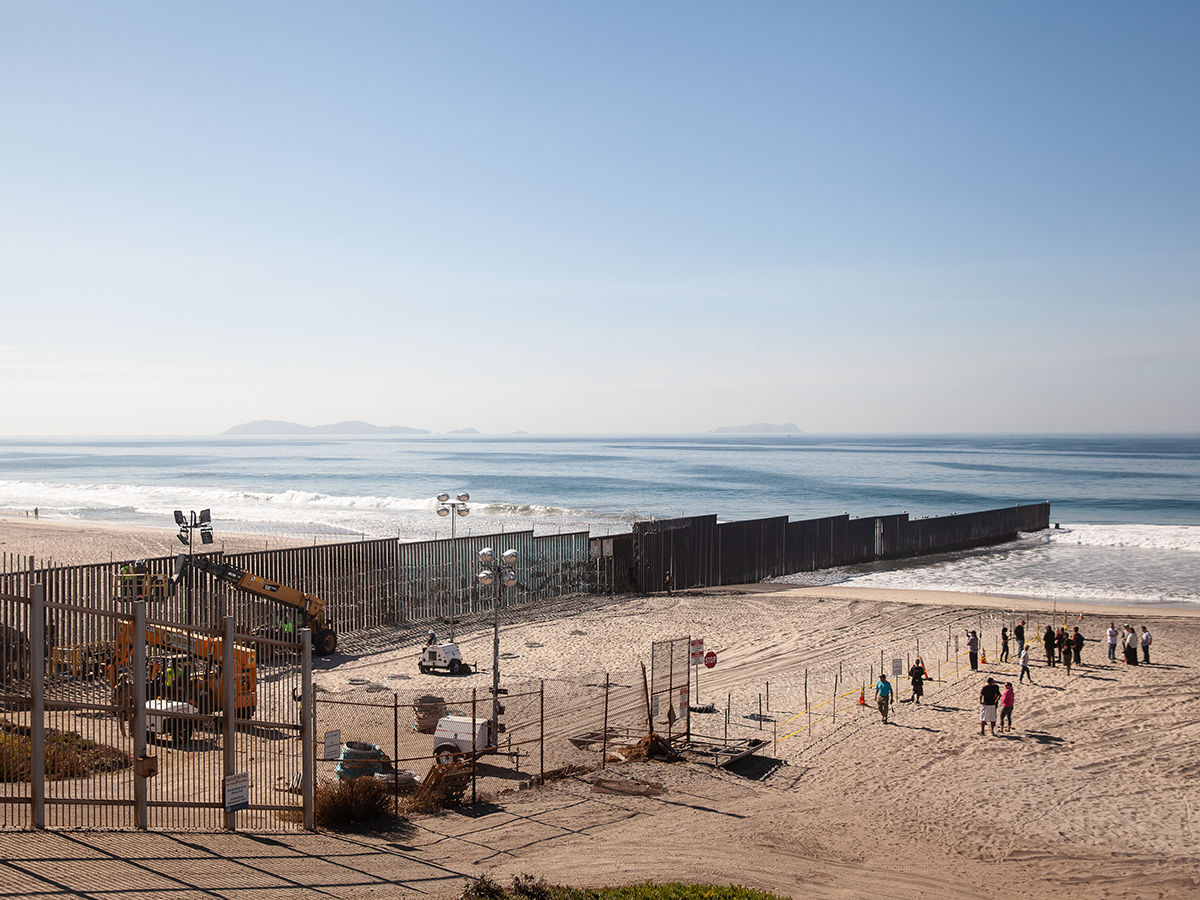
Beachgoers on the US side at Border Field State Park peer at the international boundary from a secondary barrier that was built in 2009. In San Diego, Friendship Park provides the only access to the border fence, heavily monitored by Border Patrol and open only on weekends from 10 a.m. to 2 p.m.; sometimes the number of people allowed through the park gate is limited. Meanwhile, there are no such restrictions on the Mexican side.
Pacific bluefin once dominated San Diego, but in our modern food system, wild fish come from cages
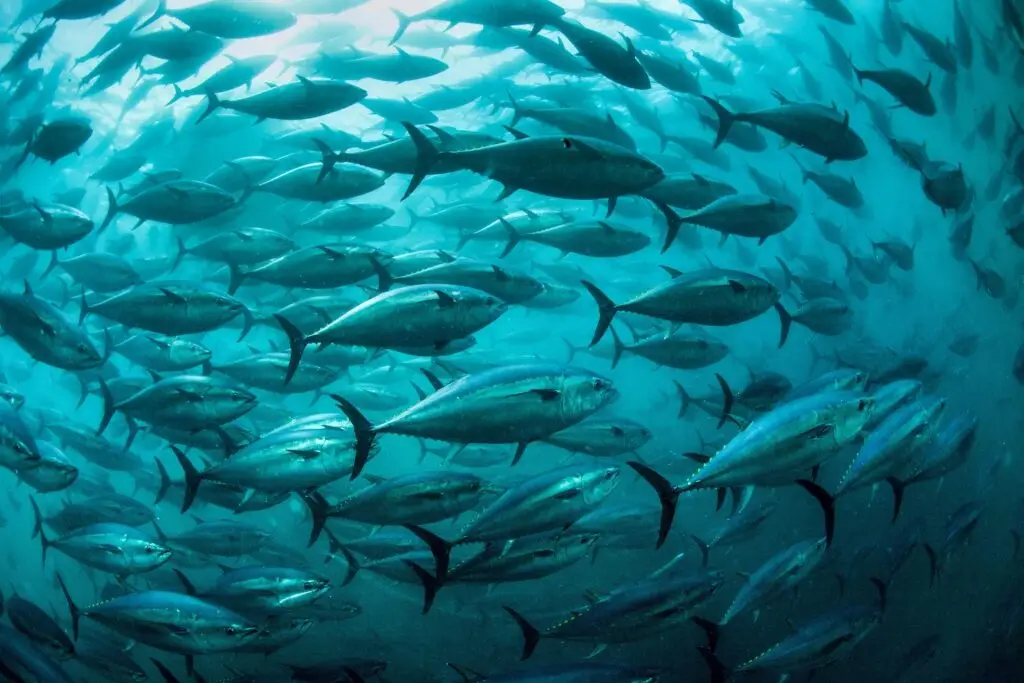
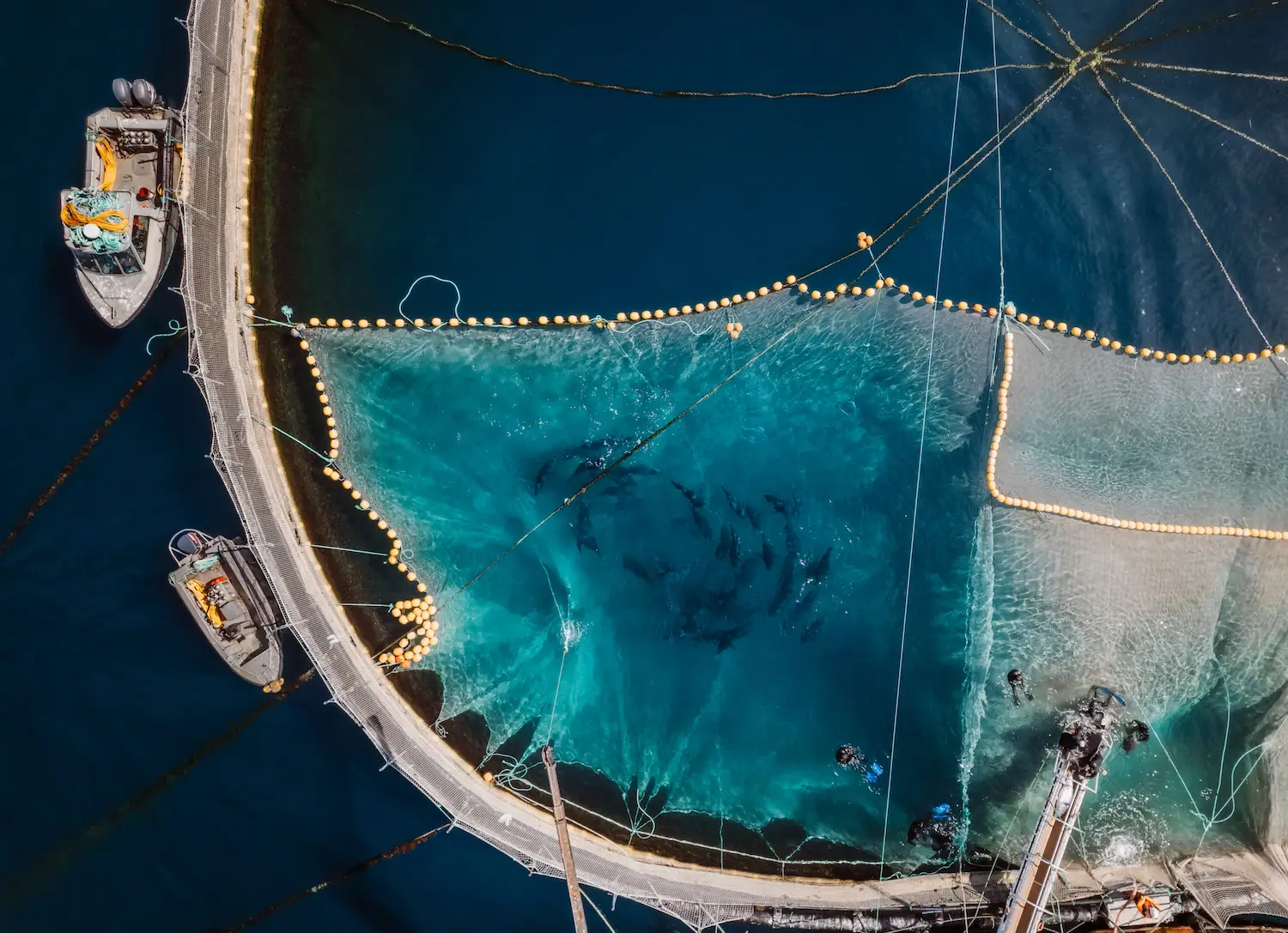
Swimming above a thousand bluefin tuna in the deep waters of the Pacific, one feels a dizzying calm. Below, the fish move in endless, unhurried loops, slowly growing plump in their monotony. Weighing around 170 pounds each, the fish in this net-pen are considerable. Heavy as a man and as wide as a surfboard, they move like hydrodynamic refrigerators, pewter backs reflecting water-filtered light like suncatchers.
Not long ago, these fish were in the open ocean, gunning 18 miles an hour through cold currents, possibly detecting our planet’s magnetic field using mineral deposits in their snouts, and tracing ancient migration patterns through the largest ocean on Earth. But here, with a gringo in a wetsuit bobbing above them, the fish merely draw lazy loops inside a giant aquaculture cage tethered far offshore, awaiting their fate as some of the most sought-after and expensive cuts of protein on the planet.
This is Baja Aqua Farms (BAF). Located in Mexican waters southwest from San Diego, BAF is, at any given time, home to tens of thousands of tuna worth tens of millions of dollars, making it one of the largest tuna ranching operations in the world and a major player in a modern global fish farming industry that now supplies more than half of the world’s seafood.
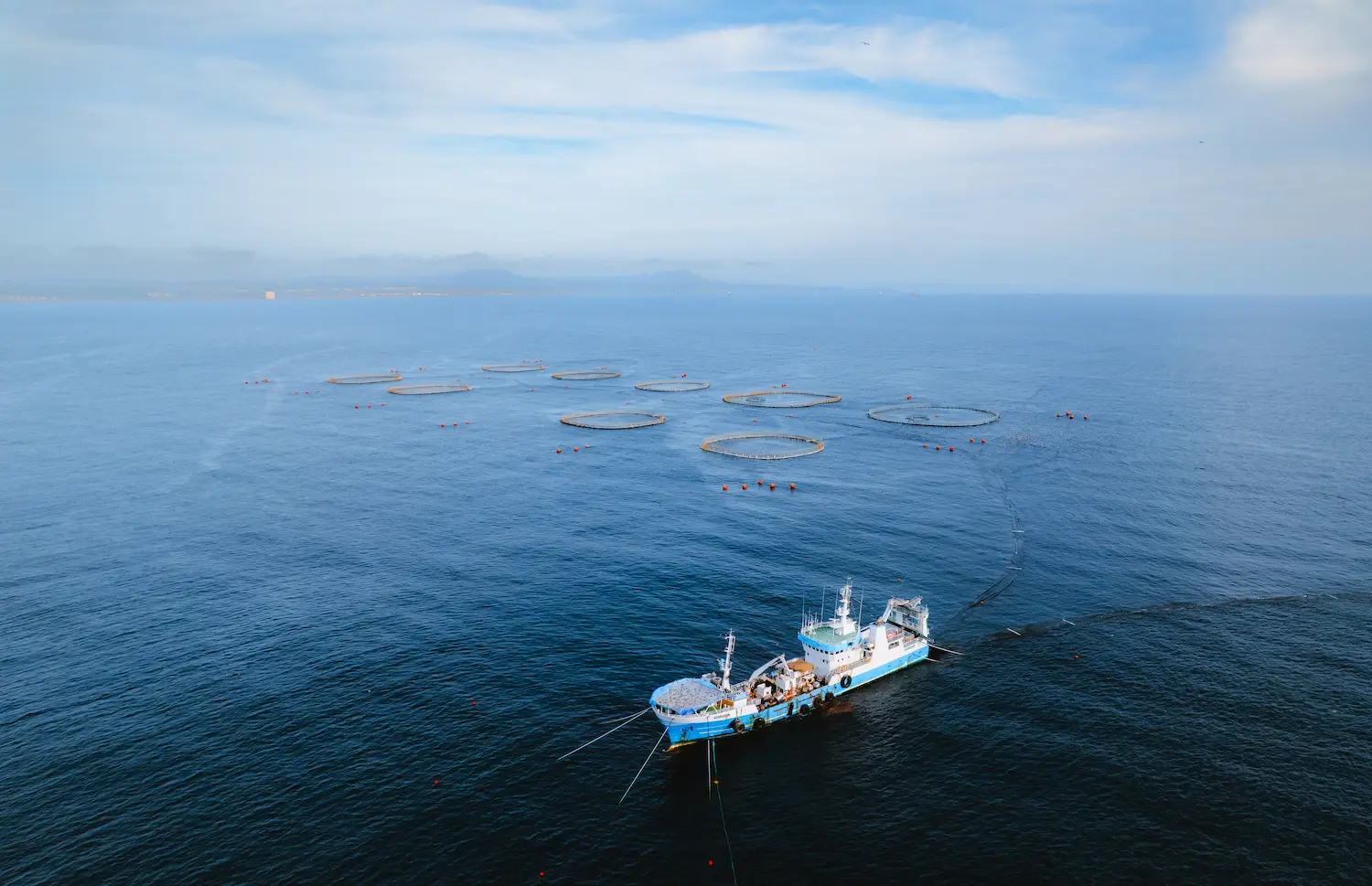
If one were to, say, fly a helicopter over this operation, the view through the omnipresent cloud of gulls would prove impressive. Thirty Olympic pool–sized net-pens float in an open-water grid, each filled with a single school of a thousand or more bluefin. Some are huge, weighing more than 400 pounds, and some are smaller, around 45 pounds (still a lot of fish). And anchored in the middle of it all is a sizable, computerized central feeding vessel where specialists sit on aging rolling chairs inside an air-conditioned cabin, monitoring each school’s food consumption and their pen’s water quality on screens 24/7. A ship that thousands of pounds of feeder fish visit briefly each day after being offloaded from sardine boats and before being pumped into the bellies of tuna.
I ventured here on an educational mission. As a lover of both the ocean and tuna, I wanted to find out how bluefin—an animal fished nearly to extinction within my lifetime—makes its way into the tartares and chirashi bowls of today. My search led me here, face down in the water, listening to the sound of my breath through a snorkel and contemplating the vast machinations that keep these incredible fish churning through the global food system.
Silent as they are, these tuna tell a story about the future of fish and the future of how we interact with the ocean.
All of which we’ll get to. But first, let’s eat.
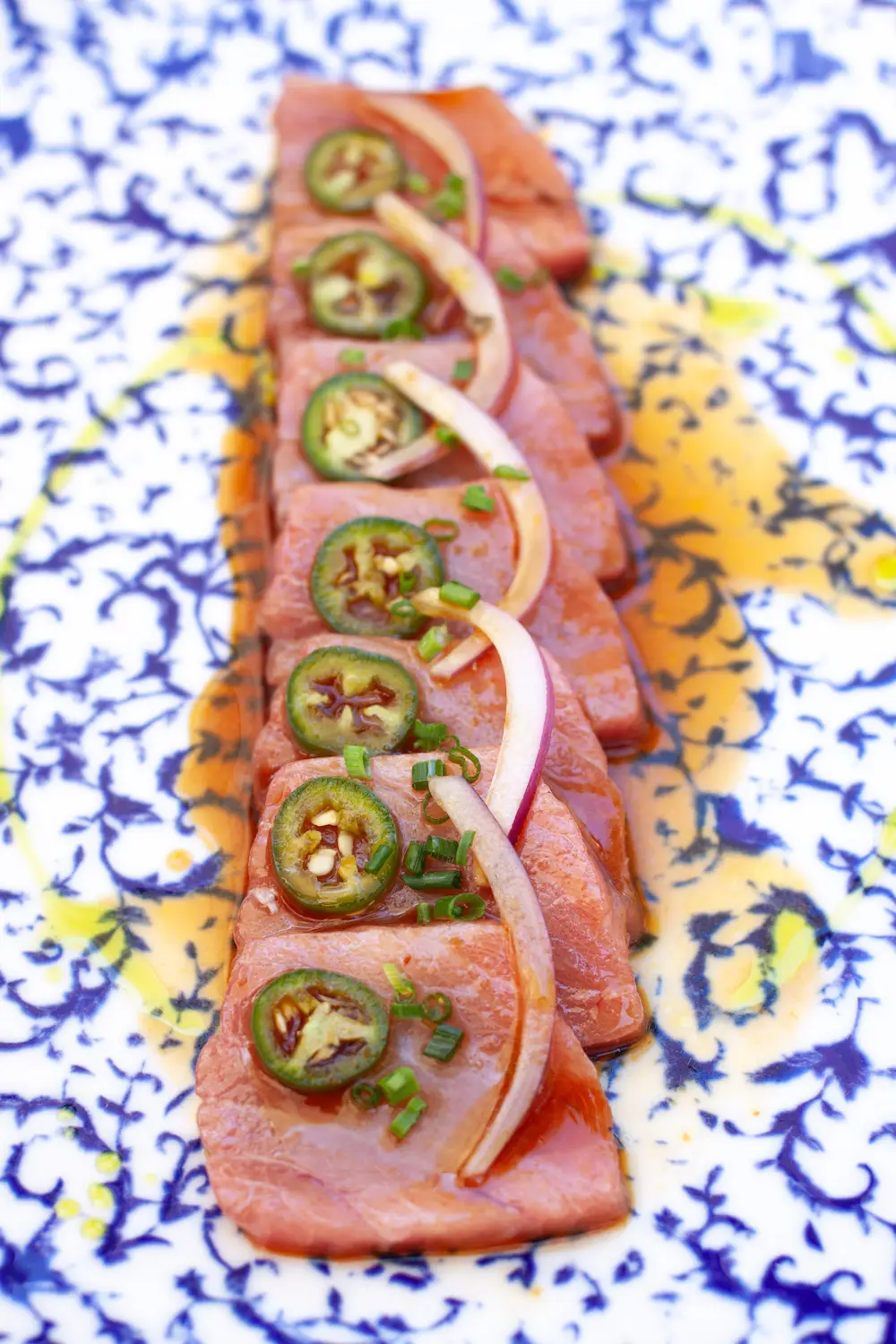
By the time the bluefin arrives on my plate as glistening, fatty slices of pink otoro at Ophelia restaurant in Ensenada, it has already crossed oceans, boundaries, and moral terrain.
This fish was part of a school of tuna born in the open Pacific from eggs laid off the coast of Japan, captured as juveniles in Mexican waters by BAF boats in vast purse seine nets, towed for months to the BAF ranch, and fattened for many more months with feeder fish harvested from our coastal ecosystem by the BAF sardine fleet, then efficiently and bloodily killed, refrigerated, and brought to shore here in Ensenada to be packaged and driven over the border to LAX, where they either get exported—mostly to Japan— or eaten in high-end omakase and strip-mall sushi joints throughout San Diego, once the world’s tuna fishing capital.
Bluefin tuna, recent developments have shown, is both a symbol of past overfishing and a surprising conservation success. And its future now lies in operations like Baja Aqua Farms, which represent the next phase of human seafood consumption.
With me at the table, talking tuna, is Rodrigo Armada Tapia, the head of sustainability at BAF. Having grown up in Ensenada, Tapia speaks with pride about the region’s food culture—where tuna is often a star ingredient. Before taking me to the farm the next day, he wanted me to try the product, which BAF packages under the name Bluefiná.
“You can’t understand the fish until you taste it,” he tells me.
Ophelia is Michelin-recognized. It sources bluefin from BAF, as do some notable restaurants in San Diego.

Mateo Hoke is a journalist and author. His books include Six by Ten: Stories from Solitary, and Palestine Speaks: Narratives of Life Under Occupation.
Peruse local history, sample classic coastal Mexican bites, and spend time in nature in this quieter part of Mexico
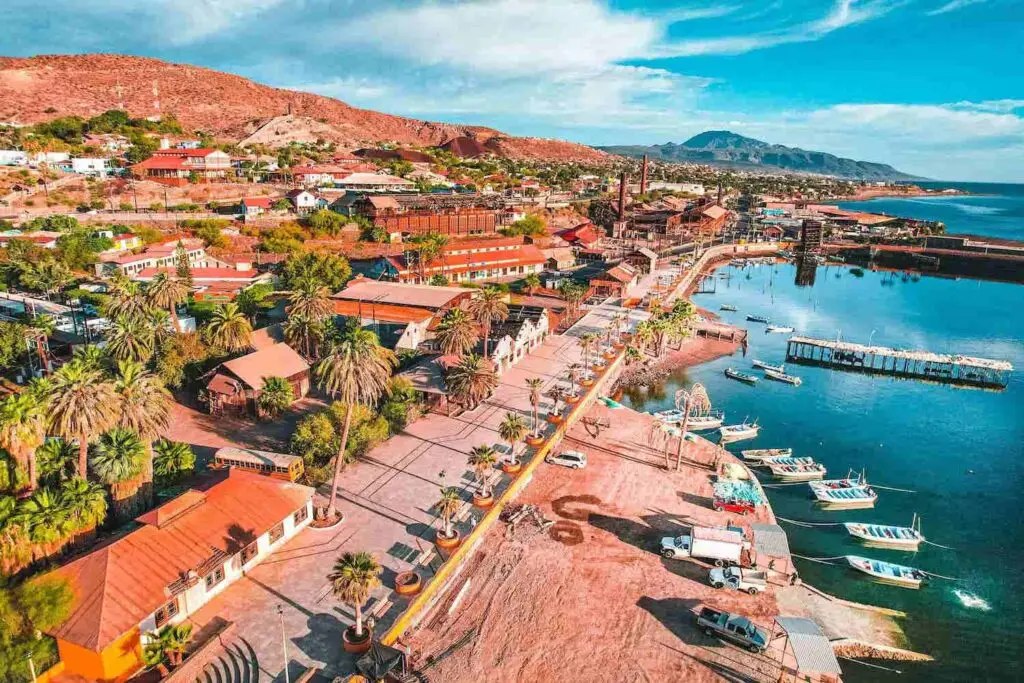
Before 1973, visitors to Mulegé, Mexico arrived by tiny prop plane on the dirt runway next to Hotel Serenidad. The airstrip was built in the 1950s, when the transpeninsular highway that runs north to south along the Baja peninsula was still just a dream in some civic engineer’s mind. The hotel’s longest-running owner, Don Johnson, was an early transplant to Baja California Sur, and he bought Hotel Serenidad in 1968 and turned it into the famed vacation spot it became during that era.
On the mushroom-shaped bar stools, cemented just below the water line at the swim-up bar, sat many a famous traveler. With the palm trees swaying languorously in the breeze, it’s easy to imagine the hotel freshly painted and sparkling, hosting the great Fred Astaire, Charles Lindbergh, and John Wayne.
Mulegé, like most of the towns of northern Baja Sur, is an oasis, a place where a natural freshwater spring made it possible for the evangelizing Spanish missionaries to settle. Up on a hill above town, its mission church is a stocky, stone building with bright white balustrades lining its rooftop and a statue of the Virgin Mary gazing down on the town below. Climb the handful of stone stairs to the lookout point beside the church, and you can watch the sunrise paint the tips of hundreds of palm trees, slowly bathing the entire valley in soft light each morning.
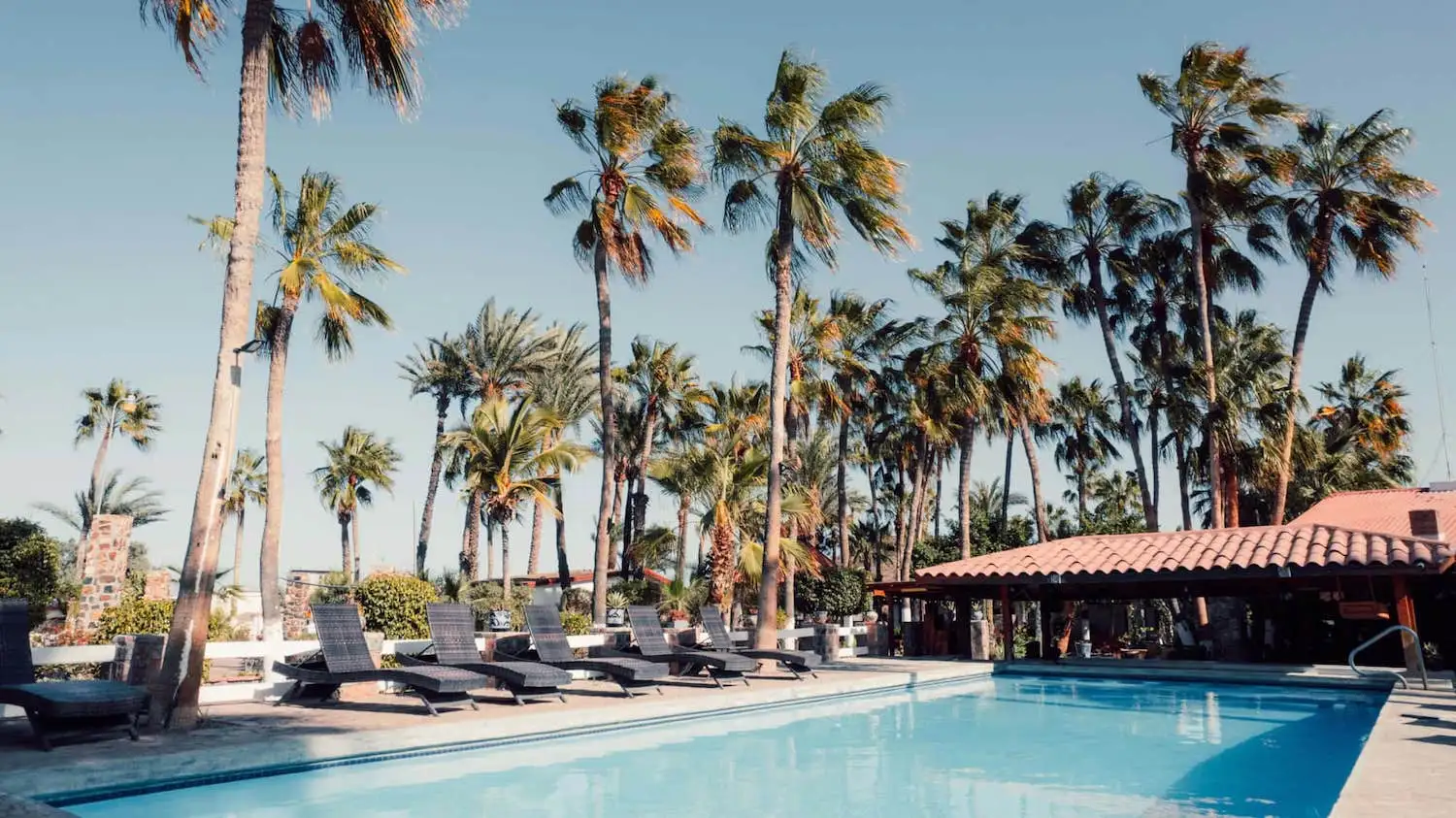
Decidedly sleepy, Mulegé is the place that you come to amble down to California Birrería for birria chilaquiles in the morning, then take a stroll along the riverside, stop for lunch at Histórico Las Casitas (don’t leave without trying the flan), and finish off the day with a beer and some live music out at Mulegé Brewing’s highway bar.
One of the town’s most fascinating historic curiosities is the “prison without doors,” now converted into a museum on its hillside perch, the stark white façade contrasting the coral blue skies. One of the museum’s two docents will explain how prisoners were sentenced here but had day privileges to make their living in town. They were expected to return to the jail to sleep when the evening bell rang. There was little fear that they would escape, with a vast, empty desert behind them and the Gulf of California in front. Using Mulegé as a base to discover Baja Sur, you can explore the local desert, hidden beaches, and incredible wildlife during the day, returning to the town’s laidback bohemian vibes each evening.
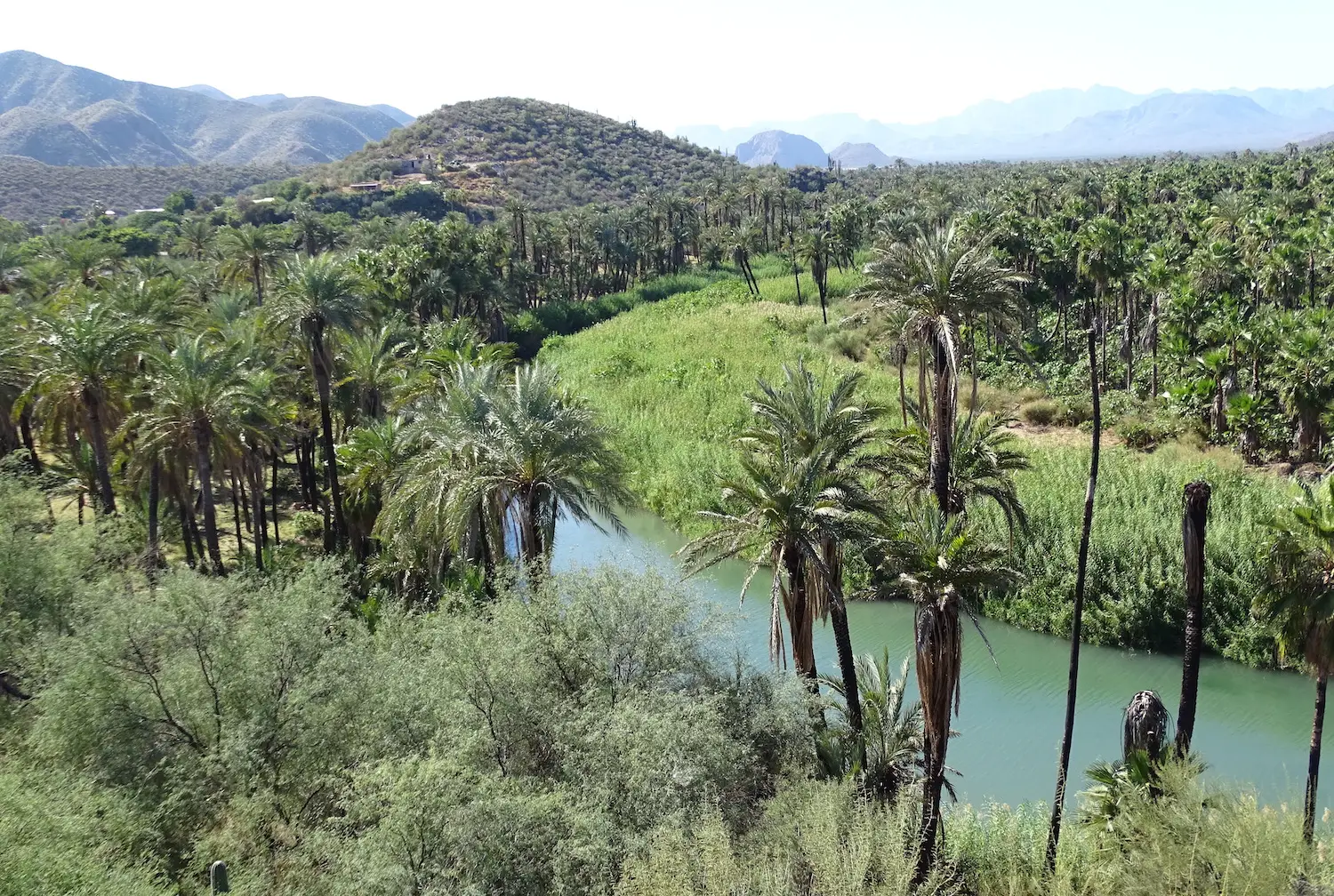
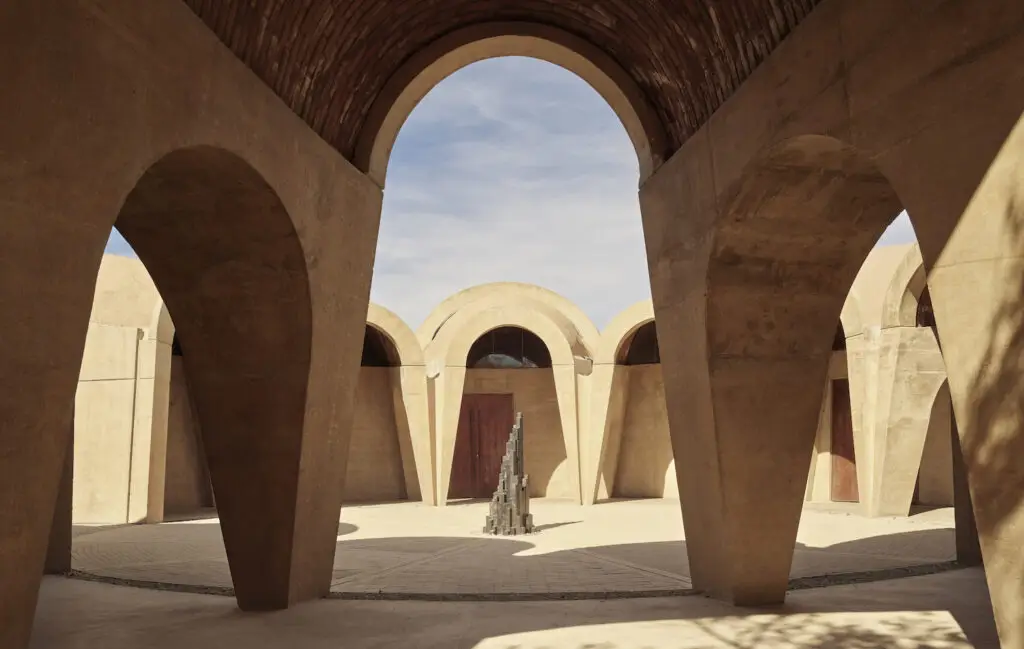
Much of the culture and language of the peninsula’s original nomadic peoples was destroyed, first by Spanish colonization and later by subsequent populations of settlers. Some of the most awe-inspiring examples that remain are their ancient cave paintings, preserved by the peninsula’s dry climate and the caves’ isolated locations.
An hour from Mulegé is the San Borjitas cave, with some of the finest specimens of this ancient artwork decorating the 16-foot high ceilings of a long, oval-shaped cave that peers out over a dry riverbed below. Dozens of figures in red, black, and white seemingly reach for the stars on the rock face, their significance and meaning remaining a mystery to archaeologists even 73 years after they were discovered.
From December to April, all along Baja Sur’s coasts, gray, blue, and humpback whales come to breed, give birth, and feed in the mellow waters of the peninsula’s lagoons and the Gulf of California. Located south from Mulegé along the coast, Loreto, Baja Sur’s largest town, is a popular place to whale-watch, eat lunch, and explore the local history museum.
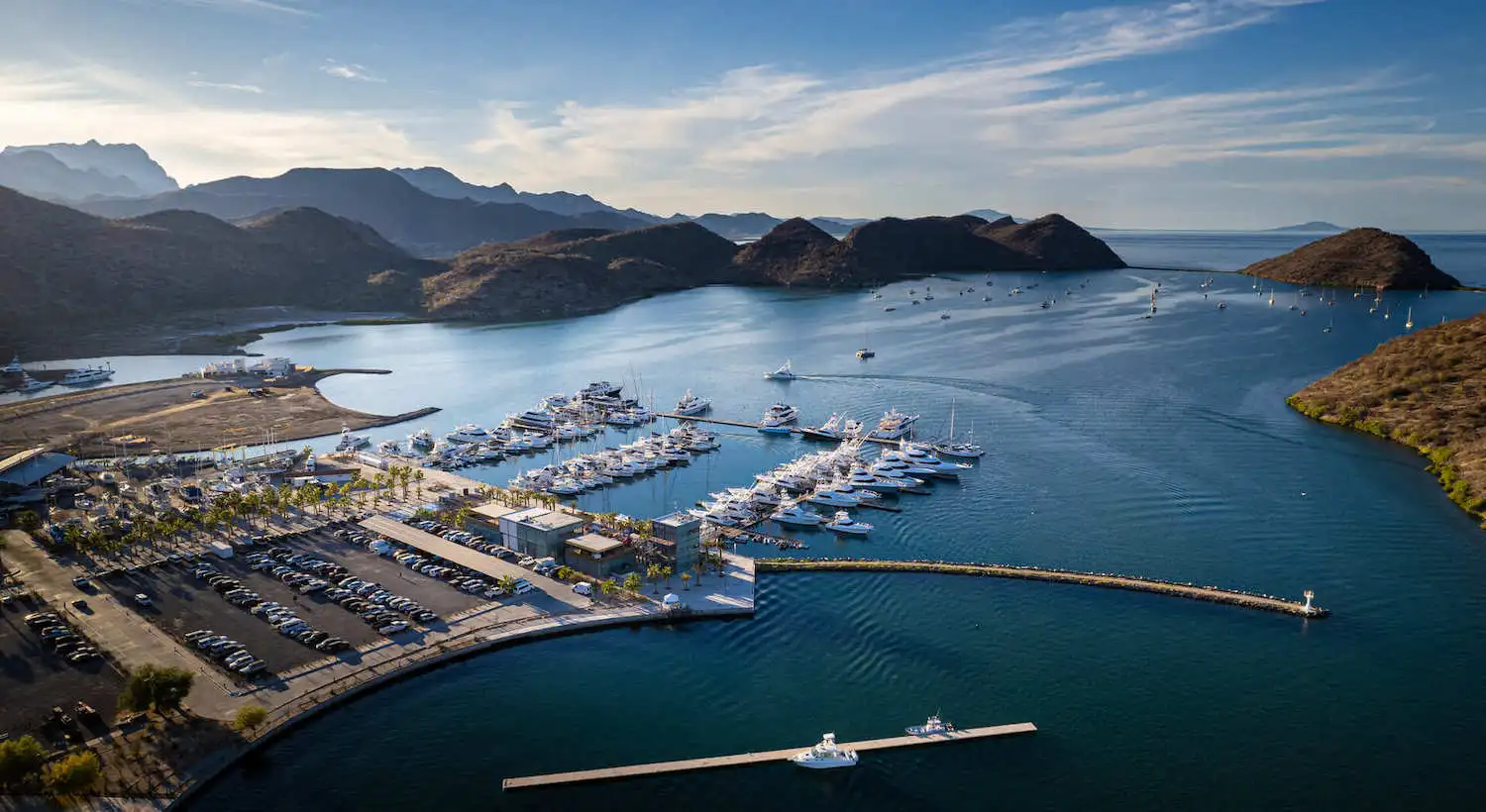
Pleasure cruises leave from the nearby Puerto Escondido Marina, where $1,000+ private charters will take you sport fishing or cruising around the eight islands of the vibrant Loreto Bay National Park that buttresses the coastline. Pods of black dolphins surf in the wake of the boats, and Isla del Carmen is covered with fossilized mollusks that were trapped there when waters receded thousands of years ago, most likely because of tectonic shifts. In the tiny bays tucked into the islands’ edges, you can snorkel to see bright blue and yellow angelfish and the long, skinny Pacific barracuda flitting among the crevices of the shoreline.
Afternoons are a good time to find yourself a seat at El Zopilote Brewing Co. on the town’s main plaza. Or pop next door for a coffee at La Route. After dark, wander into Asadero Super Burro with the locals for the burrito of a lifetime or Santo Cielo for the rosemary-roasted bone marrow or a half a lobster drizzled with salty butter. The next morning, head to Taquitos del Valle for phenomenal fish tacos or over to Café Olé for sweet cafe de olla and eggs with machaca (dried beef jerky).
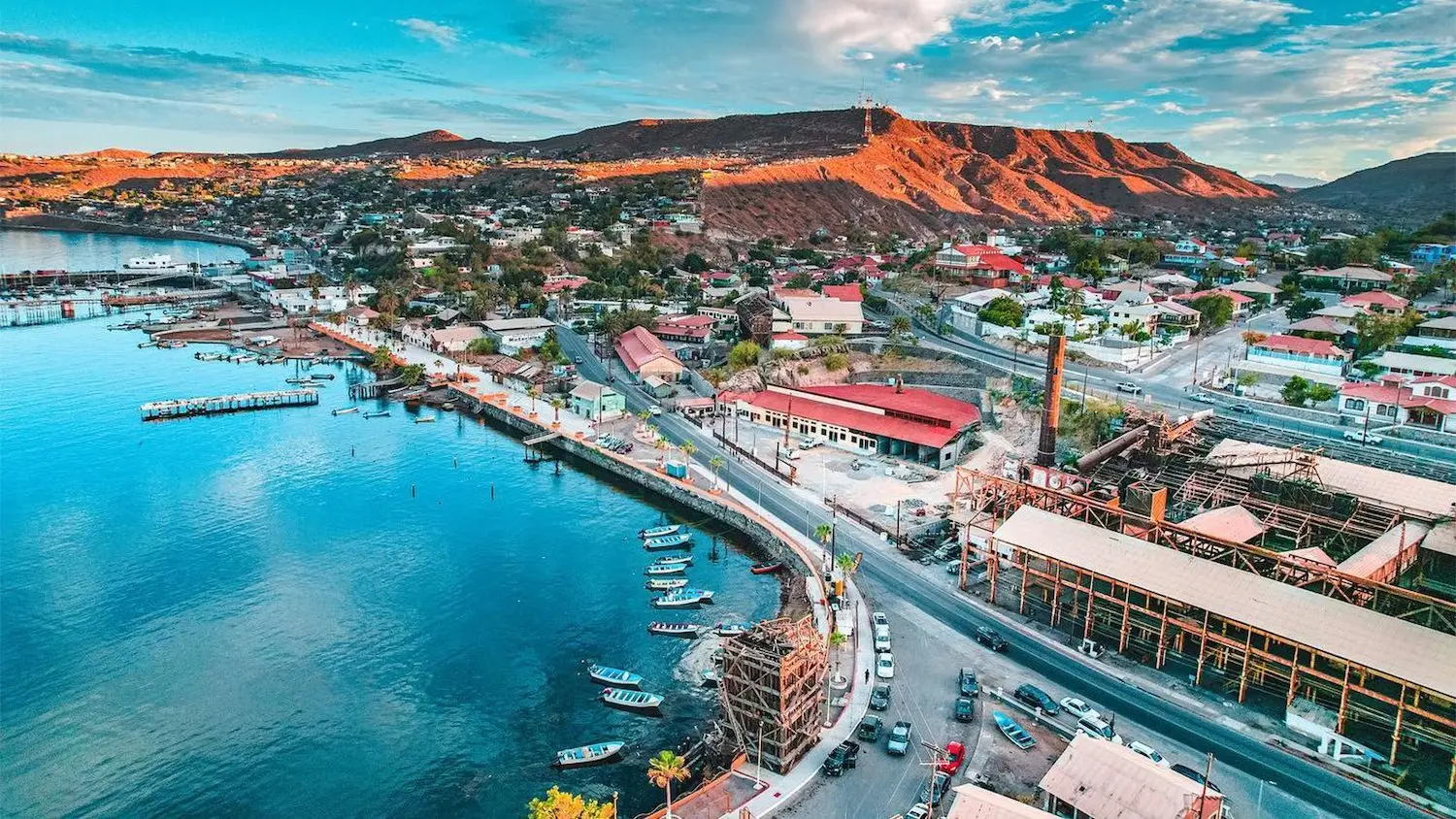
Heading north from Mulegé, stop in Santa Rosalía, a mining town with a dark history of exploitation, but also incredible architecture—a throwback to the days of the wild, wild west. The French mining company that dominated this town for 69 years left behind French Caribbean–style homes and buildings with symmetrical designs, wraparound porches, and peaked roofs. Their presence alongside the local church designed by Gustavo Effiel gives the sensation that you’re walking through a movie set and not a 140-year-old town.
For lunch, Tacos y Mariscos Calle 6 offers the epitome of Baja-style tacos—the fried scallops are like nothing you will find anywhere else. The town’s bakery, El Boleo, is famous for its “French” bread that isn’t much different from what you will find in bakeries across Mexico, but the locale’s charm and antiquated architecture are enough to merit a visit. Don’t miss Padre Santo Brewing on the marine side of the coastal road that passes through town; it has an excellent red ale hazy IPA called Pecosa, meaning “sinner.”
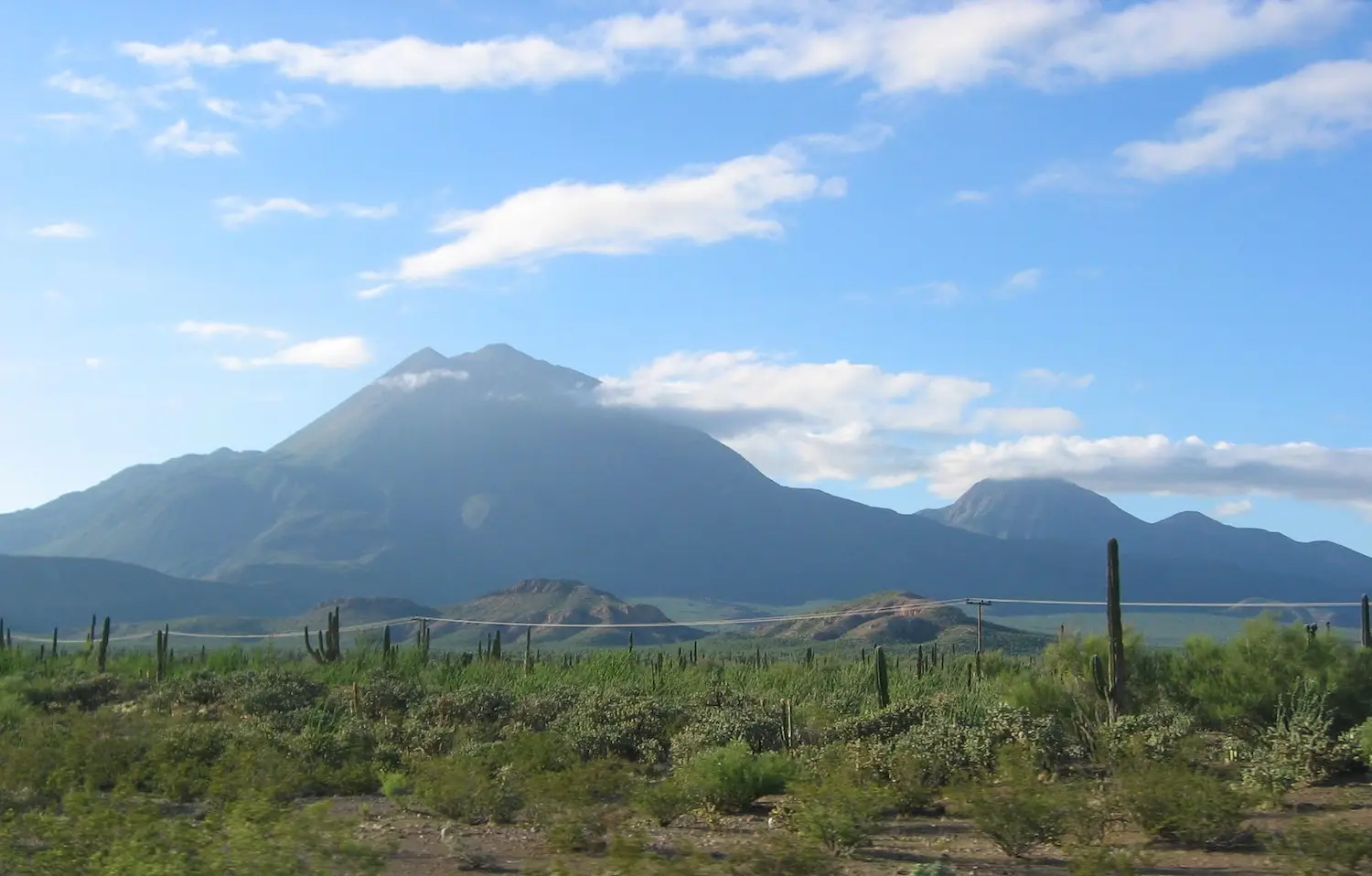
Don’t let the intense heat of the desert persuade you not to stop at Trés Vírgenes, an eco-lodge just an hour north of Santa Rosalía by car. Afternoons here should be spent sipping a cool drink in the shade, but once the sun starts to set, you’ll experience the spectacular celestial show that is the lodge’s star attraction. Caretakers from the local community host stargazers, hunters, and real-world escapists at this collection of humble cabins.
The area is a special Conservation Management Unit (UMA), which means the community is committed to maintaining the habitat and wildlife of the area. It auctions off two or three bighorn sheep hunting licenses a year to big game enthusiasts, helping to sustainably cull the population and raising thousands of dollars to support the eco-lodge and other community projects. Guides can take you through the desert that surrounds the Trés Vírgenes (three dormant volcanoes sitting in a line from the eco-lodge to the ocean) and out to see 30-foot-high cardon cactus.
These locations are just a small snapshot of what can be explored in Baja California Sur, but, starting here, you are sure to be captivated by the area and find your way back in no time.

Lydia Carey is a travel and food writer based in Mexico City, who has spent the last 20 years traveling the Americas and sampling its bounty. She has been published widely online and in print and is the founder of the Mexico City Streets tour company.
After 85 years, Rancho La Puerta remains true to its roots with daily fitness activities, group lectures and guests speakers, and health-focused fare
The story starts when she is 17.
World War II is raging, and Deborah Szekely is newly married to a Jewish health guru known as the Professor. “My husband was a prominent writer, a Hungarian with a Romanian passport,” she recalls. “When his visa expired in the United States in 1940, we tried to get it renewed, but we were unsuccessful.”
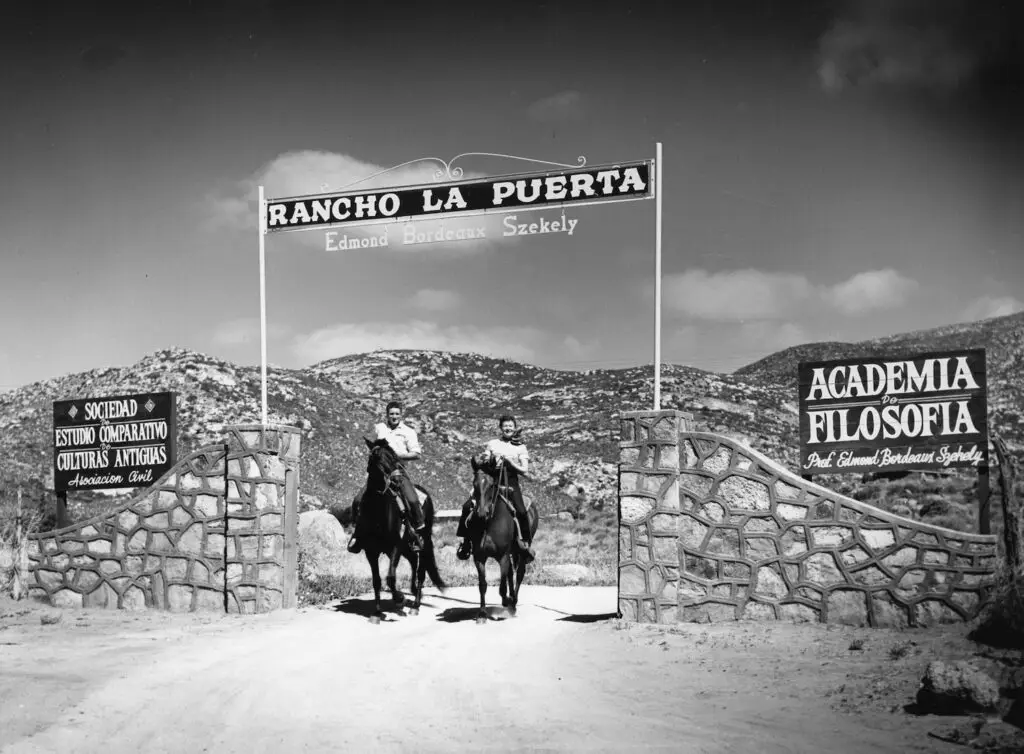
So, they go to Tecate, Mexico, where they rent a hay shack at the foot of the sacred Mt. Kuchumaa for $50 a year. It’s the furthest thing from fancy, but that doesn’t stop the people from coming—health-conscious devotees drawn by the Professor’s work. For $17.50 a week and some chores, they can hear him speak and follow his diet and exercise recommendations, sleeping in tents they bring themselves. They don’t know it yet, but they’re the first guests of one of the first wellness retreats in the world. Eventually encompassing 4,000 acres just south of the US-Mexico border, it would come to be known as Rancho La Puerta.
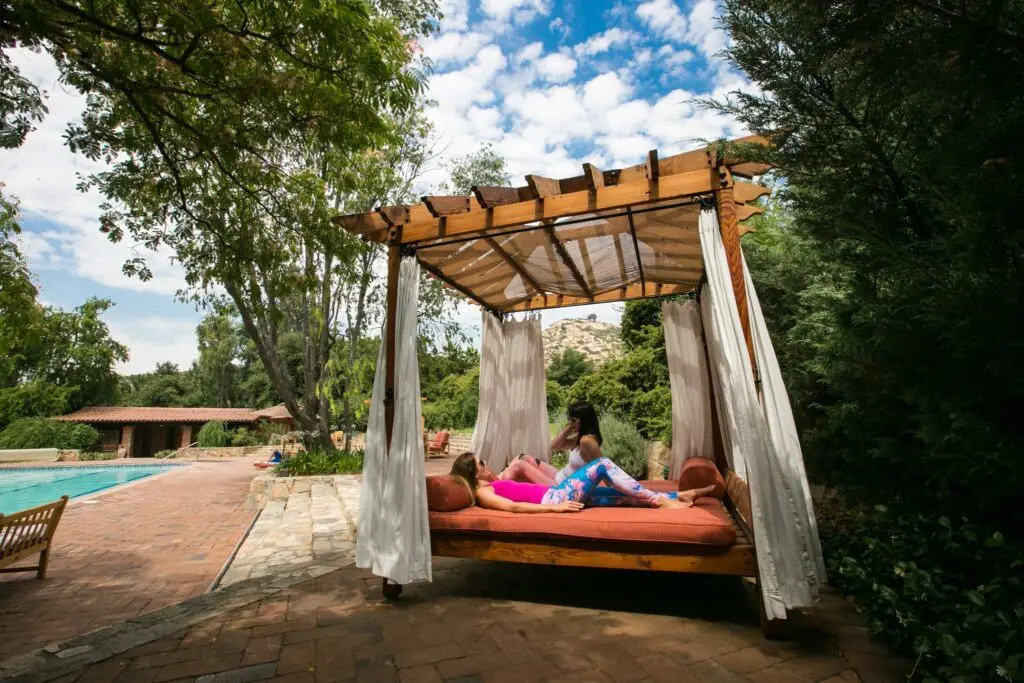
Now, in RLP’s 85th year, guests have traded tents for Mexican-tiled casitas equipped with wood-burning fireplaces. But an adult summer camp sensibility endures.

A typical day at the Ranch, as guests and staff affectionately call it, starts around 6 a.m. “I would say 90 percent of our guests do some kind of hike or walk before breakfast,” says Director of Guest Experience Barry Shingle. After you eat, it’s off to your pick of RLP’s 40-or-so daily 45-minute classes—meditation, water workouts, Pilates, yoga, breathwork, art, sound healing, stretching, pickleball clinics, dance, tai chi—from 9 a.m. to about 4 p.m., with a midday break for a buffet lunch and, if one is so inclined, a spa treatment or a few hours by the pool. Dinner is four pescatarian courses, usually shared with strangers. After that, it’s time for a movie or lecture before an early bedtime, so you can do it all again the next day.
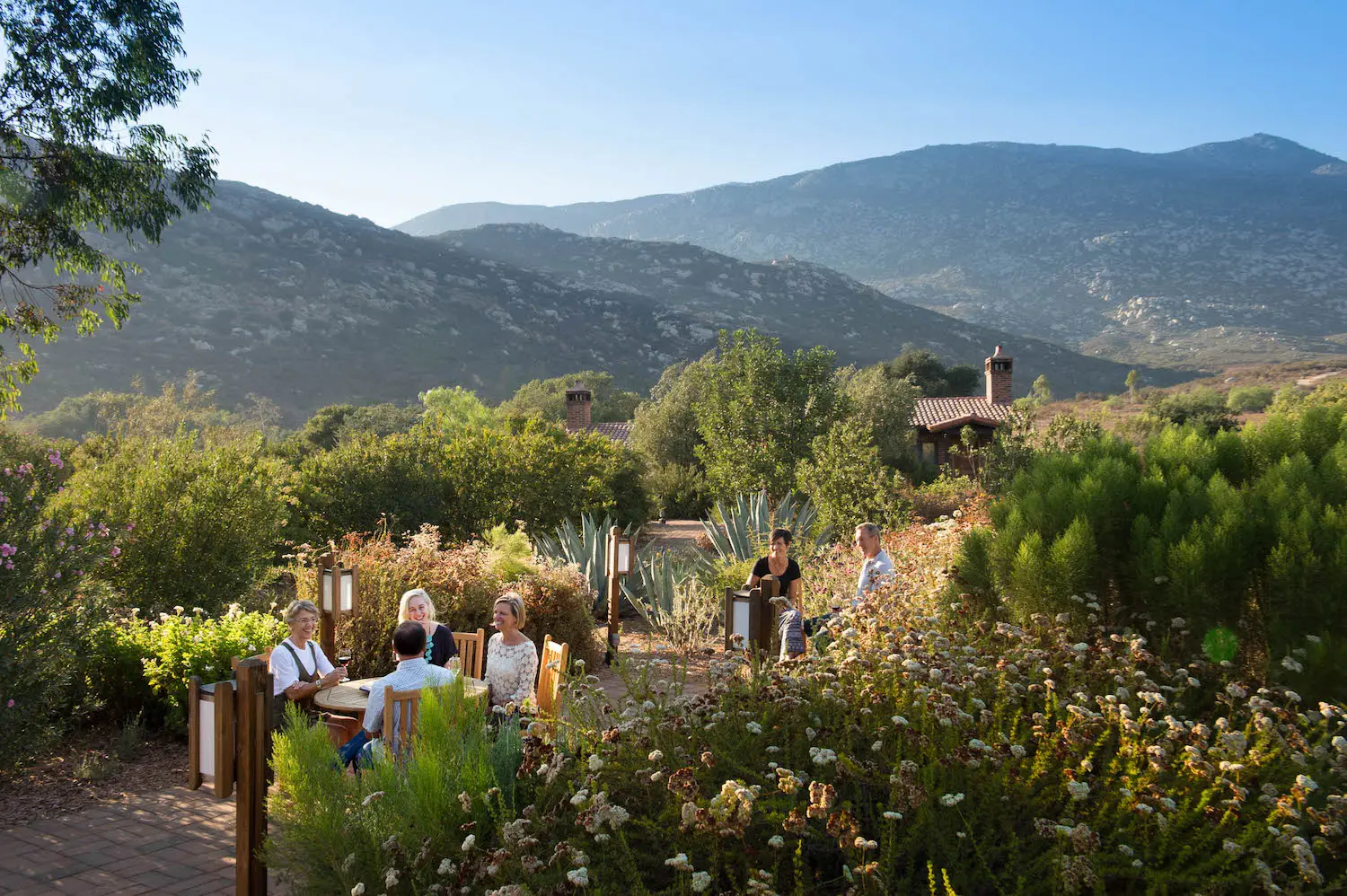
Some travelers (the must-sightsee-everything or don’t-talk-to-me-until-I’ve-had-my-breakfast-margarita types) will find this concept akin to paying $5,150 or more to spend a week in a Daedalean labyrinth of small talk and abdominal soreness. For a certain kind of person, it’s heaven.
More than 60 percent of guests return after their first visit, with plenty booking dozens of eight-day stays over the years. (A handful have made their way there more than 100 times.) And while many publications have sung RLP’s praises (“I first read about this place in Teen magazine when I was 13 and I thought, ‘I have to go there,’” now-retired, first-time guest Gloria Rathbun tells me), most people find themselves here on the recommendation of friends. The Ranch tends to create evangelists.
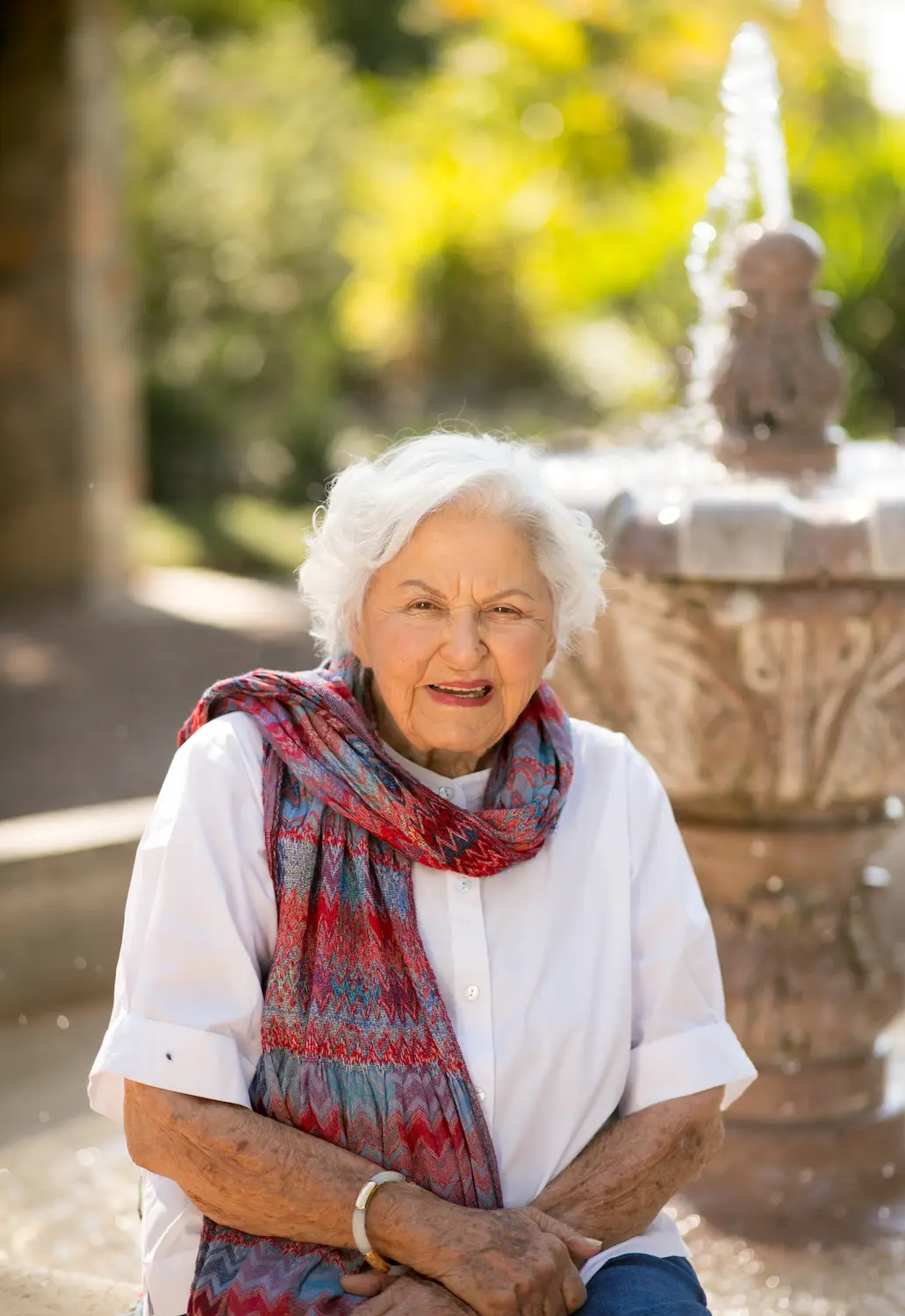
Many credit Szekely’s warm influence. Turning 103 this month, she is vibrant, still sharp, a living advertisement for the RLP brand of wellness. “I think some people make wellness too complicated and can get obsessive,” she says. “For me, regular exercise, eating well, and communing in nature helps me feel well.”
Indeed, you won’t encounter blood tests or calorie counts or supplements or body scans at the Ranch. Instead, you move. You eat produce grown on the property’s five-acre organic garden. And, with a maximum of 150 guests a week and all those group classes and structured mealtimes, you spend most of your waking hours immersed in one of wellness’s most underrated tenets: community.
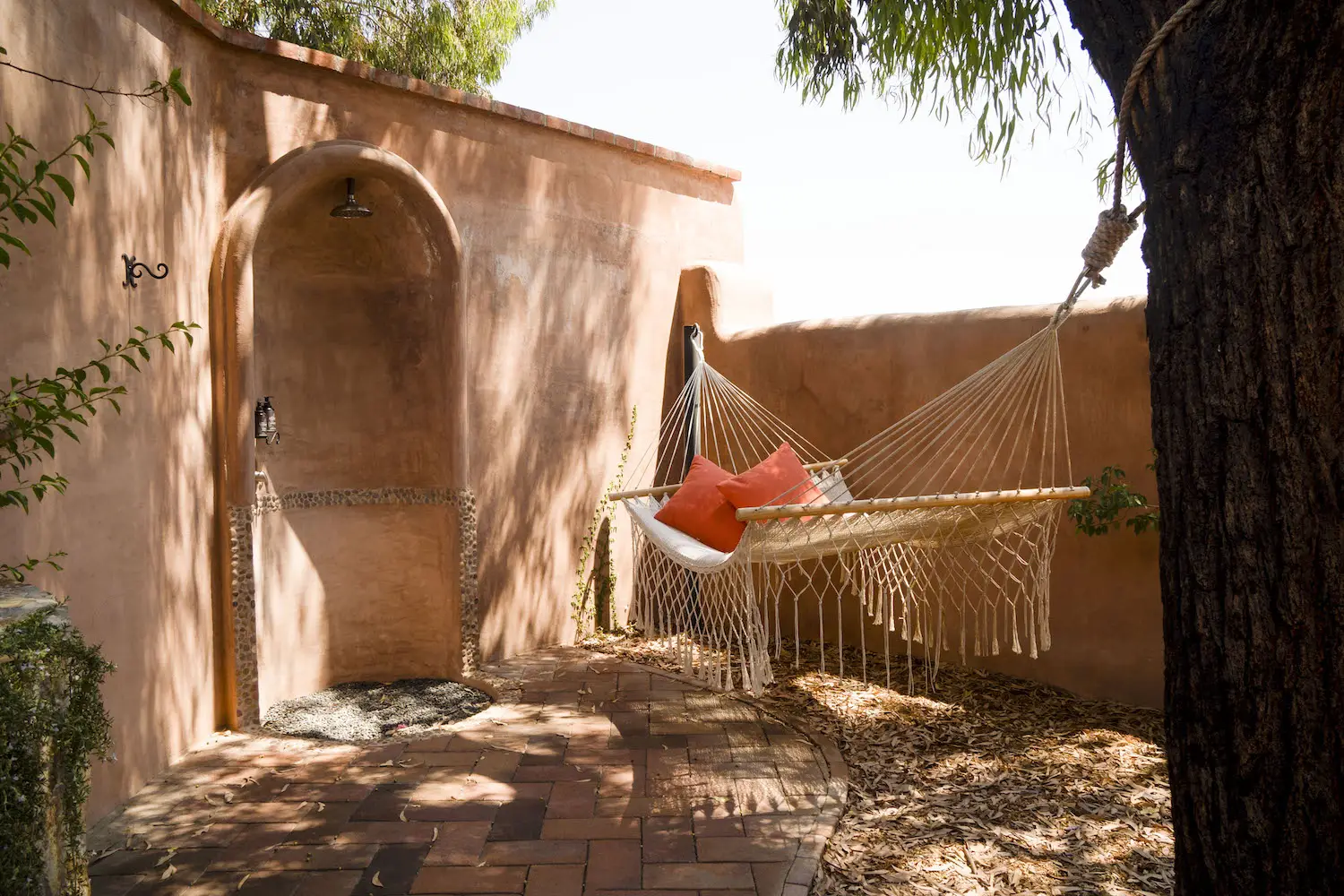
While the Ranch, now run by the Szekelys’ daughter, always has something new in the works—they are currently building onsite residences, and a treatment plant that will process wastewater from 5,000 local families—its guiding lights remain the same.
“After we’d been in business for about 10 years, a reporter from the San Diego Union Tribune came to the Ranch to give us a review and called us ‘a cult to end all cults,’” Szekely remembers. “But today, many of the things the Professor taught and we’ve practiced at the Ranch since the beginning … are all considered common sense. Wellness is like buoyancy; you float in happiness, and you can do things that you wouldn’t be able to do if you were tired.”

Amelia Rodriguez is a writer and journalist and winner of the San Diego Press Club's 2023 Rising Star Award and 2024 Best of Show Award, she’s also covered music, food, arts and culture, fashion, and design for Rolling Stone, Palm Springs Life, and other national and regional publications. After work, you can find her hunting down San Diego’s best pastries and maintaining her five-year Duolingo streak.
The annual event honors middle market companies creating jobs, scaling up, and investing in the region

San Diego is known for its startup culture and innovation economy, but what happens when the company moves beyond its early-stage years? The San Diego Business Impact Awards aim to answer that question, spotlighting the middle market businesses helping drive the region’s economy.
Hosted by San Diego Regional Economic Development Corporation (EDC) and JPMorganChase, the second annual awards celebration takes place on Thursday, July 23, from 4:30 to 7:00 p.m. at Scripps Research Auditorium. More than 200 executives, entrepreneurs, and business leaders are expected to attend the networking and cocktail event honoring some of San Diego County’s fastest-growing companies.
Businesses headquartered in San Diego County that have operated for at least two years are encouraged to submit their nomination by Thursday, June 18 at 4 p.m. Companies across industries—from technology and life sciences to tourism and consumer products, as well as pre-revenue startups—are eligible for recognition.
For EDC President and CEO Mark Cafferty, the event is as much about building connections as celebrating success. “We’ve had a longtime partnership with JPMorganChase; their work aligns with our efforts to support underserved communities and drive talent development,” says Cafferty. “And the networking was invaluable last year. I’m still in touch with people I met at last year’s awards.”

EDC is an independently-funded nonprofit that works directly with San Diego companies to help them grow the local economy, make the region as a whole more competitive, and attract and retain top-tier talent with quality jobs. Through EDC, companies can get help starting or expanding their business with support for things like site selection, permit navigation, and regulatory guidance, plus connections to local resources and potential business collaborators.
The San Diego Business Impact Awards began as an idea with one of EDC’s longtime strategic partners, JPMorganChase. The two organizations share a commitment to San Diego and are dedicated to bolstering middle market businesses.
“We’re blessed with a robust innovation economy and startup community,” says Aaron Ryan, San Diego Region Manager for JPMorgan’s Commercial and Investment Bank and vice chair of the firm’s’ San Diego Market Leadership Team. “But one of the segments of the business community we felt was overlooked was emerging middle market companies—the businesses that are no longer small but not yet large.”
Ryan says supporting those companies is critical as they scale and decide where to invest, hire, and grow.
San Diego’s high cost of living remains one of the region’s biggest business challenges, making talent recruitment and retention increasingly competitive. But local leaders point to the region’s quality of life, climate, and collaborative business community as advantages that continue to attract employers and workers.
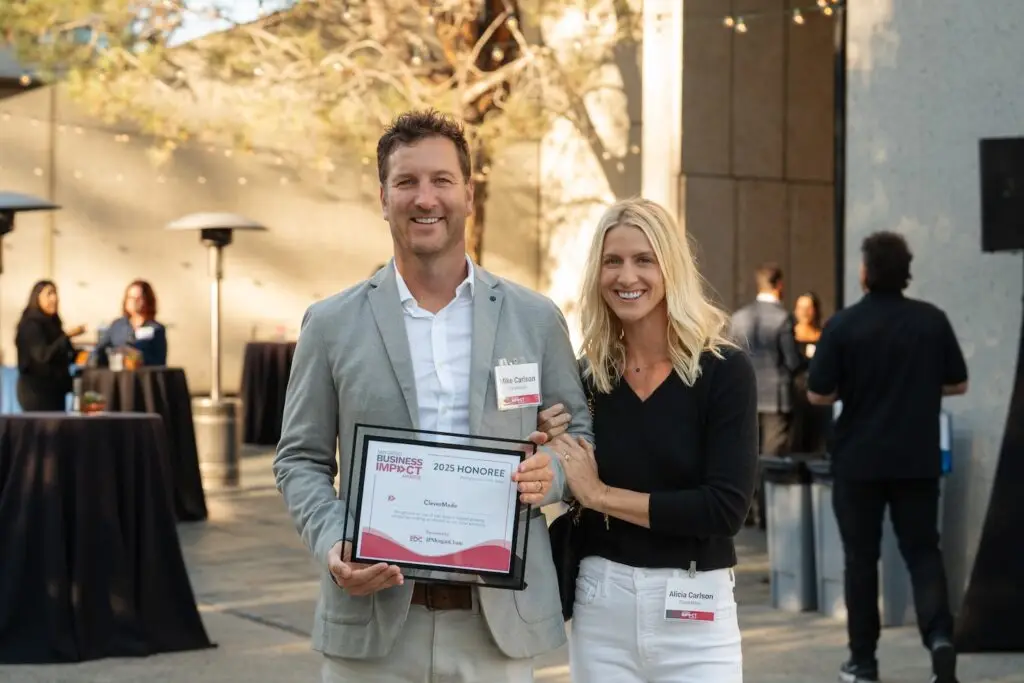
“In order to support thriving households, there has to be enough high-quality jobs for people to be able to afford to live here,” Cafferty says. “Once a company grows and excels past that middle market point in their growth cycle, they become much more likely to pay higher wages and compete globally.”
Both Cafferty and Ryan proudly tout the unique collaboration that exists among San Diego County businesses. Bringing together top universities producing high-quality talent, cutting-edge research institutions, a robust military and defense presence, leading ocean science and environmental organizations, and a binational, cross-border identity creates a distinct business ecosystem that defines and strengthens the San Diego region.
Last year’s San Diego Business Impact Awards celebrated nearly 60 honorees from 49 industries, representing a total of 8,232 jobs across eight sectors, including: software and technology, healthcare and life sciences, consumer goods, professional services, finance, construction and manufacturing, defense, and hospitality and tourism. On average, honoree companies doubled their revenues over the previous year, employed more than 145 San Diegans each, and offered an average annual compensation of $192,415.
Top honorees included defense contractor Innoflight, environmental consulting firm Bancroft Construction Services, life sciences startup Element Biosciences, defense technology contractor GALT Aerospace, organic grocery store chain Jimbo’s, and biopharmaceutical company LENZ Therapeutics. During the event, Innoflight Founder and CEO Jeff Janicik held a fireside chat offering his insights on investing in the community and embracing San Diego culture.
This year, organizers hope to continue highlighting the middle market players driving economic impact across the region. Nominations are now open through June 18 at 4 p.m. Get your tickets to the San Diego Business Impact Awards celebration to enjoy drinks by Snake Oil Cocktail Co., light bites, live music, and networking.
From rooftop cocktails to Michelin eats and luxury private villas—your guide to exploring Los Cabos, La Paz, Todos Santos, and East Cape
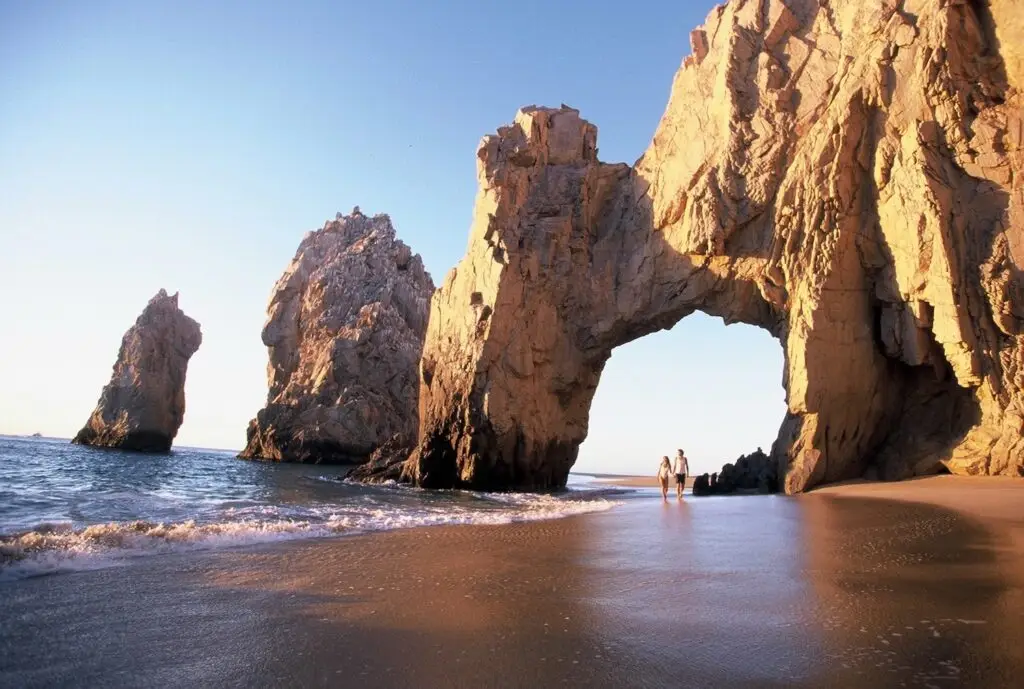
Baja California Sur is hot right now, and it’s not just the weather—leading hotel brands are adding dazzling properties to the beachfront (and golf-adjacent) lineup, notable chefs are helming farm- and sea-to-table restaurants, and master mixologists are crafting new cocktails from garden-fresh ingredients. San Jose del Cabo and Cabo San Lucas still retain that prized seaside vibe, capital city La Paz is expanding its luxury offerings, Loreto is maximizing its status as the enchanting “Pueblo Mágico” where charm meets nature, and low-key Todos Santos is dialing up the opulence. Luckily, all the “new” is just a short flight (or road trip, if you’re adventurous) from San Diego.
Los Cabos | La Paz | Todos Santos | East Cape
Opened in 2024 with a mix of guestrooms and private residences, this luxuriously welcoming, village-style resort within putting distance of Cabo Del Sol greens offers a guests-only, swimmable beach; private plunge pools; and retractable floor-to-ceiling glass doors.
This adults-only, $150 million, beachfront all-inclusive enclave within Grand Velas Los Cabos launched in 2023 with Michelin-starred cuisine and four mixology concepts to sip your way through. Try an Ice & Fire treatment at the spa or reset with a “harmonizing ritual.”
Loyal Hyatt guests, rejoice: The first Park Hyatt in Mexico debuts in summer 2025 with plunge pools for private dipping, cabanas, golf, a full-service spa, a fitness center, international dining, a nail salon, a coffee shop, and a kids’ club onsite.
2025 ushers in a $50 million update to this all-ages, all-inclusive seaside resort: relaxing décor, swim-up suites and floating lagoon fire pits, a two-story spa, 16 dining and drinking spots, and renovated rooms with private balconies.
Last year brought a complete revamp of the iconic 1956 Tropicana Inn, one of the oldest hotels in the heart of San Jose del Cabo. It’s still cozy but much more expansive, with 68 rooms,
a new pool, an intimate bar overlooking the boulevard, and a farm-to-table restaurant.
New as of late 2024, this all-inclusive resort provides a beachfront pool, plus private balconies and views with every room. The sushi bar at El Faro (the lighthouse) offers 360-degree vistas.
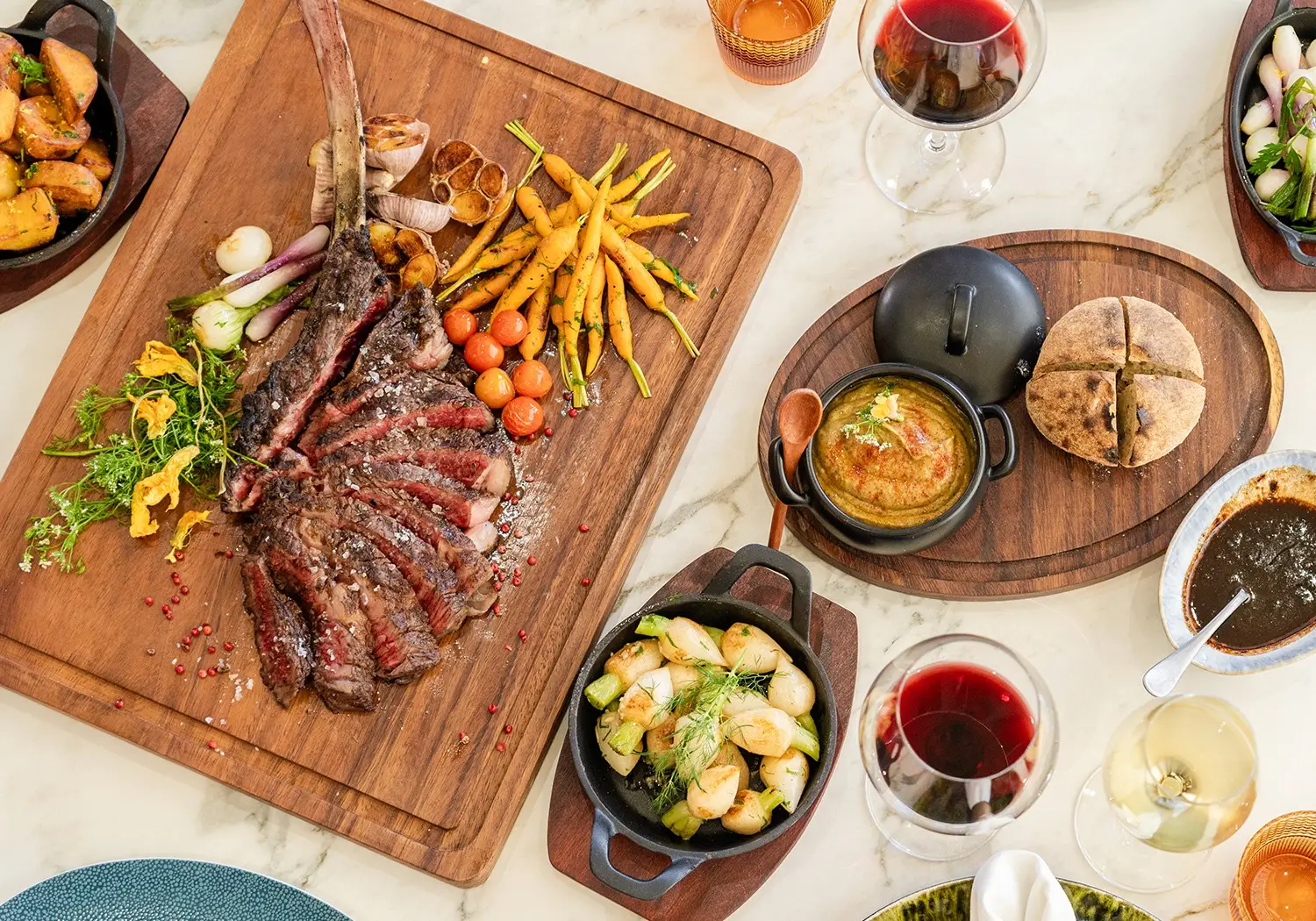
Opened in late 2023 at Diamante Cabo San Lucas and overlooking the greens at El Cardonal and the Pacific, Tiger Woods’ luxury sports bar serves Mexiterranean fare with local produce, fresh- caught seafood, and an onsite butcher shop.
Laying down spicy, gingery Asian-Latin seafood dishes since late 2023, Zenna is a stylish escape (with plenty of al fresco seating) at Palmilla Dunes.
At beloved chef Roger Martín’s second location, opened in 2024, you’ll find Baja dishes, Italian cuisine, and classics like tuna tartare. Start with charcuterie and a cocktail, then order the linguine habanero and the lobster risotto.
M Bar joined Nobu Residences’ rooftop lineup in 2023. Catch the sunset here on the west side of the cape, order cocktails and nibbles, and take in the view and sea air, then hit your next stop for the main meal.
Dine under the stars in executive chef Fabio Quarta’s private garden at Four Seasons Costa Palmas. This restaurant, opened in 2024, seats only 12 guests a night for a nine-course odyssey featuring seasonal ingredients and pairings from sommelier Victor Itza Pacheco.
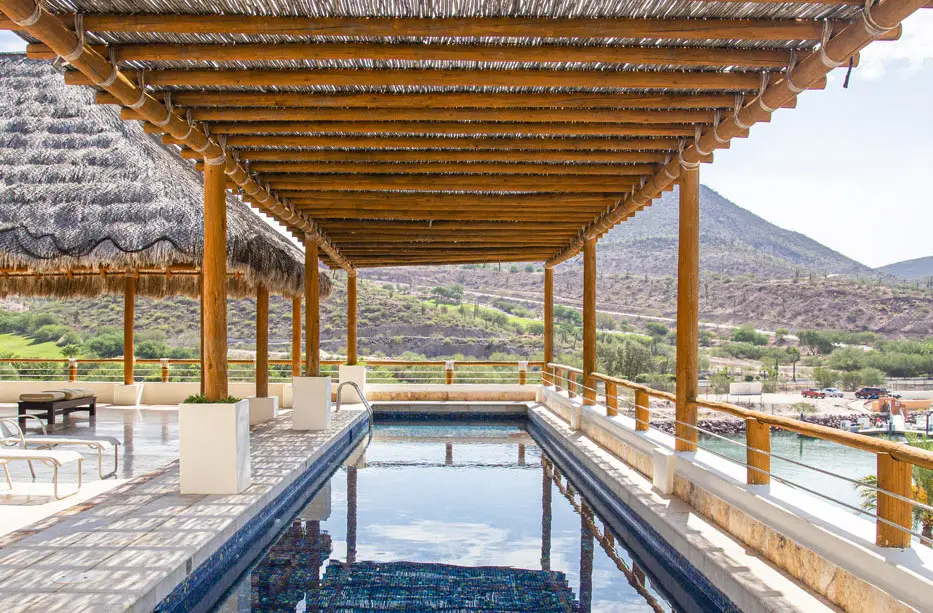
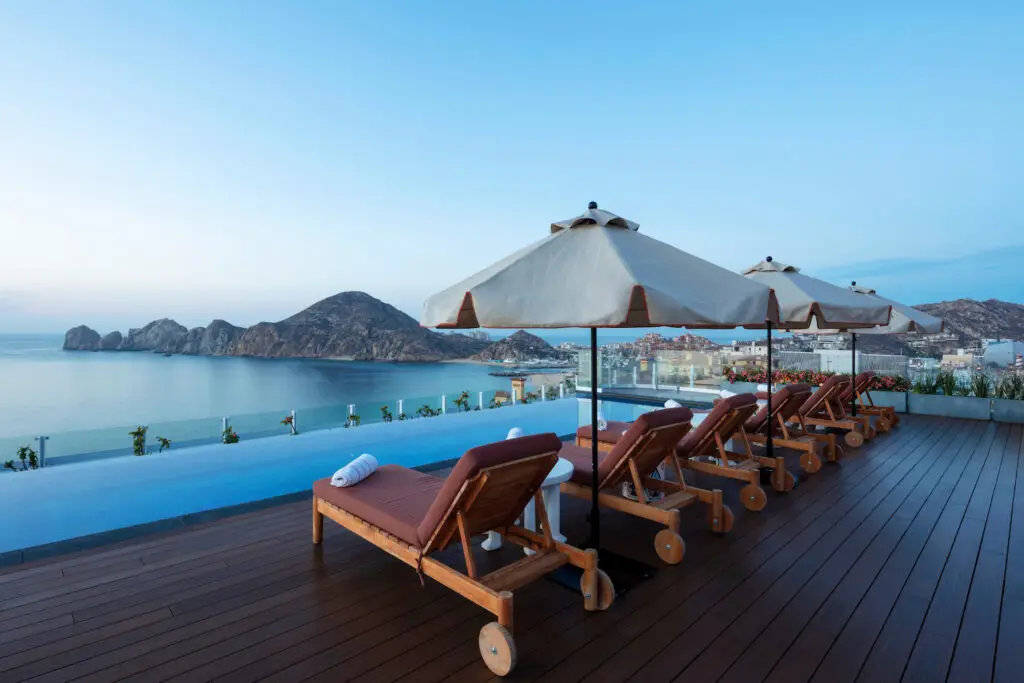
In 2024, IHG Hotels & Resorts opened this 115-room facility as a getaway from the bustle of Los Cabos, with a beach club and outdoor infinity pool. Access golfing, snorkeling, and boating, or simply stroll along the malecón.
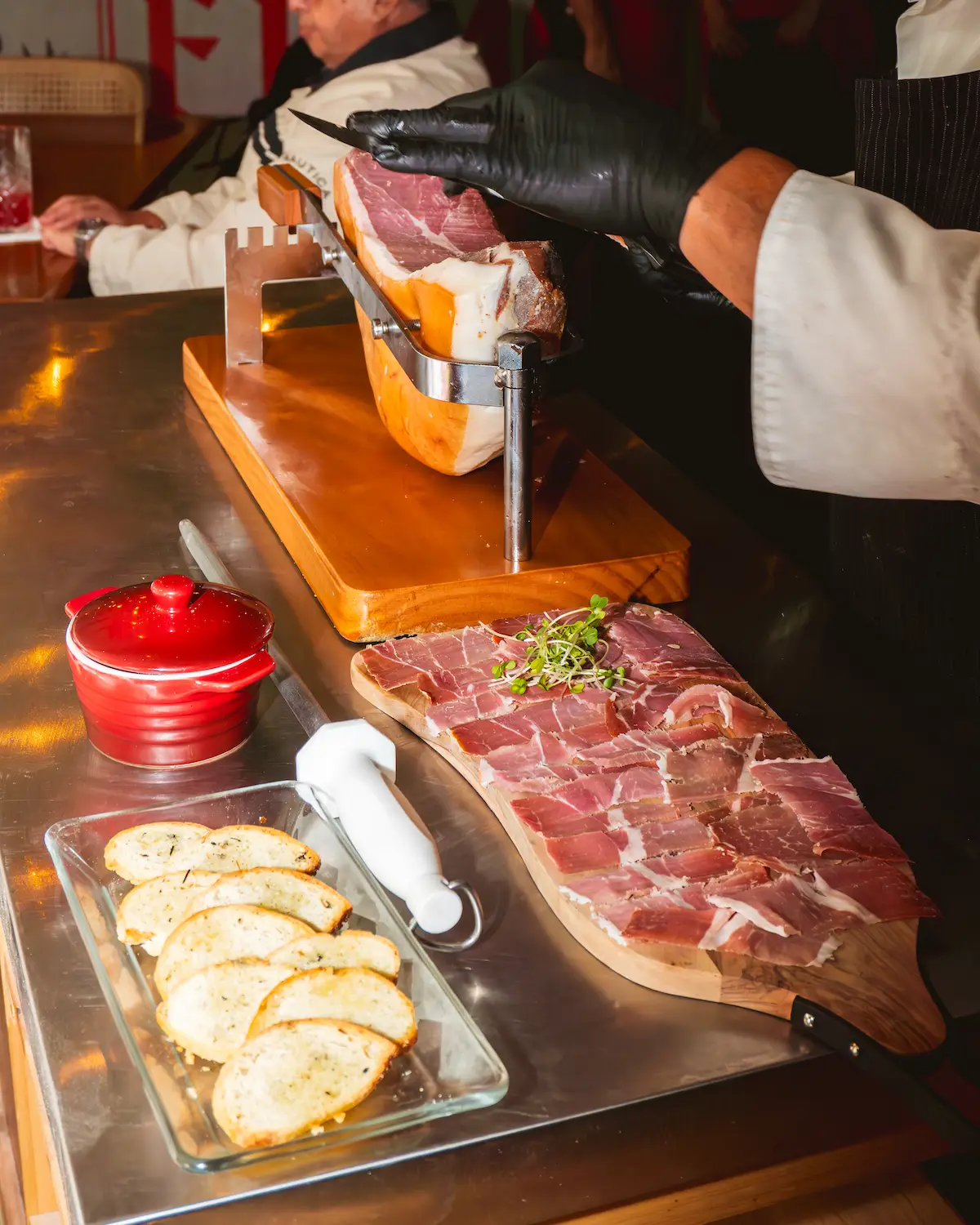
This upscale, full-service restaurant opened in 2024 on the terrace at popular sando spot La Esquina Deli & Market. Expect sumptuous Italian pastas, hand-tossed wood-fired pizzas, and grilled meats. Don’t skip the cocktails—or the reservations.
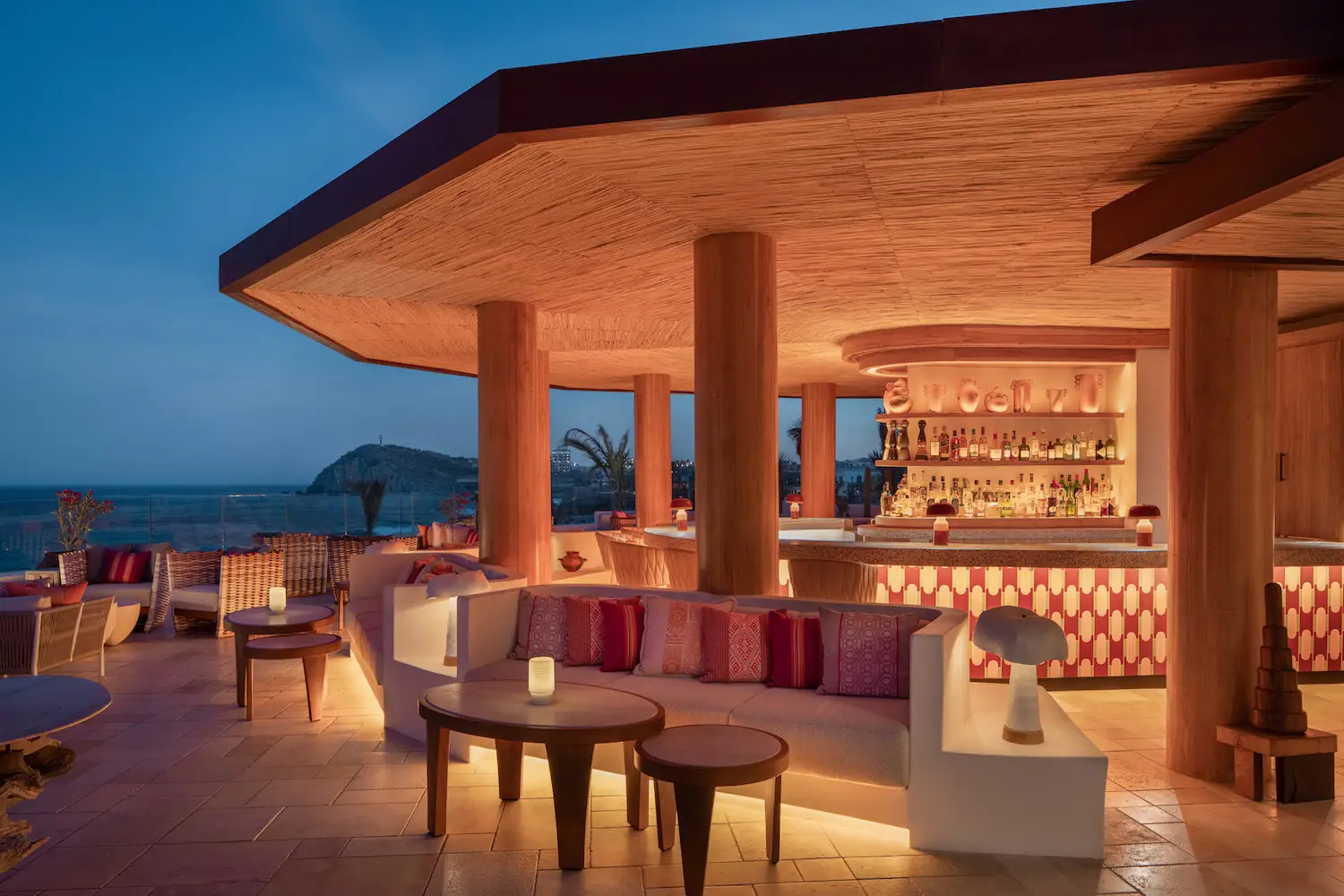
Beneath flowing, sculptural architecture, look out over the sea from the rooftop of hotel República Pagana while enjoying master mixology, music, and comforting bites.
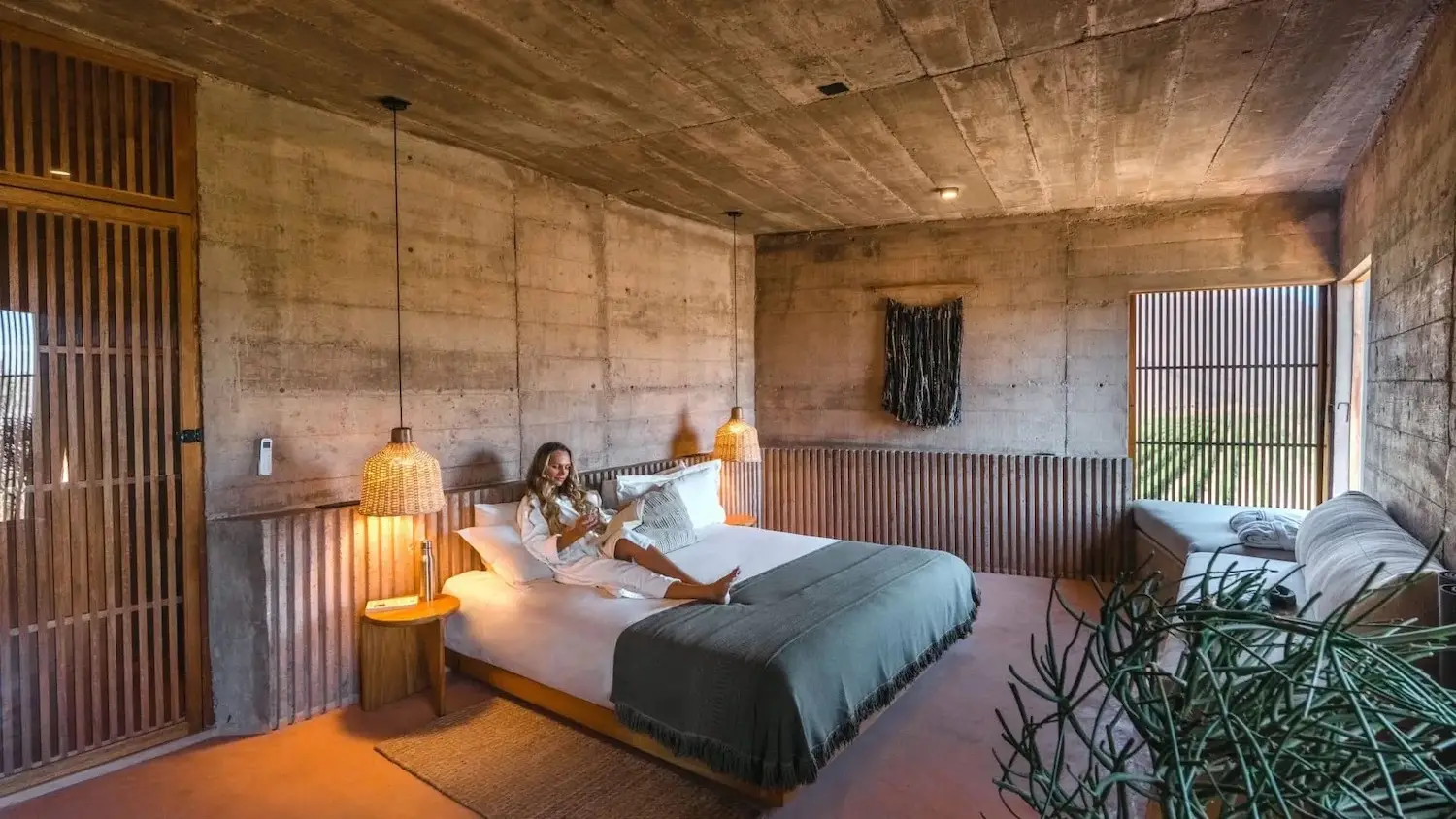
Built in 1890 by a Spanish countess and converted in 2024 to a 10-key boutique hotel with $1 million in renovations, this is an opulent escape with a secret wine cellar. The lower-level suites come with plunge pools and gardens.
One of three hotels in Mexico to join the Leading Hotels of the World list in 2024, this resort treats guests to opportunities to explore nature. It’s set to expand in 2025 with 26 family-friendly, ultra- luxe villa residences starting at $2.5 million.
This Playa Punta guest favorite just added a private beach and six luxurious oceanfront saltwater plunge pool rooms with immersive indoor-outdoor spaces and private outdoor soaking tubs.
A 2025 refresh brings 24 new ocean-view rooms, including eight rooftop villas with hot tubs and fire pits, and oceanfront glamping tents. The hotel—co-owned by two San Diego families—provides horseback-riding excursions, onsite stargazing, beach bonfires, and outdoor massages.
Opened in April 2024, this updated oceanfront, adults-only, luxury boutique hotel offers seamless indoor-outdoor spaces, with terraces and private plunge pools in view of dramatic mountain, desert, and ocean backdrops. There’s a sea turtle hatchery and a bird sanctuary on the grounds.
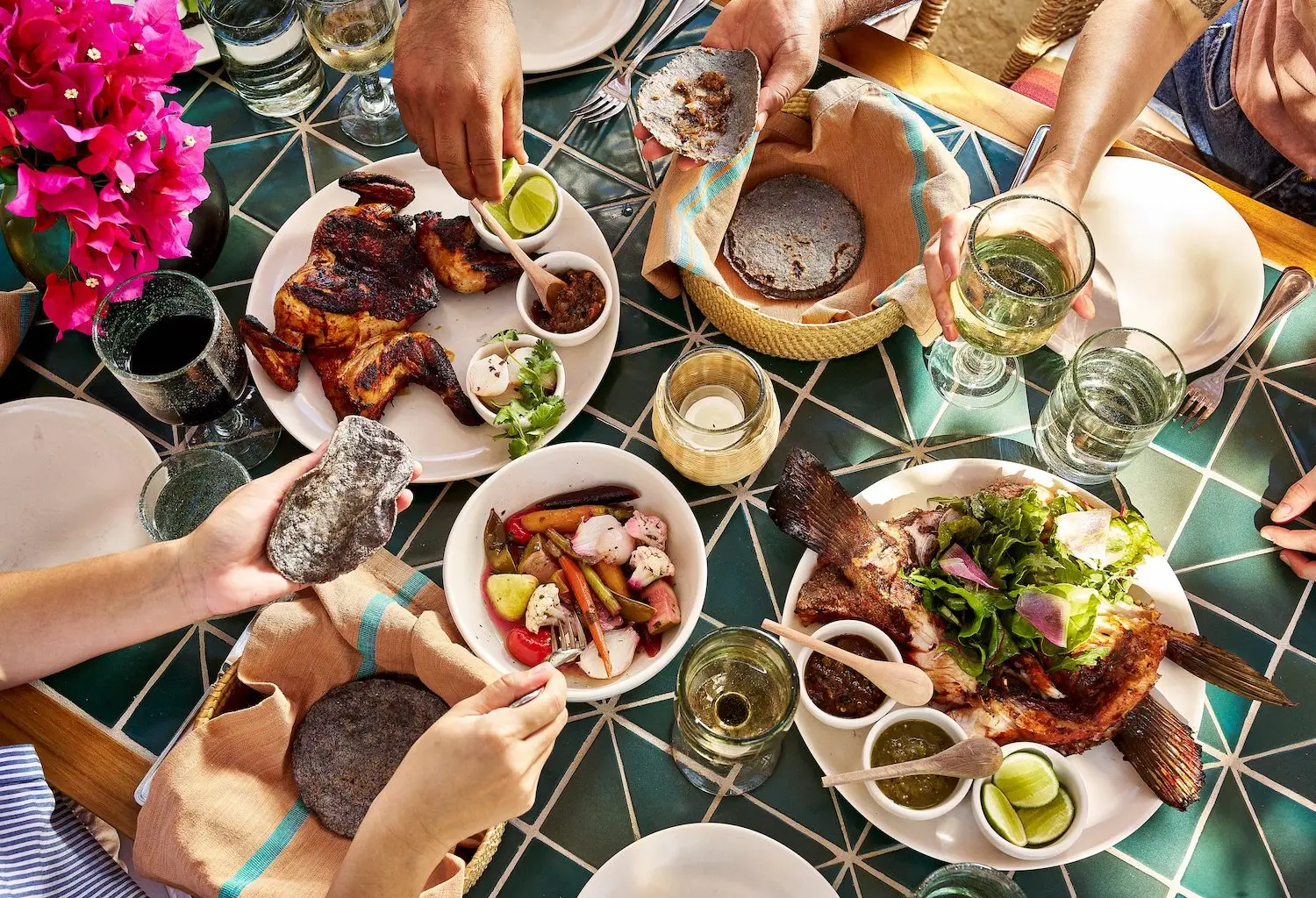
Dishes are prepared in an outdoor kitchen and served family-style in the garden, with seasonal ingredients from land and sea. Sip a cocktail adorned with a flower or infused with herbs.
The hotel restaurant serves seasonal produce and handcrafted cocktails from the new Farm Bar in the open air amid agave plants.
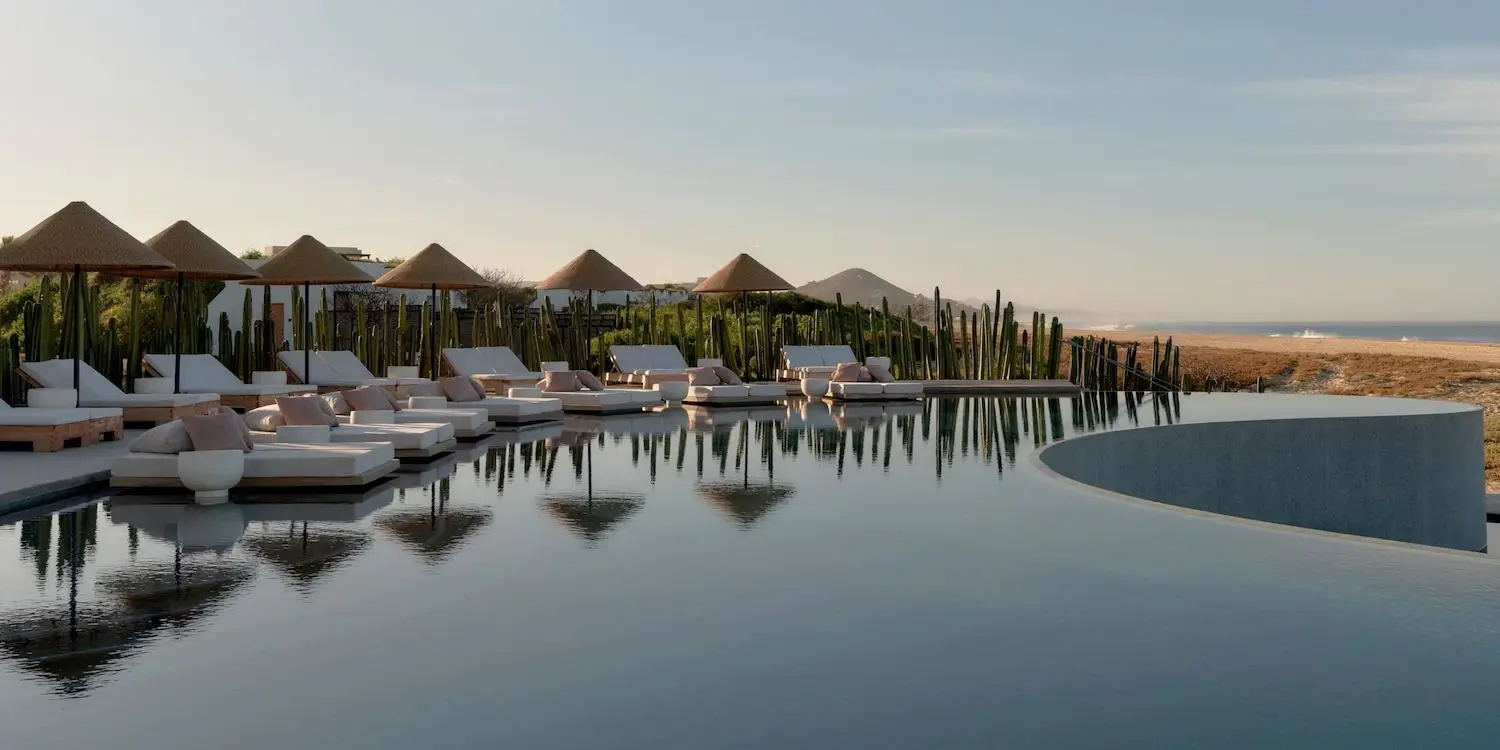
Here, you’ll find 25,000 square feet of curative treatments (with botanicals from the garden onsite), meditation indoors or outdoors, hydrotherapy, yoga, Pilates, and, soon, pickleball.
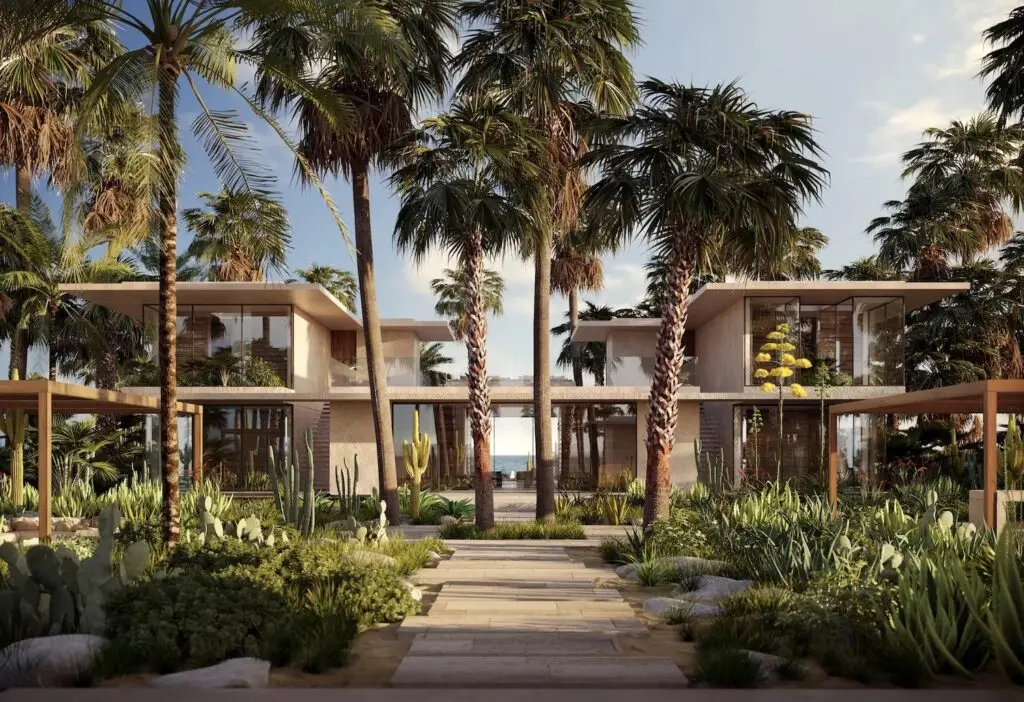
On the quieter East Cape near La Ribera, this new enclave at Four Seasons Costas Palmas—slated for late 2025—will feature 20 standalone bi-level villas. Floor-to-ceiling windows, private pools, and outdoor terraces will provide a seamless transition between interior accommodations and natural surroundings.
New for 2025, the latest Vidanta property claims to have the largest saltwater pool in the world, and it overlooks the Gulf of California. Rumor has it a Cirque du Soleil show (like at other Vidanta locations) is coming, along with a Greg Norman–designed golf course and rooftop poolside dining.

Leorah Gavidor won her first essay contest at age 5. She writes features, news, and non-fiction in San Diego.
Pick up a bottle or plan a tasting from these esteemed Baja wineries featuring everything from organic pours to a century-old icon
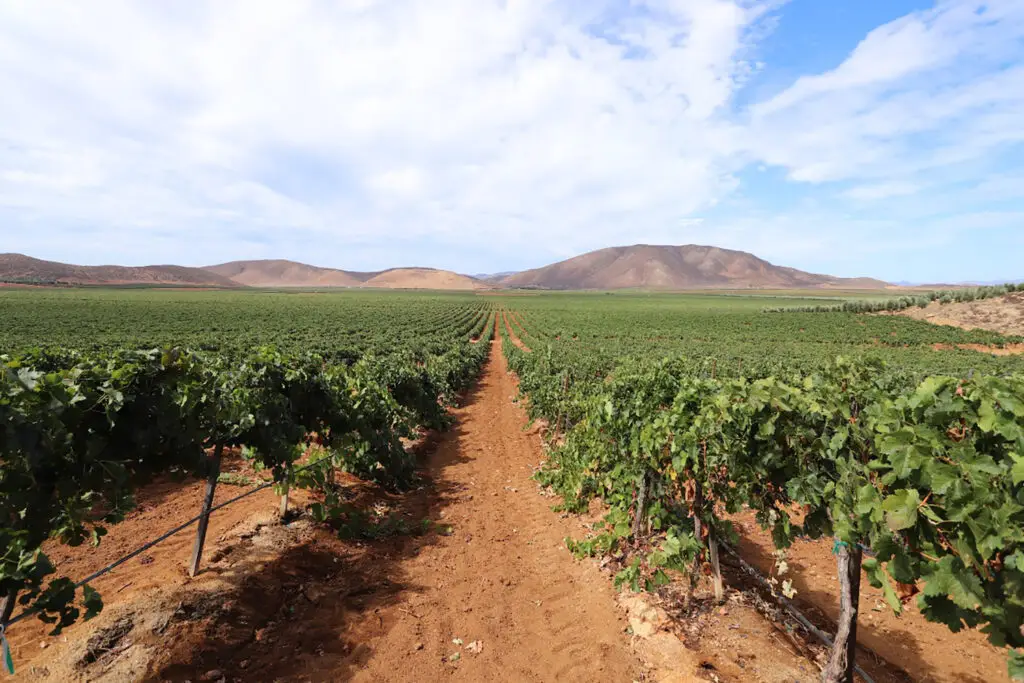
With more than 100 wineries in Valle de Guadalupe, knowing where to go and which to try can feel overwhelming. Luckily, we took the guesswork out of the task and put together a list of our favorite wines in the region from organic pours to a husband-and-wife team, and a century-old icon, here’s what to drink in Valle.
The first organic and biodynamic winery in Mexico (with certifications from CCOF and the USDA) is best known for its Árbol line—the 2021 grenache rosé is fresh and acidic, with notes of strawberries and red fruit.
A highlight of winemaker Phil Gregory’s vision is the 2020 Ambar, a skin-contact chardonnay that is aged for two months in neutral oak barrels, yielding a smooth trip toward the tannic pleasures of an otherwise hackneyed grape.
This husband-and-wife team does it all, from concept to harvest. Try their 2023 sauvignon blanc—its stainless fermentation gives way to a taught acidity.
Started by ex-veterinarian Pau Pijoan, this sleeper hit of the valley is best known for “El Carbónico,” a playful take of the known grapes of the region—grenache, tempranillo, and syrah—fermented through carbonic maceration.
Channeling the body and depth of Super Tuscans, the 2018 Petite Sirah from this nearly 100-year-old icon is a hearty red whose grapes hail from the Rhône Valley in France but feel just as at home in the arid landscapes of Valle de Guadalupe.

Danielle is a freelance culture journalist focusing on music, food, wine, hospitality, and arts, and founder-playwright of Yeah No Yeah Theatre company, based in San Diego. Her work has been featured in FLAUNT, Filter Magazine, and San Diego Magazine. Born and raised in Maui, she still loves a good Mai Tai.
Scripps study shows that some patients may be able to taper their dose and maintain results

While glucagon-like peptide-1 (GLP-1) receptor agents have been used to treat Type 2 diabetes for more than 20 years, their recent emergence as weight-loss wonder drugs marked a new frontier in medicine. But their effectiveness has left some patients wondering what to do once they’ve reached their goal. Stopping the medication could mean regaining some, if not all, of the weight. A Scripps Clinic internal medicine physician recently conducted a small study of whether GLP-1 patients who had reached their goal weight could maintain that weight by taking their regularly prescribed injection every other week instead of weekly. Spoiler alert: 30 of 34 patients did. Read more about the study here and what that may mean as pharmaceutical companies roll out oral GLP-1s.
For more nutrition, wellness, and healthy living tips, sign up for the San Diego Health newsletter here.