Bridge the gap between military and civilians with a donation to this national institute that trains civilians to effectively communicate with veterans.
Contribute items to military families, including baby supplies for new mothers whose spouse is deployed, or school supplies for newly relocated military kids.
Kai Oliver-Kurtin is a San Diego-based writer who covers travel, dining, events, and culture. Her writing has been published in USA Today, Condé Nast Traveler, Fodor's Travel, Marie Claire, and HuffPost, among others.
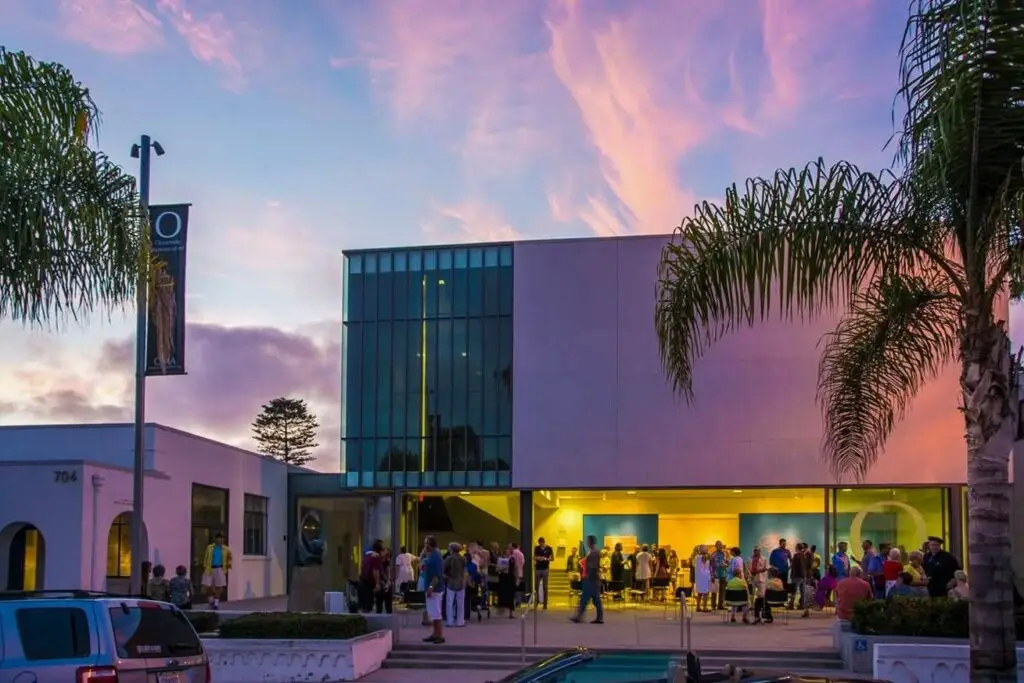
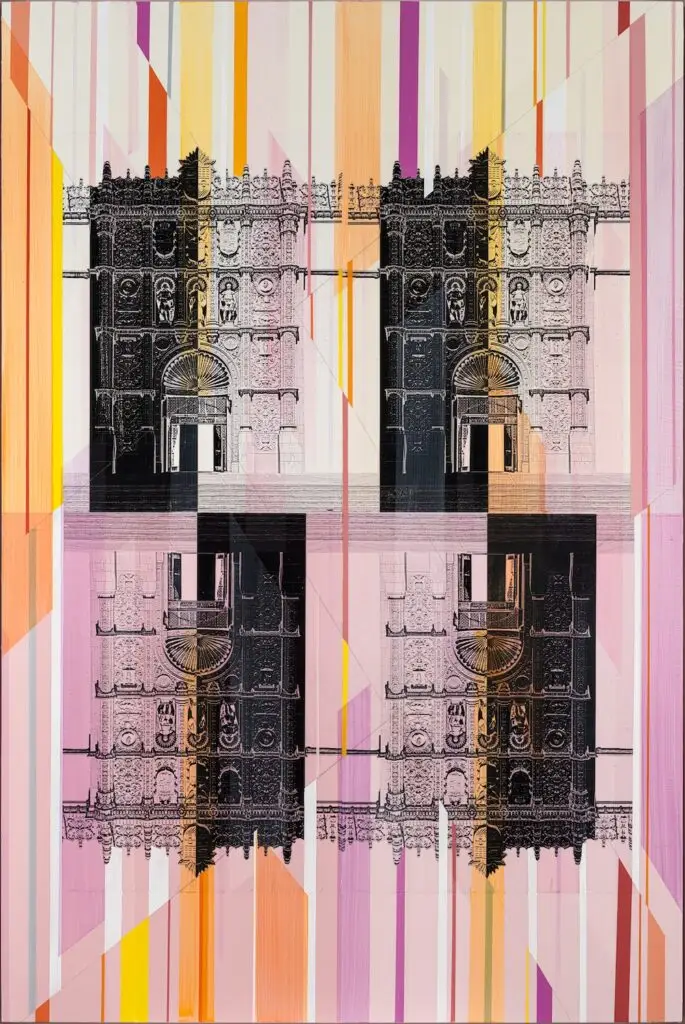
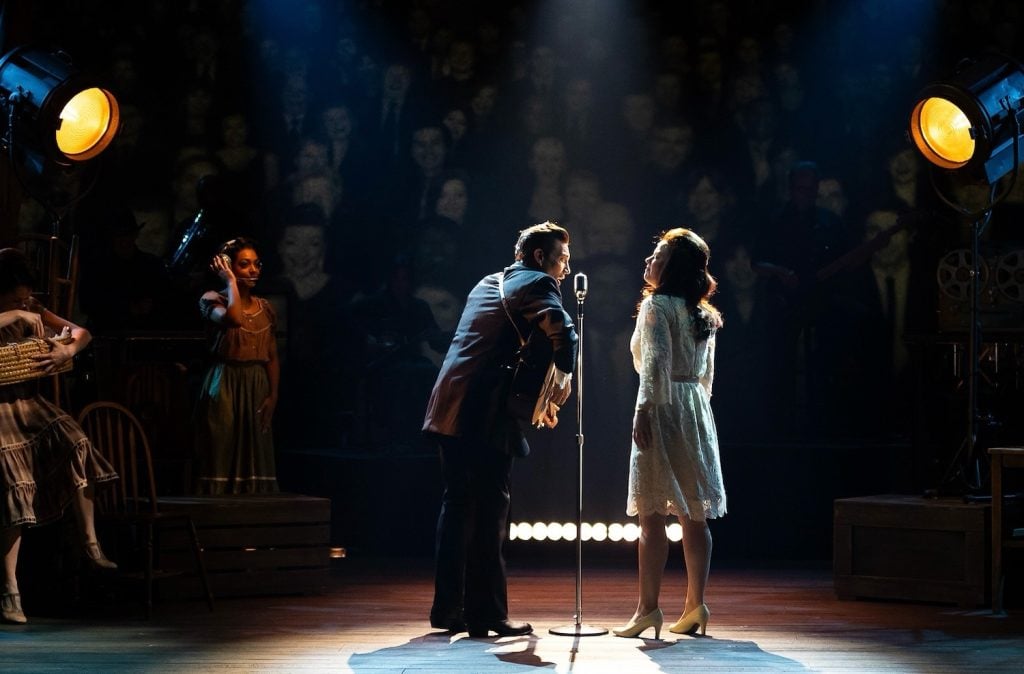
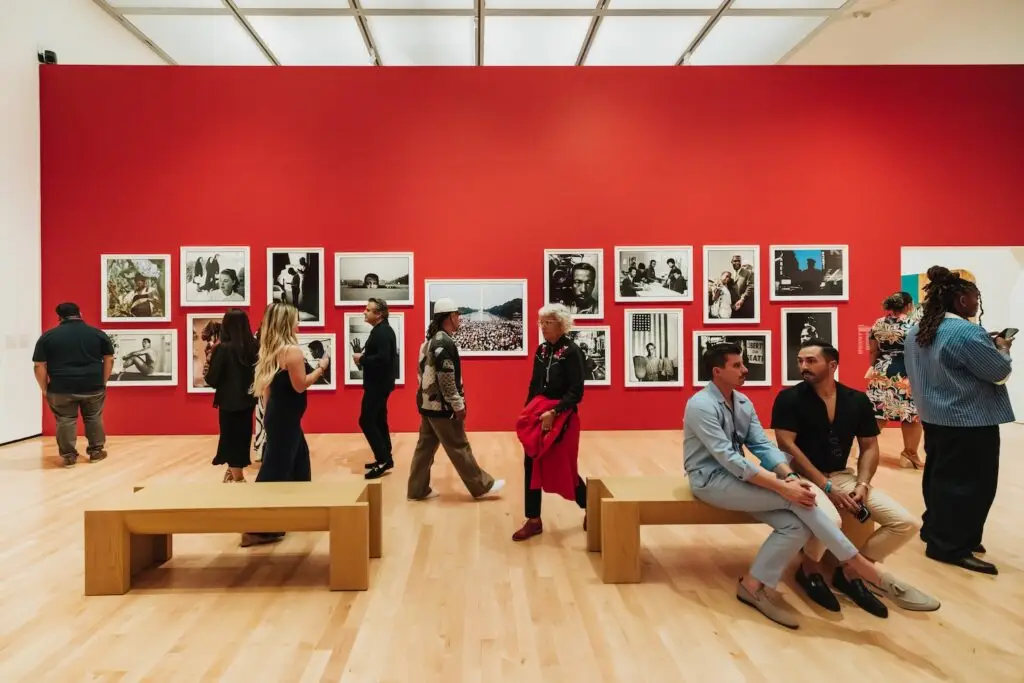
On February 28, 1926, the Fine Arts Gallery of San Diego (now called the San Diego Museum of Art) opened its Plateresque doors to 3,000 guests for opening day. Over the next century, the museum changed with the times—even once functioning as a naval hospital after Pearl Harbor. This year, the museum is celebrating its 100th birthday with an exhibit (open through January 24, 2027) featuring photographs, ephemera, and film footage spanning the museum’s history.
Courtesy of Tim Novara
Free Concerts at Spreckels Organ Pavilion
Every Sunday from 2 to 3 p.m., stop by the historic Spreckels Organ Pavilion for a free concert presented by the City of San Diego on the largest outdoor organ in the world (more than 5,000 pipes). The pavilion seats 2,400 for performances by the civic organist or guest artists.
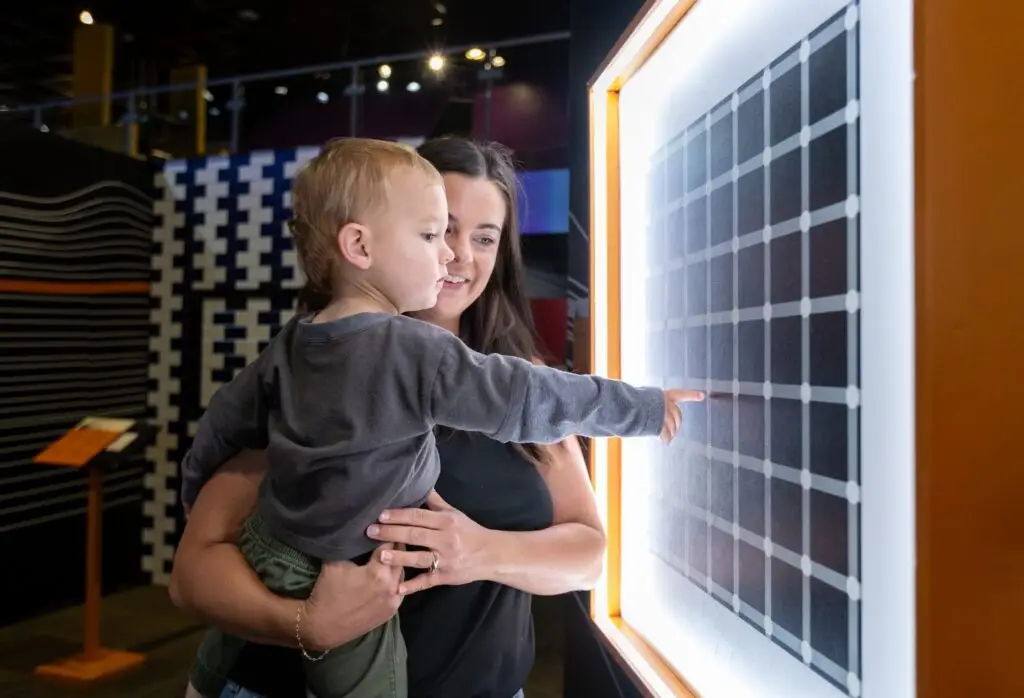
Some think natural history museums are just cemeteries for dioramas that haven’t received an update since the Reagan administration. When it comes to The Nat, which just finished a $7.5 million rejuvenation, they’re totally wrong. The museum debuted a new rooftop that replaces its 25-year-old atrium. The old roof created a greenhouse effect that steamed up some exhibits, so the new one—which includes 200 solar panels and better temperature control—will help preserve the artifacts inside. Each Friday in the summer, The Nat also becomes one of the season’s vibiest hotspots during Nat at Night, with food from places like Wolf in the Woods and The Craft Taco, bars and signature cocktails on several floors, and a rooftop DJ.
Fleet Science Theater Remodel
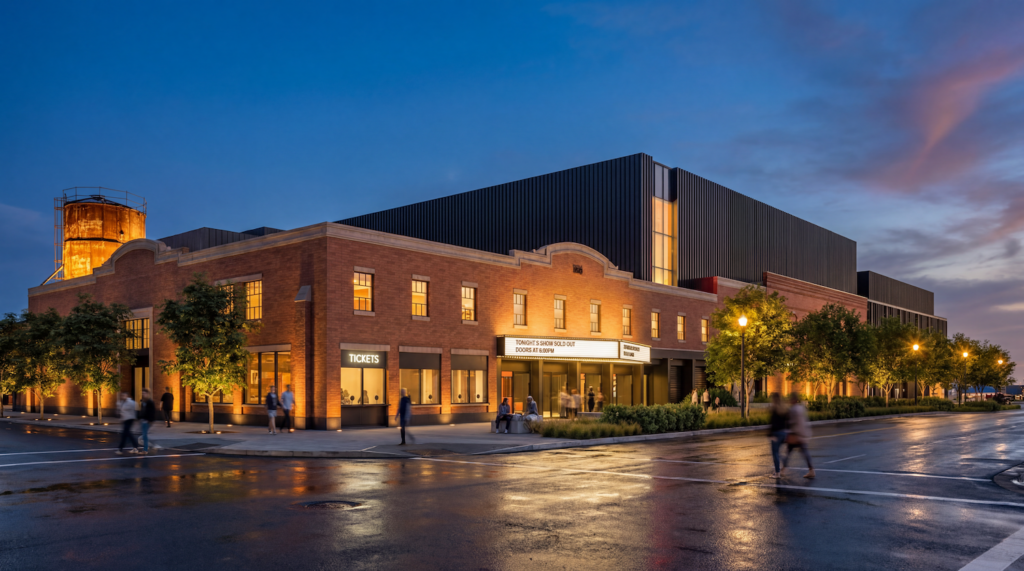
The Fleet Science Center just received its most significant update since the 1990s. It expanded its exhibit space by 20 percent and introduced a newly designed entrance gallery (formerly the IMAX theater lobby) that includes free exhibits for visitors who want a taste of the science without paying an admission fee. The former ticketing area now houses the Mindbender Mansion exhibit, and there’s a new café, Element 8, that will, of course, sell the center’s famous soft serve.
Boredom's not an option. These are a few of the top events in the city each year, including a rodeo, free summertime music festival, and a chili cook-off
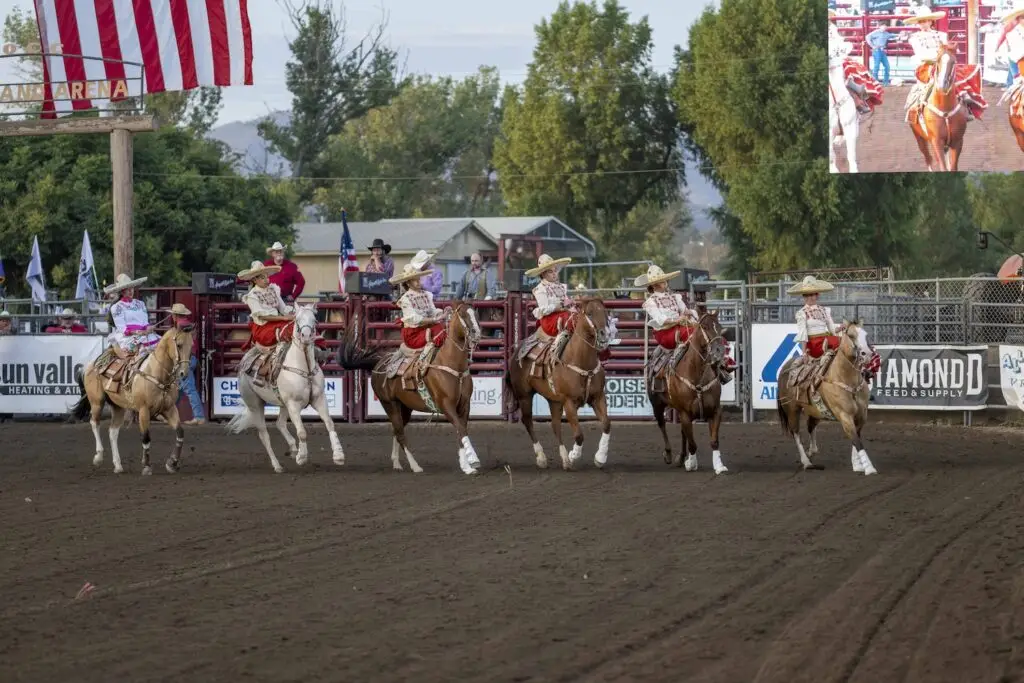
Meet some rodeo queens (or be crowned as one yourself) in R-Town’s annual celebration of the Wild West. Three days of mutton bustin’, tie-down roping, and barrel racing are all doing the community some good: Proceeds from the event funnel into local organizations like Ramona Town Hall and the Guy B. Woodward Museum. This month marks the 45th annual Ramona Rodeo, which takes place in the Fred Grand Arena and draws more than 12,000 attendees each year.
For nearly half a century, OB has hosted a chili cooking competition that has drawn thousands of hungry locals. (Buzz Cannabis presented this year’s event, so taste testers could have been under the influence of munchies-enhancing drugs.) Non-chili-related street fair festivities include beachfront live music, Fun Zone family-friendly play areas, and a Dirty Birds wing-eating contest.
Photo Credit: Cole Novak
Chicano Park Day
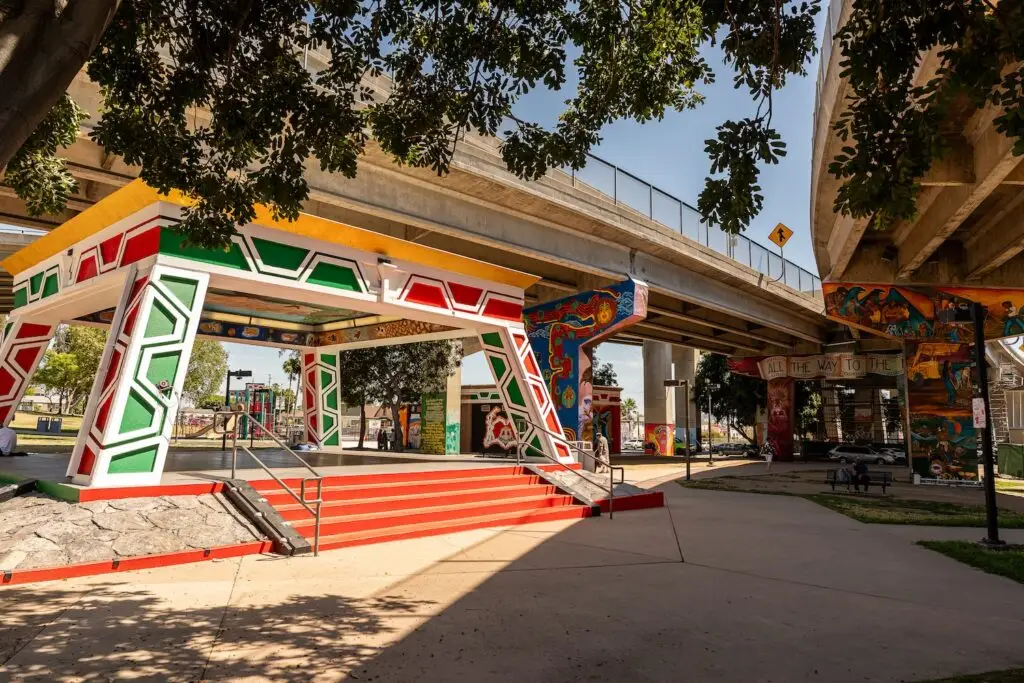
In 1970, Chicano Park was set to become a California Highway Patrol station. The problem: The city had promised a community park in that area. After decades of development fractured Barrio Logan and displaced thousands of families, Chicano locals were tapped out. So, for 12 days, locals occupied the area under the Coronado Bridge, blocking bulldozers and planting cacti. It worked. Construction stopped, and that area is now Chicano Park. Each year, locals celebrate the successful preservation of Chicano Park and the resilience of the Chicano Movement.
Solana Beach gathers at Fletcher Cove Park at the start of each summer for two days of live music ranging from country to pop to Chicano rock, plus an arts and crafts fair, an international food court, a beer and wine garden, and the Solana Beach Firefighters Association’s pancake breakfast. The event is free, but if you want an elevated experience, grab Seaside Pavilion ($75) or VIP Deck ($160) tickets for reserved seating, private cash bars, exclusive restrooms, and discounted swag.
Courtesy of North Park Music Fest
North Park Music Fest
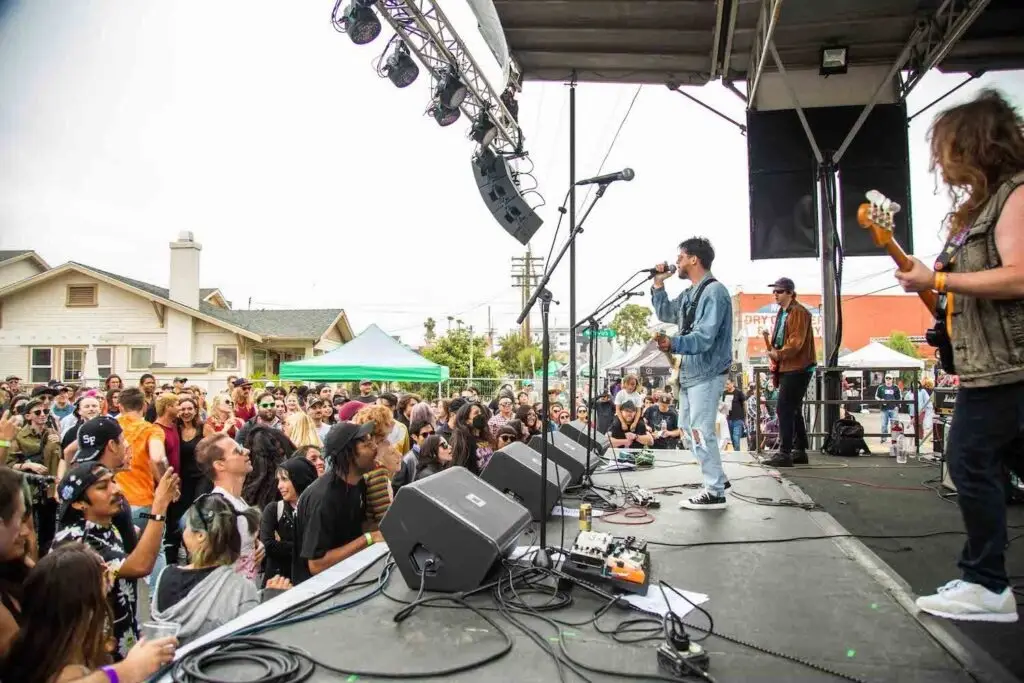
The entire North Park neighborhood hosts an annual music festival, meaning a dozen venues—from Queen Bee’s to Bacari to North Park Community Park—become live music spaces each June. Some locations are open to the public, but if you’d prefer lounge access at Granada House and line-skipping privileges, check out the $65 VIP passes. General admission otherwise starts at $25.
Lemon Festival
It’s weird if you don’t wear a lemon-themed outfit at Chula Vista’s annual Lemon Festival. For one day each August, Third Avenue pays tribute to the city’s former “Lemon Capital of the World” status with live music, citrus-themed photo ops, arts and crafts vendors, a lemon cook-off competition, and plenty of other food that doesn’t include the famed hesperidium. But who would want that at Lemon Fest?
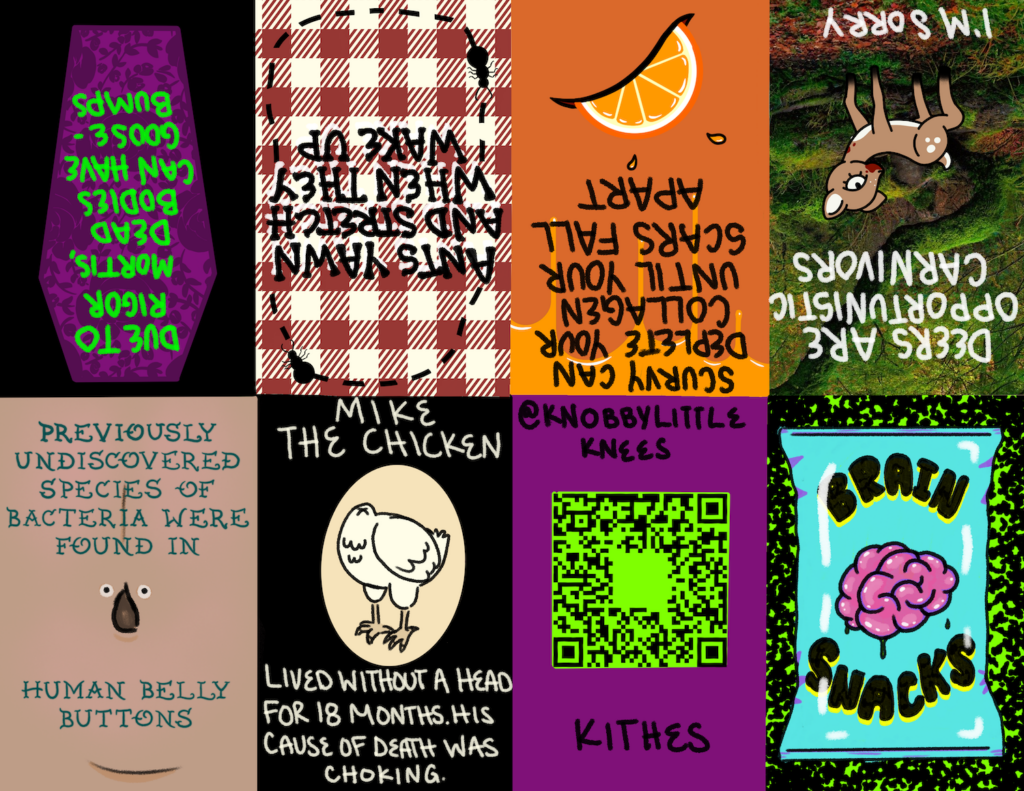
If magazines are like the adultier eldest daughters who know exactly how much anarchy they can get away with, zines are the far less predictable younger siblings going on whim and instinct. Those who draw on the walls around the house, DIY their own piercings, and experiment with different emo/straight-edge/back to emo phases (or not-phases). Boundaries and routines are what zines were created to rail against.
Walk into Verbatim Books’ zine corner, and this rebellion is immediately clear. Zines have no singular form, no clean category or definition. Vintage magazine scraps are collaged into new meaning alongside mini fandom zines. Single sheets of plain white printer paper are covered in nothing but black ballpoint pen. Repurposed hardback book covers are folded into something entirely new. Some are duct-taped together, others stapled. Some glossy, others matte. There are guides to anything and everything, comic panels, photography, hand-drawn cartoons, poetry, recipes, diaries, and ramblings that only make sense to the person who made them—and that’s on purpose.
Zines are creative magic. And with no rules, they’re incredibly accessible. Anyone can zine and have a voice, regardless of artistic training or work life experience.
You are your own Anna Wintour, Graydon Carter, Ruth Whitney.
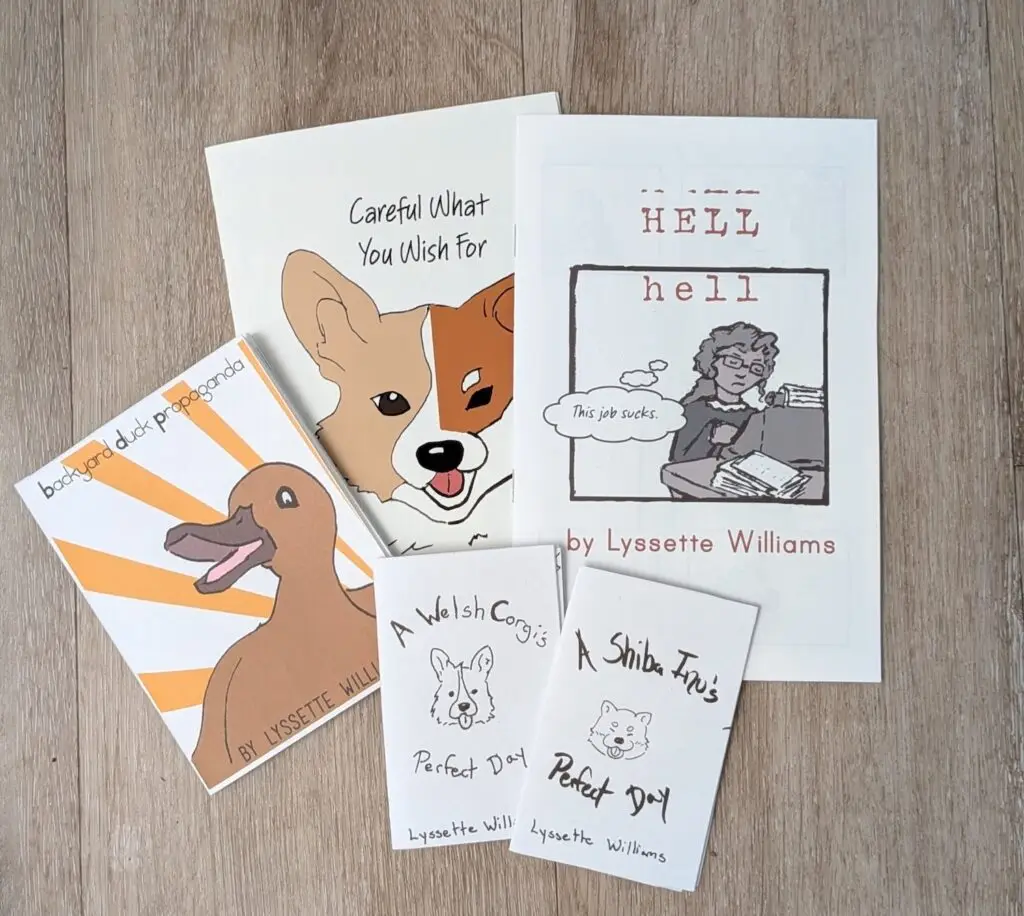
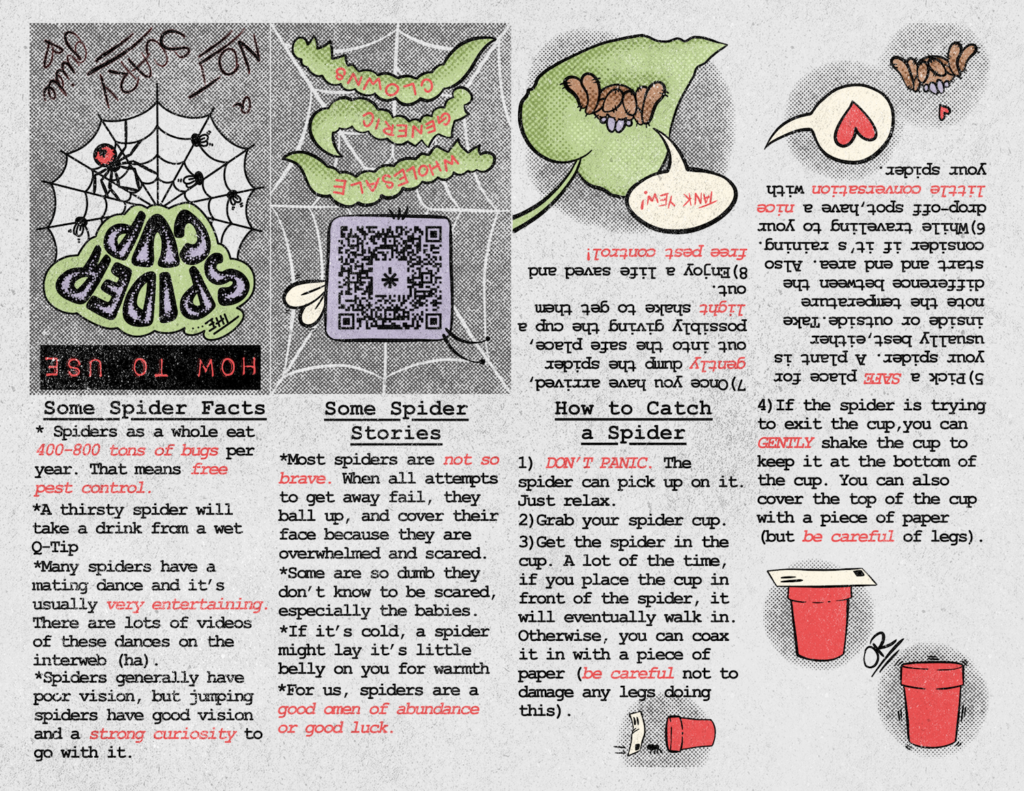
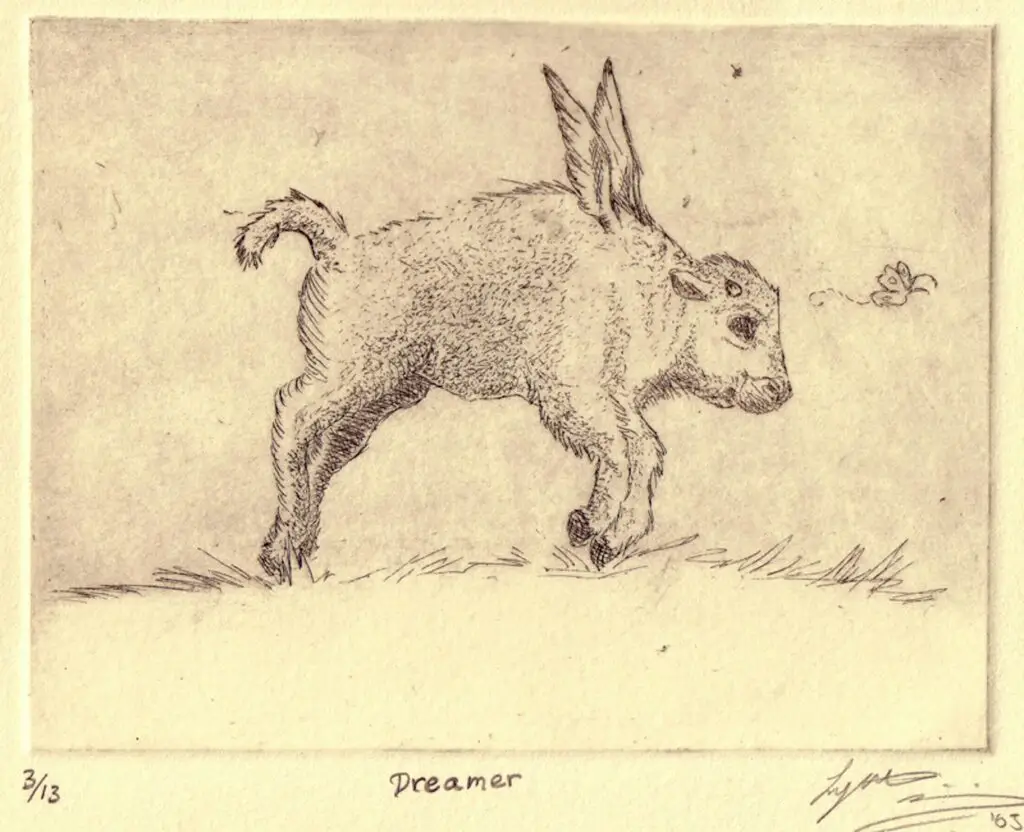
San Diego–based zine creator Lyssette Williams specializes in mini zines—often limited to eight pages, they’re meditations in abbreviation. Outlining, thumbnailing, and revision all move quickly from idea to page. Larger projects, including Williams’ long-form graphic novel thesis, move at a slower pace. For those, she often returns to pen and ink, a choice that resists the over-editability of digital work.
Raised by a single mother and navigating mixed-race identity in a predominantly white town, she finds a home for processing it all in zines. Her work deals in identity, belonging, self-definition, and punk-rock childhood. But it isn’t always heavy; Williams creates a mini duck-themed zine called Backyard Duck Propaganda that’s hard not to love. “When I create, I think about what would have helped me find the words back then, what my younger self would’ve needed,” Williams says. “[Zines] put the tools in your hands and democratize art. They’re translations of memories and identities.”
Courtesy of Lyssette Williams
For Williams, a big reason she keeps creating is being surrounded by other creatives—a scene that extends across the border. She points to Verbatim and Comicbook Artists of San Diego, plus events like Zine Fest (October 17–18 this year at Woo in Barrio Logan) and Black Comix Day at the WorldBeat Cultural Center.
Zines have always been a road for subcultures. During the Harlem Renaissance, Black creatives like Langston Hughes and Zora Neale Hurston self-published one issue of Fire!!, which inspired other Black authors. In the 1930s, zines (then called fanzines) were hubs for sci-fi nerds to write fanfiction, address the fandom, and create new characters. Superman actually made his public debut in a fanzine called Science Fiction (he was originally cast as a villain with a fully receded hairline). A couple decades later, zines about feminism and riot grrrl became subculture de rigueur.
The internet nearly killed zines, of course. But now, people tired of the algorithm’s firehose are finding comfort and renewed inspiration in analog. Zines, a salve for digital fatigue.
Courtesy of Duophobia
A giant figure in San Diego zine culture is Burn All Books. Founded by Amanda and Nick Bernal, BAB started as a risograph (digital screen printing) studio and turned into one of those places that keeps expanding the whole scene around it, even forming its own archive group, SCANNNERS. Since opening in January 2023, it has published over 35 works and collaborated with more than 100 artists, writers, and zinesters.
For Duophobia, the pseudonym for local twin sisters Alora and Kiani Dotson (affectionately known as the “possum twins”), zines make room for experimentation and play that doesn’t fit anywhere else. Room for eclectic cartoons and dirty jokes. For sticker-covered sketchbooks.
It’s that same brand of nostalgia you might feel when, say, you walk past the carcass of an abandoned mall and see a faded cartoon mural. Their work lives somewhere between childhood and adulthood, where being unserious is taken very, very seriously.
“We’re born and raised in San Diego, and the community of artists here is a main reason we started publishing,” Kiani Dotson says. “There are people here like Trixxie Land who run open art gatherings. Show up, and you’re part of it.”
Land, a zinester herself (she made 250 single-page zines during 2020’s lockdown), is all about storytelling over hierarchy. Art shouldn’t be about gatekeeping or intimidation, she says. So she holds open-invite arts shows at Subterranean Coffee.
Courtesy of Lyssette Williams
Duophobia regularly share their work at local galleries like Subterranean, filling that lowbrow space with pieces that answer: “What would’ve made us laugh as kids?” Children are often the first to pick up their zines, unfolding them in every direction while parents briefly panic at the impulsive destruction. The twins always step in. “No, no, it’s okay,” they say, before showing how one sheet of paper folds into an entire little book. “It’s like magic.” More often than not, the kids leave with a tiny zine tucked under a tiny arm, future San Diego zinesters in the making.
When asked what a zine really is, Alora Dotson’s response was simple: “It’s anything. Literally anything. The more genuine you are, the more people are going to hear what you have to say. Your voice matters, even if it’s just a silly joke or story. People want to hear about it.”
Not a perfect definition? Exactly. Zines inherently resist categories. Want to turn a single playing card into a storybook? Do it. What about your favorite graffiti artist’s signature tag at Prince Memorial Skatepark? Turn it into a zine.
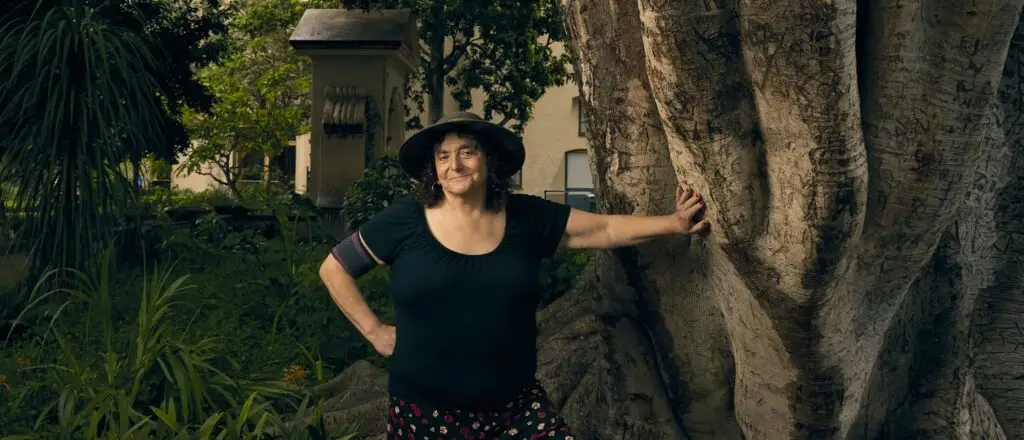
Isabella Dallas is a freelance writer for San Diego Magazine and the Arts and Culture Editor at The Daily Aztec in her final year at San Diego State University. She previously worked as an editorial intern for SDM, but when she’s not writing, you can find her trying the best coffee spots in SD, devouring the latest rom-coms, and indulging in anything and everything pop culture.
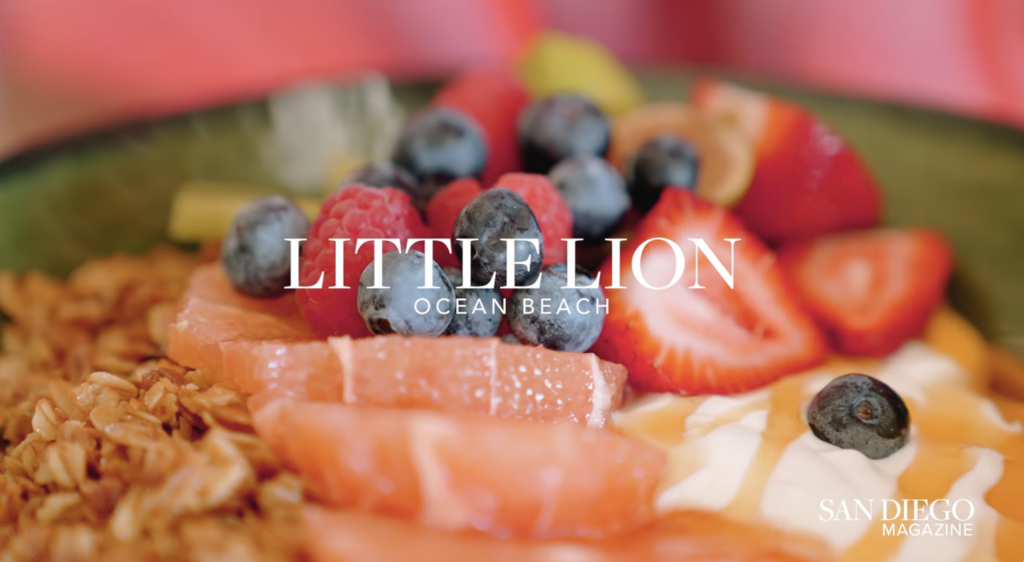
Inspired by the effortless charm of French cafés, this taste of France on Orange Avenue invites guests to embrace the simple pleasure of taking their time.
Strolling down Orange Avenue on a sunny afternoon, you’ll hear the hum of beach cruisers rolling by and visitors making their way toward the Hotel del Coronado. Dogs pause to greet one another on the sidewalk, palm trees sway overhead, and for a moment, you’re convinced you’re living inside the postcard from the gift shop you just passed.
Then the scene shifts. Towering white columns, black café awnings and gold-trimmed windows frame Little Frenchie, where woven bistro chairs spill onto the sidewalk and servers deliver bubbling crocks of French onion soup. The scent of caramelized onions and melted Gruyère is practically an invitation to ask, “How long for a table for two?”
That feeling of pulling up a chair and staying awhile is exactly what inspired Little Frenchie. French cuisine has a reputation for feeling a little intimidating, but the restaurant is rewriting that narrative with food and wine that feels approachable.
“Sometimes when you read a French menu, you come across words you can’t even pronounce,” David Spatafore, the owner of Little Frenchie, says. “We wanted to create a restaurant where people felt comfortable.”
Little Frenchie was designed to capture the spirit of the French sidewalk cafés that inspired it. Dating back to 1917, the space already carried the charm of a Parisian bistro, with architectural details that felt more at home on a European street corner than in Coronado. The team saw an opportunity to create a restaurant that matched the character of the space while filling a gap in the neighborhood.
The result is a French restaurant that honors tradition without taking itself too seriously.
At Little Frenchie, classic French techniques are at the heart of the menu, but there is always room for creativity. A cassoulet featuring Toulouse sausage and duck confit pays homage to the recipes and regions that inspired it, while a rich hot chocolate made with ingredients imported from France brings a taste of French café culture to Coronado.
The team loves finding unexpected ways to make familiar dishes feel new. A burger becomes a showstopper when it is finished tableside with melted raclette, while a French Dip gets elevated with prime beef and Wagyu makes its way into the burgers. Even Eggs Benedict gets a French twist, swapping the traditional English muffin for a buttery croissant. The GB&J, Little Frenchie’s take on a grilled cheese, brings that same playful approach with seasonal jam and French Brie layered into a comforting classic.
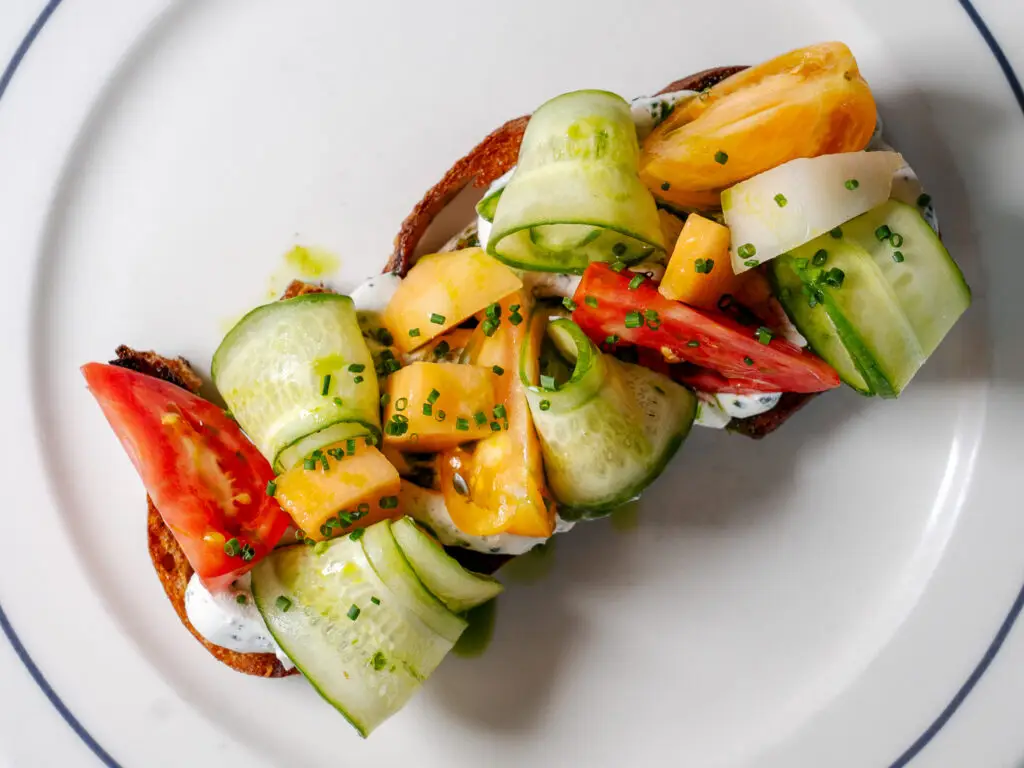
Nearly everything at Little Frenchie is made from scratch, with ingredients carefully chosen to match the restaurant’s standards. Even the bread receives special attention. Each morning, the team sends a car to Prager Brothers Artisan Bread to pick up freshly baked loaves, ensuring every element of the meal reflects the restaurant’s commitment to quality.
Wine is woven into the experience just as naturally as the food. Inspired by the effortless pairings found in French cafés and bistros, Little Frenchie’s by-the-glass selection invites guests to sip their way through different regions and discover new favorites without the pressure of knowing all the rules.
Best Place to Buy Original Art Without Needing a Tiny Paddle
Goblin Shark Emporium
Almost everything in this Oceanside shop is made by local artists and independent weirdos, and almost none of it requires a gallerist’s budget. Goblin Shark Emporium rotates a new featured artist every month between the vinyl crates, blacklight posters, and hilariously specific stickers, so you can walk out with original work and a tarot reading to contemplate as you sip your Banana Dang Coffee from a couple storefronts down.
Best Hidden Gem
Through the Fold
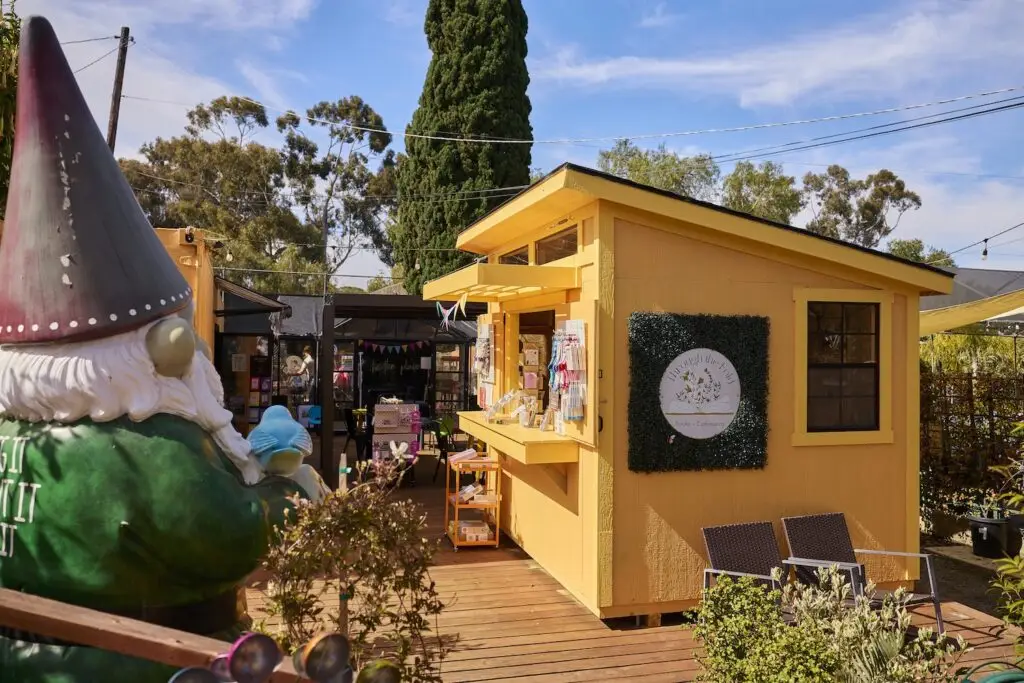
Tucked within the potting tables and ferns of Mission Hills Nursery, the oldest nursery in Southern California and a Kate Sessions original, sits Through the Fold, the sweet indie bookstore that mother-daughter team Gail Levine and Jennifer Medeiros hand-built and opened in late April. Two retired educators and lifelong bibliophiles run it like a neighborhood living room: three book clubs, toddler story time, and a summer camp for the 7-to-12 set. It’s the rare retail run that smells like soil and new paperbacks, which is to say, like a very specific kind of heaven.
Open since 1993 under the unbeatable tagline “Books of Martians, Murder, Magic, and Mayhem,” this Rosecrans Street institution is the city’s portal for anyone who would rather be on a different planet. Load up on sci-fi, horror, and fantasy, then stick around for the weekly Dungeons & Dragons campaign, because the only thing better than reading about another universe is rolling a d20 inside one.
Best Stop into Trinket Town
Library Shop
On the ground floor of the downtown Central Library, tucked into the Joan and Irwin Jacobs Common, sits the Library Shop, a tightly curated gift store stocked with presents and trinkets you didn’t know you needed: wind-up kitchen timers, specialty pencils, felt coasters in colors cheerful enough to overcome the first half of the Padres’ season—you get it. Every dollar funds the San Diego Public Library system, which makes the shop’s official “Guilt-Free Shopping” motto the rare slogan that holds up. Come for a paperback, leave having formed a genuine emotional attachment to a $4 pencil.
The window at this North Park shop is alive: a front-of-house catio where adoptable rescue cats audition for your heart while you pretend to be just browsing. From there, a literal catwalk runs along the ceiling to a back resting room (because existing around inferior beings is exhausting for cats). Owner Vera Blatchley of Purrgatory stocks the full cat-lover arsenal, plus a wall of gifts for the feline who already has nine of everything. Fan favorite: a retro-style, bubblegum-pink Kit-Cat Clock.
Best San Diego Mood Board
Club Paradise
Surf art’s everywhere, but it’s somehow always a little kooky. Painter Andy Davis’ style captured that elemental soul, making him one of the most successful surf artists of the last few decades (check his giant mural at Town and Country Resort). His tiny Encinitas storefront, Club Paradise, is a gallery-slash-gift shop that stocks his paintings and prints—and he’s using the space as a culture club for local and touring creatives.
Best Limited-Edition Tan Line
Tulux Resortwear
Tulux is the Pacific Beach swimwear label out of Cass Street, where designer Yamhed Torres turns the whole Tulum fantasy into bold, limited-run bikinis. This year, Vogue México y Latinoamérica named her one of just 10 emerging designers to watch, so each suit comes with the kind of credentials that practically books its own sunset getaway. Everything is one and done: When a piece sells, it’s gone for good, which is either smart scarcity or the universe telling you to commit.
Free lotto tickets at crystal shops? Yes, please. Pacific Beads owner Shlomo Gruer greets you at the door of this Clairemont Mesa warehouse with 4,000 square feet of crystals, geodes, and beads by the bin. You come for wholesale amethyst and sterling findings; you leave holding a fistful of healing stones and a statistically remote shot at early retirement. Need another reason to visit? Owner Gruer has his own line of jewelry, and Pacific Beads also hosts jewelry-making classes.
Best Nostalgia Purchase
123 Sweetsss
El Cajon’s Parkway Plaza could look radically different in the near future, as city officials are hatching plans to reinvent the one-time community and commercial center. Inflection points of iconic structures are always compelling times to visit and tabulate your own urban-planning daydreams. As you do, hit the first NAMA-certified automatic cotton candy vending machine in the country. Push a button, and 123 Sweetsss spins you a fresh cloud of childhood in under a minute. No carnival, no county fair admission, no sweaty teenager in a paper hat required.
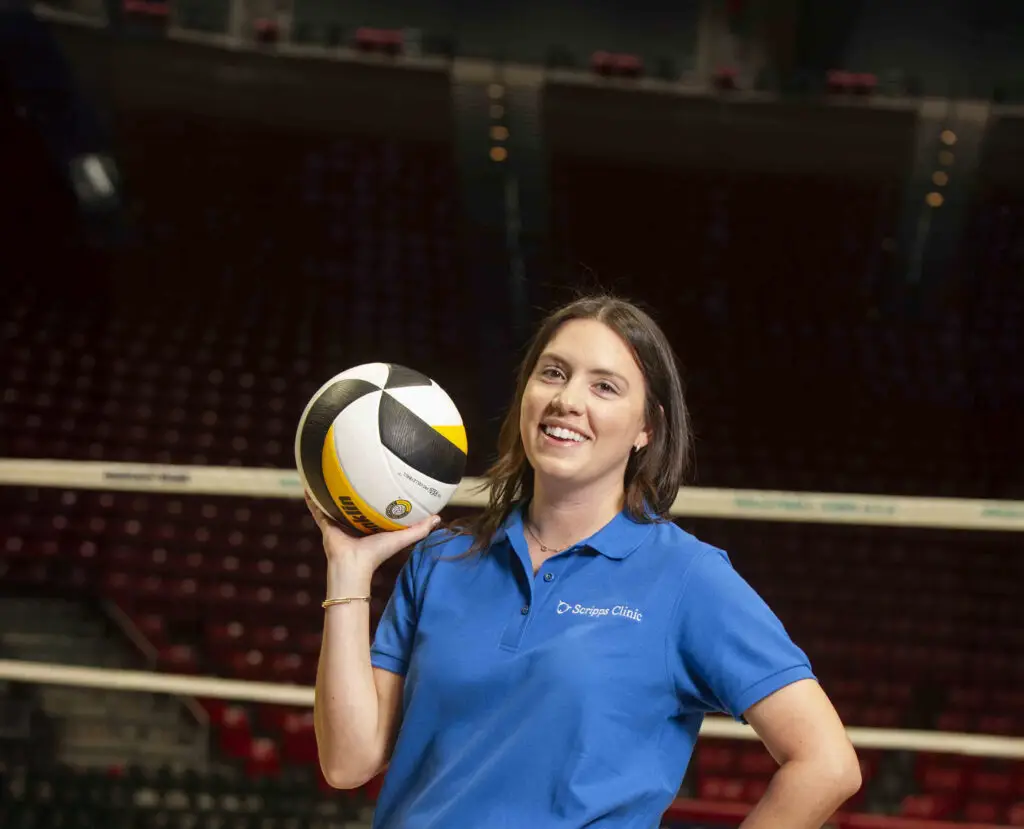
Growing up, Laika Nur, MD, Scripps Clinic sports medicine specialist, loved watching beach volleyball when the Association of Volleyball Professionals tour came to her hometown of Chicago. A talented volleyball player herself, she remembers sitting in the stands all day, and once, even got a couple autographs. Years later, Dr. Nur was attending a professional event focused on women’s sports, and the discussion turned to a new professional women’s volleyball league. The general manager and coaching staff for San Diego’s team, the Mojo, happened to be in attendance, and Dr. Nur took the opportunity to ask them if they needed a team doctor. Flash forward to the Mojo’s inaugural 2024 season, when Dr. Nur officially became the team physician. Click here to read more about Dr. Nur and how she incorporates lessons she learned on the court into her practice.
For more nutrition, wellness, and healthy living tips, sign up for the San Diego Health newsletter here.