Ready to know more about San Diego?

Subscribe
Food & Drink AUGUST 3, 2017

18 Places You Need to Visit in Oceanside

Where to eat, shop, and soak up culture in the 760 (and 442)

18 Places You Need to Visit in Oceanside
Flying Pig Pub & Kitchen

Food & Drink

Flying Pig Pub & Kitchen

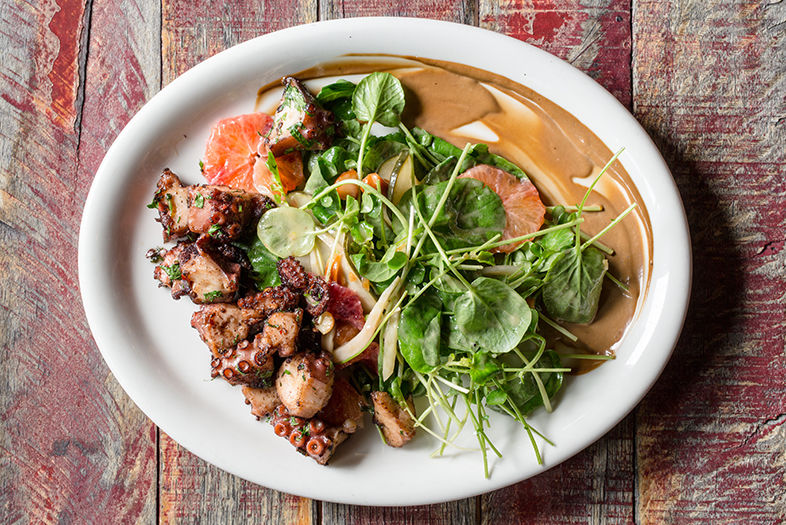
Most locals cite this gastropub as the start of South O’s current restaurant boom. Inside, it’s got the Austin-like garage-sale aesthetic, but pro service (owner Roddy Browning worked at Market Del Mar). Order anything pork.

626 South Tremont Street

Petite Madeline

Chef-owner Christine Loyola started selling all-day buns at the farmers’ market until popularity demanded this corner space. Now it’s where the whole city starts the day, sometimes at noon for the ham sammys.

223 North Coast Highway

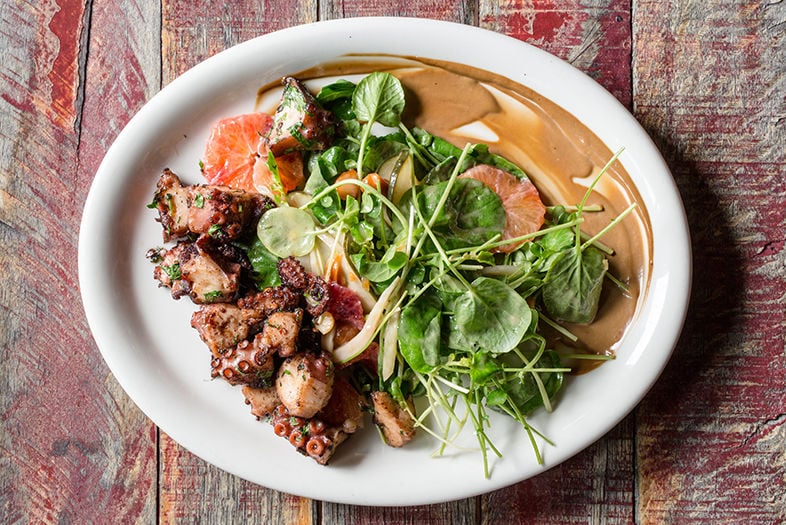
Wrench & Rodent Seabasstropub

Chef Davin Waite’s sushi joint is a tiny, eclectic box filled with knickknacks and skate-punk decor. Waite and his brother usually work the bar themselves, so sit there for an omakase.

1815 South Coast Highway

18 Places You Need to Visit in Oceanside

18 Places You Need to Visit in Oceanside

The Privateer Marketplace & Wine Bar

The Privateer Marketplace & Wine Bar

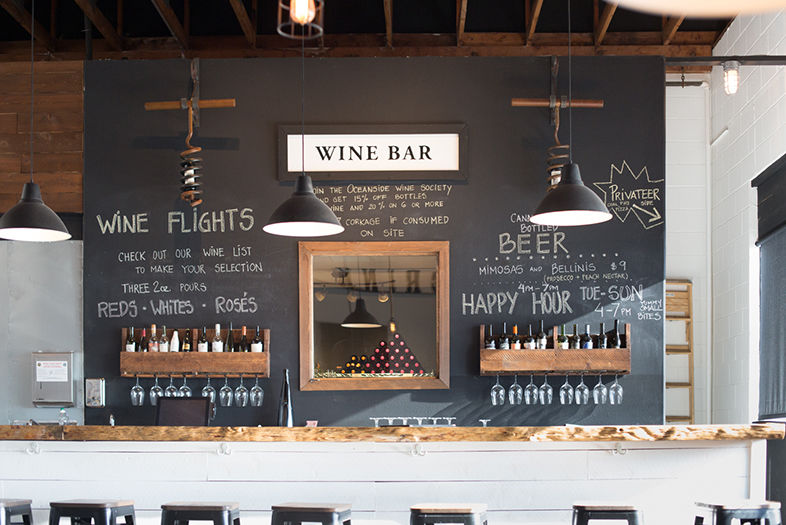
This is the expansion of owner Charlie Anderson’s Privateer Coal Fire Pizza next door. They have open-faced sandwiches like house-smoked pastrami, plus breakfast pastries and desserts. Monday night’s stand-up comedy events are always popular.

1704 South Coast Highway

Panca Peruvian Cuisine & Rotisserie

This is where Oceanside gets its Peruvian food. Chef-owner Iole Revilla’s original rotisserie was so successful that she expanded into a full menu, and is opening a new concept next door. Try the lomo soltado and the aji de gallina.

1902 South Coast Highway

608

After cooking at George’s at the Cove, chef Willy Eick opened this bistro on the main strip going into downtown. Dishes like short ribs in panang curry sauce are pushing the scene’s culinary acumen.

608 Mission Avenue

The Miller’s Table

This little courtyard is where a lot of O’side chefs got their start, and right now it’s Staci Miller’s wine and craft beer bar with sandwiches, salads, small plates, charcuterie, and cheese.

514 South Coast Highway

18 Places You Need to Visit in Oceanside

18 Places You Need to Visit in Oceanside

Local Tap House (LTH)

Local Tap House (LTH)

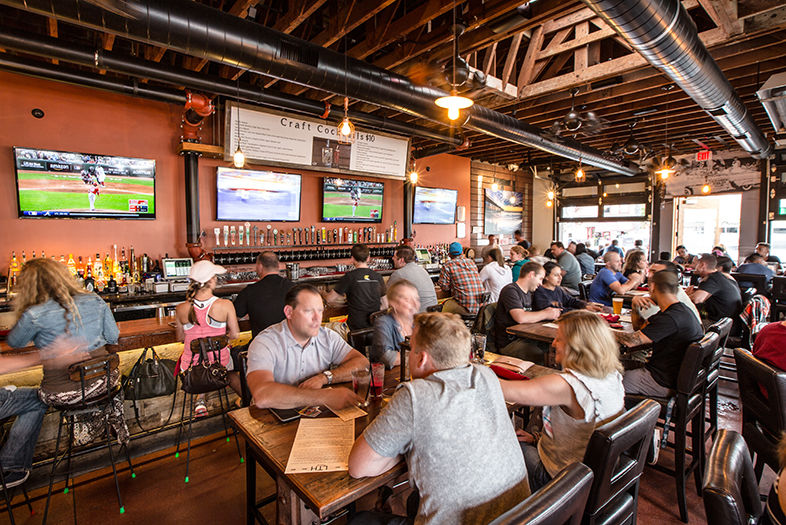
This has become the social aorta for O’siders, with 32 tap handles of craft beer, a wide-open corner layout, and true farm-to-table food from chef Daniel Pundik.

308 South Coast Highway

Banana Dang

A coffee and smoothie stop, where locals go for a liquid breakfast and pick-me-up like the “Radical Dang” with kale, hemp, banana, and mango.

115 South Coast Highway

Farmers Market and Sunset Market

Thursdays the whole city gathers in the downtown streets, starting with the Farmers Market (9 a.m.–1 p.m.), then moving closer to the beach for Sunset Market (5–9 p.m.).

Cyclops Farms

On a plot of land tucked between very nice homes, farmer Luke Girling grows food for locals and chefs alike. Go Saturday mornings when his farm stand is open, selling the latest harvest.

1448 Avocado Road

Arts & Culture

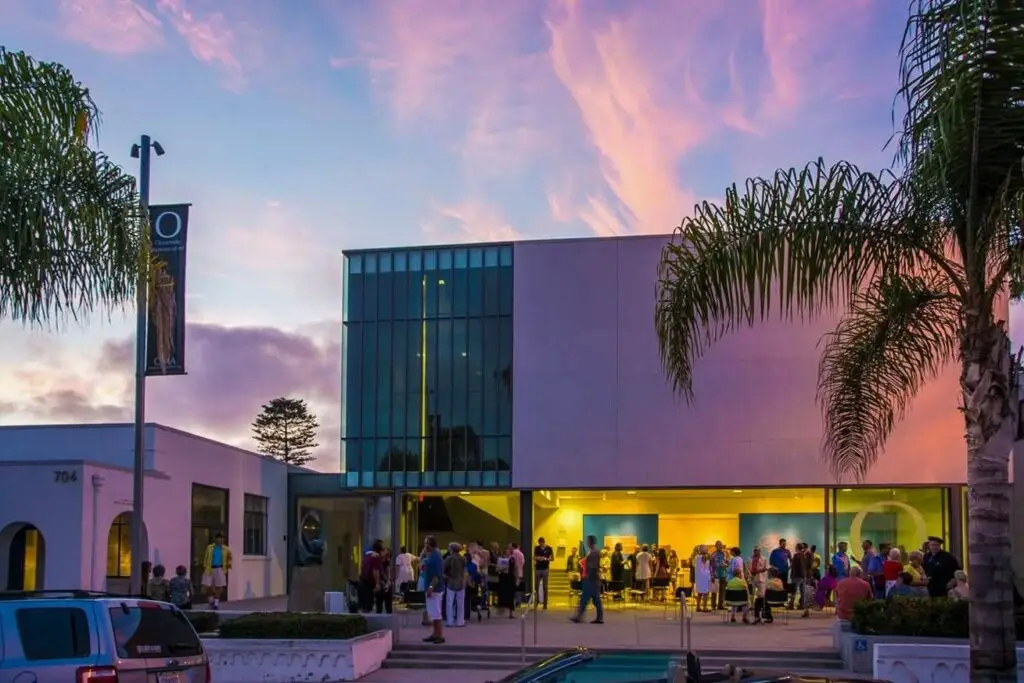
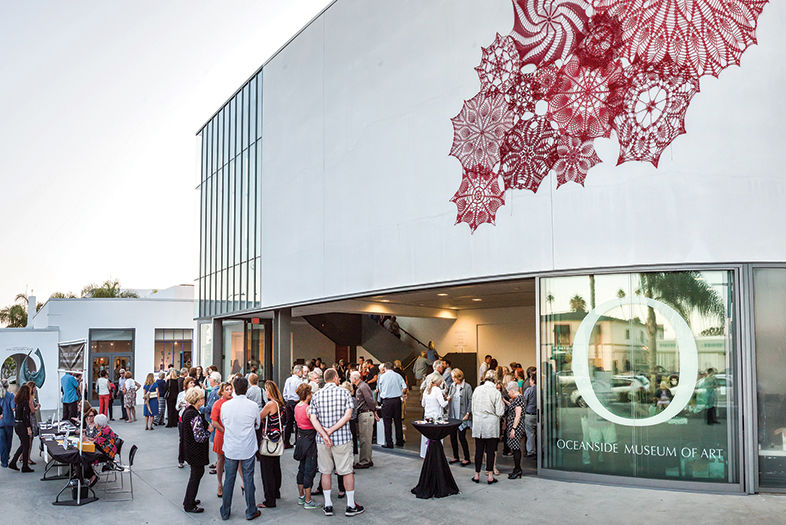
Oceanside Museum of Art

Surf city has a long history of pretty, arty things, and OMA is one of the its top modern museums. Through the end of August, they’re showcasing work from 92 regional artists.

704 Pier View Way

18 Places You Need to Visit in Oceanside

18 Places You Need to Visit in Oceanside

Oceanside Museum of Art

South O Walkabout

Every second Wednesday of the month from 5 to 8 p.m., South O’s shops stay open late and locals loiter, mingle, and jump from one storefront to the next, saying hi, tasting, sipping, buying.

California Surf Museum

O’side has some of the best surf in San Diego County, especially during the summer, and it’s ground zero for some of the best shapers and pro surfers. This museum documents their art and stoke.

312 Pier View Way

Shops

Real Surf

Indie surf shops are, like record stores, an endangered breed. Here, owner Shawn Ambrose shapes, fixes dings, and designs threads. It’s where locals shop.

1101 South Coast Highway

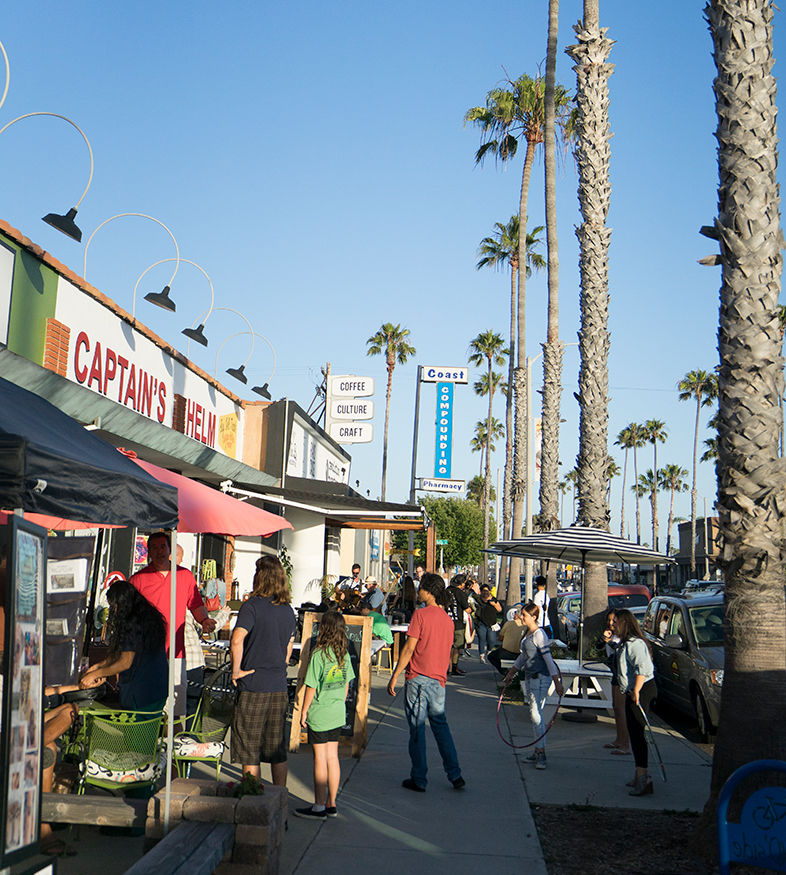
Captain’s Helm

One of the most creative vintage clothing stores in town, specializing in one-of-a-kind, hard-to-find items (Ted Nugent concert tees!). They also have a tiny coffee bar where locals get their espresso.

1832 South Coast Highway

18 Places You Need to Visit in Oceanside

18 Places You Need to Visit in Oceanside

Captain’s Helm

Reap & Sow

Like a laid-back spiritual boutique. This self-described “lifestyle apothecary” is one cool store, with teas, herbs, spices, holistic products, creative knickknacks, CBD oils, and art things.

1830 South Coast Highway

Clothe+Arrow / All Ye Citizens / Furrow Floral

This trio of indie boutiques (two fashion, one floral) all share a space in true upstart collective style.


More: The Oceanside Revolution

18 Places You Need to Visit in Oceanside

Flying Pig Pub & Kitchen

Subscribe to our newsletters

Select Options

By subscribing you confirm that you agree with our Terms and Conditions and Privacy Policy.

Food & Drink JUNE 24, 2026

Michelin Chooses San Diego for Its Big Show

How the now iconic rating system became the biggest name in the food and how it made its way to our backyard

Michelin Chooses San Diego for Its Big Show
Photo Credit: Elodie Bost

So, Michelin chose San Diego to host its annual awards show tonight. Big thing for our city, which people wrote off as the flaccid mozzarella stick or the “fish tacos bro” of California food culture.

Michelin Guide is a pretty fascinating story. It started as a marketing brochure for a tire company and evolved into the strongest global marketing platform for restaurant culture in history. In 1900, there were less than 3,000 cars in all of France. André and Édouard Michelin were trying to sell tires. A niche market. If people drove more, they figured, tires would go bald faster. They’d sell more rubber.

So they published a guidebook with maps, gas stations, mechanics, hotels, restaurants, and travel advice. The “How to Go Bald” book with food as the bait. By the 1920s, people were buying the guide just for the restaurant recs. In 1926, Michelin introduced stars. Originally just one. Five years later, it expanded to three. One meant “very good restaurant.” Two meant “worth a detour.” Three stars meant “worth a special journey.” Wear those tires down to a nub in search of Dover sole.

Photo Credit: Elodie Bost

By WWII, Michelin was the gold standard guide to French food. And French food was the gold standard for western food. Michelin first came to the US in 2005 to New York only. Knicks in five.

In 2007, San Francisco, followed by LA and Vegas in 2008. Michelin stopped publishing in LA and Vegas after two years and stayed dark from 2011–2017. Major theories for this? First, print is expensive. I can attest. ROI on a printed story is hard. Second, people wanted local critics, and they were finding them online. Third, Michelin landed like a stuffed shirt in LA, which had taco carts in its heart. LA swiped left.

Then Michelin discovered a new way to fund what it does. Instead of trying to sell enough books to justify the cost (inspectors, printing, restaurant bills, etc.), it had tourism boards pay for inspectors to come analyze their cities or states.

Tourism boards are massive organizations whose sole goal is to market the cities and states—attract tourists, who pay for hotels and spend money in the city. Heads in beds. The first to swipe its TMD (tourism marketing dollars) credit card was California, which paid $600,000 in 2019 for Michelin to come back to LA, Orange County, Monterey, Sacramento, Santa Barbara, and… San Diego.

It’s an overwhelmingly positive thing, which is never without its doubters and critics. Namely, not everyone is down with the pay for play model.

The biggest reason is that it means cities without big tourism budgets get left out. Chefs in those cities are chefs non grata in the eyes of Michelin. Which is a fair complaint, though also, sadly or not, kind of how capitalism works. Michelin isn’t a government organization. It’s a publicly traded company with real bills to pay and investors and shareholders to answer to.

Since it feels like a tad of a PR dilemma for Michelin, I have a proposal that may or may not work. What if Michelin took a portion of the money it receives from larger cities and used it to fund its expansion into an underserved city or state that can’t afford it? Bake it into the price it charges California or any other state. Again, Michelin’s not obligated to do this; there is no penalty beyond the paper cuts of our public sentiment. But that sort of pay-it-forward model could help other cities without the resources to play the game.

Second, people claim this TMD-funded model somehow taints the winners. I don’t buy that at all. All tourism boards are doing is paying a marketing business (Michelin) to come operate in their city. They’re not telling Michelin which restaurants to choose for awards. As I understand it, Michelin has retained independence, and its inspectors only award restaurants that they feel are absolutely worth it based on merit.

True pay for play would be if that restaurant paid Michelin in exchange for being awarded a star. Or if a tourism board paid Michelin to come to a city and had a say in which restaurants received attention or awards. I haven’t found any proof of that happening, and so I won’t ding the validity of the awards until (and if) I ever do.

All tourism boards can control is which areas they’re willing to pay to have analyzed. For instance, San Diego could technically ask that only the city be analyzed and not the county. Which it did not, most likely because Visit San Diego (our TMD) is in charge of marketing the entire county (and thus why Michelin stars like Jeune et Jolie, Lilo, and Addison are outside of SD city limits).

So, if you’re dead set on criticizing Michelin, I’m not sold yet on the pay-for-play model being the right route.

Troy Johnson

About Troy Johnson

Troy Johnson is the magazine’s award-winning food writer and humorist, and a long-standing expert on Food Network. His work has been featured on NatGeo, Travel Channel, NPR, and in Food Matters, a textbook of the best American food writing.

Food & Drink JUNE 24, 2026

A Guide to The 2026 Sapporo Omakase Open

The restaurants and people behind the fastest sold-out event in San Diego Magazine’s history

A Guide to The 2026 Sapporo Omakase Open
Photo Credit: James Tran

The Sapporo Omakase Open is upon us. The event that sold out faster than any in San Diego Magazine’s history. The birth of another tradition.

The idea was simple: partner with the city’s preeminent force in Asian business and culture (the Convoy District) and the longest-running Japanese brewer in the world (Sapporo, founded 1876). Then bring together some of our favorite chefs and food and drink people who specialize in Asian delicacies—sushi, pho, xiao long baos, mochi, musubi, sake, tea, you name it—to shine a light on who they are and the delicious things they create.

There will be a friendly competition, judged by everyone in attendance and a panel of food experts, including longtime Food Network judge (and SDM co-owner) Troy Johnson. Winners will be named and trophied and exalted.

But moreover, SDM and its partners—Snake Oil Cocktail Co, Rivian, Del Mar Wine & Food Festival, and Komé Collective—believe in building local culture will bring together a room full of people to eat, drink, commune, and celebrate those who make San Diego’s food and drink culture hum.

Here is your guide to the restaurants, chefs, and people cooking and creating at the inaugural Sapporo Omakase Open:

Dumpling Inn & Shanghai Saloon

The OG. Dumpling Inn & Shanghai Saloon started in a tinier strip-mall space, famous for Shanghai-style comfort food like jellyfish salad and xiao long baos (XLBs, aka soup dumplings). It became so loved that they took over the giant anchor spot on Convoy (a former iconic Chinese grocery store, which also helped launch Convoy into the pan-Asian food wonderland its become). Its menu is vast, but the dumplings are the legend—with fresh dough rolled each morning, a rounded pocket of porky goodness and a gush of broth. Celebrating 10 years in its massive space (and 32 years overall), the Inn’s XLB comforts everything in its path.

Crab Hut

This is the family-run spot in Convoy for seafood boils, brought to you by the owners of one of the city’s top restaurants, Kingfisher. Crab Hut is their OG idea from owners Ky Phan, sister Kim, and brother in law Quan Le. It’s a love note to their childhood home and family tradition where they grew up in Vietnam. Behind their house was a river. The Phans would fish during the day, and sit around the communal table boiling up the day’s haul at night. There’s the “Bucket for One” filled with snow crab clusters, shrimp, crawfish, mussels, clams, corn on the cob, potatoes, and andouille sausages. There’s the “Go to Town” boil overflowing with everything previously mentioned, plus king crab legs and a glorious Dungeness crab. The most delicious kind of mess.

Lumi by Akira Back

Lumi by Akira Back is led by world-renowned Korean-American chef Akira Back—the ex-pro snowboarder turned Michelin-star, best known for Dosa in Seoul, Yellowtail in Vegas, and this rooftop sushi-plus concept in the Gaslamp. Overlooking Fifth Ave, it’s serious food with a little party in its heart. Along with a serious sushi program, there are dishes like his Japanese-inspired take on pizza (a tuna carpaccio + ponzu mayo idea) or the miso pork belly kimchee chaufa. Want the full show? Order the Nano 9, Lumi’s Signature Mystery Box, a limited nine-piece omakase sushi course unveiled tableside in an ornate carrier leaking fog all over the place. Keep going big (but refined) with Mist of Kyoto, a cocktail-for-two experience—Knob Creek Barrel Rye, Mizunara liqueur, Japanese sweet vermouth, and black walnut bitters, served in a ceremonial tea pot with two equally ceremonious cups. 

Sake Bar GAGA

This concept was inevitable. Ayaka Ito first came onto San Diego’s restaurant scene in 2016 with Beshock Ramen in East Village. The ramen is fantastic, but the place was unique in that it was one of the city’s first portals into the craft of world-class sake. Ito is a kikizakeshi—essentially a certified sake sommelier or master. Sake Bar GAGA is her sake tasting bar in East Village, a 10-seater destination that takes guests on an omakase-style journey of around 20 sakes, hand selected by Ito. For the food, she and chef Ryan Miller collaborated on tapas-style bites with Marie Chiba, a certified sake samurai (one of the few in the world) and owner of Tokyo’s famous sake bar, Eureka. When you choose your dishes—like the blue cheese ham katsu, scallop mango tartar, A5 Wagyu Nigiri, konbu-aged red snapper, snow crab croquettes, you name it—the bar customizes your sake to each food.

Cannonball

San Diego’s largest oceanfront rooftop, hovering above the beach-culture pandemonium at Belmont Park. With a qualification like that, Cannonball could serve gas station sushi and mid boat drinks and be just fine. But local restaurant group Eat. Drink. Sleep (JRDN, The Lakehouse) and chef Luis Romero have made sure the seafood lives up to the view—with over 30 sushi creations, apps like bluefin tostadas with aguachile negro, baked blue crab dip with sriracha honey—plus entrees like a ribeye in uni butter and miso black cod. Watching the daily mix of tanned, parrot-wielding locals, Fit gym body-bods, and tourists is a show in and of itself, made even more enjoyable with a Lychee Lychee—vodka, nigori sake, yuzu liqueur, and lychee syrup. 
Glass Box

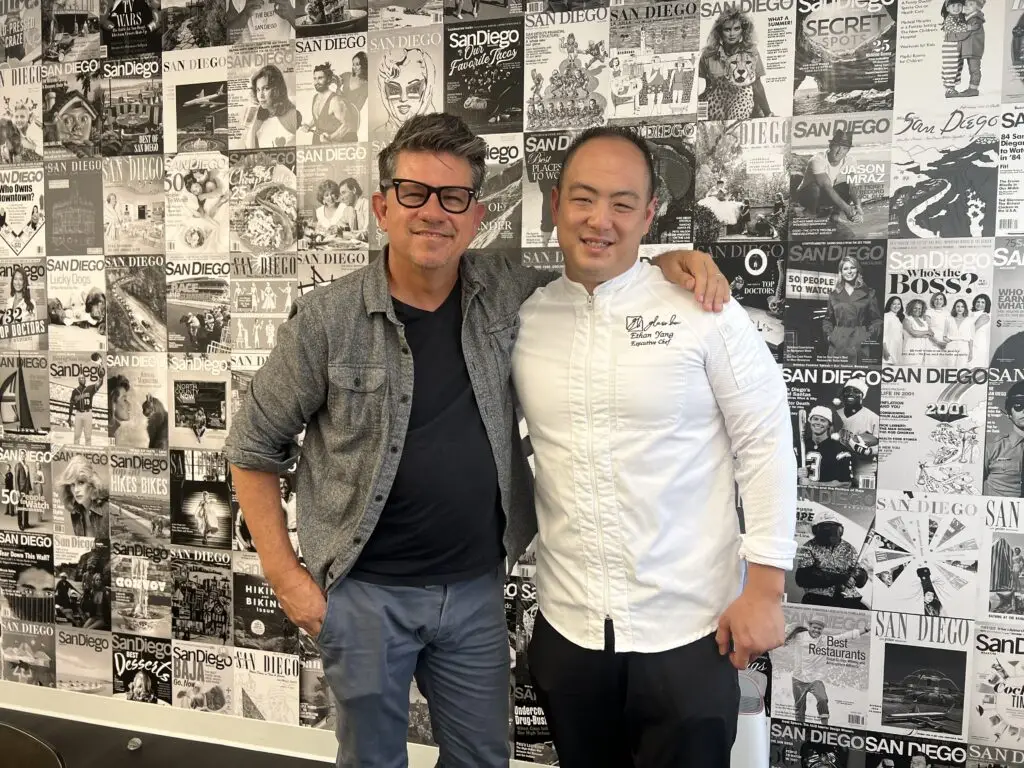
Hard to call him underrated, since he won best dish at Del Mar Wine + Food Festival last year. But chef Ethan Yang’s Glass Box still deserves more. The restaurant is an attraction in and of itself—encased in a giant glass cube inside the Sky Deck at Del Mar Highlands. Yang and his chefs are on display, slicing top-notch fatty toro or premium wagyu filet. He offers a 10 to 15 course omakase experience, and the bar brings classics like a Toki Old Fashioned (Suntori Toki, bitters, orange) and modern plays like a Matchatini. 

Ikegi by Chef Stevan Novoa

Cooking. That’s what chef Stevan Novoa’s ikegi is; a Japanese word meaning “reason for being.” A military veteran with 13-plus years of experience in kitchens across the coast of California and Mexico, Novoa has cooked most styles that make the region hum—and developed a deep appreciation for local farmers, fishermen, and ingredient people. Ikegi by Chef Stevan Novoa is his private chef concept, curating tasting menus that span the gamut (coastal California, Mexican, Japanese izakaya) for people in their favorite space: their home.

Mon Chourie 

Few things in life are more affirming than light, fluffy dough balls stuffed with cream and baked to perfection. South Korea native and New York art-student-turned-baker Kelly Kim specializes in classic choux au craquelin—the oversized French cream puffs baked with a slender cookie disc that melts across the top during baking. At Mon Chourie, she starts with her mom’s recipe, then tweaks with seasonal, global flavors—often in collaboration with other local makers. Like the recent pandan mango ice cream choux with indie San Diego-based ice cream brand, Amor. Or a peach oolong tea choux—silky oolong tea-infused cream, peach compote inside that twice-baked, light-as-atmosphere pastry dough. She pops up on Wednesdays at local bakery Michi Michi, plus other spots in town. 

Pho Ga Go 

A restaurant within a restaurant from the family who owns Crab Hut and Kingfisher. Pho is all about the broth and the lengths you’re willing to go for it. At Phở Gà Go, the whole idea is to take the quality of broth they have at Kingfisher—one of food critic Troy Johnson’s “Top Five Restaurants in San Diego”—and serve it in a more casual setting. Chicken bones are simmered for over 12 hours with the highest-possible ingredients (including heirloom garlic from the famed Christopher Ranch in Gilroy), resulting in a broth that’ll send the slightest throat tickle or sniffle scampering away like a frightened little puppy. They also specialize in chả giò—Vietnamese imperial rolls that are in the realm of Chinese-American egg rolls, but ineffably lighter thanks to using rice flour instead of wheat dough—stuffed with pork, shrimp, taro, wood ear mushroom, carrots, and mung bean noodles. 

Roppongi Restaurant & Lounge

In early-2000s San Diego, the next generation of sushi chefs were largely trained in two spots: Sushi Ota, or Roppongi Restaurant & Lounge. First opened in 1998, Roppongi was the Japanese-inspired standout from restaurateur Sami Ladeki, who had made his name with Sammy’s Woodfired Pizza but was blown away by the food culture in Roppongi, Japan. La Jollans cried multiples when it closed in 2015, and relentlessly bugged Ladeki to bring it back. So he did exactly that last year with chef Alfie Szeprethy. They supercharged the design of the space, and rebirthed some of the classics—like the Polynesian crab stack, Mongolian duck quesadilla, the Roppongi Roll (tempura shrimp, unagi, spicy toro), and the Japanese hot rock (thinly sliced steak sizzling on a smooth stone with chili ponzu, sesame goma sauce, and cucumber sunomono). Welcome back. 

Sushi On a Roll

Jeff Roberto is a low-key, laidback icon of sushi in San Diego. At any event, if you spot a surprisingly elaborate sushi case and setup and a couple of itamaes wielding blow-torches or breaking down an entire tuna—that’s Roberto and his Sushi On a Roll. He’s been one of the city’s premier sushi caterers since 1993 (when he started, there were only seven sushi restaurants in the city)—a powerhouse on wheels offers everything from sushi making workshops and classes. When a few US presidents needed sushi, Roberto got the call. His arsenal at this point includes over 1,000 sushi options. But moreover, he’s the warm, smiling attraction at any party that involves high-quality fish in the nude. 

Sweet Vibe

Hard to decide if Sweet Vibe is a viral dessert shop or a highly popular newish entry in tea culture, which runs deep in Convoy. Their cakes have somewhat stolen the buzz, with Thai milk tea cake, taromisu (taro + tiramisu), yuzu cheesecake, sea salt Oreo, etc. They’re also cute as hell, with their bearamisu (a tiramisu with a bear on it) and mousses shaped like French bulldog pups. But its drinks are the core of the menu, with vibrant fruit and milk teas (green Thai lemon, uji matcha foam with jasmine milk, lychee lemon, iced peach oolong), yogurts with Crystal boba, and fruit slushes (mango pomelo, strawberry milk, pink lychee)—all with adjustable sugar and ice levels and boba add-ons. 

This Musubi Love

It’s a sandwich. It’s nigiri. No, it’s musubi. For all the SPAM skeptics, we urge you to honor the deeply Hawaiian and Japanese tradition and witness the charms of a warm, handheld block of sticky rice with a thick slab of teriyaki-glazed canned meat wrapped in nori. Those who have either been raised in the arts or converted tend to exude a higher than expected life happiness. This Musubi Love, a Leucadia musubi speakeasy (you heard us right), focuses exclusively on the minor food religion. The MEHKO (Micro Enterprise Home Kitchen) from founder Roger Post serves classics, plus riffs like the Cordon Bleu-Subi made with panko-fried SPAM, shredded rotisserie chicken, swiss cheese and Bachan’s Japanese BBQ sauce. Or the Dawn Patrol with SPAM, egg, bacon, cheddar cheese and spicy mayo. If you’re still not convinced, the fried BBQ chicken tender musubi or the crispy BBQ tempura shrimp musubi might change your mind. 

Mochichis

It’s the pastry hybrid that everyone who values their mouth should have seen coming. Mochi is having a true uprising in San Diego. Most people know the Japanese specialty from the mochi-covered ice cream found in boxes at various grocery stores, but artisanal mochi comes in many, far more interesting forms. Like donuts. Mochi donuts have that crispy-fried traditional donut exterior, but the chewy-soft, rice-flour soul in the middle. Mochichi in Encinitas—a startup from SDSU grad Beth Kass—specializes in them. Base flavors include creme brulee, strawberry glaze, ube Oreo, churro, an Nutella, but she customizes on request and whim. She also serves an ube float and a Vietnamese coffee float because, well, that should clearly exist. 

Food & Drink JUNE 23, 2026

In a City Obsessed With Coffee, One Pop-Up Is Doing Things Differently

One of One combines creative seasonal drinks, ethical sourcing, and Filipino-American roots to stand out in San Diego's crowded cafe scene

In a City Obsessed With Coffee, One Pop-Up Is Doing Things Differently
Photo Credit: Maryssa Liu

In a city overflowing with cortados, ceremonial-grade matcha, and ambitious coffee startups, standing out isn’t easy. It’s even harder when your business doesn’t have a fixed address. That’s the challenge (and increasingly, the appeal) of One of One

The Filipino-American coffee and matcha pop-up concept is the work of Kristin Cleavinger, a San Diego native who spent nearly a decade working in the Los Angeles specialty coffee business before returning home to build a concept of her own. The business takes its name from Cleavinger’s grandfather Gregorio Magnaye Bolor, who immigrated from the Philippines to the United States in the 1970s with almost nothing, but managed to build a life for him as well as his descendants. 

It’s that sense of grit, perseverance, and identity that Cleavinger says fueled her to build One of One. “Throughout my time in specialty coffee, I was really curious about Filipino representation, because that wasn’t something that I saw,” she explains. She began to research coffee from the Philippines, but considering the island nation only produces about 0.25 percent of the world’s largest producer, Brazil, there wasn’t much to find.

Instead, she turned inward, drawing from her family’s history and her own Filipina-American identity to build something personal.  “To me, this really is a way to honor my family’s legacy—my nanay, Maria Nieves Bolor, and my tatay Gregorio.”

Photo Credit: Juliet Furst

For her drinks, Cleavinger never uses refined sugars, and syrups are made in-house from organic and regenerative ingredients. The Summer Peach latte, the current seasonal special, layers Ceylon cinnamon, unrefined cane sugar, Maldon sea salt, and ripe yellow peaches for a riff on one of summer’s most glorious treats: peach cobbler. Another new drink is Mint Chip, inspired by Thrifty ice cream with a fresh mint syrup, dark cocoa powder, and chocolate chunks with a base of either espresso or hojicha (roasted Japanese green tea with a mild, sweet, earthy flavor and lower caffeine content than other green teas). 

Other crowd pleasers include the signature Neapolitan latte, which is inspired by childhood memories of her family using Neapolitan ice cream to create pan de sal ice cream sandwiches. She layers housemade organic strawberry syrup, Madagascar vanilla bean-infused oat milk, and dark cocoa-swirled espresso for a tricolored beverage experience that she recommends sipping before stirring to taste each layer on its own merit. 

Past specials have ventured deeper into Filipino flavors, like a turon-inspired latte using jackfruit and banana; another was a coconut pandan matcha made with organic coconut water and topped with a pandan matcha cream.

Photo Credit: Juliet Furst

The sourcing decisions behind these drinks are equally deliberate. Coffee comes from Boondocks, a Filipino-owned LA roaster whose founder is originally from National City. Its current offering, the Galleon blend, combines beans from southern Luzon in the Philippines with Chiapas, Mexico—a nod to the communities woven into San Diego’s own cross-border identity. Matcha is sourced through Este, a local San Diego company that works directly with producers in Mie Prefecture, Japan. 

Every supplier is chosen for value alignment as much as quality—Boondocks’ current blend, for example, directly supports women-owned farms. “Each person has the power to choose where they want to put their dollar,” Cleavinger says. 

You can catch her at regularly scheduled pop-ups at places like Olivewood Gardens in National City (every third Saturday), Ayi in South Park’s Summer Series (every Saturday morning in June), and on regular rotation at Home Ec and Best Bud Floral in Kensington. (More dates are listed on Instagram as well.) Cleavinger says she does have plans to launch a brick-and-mortar shop in the future, ideally with an expanded beverage menu, space for art shows, and a community gathering place for local and Filipino-owned makers.

In a crowded field of coffee concepts, One of One shows that a memorable drink can do more than wake you up. It can tell you something about the person behind the idea—who they are, where they’re from, and where they’re going next.

San Diego Restaurant News & Food Events

Beth’s Bites

  • After appearances on Top Chef and Iron Chef Mexico and stints at big-name kitchens like Vaga and Leu Leu, chef Claudette Zepeda just released her debut cookbook Cooking the Borderlands: Spice and Smoke Between Mexico and the States. By deep diving into the cross-border culinary traditions between Mexico and the United States, Zepeda doesn’t just tell the story of food—it’s a story of her upbringing as a self-proclaimed “border kid,” a moniker all-too-familiar to thousands of people who straddle the two countries. It’s a fascinating (and beautiful) book from one of San Diego’s native daughters and well worth picking up. 
  • Despite throwing the North County restaurant world into despair at the news that Matsu was permanently closing, we are blessed with the ability to continue enjoying Chef William Eick’s culinary prowess. Eick is now the chef de cuisine at Pacific Point at the Park Hyatt Aviara Resort in Carlsbad, working alongside sushi chef Meljohn Sebastian to design a new Asian-inspired menu focused on seasonality. Matsu may be over (for now), but Eick’s talent is still on full display. 
  • Urban Property Group just announced a deal for a new cafe opening in the freshly renovated Five50 West in Little Italy. Café Noelia will open this summer, bringing a slew of coffee, matcha, toasts, and sandos to the ground floor of the building, where (rumor has it) a Japanese speakeasy is also on the way. 
  • In the latest twist of the weirdly ongoing story that is Modern Times Beer, its Encinitas location, the Far West Lounge, is no more. The once-renowned local craft beer brand flew too close to the sun during the beverage boom and now, after closures, sales, and corporate splits, only exists with a small handful of the original tasting rooms and as a craft coffee brand (that’s not actually related to the beer side of things anymore).

Listen Now: The Latest in San Diego’s Food and Drink Scene

Have breaking news, exciting scoops, or great stories about new San Diego restaurants or the city’s food scene? Send your pitches to [email protected].

Beth Demmon

About Beth Demmon

Beth Demmon is an award-winning writer and podcaster whose work regularly appears in national outlets and San Diego Magazine. Her first book, The Beer Lover's Guide to Cider, is now available. Find out more on bethdemmon.com.

Studio S JUNE 15, 2026

A Modern Take on Steak

Stake Chophouse & Bar brings contemporary classics and old-school service to the heart of Coronado

A Modern Take on Steak
Courtesy of Stake Chophouse

Stake Chophouse & Bar isn’t your average steakhouse. Blue Bridge Hospitality’s Coronado outpost is a modern interpretation of a big-city steakhouse nestled in the heart of the small coastal community. The team at Stake has reimagined the whole steakhouse experience. By prioritizing a seasonal farm-to-table sourcing philosophy, a personalized guest experience, and unique service touches, like a formal steak presentation and a bespoke knife selection process, Stake distinguishes itself in a sea of steakhouses.

Exceptional steaks, including Wagyu from Japan, Australia, and the U.S., and fresh seafood flown in daily form the core of Stake’s culinary identity. The menu features a five-course omakase-style steak experience highlighting house favorites, plus an array of cuts, and classic steakhouse staples—think a wedge salad, baked potato, or pasta carbonara—refined for a contemporary palate without losing their traditional appeal. Stake focuses on seasonal sourcing from the region’s best family farms and specialty purveyors, and incorporates intentionally unexpected touches to create something truly unique.

“I challenge our chefs and myself to take it a step further in sourcing,” says Chef Ronnie Schwandt. “It’s important to us to highlight different farms, unique one-off farms—whether it’s cattle, strawberries, a local fisherman or from anywhere in the United States, we’re always trying to find that niche.”

Beyond the menu, Stake emphasizes outstanding service, says Vinny Spatafore, Director of Hospitality Operations. Staff maintains detailed notes, allowing them to remember guests by name, recall previous orders such as a favorite martini (also memorable for the customer since it’s served in an extra tall, distinctly-shaped glass), and celebrate special occasions like birthdays and anniversaries.

“When you have those points of topic that you remember about a guest, they appreciate that,” he says. “Our servers are really good with that—we have a couple servers who have been here since the beginning and they’ll remember somebody from years ago, their name, their kids’ names, where they live. I’m really thankful to have a great front of house staff.”

Award-winning wines, rare whiskeys, special events, and a complementary black car service that provides transportation for guests throughout Coronado add to Stake’s appeal.

Schwandt stresses that Stake offers more than a meal; they aim to give patrons something unforgettable.

“It starts when you walk up the stairs and are greeted by the hostess—that sets the tone for the night. Then you’re greeted by a server, who may know you by name, and can guide you through the menu and curate as they get to know you,” says Schwandt. “Most people leave kind of blown away; they leave feeling like they just had an experience. That’s the goal, right? Whether you’re serving smash burgers or high-end steak, you want somebody to leave thinking, Wow, that was awesome.”

Partner Content
Everything SD JUNE 23, 2026

San Diego Pride 2026: Everything You Need to Know

A complete guide to the festival, the parade, the lineup, and all the good stuff in between

San Diego Pride 2026: Everything You Need to Know
Courtesy of San Diego Pride

There are two types of San Diegans in July: those who have their Pride Festival tickets, and those who wish they’d bought them sooner. Summer in San Diego already feels like a fever dream of sunshine and saltwater, and with Balboa Park turning it up to a level best described as joyfully unhinged, we wouldn’t have it any other way.

That’s right: San Diego Pride 2026 is bigger, louder, and more necessary than ever. From July 18–19, expect a full, unapologetic, flags-everywhere kind of weekend where the city opens its arms and means it. Here’s everything you need to know about San Diego Pride 2026.

When and where is the 2026 San Diego Pride Festival?

The San Diego Pride Festival takes over Marston Point in Balboa Park (6th Ave. & Laurel St.) on Saturday, July 18 (12 p.m. to 10 p.m.) and Sunday, July 19 (12 p.m. to 9 p.m.). 

How much are San Diego Pride Festival tickets?

Buy tickets early because prices go up closer to the weekend. Regular GA is priced at $45 for a single day or $75 for the full weekend. Once Pride Weekend pricing kicks in, that bumps to $48 for one day and $85 for two days. VIP Weekend starts at $269, and if you want a Meet & Greet with Hailie Sahar on July 18 at 2 p.m., tickets are $106. 

Seniors 65 years and older can grab a ticket at the box office for $15, and high schoolers and younger get in free, though they still need to stop by the box office for a ticket before entering. Regular pricing is available through July 17, so don’t wait until the last minute.

What to expect at the festival?

The San Diego Pride Festival isn’t just a typical party. Expect Balboa Park at maximum capacity and maximum heart with five stages, hundreds of vendors, and more joy per square foot than anywhere else in the city that weekend. 

At the heart of it all is the Stonewall Stage, the main event where legends and newcomers alike make their San Diego Pride debut. The Mundo Latino Stage brings Rock en Español, DJs, drag shows, and multicultural performers to the mix. The Movement Stage offers a full celebration of Black LGBTQIA+ arts, music, and culture through hip hop, urban contemporary, and local DJs, plus a Queer Locals Marketplace full of LGBTQ-owned small businesses selling handmade art, wellness goods, literature, community resources, and more. 

For the people who came to actually dance, the Euphoria Stage delivers electronic music and groundbreaking talent. Prism For All is where art, libraries, and history collide, with workshops, performances, and a makerspace hosted by Art of Pride, the San Diego Public Library, and Lambda Archives. And the Youth Zone gives LGBTQIA+ young people their own dedicated area to meet, get creative, play, and find support.

Who is featured on the 2026 San Diego Pride Festival lineup?

The lineup includes

Saturday, July 18

  • Krewella

Sunday, July 19

  • MARINA

Both Days 

  • HAYLA
  • Altégo
  • Wreckno
  • Haute & Freddy
  • Mad Tsai
  • Sam Blacky
  • DJ Holographic
  • Cortisa Star
  • Disco Shrine
  • David Harness
  • Juliet Mendoza
Courtesy of San Diego Pride

How can I get involved?

The San Diego Pride Festival 2026 runs on the energy of over 2,000 volunteers every year. With more than 30 departments to choose from, whether you’re a people person, a behind-the-scenes organizer, or just someone who wants to do something good in a great outfit, there’s a spot with your name on it. Head to the San Diego Pride website to sign up.

When and where is the San Diego Pride Parade?

San Diego’s Pride Parade calls the parade “the region’s largest single-day civic event,” drawing more than 250,000 attendees annually. This year it takes place on Saturday, July 18 from 10 a.m. to 3 p.m. and starts at University Avenue and Normal Street. Then it travels west on University Avenue, south on Sixth Avenue, and ends near Balboa Park/Quince Drive.

When and where is the San Diego Pride 5K and Walk?

The Pride 5K Run & Walk is one of the highlights of Pride Week, drawing as many as 1,700 runners and walkers from around the world and raising approximately $40,000 for charity partners San Diego Pride and The LGBT Center’s Youth Housing Project. This year it also takes place on July 18, just a bit earlier at 8 a.m., at the corner of Centre and University Ave in Hillcrest. 

What are pride donations used for?

Of course, buying a ticket is a guaranteed good time, but it’s also funding something real. San Diego Pride is a registered 501(c)(3) nonprofit, and proceeds go toward supporting organizations that host community events, programs, and fundraisers advancing pride, equality, and respect for LGBTQ+ communities locally, nationally, and globally.

That includes virtual youth programming like Pride’s Youth Leadership Academy, which reaches more than 4,000 LGBTQ children and young adults, as well as coalitions like the QAPIMEDA Coalition, Black LGBTQ Coalition, and Latinx Coalition, and more than 30 LGBTQ programs and events throughout the year

What items are prohibited at the San Diego Pride Festival?

The prohibited items list is lengthy (no balloons, no selfie sticks, no bubble-making devices, trust us they’ll make up for it elsewhere), but the big ones to keep in mind: clear bags only (max 12″x6″x12″), no outside food, no alcoholic beverages, no glass, no large umbrellas, and no knives or weapons of any kind. Leave the drone at home too. For the full list, head to sdpride.org/entry-policies

Check out San Diego Pride’s frequently asked questions page for more details.

Isabella Dallas is a freelance writer for San Diego Magazine and the Arts and Culture Editor at The Daily Aztec in her final year at San Diego State University. She previously worked as an editorial intern for SDM, but when she’s not writing, you can find her trying the best coffee spots in SD, devouring the latest rom-coms, and indulging in anything and everything pop culture.

Arts & Culture JUNE 23, 2026

17 Things to Do in San Diego This Weekend: June 23–28

Kick off summer at The Rady Shell, enjoy the Omakase Open at JULEP, and see a Padres vs. Dodgers showdown at Petco Park

17 Things to Do in San Diego This Weekend: June 23–28
Courtesy of Taste of Adams Avenue

Summertime in San Diego may bring about blue skies and sun-drenched days, but it doesn’t stop there. There’s also the top-notch concerts, tasting events and wallet-friendly fixtures that make this season feel extra special. Fans of contemporary and classical music can check out performances by the San Diego Symphony Orchestra, the Beach Boys and Kool & The Gang at The Rady Shell or the annual Mainly Mozart All-Star Orchestra Festival in La Jolla. Local gourmands can sign up for a spot at our Omakase Open, indulge in cold desserts at Scoop San Diego or journey across a two-mile stretch of good eats during the Taste of Adams Avenue. As for free events, there’s a new edition of San Diego Made: LIVE at San Diego Made Factory, the Pride Party at Museum of Us and the return of the Ocean Beach Street Fair & Chili Cook-Off. 

Food & Drink | Concerts & Festivals | Theater & Art Exhibits | More Fun Things to Do

Courtesy of Scoop San Diego

Food & Drink Events in San Diego This Weekend

Omakase Open at JULEP

June 25

Japanese omakase dining is an artform built on trust, in patrons allowing their chef to entirely curate their meal. That’s why, this Thursday from 6-9 p.m., San Diego Magazine is gathering the city’s finest sushi and omakase chefs to showcase their skills during the 21-plus Omakase Open at JULEP. Guests can enjoy live music, all you can eat food and drink, plus the chance to converse with local culinary masterminds and decide on the night’s best bites, all while supporting the Convoy Pan Asian Cultural and Businesses Innovation District. General admission ($85) is full up, but join the waitlist in case more tickets become available. 

1735 Hancock Street, Mission Hills

Taste of Adams Avenue

June 28

From University Heights to Kensington and the unique neighborhoods in between, Adams Avenue is home to a host of must-try flavors. During the 25th annual Taste of Adams Avenue, happening this Sunday from 11 a.m. to 3 p.m., 45 spots along Adams Avenue will offer samples, with brunch-inspired bites, refreshing ales, world-class gelato on the menu. Attendees can make the most of their self-guided tasting tours by walking, biking or riding from end-to-end on a complimentary trolley. Tickets are $55 online and $65 the day of. 

Adams Avenue

Scoop San Diego Ice Cream Festival

June 28

It’s a scientific fact (source: trust me) that a little sweet treat, like say ice cream, paletas or shaved ice, has the power to make any day instantly better. Meaning, it’s only right to treat yourself to a dessert-filled afternoon during the 8th annual Scoop San Diego Ice Cream Festival, where three dozen local vendors will serve up their finest specialties this Sunday from noon to 4 p.m. in North Park. General admission ($49) comes with 10 shareable two-ounce samples; all net proceeds will go towards Feeding San Diego.

30th Street & North Park Way, North Park

Concerts & Festivals in San Diego This Weekend

Mainly Mozart All-Star Orchestra Festival

Through June 27

Week two of the 38th Annual Mainly Mozart All-Star Orchestra Festival begins Tuesday (7 p.m.) with a performance of Mozart’s “Jenamy” and pieces by Lully and Strauss, followed by Mozart’s “Jupiter,” and works by with Schumann and Pärt on Thursday (7 p.m.), both at The Conrad; tickets range from $71 to $163 for each concert. The festival will then conclude Saturday (7 p.m.) with Mozart, Brahms and a performance of Beethoven’s Symphony No. 5 at Epstein Family Amphitheater; tickets range from $26 to $263. And if that’s not enough Mozart for you, pianist Anton Nel will lead a prelude concert in the JAI prior to Tuesday and Thursday’s shows. 

The Conrad: 7600 Fay Avenue, La Jolla | Epstein Family Amphitheater: 9500 Gilman Drive, La Jolla

Opening Weekend at The Rady Shell

June 26–28

A star-studded opening weekend is in store to kick off The Rady Shell’s summer season. On Friday (7:30 p.m.), Rafael Payare will conduct the San Diego Symphony Orchestra in an effusive Opening Night program featuring violin soloist Stefan Jackiw; tickets range from $57 to $124. The following night at 7:30 p.m., the orchestra will pair up with The Beach Boys, plus special guest John Stamos, for a rousing tribute to Pet Sounds; tickets range from $78 to $268. Then, on Sunday (7:30 p.m.), audiences can boogie their way to Monday with Kool & the Gang and hip-hop pioneers the Sugarhill Gang; tickets range from $68 to $152.  

222 Marina Park Way, Embarcadero

Ocean Beach Street Fair & Chili Cook-Off

June 27

Ryan Hardison is a freelance arts and entertainment writer and recent graduate of San Diego State. When he's not staring at his laptop, he's likely eating an adobada burrito or getting sunburnt at the beach.

Partner Content JUNE 10, 2026

New Options for GLP-1 Users

Scripps study shows that some patients may be able to taper their dose and maintain results

New Options for GLP-1 Users
Courtesy of Scripps Health

While glucagon-like peptide-1 (GLP-1) receptor agents have been used to treat Type 2 diabetes for more than 20 years, their recent emergence as weight-loss wonder drugs marked a new frontier in medicine. But their effectiveness has left some patients wondering what to do once they’ve reached their goal. Stopping the medication could mean regaining some, if not all, of the weight. A Scripps Clinic internal medicine physician recently conducted a small study of whether GLP-1 patients who had reached their goal weight could maintain that weight by taking their regularly prescribed injection every other week instead of weekly. Spoiler alert: 30 of 34 patients did. Read more about the study here and what that may mean as pharmaceutical companies roll out oral GLP-1s.

For more nutrition, wellness, and healthy living tips, sign up for the San Diego Health newsletter here.

Partner Content

Eat Like a Local (Who Knows a Guy).

Restaurant news, culinary storytelling, and Troy Johnson’s sharp takes delivered straight to your inbox twice a month.

Close the CTA

Contact Us

1230 Columbia Street, Suite 800,

San Diego, CA