Walk into any of the thousands of konbini cafes across Japan—basically, a Japanese convenience store—and there’s around a 99.95 percent chance it’ll carry at least a few versions of onigiri.
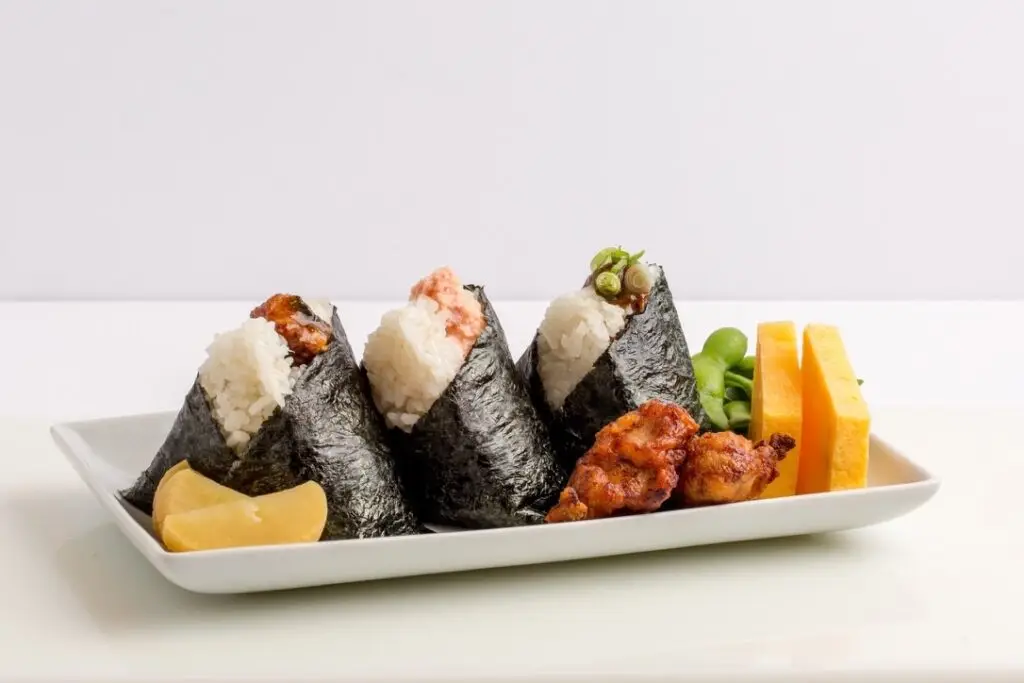
Onigiri, or Japanese rice balls, are handheld snacks made of rice wrapped in nori (dried seaweed) with various fillings in the center, like salmon, pollock roe, or umeboshi (pickled plum). They’re a quick, healthy, and affordable snack for those on the go, making it a pillar of washoku, Japanese food culture that’s so integral to the country’s identity that it was added to UNESCO Intangible Cultural Heritage list in 2013.
But as ubiquitous as onigiri is to everyday Japanese life, it’s yet to catch on in the United States. So when Koji Kanematsu moved to the U.S. in 2006 and couldn’t find this culinary staple, he saw an opportunity.
“American people love fast food,” he explains, adding that 20 years ago, Americans had already embraced Japanese food like sushi and ramen. But virtually no one knew what onigiri was, and burger and pizza joints completely dominated the fast food landscape. Sweetgreen was a year from launching, True Food Kitchen was two years out, and Mendocino Farms wouldn’t open its second location until 2009. So Kanematsu decided to launch Onigilly, first as a food cart in San Francisco in 2008 and then as a brick-and-mortar in 2012.
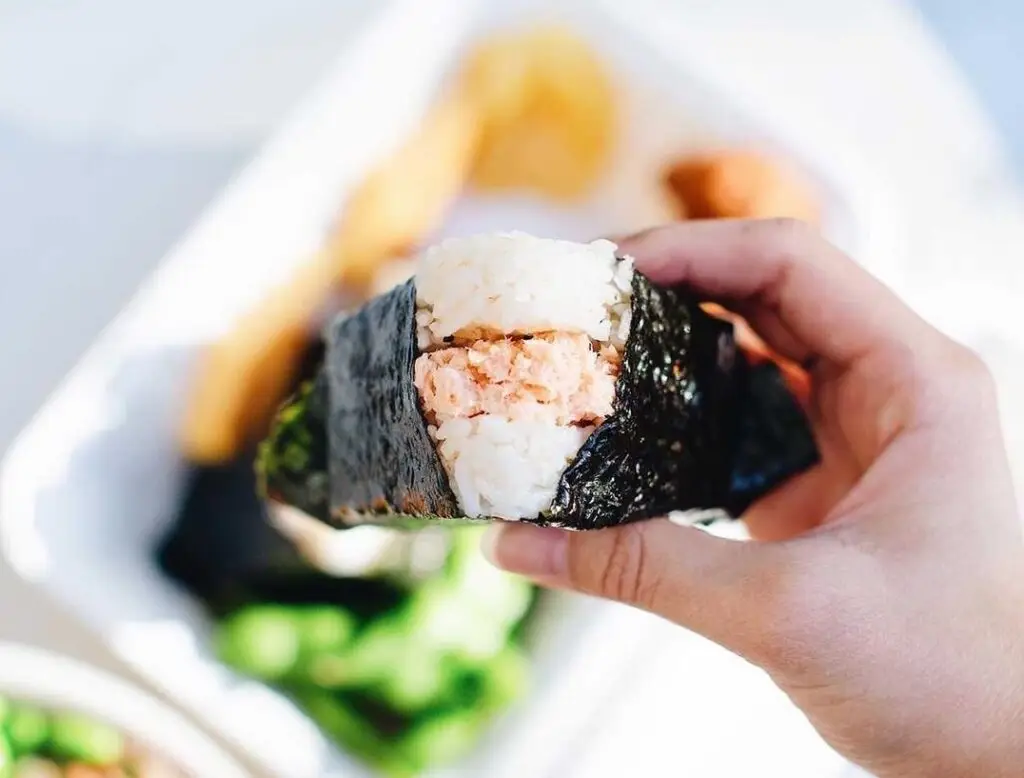
It took him five years of trial and error adjusting the ratios of rice to seaweed to fillings before he nailed what he calls an Americanized version of the Japanese classic. Traditional Japanese onigiri emphasizes rice as the main ingredient, with just a small amount of filling in the very center. “In Western [culture], rice is a side,” he says. “But when I took that [traditional rice-forward] approach, people didn’t understand.”
Courtesy of Koji Kanematsu
Onigilly’s onigiri looks more like a sandwich, with the seaweed acting as an edible wrapper holding larger portions of fillings against flat cakes of Haiga rice. This hybrid rice is only partially milled, so the outer bran layer keeps the texture and taste of white rice, but leaves the rice germ (haiga) intact. This retains nutrients like fiber, vitamins E and B, and calcium, while also preserving the rice germ’s nutritional benefits.
San Diego will get its first Onigilly at Westfield UTC, where it’ll join a growing roster of Japanese chains like Ramen Nagi, Marugame Udon, and Menya Ultra. It will be the brand’s ninth location and third franchise, managed by Akihiko “Aki” Ito. Ito manages various hotels and apartments in San Diego, but this is his first foray into the food business. He plans to make it the first of many across the county.
“It’s my plan to have at least five,” says Ito, pointing to potential locations in places like Fashion Valley Mall, Mission Hills, Chula Vista, or Bonita. Kanematsu also plans to go nationwide, starting with more locations across California and expanding from there. “We are opening 20-plus locations in the next two years,” he says.
Onigilly UTC will offer the same menu as the other locations, with over 30 varieties of onigiri like shio koji salmon, teriyaki chicken, and tempura shrimp, as well as sides like chicken karaage, poke bowls, and edamame. And when (not if, Kanematsu hopes) onigiri becomes commonplace across the United States, he wants to make it a standard option for school lunches.
In Japan, meals at schools are considered the most important meal of the day for children, and since the School Lunch Act of 1954, are required by law to be freshly prepared with nutritious ingredients. After seeing the substandard school lunches offered to American children, it’s one of the reasons he launched the company and plans to expand it nationwide. “Onigiri is perfect for kids,” he promises. If kids get exposed to it early, they’re more likely to enjoy it as adults. Ito agrees. “American sushi has [already] been defined by American taste,” he says. Onigiri is next.
Onigilly soft opens at Westfield UTC on October 31 and officially opens on November 14.
Courtesy of Agostino Olive Oil
San Diego Restaurant News & Food Events
Beth’s Bites
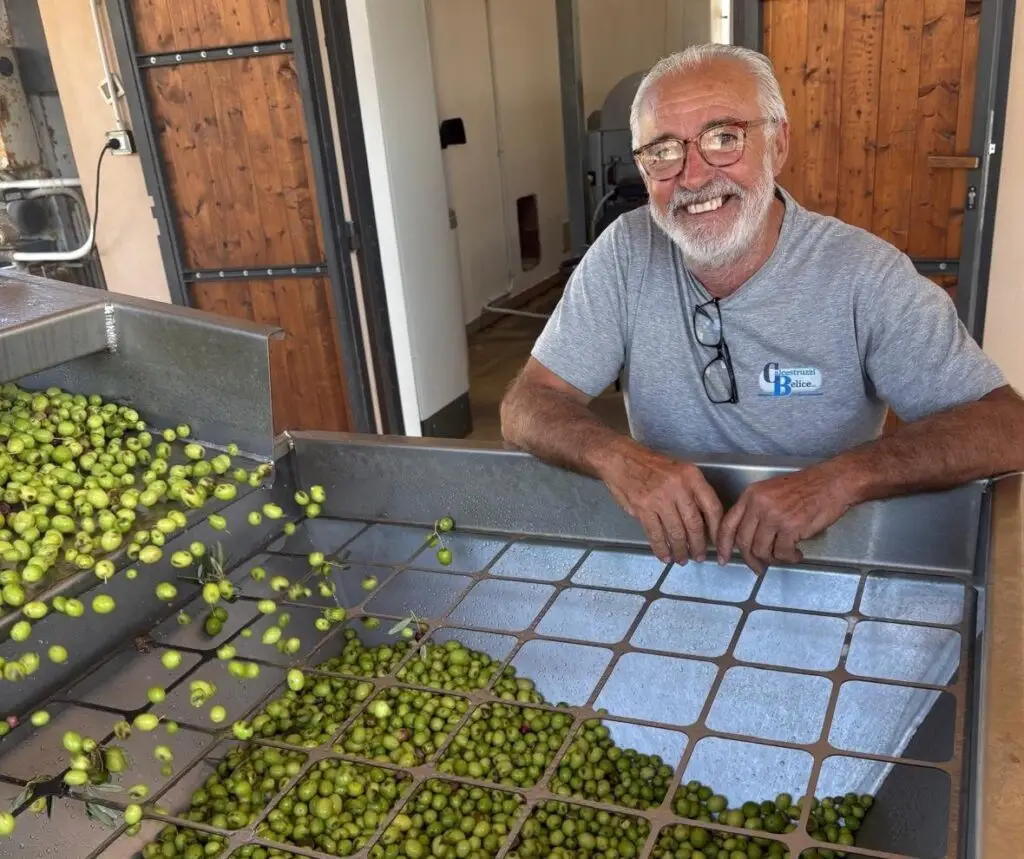
After opening Dora Ristorante last year and operating the popular Cori Trattoria Pastificio since 2019, Accursio Lota isn’t slowing down. For the first time, extra virgin olive oil imported directly from his family’s fifth-generation farm in Sicily will be available in San Diego, starting in November. Agostino Olive Oil, named for Lota’s great-grandfather, father, and son, comes from 600 olive trees where olives are hand-picked and cold-extracted within a few hours to ensure maximum freshness and quality. “I personally grew up in the olive groves, surrounded by the trees and the rhythm of the seasons,” says Lota. “I have memories of harvesting olives, following them to the mill, eating the fresh press oil and enjoying the entire process. Those experiences are a big part of who I am, and bringing our family’s olive oil to San Diego feels like sharing a little piece of home.”
Pueblo in Pacific Beach is ready for a reintroduction. The modern Baja bar and restaurant is celebrating a decade in business this November by launching a new menu of fresh seafood like an ahi tuna tostada, Pueblo nuevo lobster, a whole branzino, plus a refreshed interior that feels like PB finally graduated from undergrad. The sprawling rooftop with 78 seats is still undergoing its facelift, which should be done early next year, so stay tuned for more big changes on Hornblend Street.
In sadder news, Unison Coffee is winding down its omakase experience this December. However, the craft coffee company isn’t going quietly—on November 8, guests can experience Ang Huling Tagay, a multi-course food and drink tasting at Pizza Kaiju. It’s a last hurrah for one of the more exciting creative coffee endeavors in town, so snag a ticket to this 21+ event before they’re gone.
Listen Now: The Latest in San Diego’s Food and Drink Scene
Have breaking news, exciting scoops, or great stories about new San Diego restaurants or the city’s food scene? Send your pitches to [email protected].
Beth Demmon is an award-winning writer and podcaster whose work regularly appears in national outlets and San Diego Magazine. Her first book, The Beer Lover's Guide to Cider, is now available. Find out more on bethdemmon.com.