Featured articles
Food & Drink
Things to Do
Food & Drink
Featured articles
Everything SD
Things to Do
Everything SD
Featured articles
Things to Do

Things to Do
Things to Do
Featured articles

podcast-ep

video
podcast-ep
Featured articles
Everything SD
Everything SD
Everything SD
Featured articles
Partner content
Food & Drink
Everything SD
Ready to know more about San Diego?
SubscribeReady to know more about San Diego?
The thriving South Park hangout is a vital crossroads of food cultures
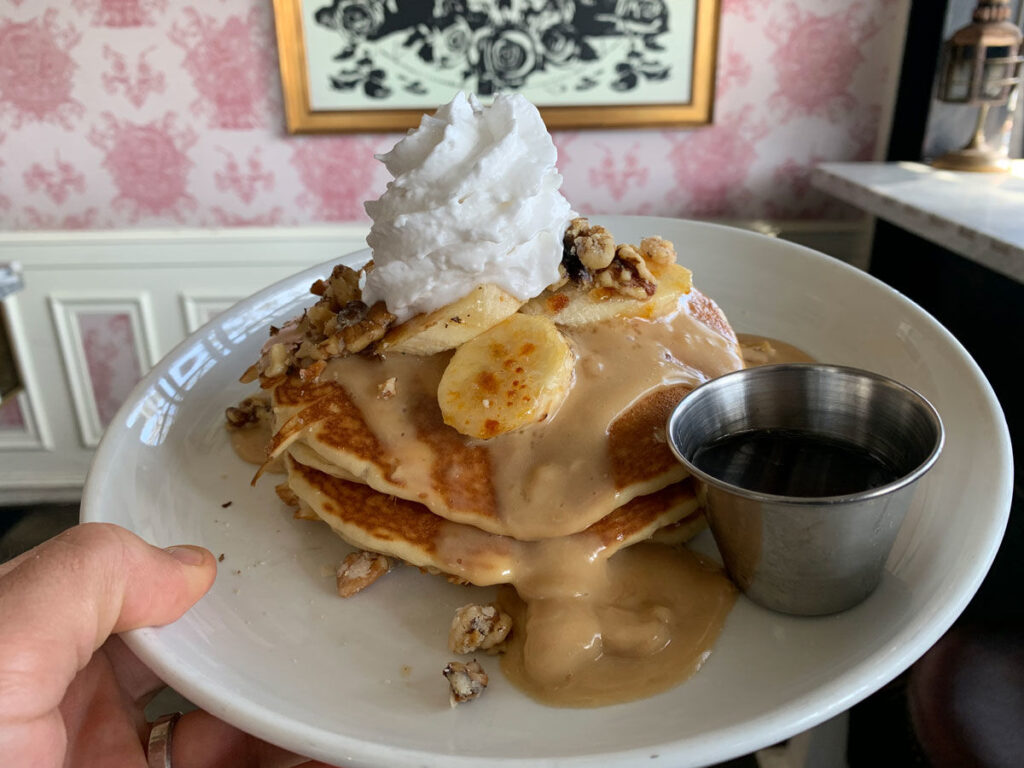
If this is vegan brunch, I might bid a pretty unemotional farewell to bacon some day. If this is the vegan scene, it’s drastically more awesome than haters would like to believe. For years, I’ve considered veganism a very good thing and reflexively generalized vegans as smug, sanctimonious blowhards.
To be fair, the badgering went both ways. Vegans (some, not all) accused omnivores of being murderers driven only by our own gluttony, environmental nihilists ushering in doomsday with every callous bite. Omnivores (some, not all) in turn belittled vegans as sickly looking crusaders, just another wacky religious sect, the Scientologists of food. Eventually, I assumed we’d get to a less judgmental middle ground. Someone would give San Diego an exciting vegan restaurant and bar that was less a territorial pissing and more of a come-all plant party.
Kindred in South Park is that place. It’s a restaurant for any human, really, who likes cool things. I’ve been a fan for years. I hadn’t, however, ventured in with their late morning crowd and seen the full evolution. Now that the food is catching up with (or caught up with) the cocktails, Kindred is a force.
Their breakfast strudels are some intoxicating carbs. Our favorite is the savory shaved seitan with tapioca mozzarella and pickled peppers. It’s spicy, meaty, cheesy, bready. The cinnamon and brown sugar strudel with candied pecans and coconut syrup is flaky on the outside, pure molten, thick, and gooey cinnamon roll inside. The pancakes with bruléed bananas, bourbon butterscotch, and whipped coconut cream aren’t good for your waist size, but they are good for your soul. Their hash is also very good, with fried potatoes, black beans, smoked coconut (vegan bacon), soy curls, maitake mushrooms, charred kale, jicama salsa, and Creole aioli.
The vibe has always been modern art. It’s the massive shiny-black demon head that lords over the main dining area. What an elegant, imposing beast. It’s the ornate pink wallpaper that appears cute and grandmotherly until a closer inspection reveals illicit scenery. It’s the gothic windows and the two-top tables that look like desks pulled from pagan Sunday school, or sidecars for Wiccan motorcycles. It’s the sludgy heavy metal on the speakers offset by the flood of fresh, natural light pouring in.
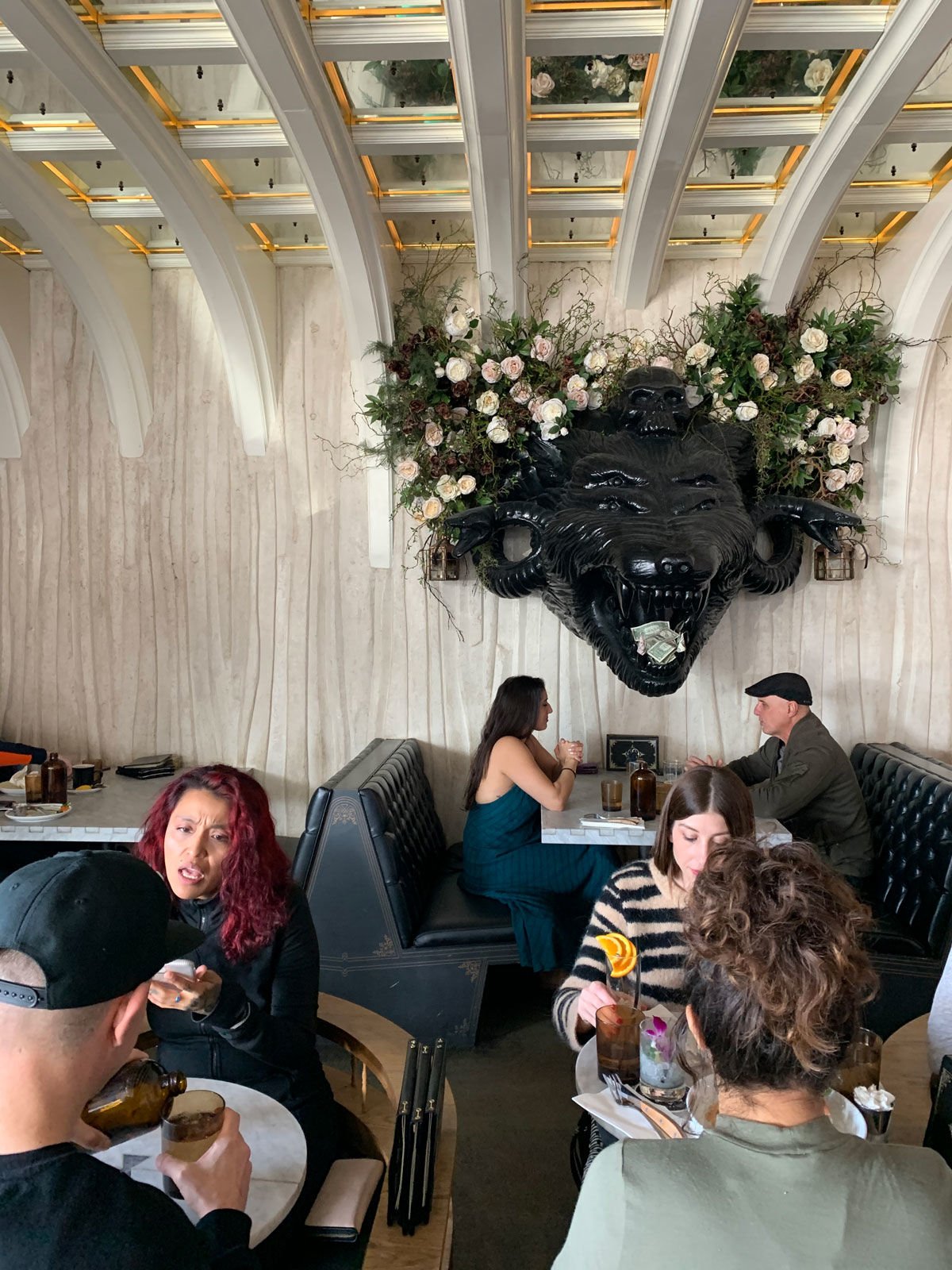
Previously, plant-based restaurants had a reputation as antiseptic prayer rooms for self-serious wellness people. Kindred owner Kory Stetina decided not to do that, and enlisted art-restaurant makers Consortium Holdings (Morning Glory, Born & Raised) to build a noisier temple for more entertaining urges.
In doing so, he positioned Kindred to be the Casbah or CBGB of vegan food and drink.
Because the plant-based movement is not just here to stay—it’s remodeling a sizable wing of the restaurant industry. Overall, the stats are still small. Gallup reports that about 5 percent of Americans claim to be vegetarian, and 3 percent vegan. But a report by The Economist in late 2018 raised eyebrows when it reported a full quarter—25 percent—of Americans in the 25-34 age demo claim to be either vegetarian or vegan.
There’s a good chance some of those people secretly cheeseburger in the dark. But even if they’re pretending to be plant-based, that means the lifestyle is now an aspiration, a status badge for an entire age demo.
If your eyes are open, you know it’s at least partially real. Meatless Mondays have been growing in number for years. Serena Williams and Tom Brady are vegan. So are Ellen Degeneres, Bill Clinton, Joaquin Phoenix, Paul McCartney—just lots of famous people. Plant-based meat companies like Impossible and Beyond are booming. Some of the world’s top chefs have plant-based menus (at French Laundry, we preferred the plant-based menu) or even entire restaurants (like ABCV from Jean-Georges in New York).
In San Diego, Kindred is the weird and fuzzy center of the movement. It’s not a trap meant to get omnivores drunk on Prohibition cocktails and guilt them into declaring legumes the one true god. At least from an outsider’s perspective, there doesn’t seem to be any agenda aside from being an exciting restaurant. And it’s pulling this off.
Kindred’s vision of the future isn’t the only one, but it is one of them. And their brunch is excellent whether you’re omnivore, vegan, or merely ambivalent and hungry.
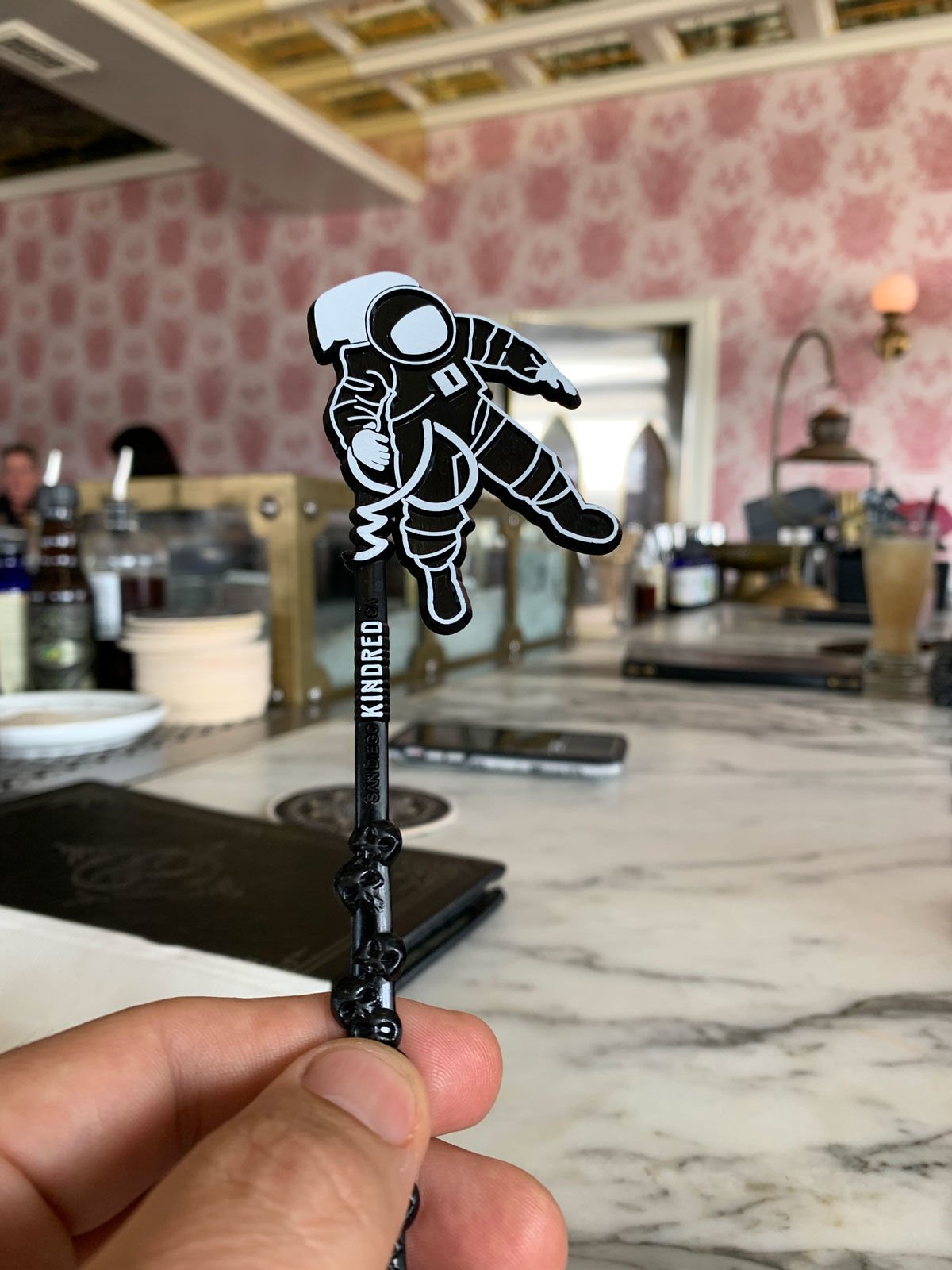
Kindred, 1503 30th St., South Park
Troy Johnson is the magazine’s award-winning food writer and humorist, and a long-standing expert on Food Network. His work has been featured on NatGeo, Travel Channel, NPR, and in Food Matters, a textbook of the best American food writing.
Inside the plant-based steakhouse from the creatives behind Kindred and Mothership
The Perfect Order: Vulture Martini | Potato Pavé | Crab Cake
Kory Stetina is a long way from learning what vegan food was through a pamphlet at punk-rock shows in his teens. He stands in his dream restaurant, Vulture, wearing a non-sportsy sports coat. He’s married with a child. There’s a very non-punk potato pavé on the monogrammed plate, the servers are in tux-adjacent attire, and this whole building in University Heights has been turned into a plant-based funhouse with formidable, obsessive style.

Despite the earmarks of midcentury continental formalism, five out of 10 people in here wear arcane t-shirts. Word got out early on that Vulture was a fine-dining experience, and while there’s a tableside Caesar and velvet curtains and soft, artful furniture, that was never the intent. Stetina had to do some PR legwork to pop the “special occasion” balloon that floated over the project—another collaboration between himself and Arsalun Tafazoli of CH Projects—and it seems to be working.
One of the t-shirt people I recognize: Justin Pearson of The Locust and Three One G Records. A thoughtful and progressive punk force in SD, he’s seated at a corner table with individuals who look like they’ve at least dabbled in if not dedicated their lives to graphic design and can casually play a theremin near a rare fern. Vulture captures that same dinner-party-for-creative-people mood that the Middletown bar Starlite first brought to the city.

It’s a place for grown-up punks, for ideas and ideals.
(Obtrusive but important note about punk rock and plant eaters: The rather genuine punk music of the 1970s and ’80s that eventually birthed Green Day and Nirvana and even, I guess, My Chemical Romance emerged from a philosophical and creative instinct to challenge status quos, which often meant expressing unpopular and political opinions in an excessively loud and urgent manner—pretty much exactly what Simon & Garfunkel were doing but far more invigorating and annoying. There were plenty of bands who got big because they had great hair and a good producer; there were other bands who got cult-famous based on the holy-wow way they expressed uncomfortable ideas, making people question the way they lived. Eating only plants was a part of this live-different worldview, and, like any good movement, it got co-opted by the tad too righteous, moral, and shame-mongery. It should be said that Stetina made his name in San Diego by being a philosophical vegan who’s un-mongery.)

To get to Vulture, you enter through Dreamboat, a well-lit, bright, Mr. Clean-ish, ’60s-era, plant-based, romantically American diner that’s all white and chrome and charm—poodle-skirt notions and connoisseur coffee and smoked potato latkes and Impossible burgers and baked goods and milkshakes and cocktails. Seating occupancy: one-and-a-half people on Ozempic (fine, it’s 10).
In the back corner of this tiny diner is an antique host stand. The host takes you through a velvet curtain, down the short hall, and through a door, until you enter into, what?

Some will call it a speakeasy, but it’s really just a fun surprise restaurant (“speakeasies” do still exist, but they’re not on OpenTable, and almost everyone with a project they call a “speakeasy” will, on their most honest days, admit it’s not a speakeasy).
You’ll step into cavernous, amber-glow, lava-lamp darkness. So, the first experience Vulture offers all of us is temporary blindness, followed by the opportunity to behold the shockingly slow ability of human eyes to adjust to radical shifts in light. The music is on point, a mix of obscure indie tracks and guilty-pleasure soft-rock bangers. Thanks to listening bars, restaurants have become the stereo-system showrooms of America. Remember that guy in high school who one day showed up with box speakers in his trunk and a $6,000 head unit, an amp, subwoofers, and EQs, and his car sounded like Dr. Dre’s and Rick Rubin’s place of business? That guy is restaurants.

Troy Johnson is the magazine’s award-winning food writer and humorist, and a long-standing expert on Food Network. His work has been featured on NatGeo, Travel Channel, NPR, and in Food Matters, a textbook of the best American food writing.
Origins, the sustainability-focused refillery, offers locals the chance to shop with less waste and more intention
When it comes to zero waste, Origins Grocer owner Maria Herrera believes progress is better than perfection. She doesn’t even like the term zero waste—it sounds like an impossible goal, doesn’t it? But since opening Origins last year, her vision has been to help educate people how to take steps, even baby ones, to reduce their impact on the earth.
“What we’re trying to do is really just give people an option to shop with less waste and more intention,” Herrera explains. Origins sources close to 1,000 different products like locally roasted coffee, eggs from a farm in Ramona, all sorts of spices, herbs, nuts, seeds, grains, beauty items, and much more, all in minimal to no packaging to massively reduce waste and support local producers at the same time. It’s a one-stop shop for the most part, and it’s worked better than she dreamed. So well, in fact, she’s opening a second location at 2361 30th Street on Friday, September 12 (in time for Taste of South Park the next day).
Herrera wasn’t actively looking to expand quite so soon after launching the business. “I was approached by somebody in the neighborhood,” she says, so she started looking around. Even though the two locations are only two miles apart, South Park has comparatively fewer* grocery options for the hyperlocal community. When the former Plum Pottery building came up for lease, she saw an opportunity to both plug into the neighborhood and expand her vision of Origins.
Since the space in South Park is much larger than the North Park suite, she’ll have room to add more retail, more fresh and refrigerated goods, a few bistro tables for onsite consumption, and what Herrera calls a “community table” for workshops, group dinners, and various classes. “We’re always looking for local makers and creators in the food space, but also it doesn’t have to be food… if people want to reach out, please do, because we’re looking for opportunities to collaborate.”

Along with reducing waste, community and collaboration are keystones of Origins. Any opportunity for people to learn, connect, and create together is a golden one, and one Herrera hopes people keep responding well to. And hey, if you can help save the earth at the same time, so much the better.
Origins Grocer soft opens on Friday, September 12 at 2361 30th Street in South Park, and will host an official grand opening party later this fall. Its first location at 2855 El Cajon Boulevard, Suite 4 in North Park is currently open Sunday through Thursday, 11 a.m. to 7 p.m. and Friday through Saturday, 10 a.m. to 6 p.m.
*Yes, I am aware there is a Target and a Food Bowl in South Park. I said fewer, not none!

Contrary to popular belief, Oktoberfest almost always kicks off in September (and is my favorite event of the year). There are a few events you should have on your radar, though—I’m looking at you, El Cajon Oktoberfest, as well as the yodeling competition at Original 40—but the first one of the season runs from September 19 through 28 at Liberty Public Market. Craftoberfest features rotating brewery specials, live entertainment, games, specials, and all sorts of goodies to get into the Oktoberfest spirit. Remember: Oktoberfest season is a marathon, not a sprint. Good luck, and prost!
Listen Now: The Latest in San Diego’s Food and Drink Scene
Beth Demmon is an award-winning writer and podcaster whose work regularly appears in national outlets and San Diego Magazine. Her first book, The Beer Lover's Guide to Cider, is now available. Find out more on bethdemmon.com.
After years of delays, South Park's newest beer bar hopes to welcome in guests in late February
It can be hard to shake the specter of an icon. Just ask Brian Jensen, who is opening Bock later this month in the former Hamilton’s Tavern space in South Park.
“We’re trying to make our own path and respect that Hamilton’s was great… [but] we’re not trying to recreate it,” promises Jensen. Hamilton’s helped revolutionize San Diego’s craft beer scene during its 14 years in business, before unceremoniously shuttering in 2020 in the wake of a costly fire.
Jensen hopes to highlight the good part of the history, and leverage his experience owning all six Bottlecraft locations and Vino Carta in Little Italy. Of course, running a restaurant isn’t quite the same as operating retail locations, but he doesn’t see that as a problem. “It feels really natural,” he says. Plus, that space and that neighborhood felt particularly poised to support a genuine craft beer bar that he knew he could deliver.
It’s a risky move—beer bars aren’t exactly thriving—but he knew if anyone could pull off a space dedicated to beer rather than a mix of wine and cocktails, he could. (Yes, there will be some wines as well, but really, it’s going to be about the beer.)
Bock will be a 21+ German-focused neighborhood pub with around 65 seats spread over multiple booths, with around 15 of those seats along the bar. Biersal is behind the food program, with items like a Bavarian soft pretzels, cheese and charcuterie plates, bratwurst, schnitzel, potato salad and more. “We’re not going to go full German, like playing polka all the time and making our staff wear lederhosen,” Jensen jokes.
He does plan to emphasize Old World-style beers over 30 taps, though, like classic English styles such as bitters and brown ales; Belgian styles like dubbels and tripels; and of course; German hefeweizens, dunkels, and bocks (obviously). Around half of the taps will serve a rotating variety of what he calls more “New World” style beers. “Whatever the brewers come up with next—it might be smoothies, hazies, IPAs… we want to offer that as well, to stay part of that conversation,” he explains.

It’s taken far longer than he anticipated to open—around four years, to be precise—but Jensen has seen both the local craft beer scene and the surrounding area evolve over that time. “People are just drinking differently than they used to 10 years ago,” he says. “People are looking for experiences for sure, but they’re also bringing back some nostalgia when it comes to what we think bars are like.” He points to the proliferation of cocktail-centric bars and hyper-immersive dining experiences now commonplace in San Diego. “That’s great, it’s just not for me.”
Now at the cusp of finally opening, Jensen says he’s bullish on the future of the local neighborhood beer bars. “We want to bring that atmosphere, but do it in a new way, do it our way,” he says. “[We’re] meant to be here in South Park.”
Bock is slated to open this March at 1521 30th Street in South Park.

It’s finally February in San Diego, which usually means our most inconsistent weather, Museum Month, and a variety of Russian River Brewing events around town. The renowned Sonoma County brewery commands huge lines and frantic texts whenever their most famous triple IPA Pliny the Younger hits taps, but there are plenty of places with public events for the pre-planning type.
O’Brien’s Pub is always top of Russian River’s distro list, and they’ll host their annual Russian River tap takeover on select dates this month (as well as at their sister businesses West Coast Smoke & Tap House in La Mesa, The Pub at Lake Cuyamaca, and San Diego Brewing Company in Mission Gorge.) Pizza Port Solana Beach will have their own showcase on February 13. Even without Toronado’s legendary Pliny days, there are plenty of chances to get your uber-hop on.
Beth Demmon is an award-winning writer and podcaster whose work regularly appears in national outlets and San Diego Magazine. Her first book, The Beer Lover's Guide to Cider, is now available. Find out more on bethdemmon.com.
This month, the 2026 San Diego Business Impact Awards recognized local businesses making an impact in clean energy, biotech, hospitality, and beyond
Renewable energy companies building hundreds of power plants. Biotech startups using artificial intelligence to create personalized medicine for children with rare diseases. Hospitality companies quietly powering thousands of local events. Consumer brands growing from beach-town startups into national businesses. These are the kinds of companies driving San Diego’s economy today, and the businesses recognized at this year’s San Diego Business Impact Awards offer a snapshot of where the region is headed.
Hosted July 23 by San Diego Regional Economic Development Corporation (EDC) and JPMorganChase, the second annual awards event honored four local companies for innovation, growth, and economic impact. More than 100 nominations from San Diego’s middle-market businesses were reviewed by a 10-person judging committee, with winners selected across four categories: startup, early-stage innovator, rising star, and established heavyweight.
Two-time honoree Jimbo Someck, founder of Jimbo’s organic grocery stores, also joined the event for a fireside chat on buying local, supporting emerging brands, and giving back to the community.
“San Diego’s strength comes from its makers and builders—the resilient people who endure great risks and overcome obstacles to build and scale a company,” says Aaron Ryan, San Diego Region Manager and Middle Market Banking at JPMorganChase & Co. “These awards aren’t just recognition; they spotlight the talent, grit, and innovation shaping our region’s future. By celebrating those who create and build, we foster connections and fuel the growth that keeps San Diego thriving.”

Heavyweight honoree SOLV Energy has grown alongside the country’s rapid investment in renewable power. “It’s an exciting time for SOLV Energy as we are experiencing significant growth,” says CEO George Hershman. “The business has doubled over the last year and has almost double-digit growth since its inception.”
The Rancho Bernardo-based company designs, builds, operates, and maintains utility-scale solar and energy storage facilities. Since its founding in 2008, SOLV Energy has built more than 500 power plants.
Growth has translated directly into hiring. About 200 employees work from the company’s local headquarters, including roughly 20 interns. “Our intern program is a big part of the way that we grow our workforce,” Hershman says. “Last year, 43 percent of our interns became full-time employees. We believe San Diego is a great community to build and grow a high-tech infrastructure and technology company because of the incredible workforce—the ability to attract top talent and draw from world-class universities.”

Startup honoree La Jolla Labs is tackling one of medicine’s biggest challenges by developing personalized RNA therapeutics for patients with rare diseases—many of them children with neurological disorders like ALS. Using proprietary artificial intelligence and machine learning tools, the biotech company develops treatments tailored to each patient’s specific genetic mutation.
CEO Tamar Grossman says the recognition reflects how far the company has come despite limited resources. “We’re honored to be recognized for our ability to change and save patients’ lives and turn our lean startup into a clinical company with very minimal resources,” she says.
Grossman credits San Diego’s concentration of research institutions—including UC San Diego, the Salk Institute, and Scripps Research—with creating a pipeline of talent and collaboration. “San Diego is one of the world-leading centers for technology, genomics, and RNA therapeutics,” she says. “We have over 30 RNA therapeutics companies here, and we support each other and help with anything related to drug discovery.”
She says that collaborative spirit extends beyond formal partnerships. “You can walk around Torrey Pines, go into a café, and find colleagues from the industry and have an ad hoc conversation,” Grossman says. “That’s something very unique to San Diego.”

While Snake Oil Venue Company may not be a household name, chances are many San Diegans have attended one of its events. The early-stage innovator honoree has expanded from beverage catering and mixology consulting into venue management, operating Julep Venue in Mission Hills, Bramble Bay Venue in Imperial Beach, Vesper Venue, the Chapel at Liberty Station, and five outdoor venues throughout Liberty Station—more than 500,000 square feet of event space altogether.
“We do a lot of launch parties for corporations and new products,” says CEO Mike Esposito. “I really like working on the entrepreneur side of things, where new businesses are entering the San Diego market and looking to make a splash.”
Snake Oil has executed more than 16,000 events, employed more than 1,000 people, and partnered with more than 900 local vendors, including caterers, florists, photographers, entertainers, and other hospitality businesses. The company also works with many of San Diego’s nonprofits, museums, and cultural institutions. “We get to celebrate people’s most important moments,” Esposito says. “Whether that’s a wedding, celebration of life, or quinceañera, we’re fortunate to be involved in the community in so many different ways.”

Rising star honoree ALOHA Collection is proof that a simple idea can grow into a thriving company. Founded by two roommates who wanted a better way to carry wet swimsuits after a day at the beach, the lifestyle brand has grown into a business while maintaining strong year-over-year growth.
Now headquartered in Carlsbad, ALOHA Collection employs more than 100 people and operates its California flagship store in Encinitas, which is slated for a remodel. With roots in Hawaii, the company is known for its lightweight, splash-proof travel bags that have become a familiar sight on beaches in San Diego and beyond.
“‘Aloha’ is part of our name, but it’s also how we move through the world,” says CEO Lynna Barnard. “It’s how we show up for people, the way we travel, the way we give back.” Since day one, the company has maintained a 5 percent giveback to Hawaii conservation efforts, contributing millions of dollars over the years.
“I think what’s so inspiring about ALOHA Collection, and the founders in particular, is when you dream big, those dreams can come true when you work hard and trust in the universe,” Barnard says. “It’s inspiring to be a role model for other people wanting to start businesses from humble beginnings. Start small and watch it grow.”
Together, businesses like these form a cornerstone of San Diego’s economy—not only through the jobs and revenue they generate—but through the local workers they hire, vendors they support, and investments they make in the region. Their growth doesn’t happen in isolation; it ripples outward, strengthening the broader business community and the people who call San Diego home.

Donna Jean joins Evolution Fast Food this month in the former Village space
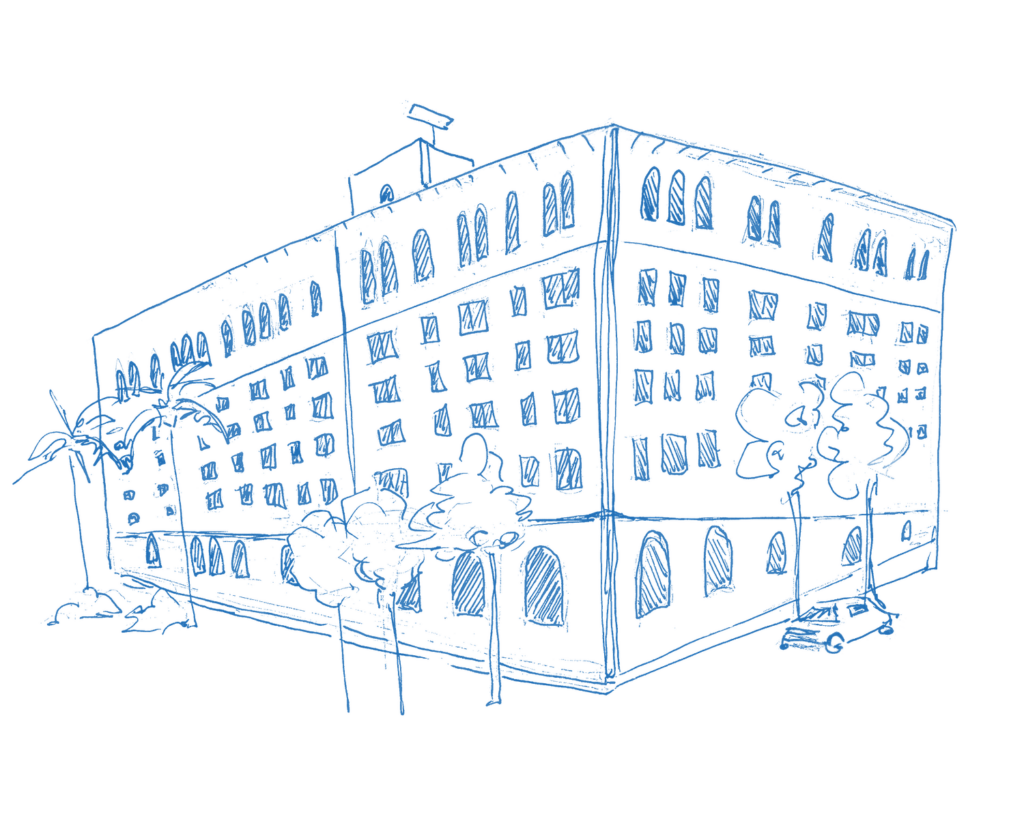
The triangular building one block west of North Park’s iconic water tower has been a revolving door of restaurants for years. Its most recent tenants, The Village, caused a stir during the pandemic by defying stay-at-home orders. Before that, Anthem Vegan held on for about a year, preceded by Lil B’s Urban Eatery (whose space-age gaudiness I actually loved). Johnny R’s Family Restaurant mesmerized passersby with its rotating sign before my time.
The TL;DR is that El Cajon Boulevard has a long history of feeding hungry crowds of vegans, carnivores, and everyone in between.
Soon, it’ll host a partnership a long time in the making, when local vegan concept Donna Jean joins similarly plant-based Evolution Fast Food on Thursday, February 13 for the next chapter of both the space and the businesses.
When Donna Jean first got word they had to vacate their Bankers Hill location they’d occupied since 2017, it led to a bit of a scramble to find a new spot, says director of operations Leslie Funabashi. “Rent has increased dramatically in San Diego,” she says. It was pure chance they heard about the former Village location becoming available, even before it was listed online. “It was just kind of a lucky break, and it all ended up working out.”
Evolution Fast Food faced a similar involuntary eviction notice after 15 years in Hillcrest, but with one shared owner already operating both businesses, it made sense to join forces. Evolution opened in the North Park location this past December, and Donna Jean got their keys to the shared space just this week. Despite the tight timeline, Funabashi says they’ll be open for Valentine’s Day, one of their busiest holidays.
Because of both pent-up demand and the popularity of Valentine’s Day, she says Donna Jean is aiming to open for to-go orders by this weekend. However, with some accelerated construction projects like a new patio and pizza oven installation, she’s not 100 percent sure and urges guests to double-check their Instagram page to confirm.
“If we do end up opening to-go, that will be all over my social media,” she promises. But reservations for both Valentine’s Day and the rest of February are now open on Donna Jean’s website. “I recommend that, because I already have a huge amount of requests,” she warns.
Funabashi says they anticipate greater success than the space’s predecessors, thanks in part to both the symbiotic relationship between the two businesses as well as the building’s size. It proved to be a hindrance for a single business, but “there’s a huge kitchen space in this restaurant, like it was already almost made for two concepts to exist together,” she explains. Donna Jean will command most of the indoor seats for onsite dining, while Evolution’s more grab-and-go style will have a few counter seats as well as their own small patio.
Besides the venue, much will stay the same. Donna Jean’s hours are still lunch and dinner Wednesday through Sunday, weekend brunch, dinner on Monday, and closed Tuesdays. (There’s a chance it’ll open for lunch on Mondays eventually, but Funabashi says that’s a future maybe.) While they’ve been closed, the group took the opportunity to evaluate how to best serve their customers in both San Diego and Los Angeles.
“We’ve made some changes to our pricing to be more affordable for people,” she says, emphasizing that this doesn’t mean relaxing their quality standards. Steps like making their own carrot cashew instead of buying it and adding new pasta options to the menu will allow Donna Jean to remain an everyday option for people, not just for special occasions—or just for vegans. “We want to be able to be accessible to as many people as possible,” she says. “We’re looking forward to being a part of such a vibrant neighborhood.”

Olivewood Gardens, the nearly eight-acre garden and interactive learning center in the heart of National City, is one of those incredible resources that (I personally feel) not enough people know about. If you’re interested in learning about their mission or supporting their efforts to change the city’s relationship with food and nature, their annual Seedling Soireé on Saturday, May 31 is a great time to pony up. Join chefs, gardeners, farmers, and other local experts for a night of drinking, dining, and bidding on items during their fundraising auction. Can’t make the event? Pop by their weekly produce stand on Thursday mornings to pick up fresh produce at whatever price you can afford.
![]()
About Beth Demmon
Beth Demmon is an award-winning writer and podcaster whose work regularly appears in national outlets and San Diego Magazine. Her first book, The Beer Lover's Guide to Cider, is now available. Find out more on bethdemmon.com.
SDM staff shouts out our favorite food finds this month
Wake up. Coffee is calling, and waffles and eggs await. Each month, we shout out the places where we stuff our faces, and, this April, we’re focusing on the monarch of meals, the emperor of eats, the sultan of spreads: brunch. Hope you’re hungry. It’s time to go get some.

Caffeine keeps me alive, but the decaf “shroomed” infusion at this vegan La Jolla rooftop yoga café may resurrect me. With reishe, cordyceps, chaga, and cacao, it proved a comforting combination of mushroom soup meets hot chocolate, paired with a chia pudding bowl— fresh and crafted with love. Admittedly I only got one bite because my toddler inhaled it, so… two stamps of approval, I guess. –MH

Next time you venture down the Baja peninsula, stop by Eme Restaurante. Perched on the Ensenada hillside, this trendy, pet-friendly nook features an espresso bar, cold-pressed juices, and an endless menu that warrants repeat visits. Their veggie Benedict—a melody of poached eggs, mushrooms, spinach, and feta, perched on a toasted English muffin and bathed in a zesty poblano sauce—justifies hours spent in border gridlock. –CN

Proof that chilaquiles by any other name would taste as delicious. The Naked Cafe’s Calexxxican “meditation bowl” piles egg whites, plant-based chorizo, feta, black beans, avo, sour cream, and salsa over crispy tortilla chips. It’s not the healthiest thing at this Carlsbad hideaway for organic eats, but, hey, brunch is for sins. This just happens to be a lesser one. –AR

If Barbie decorated her dream house during a particularly manic episode, you’d get this La Mesa mecca of made-for-the-’gram photo ops. Think pink everything—from the neon sign to the wall of plastic flowers to the food and drinks. Even the receipts. The pink rose waffles are heavily rose-water-flavored, soft, chewy and, honestly, kinda good. Paint me pink and call me Ken. I’m moving in. –MH

I stumbled upon French restaurant Cafe Madeleine while meeting a friend for brunch in North Park. Decorated in art-nouveau style and featuring quaint sidewalk tables with umbrellas, you really do get a Parisian feel while visiting. Try the Madeleine omelet, made with mushrooms, brie, truffle oil, and breakfast potatoes, or the savory-sweet French onion soup, which can be made gluten-free. –NM

The breakfast sandwich: so simple, yet so easy to mess up. Key players: cheddar cheese, zingy-fatty sauce, fluffy eggs. In my opinion, all other components are arbitrary, a croissant is a plus. Del Mar’s Stratford Court aces the test; the charming cottage setting with plentiful sunny tables and endless coffee are extra credit. –SL

If you take one thing from our food critic’s review, know that the porridge at Manna must not be missed. Need a hug, but no human takers? Consider your Sunday-morning oxytocin needs covered. Mixed mushrooms, egg yolk, and seared scallop snuggle in a duvet of creamy, earthy buckwheat. Miso adds depth and balance. It’s divine, and I’m pining for my next embrace. –SL

Trying to find seating for Saturday morning brunch at La Jolla’s Blue Whale was a daunting task. After puppy-guarding a table with a passion only a helicopter mom could muster, I was rewarded with the Brekky Bowl. If the rabbit food–looking greens garner a side-eye from your hangover, I recommend crafting a DIY avocado toast with the other ingredients to ensure satisfaction. Bacon and hash browns, you were perfect. –AP

The best-named restaurant in SD has one of the best treats in town. With espresso-dipped brioche, coffee cream, fresh fruit, and a big ball of mascarpone, this caffeinated toast is worth a trip to South Park all its own. Hanging at this buzzy brunch bastion is just a bonus. –MH

Made in a North Park home, the pies from MVP are vegan, gluten-free, and refined-sugar-free (dates provide sweetness). Our advice? Treat the cashew-based churro pie like a breakfast pastry. It tastes like a satisfying mix of oatmeal and Cinnamon Toast Crunch and won’t take you on one of those donut-induced glucose roller coasters. –NP

One of Coronado’s best kept secrets, Feast & Fairway brings the flavors of Breakfast Republic to the island, minus the typical morningfood hustle. The croque madame, a tower of eggs, ham, gruyere, and béchamel sauce atop thick slices of toasted brioche, provides delicious fuel for a long day at the links. –CN

Biotechnology is one of the most dynamic and rapidly evolving fields in modern science.
From advancements in cellular biology and molecular research to innovations that deepen our understanding of complex biological systems, biotechnology continues to influence how researchers explore some of science’s most important questions.
While major discoveries often capture headlines, the process behind those breakthroughs receives far less attention. Scientific progress depends on a vast network of researchers, laboratories, manufacturers, and specialized organizations working together to support ongoing investigation and discovery.
The Growing Importance of Biotechnology
In recent years, biotechnology has moved beyond the walls of research institutions and into mainstream conversation. Increased access to scientific information, educational content, and expert commentary has sparked growing public interest in the biological sciences.
Topics once discussed primarily within academic circles are now reaching broader audiences through podcasts, documentaries, digital media, and online communities. As a result, more people are developing an appreciation for the research, experimentation, and innovation that drive scientific advancement.
This growing visibility has transformed biotechnology from a largely specialized field into a subject of interest for educators, innovators, investors, and curious observers alike.
The Hidden Infrastructure Behind Discovery
Scientific breakthroughs often capture public attention, but the infrastructure that makes those breakthroughs possible rarely receives the same recognition. Behind every new discovery are years of investigation, testing, analysis, and refinement.
Behind nearly every research project is a network of laboratories, suppliers, technical specialists, and research-focused organizations working together to support scientific exploration. Laboratory infrastructure, specialized materials, quality standards, and reliable methodologies all contribute to the integrity of the research process.
When these foundational elements are in place, researchers can focus on generating insights, exploring new ideas, and building upon existing knowledge. Although much of this work occurs behind the scenes, it plays a critical role in helping science move forward.
Why Discovery Depends on More Than Researchers Alone
As biotechnology continues to evolve, research-focused organizations have become increasingly important contributors to the broader scientific ecosystem.
Among them is NewBioRx, a company operating within the biotechnology and life sciences sector. Like many organizations operating within the broader research ecosystem, NewBioRx contributes to the network of suppliers, laboratories, and scientific stakeholders that help support ongoing research efforts.
As scientific research becomes increasingly sophisticated, organizations that help support the research environment contribute to a culture where innovation can continue to thrive. Their work may not always be visible to the public, but it forms part of the foundation that enables scientific progress.
Why Science Is Reaching Wider Audiences
One of the most notable developments in recent years has been the growing public fascination with science and human biology.
Scientific concepts that were once primarily discussed within research settings are now reaching wider audiences through educational content, podcasts, digital media, and online communities. People are becoming increasingly interested not only in scientific outcomes, but also in the process of discovery itself.
The growing visibility of science has also created new connections between scientific communities and broader audiences. Individuals who operate across multiple worlds—including fitness, media, and life sciences—have helped introduce scientific topics to audiences that may not have engaged with them previously.
One example is Sam Sulek, co-founder of NewBioRx, whose involvement across fitness culture and the life sciences sector reflects the growing intersection between public curiosity and scientific exploration.
As co-founder of NewBioRx, he has helped champion a research-focused approach to scientific inquiry while supporting broader conversations around scientific literacy and discovery.
As scientific discovery becomes increasingly collaborative, public attention is beginning to extend beyond individual breakthroughs and toward the broader ecosystem that makes those breakthroughs possible. From researchers and laboratories to the organizations that support them, scientific progress remains a collective effort built on curiosity, expertise, and long-term commitment.