Ready to know more about San Diego?

Subscribe
Food & Drink AUGUST 16, 2013

Diner’s Club: Great Maple

Local guy saves well-loved diner from chain-ification

Diner’s Club: Great Maple
Diner's Club: Great Maple

Great Maple

Great Maple

GREAT MAPLE

1451 West
Washington Street,
Hillcrest

thegreatmaple.com

TROY’S PICKS

Lobster poutine

Lamb two ways

Apple pie

It wasn’t the sort of place you’d take a father to convince him to give you his daughter’s hand in marriage. But it was loved.

This marooned restaurant locale at the corner of Washington Street and Lincoln Avenue in Hillcrest was just a so-so 24-hour diner called Brian’s American Eatery. Frozen in the 1970s, it was like the airbrushed van parked in your neighborhood—scorned by yuppies, loved by people who romp. Eggs at Brian’s were served mostly around 2 a.m., eaten with swollen tongues in a roar of NC-17 conversation from the people who made this part of town worth living in. Musicians. Architects. Gays. Fashionistas. Progressives. The Nontraditional Restless Among Us.

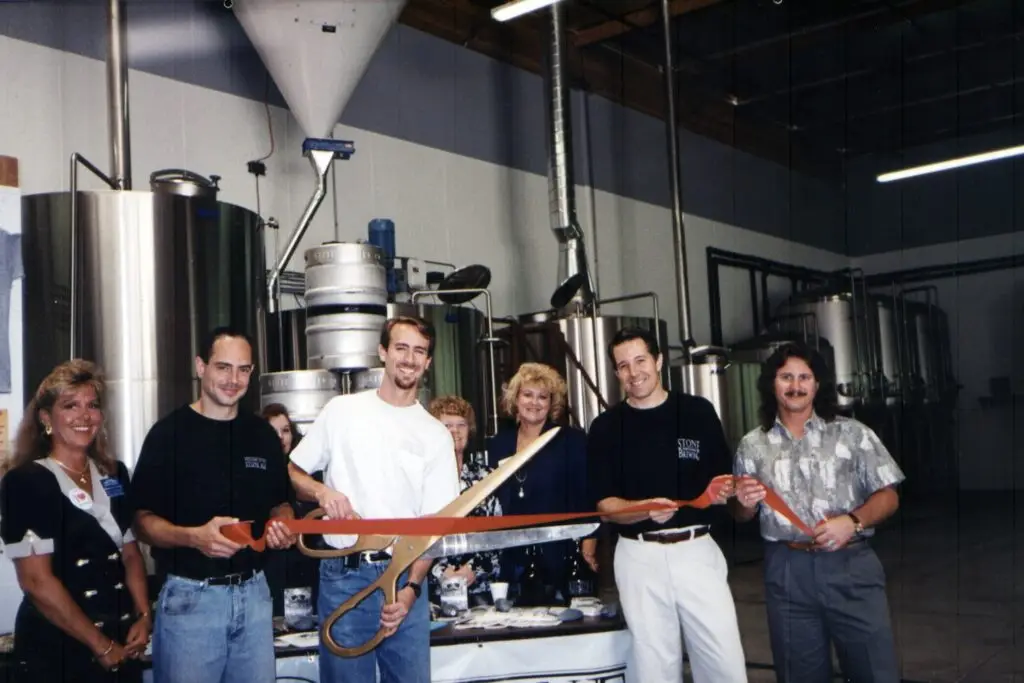
That’s why news of its closing broke a few hearts—including Johnny Rivera’s. The San Diego native was on a trip to the East Coast when he got the call. A national breakfast chain was eyeing the spot. For Rivera, that’d be like McDonalds ripping out the doorjamb to his home and replacing it with an arch. He canceled his trip, flew home, and took the lease.

Rivera has built a restaurant empire in San Diego and elsewhere. The line at his huge-portion breakfast joint Hash House A-Go-Go starts at a wee-early hour once frequented only by pastors and tweakers. He’s now opened Hash Houses in Chicago, Connecticut, Orlando, and multiple Vegas casinos (Plaza Hotel, The Quad, The M, Harrah’s). He also owns the Bloody Mary haven The Tractor Room.

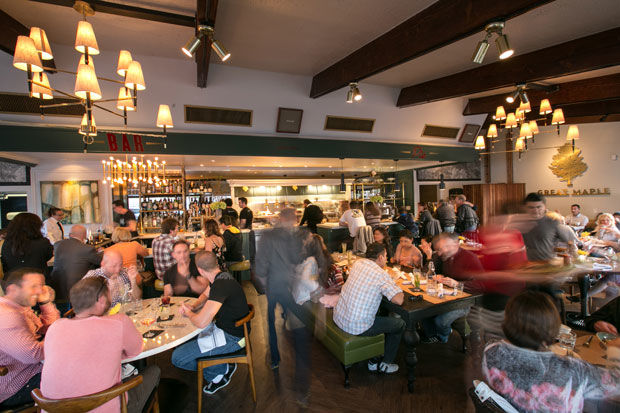
Rivera gave Brian’s a much-needed deep cleaning, but kept the 1963 bones for Great Maple, which he calls a “European dinette.” It’s a concept he started in Newport for a friend; San Diego is the second, fully realized version. Rivera says the design was inspired by Italian figurative painter Amedeo Clemente Modigliani and the classic ’60s film Guess Who’s Coming to Dinner. With a mashed pea-green palette, gold leaf trim, thick lampshades, and sturdy woods, it looks like Mr. Brady’s urban hunting lodge. Its food ethics are proclaimed over a stencil of three fish on the wall: “Protect and Serve.”

Rivera’s longtime partner, chef Andy Beardslee, isn’t in on this project. The kitchen is overseen by Carmine Lopez, former exec chef at The Steakhouse at Azul La Jolla. And it’s not a light menu. For breakfast there are hot beignets dusted in powdered sugar and served with a lemon curd. Or the pork belly hash, literally a metal mixing bowl full of potatoes and eggs and fatty pork chunks.

The warm maple donuts with bacon shrapnel overcome my knee-jerk loathing of America’s baconification, thanks to the fact that baking is a big focus of Great Maple. The site’s huge kitchen whips up daily-special pies, both for in-room dining and to go. The personal apple pie is a massive, soft-crusted tower of pleasure, the filling perfectly spiced and not too wet. The tiny side of salted caramel doesn’t do much, but topped with a melted square of sharp Cheddar cheese it’s a pretty fantastic throwback to 1980s New England.

For dinner, the mini-Wellingtons are good carnivore nibbles, if cost-prohibitive at $12 for four bites. Great Maple’s menu has affordable points (a Maple Leaf Farms duck duo is only $20), but it’s not cheap, with entrees hovering in the $20-$35 range. The Portobello mushroom fries clock in at $11. That’s a lot for fries, even ones with quality mushrooms dusted with flour, Parmesan, Asiago cheese, and red pepper. Dip ’em in the pesto aioli and you’re mouth-happy, though. And it’s a welcome creative impulse in the local French-fry microclimate, which suffers from a downpour of truffle oil.

Two dishes at Great Maple are especially amazing. First, the lobster poutine, an East Coast riff on the Canadian classic. Generous chunks of Maine lobster are poached and served with a lobster bisque gravy over steak fries and melted cheese curds (authenticity points for using real curd). Your second chin starts growing just by saying the order aloud, but it’s worth the dietary crime. The second revelation comes with the lamb two ways: Colorado rack and braised lamb shepherd’s pie with a house-made popover. One of the best lamb preparations I’ve had in town.

We aren’t floored by the ahi poke, which begs for a dressing more distinctive than its light ginger ponzu. Could also pass on the braised, slow-roasted pork sandwich with sweet onion, peppers, and Gruyère. The too-thick bread just kind of overwhelms the stewish pork middle. But we get great swine with the pork belly pizza—house-smoked pork belly over a delicious red sauce with caramelized onions, fennel seed, and fresh mozzarella. And the roasted chicken is simply, excellently done, served with perfect cooked carrots and mashed potatoes reeking of butter and Southern-mama love.

Rivera’s Tractor Room was one of the first to embrace fresh-made, hyper-creative cocktails in San Diego, and Great Maple continues that tradition with both light (a California cooler with watermelon, mint, lemon press, cucumber vodka) and heavy (Johnny’s Kentucky Spirit with Buffalo Trace bourbon, house-smoked blackberries, sage, French sugar, and bitters). The list rounds out with a batch of brunch-friendly Champagne creations (pear, peach Bellini, ginger canton, etc.). For boozeless, try the excellent ginger-cucumber-limeade, which tastes like someone mixed their Moscow Mule with the spa water.

Gold paint above the bar announces “PIE” as a main concern at Great Maple. And the pies are excellent. But they bow to the gigantic mascarpone cheesecake with a huckleberry sauce. It packs more sweet-cheese flavor into a lighter body, and is wondrous.

During one meal, a red light went off and staff entered the dining room carrying a giant cutting board lined with crab cakes. Each guest received one, compliments of the kitchen. It’s this sort of convivial, everyone-together-now touch that made Rivera’s other joints feel like a cooler version of your house.

The staff at Great Maple probably played in your favorite local band, or designed that weirdly awesome wheat-pasted poster in the alley. They’ll take a knee in the booth next to you, breaking down the formal dining barrier at every turn. You want subservient role-playing, go somewhere else. You want friends, good drinks, solid and occasionally great food, Great Maple is your joint. While it may not be open late-night for the post-Purple Hooter crowd, it’s a significant upgrade made by a local for locals.


Subscribe to our newsletters

Select Options

By subscribing you confirm that you agree with our Terms and Conditions and Privacy Policy.

Food & Drink DECEMBER 9, 2025

Farmers Market Favorite Mi Pan Bakery Opening In Mission Gorge

The specialty sourdough bakery will expand to more pastries, sandwiches, and coffee in its first brick-and-mortar space, opening in 2026

Farmers Market Favorite Mi Pan Bakery Opening In Mission Gorge
Photo courtesy of Mi Pan Bakery

Stop me if you’ve heard this one before: person gets laid off during the pandemic. Bored at home, they turn to baking. A passing interest turns into a passion, and before you know it, they’re launching a full-fledged bakery. 

Yes, that’s the story of how Mi Pan Bakery started, and yes, 10,000 other aspirational bakeries began the exact same way. But the difference is that Mi Pan’s baker and owner Alejandro Gomez didn’t stop at making a few loaves of sourdough for his friends and family.

He’s spent the last five years building a beloved local business whose bread and pastries are now sought out at three different farmers markets, was nominated for both Best Bread and Best Farmers Market Food Vendor in San Diego Magazine’s Best of San Diego Reader’s Choice Awards for 2025, and only decided to finally move from baking in his garage to their first brick-and-mortar location in order to keep up with sheer demand. 

Interior of new San Diego cocktail bar Carlo inside Mission Hills restaurant Cardellino in Mission Hills

“I talked to my wife, and I said ‘Listen, if we’re not going to move out of the garage, I don’t think I can keep doing this, because I’m baking pretty much 10 to 12 hours a day,’” Gomez laughs. “I think it’s time.”

After a year of looking for the right location—where Gomez and his wife and business partner Alejandra Ruelas could open Mi Pan with enough space for an expanded commercial kitchen, an area for hosting workshops, and an onsite retail store—they found it. Mi Pan Bakery’s first brick-and-mortar location will open in the first half of 2026 at 6435 Mission Gorge Road in Grantville.

Once open, Mi Pan will still remain at all of the farmers markets: Tuesdays in Pacific Beach, Saturdays in Little Italy, and Sundays in Chula Vista. They hope to add one more to their rotation once they have the ability to increase production. Gomez says he also plans to launch a wholesale side of the bakery, something he says multiple businesses have approached him about, but he hasn’t been able to take on with his small operation. And then, maybe one day, maybe even a second location in North County. 

Gomez also didn’t work as a baker previously, unlike other pandemic-launched operations like Companion Bread Company and Relic Bakery. But in the past five years, he’s taught himself the craft and traveled across the world to places like France, Spain, and Mexico City to both take and teach various baking classes, something he also plans to offer at the new space. 

Mi Pan’s menu will remain small, offering its signature sourdough and pastries—especially medialunas, an Argentinian pastry that’s a cross between a flaky croissant and soft brioche with a light glaze on top. “If you haven’t tried it, you should,” he promises. “They’re amazing.” They’ll also add sandwiches using its own bread, as well as coffee. (Most of this will be intended to-go, but it’ll have a few tables onsite if people wish to enjoy their goodies right away.) But above all, Gomez says what they’re building is meant to last, modeled after the family-owned neighborhood cafes of his native Mexico and across Europe.

“It’s not about being the kind of trendy bakery that’s hyped for six, seven months, or a year, and then after that, they disappear,” he says. “We want an atmosphere that feels like home, and then when you come back… you’re greeted by name. I think that’s what we want—a warm, reliable, everyday bakery where the community feels welcome and you always find exceptional bread and pastries.”

Mi Pan Bakery will open at 6435 Mission Gorge Road in Grantville in mid-2026.

San Diego Restaurant News & Food Events

Beth’s Bites

Beth Demmon

About Beth Demmon

Beth Demmon is an award-winning writer and podcaster whose work regularly appears in national outlets and San Diego Magazine. Her first book, The Beer Lover's Guide to Cider, is now available. Find out more on bethdemmon.com.

Features DECEMBER 5, 2025

Restaurant Review: Vulture in University Heights

Inside the plant-based steakhouse from the creatives behind Kindred and Mothership

Restaurant Review: Vulture in University Heights
Photo Credit: James Tran

The Perfect Order: Vulture Martini | Potato Pavé | Crab Cake

Kory Stetina is a long way from learning what vegan food was through a pamphlet at punk-rock shows in his teens. He stands in his dream restaurant, Vulture, wearing a non-sportsy sports coat. He’s married with a child. There’s a very non-punk potato pavé on the monogrammed plate, the servers are in tux-adjacent attire, and this whole building in University Heights has been turned into a plant-based funhouse with formidable, obsessive style.

Interior of new San Diego vegan restaurant and bar Vulture in University Heights
Photo Credit: James Tran
Visitors stroll through the white-and-bright diner Dreamboat before stepping into Vulture’s moody bar.

Despite the earmarks of midcentury continental formalism, five out of 10 people in here wear arcane t-shirts. Word got out early on that Vulture was a fine-dining experience, and while there’s a tableside Caesar and velvet curtains and soft, artful furniture, that was never the intent. Stetina had to do some PR legwork to pop the “special occasion” balloon that floated over the project—another collaboration between himself and Arsalun Tafazoli of CH Projects—and it seems to be working.

One of the t-shirt people I recognize: Justin Pearson of The Locust and Three One G Records. A thoughtful and progressive punk force in SD, he’s seated at a corner table with individuals who look like they’ve at least dabbled in if not dedicated their lives to graphic design and can casually play a theremin near a rare fern. Vulture captures that same dinner-party-for-creative-people mood that the Middletown bar Starlite first brought to the city.

Interior of new San Diego vegan restaurant and bar Vulture in University Heights
Photo Credit: James Tran
Every upholstery in Vulture is tufted, every bust underlit for drama, every detail obsessively detailed.

It’s a place for grown-up punks, for ideas and ideals.

(Obtrusive but important note about punk rock and plant eaters: The rather genuine punk music of the 1970s and ’80s that eventually birthed Green Day and Nirvana and even, I guess, My Chemical Romance emerged from a philosophical and creative instinct to challenge status quos, which often meant expressing unpopular and political opinions in an excessively loud and urgent manner—pretty much exactly what Simon & Garfunkel were doing but far more invigorating and annoying. There were plenty of bands who got big because they had great hair and a good producer; there were other bands who got cult-famous based on the holy-wow way they expressed uncomfortable ideas, making people question the way they lived. Eating only plants was a part of this live-different worldview, and, like any good movement, it got co-opted by the tad too righteous, moral, and shame-mongery. It should be said that Stetina made his name in San Diego by being a philosophical vegan who’s un-mongery.)

Food and cocktails from new San Diego vegan restaurant and bar Vulture in University Heights
Photo Credit: James Tran
The Vulture martini, the result of a year of tinkering—a near-frozen booze concerto of three different gins and four vermouths.

To get to Vulture, you enter through Dreamboat, a well-lit, bright, Mr. Clean-ish, ’60s-era, plant-based, romantically American diner that’s all white and chrome and charm—poodle-skirt notions and connoisseur coffee and smoked potato latkes and Impossible burgers and baked goods and milkshakes and cocktails. Seating occupancy: one-and-a-half people on Ozempic (fine, it’s 10).

In the back corner of this tiny diner is an antique host stand. The host takes you through a velvet curtain, down the short hall, and through a door, until you enter into, what?

Interior of new San Diego vegan restaurant and bar Vulture in University Heights
Photo Credit: James Tran
Bedecked in red velvet, Vulture was five years in the making.

Some will call it a speakeasy, but it’s really just a fun surprise restaurant (“speakeasies” do still exist, but they’re not on OpenTable, and almost everyone with a project they call a “speakeasy” will, on their most honest days, admit it’s not a speakeasy).

Food from new San Diego Italian restaurant Corallino opening in Point Loma

You’ll step into cavernous, amber-glow, lava-lamp darkness. So, the first experience Vulture offers all of us is temporary blindness, followed by the opportunity to behold the shockingly slow ability of human eyes to adjust to radical shifts in light. The music is on point, a mix of obscure indie tracks and guilty-pleasure soft-rock bangers. Thanks to listening bars, restaurants have become the stereo-system showrooms of America. Remember that guy in high school who one day showed up with box speakers in his trunk and a $6,000 head unit, an amp, subwoofers, and EQs, and his car sounded like Dr. Dre’s and Rick Rubin’s place of business? That guy is restaurants.

Food from new San Diego vegan restaurant and bar Vulture in University Heights
Photo Credit: Arlene Ibarra
The “crab” cake, made with hearts of palm.
Troy Johnson

About Troy Johnson

Troy Johnson is the magazine’s award-winning food writer and humorist, and a long-standing expert on Food Network. His work has been featured on NatGeo, Travel Channel, NPR, and in Food Matters, a textbook of the best American food writing.

Features OCTOBER 1, 2025

Six Weeks, One Michelin Star: The Story of Lilo

After two decades of work and four years of waiting, the Carlsbad restaurant's opening came with a big splash

Six Weeks, One Michelin Star: The Story of Lilo
Photo Credit: Elodie Bost

It had been open six weeks when it got the Michelin star. At six weeks, a restaurant is a newborn. Newborns wail and struggle to breathe. They’re cracking open their first panic attack. Nine months in the flotation tank of the mom spa, then—blammo—the landlord shuts off the water and fairly traumatically evicts them into a drafty world that has no clue about mood lighting.

It’s old food critic wisdom that restaurants need six months to get running and ready for real analysis. Crew members will have lied on their resumes, narcissists will find themselves bored, the strangely emotional demands of diners will break newbies. It’s a fresh organism dedicated to executing nightly public theater, and it takes time for all the parts to learn how to operate as a fluid whole—develop mutually beneficial roles, nail the timing, speak the unspoken language.

2025 Best Restaurants San Diego Magazine list featuring local restaurant Campfire in Carlsbad

Granted, the team at Lilo in Carlsbad aren’t newcomers, and they’ve had way more time than they ever wanted to plan this out. Plus, the partners—restaurateur John Resnick and chef Eric Bost—helped earn their restaurant across the street, Jeune et Jolie, a Michelin star (and they run its raved-about sister restaurant, Campfire, down the block).

Interior of San Diego Michelin star restaurant Lilo in Carlsbad
Photo Credit: Elodie Bost
Analog music helps set the mood in here.

“We’re lucky,” Resnick says. “About 80 percent of the people on our team, we either worked with immediately or they came back because they were excited about this project.”

The project is a 22-seat, tasting menu–only restaurant featuring Bost, longtime chef de cuisine Dusan Todic, wine director Savannah Riedler (formerly of Post Ranch Inn and two-Michelin-starred Saison), and beverage director Andrew Cordero (Jeune et Jolie and Campfire). It’s four years in the making. When a 10,000-square-foot building became available on State Street in 2021—the last of its kind on one of Carlsbad’s most up-and-coming drags—they jumped at it. The plan was to build a massive all-day restaurant (Wildland, now open) and, behind it, tiny Lilo, where they could showcase what their vision of the ultimate San Diego dinner experience could be. It’s the kind of James Beard Award and Michelin bait that ambitious restaurateurs dream of and makes basic sense when they have a chef-partner like Bost.

“Campfire and Jeune—from the time leases were signed to opening doors—took about 12 months,” Resnick says. “So I kind of felt like, alright, 18 months should be doable.” He pauses. “It was not.”

Exterior patio at San Diego Michelin star restaurant Lilo in Carlsbad
Photo Credit: Kimberly Motos
Your meal begins in the serene courtyard.

At that time, the pandemic was still slowly releasing its chokehold. Supply chains had been shot with a billion tranquilizer darts. Building two restaurants at a time while exhibiting a noble American amount of ambition was no picnic. The week after the project finally broke ground, the construction lead on the project—“the only person more essential to the buildout than us as owners,” Resnick says—departed. A fun idiosyncrasy of construction in North County is that most contractors live 40 minutes away and prefer freelance gigs closer to home. So, finding help was hard. Plus, a new ordinance had been passed in Carlsbad since Resnick opened his first two restaurants.

San Diego restaurant Lilo in Carlsbad featuring food dsish kaluga caviar

“I was down in Baja having lunch when I got an email about needing a ‘minor site development plan,’” Resnick remembers. “I was like, ‘Well, it’s got the word minor in it; it’s probably not a big deal.’ That one thing added nine months to the project.”

Project costs ballooned. Hems were hawed. The buzz on this project had been loud, and now the scene wondered and whispered. I ask Bost and Resnick if there was a time they considered giving up or drastically reducing the vision.

“It came up, yeah,” Resnick says. “At the end of the day, it was a ‘the only way out is through’ type of thing.”

They thought they’d launch in July 2023. The doors opened in April 2025.

Food from San Diego Michelin star restaurant Lilo in Carlsbad
Photo Credit: Elodie Bost
A tartlette made with vin jaune, or “yellow wine,” a dry French white aged for years under a film of yeast.

The Redemption

For Bost, the unveiling of that restaurant was especially redeeming. In 2020, he’d lost what felt like everything. He’d spent 20 years working his way through some of the world’s best kitchens: Le Cirque, The Ritz-Carlton in St. Thomas, Alain Ducasse, and both The Lodge at Torrey Pines and The Inn at Rancho Santa Fe in San Diego. He hit the top when he was named executive chef for Guy Savoy, launching the famed French chef’s elaborate Vegas restaurant and then overseeing his places in Singapore. In 2017, ready to do his own thing, he returned to SoCal and spent two years developing the idea for his dream restaurant. He finally opened his unpretentious tasting-menu place, Auburn, in LA in 2019.

Troy Johnson

About Troy Johnson

Troy Johnson is the magazine’s award-winning food writer and humorist, and a long-standing expert on Food Network. His work has been featured on NatGeo, Travel Channel, NPR, and in Food Matters, a textbook of the best American food writing.

Studio S JUNE 15, 2026

A Modern Take on Steak

Stake Chophouse & Bar brings contemporary classics and old-school service to the heart of Coronado

A Modern Take on Steak
Courtesy of Stake Chophouse

Stake Chophouse & Bar isn’t your average steakhouse. Blue Bridge Hospitality’s Coronado outpost is a modern interpretation of a big-city steakhouse nestled in the heart of the small coastal community. The team at Stake has reimagined the whole steakhouse experience. By prioritizing a seasonal farm-to-table sourcing philosophy, a personalized guest experience, and unique service touches, like a formal steak presentation and a bespoke knife selection process, Stake distinguishes itself in a sea of steakhouses.

Exceptional steaks, including Wagyu from Japan, Australia, and the U.S., and fresh seafood flown in daily form the core of Stake’s culinary identity. The menu features a five-course omakase-style steak experience highlighting house favorites, plus an array of cuts, and classic steakhouse staples—think a wedge salad, baked potato, or pasta carbonara—refined for a contemporary palate without losing their traditional appeal. Stake focuses on seasonal sourcing from the region’s best family farms and specialty purveyors, and incorporates intentionally unexpected touches to create something truly unique.

“I challenge our chefs and myself to take it a step further in sourcing,” says Chef Ronnie Schwandt. “It’s important to us to highlight different farms, unique one-off farms—whether it’s cattle, strawberries, a local fisherman or from anywhere in the United States, we’re always trying to find that niche.”

Beyond the menu, Stake emphasizes outstanding service, says Vinny Spatafore, Director of Hospitality Operations. Staff maintains detailed notes, allowing them to remember guests by name, recall previous orders such as a favorite martini (also memorable for the customer since it’s served in an extra tall, distinctly-shaped glass), and celebrate special occasions like birthdays and anniversaries.

“When you have those points of topic that you remember about a guest, they appreciate that,” he says. “Our servers are really good with that—we have a couple servers who have been here since the beginning and they’ll remember somebody from years ago, their name, their kids’ names, where they live. I’m really thankful to have a great front of house staff.”

Award-winning wines, rare whiskeys, special events, and a complementary black car service that provides transportation for guests throughout Coronado add to Stake’s appeal.

Schwandt stresses that Stake offers more than a meal; they aim to give patrons something unforgettable.

“It starts when you walk up the stairs and are greeted by the hostess—that sets the tone for the night. Then you’re greeted by a server, who may know you by name, and can guide you through the menu and curate as they get to know you,” says Schwandt. “Most people leave kind of blown away; they leave feeling like they just had an experience. That’s the goal, right? Whether you’re serving smash burgers or high-end steak, you want somebody to leave thinking, Wow, that was awesome.”

Partner Content
Everything SD AUGUST 5, 2025

Review: El Indio Restaurant

The Middletown restaurant reminds us that when you invent something as iconic as the taquito, you’re allowed to rest a bit on your laurels

Review: El Indio Restaurant
Photo Credit: Kim Motos

Every year for the Best of San Diego issue, we ask readers to nominate and vote for a San Diego classic restaurant they want food critic Troy Johnson to review. Whichever they vote for, he goes. Last year, they sent him to Rocky’s Crown Pub. This year… Mexican classic, El Indio.


The Perfect Order: Taquitos with Everything | Chicken Tamale | Mordiditas

When you’re credited with inventing the entire concept of the taquito, pretty much every other dish you create is going to pout in that cigar-shaped shadow. Unless you sous vide a couple narwhals, the taquito is gonna dominate your story.

San Diego’s El Indio is widely cited as the global birthplace of the taquito. (Note from our nonexistent legal team: Like any food origin story, it’s contentious—many will tell you a small, rolled taco had been a staple in Mexico for generations; others claim an LA taco stand beat SD to it. But by and large, El Indio has been granted paternity for the word “taquito” and cited as the first in the US to both sell and widely popularize the iconic thing—which happens to fit our narrative nicely, so we’re leaning in.)

So, El Indio’s mordiditas are that almost-famous entourage dish that deserves more applause. Sliced segments of taquito, about the size of pigs in a blanket, are assembled in a heap on a plate and absolutely waterboarded with nacho cheese and pickled jalapeños. They’re essentially loaded taquito nachos, an idea whose glory, in a just world, will outlive us all and echo in Valhalla. They solve a longstanding problem with every single batch of nachos that has been made in humankind—that each and every chip is denied an equitable amount of cheese or load.

San Diego Mexican restaurant El Indio in Middletown which invented taquitos
Photo Credit: Kimberly Motos

Most nachos are built as an altar to American capitalism: The top couple of chips accumulate a vast majority of the cheese and the rest of the chips just keep hearing rumors of a trickle-down until they protest. If our species ever gets cut from the roster of the universe, the fact that we put a man on the moon but could never equally dress our nachos should be examined by our successor species as a possible cause.

El Indio’s taquito rubble comes in a biblical flood of nacho cheese. It’s a snack-bar treat for people whose therapists have listened to their fantasy of placing their open, eagerly receptive mouths beneath the queso pump—albeit with far better taquitos made from scratch.

The dish isn’t gonna knock your socks off, but it’s satisfying in a calorie-gargling way, a celebration of the fact that merely entering a taco shop releases us from acknowledging the physical limits of human arteries. Would El Indio’s mordiditas be better if the cheese was scaled back and partnered with a crema, or if the cheese was lovingly dirtied with chipotle in adobo, or if they came topped with a lawn-sized pile of cilantro and onions and activated charcoal ash from the sacred cenotes of Chichén Itzá? Shut up and eat your naquitos.

San Diego's first tortilla-making machine created by El Indio restaurant owner Ralph Pesqueira Sr.
Photo Credit: Kimberly Motos

It feels simultaneously excessive and absolutely correct to say El Indio is a San Diego legend and global food icon. In 1940, Ralph Pesqueira Sr. was working in one of the many aerospace headquarters that surrounded Lindbergh Field (the SD International Airport’s original name), building planes and war machines. As a side dream, he started making and selling fresh corn tortillas by hand on the corner of Grape and India Streets.

Mortiditas from San Diego Mexican restaurant El Indio
Photo Credit: Kimberly Motos

As with most food success stories, there was a key moment of technological innovation (consider In-N-Out’s invention of the two-way speaker or Pizza Hut introducing online ordering to the pie masses). Around 1945, Pesqueira—who we might call the Thomas Edison of Mexican food—invented San Diego’s first tortilla-making machine. By hand, he could whip up 30 dozen a day; with the machine, he cranked out 30 dozen an hour. A full-fledged tortilla factory was born, the effect of which was massive for putting training wheels on the local Mexican food culture that would boom decades later.

When aero coworkers asked him if he could make a handheld, good-travelin’ food for lunch pails, he thought of flautas (a Mexican staple with global roots—a flour tortilla usually wrapped around meat and rolled into the shape of a flute, then fried).

He did a smaller version with fresh masa corn tortillas. The taquito entered the world. He sold each for 18 cents.

Historic photo of El Indio Mexican Restaurant in San Diego's Middletown opened in 1940
Photo Credit: Kimberly Motos
A slice of El Indio’s storied past.
Troy Johnson

About Troy Johnson

Troy Johnson is the magazine’s award-winning food writer and humorist, and a long-standing expert on Food Network. His work has been featured on NatGeo, Travel Channel, NPR, and in Food Matters, a textbook of the best American food writing.

Features JUNE 27, 2025

Review: The Tiny Golden Hill Bistro Winning Over the Food Scene

Food critic Troy Johnson heads to Juan Jasper Kitchen & Wine, an eminently lovable and literal hole in the wall in his latest review

Review: The Tiny Golden Hill Bistro Winning Over the Food Scene
Photo Credit: Kimberly Motos

The Perfect Order: Wedge Salad | French Fries | Steak of Choice

Don’t come here.

If you do, locals will TP my place of residence. If you’re going to go, go at 4 p.m. If someone waddles over in their bathrobe with that feral need-a-steak look in their eyes, consider offering your seat as a tribute to their OG-ness. Or maybe they’ll sit on your lap. This feels like the kind of place where strangers become fast, lap-sitting friends.

Juan Jasper Kitchen & Wine isn’t a restaurant as much as it is a porch with a stove, a pop-up that stayed popped. It’s a granny dining flat in Golden Hill, a clubhouse with ribeyes and wine. It started with the old-school butcher shop next door, Sepulveda Meats & Provisions. Opened in 2016, Sepulveda is run by John Sepulveda and his nephew Nick Swing.

Interior of San Diego butcher shop Sepulveda Meats & Provisions right next door to Juan Jasper restaurant in Golden Hill
Photo Credit: Kimberly Motos

The shop serves the regional gold-standard Brandt beef (drug-free, source-ID’ed, ethically raised) in all its forms and in various marinades (prime cuts and off cuts, pâtes, bones, tri-tip, carne asada, sausages, ground beef, the whole meat rainbow), plus chicken and quail and turkey and pork and all the things, including housemade pastas and sauces. The sausages are local folklore, made fresh every Thursday (try the jalapeño-cheddar). Like The Wise Ox in North Park, the family-run joint is basically a house of high-quality protein consultants offering recipes and tips and tricks to people who know them by name. Indie butcher shops are a classic, more human American art form (with deep German immigrant roots) lost to the efficiencies of bulk grocering.

San Diego butcher shop Wise Ox in North Park and La Costa featuring a variety of cuts of raw meat

When the hairdresser beside Sepulveda closed, the team cut a hole in the wall, ripped out the salon chairs, and essentially built a test kitchen for the butchery’s array of goods. Named Juan Jasper in honor of the owners’ fathers, it quickly became the mighty, DIY meat-and-wine bistro that local food people tried to keep secret.

Steak from San Diego restaurant Juan Jasper Kitchen & Wine in Golden Hill with meats provided by Sepulveda Meats & Provisions
Photo Credit: Kimberly Motos

It doesn’t have a phone number. No reservations. It doesn’t take credit cards—only Venmo or whatever “cash” is. At some places, you can rack up credit card points. Dine at Juan Jasper, and I’m pretty sure Amex deducts some.

It’s got one-and-a-half seats that masquerade as 20 or so, and it seems everyone—owners, cooks, servers, guests, dogs—lives in the apartment complex across the street, sharing sourdough starters, reverse-sear tips, and a love for Gavi wine and a screamin’ deal on good food. Some hyper-local spots like this can give off a get-off-my-lawn wariness to outsiders (hi there, Rocky’s Crown Pub), but Juan Jasper is friendly as hell. As if you were invited to crash the dinner party of a family who truly gets along and isn’t trying to salve deep generational trauma with taco night.

Exterior of San Diego restaurant Juan Jasper Kitchen & Wine in Golden Hill
Photo Credit: Kimberly Motos

We show up at 4 p.m. on a Wednesday, and we have to hurry for a seat. By 5 p.m., servers are bringing folding chairs onto the sidewalk for the crowd that’s patiently waiting. A man carries out an extra table, slaps a not-serious tablecloth on it, and makes room for a couple more.

Best wine bars in San Diego featuring

Whoever’s doing the wine list knows a thing or two and doesn’t care for the usual suspects, which is what you want out of a wine bar (the thrill of discovery). There are Gavis and roussannes, Blaufränkisch (a great chilled red from Austria), a red from Palestine (baladi grapes). And the staff raves about them in detail and without pretense.

Staff from San Diego restaurant Juan Jasper Kitchen & Wine in Golden Hill
Photo Credit: Kimberly Motos

I’m not sure I’ve come across a more down-to-earth, likable, knowledgeable staff. There’s a certain “sit; chill; life’s pretty decent” that radiates from people when they genuinely dig working at a place. Solare in Liberty Station’s like that. Not since our dear, departed Cafe Chloe in East Village has a restaurant exuded so much plucky, open-arms charm. Chloe was San Francisco chic, had that art-major touch.

Juan Jasper’s charm is more “emotionally available dad in Home Depot.” You see it in the antique plates with floral patterns, in the wine bottles that have been turned into candle lamps for the outside tables (there are no inside tables, just a counter in front of the cooks). You see it in the photo of a dad teaching his son to pee on a side road (the manager’s dad and brother). Walking to the restroom, you often have to do the hands-up, “not trying to get fresh here” scoot.

Chorizo deviled eggs dish from San Diego restaurant Juan Jasper Kitchen & Wine in Golden Hill
Photo Credit: Kimberly Motos

Juan Jasper changes the menu just about all the time but keeps some local favorites on there pretty consistently, like the deviled eggs with chorizo made in-house at Sepulveda. The ones that hit our table are nice, but they’re served a tad too cold and missing something. That something is definitely acid.

The “devil” in deviled eggs has always been the mustard—the note that stings in the right ways; puts some welcome sado in the mouth masochism; offsets the big, fatty bass notes of eggs. This is why eggs are almost always better with hot sauce (or ketchup if you’ve got middle-America glory in your heart and you’re kinda nasty), because they need that foil. It looks like the arugula below is decorative, but it helps to eat the eggs with a few leaves.

Mackerel toast from San Diego restaurant Juan Jasper Kitchen & Wine in Golden Hill
Photo Credit: Kimberly Motos

There are always daily specials up on the board. The day we were there, a cook (formerly of Nolita Hall) had whipped up a skin-on mackerel filet with blistered tomatoes and chili oil on charred toast. Mackerel’s an oily little sucker, which can make it taste a bit too proud of its own musk. But this is perfectly done.

The wedge salad? One of the best I’ve had, and it is absolutely because of the decadent, slutty lardons on top (and the dressing). I’m not a wedge guy, mostly because iceberg lettuce has been bringing near-zero flavor or nutrients to the table for far too long. It’s the LaCroix of lettuce, and we’re implicit in its slacker brassica success because “it’s crunchy” and makes a cool sound when we eat it. Iceberg slow-quit us years ago and did some light embezzling and we’re still inviting it to the company Christmas party.

Wedge salad from San Diego restaurant Juan Jasper Kitchen & Wine in Golden Hill
Photo Credit: Kimberly Motos

But I’ll order Juan Jasper’s every time. It’s more of a “loaded” wedge, with thin-sliced red onions, tomatoes, croutons, huge chunks of blue cheese, and a rough-chopped spice blend (a sort of Juan Jasper furikake or everything bagel seasoning that’s on a lot of dishes). Does the kitchen put too much blue cheese dressing on it? You bet. Know what a decent solution for that is? Scraping some off. But those lardons—thick, tender nubs of perfectly smoked pork—are party drugs.

The house-cut Kennebec fries are dreamy: sturdy and showing some skin, but fluffy on the inside. The fry scene is pretty evenly split between steak and shoestring, and these are the truce in the middle. They’re salted as fries should be—to aortically concerning levels.

Burger and fries from San Diego restaurant Juan Jasper Kitchen & Wine in Golden Hill
Photo Credit: Kimberly Motos

The corn and shrimp fritters are more corn and shrimp than fritters, and the moisture content of both of those things makes the interior a tad soupy rather than fluffy. But the poblano sauce underneath is a floral beaut.

Juan Jasper’s burger patty is phenomenally good, made from the ribeye and NY strip trimmings next door at the butcher shop. Order it however you enjoy your quality steak— pink, leaning bloody. If you prefer quality steaks well-done, consider corrective surgery. The burger is a Spartan thing, just a potato roll bun and melted gouda, served floating in an infinity pool of Bordelaise. It’s excellent… save for the bread. Juan Jasper is house-making the potato roll. Noble spirit and effort, but it’s a little airy—and a patty that special deserves an equally special co-host.

Is Juan Jasper the apex culinary menu in San Diego? No. Is the food pretty effing good and the vibe immaculate, and do the people and neighborly pricing make it taste like 13 Michelin stars? You bet. Juan Jasper is not a secret. But it sure as hell feels like a shared one. I’d eat here a thousand times out of 100.

Troy Johnson

About Troy Johnson

Troy Johnson is the magazine’s award-winning food writer and humorist, and a long-standing expert on Food Network. His work has been featured on NatGeo, Travel Channel, NPR, and in Food Matters, a textbook of the best American food writing.

Partner Content JUNE 10, 2026

New Options for GLP-1 Users

Scripps study shows that some patients may be able to taper their dose and maintain results

New Options for GLP-1 Users
Courtesy of Scripps Health

While glucagon-like peptide-1 (GLP-1) receptor agents have been used to treat Type 2 diabetes for more than 20 years, their recent emergence as weight-loss wonder drugs marked a new frontier in medicine. But their effectiveness has left some patients wondering what to do once they’ve reached their goal. Stopping the medication could mean regaining some, if not all, of the weight. A Scripps Clinic internal medicine physician recently conducted a small study of whether GLP-1 patients who had reached their goal weight could maintain that weight by taking their regularly prescribed injection every other week instead of weekly. Spoiler alert: 30 of 34 patients did. Read more about the study here and what that may mean as pharmaceutical companies roll out oral GLP-1s.

For more nutrition, wellness, and healthy living tips, sign up for the San Diego Health newsletter here.

Partner Content

Eat Like a Local (Who Knows a Guy).

Restaurant news, culinary storytelling, and Troy Johnson’s sharp takes delivered straight to your inbox twice a month.

Close the CTA

Contact Us

1230 Columbia Street, Suite 800,

San Diego, CA