Ready to know more about San Diego?

Subscribe
Food & Drink JULY 18, 2013

Eat: Bits & Bites

Food porn, ode to the old, and the food dude

Eat: Bits & Bites
Eat: Bits & Bites

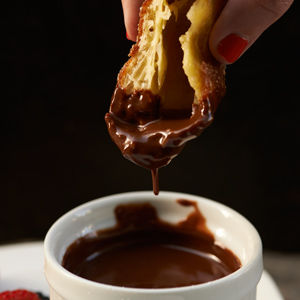
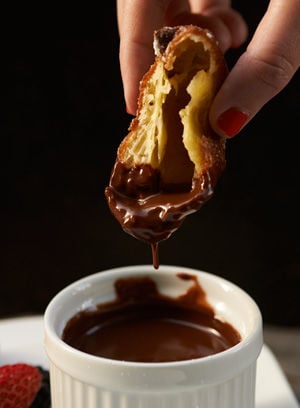
sugar-dusted beignets from Craft & Commerce

Food Porn

The crispy-to-fluffy ratio is so perfect on these warm, sugar-dusted beignets, a new addition to the dessert menu at Craft & Commerce, that we almost don’t need the bourbon chocolate sauce. Almost. 675 Beech Street, Little Italy


Homage

Ode to the Old

Why we’re still hooked on the Whaling Bar, despite the fact that it tanked

From the 1950s to the 1970s, my grandpa had a high-end home store on lower Girard in La Jolla, and often, after a day of talking thread counts and throw pillows, he would walk to the Whaling Bar at La Valencia and order a Johnnie Walker. Local merchants from Warwick’s, Adelaide’s, Burns Drugs, and the Ascot Shop likely did the same. When people talk about past clientèle of the historic Whaling Bar, they name-drop Raymond Chandler or Dr. Seuss, but name-dropping was not for the type of people who frequented the place and made it great. It wasn’t flashy. It was never what we today call a “hotel bar.” It was a neighborhood watering hole in a really expensive hotel. It was a piece of history.

Alas, there weren’t enough bodies in the place, despite local outrage upon news of its closing. Café La Rue will open soon in its place, with a French art deco look. The barstool count will increase from nine to 20. New chef Daniel Barron will make the food. It won’t be the same. But here’s to new memories. See you soon at Café La Rue. 1132 Prospect Street, La Jolla —Erin Meanley


V.I.P.

The Food Dude

Eat: Bits & Bites

Juan Vargas

Freshman U.S. Rep. Juan Vargas is arguably the most important person in San Diego when it comes to food. Why? Because for the first time, a San Diegan has landed a coveted seat on the House Agriculture Committee, just as the $955 billion Farm Bill was up for renewal. That food policy impacts everything from farm subsidies for big commodity crop growers to crop insurance reform to the bulk of the bill—the polarizing Supplemental Nutrition Assistance Program (SNAP), formerly known as food stamps. Immigration will also be at the forefront for Vargas, who came from rural beginnings. His parents were laborers on a chicken farm where he lived with nine siblings.  “It was a diet of chicken and eggs for 13 years,” he says. “We weren’t on any government programs. “Farmers want immigration reform,” Vargas says. “They’re worried about the future.” A future where food is at the very crossroads of the economy, science, the environment, and health. —Clare Leschin-Hoar

Subscribe to our newsletters

Select Options

By subscribing you confirm that you agree with our Terms and Conditions and Privacy Policy.

Food & Drink FEBRUARY 12, 2015

Time to Tax Liquid Smokes

Every American city should follow Berkeley and tax soda

Time to Tax Liquid Smokes

Three months ago, Berkeley became the first American city to successfully pass a tax on sugar-sweetened beverages—aka, a soda tax. Thirty other cities had tried and were beaten by Big Soda. It was a proud moment for Californians who value the state’s progressive reputation, which has taken a beating.

Every American city should follow Berkeley’s lead.

It’s time to treat soda as what it is: liquid cigarettes.

When we realized smoking was killing us, we taxed it into luxury status. It worked. Only 18 percent of America now lights up. It’s time to focus on one of the main things that makes us slower, fatter, dim-witted, anxiety-ridden and avid poppers of antidepressants—our grossly dysfunctional “Western diet.”

Diabetes, stroke, heart disease and cancer are all at record highs. More than a third of all Americans are diabetic or pre-diabetic. Three-quarters of men are considered overweight. Worse of all, the number of obese children has tripled.

Junk food is killing us. Fat is our disease. Malnutrition is our awful norm. We need to identify the major problem foods and do all we can to encourage people to reduce consumption.

Oh, we’ve already identified the problem? Yeah, we have. Sugary drinks are by far the most abused junk food in America.

Big Soda isn’t evil. Their product is simply causing massive health problems. At last count (2013), diabetes cost America $245 billion ($176 billion in direct medical costs, $69 billion in reduced productivity). In 2011, UC-Berkeley found that soft drinks contribute more energy (calories) to the diet than any other single type of food or beverage.  A Columbia professor predicted that a penny-per-ounce tax on sugar-sweetened beverages in NYC could save $3 billion in health care costs and prevent 37,000 cases of diabetes.

That’s pretty clear evidence. Or is it? A few experts have suggested drinking soda might actually save society money. Because soda drinkers die quicker. And dead people don’t collect Social Security (seriously).

So let’s forget the “paying diabetes’ healthcare tab” argument for the soda tax.

Rather, let’s assume we as America view living unhealthily until we die as a bad thing. That’s why we should tax soda—to deter Americans from one of the worst dietary life choices we are making way too frequently. It’s affecting our health, happiness, productivity, and the quality of our family photos.

Why do we need to get the government involved? Why not just let people stop on their own? Long live free will!

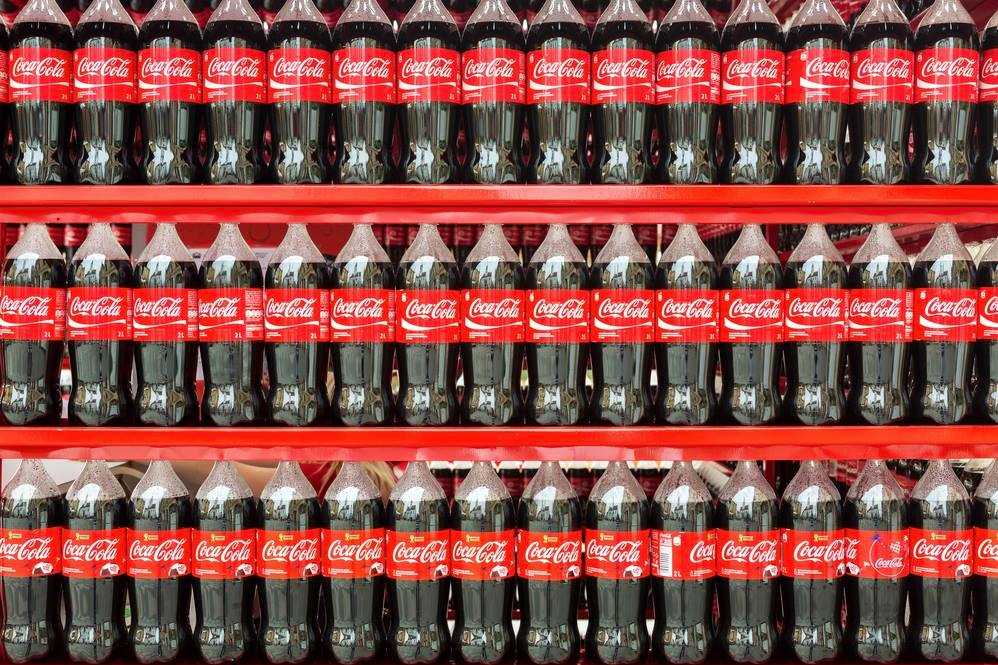
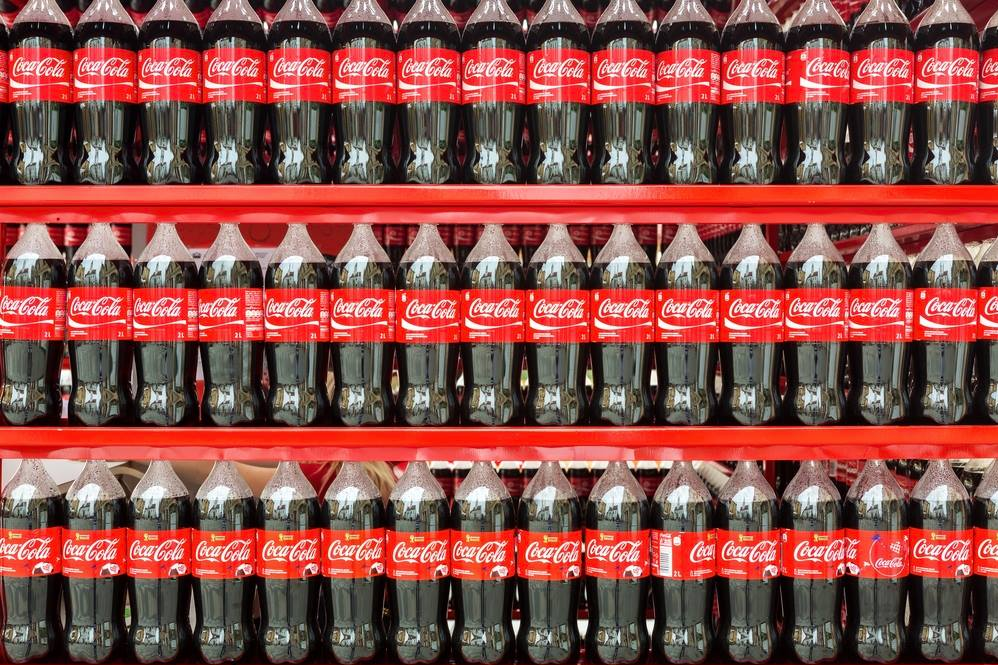
It’s not that easy. There are over nine teaspoons of sugar in a 12-oz can of Coke. That’s more than the American Heart Association suggests humans should have in an entire day, let alone in a single serving. That amount of sugar turns our brain into an endorphin-pumping joy center. Then we crash and get depressed. Then we enter junkie mode. Our brain becomes Trainspotting: Sugar.

Humans have been engineered over millions of years to crave fat, sugar and salt. Those three ingredients are essential to proper health. But consumed in excessive doses, they become the heroin, cocaine and cigarettes of food. They become addictions. There is mounting evidence that junk food is more powerful than human willpower. Sugar-added beverages are the true Super Foods, engineered to be stronger than our ability to resist them.

And here’s the thing about soda: We drink it when we’re thirsty. Our brains tell us this stuff should do the trick because it’s cold and wet. The irony, of course, is that soda doesn’t quench thirst. It does quite the opposite. Not feeling satisfied, we drink more and more. It’s like trying to quench your thirst by eating more sand. And with each big, desperate gulp comes a ton of sugar.

Although America is drinking less soda and sugary beverages, it’s obviously still a major issue. It’s not happening fast enough. We need to take action to help people kick the habit.

There are people (Big Soda) who argue a soda tax punishes poor people (it is a regressive tax, meaning it’s applied uniformly across socioeconomic sectors). Let’s think about that. A tax would make it less affordable for families living in poverty to drink sugary water that causes all sort of health diseases for them and their children. I’m no Pol Pot, but I think I’m OK with that kind of “punishment.”

Some also say our personal health and diet choices are no business of the government. Really? Public health is kind of a core thing a government does. That’s why we treat our water, have poison control, prevent teenagers from buying Pall Malls and can’t openly snort cocaine at bus stops.

No one wants sugary drinks outlawed. That’s a castration of freedoms. As Mark Bittman proposed years ago, let’s just tax it and use the money to fund healthy food.

Berkeley’s penny-per-ounce tax applies to most sugar-sweetened beverages (though curiously not sweetened coffee drinks). Soda takes the brunt because it’s the apex of junk food. Unlike juices, sodas have no nutrients, vitamins or helpful nutrition of any sort. In fact, soda probably robs your body of minerals. Liquid calories are also harder for our bodies to process than calories from solid food, which break down more gradually.

Soda is liquid candy. And we serve it to kids. As part of a meal. Here, Johnny. Wash down your chicken with this carbonated Snickers.

I’m not sure it’s “fun” to pump children with artificially colored sugar water that can lead to sugar addiction and lifelong health problems. That’s a certain form of insanity. A more extreme country might look at parents who serve soda to their obese kids as a form of murder parlayed over years.

The money from Berkeley’s soda tax will go into the city’s general fund. Hopefully it’ll be used to fight diabetes or promote nutrition and health. Berkeley’s measure didn’t name a specific use for the money, because doing so would’ve required a two-thirds victory in the polls. By not specifying how the money would be spent, they only needed a majority vote (they got 75% anyway).

Naysayers write off Berkeley as a hippie, dippie la-la land of wealthy, mostly white liberals who dance naked in the full moonlight and pass kooky laws. There are only 117,000 residents. Alice Waters is their president.

So what? I’m proud of those hippies for living up to their fringe reputation. That’s where progress usually makes its first splash, then ripples out to the rest of us.

The true sign of change will be to pass a soda tax in a major city with plenty of working-class non-whites—which is Big Soda’s main audience these days. The Berkeley measure isn’t perfect. It doesn’t include sweetened coffee drinks. Evidence shows that a tax-per-calorie would be more effective and fair than a tax-per-ounce. And ideally, all taxes raised would be earmarked for nutritional and health programs.

But it’s progress.

Berkeley’s tax will dissuade bad health choices and bring more money to California governments that are really struggling. Mexico had a similar problem. Its people consumed the most soda on the planet. So last year they taxed it, and it worked. People are drinking less sugary drinks and have started equating sugary drinks with health problems.

Point is, America would be far better off if it drank less sugar-added beverages. Big Soda themselves agreed to reduce America’s consumption by 20 percent over the next 10 years. Critics point to the fact that they’re already losing that market share, and they’re just trying to spin it in the positive.

Whatever. We should allow them that. Reports of their horns and pitchfork are widely exaggerated.

Yet even with those concessions, we the people aren’t reducing our intake nearly fast enough. So let’s tax soda (and sugar-added beverages) and nudge our pocketbooks in a healthier direction.

America would be a better place if it taxed all processed foods whose servings exceed the recommended amounts of fat, sugar or salt. For now, let’s start with what the facts point to as enemy number one: The Big Gulp.

ALSO READ: Dear Soda. A breakup letter.
Time to Tax Liquid Smokes

Food & Drink FEBRUARY 14, 2014

Café La Rue

La Valencia Hotel's new wide-open French bistro

Café La Rue

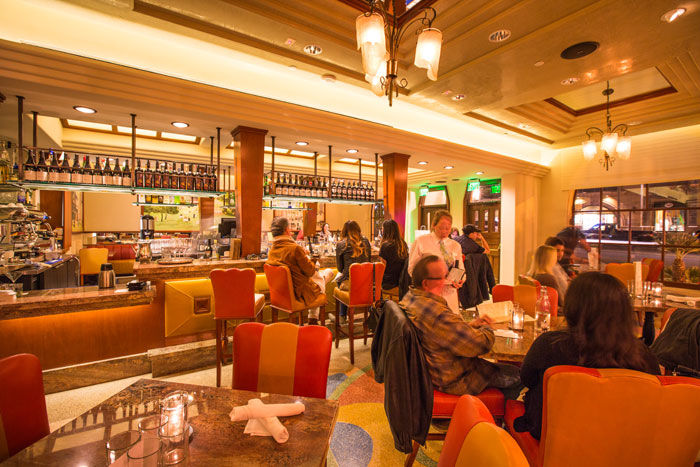
First there was darkness, now light. La Valencia Hotel’s beloved martini cave, the Whaling Bar, is dead, reincarnated as Café La Rue—a wide-open French bistro, sunny as one of Monet’s dot-paintings of flowers. This is phase one of La V’s dining overhaul (Med Room next, then Terrace) under talented chef Daniel Barron. His menu is inspired by the original La Rue, first opened here in the ’40s. A pile of housemade bacon comes next to a yellow, custard-like dip. What is it? Oh, yes—an emulsion of butter and maple syrup, with chiles. For assured happiness, also try his pork belly poutine (with Wisconsin curds), fried Brussels (in Parmesan crème), or duck pasta with black truffle. Arterially friendly food also served. 1132 Prospect Street, La Jolla.

Café La Rue

Café La Rue at La Valencia Hotel

Café La Rue at La Valencia Hotel

Food & Drink FEBRUARY 14, 2014

Café La Rue

La Valencia Hotel's new wide-open French bistro

First there was darkness, now light. La Valencia Hotel’s beloved martini cave, the Whaling Bar, is dead, reincarnated as Café La Rue—a wide-open French bistro, sunny as one of Monet’s dot-paintings of flowers. This is phase one of La V’s dining overhaul (Med Room next, then Terrace) under talented chef Daniel Barron. His menu is inspired by the original La Rue, first opened here in the ’40s. A pile of housemade bacon comes next to a yellow, custard-like dip. What is it? Oh, yes—an emulsion of butter and maple syrup, with chiles. For assured happiness, also try his pork belly poutine (with Wisconsin curds), fried Brussels (in Parmesan crème), or duck pasta with black truffle. Arterially friendly food also served. 1132 Prospect Street, La Jolla.

Café La Rue

Café La Rue at La Valencia Hotel

Café La Rue at La Valencia Hotel

Studio S SEPTEMBER 1, 2026

The Best Gym in San Diego Isn’t Really a Gym Anymore

Earlier this year, Fit quietly dropped "athletic" from its brand, from Fit Athletic Clubs to simply Fit, and started calling itself something new: a social wellness club.

The Best Gym in San Diego Isn’t Really a Gym Anymore
Courtesy of FIT

There’s a version of San Diego that lives in two extremes. On one side, the 5 a.m. crowd: biohackers, marathoners, people who’ve already logged a cold plunge before your alarm goes off. On the other, the after-dark crowd, the ones chasing sunset happy hours and late dinners with friends. Everyone seems to be either optimizing or unwinding, and most of us feel like we’re failing at both.

Fit, San Diego’s reigning Best Gym for the third year running, has built its entire identity around erasing that divide.

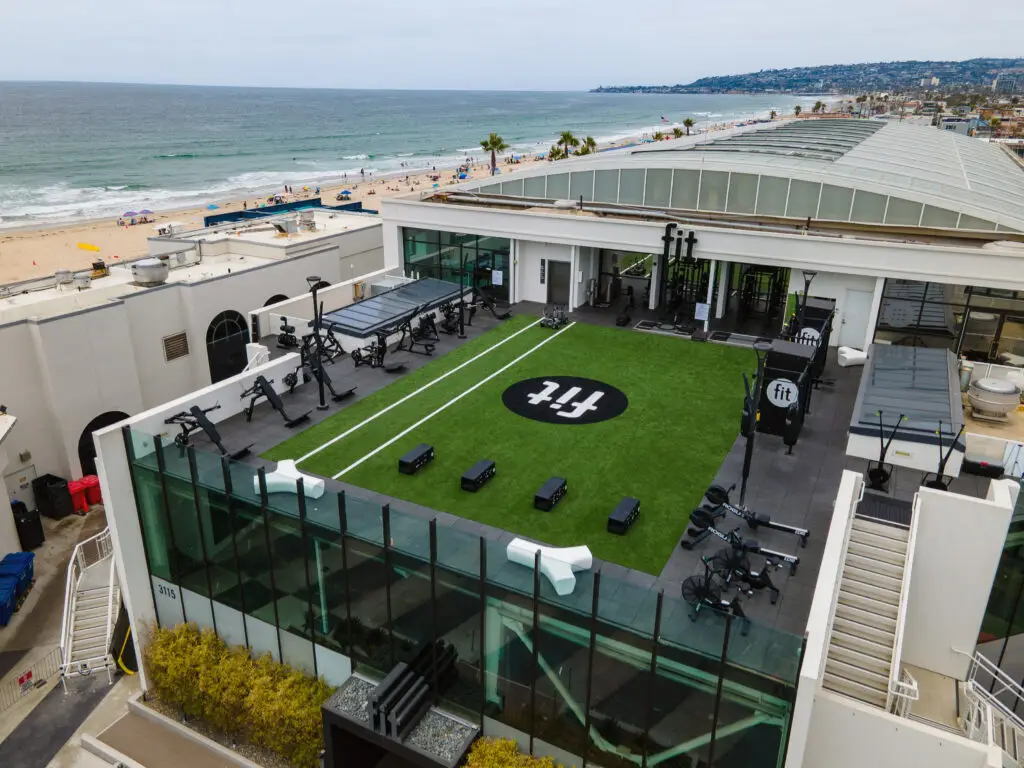
Walk into one of Fit’s three San Diego locations on a Tuesday afternoon and the lines blur fast. Someone’s mid-set on the squat rack. Someone else has a laptop open at a café table a few feet away, half-working, half-people-watching. A group is trading plans for the weekend’s event by the recovery lounge. Nobody’s in a rush to leave. 

“We’re not competing for the same people,” says Emily Waybright, Public Relations Manager at Fit,  addressing the arrival of a national luxury gym chain in San Diego this year. “We don’t really feel like we’re in the gym category. It’s this unique thing.”

That unique thing has a name now. Earlier this year, Fit quietly dropped “athletic” from its brand, from Fit Athletic Clubs to simply Fit, and started calling itself something new: a social wellness club.

It’s a small wording change with a bigger idea behind it. Fit was never built around escaping the workday. It was built around the people who genuinely like what they do, and who want workouts, work, and friendships to happen in the same place instead of three separate ones. Because sometimes red light therapy with a stranger turns into weekend plans.

Fit’s philosophy traces back to its founder, who started the brand nearly two decades ago after failing to find a gym he actually wanted to belong to. He looked instead to the old-school country club, where people came for a shared interest and stayed for the community. His version was made for a younger generation, minus the golf, plus the loud music.

Which makes it a little ironic that the very award putting Fit back in the spotlight this year is Best Gym.

What does the best traditional gym look like when the definition of a gym is becoming less traditional? It’s a fair question, and Fit’s answer is that the fitness industry itself is shifting. The 45-minutes-in, 45-minutes-out model is giving way to something closer to a genuine third space, the kind of role the office and the bar used to play before remote work and changing nightlife habits rearranged how people spend their time

For Fit, community isn’t a marketing add-on to fitness. It’s the through-line. Members aren’t just paying for a treadmill; they’re paying for an entire day of social wellness that’s built on performance, recovery, connection, and a plan for the next event on the calendar. That’s a much harder membership to walk away from.

Ambition and ease aren’t opposites here, they exist side by side, where passion and play share the same morning. On September 12, Fit is hosting Sol, a full day wellness festival at Fit Social. The morning focuses on wellness classes and vendors and then the evening is a full party with multiple DJ sets and an open bar. Think of it as a kick-off to locals’ summer in San Diego. 

Ready to see what a social wellness club actually looks like? Visit fitclubs.com, or follow along at @thefitclubs on Instagram.

Partner Content
Food & Drink NOVEMBER 15, 2013

Sweet Spot

Ooey-gooey warm pies at Cusp

Sweet Spot

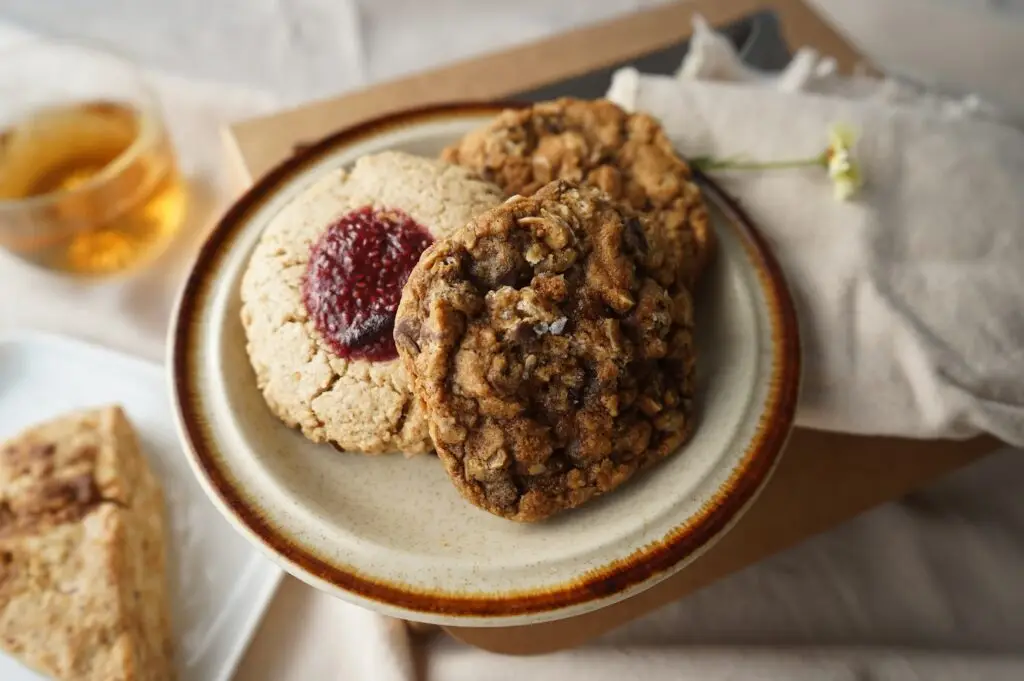
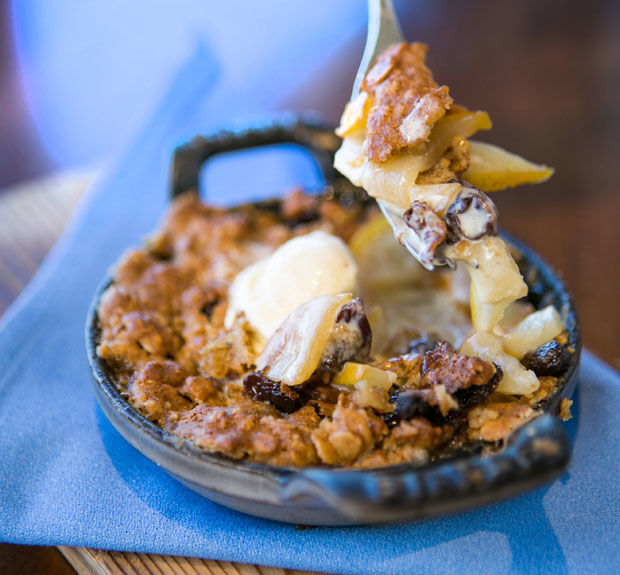
Cookies make the best pie crust, according to chef Donald Lockhart at Cusp, where he uses them to base his new line of ooey-gooey warm pies. Baked in individual cast-iron skillets and topped with fresh ice cream, they’re a simple taste of the season in flavors like spiced pear and mixed berry. 7955 La Jolla Shores Drive, La Jolla

Sweet Spot

Cusp pie

Photo by Sam Wells

Food & Drink JANUARY 18, 2013

Flan + Rum =Yum!

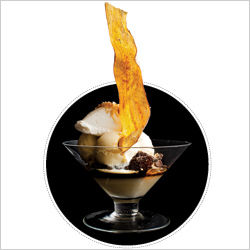
Dessert: Helado Domingo from D Bar

Flan + Rum =Yum!
Flan + Rum =Yum!

caramel flan dessert

Partner Content AUGUST 21, 2026

This Scripps Clinic Physician is Serving Up Care

Laika Nur, MD, takes her love of volleyball from the court to the clinic as team physician for the San Diego Mojo

This Scripps Clinic Physician is Serving Up Care
Courtesy of Scripps Health

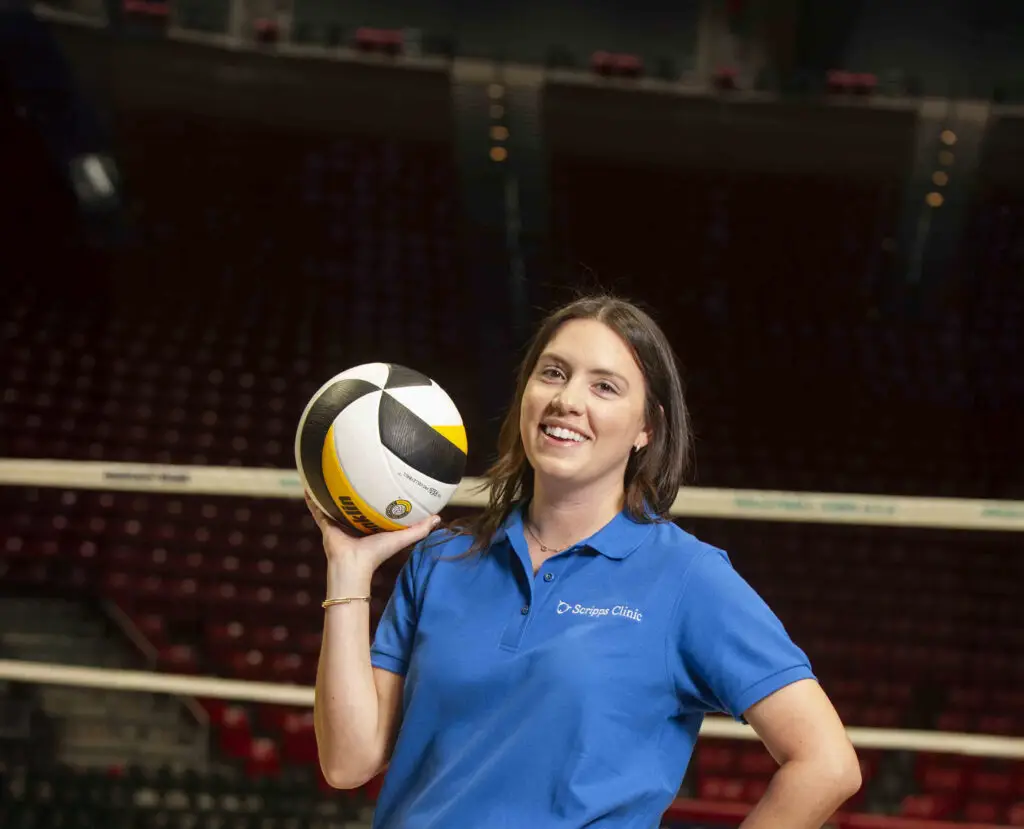
Growing up, Laika Nur, MD, Scripps Clinic sports medicine specialist, loved watching beach volleyball when the Association of Volleyball Professionals tour came to her hometown of Chicago. A talented volleyball player herself, she remembers sitting in the stands all day, and once, even got a couple autographs. Years later, Dr. Nur was attending a professional event focused on women’s sports, and the discussion turned to a new professional women’s volleyball league. The general manager and coaching staff  for San Diego’s team, the Mojo, happened to be in attendance, and Dr. Nur took the opportunity to ask them if they needed a team doctor. Flash forward to the Mojo’s inaugural 2024 season, when Dr. Nur officially became the team physician. Click here to read more about Dr. Nur and how she incorporates lessons she learned on the court into her practice. 

For more nutrition, wellness, and healthy living tips, sign up for the San Diego Health newsletter here.

Partner Content

Eat Like a Local (Who Knows a Guy).

Restaurant news, culinary storytelling, and Troy Johnson’s sharp takes delivered straight to your inbox twice a month.

Close the CTA

Contact Us

1230 Columbia Street, Suite 800,

San Diego, CA