Ready to know more about San Diego?

Subscribe
Food & Drink SEPTEMBER 18, 2014

MINIMUM WAGE: Todd Gloria Q&A

Council president responds to questions/accusations from restaurants

MINIMUM WAGE: Todd Gloria Q&A

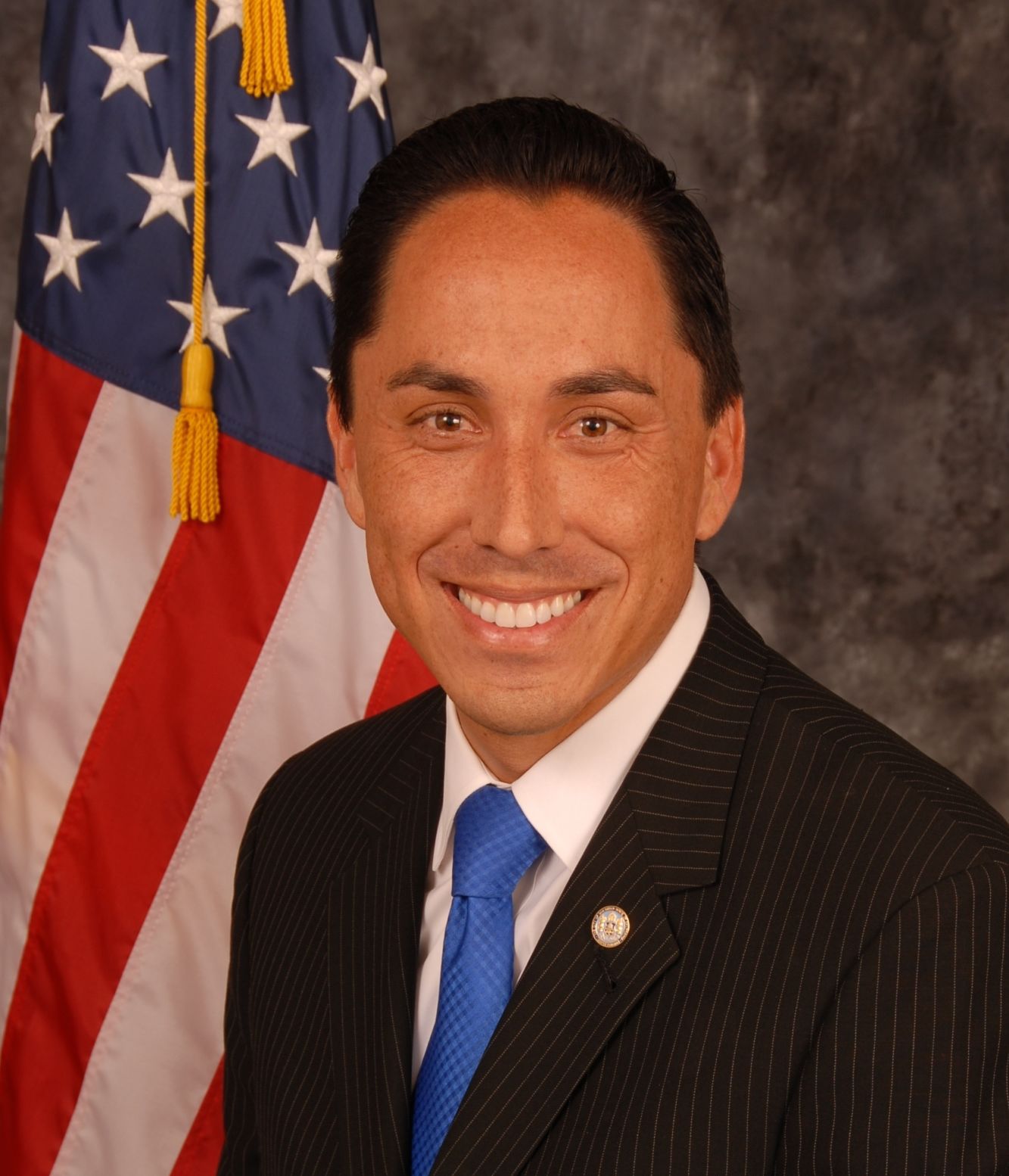
City council president Todd Gloria.

City council president Todd Gloria

In politics, there are 1,000 angles to every issue but only two answers: yes or no.

That’s how San Diego city council president Todd Gloria sums up his response to the restaurant industry, which is not his biggest fan right now.

Spearheaded by Gloria and Raise Up San Diego, San Diego is incrementally raising minimum wage to $11.50 in 2017. Gloria decided not to carve out a separate wage for tipped employees—forcing restaurant owners to give each of their servers a few thousand dollars-a-year raise.

The problem? Some of those servers already make $15, $20, $30, $40-plus an hour when tips are counted. A 2012 survey by National University System Institute for Policy Research estimated San Diego’s servers and bartenders earn $28.74 per hour—triple the minimum wage.

It stands to reason that employees making $28 an hour don’t need a raise. Many restaurants operate on small profit margins. Some owners claim the unjustifiable expense will force them out of business. Others claim it takes money away from lower-paid restaurant employees who actually need it—namely, dishwashers and cooks.

In the U.S., 43 states have “tip credits.” Employers in those states are only required to pay tipped employees $2.13 an hour (many pay $3—$4). The idea is that tips will more than make up for the rest.

Tip credits are illegal in California (Labor Code Section 351). However, in a July 9 memo, San Diego’s city attorneys told city council, “it is unclear whether Section 351 prohibits other alternatives such as a two-tiered minimum wage ordinance, total compensation model or exemption for tipped employees.”

Restaurants had been requesting this “total compensation” model. Gloria decided against it. In this Q&A, he explains why—and publicly answers many of the restaurant industry’s questions/accusations for the first time.

How did you come up with the original proposed minimum wage of $13.09?

We spent about three months meeting with people on all sides of the issue. We asked, ‘What do you think it ought to be?’ Largely what I heard from the business community was, ‘We don’t want to negotiate against ourselves, so we don’t want to give you a number.’ So The Center for Policy Initiatives did a study called “Making Ends Meet” that determined what is needed to live self-sufficiently as a single adult without public subsidy. The study concluded $13.09 was a reasonable amount.

And how did you reach the $11.50 compromise?

Once we put $13.09 on the table, people became very animated and provided a lot of feedback. We had a series of meetings. A lot of small business owners said, “$13.09 would kill us.” So $11.50 was a compromise that came out of those discussions.

The restaurant industry claims they weren’t adequately included in the discussions. How much did you consult the industry?

A lot. A majority of discussions were held with the hospitality industry—hotels and restaurants—probably because of the tip issue, which is significant. There were leaders of the restaurant industry present. There were a number of meetings with me directly, and meetings with my staff (see “NOTE” at bottom of page). There were also a lot of meetings with people on the other side of the issue to see if there was some common ground.

What did the hospitality industry request?

They provided opinions about trying to work around the tip credit in California. We forwarded those things to the city attorney’s office. Ultimately we weren’t able to get to a place where they could endorse it. I understand why they didn’t. It’s largely the tip issue. It’s regretful we couldn’t get the consensus we’ve seen in other communities. But at the same time there are people on the left who say anything short of $15 is inadequate.

If tip credit was legal in California, would you support it?

That’s a hard one. I’ve looked at the issue on both sides. The current situation does have significant flaws. The fact that restaurateurs are taxed on the tips, but can’t count that toward wages—that strikes me as unfair. I don’t disagree with them that a piece of state legislation (Section 351) that’s roughly 40 years-old ought to be looked at for updating to current circumstances. The game-changer has been the transition to credit cards, right? It is far easier to track tips and see what people really make. That’s different than when this was originally envisioned. I think the legislation needs to be looked at. On the flip side, I think plenty of data shows when tips are worked into the minimum wage, those folks are really struggling. My advice to the industry—and they don’t have to take it—is to work with the state to reexamine this.

Did you feel at all it was YOUR responsibility to reexamine the state law?

That wasn’t the request from the restaurant industry. In my sense of the discussion, this was always about working around that law, rather than changing that law. I’ve experienced this before on marijuana dispensaries and food trucks. If you don’t like a law, you really need to change it. Our attorneys looked at that and the answer was, ‘It’s likely prohibited by state law.’ We couldn’t do that. The recent Convention Center financing experience really illustrates why we have to be cautious with this. If you try to break new legal ground and you’re unsuccessful, everyone is harmed. I get where the hospitality industry is coming from, but it really imperiled the overall ordinance. Instead, we decided to reduce the overall wage rate in order to try and address that in another way. I realize it’s not perfect to the concerns of the restaurant industry. Could we have had a scenario through this negotiation where the city advocated for a change? Possibly. But that’s not what we were being asked to do. We were being asked to work around that law.

Would you be open to advocating a change to California’s tip credit law in the future?

We could. Although we have this current situation on our hands. It doesn’t really allow us to have those discussions. The city does take on legislation in Sacramento. Sometimes successfully. I think it’s fairly complex to come together and work out a compromise. I don’t think it’s a matter of adopting what some of these other states have—where there’s no guarantee that the tip is there. There probably is an elegant solution somewhere in there that the city could support. That never ended up being part of the conversation because, for whatever reason, the restaurant industry has not had success with that in Sacramento and we’re not really in the position to affect the state law.

In a July 9 memo, the city attorney’s office said it was possible for you to consider a two-tier system or total compensation package—which the restaurant industry had requested. You chose not to. Why?

It was a possibility. But it opened us up to legal challenges. We needed to do something sooner rather than later. The potential for litigation, class action or otherwise, was pretty significant. I had an overall principle for this ordinance: Keep it as simple as possible. Some of my colleagues also raised concern about the cost to administer it. That’s one of the challenges Seattle’s going to have going forward. It’s very hard to make sure employers are following the law. With the relatively straightforward approach we took, our belief is that enforcement will be significantly less expensive. Obviously that’s to the benefit of the city and the taxpayer.

Your approach will force some restaurateurs to give a few thousand dollars-a-year raise to servers who currently make $25-$40 an hour. Is the restaurant industry the dolphin caught in the tuna net? Is it fair? 

It’s the world that it is. With the law as it is, we have this predicament. I have heard the representations about the waiter or waitress at the fine dining establishment or a bartender at a pretty happening bar. There are just as many people who are that waiter at Denny’s. When looking at this ordinance in its totality, we’re not looking only at restaurants. We’re looking at gardeners, maids, car wash attendants. The equal protection issue—which is now a part of litigation in Seattle—was one of the concerns we had. I’m willing to do my very best to help the 200,000-some-odd people who will benefit from this ordinance. I think the route we went was the right thing to do.

To justify minimum wage raises for servers, your partners at the Center for Policy Initiatives have pointed to research by the Employment Development Department. The research concluded “waiters and waitresses” in San Diego averaged $9.08 an hour in 2013. Minimum wage was $8 at the time of the study. So that means waiters only averaged $1.08 an hour in tips. Does this research pass the sniff test for you?

I can think about my experiences dining at Urban Solace. I get owner Matt Gordon’s point—there. Juxtapose that with the Denny’s and the answer may be somewhere in between, right? When you throw in every tipped employee it seems like that number might be reasonable.

The same research concluded coffee shop workers in San Diego make $10.69 cents an hour. That suggests baristas make 17 percent more than restaurant servers. That doesn’t seem at all strange/wrong?

It does sound low. With a lot of different studies you can get different numbers. But all of them approximate certainly lower than some of the numbers touted by those who are opposed to our ordinance. As policymakers, we try to take in all the information. That includes our local CRA (California Restaurant Association), who talk about waiters making $25, $30 an hour. Lower wage workers came in and testified that’s just not their experience. This about the totality of lower wage workers. As much as I understand that there are unique aspects to the hospitality industry that minimum wage impacts, because of the state law and our city attorney’s opinion, that really wasn’t something we could engage deeply on. It doesn’t mean we shouldn’t or can’t in other venues. But I’m limited to the field of play that I’m playing on. You can take concession with that report, but we did not write the entire ordinance based on that report. The CPI study was the basis of the $13.09, the $11.50 was the basis of multiple conversations.

Would you cite this research again?

There are a substantial amount of tipped employees who do need a new minimum rate. To deal with the inevitable concerns raised by the CRA and others, I think it’s very appropriate to cite that study and other studies to make that point.

Restaurateurs say that by forcing them to give raises to highly paid waiters, they have less money to allocate to people who need it—dishwashers, cooks, etc.

Those arguments should be shared with our state legislators to talk about how you can adjust for this new world where you have the ability to track tips very, very closely and where you do have this situation where employers are taxed on this but not allowed to credit it. There is a case to be made here. The effort that was expended was really about evading the law, rather than changing the law. To the extent that they’re spending a substantial amount of resources to repeal our ordinance, those resources would’ve been well-placed trying to affect policy change at the state level.

So you feel comfortable with your ordinance in regards to the restaurant industry?

It’s a compromise. That’s what we do. That’s how you make change. I was wiling to support a much higher figure. I just left a long transit hearing. I would love to use every dollar to make biking, walking and mass transit more plentiful. But my vote is equal to the vote of suburban communities, who don’t have the same attitude. So we compromise and do some here, some there. I don’t expect restaurateurs to lead a parade for raising wages. I know it comes out of their pockets. But at the same time, I’m someone who has the responsibility to represent 150,000 people in my district. It’s not just the 18,000 tipped employees in the restaurant industry. I’m not oblivious to the fact that there are impacts to this. But I also realize that there are incredible impacts to the people who are trying to live in this community on minimum wage. In this discussion, that is something that hasn’t come up as much as I’d like it to. Reporters typically ask me about the impacts on business. It’s not commonly referenced about what individuals are having to do to make ends meet.

You’re taking the “Live the Wage” challenge this week. How’s it going? 

You know the first thing I’m not doing? Going to restaurants. The barista has not seen me this week and he’s not going to. You can’t do that if you have $51 to live on for the week for food and gas and whatever. That’s also something that’s not always represented well in this discussion. There’s a reason why in communities where this has been done, you see reduction in unemployment and increase in economic activity. Because people are spending this money. That is nothing I expect the restaurateurs you’ve been talking to embrace, but it’s a very practical consideration.

Some restaurants say that, because of your ordinance, they’ll move to an 18 precent service charge and get rid of tipping. That would hurt low-waged servers. Thoughts?

I’m not sure we’ve seen that in the other communities that have done this, like San Jose or D.C. I would anticipate changes in the industry. I think industries on a whole are adjusting to the world we live in now. A good industry that’s being changed because of technology is taxicabs. I imagine that will be true with the restaurant industry.

According to a prominent real estate developer, a large restaurant group recently decided not to invest in San Diego because of the minimum wage increase. How do you feel about the potential loss of business?

There is plenty of investment that is going on with the understanding that this is occurring. I’ve had a number of hotel developers who are proposing projects in my district. I’m up front with them. ‘Hey, this is what we’re doing, does that affect your decision-making?’ The answer is no. As far as I know, Seattle is not an economic wasteland. DC is not one either. I would ask to what extent high real estate costs, high energy costs and some other things are driving the hospitality industry in terms of costs. It is not just the wages. Of course, that’s also been an argument to oppose this. ‘Hey, I’ve got these other increasing costs—I don’t need this additional one.’ But my answer has been: All those additional costs are also borne by your workers. SDG&E is just not raising rates on commercial folks. Gas is the same cost for everyone.

Restaurants have always operated on very small profit margins. Does any part of you want to tell restaurants, ‘Look, your business model is broken—time to fix it’?

Well, I wouldn’t feel comfortable telling people their business is lousy. But I do have a great deal of faith in the entrepreneurial spirit. I think people will make adjustments. We did a lot of research looking at other communities that have done this. And that’s exactly what happened. You have these stories of businesses that said, ‘Gosh, I was scared. Yeah I had to make some adjustments—not all of them I like, but ultimately I can live with this.’ I came into this process really open and hoping we could achieve something that was broadly supported. Change is scary, but people are able to find their way through—exactly in the same way that minimum wage workers do every single day when they’re dealing with limited resources in a high-cost environment.

FInal thoughts?

I appreciate the focus on restaurants—an important industry to our community and my council district. But the issue is much broader than that. When you think about the 279,000 folks who will get sick days because of this ordinance or the 170-some-odd thousand who will get the pay increase… the restaurant industry is not even a majority of the folks who are going to be impacted by it.

Your job isn’t very straightforward.

A lot of times when people say, ‘Well, I didn’t like your position on that,’ I tell them I only have a binary choice. Up on the bench at council meetings, there is a ‘Yes’ button and a ‘No’ button that we can push. There is no ‘Maybe’ or ‘Kind Of’ button.

NOTE: Regarding a record of Gloria’s meetings with the restaurant industry prior to solidifying his minimum wage plan, deputy chief of staff Katie Keach combed the calendar history and reports: “From March until July, the office of Council President Gloria had at least six formal meetings that were attended by CRA or a restaurant industry representative. CRA was also invited to two additional meetings that they did not attend. This does not count dozens of less formal phone calls with the Council President, his chief of staff, and between other stakeholders. I believe Council District 8 also spoke with the restaurant industry quite a bit.”

RELATED STORIES:

Restaurateur Q&A: What’s So Wrong with the Minimum Wage Ordinance?

Minimum Wage: The Sham Report

Restaurateur Says City Council President ‘Clueless’ About Restaurant Industry

Minimum Wage, Maximum Death!

Subscribe to our newsletters

Select Options

By subscribing you confirm that you agree with our Terms and Conditions and Privacy Policy.

Food & Drink AUGUST 14, 2026

A New Cinnamon Roll Obsession is Baking in South Bay

Sinner Buns is building a following for its slow-made, seriously gooey weekend treats

A New Cinnamon Roll Obsession is Baking in South Bay
Courtesy of Sinner Buns

When I was pregnant, my food craving was singular and intense. If I didn’t eat at least one thing doused in cinnamon every day (ideally, more than one), I was—to put it gently—a complete monster. 

Since then, my obsession has tempered somewhat. But cinnamon buns still perch high on my top treats list, so I’m always on the lookout for the next great place to indulge. IMO, The Huddle in Mission Hills’ mondo cinnamon roll remains top-tier, but after eyeing the ooey, gooey goodies from Sinner Buns, we might have a contender. 

Originally from Ukraine, Daria Nadar had already done everything one can do at a bakery—business operations, wholesale contracts, actually baking, you name it—so during the pandemic, she started dabbling with perfecting her cinnamon rolls. After she got a couple fans over social media, she threw her first pop-up to see how they’d be received. She sold out.

After a few false starts with a couple storefronts and business deals, Nadar officially launched Sinner Buns in October 2025 with her partner Filipe Pazi. After making it through an unexpectedly hectic season stuffed with holiday orders, the team closed temporarily to get everything in line and reopened this April. Business has remained in full swing ever since. 

There are only so many ingredients in a cinnamon roll, but “the process is what makes it special,” she says, adding they use fresh yeast rather than powder and a 48-hour process for each batch of brioche dough made to order. (Thus the need for pre-orders.) Customers can preorder until Thursday each week for pickup Friday, Saturday, or Sunday from Sinner Buns’ ghost kitchen at 780 Hollister Street, just east of Imperial Beach.

You can also catch her at various pop-ups around San Diego, the next one taking place on Saturday, August 22 at Infusion Lab Coffee in Pacific Beach. Eventually, Nadar opens to offer nationwide shipping (once she figures out the logistics and quality control) and one day, her own storefront. 

But it’ll be on her terms, not the whims of social media. “We already learned how to not only rely on virality of the product, because you go viral and then it fades,” she says. “It’s a slow burner, and I know eventually, it’s going to grow much more.”

Courtesy of San Diego Spirits Festival

San Diego Restaurant News & Food Events

Beth’s Bites

  • Get spirited away at the 17th annual San Diego Spirits Festival. If you understood that reference, I regret to inform you that it is not a Studio Ghibli watchathon, but it’s still a win with a bonanza of craft makers pouring libations at the Museum of Contemporary Art in La Jolla for two full days. On September 26-27, try sips, glugs, and guzzles from brands like Condesa Gin and Uncle Nearest (with some bites to wash it all down, of course). Could you ask for a more picturesque venue? Spoiler alert: no.
  • You love to see a longtime employee take the reins of a beloved local institution. That’s exactly what happened at Konito’s Cafe in Pacific Beach, which is currently transitioning to Pablo’s Cafe, which is now under new ownership. (Yes, his name is Pablo.) Will their breakfast sandwich still slap? Guess we’ll have to go find out. 
  • I’ve yet to visit Tigawok, the small California-based chain serving mini bowls like Kung Pao chicken and Mapo tofu. But the latest storefront (and the first in San Diego) is now soft open in La Jolla, and it’s only a matter of time before their Sichuan shredded chicken gets in my belly.

Listen Now: The Latest in San Diego’s Food and Drink Scene

Have breaking news, exciting scoops, or great stories about new San Diego restaurants or the city’s food scene? Send your pitches to [email protected].

Beth Demmon

About Beth Demmon

Beth Demmon is an award-winning writer and podcaster whose work regularly appears in national outlets and San Diego Magazine. Her first book, The Beer Lover's Guide to Cider, is now available. Find out more on bethdemmon.com.

Food & Drink AUGUST 13, 2026

Love Pupusas Brings Salvadoran Home Cooking to San Diego

From her Rancho Peñasquitos kitchen, Yanira Majano is sharing family recipes through San Diego’s growing home-restaurant movement

Love Pupusas Brings Salvadoran Home Cooking to San Diego
Courtesy of Catalina Offshore Products

When San Diego launched Micro Enterprise Home Kitchen Operations (MEHKO), it changed everything. Riverside County first established the experimental program in 2019, with San Diego introducing its own countywide pilot program in 2022 and granting it permanent status in 2024. The new category allowed people to launch at-home retail food operations—basically, home restaurants—with special requirements and restrictions to ensure food safety and smooth operations. Over two dozen counties across California have since adopted their own versions with over 1,200 permits issued, around 100 of them in San Diego alone.

Some have a dizzyingly long waitlist (Warung RieRie), others are still getting their name out there (The Hidden Gazebo Eatery), and still others use MEHKO for pickups rather than fully opening their home as an onsite dining facility. Love Pupusas falls into that category.

Yanira Majano came with her family from El Salvador to the United States when she was 11 years old, bringing a love of cooking and desire to share the country’s cuisine along with her. “There’s a lot of similarity [between Salvadoran food and] Central, South America, even Baja Mexico,” she says. Salvadoran cooking tends to be less spicy than some Mexican cuisines, with an emphasis on ingredients like corn, staples like yucca root (cassava), meats like crispy pork (chicharrón), and sides like curtido, a tangy cabbage slaw that’s typically either naturally fermented or vinegar-based. 

And of course, the signature dish of El Salvador—pupusas. 

In San Diego, Salvadoran food lacks the widespread availability of other Latin American cuisines like Mexican or Peruvian food, but Majano says she’s seen pupusas gain popularity over the past few years. But she likes to think her recipes, which have been passed down by her mother and kitchen partner Martha, contain a certain special something.

Some pupuserías use rice flour to create the handheld stuffed tortillas, but she prefers the more traditional gluten-free corn flour. Still, it’s what’s inside that really counts. “That’s where we put our own touch,” she explains. Most of Majano’s pupusas come with cheese and different fillings like carnitas, black beans, mushrooms, or zucchini, but she also offers vegan options. Every one comes with a side of curtido and salsa, each made fresh daily.

Showing people the magic of home-cooked food might not have been possible without the MEHKO program or The Cook Alliance, a MEHKO support and advocacy coalition. Opening a brick-and-mortar restaurant requires a huge amount of start-up capital—at least six figures, generally. Not exactly pocket change. “But when the MEHKO program started in 2022, I said, ‘Oh my God, this is for me,’” says Majano. 

Now with four years under her belt, she says she’d love to bring Love Pupusas to more food festivals, host more pop-ups, and eventually open a food truck to keep serving the humble dish of her homeland, taking pride in every bite. “[I put] a lot of love in everything I do. You see it when you taste the food,” she promises. 

Pre-order Love Pupusas for next day pickup in Rancho Peñasquitos between noon and 5 p.m.

San Diego Restaurant News & Food Events

Beth’s Bites

  • It’s not the end of the road for Catalina Offshore Products—just the end of an address. The local family-owned fish market announced that come September, they are moving from their longtime location in the Morena District to The Old San Diego Seafood Building at 1842 McKinley Avenue in National City. Normal business operations will resume in October with the same retail market fully stocked with premium seafood and local catches, so it’s not goodbye, it’s just “see you later.” (And yes, 5202 Lovelock Street is still open until moving day.)
  • Don’t come at me with complaints about autumnal seasonal creep—I got an email this week about holiday shopping. In August. In comparison, the 2026 release of Karl Strauss Oktoberfest seems right on time. For the 38th year in a row, ahead of the Munich-inspired festivities, the 5 percent ABV malty amber lager is now available in bottles, with draft coming to the brewpubs in September. Despite the lack of chill in the air, there’s no reason why your fridge can’t be stocked with this frosty German delight.

Listen Now: The Latest in San Diego’s Food and Drink Scene

Have breaking news, exciting scoops, or great stories about new San Diego restaurants or the city’s food scene? Send your pitches to [email protected].

Beth Demmon

About Beth Demmon

Beth Demmon is an award-winning writer and podcaster whose work regularly appears in national outlets and San Diego Magazine. Her first book, The Beer Lover's Guide to Cider, is now available. Find out more on bethdemmon.com.

Everything SD AUGUST 5, 2026

Your Guide to Del Mar Wine & Food Festival 2026 

From celebrity pickleball tournaments to intimate dinner parties with your favorite Food Network chefs, here are all of the can’t-miss events going on Sept 30–Oct 4

Your Guide to Del Mar Wine & Food Festival 2026 
Courtesy of Del Mar Wine & Food Festival

Play is underrated. Somewhere along the way, someone decided it was something we should outgrow. That you A good song comes on, and they dance. A game appears, and they’re in. Someone hands them a melting ice cream cone, and somehow it’s the best part of the day.

Adults tend to need a reason. Or maybe just the right setting.

That’s part of what makes the Del Mar Wine & Food Festival feel different. Yes, the week revolves around food and wine, with celebrated chefs, winemakers, and restaurants drawing crowds from across the region. But what lingers afterward is the conversations that stretch a little longer than expected, the strangers who become dinner companions, the live music that pulls people out of their seats, and the rare chance to spend a few hours simply enjoying yourself without much of an agenda.

The Grand Tasting is the festival’s centerpiece, bringing thousands of guests together over two days for hundreds of bites and pours. But some of the week’s most memorable experiences happen on a smaller scale. In the days leading up to the main event, intimate dinners, chef collaborations, and guided tastings create opportunities for guests to interact more closely with the people behind the food and wine and with each other.

Here’s your guide to the 2026 Del Mar Wine & Food Festival happening September 30–October 4.

Photo Credit: Olivia Lillian

Wednesday, September 30

Signature San Diego Opening Night Party at Monarch Ocean Pub

Start festival week the San Diego way: ocean views, Baja-inspired bites, and a drink in hand as the sun goes down. The Signature San Diego Opening Night Party at Monarch Ocean Pub sets the tone for the week ahead with a walk-around tasting experience celebrating the flavors that make this city impossible to replicate. It’s an evening of fresh coastal cuisine, bold Mexican flavors, Baja seafood, and plenty of local favorites—all served against one of Del Mar’s most iconic backdrops. Consider it your first official toast to the weekend ahead…

  • Monarch Ocean Pub | 1555 Camino Del Mar, Del Mar
  • 5–9 p.m.
  • Get Tickets 
Courtesy of Del Mar Wine & Food Festival

Friday, October 2

Celebrity Pickleball Tournament Presented by Justin Vineyards & Winery

Wine and competition make an unexpectedly perfect pair. You can join Drew Brees and celebrity players at Barnes Tennis Center for a pickleball tournament benefiting Feeding San Diego, where the sidelines are just as exciting as the court. Grab a paddle, cheer from the sidelines, or simply enjoy a glass of wine while the action unfolds. The day blends friendly competition with an all-inclusive tasting experience.

Since year one, Del Mar Wine & Food Festival has partnered with Feeding San Diego to raise $100,000 in support of the organization’s mission to fight hunger across the region. Every serve, sip, and bite helps give back to the community that makes this festival possible.

Remember that pickleball paddle you swore you’d use? Time to put it to work.

  • Barnes Tennis Center | 4490 W Point Loma Blvd, San Diego, CA 92107
  • 11 a.m.—3 p.m.
  • Get Tickets
Courtesy of Del Mar Wine & Food Festival

Thursday, October 1

Rioja Uncorked at Rancho Valencia

This is essentially a passport to Spain with no airport required. Set among the lush grounds of Rancho Valencia, Rioja Uncorked celebrates one of Spain’s most iconic wine regions with an evening of exceptional pours and thoughtfully paired bites. Guests will sip their way through Rioja wines while enjoying a menu featuring everything from Hiramasa crudo and uni toast to duck rillette, birria mini tacos, Cardiff Crack tri-tip sandwiches, and a sweet finale from Karen Krasne of Extraordinary Desserts (date night plans, solved).

  • Rancho Valencia | 5921 Valencia Cir, Rancho Santa Fe
  • 6–9 p.m.
  • Get Tickets
Courtesy of Del Mar Wine & Food Festival

Friday, October 2

Justin Wine Dinner with Chefs Kaitlyn Weber, Buddha Lo & Jackson Kalb

Justin Wine Dinner sounds simple: three chefs, one unforgettable table. But chefs Kaitlyn Weber (Estancia La Jolla), Buddha Lo (Top Chef), and Jackson Kalb (Top Chef) are taking you on a one-night-only culinary ride where three styles collide over a multi-course menu paired with exceptional pours from Justin Vineyards & Winery. Set in Estancia’s coastal estate, the evening unfolds course by course with pairings from Justin wines as each chef brings their own style to a menu focused on craft, connection, and a bit of friendly culinary overlap. It’s the kind of culinary conversation that only happens when very, very talented people cook together. 

  • Estancia – Olive Lawn | 9700 N Torrey Pines Road, La Jolla, California 
  • 6–9:30 p.m
  • Get Tickets
Courtesy of Del Mar Wine & Food Festival

Saturday, October 3

Official After Party at Guesthouse La Valle

Isabella Dallas is a freelance writer for San Diego Magazine and the Arts and Culture Editor at The Daily Aztec in her final year at San Diego State University. She previously worked as an editorial intern for SDM, but when she’s not writing, you can find her trying the best coffee spots in SD, devouring the latest rom-coms, and indulging in anything and everything pop culture.

Studio S FEBRUARY 26, 2026

Chef Aidan Owens Thinks Your Fish is Boring

The 29-year-old culinary director at Herb & Sea is making seafood sexy (and approachable) again

Implementing a farm-to-table model hardly deserves acknowledgement these days. It’s not a stretch. It’s not innovative. “It’s the bare f**king minimum,” says Herb & Sea‘s executive chef Aidan Owens.  

When I arrive at the Encinitas restaurant, I’m ready to talk sustainability, farm-to-table stuff, with Owens. “Did you see the chin on that?” he says of the extra big jiggly chin on the sheephead that just arrived with the day’s fresh catch. I did. It was Jay Leno adjacent.

I learn quickly that he somehow oozes both charm and stone-cold honesty. Maybe he could construct a new dish with chin goo, like he did when he had a bunch of tuna scraps and voila’d it into a smooth and crowd-pleasing ‘nduja. “I want to know what’s in there,” he says.    

Courtesy of Herb & Sea

The instinct to look closer, to dig into what others might discard, says a lot about the chef’s approach. I guide him back to our topic, but he has something else on his mind. “We’re overcomplicating food—what happened to just cooking good food and having fun with it?”

Owens grew up on a farm in Byron Bay, Australia, where sustainability wasn’t a concept you chat about so much as a way of life. Think dirt roads, backyard chickens, pulling vegetables straight from the ground, and a mother who believed that if you couldn’t pronounce the ingredients on a package, you shouldn’t eat what was inside.

Food wasn’t precious or performative. Making it was what you did because you were hungry and that’s still what inspires Owens today. “I like to cook good food because I like to eat good food,” he says.

His approach to sustainability at Herb & Sea began so naturally that it felt just like instinct. “I was just like, ‘Let’s order food from the people who live and work here,’” he says.

Courtesy of Herb & Sea

And why wouldn’t he when lives in San Diego? Cities all over the world vie for our goods. Our tuna is sent overseas. Our spiny lobsters hit dinner plates in China and Japan. Not to mention California’s producing a third of the country’s vegetables and three-quarters of its fruits and nuts. 

“Why would we outsource when it’s all here?” Owens asks.

Sustainability, in this context, is about cooking what exists in abundance, nearby, right now. “I love the local fish here. It’s f**king delicious and San Diego citrus, I mean, it is so f**ing good,” he says.

Instead of importing ingredients, Owens also looks for nearby alternatives. “You can find really cool things in the local waters,” he says, pointing out that stingray cheeks taste similar to scallops.

Courtesy of Herb & Sea

Whatever he finds in that sheephead chin might just be the next substitute for marrow. But to make this work, it means getting diners amped up about the slightly unfamiliar. 

Tasting menus, where diners are completely in his hands, become an opportunity to gently push boundaries. “I’ll serve mackerel, because people think they hate it,” Owens says, noting that the abundant local fish can have some fishiness. “But when it’s fresh, it’s arguably one of the best fish in the ocean.”

He also tweaks the language on the menu so people might feel more compelled to give dishes a try without preconceived notions. He might use “lengua” instead of “tongue.” “Whelk” instead of “snail.” When he puts “stingray throat” on the menu, he disarmingly calls it “skate.” 

To reduce waste, scraps aren’t always discarded but rather turned into something new. Sometimes they’re smoked, cured or fermented. Apples going bad turn into apple ponzu. Lemons turn to marmalade, which stretches their usefulness far beyond peak season. “And it’s super tasty on our pizza,” he says.

What makes the food even richer, is the relationships he’s built with farmers. Though it didn’t always feel natural, Owens sought personal connection first. He recalls approaching a fisherman at the Tuna Harbor Dockside Market. “I was awkward,” he says. “I went up to him and said, ‘I like your fish.’”

Owen’s is now so close to his suppliers—like fishermen Ryan Sebo and Joe Daly—that he gets texted pictures of fresh catches right as they flop on the boat. The messages always ask if he wants first dibs. “I say yes to a lot of fish,” Owens says, noting that Herb & Sea can go through 2,000 pounds of seafood a week.

Courtesy of Herb & Sea

The next evolution of sustainability, in his view, will be chefs working directly with producers such as his alliance with Sebo, cutting out middlemen and purveyors where possible. “It will put more money in the pockets of the people doing the work,” he says.

It will mean that chefs can’t just know their local farmers and producers, but they’ll choose to work with the ones who have the best practices. Dining and sustainability will become much less about the final plate. “It will be more about the impact that plate has on the Earth,” he says.  

Ultimately, he believes sustainability doesn’t need to be loud. It doesn’t need hashtags. It just needs to be honest.

“We aren’t saving lives. We’re feeding people good food,” he says.

And yet, in feeding people well—simply, thoughtfully, responsibly—something meaningful happens. Guests leave satisfied. Ingredients are respected. Local ecosystems are supported and food returns to what it has always been at its core: nourishment, pleasure, and a quiet reflection of the place it comes from.

No buzzwords required.

Food & Drink JULY 7, 2026

San Diego’s Filipino Food Revolution Continues

Along with other Filipino culinary icons, Ashley del Rosario is making Filipino pastries a category of their own

San Diego’s Filipino Food Revolution Continues
Courtesy of Ashley del Rosario

Baker Ashley del Rosario estimates she makes five people cry every day. It’s not because she’s some salty old grump. In fact, del Rosario is such a delight to talk to that we ended up chatting in the sunshine for 20 minutes after my two-hour parking meter ran out. (I got lucky—no ticket!) It’s because her baking philosophy, which centers around spotlighting her culture as a Filipina-American and using some of her mom’s recipes as inspiration, seems to uniquely touch a nerve in her community.  

“People message me every day saying… ‘Oh my God, my mom loves your stuff. Oh my God, this made me so emotional. This reminds me of my childhood,’” she says. “I must be doing something right.”

We’re sitting outside at Michi Michi in Bankers Hill, where she finished up a two-month residency as the in-house guest baker on June 30. Her menu of Filipino-inspired pastries feature ingredients like mango, ube, pandan, calamansi, and taro leaves in items like French croissants and Italian maritozzos. But she’s also pushing flavor boundaries with pastries like a champorado tart, a Filipino chocolate rice pudding topped with a dollop of anchovy paste. 

Love it or hate it, to del Rosario, the point is that she introduced champorado to a new audience. “If you don’t like Filipino food, or you’re not interested in it, or you don’t even get it… you [still] came into this bakery and you saw Filipino desserts,” she says. So the next time you come across champorado, your brain will already recognize it and hey, maybe you’ll give it a try. 

San Diego is home to the fifth-largest Filipino population in the United States, with enclaves in Mira Mesa, National City, southeast San Diego, and Chula Vista. That’s led to a rise in popularity of Filipino food in San Diego, as well as across the country

In 2021, Phillip Esteban—San Diego Magazine’s “Chef of the Year” in 2020—opened the first location of his fast-casual Filipino concept White Rice, which now has locations in Normal Heights and Sorrento Valley. Kristin Cleavinger’s coffee and matcha pop-up One of One draws inspiration from her own Filipina-American heritage. Tara Monsod, executive chef at Animae and Le Coq, is a three-time semifinalist for Best Chef in California by the James Beard Awards and one of the leading champions of Filipino-American cuisine. She was also del Rosario’s boss at her first kitchen job, which was doing pastries at Animae. (Nothing like jumping straight into the fire!)

Del Rosario says Monsod became a cultural and culinary mentor, pushing her to explore new and bigger opportunities. When she got the chance to study at the illustrious Italian Culinary Institute in Calabria, Italy, Monsod encouraged her to go. It changed del Rosario’s life—so much so, she’s moving to Italy later this year to continue honing her pastry skills. 

In the future, she says she hopes to split her time between Italy and San Diego, continuing collaborations and pop-ups while developing what she sees as an entirely new lane within pastry: Italian pastry technique with distinctly Filipino flavors. 

Italian pastry technique is different from classic French. Take croissants, for example. The Italian version, called cornetto, is often filled with creams, jams, or savory fillings, and tends to feel softer than its buttery, flakier French counterpart. They’re also more regionally driven, with different areas utilizing local specialties like citrus for the filling—an ideal vehicle for launching a Filipino-fusion creation. 

There are plenty of globally-inspired bakeries in San Diego with their own specialties—Azúcar in Ocean Beach is Cuban, Su Pan offers traditional Mexican pastries, and Asa Bakery is modeled after Japanese kissaten cafés. There are even a number of local Filipino bakeries like Valerio’s 1979 (formerly Valerio’s City Bakery), Kababayan Bakery, and Starbread Bakery. But a Filipino-Italian bakery? Not yet. And even if there were, del Rosario says the more, the merrier. 

“There is no competition,” she says. “It’s just showing our culture.”

San Diego Restaurant News & Events

Beth’s Bites

Beth Demmon

About Beth Demmon

Beth Demmon is an award-winning writer and podcaster whose work regularly appears in national outlets and San Diego Magazine. Her first book, The Beer Lover's Guide to Cider, is now available. Find out more on bethdemmon.com.

Food & Drink JUNE 30, 2026

An Emo-Themed Bar & Pizza Joint is Rolling Into OB

Drink 182 will pair pop-punk nostalgia with New England-style pizza starting this summer

An Emo-Themed Bar & Pizza Joint is Rolling Into OB
Courtesy of Drink 182

If you’ve ever squeezed yourself into a pair of black skinny jeans with a studded belt, sported a track jacket under a band t-shirt, or swept your Manic Panic-hued hair so far to the side that your part got caught in your cartilage earring, I have good news: Ocean Beach will get a shot of emo and pop-punk nostalgia when Drink 182 opens this July.

The pop-punk bar and pizza spot comes with bonafide scene points. Co-founder Jay Nightride runs the music production studio Nightride Visuals, has worked with artists like Steve Aoki, Lil Jon, and Fall Out Boy, and also plays in Death Cab for Karaoke, a live karaoke band that performs every month at Soda Bar (among other venues). His partner Tony Jaw is easier to spot—he’s the guy with the sky-high mohawk manning the karaoke booth at Redwing Bar & Grill who’s been in the local bar and hospitality business for over a decade. 

Nightride says he’s had the idea for an emo enclave for years, but it wasn’t until after Covid that he partnered with Jaw and got the funding to move forward. “What I was looking to build was a place that I would want to be, where would I want to go to remember these nostalgic songs,” he says. 

Pending permits and final inspections, Drink 182 is slated to open the second half of July. The vibe will be dive bar meets emo night, with memorabilia from different bands who have supported the project splashed across the walls, plus a few arcade games, TVs, and (I assume) a decent sound system. The hours are still undetermined, but Nightride says they tentatively plan to be open until 2 a.m. on weekends and Wednesdays for the OB Farmers Market. In the mornings, they’ll serve fresh pastries and coffee from the similarly music-aligned James Coffee Company (whose co-owner David Kennedy is a member of Angels & Airwaves with blink-182’s Tom DeLonge).

But it’ll be the pizza that really stands out—or at least, they hope. “We’re doing New England beach pizza… a really niche pizza that not a lot of people would know about, unless you’re from North Shore, Massachusetts,” says Nightride, a former Bostonian. “It’s a thin crust, very sweet sauce, very simple, fast, go-to-the-beach kind of thing.”

“Beach pizza” is characterized by its rectangular shape, very thin crust, sweet tomato sauce, and slices of Provolone cheese with minimal toppings. Drink 182’s version will feature homemade dough and sauce, as well as freshly sliced Boar’s Head Provolone. And yes, they are aware there are already a lot of pizza options in the area. It won’t be the same, Nightride promises. 

“Everybody’s first reaction when they hear ‘pizza’ is like, ‘Oh great, another pizza place in OB,’” he laughs. “But we’re trying to do something different, just enough to differentiate it and give people another option.” If you’re not keen on the style, try one of their “drunkables,” another nostalgic riff they hope the pop-punk and emo crowd will appreciate. And if you still need a reason to give Drink 182 a try, I have more good news—you don’t actually have to break out your old skinny jeans. (In fact, please don’t.)

Drink 182 opens July 2026 at 5049 Newport Avenue in Ocean Beach.

Courtesy of Margaritaville Hotels & Resorts

San Diego Restaurant News & Food Events

Beth’s Bites

  • If the steak hype wasn’t hot enough already, The Heritage Steakhouse in Santee just announced Meredith Manée will serve as executive chef of the New York-style steakhouse when it opens in August. Her star-studded kitchen resume spans over 25 years, with stints at the Hotel del Coronado, the Four Seasons, and The Ritz-Carlton Maui, so I think it’s safe to assume we’ll be in good hands. 
  • Rather than waste away in Margaritaville, you have the chance to support the San Diego Music Foundation at the annual Jimmy Buffett-inspired Day of Service at Margaritaville Hotel San Diego Gaslamp Quarter. On September 4 starting at 5 p.m., the rooftop bar will be rocking with live music and plenty of flowing cocktails, plus a silent auction and other activations to raise money for the local music education organization. I’ll drink to that. 
  • The early bird gets the worm and you can get the early ticket to Celebrate the Craft, the annual culinary festival that takes place at The Lodge at Torrey Pines on October 18. If you snag your ticket before the end of June, you can save $50 (which is nothing to sneeze at), plus you’ll be helping support the San Diego Food Bank. 
  • Mani e Grani, the pizza spot from the same people behind Ciccia Osteria, seems to be inching ever closer to opening its doors in Barrio Logan. I know I’m not the only one anxiously awaiting sinking my teeth into some wood-fired, chewy but crispy, hot-from-the-oven, authentic Italian pizza.

Listen Now: The Latest in San Diego’s Food and Drink Scene

Have breaking news, exciting scoops, or great stories about new San Diego restaurants or the city’s food scene? Send your pitches to [email protected].

Beth Demmon

About Beth Demmon

Beth Demmon is an award-winning writer and podcaster whose work regularly appears in national outlets and San Diego Magazine. Her first book, The Beer Lover's Guide to Cider, is now available. Find out more on bethdemmon.com.

Partner Content FEBRUARY 16, 2026

Torch Heroes: Why San Diego’s Most Trusted Businesses Win by Doing the Right Thing

In a world overflowing with shortcuts, marketing fluff, and “good enough,” there are still companies that choose a different answer. And in San Diego, there are plenty of them.

Torch Heroes: Why San Diego’s Most Trusted Businesses Win by Doing the Right Thing
2025-Torch-SD-09131839 (2)

In a world overflowing with shortcuts, marketing fluff, and “good enough,” there are still companies that choose a different answer.

Integrity guides how they show up every day. They make hard decisions, hold themselves accountable, and build trust the old-fashioned way, one action at a time. At the Better Business Bureau, we call these businesses Torch Heroes: leaders who demonstrate that ethical leadership strengthens businesses and drives long-term success.

And in San Diego, there are plenty of them.

Take House Collective Marketing Solutions, a Carlsbad-based digital agency that won the 2025 Torch Award for Ethics for its people-first approach to marketing. Instead of pushing flashy campaigns, the team often takes a step back to make sure clients’ foundations are strong before going big. Their philosophy? Truth over transaction builds partnerships that last.

Or look at Young Black & N’ Business, where integrity shows up through community action. When a local school lost art funding, founder Roosevelt Williams III and his team stepped in with workshops, mentorship, and hands-on support to help restore creative opportunity. That kind of engagement reflects ethical leadership rooted in real impact.

And in Vista, Lotus Sustainables carried its commitment to ethics all the way to the product line. After discovering defects in a shipment of eco-friendly products, the company issued full refunds and redesigned its offerings at its own expense, a choice that shaped its identity and reinforced to customers that ethics guide every decision.

In North County, Greenway Landscape Design & Build brings integrity into everyday service. When a client’s glass was damaged, likely not by their crew, owner Scott Lawn chose responsibility over blame and covered the repair personally. For Greenway, doing the right thing serves as a north star, guiding every interaction through transparent pricing, accountable partnerships, proactive communication, and follow-through long after the job is done.

Other honorees include At Your Home Familycare, whose leadership turned down a lucrative state contract during the pandemic to protect vulnerable clients and staff, and Bill Howe Family of Companies, where hiring practices, training, and service centers around shared values, every day, on every call.

What connects these diverse businesses, from marketing to nonprofit support to home services, isn’t size, industry, or revenue. It’s something deeper: a commitment to trust as a business strategy.

In San Diego’s competitive marketplace, that trust gives companies an edge. Clients invest in relationships. They refer friends. They stay loyal when others fade.

As one Torch Award winner puts it, integrity isn’t a section in the employee handbook. It’s the operating system of the company,  the invisible code that determines every choice, every day.

And that’s exactly the point of the BBB Torch Awards for Ethics: to spotlight companies that dispel the myth that ethics and success are at odds. These businesses show that when leaders choose honesty, fairness, and accountability, especially when it’s hard, they build brands that matter.

At BBB, we see nominations come in from clients, employees, and business partners who have witnessed ethical leadership up close. These submissions aren’t polished promotions. They’re stories of moments when a company chose people over profit, clarity over confusion, and trust over convenience.

The nomination window for the 2026 Torch Awards for Ethics is open through March 31, 2026, and there are more Torch Heroes waiting to be recognized.

Who comes to mind in San Diego’s business community?

  • A vendor who always delivers — and always explains why.
  • A competitor who chooses the high road even when shortcuts tempt.
  • A team within your own company whose day-in, day-out choices reflect deep character.

And yes, businesses can nominate themselves. We encourage it. If you’ve built your business on principles rather than buzzwords, we want to hear your story.

Because in a world full of noise, integrity still deserves the spotlight, and San Diego is full of stories worth telling. Nominate your hero now

Eat Like a Local (Who Knows a Guy).

Restaurant news, culinary storytelling, and Troy Johnson’s sharp takes delivered straight to your inbox twice a month.

Close the CTA

Contact Us

1230 Columbia Street, Suite 800,

San Diego, CA