Featured articles
Featured articles
Featured articles
What's next
Featured articles
Featured articles
Featured articles
Ready to know more about San Diego?
SubscribeReady to know more about San Diego?
From homegrown fermentation to cocktails at a hi-fi listening bar, there's some funky things going on in North Park
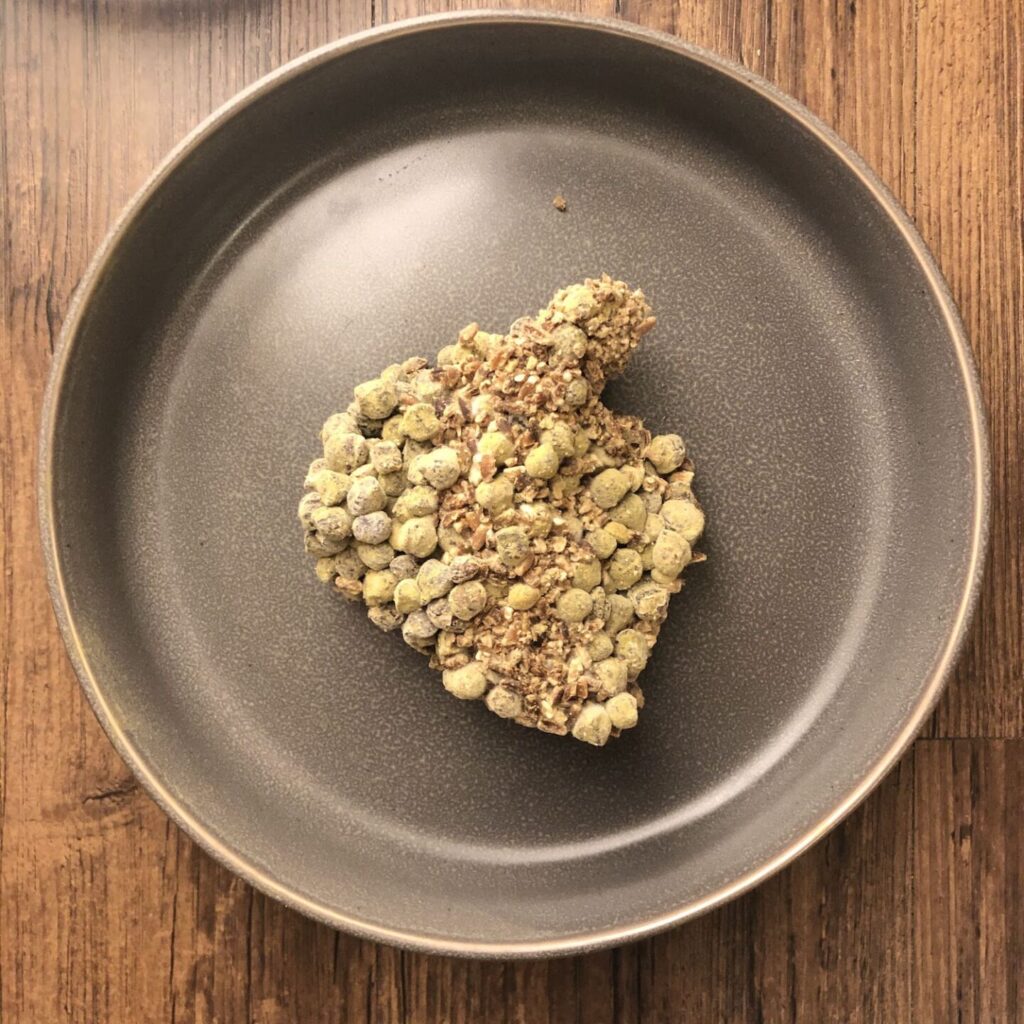
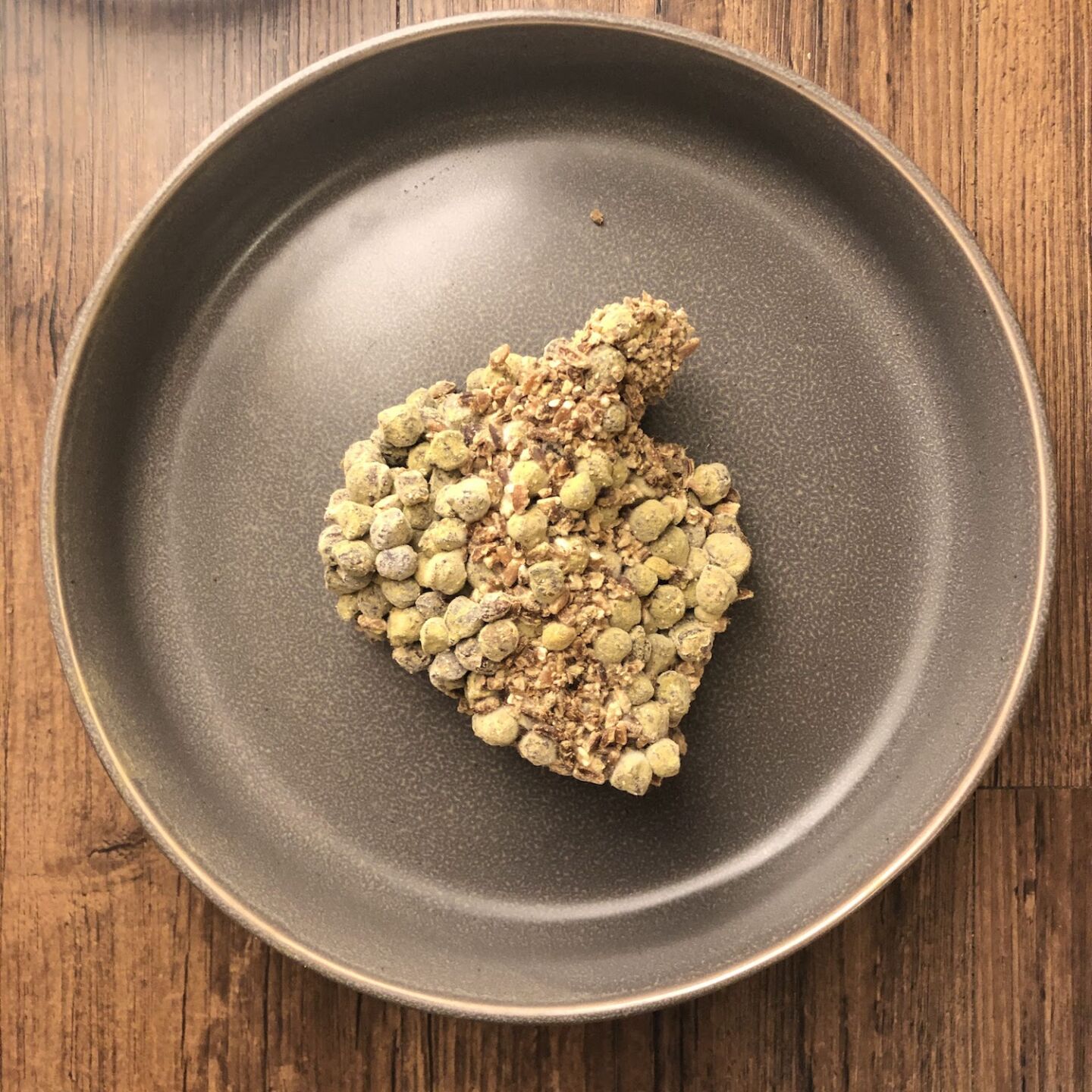
Black chickpea shoyu koji in full bloom
The words “fungus” and “bacteria” may not make your mouth water, but they should. They’re the gateways to fermentation, which gives us bread, coffee, miso, chocolate, beer, kimchi, wine, cheese, soy sauce, and other forms of dear-god deliciousness. And right now, no fungus is hotter than Japanese koji—rice grains cultured with Aspergillus oryzae.
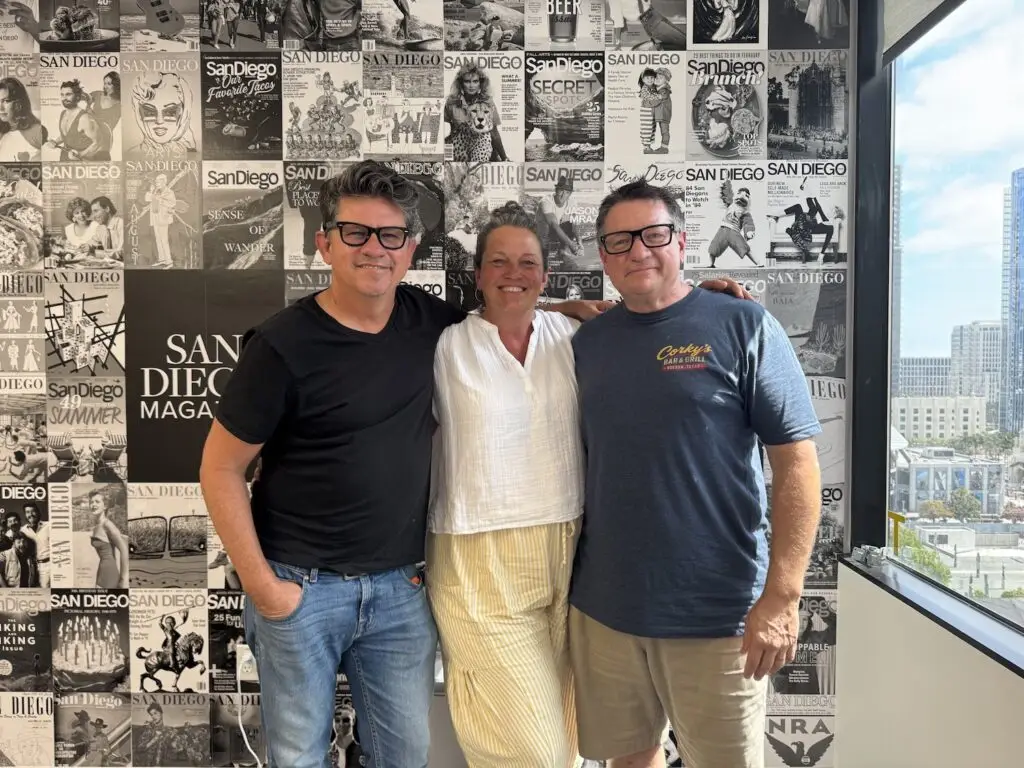
“It’s a sweet, funky marinade that tenderizes and intensifies with umami,” says Michael Vera, owner of West Coast Koji (WCK), a company he created during the pandemic. Using some Home Depot racks, he set up a fermenting system in the living room of his North Park apartment, much to his wife’s dismay. “[She] was not happy with the state of our apartment for a very long time. It was a huge laboratory full of funky stuff.”
Now he sells his koji to Michelin-star restaurants like Jeune et Jolie and Rustic Canyon, plus Juniper & Ivy and Consortium Holdings. Koji is famous for its umami-cranking transformation of proteins, and diners can taste WCK’s effect in dishes like the duck breast at Matsu in Oceanside. Anyone can buy dried koji at Asian grocers, but WCK’s is fresh and rare. There are probably only 10 commercial koji producers in the US, which makes his delicious fuzz business a boon for local cooks.
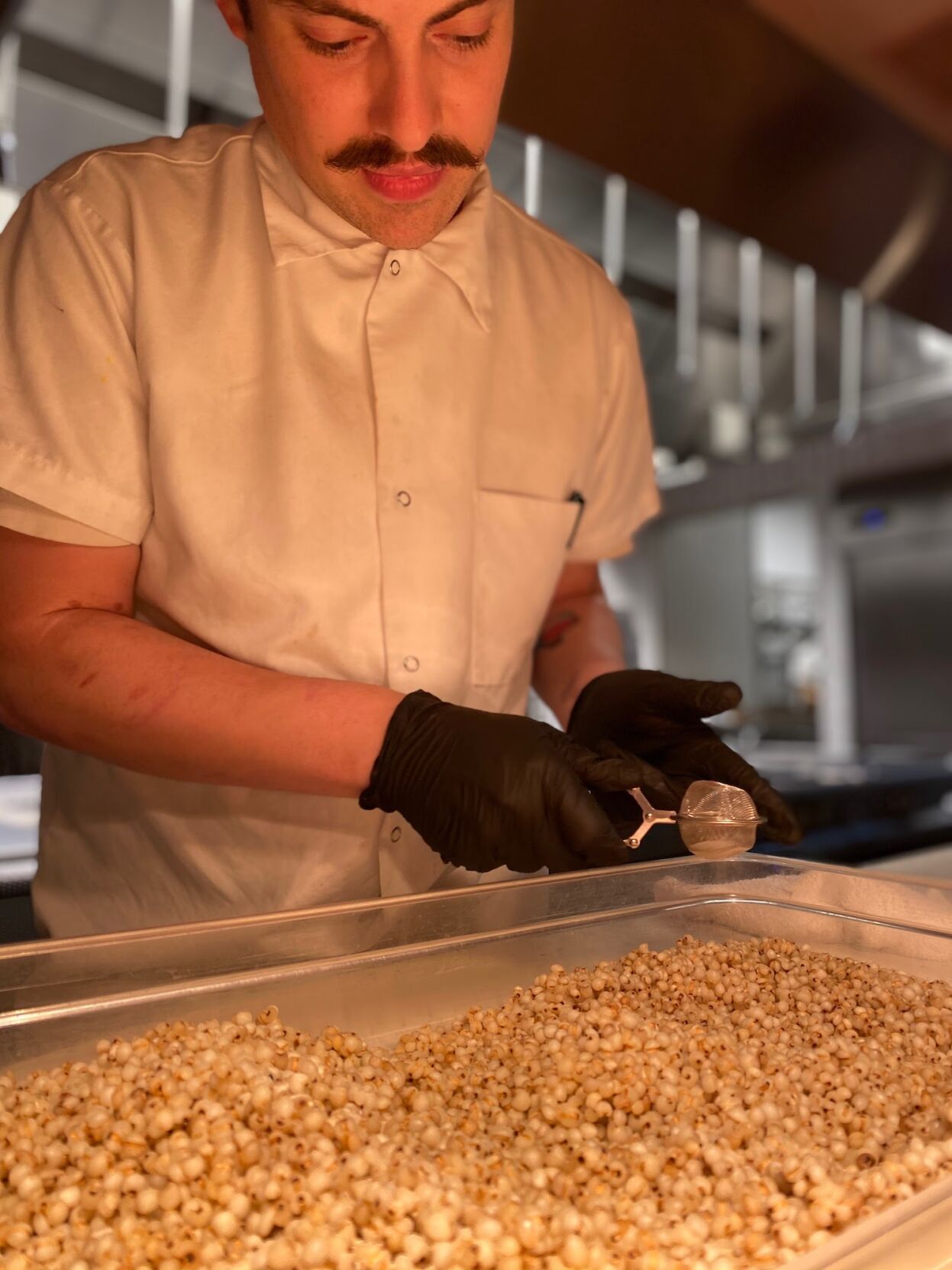
Michael Vera makes West Coast Koji
“I was a cook at Jeune et Jolie,” Vera explains. “I’ve always tinkered with fermentation. I made misos at home. When the pandemic hit, I needed a way to make money. I did simple lacto ferments like kimchi and pickles. But then I made the koji, sold it to friends and gave it away. The feedback was great.”
WCK uses the koji to make its own small-batch fermented products—like miso and shoyu (soy sauce). “It’s interesting to think that most people have never tasted real soy sauce,” he says. “The commercial ones are great, but they use chemicals to speed up the process so that it’s ready in two weeks. Real shoyu takes four to six months. It develops a flavor that’s completely different—lighter, sweeter, more balanced with acidity and umami.”
There is poetic justice when the hottest new thing in food is ancient science.
When Bar Pink closed, a quality chunk of North Park’s soul went with it. Co-owned by John Reis (lead singer for one of San Diego’s greatest-ever bands, Rocket from the Crypt) and Dang Nguyen, it was a shadowy, cavernous dive that music lovers flocked to for atomic-strength pours, red vinyl booths, and $2 Tecates. Locals worry when a place like this is lost. We worry the memories of that room will fall into the hands of people who don’t know the history, or who can’t be bothered with silly things like “roots” or neighborly wants and desires.
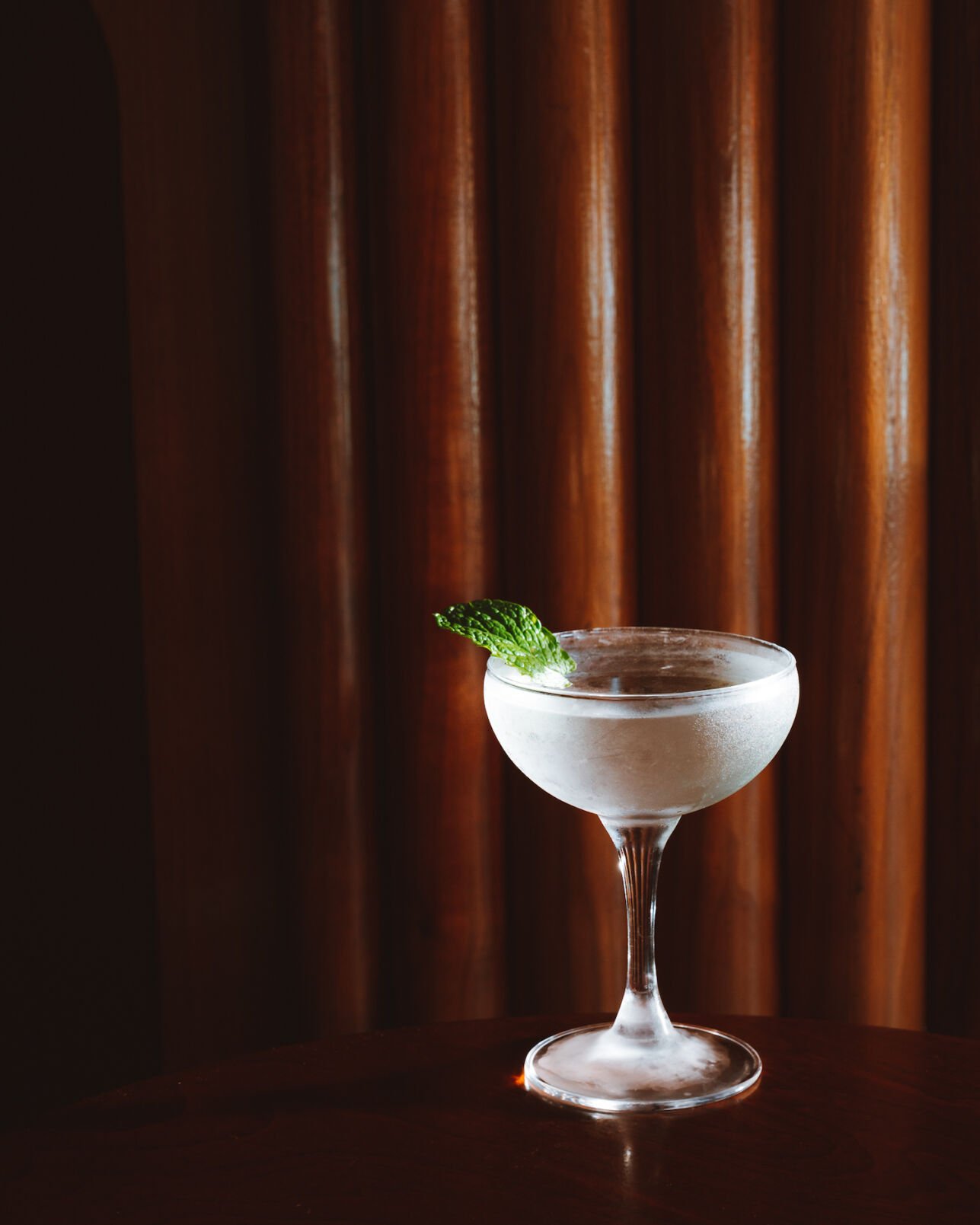
The Cold Kitty Martini at Part Time Lover
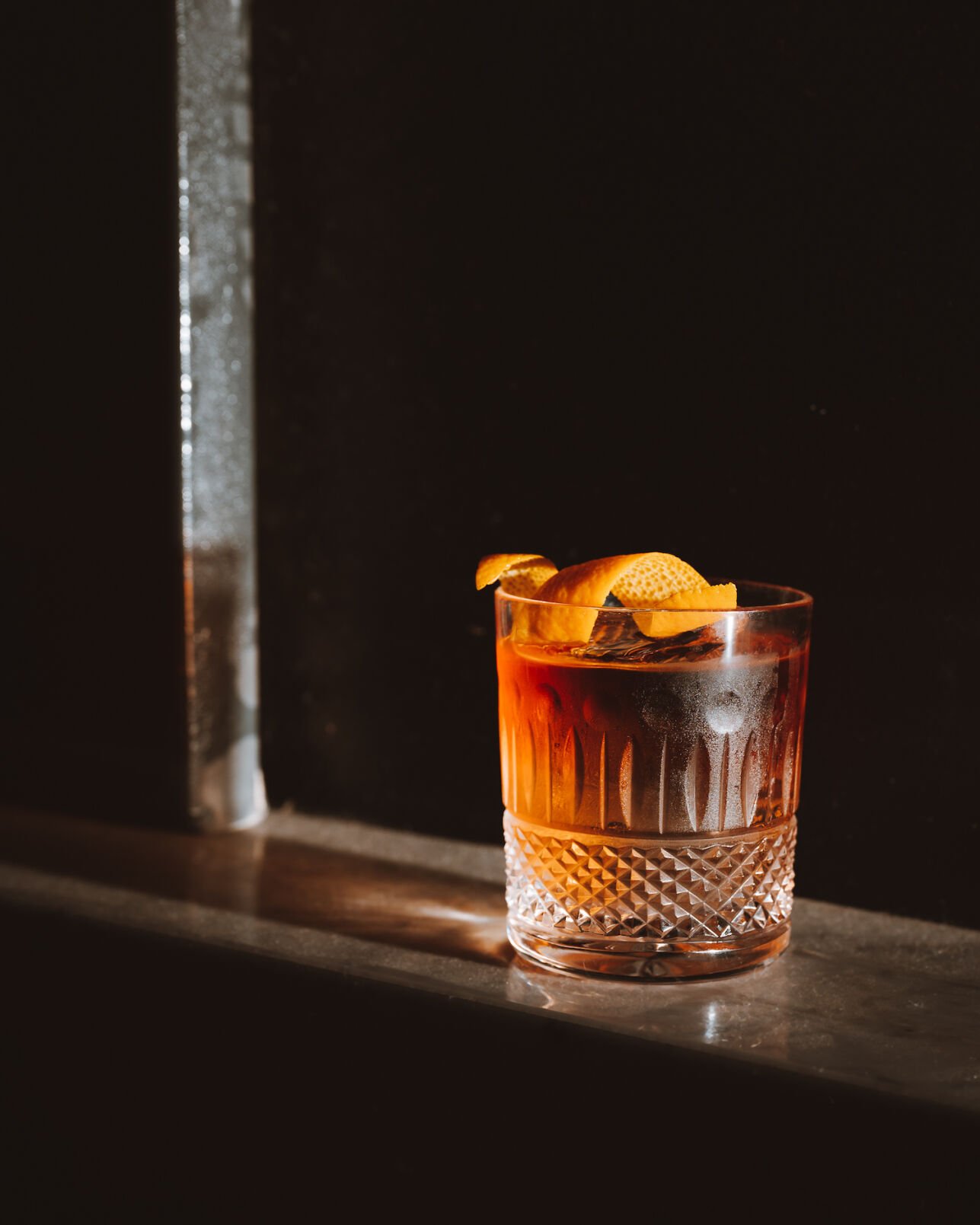
The Fatebringer Old Fashioned at Part Time Lover
But sometimes things work out. North Park is getting Part Time Lover—a Consortium Holdings hi-fi listening bar and record store. CH founder and owner Arsalun Tafazoli says he’s making it a point to “pay homage to the space’s roots in local music, while expanding and opening people up to new music,” and he’s bringing along Nguyen as manager, The Casbah owner Tim Mays as part-time DJ booker, and Folk Arts Rare Records as vinyl curator. That is…a team.
Record collectors are welcome to come spin their favorites. Much like he did at Starlite, Mays will tap touring musicians to take the wheel on certain nights. “This is about realizing the potential in the simple act of sharing amazing music, rooted in our philosophy of patient listening, discovery, open-mindedness, and free-spirited creativity,” says Brendan Boyle, owner of Folk Arts, which is also one of the oldest record stores in America.
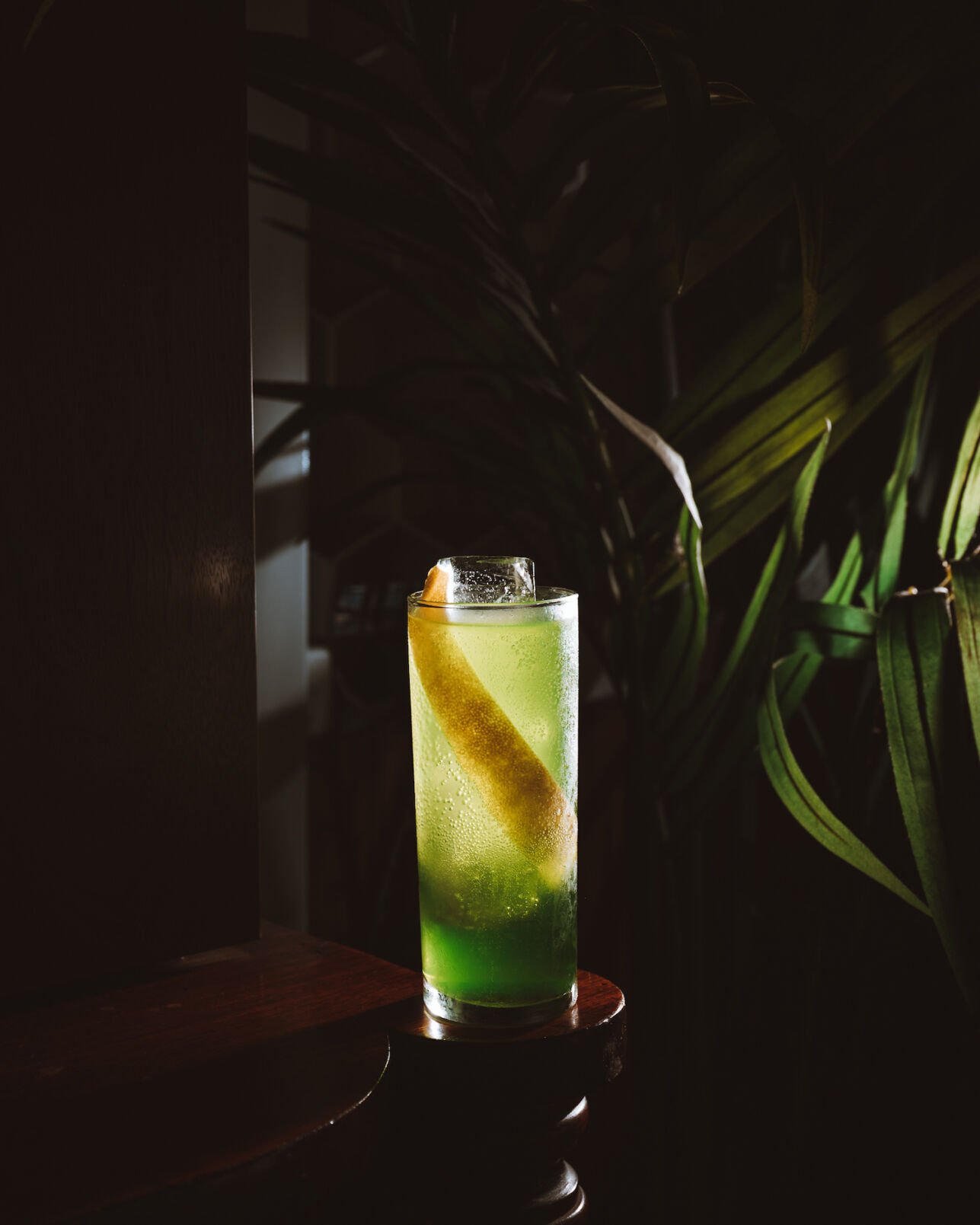
The Kaiju at Part Time Lover
In addition to a state-of-the-art sound system built by Chicago-based Uncanned Music, the space will sport an east-meets-west design inspired by the Prairie School aesthetic, which influenced Frank Lloyd Wright and was rooted in kissaten (small cafés in Tokyo where DJs would spin vinyl). It’ll be coffee-and-cocktails up front (focusing on Japanese highballs), record store in the back—a mullet of local culture. Most drinks will be cold and carbonated, like the In Kaiju, a neon green concoction made with Japanese vermouth, aquavit, lemon, and sparkling water, served in a frozen highball glass.
PARTNER CONTENT
Still, everyone involved maintains that the emphasis is affordability and accessibility. So not to worry, North Park purists and dive bar enthusiasts. You’re in capable hands.

Troy Johnson is the magazine’s award-winning food writer and humorist, and a long-standing expert on Food Network. His work has been featured on NatGeo, Travel Channel, NPR, and in Food Matters, a textbook of the best American food writing.
For its 10th anniversary, North Park Beer Co reinvents the kitchen at its flagship location
When Kelsey and Amanda McNair opened North Park Beer Company in 2016—they knew their strengths. Kelsey was an accomplished and award-winning homebrewer several times over (his West Coast IPA Hop-Fu! has won more awards than any IPA in homebrew history). Amanda’s design sensibility and business acumen helped bring the now-signature mid-century aesthetic to life alongside Basile Studio.
They also knew their shortcomings.
“When I leased this location, I knew it had to have food,” explains McNair. But he’d never owned, run, or even worked in a restaurant. Rather than winging it, he partnered with Mastiff Kitchen, who for 10 years provided housemade sausages, giant Bavarian pretzels, chicken wings, and “pig fries” loaded with al pastor sausage, crispy pork belly, slow roasted pork, harissa aioli, cotija cheese, and cilantro.
Now, NP Beer Co’s two satellite tasting rooms have successfully launched their own food programs. In Bankers Hill, you can get one of the best smashburgers in town, plus 24-hour brined crispy chicken wings, twice-fried hand-cut cheesy bacon garlic fries, or a pulled pork sandwich on a toasted Martin’s potato roll. In its Crown Point location, McNair brought his pie obsession to life with New York-style pizza that uses Bianco di Napoli tomatoes and Ezzo pepperoni (the “cuppy” kind).
So when Mastiff’s lease came up for potential renewal, McNair decided it was time to bring the entire operation at NPBC HQ under one umbrella. For the first time, North Park Beer Company will launch its own food program at its flagship location in early June.
Director of culinary ops Sam Navarro says the menu will focus on global pub fare. “If you were going to different parts around the world and drinking beers, what would you be consuming?” he asks. In England, you could wash down a plate of fish and chips with a malty ale. In Japan, crispy chicken karaage goes marvelously with a dry Japanese lager. And tacos also go with beer—any beer.

Those will all be on the new menu, which is broken into sections for shareables (the huge space draws huge herds), salads, tacos, and mains. Highlights include the chicken karaage on Tokyo fries (Togarashi-seasoned, twice-fried Kennebec potato fries with miso aioli, tonkatsu sauce, sriracha drizzle, and topped with scallions and furikake), coconut curry fries, Nacho-Fu! nachos (with totopos chips, queso fundido, pickled jalapenos and onions, chipotle lime crema, cotija cheese, cilantro, and salsa verde)—plus vegetarian and vegan options.
Tacos range from Baja fish tacos to a traditional conchinita pibil—pork shoulder marinated for a day in its homemade adobo, then wrapped in banana leaves and roasted for a few hours, served with picked red onion, radish, and cilantro. “[We] want to be true to what it is and do it the best way possible we can, so you can take a trip to those locations around the world without leaving San Diego,” he says.
Some of the burgers are previous specials from Bankers Hill that have been “knock it out of the park hits,” says McNair, and now have a permanent place on the North Park menu. The Tokyo Smash features two smashed beef patties with Swiss cheese, ponzu-marinated and seared pork belly, miso aioli, and quick pickled cabbage. Another is the French Onion Smash with a veal-based aioli, caramelized onions, crispy fried onions, and melted cheese.“It’s like taking a bite into French onion soup in a burger,” promises Navarro.
Anyone lamenting the loss of Mastiff’s pork nugs, weep not—they’re still available at Mastiff in La Mesa and NPBC is introducing a shareable Chashu-style pork belly with maple-miso caramel, black sesame seeds, scallions, chili crisp, and pickled vegetables.
Official launch will coincide with North Park Beer Company’s 10th anniversary party on Tuesday, June 23 (soft launching beforehand). They’ll bring back some of the original beers for the shindig, including styles they haven’t brewed in eons.
“It feels natural to do this at this point in time,” he says. “This whole thing is really going to complete the vision for this location.”
PARTNER CONTENT
Listen Now: The Latest in San Diego’s Food and Drink Scene
Have breaking news, exciting scoops, or great stories about new San Diego restaurants or the city’s food scene? Send your pitches to [email protected].
Beth Demmon is an award-winning writer and podcaster whose work regularly appears in national outlets and San Diego Magazine. Her first book, The Beer Lover's Guide to Cider, is now available. Find out more on bethdemmon.com.
North Park’s Encontro has been secretly serving these buttery loaves with the Sarkisian family’s original recipe
If you lived in or around San Diego in the early ’90s, there’s a good chance you remember the legendary breadsticks at Pat & Oscar’s. Yes, I’m talking about those warm, glorious, soft, bizarrely addictive breadsticks served fresh to order with a side of dipping sauce that no one could resist. Gluten intolerance be damned.
I’m sure adults of that era ordered reasonable amounts of breadsticks and conducted themselves with at least the appearance of manners. But if you were between middle and high school age, it’s more likely you ripped through heaps of them like a pack of starving piranhas fighting over an abandoned carcass. It’s not like the restaurant was going to run out of them, but what if they did? Worst case scenario.
The breadsticks were the reason many people went to Pat & Oscar’s and what many people remember most after Sizzler bought the concept in 2000 and basically sucked the magic out of the family-owned business.
If your inner breadstick fiend hasn’t felt that same satisfaction in the better part of 30 years, prepare your salivary glands for a walk down memory lane. They still exist, and are ready to be devoured—straight from the Encontro kitchen in North Park.
Around 10 years ago, Encontro chef and owner Jason Hotchkiss catered the 60th anniversary party for Pat and Oscar Sarkisian—yes, that Pat and Oscar. Their son John was Hotchkiss’ business partner (and the original owner of Encontro before Hotchkiss and his sister Linde bought it in 2019) and helped design and set up some of the Sarkisian family restaurants. Rather than relegate Pat & Oscar’s classic recipes to the black hole of restaurant recipes lost in time, John had given some of them to Hotchkiss, who, somewhat nervously, decided to make the breadsticks for the party.
“Oscar’s eating the bread, and he goes, ‘Oh, my God, where’d you get this recipe?’” he recalls. “I said, ‘It’s yours.’ And he said, ‘No, this is much better.’”
Oscar would know—Encontro’s version is (mostly) true to the original in that it’s still all the same ingredients and cooked fresh to order, but pumped up with a bit more yeast, extra sea salt sprinkled on top, and served with a side of truffle or honey butter. But to guests yearning to relive the era of dial-up internet and Beanie Baby mania, Encontro’s golden buttery braid is a welcome (and incredibly close) re-creation.
To this day, Hotchkiss has guests who come in just for the bread and the memories it sparks—things like Little League parties, post-soccer game hangouts, family dinners, dates, and other formative experiences.
“People come in and they’re like, ‘Oh, my God, I can’t believe this. This brings back so many different memories that I have,’” he says. “I love being a part of that.”
Before influencers, foodie culture, and iPhones capturing every meal we eat, family-run restaurants like Pat & Oscar’s were local treasures. This is probably the closest you’ll ever get to those bygone days of breadstick glory. That is, unless you hike up to the only other place you can still find the original breadsticks—the last remaining Sarkisian family business, Oscar’s Brewing Company in Temecula. (Hilariously, the URL breadstick.com literally redirects to the Oscar’s Brewing Company website.) So if you’re ready to time-travel to the past via a portal of buttered, braided bread, Encontro has you covered.
Listen Now: The Latest in San Diego’s Food and Drink Scene
Have breaking news, exciting scoops, or great stories about new San Diego restaurants or the city’s food scene? Send your pitches to [email protected].
Beth Demmon is an award-winning writer and podcaster whose work regularly appears in national outlets and San Diego Magazine. Her first book, The Beer Lover's Guide to Cider, is now available. Find out more on bethdemmon.com.
Chop Suey Lounge & Ginger Roots will reimagine The Peking Cafe as a lounge and chef’s table experience
The neon lights of Pekin Cafe Chop Suey restaurant in North Park have gone unlit for seven years. During that span, the neighborhood has seen massive changes—some good (the iconic New Orleans-style building on 30th finally got a new tenant), some marquee (top chef Brad Wise opened his French steakhouse), some mixed bag (the bike lane debate continues), and some bad (massive rent increases).
But come December, if things go well, the landmark sign will light up once more to mark the opening of Chop Suey Lounge & Ginger Roots, a new take on the historic space from founding partners Jacquelyn Kelly and Jason Bess.
When the Fong family first opened The Pekin Cafe in 1931, chop suey was a dish on the rise. During the Gold Rush of 1848-1855, at least 20,000 Chinese immigrants came to California to work as miners and build the Central Pacific Railroad. When California began charging non-U.S. citizens extra fees to continue mining for gold, many immigrants began settling elsewhere or opening other businesses, like laundromats, pharmacies, and yes—restaurants.
But when President Chester A. Arthur passed the wildly racist Chinese Exclusion Act in 1882 to restrict Chinese laborers from entering the U.S. (which wouldn’t be repealed until 1943), merchants figured out an ingenious loophole. By opening restaurants and rotating management responsibilities, new arrivals became eligible for merchant visas, completely avoiding the labor designation (and thus, the exclusion act). It was known as the “Lo Mein Loophole.”
This fueled a huge boom of Chinese restaurants, especially in New York City and the West Coast. To accommodate a variety of Chinese and American palates, these new restaurateurs began to offer a mix of nostalgic dishes from back home as well as fusion dishes to appeal to a wider audience.
An entirely new Chinese-American cuisine was born.
Chop suey, which roughly translates to “mixed pieces” or “odds and ends,” either originated in New York City or San Francisco, depending on who you ask. Either way, it’s a Chinese-American invention—meat and eggs mixed with vegetables over rice and topped with a thick, gravy-like sauce. It’s been so popular since the mid-19th century that the Fongs decided to plaster it on the front of their North Park building in even bigger letters than the actual name of the restaurant (which was later renamed The Peking Cafe).
From 1931 to 2019, three generations of the Fong family served old-school Chinese-American classics in an interior lit by tasseled palace lanterns—which only half-illuminated a collection of squeaky red high-backed booths. When the last generation retired, the family held onto the space, waiting for the right successor to come along. They found it in Kelly and Bess.
The pair describe the dual concept as an elevated lounge vibe in the front (Chop Suey Lounge) and private chef’s table tasting menu experience in the back (Ginger Roots). Kelly has over 15 years of experience in hospitality, including eight years at CH Projects with multiple stints as a general manager and director of operations.
“We met the Fong family, and it was just like, ‘Oh my God How can we preserve this and tack on to their legacy that they’ve already had for 88 years?’” she says. “[This] combines everything I love”—like first-time ownership, the ability to reimagine an icon, and the chance to mix high-end food and cocktails with entertainment by acquiring a space with a cabaret license.
Bess’ background is in construction. They’re working with interior designer Sally Rodrigues of Crave Design Company and architect Chris Bord from Room & Bord to rebuild the 3,500-square-foot space. For food, the vision is to serve upscale, Chinese-inspired finger foods in the front mid-century lounge space—along with live music and entertainment. In the reservation-only chef’s table at Ginger Roots, guests will get a different Pan-Asian-inspired tasting menu.
Neither one is of Asian descent, but both express a lifelong enthusiasm for Chinese-American food that started when they were growing up in New York. Figuring out a way to honor both the legacy of the space and the history of Chinese-American culinary tradition in a respectful way is their biggest challenge, Bess admits, but doing a lot of research “and finding strategic partners to help us do that was really key.”
At the very least, it feels like a full circle moment. For Chop Suey in particular, to once more have the opportunity to act as a conduit of culture convergence to create something familiar, yet completely new. (Just please keep at least some of the red booths, please.)
Chop Suey Lounge & Ginger Roots opens December 2026 at 2877 University Avenue in North Park.
Listen Now: The Latest in San Diego’s Food and Drink Scene
Have breaking news, exciting scoops, or great stories about new San Diego restaurants or the city’s food scene? Send your pitches to [email protected].
Beth Demmon is an award-winning writer and podcaster whose work regularly appears in national outlets and San Diego Magazine. Her first book, The Beer Lover's Guide to Cider, is now available. Find out more on bethdemmon.com.
The annual event honors middle market companies creating jobs, scaling up, and investing in the region
San Diego is known for its startup culture and innovation economy, but what happens when the company moves beyond its early-stage years? The San Diego Business Impact Awards aim to answer that question, spotlighting the middle market businesses helping drive the region’s economy.
Hosted by San Diego Regional Economic Development Corporation (EDC) and JPMorganChase, the second annual awards celebration takes place on Thursday, July 23, from 4:30 to 7:00 p.m. at Scripps Research Auditorium. More than 200 executives, entrepreneurs, and business leaders are expected to attend the networking and cocktail event honoring some of San Diego County’s fastest-growing companies.
Businesses headquartered in San Diego County that have operated for at least two years are encouraged to submit their nomination by Thursday, June 18 at 4 p.m. Companies across industries—from technology and life sciences to tourism and consumer products, as well as pre-revenue startups—are eligible for recognition.
For EDC President and CEO Mark Cafferty, the event is as much about building connections as celebrating success. “We’ve had a longtime partnership with JPMorganChase; their work aligns with our efforts to support underserved communities and drive talent development,” says Cafferty. “And the networking was invaluable last year. I’m still in touch with people I met at last year’s awards.”

EDC is an independently-funded nonprofit that works directly with San Diego companies to help them grow the local economy, make the region as a whole more competitive, and attract and retain top-tier talent with quality jobs. Through EDC, companies can get help starting or expanding their business with support for things like site selection, permit navigation, and regulatory guidance, plus connections to local resources and potential business collaborators.
The San Diego Business Impact Awards began as an idea with one of EDC’s longtime strategic partners, JPMorganChase. The two organizations share a commitment to San Diego and are dedicated to bolstering middle market businesses.
“We’re blessed with a robust innovation economy and startup community,” says Aaron Ryan, San Diego Region Manager for JPMorgan’s Commercial and Investment Bank and vice chair of the firm’s’ San Diego Market Leadership Team. “But one of the segments of the business community we felt was overlooked was emerging middle market companies—the businesses that are no longer small but not yet large.”
Ryan says supporting those companies is critical as they scale and decide where to invest, hire, and grow.
San Diego’s high cost of living remains one of the region’s biggest business challenges, making talent recruitment and retention increasingly competitive. But local leaders point to the region’s quality of life, climate, and collaborative business community as advantages that continue to attract employers and workers.

“In order to support thriving households, there has to be enough high-quality jobs for people to be able to afford to live here,” Cafferty says. “Once a company grows and excels past that middle market point in their growth cycle, they become much more likely to pay higher wages and compete globally.”
Both Cafferty and Ryan proudly tout the unique collaboration that exists among San Diego County businesses. Bringing together top universities producing high-quality talent, cutting-edge research institutions, a robust military and defense presence, leading ocean science and environmental organizations, and a binational, cross-border identity creates a distinct business ecosystem that defines and strengthens the San Diego region.
Last year’s San Diego Business Impact Awards celebrated nearly 60 honorees from 49 industries, representing a total of 8,232 jobs across eight sectors, including: software and technology, healthcare and life sciences, consumer goods, professional services, finance, construction and manufacturing, defense, and hospitality and tourism. On average, honoree companies doubled their revenues over the previous year, employed more than 145 San Diegans each, and offered an average annual compensation of $192,415.
Top honorees included defense contractor Innoflight, environmental consulting firm Bancroft Construction Services, life sciences startup Element Biosciences, defense technology contractor GALT Aerospace, organic grocery store chain Jimbo’s, and biopharmaceutical company LENZ Therapeutics. During the event, Innoflight Founder and CEO Jeff Janicik held a fireside chat offering his insights on investing in the community and embracing San Diego culture.
This year, organizers hope to continue highlighting the middle market players driving economic impact across the region. Nominations are now open through June 18 at 4 p.m. Get your tickets to the San Diego Business Impact Awards celebration to enjoy drinks by Snake Oil Cocktail Co., light bites, live music, and networking.
The specialty coffee shop will open this fall next to The Observatory with the same minimalist-modern aesthetic as the Convoy location
San Diego matcha craze initially sparked when San Diego’s first dedicated matcha cafe, Holy Matcha, opened in North Park in 2017, followed by specialty retailers like Paru, shops like Matcha Cafe Maiko and Asa Bakery, and pop-up concepts like Hey Midori. But unlike specialty coffee shops, matcha is still far from hitting a saturation point in the local beverage market.
That’s why Lauren Thiemthath, Bao Doan, and Phat Lu launched Labora Cafe last fall in Convoy District. “We saw a gap in the market,” explains Thiemthath. The San Diego natives also operate Urban Bubble, a cafe specializing in Taiwanese snacks and drinks, so they have a good sense of what people are thirsty for.

Apparently, it’s matcha, because after only having been open for around six months, Labora is already poised to open a second location in the heart of North Park this fall—hopefully by September, if all goes well, says Thiemthath. “North Park felt like a natural next step,” she says, pointing to the plethora of cafes, but relative dearth of matcha-focused outlets (Holy Matcha excluded, of course), especially ceremonial-grade matcha.
The 1,800-square-foot corner suite at 2899 University Avenue next to The Observatory will emulate the same minimalist-modern aesthetic as the Convoy location and offer the same core drinks like the signature Banana 53 matcha and Vienna latte, but will expand to include some new menu items, seasonal specials, some location-specific exclusives, and hopefully some collaborations with local pastry chefs. The North Park location may also focus more on espresso and Vietnamese coffee offerings, but it’ll all depend on what the community asks for, says Thiemthath.
But matcha fever is just getting hotter. Thiemthath says that ultimately, Labora hopes to open five more locations in San Diego before expanding to Orange County. It seems that matcha mania is just getting started.
Labora Cafe will open at 2899 University Avenue in fall 2026.

Listen Now: The Latest in San Diego’s Food and Drink Scene
Have breaking news, exciting scoops, or great stories about new San Diego restaurants or the city’s food scene? Send your pitches to [email protected].
Beth Demmon is an award-winning writer and podcaster whose work regularly appears in national outlets and San Diego Magazine. Her first book, The Beer Lover's Guide to Cider, is now available. Find out more on bethdemmon.com.
The LA-based wine bar opens its first (but not last) San Diego outpost on February 9
The ornate, yellow, two-story building has always cast a French Quarter shadow over the otherwise modernized block of North Park.
An iron scrollwork railing hugs the top-floor walkway like the corset of a vivacious cabaret performer. It’s a seminal site for the food world in San Diego—occupied for 13 years by Urban Solace, which kicked off a modern boom for North Park’s restaurant scene when it opened in 2006. For nearly seven years since Solace’s closure, the space has lain as silent as a New Orleans cemetery.
But come Feb. 9, it’ll be filled once again with the scents of sauteed garlic and fresh-baked bread, and the sounds of laughter and sloshing wine. Bacari is opening the doors of its first San Diego location.

The Los Angeles-based Venetian restaurant and wine bar concept currently operates eight other locations, North Park being its first outside La-La-Land. Owners Danny and Robert Kronfli, along with chef and co-founder Lior Hillel (ex-Jean Georges), opened the first Bacari in 2008. They’d been looking to expand south for about a year.
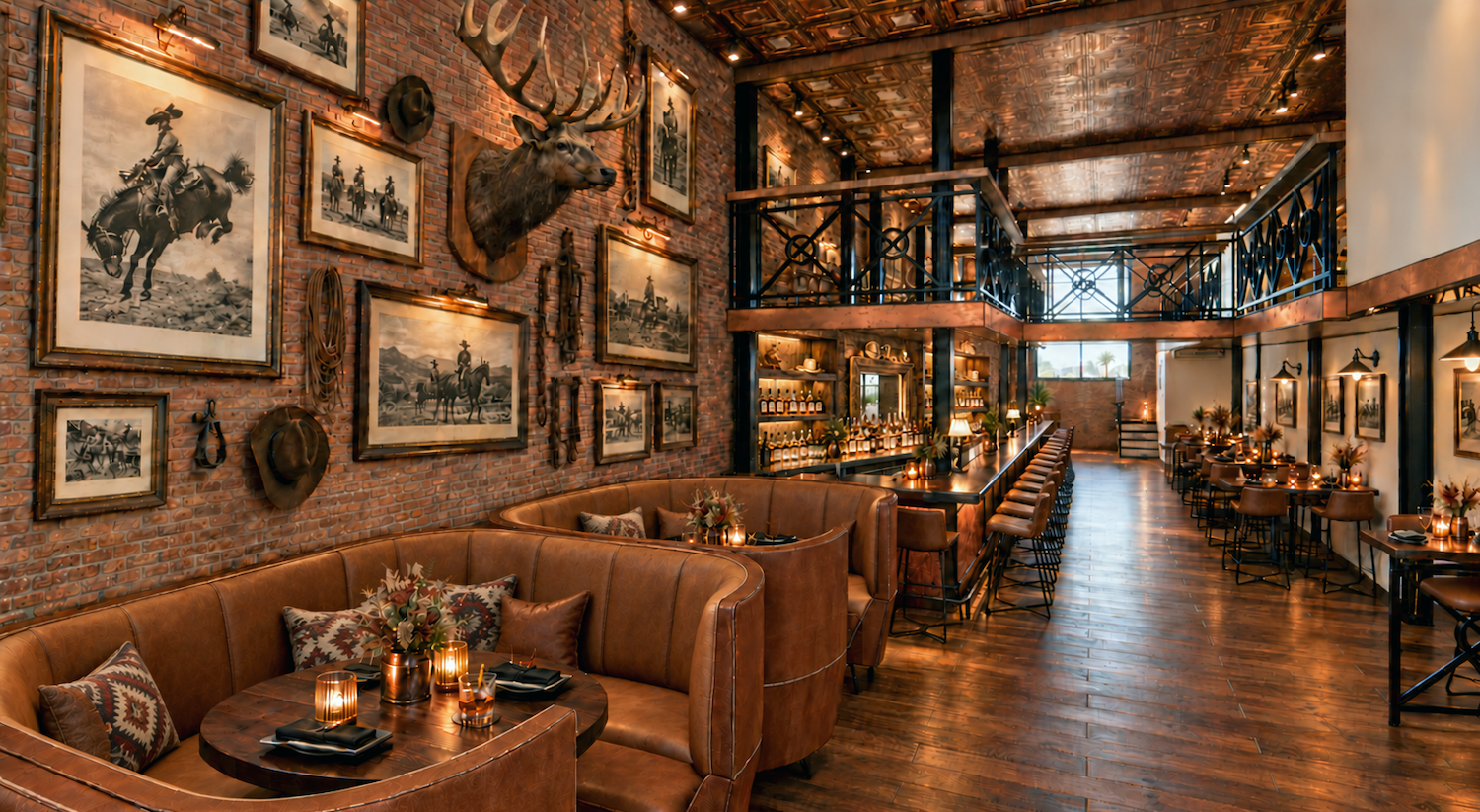
Kronfli says that every location models the signature Bacari vibe—an upscale take on Venetian wine bars—but each also has its own je ne sais quoi determined by the neighborhood and building. In this case, the 4,000-square-foot space will lean toward that New Orleans–esque, Old World-meets-New World, European-style aesthetic—vintage rugs and lots of patterned upholstery with a few dashes of Mexican-inspired details like tile and stonework.
(Thankfully, they’re making use of the 1,000-square-foot plant-drenched patio for more seating, which dare I say was North Park’s biggest loss since the building has been closed?)

Hillel will bring Bacari favorites to San Diego, including house-baked bread and house-cured olives to whet palates for an extensive wine, beer, and cocktail program. Seafood like fresh crudo and shrimp ceviche highlight the cold plates, while hot options range from grilled pork chops to Mediterranean street corn, lamb hummus, shawarma tacos, a Bacari burger, glazed pork belly, and plenty of other Mediterranean-influenced Italian dishes meant to be shared.
The robust brunch menu ranges from Tuscan kale salad for the gluten-free folks to chef’s French toast on house-baked brioche or challah, topped with market fruit for the sweet-toothed carb lovers. Plus egg pizza, chilaquiles, and—this being California—avocado toast.
Of course, there are bellinis as well as mimosas—bellinis actually originated in the mid-1900s in Harry’s Bar in Venice, Italy, so it’s practically a brunch necessity. (If I might make a suggestion to really lean into the New Orleans vibe, perhaps consider a frozen Irish coffee à la Erin Rose.)

And call them optimistic, but the trio has already signed on the dotted line for their second San Diego spot, this time in Carlsbad. “We got lucky, because my two targets, my two priorities, were Carlsbad and North Park,” says Kronfli. “I love the vibe of both areas, so the cookie crumbled in a nice way.”
Bacari Carlsbad will open sometime in Carlsbad Village sometime late summer or early fall (in the recently closed Paon Restaurant and Wine Bar space). Kronfli says they’re still actively looking for lucky number three—likely somewhere in the Encinitas or Leucadia area, or possibly Little Italy. And while some (okay, probably a lot) of the decision will center around how Bacari North Park goes, he says sometimes, you just get that tingle.
“When I get out of a car, most of the time, within five to 10 minutes, I can feel whether it’s going to be a target market for us or not,” he says. “[I got it here] right away.”
Bacari North Park opens on Monday, February 9.


Listen Now: The Latest in San Diego’s Food and Drink Scene
Have breaking news, exciting scoops, or great stories about new San Diego restaurants or the city’s food scene? Send your pitches to [email protected].
Beth Demmon is an award-winning writer and podcaster whose work regularly appears in national outlets and San Diego Magazine. Her first book, The Beer Lover's Guide to Cider, is now available. Find out more on bethdemmon.com.
Scripps study shows that some patients may be able to taper their dose and maintain results
While glucagon-like peptide-1 (GLP-1) receptor agents have been used to treat Type 2 diabetes for more than 20 years, their recent emergence as weight-loss wonder drugs marked a new frontier in medicine. But their effectiveness has left some patients wondering what to do once they’ve reached their goal. Stopping the medication could mean regaining some, if not all, of the weight. A Scripps Clinic internal medicine physician recently conducted a small study of whether GLP-1 patients who had reached their goal weight could maintain that weight by taking their regularly prescribed injection every other week instead of weekly. Spoiler alert: 30 of 34 patients did. Read more about the study here and what that may mean as pharmaceutical companies roll out oral GLP-1s.
For more nutrition, wellness, and healthy living tips, sign up for the San Diego Health newsletter here.