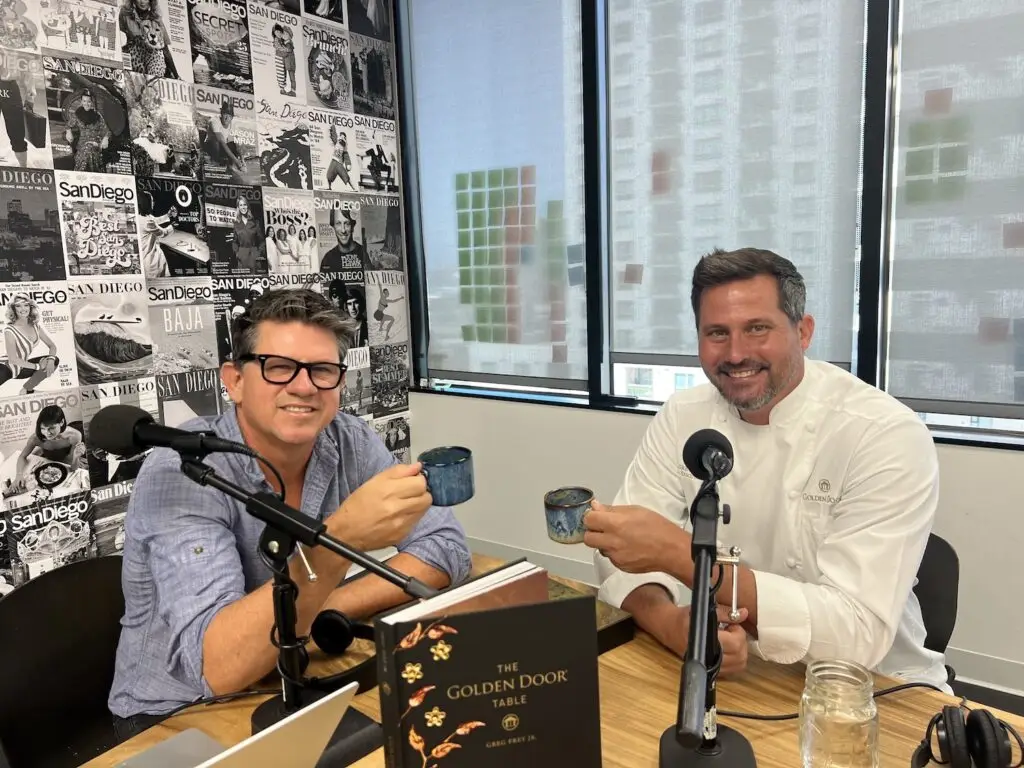
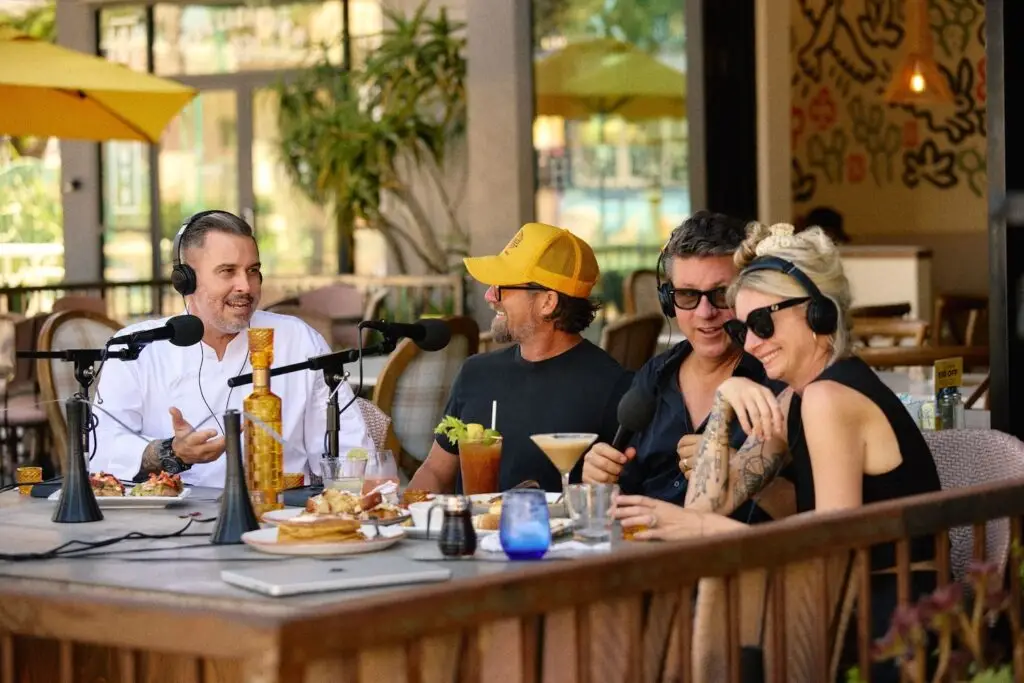
There once was a team from SD That devoured great dishes with glee. Pâté, paninis, a pastry— They sampled all that is tasty To bring the best nibbles to… thee?
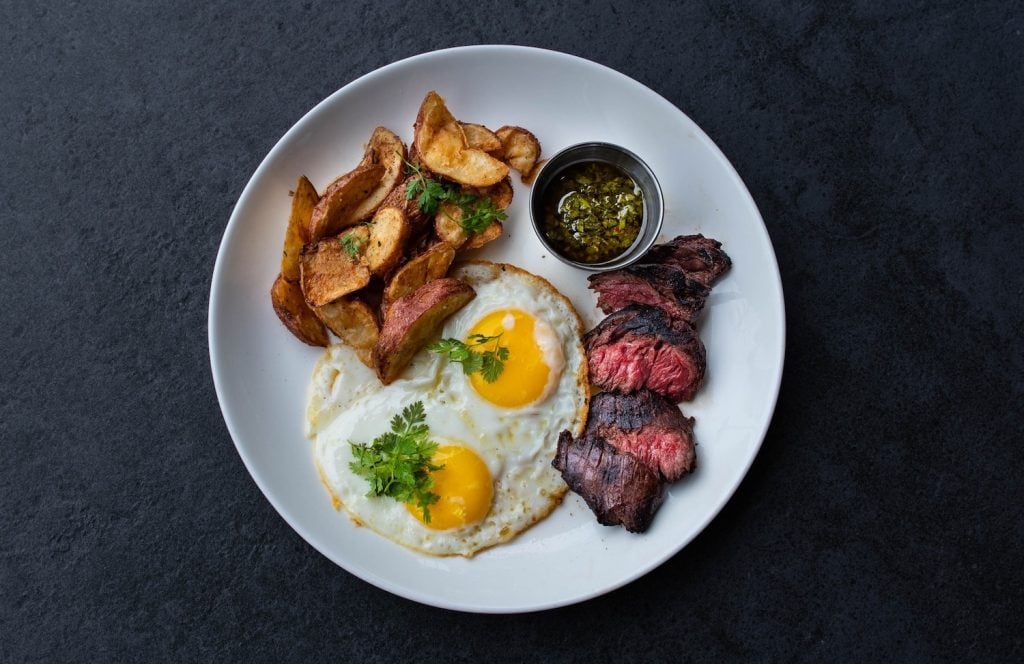
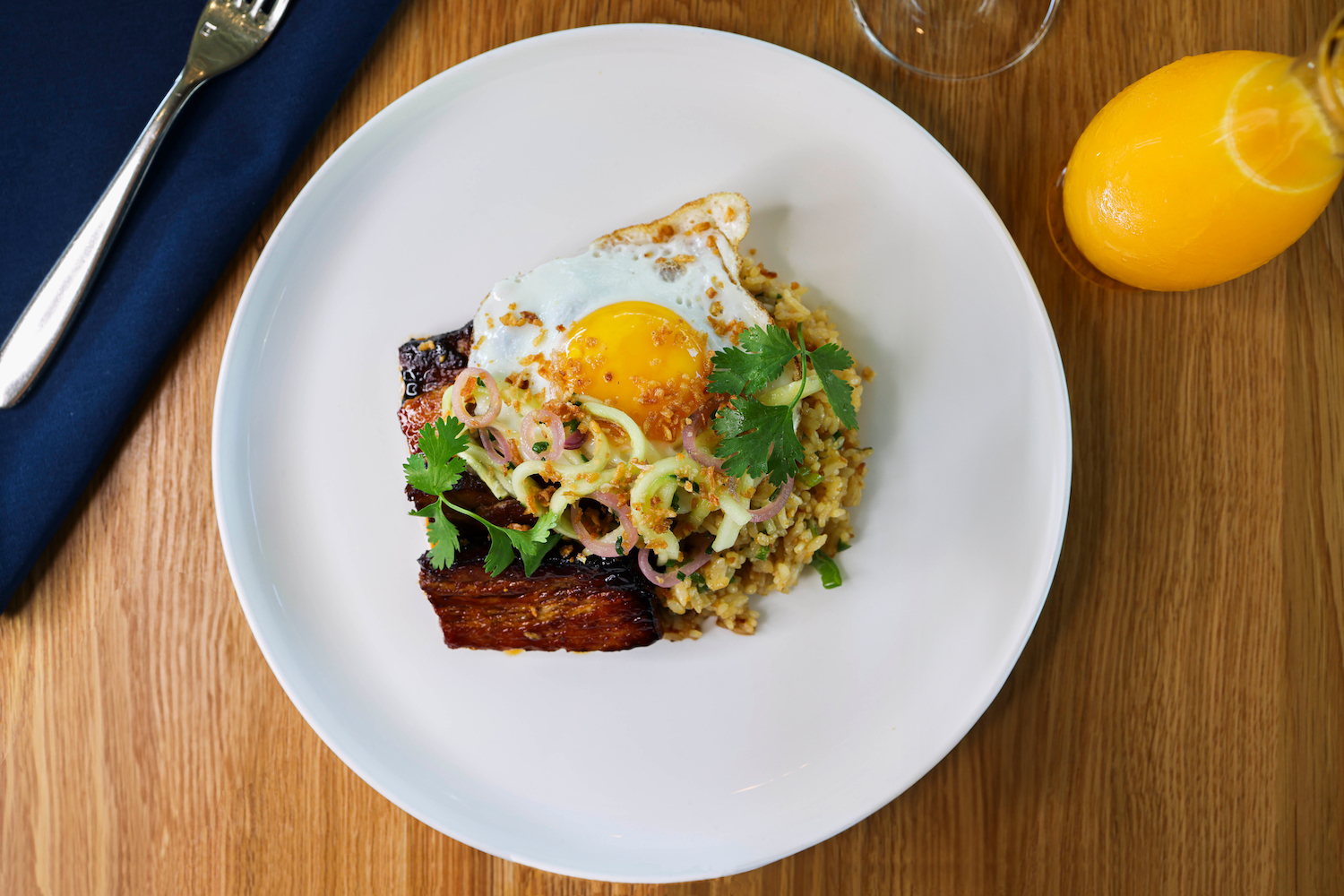
If you order scrambled eggs at brunch, you have accidentally breakfasted. Go have a long but kind talk with yourself, and try again. Brunch is for foods not normally associated with pre-work routines—like the fried rice at Arlo’s new DJ brunch in Mission Valley, crowned with the Filipino specialty tocino (sweet, garlicky, peppery pork) and a fried egg. Addictive, vague late-night dinner vibes. —TJ
Casa De Olla
Casa De Otay
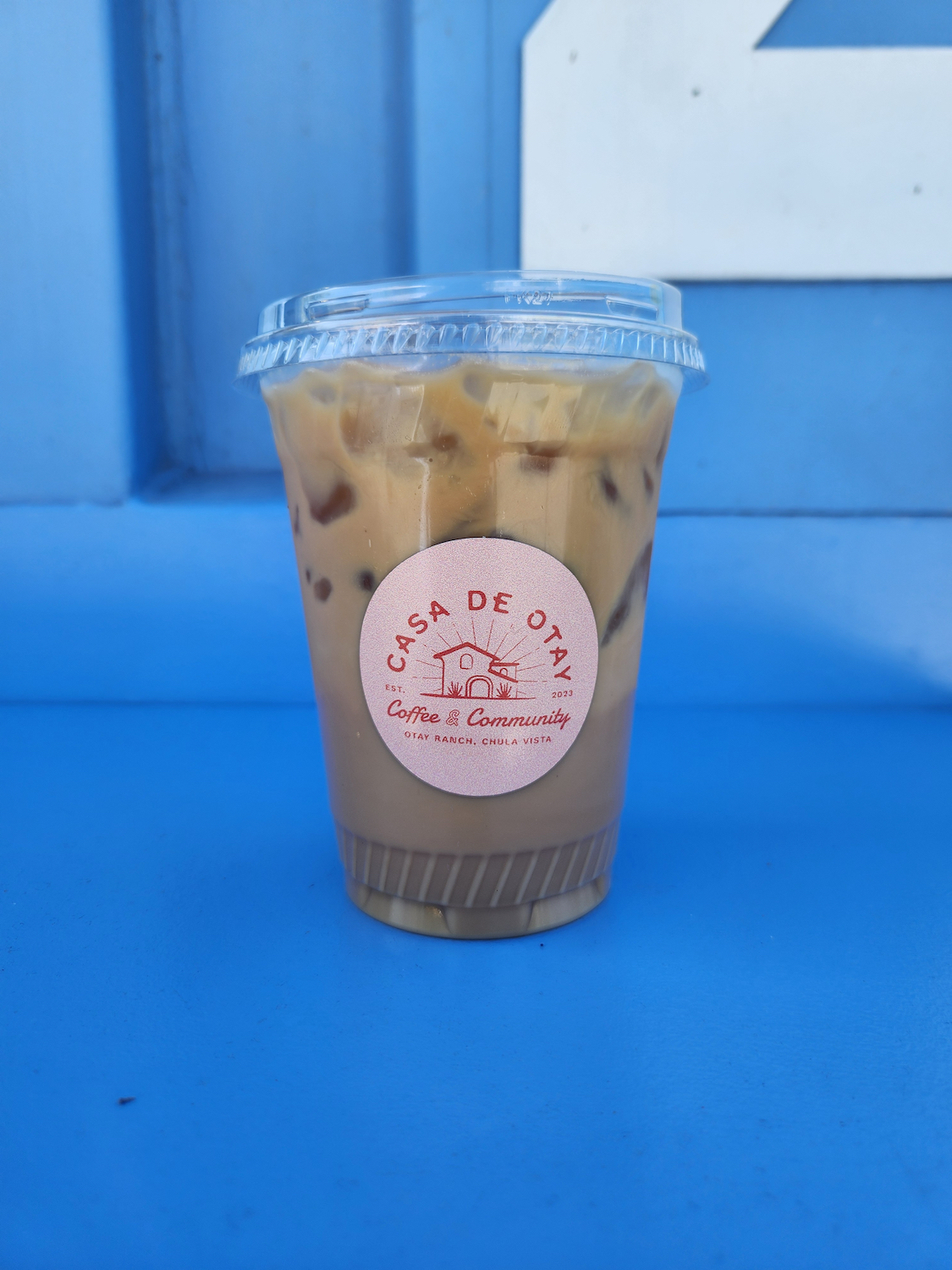
When your hipster prima tells you that the best café de olla is at a cute new all-natural coffee shop and not at your favorite menuderia, you can’t help but gasp a little. Casa De Otay in Otay Ranch’s Millennia housing development pairs housemade syrups with boiled-down piloncillo to make a top-notch version of this coffee classic from your mom’s kitchen. —AD
Dole Whip
Homestyle Hawaiian
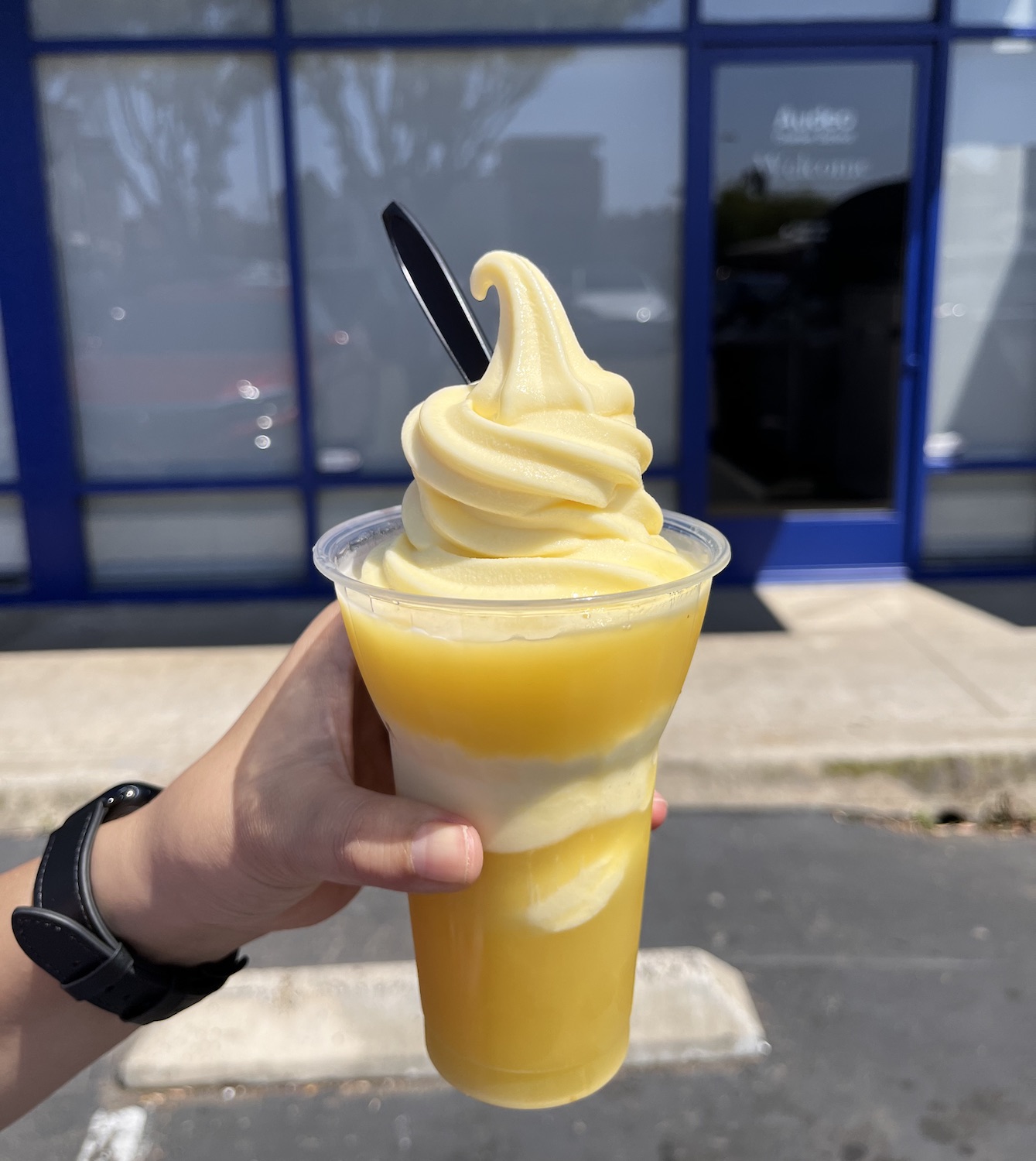
Get the Disnevland Tiki Room experience without the never-ending lines and talking parrots at this Hawaiian spot in Claremont Mesa. This tropical treat is a little bit of sunshine to beat back the marine layer, topped with soft-serve ice cream. Pair it with a plate of lava chicken or spam musubi, and you’ll forget why you even wanted to visit Disney in the first place. —CN
Courtesy of Il Giardino Di Lilli
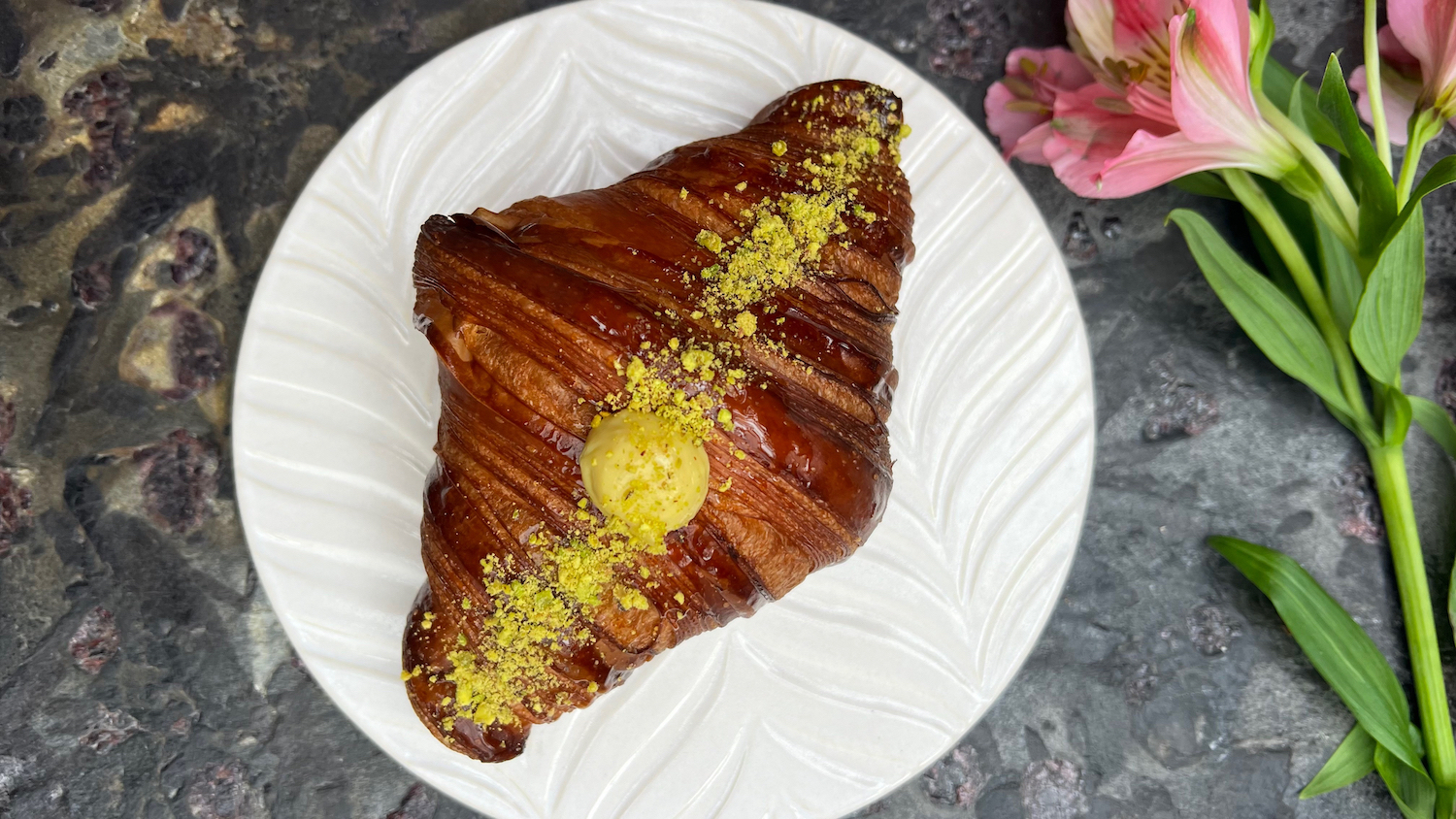
Croissant Aux Amandes
Il Giardino Di Lilli
Back when we were all trying out DIY solutions for Covid, we should’ve tried croissants. A good one can cure a lot of things. With sweet croissants, au amandes (almond) are the apex. Where most go wrong, though, is shorting on the addictive frangipane (almond cream). Lilli’s in La Jolla has a payload. —TJ
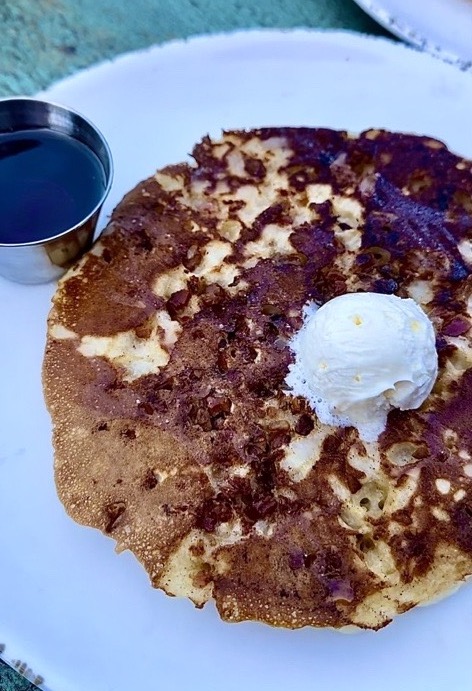
Cinnamon Bacon Pancakes
Stratford at the Harbor
The earliest historical reference to pancakes dates back to Greece in the 5th century BC, but p-cakes probably began with our neolithic relatives, who ground plants, added water, and cooked the flattened batter on coals. If I could give those hairy cousins one pancake to show them how far we’ve developed as a species, this flapjack from this Oceanside gem might be the one. —MH
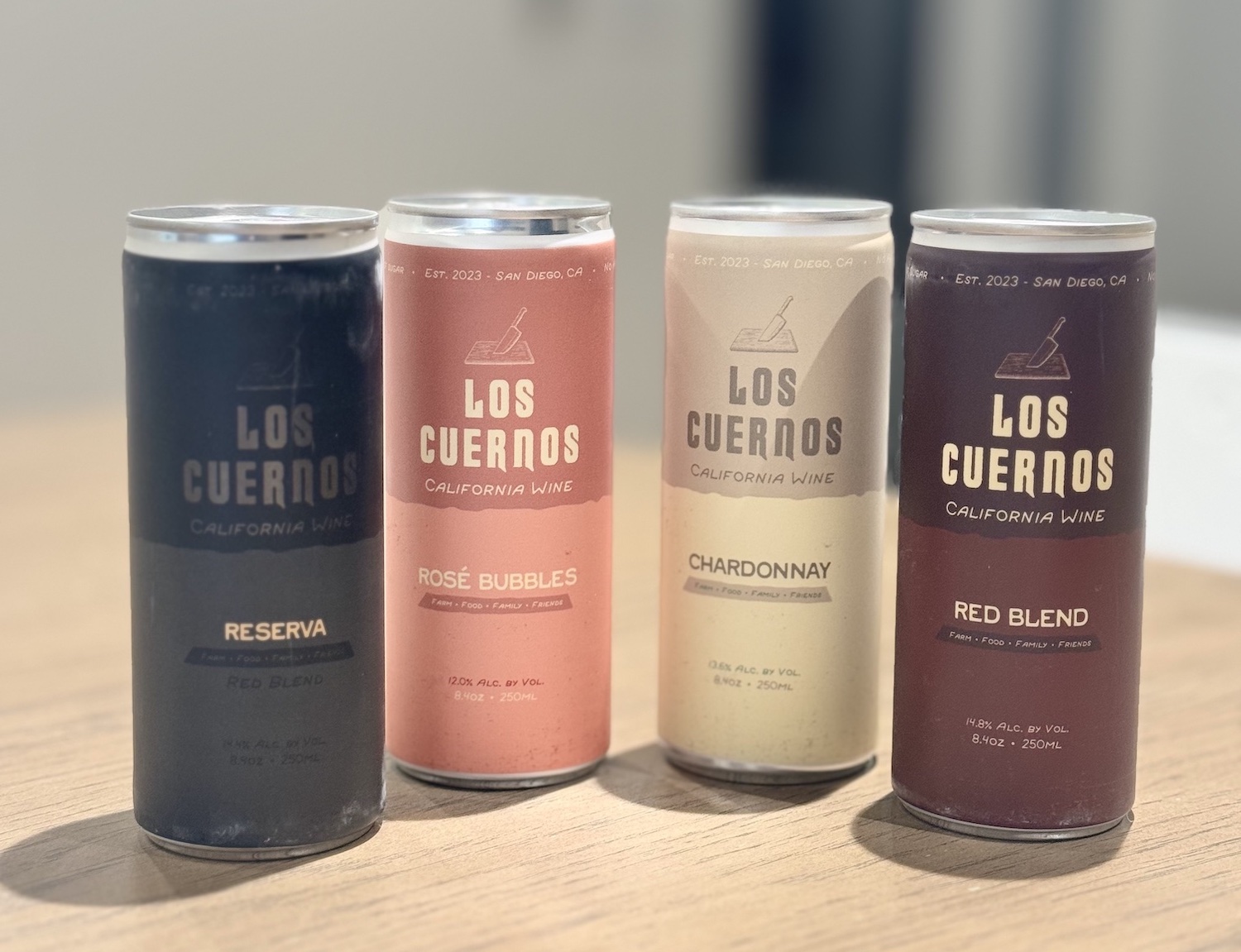
Reserva
Los Cuernos Wine
Some days, I just want one glass of wine—not an entire bottle that I’ll never finish. But single-pour wines are rarely ever tasty. I recently stumbled across Los Cuernos, a local canned winemaker whose four offerings (a chardonnay, a bubbly rose, a red blend, and another mix of reds dubbed “Reserva”) are actually good. The latter—made with petite sirah, cabernet sauvignon, and alicante bouchet—is my current go-to after work. No bottles required. —NM
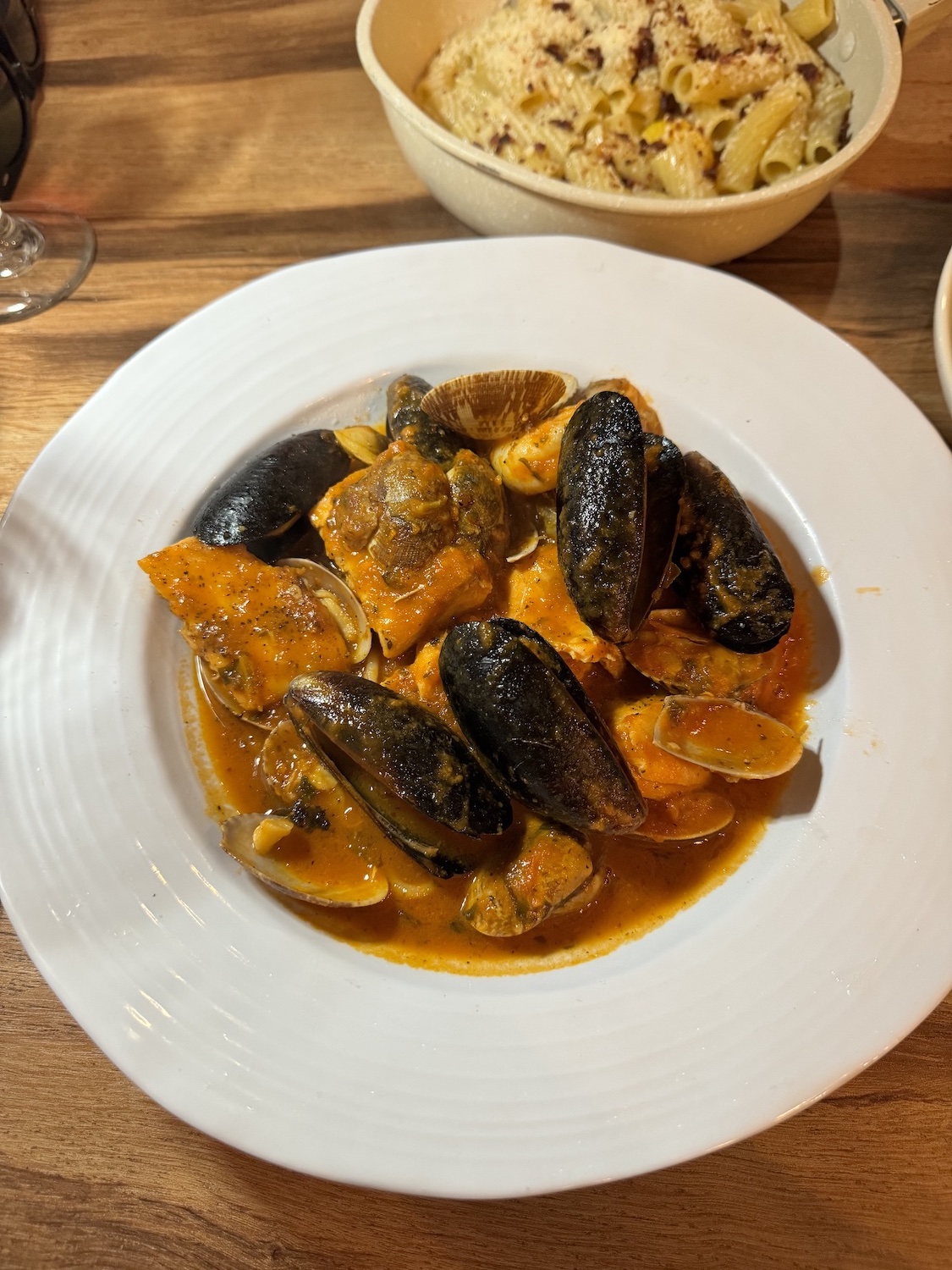
Cioppino Liguria
Osteria Cotto E Mangiato
Though it’s been open only eight months, Osteria Cotto e Mangiato in Cortez Hill feels like an old-school Italian establishment from the moment you walk in. Everyone seems to speak Italian, including owner and Sicilian Andrea Provino, adding to its allure. Try the coppino: shrimp, clams, mussels, and a tomato sauce served over pasta. There’s also a tableside cheese wheel pasta that you should probably order as a shared app. —NM
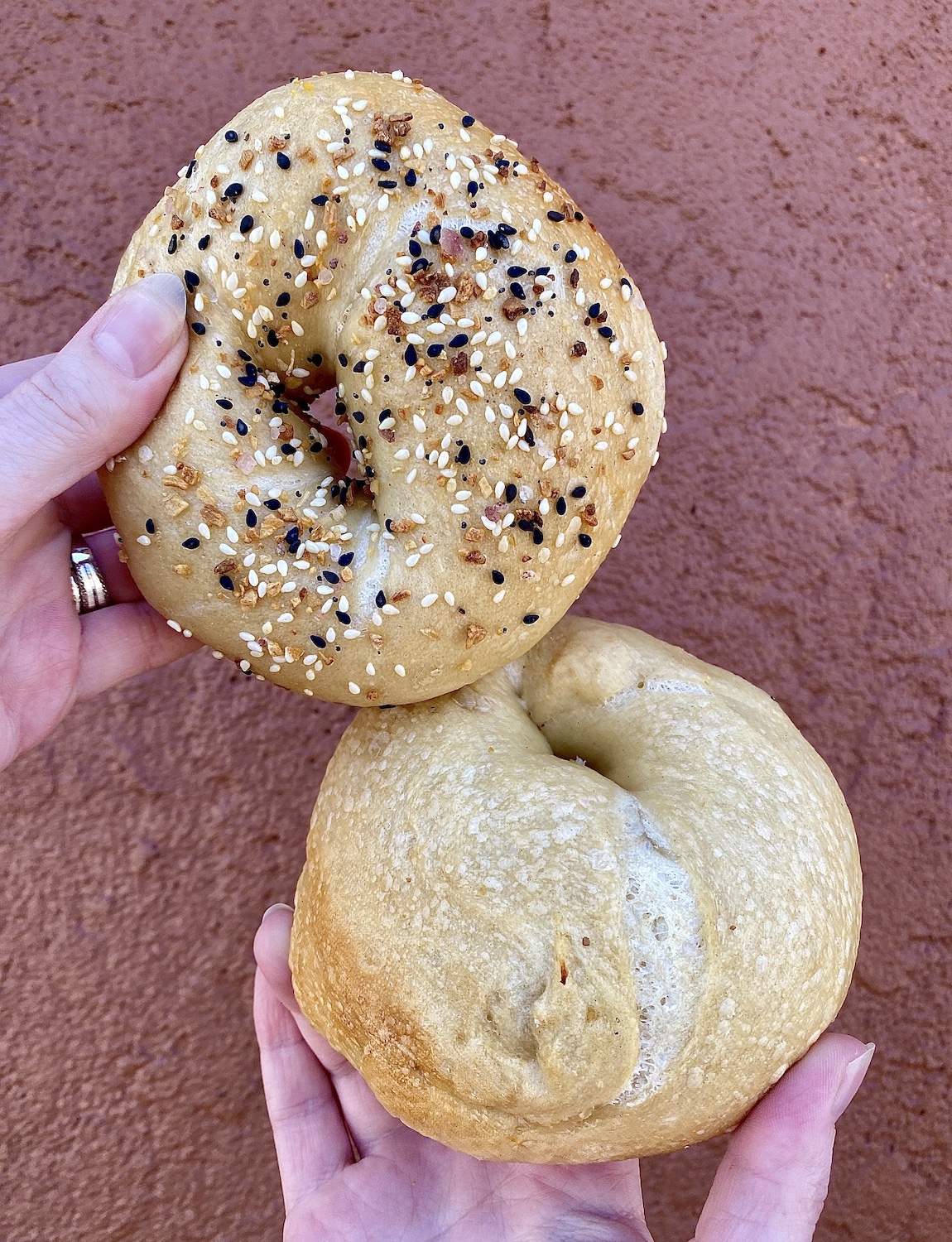
The bagel deities have smiled on OB. At this Sunday morning popup, it’s all or nothing (plain or everything flavors). The bagels are made and sold with love out of a small bungalow kitchen on Niagara Avenue. Hand-rolled, cold-proofed for 36 hours, boiled, then baked on cedar boards, Desperado’s breakfast treats are fat, fluffy, crispy, chewy works of dough art. Pro tip: BYOCC (cream cheese) and eat your goodies still warm while sitting on the curb. —MH
Tuscan Chicken Panini
Sunny Side Kitchen
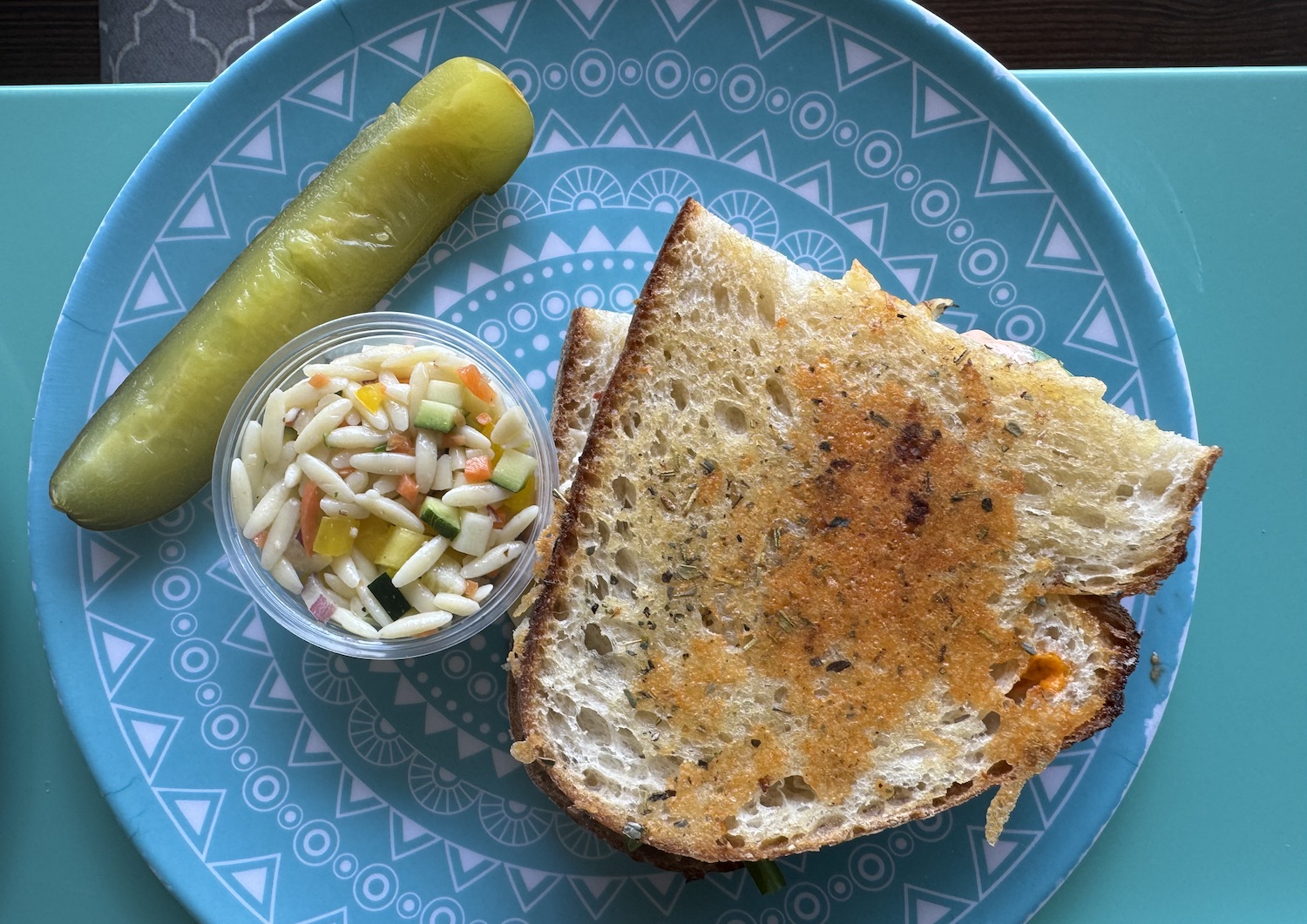
If you don’t love this Escondido icon, hold a funeral for your heart. Kathy and Bob Carpenter made cookies; people liked ’em (the lemon ones are gold). They opened this tiny, friendly-as-hell panini shop a decade ago. Get the Tuscan chicken panini: rosemary-citrus roasted chicken, shredded (a lost art, so you don’t have to gnaw through a whole bird); sun-dried tomatoes; fresh spinach; roasted tomato aioli; and three cheeses (havarti, muenster, parm) on pressed and browned sourdough. —TJ
Thompson Heritage Chicken Liver Pate
Cellar Hand
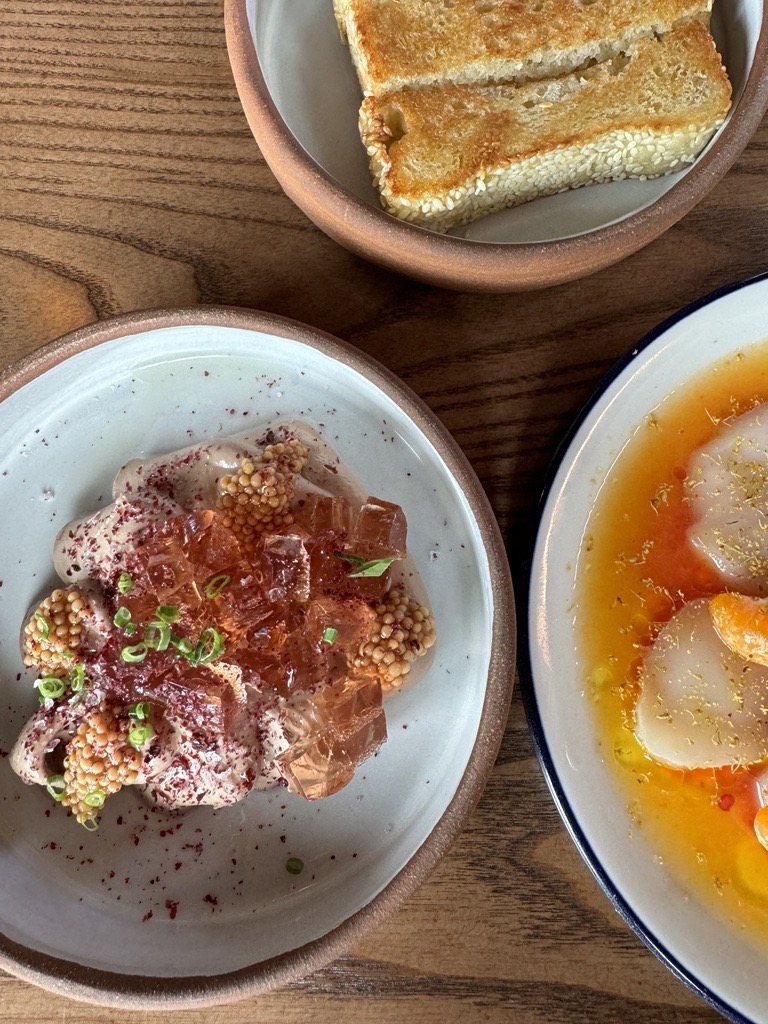
There are moments in life when one’s opinion on a certain food is changed forever—the first time you eat a perfectly ripe tomato off the vine, bite into an apricot moments after it’s plucked from the branch, or are presented with pâté topped with… Jell-O shots made from orange wine? It makes no sense in the brain, but perfect sense in the mouth. Get thee to Hillcrest. —BD
Ube Cheesecake
Muse Cheesecake
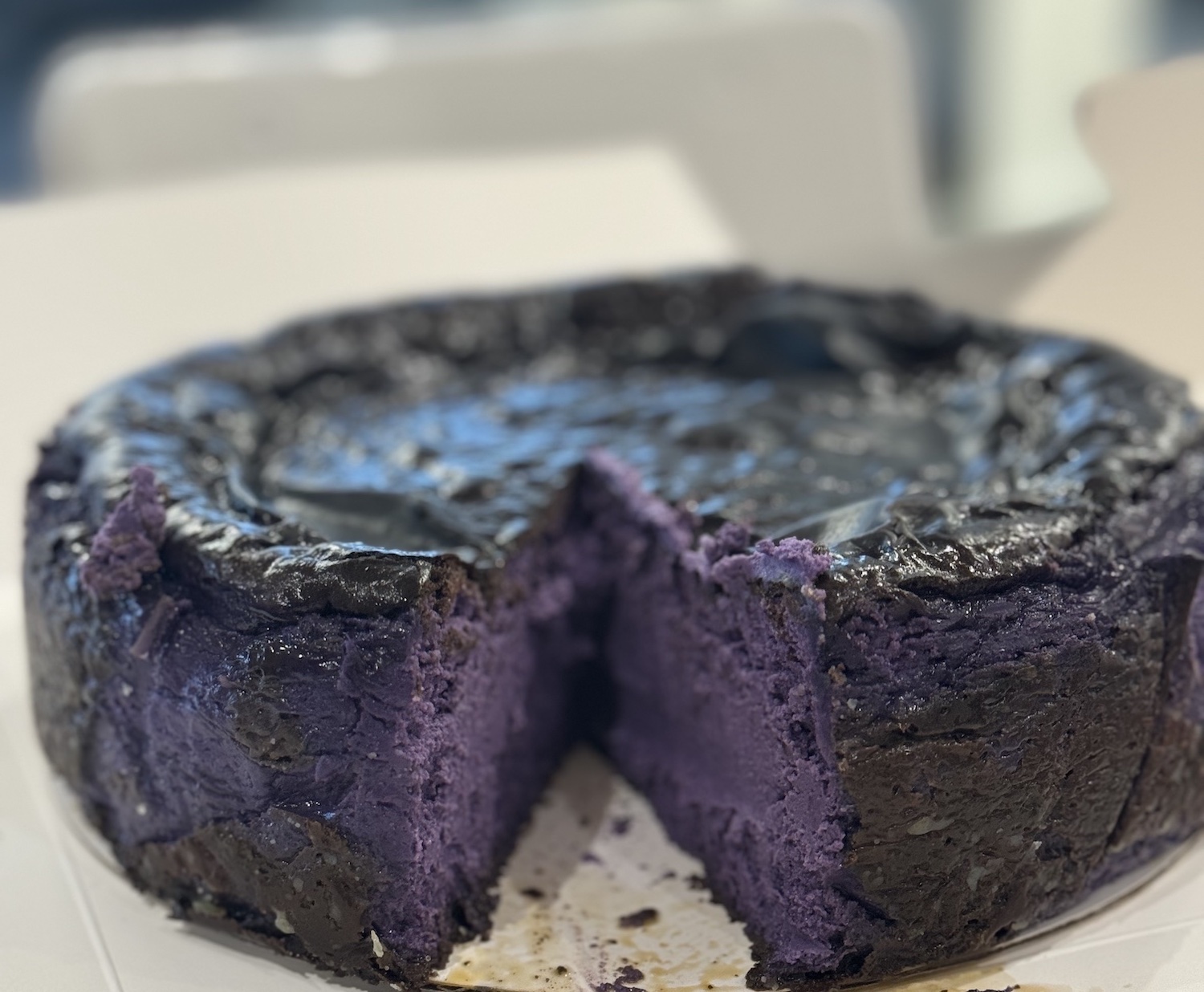
Burnt Basque cheesecakes—creamy, thick, OMG good. Local bakers Muse Cheesecakes make this Spanish treat in seven flavors, several of which are gluten-free. The ube is just-the-right-amount-of-sweet, melt-in-your-mouth deliciousness. Currently orders can only be made via the company’s Instagram page, with delivery upon request. Next up: the almond white chocolate cheesecake. —NM
Grilled Octopus
Top Of The Market
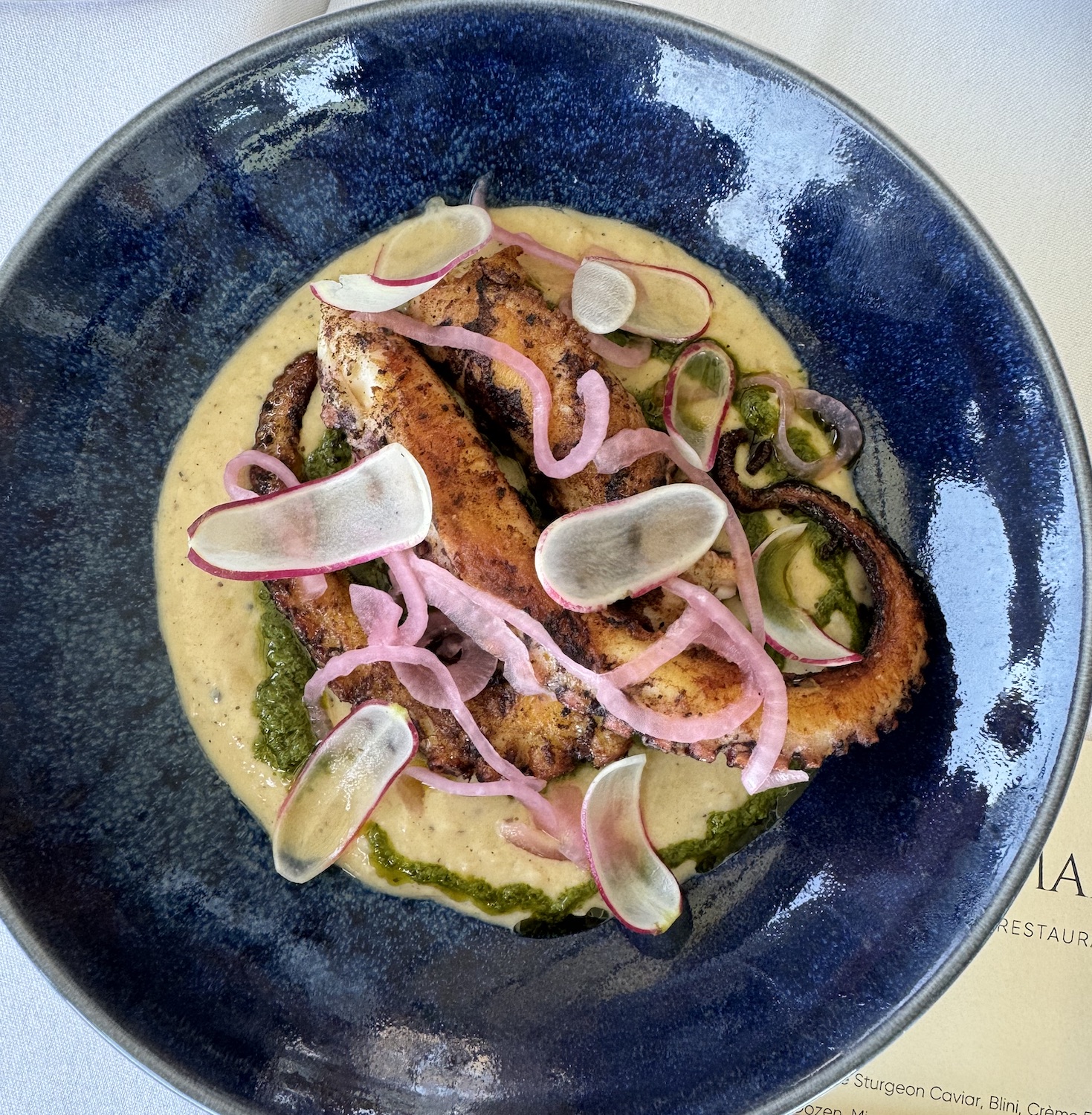
l’ve been revisiting iconic rooms and finding the best tables. The city’s “wow” perches. At Top of the Market, it’s the northwest corner, where you’re eating over the San Diego Bay, staring at the incredibly massive belly of the USS Midway. Order this octopus, rubbed with ras al hanout and laid in a bed of housemade hummus and cilantro pistou. (Locals’ tip: Do it on a Tuesday, when they offer 30 different bottles of wine for $30.) —TJ
Kampachi Crudo
Animalón
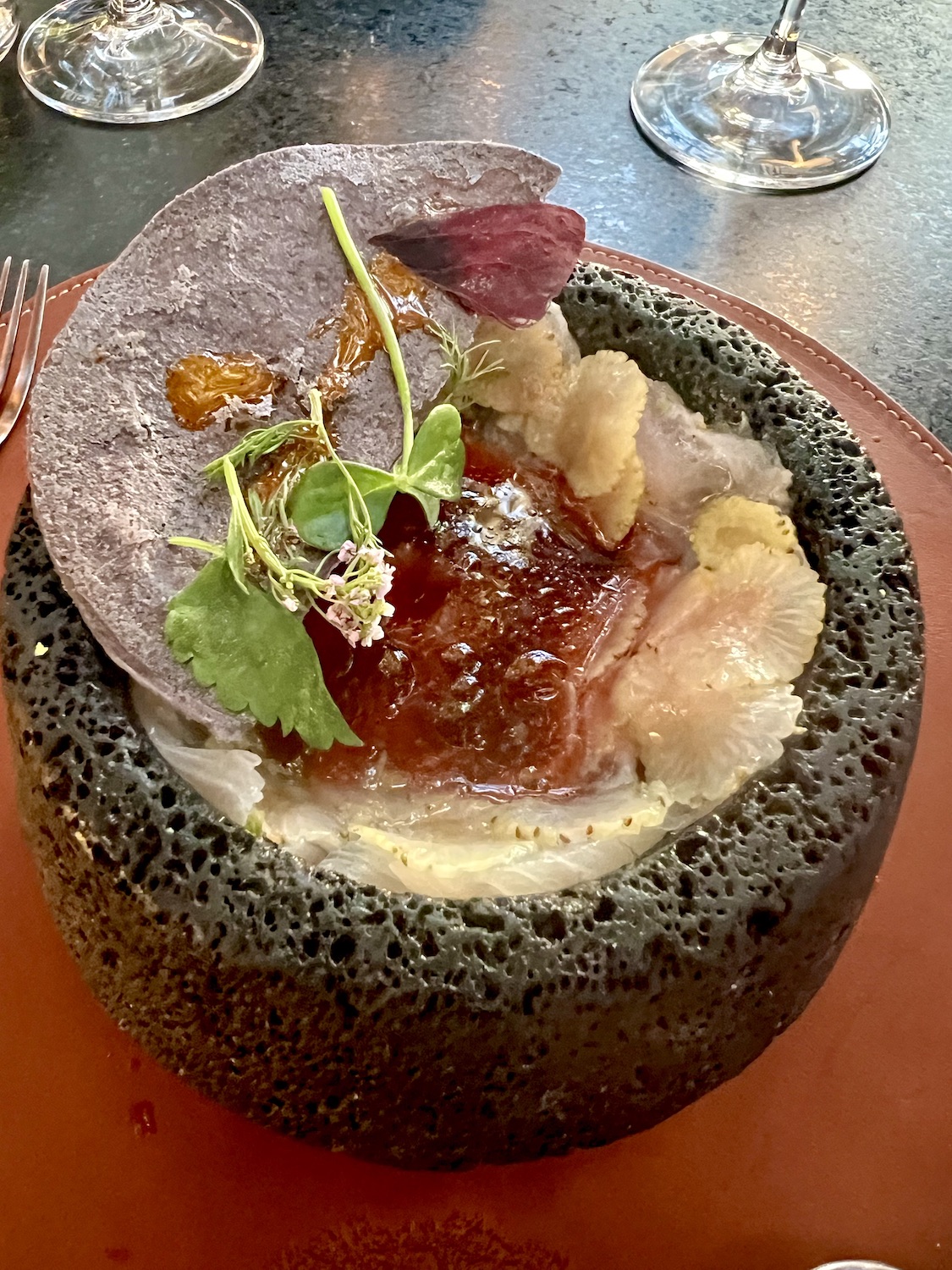
Thad the pleasure of tasting chef Oscar Torres’ new menu at Valle de Guadalupe’s Animalón, and what a delight it was seeing truly seasonal ingredients, like strawberries, used creatively. Sure, there were strawberry desserts and cocktails, which is to be expected, but a kampachi crudo drenched in strawberry aguachile? With green strawberries for astringency, a blue corn tostada, and salsa macha to boot? It’s a tastebud-popping revelation that validates the restaurant’s recent award of its first Michelin star. —JB
Mushroom Flan
Ciccia Osteria
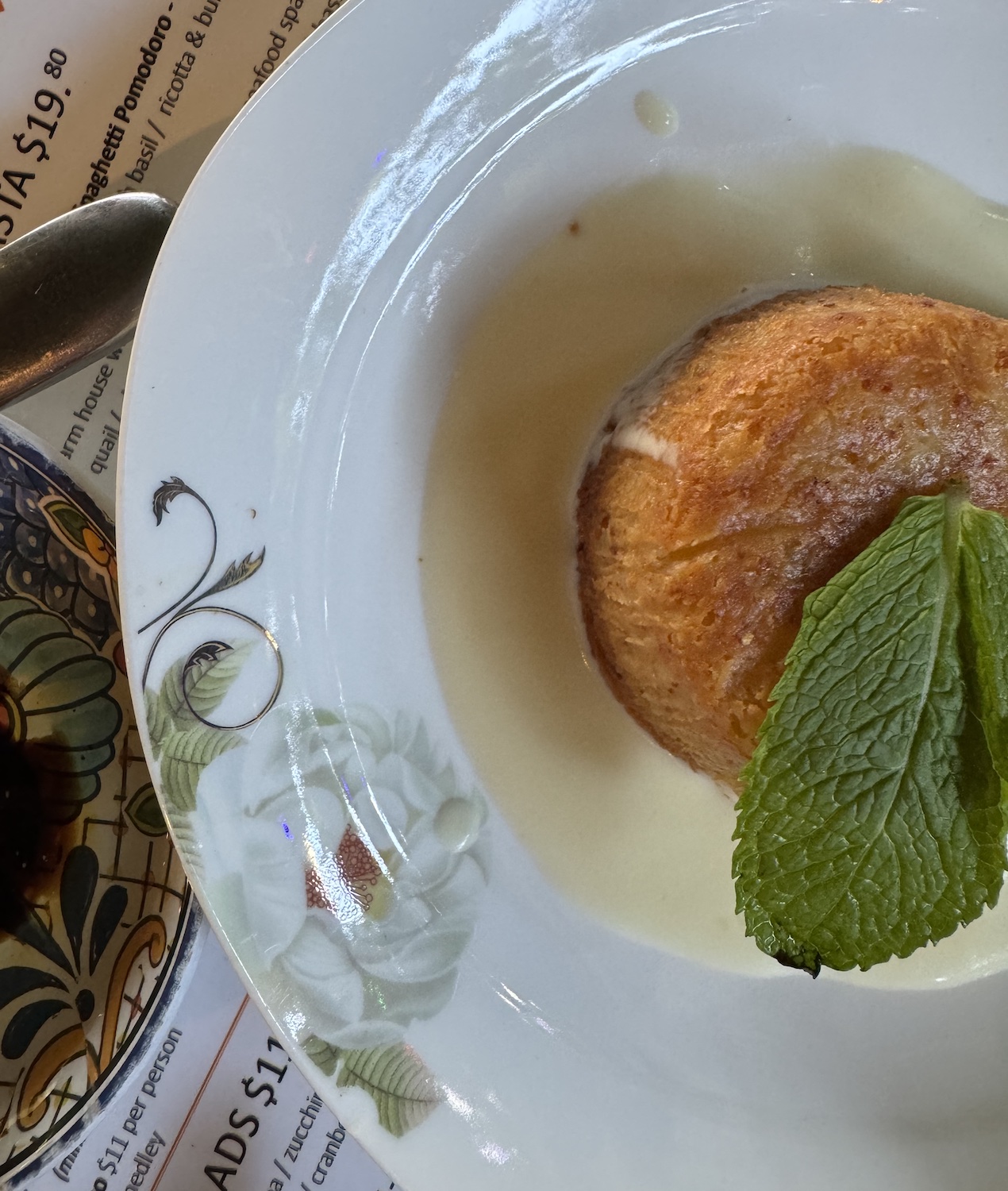
Eat this and thank and/or apologize to chosen gods. This is sin incarnate. Six people can eat this petite thing because it’s so rich, two bites is enough. Chef-owner Mario Cassineri soaks porcini mushrooms in milk for 24 hours to make a mornay sauce, then gives them a pecorino-butter crust, bakes ’em to order, and lays them in a gorgonzola cheese fonduta with a single mint leaf. A revelation in the dairy arts. —TJ
Chocolate Chip Cookie with Walnuts
Pop Pie Co.
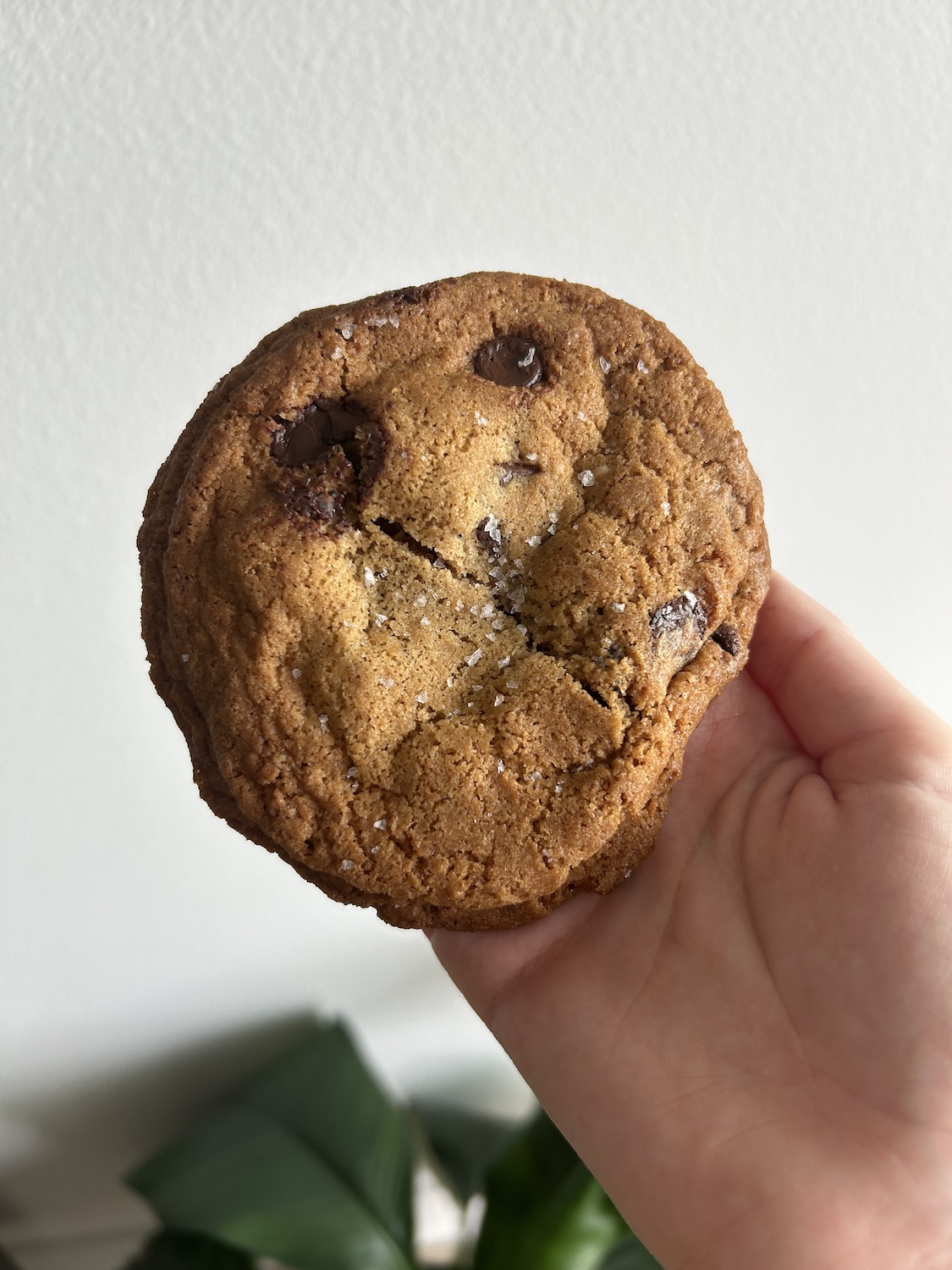
Make no mistake: The pies, both sweet and savory, rock. The sleeper hit, though, is the CCC. If Pop Pie‘s flaky, melty crusts are a testament to the power of butter, this cookie is the brown butter gospel, crowned in flaky salt. Nuts in desserts may be controversial, but the enlightened among us will appreciate how their toasty earthiness plays off the sweet choc chips. —AR
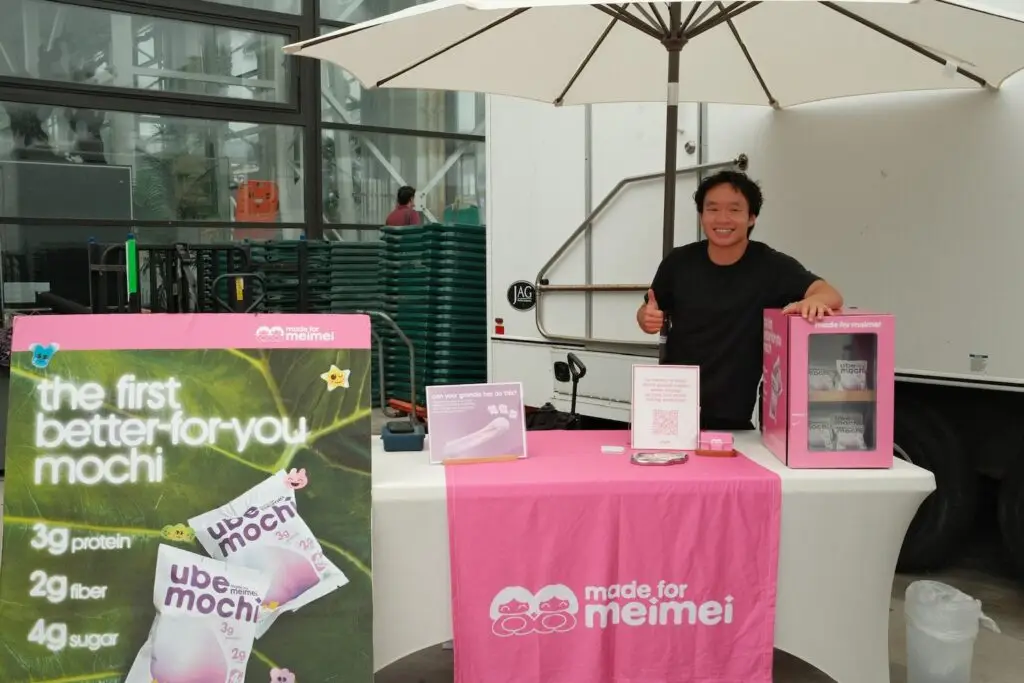
As a kid, Jacob Chen scrounged up whatever odd jobs he could—running lemonade stands, organizing garage sales, reselling appliances on Facebook Marketplace. But there was something about cooking that kept him coming back to the kitchen. “It started as a way for me to spend time with my mom,” he says. “In a way, I think it was inevitable that I would begin a food-based business.”
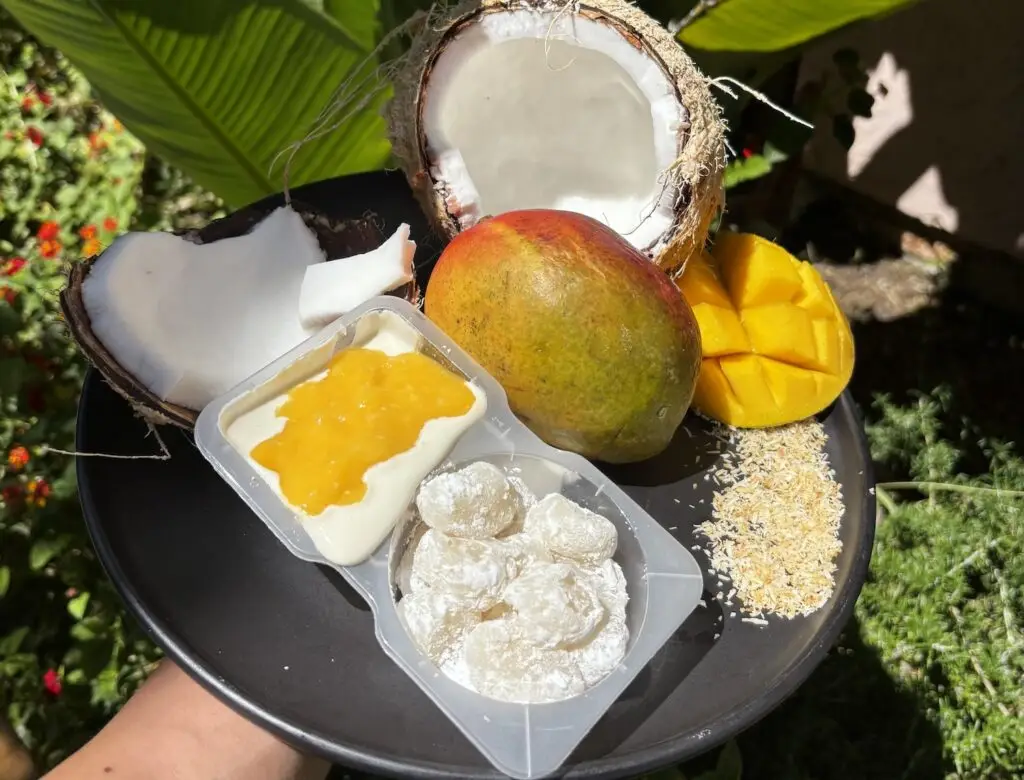
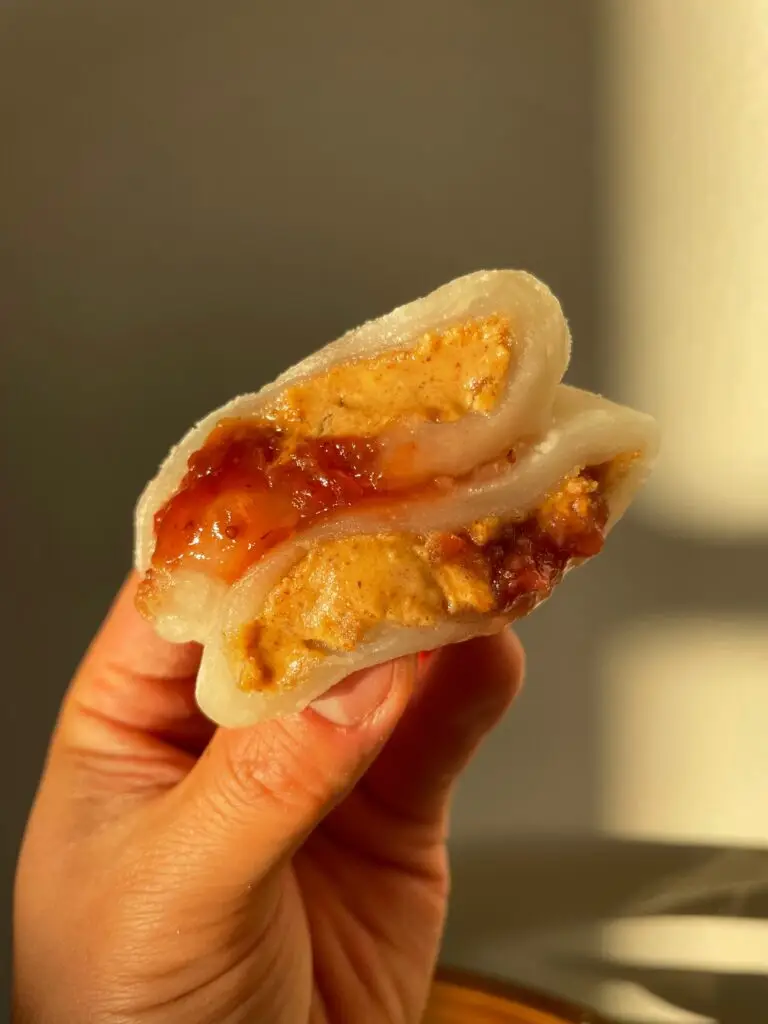
That business ended up being Made for MeiMei, a line of low-sugar, high protein and fiber mochi flavors like ube, matcha, red bean, black sesame, peanut butter and jelly, and chocolate hazelnut. “‘Mochi’ is derived from ‘mochigome,’ which is the special type of short grain rice that gives mochi its stretchy, chewy texture,” he explains. Traditionally served in Japan as a dessert to celebrate the new year (similar to bibingka in the Philippines and nian gao in China), American-style mochi tends to taste sweeter and often comes as mochi ice cream. However, Chen points out that wasn’t always the case.
Courtesy of Made for MeiMei
“Before mochi was synonymous with ice cream and refined sugar, it was simply a rice based snack filled with whole food ingredients,” he says. “That’s the version of mochi we’re trying to bring back.”
Made for MeiMei’s primary ingredients are rice flour and coconut milk, plus the featured ingredient for each flavor. But rather than using refined sugar, Chen sweetens his mochi with monk fruit and uses organic pumpkin seed protein and chicory root fiber to create what he calls “the first better-for-you mochi.”
Recent collaborations include a mochi-wrapped gelato with An’s Dry Cleaning, strawberry daifuku cream puff with Mon Chourie, and a funfetti chantilly cream dip mochi with The Clovery, but Chen has his sights set on retail expansion. Currently, Made for MeiMei products are available online, locally at Easy Does It Cafe, Bodega Market, or at upcoming events like Embolden Beer Company’s Taste of Shogun on September 27 (admission is free!) and a pop-up with Organic Oren on October 5.
Courtesy of Made for MeiMei
Besides being better for you nutritionally, Chen’s goal for the business is to also be better for the world. He’s worked in rehabilitation clinics and volunteered at San Quentin when he lived in Berkeley—experiences that transformed his worldview. “It really doesn’t take much to be on the other side of the fence,” he says. That’s why he donates portions of proceeds to organizations like Second Chance San Diego (which helps formerly incarcerated people find steady employment), Immigrant Defenders Law Center (a nonprofit deportation defense law firm), and Border Angels, an advocacy group working to reduce fatalities of people crossing the United States and Mexico border.
Chen has his sights aimed high, hoping to bring Made for MeiMei to more local grocery stores and cafes before hitting national retail shelves. Will he stop at mochi? Maybe not.
“There are so many childhood treats that could use an ingredient upgrade,” he says. “Mochi is just the beginning!”
Courtesy of Roppongi Restaurant & Lounge
San Diego Restaurant News & Events
Leave It Up To The Chefs at Roppongi
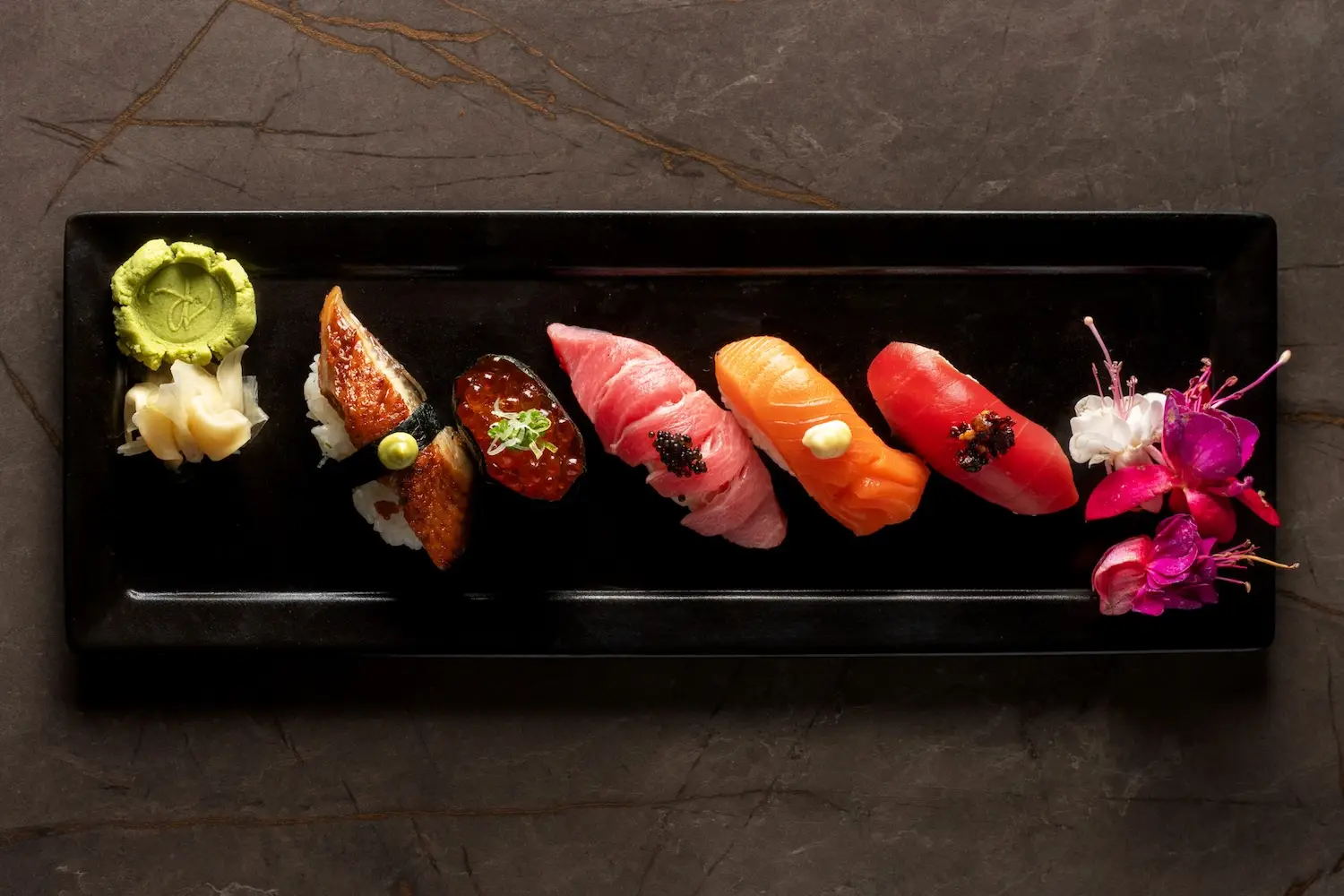
There’s no such thing as too much omakase, and we’re leaning in. On September 24, chef Davin Waite (The Plot, Wrench & Rodent) will join chef Mark Correa at Roppongi Restaurant & Lounge for a one-night-only, eight-course omakase experience with an optional (but personally recommended) beverage pairing curated by sommelier Humberto Ramirez. You definitely need to snap up a reservation for this one before they’re gone—and with a dream team like this, they will be gone.
Courtesy of Swells Sourdough Bakery
Beth’s Bites
Another weekend, another food festival—not that I’m complaining! On October 3, the 15th annual Taste of North Park hits the streets with over 50 tastings and 15 beverage stops awaiting your arrival. The event sells out every year (for real), thanks to participants like the newly opened One of Us, Falafel Heights, Finca, and many, many more. (Leave the parking stress at home—this is the ideal time to take advantage of the not-utilized-enough North Park parking garage.)
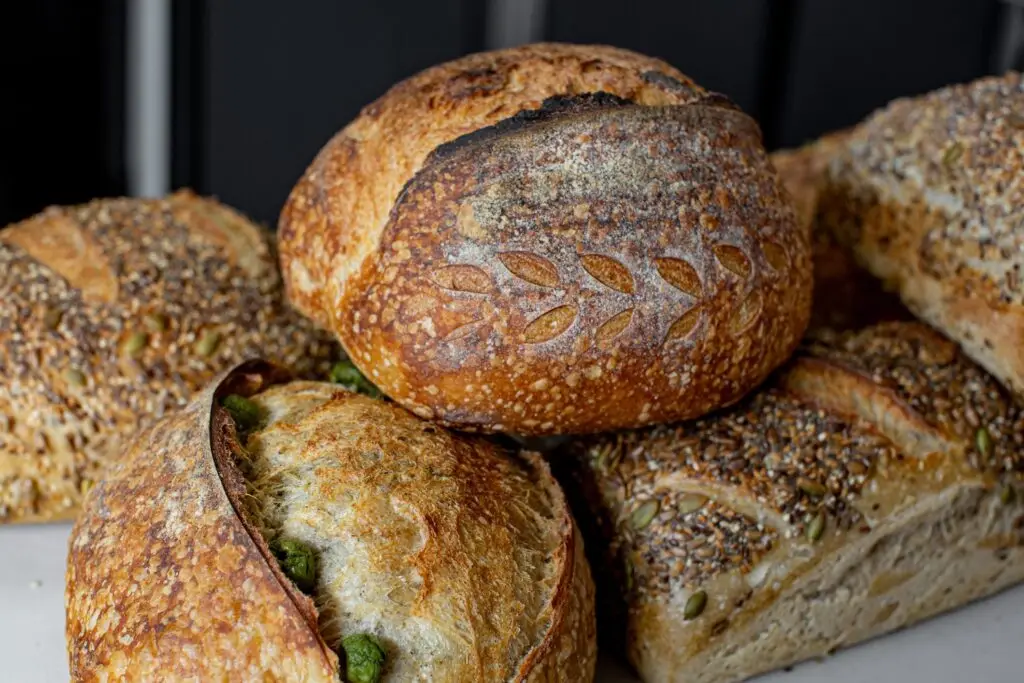
Swells Sourdough Bakery is movin’ on up—to Little Italy, that is. The farmers market favorite officially opens at 2254 India Street on October 1, but eager patrons can stop by during the soft opening starting September 26. Swimsuit season is over, people. It’s time to get our bagel on.
Longtime Point Loma watering hole Paradise Lounge & Grill is closing its doors, but only temporarily. I’m keeping an eye out for an official opening date, but the business has posted they hope by the end of September. Hopefully, it’ll be in time for the Padres to make the playoffs—manifestation!
Listen Now: The Latest in San Diego’s Food and Drink Scene
Have breaking news, exciting scoops, or great stories about new San Diego restaurants or the city’s food scene? Send your pitches to [email protected].
Beth Demmon is an award-winning writer and podcaster whose work regularly appears in national outlets and San Diego Magazine. Her first book, The Beer Lover's Guide to Cider, is now available. Find out more on bethdemmon.com.
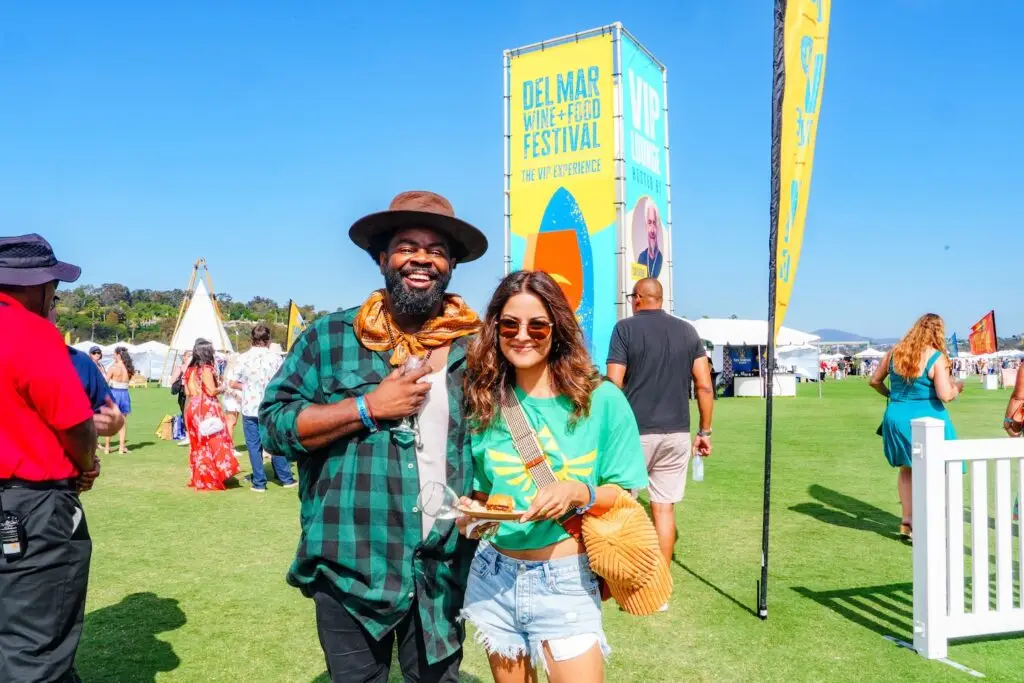
At Del Mar Wine & Food Festival’s Grand Tasting, the walk between food tents can take a while. You might stop to watch a chef competition, get pulled toward the DJ, or find yourself playing mini golf before you remember which bite you were after.
Across the Del Mar Polo Fields, there’s also line dancing, a 1961 red Beetle ready for photos, and an aviation-themed pop-up with Reno Tahoe chefs and mixologists. Need a slower stretch? Check out the wellness stops or browse the shops. Here’s what to look for as you make your way through the festival’s zones:
Courtesy of Del Mar Wine & Food Festival
VIP First Bites & First Sips
VIP ticket holders get a head start, with the VIP Reception running from 11:15 a.m. to 1 p.m. and serving first bites, first sips, and a few surprises before the Grand Tasting officially gets going. Champagne Telmont will make the festival’s first pour, while Cohn Restaurant Group brings carajillos alongside pours from Karl Strauss, Licor 43, Tap Truck San Diego, Bebemos Tequila, and Devil’s Grin Gin.
The bites are just as good. Celebrity chef Beau MacMillan will serve a first bite, while Warung RieRie is bringing one of its highly coveted dishes. Yes, this is the restaurant that currently has an eight-month waitlist. You’ll also find bites from The Shellfish Affair, The Waverly, Wolf in the Woods, Dora Ristorante, Cori Pastificio Trattoria, An’s Gelato, Pacific 333, Vintana, and more.
And because every good first act needs a soundtrack, there will be live painting and music, with Courtney Govan bringing live jazz to the reception. It’s the perfect opening act before the main event.
Live Cooking & Culinary Moments
During the VIP Reception, chefs Tommy Gomes and Jeff Roberto will conduct a live ahi cutting. Plant Paradise brings another culinary angle, with celebrity chef Zuliya Khawaja joining the plant-based lineup. The area combines chef talent with plant-forward restaurants and brands, giving guests a chance to see just how creative plant-based cooking can get.
Throughout the weekend, The Stage keeps the cooking demonstrations coming, with celebrities and chefs sharing techniques, recipes, and plenty of inspiration for anyone who plans to actually cook something when they get home. Before you know it, you’re watching a chef demo, casting your awards vote, and sipping mezcal on the grass with friends you just met in line.
Courtesy of Del Mar Wine & Food Festival
DJs, Music, & The Party
At the Grand Tasting, dancing just sort of… happens. A DJ drops the right song. Someone’s holding a taco in one hand and a glass of wine in the other. The country zone breaks into a two-step. Friends convince friends. Strangers become temporary dance partners. By the end of the day, everyone’s forgotten they were ever worried about looking cool.
DJ TENAX will be spinning in Plant Paradise, bringing house, techno, and UKG to an open-air dance floor that’s hard to leave. Chris Cantore, a veteran San Diego broadcaster, takes over the VIP Tent, while BootScootin Line Dance and PVO Events bring country-style line dancing to the Polo Fields, so you can work off your tasting itinerary one two-step at a time.
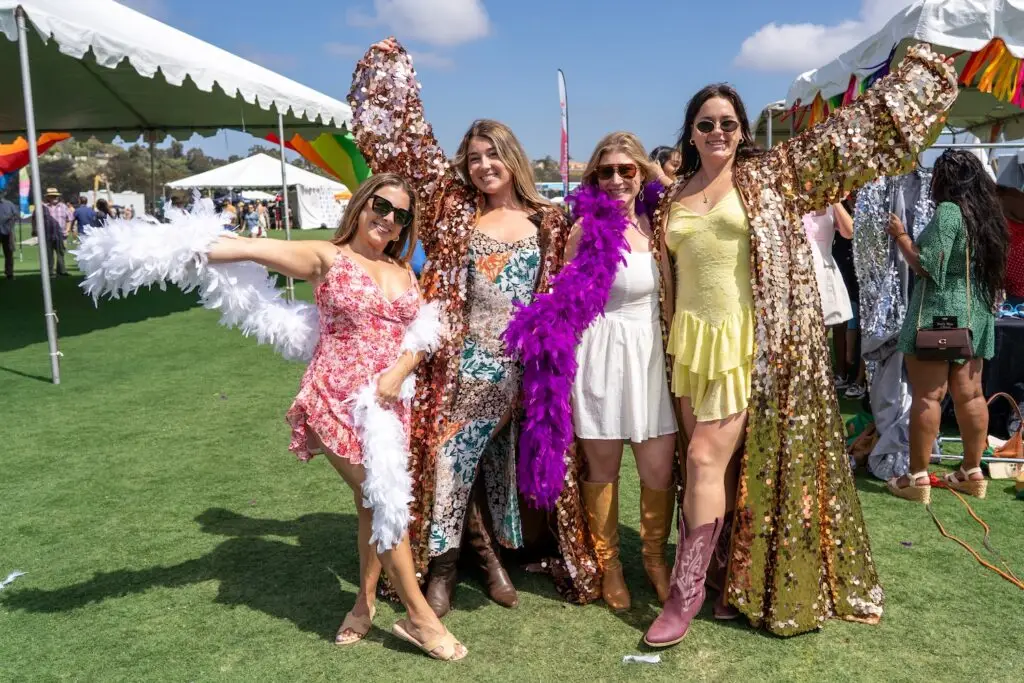
Then a live guitar hum in the distance leads you to a fuchsia boa over at the Pride Zone, where you’ll find yourself covered in sequins and having the lawn party of a lifetime.
Sports, Tailgates, & Games
Not every activity at the festival requires a tasting glass (although it’s certainly encouraged).
The Matchday Experience brings San Diego FC and San Diego Wave FC into the Grand Tasting, complete with interactive tents and plenty of game-day energy. Athletic Brewing is also sharing activation space with San Diego Wave FC, bringing a fun nonalcoholic option into the mix.
For golf fans, the Los Angeles Golf Club is bringing a Dryve Box golf simulator to the festival. And if your competitive streak is less fairway and more miniature windmill, SD Pop Up Mini Golf has you covered.
The Beach Zone gets in on the action, too, with surfing-inspired elements and Playavole paddle courts. Hemlock Hats and other California brands add to the coastal atmosphere, but the real draw is having somewhere to actually play. And don’t worry, you can cool down in COOLA’s turquoise beach chairs, too, and when your bestie suggests reapplying sunscreen, obviously you do. Basically, there are plenty of ways to work up an appetite between tastings.
Courtesy of Del Mar Wine & Food Festival
Photo Ops & Instagram Moments
You’re going to want to take photos, and the festival has made that extremely easy.
A Timeless Day is bringing multiple photo moments to the Grand Tasting, including a 1961 red Beetle at The Italian Getaway and a teal VW bus in The Beach Zone. For something a little more polished than the standard group selfie, head to the Locals Zone for Pixster Photo Booth and San Diego’s version of a Glam-Bot, complete with a grass red carpet.
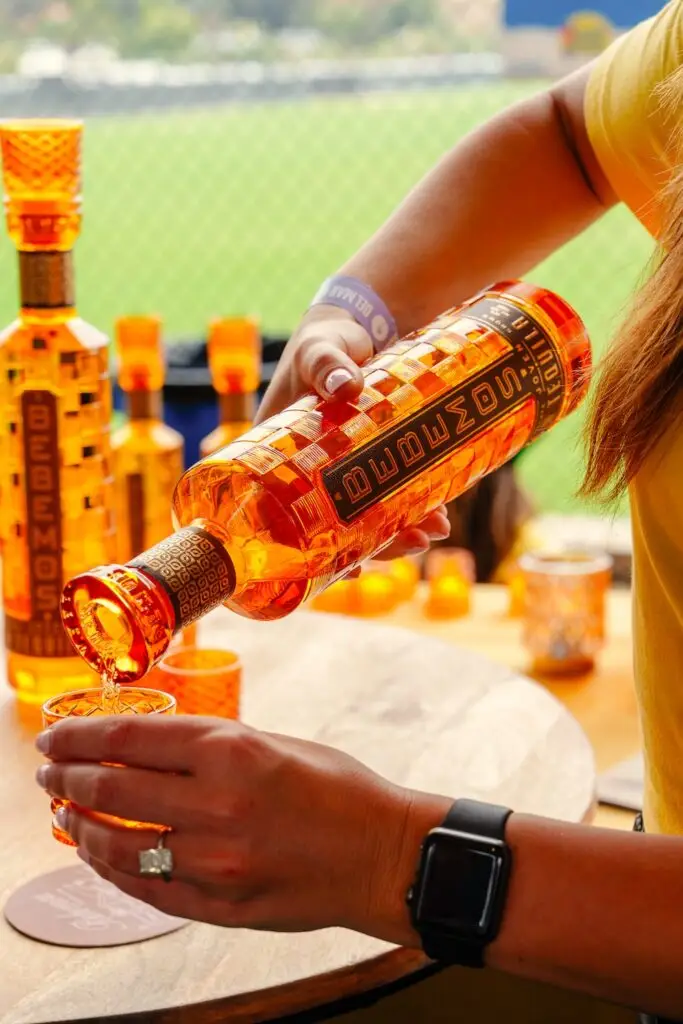
Bebemos Tequila is also bringing back its festival-favorite hidden speakeasy. If there’s ever a time for a photo, it’s here. Otherwise, people might not believe you. The speakeasy serves bone marrow shots straight from the bone, with candlelight, a lounge area that makes it hard to believe you’re in a tent outside, and little orange shot glasses. This is “first slide of your festival photo dump” material.
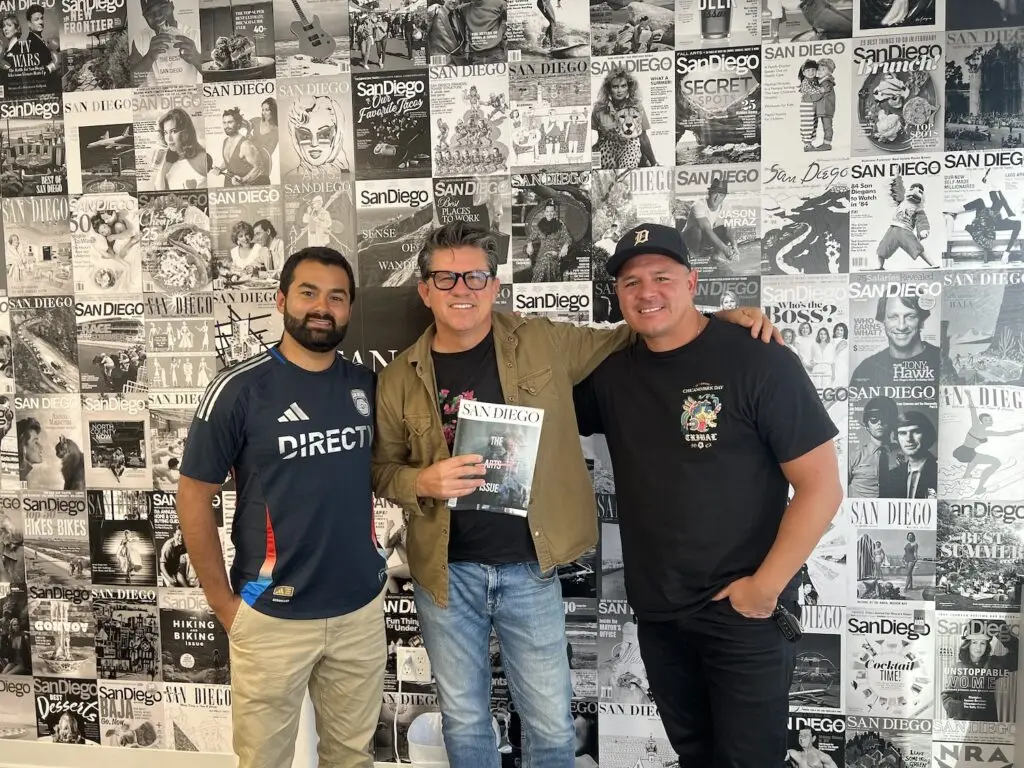
You can also grab your squad and head to LaCroix’s bright and ridiculously cute setup, or swing by San Diego Magazine’s area, where you might stop for a photo in front of the larger-than-life SD Magazine sign and find yourself watching a painting come to life.
But really, you’re in Del Mar. The ocean is essentially your backdrop, and every zone gives you an excuse to stop for the obligatory “totally candid” photo. And yes, the best strategy is to get the group shot before everyone has been sampling wine for three hours.
Shop, Browse, & Take Something Home
The Grand Tasting also doubles as a little shopping excursion, with local makers, fashion, vintage finds, jewelry, and lifestyle brands scattered throughout the grounds. Smoke Revival Vintage Vault brings the thrill of vintage treasure hunting, while Nortte Hats and Hemlock Hat Company make a pretty good case for leaving with a new accessory.
Keep an eye out for jewelry and creative vendors, too, including Iris Studio Jewelry and New Nightfall Jewelry, plus local artists and makers featured throughout the festival.
You can come for an all day food and wine festival, but still leave with something shiny you definitely did not plan to buy.
Wellness & Reset Moments
We know, at some point, even the most dedicated grazer has to come up for air. The Novo Dia Wellness Zone is designed for exactly that, bringing together mocktails, coffee, hydration, wellness brands, and even bites from Parakeet Cafe.
Step away from the food and drink frenzy for a few minutes, relax in the shade, try some skincare, stretch with prAna, and maybe grab some Instant Hydration Electrolytes before round three.
There’s also nothing wrong with stopping to smell the roses at Green Air Botanicals while devouring a dairy-free cheese dip. It’s less about disappearing from the party and more about making sure you have enough energy to keep going.
The zones give you somewhere to wander, and the activities give you a reason to keep going. So grab your tasting glass, check the schedule, and leave a little room in your afternoon for something you didn’t plan on doing. At Del Mar Wine & Food, that’s usually where things get interesting.
Isabella Dallas is a freelance writer for San Diego Magazine and the Arts and Culture Editor at The Daily Aztec in her final year at San Diego State University. She previously worked as an editorial intern for SDM, but when she’s not writing, you can find her trying the best coffee spots in SD, devouring the latest rom-coms, and indulging in anything and everything pop culture.
Around the world, people prize wine from hyper-specific regions. We know that grinding whole coffee beans results in a richer cup than using preground beans. So why do so many of us rely on preground spices to flavor our food?
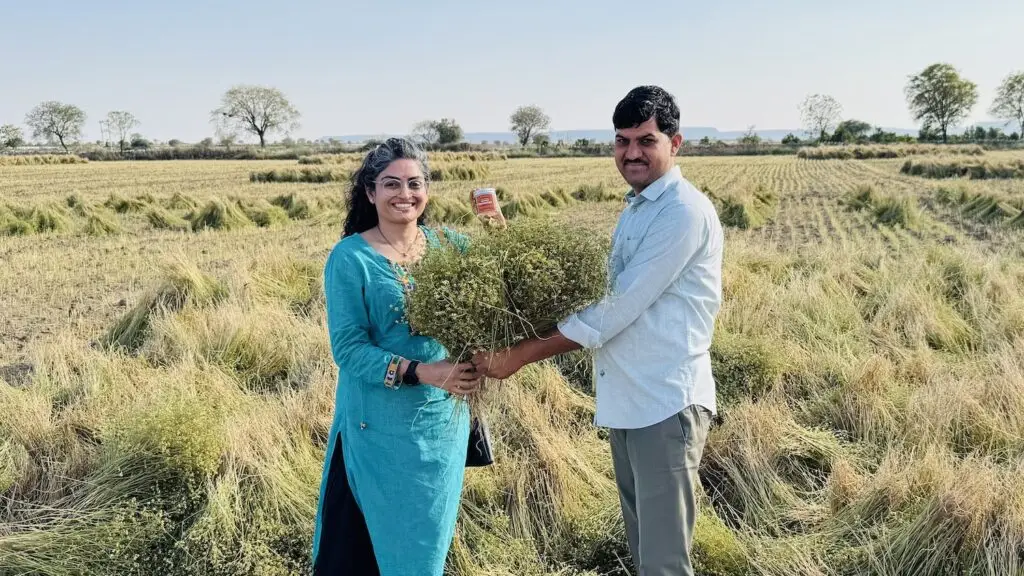
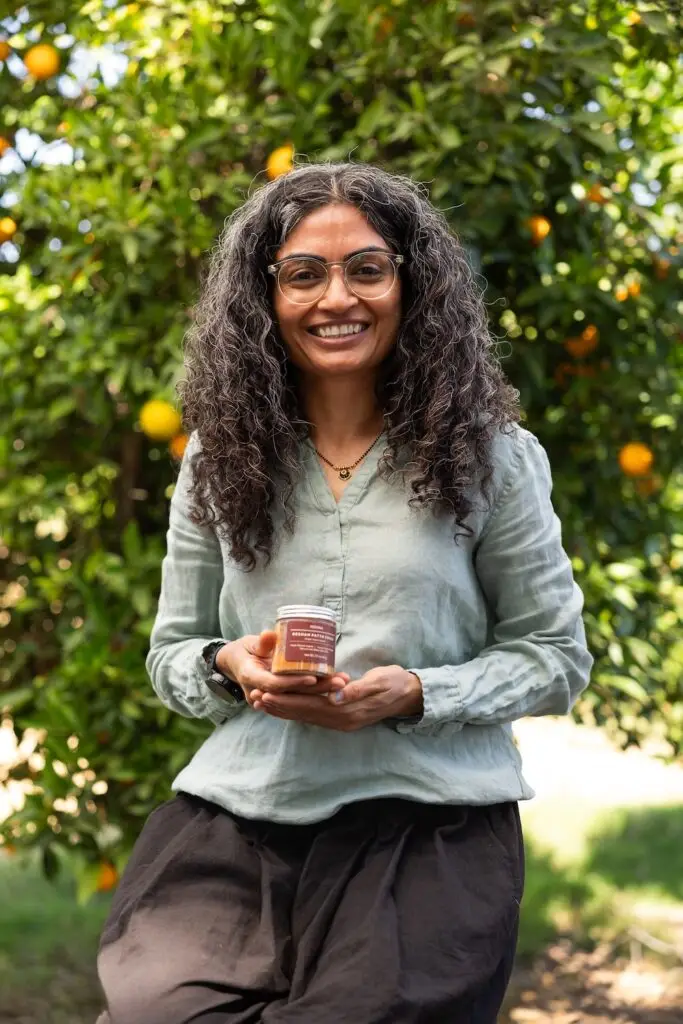
Dharti Jadav wants us to change that perception of spices, using her own childhood memories from growing up in Ahmedabad, a city in western India in the state of Gujarat. She’s lived in the United States for 20 years, but never had to settle for substandard, stale spices from an old spice rack in a random grocery store. Her mother, who visited every year, would always bring along as many spices from India as she would need until the next year.
Courtesy of Koshna
That changed with the pandemic. “I’m used to a certain freshness level in the spice,” she explains. When the world went into lockdown, she resigned herself to shopping at a large grocer to refill her shelves.
It didn’t go well.
The cumin tasted like cardboard—nothing like the piquant, aromatic herb her grandfather grew in India. “It literally felt like somebody was taking away my memories,” she says. She couldn’t let that happen. So she decided to launch Koshna to present spices in a way that actually showcases their depth.
Sharing a variety of fresh spices for people to fully experience their vibrancy is one thing. But Jadav’s business plan ensures all Koshna products are also sourced individually from small-scale farmers in India, who harvest and deliver the same year to ensure full potency. For comparison, mass-market spice brands can take two years or more to hit shelves, and every day in storage diminishes its vitality and flavor.
Plus, most spices aren’t just one flavor from one place, she explains. “There are varieties of specific turmeric that have their own nuances and grow in a specific region,” she says. But if you look at 99.9 percent of turmeric bottles on mass market shelves, the label will just say “turmeric.” We don’t simplify wines into just “white” or “red.” So why don’t spices, the commodity that literally launched global trade routes we still use today, get the same specificity, in stores or in restaurants?
Courtesy of Koshna
“All these restaurants, they’re all about farm-to-table,” says Jadav. The menu often says where the local lettuce was grown or where the fish was caught. “I have yet to find a restaurant that says ‘my spice comes from this farm.’” Most people don’t even know where black pepper originated from. (Hint: it’s also from India.)
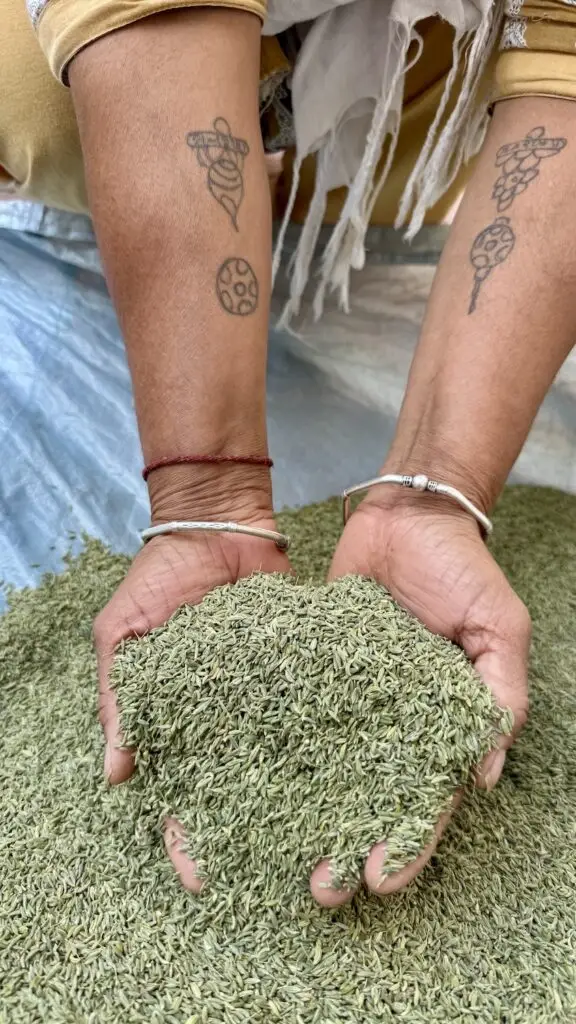
Jadav sells Koshna spices online, various farmers markets in San Diego, seasonal pop-up events, and small shops like Home Ec, Bica, and Fox Point Farms. Currently, her product line features spices like Lakadong turmeric (from Umnari in the Meghalaya region), Chambal coriander (named for the Chambal River flowing through the Khera Rudhda in Rajasthan), Aaji fennel (named for the Aaji River flowing through the Ramod in Gujarat), Resham Patto chilli (from Ramod, Gujarat), and of course, the spice that started it all—Banas cumin (named after the Banas River flowing through Dungala, Gujarat).
She knows it can feel intimidating to go from a shaker of flavor to having to grind your own. But it’s worth it, she promises. “Just play with it,” she laughs. “Cooking, it’s like the simplest thing. Nothing wrong can come out of it.”
Courtesy of Mike’s Red Tacos
San Diego Restaurant News & Food Events
Beth’s Bites
Bocktoberfest is coming! German-inspired South Park beer bar Bock is hosting a three-weekend shindig with different “tents” each weekend. Things kick off with Paulaner, followed by Seek Beer and Enegren Brewing, and culminating with Hacker-Pschorr. Come thirsty, ready to hold a stein for longer than you would think (!), and hungry for classic Bavarian bratwurst.
I’m biased in that I believe every season is cider season, but fall is when the juice really starts to flow. In San Diego, Newtopia Cyder is gearing up for the season and beyond, recently inking a distribution deal that will bring their ciders to nine states in the east and southeast, with more on the way. Part of their expanded lineup includes the flagship Venom Imperial Cyder, a collaboration with Wu-Tang Clan’s U-God, with rollout that coincides with the upcoming Wu-Tang tour. San Diego cider ain’t nuthing ta f’ wit.
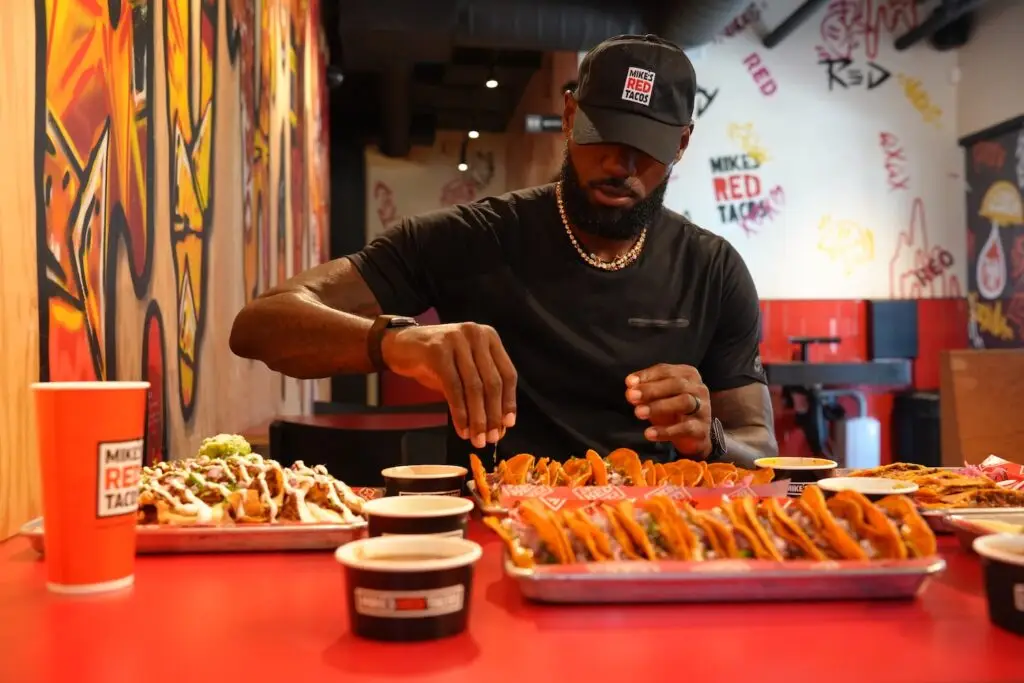
U-God isn’t the only celeb tapping into San Diego food and drink. NBA superstar LeBron James just joined Mike’s Red Tacos as an investor, helping the Southern California birria brand keep up its rapid nationwide expansion. King James and birria? Now that’s a slam dunk.
Listen Now: The Latest in San Diego’s Food and Drink Scene
Have breaking news, exciting scoops, or great stories about new San Diego restaurants or the city’s food scene? Send your pitches to [email protected].
Beth Demmon is an award-winning writer and podcaster whose work regularly appears in national outlets and San Diego Magazine. Her first book, The Beer Lover's Guide to Cider, is now available. Find out more on bethdemmon.com.
Implementing a farm-to-table model hardly deserves acknowledgement these days. It’s not a stretch. It’s not innovative. “It’s the bare f**king minimum,” says Herb & Sea‘s executive chef Aidan Owens.
When I arrive at the Encinitas restaurant, I’m ready to talk sustainability, farm-to-table stuff, with Owens. “Did you see the chin on that?” he says of the extra big jiggly chin on the sheephead that just arrived with the day’s fresh catch. I did. It was Jay Leno adjacent.
I learn quickly that he somehow oozes both charm and stone-cold honesty. Maybe he could construct a new dish with chin goo, like he did when he had a bunch of tuna scraps and voila’d it into a smooth and crowd-pleasing ‘nduja. “I want to know what’s in there,” he says.
Courtesy of Herb & Sea
The instinct to look closer, to dig into what others might discard, says a lot about the chef’s approach. I guide him back to our topic, but he has something else on his mind. “We’re overcomplicating food—what happened to just cooking good food and having fun with it?”
Owens grew up on a farm in Byron Bay, Australia, where sustainability wasn’t a concept you chat about so much as a way of life. Think dirt roads, backyard chickens, pulling vegetables straight from the ground, and a mother who believed that if you couldn’t pronounce the ingredients on a package, you shouldn’t eat what was inside.
Food wasn’t precious or performative. Making it was what you did because you were hungry and that’s still what inspires Owens today. “I like to cook good food because I like to eat good food,” he says.
His approach to sustainability at Herb & Sea began so naturally that it felt just like instinct. “I was just like, ‘Let’s order food from the people who live and work here,’” he says.
Courtesy of Herb & Sea
And why wouldn’t he when lives in San Diego? Cities all over the world vie for our goods. Our tuna is sent overseas. Our spiny lobsters hit dinner plates in China and Japan. Not to mention California’s producing a third of the country’s vegetables and three-quarters of its fruits and nuts.
“Why would we outsource when it’s all here?” Owens asks.
Sustainability, in this context, is about cooking what exists in abundance, nearby, right now. “I love the local fish here. It’s f**king delicious and San Diego citrus, I mean, it is so f**ing good,” he says.
Instead of importing ingredients, Owens also looks for nearby alternatives. “You can find really cool things in the local waters,” he says, pointing out that stingray cheeks taste similar to scallops.
Courtesy of Herb & Sea
Whatever he finds in that sheephead chin might just be the next substitute for marrow. But to make this work, it means getting diners amped up about the slightly unfamiliar.
Tasting menus, where diners are completely in his hands, become an opportunity to gently push boundaries. “I’ll serve mackerel, because people think they hate it,” Owens says, noting that the abundant local fish can have some fishiness. “But when it’s fresh, it’s arguably one of the best fish in the ocean.”
He also tweaks the language on the menu so people might feel more compelled to give dishes a try without preconceived notions. He might use “lengua” instead of “tongue.” “Whelk” instead of “snail.” When he puts “stingray throat” on the menu, he disarmingly calls it “skate.”
To reduce waste, scraps aren’t always discarded but rather turned into something new. Sometimes they’re smoked, cured or fermented. Apples going bad turn into apple ponzu. Lemons turn to marmalade, which stretches their usefulness far beyond peak season. “And it’s super tasty on our pizza,” he says.
What makes the food even richer, is the relationships he’s built with farmers. Though it didn’t always feel natural, Owens sought personal connection first. He recalls approaching a fisherman at the Tuna Harbor Dockside Market. “I was awkward,” he says. “I went up to him and said, ‘I like your fish.’”
Owen’s is now so close to his suppliers—like fishermen Ryan Sebo and Joe Daly—that he gets texted pictures of fresh catches right as they flop on the boat. The messages always ask if he wants first dibs. “I say yes to a lot of fish,” Owens says, noting that Herb & Sea can go through 2,000 pounds of seafood a week.
Courtesy of Herb & Sea
The next evolution of sustainability, in his view, will be chefs working directly with producers such as his alliance with Sebo, cutting out middlemen and purveyors where possible. “It will put more money in the pockets of the people doing the work,” he says.
It will mean that chefs can’t just know their local farmers and producers, but they’ll choose to work with the ones who have the best practices. Dining and sustainability will become much less about the final plate. “It will be more about the impact that plate has on the Earth,” he says.
Ultimately, he believes sustainability doesn’t need to be loud. It doesn’t need hashtags. It just needs to be honest.
“We aren’t saving lives. We’re feeding people good food,” he says.
And yet, in feeding people well—simply, thoughtfully, responsibly—something meaningful happens. Guests leave satisfied. Ingredients are respected. Local ecosystems are supported and food returns to what it has always been at its core: nourishment, pleasure, and a quiet reflection of the place it comes from.
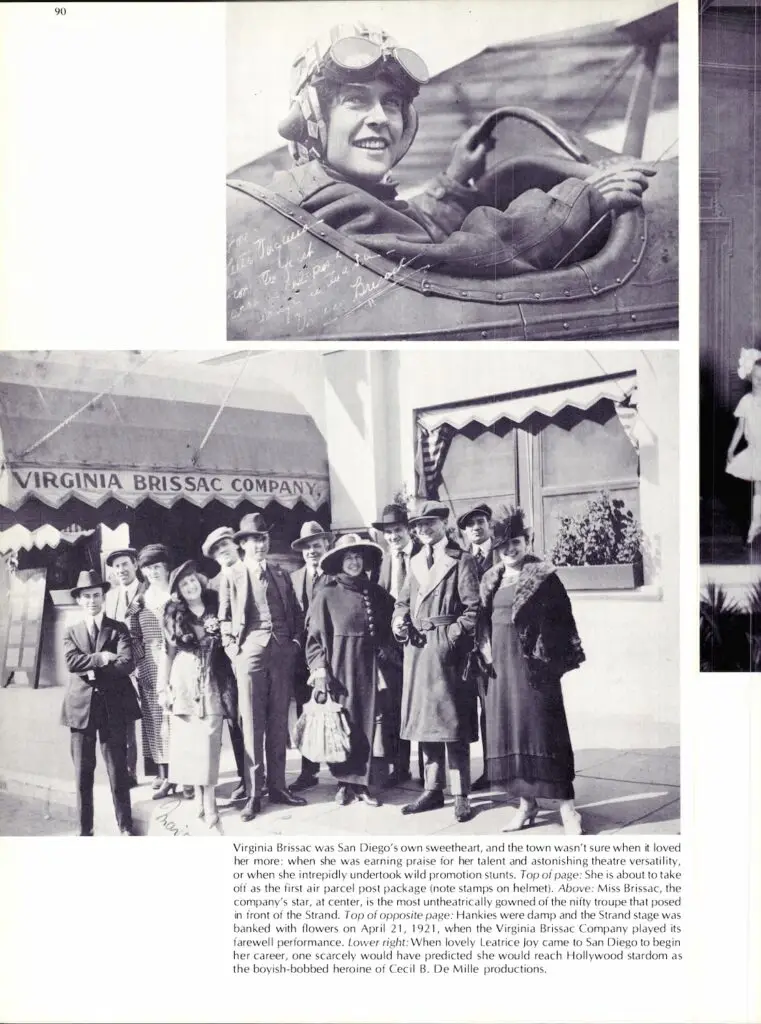
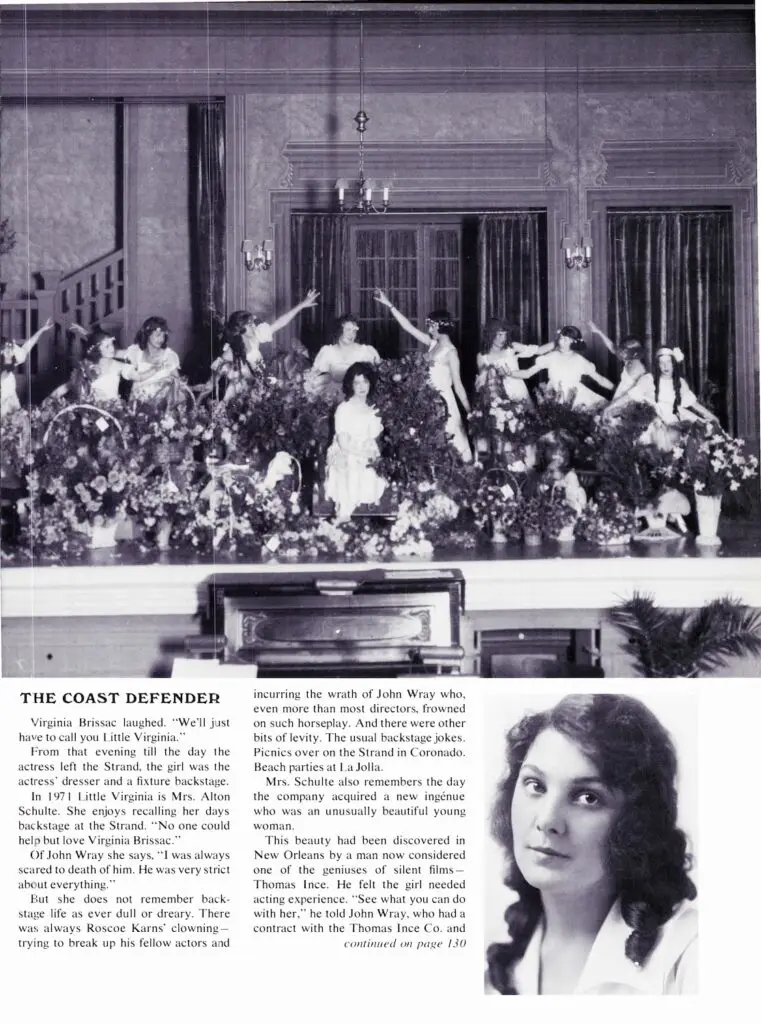
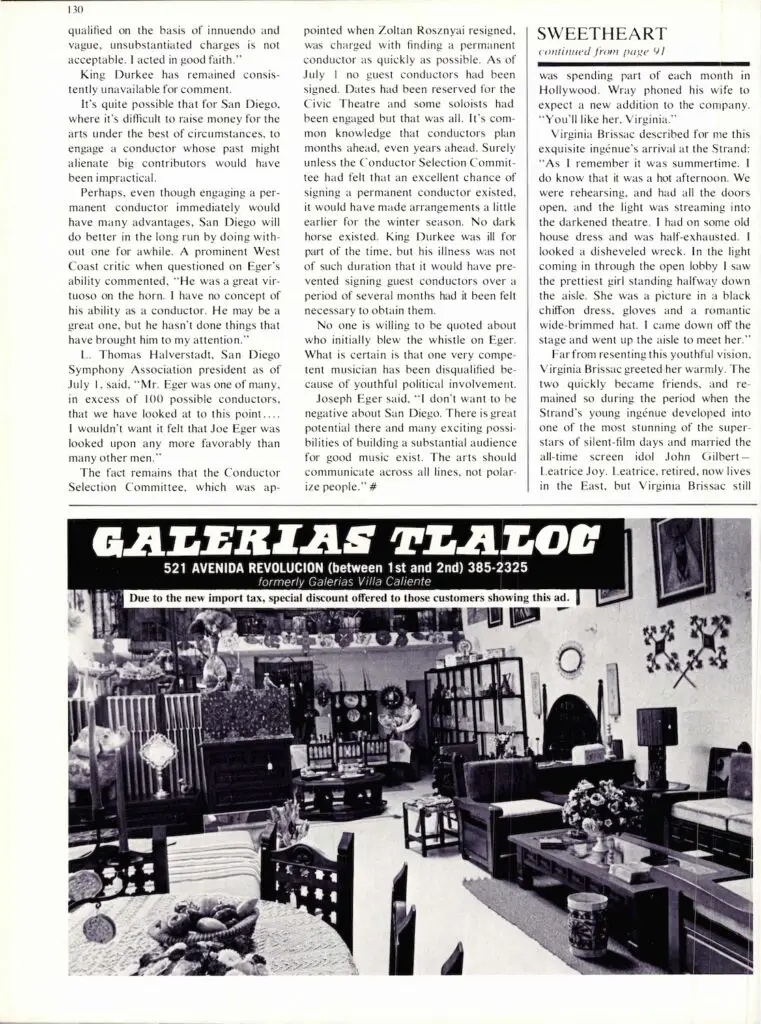
There was once an actress known as “San Diego’s Sweetheart” who mailed herself to Los Angeles—donning a helmet covered in postage stamps and boarding a two-seater, single-engine mail plane. The publicity stunt was billed as the first air parcel package in the US. It wasn’t. She wasn’t even the first human to be mailed: When the US parcel post started in 1913, at least seven people mailed their newborns to relatives (an innovative loophole eventually outlawed).
Technicalities be damned. That kind of nose for spectacle was why Virginia Brissac was such a star—landing bit parts in TV shows (I Love Lucy, Dragnet) and 155 films, notably playing James Dean’s grandmother in Rebel Without a Cause. “Nobody could help but love her,” her dresser told San Diego Magazine in a 1971 feature, published when Brissac was 88 years old.
In 1911, she topped the Playbill at the opening of the Savoy Theatre at 3rd and C streets in Downtown—a grand live-performance hall built for $150,000 ($5.2 million in today’s money). It became one of the premiere vaudeville theaters in the country (under vaudeville king Alexander Patages). The theater helped make San Diego a destination for stars like silent-film comedian Roscoe “Fatty” Arbuckle, heavyweight champ Jack Dempsey, plus classical legends Rachmaninoff and Anna Pavlova. As theaters converted to movie houses through the ’20s and ’30s, the Savoy remained dedicated to live humans. It closed in 1940, and the Civic Theater now stands in its footprint.
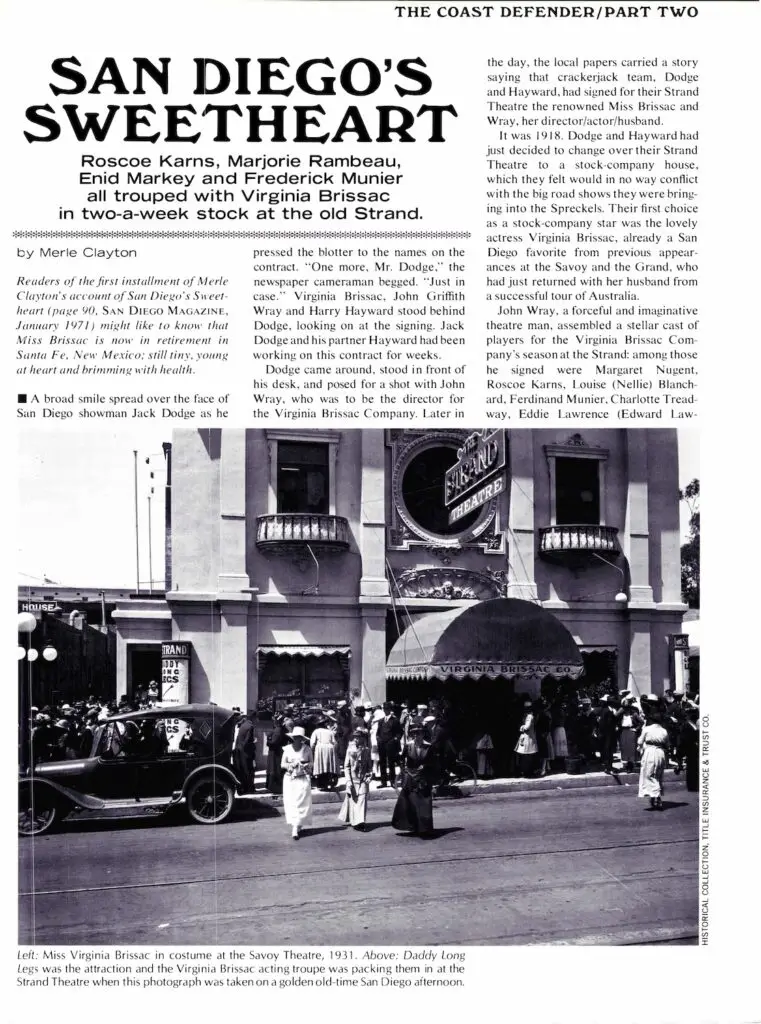
As for Brissac, during a time when women couldn’t even vote, she led a stock company under her own name at the Strand Theatre. The Brissac Company held a four-year residency, “an all-time successful record run for San Diego,” the article says. That classic Ocean Beach theater (featured in San Diego film legend Cameron Crowe’s Almost Famous) has been closed for decades, its bones now a chain beachwear and souvenir store. But Brissac’s legacy lives through the women leading San Diego’s theater scene.
Read the entire 1971 article by Merle Clayton below…
Emma Veidt is an editor at San Diego Magazine. She earned her bachelor's and master's degrees from the Missouri School of Journalism. She loves running, hiking, and rock climbing, but really, she mostly loves encounters with the street cats around North Park.
Not all monsters have to be scary. In fact, entrepreneur Pinyada “Ada” Primpray’s is delightful. Sea Monster, a small cafe that will serve poke bowls, fresh spring rolls, and matcha, will open in Mission Valley by the end of the year.
“The concept is a Hawaiian- and Japanese-style cafe,” Primpray explains. She calls it Sea Monster in homage to her friend’s popular restaurant Big Monster Sushi & Thai in Hawaii, but “the idea really started to take shape after I came back from a solo trip to Italy,” she says. The experience inspired her to start her own concept that mixed her culture, experience, and passion for food.
Sea Monster will be her first restaurant as an owner, but Primpray has worked in restaurants for 15 years in places like Kauai, Chicago, New York, and San Diego. She realized a similar health-conscious, seafood-forward, quick-service restaurant could work here, especially in that corner of Mission Valley where pizza and burgers reign. Plus, she points to the massive development plans for the area—between Riverwalk bringing thousands of new homes to the area and even more coming from San Diego State University, there are lots of new locals looming on the horizon.
She brought on Head Chef Wasu Gibb Palipote from Sushisamba in Los Angeles to develop the menu and signature sauces, like ink wasabi and a larb sauce. “Every couple of months, we plan to introduce a new signature sauce created exclusively for Sea Monster by [Chef Palipote],” she says. All the sauces will be homemade, including a basil creamy sauce and sesame vinegar.
Courtesy of Pinyada “Ada” Primpray
Sea Monster’s menu centers around fresh poke bowls—mostly locally-caught bluefin tuna and hamachi as well as salmon, served California-style rather than Hawaiian-style (the sauces are added to order rather than marinating on the fish, which can overpower its flavor). Toppings will range from the usual, like edamame and green onion, to upscale, like uni (sea urchin). She’ll also serve fresh salad rolls, a popular light snack in Vietnam and her native Thailand, with vegetables and seafood like salmon, shrimp, and imitation crab. Everything will be served to-go, although there will be very limited seating for people who want to dive in right away.
The matcha program will start small, with six iterations planned for opening and potentially more in the future. “I really want to have mango sticky rice,” she adds. Beyond adding items to the menu, Primpray says she hopes Sea Monster will be more than a restaurant. “I want it to grow into a lifestyle brand with its own little world,” she says, pointing to the restaurant’s mascot, Smoo. A monster with aspirations of growing bigger and bigger until it takes over? Yeah, sounds about right.
Sea Monsterwill open daily for lunch and dinner in late 2026 at 6110 Friars Road in Mission Valley.
Oktoberfest season is closing in fast, and one of the first dirndl-laced events of the year kicks off at AleSmith Brewing Company this weekend. AleSchmidt Oktoberfest runs every Saturday from September 12 through 26, and the family-friendly event is chock-a-block with German food vendors, live oom-pah bands, stein holding, and a whole lot more. The free event starts at 11 a.m. each Saturday, and from personal experience, I recommend posting up on the early side to snag a seat.
Japanese fine dining restaurant Shio soft opened in August, bringing elegant plates and sunset views to La Jolla. (The area was hardly hurting for either, but I think we could always use some more sushi in our lives.) Has anyone checked it out yet? Let me know what I should order by dropping me a line at [email protected].
Restaurateur brothers Danny and Dante Romero have been on a tear the past few years, consulting at places like Una Mas and taking over The Lion’s Share last summer. It’s understandable to see they recently decided to pause their recurring pop-up concept Two Ducks to recalibrate and figure out its future in a permanent location, but it’s still a bit bittersweet. If it’s “see you later” and not “goodbye,” I can live with that (for now).
Listen Now: The Latest in San Diego’s Food and Drink Scene
Have breaking news, exciting scoops, or great stories about new San Diego restaurants or the city’s food scene? Send your pitches to [email protected].
Beth Demmon is an award-winning writer and podcaster whose work regularly appears in national outlets and San Diego Magazine. Her first book, The Beer Lover's Guide to Cider, is now available. Find out more on bethdemmon.com.
NewBridge School is San Diego’s only school dedicated to the education of students with dyslexia and related learning profiles. For 30 years we have successfully served students with dyslexia, dysgraphia, dyscalculia, receptive/expressive language disorders, ADHD, executive functioning and memory deficits. Students transition successfully into academically rigorous high schools and colleges across the country. Why NewBridge? Training, training, training (plus intensive individualization, and comprehensive program design). All teachers are trained and retrained biennially in Orton-Gillingham, the only approach proven to remediate dyslexia based on Science of Reading research, and complete a year-long training program. Every aspect of our program is designed around our students’ learning styles and needs. Every class is taught by a highly-trained expert, and our Speech/Language and Occupational Therapy teams embed throughout the day. Our multisensory, multi-tiered math program has been developed in conjunction with sister schools and experts across the country. Don’t wait—early intervention is magic!