Marijuana Clones
Sponsored Content Provided by Social Launch LLC
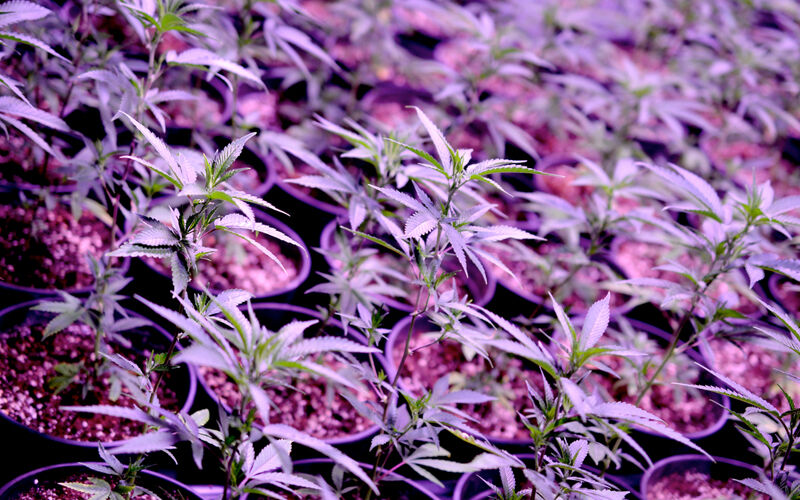
Buying marijuana clones for the first time is an exciting experience, but there are a few things you should know before pulling the trigger. With recreational marijuana laws sweeping the nation over the past few years, most states allow you to grow your own marijuana at home if you’re a medical patient or simply an adult over a certain age.
High prices for marijuana at dispensaries can hurt your bank account, so there’s never been a better time to grow your own weed. It’s a fulfilling, extremely enjoyable experience that will save you money year after year. Let’s talk about where you can find clones, what you’ll need and what you’ll need to do once you get your clones.
Where to Buy Marijuana Clones
Marijuana Clones Online is going to be your best option. They have decades of experience as large scale cultivators and ship overnight to all 50 states to make sure the clones arrive in pristine condition. They keep their facilities completely sterile and have dozens of high yield, highly potent strains available that are great for new growers and seasoned veterans.
We’ve had clones shipped from a few suppliers and it’s clear the method they use limits stalk-breakage the most, so you won’t need to worry about getting broken plants. With strains like Wedding Cake, Alien OG, Gelato, Oreo Cookies and more, it’s very likely you’ll find exactly what you need.
Now that we’ve mentioned our pick for where to buy clones, here’s some important info to know about what marijuana clones are and how to care for them.
>>> Click Here To Order Your Clones Online
What Are Marijuana Clones?
Cannabis clones are small plants that have been cut from a “Mother Plant”, which is a large plant that is kept in the vegetative stage of growth. Each clone is carefully sliced from the mother plant and is an exact genetic replica of the “mom”.
Once they’re cut from the mother plant, each clone is usually dipped in a rooting gel and placed into a small rockwool cube. Then the cuttings are placed in high humidity trays with lids for a period of time so the fresh cutting can develop a strong enough root system to be transplanted.
Cannabis clones typically take 2-3 weeks in this environment to develop a strong set of white, thick roots that burst through the rockwool cube. Once they’re developed enough, they’re ready to be sold and transplanted into a larger pot for the rest of their growing journey.
Marijuana Clones Vs Seeds
Growing Marijuana Clones vs Seeds
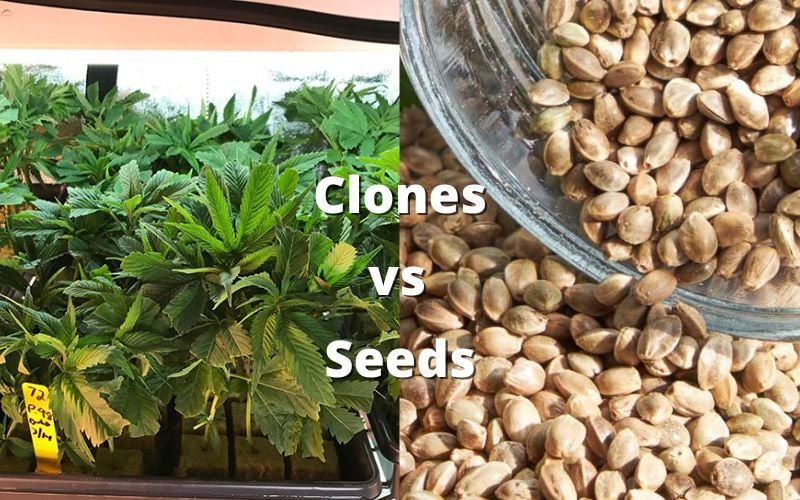
Many people wonder what’s best, growing clones or seeds. The answer is, it really depends on your situation. Here is a breakdown of the pros and cons of each choice.
Pros Of Growing Clones
Time: Being able to simply transplant your clones and watch them take off right away is a huge positive for most growers. There are so many issues that can arise in the germination and seedling stage, some feel it’s better to bypass it all and get that month of your life back.
Success Rate: Clones are pretty hard to screw up. As long as the mother plant has good genetics, the cuts were made from healthy plants and kept in sanitary conditions, your plants should turn out fantastic. If you buy 10 clones, you’ll likely grow 10 plants to harvest. If you buy 10 seeds, you may only end up with 7 mature plants at the end of it, which can be a big difference in yield.
Cons Of Growing Clones
Preparation: If you’re not 100% ready to transplant your clones into a proper growing environment there’s a chance they could die. Before buying marijuana clones you should have a few things ready to go which we’ll discuss below. Buying seeds would allow you to store them in a cool environment and decide when you want to germinate and start growing.
Pests: Clones are more susceptible to pests, which can overtake your crop if you’re not careful. The chances of this happening are low if you buy from a nursery that has been doing it for a long time, and not some shady guy across town. Always ask to see pictures of the facility.
Pros of Growing Seeds
Taproot: Seeds develop a strong taproot which helps anchor the plant when exposed to wind, and helps with nutrient and water uptake. This typically allows them to grow larger and produce more than a clone would. They’re usually better for outdoor growing if your area can get windy.
Cons of Growing Seeds
Time: Starting with marijuana clones gives you about a month or more of a head start on your season so you can get to harvest sooner, and many people like this because you can squeeze more harvests into a year with clones.
Success Rate: Germinating a seed can be difficult for new growers because the germination rate can be anywhere from 70% to 90%. That’s just how seeds work. Also, dealing with seedlings that are extremely sensitive to their environment is hard and sometimes ends in the plant dying for one reason or another, forcing you to start over.
What You’ll Need For Your Grow
Every grower likes to use different methods, but there are a few basic things you’ll need for a successful grow. Here are the basics to get you off the ground:
Pots: We recommend smart pots, which are fiber pots that allow your clones’ roots to get more oxygen and grow through if necessary, decreasing the chance of them becoming rootbound. They also allow for proper drainage so it’s less likely that your plants will become waterlogged.
Soil: There are countless options to choose from, but FoxFarm Organic Soil is a great, reliable choice.
Nutrients: Although you don’t absolutely need nutrient supplements, almost all growers use them. It’s easy to go overboard and burn your marijuana clones with a high nutrient concentration, so be careful and ask your local grow shop what they recommend. There are also countless guides online.
Lighting: If you’re growing outdoors at the right time of year you can use the Sun, but indoor growers will need lighting to help plants thrive. You’ll need to maintain the right amount of light for each stage of growth. The vegetative phase of growth needs around 18 hours of light, and the flowering phase needs around 12 hours of light.
Grow Tent (for indoor growers): If you’re growing indoors you’ll need a tent to maintain control of the environment (humidity, lighting schedule, air circulation, air quality, temperature, pest control, etc.). Mars Hydro, Gorilla or VivoSun are all good options, and they typically have full kits that come with all the internal components you’ll need.
Thermometer and Hygrometer: Maintaining proper temperature and humidity in your grow tent is critical to the success of your cannabis clones. You can find cheap digital temperature/humidity meters on Amazon to keep your environment perfect.
Inline Duct Fan and Filter Combo: Proper air circulation in your tent is very important for having a successful crop, we recommend buying a complete grow tent kit that has these included so you don’t have to worry about piecing parts together yourself.
Marijuana Clones or Seeds: Obviously you’ll need plants to grow, and we recommend getting your clones or seeds from Marijuana Clones Online, New York Clones or Phoenix Seeds & Clones to give yourself the best chance of success.
Transplanting Marijuana Clones
Transplanting Your Marijuana Clones
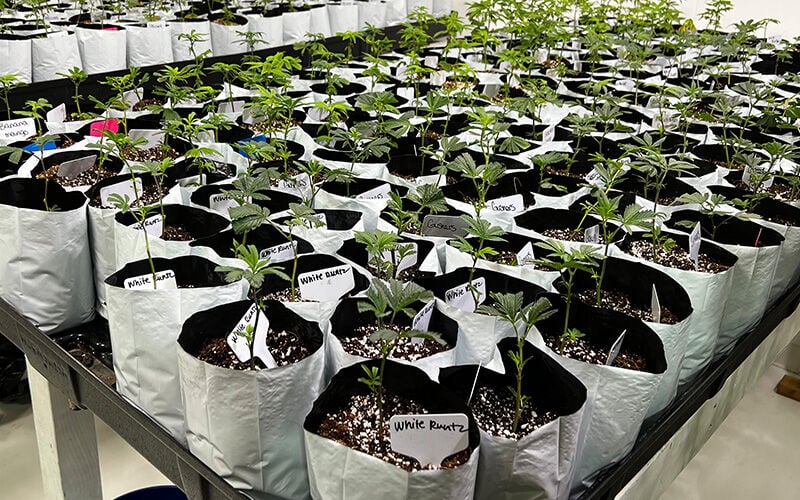
Once you buy marijuana clones and get them home, they should be ready to transplant. If you can see white roots extending out of the rockwool cubes, they’re likely healthy enough to be put into their new home.
Prep your clone by watering it lightly when you receive it, and wait a day or two before transplanting. Fill your pots with soil and dig out a hole in the center at the top that has enough space to fit the rockwool cube.
You want the hole deep enough so the top of the soil is pretty even with the top of your rockwool cube, and make sure the top of the cube is fully covered.
Once your clones are planted, immediately give it some distilled water so the soil doesn’t leach water from your clone’s roots. We recommend a water can that mimics rainfall, because watering with a hose can compact your soil.
Now It’s Time To Grow!
Now that your clones are transplanted, you’re just a few months away from your very own crop of homegrown weed! We’re sure you’re going to love the experience of growing your own cannabis as much as we have.
Always buy your clones from an established nursery like Marijuana Clones Online to ensure you’re getting premium genetics and healthy plants.
>>> Click Here To Order Your Clones Online
How Tall Are Cannabis Clones?
When they’re fully developed and ready to be transplanted into their pots, they’re typically anywhere from 6” to 12” tall. As long as they have white roots protruding from the rockwool cube they are considered healthy transplantable clones.
What’s The Best Environment For Cuttings?
If you’re cutting and rooting them yourself, it’s recommended to keep them in roughly 70% humidity and 75 degrees fahrenheit. We recommend using plastic domes to maintain the warm and damp environment that they need to thrive and provide thick, white healthy roots.
Can I Put My Clones Outside After Buying Them?
Depending on your climate it’s possible but not recommended. It’s recommended to “harden” your plants a little before exposing them to direct sunlight, especially in hotter climates. After receiving your plants, you should transplant them in 1 gallon pots and place them in indirect sunlight outdoors. Avoid direct sunlight for a day or two so they can adapt to an outdoor environment.
When Is The Best Time Of Year To Plant Marijuana Clones?
If you have an outdoor area you plan on using to grow your plants, the best time to plant is in the late spring, between May and June so your transplanted clones get enough outdoor light to continue growing.
If you decide to get your clones early, Colin at Marijuana Clones Online recommends giving them supplemental lighting to keep them in the vegetative phase.
If you’re growing indoors, you can buy clones anytime of year since you’re not limited by sunlight. You can grow multiple crops per year in a grow tent kit or fully decked out grow room.
How Much Do Cannabis Clones Cost?
Depending on the supplier and quality of the clones, you can expect to pay anywhere between $20 and $40 per clone. If you see clones online for less than $20 per clone, you should be very cautious, because you often get what you pay for in the cannabis clone industry. When it takes 3-6 months to grow, you want to be sure you’re not wasting your time with sub-standard genetics.
>>> Click Here To Order Your Clones Online