Featured articles
Food & Drink
Food & Drink
Food & Drink
Featured articles
Everything SD
Everything SD
Everything SD
Featured articles
Things to Do
Things to Do
Things to Do
Featured articles
podcast-ep
podcast-ep
podcast-ep
Featured articles
Features
Features
Food & Drink
Featured articles
Partner content
Food & Drink
Everything SD
Ready to know more about San Diego?
SubscribeReady to know more about San Diego?
Three locals describe their work and how it enriches lives in the San Diego community
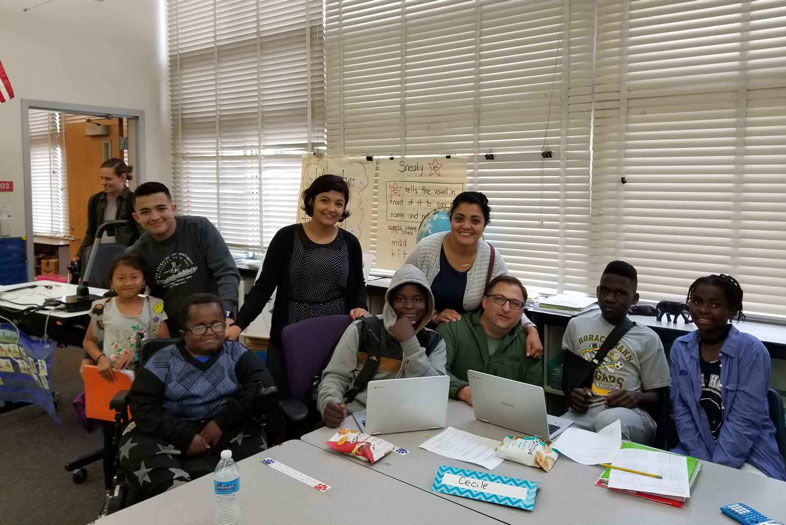
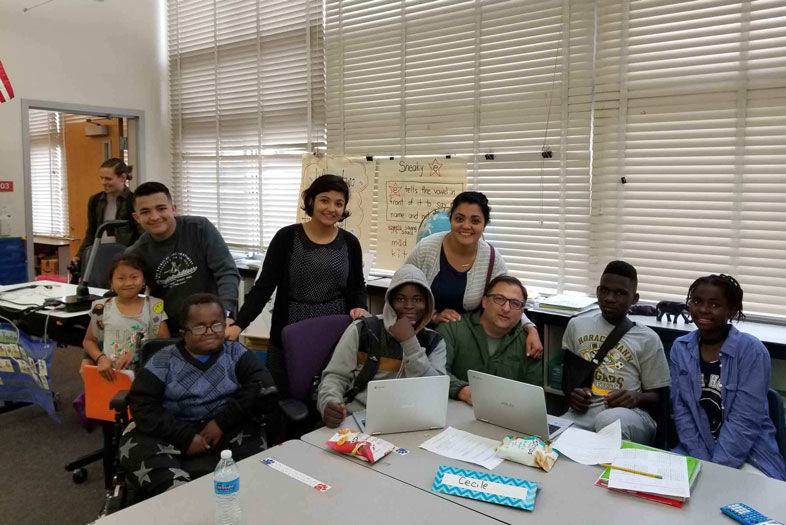
Since 2008, San Diego Refugee Tutoring has been providing one-on-one tutoring and academic support to refugee students at Ibarra Elementary School in eastern City Heights in an effort to bridge educational and cultural gaps.
TRAINING REQUIRED: A two-hour orientation, with updated training throughout the service period
TIME COMMITMENT: At least one of the two 1.5-hour sessions every week (5–6:30 p.m. Tuesday and Thursday)
WHY SAN DIEGO REFUGEE TUTORING: During her freshman year, my daughter heard about SDRT from a high school teacher. We went to check it out, and since then we haven’t been able to not go. We’re filling the gaps where the schools aren’t able to meet the needs of these individuals. My wife, my 15-year-old son, my daughter (who is now 18), and I have a family we’ve served for the last five years. It’s been a mainstay every Tuesday—we go once a week as a family, and in most cases I also show up on Thursdays. I spent 12 years working with the homeless at St. Vincent de Paul downtown. I’ve also been a teacher.
MY WORST DAY: There was a middle school student whose family was adjusting with how to live in the US, with Section 8 housing. All of the sudden I look up and see him storming out of the room, leaving tutoring, and wanting to go home—angry about being unable to comprehend, colliding with the language, not feeling like he fit in. I saw someone going through this right in front of me and not having control over his own frustration. He was really struggling.
MY BEST DAY: When I started to see that same student come back. Rather than just doing his homework and leaving, he started to see SDRT as a safe place. He’s able to ask us any question or deal with any subject in school, as well as the complicated subjects of family life, junior high, and being a teen in the US.
THE ADDED BONUS: I tutor because I get to learn other languages—or pretend I’m learning them, because I don’t retain much. The kids think that’s pretty funny, that I can’t learn their language and they’re learning mine. Sometimes when the kids are talking, I turn on Google Translate and look up words and try to interject. Sometimes Google Translate isn’t quite correct, because they don’t have all dialects, but the kids like that I’m trying. Why wouldn’t I try, if they have to try? It breaks down barriers. They’re faced with all this stuff, but usually unless we [Americans] are forced to, we don’t learn new things. It’s the least I can do to let them know that I know they struggle.
WHO SHOULD VOLUNTEER HERE: Anyone who’s willing to commit and be patient. We’re always looking for consistent volunteers. Sometimes it’s seasonal—a sorority or company or organization is looking to do X number of hours. But the number of people who serve consistently is a lower percentage. It’s a hard commitment. You see what it’s like to be a refugee in San Diego and you gain an appreciation for a world you never see—City Heights doesn’t have a lot of main attractions. Of course it’s great if individuals speak Swahili or Arabic or Hindi… that would make kids feel more comfortable, but ultimately they are immersed in English when they’re here because that’s what’s lacking at home. And we’re always looking for people who are really good in math, especially advanced levels for the older kids. Any adults with a good educational background are great, because the kids are doing stuff even I don’t know how to do.
The Volunteer Diaries
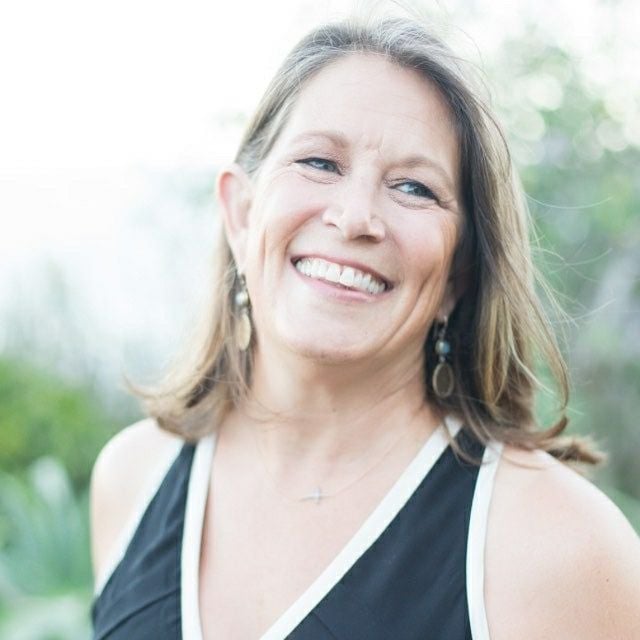
Formed in 1988, the San Diego Police Crisis Intervention Team organizes civilian volunteers to provide immediate on-scene emotional and logistical support to people affected by a crime, death, or other tragedy.
TRAINING REQUIRED: All volunteer applicants must provide references and undergo a personal interview as well as an FBI background check. The academy training is approximately 100 hours and involves classroom training and testing, a ride-along with the fire department/paramedics and with a police officer, a four-hour training session in the 911 Operations Center, and a full day of field service training. We also receive ongoing training at monthly meetings.
TIME COMMITMENT: A minimum of 20 hours per month, plus monthly meetings. I work a weekly six-hour shift and, in an emergency, I respond when extra help is needed. We are expected to commit to a one-year minimum “on the job.” I’ve been involved since 2015.
WHY CRISIS INTERVENTION: What appealed to me was the opportunity to work directly with people who are in need of emotional and logistical support at the beginning of a personal tragedy. If I can help them not feel alone or overwhelmed and provide resources and guidance, then I’ve made a difference in my community. The calls most often involve the sudden, unexpected death of a loved one, often from natural causes but also from suicides and accidents. Other types of calls include homicide, drowning, or domestic abuse. You never know what you will be walking into. We were taught that “no two calls are alike.”
MY BEST DAY: I have two! Graduation Day from the Academy—it’s a little intimidating, at 61, when you’re getting ready to have the chief of police shake your hand and thank you before you’ve done anything. My other best day: Once I was called at 6 a.m. to a family home where the teenager ran away during the night with cash and a family car. The teen had been under stress in school and with the family. The police were investigating and didn’t want to add to the parents’ distress, so I was called to assist the family, and the mother in particular. After seven hours, word came from an officer that the teen had been located, with her car, in another state, and was fine and ready to come home. I got to leave the scene with hugs and smiles all around.
MY WORST DAY: It involved an industrial accident that was fatal. I joined four other volunteers to go to the company’s scheduling hall. We were assigned to meet with management and to be available to coworkers who knew the deceased and were learning about the tragedy, including the spouse of the deceased. The work at this company was physically grueling and intensive, and the workers were second- and third-generation workers. This group was solid, close-lipped, and not likely to let down their guard in front of coworkers. It took time to break down barriers and often we sat in “shared silence.” Eventually, after sighs and quiet tears they began to ask us questions, and began talking about their loss and feelings of disbelief. We stayed with them for as long as we were allowed. We left unsure whether we’d helped, as is often the case. We also gained knowledge and understanding about the contributions of these workers to our community. We listened to how they view life, their work, and how proud they are to be carrying on where their fathers and grandfathers left off. We benefited, perhaps more than we gave.
WHO SHOULD VOLUNTEER HERE: If you care about how people are treated when experiencing a personal tragedy, you may find satisfaction from this work. If you have empathy and let each interaction stand on its own, without weighing you down emotionally, that is important. It’s also important to use the training and resources we’re provided, and when at the scene, to take your cues from the officer who called you in. It is critical that you have no agenda besides assisting others, one human being to another.
The Volunteer Diaries
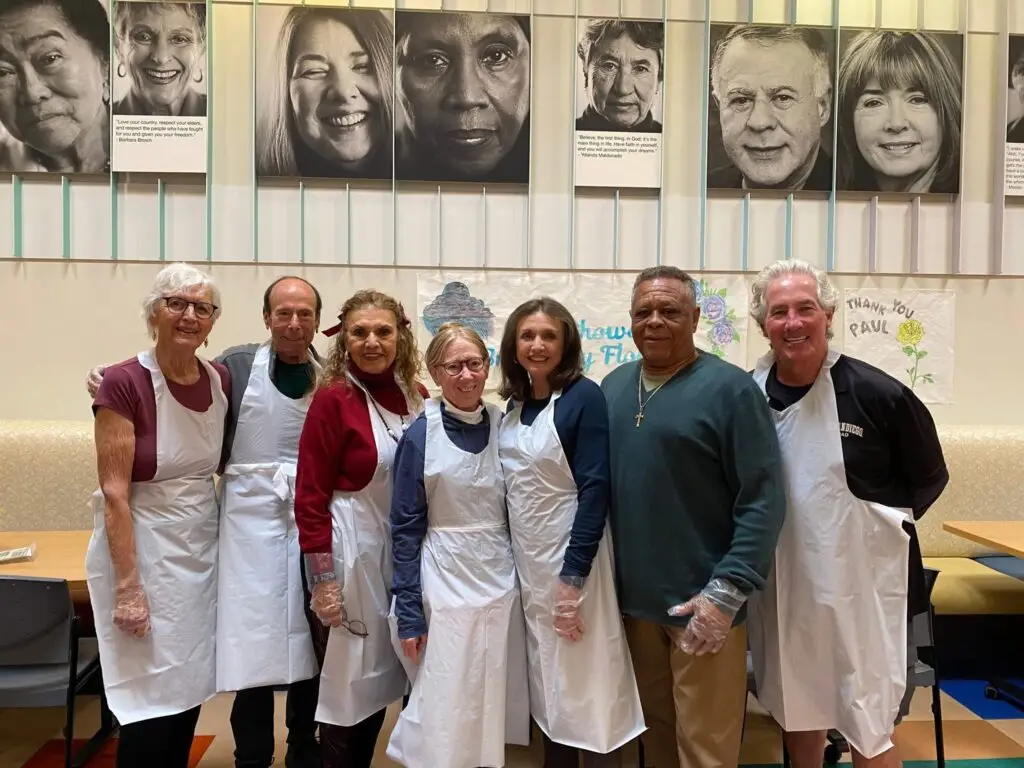
Feeding San Diego, established in 2007, is a hunger relief organization focused on healthy food, education, and advocacy, offering food and resources to a network of partners that serve children, families, and seniors each week.
TRAINING REQUIRED: I completed the formal team leader training a few years back and now help to train other team leaders, who range from young adults to retirees.
TIME COMMITMENT: At least eight to 10 hours a week. I have logged in over 700 hours.
WHY FEEDING SAN DIEGO: I was looking for an outlet to bring food donations to and happened upon FSD. I signed up for a volunteer shift in 2012. On the tour, I heard that one in four children in San Diego County faced hunger. [It fell to one in six by 2017.] That shocked me! I plan on staying until the statistic changes to no children—or families, or seniors, or military, or college students…
MY BEST DAY: It’s usually when I’m interacting with volunteers, either in the warehouse or out in the community. I love the passion that comes from people who align with my desire to change hunger in this community.
MY FAVORITE STORY: I helped set up a school pantry at an elementary school in the City Heights area. It was wonderful to see the families pick up their food while picking up their students. Many of the families knew each other. It had a farmers’ market feel that allowed for food choices, and there was plenty of food to go around. That school pantry still exists today.
WHO SHOULD VOLUNTEER HERE: Anyone would love this work! Most opportunities are in the warehouse, packing food. It’s a fun environment, because the team and staff are passionate and helpful. Come join me!
The Volunteer Diaries
San Diego Refugee Tutoring

We found a handful of inspiring people who live in, and truly know, these 'hoods and asked them how they’d spend their time out and about
Growing up in Carlsbad, I never quite understood why people vacationed there. What, so you want to check out the field where I have soccer practice? Pay my orthodontist a visit? Carlsbad just felt like a town by the beach, no better or worse than any other in the country. It took going to college out of state for me to actually understand just how rare a place like Carlsbad is.
Thanksgiving break my freshman year, my first time coming home after three months in the Midwest, my shoulders dropped. I rolled down the windows and drove to lifeguard tower 37—the hangout magnet for Carlsbad’s youths (and, in the summer, tourists)—and the smells of the ocean woke me right up like smelling salts do. I finally got it.
Carlsbad isn’t just a stopover town on your way to something better. It is the destination. Travel + Leisure named Carlsbad one of the top 50 places around the world to travel in 2026. From the whole globe, the travel magazine picked my home. Sure, we’ve got the Flower Fields and Legoland—but now it’s the smaller ships and indier dreams that are giving it street-level character.
It’s not just Carlsbad, either. People have talked about the “North County bubble” for decades—a force field that prevents its residents from traveling south of the 56. It’s often used derogatorily, and it’s a fairly accurate burn.
For decades, living up in North County meant giving up on culture, or at least culture within close proximity. But now, the main expansion of San Diego culture is happening up north. Central San Diego restaurants have started taking notice and are expanding into the area—spurred no doubt by Oceanside’s food boom and the Jeune et Jolie–Campfire–Wildland–Lilo constellation in Carlsbad. City Heights burger joint Key & Cleaver opened a new spot in Oceanside; the owners of Parc Bistro-Brasserie in Bankers Hill opened Parc Lounge in Rancho Santa Fe. Possibly the strongest market indicator is that Sam Fox—one of the most successful restaurateurs west of the Rockies—has started focusing on North County for his concepts. In 2025, he opened both The Henry in Carlsbad and Culinary Dropout in Del Mar.
For the ultimate insider guide, we found a handful of inspiring people who live and create and truly know six North County neighborhoods—San Marcos, Escondido, Oceanside, Leucadia, Rancho Santa Fe, and Vista—and asked them how they’d spend a dream day out and about in their town.

San Marcos is in full renaissance mode. The biggest story is that the grand North City vision is starting to peek through the scaffolding. It’s essentially the North County Downtown that’s been written in the tea leaves and discussed whenever someone gets stuck in traffic at the 5/805 merge: a 200-acre, pedestrian-friendly, mixed-use face-changer that’s slated for 2,600 homes, 350,000 square feet of retail and restaurants, 250 hotel rooms, and about a million square feet of offices and labs. Its most recent manifestation is 222 North City—a 12-story residential tower with over 450 residences, rooftop garden, pool cabanas, art installations, and almost 20,000 square feet of ground-floor retail (Necessity Coffee, Buona Forchetta, Draft Republic, Milonga Empanadas, and a grocery store anchor on its way).
Which means Restaurant Row is no longer burdened with being the primary caregiver for the hungry or the socially inclined. Patricia Prado-Olmos has watched the city morph during her nearly three-decade tenure at CSUSM, having spent the past six years as the school’s chief community engagement officer. She also just announced her forthcoming retirement at the end of the 2026–2027 school year, so she’ll have even more time to haunt local haunts.
Those in the know call the university “Cal State StairMaster” from the Sisyphean amount of stairs on the hillside campus. So, any day at or around CSUSM should start with a homestyle carbo-load (biscuits and gravy) from Mama Kat’s.

“There’s something about this breakfast spot that immediately puts me in a good mood,” she says. Mama Kat’s is also known for its pie (strawberry-rhubarb), which is breakfast if you change your perspective.
After a few hours on campus—with a break to pet the university’s official therapy goldendoodle, Frank, who helps ease finals tremors or apprehension of on-campus stairs—Prado-Olmos will wander into North City, just steps away. She says the almond croissant and coffee at Christophe Rull Patisserie rival Parisian cafés: “It feels like the kind of place you’d stumble across in a much bigger city.”
Rull, a Michelin-trained pastry chef who’s done stints on Netflix (Bake Squad) and Food Network (Super Mega Cakes, Halloween Wars), opened his patisserie last fall. The hype hasn’t cooled off yet: Get there early because the crowds do.
Emma Veidt is an editor at San Diego Magazine. She earned her bachelor's and master's degrees from the Missouri School of Journalism. She loves running, hiking, and rock climbing, but really, she mostly loves encounters with the street cats around North Park.
Inspired by her own experience, founder Elena Barbour has set out to help struggling women thrive
Divorce, adjusting to single motherhood or coparenting, and the unexpected adjustments that come with it can turn even the most put-together woman’s life upside down. For many, these shifts trigger a profound loss of identity as that chapter of life officially comes to an end.
While Elena Barbour was navigating a divorce and raising two young children, other women in her circle shared similar experiences—one, a high-powered attorney, said divorce was the hardest thing she’d ever gone through. Barbour realized that women like them who’d gone through divorce, separation, or trauma needed support, but unless they qualified for low-income assistance or could pay top dollar for private services, there weren’t a lot of options. That led to the creation of the Luma Initiative, a nonprofit organization that aims to connect women with the practical resources needed to rebuild after a major life transition. The organization is currently developing its programming and plans to open to its first (already full) three-month cohort of women this fall.
“I consider myself a very strong, competent woman, but what I went through shook me,” Barbour says. “[There were] all these things that I did not expect, and that a lot of people looking from the outside couldn’t see necessarily. It was hard to relate. And I found that after coming out of this divorce, I needed to reshift my community a little bit because the challenges and the life stage of where I was compared to where they were now was just so different—even though I was surrounded by people, I felt very alone.

“So [we’re] trying to create that sense of community in this place for women to be like, ‘All these women are going through something similar and when I talk with them, I don’t feel so alone and I can let go of some of the negative feelings I’m feeling, and I can […] start to rebuild.’”
Luma Initiative’s program will include licensed therapist-guided support groups, and support via financial literacy advisors, life coaches who specialize in career building, and family law attorneys, plus therapeutic yoga at sister business Luma Yoga. They’ll also work with other nonprofit organizations as needed to create a “one-stop, well-rounded, holistic approach to supporting women who are going through this really big transition of life,” Barbour explains.
Barbour says Luma Yoga Studio in Little Italy will serve as Luma Initiative’s physical base, transforming into a familiar community-centered home away from home where women can feel safe. She leaned into yoga and the breathwork, meditation, and mindfulness that often come with the practice to get through tough times, and carries those tools with her “off the mat.” She hopes that other women will find that same sense of nervous system regulation. She emphasizes that Luma Initiative and Luma Yoga work as an ecosystem that provides both wellness and tangible support.
“The goal with Luma Initiative will be to help these women come back to themselves and their identity through community, and use community as a platform to rebuild,” she says.
Sarah Sapeda is San Diego Magazine’s Custom Content Editor. In her 15 years in San Diego journalism, she has covered charitable events, health care, education, crime, current events, and more.
Volunteer Meredith Wood shares how the organization distributes diapers, period products, and other essentials while building community across San Diego
Just shy of 100 years ago, a group of determined women came together to improve the community and help their fellow San Diegans. They formed the Junior League of San Diego, a local chapter of the nationwide cohort of women with a mission to create meaningful community impact through volunteer action, collaboration, and training.
Today, the Junior League of San Diego is one of 291 Junior Leagues in the U.S., Canada, Mexico, and Great Britain. Locally, the league works to collect essential items, such as period products, diapers, clothing, food, and school supplies to distribute to underserved communities, and pitching in to help other nonprofits fighting food insecurity.
Volunteer Meredith Wood has spent the last two years on the donations committee. Here, she details her experience.
I first joined the Junior League in 2024, after I moved to San Diego from the East Coast. I wanted to meet people, specifically more women, and get involved in the community. In my first year in the Junior League, I was placed on the donations committee. That was my first glimpse into the work, specifically with donations. After a year of doing that, I applied to be the chair, so I did that this past year. It was an awesome experience.
So last year as the chair, I led a team that organized our donation drives, so that includes marketing the drives, managing the inventory, and then coordinating with community partners to distribute the donations.
I love working with other women in the league. Everyone is so enthusiastic and brings such bright ideas to the table. Everyone I’ve worked with is so passionate and committed to bettering the community and doing what they can, and they have fun while doing it, which I think is so important because it makes it sustainable.
So far, the biggest challenge as the donations chair has been seeing the huge need for specifically diapers and menstrual products in the community (JLSD operates a Diaper Bank & Period Pantry). It seems like no amount of supply we’ve ever had has been able to meet the demand, which can be a little disheartening at times. But to that, I try to remember that any difference that we make is valued and important. That’s what motivates me to keep going.

That’s a tough one because every time I volunteer at the Junior League, it genuinely is such a fun time. I always really enjoy going to PATH and prepping and serving meals there. The staff and residents are all so awesome, and it’s always a really fun experience to cook with Junior League friends and serve that way.
Then another memorable one was when SNAP funding was on pause back in the fall this year. We mobilized pretty quickly within two weeks and got all our donations out the door, and were handing them out alongside a food pantry in San Diego. That was a really special moment to just connect with the community, see directly where donations were going, and ask people what they needed. We learned that some of the supply that we had didn’t align with the demand, so it was a really big learning experience, too.
Sometimes I’ve struggled, wondering if my efforts have been enough, and I’m sure there’s someone else out there, too, who’s wondering the same thing. But there’s no effort that’s too small, and people really just appreciate anything you can do to better the community. So, find something that you care about and then figure out how you can add value to it. Bonus if you can invite a friend to join you and just make it that much more fun.
The Junior League has given so much to me in the two years that I’ve been a part of it. For starters, the learning experience of how do I even manage a committee and raise donations and get them out into the community has just been such a great opportunity. I highly recommend any woman who wants to get involved in San Diego to join the league. And if that’s not your cup of tea, we’re always taking donations, specifically menstrual products and diapers. We take them all year at 210 Maple St. in San Diego and try to get them out every couple weeks. We have Amazon links on our website as well.
Sarah Sapeda is San Diego Magazine’s Custom Content Editor. In her 15 years in San Diego journalism, she has covered charitable events, health care, education, crime, current events, and more.
A customized memory-filled explosion gift box is a creative way to show someone you care
Finding a gift that feels truly personal can be surprisingly difficult. In a sea of generic options — flowers, gift cards, candles, and the like — Xplosion Box offers something more lasting: a customized keepsake built around the photos, messages, and memories that matter most.
Founded by Southern California entrepreneur Jay Vijay, Xplosion Box LLC creates fully customized explosion gift boxes that arrive professionally designed, printed, assembled, and ready to gift. Each box opens layer by layer to reveal personal photos, heartfelt messages, pull-out albums, origami-style photo pockets, and hidden notes, turning a simple gift into an emotional reveal.

The brand was built for people who want to give something meaningful without spending hours printing photos, cutting paper, folding cardstock, or assembling a DIY project. Customers simply choose a box, upload their favorite photos, add personal messages, and the Xplosion Box team transforms those details into a polished keepsake that feels thoughtful, personal, and beautifully made.
Xplosion Box offers personalized gift boxes for birthdays, anniversaries, weddings, graduations, Mother’s Day, Father’s Day, Valentine’s Day, Christmas, proposals, bridesmaid gifts, long-distance relationships, and thoughtful “just because” moments.

Customers can choose from flexible customization options starting at $27. The Mini Surprise Box includes 10 photos, three message cards, and one hidden secret note, while the Mega Surprise Box offers a fuller keepsake experience with 40 photos, three message cards, and one hidden secret note.
What sets Xplosion Box apart is its high level of customization combined with convenience. Filled with personal photos, custom text, decorative details, and layered surprises, each box gives customers the freedom to create a gift that feels one-of-a-kind — without having to make it themselves.
At its core, Xplosion Box helps people turn favorite photos, stories, and words into something tangible: a keepsake that can be opened, revisited, and remembered long after the occasion has passed. asion has passed.
Here’s where to celebrate, connect, give back, and make a difference this month
Enjoy tastings from more than 20 wineries and gourmet bites at the University of San Diego Wine Classic. The all-inclusive annual event benefits USD’s Alumni Endowed Scholarship Fund, and to date has raised more than $1 million.
Around 1,700 runners and walkers will hit the streets of Hillcrest for the The Pride 5K Run & Walk, before the Pride Parade. The long-running community favorite is a highlight of Pride Week and raises money for San Diego Pride and the LGBT Center’s Youth Housing Project.
The 37th annual Brendan Nordholm Make-A-Wish Golf Classic will tee off at The Crosby National Golf Club at Rancho Santa Fe Golf Club. The 18-hole tournament, followed by a reception, will help the organization grant wishes for local families.
Help the Foundation for Developmental Disabilities celebrate its 40th year at its Christmas in July fundraiser at Koi Zen Cellars. The festive evening marks the start of FDD’s annual Season of Sharing and guests are encouraged to bring a new, unwrapped toy to donate.
Operation For HOPE Foundation’s ninth annual Caring, Sharing & Champagning Fundraiser will kick off with a charity shopping spree for household essentials for survivors of domestic violence and their children. Guests will then be treated to champagne, espresso martinis, and light bites at a private residence in Rancho Santa Fe.
The Doan Foundation will host a formal fundraising dinner to benefit underserved youth and emerging creatives. The organization’s fourth annual Gala Fundraiser will feature a live performance by R&B artist Amanda Perez, other performances, scholarship awards, and inspiring stories.
Sarah Sapeda is San Diego Magazine’s Custom Content Editor. In her 15 years in San Diego journalism, she has covered charitable events, health care, education, crime, current events, and more.
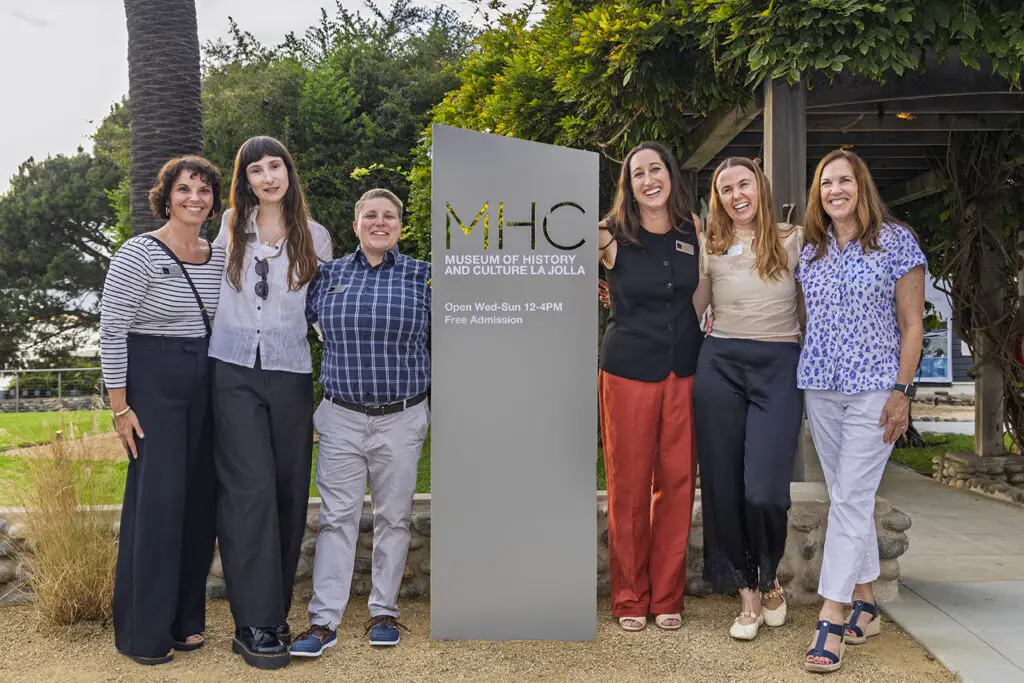
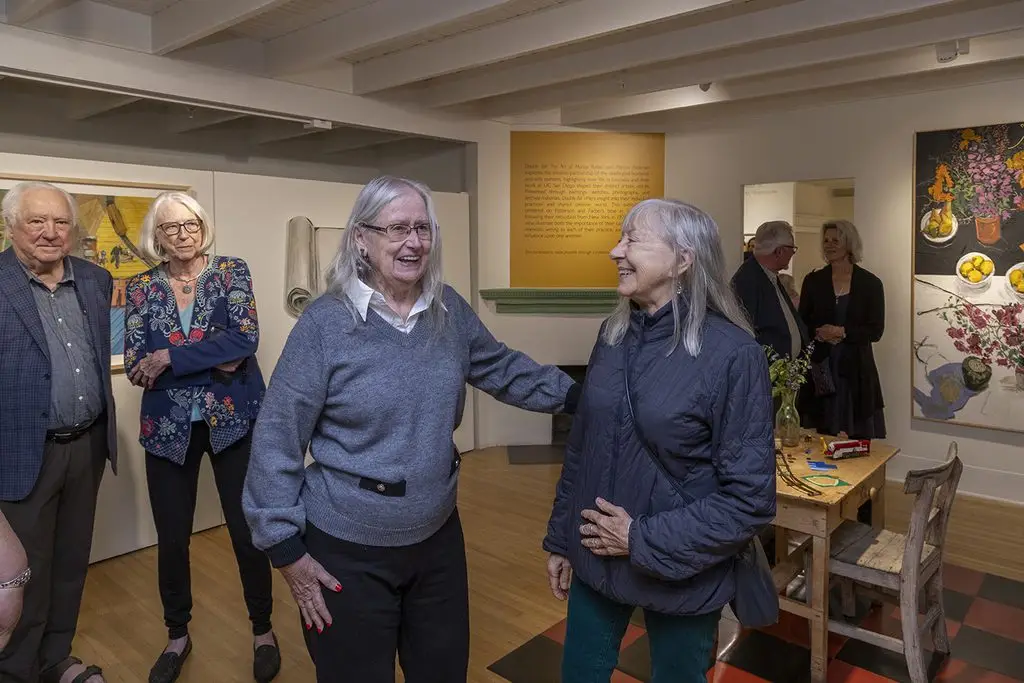
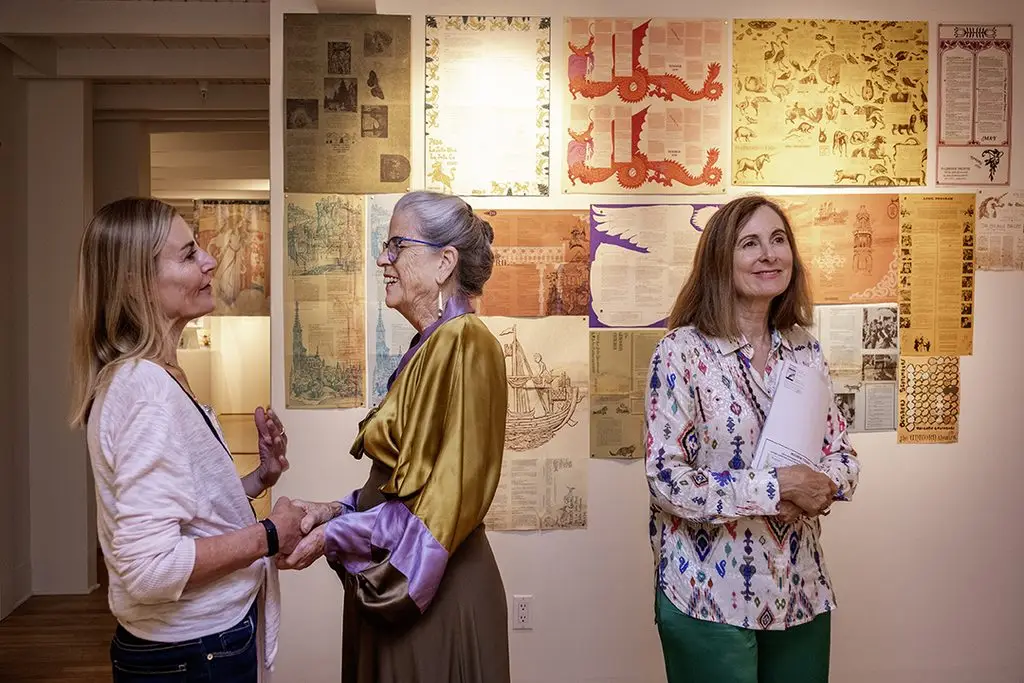
The event on June 6 helped raise funds to support the org’s mission to rescue, restore, and reintegrate survivors of human trafficking
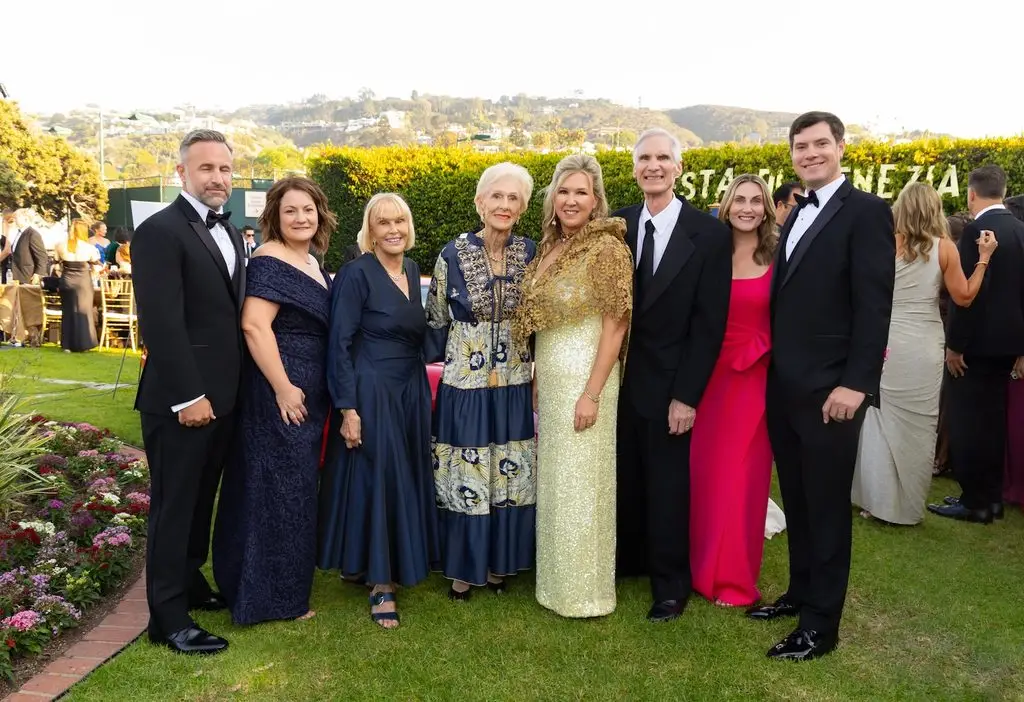
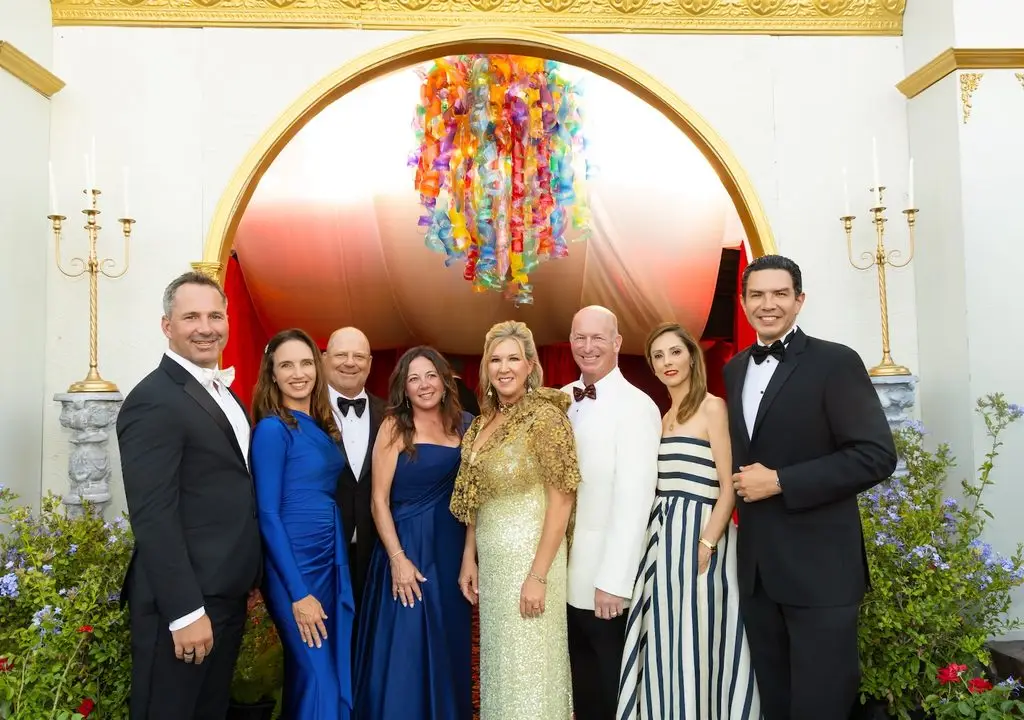
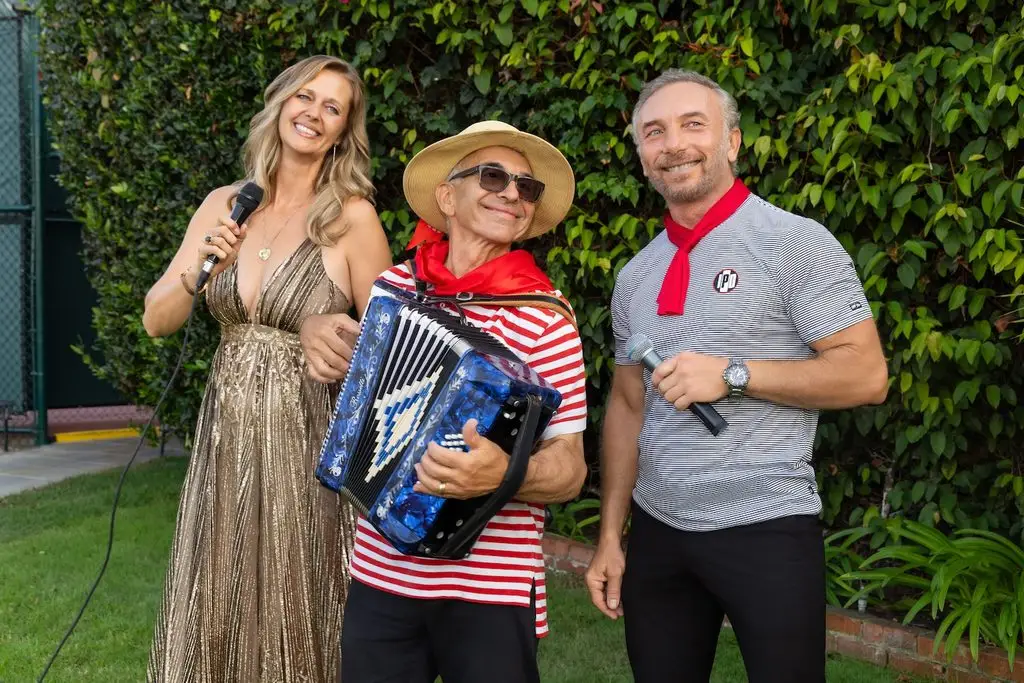
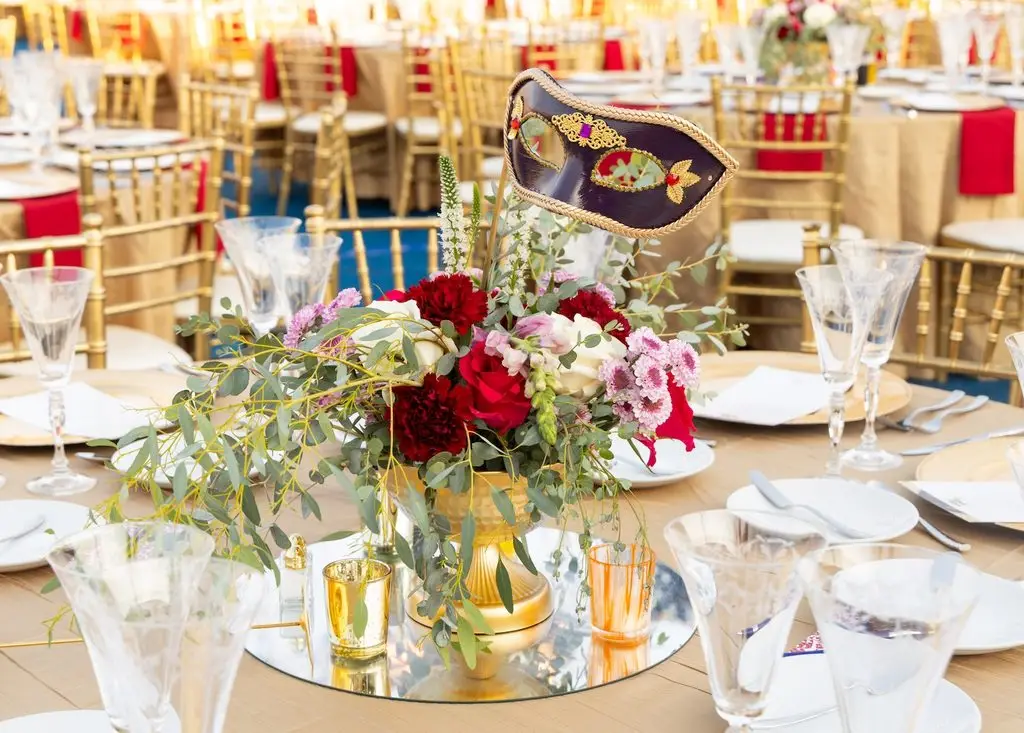
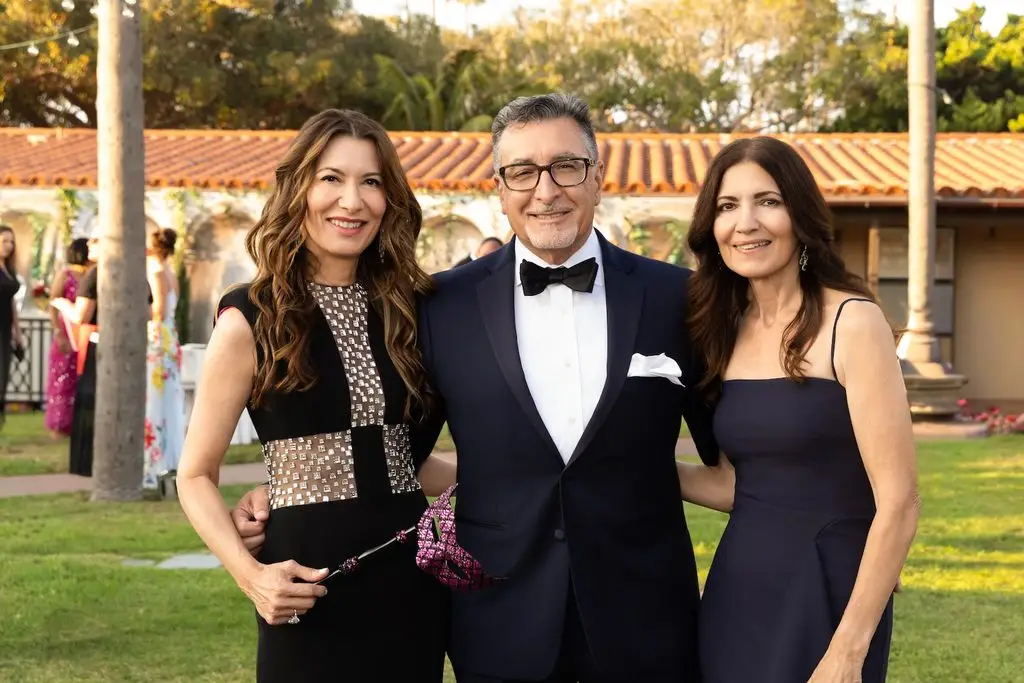
International Network of Hearts celebrated 15 years of helping survivors of human trafficking in the U.S. and Mexico recover and reintegrate at its “An Evening of Courage and Change” gala on June 6. During the formal event at the Sunset View Room overlooking Mission Bay, the organization received a proclamation from Mayor Todd Gloria’s office deeming June 6 as International Network of Hearts Day. Proceeds from the gala will support International Network of Hearts’ mission to rescue, restore, and reintegrate survivors via its Casa del Jardín care centers.
See photos from the event below.


Sarah Sapeda is San Diego Magazine’s Custom Content Editor. In her 15 years in San Diego journalism, she has covered charitable events, health care, education, crime, current events, and more.
It’s a Self-Care Summer. Because your best self is our favorite self.
If you’re anything like us, it can be easy to get so caught up in taking care of everyone else, that your own needs get lost in the ether. But while this may be a cliché, that doesn’t make it any less true: You can’t give your best self to other people unless you’re taking care of yourself.
Sometimes, that looks like stopping in for your regular acupuncture or chiropractic appointment. Other days, it means giving your body the fresh, organic fuel it needs to truly feel and function at its best. And some other times still, it involves leaving your responsibilities behind for a weekend to pamper yourself at an incredible resort and spa.
Only you can decide what your truly need. We’re just here to help you find the best ways to get it.

Island living meets desert luxury at the Tommy Bahama Miramonte Resort & Spa in Indian Wells. When you step onto the 11-acre property, you’ll be surrounded by sweeping view of the Santa Rosa Mountains with olive trees and fragrant citrus groves decorating the grounds. In other words, everything about this relaxed but refined resort is primed to help you let go of the stress from home and enjoy easy sun-soaked days and gorgeous starry nights.
The rooms blend calming, woven textures with Tommy Bahama’s signature tropical prints and feature private lanais, making it easy unwind the moment you walk in the door. If you book one of the four Villa Suites, you’ll be treated to exclusive Tommy Bahama furniture and unique personal touches to further that feeling of instant ease.
At the award-winning Spa Rosa, the expert team will help reset and recharge your body and mind using methods and rituals inspired by the desert. The 12,000-square-foot retreat includes outdoor soaking pools, eucalyptus steam rooms, and outdoor cabanas, as well as massages, facials, and body masks—all aimed at creating a day dedicated to you. We’re particularly partial to the Day Long Escape, an indulgent all-day affair of CDBs soaks, renewing scrubs, life changing massages, and transformative facials.
Following your treatment, continue the experience with a meal on the patio at Grapefruit Basil. We love the Hamachi Crudo, a light, citrus-forward dish featuring premium yellowtail, house-made ponzu, creamy avocado, and fresh seasonal garnishes.
Whether you’re strolling the gardens, relaxing beside its saltwater pools, or indulging in a restorative treatment, you’ll be able to escape in style and relax in luxury at the Tommy Bahama Miramonte Resort & Spa.

There’s no shortage of ways to stay active in San Diego—but if you really want to enjoy everything the city has to offer, you’ve got to make sure you’re giving your body its tune-ups. Enter: Healcove Chiropractic. The board-certified chiropractors and wellness professionals at Healcove are experts at addressing that stage where you’re not injured, exactly, but you’re not at 100%, either. Maybe you’re feeling a bit tense or stressed out. Or it could be that you’re not quite moving the way you want to. Sometimes, it’s just that the accumulation of days, weeks, or even years of daily strain is starting to take a toll. No matter what stage you find yourself at, the Healcove Chiropractic team can provide integrated, preventative care centered on long-term, science-backed approaches that ensure you can always stay active and live the life you want to live pain-free.
This starts by providing truly individualized care. Every patient can expect a thorough 60-minute consultation session that includes a posture and movement screening. This allows the team to develop a completely personalized plan. That plan might include chiropractic care, acupuncture, or massage therapy, as well as functional fitness training, vibration and sound therapy, and Dynamic Neuromuscular Stabilization, a clinical rehabilitation method that retrains the body’s stabilization systems. Whatever the team recommends, you can be sure that it’s tailored to meeting your body’s needs today and the future.
There’s a reason that San Diego Magazine named Healcove the “Best Chiropractor in San Diego”—don’t wait until you’re struggling with an injury to find out why. Book an appointment today for holistic, integrated care that helps ground and heal your body before it reaches a crisis point.

West Coast wellness culture meets the community feel of Southern Appalachia at Juice Holler. Juice Holler’s menu consists of made-to-order smoothies and smoothie bowls, as well as grab-and-go cold-pressed juices, wellness shots, salads, and more. It operates from the blissfully simple premise that fueling up with food and drink that’s guilt-free and good your body should be simple, accessible, and, above all else, delicious. And if you haven’t yet made it out to the Encinitas café, which opened just this year, let us be the first to tell you: Juice Holler delivers on each and every of these fronts.
We love the Supercharger smoothie, a mood-lifting and body-fueling option made with banana, almond butter, blue spirulina, maca, grass-fed whey protein, raw cacao nibs, medjool dates, and coconut milk. We’re also partial to the Thrive Alive smoothie bowl, where avocado, mango, sea moss, spirulina, mint, coconut milk, and agave are mixed and topped with coconut, chia seeds, strawberry, mango, and chocolate drizzle. The wellness shots include the Detoxifier, a cleansing blend of kale, cucumber, lemon and spirulina, plus a shot specially designed to fight inflammation (named, fittingly, Anti-Inflammation). Probiotic overnight oats, lemon turmeric bars, and strawberry shortcake chia pudding are other standouts on the grab-and-go menu.
Much of the vibe feels beachy North County chic—think green tile with orange and pink accents, grounded with greenery and natural wood—but Juice Holler founder Kelly Sergott, a longtime Encinitas local, has also enfused the space with her Kentucky roots. In Appalachia, a holler is small valley between hills and mountains, where nature reigns, community is king, and nourishment comes right from the land. At Juice Holler, Sergott has created a holler for the busy modern times, using local ingredients to create a spot for people to come together and enjoy fresh, fast, feel-good fuel for their day.

We’ve all had that experience with a medical professional where we’ve felt rushed, ignored, or misunderstood—and ultimately, like we didn’t get the answers that we needed. But at Everwell, the holistic acupuncture practice located in Solana Beach, the care team wants to transform your understanding of what healthcare can look like.
Patients at Everwell experience care rooted in intentional listening and radical empathy—and trust us, those aren’t just corporate buzzwords. This place actually puts those ideas into practice. You will always be given the time you need to tell your story— initial in-take appointments are two hours long—and you can rest assured that your story will be believed. Every single question and concern will be addressed by a dedicated practitioner who wants to find the specific solutions that work best for you, and you’ll receive care that’s aimed at healing the body, mind, and spirit.
Everwell’s highly trained, doctorate-level practitioners blend evidence-based acupuncture with the practice of classical Chinese medicine. (If you’ve never tried acupuncture before or aren’t sure if the team will be a fit, we’d highly recommended Everwell’s complimentary 20-minute consultations.) Research shows that by stimulating specific points on the body, acupuncture activates a natural healing response in the body, helping to restore balance, regulate the nervous system, and improve overall wellbeing. This allows the practice to address an incredibly wide range of conditions from chronic pain and autoimmune disorders to digestive issues, from stress and burnout to headaches migraines, fertility and postpartum struggles, hormonal imbalances, sleep concerns and more.
At Everwell, you can expect to feel heard, trusted, respected, and cared for. This is a space that doesn’t want to be just another healthcare provider you visit; it wants to provide patients with dedicated partner who will be there for their entire health journey.