



Food & Drink
Meet the Del Mar Wine & Food Festival’s 2026 Culinary Comp...
Read article

Featured articles

Food & Drink

Food & Drink

Food & Drink
Featured articles

Features

Features
Everything SD
Featured articles

Things to Do

Things to Do
Things to Do
Featured articles

podcast-ep

podcast-ep

podcast-ep
Featured articles
Features
Features

Features
Featured articles
Food & Drink
Food & Drink
Food & Drink

CEO Claire Johnson dives into the danger of Mayor Todd Gloria's proposed budget cuts to arts and culture in the city
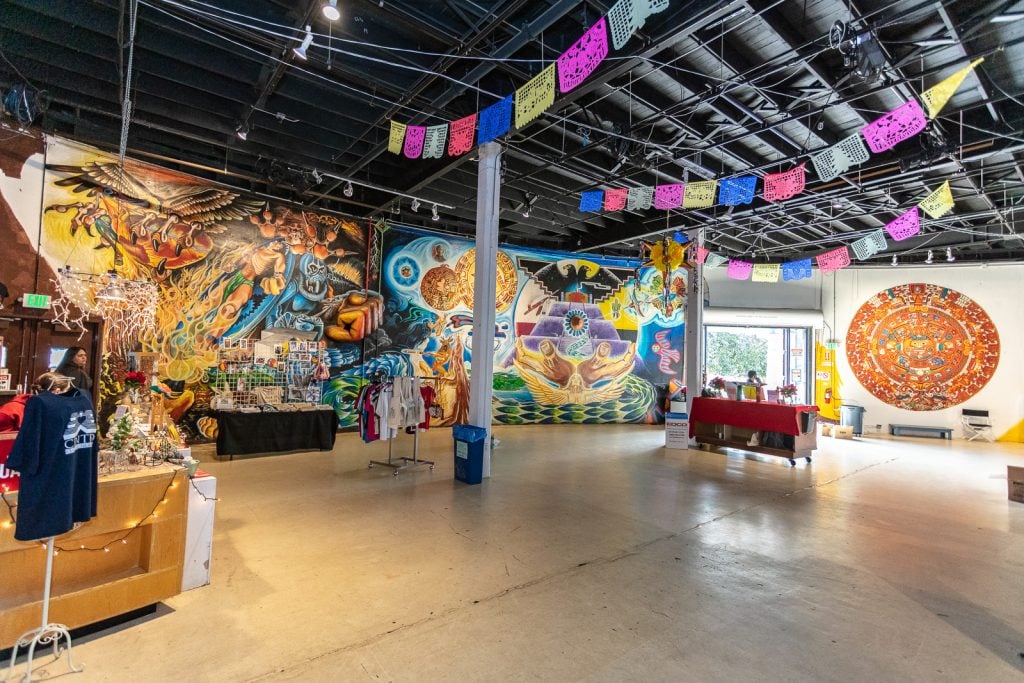
Cutting arts and culture to “save money” is one of the most expensive mistakes a city can make.
Mayor Todd Gloria’s draft FY2027 budget proposes cutting city arts and culture funding from about $13.8 million to under $2 million as part of a plan to close a projected $146 million deficit. In practical terms, that means arts funding would be reduced by more than 85 percent. While this may be framed as fiscal discipline, cutting arts and culture is not a serious long-term economic strategy. It is a short-term fix that reduces foot traffic, weakens neighborhood business districts, and chips away at the culture that makes people want to live, work, visit, and invest here in the first place.
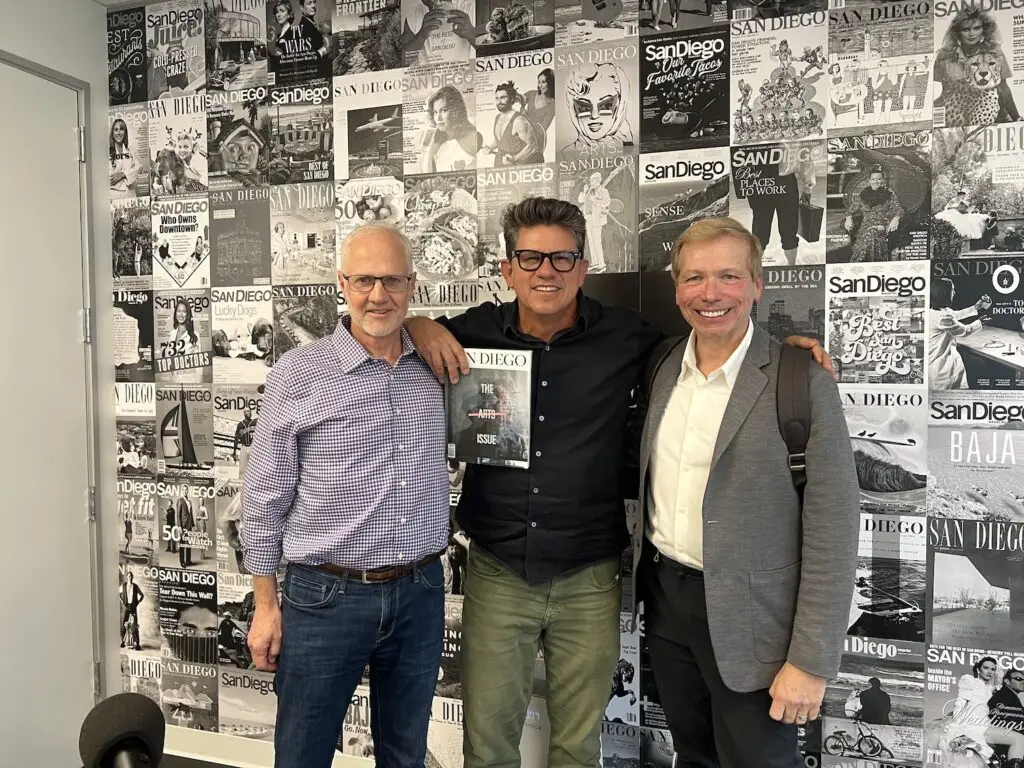
After almost five years at the helm of San Diego Magazine—whose purpose is to cover, champion, and invest in this region’s arts and culture scene—I’ve seen firsthand what too many budget conversations miss: Arts funding is not a luxury line item; it is economic stimulus.
The City of San Diego’s own Arts and Economic Prosperity study found that in 2022 alone, the nonprofit arts and culture sector generated $1.2 billion in economic activity in the city, supported 16,900 jobs, and produced $275.7 million in tax revenue. Beyond the city, San Diego County’s nonprofit arts and culture sector generated $1.4 billion in economic activity and supported nearly 19,800 jobs.
That’s not abstract. In addition to spending money on concert tickets and museum entries, arts audiences also spend money at restaurants, at parking meters, on childcare, and more. In San Diego, attendees spent an average of $34.94 per person per art event beyond admission, while nonlocal attendees spent $66.77 on average.
And nationally, the same pattern holds: Arts and cultural production accounted for $1.17 trillion of U.S. GDP in 2023, or 4.2 percent of the economy, and grew an additional 6.6 percent in real terms that year. That’s more than double the growth of the overall U.S. economy.
So when arts funding is among the first things cut, as multiple San Diego outlets reported in coverage of Mayor Todd Gloria’s proposed budget, we should be honest about what that means. It doesn’t just affect artists and arts organizations. It affects the broader web of small businesses, hospitality, tourism, community identity, and civic life that grows around a vibrant cultural sector.
(A healthy arts and culture economy depends on more than creators and venues. It also depends on visibility, advocacy, media coverage, community partnership, and the institutions willing to keep those stories in front of the public. When that infrastructure weakens, the loss compounds. Fewer stories get told. Fewer audiences discover what’s here. Fewer organizations get the attention and support they need to grow. But that’s a conversation for a separate thread.)
The impact is not only economic; it also affects morale. Nearly nine out of 10 attendees surveyed in San Diego said arts and culture inspire a sense of pride in their neighborhood or community, and nearly as many said they would feel a real sense of loss if those activities or venues were no longer available. That should give us pause.
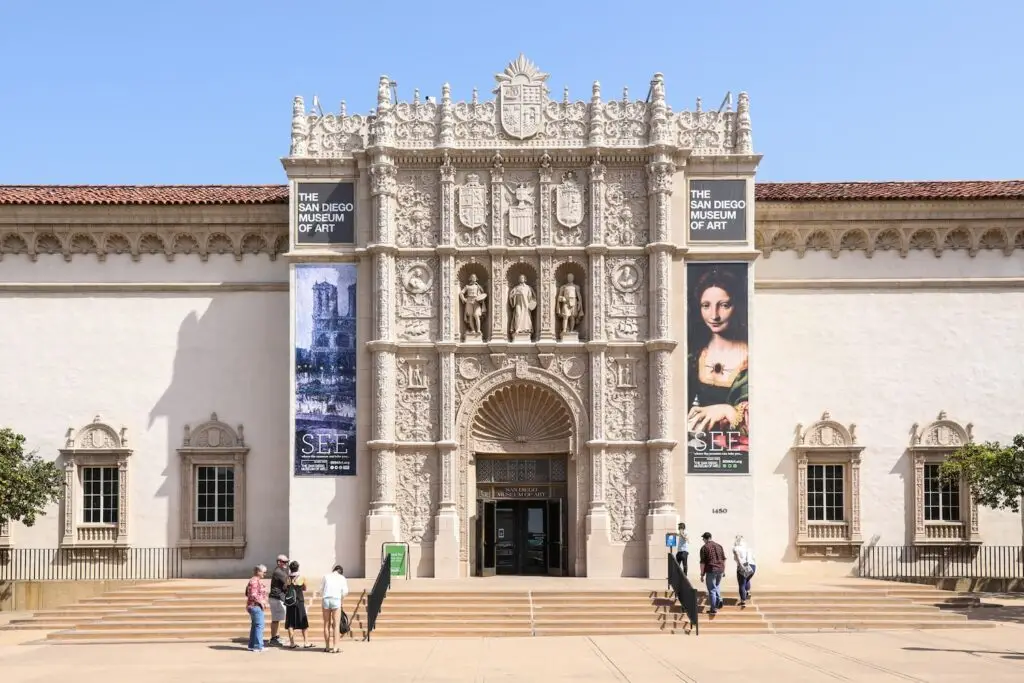
Arts and culture animate main streets, attract visitors, retain talent, support local business, and help define what a region feels like to the people who live there. Can you imagine Balboa Park without the museums, performances, and cultural energy that make it feel like San Diego?
We should absolutely have serious conversations about citywide budgets, but let’s also walk through the consequences of those cuts before approving them. Disinvesting in arts and culture is not painless or prudent. If San Diego wants to be a city people want to live in, invest in, and believe in, arts and culture cannot be treated as expendable.
