Ready to know more about San Diego?

Subscribe
Features AUGUST 18, 2020

San Diego’s Pandemic Stories

We asked 16 locals—from students to nurses, hoteliers and store owners—how they're working through the pandemic and helping others

San Diego’s Pandemic Stories
Pandemic Stories / Gigi Farrell

Gigi Farrell

When the Blood Drives Were Canceled

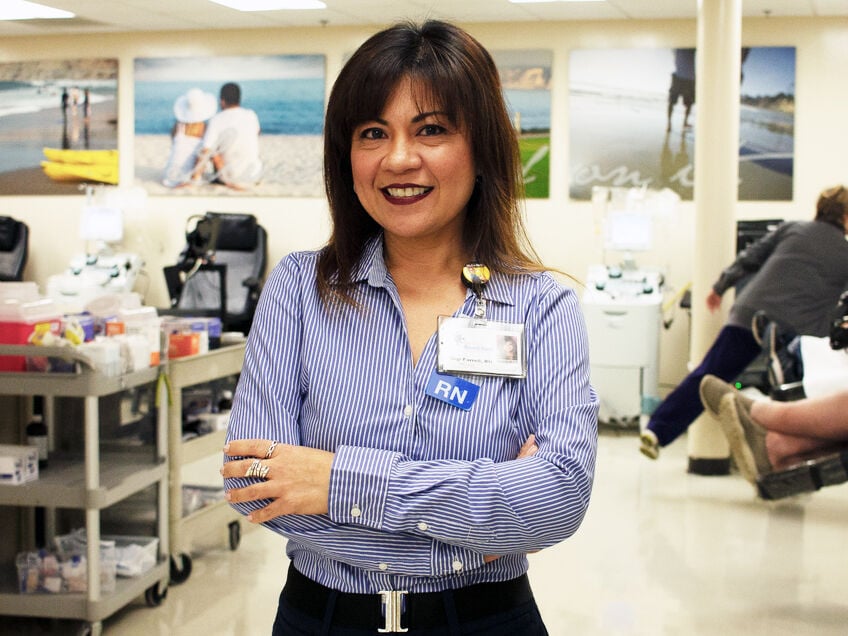
Gigi Farrell Registered nurse and department manager of Nursing and Community Wellness at San Diego Blood Bank

As told to Erin Meanley Glenny

I manage San Diego Blood Bank’s main donor center near downtown and the one in El Cajon. I’ve been with the organization for 20 years and thought I had seen it all until COVID-19.

We supply blood to nearly 50 hospitals in the region; including some hospitals in Orange and Los Angeles counties such as City of Hope.

We usually have a general sense of what each hospital will use each week. We have real-time eyes on hospital supply and can see when there is a major drop, perhaps due to an emergency. This is why it is so important to have a 5-to-7-day supply on hand. At times during the pandemic, we’ve had less than a half-day supply of several blood types for several days in a row.

Each month, we typically collect about 2,800 pints of blood at our six centers and more than 5,000 pints from our bloodmobiles. So more than 60 percent of the local blood supply is collected on our bloodmobiles. We normally have six to 10 of them out in the community on any given day.

Around mid-March, our bloodmobile drives began to cancel due to schools closing and companies switching to remote work. We didn’t have enough blood on the shelves, and it was scary. We immediately jumped into sending out the plea—everyone was tweeting. We asked younger donors to step up to allow older donors to stay safe at home. The community answered our call, like they always do.

People were waiting two hours. It got very overwhelming. There was a point when we had an eight-day supply—that was unheard of.

Over my 20 years working at the blood bank, I have found that tragedies bring donors in—I was at SDBB in the days after 9/11. We had donors in lines around the building, waiting hours to donate. I believe people need to be with the community so we can mourn together and support one another. Coronavirus is slightly different, in the sense that there’s so much fear of the unknown out there.

Because a lot of our donors are baby boomers, we really need to bring the younger generation in, the millennials, Generation X. We got a lot of new donors, first-timers coming in, but we need them to come back. It’s not a one-time thing. The blood is only good for 42 days, and it is usually out the door within a few days. The platelets, in the blood plasma, have to be used within five days.

We need more COVID-19 convalescent plasma (CCP), which we collect from donors who have recovered from the illness. One CCP donation can help as many as three or four patients still fighting COVID-19. The demand for convalescent plasma in June was double that of May, and as of July we are starting to see even higher demand—we need more recovered patients to sign up.

Many hospitals have told us that our ability to stand up our CCP program so quickly was almost unheard of.

On a personal note, I reached my 15-gallon milestone recently, and donated in honor of my Uncle Rudy, a regular blood donor who was admitted to the hospital in April for a critical case of pancreatitis. Rudy received eight pints of blood over the course of five surgeries. These units saved his life, and it really hit home for me and reminded me of my purpose.
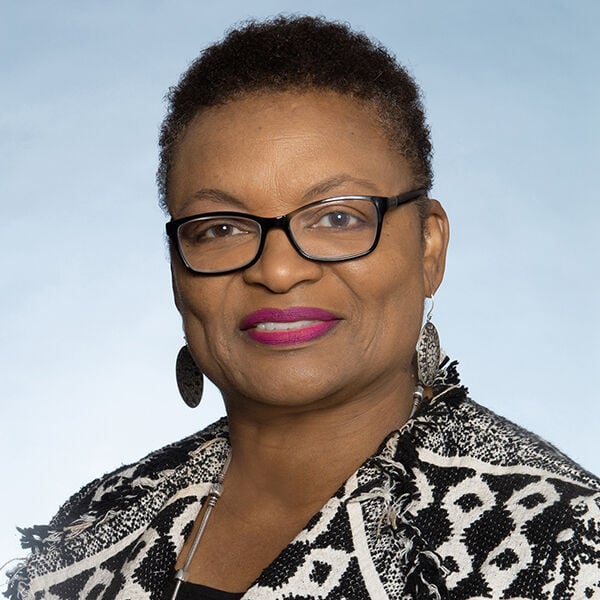


Pandemic Stories / Dr. Wilma Wooten

Dr. Wilma Wooten

Dr. Wilma Wooten

San Diego County Public Health Officer

What don’t people seem to be understanding right now?

That we all have the power for personal and collective action—and we should use it. The pandemic is not over by any stretch. The virus is still here, and it’s likely to be with us for a while longer. We can’t be complacent and go back to living our pre-COVID lives. We all play a role. The health, and in some cases, life of someone’s child, parent, grandparent, or loved one is at stake. Wearing a face covering, maintaining physical distance from those not in your household, washing your hands frequently, and avoiding gatherings are small steps that can have a big collective impact.


What’s your greatest challenge right now?

Personally, a challenge I share with public health officials worldwide is not internalizing attacks on my character. I fully understand and appreciate that this is an inordinately stressful time and sympathize with the frustration, hardship, and other complicated feelings around this pandemic’s impact on our lives. Every once in a while, an attack is so personal and so off-base that it can feel unfair, but I take a breath and remind myself that this person is likely struggling and all my actions need to be focused on helping everyone cope with today and prepare for tomorrow.
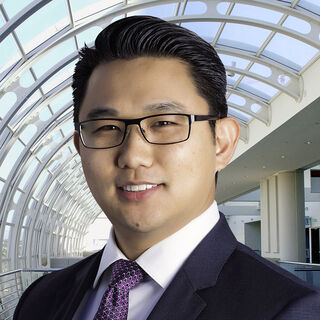


Pandemic Stories / Elvin Lai

Elvin Lai

Elvin Lai

Fourth-generation hotelier, Ocean Park Inn

How long did you have to close the hotel this spring? How did you adapt the business?

We closed the hotel for two months. Since we were already in renovation mode before COVID-19, we took the opportunity to move some projects up on the schedule for completion. Adapting to COVID-19 protocols for our guests wasn’t much of a leap. We faced the hepatitis A outbreak just prior and the industry—and we, as independent operators—mobilized to keep our staff and guests safe at that time. That being said, COVID-19 is very different.

Being a small hotel was much more beneficial. We have been able to be more nimble and ready to move fast on the implementation of protocols. But it has been more challenging to source the right materials due to the lack of purchasing power and the lack of a purchasing entity doing it for us. In the end, we found ways to buy directly from out of the country or leaned in hard on our relationships to make plans come through.
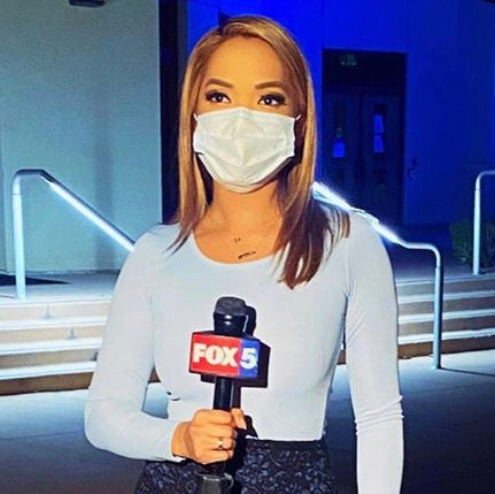


Pandemic Stories / Liberty Zabala

Liberty Zabala

Liberty Zabala

Reporter, Fox 5

How has the nature of your job changed?

We’ve had to adapt to this like everyone else, by taking advantage of technology (conducting virtual interviews) and modifying our equipment (using longer stick mics) to maintain six feet of physical distance. We wear masks, disinfect constantly, and have limited the number of people inside the newsroom to a skeleton crew.
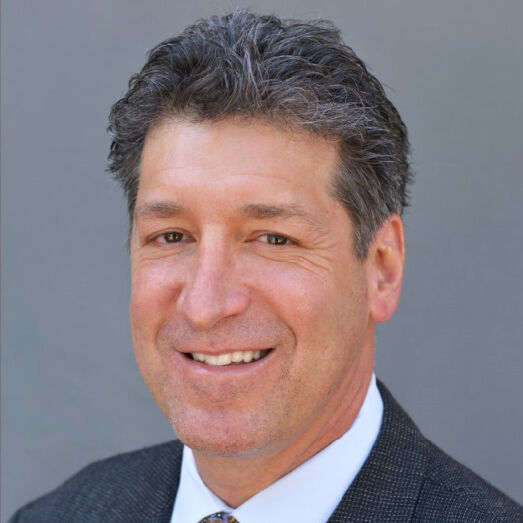


Pandemic Stories / Steven Dinkin

Steven Dinkin

Steven Dinkin

President, National Conflict Resolution Center

With the protests going on, we have to ask, does conflict resolution work in large groups?

The underlying concepts between one-on-one conflict resolution and peaceful large group protesting are essentially the same. Will yelling and screaming or violently protesting help an individual or group be heard, or is it just noise and a distraction? Perhaps a more thoughtful, strategic approach might actually get you closer to the finish line.


Pandemic Stories / Shannon Cotton

Shannon Cotton

From the Front Lines

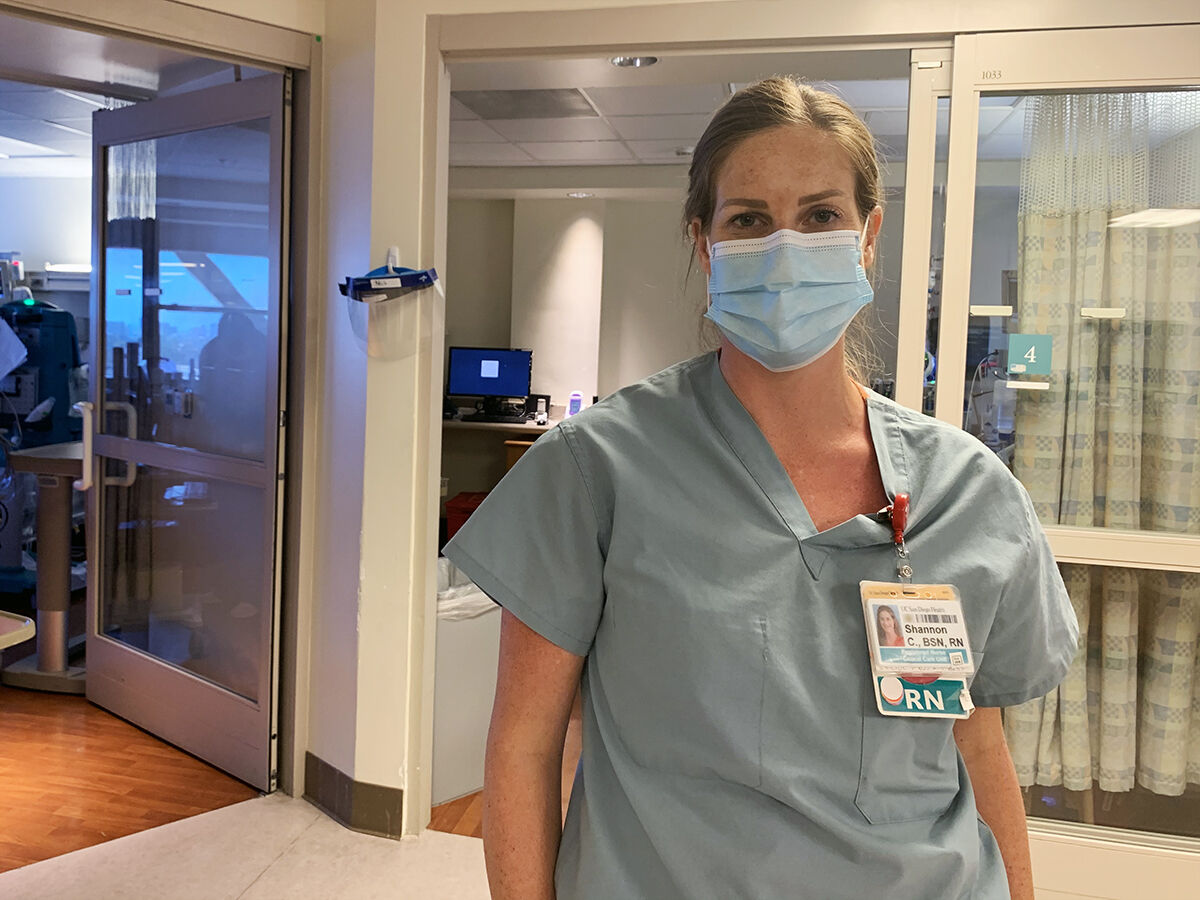
Shannon Cotton ICU nurse at UC San Diego Medical Center, Hillcrest

As told to Marie Tutko

I work at A COVID-designated ICU. When COVID-19 first came to the US—to San Diego specifically—it was people disembarking from flights at the air bases, and they would send them to the hospital. There were military guards and extreme precautions. Now, we still have patients in the ICU, but it’s much thicker than in the beginning. We’re getting patients from all over Southern California. It’s really busy—the patients are extremely sick and require a lot of nursing care. Nurses continue to show up to work every day, for their patients and community, but we have to stay healthy to take care of people.

It’s really hard to see patients through the glass door. Because of the isolation, we have to keep the door shut and watch them. Maybe they’re confused, or are trying to take out their breathing tube, and you have to make that choice: Do I go in without it, stop the patient from doing this, and risk my own health? Or do I put on my PPE* as quickly as I can and pray that I get there in time? It’s a hard choice that we make every day.

Nurses in my ICU were the first ones who asked for, and practiced, universal masking. We wanted to wear surgical masks through the nurses’ station and every single patient room, whether or not they had tested positive. Nurses really led the fight on this. We continued to do it, despite threats of discipline and even discharge from administration. And now we have a universal masking policy.

We are mostly getting patients from Imperial County, where the positive testing rate—last time I checked—was 23 percent. Some of the sickest patients go to UCSD La Jolla to our COVID ICU, where they get ECMO treatment—extracorporeal membrane oxygenation—in which they move the blood out of your body, reoxygenate it, and send it back into your body through a large catheter. The patient is still intubated with a breathing tube, and ventilated.

I was at work on Monday, and the ICU was nearly at capacity when I left that night. It feels—just the heightened level of adrenaline you walk into the unit with—it feels like everyone is sick and needs you. I assume the hospital is not at capacity since we’re still doing elective procedures and surgeries, but as a front-line worker I rely on hospital administrators to monitor that situation and let us know what’s going on with transparent communication to all staff from their bird’s-eye view. Because to me, it feels like we’re on the verge of a surge, and that we need to start preparing our second ICU to take positive COVID-19 patients. The feeling in the unit is that it could come at any minute.

We worry about our patients when we go home. I’m still thinking about the patient I took care of in that room—did they make it through the night? There is that heightened sense of anxiety, at all times. The nursing staff used to be able to have lunch together at a break, talk about our lives, our kids… now it’s a social-distance-mandated break, and you don’t even have that connection with your coworkers. A lot of front-line staff are going through this emotional toll: I want to show up for my patients every day, and I do. But at what point do I have to take a step back and say, “I need a break for my own family or my own mental health”? It can be exhausting. But we show up every day, and/ we just go.

What’s difficult with really sick patients diagnosed with COVID-19 is that our visitor policy is severely restricted, and there’s very few exceptions. I had a Zoom meeting with one of my really sick patients and four of his family members; it’s hard, because they can’t touch him. They can see him, but it’s not the same as being there and being able to hold their hand. The nurse really does become the emotional support for the patient, and the patient’s only contact at the bedside. In my head, I understand and support the restricted visitor policy. But in my heart, I feel that someone has to be there to help you know that we’re watching you, that we love you. That you’re not just a number. We all try to provide that support to our patients, now more than ever.

We all remember the patients who died from COVID-19. Their families are so grateful for the care. It’s heartbreaking, but we know we did our best, and we fought for their lives as hard as we could. We know who they were. We know their names.

One patient who really sticks in my heart was on the step-down unit. He was requiring more and more oxygen. The nurse on his unit was really concerned, and the doctors brought him to the ICU. When he arrived, the doctors and I had a serious conversation with him: “Your numbers aren’t good and you’re breathing really fast. We have to put in a breathing tube.”

He said, “I have to call my mom.”

My colleague got on his phone and FaceTimed his mother and sister so he was able to tell them, “I’m sick and I’m in the hospital. I probably won’t be able to talk to you for a while, but I’m going to get through this.”

It was amazing to give him that chance to talk to his family, because you don’t know if you’re going to come out on the other side alive or dead. It’s so unpredictable. Within 30 minutes of him transferring to the ICU and making this phone call, we had him on a ventilator—but he eventually recovered, and was discharged home. He holds a special place in my heart.

It’s great to see someone move out of the ICU. In my unit, we clap and cheer when someone recovers and is wheeled out to the step-down unit. A special chime is played when a COVID patient moves out of the ICU or is discharged from the hospital. Everyone knows something good is happening, because usually those overhead announcements are emergencies. But these special chimes—you look up and you wonder if that’s someone you know. It feels like a victory.

*Our PPE is an N95 respirator, a gown, gloves, and a face shield. The hospital doesn’t require shoe coverings or hair coverings, but most of the nurses on my unit use them, simply because this is a novel virus. We just want total protection.


Pandemic Stories / Nancy Maldonado

Nancy Maldonado

Nancy Maldonado

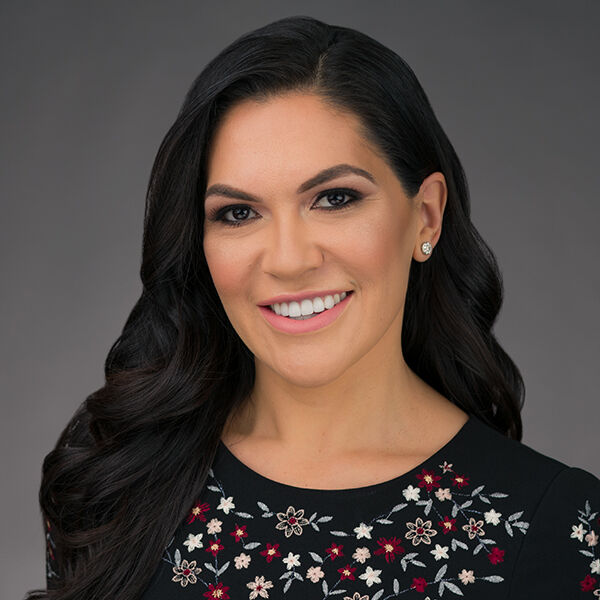
CEO, Chicano Federation

What is your biggest fear for San Diego’s Latino community right now?

We don’t have to look further than the COVID-19 infection rate among San Diego Latinos to know this pandemic has exposed and exacerbated inequities that have existed for far too long. Our community’s greatest challenge right now is ensuring that we answer this call to action so that someday, we may be able to look back and see how this terrible moment in time pushed us to finally address structural inequities that make some communities more susceptible to poverty, disease, and death than others. My biggest fear is that we return to “normal” and miss our opportunity to interrupt the status quo and evolve in ways that can lead to a more equitable future.


Pandemic Stories / Sumit Chanda

Sumit Chanda PhD

Hunting for Coronavirus Treatments

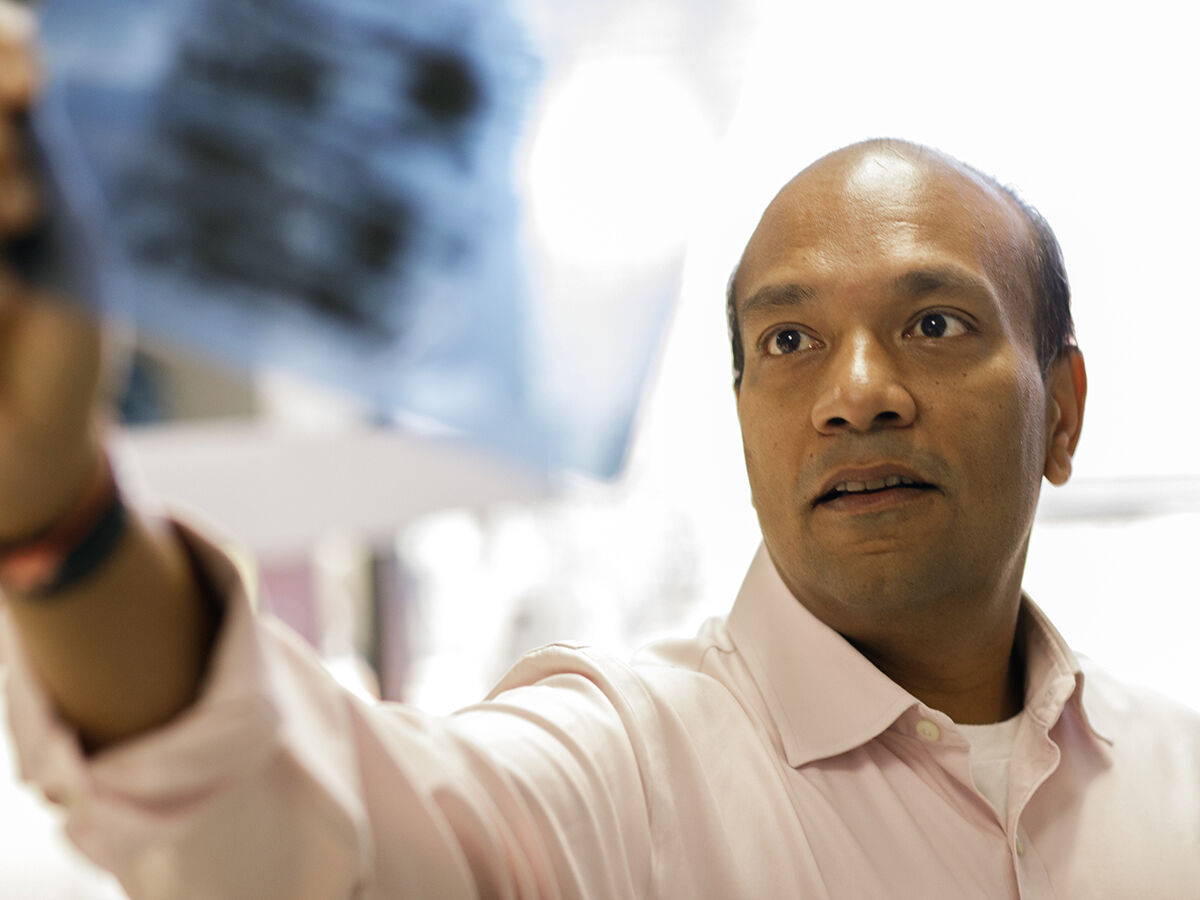
Sumit Chanda PhD Professor and director, Immunity and Pathogenesis Program at Sanford Burnham Prebys Medical Discovery Institute

As told to Josh Baxt

For a virologist, when a new influenza or coronavirus comes on the scene, it’s just bad news. In contrast to something like Ebola, where you need close contact with bodily fluids, or Zika, where you need a mosquito to transmit it, these respiratory viruses just need one infected person on an airplane.

We knew from experience that coronaviruses could be dangerous: SARS in 2003, MERS in 2012. But no one had ever worked on this coronavirus—SARS-CoV-2—before, because it didn’t exist; we had to figure out how to grow it, how to manipulate it.

These are skillsets that scientists acquire over years. Because we already had those skills, we went from discovering the virus in January to having a screen done by April. If we hadn’t already done the work in influenza and dengue, there’s no way we could have moved so quickly.

We had a variety of tools we’d developed over the years for other viruses that we could adapt to the coronavirus. We didn’t have to build a biosafety level 3 facility in January. That already existed. If we were forced to start from scratch, we’d still be scratching our heads, going: “How do we get this virus to grow in the lab?”

The investments the government and Sanford Burnham Prebys have made in these programs around flu, SARS, and MERS have helped us, and everyone else around the world, move quickly, both in the therapeutic space and the vaccine space. If no prior investments had been made, we’re talking years, if not decades, to do something comparable.


Looking for COVID-19 Treatments

Working with collaborators in San Diego, Kansas, New York, Hong Kong, and elsewhere, the Chanda lab has used SBP’s high-throughput drug screening capabilities (by which scientists can quickly investigate thousands of potential treatments) to identify existing drugs that might work against the coronavirus.

There are only a certain number of labs that can conduct high-throughput drug screening and work with nasty viruses. We have access to a collection of compounds from Scripps Research and, through collaborators in Hong Kong, we had early access to the virus.

We initially tested around 12,000 compounds and found 30 potential candidates, which are now being investigated further. For companies that had antivirals they thought might work against it, we screened those as well. Given our skillsets and resources, we felt it was our obligation to global health to move as quickly as possible.


Thinking Long Term

In May, the Chanda lab received a $10.2 million Department of Defense grant to develop broad-spectrum antiviral therapies—a grant he initially applied for in June 2019, long before the coronavirus hit.

People need to start viewing pathogens, like SARS-CoV2, as existential threats to our health, to our economy, to civilization as we know it. We’ve been saying this as virologists for a long time, and people said, “This is science fiction, it’s the movies, it’s fear mongering.” We didn’t dodge the bullet this time, and I would say the bullet still just grazed us. I think we need to prepare for a much worse scenario.

We feel the best way to combat this threat is to develop broad-spectrum antiviral drugs. The whole premise of the grant is to move away from the “one bug, one drug” paradigm and develop drug candidates that are effective against multiple respiratory viruses—a broad-spectrum approach, which is commonly used to treat bacterial infections.

We can do that with bacteria because their genomes are so big, thousands of genes, and we can target one mechanism that many bacteria use because we have so many choices. Viruses, by contrast, are super compact. Most have just 20 genes, and there are almost no opportunities to find something that works on a broad swath of viruses.

Our strategy is to target the host—in other words, the people being infected rather than the virus infecting them. Our lab focuses on identifying and understanding the specific proteins in our bodies that viruses hijack to help them grow. If we do these kinds of analyses for enough viruses, we can find hijacking mechanisms common between viruses that we can target therapeutically.

If we can develop these broad-spectrum antivirals, we could have them stockpiled and ready. Then if there was a new, emerging virus, we could send them to the source and completely block the worldwide spread. We put out the fire while it’s still in the ashtray, not when it’s consuming the entire house.


Pandemic Stories / Paul VerHoeve

Paul VerHoeve

Paul VerHoeve

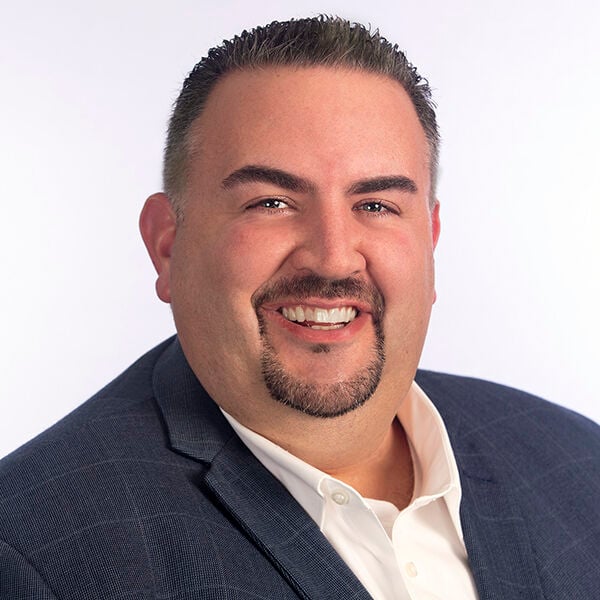
CEO, Mission Healthcare

What has been most challenging at work?

We recently had a COVID-19 positive patient on our hospice services in a private home. When building a care plan for a patient at the end of his or her life, we normally would have the family be very involved. However, COVID-19 creates a difficult situation that we haven’t previously faced. From top to bottom, we seem to be learning on a daily basis how to stay safe while also being on the front line caring for people who contract the virus.


Pandemic Stories / Drew Koehler

Drew Koehler

Drew Koehler

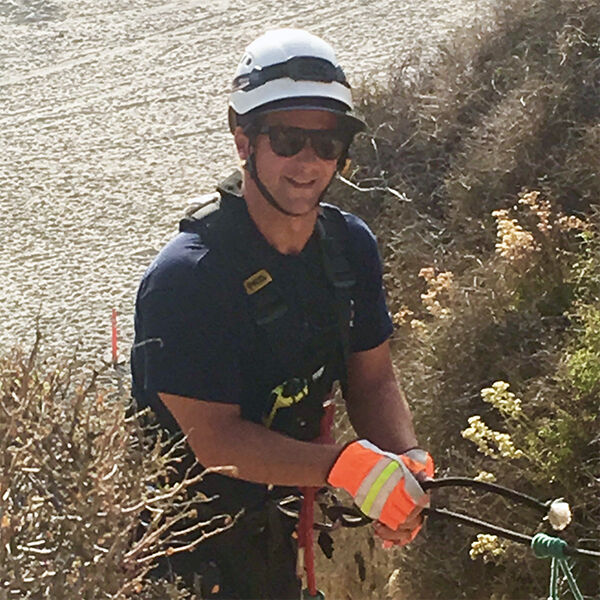
Lifeguard II, City of San Diego Fire-Rescue Lifeguard Division

How is your job different?

When it comes to medical aids we definitely have to take a step back and think about things, ask the right questions before we try to help someone. It’s our duty to make water rescues and perform coastal cliff rescues, but it definitely makes you evaluate safer ways to get things done. We have to remember to keep ourselves up to date with department policies so that we are doing the best possible job at keeping each other safe.


What’s your biggest challenge right now?

Dealing with the large numbers of people on the beach while still maintaining social distance guidelines. Ever since the beaches opened up again the crowds have been massive. It’s been a challenge to still provide the best possible service to the public while keeping our distance, especially when the beaches are as crowded as ever.


Pandemic Stories / Julie Rais Ellis

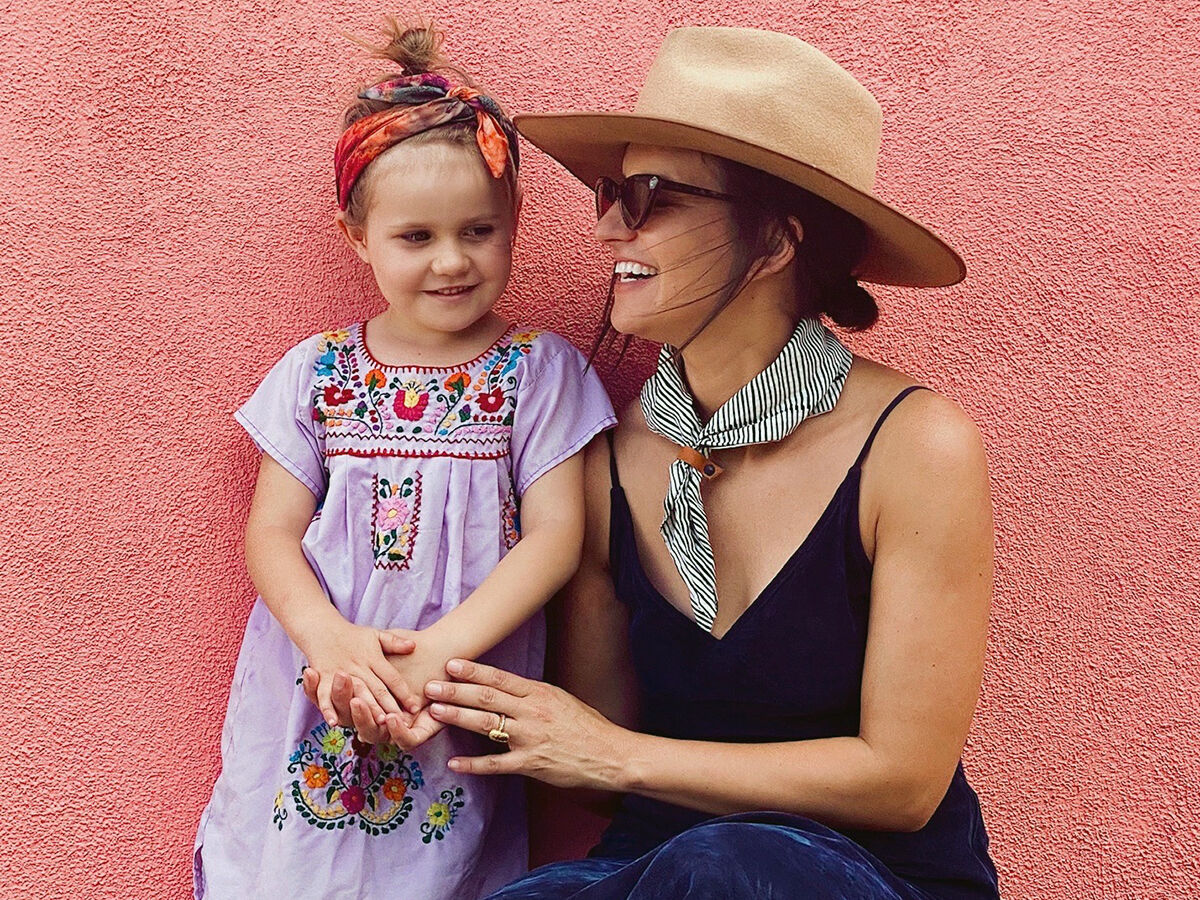
Julie Rais Ellis and daughter, Kaia

The Masks Saved the Business

Julie Rais Ellis Owner of Rais Case

As told to Sarah Pfledderer

At the beginning of the pandemic, I planted a handful of sunflower seeds at our brick and mortar. It was the day we officially closed, March 16. It’s incredible to watch a seed sprout and turn into a flower, a reminder that we are a part of nature and a cycle. Rais Case is part of a cycle, too—a garden of its own.

We jumped into 2020 with a business plan to promote our new storefront, The Rising Co., and expand our bag line. One hundred percent of our sales came from our bags and accessories. Then in mid-March we had to stop and temporarily change course.

It all started when one of our team members, Avery, spoke with a nurse friend whose hospital was almost out of masks. Avery shared with me: “It would be amazing if we made masks. Maybe we work directly with her hospital and donate them?”

Honestly, I cannot recall wearing a face mask before then. I was overcome with the feeling that we should sew masks, and stayed up well into the night creating prototypes to share with my team. We began by sewing ourselves, driven by the immediate need for essential workers.

It was all-consuming for the first 60 days, working days, nights, and weekends to meet demands. We created a sewing collective. I had to calculate how to source, produce, distribute, and finance making masks with the resources I had in place. We transitioned my garage into our headquarters, creating a shipping station, inventory storage areas, a workshop space with a cutting surface, sewing stations, and other spaces.

Working alone, we couldn’t keep up, and eventually reached out to our handbag production partners. Because we use local manufacturers, we could train our cut-and-sew team in person, get them materials, and get them up and running making eco-cotton twill face masks immediately.

Making masks has carried Rais Case through the past few months. It kept the lights on and allowed us to keep our team together. We have made approximately 10,000 face coverings to date, and customer purchases directly support our ongoing efforts to donate masks to medical staff and other essential workers across the US.

Now, bags and accessories represent 40 percent of our sales, masks and bandanas 60 percent. We feel blessed to have successfully introduced these new products while helping our community stay safe.

Our most important job as human beings is to grow and nurture those around us. Those sunflowers are in bloom right now at the shop, reminding me that we are a part of that natural cycle.


Pandemic Stories / Dr. Nathian Shae Rodriguez

Dr. Nathian Shae Rodriguez

Dr. Nathian Shae Rodriguez

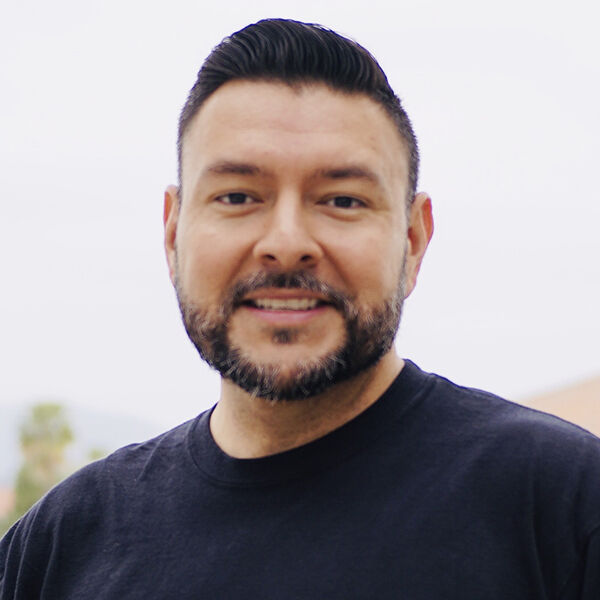
Assistant professor of Digital Media, San Diego State University

How has the pandemic affected your job?

When everything closed down physically, the university administration basically said, “Get out, you can’t go back.” You needed permission from the deans to come onto campus. Everything was done in haste.

My students were feeling mentally and emotionally drained. A lot didn’t come to class. They were scared. They had to find ways to support themselves; many had lost their jobs. It’s not just teaching, it’s helping support them—finding resources for them, giving them information.


What is one good thing that has come out of this?

The intersectionality issues brought to light from the Black Lives Matter movement. We’re going into the fall being more aware of intersectional oppressions, and more cognizant of our students’ experiences.


Pandemic Stories / Danny Khairo

Danny Khairo

Jenny Siegwart

Into Overdrive

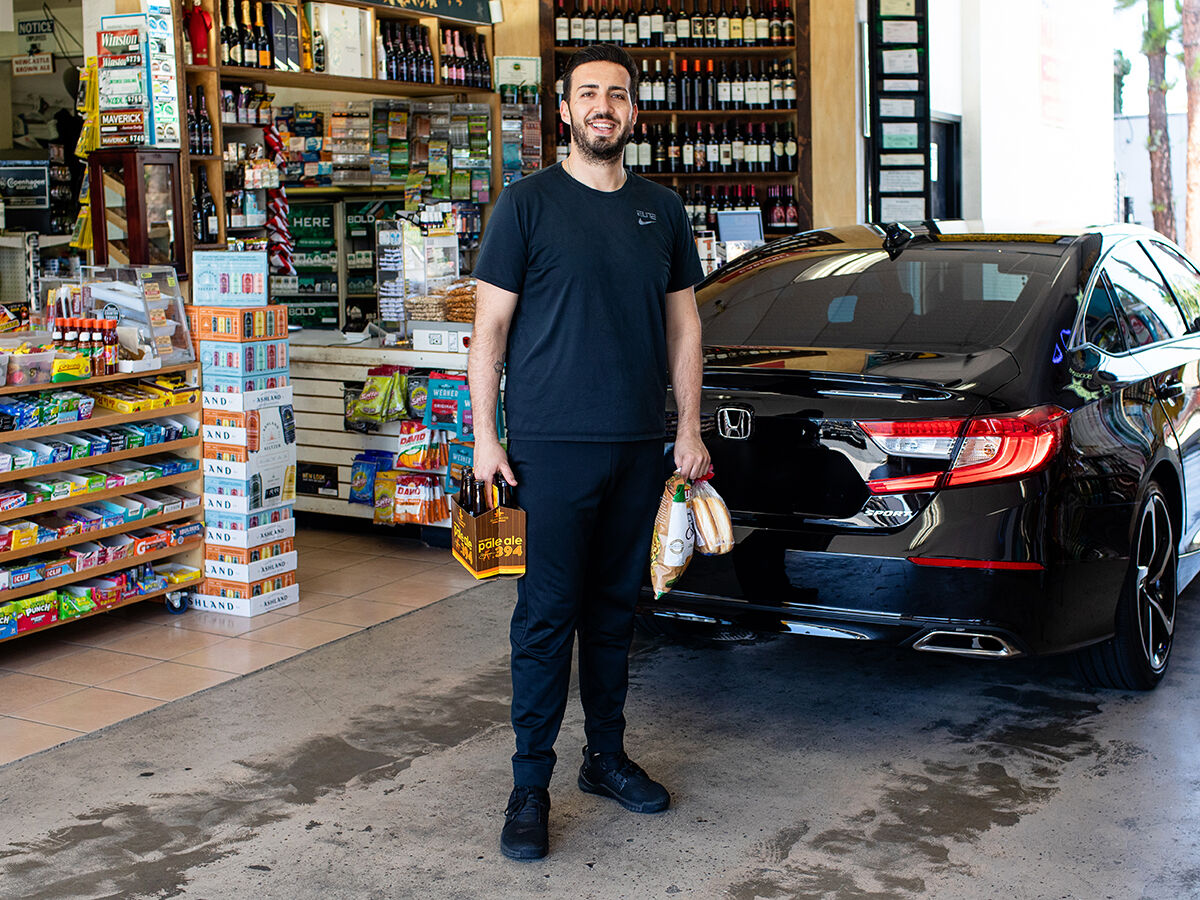
Danny Khairo Co-owner of Alta Dena Drive Thru Market, Clairemont Liquor, and Anchor Liquor

As told to Erin Meanley Glenny

The Alta Dena Drive Thru Market was already an established drive-thru when my family bought it, but it was just a dairy—milk products, cheeses. It’s been there for 71 years. The guy who started it is the landlord; he’s 97.

My dad and my brother and I have owned the drive-thru for 16 years. Sometimes people call and ask for the old Alta Dena ice cream, where it was a powder and you’d do the mixing. I hardly have anybody ask for it, so it’s not worth it to stock.

We expanded the market to alcohol, snacks, soft drinks, a little bit of everything. Apple juice, firewood. We still carry dairy products. You always get people driving through for the first time saying, “This is so cool, wow. How have we never heard of this?” There aren’t other drive-thrus in San Diego because they don’t give the license out; ours is grandfathered in. You can do a drive-thru with a window, like Burger King, but you can’t drive through the building. A lot of mothers like it because they don’t have to get the kids out of the car seats.

At the beginning of the pandemic, milk sales jumped really high. Milk and eggs were the two hot sellers. I’d say 75 percent more milk, so about 100 to 150 gallons a week.

We’ve always carried toilet paper. Whatever we got our hands on, it would sell out immediately. One person came in and bought everything, 15 four-packs of toilet paper, and it was unfair for the rest. So we limited it to one per person.

Business was a lot better. Because of no bars being open and grocery stores closing early, people realized they could save money here. People didn’t have much to do, and collecting an extra $600 a week did good for us. The grocery stores were always packed, so people were coming to us. The line could be 10 cars deep.

People were afraid to get out of their cars. We wear masks for our own safety. We use sanitizer after every customer.

My brother, my dad, and I worked 13, 14 hours every day. My dad is 62. My brother is 30. We have six employees, not including us, between all three stores. Business was good but really exhausting.
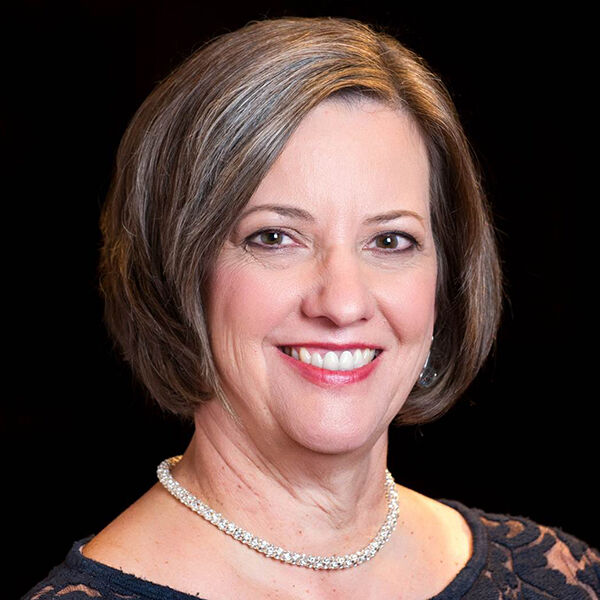


Pandemic Stories / Martha Gilmer

Martha Gilmer

Martha Gilmer

CEO, San Diego Symphony

What new innovations do you think the symphony will keep after everything has reopened for good?

What I love about all of the content we are producing [Symphony Stream virtual performances, podcasts, weekly Lunch & Listen episodes on YouTube] is that it brings the audience closer to our musicians, to music director Rafael Payare, and to each other. The storytelling nature of these productions is something we have talked about for years, and before now had not found a format that worked. The fact that suddenly we all have become adept at using technology to connect makes this communication possible, and I think it will be with us even after we can begin live concerts again. However, the crucial core of the experience remains live performance, and we cannot wait to return to hearing our musicians making music together on our stages with a full audience.
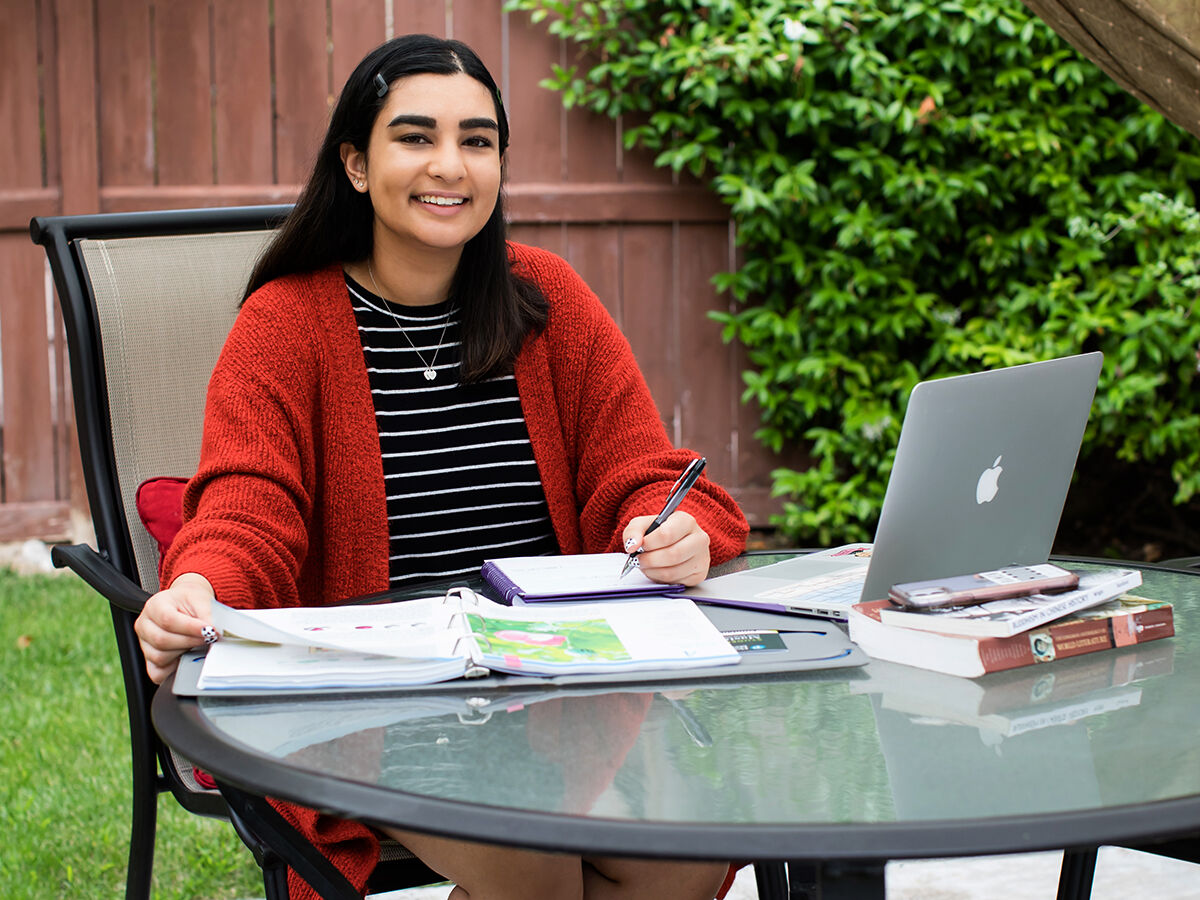


Pandemic Stories / Zara Irshad

Zara Irshad

Jenny Siegwart

A Little Help From Her Peers

Zara Irshad UC San Diego sophomore

As told to Erin Meanley Glenny

Around mid-March I heard a lot of rumors about the school shutting down, and we kept getting these updates but no one knew what was going on. One by one, classes went online, and then people went on spring break and left all their stuff in the dorm. I had three roommates; one left early and didn’t take her stuff. Her dad came two weeks later to clear out her room.

They kept changing the day when you had to leave. There was a window that kept getting smaller. We had only a few days’ notice. It was overwhelming, stressful, and scary having to leave your friends and not know how long it would be. Everyone was crying. My friends and I had decided to go to Disneyland the weekend before, and we are so glad we did that together.

My parents moved me and my second roommate out at the same time. She stayed with my family for about a week at our house in Rancho Peñasquitos. Then her dad drove down from the Bay Area, but some of her stuff is still in our garage.

It was finals week when we moved out, so the last week of March we had to take our finals online. Professors didn’t have time to construct online plans, and it was very experimental for everyone. That was a challenge—studying for finals in the midst of moving out.

I was taking intermediate Spanish all year; a large part of that is conversation, and it was really hard to facilitate online through Zoom. The teacher did a good job trying to adjust, but I had a lot of frustration because we would be put into Zoom breakout rooms where it’s you and a couple peers on screen with no professor to moderate. I wasn’t getting much out of the conversation.

I was struggling in Spanish and seeing my friends struggle. I was like, I need help. I got an email from the UCSD Communication Department about this mobile app, PEERS edu, that was developed through Connect (a startup accelerator founded at UCSD). I downloaded it and tried it for Spanish. You can have a conversation with a native speaker. My tutor was someone in Spain. You type in what subject you like, it tells you where they’re from and how much they charge. The app uses credits, and the tutor decides the price. You can tutor, be a student, or do both—“earn or learn.”

I thought it really helped, thought it was a cool concept and my friends would benefit from it. The founder, Andres Abeyta, has been working on the concept for four years; I spoke to him and started interning for the company. His goal is to roll it out for college students around California who are trying to adjust.

I’ve learned to be more accountable to myself. It’s very difficult to focus from home—you’re not at a desk in the library. I had to block out times of the day to study each subject. It’s hard not to become discouraged when you’re unable to leave.

I’m excited to see how the school rethinks and restructures, and I’m looking forward to the fall. I wasn’t planning on living on campus for my second year anyway—my plan was always to commute from my parents’ house, but now I won’t have to. I’m hoping to be able to go to my newspaper offices a few times. I recently got promoted to opinion section editor at The UCSD Guardian, so I’m hoping to meet the other editors and writers in person.

Now I appreciate what I had. I look at pictures and wish that was still happening. I was personally so caught up in being busy: going home on the weekends to see my parents, work at a coffee shop, plan things with friends, go to class. I took that chaos as stress. It was really crazy, but honestly, I kind of miss that now.
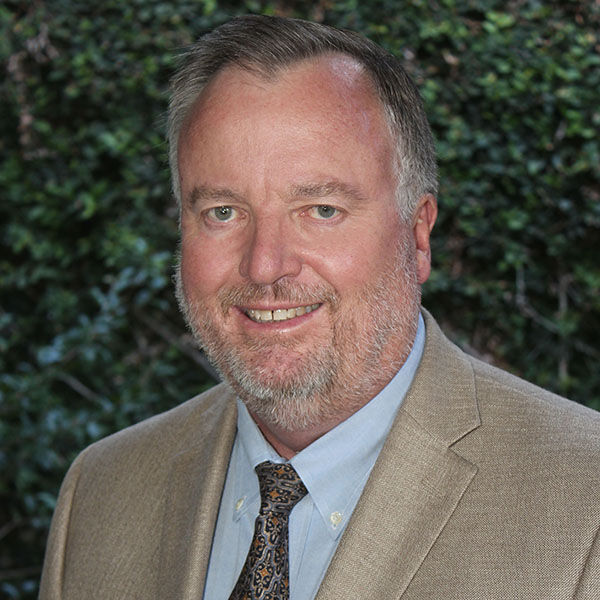


Pandemic Stories / Paul Downey

Paul Downey

Paul Downey

President and CEO, Serving Seniors

How has your job changed since the pandemic started?

I am busier than ever and have become a Zoom master! Serving Seniors had to completely reimagine our operating model—akin to building an airplane in-flight. In February, we served 60,000 meals to low-income seniors. We served over 220,000 meals in June. Pre-pandemic, about two-thirds of our meals were served in 15 senior centers throughout the county. Now, almost all are home delivered. We continue to serve homeless seniors “to-go” meals from our Gary and Mary West Senior Wellness Center downtown every day. We also have had to implement an array of safety protocols to ensure the health of our seniors, staff, and volunteers. I’m proud to say we’ve adapted to the new normal and are meeting our mission to help seniors in poverty.


What worries you the most right now?

I worry that we have lost our way as a nation. It boggles my mind that we are divided over a basic human right that everyone is equal and should be treated accordingly. Why is wearing a mask to protect yourself and others from a deadly virus a polarizing political issue? Unless we regain our moral compass—including decency, compassion, and empathy for others—we can’t begin to solve our problems and heal our wounds.

Subscribe to our newsletters

Select Options

By subscribing you confirm that you agree with our Terms and Conditions and Privacy Policy.

Arts & Culture AUGUST 5, 2026

The Best of San Diego 2026: Readers’ Picks

From tacos to tailors and trainers to travel, these are the businesses, people, and places that earned San Diego readers' votes

The Best of San Diego 2026: Readers’ Picks
Photo Credit: Narrative Images

Beauty + Cosmetic

Brow Studio

Elicia Marie Beauty

Hair Removal Business (Non-Laser)

Brazilia Skin Care

Laser Hair Removal

San Diego Aesthetics and Med Spa

Lash + Brow Technician

Elicia Soltesz, Elicia Marie Beauty

Lash Studio

Cupid Complexion

Makeup Artist

Ashley Fierro, Ashley Fierro Makeup

Microblading Artist

Sunny Olais, Sunny Bee Brows

Microneedling

Michelle Langston, MSN, APRN, FNP-BC, HNB-BC, Starlite Aesthetics

Spa for Skin Care (Non–Med Spa)

Honest Skin

Spray Tan Artist

Alysa Espiritu, Afterglo Beauty Lounge

Spray Tan Studio

Afterglo Beauty Lounge

Waxer

Tracy McMaster, The Wax Lady

Cosmetic or Beauty Product: San Diego–Based

KOA+ROY

Barber

Ronnie Page, Gold Comb Barbershop North Park

Barbershop

Hillside Barber

Courtesy of The Blow Dry Lounge

Blow Dry Bar

The Blow Dry Lounge

Colorist (Balayage)

Mariela Urbina, Rinse Salon

Colorist (Highlights)

Ryleigh Hunter, Headbang Salon

Colorist (Single-Process)

Mariela Urbina, Rinse Salon

Hair Extensions

The Hair Extension Bar

Hair Salon

Pixiedot Salon

Hair Stylist

Ann Teresa Degischer, Maen the Salon

Keratin or Smoothing Treatment Specialist

Lindsay Axelrod, Pixiedot Salon

Scalp Treatment Specialist

Cheng Tan, Koda Salon

Manicurist

Moni, Clawed Up by Moni

Nail Salon

Lulu Nails

Pedicurist

Zoe Walter, Pure Nailz

Piercing Studio

Enigma

Tattoo Artist

Lauren Skinker, Lucky Cat Tattoo

Tattoo Studio

Lucky Cat Tattoo

Courtesy of SUVA Fitness

Fitness

5K Run

Father Joe’s Villages Turkey Trot

Aerial Fitness Studio

Aerial Revolution

Barre Studio

barre3

Best New Class/Program, Opened 2025

SUVA Fitness

Best New Fitness Studio, Opened 2025

Sculpted. A Lagree Studio

Body Sculpting Studio

Move Madly

Boutique Gym

MK Fitness

Boxing Studio

City Boxing

Climbing Gym (Indoor Rock Climbing)

Mesa Rim Climbing

CrossFit Studio

Invictus Fitness

Dance Studio

Madhouse Dance

Fitness Bootcamp

The Camp Transformation Center, West Chula Vista

Fun Run

San Diego Santa Run

Golf Clinic

Singing Hills Golf Club at Sycuan

Half Marathon

Carlsbad Half Marathon

HIIT Studio

Orangetheory Fitness

Kickboxing Studio

9Round Kickboxing Fitness

Lagree Studio

Rise Lagree Studio

Courtesy of Rock ‘n’ Roll San Diego

Marathon

Rock ‘n’ Roll San Diego

Martial Arts Studio (Including Jiu-Jitsu, Judo, Karate, Krav Maga, and MMA)

Legacy San Diego

Personal Trainer

Camila Casanueva, The Yard Gym

Pickleball Courts

Barnes Tennis Center

Pickleball Lessons

The Hub Pickleball Club

Pilates Studio

SaltVault

Pole Fitness Studio

The Dollhouse Fitness

Spin Studio

Activate House

Surf Lessons

Little Groms Surf Camp

Tennis Club

Balboa Tennis Club

Tennis Courts

La Jolla Beach & Tennis Club

Tennis Lessons

Mission Hills Tennis

Traditional Gym/Fitness Center

Fit Athletic Club

Triathlon

San Diego Triathlon Series

Yoga Studio

Yoga Box

Photo Credit: James Tran

Food + Drink

Açaí Bowl

everbowl

Bagel

Big City Bagels

Bakery

Valerio’s Bakeshop

Bar

Happy Medium

Bartender

Austin Harrington, Captain’s Quarters

Best Local Alt-Drink, Alcoholic

Bivouac Ciderworks, Savoy Dry Apple Cider

Best New Bar Opened 2025

Kiku Room

Best New Brewery Opened 2025

Good Pressure Brewing Company

Birria

Birria El Rey

Bloody Mary

Waterfront Grill

Bread

Izola

Brewery

Harland Brewing Company

Burrito

The Taco Stand

Canned Cocktails

Cutwater

Caterer

Snake Oil Cocktail Company

Cheese Shop

Venissimo Cheese

Chips & Salsa

La Puerta

Chocolate Shop

San Diego Chocolate Co.

Coffee Beans/Roaster

Bird Rock Coffee Roasters

Craft Cocktails

Happy Medium

Distillery

Cutwater

Dive Bar

Aero Club

Donuts

Nomad Donuts

Farmers Market

Little Italy Mercato

Farmers Market Food Vendor

Flavors of East Africa

Fish Market

Tunaville Market and Grocery

Fish Taco

Oscars Mexican Seafood

Food Truck

Shawarma Guys

Fries

The Crack Shack

Gourmet Grocery Store

Lazy Acres

Happy Hour

La Puerta

Ice Cream/Gelato

Stella Jean’s

Juice Bar

Señor Mangos

Kombucha

Juneshine

Liquor Store

Old Town Liquor

Local Agave Spirits (Tequila/Mezcal)

Bebemos

Local Beer

Pure Project

Courtesy of Seven Caves Distillery

Local Gin

Seven Caves Distillery

Local Vodka

619 Spirits North Park

Local Whiskey

Skrewball Whiskey

Local Wine

Bernardo Winery

Margarita

Cantina Mayahuel

Martini

Turf Supper Club

Mocktails

Juniper and Ivy

Negroni

Sonny’s Pizza

Old Fashioned

Cowboy Star

Pasta

Pazza Market & Cucina

Phở

Phở Ca Dao

Pizza

Tribute Pizza

Pop Up

Mon Chourie

Produce Market

Specialty Produce

Romantic Bar

Starlite

Rooftop Bar

Communion

Sandwich

Big Jim’s Roast Beef

Smoothies

Señor Mangos

Sommelier

Missi Burns, Et Voila

Speakeasy

Raised by Wolves

Specialty Food Store

The Wise Ox

Sports Bar

Fairplay

Taco

Tacos El Gordo

Taproom/Tasting Room

Pure Project

Tequila/Mezcal Bar

Cantina Mayahuel

Whiskey Bar

Seven Grand

Wine Bar

Finca

Wine Store

Vino Carta

Winery

Gianni Buonomo Vintners

Wings

OB Noodle House

Courtesy of Four Moons Spa

Health + Wellness

Aesthetics + Med Spas: Aesthetician for Facials/Peels/Non-Medical Skincare

Cara Paymaster, CARA Studios

Aesthetics + Med Spas: CoolSculpting/Body Contouring Clinic

Cosmetic Laser Dermatology

Aesthetics + Med Spas: Hormone Therapy/Anti-Aging Clinic

Prospera Internal Medicine and Aesthetics

Aesthetics + Med Spas: IV Therapy/Hydration Lounge

San Diego Aesthetics and Med Spa

Everything SD JULY 31, 2026

The Best of San Diego 2026: Retail

From handmade goods to one-of-a-kind finds, these local shops prove the best souvenirs are the ones with a story

The Best of San Diego 2026: Retail
Photo Credit: Matt Furman

Best Place to Buy Original Art Without Needing a Tiny Paddle

Goblin Shark Emporium

Almost everything in this Oceanside shop is made by local artists and independent weirdos, and almost none of it requires a gallerist’s budget. Goblin Shark Emporium rotates a new featured artist every month between the vinyl crates, blacklight posters, and hilariously specific stickers, so you can walk out with original work and a tarot reading to contemplate as you sip your Banana Dang Coffee from a couple storefronts down.

Best Hidden Gem

Through the Fold

Tucked within the potting tables and ferns of Mission Hills Nursery, the oldest nursery in Southern California and a Kate Sessions original, sits Through the Fold, the sweet indie bookstore that mother-daughter team Gail Levine and Jennifer Medeiros hand-built and opened in late April. Two retired educators and lifelong bibliophiles run it like a neighborhood living room: three book clubs, toddler story time, and a summer camp for the 7-to-12 set. It’s the rare retail run that smells like soil and new paperbacks, which is to say, like a very specific kind of heaven.

Best Place to Blast Off Into Another Universe

Mysterious Galaxy Bookstore

Open since 1993 under the unbeatable tagline “Books of Martians, Murder, Magic, and Mayhem,” this Rosecrans Street institution is the city’s portal for anyone who would rather be on a different planet. Load up on sci-fi, horror, and fantasy, then stick around for the weekly Dungeons & Dragons campaign, because the only thing better than reading about another universe is rolling a d20 inside one.

Best Stop into Trinket Town

Library Shop

On the ground floor of the downtown Central Library, tucked into the Joan and Irwin Jacobs Common, sits the Library Shop, a tightly curated gift store stocked with presents and trinkets you didn’t know you needed: wind-up kitchen timers, specialty pencils, felt coasters in colors cheerful enough to overcome the first half of the Padres’ season—you get it. Every dollar funds the San Diego Public Library system, which makes the shop’s official “Guilt-Free Shopping” motto the rare slogan that holds up. Come for a paperback, leave having formed a genuine emotional attachment to a $4 pencil.

Best Window Shopping

Purrgatory

The window at this North Park shop is alive: a front-of-house catio where adoptable rescue cats audition for your heart while you pretend to be just browsing. From there, a literal catwalk runs along the ceiling to a back resting room (because existing around inferior beings is exhausting for cats). Owner Vera Blatchley of Purrgatory stocks the full cat-lover arsenal, plus a wall of gifts for the feline who already has nine of everything. Fan favorite: a retro-style, bubblegum-pink Kit-Cat Clock.

Best San Diego Mood Board

Club Paradise

Surf art’s everywhere, but it’s somehow always a little kooky. Painter Andy Davis’ style captured that elemental soul, making him one of the most successful surf artists of the last few decades (check his giant mural at Town and Country Resort). His tiny Encinitas storefront, Club Paradise, is a gallery-slash-gift shop that stocks his paintings and prints—and he’s using the space as a culture club for local and touring creatives.

Best Limited-Edition Tan Line

Tulux Resortwear

Tulux is the Pacific Beach swimwear label out of Cass Street, where designer Yamhed Torres turns the whole Tulum fantasy into bold, limited-run bikinis. This year, Vogue México y Latinoamérica named her one of just 10 emerging designers to watch, so each suit comes with the kind of credentials that practically books its own sunset getaway. Everything is one and done: When a piece sells, it’s gone for good, which is either smart scarcity or the universe telling you to commit.

Ramen Nagi Table full of food Best UTC Westfield Mall Restaurants and Bars San Diego

Best Malachite-to-Millionaire Shortcut

Pacific Beads

Free lotto tickets at crystal shops? Yes, please. Pacific Beads owner Shlomo Gruer greets you at the door of this Clairemont Mesa warehouse with 4,000 square feet of crystals, geodes, and beads by the bin. You come for wholesale amethyst and sterling findings; you leave holding a fistful of healing stones and a statistically remote shot at early retirement. Need another reason to visit? Owner Gruer has his own line of jewelry, and Pacific Beads also hosts jewelry-making classes.

Best Nostalgia Purchase

123 Sweetsss

El Cajon’s Parkway Plaza could look radically different in the near future, as city officials are hatching plans to reinvent the one-time community and commercial center. Inflection points of iconic structures are always compelling times to visit and tabulate your own urban-planning daydreams. As you do, hit the first NAMA-certified automatic cotton candy vending machine in the country. Push a button, and 123 Sweetsss spins you a fresh cloud of childhood in under a minute. No carnival, no county fair admission, no sweaty teenager in a paper hat required.

Everything SD JULY 31, 2026

The Best of San Diego 2026: Health & Outdoors

From getting your sweat on at hip-hop class to celebrating with a zero-proof cocktail, here are San Diego's top fitness and wellness spots

The Best of San Diego 2026: Health & Outdoors
Photo Credit: Brett Butterstein

Best We Named It What for Why Oh Dear

Cush-pii

For thousands of years, the Kumeyaay who lived in this area called a mountain south of Julian Cush-pii, meaning “sharp peak.” Then, after the Civil War, Confederate sympathizers saw that same mountain and decided to rename it Stonewall Peak—after General Stonewall Jackson. The name stuck for nearly a century and a half, until Cuyamaca Rancho State Park announced earlier this year that the name will return to its original, Cush-pii. Hike to the summit for expansive views of the Coronado Islands to the west and Mexico to the south.

Courtesy of Culture Shock San Diego

Best Pop and Lock Spot

Culture Shock

In 1993, Angie Bunch gathered a group of hip-hop dancers—called Culture Shock Dance Troupe—and gave them a space to practice and perform. As hip hop grew through the ’90s, so did Culture Shock. It has since become a nonprofit, a space for young and old, beginner and expert dancers. Culture Shock has also expanded to Los Angeles, Oakland, Las Vegas, Chicago, Atlanta, New York City, and Washington, D.C., as well as Ottawa and Toronto, Canada.

Best Way to Sweat on a Lava Lamp

Yoga Box

In 2019, Amanda Leach created the Yoga Box method, which takes high-energy flows and adds strength-building poses in heated, vibey, lava-lamp-lit studios. What started on Grand Avenue in Pacific Beach has spread to 15 locations across the county, with even more trickling into Denver, Chicago, and Brooklyn. The best part? Mindfulness newbies who can’t touch their toes and six-packed contortionists can hang in the same class. You can customize each session based on your ability and fitness level.

Courtesy of Fit Athletic Club

Best Leg Day Turned Social Hour

Fit Mission Beach

A gym taking over a historic beachfront pool sounds like the setup for a new season of Love Island, but Fit Mission Beach operating the nearly 100-year-old Plunge at Belmont Park is real. The independent fitness brand has spent the past several years building a loyal following through group fitness classes, community events, and a members’ social club overlooking the ocean. Upstairs, members can work remotely, meet friends, or hang out long after their workout ends. Between the Plunge, the coworking-style lounge, and a packed calendar of events, Fit has evolved into something bigger than a gym. It’s a clubhouse for San Diego’s fitness crowd.

Best Place to Learn What a Vagus Is

Breathe Degrees

The wellness world is finally transitioning away from HIIT workouts and cult-like spin classes, where your heart rate hits Zone 5 within minutes and stays there until cooldown. Good. At Breathe Degrees, wellness takes the form of zenned-out communal breathing sessions or vagus nerve–activating cold plunges. Breathwork is said to boost your mood in the short term and improve your heart health in the long term, and maybe that’s why everyone’s coming back for more. You can’t run into someone in Carlsbad who hasn’t dropped into at least one breathwork session, and now the studio has opened a second location in Liberty Station.
Photo Credit: Shot On Us

Best Pilates Studio for People With Tiny Roommates

Soul Pilates and Care

Pilates wasn’t just popular this year; it was practically a requirement for maintaining your San Diego residency. New studios seemed to appear weekly across San Diego, each promising stronger cores and better posture, but Soul Pilates and Care found a way to stand out by addressing a challenge many parents know well: finding time to exercise at all. Fitness doesn’t have to compete with parenting responsibilities. Parents can drop their kids off with trained caregivers while they head into reformer classes, eliminating one of the biggest barriers to working out. The studio has earned strong reviews for both its instruction and family-friendly approach.

Best Million-Dollar Massage

Spa at The Del

The Hotel del Coronado’s sweeping $550 million restoration touched nearly every corner of the historic resort, but one of the most anticipated unveilils was the debut of its redesigned spa. The oceanfront wellness destination now features 21 treatment rooms, a relaxation lounge, a sauna, steam room, and a treatment menu inspired by the coastal environment just steps away. The redesign blends the Del’s Victorian legacy with a cleaner, more contemporary aesthetic, creating a space that feels distinctly SoCal rather than generic luxury hotel. For locals who don’t have time for a vacation, it’s the next best thing.

Best Cheers Without Beers

Good News Bar

As non-alcoholic beverages continue their meteoric rise, Good News Bar has become one of San Diego’s most compelling arguments for a booze-free evening. The University Heights hotspot serves a menu of carefully crafted zero-proof cocktails that borrow techniques and ingredients from traditional cocktail programs (it’s not just fancy juices and soda water), minus the hangover. The space also hosts regular community events and has quickly become a gathering place for everyone from sober San Diegans to the merely sober-curious. In a nightlife industry built around alcohol sales, Good News proved there’s plenty of demand for connection without the buzz.

Studio S JULY 25, 2026

These San Diego Companies Are Driving the Region’s Next Wave of Growth

This month, the 2026 San Diego Business Impact Awards recognized local businesses making an impact in clean energy, biotech, hospitality, and beyond

These San Diego Companies Are Driving the Region’s Next Wave of Growth
Photo Credit: Matt Furman

Renewable energy companies building hundreds of power plants. Biotech startups using artificial intelligence to create personalized medicine for children with rare diseases. Hospitality companies quietly powering thousands of local events. Consumer brands growing from beach-town startups into national businesses. These are the kinds of companies driving San Diego’s economy today, and the businesses recognized at this year’s San Diego Business Impact Awards offer a snapshot of where the region is headed.

Hosted July 23 by San Diego Regional Economic Development Corporation (EDC) and JPMorganChase, the second annual awards event honored four local companies for innovation, growth, and economic impact. More than 100 nominations from San Diego’s middle-market businesses were reviewed by a 10-person judging committee, with winners selected across four categories: startup, early-stage innovator, rising star, and established heavyweight.

Two-time honoree Jimbo Someck, founder of Jimbo’s organic grocery stores, also joined the event for a fireside chat on buying local, supporting emerging brands, and giving back to the community.

“San Diego’s strength comes from its makers and builders—the resilient people who endure great risks and overcome obstacles to build and scale a company,” says Aaron Ryan, San Diego Region Manager and Middle Market Banking at JPMorganChase & Co. “These awards aren’t just recognition; they spotlight the talent, grit, and innovation shaping our region’s future. By celebrating those who create and build, we foster connections and fuel the growth that keeps San Diego thriving.”

Photo Credit: Matt Furman

Building the Infrastructure Behind Clean Energy

Heavyweight honoree SOLV Energy has grown alongside the country’s rapid investment in renewable power. “It’s an exciting time for SOLV Energy as we are experiencing significant growth,” says CEO George Hershman. “The business has doubled over the last year and has almost double-digit growth since its inception.”

The Rancho Bernardo-based company designs, builds, operates, and maintains utility-scale solar and energy storage facilities. Since its founding in 2008, SOLV Energy has built more than 500 power plants.

Growth has translated directly into hiring. About 200 employees work from the company’s local headquarters, including roughly 20 interns. “Our intern program is a big part of the way that we grow our workforce,” Hershman says. “Last year, 43 percent of our interns became full-time employees. We believe San Diego is a great community to build and grow a high-tech infrastructure and technology company because of the incredible workforce—the ability to attract top talent and draw from world-class universities.”

Photo Credit: Matt Furman

Developing Medicine One Patient at a Time

Startup honoree La Jolla Labs is tackling one of medicine’s biggest challenges by developing personalized RNA therapeutics for patients with rare diseases—many of them children with neurological disorders like ALS. Using proprietary artificial intelligence and machine learning tools, the biotech company develops treatments tailored to each patient’s specific genetic mutation.

CEO Tamar Grossman says the recognition reflects how far the company has come despite limited resources. “We’re honored to be recognized for our ability to change and save patients’ lives and turn our lean startup into a clinical company with very minimal resources,” she says.

Grossman credits San Diego’s concentration of research institutions—including UC San Diego, the Salk Institute, and Scripps Research—with creating a pipeline of talent and collaboration. “San Diego is one of the world-leading centers for technology, genomics, and RNA therapeutics,” she says. “We have over 30 RNA therapeutics companies here, and we support each other and help with anything related to drug discovery.”

She says that collaborative spirit extends beyond formal partnerships. “You can walk around Torrey Pines, go into a café, and find colleagues from the industry and have an ad hoc conversation,” Grossman says. “That’s something very unique to San Diego.”

Photo Credit: Matt Furman

Powering San Diego’s Special Celebrations

While Snake Oil Venue Company may not be a household name, chances are many San Diegans have attended one of its events. The early-stage innovator honoree has expanded from beverage catering and mixology consulting into venue management, operating Julep Venue in Mission Hills, Bramble Bay Venue in Imperial Beach, Vesper Venue, the Chapel at Liberty Station, and five outdoor venues throughout Liberty Station—more than 500,000 square feet of event space altogether.

“We do a lot of launch parties for corporations and new products,” says CEO Mike Esposito. “I really like working on the entrepreneur side of things, where new businesses are entering the San Diego market and looking to make a splash.”

Snake Oil has executed more than 16,000 events, employed more than 1,000 people, and partnered with more than 900 local vendors, including caterers, florists, photographers, entertainers, and other hospitality businesses. The company also works with many of San Diego’s nonprofits, museums, and cultural institutions. “We get to celebrate people’s most important moments,” Esposito says. “Whether that’s a wedding, celebration of life, or quinceañera, we’re fortunate to be involved in the community in so many different ways.”

Photo Credit: Matt Furman

Growing a Beach-Town Brand into a National Business

Rising star honoree ALOHA Collection is proof that a simple idea can grow into a thriving company. Founded by two roommates who wanted a better way to carry wet swimsuits after a day at the beach, the lifestyle brand has grown into a business while maintaining strong year-over-year growth.

Now headquartered in Carlsbad, ALOHA Collection employs more than 100 people and operates its California flagship store in Encinitas, which is slated for a remodel. With roots in Hawaii, the company is known for its lightweight, splash-proof travel bags that have become a familiar sight on beaches in San Diego and beyond.

“‘Aloha’ is part of our name, but it’s also how we move through the world,” says CEO Lynna Barnard. “It’s how we show up for people, the way we travel, the way we give back.” Since day one, the company has maintained a 5 percent giveback to Hawaii conservation efforts, contributing millions of dollars over the years.

“I think what’s so inspiring about ALOHA Collection, and the founders in particular, is when you dream big, those dreams can come true when you work hard and trust in the universe,” Barnard says. “It’s inspiring to be a role model for other people wanting to start businesses from humble beginnings. Start small and watch it grow.”

Together, businesses like these form a cornerstone of San Diego’s economy—not only through the jobs and revenue they generate—but through the local workers they hire, vendors they support, and investments they make in the region. Their growth doesn’t happen in isolation; it ripples outward, strengthening the broader business community and the people who call San Diego home.

Photo Credit: Matt Furman

Partner Content
Everything SD JULY 31, 2026

The Best of San Diego 2026: Kids & Family

From elephant encounters to escape rooms, these are the adventures that kept San Diego families busy all year long

The Best of San Diego 2026: Kids & Family
Courtesy of San Diego FC

Best Trunk Show

San Diego Zoo Safari Park’s Elephant Valley

If you can’t quite swing the cost of a trip to the African outback, the Safari Park’s new Elephant Valley is a pretty convincing Plan B. The 13-acre immersive habitat—the largest project in the San Diego Zoo Wildlife Alliance’s 109-year history—is home to eight African elephants, but it’s the thoughtful details that steal the show. Keep your eyes open for intricate Kenyan-inspired artwork, native landscaping, and stop by the Mkutano House, where you can grab lunch with a front-row view of the herd.

Best Fresh Grounds

Pepper Park

Pepper Park became the emotional anchor of the bayfront overhaul when the National City park reopened this March with a 2.5-acre expansion. Hopefully that’s just the start. The California Coastal Commission also approved the city’s ambitious waterfront plan, clearing the way for a long-envisioned 77-acre bayfront makeover with more green space, better bike paths, and improved waterfront access. Money still has to be raised, but head to Pepper Park, sit on a brand-new bench, and gaze out at the future of the South Bay.

Family holding hands walking up to a free concert at Balboa Park's Spreckels Organ Pavilion in San Diego

Best Community Sports Glow-Up

Willie Henderson Sports Complex

Not every family destination comes with roller coasters—sometimes, they have paint rollers. The Willie Henderson Sports Complex in southeast San Diego recently received a new paint job and major facelift (courtesy of San Diego FC, the Prebys Foundation, and community advocates), giving thousands of kids a safer, smoother, and more colorful place to play basketball or soccer. If your weekends revolve around sports gear, folding chairs, and orange slices, you’ll definitely appreciate the upgrade.

Best Slice in the Galaxy

Killer Pizza From Mars

Parents come for the pizza. Kids come for the games. Sci-fi nerds come for it all. Killer Pizza From Mars is an Oceanside mainstay for families who love arcades, vintage Star Wars memorabilia, and piled-high pizzas with outrageously silly names like the “Mars”gherita pizza. Order a basket of Killer Fries, sink your teeth into a Martian Melt sandwich, and don’t be surprised if your kids clamor for a return mission.

Best Return to Monkey Business

Fanuel Street Park

After what must have felt like an eternity for Pacific Beach families, Fanuel Street Park’s playground is finally back. The old play structure got the heave-ho nearly two years ago, but this spring, the community raised enough donations to replace it with modern climbing structures, new swings, and better accessibility. It’s finally back to being a low-key locals spot perfect for picnicking, splashing around, and letting the kids burn off some energy.

Photo Credit: Farah Assi

Best Way to Frustrate Your Child in a Fun Way

Lara’s Labyrinth

If screen time has obliterated your attention span, try giving your brain a workout at an escape room. Lara’s Labyrinth provides a few options ranging from kid-friendly to “try not to pee your pants in fright,” where participants can attempt to escape an enchanted forest or decipher clues left by Leonardo da Vinci. (Some rooms have G, PG-13, and R-rated versions for your family’s comfort level, but maybe save the “Cannibal” room for an adults-only excursion.)

Best Babysitter With a Degree in Marine Biology

Living Seas at Birch Aquarium

Birch Aquarium has always made a splash, but the $18.7 million Living Seas exhibit is a tidal wave of awesome. The immersive exhibit features different marine ecosystems throughout the Pacific Ocean, from the warm aqua waters of tropical zones to the frigid (but nourishing) Pacific Northwest. Bigger is better here: There are areas designated for the gigantic sunflower sea star and giant Pacific octopus, so prepare for oceanic marvels to wow you.

Best Hip New Thing at the Hip Kid Place

Artopia at The New Children’s Museum

Forget “don’t touch the art.” At Artopia, touching, building, climbing, experimenting, and making a colorful mess are all exactly the point. Created by the museum’s in-house Creative Studios team, the interactive space invites kids to become artists through hands-on projects like weekend ceramics workshops and after-school programs. When creativity gets a little chaotic is when it’s at its most fun.

San Diego family friendly restaurant Corvette Diner featuring kids

Best Free-Range Kid Lawn With Wine

Grand Social at the Fairmont Grand Del Mar

The Fairmont Grand Del Mar used to feel like someplace you admired from afar. Grand Social changed that. Three levels of outdoor space are now home to a bar and grill, bocce courts, and other lawn games, as well as a summertime concert series and other family-friendly events that welcome locals just as much as overnight guests. It’s proof that one of San Diego’s fanciest addresses also knows how to have a little fun.

Best Place to See Sharks and Only Be a Little Scared

SeaWorld’s Shark Encounter

You don’t need a cage to come face-to-face with sharks anymore. SeaWorld’s revamped Shark Encounter lets you get startlingly close to species like reef sharks, massive sand tigers, and endangered Australian leopard sharks, all inside newly redesigned habitats. It’s equal parts adrenaline and education, and a good reminder that these misunderstood predators are closer to Bruce in Finding Nemo than Jaws in… well, Jaws.

Photo Credit: Richie Wireman

Best Mission for Major Tom

LEGOLAND’s LEGO Galaxy

Houston, we have a new reason to visit LEGOLAND California. LEGO Galaxy is the plastic-brick haven’s biggest in-park investment ever, including the first new roller coaster in 20 years. Between the customizable Galacticoaster experience, build-your-own spacecraft stations, and interactive space adventures, aspiring astronauts can easily spend hours exploring this brick-built universe.

Arts & Culture JULY 31, 2026

The Best of San Diego 2026: Arts & Culture

Whether you love theater, music, dance, or public art, these are the cultural experiences that stood out this year

The Best of San Diego 2026: Arts & Culture
Photo Credit: Stacy Keck

Best Statewide Arts Flex

Arts District Liberty Station

Arts District Liberty Station officially became one of the state’s designated cultural districts, joining a list reserved for places with thriving creative communities. Considering the campus is home to more than 100 galleries, artist studios, museums, and arts organizations—not to mention The Joan, the 42,000-square-foot performance center housing Cygnet Theatre—it was only a matter of time until the district got its flowers.

Best Deterrent of Public Vandalism

Vision Culture Foundation

If you can’t beat ’em, join ’em. The National City Public Works building has been a target of graffiti artists for years, only to be constantly painted over (and the cycle restarts). Now, it’s working with the local artists from Vision Culture Foundation to create intentional public murals. A win-win in our book.

Best Champion of the Arts

Vanguard Culture

One of the biggest questions this year is who will show up for San Diego arts and culture—so a Best Of nod goes to a nonprofit that’s been doing it for years. Founded by longtime arts advocate Susanna Peredo Swap, Vanguard Culture has staged events for creatives, told their stories, and just created an SD ARTS Pass—a single ticket that gets you access to 39 creative spots.

Photo credit: Carly Topazio

Best Way to Overcome Your Fear of Ghosts

The Rosin Box Project

Ballet’s already got a sort of otherworldly thing going for it, with people morphing into 90-degree angles and defying gravity with each pirouette. The Rosin Box Project feels like a raw, creative new force in the classic art form, though—especially with its annual Ghost Light Masquerade. It’s a dance of eerie spirits that makes you second-guess what’s real and what’s not.

Best Music Venue That Also Sells Hot Dogs

Gallagher Square

Once upon a time, Gallagher Square was just a grassy knoll behind the outfield wall at Petco Park. Now, it’s a concert venue, playground, play ball field, dog park, and unofficial home for those who prefer the vibe of baseball more than the actual game. Big-time performers are showing up: Ms. Lauryn Hill, Cypress Hill, and Peach Pit.

Best Local Canvas

Casa Casillas

Casa Casillas has filled a long-standing gap in Chula Vista’s art scene. Open since last August, the space gives local artists a dedicated venue to display their work and visitors a chance to explore the neighborhood’s vibrant art. Two rotating resident artists always keep the space moving, so it rarely looks the same twice.

Courtesy of Alley Cat Art Fest

Best Place to Say “I Think It’s About Capitalism”

Alley Cat Art Fest

El Cajon translates to “the box” in Spanish—a nod to the city’s surrounding hills—but Alley Cat Art Fest (previously called Artivál) doesn’t stay inside it. As the first arts festival in East County, it celebrates local galleries, sculpture, live music, and food trucks—the whole nine.

Best On-Two-Feet Art Tour

Barrio Art Crawl

Every second Saturday, Barrio Logan turns into a choose-your-own-adventure with the Barrio Art Crawl, a free self-guided art tour through galleries, museums, and murals, with street food and music filling in the gaps. Barrio is one of the city’s most thriving arts neighborhoods, and it’s worth getting a bit lost in.

Best Peek Inside Alicia Keys and Swizz Beatz’s Living Room Without the Awkward DM

Museum of Contemporary Art San Diego

MCASD is showcasing two powerhouse exhibits—Giants: Art from the Dean Collection of Swizz Beatz and Alicia Keys and The Dean Collection Presents: Hometown Heroes. The pop music titans are highlighting local artists, with an intentional focus on diverse experiences. It was one of the biggest (and coolest) art openings of the year, and it closes August 9. So get on it.

Best Season Opener

The Old Globe

Leave it to The Old Globe to give the local theater scene some Hollywood glamour. Katie Holmes led the premiere of Henrik Ibsen’s Hedda Gabler this past spring, turning the classic Norwegian play into one of the most buzzed-about theater productions of the year.

Partner Content JULY 31, 2026

Blood Pressure Basics

Hypertension is the leading cause of cardiovascular disease and premature death in women

Blood Pressure Basics
Courtesy of Scripps Health

It’s estimated that 44% of women in the U.S. have high blood pressure, also known as hypertension, but many don’t know it. The disease often has no symptoms, and when symptoms do present, they can appear similar to many other conditions. High blood pressure increases the risk for heart disease and stroke, so it’s critical that it’s detected and treated early. And for women at risk of developing high blood pressure, prevention is key. Click here for the basics of high blood pressure and how Scripps physicians at Scripps use screenings not just as a diagnostic tool, but as part of routine preventive care.

For more nutrition, wellness, and healthy living tips, sign up for the San Diego Health newsletter here.

Partner Content

Thousands of savvy locals already get it.

San Diego's best restaurants, experiences, and events—handpicked and delivered to your inbox weekly. You in?

Close the CTA

Contact Us

1230 Columbia Street, Suite 800,

San Diego, CA