Featured articles
Food & Drink
Food & Drink
Food & Drink
Featured articles
Everything SD
Everything SD
Everything SD
Featured articles
Things to Do
Food & Drink
Things to Do
What's next
Featured articles
podcast-ep
video
podcast-ep
Featured articles
Features
Features
Features
Featured articles
Everything SD
Everything SD
Food & Drink
Ready to know more about San Diego?
SubscribeReady to know more about San Diego?
To call it the crowning jewel of the city would be, well, accurate. Balboa Park is the North Star of the San Diego’s cultural compass.
main image balboa
With its rich history dating back to 1868, this stretch of iconic architecture, galleries, theatres, and gardens serves as the city’s natural meeting place. Whether you’re picnicking in the vastness of green spaces, strolling over scenic trails, or taking in the latest exhibitions from local minds or artists of the past, Balboa Park offers it all—and keeps it fresh for city dwellers and visitors alike. So, drop a pin anywhere along its sprawling 1,400 acres to get a jumpstart on your cultural agenda.
HOMETOWN HISTORY
2
The Balboa Park Cultural Partnership is a great place tostart to learn more about our city home. It hosts 29 different institutions within the park and offers an “Explorer” Annual Pass, which includes access to 16 museums where you can explore exhibits like Balboa Park: The Jewel of San Diego, a film showing at the San Diego History Center, and the San Diego Model Railroad Museum’s Transcontinental Railroad exhibit, or you can use the pass to stop by the San Diego Natural History Museum to see our feral, furry friends snapped in their natural habitat with the Caught on Camera exhibition. Prefer the human element? Check out some living history with the Marston House, a residential museum showcasing the work of local architects from the early 20th century.
GO INTERNATIONAL
See beyond our backyard with the international aspects of the park. Start with the House of Pacific Relations International Cottages, representing a range of 34 countries and heritages—from Mexico to Ukraine—who proudly open their doors every weekend. Immerse yourself in global art at the Mingei International Museum with the African by Design or A World of Beads exhibitions. Learn from the greats as you rove the halls of the Timken Museum of Art, which features French, Russian, Spanish, and Flemish masterworks.
KEEP IT CLASSIC
San Diego Museum of Art is the lynchpin of visual feats at the park, and organizations like Balboa Art Conservation Center keep it in top shape so it can remain on display for all the see. Roam through the different levels to peer at various works, including the O’Keefe and Moore exhibition showing Georgia O’Keefe’s paintings alongside British sculptor Henry Moore’s work, or experience local artist Carlo Miranda’s 10 displays of hyperrealist painting. Take in some performing arts with The Old Globe as it opens its summer show with Shakespeare’s Twelfth Night. Or grab a seat amongst younger audiences as San Diego Junior Theatre continues its 75th anniversary season with Grace, the story of a young girl’s quest to be class president, opening June 30. In between performances, stop and smell the flowers at the Japanese Friendship Garden. Linger on for a cup of tea or to peek at the Art of Origami/ Origami Senbazuru Dress exhibition.
GET TECHY WITH IT
3
Unleash your scientific side with the joy of discovery at the Fleet Science Center. With summer STEM camps and a rotating schedule of science-themed films in its IMAX Dome theatre, this is the place for facts and fun. Time it right and head over to San Diego’s Air & Space Museum for the 18th annual Space Day on June 3 for astro activities for all ages. On any given day, stay to explore the array of aircrafts and aeronautical artifacts, like a mystery bag belonging to Neil Armstrong. If you prefer being earthbound, trek to the San Diego Automotive Museum to get your need for speed fulfilled with exhibitions from Indian and Harley-Davidson motorcycles to San Diego lowriders and even a few keepsakes from two-wheeled daredevil Evel Knievel.
JAPANESE FRIENDSHIP GARDEN
Scott-Hallock (Permission from photographer)-020717__MG_6797.jpg
SAN-KEI-EN TRANSLATES TO “THREE SCENE GARDEN” and celebrates three landscapes in Japanese culture: water, pastoral, and mountain. The Japanese Friendship Garden (JFG) is an expression of the ties between the people of San Diego and our sister city, Yokahama, blending the two cultures in a unique cultural exchange. JFG follows the original principles of a Japanese garden to create an experience of harmonious interaction between humans and nature. As a 501(c)(3) organization, JFG aspires to engage, inspire, and educate present and future generations of diverse backgrounds about Japanese culture and community legacy through exhibits, programs, and the preservation of the garden.
2215 Pan American Road E, San Diego, CA 92101 niwa.org | 619-232-2721
HOURS: Daily, 10 a.m.–7 p.m., with last admission at 6 p.m.
SAN DIEGO NATURAL HISTORY MUSEUM (THE NAT)
NAT
NATURE IS THE BIGGEST EXHIBITION OF ALL.
While best known as a favorite spot to see new exhibits, the San Diego Natural History Museum (nicknamed The Nat) is much more than a museum. The roots of this organization trace back to 1874 when to a group of naturalists came together to study the unique flora and fauna of our region. They didn’t open the first exhibits until nearly 40 years later. Today, The Nat is abuzz with activity serving as a popular destination for museumgoers, a trusted source for outdoor educational programs, and a research institution working to protect our regional biodiversity. Its newest exhibition, Caught on Camera, brings it all together under one roof. The show features beautiful wildlife photography taken with motion activated cameras by local scientists, professional photographers, and curious members of the San Diego community.
1788 El Prado, San Diego, CA 92101 sdnat.org | 619.232.3821
HOURS: Daily, 10 a.m.– 5p.m.; open until 10 p.m. on Fridays this summer
SAN DIEGO JUNIOR THEATRE
SDJT Summer Camp 1.jpg
SAN DIEGO JUNIOR THEATRE is the oldest youth theatre in the nation, currently celebrating 75 years of offering affordable camps, classes, and outreach programs for children ages 3-17, as well as six main stage productions each season. Students gain confidence, learn leadership, practice teamwork, and build a skill set—not only for a theatre stage but for the larger stage of the real world. Junior Theatre is committed to promoting inclusion on its stages, in its classrooms and in its audience and strives to provide high-quality educational curricula and theatre productions that are accessible to all children so that it can be a place where everyone feels safe, welcomed, and represented regardless of race, color, ancestry, national origin, gender, gender identity or expression, sexual orientation, or disability
SDJT Summer Camp 2.jpg
1650 El Prado, Casa del Prado, San Diego, CA 92101 juniortheatre.com | 619 239-1311
HOURS: Monday through Thursday, 10 a.m.–6 p.m.; Friday, 10 a.m.–5 p.m.; Saturday and Sunday, 9 a.m.–2 p.m.
BALBOA ART CONSERVATION CENTER
4
DID YOU KNOW SAN DIEGO IS HOME to the West Coast’s only regional art conservation center? For more than 45 years, Balboa Art Conservation Center—located in the heart of Balboa Park—has provided conservation and preservation services to museums and private collectors. Consultation and conservation services, focusing on paintings, works on paper, and textiles, are available by appointment only.
1649 El Prado, San Diego, CA 92101 bacc.org | 619-236-9702
HOURS: Monday through Friday, 9 a.m.–5 p.m.
SAN DIEGO MODEL RAILROAD MUSEUM
RR
SPANNING OVER 27,000 SQUARE FEET of trains, trestles, and tracks, we are in the heart of natural beauty framed by the majestic backdrop of Balboa Park. The San Diego Model Railroad Museum is a space where imagination is beautifully engineered. Kids 12 and under get in free with a paid adult!
1649 El Prado, San Diego, CA 92101 sdmrm.org | 619-696-0199
SUMMER HOURS (MAY 26-SEPTEMBER 4): Tuesday through Sunday, 10 a.m. – 4 p.m. NORMAL HOURS: Tuesday through Sunday, 11 a.m. – 4 p.m.
SAN DIEGO AUTOMOTIVE MUSEUM
Auto.
SINCE 1988, THE MISSION OF THE SAN DIEGO AUTOMOTIVE MUSEUM has been to tell the story of the social and technological past, present, and future of motorized vehicles throughout its collections, exhibitions, and educational programs. In addition to having cars that span the 20th century, the museum also has one of the largest collection of motorcycles on the West Coast.
2080 Pan American Plaza, San Diego, CA 92101 sdautomuseum.org | 619-231 2886
HOURS: 10 a.m. – 4:30 p.m., Tuesday to Sunday, Closed most Mondays
Park Pass
EXPERIENCE ARTS, SCIENCE, HISTORY, CULTURE, AND MORE!
The Balboa Park Explorer Pass is your ticket to some of the best museums San Diego has to offer. Get the most out of your visit to Balboa Park with affordable pass options: Limited (up to four venues), Parkwide (seven consecutive days of access), and Annual (365 days of unlimited exploring!)
1549 El Prado, San Diego, CA 92101 | 619-232-7502, press 2
HOURS: Open for use during each venue’s regular operating hours
5/10-9/17:
AFRICAN BY DESIGN: FORM, PATTERN, AND MEANING IN AFRICAN CRAFT AT MINGEI INTERNATIONAL MUSEUM
African by Design features traditional and contemporary African craft, including furniture, pottery, basketry, textiles, jewelry, clothing, currency, and more. This exhibition presents dazzling works as well as the design elements that make them special everyday objects.
1439 El Prado, Casa del Prado, San Diego, CA 92101 mingei.org
6/12-8/18:
SUMMER CAMPS AT SAN DIEGO JUNIOR THEATRE
Spend your summer acting, singing, and dancing in beautiful Balboa Park! Junior Theatre has something for all ages and levels of experience. One-week sessions begin June 12 and run through August 18. We also offer a tech camp and two-week conservatory camps for acting and musical theatre. Register today!
1650 El Prado, Casa del Prado, San Diego, CA 92101 juniortheatre.com
6/13-11/20:
STEP RIGHT UP: CIRCUS TRAINS AT SAN DIEGO MODEL RAILROAD MUSEUM
Step right up and marvel at the world of circus train travel. This exhibit
features models of colorful cars and animals like the real circus
would’ve traveled with! Open from June through November this year.
1649 El Prado, San Diego, CA 92101 sdmrm.org
8/11-8/12:
TORO NAGASHI FESTIVAL AT JAPANESE FRIENDSHIP GARDEN PRO-TIP ONE CARD
Enjoy the Japanese custom of Toro Nagashi—floating lantern
celebration. The festivities will take place on August 11th and 12th
from 10 a.m. – 6 p.m., with last admission at 5 p.m. There will be
performances and vendors for guests to enjoy.
2215 Pan American Road E, San Diego, CA 92101 niwa.org/odori
All Fridays:
NAT AT NIGHT at SAN DIEGO NATURAL HISTORY MUSEUM (THE NAT)
On Fridays this summer, explore the museum after hours—with
half-price admission after 5 p.m. Enjoy access to all exhibitions,
activities and trivia, and a rooftop deck for great views and delicious
small plates from Wolf in the Woods.
1788 El Prado, San Diego, CA 92101 sdnat.org
ONE CARD, 16 DESTINATIONS
Spend your summer (and beyond!) with Balboa Park! Explore all the incredible arts, science, history, and culture Balboa Park has to offer with one convenient and affordable pass.
1549 El Prado, San Diego, CA 92101 explorer.balboapark.org
.
The San Diego home remodeling company works on full homes, kitchens, bathrooms, home additions, ADUs, garages, landscapes, and hardscapes.
Most homeowners want two things before they commit to a remodel: a realistic sense of cost and a clear picture of what the finished space will look like. Milan Design + Build helps deliver both through its online remodeling estimator and personalized design consultations, supported by a showroom experience and 3D renderings.
“The online estimate gives homeowners a starting number in about a minute, and the showroom and 3D renderings let them see materials and layouts before anything is built,” says David Noriani, CEO of Milan Design + Build. “Keeping design, permits, and construction with one team helps us manage expectations and keep everyone working toward the same vision.”

Modern design is a particular focus for Milan, with an emphasis on clean lines, natural light, functional layouts, and carefully selected materials. The team adapts each design to the homeowner’s lifestyle and the character of the property. Milan Design + Build combines thoughtful design with construction expertise, creating spaces that are as functional as they are beautiful.
The online estimator covers kitchen remodels, bathroom renovations, full-home remodels, and ADU construction. At Milan’s showroom on Carroll Road, visitors can review real materials, finishes, and design options, meet the design-build team, and discuss project scope, budget, and timing. Consultations can also be held virtually for homeowners who prefer to start remotely.
At Milan Design + Build, one integrated team works on the entire project. Design and construction aren’t divided between separate firms. The process begins with a consultation and feasibility review, followed by design, space planning, and 3D renderings developed from detailed measurements and digital scans. The team also coordinates architectural plans, structural engineering, city approvals, and material selection, with construction overseen by a dedicated project manager.
Homeowners can explore their remodeling options, get an initial estimate, or request a design consultation at MilanBuild.com.

The Campaign for La Jolla Institute for Immunology (LJI) will fuel scientific innovation and medical advances
La Jolla Institute for Immunology (LJI) is going public with a bold bet: a $55 million campaign to propel medical research into a new era. The Campaign for LJI will fuel discovery, empower scientific innovation, and expand the impact of immunology on human health.
The Institute quietly kicked things off in 2023, guided by its Board, campaign volunteers, and early believers. Nearly 80% of the $55 million goal is already in hand. Now LJI is opening the doors and inviting the whole community to carry their visions across the finish line and back discoveries that change how LJI researchers understand, treat, and prevent disease.
And there’s a bonus. To mark the public launch, LJI Board member and Campaign Honorary Chair Anthony R. Carr is offering a special matching gift so new donors can double their impact. Full details are here.
Immunology has already rewritten human history. Advances in immune science helped wipe out smallpox, pushed polio to the brink of elimination, and revolutionized how we prevent and treat infectious disease. Today, immune-based therapies are opening doors for patients with cancer, autoimmune disorders, and other serious illnesses once considered untreatable.
For nearly four decades, LJI scientists have stood on the front lines, driven by one insight: the immune system shapes disease in virtually every organ in the body. By decoding how the immune system works and how to harness it to prevent and treat disease, LJI researchers are chasing the Institute’s ultimate mission: Life Without Disease®.
To make that mission real, the Institute pairs world-class scientists with cutting-edge technology, speeding up breakthroughs and turning discoveries into transformative new therapies that ease suffering worldwide.
The Campaign for LJI supercharges that momentum, uniting the vision of the Institute’s scientists with a community that believes in research. Focused on advancing LJI’s most promising areas of study, the campaign aims to help build a future free from the burden of disease, a goal that demands bold ideas, lasting partnerships, and generous philanthropic support.
The Campaign for LJI will advance research across three critical pillars:
1. President’s Priority Fund. Flexible, unrestricted dollars let big ideas move now, not later. Scientists can launch high-risk, high-reward projects, bring experts together across disciplines, build transformative technologies, and train tomorrow’s scientific leaders.
2. Center for Sex-Based Differences in the Immune System. Male and female immune systems don’t respond the same way, and LJI researchers are tracing the fundamental differences down to individual cells and molecular pathways. The Campaign will speed up this pioneering work, revealing hidden drivers of disease and paving the way for more precise, biologically informed therapies for autoimmune disorders, infectious diseases, cancer, and beyond.
3. Center for Vaccine Innovation. Immunologists, bioengineers, and vaccine experts are teaming up to design the next generation of vaccines and immune-based therapies. With donor support, LJI scientists can engineer longer-lasting and more personalized vaccines, pinpoint the cellular mechanisms driving protective immunity, and refine delivery methods to prevent autoimmune disease and treat cancer.
As the campaign enters its public phase, LJI welcomes new partners and supporters to join this landmark initiative. Community support is essential to accelerating scientific discovery, and there are many meaningful ways to help shape the future of immunology. Donors may direct their gifts to any campaign priority or other area of interest. As a comprehensive campaign, all gifts to LJI count toward the campaign goal, regardless of designation. Join the campaign, and multiply your impact with our limited-time matching opportunity.
To explore the campaign, visit imagine.lji.org.
Scripps orthopedic surgeons are investigating stem cells as an alternative to joint replacement
Shiley Center for Orthopaedic Research and Education at Scripps Clinic recently received a $12.7 million grant from the California Institute for Regenerative Medicine to investigate whether they can transform stem cells into tissue that can repair some types of knee injuries. Currently, if a patient has lost most, if not all, of the cartilage in their knee, then their doctor will recommend a total joint replacement. Joint replacement is safe and effective, but patients who’ve only lost part of their cartilage often don’t qualify. A stem cell-based treatment would provide these patients an option that doesn’t involve donor tissue. Click here for more on the preclinical trial process.
For more nutrition, wellness, and healthy living tips, sign up for the San Diego Health newsletter here.
Artwork throughout the Lusardi Tower at Scripps Memorial Hospital Encinitas promotes hope and healing
The recently opened Lusardi Tower at Scripps Memorial Hospital Encinitas is a state-of-the-art addition to the hospital staffed by dedicated team members who’ve helped make Scripps one of the nation’s leading healthcare systems. Complementary to that medical excellence, the Lusardi Tower also represents the latest expansion of the Scripps Arts for Healing Program. The philanthropic initiative strategically places nature- and community-based artwork throughout the hospital to support health and well-being. Both Scripps Encinitas and Scripps Memorial Hospital La Jolla have healing arts programs as part of new building projects and growth on the campuses. Click here to read more about the Healing Arts Program and how residents from a nearby retirement community showed their support.
For more nutrition, wellness, and healthy living tips, sign up for the San Diego Health newsletter here.
From century-old Craftsman homes to vegan fantasy bars, dive bars, and a tiki room built for exactly two people, this is one of San Diego’s great little neighborhoods
You may not realize it, but Balboa Park is bigger than Central Park (in fact, 1.5 times larger). Pressed right up against its southeastern edge is a little architecture farm built on old trolley bones, where houses look like someone was collecting architectural styles and local businesses are still run by people who seem personally invested in keeping this place interesting.
This is South Park.
To understand why it feels the way it does today—less like one commercial strip and more like a handful of tiny villages—you have to go back to the trolley.
The land that became the original South Park Addition (the subdivision’s original name) was surveyed in 1870 and officially filed in 1890, but the neighborhood really started becoming a neighborhood in the early 1900s. The Bartlett Estate Company began developing and marketing the tract in earnest around 1906, pairing lots and new homes with something extremely useful if you lived outside Downtown in the horse-and-buggy era: an electric streetcar.
On May 1, 1906, the South Park and East Side Railway made its first trip. Developers didn’t just build near transportation; they helped pay for the transportation, then used it to sell the dream. Downtown had industry, noise, and congestion. Out here were palms, sidewalks, utilities, room to breathe and a four-cent ride back to the city.
It worked. Homes began filling in around the streetcar route, and little commercial clusters grew around the places where people got on and off. That transportation pattern is still written into South Park’s geography. Some of the neighborhood’s odd street geometry is also due in part to the trolley—the old line cut across parcels instead of politely obeying the grid, leaving behind pieces of land that later businesses learned to build around. Places like Station Tavern sit on the former easement and station site of San Diego’s No. 2 trolley line.
Then San Diego went big for the 1915 Panama-California Exposition in neighboring Balboa Park. The exposition transformed much of the park and helped push the city through another burst of building and growth. South Park was right there to absorb some of that momentum.
And the people building houses here had taste.
Walk the residential streets now and it can feel like somebody planted an architectural sample garden: Craftsman, Prairie, Mission Revival, Tudor Revival, Spanish Colonial Revival. Creedence Clearwater Revival. All the revivals. The neighborhood includes work by Irving Gill, one of the defining architects of early modern California; Gill-designed Prairie homes still stand along Granada Avenue.
The city formally designated the South Park Historic District in 2017, recognizing roughly 400 properties and a period of significance stretching from 1906 through 1949. In other words, a lot of what makes the place feel old is actually old.
While the trolley eventually disappeared, the basic idea behind it didn’t. South Park is still a neighborhood organized around little pockets of human activity: a couple blocks where you can buy a record, drink a beer, find a 60-year-old lamp, eat a vegan burger beneath gothic beasts, browse a bookstore, and walk home past a century-old Craftsman.
The 30th-and-Fern area may be the clearest example. Several surviving buildings there date to South Park’s early development, including the old Fire Station No. 9, Rose Grocery building, and Burlingame Garage. What began as infrastructure for a young streetcar suburb became the neighborhood’s commercial heart.
That history is also partly why buying a house here can be competitive. There isn’t some endless supply of vacant land waiting around the corner for another subdivision. Much of the neighborhood filled in generations ago, and the architecture itself is part of the appeal.
San Diego Mag’s been documenting the city for 78 years. And we’ve been looking for a partner who loved the city enough to help us tell its stories. Redfin is that partner. They’re helping us tell the story of some of the city’s most unique neighborhoods. They launched Redfin Early Access this year to get their people in first and to see certain coming-soon and exclusive listings on Redfin before they appear on other major real-estate sites.
First up: South Park.
Here are some of the people and places worth knowing here:

Start with Judy “the Beauty” Forman, because it’s difficult to explain South Park without her. The former social worker bought Big Kitchen in 1980 and turned a neighborhood breakfast joint into a gathering place for artists, musicians, activists, politicians, eccentrics, and pretty much anyone who needed somewhere to belong. As Judy puts it, “I built this for people who others passed over.”
One of those people was a young single mom named Whoopi Goldberg, who worked as a dishwasher here before the Whoopi Goldberg part of her career happened. Today Big Kitchen still serves breakfast and lunch Thursday through Monday.
3003 Grape Street
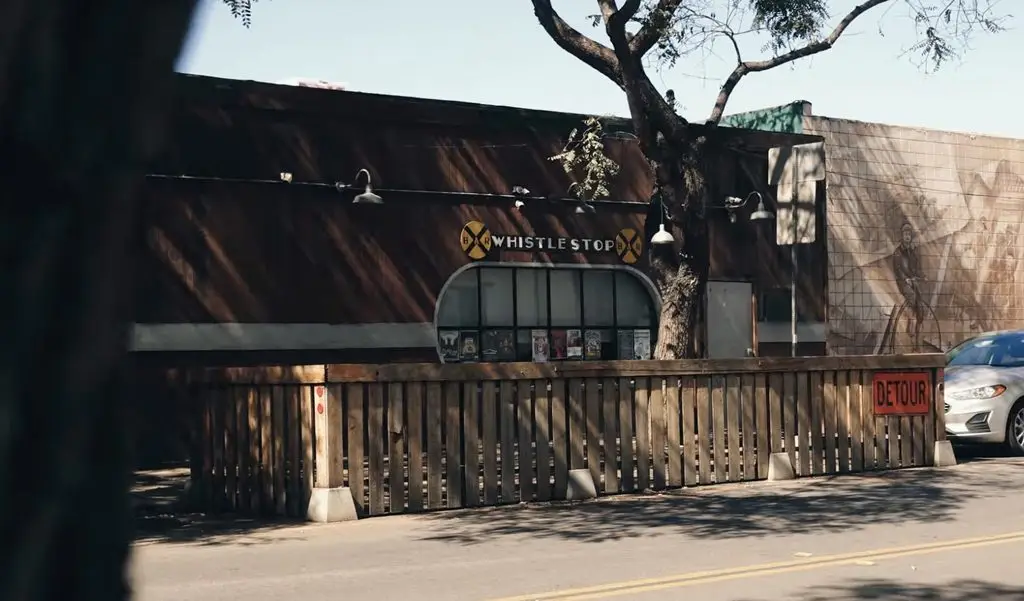
Whistle Stop reopened in 2001, right as South Park’s little independent-business ecosystem was finding a new generation. Owner Sam Chammas—also connected to Live Wire and, later, Station Tavern—helped turn it into the kind of neighborhood bar where the calendar can jump from a DJ night to live bands to some strange communal event nobody at a normal sports bar would propose.
The room still has that laid-back, slightly sweaty house-party quality. Check what’s happening before you go, because Whistle Stop changes personality depending on the night: sometimes neighborhood beer, sometimes everyone dancing beneath the disco ball like work tomorrow was canceled.
2236 Fern Street
Station Tavern may be the most literal example of old South Park becoming new South Park. It opened in 2009 on land once crossed diagonally by the No. 2 trolley line, and architect Lloyd Russell incorporated that history into the design rather than pretending the weirdly shaped lot wasn’t weirdly shaped. The project won the San Diego Architectural Foundation’s Grand Orchid Award the same year it opened.
Sam Chammas built the place as an open-air burger-and-beer spot with big communal tables, a backyard, room for kids, and room for dogs. It still works exactly that way: get a burger, get the tots, let everybody spread out, stay awhile.
2204 Fern Street
Kindred arrived in late 2015 looking nothing like the beige-and-leafy vegan restaurant stereotype. The place went full gothic fever dream—heavy music, wild cocktails, decadent plant-based food—and eventually collected national vegan accolades plus local Restaurant of the Year and design honors.
And in 2026, it got even weirder. Hidden behind a chain-mail passage inside Kindred is Throne Room, a medieval-fantasy cocktail chamber whose mythology grew out of a Dungeons & Dragons-inspired map the Kindred team created for a 2017 Coachella pop-up. The 90-minute experience has scroll menus, plant-based mezze, cocktails and zero interest in pretending restaurants need to behave normally.
1503 30th Street

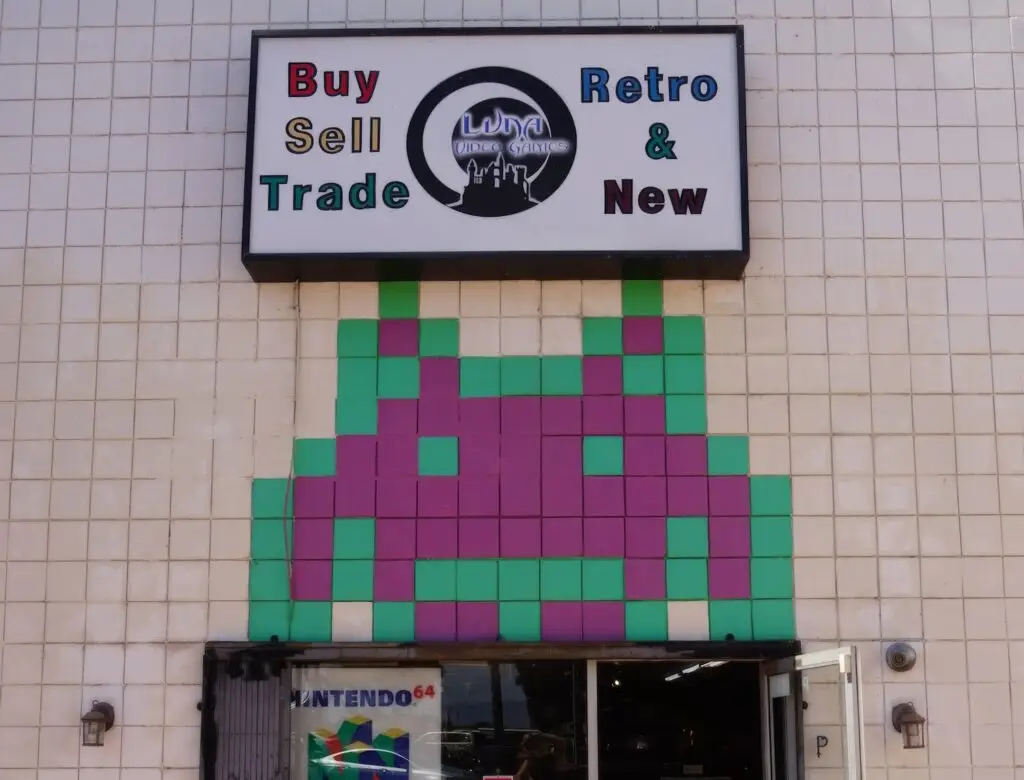
Vinyl Junkies has good music-scene DNA. Founder Eric Howarth previously ran indie label Hi-Speed Soul, whose roster included acts like Nada Surf and Swervedriver, then teamed with Casbah owner Tim Mays after the pair had spent years putting on Vinyl Junkies record swaps.
They opened the South Park brick-and-mortar shop in 2017, and it remains a buy-sell-trade temple for people who understand that owning music on a physical object is irrational in exactly the right way. Go flip through the new arrivals. Leave holding something you had absolutely no intention of buying.
2235 Fern Street
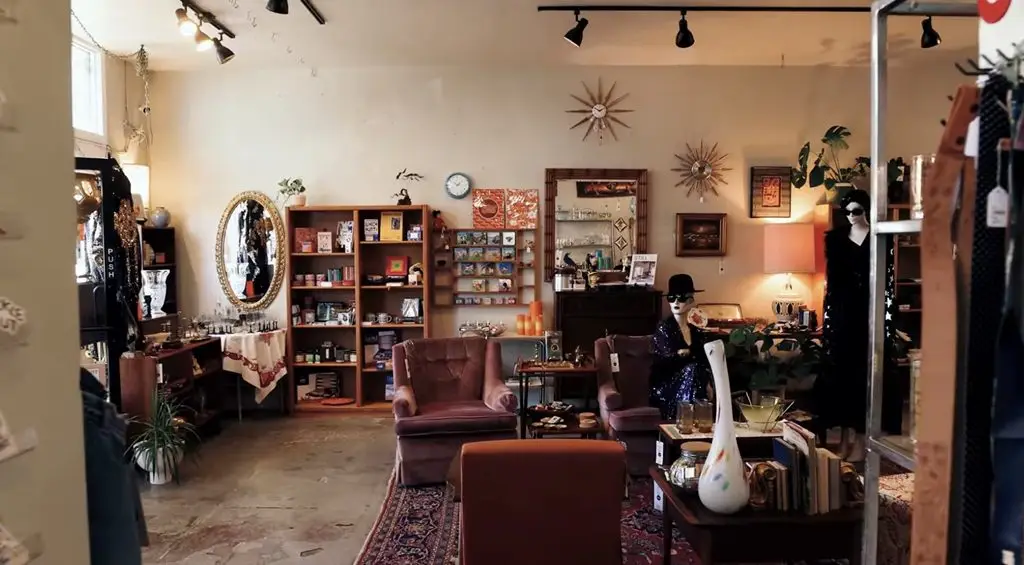
Bad Madge is what happens when “vintage store” doesn’t quite explain the situation. Owner Tanya McAnear and her team fill the shop with furniture, clothing, barware, records, art, jewelry, collectibles, and various objects that seem like they may know things about their previous owners. The shop opened in 2011 and has made reuse and upcycling part of its identity ever since. Go in without looking for anything specific—specificity will only slow you down.
2205 Fern Street
Across the neighborhood’s vintage-and-vinyl universe sits Thread + Seed, a local boutique built around clothing, denim, gifts, and personal styling. Its South Park shop has an especially deep denim program—petite, tall, wide-leg, straight, flare—and the store also offers one-on-one styling built around color and body type. In other words, this is where you go after deciding the jeans currently on your body have betrayed you. South Park understands that sometimes personal renewal begins with pants.
2220 Fern Street
Seth Marko started The Book Catapult as a book blog in 2006. In 2017, he and his wife, Jennifer Powell, turned it into an actual bookstore in South Park, specializing loosely in fiction, local interest, and children’s books while maintaining the more important bookseller skill: putting something into your hands that you didn’t know you needed.
There are staff picks, author events, signed books, and the dangerous possibility of walking in for one title and emerging with four. Because no one ever died thinking, “I shoulda read less.”
3010-B Juniper Street
Chefs, restaurateurs, sommeliers, and craft mixers - meet our 2026 Tastemakers, the minds behind the magic.
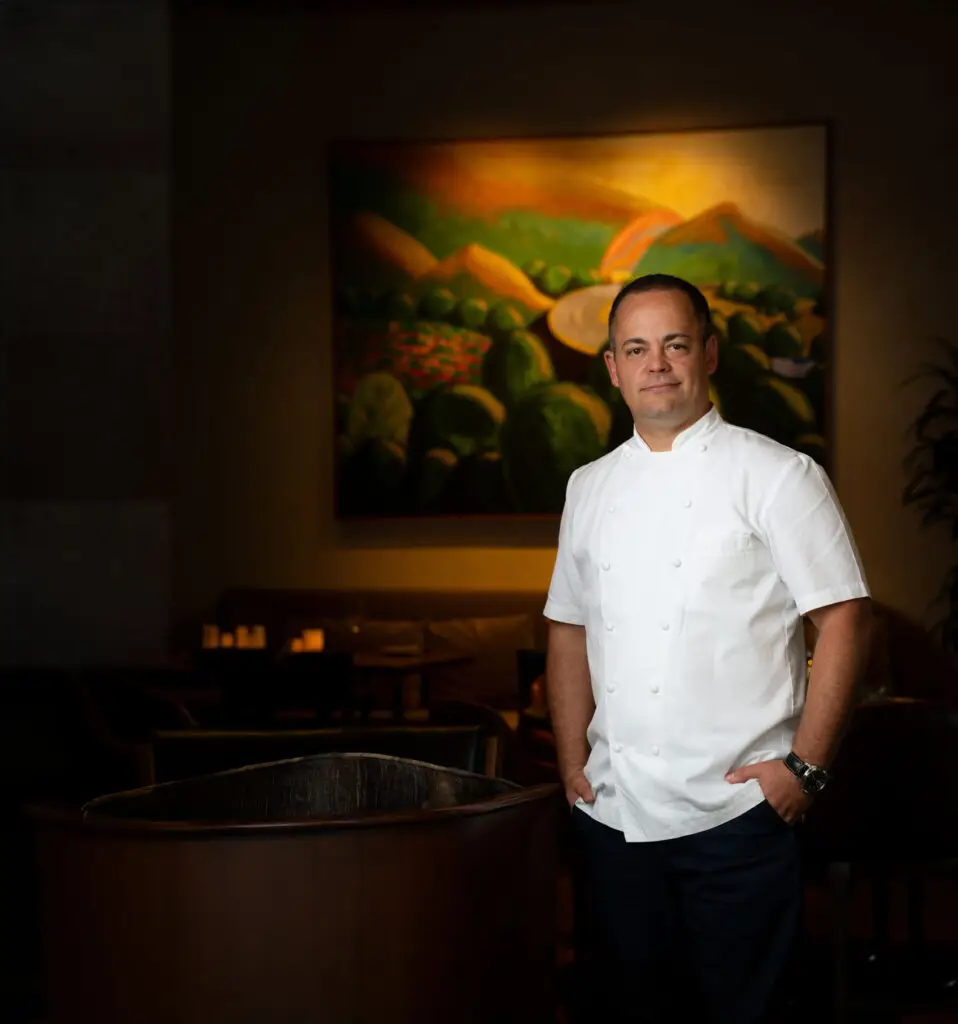
Chef Roberto Alcocer showcases all that Mexican cuisine and culture has to offer at Oceanside’s Valle. The Michelin-guide recommended restaurant takes inspiration and techniques from all over Mexico—with a heavy Baja influence—and blends them with local San Diego ingredients to create original and delectable contemporary Mexican cuisine. The seasonal tasting menu allows Chef Alcocer to experiment with the freshest available ingredients, creating dishes that defy guests’ expectations, while the wine list features more than 100 labels from Mexican artisans. Even the restaurant’s walls are a celebration of Mexican culture, all decorated with work from artists of Baja.
“My favorite part of being a chef of Valle is being able to showcase the Mexico that I know to everyone who visits,” Chef Alococer says. “Not only through the food, but with the design, culture, and welcoming service.”
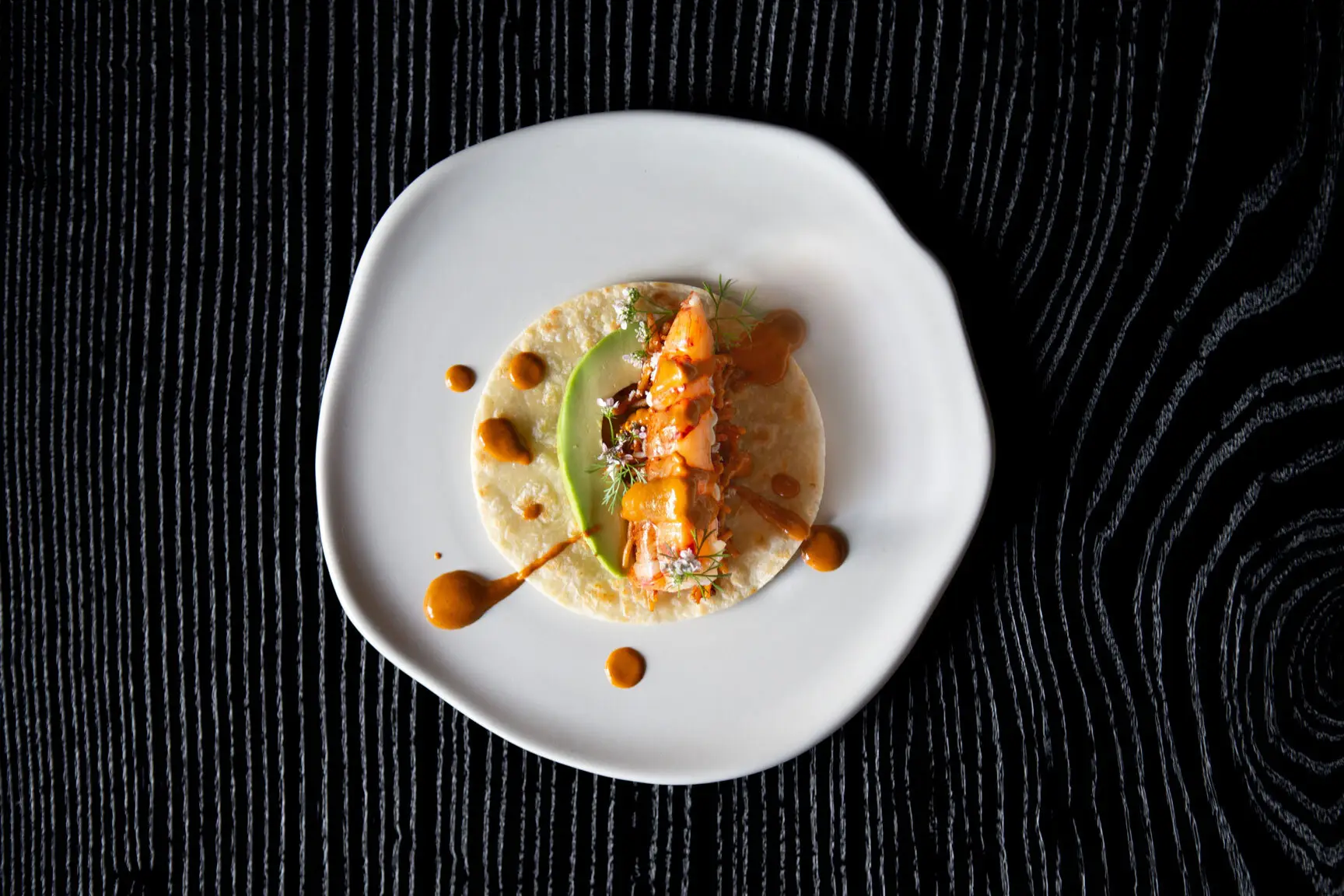
Lobster Taco: Flour sourdough tortilla with lobster shell bisque and local red spiny lobster

222 North Pacific Street, Oceanside, California 92054
866-723-8906 | valleoceanside.com