Featured articles
Things to Do
Food & Drink
Food & Drink
Featured articles
Things to Do
Things to Do
Arts & Culture
Featured articles
Things to Do
Things to Do
Charitable SD
Featured articles
podcast-ep
podcast-ep
podcast-ep
Featured articles
Features
Arts & Culture
Arts & Culture
Featured articles
Features
Things to Do
Things to Do
Ready to know more about San Diego?
SubscribeReady to know more about San Diego?
How California is very knowingly killing the mom and pop restaurant
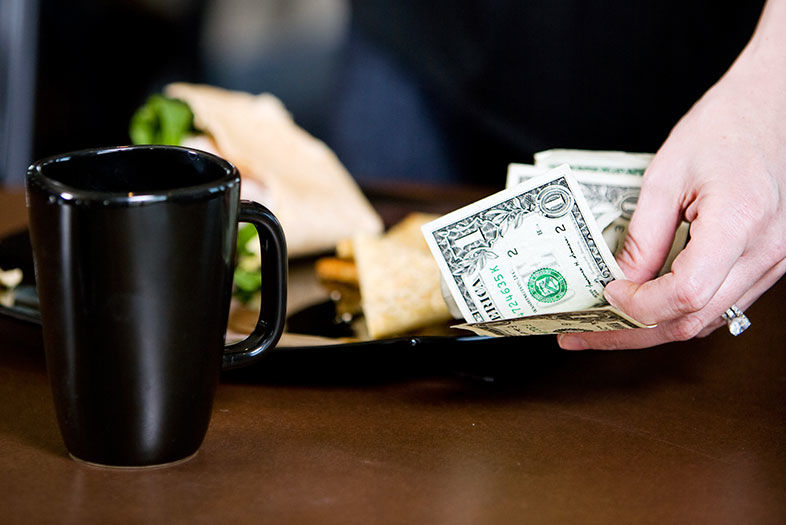
Yesterday I ran an obit for Cafe Chloe. The East Village bistro is closing after 14 years, mostly because of California’s refusal to endorse a “tip credit.”
They won’t be the last. More mom and pop restaurants will close unless California comes to its senses.
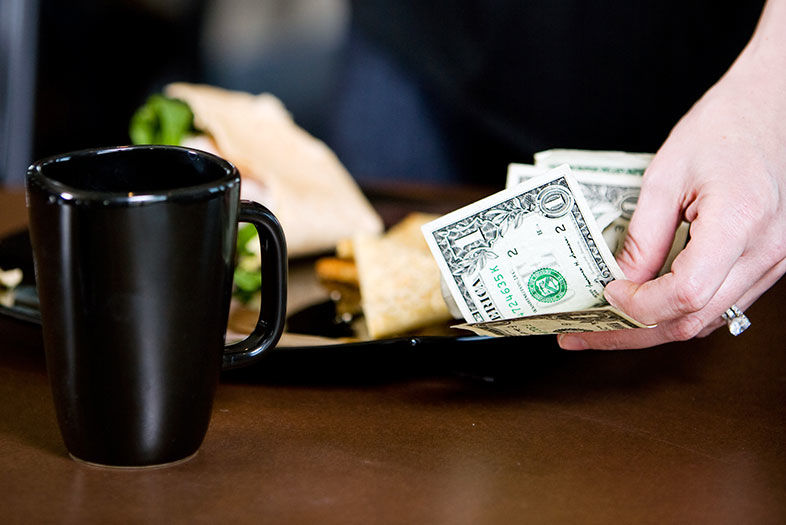
Restaurants are not trying to get out of paying their employees minimum wage. It isn’t about that at all. Every employee should make minimum wage. This is about small, local restaurant owners saying to the state of California, “My server already makes $20/$30/$40 an hour. Will you please not force me to give them a raise? Can I give that raise to a dishwasher or cook instead?”
California has responded: Too bad.
I wish tips didn’t exist for philosophical reasons based on sexism, racism, classism. But that’s an ideal situation FAR down the road in the U.S. (unlike Europe where no-tipping is the norm, Americans are far too accustomed to cheap food, which restaurants are able to give to them because tips subsidize employee wages). And unfortunately mom and pops are dying on the current road. So as long as tips do exist, let’s address the current problem that’s putting restaurant owners and employees out of business.
The concept of “tip credit” is pretty simple. It means a state recognizes tips as income/payment/wages that a restaurant owner is providing their tipped employees. Currently, California is refusing to. Let’s say a restaurant server makes $31 an hour (minimum wage at $11, plus $20 an hour in tips). California is saying to the owner of that restaurant, “Those tips do not exist. We are still going to tax you on them, but you can’t count them as payment to that employee. You must pay them an extra $4/hour come January 2022.”
So the server will be making $35/hour. Meanwhile, the hard working kitchen staff (dishwashers/cooks) is struggling near minimum wage, small restaurateurs are struggling to pay bills, restaurants are closing, would-be restaurateurs are moving to states who do count tips as income (43 of 50 U.S. states do), and jobs are being lost or simply not created at all.
The state of California has botched this up. The fix seems pretty simple, but the state refuses to do anything about it.
The worst part is that California’s refusal to recognize tips as income/payment/wages specifically hurts small restaurant owners the most. Cheesecake Factory will be just fine. Corporations and chains have the financial largesse to shoulder the cost. Indie restaurants do not. The state is killing mom and pop restaurants. They’re killing small business owners like Cafe Chloe, whose owners spent years rejuvenating a struggling neighborhood, employing hundreds of locals along the way.
Minimum wage is currently $11/hour in California, rising incrementally each year until it reaches $15/hour in January, 2022.
As I’ve said in the past, I’m not against raising minimum wage. I want Californians to earn a living wage. I’m against the state’s amazingly unfair, if not criminal, refusal to count tips as payment/income/wages restaurants are providing for their employees. I simply want California to look at a pile of real money—tips given to our California restaurant workers—and recognize it as real money. Because it is.
A more sane solution would include these three ideas:
A successful restaurateur once told me, “We WANT our employees to make above minimum wage! My servers already make way, way more than minimum. I’ll make sure my employees make $20 an hour. California just needs to let us include tips as wages, because they are.”
Most successful restaurateurs are so because they treat their people well. They’re ethical. And most restaurateurs I know say they want to pay their employees more than minimum wage. Often much more, if the money is there. If they fail to pay their quality staff properly, a competitor will.
The criminal part is that California has told restaurateurs, “You can’t count tips as payment to your employees, but we are going to TAX YOU on those tips.” In what insane world is it ok to say to a small business, “We’re going to tax you on this money your employees are getting, but we’re not going to count this as money your employees are getting…”?
That’s an impressive, David Copperfield-level mind trick.
A high-end San Diego restaurateur told me one of his servers made $70,000 three years ago, working 30 hours a week. That is $44.87/hour. Come 2022, California will force the restaurateur to pay that server $4/hour more. He will nearly be making $50/hour. Granted, this wealthy server is an outlier. Plenty of servers at low-end restaurants are making less than minimum wage in tips. But, even as a server at California Pizza Kitchen in Carmel Mountain during the 90s—a nice chain, but no Mister A’s—I made more than minimum wage in tips.
If California had a tip credit, the restaurateur would not be required to give his $44/hour employee a raise. I’m not going to say that employee doesn’t deserve it. He’s apparently a great server, at a great restaurant, and the market deems he’s worth a lot to the business. Good for him. But before California forces the restaurateur pay the server four bucks an hour on top of his $44, why don’t we take a look at the other people working hard at the restaurant.
You know who really needs a raise? The kitchen staff and dishwashers, who do not earn tips (until this year, it was actually illegal in California for servers to share their tips with kitchen staff). The restaurant industry already has a grossly unbalanced distribution of wealth. Tipped servers make double or triple what a cook or dishwasher makes. By refusing to use a tip credit, California is widening that wealth gap. They are forcing restaurateurs to throw more money at their highest-paid employees—most of whom make well over minimum wage—at the cost of their lowest paid people.
The result? Many restaurateurs have told me they are hiring fewer servers, or getting rid of them altogether. They are going toward a counter-service model. A takeout model. A fewer-humans model. Which is sad, because restaurant tips have helped locals pay for school, helped single moms feed kids, helped build a middle class. One of San Diego’s top chefs tried to make the numbers work for a new restaurant here in town, but couldn’t because California doesn’t recognize tips as income. He moved his family to Colorado, which has a tip credit. And highly loved mom and pops like Cafe Chloe are closing, umemploying dozens of people and creating holes in neighborhoods.
So by trying to get servers paid more, California is hurting them. They are literally destroying their jobs, and the jobs of their coworkers. If I were a server, I’d do some reading into the experiences of servers in other states. Take a look at the servers in Maine, who recently fought to KEEP their tip credit, because they’d rather have a lower hourly rate, while keeping their tips and their jobs. New York servers are banding together to do the same thing. By simultaneously raising minimum wage and refusing to recognize tips as wages/payment/income, California has made it so that small restaurateurs cannot afford this industry. As a result, well-paid servers will lose their jobs this week when Chloe shuts down. More will be lost.
Maybe a new chain restaurant will have job openings for servers. Which is nice.
The state has reasons for not using a tip credit. Mostly, because a few unscrupulous owners have used it to cheat employees out of tips. But are a few bad apples really a reason to throw out sane legislation? Do we outlaw candlesticks because Mr. Plum used one to kill a man in the study?
This is not complex math. It is bone simple, and I’m not good at math. I can’t understand why we can’t simply do the following:
At the end of a shift, tally up an employees’ tips. This is pretty easy, since nearly all of Americans now pay with credit or bank cards. If they earned minimum wage (or set it at $20, even!), then California shouldn’t force the restaurant to pay them more. If the employee made less than minimum wage, the restaurant would be required to make up the difference. If owners want to attract the best talent, they can even go above minimum wage to $18 or $20 or $40 an hour!
Is that really such a hard process that our government officials can’t figure out a way to make it work? To be fair, this past March California legalized tip pooling, which may help shrink, a tiny bit, the economic disparities of the restaurant staff. But it doesn’t go far enough. It’s a band-aid.
Tip credits may not be the ideal solution. But instead of working with restaurateurs to come up with a better solution—one that promotes economic growth, is fair to both restaurant employees and the small business owners whose livelihoods and credit are on the line—California essentially looked at small restaurant owners, flipped them the bird, and said, “Deal with it.”
We’re starting to see the fallout. Cafe Chloe’s employees are now unemployed. Their farmers and winemakers and suppliers have lost a consistent source of monthly income. A revitalized corner of East Village will now de-vitalize. San Diego lost one of the best bistros in the city, not to mention a piece of its soul.
Again, the saddest part is that California’s refusal to recognize tips as income/wages/payment won’t cripple big restaurant corporations and chains, who have the financial largesse to shoulder the cost. Olive Garden will be just fine. It will kill the mom and pops. It’ll kill the Chloes.
Stop killing Chloes, California.
Stop Killing Chloes

Some problems are worth having—like too many things to eat, sip, and do in one afternoon
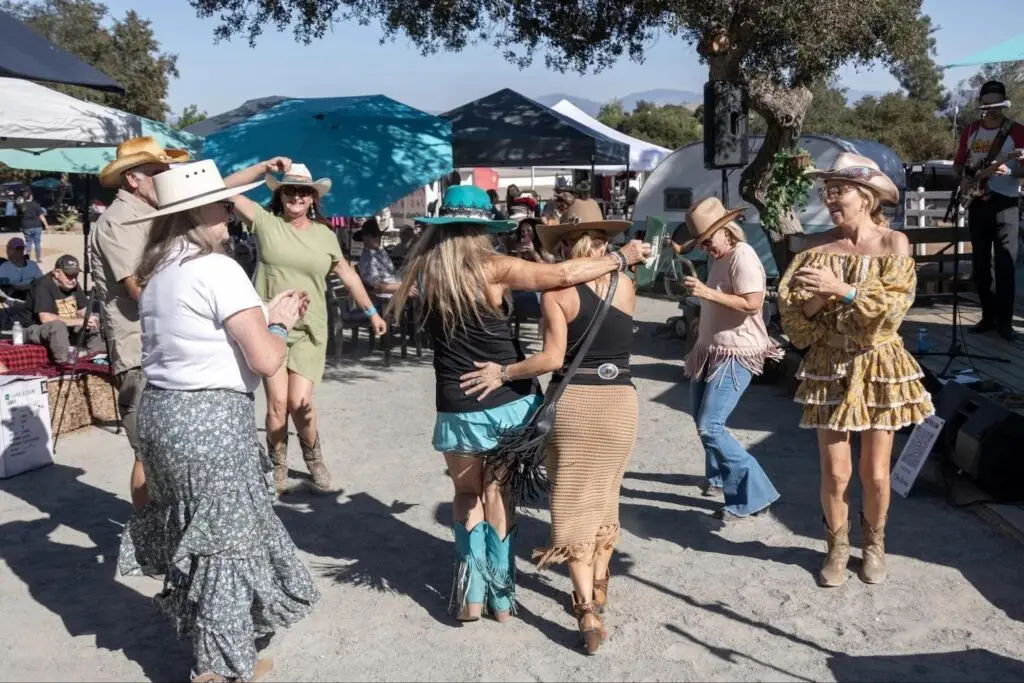
At Del Mar Wine & Food Festival’s Grand Tasting, everyone has their own goals for the day. One friend wants oysters and Champagne. Another heard there’s line dancing. Someone disappeared into Taco Alley. The food person is making a beeline for every chef demo, the golf friend has found the simulator, and someone else is already settled into a beach chair with a mezcal cocktail and has announced they’re “never leaving.”
Consider yourself zoned in.
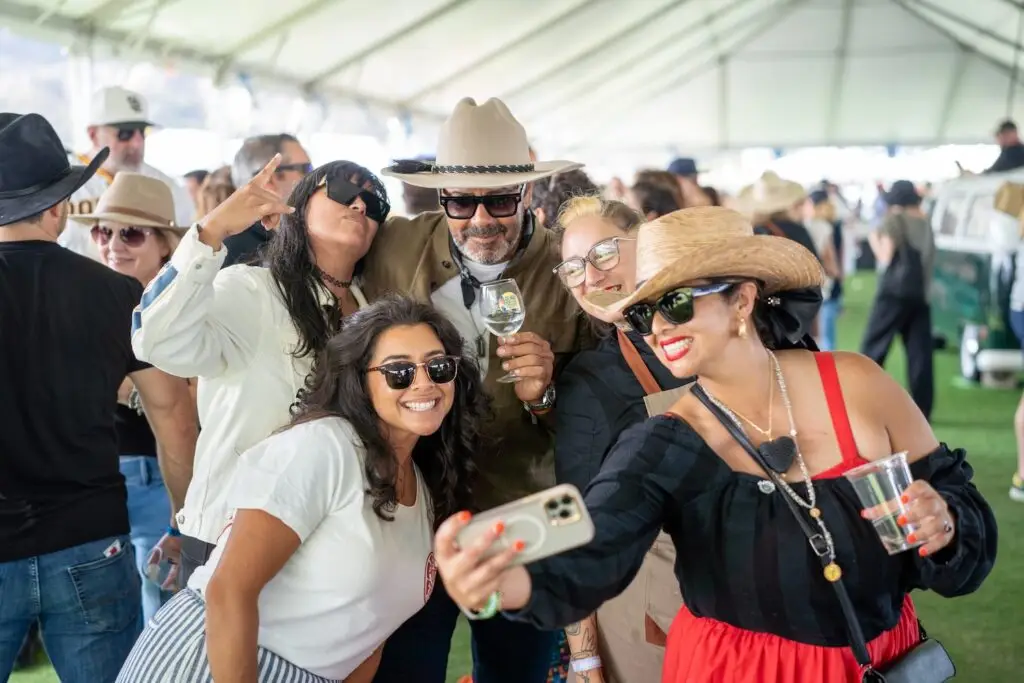
This year, the Grand Tasting turns the Del Mar Polo Fields into a full-blown foodie wonderland, with chef showdowns, wellness escapes, art installations, lawn games, music, and plenty of magazine-worthy plates. But the zones are where everyone gets to play their own way. You might sip your way through the SLO Zone, accidentally spend the afternoon behind the DJ booth in Plant Paradise, or live out your best beach day in The Beach Zone.
With 100-plus chefs and restaurants, 150-plus wineries, breweries, distilleries, and drink makers, plus a whole lot more happening in between, there’s no shortage of ways to spend the weekend. And with the Grand Tasting taking place October 3 and 4, there’s actually time to explore.
Because the problem with bringing your favorite people to an adult playground is that everyone wants to play differently. Luckily, you get two days to figure it out. Here’s where to start:

The Beef Experience, presented by Brandt Beef – One World Beef, is for the people who believe a food festival is a perfectly reasonable excuse to build an entire afternoon around meat. Brandt Beef brings its signature fare to the Polo Fields alongside a seriously stacked lineup of local favorites, from Tanner’s Prime Burgers and Ranch 45 to Jimmy’s Famous American Tavern, Order Fire Barbecue, Flying Pig Pub & Kitchen, The Pit BBQ, Aloha Rib Shack, and more.
And then there’s the tent you might almost miss.
Tucked into Brandt Beef Alley, Bebemos Tequila has set up what looks, from the outside, like a fairly unassuming tent. Walk inside, though, and you’ll find a full little speakeasy lounge, complete with a bar and one very dramatic tequila trick. The team lights the shots right in front of you before pouring them straight into guests’ mouths. Candlelight, fire, tequila, barbecue. Suddenly, your casual afternoon tasting has taken a turn.
Grab a plate of Brandt Beef tallow fries, chase it with a pour from Bebemos Tequila or Tap Truck San Diego, and maybe browse Nortte Hats while you recover. The rules are simple: follow the smoke, trust the grill, and maybe don’t make dinner plans afterward.
For the friend who thinks every good afternoon should involve a little sunshine, a cold drink, and nowhere to be, there’s The Beach Zone. Presented by Reef Lifestyle, this laid-back corner brings the San Diego summer fantasy to the Polo Fields, complete with coastal bites, beach-inspired brands, and plenty of reasons to stay awhile.
Grab bites from Duke’s La Jolla, Jake’s Del Mar, Lofty Coffee Co., Dang Brother Pizza Co., and Coral Del Mar, then cool off with Summer Club, Volley, Surfside Iced Tea and Lemonade + Vodka, Tito’s Handmade Vodka, Mezo Mezoritas, Roseade Wine Spritzer, Pinkys, and more. Hemlock Hat Co., Coola, Sambazon, Playavole, Shibumi Shade, Spritz del Conte, and Out of the Woods add a little retail therapy to the mix, because the Grand Tasting obviously needs shopping, too.
And yes, there’s a photo op. Find the teal VW bus from A Timeless Day, gather your favorite people, and pretend you’ve spent the afternoon cruising the California coast instead of wandering around a wine and food festival.
It’s an area filled with surf-inspired games, your next favorite beach accessory, and a drink in hand. Basically, San Diego summer, condensed into one very convenient patch of grass.

Neon boas, glitter-filled drinks, and enough food to make choosing a single dinner impossible. The Pride Zone presented by San Diego Pride is bringing the energy, gathering some of San Diego’s favorite restaurants, bars, breweries, and sweet spots in one very colorful corner of the Polo Fields. Expect bites and beverages from Cary Q Wines, Gossip Grill, Rootdown & Es Okay, T’Maro Brands, and more.
Plant Paradise is your green oasis, but don’t expect it to be particularly peaceful. DJ Tenax returns with house, techno, UKG, and the kind of set that can turn a quick stop into an hour on the open-air dance floor. As Green Air Botanicals sets the mood, grab a cocktail from Mission Craft Cocktails, Makku, or San Hagen Tequila, and a bite from the sprawling lineup of plant-based bites and snacks from some of San Diego’s vegan favorites.
Kindred, Nourish Eats, The Plot, Maya’s Cookies and more. There’s also a full lineup of brands to snack your way through, including Aficio 22, Bücha Hard Kombucha, Nichols Farms, Nuts For Cheese.
Isabella Dallas is a freelance writer for San Diego Magazine and the Arts and Culture Editor at The Daily Aztec in her final year at San Diego State University. She previously worked as an editorial intern for SDM, but when she’s not writing, you can find her trying the best coffee spots in SD, devouring the latest rom-coms, and indulging in anything and everything pop culture.
The new Hawaiian- and Japanese-inspired cafe will serve locally caught bluefin, fresh spring rolls, housemade sauces, and plenty of matcha
Not all monsters have to be scary. In fact, entrepreneur Pinyada “Ada” Primpray’s is delightful. Sea Monster, a small cafe that will serve poke bowls, fresh spring rolls, and matcha, will open in Mission Valley by the end of the year.
“The concept is a Hawaiian- and Japanese-style cafe,” Primpray explains. She calls it Sea Monster in homage to her friend’s popular restaurant Big Monster Sushi & Thai in Hawaii, but “the idea really started to take shape after I came back from a solo trip to Italy,” she says. The experience inspired her to start her own concept that mixed her culture, experience, and passion for food.
Sea Monster will be her first restaurant as an owner, but Primpray has worked in restaurants for 15 years in places like Kauai, Chicago, New York, and San Diego. She realized a similar health-conscious, seafood-forward, quick-service restaurant could work here, especially in that corner of Mission Valley where pizza and burgers reign. Plus, she points to the massive development plans for the area—between Riverwalk bringing thousands of new homes to the area and even more coming from San Diego State University, there are lots of new locals looming on the horizon.
She brought on Head Chef Wasu Gibb Palipote from Sushisamba in Los Angeles to develop the menu and signature sauces, like ink wasabi and a larb sauce. “Every couple of months, we plan to introduce a new signature sauce created exclusively for Sea Monster by [Chef Palipote],” she says. All the sauces will be homemade, including a basil creamy sauce and sesame vinegar.

Sea Monster’s menu centers around fresh poke bowls—mostly locally-caught bluefin tuna and hamachi as well as salmon, served California-style rather than Hawaiian-style (the sauces are added to order rather than marinating on the fish, which can overpower its flavor). Toppings will range from the usual, like edamame and green onion, to upscale, like uni (sea urchin). She’ll also serve fresh salad rolls, a popular light snack in Vietnam and her native Thailand, with vegetables and seafood like salmon, shrimp, and imitation crab. Everything will be served to-go, although there will be very limited seating for people who want to dive in right away.
The matcha program will start small, with six iterations planned for opening and potentially more in the future. “I really want to have mango sticky rice,” she adds. Beyond adding items to the menu, Primpray says she hopes Sea Monster will be more than a restaurant. “I want it to grow into a lifestyle brand with its own little world,” she says, pointing to the restaurant’s mascot, Smoo. A monster with aspirations of growing bigger and bigger until it takes over? Yeah, sounds about right.
Sea Monster will open daily for lunch and dinner in late 2026 at 6110 Friars Road in Mission Valley.
Listen Now: The Latest in San Diego’s Food and Drink Scene
Have breaking news, exciting scoops, or great stories about new San Diego restaurants or the city’s food scene? Send your pitches to [email protected].
Beth Demmon is an award-winning writer and podcaster whose work regularly appears in national outlets and San Diego Magazine. Her first book, The Beer Lover's Guide to Cider, is now available. Find out more on bethdemmon.com.
Kuya Sharpens owner Joshua “Jhun” de Andres turned a meditative practice into a business caring for prized kitchen knives—one whetstone at a time
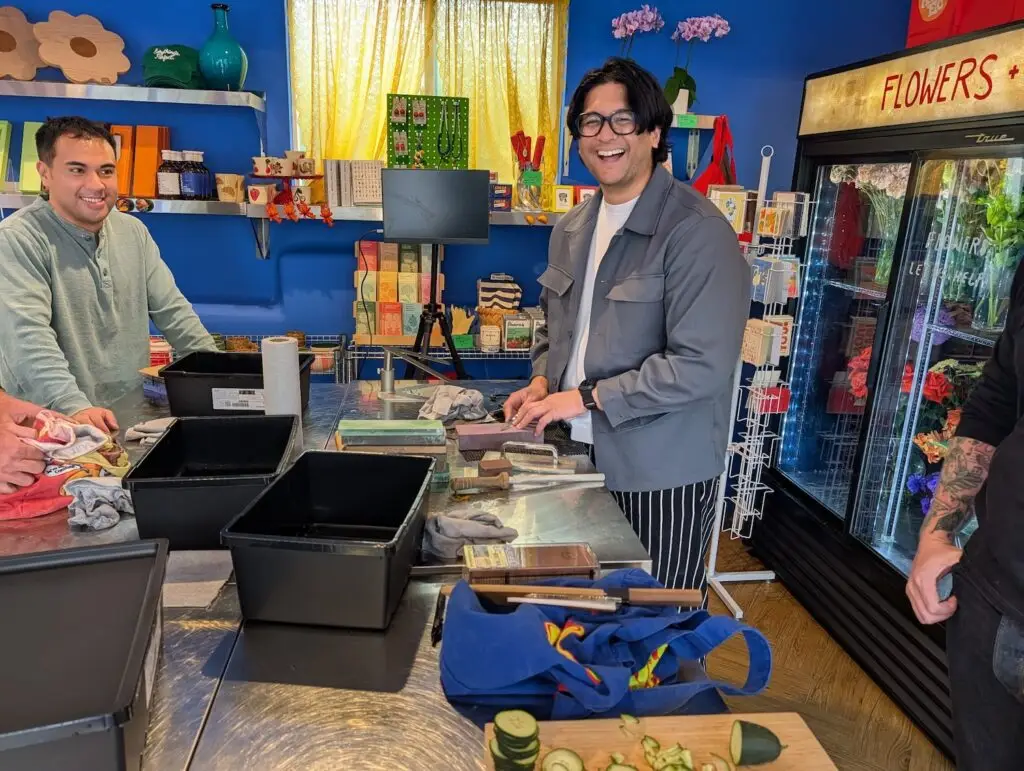
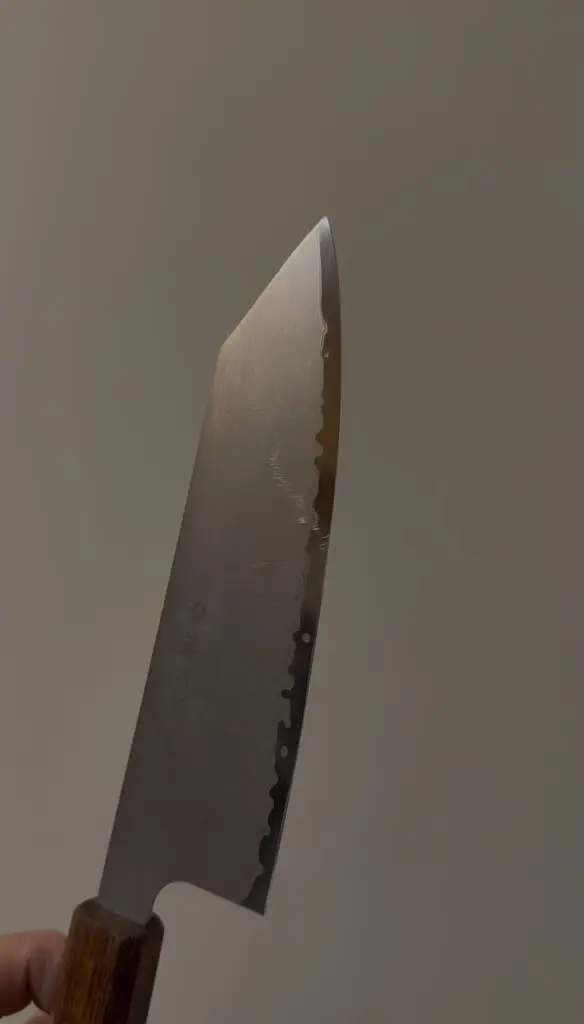
“A sharp knife is a safe knife,” says Joshua “Jhun” de Andres, owner of Kuya Sharpens. It only takes a light touch to guide a properly-sharpened knife, while dull knives require much more force to cut through an object, increasing the likelihood and severity of an injury. “If you slip, that’s a lot of force that is now going into your finger, your hand, and that’s where it becomes extremely dangerous.”
De Andres started sharpening knives as a meditative practice during a time of personal grief, a way to zone in on a task with a useful and satisfying outcome. “[It was a] reminder to myself that you can fix something that’s broken and give it purpose again.” Once he ran through his own collection of knives, he started asking friends and family if he could sharpen theirs. When he’d sharpened everyone’s knives he could think of, he started posting videos on TikTok, where his first professional chef customer found him: Chef Tanner Stanich, chef de cuisine at Michelin-recognized Bib Gourmand Mabel’s Gone Fishing.

“That’s when things really started to take off,” he laughs. He uses whetstones rather than motorized belt sanders to sharpen, which gives him the ability to make microadjustments during the process for a more customized and controlled result. Whetstones also preserve steel more efficiently than other mechanical processes, which are faster, but take off more of the knife’s edge in exchange, reducing the lifespan of the knife.
Learning how to master whetstones takes a lot of time and practice, and while de Andres specializes in sharpening Japanese knives, he’ll sharpen a knife from anywhere. “Every knife deserves to be sharp,” he says.
Japanese kitchen knives are designed for extremely specific purposes: there’s a knife to break down a fish (deba), cut through boneless raw fish for sushi and sashimi (yanagiba), slice vegetables (nakiri), carve meat (sujihiki), debone poultry (honesuki), and even knives only the executive chef can use (kiritsuke). Few other culinary cultures utilize such ultra-specialized tools, and Japanese steel is prized for its extreme hardness and ability to maintain a razor-thin edge for decades when properly cared for.
De Andres is still figuring out different ways to expand his business: hosting workshops at Home Ec on Adams Avenue, creating knife restoration tutorials, and launching private lessons, all while continuing to sharpen knives people bring to him or even send from across the country. And he knows that for both home cooks and professional chefs, sharpening a knife that may have cost hundreds of dollars on a whetstone can feel overwhelming. Will I ruin it? Will I break it?
“You’re most likely not going to break it,” he promises. “But you are going to make it yours, and you have to kind of be okay with that.” Knives age and change just like humans do. Sharpening is an essential part of maintenance, and shaving away the dull edges to restore a shine takes care. And de Andres cares a lot.
“It’s just been really life-giving to me,” he says. “I know it seems really silly that taking a knife and putting it on a whetstone can change your perspective on how you view the world, but for me, it came to me at a time when I needed it most.”

Listen Now: The Latest in San Diego’s Food and Drink Scene
Have breaking news, exciting scoops, or great stories about new San Diego restaurants or the city’s food scene? Send your pitches to [email protected].
Beth Demmon is an award-winning writer and podcaster whose work regularly appears in national outlets and San Diego Magazine. Her first book, The Beer Lover's Guide to Cider, is now available. Find out more on bethdemmon.com.
At Vi at La Jolla Village, residents don't have to choose between security and adventure, connection and independence. They get all of it.
Today’s seniors are more connected than ever, with a renewed focus on retirement as a time of discovery and enriching experiences. The ultimate reward for a retirement well-earned is the wisdom to appreciate it all, and what better place to enjoy that unique perspective than Vi at La Jolla Village, in the heart of San Diego.
All-access pass to good living.
As a Continuing Care Retirement Community (CCRC), Vi provides access to a connected and fulfilling community while making it easy to plan for future care, should the need ever arise. With a care plan in place, residents enjoy greater financial predictability and long-term value, freeing them to focus on making the most out of retirement.
Resort-style amenities at the epicenter of a cultural hub like San Diego offer a retirement experience unlike any other. Paired with exceptional dining, spacious accommodations and dedicated staff, the best of maintenance-free living is all around. And with the introduction of Vista 360 Well-Being, Vi’s panoramic approach to wellness, there are more ways than ever for residents to access it all.
The harmony of mind, body and community.

The key to longevity is striking the right balance in maintaining an active lifestyle with an active mind in a fulfilling community. With newly renovated community spaces and restaurants, Vista brings a variety of opportunities for residents to elevate their well-being through Vi-exclusive “Signature Experiences.”
Vista Enrich takes an evidence-based approach to brain vitality, keeping residents at the forefront of cognitive health through exergaming (exercising + gaming), nutritional plans and informative workshops. It is also home to The Brain Vitality Studio, an innovative facility dedicated to cognitive fitness that has garnered national recognition.
Vista Discover invites residents into stimulating educational experiences, from chef-led cooking demos and guided wine tastings to lectures at local universities and intimate lectures following cultural outings.
While Vista Enrich focuses on brain health and Vista Discover engages residents intellectually, Vista Explore cultivates a sense of adventure through curated travel and local excursions. But broadening one’s horizons doesn’t always require a plane ticket. One recent event brought a taste of the world right to the community: an onsite “jazz cruise” featuring live music and global cuisine served at a series of themed “ports” all within the community’s own ballroom.
“Location, location, location”

One of the biggest perks of life at Vi at La Jolla Village is its proximity to just about everything. With easy access to transportation and local attractions just steps away, residents can explore and engage with their community at their own pace.
“There are trolley and bus stops within a 5-minute walk that will get you to the beach, UCSD Campus, medical appointments, downtown La Jolla or San Diego, et cetera. We rarely use our car,” said resident Tom Yager.
With the best of San Diego just steps away, residents don’t just live in the city, they live within reach of everything that makes it special.
The best of all worlds.

At Vi at La Jolla Village, retirement isn’t a chapter to slow down; it’s an invitation to discover more. Tailored community experiences created by Vista, paired with the vibrant pulse of San Diego just outside the door, mean that residents don’t have to choose between security and adventure, connection and independence. They get all of it.
This is what an all-access pass to good living looks like: the comforts of an elevated lifestyle, a community built for growth and a city made for discovery – all in one place.
To learn more about Vi at La Jolla Village or for details on available floor plans, visit ViatLaJollaVillage.com/SDM.
Check out the stacked lineup of talent participating in this year’s celebration of food, cocktails, wellness, and SoCal energy
Tickets to the Del Mar Wine & Food Festival get you in the door. The real fun is figuring out who you’ll run into once you’re there. This year’s weeklong schedule of exclusive events, running September 30–October 4, includes dinners, tastings, and loosely-supervised chaos where celebrity chefs and local icons finally let their hair down.
The festival has a track record of the unexpected: Bryan Cranston and Aaron Paul once toasted their mezcal brand Dos Hombres with an intimate dinner at the Lodge at Torrey Pines (and then, evidently unsatisfied, kept drinking it on the cliffs above Blacks Beach with a rotating cast of San Diego and Food Network chefs. Alex Morgan showed up for a dinner under the lights honoring the country’s most badass women chefs). Drew Brees ran a celebrity pickleball tournament where the guy from It’s Always Sunny in Philadelphia got absolutely humbled by locals.
If you scored a ticket to last year’s Grand Tasting, you might’ve caught Guy Fieri doing exactly what Guy Fieri does: strolling the grass, signing t-shirts and foreheads, and hanging off the DJ surf van like it was built for him. Meanwhile, local chef Ethan Yang of Glass Box walked off with the Chef Competition surfboard.
So whether your plan for 2026 is to corner legendary San Diego chefs like Victor Jimenez of Cowboy Star and Jon Sloan of Juniper & Ivy in person, or just aim for a spontaneous golf cart ride with a Food Network star—here’s your cheat sheet for where to run into a celebrity chef, TV personality, award-winning winemaker, or pro athlete at this year’s Del Mar Wine & Food Festival.

Consider this your soft landing into festival week—the walk-around tasting that eases you in before things get chaotic later on. Monarch Ocean Pub hands its patio over to the flavors that define San Diego eating: Baja seafood done right, coastal bites, Mexican flavors with some heat behind them, all the staples locals will fight you over.
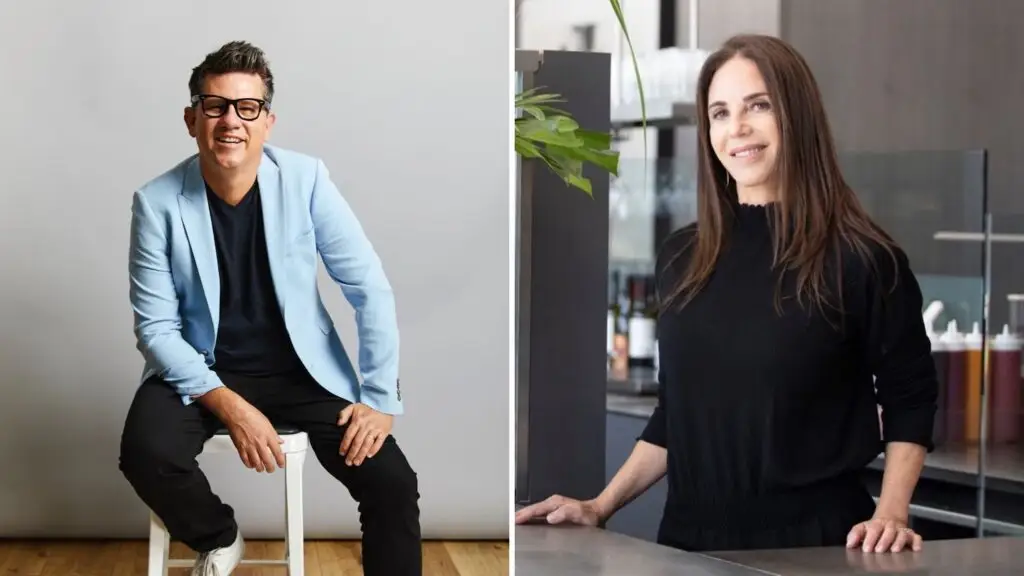
The celebrity sightings here lean more “bump into” than “spot from across the room.” Troy Johnson—Food Network judge, San Diego Magazine chief content officer and co-owner, Emmy-winning host, a man who has eaten his way across the entire country professionally—is the type to materialize at whichever station has the longest line, because he already knows it’s worth the wait. Ask him what he’s had so far. He’ll have opinions.
Then there’s celebrity pastry chef Karen Krasne, owner and executive pastry chef of Extraordinary Desserts, James Beard House alum, and a woman Forbes once ranked among the top 10 pastry chefs in the country—which tracks, because you might find her holding court next to a tray of her roasted pecan shortbread dipped in white chocolate, explaining exactly why this is the flavor combination. You will listen to every word, too, because you’ll want to try that cookie.
This is an opening night party where the person next to you in line might just be the one who baked the thing you’re about to eat.

Fifty years ago, a Napa Chardonnay beat France at its own game and rewrote what the world thought it knew about wine. This dinner is that legacy, poured by the family who built it, course by course.
Under the arches at Fairmont Grand Del Mar, Ernie Hahn and the Hahn family, who partnered with the Barretts to revive Chateau Montelena into the Napa powerhouse it is today, host an evening built entirely around the winery’s most iconic pours. Every course gets its own pairing straight from the Montelena portfolio, so you’re not just hearing about the Judgment of Paris, you’re tasting the wine that started it.
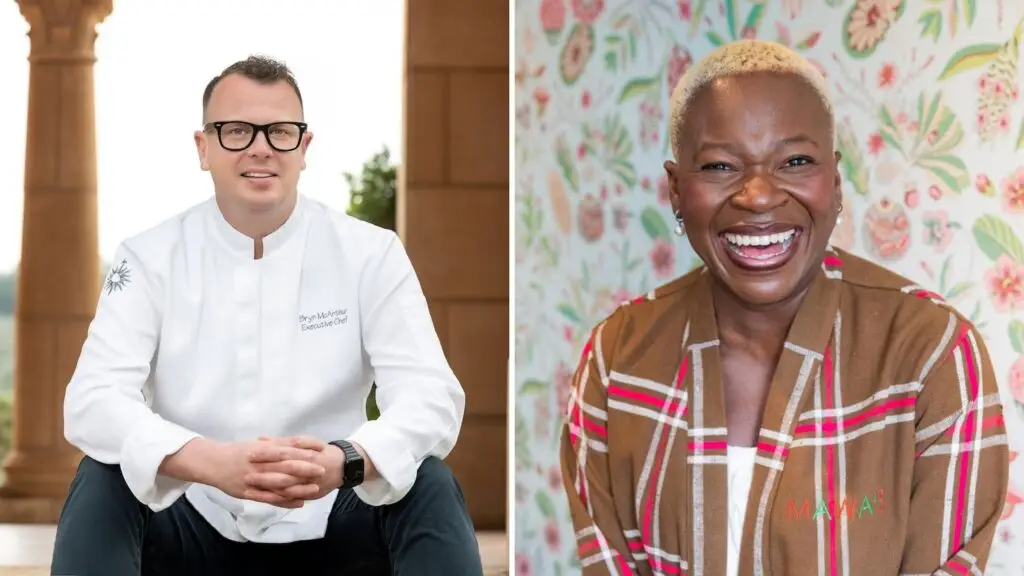
Chef Mawa McQueen, a former James Beard Best of the West winner out of Aspen, brings globally inspired cuisine and serious technique to the table. Alongside her, Fairmont Grand Del Mar’s executive chef Bryn McArthur leans into farm-to-table sensibility shaped by a career of global kitchens. Together they’re building a menu meant to hold its own against wine that already changed history once.
This is the rare dinner where the wine isn’t just accompanying the meal, it’s the reason the meal exists. Fifty years after Paris, the rematch is happening right here in Del Mar.

Isabella Dallas is a freelance writer for San Diego Magazine and the Arts and Culture Editor at The Daily Aztec in her final year at San Diego State University. She previously worked as an editorial intern for SDM, but when she’s not writing, you can find her trying the best coffee spots in SD, devouring the latest rom-coms, and indulging in anything and everything pop culture.
Surf’n Slaw founder Kumi Alexander is introducing local farmers market crowds to okonomiyaki, the savory Japanese pancake she grew up eating
After 15 years married, my husband and I tend to agree on most things. But there’s one argument we both refuse to bend on—I prefer okonomiyaki Osaka-style, and he’s a die-hard Hiroshima-style devotee. (To be fair, we both adore both styles, but at this point, it’s just fun to have a low-stakes disagreement.)
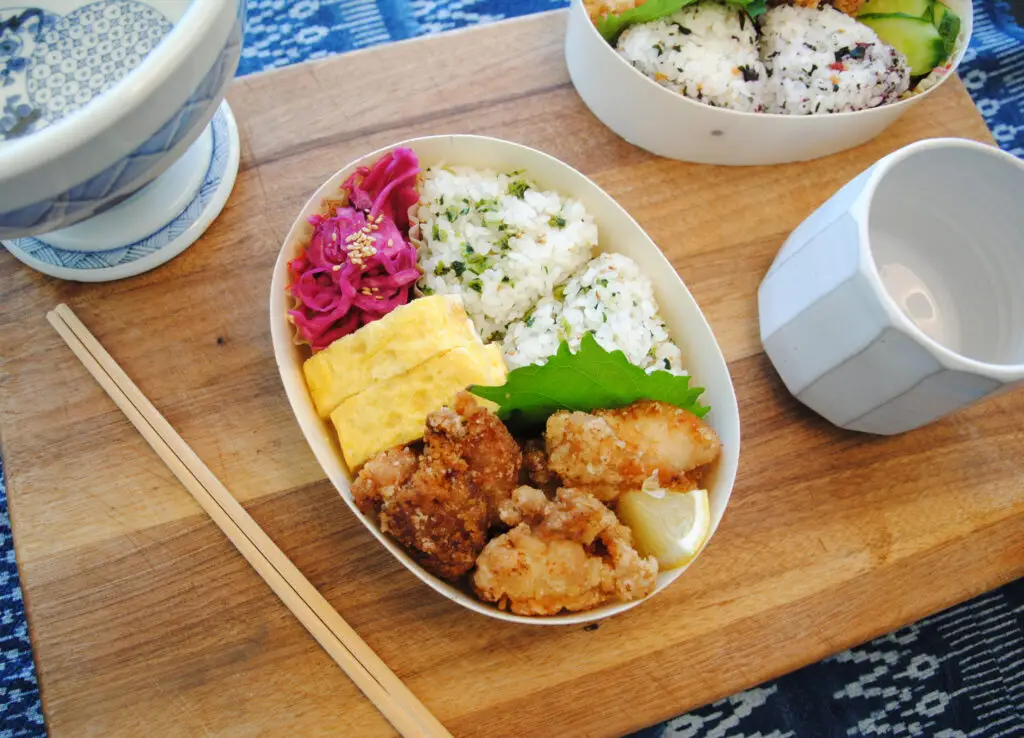
Okonomiyaki is one of Japan’s greatest comfort foods, a savory pancake that’s about the size of a DVD, if you aren’t too young to know what that is. It’s not terribly hard to make—it’s flour, eggs, dashi stock or water, and a whole heap of shredded cabbage, plus optional fillings like green onions, pork belly, or bonito flakes, all cooked fresh on a flat top griddle. Drizzle some kewpie mayo and okonomiyaki sauce on top, and you’re hot to go.
However, it’s not easy to make well, and as you now know, people have capital-O Opinions about Osaka-versus-Hiroshima. Hiroshima-style layers the ingredients one by one rather than mixing them together, adding a layer of soba or udon noodles and topping it all off with a fried egg. For Osaka-style, all the ingredients are mixed together and then cooked on the griddle, so every bite includes every ingredient in a hodgepodge of deliciousness. (One Osaka variation called modan-yaki does include soba noodles mixed in the batter, but they’re not traditionally used in that regional version.)

Despite a childhood spent in Osaka, Japan, Kumi Alexander specializes in making Hiroshima-style okonomiyaki. “Okonomiyaki has been part of my life for as long as I can remember,” she explains. “My parents ran their own business when I was growing up, so Saturdays were often busy, and okonomiyaki was one of my mother’s go-to lunches because it was simple and easy to make.”
Alexander came to San Diego seven years ago with a desire to bring a part of her culture with her—not just a product, but a feeling. “When I thought about what could do that, the answer was almost obvious: okonomiyaki,” she says.
She originally launched Surf’n Slaw as a mobile pop-up food stand in August 2025, offering what Alexander calls Japanese-meets-California okonomiyaki. “Our full Surf’n Slaw includes cabbage, noodles, umami dough, beef, shrimp, and vegetables,” she explains. The menu also has a “Green Wave Slaw,” an Osaka-style version that can be made vegan and gluten-free, as well as matcha drinks.
Currently, Surf’n Slaw pops up at farmers markets in North Park, Scripps Ranch, Hillcrest, La Jolla, and La Mesa, as well as other local markets and community events. Eventually, she may expand to a permanent location, but that’s a future goal. And while Alexander hopes that one day okonomiyaki will be as well-known to American audiences as ramen or sushi, for now, she’s just happy to share a bit of home with San Diego.
Listen Now: The Latest in San Diego’s Food and Drink Scene
Have breaking news, exciting scoops, or great stories about new San Diego restaurants or the city’s food scene? Send your pitches to [email protected].
Beth Demmon is an award-winning writer and podcaster whose work regularly appears in national outlets and San Diego Magazine. Her first book, The Beer Lover's Guide to Cider, is now available. Find out more on bethdemmon.com.
San Diego Magazine's Private School Guide 2026
NewBridge School is San Diego’s only school dedicated to the education of students with dyslexia and related learning profiles. For 30 years we have successfully served students with dyslexia, dysgraphia, dyscalculia, receptive/expressive language disorders, ADHD, executive functioning and memory deficits. Students transition successfully into academically rigorous high schools and colleges across the country. Why NewBridge? Training, training, training (plus intensive individualization, and comprehensive program design). All teachers are trained and retrained biennially in Orton-Gillingham, the only approach proven to remediate dyslexia based on Science of Reading research, and complete a year-long training program. Every aspect of our program is designed around our students’ learning styles and needs. Every class is taught by a highly-trained expert, and our Speech/Language and Occupational Therapy teams embed throughout the day. Our multisensory, multi-tiered math program has been developed in conjunction with sister schools and experts across the country. Don’t wait—early intervention is magic!
Enrollment: 100
Grades: K – 8
Tuition: $30,000
Deadline: Rolling
Gender: All-inclusive
Details Nonsectarian
Open House Tours by appointment

12285 Oak Knoll Road • Poway, California 92064
858-679-5744 • [email protected] • thenewbridgeschool.com