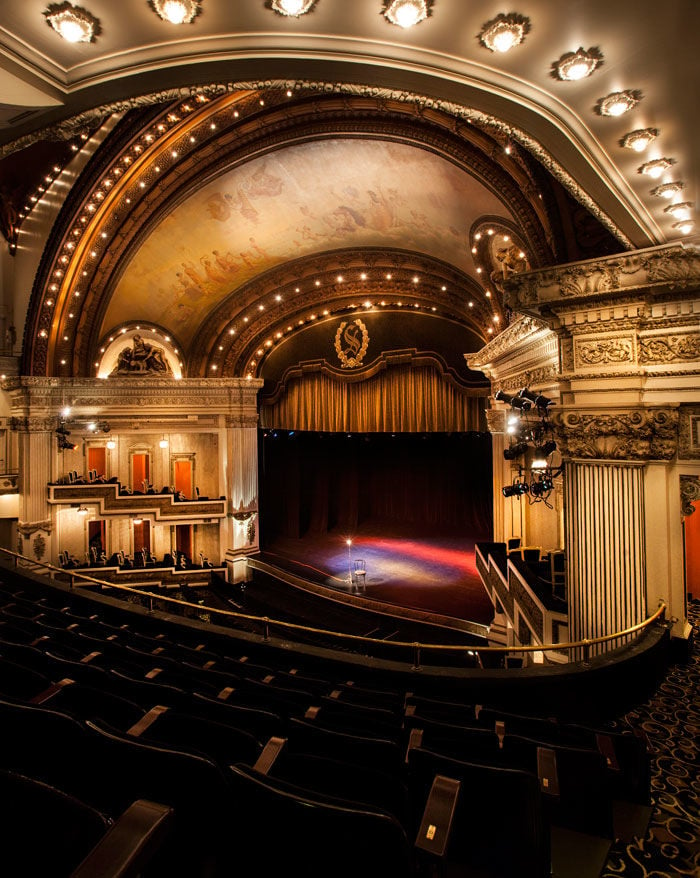
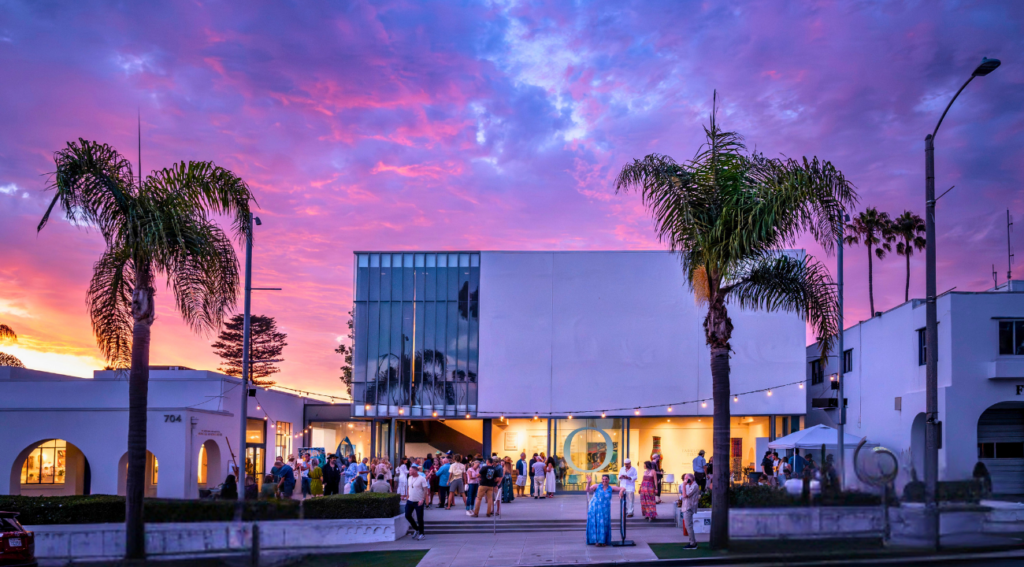
Commissioned by sugar magnate John D. Spreckels to commemorate the 1915 Panama-Pacific International Exposition, the theatre was originally built with 1,915 seats. Over the years, worn seats were replaced and upgraded. Today, it has 1,463 seats.
A 360ËEXPERIENCE
The theatre’s unique design allowed for a staging of the famed horse-drawn chariot race in a 1923 performance of Ben Hur, with horses galloping through the theatre, onto the stage, and out onto First and Second avenues.
QUAKE-PROOF
Architect Harrison Albright began construction in 1910, two years after the great San Francisco earthquake. More than a century later, the theatre still retains a top-tier earthquake rating.
BOUGHT AND PAID FOR
The theatre opened on August 23, 1912, with a performance of the long-running New York show Bought and Paid For. It came via private train for one show only, at John Spreckels’ expense. The audience gave an extended ovation with five curtain calls.
STAGE TO SCREEN
From theatrical productions and Vaudeville, the venue made the leap to motion pictures in the days of silent film, investing in a projection booth and silver screen in 1923. In 1928, the theatre switched exclusively to movies.
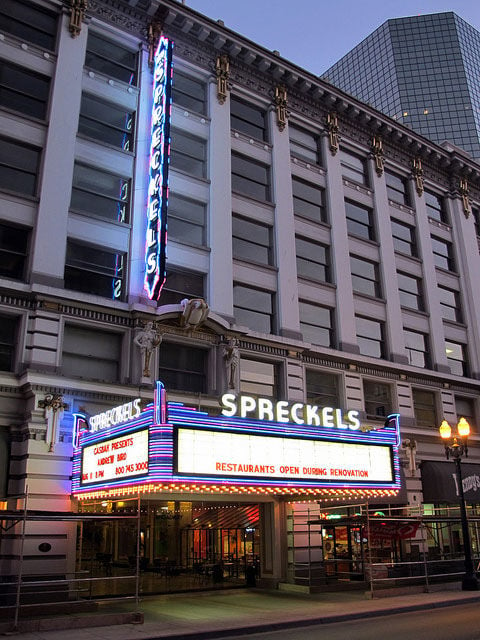
For its 2012 Centennial Celebration, the 75-year-old marquee was turned off for three months while it underwent a historically accurate restoration.
BUILT TO LAST
The structure, which cost an unprecedented $1 million to construct, remains mostly intact today, with its original onyx Grand Lobby, detailed woodwork, and tiled floors.
NEW MANAGEMENT
Owner Jacquelyn Littlefield, daughter of movie pioneer and one-time Spreckels manager Louis B. Metzger, took over operation of the theatre in 1944 at age 22.
GRAND GESTURE
In 1962, Littlefield bought the theatre from the Star and Crescent Investment Company and returned it to a stage-production venue. In 1978, when arson destroyed the Old Globe Theatre, she donated the use of the Spreckels for the Globe’s season.
FAMOUS ACTS
The Spreckels Theatre has hosted perhaps the widest variety of acts in the region, ranging from Charlie Chaplin to Abbott and Costello, Ronald Reagan to Ray Charles, and Ellen DeGeneres to Eddie Vedder.
Happy June! Welcome summer’s first month with a robust roundup of things to do in San Diego, from a suds-soaked brew fest and a long-distance bike race to a handful of musicals and a museum showcase of youth-made art—plus more fun happenings in our beloved city.
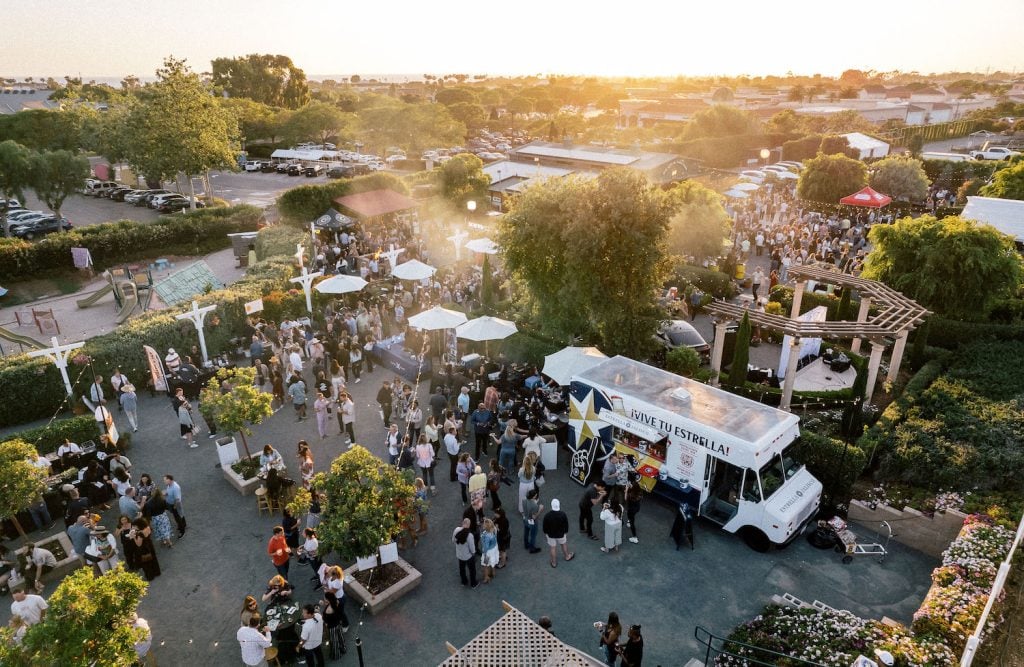
Want to party with San Diego Magand North County’s most influential tastemakers? Have your fill of unlimited food and drink offerings from the area’s standout restaurants, distilleries, brands, and more at the Carlsbad Flower Fields this Friday from 6 to 9 p.m. Guests can also take part in golden hour photo-ops, listen to live music, and check out over 40 local vendors. General admission to this 21-plus party is $85 per person.
5704 Paseo Del Norte, Carlsbad
San Diego Brew Festival
June 8
The 13th annual San Diego Brew Festival is back with food trucks, live music, and many, many beers. This 21-plus event at Liberty Station NTC Park is a craft beer lover’s paradise, with more than 70 local breweries serving up a couple hundred different selections—from hazy IPAs to malty pale ales—plus several food trucks, lawn games, and cover-band concerts to enjoy. Ticket options include $50 general admission passes, which get you access to the brews from 1 to 4 p.m., and $65 VIP passes, which come with an extra hour of sipping from 12 p.m. to 1 p.m., as well as specialty pours.
2455 Cushing Road, Point Loma
Courtesy of La Jolla Playhouse
Concerts & Theater in San Diego This Weekend
Mrs. Doubtfire at the San Diego Civic Theatre
Through June 9
In this musical adaptation of the beloved 1993 Robin Williams movie, a down-on-his-luck actor desperately attempts to reconnect with his family by posing as an eccentric Scottish nanny. As expected, hijinks and hilarity ensue. Following successful stints on Broadway and abroad, the musical heads to the San Diego Civic Theatre for eight shows. Tickets for Mrs. Doubtfirestart at $48.
1100 Third Avenue, Downtown
Pásale Pásale at Bayfront Charter High School
Through June 30
Written by Mario Vega with music and lyrics from Eliza Vedar, Pásale Pásale—a poignant love letter to South Bay—continues its month-long run at Bayfront Charter School. TuYo Theatre’s new musical (which premiered at the La Jolla Playhouse’s Without Walls Festival earlier this year) tells the story of a community coming together when vendor fees are raised at the local swap meet. Ticket prices range from $25 to $39.
830 Bay Boulevard, Chula Vista
The Ballad of Johnny and June at the La Jolla Playhouse
Through July 7
The La Jolla Playhouse hosts the world premiere of The Ballad of Johnny and June, a musical detailing the passionate and sometimes volatile love story of country music’s beloved “it couple.” There will be four performances of The Ballad of Johnny and June this weekend, and tickets start at $25.
2910 La Jolla Village Drive, La Jolla
Janet Jackson & Nelly Concert at SDSU
June 6
Rock and Roll Hall of Fame member Janet Jackson stops by the North Island Credit Union Amphitheater this weekend, performing crowd favorites from her hit-heavy discography. The concert will also feature rap legend Nelly, known for addictive chart-toppers like “Hot In Herre” and “Ride Wit Me.” Tickets for Thursday night’s performance start at $40.75.
2050 Entertainment Circle, Chula Vista
Courtesy of the Museum of Contemporary Art San Diego
Festivals & Art Exhibits in San Diego This Weekend
room in a room in a room at (LOS/NR) Gallery
Opens June 6
Through July 14, new La Jolla gallery levels of service not required (LOS/NR) hosts its first-ever exhibition, room in a room in a room. The show’s group of eight local artists includes photographers, psychologists, and woodworkers. This Thursday from 6 to 8 p.m., room in a room in a room will open with a free reception featuring a ribbon-cutting ceremony and free soft-serve ice cream cones.
7910 Ivanhoe Avenue, La Jolla
Teen Arts Collective Showcase at MCASD
June 7–9
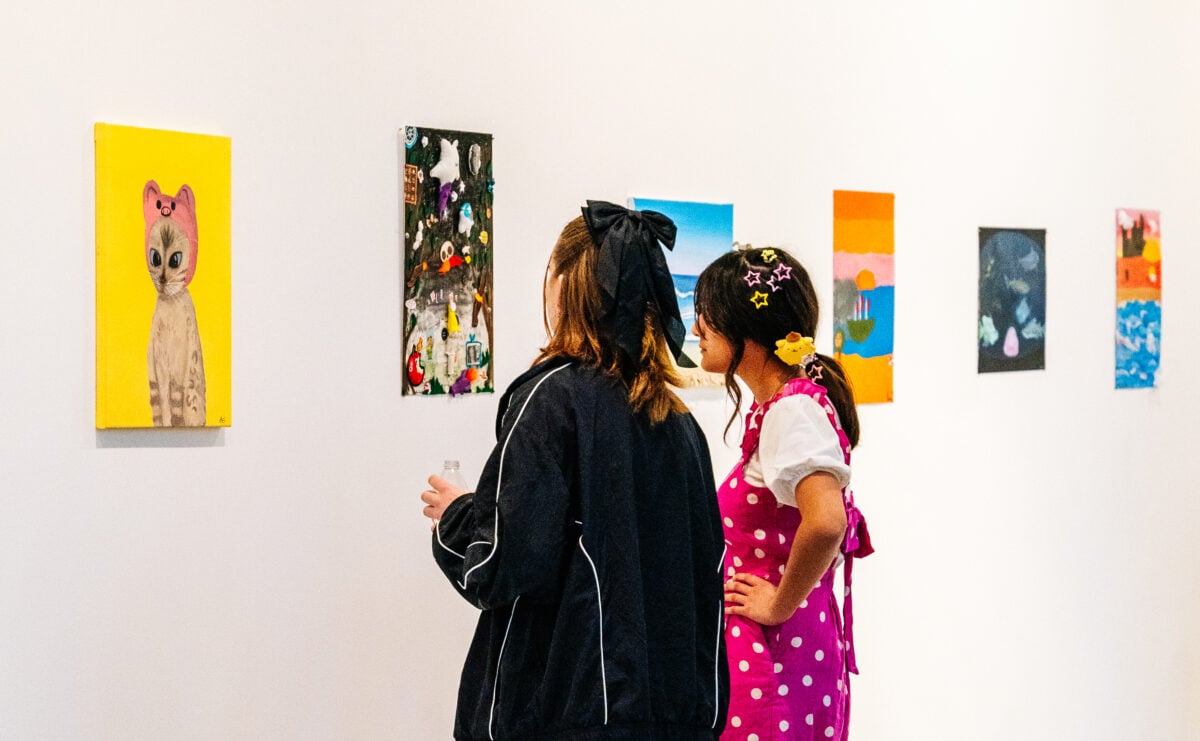
Interconnections: The Relationships that Form Us will showcase the work of 20 high school juniors and seniors from San Diego County for one weekend only at the Museum of Contemporary Art San Diego. Museum visitors can hear from the young artists and enjoy refreshments and a local DJ set during the museum’s Teen Night event this Friday at 4:30 p.m. The free exhibition will be on display in the Axline Court gallery from 11 a.m. to 7 p.m. Friday and Saturday and from 11 a.m. to 5 p.m. on Sunday.
700 Prospect Street, La Jolla
Latino Book & Family Festival
June 8
At MiraCosta College from 10 a.m. to 4 p.m. this Saturday, the 74th annual Latino Book & Family Festival brings together more than 120 educational, health, and author-led booths; a food village; bilingual workshops; and more. Keynote speakers at this free event include La Bamba writer and director Luis Valdez; Dr. Beatriz Villareal, director of the Mano a Mano Foundation; and author and O’side lifer Victor Villaseñor. The night before the fest, catch a screening of La Bamba at the Little Theatre on campus at 7:30 p.m. Seating is first-come, first-served.
1 Barnard Drive, Oceanside
San Diego Greek Festival
June 8–9
St. Spyridon Greek Orthodox Church hosts the San Diego Greek Festival this Saturday from 11 a.m. to 10 p.m. and Sunday from 11 a.m. to 8 p.m. Spend the weekend watching folk music and dance performances and sampling Greek bites, beers, wines, and spirits—but be sure to go easy on the ouzo. General admission is $4, and children under the age of 12 get in for free. A complimentary park-and-ride shuttle will take off from the San Diego Unified School District lot (4301 Campus Avenue) every ten minutes throughout the festival.
3655 Park Boulevard, North Park
Courtesy of the Giro Di San Diego GranFondo
More Fun Things To Do in San Diego This Weekend
Giro Di San Diego GranFondo Bike Race
June 8
Cyclists can test their endurance on this Tour de France–esque ride through inland San Diego. Riders will start bright and early at Ryan Park with the choice of 20-, 32-, 56-, and 95-mile ride options. Once you cross the finish line, celebrate with a beer garden, live music, and the greatest reward of all: an Italian feast. There’s still time to register for this long-distance ride.
390 Hidden Trails Road, Escondido
Queer Mvmnt Fest at the City Heights Performance Annex
June 9–15
This week-long movement and arts festival kicks off Sunday with free dance workshops and performances at City Heights Performance Annex from 1 p.m. to 7 p.m. (Bring blankets and chairs to stay comfy during the outdoor happenings!) Highlighting local queer artists, the week-long event series includes workshops, panels, and live performances throughout San Diego and Tijuana. All offerings are free, but attendees are encouraged to RSVP ahead of time.
Ryan Hardison is a freelance arts and entertainment writer and recent graduate of San Diego State. When he's not staring at his laptop, he's likely eating an adobada burrito or getting sunburnt at the beach.
There's more to this local marvel than a famous marquee
By Christina Orlovsky Page | Photos by Paul Body
Spreckels Theatre
PLEASE TAKE YOUR SEATS
Commissioned by sugar magnate John D. Spreckels to commemorate the 1915 Panama-Pacific International Exposition, the theatre was originally built with 1,915 seats. Over the years, worn seats were replaced and upgraded. Today, it has 1,463 seats.
A 360ËEXPERIENCE
The theatre’s unique design allowed for a staging of the famed horse-drawn chariot race in a 1923 performance of Ben Hur, with horses galloping through the theatre, onto the stage, and out onto First and Second avenues.
QUAKE-PROOF
Architect Harrison Albright began construction in 1910, two years after the great San Francisco earthquake. More than a century later, the theatre still retains a top-tier earthquake rating.
BOUGHT AND PAID FOR
The theatre opened on August 23, 1912, with a performance of the long-running New York show Bought and Paid For. It came via private train for one show only, at John Spreckels’ expense. The audience gave an extended ovation with five curtain calls.
STAGE TO SCREEN
From theatrical productions and Vaudeville, the venue made the leap to motion pictures in the days of silent film, investing in a projection booth and silver screen in 1923. In 1928, the theatre switched exclusively to movies.
Spreckels Theatre
MARQUEE MOMENT
For its 2012 Centennial Celebration, the 75-year-old marquee was turned off for three months while it underwent a historically accurate restoration.
BUILT TO LAST
The structure, which cost an unprecedented $1 million to construct, remains mostly intact today, with its original onyx Grand Lobby, detailed woodwork, and tiled floors.
NEW MANAGEMENT
Owner Jacquelyn Littlefield, daughter of movie pioneer and one-time Spreckels manager Louis B. Metzger, took over operation of the theatre in 1944 at age 22.
GRAND GESTURE
In 1962, Littlefield bought the theatre from the Star and Crescent Investment Company and returned it to a stage-production venue. In 1978, when arson destroyed the Old Globe Theatre, she donated the use of the Spreckels for the Globe’s season.
FAMOUS ACTS
The Spreckels Theatre has hosted perhaps the widest variety of acts in the region, ranging from Charlie Chaplin to Abbott and Costello, Ronald Reagan to Ray Charles, and Ellen DeGeneres to Eddie Vedder.
That was the question on loop in my head as I sat, nearly catatonic, watching my chickens scratch and crap, from a chair on my patio. It was the first Monday after dropping my one and only at college on the other side of the country. I was tired to the bone and in shock. Eighteen-plus years of permission slips, math homework, Barbie play (ugh), carpooling—my God, the carpooling—and a teenager who, for four years and counting, communicated almost exclusively through side-eye and not-so-under-the-breath clapbacks. Parenting is insanity, and when it stops, it feels so good and so bad all at once.
Photo Credit: Aaryn Belfer
I won’t linger on my personal recovery here, except to say: Part of moving on is dealing with that empty room. What do we parents do with the utensil vortex, and more importantly, when do we do it?
My daughter’s room sat for two years like a forgotten museum exhibit, preserved—not because I was sentimental, but because my husband was. While he didn’t want her to feel erased when she came home, I wanted to expunge her Totoro-meets-Pepto-Bismol gray-and-pink aesthetic, the sports jerseys, the inspirational stick-on decals from Etsy, the bazillion discarded beauty products that didn’t make it into the blue duffel bags.
My metamorphosis took a while, but I built a new, brilliantly free, empty-nest life. No more driving hundreds of miles a week, no more bleachers, no more ref whistles reverberating in my dreams. I reclaimed myself, then I hired a professional to help me reclaim my kid’s bedroom.
EBSCO’s Research Starters series says that “empty nest syndrome” is a real, if not clinical, diagnosis—no chart line, no billing code. Just a recognized experience of grief, loneliness, and diminished purpose that can take up to a year to resolve.
Creating a Sanctuary
Courtesy of Treci Smith
I turned to Treci Smith of Treci Smith Designs because I loved what she did with her son’s bedroom. (Full disclosure: She’s a friend.) After several interrupted attempts at reimagining the room, she designed a den for her husband, Amir. The couple, married 32 years, raised four kids in their four-bedroom ranch home in Bonita, and over the years, the kids switched rooms and pairings countless times.
The house Tetris continued as each child went off to college. But when their youngest left, his bedroom atrophied. It became a haphazard office and, for one stubborn stretch, nothing at all. A purgatory.
“We wanted to utilize every room in our house,” Smith says, “not letting it be a room that just sits empty.” She finally made a plan to evict purgatory, but the pandemic hit, and all four kids moved back home. It took a while longer before the room was finally hers to play with.
Courtesy of Treci Smith
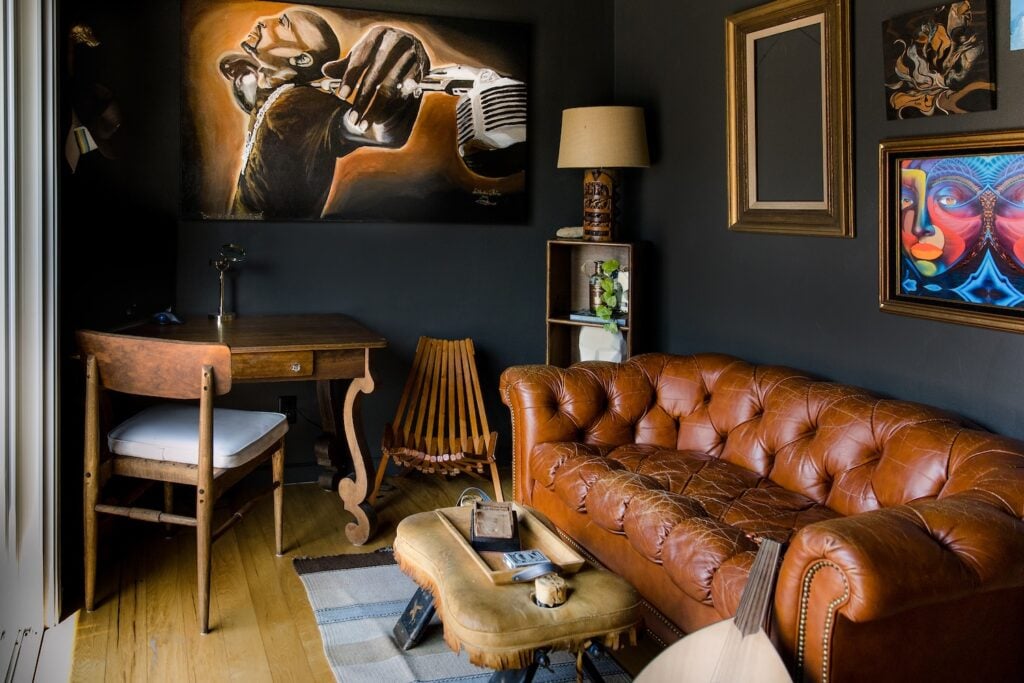
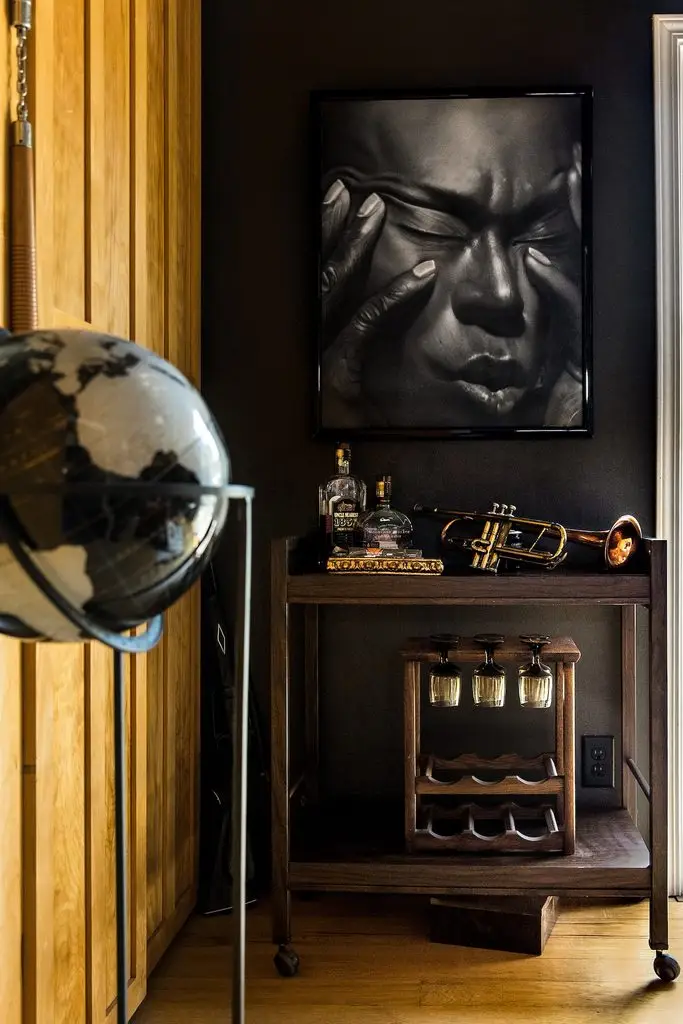
What Smith created in its place is magic. It feels like a speakeasy. Dark, moody, and deliberately masculine, the den looks like how sandalwood and musk would smell if they took physical form. It’s got a bar cart, Amir’s cigars, a speaker, a desk for his real estate research, and French doors that open to a courtyard and pool.
“When we think of meditation, we think of light and airy,” Smith says, rejecting that there’s only one way to create calm. “It’s a sanctuary. It’s a place where the rest of the world doesn’t really feel like it exists.”
Smith doesn’t talk about trends. “I think everything has to have a purpose, and not just to be magazine-ready,” she says. “So I ask clients, ‘How do you want to feel in this space?’”
For my project, Smith isn’t interested in erasing the past so much as spotlighting it. As she guides me in reimagining my kid’s former room, she’s pushing back on my urge to wipe the kid out of it entirely. “I don’t want her to feel like she’s been pushed out of the house, essentially,” she says. “The room is now functioning for other purposes, but it’s still hers.”
She pulls a painting of my daughter off the wall in another part of the house for use in the new space. She also caught sight of a planed section of a pantry door from our last house, which has my daughter’s height marks in my handwriting, climbing as she grew. “Grab that,” she tells me. “It has to go in.”
That’s not just decoration. It’s continuity.
From Playroom to Paycheck
For years, the biggest room in Melissa Gaviria’s Rancho Peñasquitos house was a shared bedroom and playroom for her two kids—absorbing blocks, toys, and balls that, with impressive consistency, never made it into the ball pit. As the kids grew, the room saw less use, then emptied out entirely: Her older child moved out, her younger one moved upstairs.
Gaviria tried turning it into an office, but “that was just one little corner of a whole big room,” she says. When a coworker converted part of a house into an Airbnb-ready ADU, Gaviria was inspired.
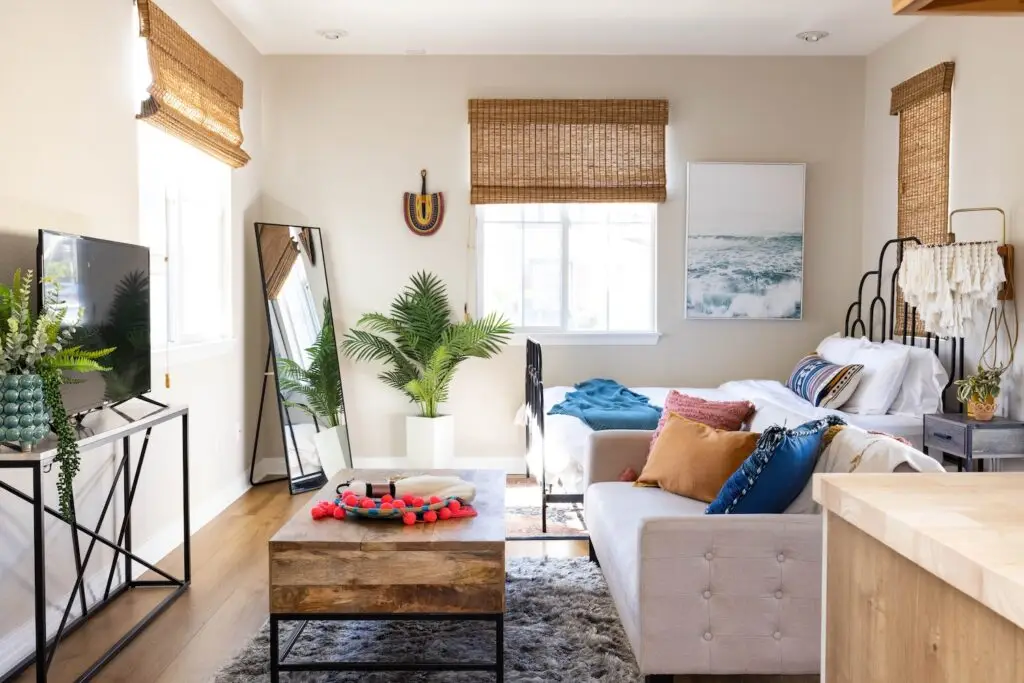
She hired award-winning designer Jen Guerin of JG Color Studios to create a junior ADU. It’s technically attached to the house but is functionally its own unit, with a French-door entrance on the side so guests never have to walk through the home’s main living space.
Gaviria didn’t wait until both kids were gone to build her nest egg (the unit pays her mortgage, and she rents the whole house in the summer and travels). The kids were 14 and 10 when construction started, and she gave them markers and crayons for one last pass at the walls. I ask whether she left any of their artwork as an homage. She laughs, “I can’t rent with a Godzilla on the wall.”
I beg to differ there.
Photo Credit: Hali Makanah
Guerin pulled from Gaviria’s Colombian background, incorporating blues and a deep burnt orange as nods to home.
Guerin, who’s designed dozens of these transitions over 20 years, says most parents pivot more slowly than Gaviria. “It always starts with paint,” she says, “then flooring and slowly a replacement of all items.” But the instinct, fast or slow, is the same: “This chapter isn’t about erasing the family story. It’s about making room for the next one.”
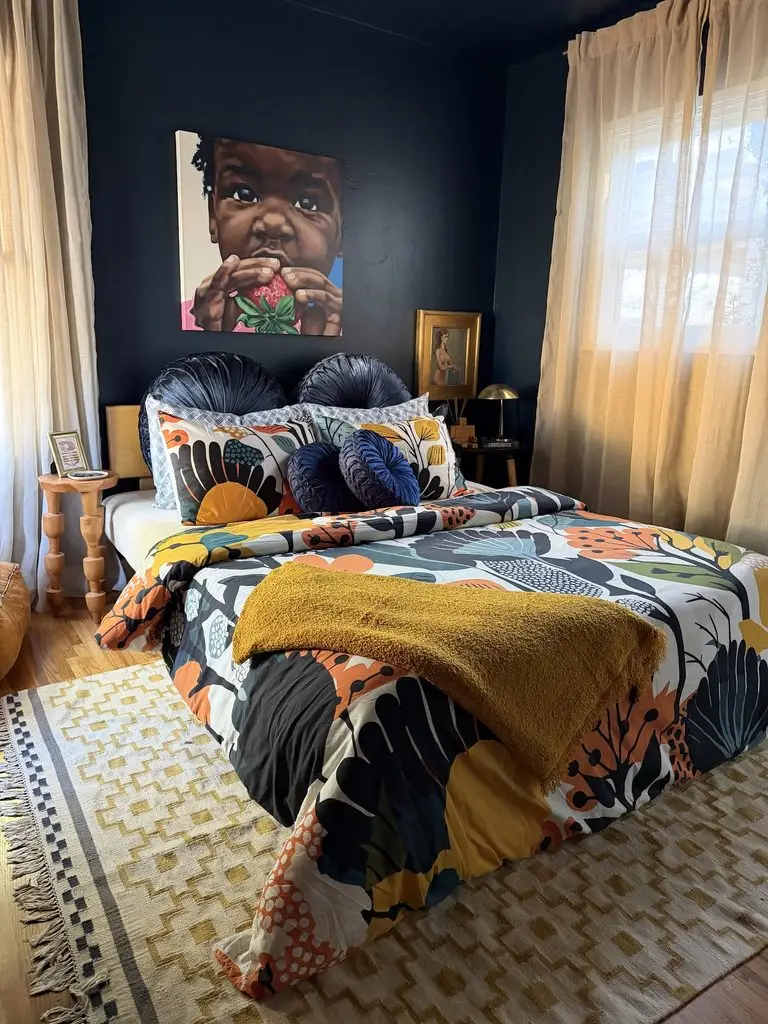
Enveloped. Safe. At ease, creative, and a little bit sexy. I wanted an understated drama that didn’t match our minimalist, midcentury design elsewhere in the house, but that matched the inside of my soul. I wanted dark and light, color and whimsy. I wanted to never want to get out of bed, and for guests to feel that too.
Another parameter: I had a tight budget. I mean, let’s be real about the economy, right? Smith guided me toward a dark paint my husband and I put on ourselves, then sourced used and vintage pieces to go with the bed and other accoutrements we already had, and mixed in a few new pieces from Ikea—like the two-tone green speaker lamp. She nudged me not to erase my kid entirely, so I dug through boxes of ephemera in the garage, framed some old artwork, and tucked a few other mementos away for discovery, should someone look closely.
Most guests won’t notice. They’ll just sink into the bed and not want to leave, which is the whole point. But if you know where to look, my ladybaby is still in there—she’s just not running the place.
Aaryn Belfer is a writer and editor specializing in nonfiction across art, architecture, and culture. Once upon a time, she wrote a provocative column for San Diego CityBeat (RIP). She was a runner up in the 2025 Matchbook Stories contest at the San Diego Central Library and is irrationally happy about it. Currently in her Soft Girl Era, Aaryn has expensive taste in (mostly flat) shoes and will choose a great art exhibit or live jazz concert over almost anything else. Except, possibly, Javier Bardem.
Today’s seniors are more connected than ever, with a renewed focus on retirement as a time of discovery and enriching experiences. The ultimate reward for a retirement well-earned is the wisdom to appreciate it all, and what better place to enjoy that unique perspective than Vi at La Jolla Village, in the heart of San Diego.
All-access pass to good living.
As a Continuing Care Retirement Community (CCRC), Vi provides access to a connected and fulfilling community while making it easy to plan for future care, should the need ever arise. With a care plan in place, residents enjoy greater financial predictability and long-term value, freeing them to focus on making the most out of retirement.
Resort-style amenities at the epicenter of a cultural hub like San Diego offer a retirement experience unlike any other. Paired with exceptional dining, spacious accommodations and dedicated staff, the best of maintenance-free living is all around. And with the introduction of Vista 360 Well-Being, Vi’s panoramic approach to wellness, there are more ways than ever for residents to access it all.
The harmony of mind, body and community.
Courtesy of Vi at La Jolla Village
The key to longevity is striking the right balance in maintaining an active lifestyle with an active mind in a fulfilling community. With newly renovated community spaces and restaurants, Vista brings a variety of opportunities for residents to elevate their well-being through Vi-exclusive “Signature Experiences.”
Vista Enrich takes an evidence-based approach to brain vitality, keeping residents at the forefront of cognitive health through exergaming (exercising + gaming), nutritional plans and informative workshops. It is also home to The Brain Vitality Studio, an innovative facility dedicated to cognitive fitness that has garnered national recognition.
Vista Discover invites residents into stimulating educational experiences, from chef-led cooking demos and guided wine tastings to lectures at local universities and intimate lectures following cultural outings.
While Vista Enrich focuses on brain health and Vista Discover engages residents intellectually, Vista Explore cultivates a sense of adventure through curated travel and local excursions. But broadening one’s horizons doesn’t always require a plane ticket. One recent event brought a taste of the world right to the community: an onsite “jazz cruise” featuring live music and global cuisine served at a series of themed “ports” all within the community’s own ballroom.
“Location, location, location”
Courtesy of Vi at La Jolla Village
One of the biggest perks of life at Vi at La Jolla Village is its proximity to just about everything. With easy access to transportation and local attractions just steps away, residents can explore and engage with their community at their own pace.
“There are trolley and bus stops within a 5-minute walk that will get you to the beach, UCSD Campus, medical appointments, downtown La Jolla or San Diego, et cetera. We rarely use our car,” said resident Tom Yager.
With the best of San Diego just steps away, residents don’t just live in the city, they live within reach of everything that makes it special.
The best of all worlds.
Courtesy of Vi at La Jolla Village
At Vi at La Jolla Village, retirement isn’t a chapter to slow down; it’s an invitation to discover more. Tailored community experiences created by Vista, paired with the vibrant pulse of San Diego just outside the door, mean that residents don’t have to choose between security and adventure, connection and independence. They get all of it.
This is what an all-access pass to good living looks like: the comforts of an elevated lifestyle, a community built for growth and a city made for discovery – all in one place.
To learn more about Vi at La Jolla Village or for details on available floor plans, visit ViatLaJollaVillage.com/SDM.
Growing up in Carlsbad, I never quite understood why people vacationed there. What, so you want to check out the field where I have soccer practice? Pay my orthodontist a visit? Carlsbad just felt like a town by the beach, no better or worse than any other in the country. It took going to college out of state for me to actually understand just how rare a place like Carlsbad is.
Thanksgiving break my freshman year, my first time coming home after three months in the Midwest, my shoulders dropped. I rolled down the windows and drove to lifeguard tower 37—the hangout magnet for Carlsbad’s youths (and, in the summer, tourists)—and the smells of the ocean woke me right up like smelling salts do. I finally got it.
Carlsbad isn’t just a stopover town on your way to something better. It is the destination. Travel + Leisure named Carlsbad one of the top 50 places around the world to travel in 2026. From the whole globe, the travel magazine picked my home. Sure, we’ve got the Flower Fields and Legoland—but now it’s the smaller ships and indier dreams that are giving it street-level character.
It’s not just Carlsbad, either. People have talked about the “North County bubble” for decades—a force field that prevents its residents from traveling south of the 56. It’s often used derogatorily, and it’s a fairly accurate burn.
For decades, living up in North County meant giving up on culture, or at least culture within close proximity. But now, the main expansion of San Diego culture is happening up north. Central San Diego restaurants have started taking notice and are expanding into the area—spurred no doubt by Oceanside’s food boom and the Jeune et Jolie–Campfire–Wildland–Lilo constellation in Carlsbad. City Heights burger joint Key & Cleaver opened a new spot in Oceanside; the owners of Parc Bistro-Brasserie in Bankers Hill opened Parc Lounge in Rancho Santa Fe. Possibly the strongest market indicator is that Sam Fox—one of the most successful restaurateurs west of the Rockies—has started focusing on North County for his concepts. In 2025, he opened both The Henry in Carlsbad and Culinary Dropout in Del Mar.
For the ultimate insider guide, we found a handful of inspiring people who live and create and truly know six North County neighborhoods—San Marcos, Escondido, Oceanside, Leucadia, Rancho Santa Fe, and Vista—and asked them how they’d spend a dream day out and about in their town.
Courtesy of North City Farmers Market
San Marcos
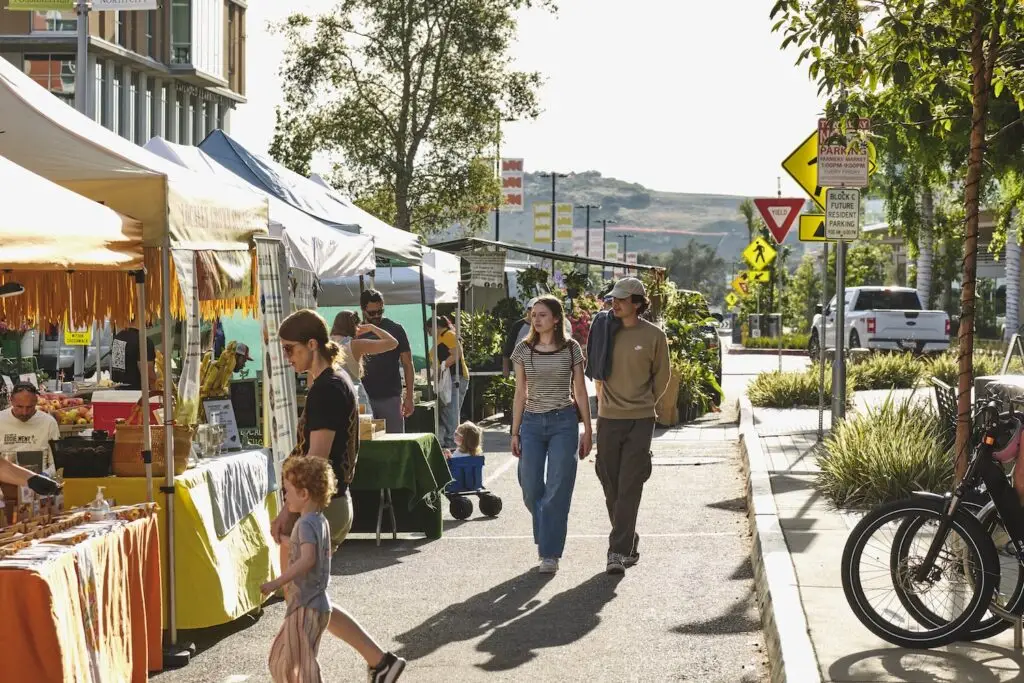
San Marcos is in full renaissance mode. The biggest story is that the grand North City vision is starting to peek through the scaffolding. It’s essentially the North County Downtown that’s been written in the tea leaves and discussed whenever someone gets stuck in traffic at the 5/805 merge: a 200-acre, pedestrian-friendly, mixed-use face-changer that’s slated for 2,600 homes, 350,000 square feet of retail and restaurants, 250 hotel rooms, and about a million square feet of offices and labs. Its most recent manifestation is 222 North City—a 12-story residential tower with over 450 residences, rooftop garden, pool cabanas, art installations, and almost 20,000 square feet of ground-floor retail (Necessity Coffee, Buona Forchetta, Draft Republic, Milonga Empanadas, and a grocery store anchor on its way).
Which means Restaurant Row is no longer burdened with being the primary caregiver for the hungry or the socially inclined. Patricia Prado-Olmos has watched the city morph during her nearly three-decade tenure at CSUSM, having spent the past six years as the school’s chief community engagement officer. She also just announced her forthcoming retirement at the end of the 2026–2027 school year, so she’ll have even more time to haunt local haunts.
Meet the Local: Patricia Prado-Olmos
Those in the know call the university “Cal State StairMaster” from the Sisyphean amount of stairs on the hillside campus. So, any day at or around CSUSM should start with a homestyle carbo-load (biscuits and gravy) from Mama Kat’s.
“There’s something about this breakfast spot that immediately puts me in a good mood,” she says. Mama Kat’s is also known for its pie (strawberry-rhubarb), which is breakfast if you change your perspective.
After a few hours on campus—with a break to pet the university’s official therapy goldendoodle, Frank, who helps ease finals tremors or apprehension of on-campus stairs—Prado-Olmos will wander into North City, just steps away. She says the almond croissant and coffee at Christophe Rull Patisserie rival Parisian cafés: “It feels like the kind of place you’d stumble across in a much bigger city.”
Rull, a Michelin-trained pastry chef who’s done stints on Netflix (Bake Squad) and Food Network (Super Mega Cakes, Halloween Wars), opened his patisserie last fall. The hype hasn’t cooled off yet: Get there early because the crowds do.
Emma Veidt is an editor at San Diego Magazine. She earned her bachelor's and master's degrees from the Missouri School of Journalism. She loves running, hiking, and rock climbing, but really, she mostly loves encounters with the street cats around North Park.
Growing up, Laika Nur, MD, Scripps Clinic sports medicine specialist, loved watching beach volleyball when the Association of Volleyball Professionals tour came to her hometown of Chicago. A talented volleyball player herself, she remembers sitting in the stands all day, and once, even got a couple autographs. Years later, Dr. Nur was attending a professional event focused on women’s sports, and the discussion turned to a new professional women’s volleyball league. The general manager and coaching staff for San Diego’s team, the Mojo, happened to be in attendance, and Dr. Nur took the opportunity to ask them if they needed a team doctor. Flash forward to the Mojo’s inaugural 2024 season, when Dr. Nur officially became the team physician. Click here to read more about Dr. Nur and how she incorporates lessons she learned on the court into her practice.
For more nutrition, wellness, and healthy living tips, sign up for the San Diego Health newsletter here.