Archive DECEMBER 23, 2016

17 Big Ideas for 2017

From blue technology to workforce housing to social innovation, San Diego surpasses major hubs around the country

17 Big Ideas for 2017

San Diego surpasses major hubs like Silicon Valley, Boston, and even the nation at large in terms of genomics, drug discovery, blue technology, restorative justice programs, and more. Here, 17 local innovators share their ideas to make our city more prosperous, healthy, and kind.

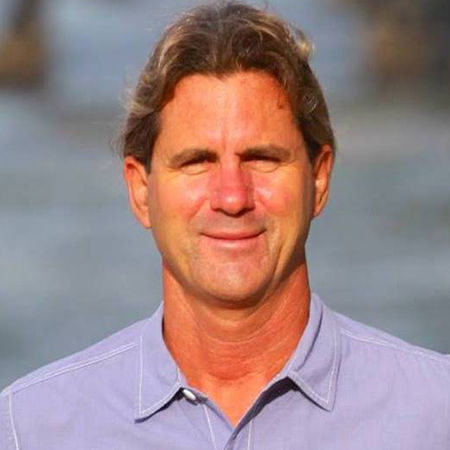
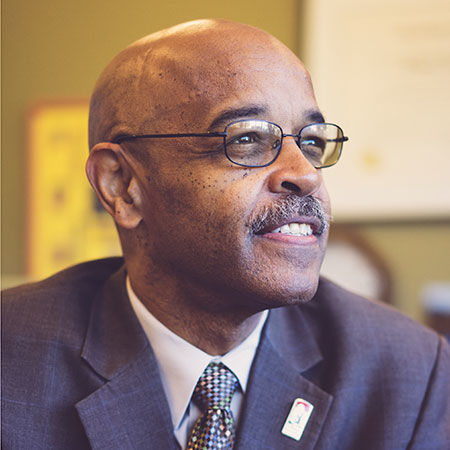
Let’s fix our local teacher shortage with unique partnerships and programs.

Joseph Johnson Jr., Dean, College of Education, San Diego State University
17 Big Ideas for 2017

17 Big Ideas for 2017

When the recession hit in 2008, many of San Diego County’s 42 school districts hired fewer teachers, and made layoffs when budget cuts got worse. That meant fewer students considered a career in teaching, fewer new teachers were going into the system, and the average age of teachers increased. We’re feeling the ripple effect now, as the number of teachers across the county currently eligible to retire is in the thousands. SDSU Dean Joseph Johnson Jr. warns, “If we’re not building a strong pipeline of new, high-quality teachers, then we’re not serving our children well.”

His College of Education is ramping up efforts to recruit future teachers. One such effort is The Compact for Success, a partnership with the Sweetwater Union High School District. Sweetwater has the largest student body population of any high school district in the state, and any grad who meets certain rigorous academic criteria is guaranteed a place at SDSU.

In 2015, Sweetwater took it full circle: Former students pursuing a teaching credential in certain high-need subjects at SDSU are guaranteed a teaching job back in Sweetwater schools. “They’re looking at their numbers of potential retirees and they’re quite confident they will have vacancies, especially in math, science, and special education.” One stumbling block, however, was the fifth year of schooling required for students to get a credential. “For many students, paying for that extra year would be between difficult and impossible.”

Enter the RISE Scholarship: Return, Inspire, and become a Sweetwater Educator. SDSU has received a grant from the California Commission on Teacher Credentialing to develop programs that would allow students to earn their bachelor’s degree and teaching credential in four years. That will make the teaching profession more attractive and speed up the flow of new teachers entering the system.

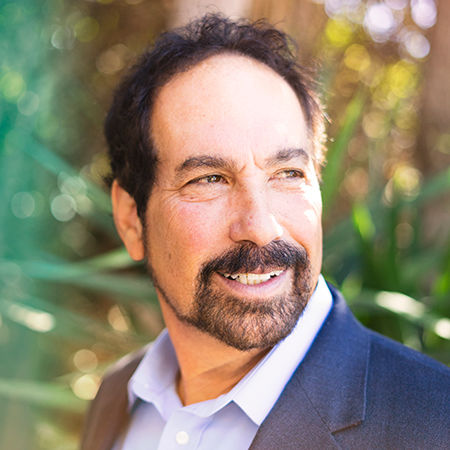
Let’s give women the opportunity to have careers that are supportive of motherhood.

Lisa Druxman, Founder, Fit4Mom

17 Big Ideas for 2017

17 Big Ideas for 2017

“You’re not supposed to take a puppy away from its mom for at least eight weeks. Yet we expect moms to go back to work after just six,” says Lisa Druxman, SDSU grad and mompreneur. Even worse, a quarter of employed American mothers return to work within two weeks of giving birth. While some companies’ policies fly under the radar, that doesn’t work for a mother-centric business like Druxman’s.

In 2001, the fitness pro founded Stroller Strides in San Diego and began franchising nationwide a few years later. She has since written a book and expanded her business to include pre- and postnatal fitness. “We’re trying to build a business for motherhood, not despite it,” she says.

Druxman believes more companies should give freedoms to not just working moms, but parents and individuals in general. She allows most of the employees at her San Elijo Hills–based company Fit4Mom to work 30 hours a week and from home when they want to, as long as 70 percent of their hours fall during traditional work time.

“I don’t think I’ve had an employee work nine to five in the last 15 years.” Fit4Mom has unlimited PTO and mandatory “Unplug Days.” “When you’re managing mainly moms, you spend so much time going, ‘Okay, you took half a day because your kid was sick or you had a doctor’s appointment’—but I don’t care. You are going to take what you need, so take what you need.”

She communicates with remote employees via Skype or Facebook’s Workplace feature. “I connect to a person who’s downstairs in my office the same way I connect with someone in Chattanooga.” She teaches employees time-budgeting and productivity hacks. She also recommends San Diego employers ask their workers what their ideal schedule would be. “If they have a better quality of life, they won’t jump to another job so fast. Even if someone’s able to offer a higher salary—let me tell you, there are way more important things than money.”

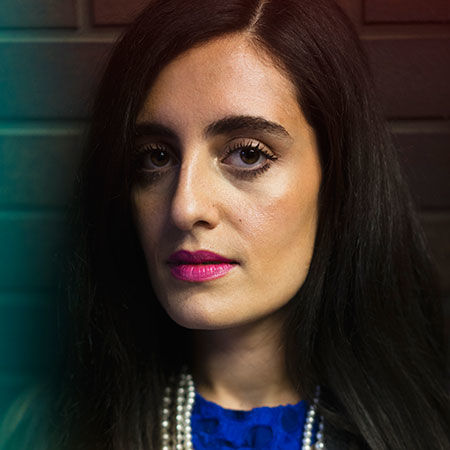
Let’s aid minorities and women in the Middle East and mentor young refugees.

Jacqueline Isaac, Attorney at Law and Vice President, Roads of Success
17 Big Ideas for 2017

17 Big Ideas for 2017

Jacqueline Isaac was born and raised in L.A., but moved to Egypt with her family at 13. “It was really difficult,” she says. “I had to learn what it was like to be a woman, a Christian, and American—all odds were against me.” At 15, she returned to the U.S. to go to college in Orange County, and four years later she was back in Egypt on her first humanitarian project, speaking out against female genital mutilation and child marriage. She went to law school at USD, but began making humanitarian aid trips to Jordan and, when ISIS arose, to Iraq.

During one mission, she started to wonder what she could do about the psychological deterioration of the children she met, and she soon founded a mentorship program under her mom’s SoCal-based humanitarian NGO Roads of Success, where Isaac serves as vice president. “There are so many refugees coming to San Diego; these kids have seen so much, and then they have to deal with the language barrier, the culture shock, and getting bullied—they can become good or they can become gang members and terrorists because of the trauma. It’s really dangerous if they don’t have the right mentorship.”

As part of the program, a San Diegan pairs with one refugee from Iraq and helps them integrate. The pairings are strategic—an aspiring dentist will be matched with a local dentist, for example. “We want them to feel like leaders, not victims,” Isaac says. “We are not going to let this generation be lost.”

A second program helps teenage refugees who have fled ISIS and now live in Iraqi camps. Tech Over Trauma currently connects 32 girls with mentorship, counseling, education, and English lessons via the internet. Donors can “adopt a girl,” providing a computer and internet subscription.

In between her trips to the Middle East, Isaac has testified in front of Congress, which voted unanimously to declare the ISIS situation a genocide; the U.K. has done the same, and she’s currently trying to pass a genocide resolution at the United Nations Security Council that declares genocide has occurred against Christians, Yazidis, and other minorities (making it possible to prosecute ISIS for the crime of genocide).

In the meantime, she continues a container program she began when the refugee crisis broke out, collecting shoes, blankets, and other supplies to the Middle East (Prince Mired of Jordan sponsored the first shipment). San Diegans have helped fill and send thirteen 40-foot containers since 2012, and Isaac’s goal is to ship one every month.

Let’s use restorative justice to keep teens out of prison.

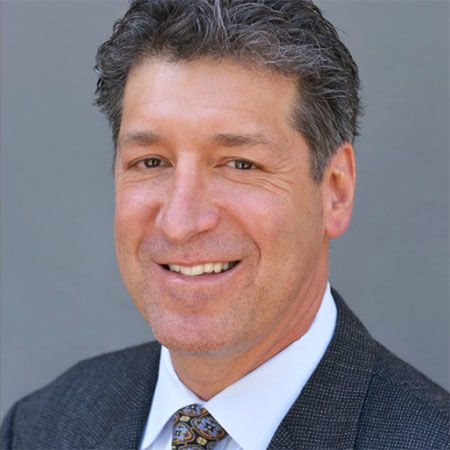
Steven P. Dinkin, President, National Conflict Resolution Center
17 Big Ideas for 2017

17 Big Ideas for 2017

Steven Dinkin launched the National Conflict Resolution Center (NCRC) in 2003, and today it has a novel partnership with San Diego’s law enforcement agencies. If a youth is charged with a misdemeanor or felony and admits to wrongdoing, they can go through NCRC’s restorative community conference program, which includes a sit-down dialogue with the victim, their relatives, and other members of the community affected by the crime.

Together, they come up with an action plan, usually involving an apology, restitution, and/or community service. If everything is carried out, the justice system agrees to drop charges. It sets kids on the right path and saves taxpayers money: The estimated average cost to prosecute and incarcerate a youth is $113,500, versus $6,000 to participate in the restorative program. “In the punitive justice system, you can’t be proactive or be empowered to work toward a solution,” Dinkin explains. “But that’s what creates empathy and compassion and true change. That’s what really alters the behavior going forward.”

Dinkin tells the story of a boy who was succeeding in school and dreamed of joining the military. But while he was out with a group of kids in a big box retail store, he stole a camera. Because of the camera’s value, the crime was considered a felony, which would’ve prevented him from ever joining the military. However, through restorative justice, the boy came to understand the consequences of his behavior, the cost of heightened surveillance at the store, and the impact on the employees. He apologized to the managers as part of his accountability plan and is now back on a solid path to success.

Two years ago, the NCRC began working with San Diego Unified School District. Instead of using the zero tolerance disciplinary system, under which the youth would be suspended or expelled from school, they start a dialogue with teachers, staff, school police, family, and others so that the student can remain in class and avoid the school-to-prison pipeline.

In fall 2016, the NCRC opened its first Center for Community Cohesion in Southeast San Diego and plans to open more throughout the country. The center trains people in inclusive communication and informal mediation and helps neighbors navigate cultural and political differences. NCRC is also rolling out programs for building campus stability at community colleges and universities, and training thousands of San Diego County government employees. “We’re the only organization in the nation that works at all levels of society, from the family to the community to government, and on a national scale. I’m very sanguine that we’re going to continue to see significant change in the future.”

Let’s integrate wellness programs into all communities, particularly in low-income areas.

Serge Dedina, Mayor, Imperial Beach

17 Big Ideas for 2017

17 Big Ideas for 2017

After attending the 2015 Global Wellness Summit in Mexico City, Serge Dedina, environmentalist, activist, PhD, and author, led the charge in making Imperial Beach one of the first U.S. cities to celebrate Global Wellness Day the following year. “We brought together everyone—Stroller Stride moms, CrossFit gyms, military families, yoga studios, surfers, seniors, and everyday residents—around the idea of being healthy, happy, and celebrating wellness,” he says.

Since then, the city has added more athletic events to its annual calendar, transformed garbage-filled parking lots into community work and health centers, beautified open spaces like People’s Park, supported new yoga and CrossFit studios, and given residents more access to art, music, and nature (tearing down those chain-link fences!). A new partnership with SDSU’s Arts Alive program and the Port of San Diego brought the Symphony by the Sea to IB, Pier South Resort hosted a Latin Jazz Summer Concert Series, and Switchfoot played a free concert on the pier for 10,000 people. “Regardless of income level or residence, everyone should have a right to a high quality of life.”

Let’s use greater advocacy to bring sporting events to our city.

Henry Ford, Senior Vice President, Fox Sports West

17 Big Ideas for 2017

17 Big Ideas for 2017

“Why does Indianapolis do such a good job of attracting high-profile events over San Diego?” Henry Ford asks. “Their sports commission makes Indianapolis look like the place to be in the middle of winter.” Hosting events such as basketball’s Final Four can be a huge financial boon to the local economy. Ford, a former board member of the Greater Cleveland Sports Commission, describes a very active, well-funded group that flies to other states advocating for Cleveland and soliciting business. In other cities, “There’s a sense that we need to go out and sell our community, sell our facilities, sell our readiness for these events.”

And if last summer’s MLB All-Star game was any indication, San Diego has many advantages beyond just the great weather. Ford says San Diego was perfect for the big event, in part because fans could take a cab from the airport and never get in a car again. “We do conventions and events very, very well,” he says, “oftentimes much faster than other cities.

The Padres’ ownership and the city had 18 months to pull together the All-Star Game, where most communities have more than four years.” So why not better organize the push for attracting more sporting events? Let’s play hard ball! (Editor’s note: We could start with an updated, attractive web presence. Currently, The San Diego International Sports Council still ranks on Google search pages, but has an outdated site that lists the Buick Invitational among the city’s annual events. It was renamed the Farmers Insurance Open years ago. The San Diego Sports Commission site also features a 2014 golf event. Time for a refresh—and maybe an Instagram account.)

Let’s develop more affordable drugs.

Pete Schultz, President, The Scripps Research Institute and California Institute for Biomedical Research

17 Big Ideas for 2017

17 Big Ideas for 2017

John Dole

What if you could combine basic science, translational research, and drug discovery under one roof, and do it in the not-for-profit sector? If revenues from drugs went to fund more research instead of going back into investors’ pockets? What if a drug could go from research bench to bedside in six years, rather than twenty, cutting costs of clinical trial phases and lowering the price of the medicine? Dr. Pete Schultz may have found a way to do it all.

As president of both The Scripps Research Institute (TSRI) and California Institute for Biomedical Research (Calibr), he is creating a partnership that, while just a few months old, is already preparing ten programs for human clinical trials. “That’s really quite rare, for a not-for-profit to move molecules all the way from inception to actually giving new drugs to patients,” he says.

With funding from the Gates Foundation, they have a potential treatment for childhood diarrhea, one of the leading killers in developing nations. Another may stop the transmission of viruses like Ebola, Marburg, and Zika. There’s also an ongoing regenerative medicine project for osteoarthritis, as well as programs for multiple sclerosis, prostate cancer, fibrosis, and chronic heart failure. TSRI and Calibr maintain partnerships with foundations as well as the biotech and pharmaceutical industries because it takes significant resources to develop a drug, and for-profit companies often sponsor research phases.

But if they’re quick, efficient, and experience fewer failures, the savings can be anywhere from tens to hundreds of millions per drug. Schultz recently met with medical school deans from Harvard, Penn, and other prominent institutions who are all trying to do the same thing within their universities, starting from scratch. Schultz says that without the infrastructure, technologies, and direct experience, it’s extremely difficult to do.

“What’s unique about this partnership is that we’re marrying two existing highly productive organizations,” Schultz says. Calibr will be a corporation under TSRI, and someday, he believes, adding a genomic medicine institute will create a plural: The Scripps Research Institutes.

Let’s make San Diego the capital of socially responsible businesses.

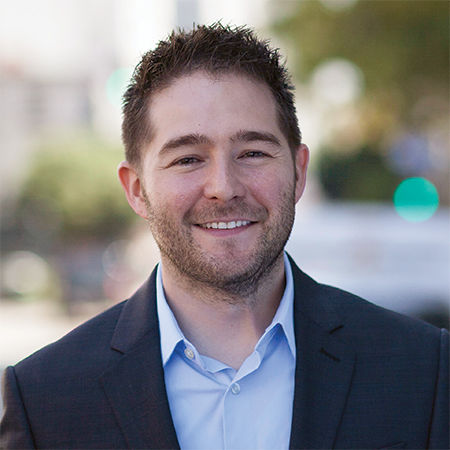
Jay Buys, CoFounder and CEO, Visceral
17 Big Ideas for 2017

17 Big Ideas for 2017

Good things come in small packages: Downtown digital agency Visceral has just seven employees, yet in 2016, the company paid 60 percent of everyone’s health care premiums. This year, they’re paying 70 percent. “We won’t stop until we can afford to pay it all,” says company cofounder Jason Buys. Treating employees well is just one part of what it takes to qualify as a B Corp by the nonprofit B Lab.

In addition to employee care, B Corps are determined by environmental impact, social accountability, and more. In practicing what they call “conscious capitalism,” Visceral seeks clients that are “mission-driven organizations” committed to doing good work, and Visceral promotes its own employees’ volunteer time and resources throughout San Diego. “Essentially, it’s a business framework for all of the things we already value in society.”

With cofounder Matthew Billingsley, Buys recently published Repurpose: Be Good at What You Do & Do Something Good, about finding a career path that has purpose and meaning. He says that although there are 2,000 certified B Corps in the world, San Diego has fewer than 20, and he hopes the number will grow. “There’s so much entrepreneurship here—turning all our businesses into B Corps would make San Diego a model of what a modern, progressive city can be.

Let’s ask the public to decide how we use our ocean.

Jason Giffen, Assistant Vice President, Port of San Diego (left)

Job Nelson, Assistant Vice President, Port of San Diego

17 Big Ideas for 2017

17 Big Ideas for 2017

For the first time in history, the State Lands Commission is partnering with the Port of San Diego to study and plan for the health of our waters. “In the years to come, we’re going to see a number of increasing pressures on the ocean, whether it be sea level rise, overfishing, or wanting to use the ocean for things like renewable energy or mining,” Job Nelson says. Hence a collaborative effort to come up with a meaningful plan. The first phase will involve asking the Navy, commercial and sports fishermen, the environmental community, the blue tech industry, and the general public how we should address the future of our waters.

Deciding on the scope of the assessment is the first step. The State Lands Commission’s jurisdiction extends three miles from the shore for the entire California coast, so the study could include the Tijuana River Valley all the way up to Oceanside, but will most likely look at a smaller area. The next step is a formalized planning process.

“Land use and most of what is built on land is highly regulated,” Jason Giffen says. “When you think about the ocean, there’s a lot more opportunity to start more or less from ground zero. We’re going to really think about how we can synergize different uses in a way that creates harmony.”

For example: Nelson often fields calls from people looking to test unmanned marine vessels, but they don’t know whom to ask or where to do it. “I want to make sure we’re allowing new companies to develop by testing their technologies, but doing it in a safe and secure way that’s not going to do any lasting harm,” he says. “We see the ocean as a resource as well as a laboratory.”

Let’s implement more school counseling programs.

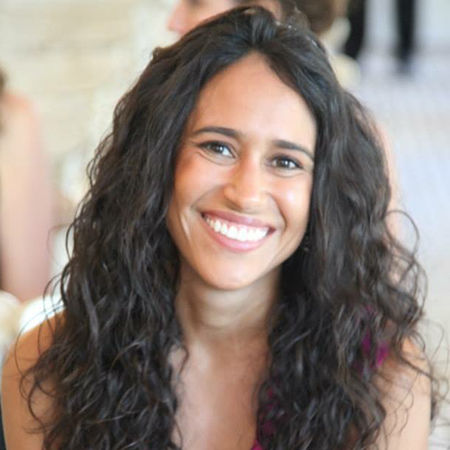
Danielle Duarte, Director of Professional Development, Hatching Results
17 Big Ideas for 2017

17 Big Ideas for 2017

California’s counselor-to-student ratio ranks second to last in the nation. The American School Counselor Association recommends a ratio of one counselor to 250 students, but California has an average of one to 822.

Our kids are missing out. A well-trained school counselor visits classrooms to teach skills for academic success, help with college and career readiness, and provide support for social and emotional learning. A sample lesson might be on respect and anti-bullying, or about how to check grades online and why they are important.

“A lot of people don’t see the positive impact a school counselor can make,” says Danielle Duarte, former president of the California Association of School Counselors, who currently teaches part-time at SDSU’s Department of Counseling & School Psychology. A good school counselor can also identify problems at home and even play an essential, life-saving role: According to the CDC, the suicide rate of middle school students, ages 10 to 14, doubled between 2007 and 2014. In fact, a middle schooler is more likely to die by suicide than by car accident. Helping a child feel supported and connected to school is not only good for the child but good for the school, reducing chronic absenteeism.

“The state’s education code says a school district may provide a comprehensive educational counseling program,” she says. “My big wish would be for a shall instead of a may.” Along with that, she insists, the counselors must be well-trained, implement a comprehensive program, and show positive results such as improved attendance records, increased college admissions, or a reduction in behavior referrals. “A study by professors at UC Davis and Texas A&M showed that hiring a counselor is equally effective as hiring another teacher to reduce class size.”

Let’s address childhood stress in school curricula.

Brian Alman, Psychologist and Author

17 Big Ideas for 2017

17 Big Ideas for 2017

After firsthand experience with his own daughter, Dr. Brian Alman, a wellness consultant at Kaiser and therapist to CEOs, rock stars, and athletes, turned his focus to childhood stress resulting from peer pressure, cyberbullying, competition, and more. “Kids are bombarded with negative energy, as we all know how overly critical and cruel they can be to each other. And truthfully, most parents don’t have any idea about the amount of daily stress their kids are experiencing.” In 2015, 25 percent of U.S. teens had suffered from an anxiety disorder.

Alman has penned seven books, including Less Stress for Kids, which gives children hands-on techniques to counteract the abundance of these challenges. He’s also developed a year-long curriculum—which includes stress management tools like visualization, relaxation techniques, positive self-talk practices, creative games, and drum circles—which has already been implemented in two Encinitas private schools. Alman envisions the program becoming accessible to all schools in San Diego County. To his credit, Stedman Graham (Oprah’s beau!) has championed the program in Chicago schools as well.

Let’s make it possible to live in Little Italy for $1,500 per month.

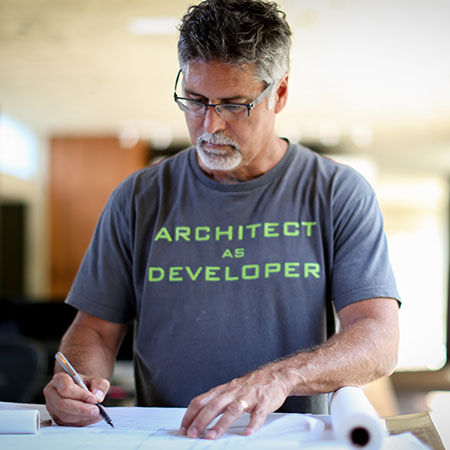
Jonathan Segal, FAIA, Architect and Developer
17 Big Ideas for 2017

17 Big Ideas for 2017

Architect Jonathan Segal, the brains behind the North Parker and Hillcrest’s Mr. Robinson building, wants more “efficiency unit lofts,” a sexier term for workforce housing (not to be confused with affordable housing). The building at Columbia and Cedar—which he hopes to get approval on early this year and move-in ready within six months—would have 35 600-square-foot units, each with built-in cabinetry and a fold-out bed—no furniture required—and a 6 by 10′ deck.

The catch? Zero parking. He wants the bartenders and store clerks who work in Little Italy to be able to live in the same community and walk to their jobs, rather than commute in. To legally forgo parking, he’ll provide four affordable housing units ($600 per month rent). “Nine parking spaces are required for a project like this and we’re saying we want none. Zero.”

His agenda isn’t to demand people get rid of their cars. “My intention is to provide housing that hopefully, by design, will attract people that don’t have a car or that work in the area.” Not owning a car brings expenses down for both developer and tenant, in addition to being better for the environment and easing traffic. Currently, the average rent for a one-bedroom apartment in Little Italy is $2,000, while 46 percent of millennials don’t even have a driver’s license.

Segal thinks workforce housing is the way of the future. Good candidates for this type of development are North Park, Barrio Logan, around Morena Boulevard, our university areas, and anywhere near mass transit.

“I am trying to change the planning code to allow developers to build workforce housing anywhere the zoning allows medium to high density,” he says. “I want to build workforce housing by right, with no community involvement.” But he’s facing “tremendous pushback” from the NIMBYs. “The residents don’t understand. It’s a sophisticated thing to make a city right, and leaving it up to the community doesn’t accomplish anything other than delaying a project. It’s extortion and a waste of time.”

To that end, he is educating people through his lecture series, Masters of a Generation, which raises awareness of good design in San Diego. Top architects in the nation participate; this month’s dates are January 13 and 20.

Let’s make our binational region a hub for social innovation.

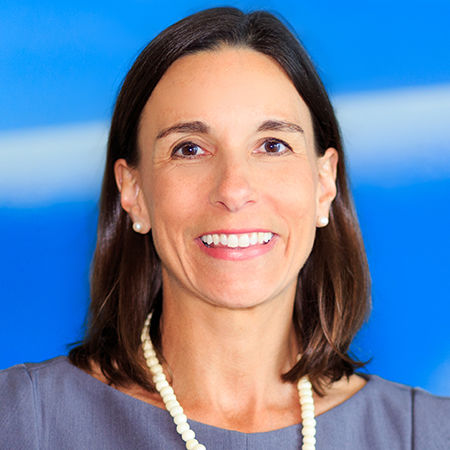
Patricia Márquez, Dean, Joan B. Kroc School of Peace Studies, University of San Diego
17 Big Ideas for 2017

17 Big Ideas for 2017

In the same way we might look at a piece of art from several angles, Dean Patricia Márquez wants us to look at social issues from more than one angle and come up with new solutions. “We can do all the policy making and urban planning, we can create more nonprofits, but we’re still using the same logic to approach homelessness, inequity in the educational system, gender differences, and racial tensions,” she says.

As an example of social innovation, she cites a European organization that hosts soccer matches for homeless people. “It’s not just creating awareness of homelessness,” she says. “It’s giving a sense of integration. Does it solve that problem entirely? No, but is it something that is changing a dynamic and social relations and the way the community looks at the homeless? Yes. That’s the kind of thing that I want to nurture in San Diego.” Take our city’s large population of refugees—they’ve moved from a rural community to an urban one. Márquez suggests working with owners of abandoned lots to allow refugees from different areas to connect through urban agriculture.

How do we execute so many ideas? Márquez suggests developing a culture of empathy and problem solving early on. The next generation, she says, “Won’t just learn two plus two, but begin to see at an early age that math can contribute to solving the problems in our own community.”

As an educator, she’s giving students not just from USD, but all the universities here, including Tijuana, access to mentoring and advice for creating an org and getting funding. And this fall, she’s launching the new Master of Arts in Social Innovation (MASI) program. “It’s not just [talking about] how to change the world. We’re saying, ‘If you have those ideas, show us.’ Remember, solving people’s problems is not about being in an office with A/C. If we develop a generation who is hungry to see that they can contribute while making a living, then I think it’s a different story in the 21st century. I want to be part of that story.”

Let’s create more artist-in-residence programs and make arts more than a one-night event.

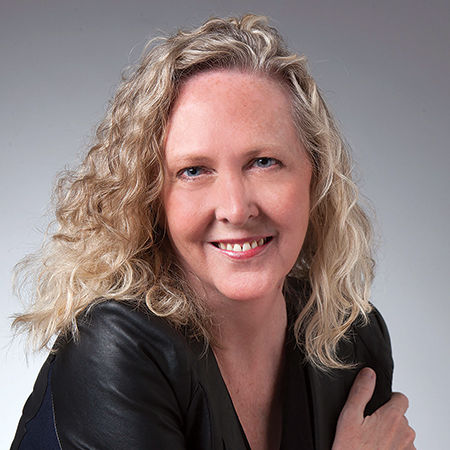
Kristin Lancino, President and Artistic Director, La Jolla Music Society
17 Big Ideas for 2017

17 Big Ideas for 2017

Kristin Lancino arrived in San Diego armed with more than 30 years of experience at various arts institutions, including New York’s Carnegie Hall, where she witnessed firsthand what can be accomplished with enough community support. At La Jolla Music Society, she’s been tasked with the once-in-a-lifetime opportunity of building and developing programming for the new Conrad Prebys Performing Arts Center, aka The Conrad, set to open in 2018.

The new 49,000-square-foot venue will house a 500-seat concert hall and a smaller multipurpose space. But for Lancino, it’s not just about attracting big names and limited engagements. “We want to bring in artists not just for a one-night slice. We want to invite them to come and stay awhile,” she says. “It’s about frameworking specific artists to be artists in residence.” Her mission is to put creativity and imagination at the forefront of every program they present, which means showcasing new music and choreography as well as hosting workshops and other educational classes.

Lancino has a list of potential ways to engage the creative process, such as displaying children’s artwork in the lobby. Or how about a “petting zoo” in the courtyard, where kids can touch every instrument from the orchestra and hear how it sounds? She also knows composers who could teach fifth graders to compose something original after spending just an hour with them. Construction on the new center is slated to begin this month. “When you’re digging, it’s fertile ground, and we have fertile ideas.”

Let’s put the hospitality back in hospitals.

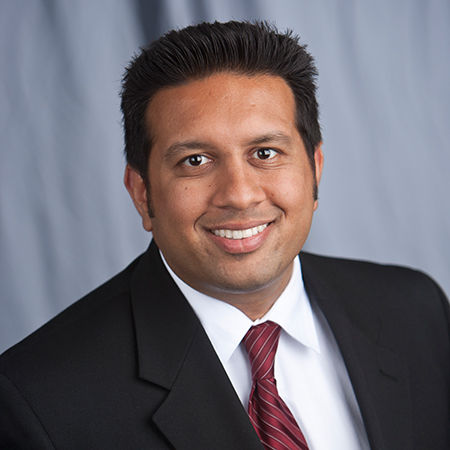
Neerav Jadeja, Hospital Administrator, Paradise Valley Hospital
17 Big Ideas for 2017

17 Big Ideas for 2017

Towels shaped like animals, ceilings painted like the sky, and seashell-shaped soaps—in some ways, Paradise Valley Hospital’s new San Diego Spine & Joint Center could double as a seaside resort. There’s also a newspaper at every door and an orchid for each patient (or “client”) as they leave. “Staying in a hospital shouldn’t be like entering the prison system—the admissions, ugly uniforms, and bad food,” Neerav Jadeja says.

Clients don’t have to wear hospital gowns, which he calls “demeaning—a psychological barrier.” They’re also given all the tools to recover, such as a pre-op class and group therapy. A friend or relative is encouraged to be a “coach” at physical therapy. And if something is unsatisfactory, well, the hospital leadership does the rounds.

It’s quite forward thinking for a hospital founded in 1904. In 2007, the National City institution was struggling to keep its doors open, losing $1.5 million a month. Then Prime Healthcare bought it. When Jadeja joined four years later, he helped turn it around, and now plans to rethink other departments. With that kind of success, it’s no wonder he says he “works in paradise.”

Let’s make San Diego the leading city for sustainable seafood.

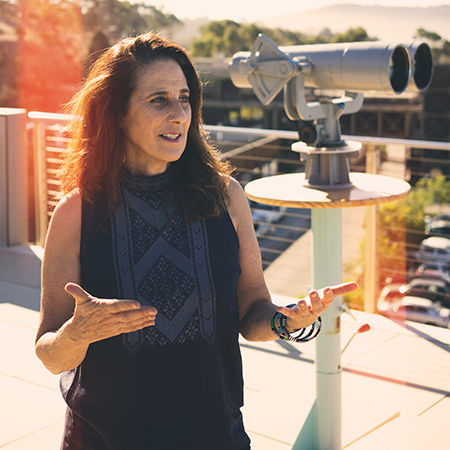
Sarah Mesnick, Ecologist, Southwest Fisheries Science Center, NOAA Fisheries
17 Big Ideas for 2017

17 Big Ideas for 2017

San Diego is uniquely positioned to lead the sustainable seafood movement, safeguarding the ocean and our high standards of cuisine at the same time. “We have all the right ingredients,” Sarah Mesnick says. “World-class marine scientists, talented fishermen, knowledgeable markets, award-winning chefs, and educated consumers who understand the value of a healthy, sustainably sourced seafood supply.”

She believes that we need this fusion of insights to create a long-term vision for the future of fish, fisheries, and seafood. She points to cross-industry, ocean-to-table events for sharing ideas over supper with “people who work on the water, with scientific data, and with dinner.” And they are looking into a partnership with Scripps where chefs and biologists can learn directly from one another in the kitchen.

“What makes us different from other coastal cities with rich seafood cultures is that we’re also home to hundreds of the world’s best fisheries, scientists, oceanographers, marine resource economists, ecologists, and climate experts.” This pool of talent informs sustainable management of ocean resources, so they, too, contribute to healthy fisheries in the long term. “We who live in San Diego may not realize it,” Mesnick says, “but we are emerging as a sustainable seafood model for the rest of the world.”

Let’s organize sporting events for disabled veterans.

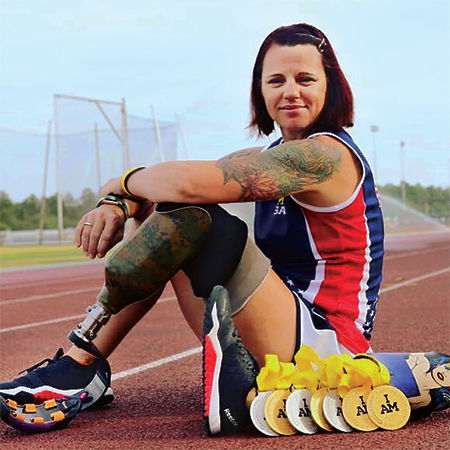
Sarah Rudder, U.S. Marine Corps Veteran; Gold Medalist, Invictus Games 2016
17 Big Ideas for 2017

17 Big Ideas for 2017

After a traumatic car accident and subsequent injuries from serving as a first responder at the Pentagon on 9/11, USMC veteran Sarah Rudder has encountered problems with her brain, leg, shoulder, and more. She underwent five unsuccessful surgeries before having her leg amputated in 2014.

A year later, she began running. “It’s really hard for an amputee to run,” she says. “Depending on how high the amputation is, we use anywhere from 30 to 70 percent more energy.” Still, she threw herself into all kinds of sports. A highly competitive athlete, she entered the Warrior Games and, based on her performance, qualified to be part of Team USA at the 2016 Invictus Games.

There, she competed in shot put, discus, running, and rowing, taking home seven medals. Rudder was the first American to win gold, the MVP, and the most decorated participant out of all 14 nations at the games. Now she runs four miles a day and trains in sprinting; she has just one second to lose in order to make the Paralympian team.

Rudder also mentors and raises money for disabled troops. She volunteers for Walking Wounded, Ampower, Semper Fi Fund, the Bob Woodruff Foundation, and Walking with the Wounded. She loves athletics, and insists that getting to games is a major challenge for any vet with visible or invisible injuries. “For veterans with the same disabilities to be able to get together and not have to explain where we’ve been or anything… that would be something. And having that competitive nature is also a plus.”

San Diego County is home to about 236,000 veterans, roughly 10 percent of the population, and the third highest population in the country. Rudder sees a need for an organization where volunteers help organize events in the region, find sponsors, transport vets, and most importantly, keep them updated. “We have to research all that on our own. It’s really difficult, especially for people with brain injuries.” She explains that her brain injury causes migraines, short-term memory loss (to the point that her husband sets multiple reminders a day on her calendar), occasional confusion, and more.

But none of that weakens her desire to compete. “It’s an amazing feeling to be able to get back into the world. When I compete, I might be running for 15 seconds or 30, but for that specific time, I think about nothing, and that right there is worth every second.”

Subscribe to our newsletters

Select Options

By subscribing you confirm that you agree with our Terms and Conditions and Privacy Policy.

Everything SD JUNE 12, 2026

San Diego Neighborhood Guide: Rancho Bernardo

Discover eateries, outings, and shops within this inland North County community

San Diego Neighborhood Guide: Rancho Bernardo
Courtesy of Rancho Bernardo Inn

Just south of Lake Hodges near 4S Ranch and Poway, Rancho Bernardo is a suburban community that blends residential neighborhoods with industrial pockets, elevated by a decidedly diverse food scene.  

Over 60 years ago, this North County neighborhood was once part of a family ranch. Since that time, big tech companies have taken up residence here, including Amazon, Sony Electronics, Oura Ring, HP, Teradata, and ASML. Rancho Bernardo Inn serves as a community hub, with locals frequently meeting at the hotel’s restaurants, golf course, and spa.  

Whether it’s work or a round of golf that brings you to Rancho Bernardo, we’ve taken care of the agenda planning with our guide to the area’s best restaurants, activities, and shops.

Courtesy of Avant Restaurant

Rancho Bernardo Restaurants, Bars, and Coffee Shops

Avant

Sample ingredients plucked straight from Rancho Bernardo Inn’s onsite garden and served at their signature restaurant Avant. One of the neighborhood’s most upscale dining options, they serve a French-inspired menu with nods to California, including many seafood options. Don’t miss their more casual sister restaurant Veranda for al fresco dining.

17550 Bernardo Oaks Drive

Things to do in Ramona, CA near San Diego featuring

The Kitchen at Bernardo Winery

Wood-fired pizzas and handmade pastas are standouts at The Kitchen, Bernardo Winery’s counter-service restaurant specializing in Sicilian flavors. Charcuterie boards and bruschetta make for great starters or snacks while wine tasting.

13330 Paseo Del Verano Norte

Bushfire Kitchen

Fast-casual and family-owned eatery Bushfire Kitchen recently opened a location in Rancho Bernardo, serving sandwiches, bowls, salads, burgers, protein plates, and housemade empanadas. Bushfire prepares comfort food with healthy ingredients, and offers plenty of vegetarian and vegan options.

11962 Bernardo Plaza Drive, Suite 110

The Cork & Craft

Some might call The Cork & Craft an overachiever. This gastropub has an in-house craft brewery and winery: Abnormal Beer and Wine. The more, the merrier. Their sushi menu is definitely worth exploring, but don’t miss other specialties like garlic noodles, chicken wings, and pork belly.

16990 Via Tazon

Courtesy of Carvers Steaks & Chops

Carvers Steaks & Chops

You don’t have to leave Rancho Bernardo to get a white tablecloth steakhouse experience. Carvers Steaks & Chops has prime rib (their best seller), filet, ribeye, porterhouse, New York strip, and other cuts, served alongside crab-stuffed mushrooms, wedge salad, French onion soup, potato skins, and other steakhouse specialties.

1940 Bernardo Plaza Drive

Burma Place

This no-frills Burmese restaurant is known for its traditional tea leaf salad that’s topped with sesame and sunflower seeds, garlic chips, peanuts, tomatoes, jalapeños, fried yellow beans, and fermented green tea leaf dressing. Tucked into a nondescript strip mall, Burma Place is a great takeout option when you want to eat garlic noodles, fried rice, chicken curry, and samosas from the comfort of your couch.

16719 Bernardo Center Drive, Suite A

Phở Ca Dao

Find authentic Vietnamese cuisine at Phở Ca Dao, including favorites like phở noodle soup, vermicelli noodles, broken rice dishes, and spring rolls. One of eight locations throughout San Diego, this family-owned chain uses robot servers for food delivery.

11808 Rancho Bernardo Road, Suite 100

The Kebab Shop

It’s all about the sauce at fast-casual Mediterranean restaurant The Kebab Shop. Smothering your chicken shawarma, gyro, or falafels in garlic yogurt, cilantro jalapeno, fire chili, and dill yogurt sauce is practically a rite of passage. The hardest part is deciding whether to order a wrap, bowl, or salad.

11980 Bernardo Plaza Drive

Casa Lahori

Get a taste of South Asian flavors at Casa Lahori, a Pakistani restaurant noted for its grilled meat kabobs. Other best-selling dishes include beef nihari, chicken biryani, and shahi paneer— best enjoyed with naan bread.

11975 Bernardo Plaza Drive

Kangnam Korean BBQ

Grill your own meat on the tabletop at Kangnam Korean BBQ, an interactive, all-you-can-eat experience that’s well-suited for large groups. Marinated beef bulgogi, grilled galbi short ribs, and spicy pork are served alongside traditional banchan dishes like kimchi, japchae glass noodles, and flavorful stews. Weekday lunch specials provide a nice discount on these filling meals.

11828 Rancho Bernardo Road, Suite 117–119

Courtesy of Curry & More Indian Bistro

Curry & More Indian Bistro

Dig in to your favorite curries and kebabs at Curry & More Indian Bistro. Most entrees are served with a choice of two side dishes, including basmati rice, potatoes with cumin, daal, naan, or mixed greens. Help offset the spice with one of their sweet mango or strawberry lassi drinks.

11808 Rancho Bernardo Road, Suite 123

Sushi Kami

Kai Oliver-Kurtin is a San Diego-based writer who covers travel, dining, events, and culture. Her writing has been published in USA Today, Condé Nast Traveler, Fodor's Travel, Marie Claire, and HuffPost, among others.

Features JUNE 8, 2026

4 San Diego Dishes We Can’t Stop Thinking About

Food writer Beth Demmon names local bites we love—both at the high and low ends of our budgets

4 San Diego Dishes We Can’t Stop Thinking About
Photo Credit: Kimberly Motos

We love a mega-fancy tasting menu, but let’s be honest—we’re not all blessed with unlimited Wagyu funds. So we picked some of the breakout dishes of the last year (or couple of years) from the best chefs in the city, reverse-engineered their chief charms (salty, smoky, caramelized?) in the test lab of our mouths, and found some budget-friendly alternatives that hit some of the same notes with an everyday price tag.

High: Caviar Ice Cream at Lilo

Where do delicately plucked marigold blossoms adorn Deer Isle scallops, or ingredients like fermented raspberry precede roasted coffee oil, shiro miso caramel, or bronze fennel in a parade of hit-after-hit dishes? Lilo in Carlsbad, of course. San Diego’s newest Michelin star changes its menu with the seasons, but one stalwart dish has kept tongues wagging since opening day last April: the caviar ice cream. A boat-shaped sliver of orgeat ice cream, smoked celery root bushi, and freshly pressed almond oil are topped with a generous heap of caviar. It’s a dish so good and defining that chef Eric Bost will tire of talking about it for a very long time.

Price: $265 for the tasting menu (before tax, tip, and drinks)

Low: S’mores Ice Cream at Stella Jean’s

There’s a reason Stella Jean’s s’mores ice cream is part of the local scoop shop’s “always available” menu. Made with fire-roasted marshmallows and coconut ash ice cream mixed with dark chocolate-covered graham crackers and mini marshmallows, its strangely ashen hue dabbled with flecks of tawny brown is a far cry from the wildly vibrant ube and pandesal toffee flavor seemingly made for Instagram reels. But it’s a sensation in your mouth—smoky, toasty, torched, creamy, marshmallowy, coconutty, ashy, and bitter from the dark chocolate. Pro tip: If you really want to DIY Lilo’s ultra-luxe treat, bring your own caviar.

Price: $6.25 for a single scoop

High: “The” Egg Dish at Lucien

There’s no question what comes first at Lucien. It’s the egg. Chef and co-owner Elijah Arizmendi’s 12-course tasting menu begins with welcome bites under the calamansi tree before moving inside to start the Journey (the actual name of this section of the menu). The first step is one of the most astounding—a perfectly intact, upright, ochre-hued eggshell containing his take on Japanese chawanmushi (egg custard), topped with a dollop of caviar. The accompanying ingredients have ranged from sweet corn and huitlacoche to banana and buckwheat, but each one has precisely demonstrated Arizmendi’s commitment to French technique with California experimentation and global influence.

Price: $260 for the chef’s tasting menu (before tax, tip, and drinks)

Low: Chawanmushi at Sushi Ota

The biggest difference (besides price) is that while Lucien’s dish changes with the season, Sushi Ota is comfortably predictable. A San Diego staple since 1990, the legendary Sushi Ota has been one of those if you know, you know joints that locals try to keep off the radar. (It hasn’t worked at all.) Known for ultra-fresh fish and ultra-traditional service, the small Pacific Beach restaurant also serves Japanese comfort foods like udon noodle soup alongside sashimi, nigiri, and rolls. But it’s the savory steamed egg custard, called chawanmushi, that really gives you the warm and fuzzies. Add a side of salmon roe (ikura) for a few bucks more, and this dupe is about as good as it gets.

Price: $12 for chawanmushi, $11 for ikura

Courtesy of Chick & Hawk

High: The Birdman Sandwich at Chick & Hawk

Enough ink—and tears, I’m sure—has been spilled over Chick & Hawk’s long and arduous journey to opening its doors. But now that the Encinitas eatery is in full swing, chef Andrew Bachelier’s tightly curated menu of fried chicken sandwiches, fries, and bowls command lines of hungry locals and skate-culture loyalists. The Birdman, the signature hot chicken sandwich named for partner and skateboarding legend Tony Hawk, is piled with cabbage slaw and pickles and slathered with a tangy kimchi comeback sauce on a soft brioche bun. Although this Nashville meets California meets Mississippi meets Korea sando doesn’t command a triple-digit price tag, the fact that it’s nearly a $20 chicken sandwich (sans side) has been a topic of conversation. Bachelier—who worked at Addison before opening Jeune et Jolie, then launched SDM’s 2024 “Best New Restaurant,” Atelier Manna—and his team earned that price tag.

Price: $18

Low: 5-Piece Korean Fried Wings at Cross Street Chicken & Beer

It’s hard to beat Koreans at the chicken game. Korean fried wings are defined by a double-fry technique—first at a low temperature to ensure the chicken is cooked through, then at a high temperature to ensure the famed extra-crispy, ear-splittingly crunchrageous magic. At Cross Street, they follow a similar fusion ethos as Chick & Hawk, using inspiration from the American South as well as Thailand, Korea, Vietnam, and more, with flavors like “Seoul Spicy” or “Honey Butter” for whatever you’re feeling that day. Pair it with a cold beer to go full chimaek (a popular Korean combination of pairing fried chicken and beer). Now that’s a combo—and price tag—that’s hard to beat.

Price: $8.75 for five wings

Courtesy of Trust Restaurant Group

High: Steak Frites at À L’ouest

PB&J. Captain & Tennille. Brad Wise and steak. Steak frites ranks among the iconic global duos. And when the holy union of prime cuts and twice-fried carbs comes from Wise and the meat-loving masters at Trust Restaurant Group, it’s a pretty safe bet. À L’ouest—the group’s newest fancy, but not fussy, drippy plant dreamscape of a French steakhouse on the prime corner of 30th and University in North Park—gives guests a choice: 12-ounce New York strip, 8-ounce filet mignon, or 8-ounce Wagyu hanger, topped with sauce au poivre (the classic French pan sauce—peppercorns, shallots, heavy cream, brandy) and served with a heaping pile of 24-hour salt-brined fries and a watercress salad. One bite acts as a transport to a Parisian brasserie, so if you think about the cost in terms of time-space travel, it’s a pretty great deal.

Price: starts at $48

Low: Shepherd’s Pie at The Shakespeare Pub & Grille

To satisfy the same urge for meat and potatoes, feel at least moderately European while doing so, and save a couple quid, a trip to The Shakespeare in Mission Hills ticks all the boxes. The classic British shepherd’s pie arrives in a piping hot oval au gratin dish, smothered with a thick layer of mashed potatoes. Beneath it lies a hefty portion of marinated ground beef and vegetables in the pub’s secret sauce, and while there are a few choices of sides, the correct order is peas and “proper” chips (a.k.a. chunky, thick-cut fries versus the typically thinner American “French” fries). It’s more tickety-boo than très bien, but it’s immensely satisfying in any language.

Price: $22.95

Beth Demmon

About Beth Demmon

Beth Demmon is an award-winning writer and podcaster whose work regularly appears in national outlets and San Diego Magazine. Her first book, The Beer Lover's Guide to Cider, is now available. Find out more on bethdemmon.com.

Features JUNE 8, 2026

5 Unsung Heroes of the San Diego Culinary World

From dedicated line cooks to seasoned bartenders, these are the people making magic happen in city's top restaurants

5 Unsung Heroes of the San Diego Culinary World
Courtesy of The Marine Room

Chefs have done gobs of thankless, lumbar-breaking work over years to land the role. Restaurateurs put their entire livelihoods on the line, microdosed sleep, took ultimate responsibility for every minor stress. They earned the spotlight they get. But ask one of them, and they almost always defer to a line cook who’s showed up for years, been deep in the thing, and whose absence would bring the kitchen to its knees. Or the bartender with a warmth that draws people whether they’re thirsty or not. Or the noble and spreadsheetable soul in charge of purchasing everything needed for the nightly show.

They call it the “heart of the house.”

Spotlight or not, these are the people who make a food culture hum at its daily core.

For this year’s “Best Restaurants” issue, we asked a handful of the top chefs and one restaurant owner—Tara Monsod (Animae/Le Coq), Jason McLeod (Ironside Fish & Oyster), Ananda Bareño (The Marine Room), Owen Beatty (A.R. Valentien), and Ryan Thorsen (Mister A’s)—who that person is for them.

These are the hearts of houses.

Photo Credit: Matt Furman

Roger Feria Krile

Line Cook, Animae

Roger Feria Krile is not only the guy you want to be friends with at work, but also the guy you want to hire: respectful, nose-to-the-grindstone, versatile. And he’ll drop off a fresh batch of cinnamon rolls at your house for the holidays. Born in Tijuana, Krile moved to the US with his mom and sister when he was in elementary school. He saw the sacrifices his mother made to give her children a better life, and he pushed himself to live up to that brighter future.

He came to cooking during the pandemic, asking himself, “What do I really love to do?” His answer: “Bake cakes for friends and break bread with people,” he says. That led to a culinary school degree and a stint in a Michelin-starred NYC kitchen, where he grew to “love and understand” fine dining. Now back in San Diego, Krile’s showing up at Animae in a major way. He does prep work three mornings a week and comes later in the day twice a week for dinner service. Most line cooks do one or the other, but he requested both tours of duty.

“Gotta get my reps, keep my skills sharp,” Krile says, “and I don’t want to miss the rush.” Prep work in the mornings helps him learn how Executive Chef Tara Monsod uses each ingredient to the fullest. Krile’s not just a line cook. One-quarter Filipino (and learning about his culinary heritage from mentor Monsod), he’s building his own Mexican-Filipino pop-up concept. Look for Sarsa—Filipino for salsa—where every dish is a play on words fusing Mexican and Philippine Spanish or Tagalog. He’s already R&D’d a breakfast sandwich, the tortantalong: a torta filled with a signature Filipino eggplant omelette called a tortang talong. Friends in the industry say it’s unexpectedly delicious.

“He shows up every day with a clear goal of one day opening his own restaurant, and that drive pushes him to go above and beyond,” says Monsod. “He is constantly learning, asking questions, and absorbing as much as possible, all while leading by example on the line.”

Photo Credit: Matt Furman

Ruben Martinez

Purchasing Manager, Mister A’s

Ruben Martinez knows every bottle of wine at Mister A’s—not necessarily by taste (though he was on the tasting committee for years), but by where they are in storage and whether they need replenishment. Owner Ryan Thorsen wants the wine list at 100 percent available every night, and Martinez’s job is to make that a reality. He’s been keeping inventory on Mister A’s wines since the 1970s, back when he worked for founder John Alessio. And it’s not just vino: Martinez also procures the ingredients, arriving at 5 a.m. to meet delivery trucks, stock shelves, and alert chefs if anything’s amiss.

Then he hits the dining room for a once- or twice-over to find any imperfections. If a light is out, if the plumbing acts up, if something major happens after he leaves in the afternoon, he’ll fix it all. He’s the best guy to ask, anyway; he knows every inch of Mister A’s. “Before ‘Google it,’ there was ‘Call Ruben,’” Thorsen says.

Martinez started out in hospitality at 17 with his father at Hotel Del. “I thought it would be easy working with my dad,” he says. “But early on, he caught me fooling around with the boys and told me, ‘We’re here to make money for the company. If you’re not willing to work, get out of here.’” That set him straight and set the foundation for Martinez’s lifelong dependability.

He moved to Mister A’s a couple years later, and after over five decades, he’s now the indispensable purchasing manager who worked with Alessio, Betrand Hug, and now Thorsen. Later this year, he’s planning on retiring—though he’s already offered to keep showing up a couple days a week and help out with Thorsen’s new project at Liberty Station.

Thorsen knows this man is a gem. “I don’t think we fully grasp what it will feel like without him,” he says. Last year, he threw Martinez a surprise birthday party in Mister A’s Blue Room, inviting Martinez’s family and a whole cast of coworkers going back to Alessio days. Martinez says he had to leave the room to hide his tears.

Photo Credit: Matt Furman

Patrick Mattoon

Lead Prep Cook, Ironside Fish and Oyster

There’s an hour most people never see, when a restaurant’s technically awake but not yet accountable, and that’s where Patrick Mattoon lives. He’s been the foundation of Ironside’s prep team for the past five years, quietly guiding the day toward success. He and his team are the first in, and they turn on ovens, check deliveries, catch mistakes before they become problems, and fix everything without ceremony so the chefs and line cooks walk into a day that already works.

Mattoon organizes, but more importantly, he owns. There’s no job too small, no detail beneath notice. In a kitchen, bad prep’s the one thing you can’t fix later, no matter how talented of a chef is at the helm.

Five years in, Mattoon still approaches each day with the same care and intensity that he had on day one. He takes every task seriously and sees it through completely—the kind of consistent work that doesn’t draw attention but makes everything else possible. When the restaurant got a soft serve machine, a notorious maintenance nightmare, he taught himself how to clean and run it just to make sure it never broke, not for credit but because that’s just how he’s wired.

“He is a silent leader who has the respect of the entire team due to leading by example,” says Ironside chef Jason McLeod.

Photo Credit: Matt Furman

Arturo Celestino

Lead Line Cook, A.R. Valentien at the Lodge at Torrey Pines

Through 23 years, three executive chefs, and a recent kitchen remodel, lead line cook Arturo Celestino is a constant at A.R. Valentien. He’s there at 6:30 a.m. five days a week—sometimes six—for the Lodge’s breakfast service. That means he’s up early prepping potatoes, slicing mushrooms, whisking pancake batter, and stirring sauces “always with a smile,” says Owen Beatty, the restaurant’s new chef de cuisine. “He’s a good leader.”

Celestino shows the younger guys how to make the eggs fluffy, so the omelettes are always perfect (don’t stop twirling the spatula!). He keeps his line in line when their spirits start to naturally droop during the morning shift home stretch when his crew just wants to get out of there. As the lead, he’s also the one chefs turn to when newbies need motivation.

His secret sauce: “mucho talking!” It keeps people happy, and it also helps the chefs retain talent in the kitchen.

Celestino learned to cook out of “necesidad,” he says. He cut his teeth on fine dining at Pacifica Del Mar at the Hyatt and moved to A.R. Valentien in 2003, just a few months after it opened in 2002.

“I’ve had good jefes,” Celestino says of the three executive chefs he’s known at A.R. Valentien: Jeff Jackson, Kelli Crosson, and now Michelin-starred Eric Sakai. Under Jackson—who’s known for pioneering farm-to-table dining in San Diego—Arturo learned to appreciate local ingredients.

“My favorite is basil,” he says, “added to tomato sauce with garlic, it’s mmm.” Fresh basil plays the supporting role in A.R. Valentien’s signature brunch plate, which is also Celestino’s top choice on the menu (to make and to eat), via the Bull’s Eyes: slow-roasted eggplant with sunny-side-up eggs, tomato sauce, and La Quercia prosciutto.

“I love my job,” Celestino says as he flashes that smile. “It’s not just a plate of food. It’s an experience.”

Photo Credit: Matt Furman

Tony Suarez

Bartender, The Marine Room

If you’ve been to The Marine Room, you’ve probably met bartender Tony Suarez. With his charming Cuban accent and dapper vest and tie, he makes it his business to regale guests coming and going—even while he’s pouring, mixing, shaking, polishing glasses, and taking orders.

“Over 90 percent of our guests are celebrating a special occasion,” he says. “So I keep up the celebration throughout their whole visit.” He’ll make you a sparkling toast and a customized cocktail, and on your way out, he’ll wish you a happy birthday (again) and invite you back for drinks on him.

“My goal is always to delight the guest,” he says. “I like to discover how you feel and lead you to what you would like to drink.” That spirit of experimentation has led to new signature cocktails, such as the Gerald—crafted for a neighbor who’s a regular—featuring housemade pomegranate puree and bourbon, or the I Drink of You with local Bebemos tequila, Gran Marnier, and Green Chartreuse. You won’t find this anywhere else.

“[Suarez] has mastered the art of the personalized guest experience,” says Marine Room’s Executive Chef Ananda Bareño. “He remembers the small details and favorite orders that make our regulars feel like family.”

Suarez’s tenure at the Marine Room started with a walk on the beach and a knock on the door. He was impressed by the beautiful location, and he asked if they were hiring. He immediately started as a server assistant—right before Valentine’s Day. The bartender took Suarez under his wing, and he took to the books to learn all about spirits.

He’s taken on the bartender role with wisdom and grace, offering a sympathetic ear, a pick-me-up, and a “human to human connection,” he says. Ten years into his career, the surroundings still inspire him as much as they did on day one.

“The Marine Room, the windows onto the ocean, [all] have a healing effect,” he says.

Leorah Gavidor won her first essay contest at age 5. She writes features, news, and non-fiction in San Diego.

Studio S JUNE 12, 2026

Nominations Open for the San Diego Business Impact Awards

The annual event honors middle market companies creating jobs, scaling up, and investing in the region

Nominations Open for the San Diego Business Impact Awards
Photo Credit: Kimberly Motos

San Diego is known for its startup culture and innovation economy, but what happens when the company moves beyond its early-stage years? The San Diego Business Impact Awards aim to answer that question, spotlighting the middle market businesses helping drive the region’s economy.

Hosted by San Diego Regional Economic Development Corporation (EDC) and JPMorganChase, the second annual awards celebration takes place on Thursday, July 23, from 4:30 to 7:00 p.m. at Scripps Research Auditorium. More than 200 executives, entrepreneurs, and business leaders are expected to attend the networking and cocktail event honoring some of San Diego County’s fastest-growing companies.

Businesses headquartered in San Diego County that have operated for at least two years are encouraged to submit their nomination by Thursday, June 18 at 4 p.m. Companies across industries—from technology and life sciences to tourism and consumer products, as well as pre-revenue startups—are eligible for recognition.

For EDC President and CEO Mark Cafferty, the event is as much about building connections as celebrating success. “We’ve had a longtime partnership with JPMorganChase; their work aligns with our efforts to support underserved communities and drive talent development,” says Cafferty. “And the networking was invaluable last year. I’m still in touch with people I met at last year’s awards.”

Photo Credit: Kimberly Motos

EDC is an independently-funded nonprofit that works directly with San Diego companies to help them grow the local economy, make the region as a whole more competitive, and attract and retain top-tier talent with quality jobs. Through EDC, companies can get help starting or expanding their business with support for things like site selection, permit navigation, and regulatory guidance, plus connections to local resources and potential business collaborators.

The San Diego Business Impact Awards began as an idea with one of EDC’s longtime strategic partners, JPMorganChase. The two organizations share a commitment to San Diego and are dedicated to bolstering middle market businesses.

“We’re blessed with a robust innovation economy and startup community,” says Aaron Ryan, San Diego Region Manager for JPMorgan’s Commercial and Investment Bank and vice chair of the firm’s’ San Diego Market Leadership Team. “But one of the segments of the business community we felt was overlooked was emerging middle market companies—the businesses that are no longer small but not yet large.”

Ryan says supporting those companies is critical as they scale and decide where to invest, hire, and grow.

San Diego’s high cost of living remains one of the region’s biggest business challenges, making talent recruitment and retention increasingly competitive. But local leaders point to the region’s quality of life, climate, and collaborative business community as advantages that continue to attract employers and workers.

Photo Credit: Kimberly Motos

“In order to support thriving households, there has to be enough high-quality jobs for people to be able to afford to live here,” Cafferty says. “Once a company grows and excels past that middle market point in their growth cycle, they become much more likely to pay higher wages and compete globally.”

Both Cafferty and Ryan proudly tout the unique collaboration that exists among San Diego County businesses. Bringing together top universities producing high-quality talent, cutting-edge research institutions, a robust military and defense presence, leading ocean science and environmental organizations, and a binational, cross-border identity creates a distinct business ecosystem that defines and strengthens the San Diego region. 

Last year’s San Diego Business Impact Awards celebrated nearly 60 honorees from 49 industries, representing a total of 8,232 jobs across eight sectors, including: software and technology, healthcare and life sciences, consumer goods, professional services, finance, construction and manufacturing, defense, and hospitality and tourism. On average, honoree companies doubled their revenues over the previous year, employed more than 145 San Diegans each, and offered an average annual compensation of $192,415.

Top honorees included defense contractor Innoflight, environmental consulting firm Bancroft Construction Services, life sciences startup Element Biosciences, defense technology contractor GALT Aerospace, organic grocery store chain Jimbo’s, and biopharmaceutical company LENZ Therapeutics. During the event, Innoflight Founder and CEO Jeff Janicik held a fireside chat offering his insights on investing in the community and embracing San Diego culture.

This year, organizers hope to continue highlighting the middle market players driving economic impact across the region. Nominations are now open through June 18 at 4 p.m. Get your tickets to the San Diego Business Impact Awards celebration to enjoy drinks by Snake Oil Cocktail Co., light bites, live music, and networking.

Features JUNE 5, 2026

The Best New Restaurants in San Diego

After 20 years and thousands of meals as a food critic, San Diego Mag Content Chief Troy Johnson picks the city's top standouts

The Best New Restaurants in San Diego
Photo Credit: Kimberly Motos

Dora Ristorante

His ascent has been stealth and humble, which fits the man. When Liberty Station was struggling to convince people it existed over a decade ago, Sicilian chef Accursio Lota’s food at Solare Ristorante was a tractor beam for food people who sniff out hidden talent like truffle dogs. In 2017, he won the World Pasta Championship (a legit competition from global pasta brand Barilla) and struck out on his own, opening his and his wife’s from-scratch pasta trattoria in North Park (Cori Pastificio). Gambero Rosso—the Italian version of Michelin, the most respected source—has clamored for the restaurant since it opened, naming it “New Opening of the Year” and this year giving it their highest award, “Tre Forchette” (Three Forks), only knighted on a handful of US restaurants.

So this year, Lota opened his grandest thing—Dora Ristorante—and it pulls everything together. Steps from San Diego’s world-class theater, La Jolla Playhouse, it’s laden with brass and large-format murals, tile work and mosaics—like the one on the wood-burning oven that blisters, chars, and smokes a good portion of the menu. Their housemade focaccia is a new street drug (try it with the puttanesca, his grandmother Dora’s recipe). The olive oil-cured sardines make “sustainable seafood” and ethics not taste like a compromise. Dora might finally be the one to solve the “where do I eat before the world premiere at LJP” dilemma.

Courtesy of Bacari

Bacari

The yuzu-colored building that helped build North Park’s modern food culture is alive again. Years ago, the ornate French Quarter–inspired spot on 30th Street was home to chef Matt Gordon’s Urban Solace (duck macaroni and cheese). Then it laid conspicuous and fallow until a few months ago when Bacari took it on. It’s an LA transplant, but they’re proving forgivable of that trespass. Chef and co-founder Lior Hillel cooked at Jean-Georges before opening the first of this Venetian-style restaurant in 2008 with brothers Danny and Robert Kronfi (Bobby started his food venture with a pop-up dinner series in his college apartment at USC).

For dinner, it’s house-baked bread, crudo and shrimp ceviches, Mediterranean street corn, lamb hummus, shawarma, and glazed pork belly. Weekend brunch is bellinis and French toast and burekas (famed Jewish stuffed puff pastry), and chef Noa’s cauliflower (caramelized with chipotle). It’s Italian-ish with a heavy dose of pan-Mediterranean and Middle Eastern. Doesn’t hurt that they left the iconic exterior as is, adding chandelier-farmhouse insides with charm that echoes two of the city’s dearly departed (Jayne’s Gastropub, Cafe Chloe).

Courtesy of TRUST Restaurant Group

À L’ouest

Much tolerance for friends who hate mussels because they look too biological. But if they manage to dislike À L’ouest’s—served over ice with vadouvan curry aioli and chili crisp—then you’ve successfully identified your brokemouth friend and should try bicycling or crafting with them to bond instead of eating in public places. It should be on everyone’s short list for dish of the year.

Chef Brad Wise and his team have earned their rep over multiple concepts—Trust, Fort Oak, Cardellino, Wise Ox, Rare Society. But he’s been eyeing this corner of North Park since before he opened his first (Trust, in 2016). North Park has been rising for a while, and À L’ouest feels like the missing piece—an indoor-outdoor brasserie stunner on the marquee spot of 30th and University, which long sat boarded up and vacant like a neighborhood missing a front tooth.

As with his other concepts, woodpile is king; smoldering red oak boosts the flavor of just about everything. Get the spätzle with braised rabbit, maitake mushroom, secret de compostelle (the famed Basque sheep’s milk cheese), and black truffle. Or the chicken liver parfait with persimmon, fennel aigre-doux (sweet-sour), and chives on toast. Or, like everyone else in there—the steak frites.

Photo Credit: Eric Wolfinger

Fleurette

Chef Travis Swikard’s first solo restaurant, Callie in East Village, proved how details can make the most composed of us blubber a little in fine places—from citrus left in ovens overnight to blacken and transform, to the Scripps Oceanographic Institute saltwater he keeps his spot prawns thriving in until ordered, to the days-long fermentation and stone-ground dukkah that turn carrot shavings into a statement piece.

Now, he’s focusing on French food with a fitter, less buttery San Diego heart. Fleurette is his doubling-down, a SoCal riff on the food he learned under mentors Daniel Boulud and Gavin Kaysen. The French gave us the mother sauces, and Fleurette showcases the lightest and brightest evolutions. Like the anchoïade on his beef tartare, which uses famed Italian anchovy sauce colatura di alici, mixed with cured egg yolks over tiny, uniform-sized cubes of raw, USDA Prime Flannery beef.

There is soubise (onion sauce), a sauce vierge (tomatoes and herbs), and a fennel marmalade on the duck liver and bone marrow pâté. Although the structure is stunningly pure glass, Fleurette’s in a location—an office park on the edge of La Jolla, near UTC—that few chefs would be able to pull off. But Swikard’s Michelin-bound house of saucework pulls hard.

Food from San Diego's best taco shops including Cocina de Barrio
Photo Credit: Lauren di Matteo

Mesa Agrícola

The Escondido taqueria from Rosarito-born-and-trained chef Juan González and farmer Megan Strom took the county by storm this year. The married couple started as a popup four years ago, hosting farmside dinners before taking up residency at Vino Carta in Solana Beach. Strom was working a small, 5-acre heirloom bean farm in Valley Center owned by Mike Reeske (aka “The Bean Man”) when he retired and sold them the plot.

The huge bonus was that the sale included Reeske’s famed collection of beans, curated over 20 years. The couple planted other things and now grow much of what they serve in the form of tacos and burritos at a permanent spot in Escondido: Mesa Agrícola.

The menu’s bone simple: housemade tortillas in your choice of taco or burrito norteños (which are smaller, like burritos de hielera) that change constantly and often topped with guisados (Mexican braises or stews) like lamb and garbanzo, birria, chicharrón, mushrooms al ajillo, rajas, you name it. And, of course, some of the best beans honoring the local legend of Reeske.

Courtesy of Lucien

Lucien

San Diego is now the recipient of national food buzz. The dark ages—during which we learned how to sear ahi and asada some carne and called it a day—felt prolonged, and they were. The problem was never ingredients. San Diego County always had the best raw dinner materials (more small farms per capita than any county in the US, seafood right there); it just didn’t have a critical mass of highly trained chefs to do them justice. Easy to understand the chef dearth.

For a very long time, if you wanted to be a serious chef you had to go to the restaurant superplexes of New York, San Francisco, or Chicago (which imported their raw ingredients from places like San Diego). But now—credit farmers or Alice Waters or Dan Barber or Michael Pollain or the reasonable conclusion that food picked right here tastes better than food picked way over there—some of the most talented chefs are moving to the ingredients, not the other way around.

In San Diego, we got Richard Blais, Swikard, and now Elijah Arizmendi, who cut his teeth in Vegas with Joel Robuchon (plus Boulud and Thomas Keller) and was chef de cuisine at NYC’s L’abeille when it got its first Michelin star. His debut restaurant in La Jolla—with partners Brian Hung and Melissa Yang—is a dark, moody multicourse tasting-menu hideaway with one of the best egg dishes in the city.

Troy Johnson

About Troy Johnson

Troy Johnson is the magazine’s award-winning food writer and humorist, and a long-standing expert on Food Network. His work has been featured on NatGeo, Travel Channel, NPR, and in Food Matters, a textbook of the best American food writing.

Everything SD JUNE 5, 2026

The Best Restaurants in San Diego 2026

We asked, you voted, and food critic Troy Johnson chose his favorites—these are the top food and drink people and places in the city

The Best Restaurants in San Diego 2026
Photo Credit: Eric Wolfinger

Some keep lists of favorite books, of quotes, of enemies whose time shall come. At SDM we keep vast, nuanced, hotly debated lists of the best food and drink in the city. Menus are our smut novels. From Michelin stars to mom and pops, our list constantly evolves over hundreds of new bites tried every year. Here’s the 2026 list from food critic Troy Johnson and 129,000-plus votes from our readers, who really, really know their food.

Scroll down for the full list of Best Restaurant winners

Troy Johnson

About Troy Johnson

Troy Johnson is the magazine’s award-winning food writer and humorist, and a long-standing expert on Food Network. His work has been featured on NatGeo, Travel Channel, NPR, and in Food Matters, a textbook of the best American food writing.

Partner Content JUNE 10, 2026

New Options for GLP-1 Users

Scripps study shows that some patients may be able to taper their dose and maintain results

New Options for GLP-1 Users
Courtesy of Scripps Health

While glucagon-like peptide-1 (GLP-1) receptor agents have been used to treat Type 2 diabetes for more than 20 years, their recent emergence as weight-loss wonder drugs marked a new frontier in medicine. But their effectiveness has left some patients wondering what to do once they’ve reached their goal. Stopping the medication could mean regaining some, if not all, of the weight. A Scripps Clinic internal medicine physician recently conducted a small study of whether GLP-1 patients who had reached their goal weight could maintain that weight by taking their regularly prescribed injection every other week instead of weekly. Spoiler alert: 30 of 34 patients did. Read more about the study here and what that may mean as pharmaceutical companies roll out oral GLP-1s.

For more nutrition, wellness, and healthy living tips, sign up for the San Diego Health newsletter here.

Partner Content

Thousands of savvy locals already get it.

San Diego's best restaurants, experiences, and events—handpicked and delivered to your inbox weekly. You in?

Close the CTA

Contact Us

1230 Columbia Street, Suite 800,

San Diego, CA