Featured articles
Food & Drink
Food & Drink
Food & Drink
Featured articles
Things to Do
Arts & Culture
Everything SD
Featured articles
Things to Do
Things to Do

Things to Do
Featured articles
podcast-ep

podcast-ep

podcast-ep
Featured articles

Food & Drink
Everything SD
Everything SD
Featured articles
Food & Drink
Things to Do
Arts & Culture
Ready to know more about San Diego?
SubscribeReady to know more about San Diego?
732 physicians voted on by their peers in 71 specialties

The San Diego County Medical Society (SDCMS), working collaboratively with San Diego Magazine for a decade, has continued and will continue to evolve our process for identifying those board-certified physicians within the county who are held in highest regard by their peers.
In 2014, we improved the process to ensure that all modes of practice were fairly represented in the selection.
Even so, measures of quality in healthcare are complex, varying by user and by intent. San Diego County’s physicians and patients alike understand that no process for identifying our communities’ many “top doctors”—however carefully constructed—will be without its limitations.
Our voting process, which has always been and will remain transparent, is the following: any board-certified physician in San Diego may vote for any board-certified doctors who practice within San Diego County to whom they would refer their patients and family members. Voting is open to all physicians, not just members of the Medical Society.
In 2014, more than 1,300 physicians voted with a selection rate of 7.4 percent. Each selectee was then reviewed by SDCMS to confirm his or her board certification, Medical Board of California standing, and current practice status.
This year’s process resulted in 732 physicians being honored by their peers.
This list, however, should be used with caution as a guide in choosing a physician for yourself. This list is by no means complete—most physicians are excellent and highly trained, and this was only one process to recognize a few of them. The best choice of a physician for a given person includes personal factors and intangibles that are best discussed with your doctor when a referral is made. Nurses and other healthcare professionals can also add insight into selecting a physician who best suits your individual needs.
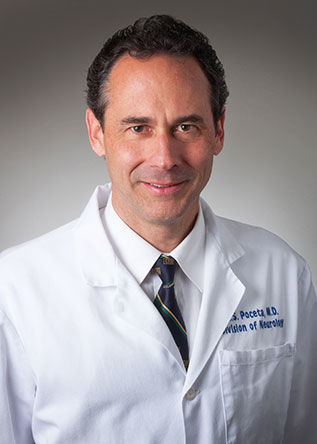
Top Doctors 2014
J. Steven Poceta, MD
None of this should detract, however, from the recognition that those on this list fully deserve. These individuals have been identified by their peers as physicians to whom they would entrust the care of their own family members and patients. Among these honorees, 41 have been recognized by their peers in nine of the past 12 years, 47 have been recognized 10 of the past 12 years, 22 have been recognized 11 of the past 12 years, and seven have been recognized in all 12 years. There is no greater compliment one can receive from one’s colleagues!
We encourage all San Diego County physicians to participate in their county and state medical societies as we work toward the SDCMS vision—”Physicians United for a Healthy San Diego.”
Congratulations to all the doctors honored!

Top Doctors 2014
J. Steven Poceta, MD
President 2014–2015
San Diego County Medical Society
Click here to view the San Diego County Medical Society Physician Locator »
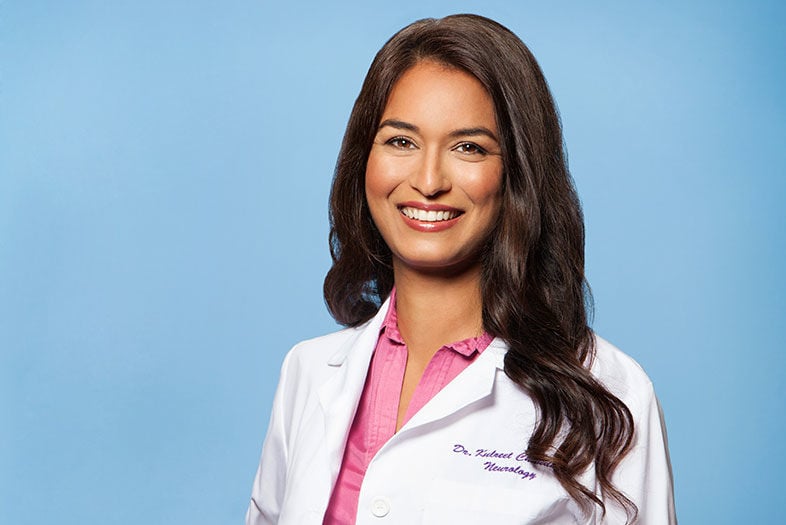
Top Doctors 2014
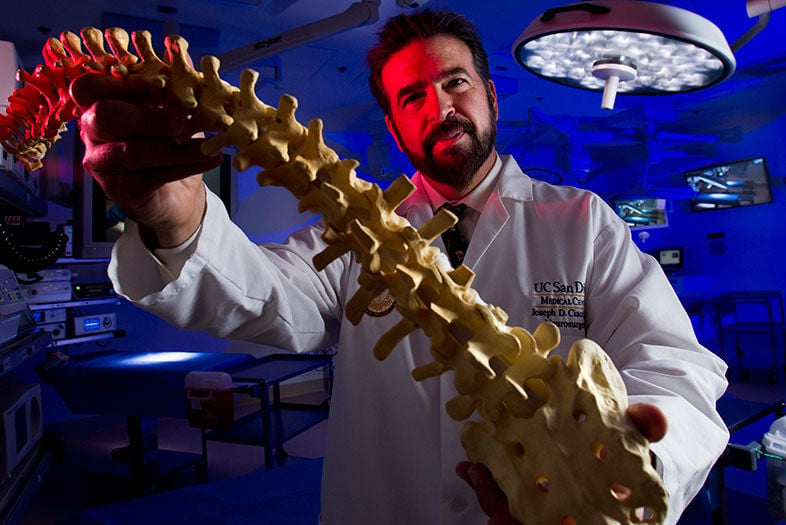
Top Doctors 2014
Howard Lipin

Top Doctors 2014
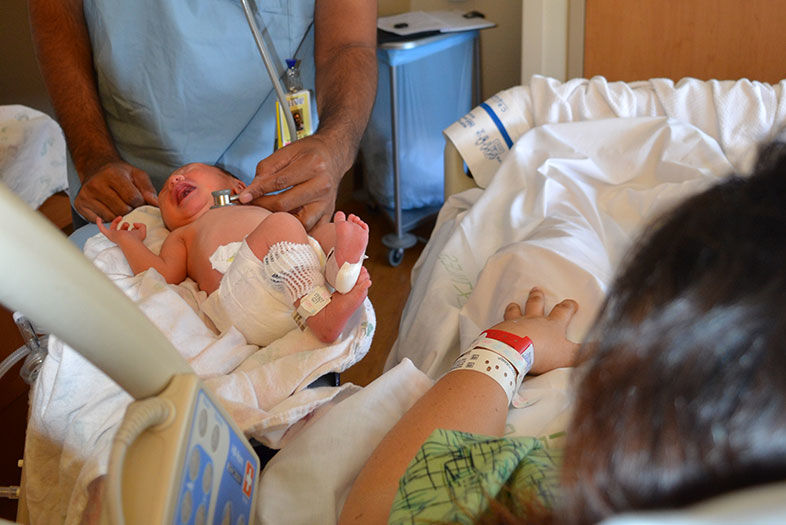
Top Doctors 2014

Top Doctors 2014
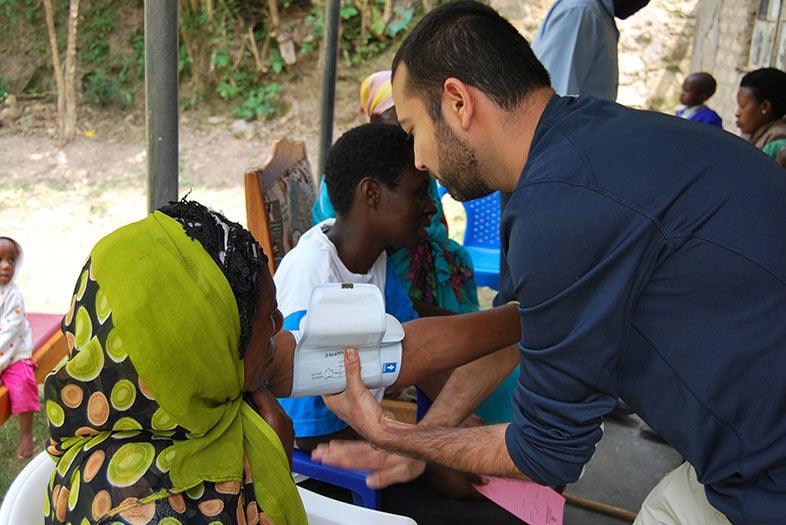
Top Doctors 2014

Top Doctors 2014
From surprise revivals to changing dining habits, these are the shifts redefining the local culinary landscape
If absence makes hearts (and stomachs) grow fonder, then shuttered restaurants quickly become the hottest tickets in town—something a number of iconic institutions found out after taking very public hiatuses after historically long runs. For instance, following a lengthy (and extremely flip-floppy) closing process after 92 years in business, Las Cuatro Milpas reopened two blocks away in Mercado del Barrio. Similarly, Carlsbad butcher shop Tip Top Meats reopened in the same location (albeit a smaller space) after the death of founder Joachim “Big John” Haedrich in 2023. Finally, after a whopping decade out of business, Sami Ladeki and chef Alfie Szeprethy brought back Roppongi to its original Prospect Street space, where it was the talk of the town in the late ’90s. All came back under the same proprietors, so they weren’t third-party nostalgia-licensing deals. The algorithm may have ravaged our attention spans away from all but the newest and shiniest, but this proves there’s still hope for our collective prefrontal cortex.
Other local eateries honored their pasts by bringing in new perspectives. The Lion’s Share in Embarcadero, Milton’s Deli in Del Mar, Dudley’s Bakery in Santa Ysabel, and J-K’s Greek Cafe in La Mesa handed over the keys to new owners willing to take on a big task: maintain the soul of icons through particularly rough economic circumstances for restaurants, navigate big feelings from longtime regulars (who often don’t take kindly to change), and make some necessary changes to keep going for another few decades. Taking over a project in process can be a lot harder than starting from scratch. But building that feel-good nostalgia doesn’t happen overnight, so it sure helps to have a well-established playbook of success passed down from those who came before.

It wasn’t just restaurant groups from Los Angeles that decided to put down roots en masse, although San Diego saw plenty of LA transplants recently (Sugarfish, Mr. Charlie’s, For the Win, Katsuya Ko, Bacari). Global brands like Chef Fei, Zuma, and Pepper Lunch have locations of their own on the way, and upscale Canadian eatery Joey joined to the inescapable gravitational pull of Westfield UTC’s culinary cosmos for its first spot in America’s Finest City. Good to see the rest of the world is catching up with what we’ve been seeing the last few years—San Diego is a dining destination already on the rise.
Between the never-ending news cycle of doom and perimenopause brain fog, I’m at the stage in life where I’m more than happy to let someone else make a decision for me, especially when it comes to what’s for dinner. And based on the way a lot of menus look right now, I’m not alone. It seems like half the places I visit offer some version of a prix fixe, omakase, or tasting menu. Restaurants are embracing the curated experience to solve the problem of affordability (a fixed menu reduces food and labor costs, guarantees an acceptable check average, etc.) and critical thinking in one fell swoop. Omakase (meaning “I leave it up to you”) is far from a new concept in high-end Japanese sushi culture, but now that it’s popping up everywhere from coffee experiences to grab-and-go sushi and sandwiches, it’s gone from somewhat niche to nearly omnipresent.

The world got an up-close look at San Diego’s coffee industry when we hosted the premier specialty coffee expo World of Coffee for the first time this April. San Diego’s long and rich coffee history stretches back to the late 19th century. Things percolated fairly quietly for around a century before really picking up steam. Today, there are nearly 200 specialty roasters and cafes across the county, with many earning national accolades like the Good Food Award (Steady State Roasting, 2020; Bird Rock Coffee Roasters, 2023, 2021, 2019, 2017, 2016), Roaster of the Year by Roast Magazine (Mostra Coffee, 2020; Bird Rock Coffee Roasters, 2012), and the Specialty Coffee Association Coffee Design Award for packaging (Rikka Fika, 2026). Now that we’ve moved past the comically insufferable coffee snob era of the early 2000s, even java newbies can feel comfortable walking into pretty much any coffee shop in San Diego, asking questions, trying a few things, and feeling confident they’re going to get great service and a great beverage.
Beth Demmon is an award-winning writer and podcaster whose work regularly appears in national outlets and San Diego Magazine. Her first book, The Beer Lover's Guide to Cider, is now available. Find out more on bethdemmon.com.
Jeff Russell traded dreams of SNL for bee rescues, building a social media following of more than 4 million people along the way
The Groundlings improv theater has churned out world-famous comedic talents like Will Ferrell and Maya Rudolph. And in San Diego, a former Groundling has used that training to campaign for a higher power. The power to protect bees.
“The goal was to try and get on SNL,” says Jeff Russell of his time in the improv troupe. “[But now], I have an audience, and I get to crack jokes and be silly and entertain and educate.”
That audience? The over 4 million people who follow Mr. and Mrs. Bee Rescue in the socialmediaverse. Jeff and his wife, Julie, operate the business, which means they remove unwelcome bees without harming them and rehome them to apiaries throughout the county. Their social media is a hub of videos of Jeff peeling open car trunks, flooring, barbecues—any cozy spot for a bee to set up shop—and using smoke to coax them out of the hive (sometimes working sans gloves or protective gear).
Bees in a hive will follow their queen, so finding and moving her helps speed along the relocation process. It’s “a really hard game of Where’s Waldo,” Julie says. But there’s a secret to it: “If the bees start running completely in some random opposite direction in a hurry, then we know that the queen is probably that direction,” says Jeff. Their social videos document this process in a way that turns a reasonable nightmare (being swarmed by bees) into a form of entertainment and advocacy. The Russells spread the apian gospel, sharing why relocating bees is the only option to consider.
Since the 1960s, bee populations across the US have shrunk drastically for a slew of reasons—habitat loss (postwar industrialization led to fewer farms and crops), climate change (petulant temps affect blooming schedules), and pesticides (when used improperly, they can be toxic for bees).
Bees are also responsible for up to 75 percent of all flowering plants; 35 percent of food crops rely on animal pollinators to reproduce. So, basically, we’d be living in a flowerless world fueled by a diet of wind-pollinated oats and Red Dye 40 without them.
Jeff and Julie met on Tinder in 2016. “It would have been more appropriate if we met on Bumble,” Julie says. A photographer and graphic designer, she had no experience in a swarm of stingers before 2018. When Jeff broke his back surfing, she had no choice but to step in. Later, when she was laid off from her job in 2020, she focused on growing Mr. and Mrs. Bee Removal’s social media accounts. That’s when their business took off. These videos work. People are learning.
“Quite a lot of my customers were [initially] like, ‘Why don’t we just kill?’” Jeff says. “Now, the vast majority are like, ‘You take them alive, don’t you?’”
Emma Veidt is an editor at San Diego Magazine. She earned her bachelor's and master's degrees from the Missouri School of Journalism. She loves running, hiking, and rock climbing, but really, she mostly loves encounters with the street cats around North Park.
The Carlsbad-based concept has exploded nationally by turning men’s health clinics into man caves
Rub some dirt on it. Walk it off. Be a man. The tropes and reasons for men ignoring their health and doing preventive care are many, reinforced by action heroes and generational norms. As a result, compared to American women, American men live an average of five years less, seek healthcare treatment half as often, and die by suicide nearly four times more often.
Many national campaigns have tried to change this. This year’s “Relax Your Tight End” ad from Novartis during the Super Bowl—in which NFL legends advocated for early prostate cancer screenings—was a high-profile example. Meanwhile, in San Diego, Evan Miller seems to have figured it out.
Miller founded Gameday Men’s Health in 2018 as a small clinic in Carlsbad. The idea was to create a space men would actually want to spend time in. So he built Gameday to feel more like a sports bar or a man cave—snacks, sports on oversized, high-def flat screens in the waiting room. He personalized the care for each client, made the experience more casual, and, above all, efficient. If the wait for payoff is too long, Miller says, men won’t show up for their health.
“We need to feel better quick,” he says. “So that’s where the real hook with Gameday is: It’s fast; it works quick.”
The idea has worked. Big time.
Gameday now has 430 locations spread across 46 US states and parts of Canada, with hundreds more set to open over the next three years.
Prior to Gameday, Miller—who has a Ph.D. in clinical psychology—ran Akua Mind Body, an addiction treatment center in Newport Beach. After selling the center, Miller says he searched for a new way to help his community.
He drew from his behavioral health training and dispiriting past experiences with “sketchy” men’s clinics, albeit with a slightly different concept at first.

“My original idea for Gameday, funny enough, was men’s group therapy,” Miller says. “I wanted to put it in this ‘man cave’ environment because I knew guys wouldn’t show up otherwise.”
Initially envisioned as safe spaces to encourage men to open up emotionally, Miller pivoted to a more clinical approach with an athletic design that personally appealed to him. Soon, it evolved into a one-stop shop of compounded medication treatments for weight loss plans, hair loss treatments, anti-aging injections, sexual wellness strategies, and testosterone replacement therapy. The hotly debated trend of peptides—mini amino acid proteins that the FDA has yet to approve—has become a popular feature.
New patients undergo in-clinic assessments for testosterone and prostate levels with the goal of producing test results in just a quarter of an hour. “Our philosophy with our treatments is we only do what the research supports,” Miller says.
An Orange County native, Miller found Carlsbad to be a natural headquarters. He found a much bigger market in coastal North County of men seeking a boost—both in their marriages and their overall livelihoods. The pandemic proved to be a watershed moment, with front-yard gyms and outdoor, highly visible exercise sparking a wave of self-care. According to Cleveland Clinic, after the pandemic, about 20 percent of men started to exercise more and eat healthier, with a quarter of men reporting they scheduled more sleep and spent more time with family.
“When Covid happened, [suddenly] everyone looked in the mirror and was like, ‘I need to take care of my health; I have to do everything possible to get in shape,’” Miller says.
Two years after Gameday first began, Miller opened a second clinic in Temecula, followed by locations in Laguna Beach and Newport. Demand kept coming, so they started franchising in 2023. They sold 1,000 licenses in the first year. By 2025, they had over 400 clinics across the country.
When asked about the rapid growth, Miller cites the feedback he received along the way: “People were so excited about men’s health, cash-pay medicine, and not having to wait for insurance. They understood the model. It was for guys; it felt like ESPN meets healthcare.”
Now Miller says Gameday is starting to map out a global expansion—to Europe, Latin America, and the Middle East. Since the company first cultivated a following, Miller says there have been persistent questions about whether Gameday would ever expand its focus to include women. Their answer: Her Way.
“We only offer a very narrow menu, almost like In-N-Out Burger, because we stay in our lane, we do it really, really well, and we gain trust that way,” Miller says. “So we created the Her Way model to do the same thing for women [that] we’ve done with men.”
Her Way Health & Hormones launched in 2024 in clinics with more neutral and calming décor. With locations in Carlsbad and Mission Valley, it will officially start franchising this summer. Miller seems incapable of thinking small and expects around 1,000 Her Way locations to open nationwide within a few years.
Ryan Hardison is a freelance arts and entertainment writer and recent graduate of San Diego State. When he's not staring at his laptop, he's likely eating an adobada burrito or getting sunburnt at the beach.
Stake Chophouse & Bar brings contemporary classics and old-school service to the heart of Coronado
Stake Chophouse & Bar isn’t your average steakhouse. Blue Bridge Hospitality’s Coronado outpost is a modern interpretation of a big-city steakhouse nestled in the heart of the small coastal community. The team at Stake has reimagined the whole steakhouse experience. By prioritizing a seasonal farm-to-table sourcing philosophy, a personalized guest experience, and unique service touches, like a formal steak presentation and a bespoke knife selection process, Stake distinguishes itself in a sea of steakhouses.
Exceptional steaks, including Wagyu from Japan, Australia, and the U.S., and fresh seafood flown in daily form the core of Stake’s culinary identity. The menu features a five-course omakase-style steak experience highlighting house favorites, plus an array of cuts, and classic steakhouse staples—think a wedge salad, baked potato, or pasta carbonara—refined for a contemporary palate without losing their traditional appeal. Stake focuses on seasonal sourcing from the region’s best family farms and specialty purveyors, and incorporates intentionally unexpected touches to create something truly unique.
“I challenge our chefs and myself to take it a step further in sourcing,” says Chef Ronnie Schwandt. “It’s important to us to highlight different farms, unique one-off farms—whether it’s cattle, strawberries, a local fisherman or from anywhere in the United States, we’re always trying to find that niche.”
Beyond the menu, Stake emphasizes outstanding service, says Vinny Spatafore, Director of Hospitality Operations. Staff maintains detailed notes, allowing them to remember guests by name, recall previous orders such as a favorite martini (also memorable for the customer since it’s served in an extra tall, distinctly-shaped glass), and celebrate special occasions like birthdays and anniversaries.
“When you have those points of topic that you remember about a guest, they appreciate that,” he says. “Our servers are really good with that—we have a couple servers who have been here since the beginning and they’ll remember somebody from years ago, their name, their kids’ names, where they live. I’m really thankful to have a great front of house staff.”
Award-winning wines, rare whiskeys, special events, and a complementary black car service that provides transportation for guests throughout Coronado add to Stake’s appeal.
Schwandt stresses that Stake offers more than a meal; they aim to give patrons something unforgettable.
“It starts when you walk up the stairs and are greeted by the hostess—that sets the tone for the night. Then you’re greeted by a server, who may know you by name, and can guide you through the menu and curate as they get to know you,” says Schwandt. “Most people leave kind of blown away; they leave feeling like they just had an experience. That’s the goal, right? Whether you’re serving smash burgers or high-end steak, you want somebody to leave thinking, Wow, that was awesome.”
Jordan Glazier's Wildfire Systems is reinventing loyalty rewards for some of the world's biggest brands
You visit your favorite ancient Egyptian merchant, and as you’re buying some papyrus to hieroglyph your way to the 3000 B.C. version of a Pulitzer, he slips you a special token as a thank you for being so loyal. It’s the least he can do for keeping him in business, and you can use that reward to barter for anything you want—like beer.
A few thousand years later, those tokens would evolve to copper coins that American retailers handed out so you could spend. The Sperry & Hutchinson company introduced its groundbreaking “Green Stamps” program in the late 1800s. Today, your sandwich shop’s loyalty card is one hole punch away from giving you a free sub. And you’ve surely justified some extravagant purchases in the name of airline miles.
Point is: Free stuff has always been a compelling way to earn human loyalty. And with his Solana Beach–based company Wildfire Systems, Jordan Glazier has built one of the city’s biggest tech companies by modernizing that simple, ancient idea.
“Being able to save money when you shop is nice to have when times are good,” Glazier says. “When you have periods of inflation or financial stress, that nice-to-have becomes a must-have.”
He launched Wildfire in 2017. It’s essentially a white-label platform that builds and operates programs for enterprise brands across most industries—from banking (Visa, Citi) to travel (TravelArrow) to fintech (Sezzle, Acorns), to rewards (Shop Your Way, KashKick), you name it. Customers of, say, RBC (also a client), can install a browser extension or enable a feature on a mobile app that activates savings and cashback offers. Wildfire has now spent three straight years on Inc. 5000’s list of the fastest-growing private companies.
Glazier’s no stranger to scaling new ideas. As one of the early executives at eBay, he built and ran the consumer electronics, computer, and industrial equipment verticals. Later he turned San Diego tech company Eventful into the world’s largest online calendar and events discovery platform (CBS acquired it in 2014).
“Part of being an entrepreneur is building things and solving for things that haven’t been solved before,” he says.
It’s a lesson he learned early on. His grandparents started a women’s clothing manufacturing company in Chicago in the 1910s, and it remained a family business for over seven decades. Preteen Glazier would punch in as a stock boy and sit with the sales team making phone calls.
“That was my very first paycheck,” he says with a smile.
Now he and his own team of 70 have grown Wildfire’s revenue 721 percent over the past three years.
“I want to make sure we are building a business that’s built to last,” he says. “We are eight years in, and I feel like we’re just getting started.”
Glazier named the company because of how people recommend products and services to each other. Great shirt, where’d you get it? Anyone know of a good sushi spot? “Word of mouth,” he says, “spreads like wildfire.”
San Diego’s tech industry seems to come and go. There were predictions that the post-pandemic, remote work world would see all luminous brains migrating south to our famous clime, but that has been only partially the case. As tides turn, big names like Glazier’s hold anchor.
“San Diego is such a great place to live and to build a business,” he says. “I always feel sorry for people who don’t live here.”
Matt Eisenberg is an award-winning writer and photographer based in San Diego. A former ESPN editor, his work has also been published by CNN, Bleacher Report and the New York Daily News.
Kick off summer at The Rady Shell, enjoy the Omakase Open at JULEP, and see a Padres vs. Dodgers showdown at Petco Park
Summertime in San Diego may bring about blue skies and sun-drenched days, but it doesn’t stop there. There’s also the top-notch concerts, tasting events and wallet-friendly fixtures that make this season feel extra special. Fans of contemporary and classical music can check out performances by the San Diego Symphony Orchestra, the Beach Boys and Kool & The Gang at The Rady Shell or the annual Mainly Mozart All-Star Orchestra Festival in La Jolla. Local gourmands can sign up for a spot at our Omakase Open, indulge in cold desserts at Scoop San Diego or journey across a two-mile stretch of good eats during the Taste of Adams Avenue. As for free events, there’s a new edition of San Diego Made: LIVE at San Diego Made Factory, the Pride Party at Museum of Us and the return of the Ocean Beach Street Fair & Chili Cook-Off.
Food & Drink | Concerts & Festivals | Theater & Art Exhibits | More Fun Things to Do

Japanese omakase dining is an artform built on trust, in patrons allowing their chef to entirely curate their meal. That’s why, this Thursday from 6-9 p.m., San Diego Magazine is gathering the city’s finest sushi and omakase chefs to showcase their skills during the 21-plus Omakase Open at JULEP. Guests can enjoy live music, all you can eat food and drink, plus the chance to converse with local culinary masterminds and decide on the night’s best bites, all while supporting the Convoy Pan Asian Cultural and Businesses Innovation District. General admission ($85) is full up, but join the waitlist in case more tickets become available.
1735 Hancock Street, Mission Hills
From University Heights to Kensington and the unique neighborhoods in between, Adams Avenue is home to a host of must-try flavors. During the 25th annual Taste of Adams Avenue, happening this Sunday from 11 a.m. to 3 p.m., 45 spots along Adams Avenue will offer samples, with brunch-inspired bites, refreshing ales, world-class gelato on the menu. Attendees can make the most of their self-guided tasting tours by walking, biking or riding from end-to-end on a complimentary trolley. Tickets are $55 online and $65 the day of.
Adams Avenue
It’s a scientific fact (source: trust me) that a little sweet treat, like say ice cream, paletas or shaved ice, has the power to make any day instantly better. Meaning, it’s only right to treat yourself to a dessert-filled afternoon during the 8th annual Scoop San Diego Ice Cream Festival, where three dozen local vendors will serve up their finest specialties this Sunday from noon to 4 p.m. in North Park. General admission ($49) comes with 10 shareable two-ounce samples; all net proceeds will go towards Feeding San Diego.
30th Street & North Park Way, North Park
Week two of the 38th Annual Mainly Mozart All-Star Orchestra Festival begins Tuesday (7 p.m.) with a performance of Mozart’s “Jenamy” and pieces by Lully and Strauss, followed by Mozart’s “Jupiter,” and works by with Schumann and Pärt on Thursday (7 p.m.), both at The Conrad; tickets range from $71 to $163 for each concert. The festival will then conclude Saturday (7 p.m.) with Mozart, Brahms and a performance of Beethoven’s Symphony No. 5 at Epstein Family Amphitheater; tickets range from $26 to $263. And if that’s not enough Mozart for you, pianist Anton Nel will lead a prelude concert in the JAI prior to Tuesday and Thursday’s shows.
The Conrad: 7600 Fay Avenue, La Jolla | Epstein Family Amphitheater: 9500 Gilman Drive, La Jolla
A star-studded opening weekend is in store to kick off The Rady Shell’s summer season. On Friday (7:30 p.m.), Rafael Payare will conduct the San Diego Symphony Orchestra in an effusive Opening Night program featuring violin soloist Stefan Jackiw; tickets range from $57 to $124. The following night at 7:30 p.m., the orchestra will pair up with The Beach Boys, plus special guest John Stamos, for a rousing tribute to Pet Sounds; tickets range from $78 to $268. Then, on Sunday (7:30 p.m.), audiences can boogie their way to Monday with Kool & the Gang and hip-hop pioneers the Sugarhill Gang; tickets range from $68 to $152.
222 Marina Park Way, Embarcadero
Ryan Hardison is a freelance arts and entertainment writer and recent graduate of San Diego State. When he's not staring at his laptop, he's likely eating an adobada burrito or getting sunburnt at the beach.
SeaWorld dazzles with a drone show, big-name entertainers, new animal adventures and more
Nights are heating up at SeaWorld San Diego. The quintessential summertime staple on Mission Bay is transforming into a destination for unforgettable day-to-night adventures, bringing back some of its most popular Summer Nights programming and introducing exciting new experiences sure to delight both kids and adults alike.

The 2026 Summer Day to Night at SeaWorld San Diego is the park’s most ambitious season yet. SeaWorld has planned a highly anticipated entertainment lineup that features nine weeks of throwback concerts featuring R&B and hip‑hop favorites from the ‘90s and early 2000s, including Jordin Sparks, Too $hort and Warren G, Ashanti, and an array of boy band heartthrobs performing together as part of the Pop 2000 Tour.
New this season is perhaps the park’s most visible update: a nightly drone show, Ocean of Dreams, which illuminates the sky with hundreds of synchronized sparklers. Drones form sea otters, sharks, dolphins, and a majestic orca that tell a breathtaking 12-minute story of marine life and underwater ecosystems. The show culminates with a spectacular electric neon finale celebrating hope, wonder, and ocean stewardship.
Nighttime visitors are also in store for animal adventures that fuse education with high-energy fun and the dreamy ambiance of nighttime. The park has launched two all-new animal presentations: Shamu’s Celebration: Light Up the Night and Dolphins: Touch the Sky. Shamu’s Celebration: Light Up the Night features vibrant lighting, music, and dynamic choreography that celebrates the power and beauty of killer whales. Dolphins: Touch the Sky showcases playful bottlenose dolphins and the special connection between humans and the natural world. And back by popular demand is fan-favorite Sea Lions Tonite. See the charming pinnipeds splash, play, and parody pop culture in this refreshed crowd-pleaser.

More must-sees: a newly reimagined Shark Encounter, one of the country’s more immersive exhibits highlighting 11 different species up close, SeaWorld’s beloved BMX Blast! stunt show, and high-seas escapade, Pirates Ahoy! The Battle for Mermaid Cove. And don’t miss the park’s all-new Deep Sea Disco, which encourages guests to dance the night away under the glow of the SkyTower, and vibrant closing time laser light display Laser Reef Summer Spectacular.
Amp up the nighttime vibe with local craft beers, curated cocktails, and nostalgic theme park treats with $1 beer all summer long. SeaWorld is the place for day to night summer fun. When the sun goes down, SeaWorld lights up, and inspires guests of all ages to embrace their inner whimsy and see why generations of San Diegans head to SeaWorld to make memories they’ll never forget.