
Featured articles
Featured articles
Featured articles
What's next
Featured articles
Featured articles
Featured articles
Ready to know more about San Diego?
SubscribeReady to know more about San Diego?

Add a little excitement to your shavasana with these far-flung yoga adventures
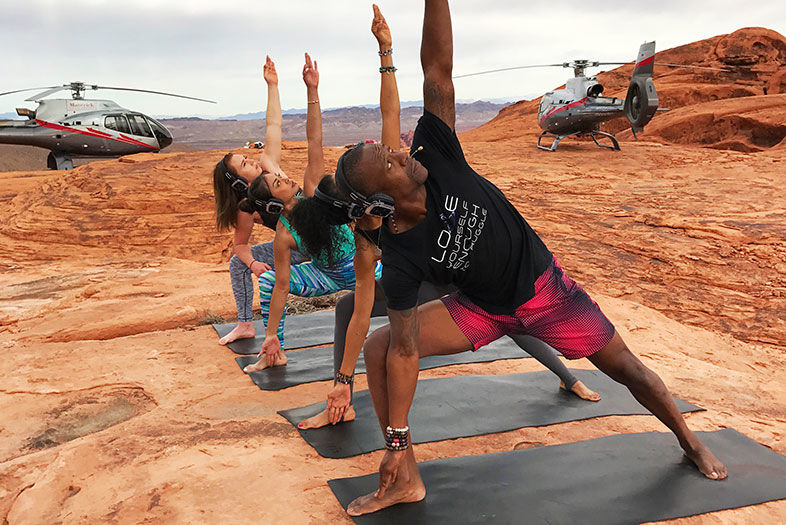
It’s about the journey and the destination. Thrill seekers looking for Zen should head to Vegas and book a heli yoga excursion. This hyper-exclusive yoga experience includes a private 45-minute round-trip helicopter flight to Valley of Fire State Park and a 75-minute class amid the area’s tranquil red rock formations. The cost? $3,500 for up to six people. A small price to pay to practice sun salutations in utter solitude!
Silent Savasana, 702-405-4300
7 Unique Yoga Experiences Worth Traveling For
Photo by Joie de Vivre Hotels
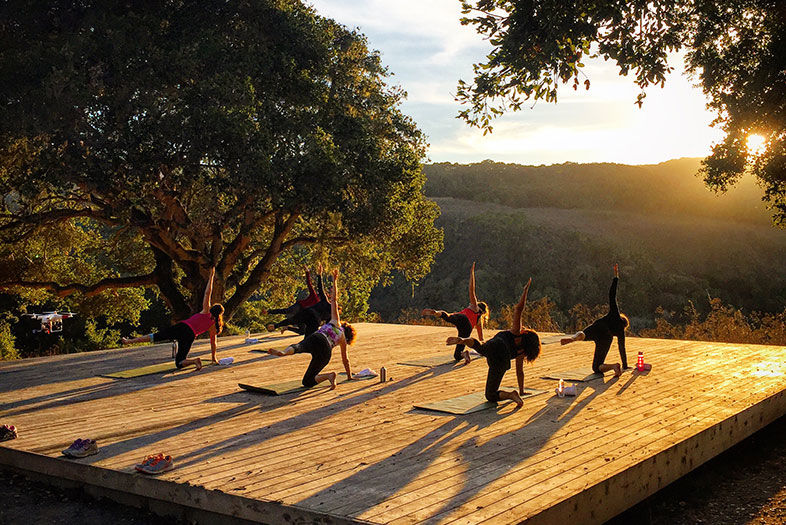
Bask in the serenity of wine country during this yoga experience at Carmel Valley Ranch. After a one-mile hike, poses are done on a platform overlooking verdant fields with wildlife roaming about.
Hotel guests and spa members only
7 Unique Yoga Experiences Worth Traveling For
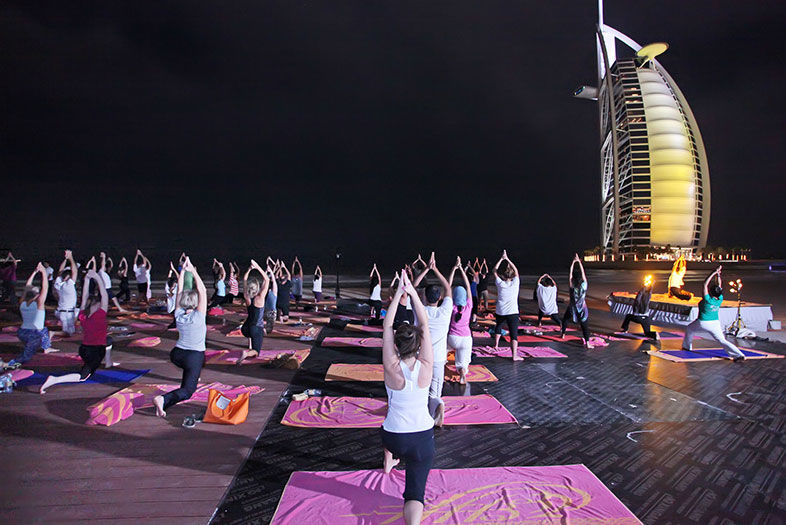
The next time you’re in Dubai (2017 bucket list?), harness the power of the full moon at Madinat Jumeriah’s monthly 90-minute class on the beach. It includes a special meditation and asanas to tap into the chakra that’s most open to lunar energies.
$33, non-hotel-guests welcome
7 Unique Yoga Experiences Worth Traveling For
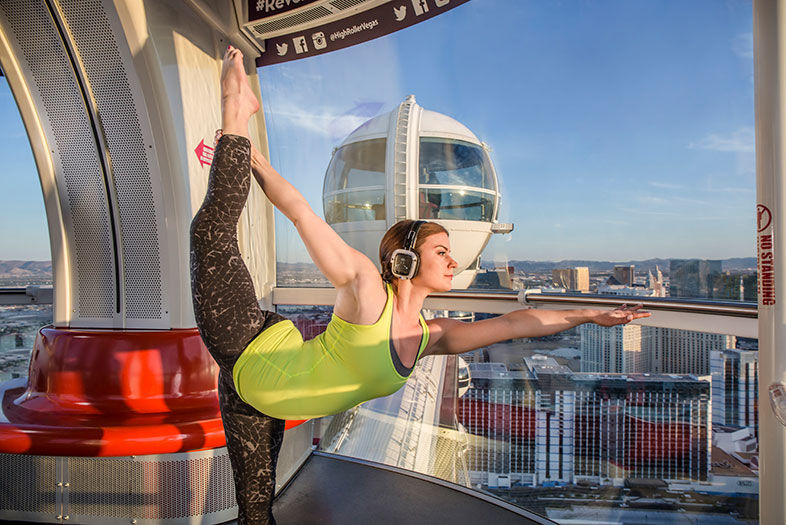
Take your practice to new heights—550 feet, to be exact—atop the Las Vegas High Roller, the world’s tallest observation wheel. The one-hour yoga session includes two rotations on the wheel, a reusable water bottle, and use of a Lululemon mat.
$75 and up, 702-322-0593
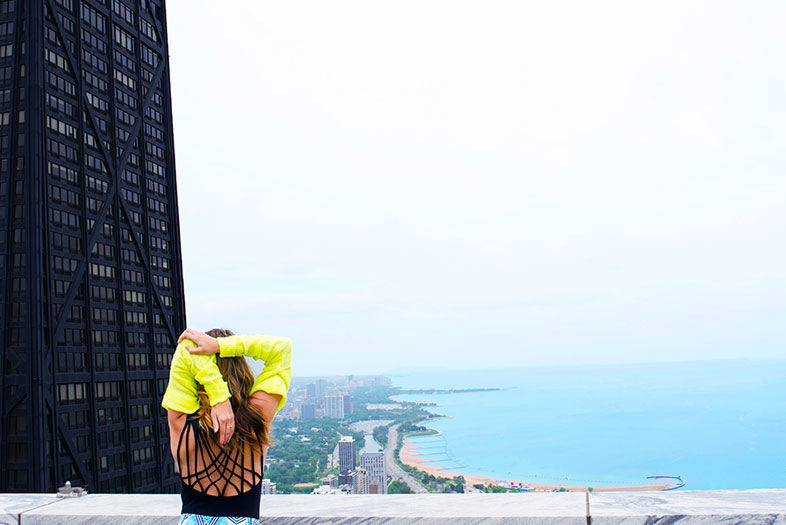
7 Unique Yoga Experiences Worth Traveling For
To try some Voga—that is, yoga done while vogueing to ’80s music on a sprawling urban rooftop—sign up at the Ritz-Carlton, Chicago and “let your body go with the flow.”
$20, hotel guests only
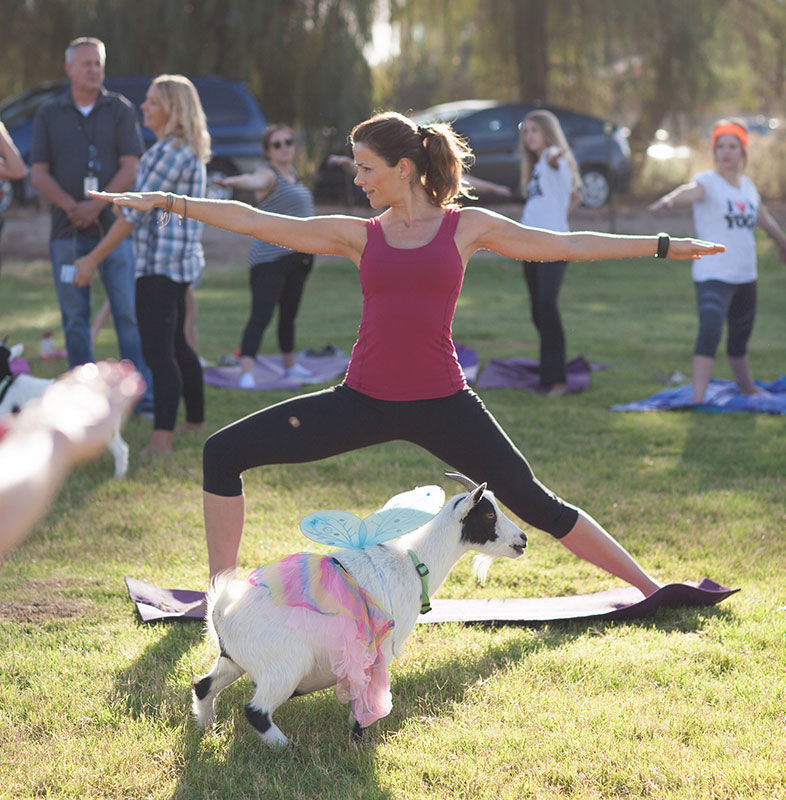
7 Unique Yoga Experiences Worth Traveling For
Yoga with goats? Why not? Arizona Goat Yoga owner and instructor Sarah Williams swears these loveable animals are the next best thing in stress relief. The goats roam around during the guided class, and are placed on top of participants during certain poses. B-aaaaaaah!
$10
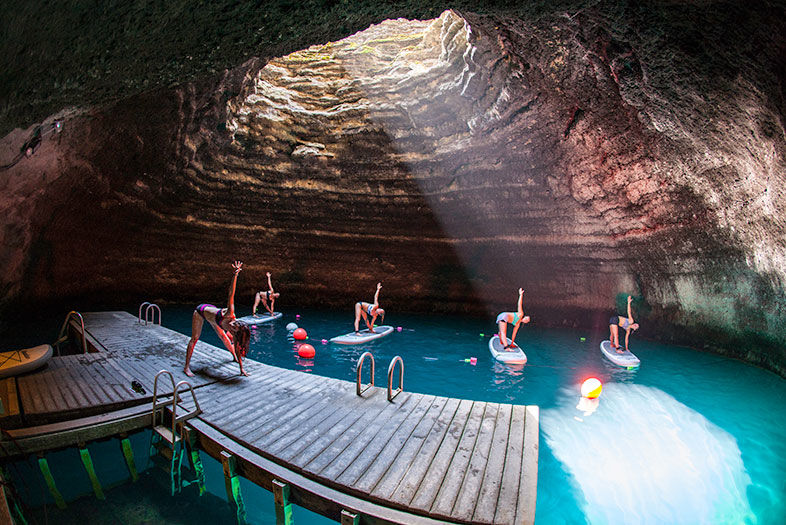
7 Unique Yoga Experiences Worth Traveling For
Park City Yoga Adventures offers private SUP yoga lessons inside Utah’s 10,000-year-old Homestead Crater with therapeutic 95-degree mineral water. The experience includes a 1.5-hour hike to and from the location. All skill levels welcome.
$70 and up
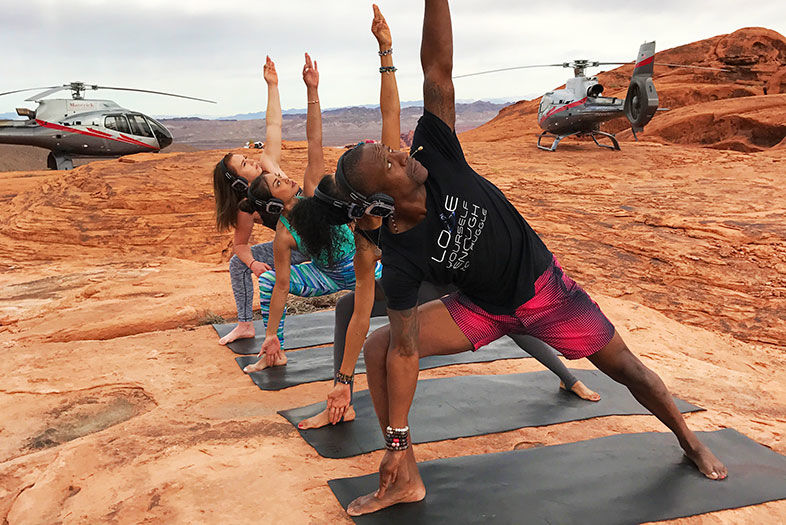
7 Unique Yoga Experiences Worth Traveling For
As males report fewer close relationships, local meetups are creating spaces for friendship, conversation, and a renewed sense of purpose
You come home from your first day of school and your parents ask, “Did you make any new friends?” Maybe trading Lunchables or sharing a pack of Oreos helped you break out of your shell to strike up a conversation. Maybe you saw your classmate wearing a Padres hat and asked if his favorite player was also Fernando Tatis Jr. Maybe you’re a natural extrovert who has no problem inviting your entire class to your birthday party.
Making friends is an entirely different beast as an adult. You’re trying to balance your health, work, finances, family, and your sanity. And on top of that, a social life? Impossible.
Being a part of a bigger community—like a rec sports league—helps, but we all need intimacy. Witnesses to the exciting, mundane, shameful parts of our lives. Turns out, men don’t have that as much as women do, and the consequences of this are dire. Roughly 1 in 6 men say they have no close friendships, according to a 2021 American Perspectives Survey. Suicide rates in men are nearly four times higher than they are in women, according to the National Institute of Mental Health. Those numbers are even higher for men above 55, according to the U.S. Centers for Disease Control and Prevention (2023).
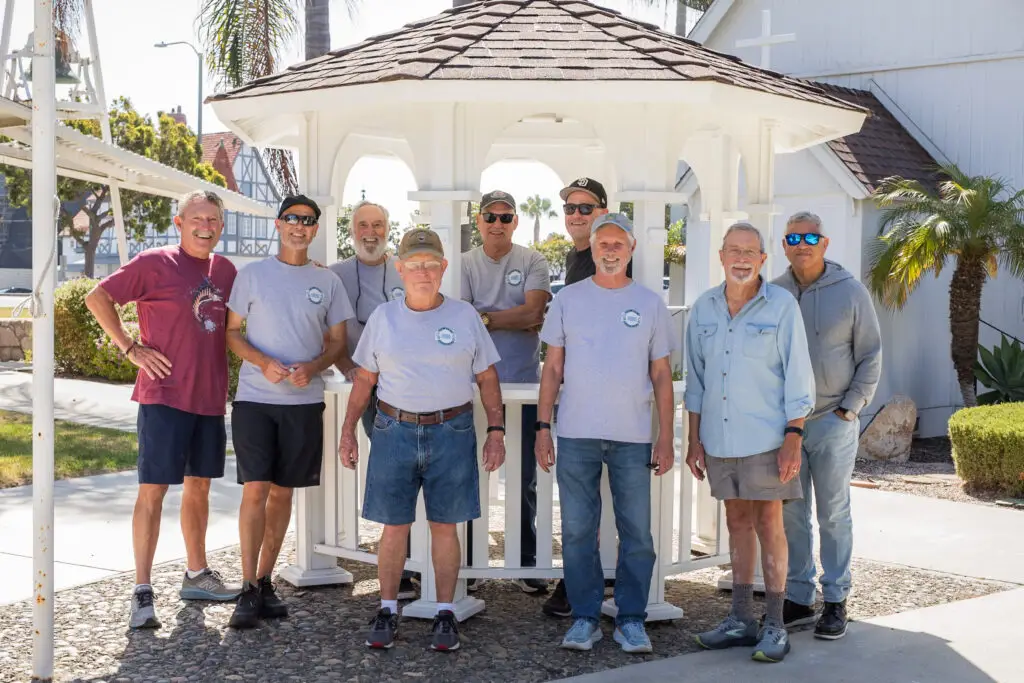
In Carlsbad, Men’s Shed helps older men build friendships as the group contributes to construction projects across North County. “Men get lonely,” says Glenn Bernard, one of more than 20 members of Men’s Shed in Carlsbad. “This is a good way to bond, socialize, share skills, and have something to do that’s worthwhile. Purposeful.”
What started in Australia in the 1990s has grown into an international nonprofit with more than 3,000 chapters worldwide, including one that meets at Carlsbad By The Sea Retirement Community. Haley DiDonato, director of life enrichment at Carlsbad By The Sea, established California’s first and only public chapter in 2023. Members (aka Shedders) meet twice a month to discuss their projects and get to work.
They’ve built bikes for the local Boys and Girls Club, a raptor shed at the Agua Hedionda Lagoon, a small birdhouse outside Front Porch Gallery, and a gazebo at St. Michael’s by-the-Sea Episcopal Church, to name a few.
Trade experience isn’t required. David Gilson, the group’s leader, was a pharmaceutical consultant before he retired. Rich Greenamyer is a retired engineering duty officer who built ships in the Navy. When John Gardella wasn’t working sales at Dupont, he woodworked projects for his family at home.
“Men are so tied up in their work all their life,” Gilson says. “Their identity was their job. Suddenly, you retire on Friday, and on Monday they don’t remember you. Now what?”
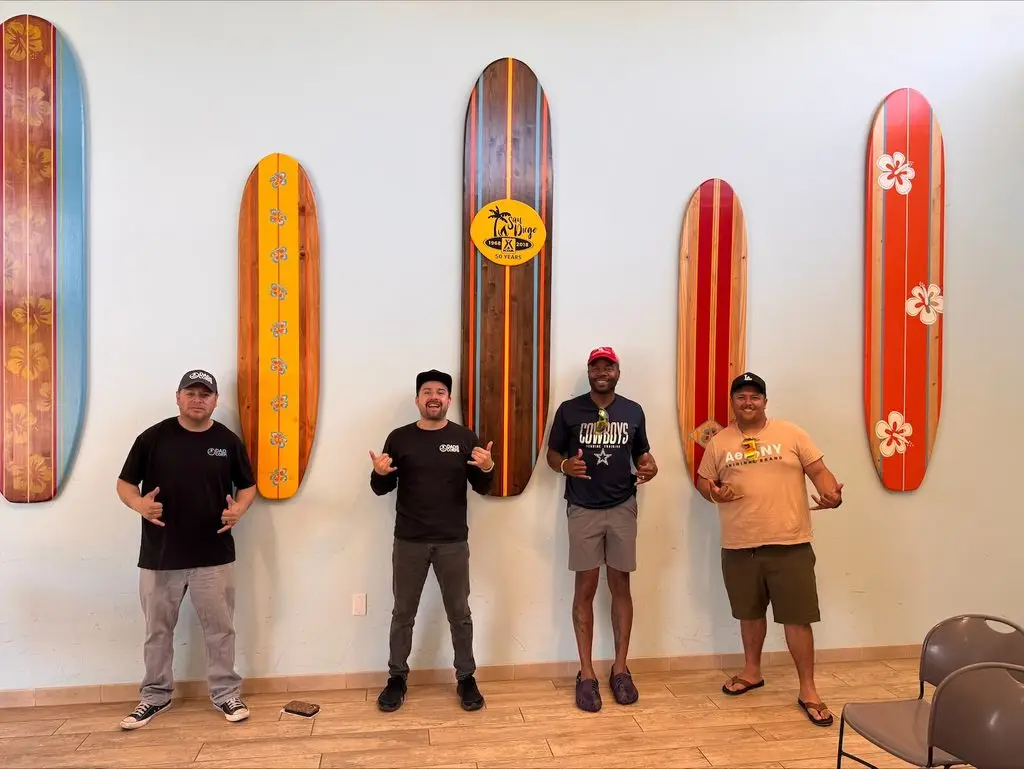
Marital status also affects how men interact with the community around them. Some Shedders joined because their “wives encourage [them] to be in Men’s Shed, to get out of the house for a couple hours every couple of weeks,” Gardella says. For some widowers in the group—such as Gilson, whose wife passed away eight years ago—Men’s Shed provides a sense of purpose and place. The outings Gilson organizes breaks up the monotony of staying at home with his dog. A 2024 study in the National Library of Medicine says widowers feel long-term levels of loneliness (higher levels than widows), and they were less likely than widows to form new connections after loss. This group is changing that.
The appearance and function of male friendships have been spotlighted since the 300s BC, when Aristotle discussed them in Ethics. Fast forward to the 19th century, and these dynamics have transitioned from heroic friendships—ones built on loyalty and nobility—to ones that better symbolized the Romantic Age: more affectionate in written language (like writing letters to each other) and body language (like draping their arms around one another). By the end of the 1800s, 1 in 3 American men belonged to a fraternal organization.
But when World War II brought a homophobic “Don’t Ask, Don’t Tell” suspicion around male bonding, friendships between men became more stoic. It wasn’t common for men to talk about their feelings with each other.
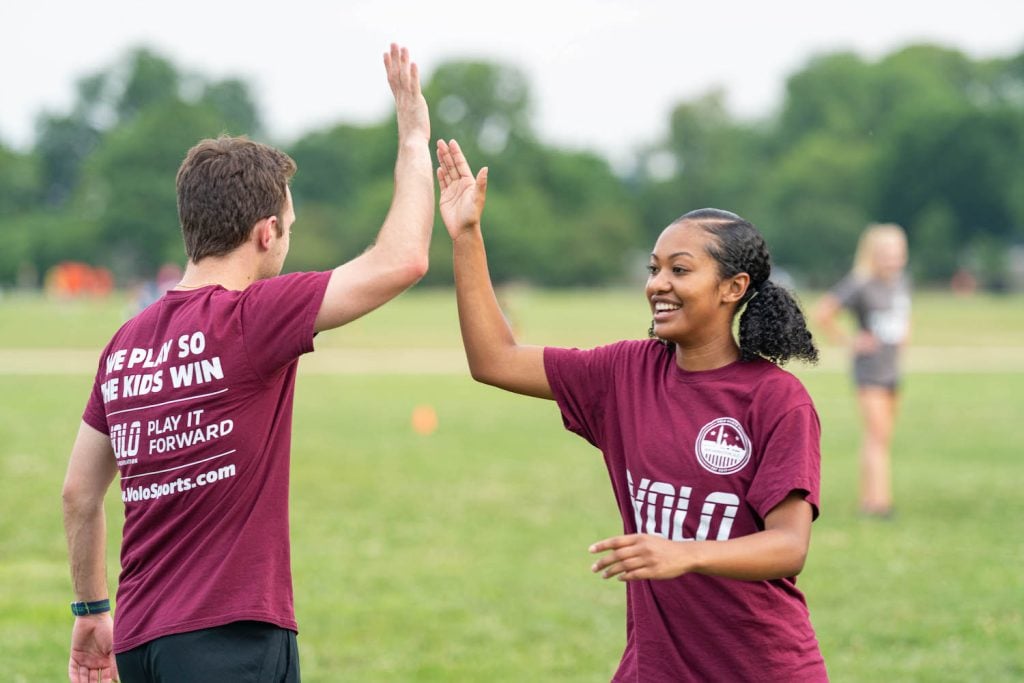
In 2026, though, we’re sharing our feelings. Dads Corps, a nonprofit organization through Social Advocates for Youth San Diego, offers classes, resources, and supportive services to fathers. Twice a week for six weeks, fathers practice how to actively listen, learn how to better communicate, and gain more skills that help them in their parenting journeys.
“When dads have kids, they lose their friends because it’s all about just the baby, the mom, and the family,” says Dads Corps director Laura Soto. “When they come to our classes, they get comfortable being able to share their struggles. It does reduce the isolation and help normalize them in that struggle.”
For dads who are new to San Diego, the program helps them navigate their way around the city. For single dads, they can meet other fathers who are raising children the same age to set up playdates. Oftentimes, dads graduate from their cohort and return to volunteer and mentor new attendees.
The program is as therapeutic as it is active. Group facilitators teach dads about healthy relationship practices, answer questions about how they can be more consistent in their children’s lives. It also hosts fishing trips, barbecues, and community service events to let dads practice their learnings with each other outside a classroom.
“It’s about acknowledging that we need to be heard about the concerns that we don’t ask help for as fathers,” says Jorge Narvaez, alumni manager at Dads Corps. “We live in a society where fathers have to look through crevices—go to a bar, go to a barbershop, go to all these different places—just to have interactions with other people. It feels like we finally, as dads at this program, have a space for us to talk.”
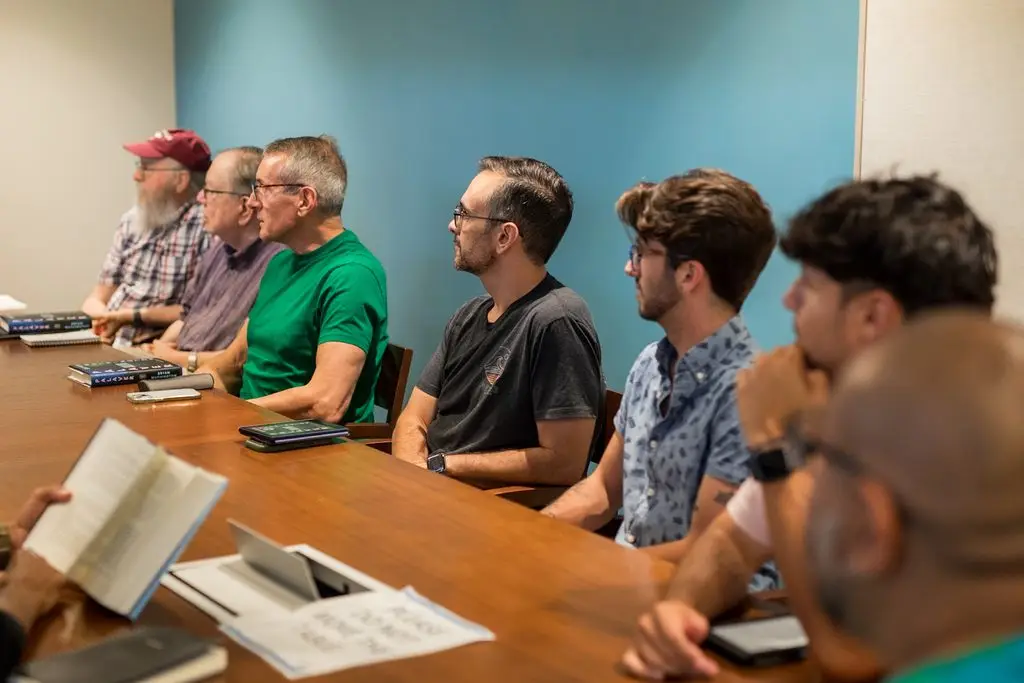
But some men don’t want to only talk about their inner selves; they also want to talk about books. For Ronald Alsop, the New York City Gay Men’s Book Club was a place for him to meet local bibliophiles when he lived on the opposite coast. There was no equivalent in San Diego—until he started it in 2019. He created the Mission Hills-Hillcrest Gay Men’s Book Club as a way to meet other men and talk about authors like James Baldwin and Edmund White.
Whether it’s Andrew Holleran’s fictional coming of age Dancer from the Dance (the first book the club read) or George Chauncey’s non-fiction novel Gay New York, the books Alsop chooses share a common thread: Each carries some connection with gay culture.
“Traditionally, gay men were depicted in books in a tragic way,” says Alsop, who is also a freelance writer. “In more recent years, there’s been a more positive spin on it, a more wholesome outcome.”
Alsop initially promoted the group by putting flyers around the neighborhood bars and in Uptown News. He was nervous before the first meeting, afraid no one would show up. Now, there are roughly 35 people on his email blast, and the monthly meetups regularly see 12 to 15 people participate.
“The discussion’s always lively,” Alsop says. “I think it’s a way to get to know people better.”
Throughout the county, because of these groups, people are reading books (its own win, these days) and creating community. Dads and their children are getting invited to birthday parties from their fellow fathers. And in Carlsbad, some Men’s Shed meetings are taking place at Hennessey’s Tavern down the road over brunch. As friends.
Matt Eisenberg is an award-winning writer and photographer based in San Diego. A former ESPN editor, his work has also been published by CNN, Bleacher Report and the New York Daily News.
The county that helped push skating into the mainstream is now nurturing the competitors, communities, and culture shaping its future
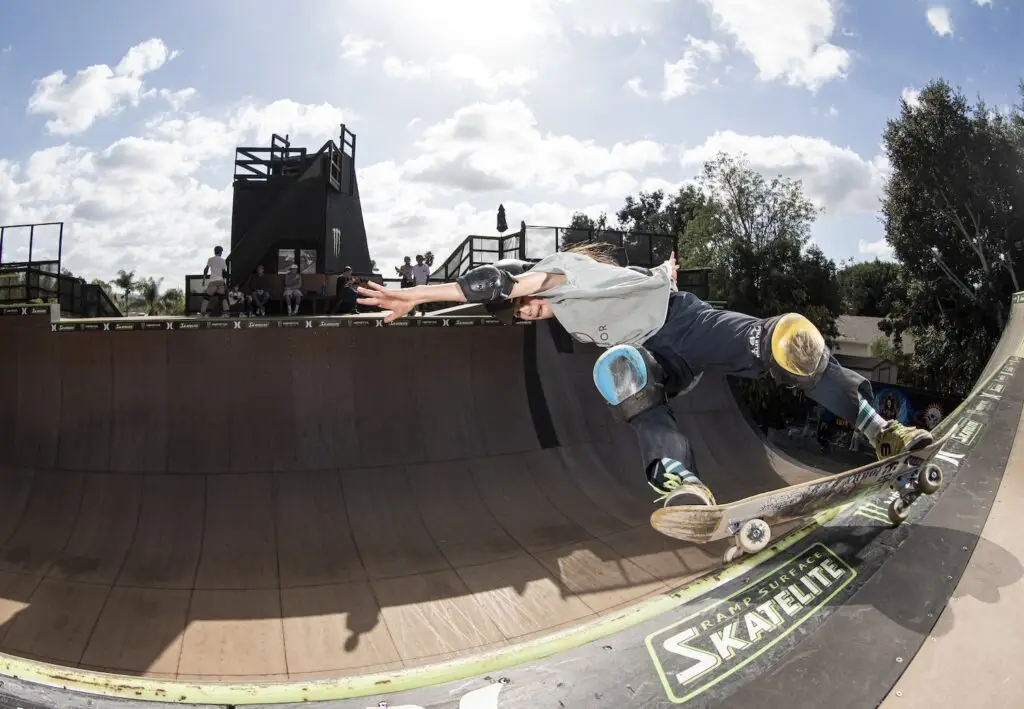
It was the summer of 1999. MTV, The Matrix, and first-generation PlayStation glowed on tube TV sets all over America. What a time to be alive. Smartphones weren’t yet stealing people from the moment. Cultural was a shared reality. During the last few minutes of the monoculture, Tony Hawk executed the first-ever 900 at X Games V in San Francisco. That’s two and a half aerial rotations with a side of the dizzies.
The time had run out on the Vert Best Trick competition long before the 11th attempt when he pulled off the fateful feat. Nobody cared. Not the judges, not the competition, and certainly not the crowd. “Let that bird fly,” they said. Once the trick was landed, they partied like it was 1999 … because it was.
That was the tipping point when the skateboarding world exploded, going from counterculture to a national phenomenon. Shortly after that, “Tony Hawk’s Pro Skater” video game came out, introducing millions of kids to what skate culture looked like. Oh, the game had a killer punk soundtrack, too.
We can all thank Hawk for the globalization of skateboarding. But we can also recognize his local influence and how San Diego County continues to be a hub for skateboarders young and old, for competitors and street skaters. To see it all, go to Park De La Cruz in City Heights—or, heck, any other skatepark in the county—which, at 19,000 square feet, is about twice the size of the average skatepark and has signature features like an M-shaped transition ramp. The amount of talent that continues to evolve in this county is a testament to deep-rooted skate culture and world-class athletes supporting the next generation.
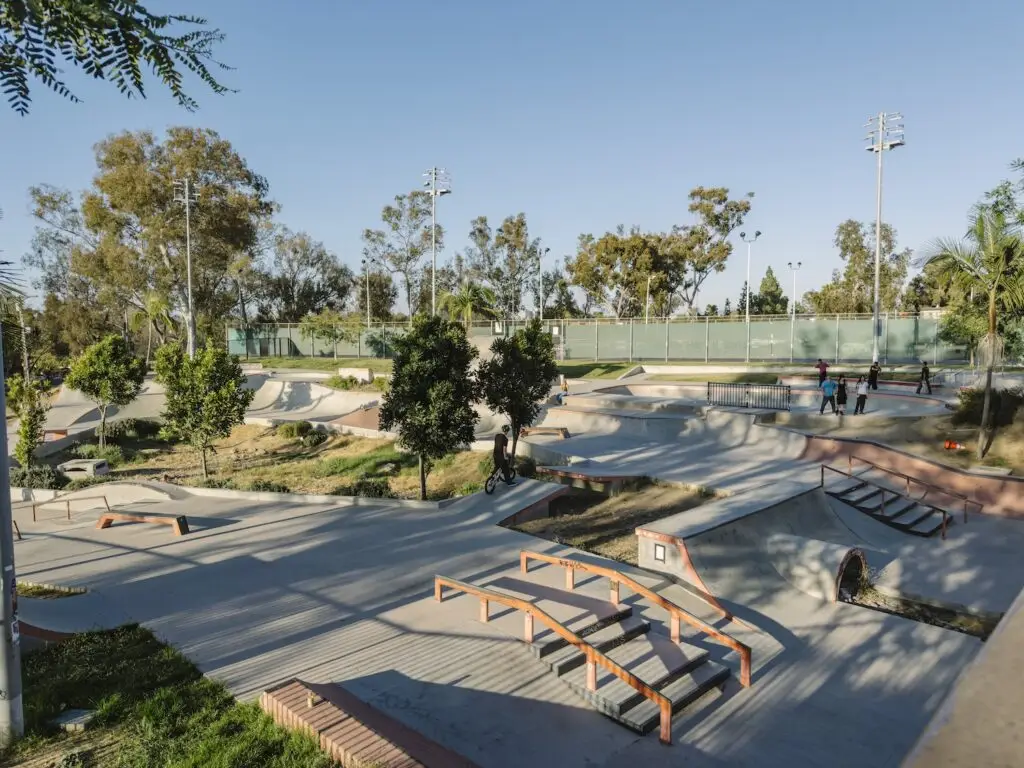
I’m a little early for a skate lesson with pro skater Mike Owen when I get to Linda Vista Skatepark. In the 2010s, Owen ranked as one of the world’s top bowl riders. He’s the founder of San Diego Skateboarding and has “helped thousands of kids, teens, and adults learn to skate safely, confidently, and with style,” the company’s site says. And now it’s my turn. We start the lesson on the nearby tennis courts, getting my basic foot mechanics down. Safety before style.
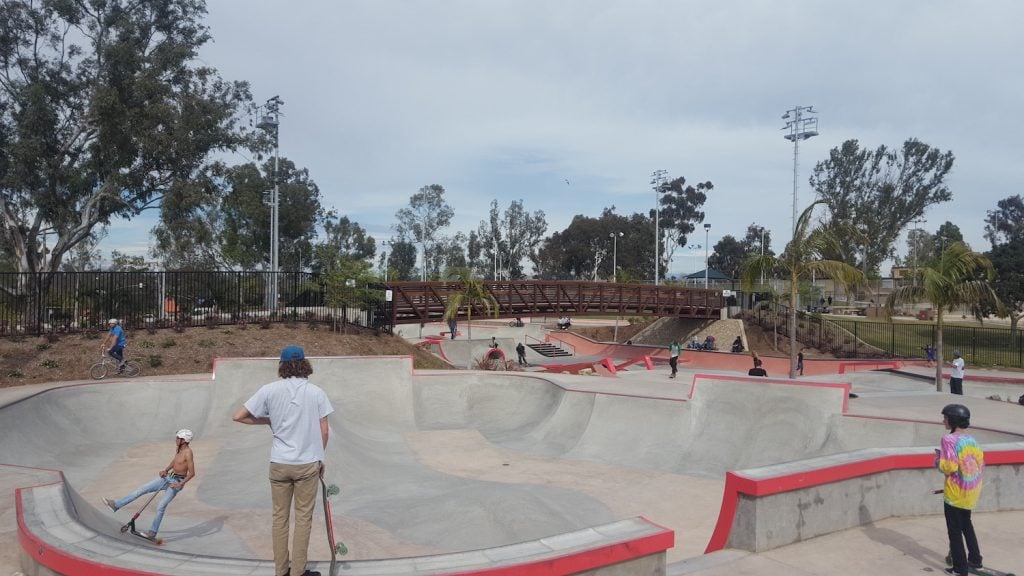
In terms of street plaza features, the massive Linda Vista Skatepark is loaded with rails, stairs, manuals, and ledges. There are more bowls than you can get from Cava: a flow bowl, backyard-style pool, and vert bowl. The main feature is a full pipe for advanced line riders. It’s a hell of a park, even if somebody just wants to watch the action from the 100-foot-long pedestrian skybridge overhead.
Right now, San Diego has over 50 public skateparks scattered throughout the county. “There are now more [skateparks], more resources for them, and more terrain,” Owen tells me. “Now, they’re offering different competitive style skateparks that help for competitions. The best parks have a variety of different terrain where you have things for beginners and bigger transitions. Not every town has that.”
San Diego, luckily, does. But despite the bounty, Owen believes there should still be more—public skateparks are safe spaces for all to learn and develop on-board skills. Without them, a huge portion of San Diego’s culture withers. Encinitas could be the next city to add a skatepark to the county’s roster: In early July, the Encinitas City Council appointed 12 local skaters and community members for the newly established Skate Feature Committee. In partnership with two councilmembers, the committee’s purpose is to design a working skatepark or feature for the city.
But like any big project, Owen says, it’s a long process to add another skatepark to the community.
“I wish it were easier,” he says. “When there are different contractors for different things, [there’s only] a certain amount of time to build. It gets tricky.”
Then there’s the matter of funding the actual construction and development of the skatepark. That usually comes from grants, fundraisers, and donations. For reference, Linda Vista Skatepark was built on a $4.46 million grant from the California Department of Housing and Community Development in 2014. With an additional $40,000 donated by the Tony Hawk Foundation, the park opened in 2018 and is the largest in San Diego’s Parks and Recreation system. The best way to get a skatepark in your neighborhood, Owen says, is to start a petition and reach out to your city.
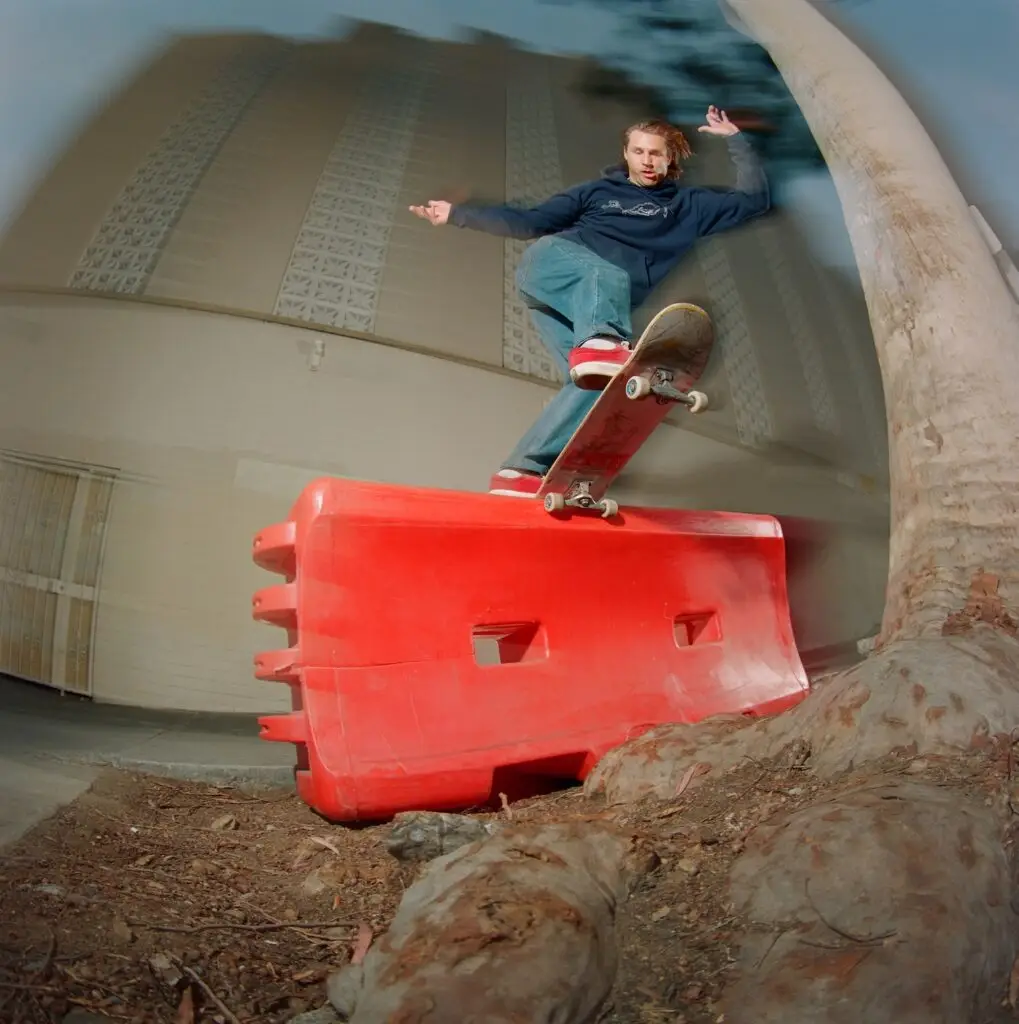
Jordan Thrower’s first street skate sesh at San Diego City College in 2003 ended with a police chase. The campus was swarming with skaters riding rails, jumping stairs, and grinding tricks on benches, curbs, and ledges. When the cops got on their loudspeaker telling them not to run, everyone obviously ran. Back then, cops would give tickets and confiscate boards. The vibe has loosened since. “Now, the police don’t really care,” Thrower says. “They just make you leave. It’s not anything crazy.”
Street skating is when riders use real-world urban obstacles, rather than pristinely designed bowls or ramps—such as in college campuses, downtown areas, corporate buildings, and malls. Abandoned mini-golf courses and construction sites do the trick, too.
Thrower says the street skating hub here isn’t as huge as it once was. Thanks to modern technology and social media, skaters aren’t tied to any certain place to create skate videos. You know, those videos that could have been taken this year but have the low-fi vibe of 2004, where skaters carve down stairwells into parking lots, over mailboxes, or across park benches. The silver lining: Even though there are fewer street skaters than there once was, those who stayed in San Diego are still tight.
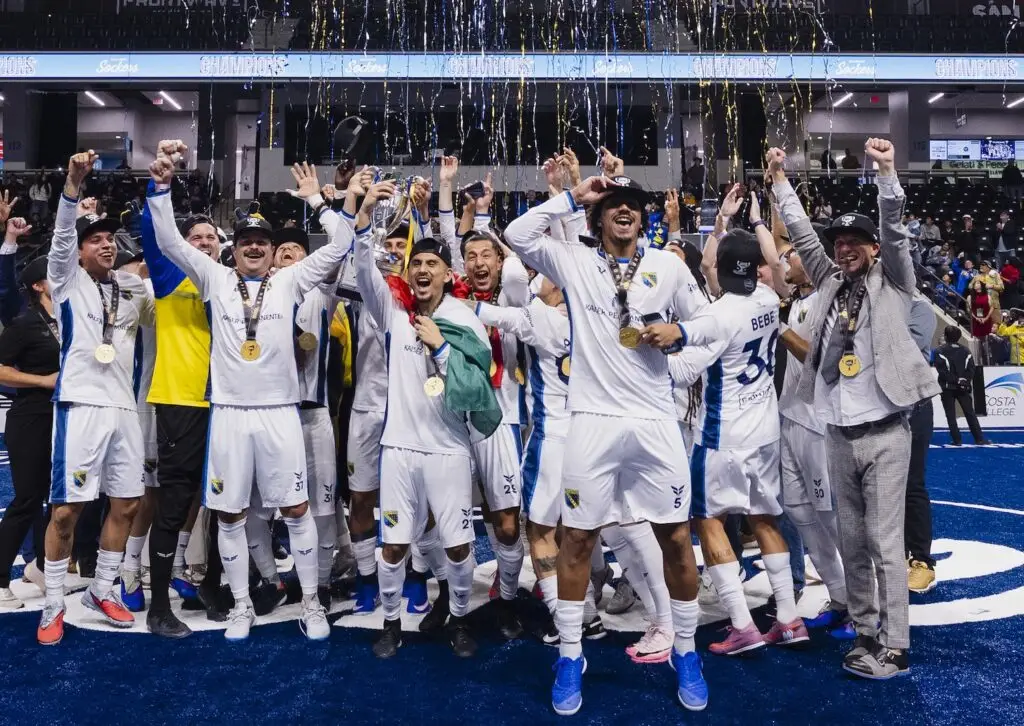
“Everyone skates with each other and knows each other here,” Thrower says. “In LA, it’s not really like that. It’s small there, but not everybody knows each other, and they don’t really skate with each other too much. They just have a lot of little crews.”
Back in 2015, Thrower started his own street team and brand that sells boards and shirts called Tantrum. The Tantrum team is split between San Diego and San Francisco. It doesn’t take much to be a part of a skate team. You just have to be a good hang.
“The way I pick people [for the team] is if I can get along with them,” he says. “It doesn’t even really matter if they’re that good. If you’re likable and funny, you can pretty much be on the team.”
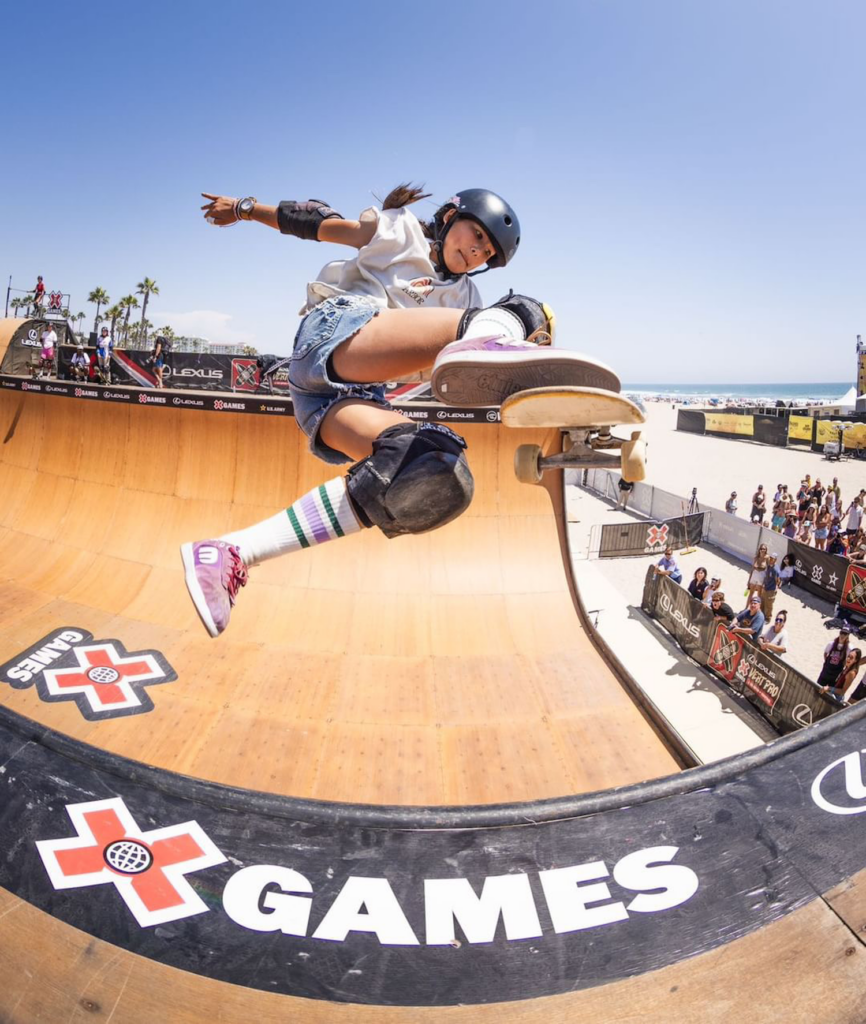
Running it up to North County, a Vista-based nonprofit organization called Exposure Skate has been shaping up the youth since 2012. Its mission is to give more opportunities to otherwise underrepresented women, girls, and non-binary individuals by offering classes and camps. This, to build up confidence and community. We could all use a little bit of that, eh?
Thanks to Exposure Skate, 13-year-old Joey Yarbrough has found herself competing in the LA Olympic trials. (Her first time on a skateboard came at just 18 months old at an Exposure Skate Rising event.)
While competing for Team USA in Rome in June of this year, she finished 13th at the first Olympic qualifier for LA28. Currently ranked 21st in the world and 5th among American women, the young prodigy is blooming. And she’s in good company and mentorship from her biggest influence, Bryce Wettstein.
“She taught me at the first Exposure Skate Rising when I was little,” Yarbrough recalls. “I compete and skate with her all the time now, and it’s super fun. [At Exposure,] it feels so good to have someone there to help me whenever I need it. They’re like my family, always encouraging me and always there for me.”
Yarbrough will be just 15 years old when the Olympics go down in LA. She’s following the Olympic torch carried by other locals such as Wettstein, Ruby Lilley, Jordyn Barratt, and Exposure Skate’s Amelia Brodka.
“I’m working my hardest to get there,” she says. “I’ll also work my hardest to go higher in the Olympics, maybe on podium. That’s just my dream. So, hopefully it’ll come true.”

Jake Peterson is a San Diego-based journalist and culture writer. His work explores the city’s music scene, sports, local characters, and the offbeat corners of San Diego’s subcultures.
From tacos to tailors and trainers to travel, these are the businesses, people, and places that earned San Diego readers' votes
San Diego Aesthetics and Med Spa
Elicia Soltesz, Elicia Marie Beauty
Ashley Fierro, Ashley Fierro Makeup
Michelle Langston, MSN, APRN, FNP-BC, HNB-BC, Starlite Aesthetics
Alysa Espiritu, Afterglo Beauty Lounge
Ronnie Page, Gold Comb Barbershop North Park

Ryleigh Hunter, Headbang Salon
Ann Teresa Degischer, Maen the Salon
Lindsay Axelrod, Pixiedot Salon
Lauren Skinker, Lucky Cat Tattoo
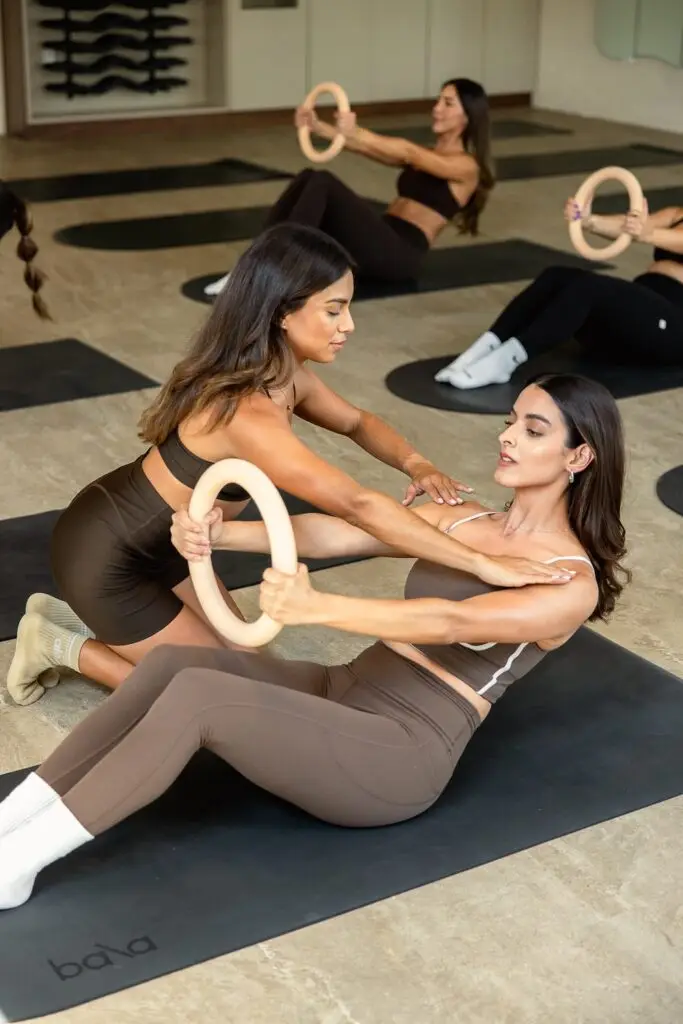
Father Joe’s Villages Turkey Trot
The Camp Transformation Center, West Chula Vista
Singing Hills Golf Club at Sycuan
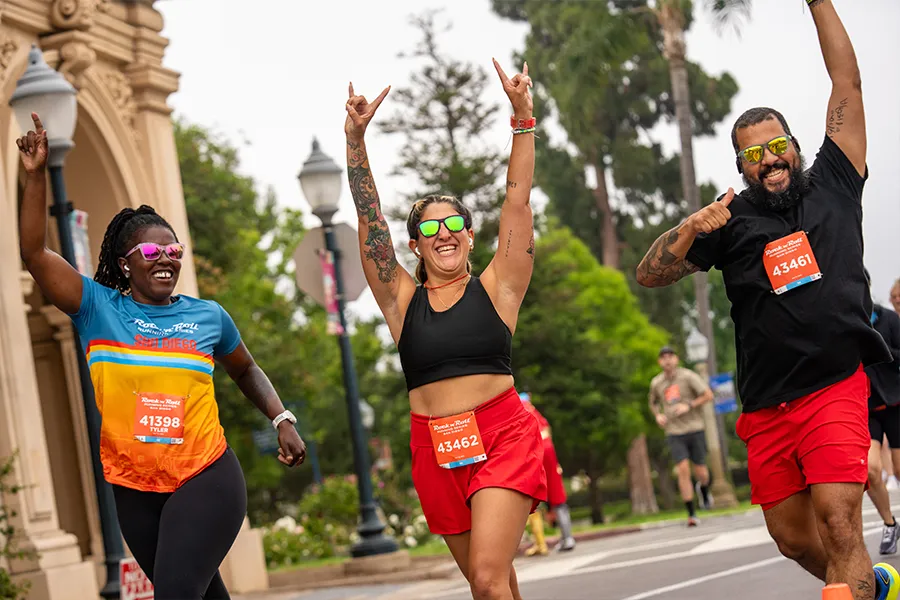
Camila Casanueva, The Yard Gym

Austin Harrington, Captain’s Quarters
Bivouac Ciderworks, Savoy Dry Apple Cider

Missi Burns, Et Voila
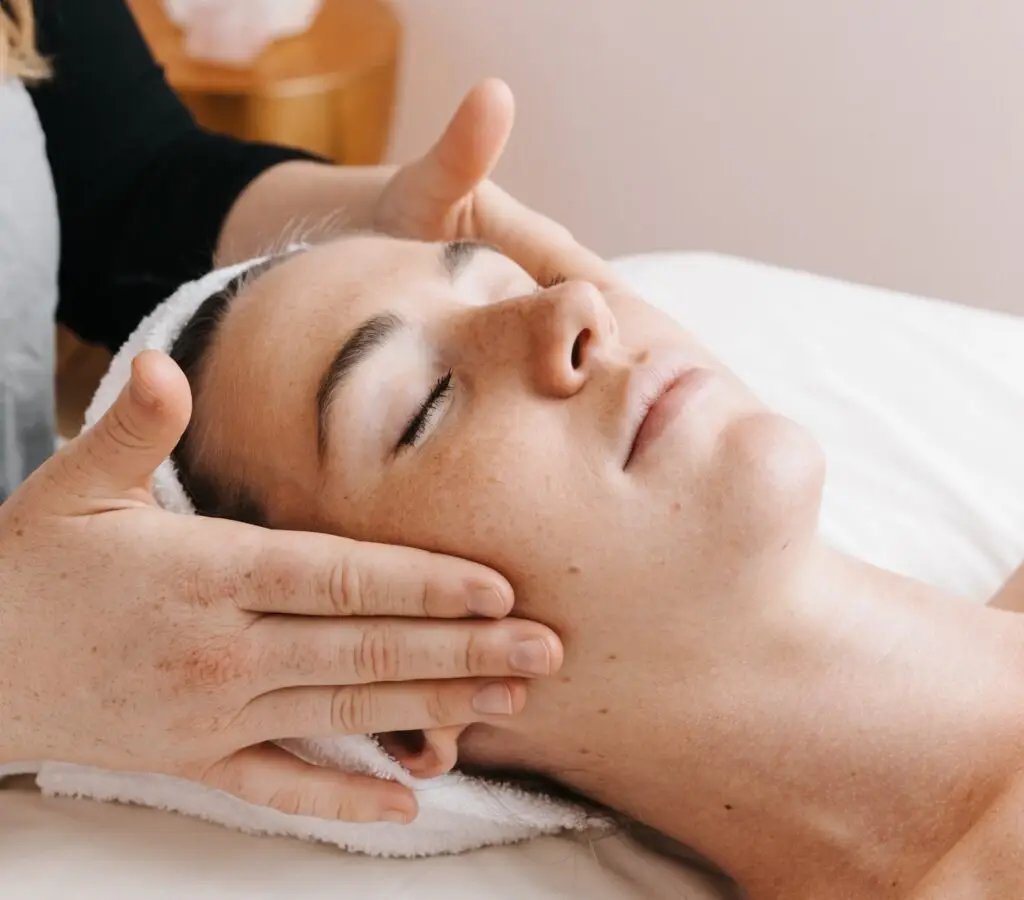
Prospera Internal Medicine and Aesthetics
At Vi at La Jolla Village, residents don't have to choose between security and adventure, connection and independence. They get all of it.

Today’s seniors are more connected than ever, with a renewed focus on retirement as a time of discovery and enriching experiences. The ultimate reward for a retirement well-earned is the wisdom to appreciate it all, and what better place to enjoy that unique perspective than Vi at La Jolla Village, in the heart of San Diego.
All-access pass to good living.
As a Continuing Care Retirement Community (CCRC), Vi provides access to a connected and fulfilling community while making it easy to plan for future care, should the need ever arise. With a care plan in place, residents enjoy greater financial predictability and long-term value, freeing them to focus on making the most out of retirement.
Resort-style amenities at the epicenter of a cultural hub like San Diego offer a retirement experience unlike any other. Paired with exceptional dining, spacious accommodations and dedicated staff, the best of maintenance-free living is all around. And with the introduction of Vista 360 Well-Being, Vi’s panoramic approach to wellness, there are more ways than ever for residents to access it all.
The harmony of mind, body and community.

The key to longevity is striking the right balance in maintaining an active lifestyle with an active mind in a fulfilling community. With newly renovated community spaces and restaurants, Vista brings a variety of opportunities for residents to elevate their well-being through Vi-exclusive “Signature Experiences.”
Vista Enrich takes an evidence-based approach to brain vitality, keeping residents at the forefront of cognitive health through exergaming (exercising + gaming), nutritional plans and informative workshops. It is also home to The Brain Vitality Studio, an innovative facility dedicated to cognitive fitness that has garnered national recognition.
Vista Discover invites residents into stimulating educational experiences, from chef-led cooking demos and guided wine tastings to lectures at local universities and intimate lectures following cultural outings.
While Vista Enrich focuses on brain health and Vista Discover engages residents intellectually, Vista Explore cultivates a sense of adventure through curated travel and local excursions. But broadening one’s horizons doesn’t always require a plane ticket. One recent event brought a taste of the world right to the community: an onsite “jazz cruise” featuring live music and global cuisine served at a series of themed “ports” all within the community’s own ballroom.
“Location, location, location”

One of the biggest perks of life at Vi at La Jolla Village is its proximity to just about everything. With easy access to transportation and local attractions just steps away, residents can explore and engage with their community at their own pace.
“There are trolley and bus stops within a 5-minute walk that will get you to the beach, UCSD Campus, medical appointments, downtown La Jolla or San Diego, et cetera. We rarely use our car,” said resident Tom Yager.
With the best of San Diego just steps away, residents don’t just live in the city, they live within reach of everything that makes it special.
The best of all worlds.

At Vi at La Jolla Village, retirement isn’t a chapter to slow down; it’s an invitation to discover more. Tailored community experiences created by Vista, paired with the vibrant pulse of San Diego just outside the door, mean that residents don’t have to choose between security and adventure, connection and independence. They get all of it.
This is what an all-access pass to good living looks like: the comforts of an elevated lifestyle, a community built for growth and a city made for discovery – all in one place.
To learn more about Vi at La Jolla Village or for details on available floor plans, visit ViatLaJollaVillage.com/SDM.
The Ely Callaway Performance Center is where tour-level fittings, cutting-edge technology, and golf equipment you can’t buy yet all come together

“Come test something.”
Those are quite possibly my three favorite words in the English language—all due respect to “I love you” or the highly underrated “you were right.”
I’ve been a PGA Golf Professional since 1994, and yes, full bias disclosure, a Callaway Golf Ambassador for 18 years. One of the bonuses that comes with that combo is access to the Ely Callaway Performance Center—a place so exclusive it gives “velvet rope” vibes.
Originally opened in 2006 as a highly functional (yet not exactly breathtaking) test facility, the ECPC got a serious glow-up in 2018 when Gil Hanse (along with partner Geoff Shackelford) turned it into what can only be described as a fully engineered golf playground. Hanse is no stranger to golf course renovations. In 2024, he completed an extensive redesign of the Omni La Costa North Course in Carlsbad, so it could host the NCAA Division 1 Golf Championships. He also worked on acclaimed courses like Winged Foot, Merion Golf Club, and Oakmont Country Club.
In just two months, it went from a standard test center and R&D lab to a fully dialed-in golf playground.
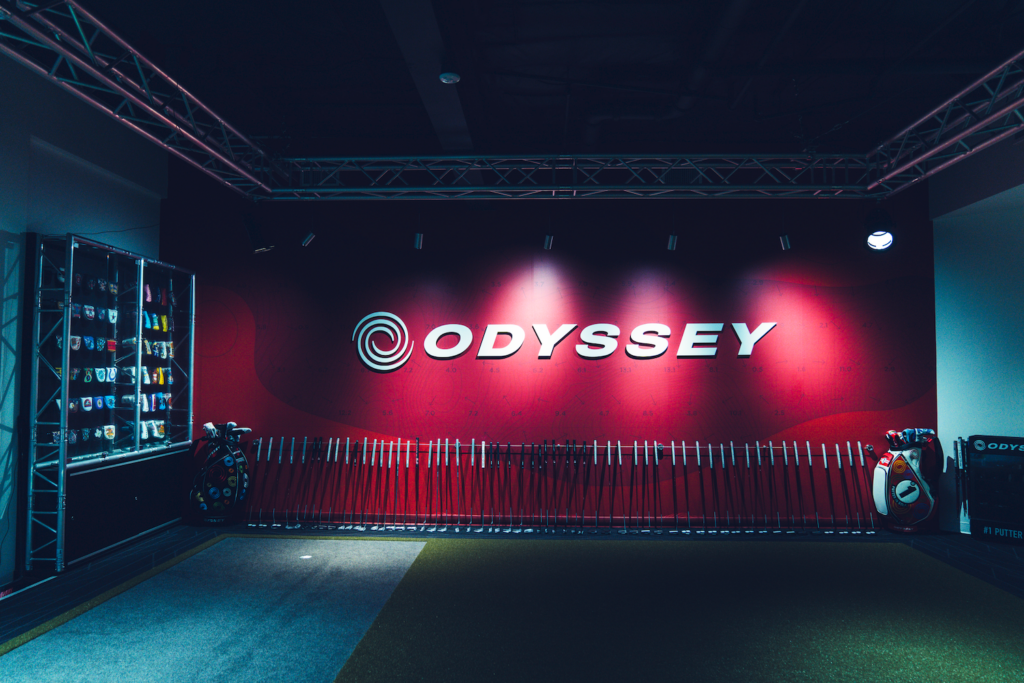
What was once purely practical is now intentionally designed to be both precise and inspiring. The targets are staggered with purpose—forcing creative shot-making while also calling you out on your actual distances (no more “that’s my 150-yard club … ish”).
Add a massive hitting area, bunkers and greens that mimic real on-course conditions, a “Himalayas” putting green (named for its roller-coaster undulations), an upgraded indoor putting lab, and a 120-decibel sound system blasting a very golf-appropriate playlist, and suddenly it’s a rare blend of high-performance testing facility and “don’t mind if I stay here all day” energy. Since this isn’t exactly open to the public, SDM asked me to take you behind the curtain.
As the iron gates part, it feels less like arriving at a practice facility and more like being granted backstage access at a rock concert—if the bandmembers were made entirely of launch monitors and perfectly manicured turf.
There are no mats. No guessing. No “I think that one felt good?” Just conditions that mirror exactly what tour players see in competition. Because when you’re testing equipment at this level, accuracy isn’t a bonus—it’s the whole point.
Even the sand matters. Different textures. Different densities. Because bunkers have personalities, too, and they are often unfriendly. And the golf balls? Brand. New. Not the usual “these have seen some things” range balls. New balls mean consistent spin, truer trajectory, and no surprises. The older a golf ball gets—and the more it’s been baked in the sun, scuffed, or generally lived a full and complicated life—the less reliable it becomes. Think of it like this: fresh ball, predictable performance; old range ball, slight chaos with a side of mystery.
I’m escorted to my personal hitting bay—basically a pop-up shaded oasis stocked with enough equipment to make a gear junkie weak in the knees. Shafts in every weight and profile imaginable. Heads lined up like they’re waiting to be drafted by their favorite team.

Toptracer technology was patiently waiting to track every one of my swings, each shot instantly delivering ball speed, launch, spin, carry distance, and dispersion (a polite way of saying consistency, or lack thereof), so there’s no guessing—just data telling the truth, whether I like it or not.
We start with irons. Different heads, different feels, different results. When I miss a shot, the ball tends to leak right, so we check lie angle. A quick adjustment—2 degrees upright—and suddenly the clubface is consistently square at impact like it remembered its job. Effort level: down. Ball flight: improved. Confidence: creeping back.
Next we look at the different shaft options—because nothing says “fun afternoon” like realizing a higher kick point can change your entire golf identity. Shaft flex (how much the shaft bends during your swing) helps determine whether you get more height and distance or more control, while kick point (where the shaft bends the most) influences your ball flight—lower kick point for higher launch, higher kick point for a flatter, more penetrating shot. In other words, one small tweak and suddenly you’re hitting shots you’d normally only describe later, slightly exaggerated, over a glass of wine.
Then we move through the bag: hybrids, fairway woods, drivers, wedges. It’s a full rotation of “try this,” “now try this,” and “okay wait … THAT one.”
And yes—the new Quantum driver and fairway woods made an appearance. Without getting too deep in the weeds, they’re faster, more forgiving, and smarter (thanks to AI face mapping) than previous models. Translation: Even your mishits are now slightly less embarrassing. And they were not the only things getting tested. My patience was under attack because the driver and woods would not be available to the public for a good three months.
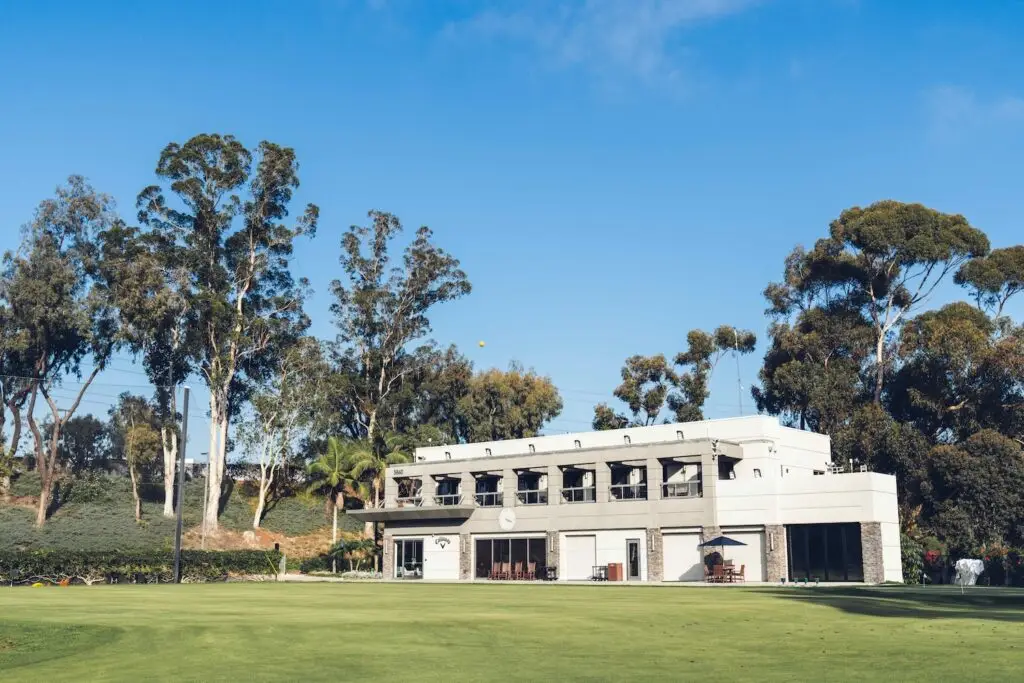
Watching the fitting team work is like watching a Formula 1 pit crew. Clubs are swapped in seconds. Shafts tightened, adjusted, replaced. One minute you’re swinging something that seems “fine,” and the next, you’re holding a club that feels like it is a part of your DNA.
Then there’s the putter fitting. Drivers are physics. Putters are therapy. Inside the putting lab, sensors track everything—tempo, face angle, path—things you didn’t even know could be measured. Within minutes, my data politely informs me that my putter face is slightly closed at impact. Not shocking, but also not ideal.
A few quick adjustments—different head (with a bit more weight at the toe to discourage the face swinging closed at impact), shorter shaft (so I feel more over the ball, which helps my eyeline)—and suddenly the ball starts rolling exactly where I’m aimed.
Same stroke. Same golfer. Completely different outcome. If only the rest of life worked like that.
And then there’s the part that feels slightly classified. The ECPC isn’t “just” a performance center—it’s also where future equipment lives before the public even knows it exists. I’ve been there when certain clubs were basically under surveillance. Not “don’t touch,” but more “please keep phones in your pocket.”
It’s golf’s version of Area 51. Except instead of aliens, it’s drivers that won’t hit shelves for another year—and like I mentioned, waiting is not my strong suit.
Getting to test the newest equipment isn’t just a perk—it’s part of the job. It’s what allows me to stand in front of students and say, “I’ve tried it. I know what works and what doesn’t. And more importantly, I know why.” And if I happen to sprint to my car every time the phone rings and someone says, “Come test something” … well, that’s just professional courtesy.
Callaway isn’t the only place to get your swing analyzed and clubs fitted. You can stroll into big retail spots like The Golf Mart or Golf Galaxy, book a next-level session at a dedicated studio like Club Champion or True Spec Golf, test brand-specific gear at various manufacturing companies (many located in Carlsbad), or even combine a lesson and a fitting at GOLFTEC. And let’s not forget your local golf course, where fittings happen on actual turf, on a driving range you have some history with—many times with the golf professional who is familiar with your swing so they can give you valuable input. With this many options, there’s really no excuse, other than pride, to keep blaming your clubs.
From getting your sweat on at hip-hop class to celebrating with a zero-proof cocktail, here are San Diego's top fitness and wellness spots
For thousands of years, the Kumeyaay who lived in this area called a mountain south of Julian Cush-pii, meaning “sharp peak.” Then, after the Civil War, Confederate sympathizers saw that same mountain and decided to rename it Stonewall Peak—after General Stonewall Jackson. The name stuck for nearly a century and a half, until Cuyamaca Rancho State Park announced earlier this year that the name will return to its original, Cush-pii. Hike to the summit for expansive views of the Coronado Islands to the west and Mexico to the south.
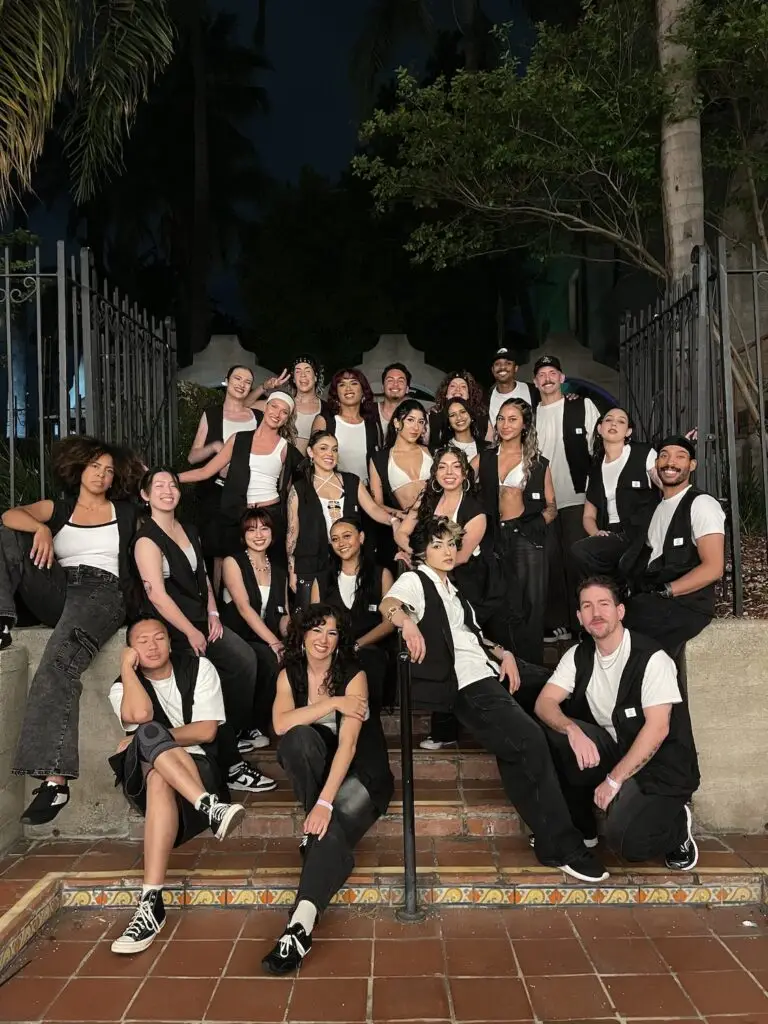
In 1993, Angie Bunch gathered a group of hip-hop dancers—called Culture Shock Dance Troupe—and gave them a space to practice and perform. As hip hop grew through the ’90s, so did Culture Shock. It has since become a nonprofit, a space for young and old, beginner and expert dancers. Culture Shock has also expanded to Los Angeles, Oakland, Las Vegas, Chicago, Atlanta, New York City, and Washington, D.C., as well as Ottawa and Toronto, Canada.
In 2019, Amanda Leach created the Yoga Box method, which takes high-energy flows and adds strength-building poses in heated, vibey, lava-lamp-lit studios. What started on Grand Avenue in Pacific Beach has spread to 15 locations across the county, with even more trickling into Denver, Chicago, and Brooklyn. The best part? Mindfulness newbies who can’t touch their toes and six-packed contortionists can hang in the same class. You can customize each session based on your ability and fitness level.
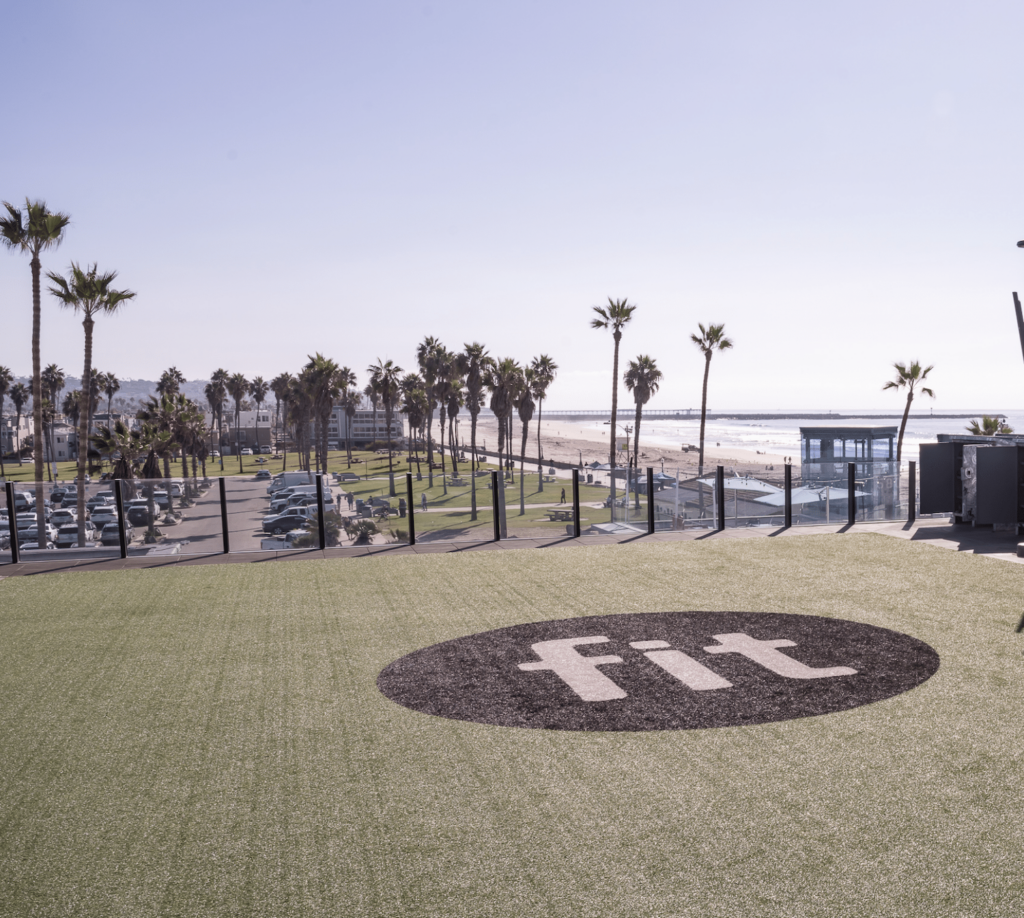
A gym taking over a historic beachfront pool sounds like the setup for a new season of Love Island, but Fit Mission Beach operating the nearly 100-year-old Plunge at Belmont Park is real. The independent fitness brand has spent the past several years building a loyal following through group fitness classes, community events, and a members’ social club overlooking the ocean. Upstairs, members can work remotely, meet friends, or hang out long after their workout ends. Between the Plunge, the coworking-style lounge, and a packed calendar of events, Fit has evolved into something bigger than a gym. It’s a clubhouse for San Diego’s fitness crowd.
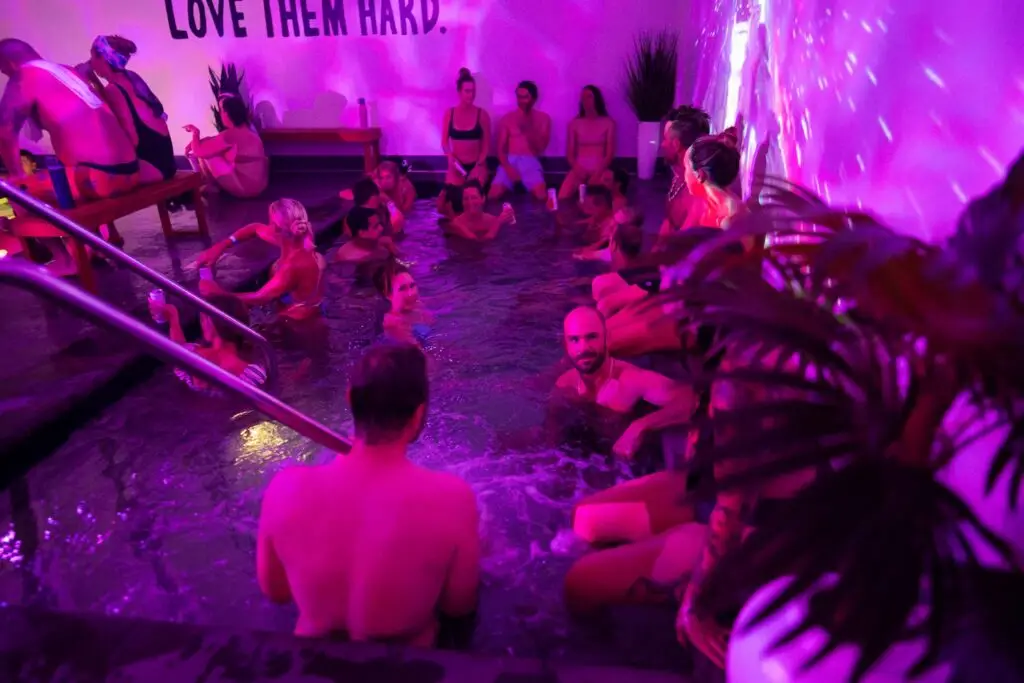
The wellness world is finally transitioning away from HIIT workouts and cult-like spin classes, where your heart rate hits Zone 5 within minutes and stays there until cooldown. Good. At Breathe Degrees, wellness takes the form of zenned-out communal breathing sessions or vagus nerve–activating cold plunges. Breathwork is said to boost your mood in the short term and improve your heart health in the long term, and maybe that’s why everyone’s coming back for more. You can’t run into someone in Carlsbad who hasn’t dropped into at least one breathwork session, and now the studio has opened a second location in Liberty Station.
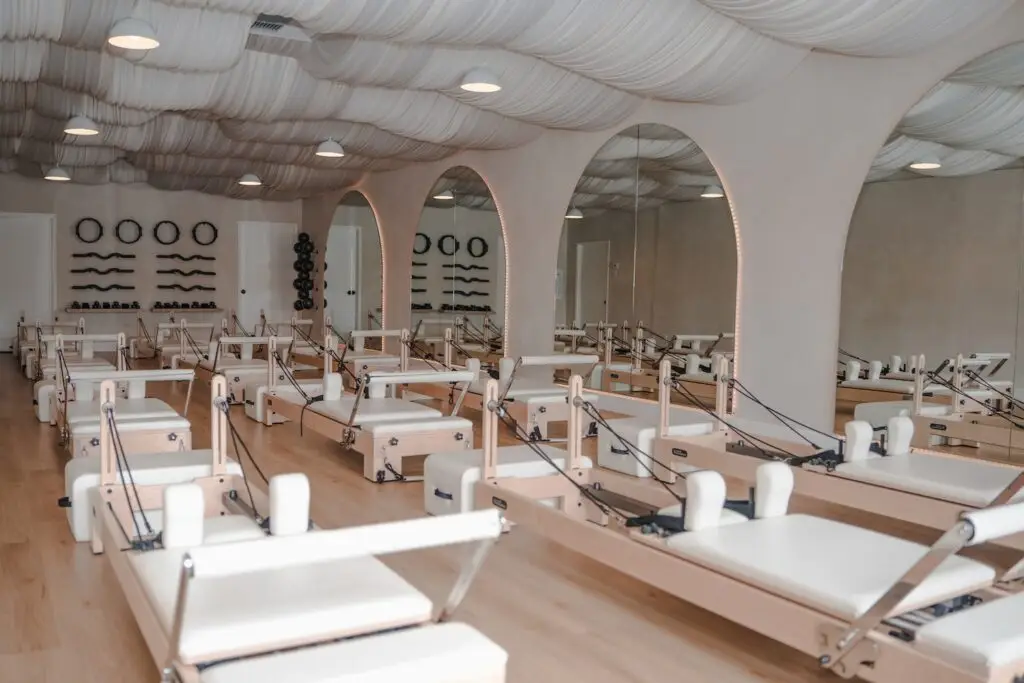
Pilates wasn’t just popular this year; it was practically a requirement for maintaining your San Diego residency. New studios seemed to appear weekly across San Diego, each promising stronger cores and better posture, but Soul Pilates and Care found a way to stand out by addressing a challenge many parents know well: finding time to exercise at all. Fitness doesn’t have to compete with parenting responsibilities. Parents can drop their kids off with trained caregivers while they head into reformer classes, eliminating one of the biggest barriers to working out. The studio has earned strong reviews for both its instruction and family-friendly approach.
The Hotel del Coronado’s sweeping $550 million restoration touched nearly every corner of the historic resort, but one of the most anticipated unveilils was the debut of its redesigned spa. The oceanfront wellness destination now features 21 treatment rooms, a relaxation lounge, a sauna, steam room, and a treatment menu inspired by the coastal environment just steps away. The redesign blends the Del’s Victorian legacy with a cleaner, more contemporary aesthetic, creating a space that feels distinctly SoCal rather than generic luxury hotel. For locals who don’t have time for a vacation, it’s the next best thing.
As non-alcoholic beverages continue their meteoric rise, Good News Bar has become one of San Diego’s most compelling arguments for a booze-free evening. The University Heights hotspot serves a menu of carefully crafted zero-proof cocktails that borrow techniques and ingredients from traditional cocktail programs (it’s not just fancy juices and soda water), minus the hangover. The space also hosts regular community events and has quickly become a gathering place for everyone from sober San Diegans to the merely sober-curious. In a nightlife industry built around alcohol sales, Good News proved there’s plenty of demand for connection without the buzz.
Scripps electrophysiologists not only deliver the latest therapies, they help develop them

Atrial fibrillation (AFib) is the most common cardiac dysrhythmia, affecting more than 10 million people in the U.S. The condition, characterized by an irregular and often rapid heartbeat, raises the risk of stroke, heart failure and death. Advances in electrophysiology, a subspecialty of cardiology focused on the heart’s electrical system, are transforming how AFib and other dysrhythmias are diagnosed and treated. Scripps electrophysiologists use state-of-the-art therapies—some of which they helped develop. They were instrumental in the pre-FDA approval research for an effective new treatment, pulsed field ablation, and are on the forefront of other innovative treatments. Click here to learn more.
For more nutrition, wellness, and healthy living tips, sign up for the San Diego Health newsletter here.