A few photos from our recent home shoot in Mission Hills.
By Gloria Tebelman
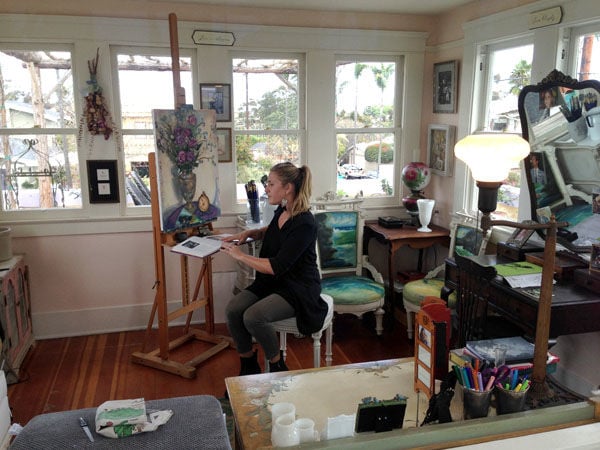
For April’s home story, we had the privilege of photographing artist Concetta Antico’s home in Mission Hills. Kimberly Cunningham (Senior Editor), Becca Teal Batista (photographer), Jenny Siegwart (photographer) and myself (Associate Art Director) spent half a day with Concetta and her family at their home, which boasts Craftsman details, a gazebo, antique finds, and other design treasures. Here, a few behind-the-scenes photos from our shoot:
Concetta Antico’s home
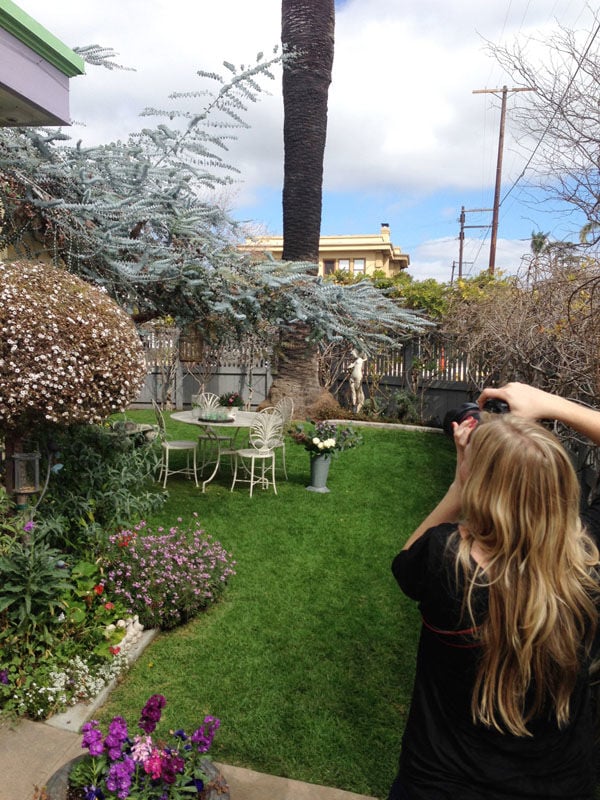
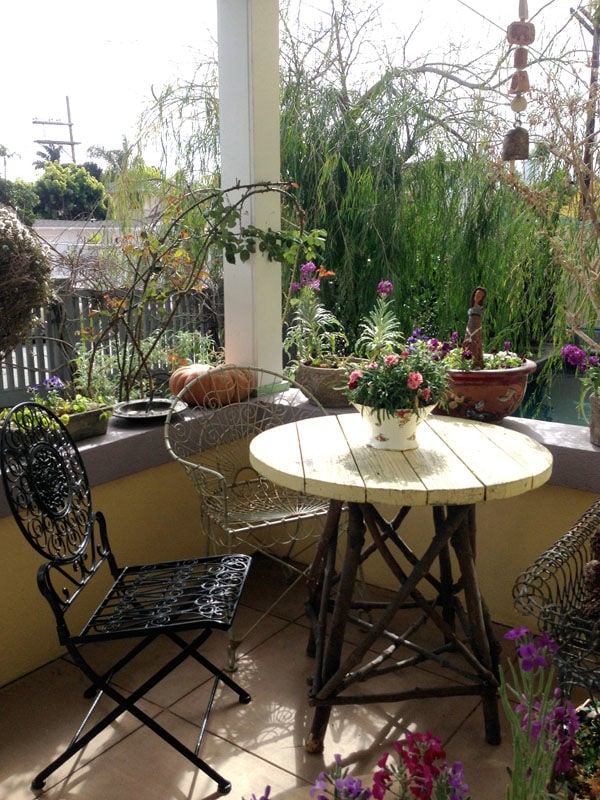
Jenny grabs the first shot of the day. The light was working in our favor for this charming outdoor vignette.
Concetta Antico’s home
Concetta’s cats were the most eager models of the day.
Concetta Antico’s home
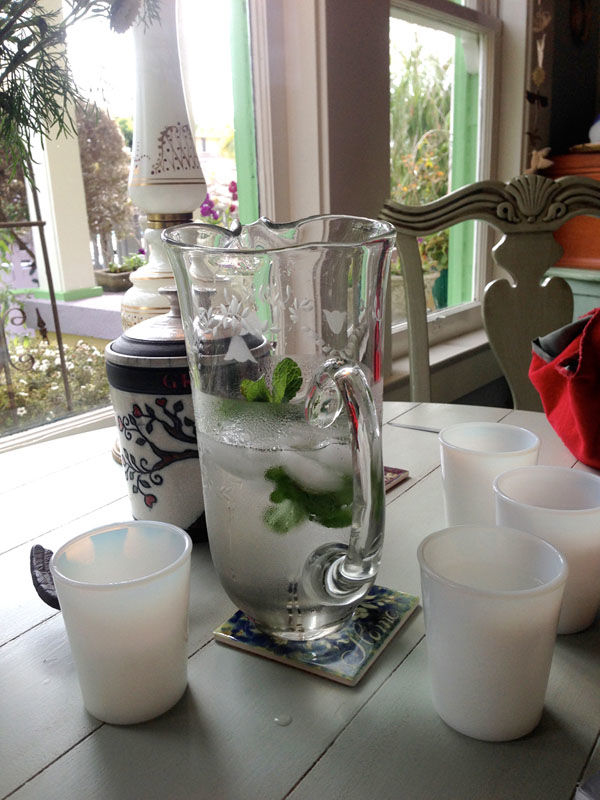
Even the water was artful. We loved these pretty milk glasses!
Concetta Antico’s home
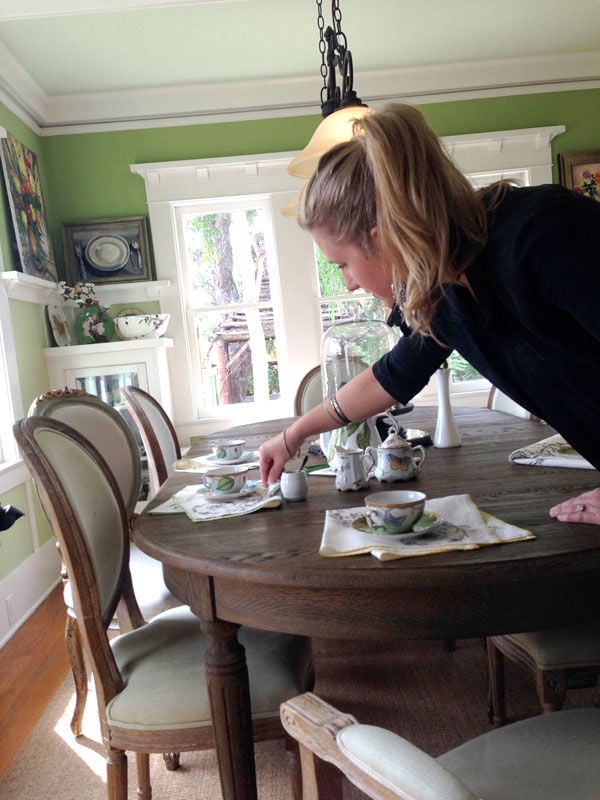
Becca perfects the styling of the dining table. The final photo of this room is my favorite from the story!
Concetta Antico’s home
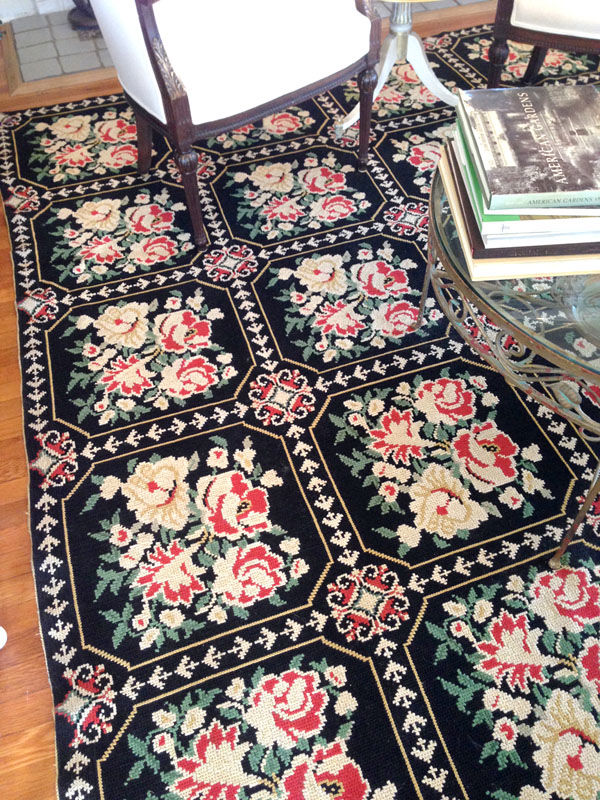
We all gushed over this rug. There may or may not have been a few Instagrams.
Concetta Antico’s home
Becca shows Concetta how she’ll be posing for her “lifestyle” shot.
Concetta Antico’s home
Good light is a photo shoot’s best friend, and this one had lots of it! Doesn’t this look like the perfect place to sit on a spring day in San Diego?
Earthly Delights
Want to see Concetta’s artwork in person? Her next show, Earthly Delights, opens Saturday, April 26 in Mission Hills. For more details, check out Concetta’s gallery.
Location: Downtown looking north at Petco Park from the Harbor Drive Pedestrian Bridge
Camera: Nikon D600, shot at focal length 14 with a 14mm wide-angle lens
Evgeny Yorobe, a healthcare IT professional and fine art/wedding photographer from Tierrasanta, was drawn to the movement, lines, and lights of this downtown scene. “I knew I wanted the bridge and Petco Park in a photograph, and all the movement and activity around the bridge made me decide on a nighttime long-exposure shot,” says Yorobe, a devoted Padres fan. The time of the day mandated a tripod, but he realized that a wall blocked the composition. In a pinch, Yorobe shortened the length of one tripod leg to lean it and the camera to the very edge. The result was a view of the city’s after-hours buzz—traffic, twinkling lamps, and light trails from the planes, trains, and automobiles.
Looking north at Petco Park from the Harbor Drive Pedestrian Bridge
Location: Downtown looking north at Petco Park from the Harbor Drive Pedestrian Bridge
Camera: Nikon D600, shot at focal length 14 with a 14mm wide-angle lens
Evgeny Yorobe, a healthcare IT professional and fine art/wedding photographer from Tierrasanta, was drawn to the movement, lines, and lights of this downtown scene. “I knew I wanted the bridge and Petco Park in a photograph, and all the movement and activity around the bridge made me decide on a nighttime long-exposure shot,” says Yorobe, a devoted Padres fan. The time of the day mandated a tripod, but he realized that a wall blocked the composition. In a pinch, Yorobe shortened the length of one tripod leg to lean it and the camera to the very edge. The result was a view of the city’s after-hours buzz—traffic, twinkling lamps, and light trails from the planes, trains, and automobiles.
Looking north at Petco Park from the Harbor Drive Pedestrian Bridge
A perfectly designed home rarely happens by accident. Those kitchens that feel effortless and rooms that seem to tell a story the second you walk in? They’re usually the work of someone who knows exactly what they’re doing.
It’s knowing which ideas will actually work, which materials will hold up over time, and how to turn a collection of choices into a space that feels intentional. That’s where a professional interior designer comes in.
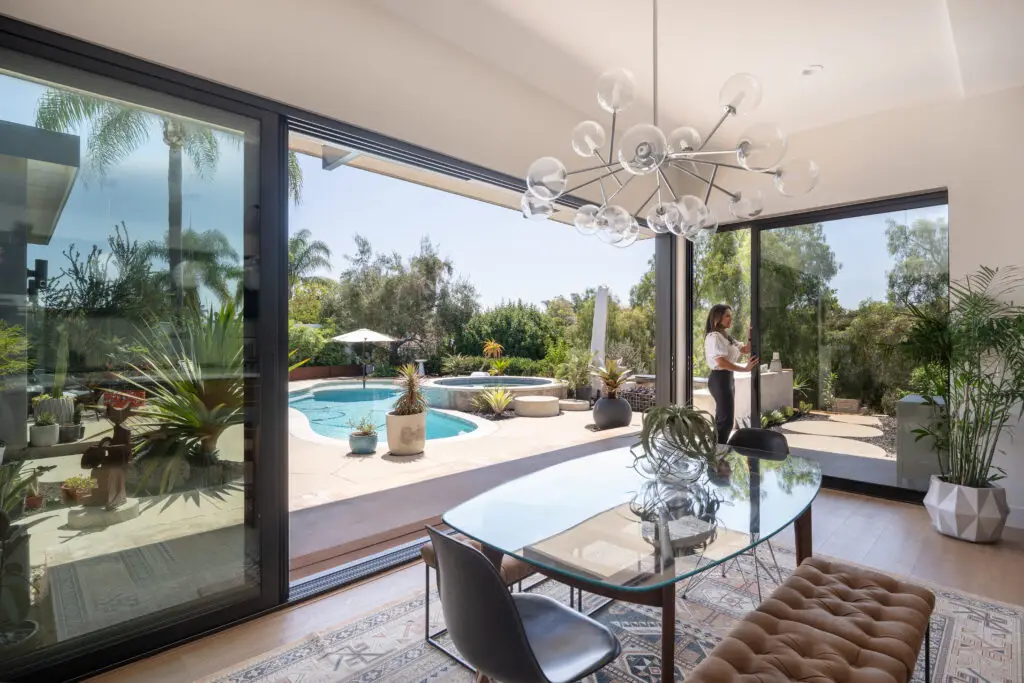
For the American Society of Interior Designers (ASID) California San Diego Chapter, the goal is to help people see interior design as more than just the finished look. Behind every well-designed space is a process built on technical expertise. Designers are educated in everything from professional software and construction details to building codes, space planning, materials, and functionality.
Courtesy of ASID
“People don’t always realize how much goes on behind the scenes,” Kirsten Recce , current president of the ASID California San Diego Chapter, says. “Our designers are not just doing furniture placement and color selection and picking out new fluffy pillows. That’s not what they’re trained for.”
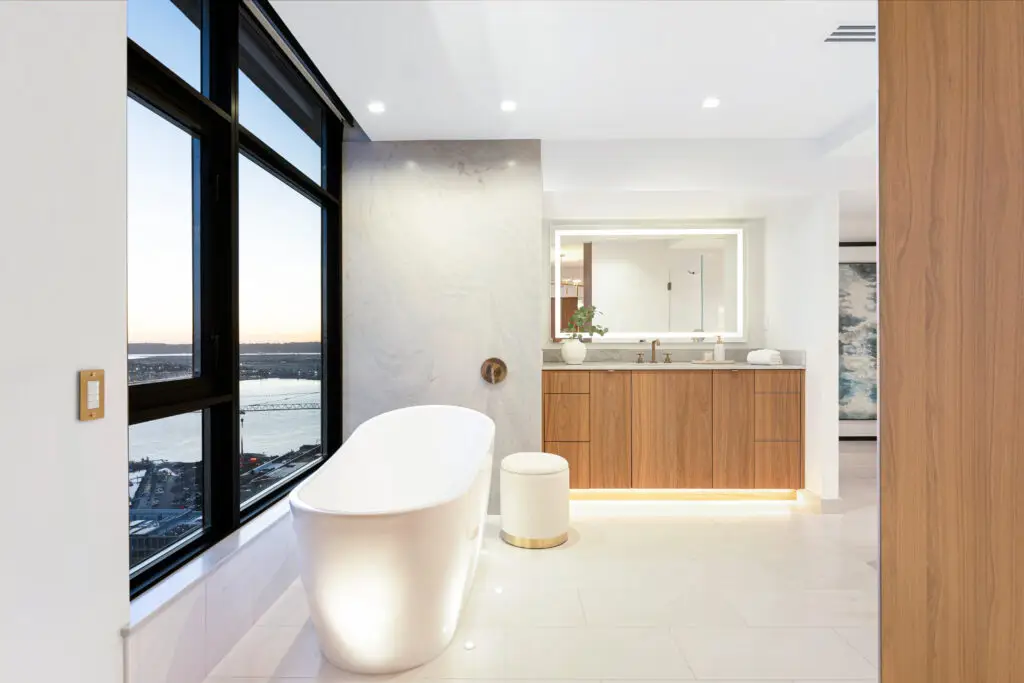
ASID members bring formal education, continued learning, and industry knowledge to their projects, helping create spaces that are not only beautiful, but designed to work. A paint color that changes completely depending on the lighting. A material that looks beautiful in a showroom but doesn’t make sense for everyday life. A layout that photographs well but doesn’t function for the people living there. These are the details where professional guidance can make all the difference.
Still, one of the biggest misconceptions about hiring an interior designer is that it’s reserved for massive renovations, luxury homes, or people who already know exactly what they want. The process can feel intimidating. Where do you begin? Is a designer worth the investment? What if you only need help with one room?
ASID’s answer: start with one hour.
ASID’s Spruce Up events break down one of the biggest barriers between homeowners and professional design: knowing where to begin. Held twice a year, the community program gives homeowners the chance to work directly with an ASID designer through a one-hour, $125 consultation in their own home. Whether you’re looking for advice on furniture placement, window treatments, kitchen and bath updates, remodeling ideas, vacation rentals, color selections or something else entirely, the upcoming September 2026 event offers an approachable way to get expert guidance before committing to a full project. Signups are open through Sept. 7, with consultations taking place Sept. 21 through Oct. 31. Proceeds benefit ASID San Diego’s educational and community programs. Register here!
Courtesy of ASID
“It’s a great opportunity for people who are in that exploratory phase,” Recce says. “Maybe they’re not sure they want to hire an interior designer yet, or they think it sounds daunting or expensive. This gives them a chance to discover what working with a designer is actually like.”
Design is personal. A good designer isn’t just creating a beautiful room; they’re helping create a space that fits the way someone lives.
“We’re a resource to all of San Diego County,” Recce says. “It doesn’t cost anything to pick up the phone and call and ask. We’ll answer.”
Local photographer Michael Jaffe chose a unique perspective for his shot. “Most photographs of the Bridge emphasize the span’s entire length, which requires the photograph to be taken from a considerable distance,” he says. Jaffe found a good spot at the golf course and watched for the subtle changes in the light before and after the sunset. He took nine shots and selected the best one.
By Kimberly Cunningham | Photography by Found Creative Studio
stone wall covered in ivy
Earth Tones
The living room is the first space you see upon entering the McQueen house in Point Loma. Elegant and inviting, it’s a study in transitional style, the blending of modern and traditional décor. “We built the room around these chairs that we loved,” homeowner Natalie McQueen says of her two camel-colored wingback chairs, which are family heirlooms. “I liked the traditional aspects but wanted to add modern elements.” She enlisted Timothy Ruiz and Lauren Manas of Pacific Interiors. They stuck with earth tones to complement the chairs, added marble to the fireplace, and, because the room gets so much light, chose a richer color for the walls, Valley Forge Tan by Benjamin Moore. The J. Redmond sofa and armchairs with Kravet fabric were custom-made to fit the space. Tall plants accentuate the room’s dramatic ceilings. Other modern accents include a coffee table from Williams-Sonoma Home and area rug by Calvin Klein.
Historical Roots
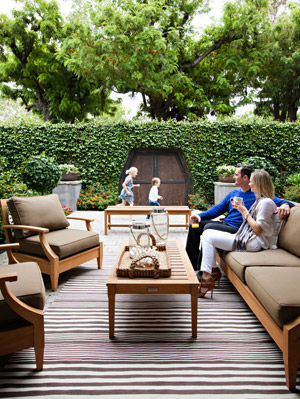
At the perimeter of this outdoor entertaining space lies a storybook stone wall. Covered with fig ivy, the wall was once part of the historic Rosecroft mansion’s begonia gardens. In the 1960s the gardens were closed and replaced by houses, but the wall remains as a historical landmark. Above: Homeowners Tim and Natalie McQueen watch daughter Bridget (8) and son Mitch (4) play. (Furniture by Restoration Hardware, accessories by Pottery Barn, area rug from Scout at Quarters D in Liberty Station)
Flipping Out
Its owners sought to preserve the original character of the house, which was built in 1989. “I wanted the outside to look as traditional as possible,” Natalie McQueen says. Her design team repainted the exterior and added flower boxes and Belgard pavers to the front yard. And yes, that’s eight-year-old Bridget doing a perfect back handspring on the grass. Stick it! (Landscaping by Pedro Ortega; floral arrangements by Erik Schumann)
Heart of the Home
The McQueens worked with contractor Robert McCarron to completely gut the original kitchen. They kept most of the existing layout, while extending the island and building an overhang with opposing pot racks. Stainless steel appliances give the space an industrial feel. Lava stone countertops and beveled subway tile create a crisp black-and-white aesthetic. For extra warmth and interest, designer Timothy Ruiz suggested adding a section of walnut cabinetry. Although the darker wood is built in, it’s meant to look like a hutch, or stand-alone piece of furniture. “I think it’s one of the best kitchens I’ve ever done,” Ruiz says of the space’s function and style. In the foreground, a whimsical chalkboard wall serves as a place to write messages and notes.
Clean and Simple
In keeping with the transitional style, designer Timothy Ruiz mixed ultra-modern chrome and white leather dining chairs by Bontempi with a classic dining table (another inherited antique). “When you pare everything down, and keep it real clean and simple, that’s how you keep your traditional pieces looking more modern,” Ruiz says. (Photographic painting by local artist Monica Hoover, purchased at Mixture in Little Italy; large seashell centerpiece from Z Gallerie)
Boyish Charm
When four-year-old Mitch outgrew his nursery, his mom and her designers turned his bedroom into a nautical-themed play zone. One essential? Custom built-ins to maximize toy storage. They chose moss-green paint because it was “a little different than the traditional boy colors.” Starfish pulls from San Diego Hardware add a fun seaside touch. The shelves are lined with beloved bedtime books and gifts from friends, like the spotted ukulele. Another gift—an old fishing rod—stands in the corner. “He loves to fish and loves boats,” mom Natalie explains. (Bedding from Serena & Lily, bed and dresser by Stanley Furniture Co.’s Young America)
European Influence
The lone bit of pattern, courtesy of paisley wallpaper and a European area rug, is in the master bedroom sitting area. Here, traditional elements like wicker chairs blend with modern throw pillows from Mixture and an abstract painting. The antique European chest is another family heirloom. “We lived in London when we were young, and my parents brought a lot of stuff back,” Natalie says. “They’ve slowly passed it down to me.” (Chair cushions covered in Robert Allen fabric, wallpaper from Sterling Interiors/Design)
Mai Vue was just 34 weeks pregnant when she delivered her baby. Her pregnancy had been complicated, and she’d had a recent second trimester pregnancy loss, which led to her receiving specialized care from Sean Daneshmand, MD, a Scripps Clinic perinatologist who oversees high-risk pregnancies. Dr. Daneshmand and his team took care of Mai during her pregnancy, through the birth of her healthy baby girl and beyond. Mai was part of a program Scripps launched to provide support to new moms in the weeks and months after delivery. The postpartum program, known as Scripps Health’s Fourth Trimester Continuum of Care, provides care for women with high-risk pregnancies to optimize their health after childbirth and reduce the risk of complications in future pregnancies. Click here to learn more.
For more nutrition, wellness, and healthy living tips, sign up for the San Diego Health newsletter here.