

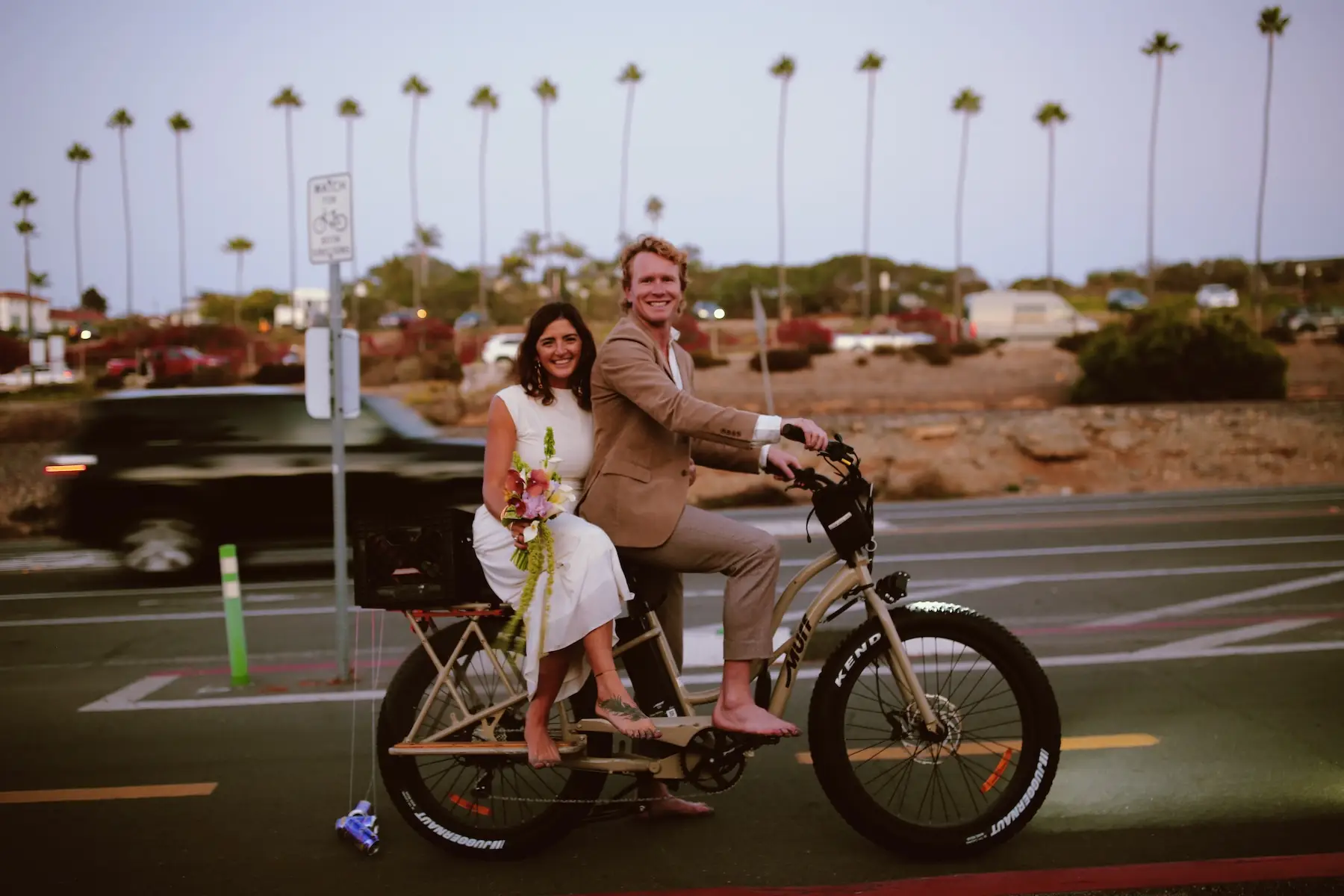
On the day before their wedding, Alejandro “Jano” Galindo and Dr. Maria Jose “MJ” Galindo weren’t juggling timelines or hustling through the chaos of seating-chart tweaks and last-minute changes. They were rolling out their mats—yoga for him, Pilates for her.
“When we sat down to plan, we didn’t start with colors or themes,” MJ says. “We asked, ‘How do we want this to feel?’ I’d read that you remember the feeling of your wedding more than anything else. That really stayed with us.”

So, they crafted their weekend around movement, shared moments, and feeling good. They let the day proceed at an easy pace, regularly stepping into a quiet room or out into the garden to breathe and reset, quiet check-ins that helped them stay grounded without guests ever noticing. “We wanted a fun, intimate atmosphere full of loving energy,” Jano says. “We wanted people to feel connected—to us and to each other.”
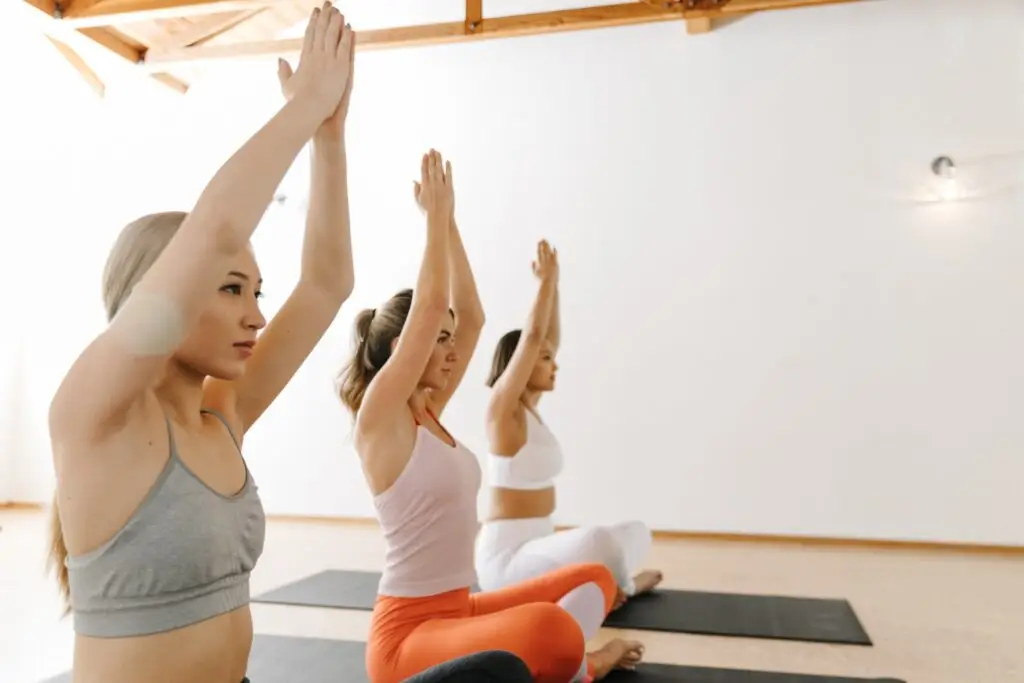
Their approach reflects a paradigm that’s become increasingly popular since the pandemic: Couples aren’t interested in weddings that leave them depleted. The old format, with late nights that slid into hungover brunches and timelines that left no room to enjoy the day, is losing its appeal. “The priority has shifted to intention,” says Ellen O’Brien, former editor at Brides Magazine. “Couples are integrating wellness not as an add-on but as a core value—sound baths, sunrise yoga, adaptogenic drinks, plant-forward menus. They want celebrations that reflect who they really are.”
Gen Z is leading the charge.
“They’re drinking less, sleeping more, and ditching cookie-cutter weddings in favor of deeply personal, values-first experiences,” O’Brien adds.
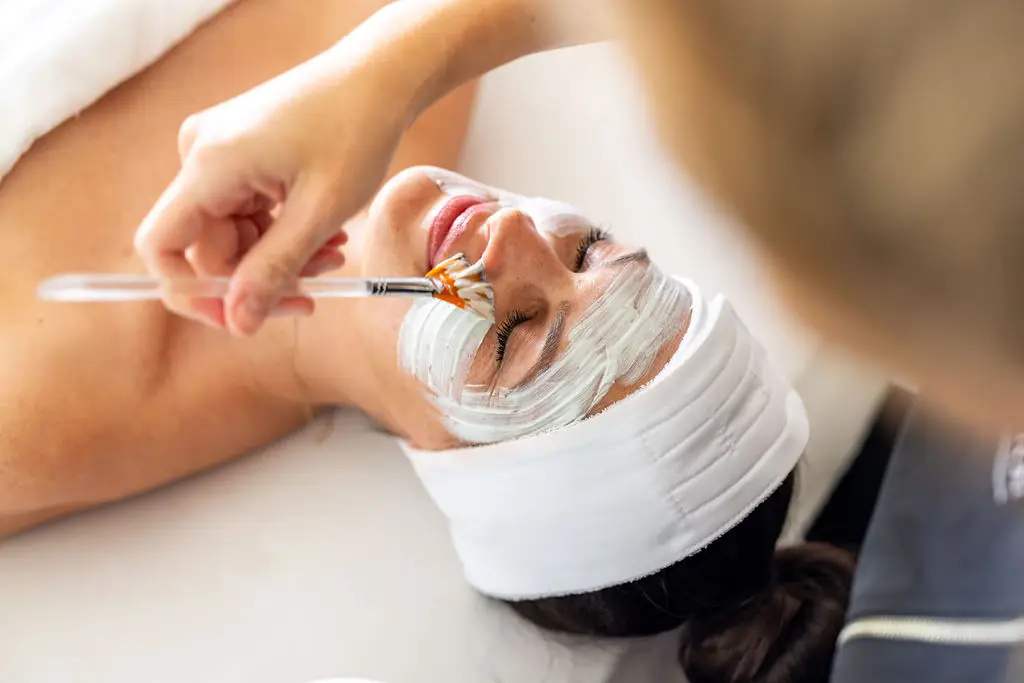
Where weddings were once a high-octane party weekend, they’re now a gentler, more grounded affair fueled by movement and mocktails. Instead of boozy brunches, couples are opting for sauna sessions and cold plunges. From reiki and vitamin IVs to breathwork and guided meditations, wellness is edging out indulgence.
“I’ve had couples swap traditional glam time for group sound baths or intention-setting ceremonies,” says Emily Campbell, who plans weddings for Four Seasons Lanai, Hawai‘i properties. Instead of dancing into the wee hours, some of her clients are instead planning next-morning hikes. “People want guests to feel good emotionally and physically—not just entertained.”
As weddings get healthier, San Diego’s resorts are leaning in.
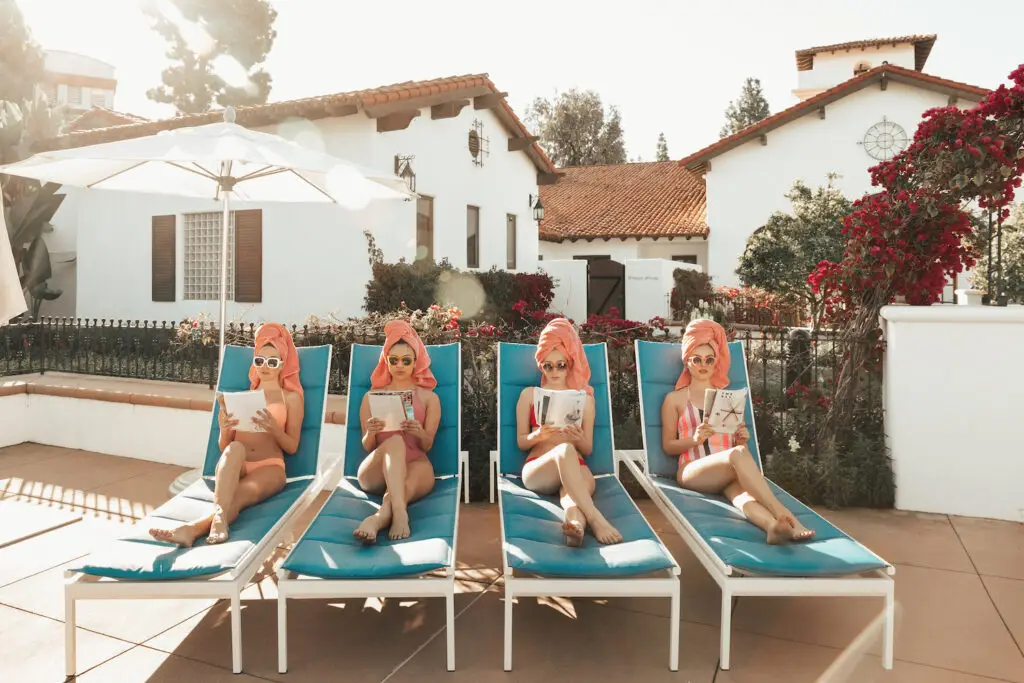
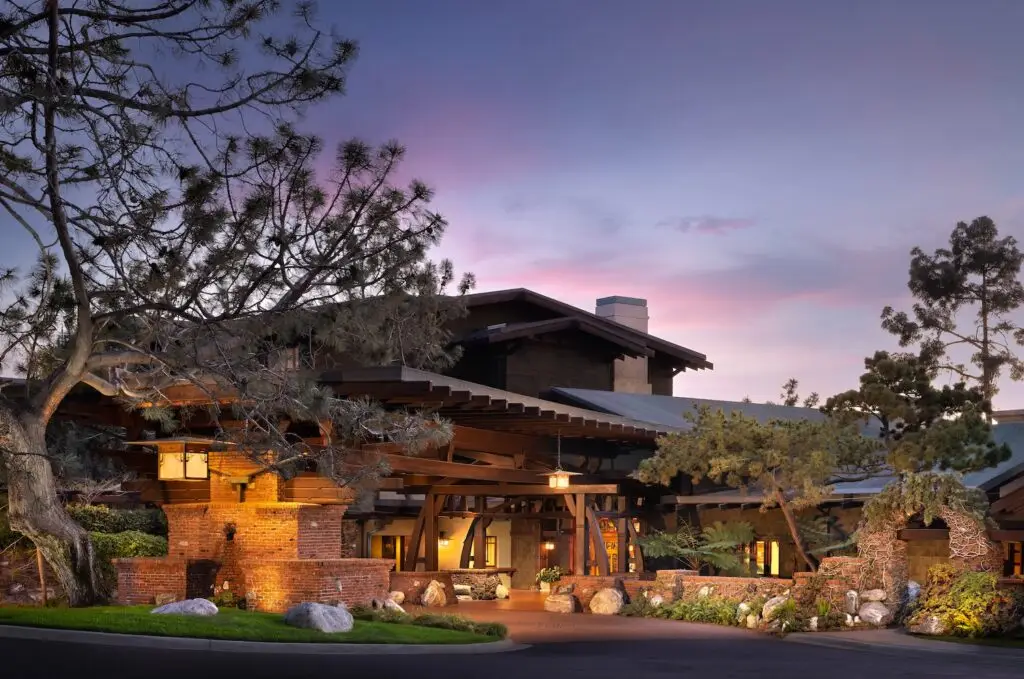
At The Inn at Rancho Santa Fe, that looks like sunrise yoga on the lawn, guided hikes, and longevity-forward offerings—think detox and glow vitamin injections for the wedding party and IV drips for jet-lagged guests. “Couples want the whole weekend to feel like a retreat,” says Director of Catering Molly Nelson. “People arrive, breathe, and move their bodies. They leave feeling better than when they came.”
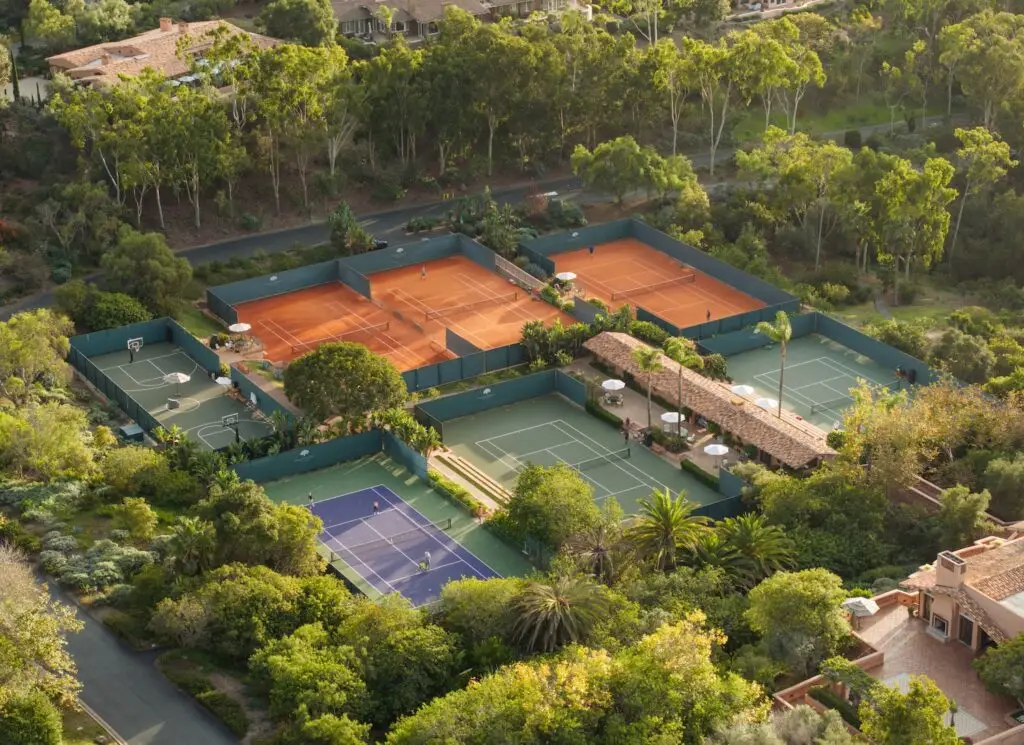
Rancho Valencia Resort & Spa has seen pre-wedding pickleball tournaments and quiet sound baths replace more traditional festivities. Couples opt for fruit-infused water instead of tray-passed Champagne, and vegetable-forward, anti-inflammatory dishes anchor the menus. Recently, one couple turned their private villa into a yoga pavilion draped in sheer white fabric, complete with morning smoothies and a flower-pressing station.
At Omni La Costa Resort & Spa, couples are crafting multi-day “wedding retreats” built around group fitness classes, Ayurvedic treatments, and hydration stations stocked with mineral-rich waters and botanicals. Sustainability has also become part of the experience, says Senior Catering Manager Jenna Nickl-Jones, with biodegradable décor, reusable elements, herbs in place of traditional florals, and even ceremony trees that can be replanted afterward. “There’s a move toward intention and minimalism,” she says. “Couples are prioritizing ease and well-being in every part of the weekend.”
And increasingly, couples are centering their pre- and post-wedding activities at spaces like Four Moons Spa, which has seen a dramatic rise in wellness-forward bridal gatherings. “Five years ago, most pre-wedding events leaned toward nightlife,” says founder Letha Sandison. “Now brides and couples are craving grounding, connection, and experiences that actually nourish them.”
And while planned wellness events can enhance the experience for couples and guests, sometimes enjoying one’s wedding means doing less, not more, especially when it comes to décor.
“[Couples are] choosing settings where the scenery holds the moment, rather than relying on ornate arches or elaborate installations,” Campbell says.
That’s exactly what drew Jano and MJ to The Hidden Chateau, their Victorian garden venue in Escondido with a built-in sense of magic. “We didn’t need to add much,” MJ says. “It had that elevated-backyard feel.”
PARTNER CONTENT
It also supported what mattered most: staying present. The blend of open garden spaces and intimate rooms created balance, giving them the opportunity to celebrate and breathe simultaneously. “Guests told us it felt authentic to who we are,” Jano says. “People actually spent time with us and with each other.”
And that’s the heart of it: Wellness weddings aren’t about deprivation or austerity. “People want to experience their wedding, not perform it,” O’Brien says. “It’s really about presence.”
