Featured articles
Food & Drink
Things to Do
Food & Drink
Featured articles
Everything SD
Things to Do
Things to Do
Featured articles
Things to Do
Things to Do

Things to Do
Featured articles

podcast-ep

podcast-ep

podcast-ep
Featured articles

Features

Arts & Culture
Arts & Culture
Featured articles
Everything SD
Food & Drink
Things to Do
Ready to know more about San Diego?
SubscribeReady to know more about San Diego?
A quick guide to local med spas and facilities offering everything from cryotherapy to body sculpting, PEMF, and compression
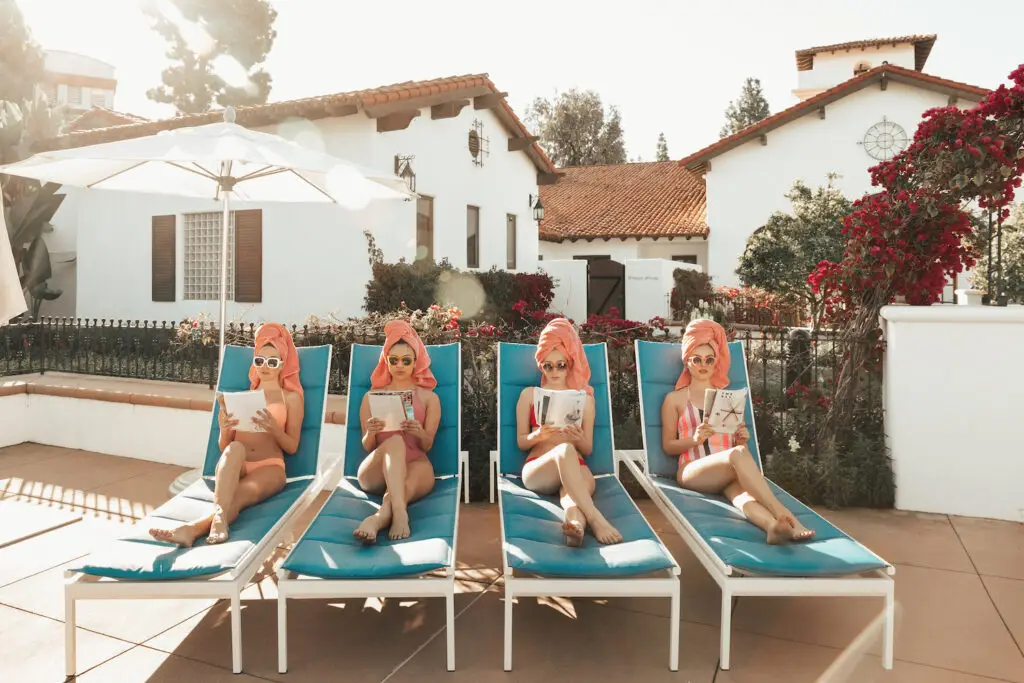
The pursuit of optimal health and wellness has been hardwired into human nature long before Herodotus mused about the Fountain of Youth. And while people have been tinkering with their bodies for centuries—mixing potions, creating elixirs, and testing the limits of longevity—modern biohacking takes this to a whole new level. A term first coined in the ’80s, biohacking offers a way to rewrite the biology rulebook, whether you want to lose fat, boost immunity, or recover faster. Why accept the cards you were dealt when you can reshuffle the hand? Here’s how and where to hack your biology in San Diego:
Cryotherapy | Infrared Spa | Red-Light | PEMF | Compression | Salt Therapy | Body Sculpting
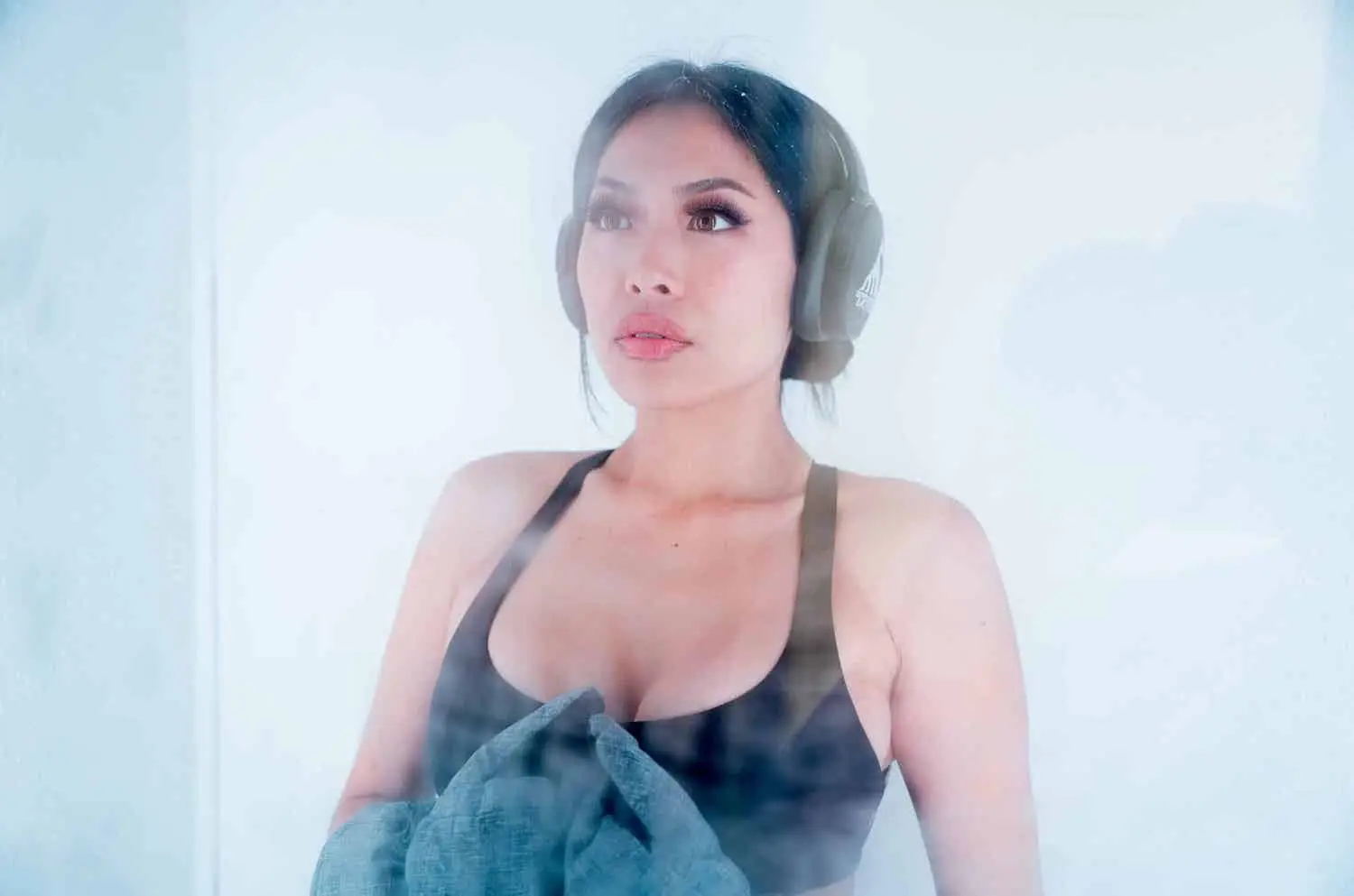
San Diegans are unapologetic warm-weather junkies, and even a one-degree drop under 65 will send parkas flying off hangers and make sun-bathers pack up shop. So the idea of climbing into a cryo-chamber that’s four times colder than an ice bath may not sound appealing at first to a city full of open-toed heliophiles. Nonetheless, cryotherapy has gained immense popularity over the last few decades as a way for athletes to recover from pain and inflammation and improve physical performance, as well as lighten mood, tighten skin, prevent diseases, and more.
Located just north of the 8 near SDSU, San Diego Cryotherapy offers everything from full-body treatments between -200 to -250 degrees Fahrenheit and localized cryo (or spot treatment) to Cryofacials. The center also offers treatments such as an infrared sauna, Rena EMSculpt, and celluma light therapy.

All My Cryo first began when founder Michelle Mendez sought holistic alternatives to modern medications for her rheumatoid arthritis and took a deep dive to find alternative methods of treatment. With her new knowledge of healing modalities, she opened All My Cryo which offers countless cryotherapy options to help anything from injury recovery, improved sleep and libido to slimming to sculpting the face and body. It also offers limited-time specials, such as four sessions for only $60.
Set up as a luxury wellness clinic in the heart of La Jolla, Livkraft offers monthly, quarterly, or annual memberships for wellness services such as whole body cryotherapy or cryotherapy facials, or longevity medical services like IV therapy, restorative massages, and hyperbaric oxygen therapy (HBOT). The latter involves being placed in a pressurized chamber to increase oxygen intake to the body.
Voted Best Gym by our readers for the 2024 Best Of San Diego awards, Fit Athletic is a gym that does it all: fitness and pilates classes, personal training, stretch therapy, and even fun member-only events like comedy nights or nightclub parties. Its three locations in Little Italy, East Village and Mission Beach also offer whole-body and facial cryotherapy treatments, so you can achieve your fitness and recovery goals without an extra commute.
For North County San Diegans, Chiltonic is an Encinitas-based cold-therapy center that uses the Cryobuilt Everest Peak electric cryotherapy chamber—a reportedly safer and more effective chamber than other nitrogen gas chambers. Treatments only last between 3 and 20 minutes.
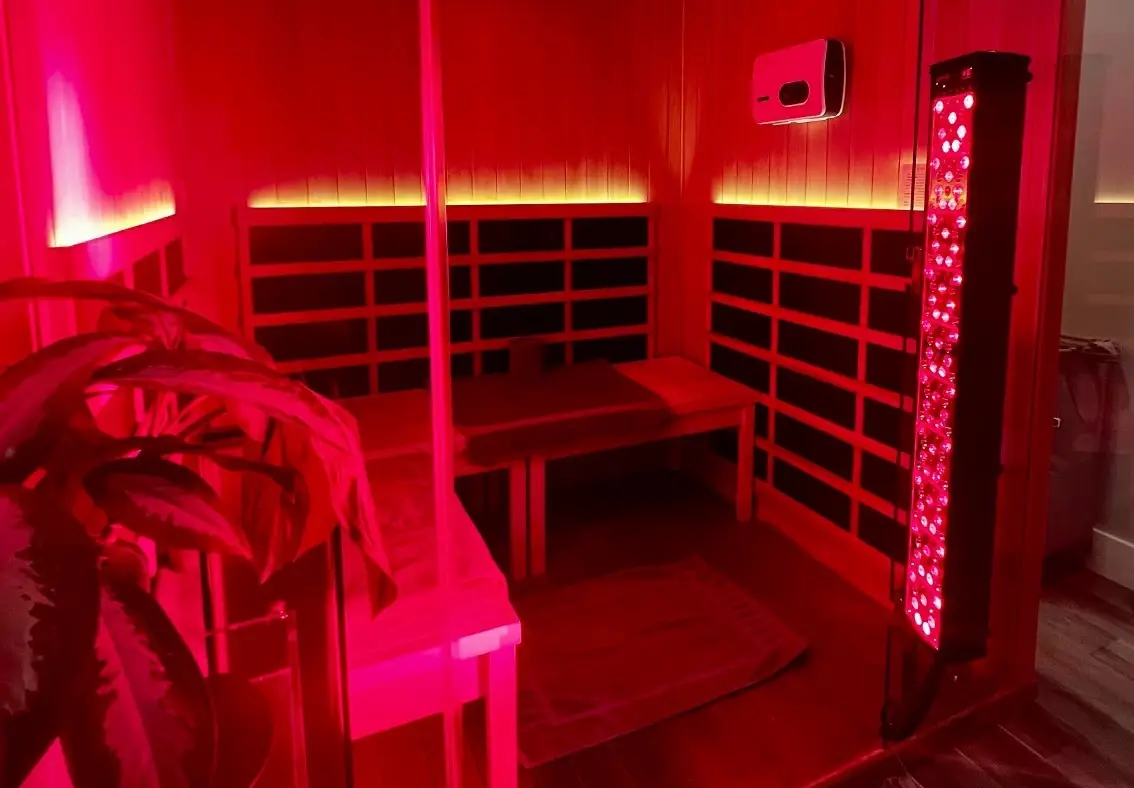
Gone are the days where saunas were just steamy rooms at country clubs filled with wrinkly, half-dressed golfers. Now, infrared spas use infrared light to heat the body directly using radiation, rather than heating the air around you, for a more effective and detoxifying sweat sesh. Not only this, but due to its long wavelengths, the infrared light penetrates through to the muscles and nerve system, helping with joint and muscle pain.
Pure, with locations in Solana Beach and Bankers Hill, features a True Wave full-spectrum infrared sauna designed to maximize detoxification, with an optional 30-minute salt therapy or red-light session add-on for only $10. The spa also offers plenty of other treatments, including contrast therapy, compression therapy, PEMF, halotherapy, chromotherapy, and mild hyperbaric oxygen therapy for a full-body reset.
Not only does Livkraft in La Jolla offer several cryotherapy services, it also has individual infrared sauna suites for releasing 20 percent of toxins and 80 percent of water held in the body. In fact, Livkraft recommends an infrared sauna right after cryotherapy for increased blood circulation. Each sauna is also equipped with temperature control, Bluetooth, and an iPad so you can catch up on your favorite show while detoxing.
We’re sorry to report you won’t find any animal fries at Chill N Out. What this cryotherapy studio does have, however, are state-of-the-art infrared saunas, with reported benefits like improved skin clarity, increased metabolism and circulation, weight-loss, and immune system support. Either drop in for a $30 session, or bundle your infrared sauna experience in a package or monthly membership with other biohacking services.
If you’re looking to reap the benefits of infrared light without sitting in a sauna—or need targeted relief of joint and muscle pain—Engel Health & Wellness Center offers Low Level Laser Therapy (LLLT) using a precision hand-held infrared device. The wellness center, located near Mission Bay, also offers spinal manipulation and custom orthotics.
At the halfway point between Del Mar and Poway, you’ll find woman-owned Hifai Chiropractic, your one-stop-shop for all things pain-relief. Similar to Engel Health and Wellness, this clinic uses a hand-held infrared device to increase blood flow and help with nerve rehabilitation and inflammation.
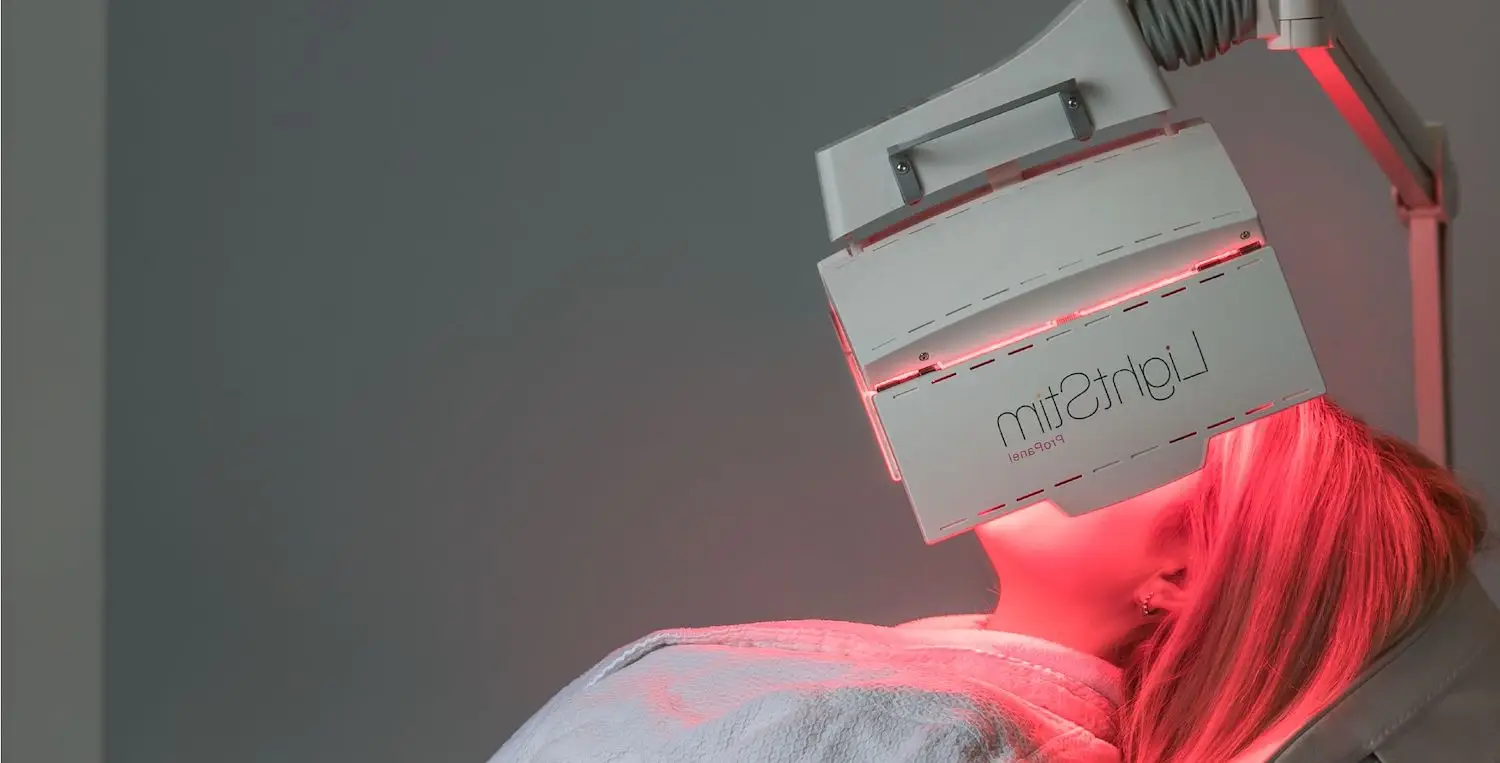
Similar to infrared spa therapy, red-light treatments use phototherapy to heal your body. Since red-light waves are shorter than infrared, this modality is used more for healing and rejuvenating the skin, rather than penetrating deep into the muscles. This is done by energizing the cells and boosting their production, as well as stimulating blood circulation and collagen production.
Just minutes from the heart of San Diego’s Asian food scene in Convoy, Real Deal Wellness offers its first red light therapy session—20 minutes of combined red light therapy and halotherapy (dry salt therapy)—free of charge. Perfect for recovering after indulging in one too many bao buns. The wellness center also offers unlimited access to all their services for only $99/month.
A midday nap that reduces wrinkles and soothes pain? Sign me up. Deep Wave uses a StimLight Red LED Bed and anti-aging face panel for a relaxing session that leaves your skin glowing, your body relaxed, and you wondering why you didn’t try this sooner.
A Solana Beach-based dermatology clinic, Art of Skin MD uses the Healite II phototherapy device, delivering target LED light therapy for rejuvenated skin. Opt for either the red light to boost collagen and reduce fine lines, or blue light to help with acne.
If you want the most red-light exposure possible, PURE offers a 360 red light bed with a lid that you pull down over your body for complete body repair. Thanks to the machine’s efficiency (complete with 2,400 LED lights), the treatment only lasts 10 minutes, so you can squeeze in some self-care on your lunch break.
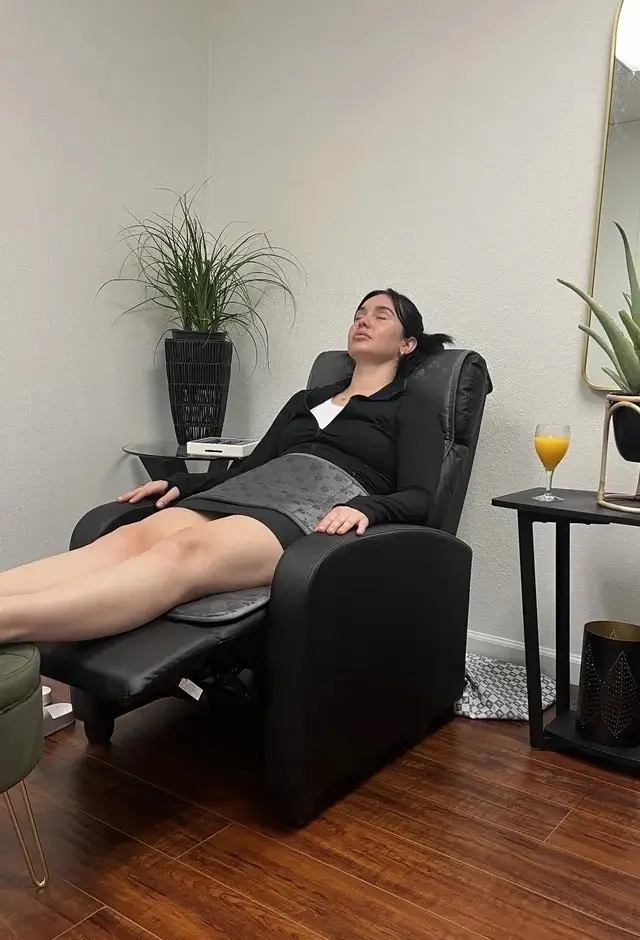
If you’ve been reading this list and thinking to yourself: a little cold plunge and some red lights? I need something stronger…a mini corporal earthquake, perhaps. Allow us to introduce you to PEMF Therapy, or Pulsed Electromagnetic Field Therapy. This sends small pulses of energy to targeted areas of pain, supporting cell function for pain and inflammation relief, as well as aiding immunity, metabolism, sleep, depression, and anxiety.
Similar to most other biohacking services, all you have to do during a PEMF therapy session at Revitalize Wellness PB is sit back and relax in a comfortable seat while the machine does all the healing work. One session is only $40, and you can even add on PEMF SPaw therapy for your furry friend.
If you’re unsure if PEMF therapy is right for you, BioMed Health Center in La Jolla takes the guesswork out of holistic care by offering consultation, blood tests, and tailored treatment plans to find what path is best for each patient. If not PEMF, the health center offers 23 other services to help your body recover and thrive.
Just a stone’s throw from the Torrey Pines Golf Course, San Diego Personal Training offers a full suite of training and recovery services. After a strenuous workout (or golf sesh), their PEMF therapy machine can help recharge your cells, speed up muscle recovery, and keep aches and pains at bay.
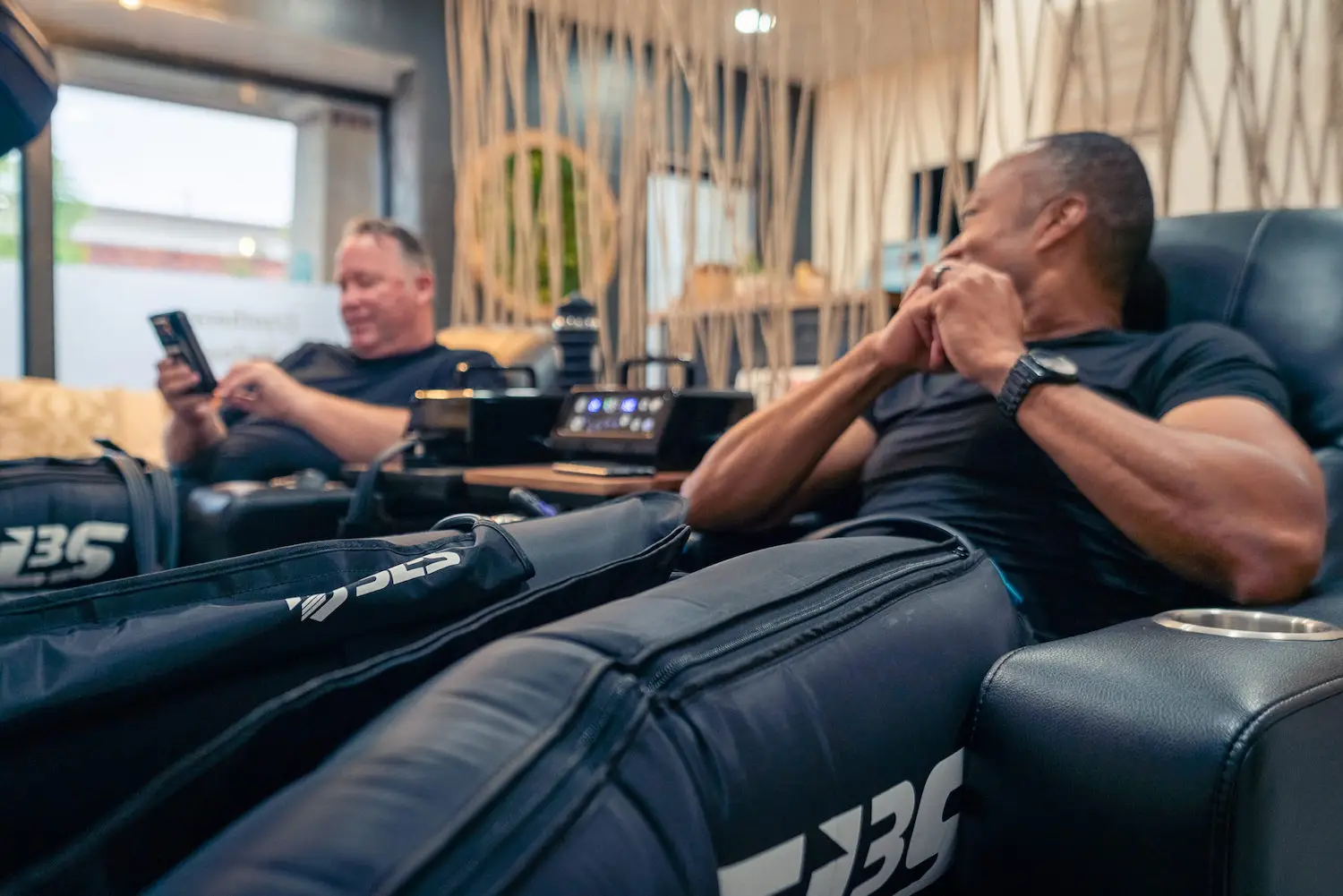
There’s a lot of unwanted pressure to balance all of life’s stresses, from challenging work days to keeping your cool in I-5 traffic. But the pressure from compression therapy is one that your body will actually thank you for. By using compression boots and sleeves reminiscent of RoboCop, this unique therapy uses air pulses to promote blood and fluid movement, reducing swelling from chronic issues or minimizing soreness and injury from hard workouts.
Located in Chula Vista, Recovery Science Inc. offers both Normatec and Air Relax compression stations, with a range of leg, feet, arm, shoulder, and even hip compression. Sit back in its zero-gravity chair, sip on some tea and catch up on your TV shows while the boots do their magic.
In addition to Cryo Republic’s Cryotherapy and Red Light therapy services, you can level up your recovery with the SLS3 Compression Boots for just $15. Whether you’re recovering from a surgery or simply a long run, you can customize the pressure settings to suit your specific needs.
Coronado is best explored by bike, with locals and tourists alike pedaling around the island. After a ride, head over to Elevate Performance—located at the heart of the island—for Normatec compression therapy, available by the session or at a discount with multi-session packs to help minimize post-pedal pain.
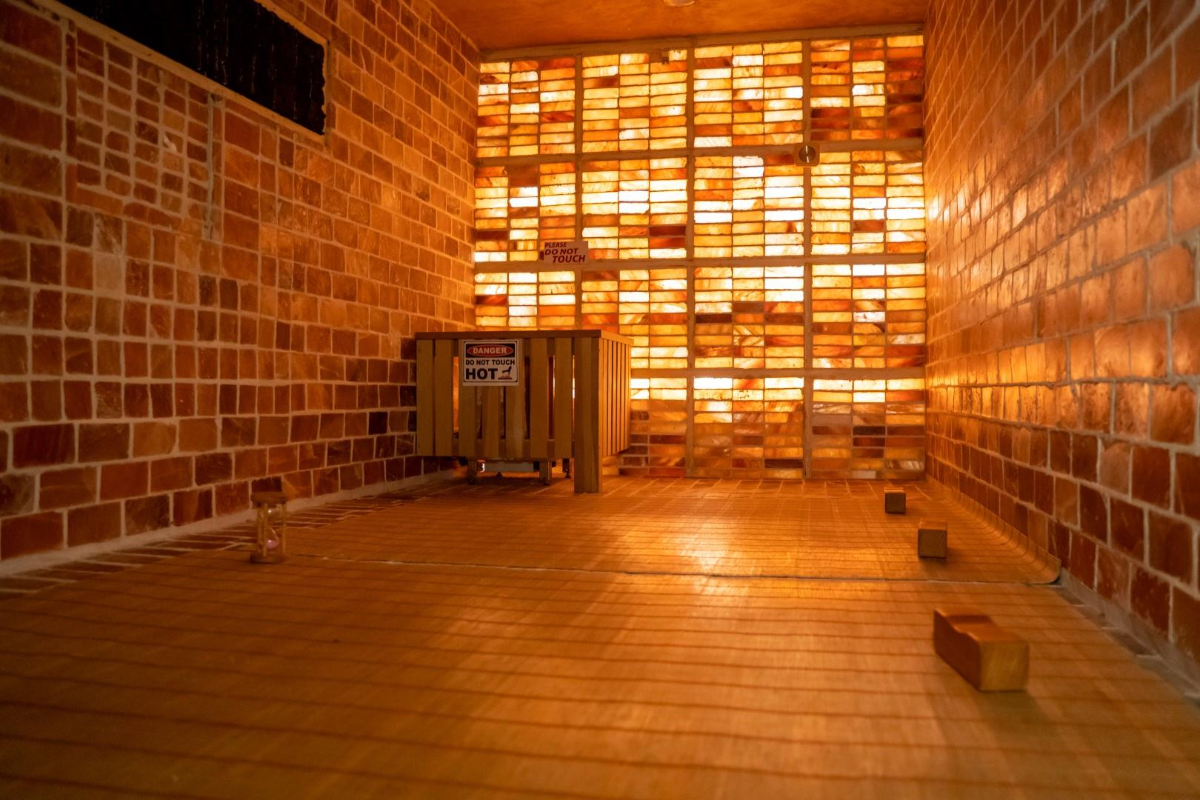
For some, salt therapy means devouring a double bacon, crispy potato, and cheese breakfast sandwich after a late night-out. For others, it’s halotherapy: a bio-hacking practice where inhaling microscopic salt particles released in a “salt cave” are believed to aid respiratory and skin conditions. Many swear by halotherapy’s ability to decrease inflammation, thin mucus, and improve breathing despite research on the subject still being limited. Then again, there’s no Mayo Clinic studies on a salty breakfast sandwich curing hangovers either—but we all know it works.
Following a multi-million dollar renovation in 2024, Carlsbad’s Omni La Costa Resort & Spa unveiled a new golf course, hundreds of updated guest rooms, and… salt rooms. These tranquil spaces, lined with golden, salt-bedded walls, offer guests a rejuvenating escape, leaving skin glowing and breathing effortless.
The Healing Room is a little haven of peace located centrally in the Bay Ho neighborhood, offering massage therapy, an infrared sauna, and a halotherapy booth. Respiratory relief can be achieved in only one 20-minute session of relaxing and deep breathing in… and… out.
Blasting saline up your nose? Miserable. Breathing in healing salt in a spa? Much better. At Revitalize Wellness PB, the salt room fits four, so you can bring friends, kids, or a partner to turn wellness into a family affair.
All My Cryo’s halotherapy booth may be no bigger than a classic London phone booth, but size doesn’t matter when you’re soaking up salty air. A single-session runs $39, or save $100 when you purchase a bundle of 10 sessions.
Yu Spa in Convoy has a room for every need: a Korean red clay sauna to help lymphatics, an ice room to tighten skin, and an even a yoni steam room for women (yes, those yonis). Its salt room, with floor-to-ceiling walls of glowing red and gold salt stones, feels like stepping inside of a giant Himalayan salt lamp.
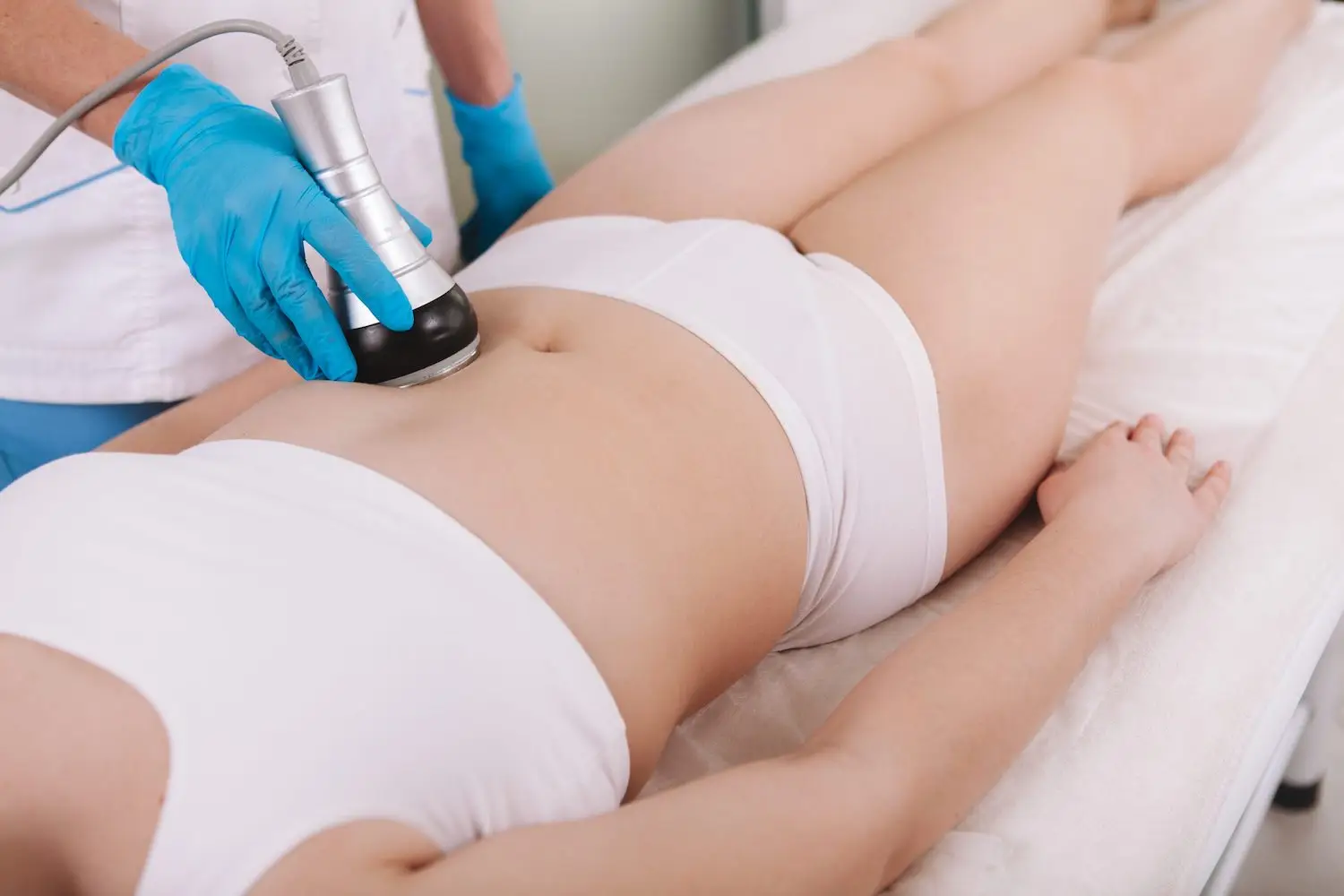
No matter how many crunches you do or how many times you order your Hodad’s burger with lettuce instead of a bun, some bits of stubborn fat just won’t budge. And while every body is a beach body, body sculpting offers a confidence boost by reshaping, removing fat cells, or tightening skin, without having to undergo painful surgery.
With a mix of Instasculpting (radio frequency toning) and Cryo Slimming (ultra-cold fat freezing), Cryo Republic helps you lose 2-3 inches in one session without any pain or sweat. Use the treatments to slim your waist, arms, neck, or legs, or opt for their skin-tightening facial that turns back the clock, à la Benjamin Button.
There are several body sculpting options at SDBotox, including CoolSculpting, Exilis (radiofrequency and ultrasound), EMO SculptNeo (electromagnetic energy), and Bodytite, a treatment offered exclusively at SD Botox using radio-frequency assisted lipolysis. In other words, there’s something for everyone looking to achieve their dream bod.
It’s no wonder that some of the best body sculpting in San Diego can be found at San Diego Body Sculpting, right off University Ave in Hillcrest. The clinic offers services such as laser lipo to eliminate fat deposits, followed by a full-body vibration and infrared sauna session. Also available are Sculpsure WarmSculpting, Cellutone for cellulite, and EMSELLA for pelvic muscle strengthening, to name a few.
San Diego Aesthetics and Med Spa in La Mesa uses EvolveX for their body sculpting sessions to tighten, tone, and transform. If you’re looking for a little extra glow-up, their team of aestheticians and registered nurses likewise perform injectables (like Botox), laser, chemical peels, and more.
Lili Kim is a content coordinator and writer for San Diego Magazine, with experience highlighting local businesses and communities. When not writing or shooting film, she is likely brewing her seventh cup of tea of the day or strolling along Sunset Cliffs.
Through its Playmakers initiative, San Diego FC is working with artists, musicians, and other local creatives to shape the identity of the city’s newest professional sports team
What does a soccer team have to do with San Diego’s arts scene? Quite a lot, as it turns out. When San Diego FC launched, the club could have spent its marketing budget on billboards, bus wraps, and digital ads. Instead, it went into neighborhoods, found local artists and creatives, and started building the club’s identity with them. Through its Playmakers initiative, artists have designed limited-edition merchandise, had their work featured on the stadium’s jumbotron, and found themselves in front of thousands of fans—and, in some cases, a national TV audience.
For this special edition of the podcast, created alongside San Diego Magazine’s September arts and culture issue, host Troy Johnson talks with Sebastián Morúa, SDFC’s Senior Vice President of Brand & Innovation, and longtime San Diego native and creative Tony Martinez of Barrio Junto. The conversation gets into why a professional soccer club would make local art part of its business, how Martinez’s decades in San Diego’s creative community helped shape Playmakers, and the club’s early efforts to connect with artists across the county through its Chrome Ball Tour and neighborhood events. The goal, they explain, isn’t simply to put a local artist on a T-shirt. It’s to let the people who already understand San Diego help define what the new club looks and feels like.
The conversation also gets into the less glamorous—but important—side of supporting artists: money. They talk about how Playmakers pays local creatives, the value of the platform SDFC provides, and what it means to build an ongoing relationship between a professional sports club and the artists who help shape its identity. They also discuss the club’s growing music initiative, which will bring local musicians into the fold, and the many ways artists have already contributed to SDFC through merchandise, murals, Parks & Pitches projects, and more. Ultimately, it’s a conversation about soccer, art, community, and what can happen when a major sports franchise gives the people already making culture in San Diego a bigger platform.
This summary was provided to you by AI. To hear from the humans, listen to the podcast wherever you get your podcasts.
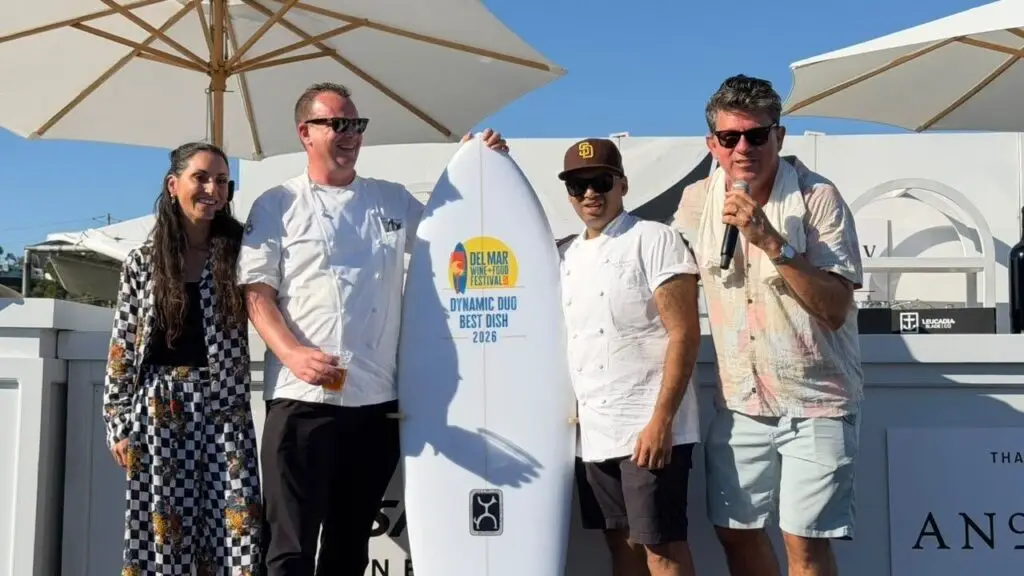
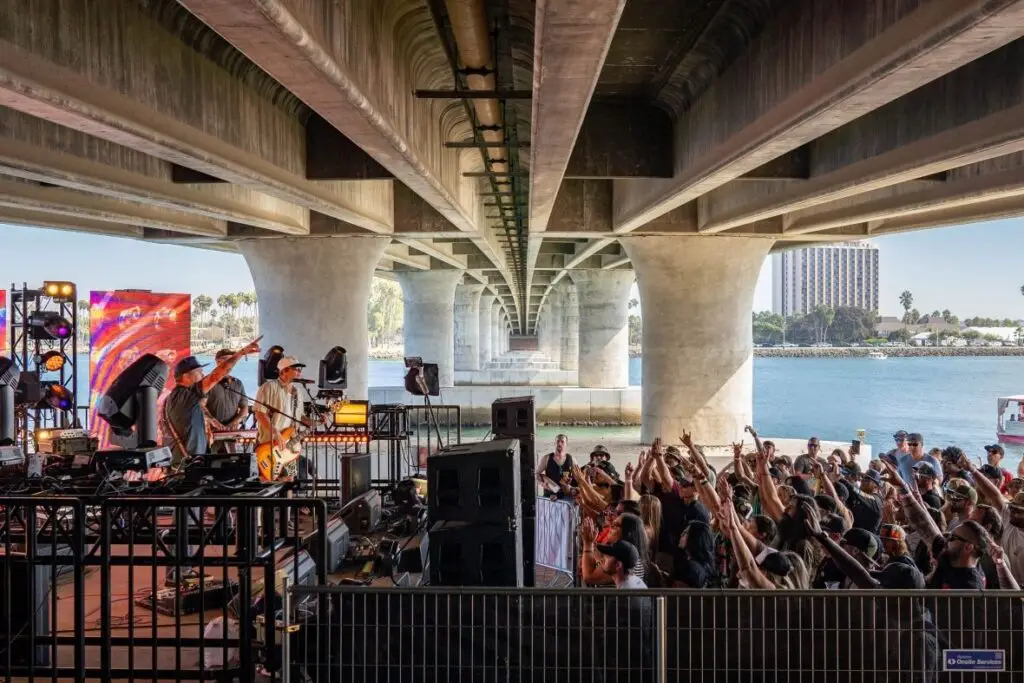
Chef collaborations, cooking demonstrations, DJs, games, photo ops, and plenty of reasons to keep wandering on Oct 3 and Oct 4
At Del Mar Wine & Food Festival’s Grand Tasting, the walk between food tents can take a while. You might stop to watch a chef competition, get pulled toward the DJ, or find yourself playing mini golf before you remember which bite you were after.
Across the Del Mar Polo Fields, there’s also line dancing, a 1961 red Beetle ready for photos, and an aviation-themed pop-up with Reno Tahoe chefs and mixologists. Need a slower stretch? Check out the wellness stops or browse the shops. Here’s what to look for as you make your way through the festival’s zones:

VIP ticket holders get a head start, with the VIP Reception running from 11:15 a.m. to 1 p.m. and serving first bites, first sips, and a few surprises before the Grand Tasting officially gets going. Champagne Telmont will make the festival’s first pour, while Cohn Restaurant Group brings carajillos alongside pours from Karl Strauss, Licor 43, Tap Truck San Diego, Bebemos Tequila, and Devil’s Grin Gin.
The bites are just as good. Celebrity chef Beau MacMillan will serve a first bite, while Warung RieRie is bringing one of its highly coveted dishes. Yes, this is the restaurant that currently has an eight-month waitlist. You’ll also find bites from The Shellfish Affair, The Waverly, Wolf in the Woods, Dora Ristorante, Cori Pastificio Trattoria, An’s Gelato, Pacific 333, Vintana, and more.
And because every good first act needs a soundtrack, there will be live painting and music, with Courtney Govan bringing live jazz to the reception. It’s the perfect opening act before the main event.
During the VIP Reception, chefs Tommy Gomes and Jeff Roberto will conduct a live ahi cutting. Plant Paradise brings another culinary angle, with celebrity chef Zuliya Khawaja joining the plant-based lineup. The area combines chef talent with plant-forward restaurants and brands, giving guests a chance to see just how creative plant-based cooking can get.
Throughout the weekend, The Stage keeps the cooking demonstrations coming, with celebrities and chefs sharing techniques, recipes, and plenty of inspiration for anyone who plans to actually cook something when they get home. Before you know it, you’re watching a chef demo, casting your awards vote, and sipping mezcal on the grass with friends you just met in line.

At the Grand Tasting, dancing just sort of… happens. A DJ drops the right song. Someone’s holding a taco in one hand and a glass of wine in the other. The country zone breaks into a two-step. Friends convince friends. Strangers become temporary dance partners. By the end of the day, everyone’s forgotten they were ever worried about looking cool.
DJ TENAX will be spinning in Plant Paradise, bringing house, techno, and UKG to an open-air dance floor that’s hard to leave. Chris Cantore, a veteran San Diego broadcaster, takes over the VIP Tent, while BootScootin Line Dance and PVO Events bring country-style line dancing to the Polo Fields, so you can work off your tasting itinerary one two-step at a time.
Then a live guitar hum in the distance leads you to a fuchsia boa over at the Pride Zone, where you’ll find yourself covered in sequins and having the lawn party of a lifetime.
Not every activity at the festival requires a tasting glass (although it’s certainly encouraged).
The Matchday Experience brings San Diego FC and San Diego Wave FC into the Grand Tasting, complete with interactive tents and plenty of game-day energy. Athletic Brewing is also sharing activation space with San Diego Wave FC, bringing a fun nonalcoholic option into the mix.
For golf fans, the Los Angeles Golf Club is bringing a Dryve Box golf simulator to the festival. And if your competitive streak is less fairway and more miniature windmill, SD Pop Up Mini Golf has you covered.
The Beach Zone gets in on the action, too, with surfing-inspired elements and Playavole paddle courts. Hemlock Hats and other California brands add to the coastal atmosphere, but the real draw is having somewhere to actually play. And don’t worry, you can cool down in COOLA’s turquoise beach chairs, too, and when your bestie suggests reapplying sunscreen, obviously you do. Basically, there are plenty of ways to work up an appetite between tastings.

You’re going to want to take photos, and the festival has made that extremely easy.
A Timeless Day is bringing multiple photo moments to the Grand Tasting, including a 1961 red Beetle at The Italian Getaway and a teal VW bus in The Beach Zone. For something a little more polished than the standard group selfie, head to the Locals Zone for Pixster Photo Booth and San Diego’s version of a Glam-Bot, complete with a grass red carpet.
Bebemos Tequila is also bringing back its festival-favorite hidden speakeasy. If there’s ever a time for a photo, it’s here. Otherwise, people might not believe you. The speakeasy serves bone marrow shots straight from the bone, with candlelight, a lounge area that makes it hard to believe you’re in a tent outside, and little orange shot glasses. This is “first slide of your festival photo dump” material.
You can also grab your squad and head to LaCroix’s bright and ridiculously cute setup, or swing by San Diego Magazine’s area, where you might stop for a photo in front of the larger-than-life SD Magazine sign and find yourself watching a painting come to life.
But really, you’re in Del Mar. The ocean is essentially your backdrop, and every zone gives you an excuse to stop for the obligatory “totally candid” photo. And yes, the best strategy is to get the group shot before everyone has been sampling wine for three hours.
The Grand Tasting also doubles as a little shopping excursion, with local makers, fashion, vintage finds, jewelry, and lifestyle brands scattered throughout the grounds. Smoke Revival Vintage Vault brings the thrill of vintage treasure hunting, while Nortte Hats and Hemlock Hat Company make a pretty good case for leaving with a new accessory.
Keep an eye out for jewelry and creative vendors, too, including Iris Studio Jewelry and New Nightfall Jewelry, plus local artists and makers featured throughout the festival.
You can come for an all day food and wine festival, but still leave with something shiny you definitely did not plan to buy.
We know, at some point, even the most dedicated grazer has to come up for air. The Novo Dia Wellness Zone is designed for exactly that, bringing together mocktails, coffee, hydration, wellness brands, and even bites from Parakeet Cafe.
Step away from the food and drink frenzy for a few minutes, relax in the shade, try some skincare, stretch with prAna, and maybe grab some Instant Hydration Electrolytes before round three.
There’s also nothing wrong with stopping to smell the roses at Green Air Botanicals while devouring a dairy-free cheese dip. It’s less about disappearing from the party and more about making sure you have enough energy to keep going.
The zones give you somewhere to wander, and the activities give you a reason to keep going. So grab your tasting glass, check the schedule, and leave a little room in your afternoon for something you didn’t plan on doing. At Del Mar Wine & Food, that’s usually where things get interesting.
Isabella Dallas is a freelance writer for San Diego Magazine and the Arts and Culture Editor at The Daily Aztec in her final year at San Diego State University. She previously worked as an editorial intern for SDM, but when she’s not writing, you can find her trying the best coffee spots in SD, devouring the latest rom-coms, and indulging in anything and everything pop culture.
Jonathon Glus on the Art + Design District, investing in the creative economy, keeping artists in the city, and what we can learn from places like London and Chicago
Jonathon Glus is the Prebys Foundation senior fellow leading the development of the Art + Design District at the Downtown San Diego Partnership. He has been asked what an arts and design district is many times. In our conversation, I asked him instead to describe what it isn’t. His answer opened up a broader discussion about what San Diego has and hasn’t invested in, what it has the capacity to become, and what other cities have done that we haven’t. Glus speaks about global art fairs and architecture biennials in Chicago and long tables at dinner parties all with the same fluency. He also discusses who gets to live in the neighborhoods where creative work happens, and what it means when they can’t afford to stay.
Jonathon Glus: It is not a place designed intentionally and specifically for tourists. Of course there will be opportunities for tourists to come, but the district is really focused on creatives, on creative education, and on the creative workforce—as well as our major performing arts organizations. That is the emphasis.
[It needs to] develop greater connectivity between the anchor institutions—the symphony, Broadway San Diego, the opera, all the wonderful things happening in Balboa [Park]—and the creative workforce that will be living and working in that neighborhood 24/7.
We have not been intentionally investing in the contemporary art product that other major cities have been building. A contemporary art fair. A biennial that reflects the ethos of this region. Chicago developed an architecture biennial about eight years ago. London has a design biennial. Desert X, right here in Southern California, invests in and elevates contemporary artists inside a city. We have not really been playing in the global art market in a way that we have the capacity to.
We have a wonderful foundation. Two theater companies that produce work that goes to Broadway more than many regional theaters in the country, major museums, artists teaching at UC San Diego and University of San Diego. What a city does when it wants to take itself to the next level is intentionally create the product. Miami went after the Art Basel fair; they did not passively receive it. You have to have the intention and the will, and you have to go after it. We haven’t done that in the way that other cities have.
Look at what we did with the tech sector; we’re now a major tech center. That was intentional. Leadership organized around it. We have to do the same thing around the arts. We have a lot of contemporary art collectors here. We have a lot of galleries. But the ecosystem of the business of contemporary art is not as organized or as visible as it should be.
It’s bits and pieces of different cities. Dubai has invested very quickly and very intentionally in contemporary art—art fairs, design fairs, higher education, artist residencies from all over the world. London has centered artists and creatives in the contemporary zeitgeist in a way that was not true 40 years ago. They built biennials. They ensured British artists had affordable housing and workspace. They made sure the media paid attention to what they were doing.
If you don’t have an artist at your dinner table, it’s not a dinner party. That sounds elitist, but it’s true. It shows the value that artists have in a community. Our relationship culturally with Tijuana is really significant here because artists in Baja seem to be at the table.
They aren’t. When super creative people are in a community doing extraordinary work, that draws other super creative people doing extraordinary work. That’s why other arts and design districts around the world end up populated with some of the most interesting restaurants and young fashion designers. Creatives want to be around other creatives.
Our creative economy already employs about 170,000 people and generates more than $11 billion in economic activity. It’s large and robust. But we must center all of this in accessibility and affordability. Williamsburg used to be affordable. Artists can’t afford to live there anymore. Wicker Park and Bucktown in Chicago—artist central, now unaffordable. If we’re going to invest in this district, we have to be really intentional about housing and workspace, so creatives have a place in the future of this district.
I think the lesson is that nothing changes. What do people love? Long tables. Why? Because you’re with a lot of people—some you may have known your entire life, but most you don’t. And if it’s driven by a creative process, all the better. We know one of the best ways to do that is around food, but also music.
For the Art + Design District, part of why we’re leaning into the process is because, culturally, we’re bringing down the barriers between film, fashion, multimedia, tech, and architecture. It’s an experiential mashup in the best possible way.
And it’s not just about art and design, but community writ large. Creative expression is something we all desire. Whether it’s at a long table, at the opera, or in your studio, we gravitate toward creative expression as a way of building community and communicating with the people around us.
I hope you are writing about this in seven years when the district is fully mature. But this is just the beginning for all of this. I think that’s what’s most exciting to me. We don’t know what this is going to be like, but we know it’s going to be creatively centered, and that’s super exciting to me.
KQ Aesthetic Society goes beyond cosmetic to provide comprehensive care and transformative results
Kelly H. Harfouche, founder of KQ Aesthetic Society, knows firsthand that cosmetic treatments like fillers, neurotoxins, and microneedling, can not only enhance a person’s appearance and restore confidence, they have the power to truly change a person’s life. An expert injector has the ability to tailor treatments to each individual patient’s anatomy and goals for personalized results. Harfouche, a board-certified nurse practitioner, has spent nearly a decade perfecting her craft as an aesthetic injector and integrating her multifaceted artistic skills with precision patient care. Her commitment to continual education and training, plus a passion for helping people look—and feel—their best, set KQ Aesthetic Society apart in a sea of local medspas.
For many people considering nonsurgical treatments, the intent is to look refreshed and refined. KQ Aesthetic Society’s philosophy eschews a cookie cutter approach that bases treatments around units, instead working to understand each person’s unique goals, then curating a treatment plan to fit that vision. Harfouche focuses on “inclusive luxury,” the belief that everyone deserves access to aesthetic treatments, respective of budget restrictions. She develops long-standing trusted relationships with her patients, and works with each one to achieve their aesthetic objectives and address the underlying causes of their concerns.
“For me, forming an honest and open relationship with every patient who walks through the door is essential. This means understanding them on a deeper level and meeting them where they are to define and achieve their individual goals,” she says.

Drawing on her artistic background, which inspired her transition into medical aesthetics, Harfouche sees each client as a “unique canvas.” Rather than relying on standardized procedures, the practitioner’s distinctive approach combines her profound understanding of the physiological and anatomical changes associated with aging with an unwavering commitment to ongoing education about the newest products and their mechanisms of action. Her goal is to make each patient feel beautiful in their own skin and to embrace their individuality.
She has also pioneered a way to combine her talent for aesthetic artistry with her philanthropic nature. Harfouche is one of only a handful of providers using dermal fillers to treat patients with lip asymmetry and scarring resulting from cleft lip surgery. Patients travel from around the country for this transformative treatment, noting increased confidence and a restored identity. She hopes to eventually launch a training program to help fill the void in this space.

“My passion has always been connecting with people and giving back in any capacity that I can,” she says. In the rapidly advancing landscape of aesthetic medicine, you can place your confidence in Harfouche and KQ Aesthetic Society to deliver exceptional care. To learn more or book a consultation, please visit kqaestheticsociety.com.
Whether you're a lover of the arts, music, or a leisurely stroll through the park, these are Balboa's best attractions
On February 28, 1926, the Fine Arts Gallery of San Diego (now called the San Diego Museum of Art) opened its Plateresque doors to 3,000 guests for opening day. Over the next century, the museum changed with the times—even once functioning as a naval hospital after Pearl Harbor. This year, the museum is celebrating its 100th birthday with an exhibit (open through January 24, 2027) featuring photographs, ephemera, and film footage spanning the museum’s history.

Every Sunday from 2 to 3 p.m., stop by the historic Spreckels Organ Pavilion for a free concert presented by the City of San Diego on the largest outdoor organ in the world (more than 5,000 pipes). The pavilion seats 2,400 for performances by the civic organist or guest artists.
Some think natural history museums are just cemeteries for dioramas that haven’t received an update since the Reagan administration. When it comes to The Nat, which just finished a $7.5 million rejuvenation, they’re totally wrong. The museum debuted a new rooftop that replaces its 25-year-old atrium. The old roof created a greenhouse effect that steamed up some exhibits, so the new one—which includes 200 solar panels and better temperature control—will help preserve the artifacts inside. Each Friday in the summer, The Nat also becomes one of the season’s vibiest hotspots during Nat at Night, with food from places like Wolf in the Woods and The Craft Taco, bars and signature cocktails on several floors, and a rooftop DJ.
The Fleet Science Center just received its most significant update since the 1990s. It expanded its exhibit space by 20 percent and introduced a newly designed entrance gallery (formerly the IMAX theater lobby) that includes free exhibits for visitors who want a taste of the science without paying an admission fee. The former ticketing area now houses the Mindbender Mansion exhibit, and there’s a new café, Element 8, that will, of course, sell the center’s famous soft serve.
Whether you’re ready to lean into fall or determined to keep summer going, here are all the best things to do this month
September is San Diego’s unofficial second summer—the crowds thin, the weather stays warm, and the city’s calendar somehow gets even busier. This month brings stadium-sized rock shows, Broadway’s buzziest comedy, a new anime convention, world-premiere theater, gallery openings, food festivals, and the first signs of spooky season. Whether you’re ready to lean into fall or determined to keep summer going, here are the best things to do in San Diego this September.
Concerts & Festivals | Theater & Art Exhibits | More Fun Things to Do

As Guns N’ Roses storm into decade five, their appetite for destruction persists. During their Snapdragon Stadium concert, hear the hard rock anthems, new material and a set from The Black Crowes.
Kehlani is proof that the romance and earnest sensuality of old-school R&B will never go out of style. Hear her take it back to the aughts at Viejas Arena.
From the silver screen to The Old Globe stage, John Carney will Begin Again (again) with a world premiere musical adaptation featuring new songs—courtesy of Train—and a story overflowing with hope.
The concept of work is a guiding principle for San Diego native and multidisciplinary creative noé olivas. Observe his community-informed approach via Tierra y Cielo (Earth and Sky) at Best Practice Gallery.
Two workers grapple with the weight of their roles at a temporary migrant shelter in Mario Vega’s world premiere play Our Lady of the San Diego Convention Center, set for citywide performances.
Luminous visions of peace and the Punjabi-American roots of Rupinder Kaloti inform The Gathering, a wondrous unification of family foretold via paintings at Oceanside Museum of Art.
It’s Mary Todd Lincoln’s world and we’re just living in it. See the presidential paramour barrel to her way to stardom at the Civic Theatre during Oh, Mary!, Cole Escola’s political spoof.

Pros and Con(vention)s: Anime San Diego will debut at the San Diego Convention Center with cosplayers, panels and more than 400 vendors well-versed in Japanese animation.
Scaredy cats beware: SeaWorld San Diego’s Howl-O-Scream embraces frights forged in darkness. Enjoy an ominous lineup of live shows, scare zones and bloody bars ahead of Halloween.
The best parts of Artivál and the Alley Cat Art Walk have united for the free Alley Cat Art Fest, an all-day outing for live music and immersive artwork in Downtown El Cajon.
Take a Grecian vacation for a fraction of the price during the annual Cardiff Greek Festival, two days of immersive cuisine and culture—with plenty of dancing—on the Encinitas coast.
Step away from the stove! The California Restaurant Association has eight days of eating experiences with your name on it. During San Diego Restaurant Week, explore by meal, neighborhood or cuisine for your personal dining plan.
Nourish yourself with an all-inclusive spread of Pacific Beach eats and locally-crafted artwork during the HeArt of PB Restaurant Walk on Garnet Avenue.
When it comes to stand-up comedy, Chelsea Handler is always ready to roast. See Handler tell anecdotes and skewer an assemblage of victims during her Balboa Theatre performance.
Ryan Hardison is a freelance arts and entertainment writer and recent graduate of San Diego State. When he's not staring at his laptop, he's likely eating an adobada burrito or getting sunburnt at the beach.
A look at San Diego's top designers creating unique environments that combine creativity and function


AVRP Studios’ tradition for Design Excellence and Innovation began in 1976 with Doug Austin, FAIA, in Solana Beach, California. The firm has since grown to complete major projects throughout the United States and Canada. We think of ourselves as a family and we care deeply about people. We want to inspire, help make their lives richer and more complete through our efforts. We believe that architecture is one of the most important art forms because of the impact it can have on the lives of those it touches. We’re delighted to have been recognized with over 150 awards for design excellence.
703 16th Street, Suite 200, San Diego, California 92101 | 619-704-2700 | avrpstudios.com